Date: 23 Jun 2024
The best tropical fruit tree for container growing, and the fastest to fruit:
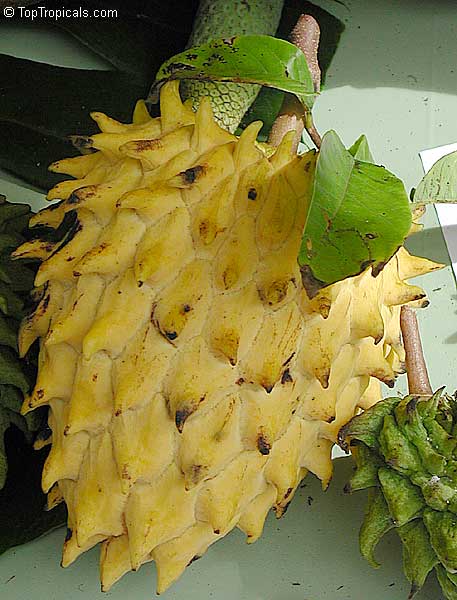
Rollinia (Rollinia deliciosa) - the biggest Annona fruit
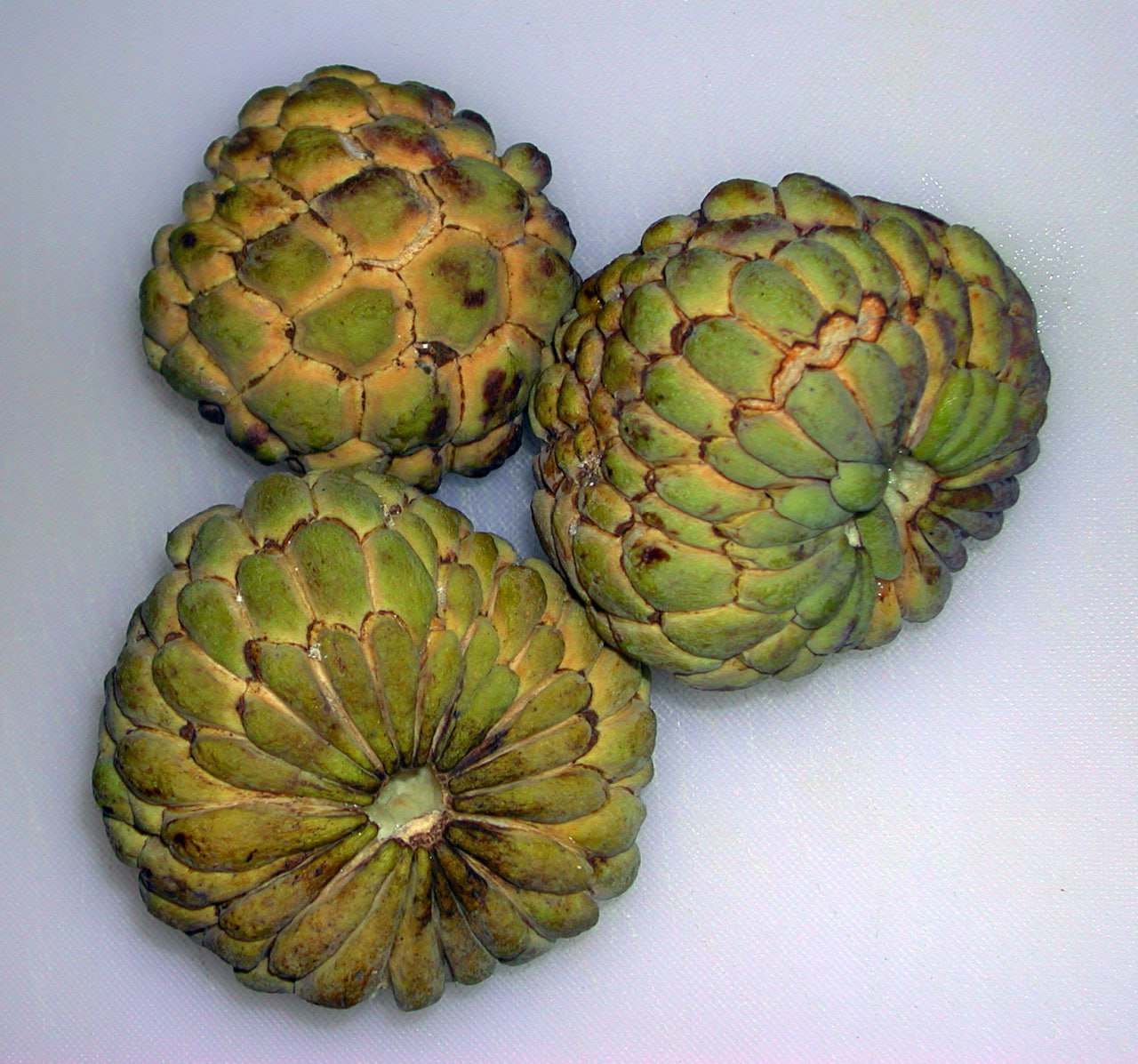
Sugar Apple (Annona squamosa)
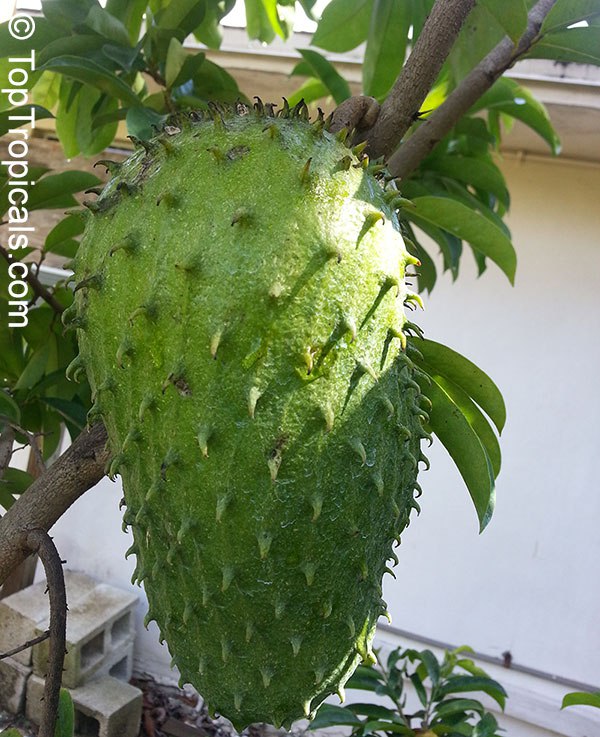
Guanabana (Annona muricata)
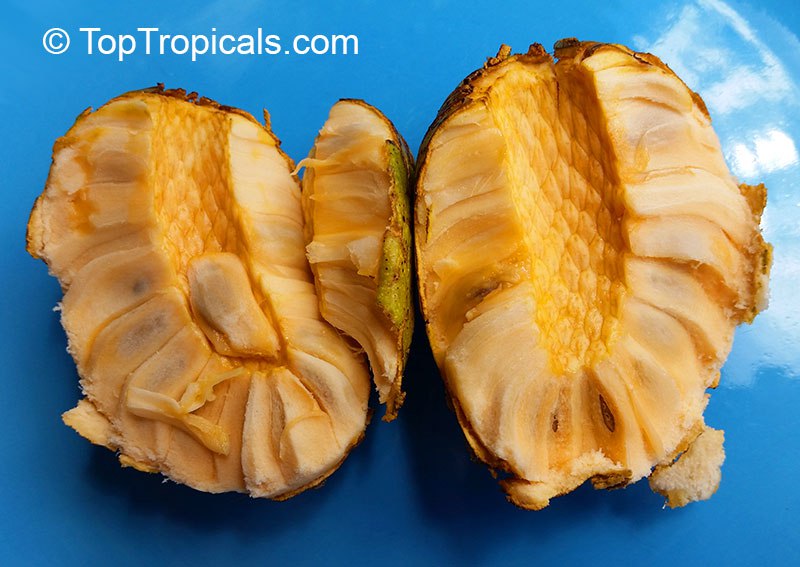
Pineapple Annona Golden (Annona costaricana)
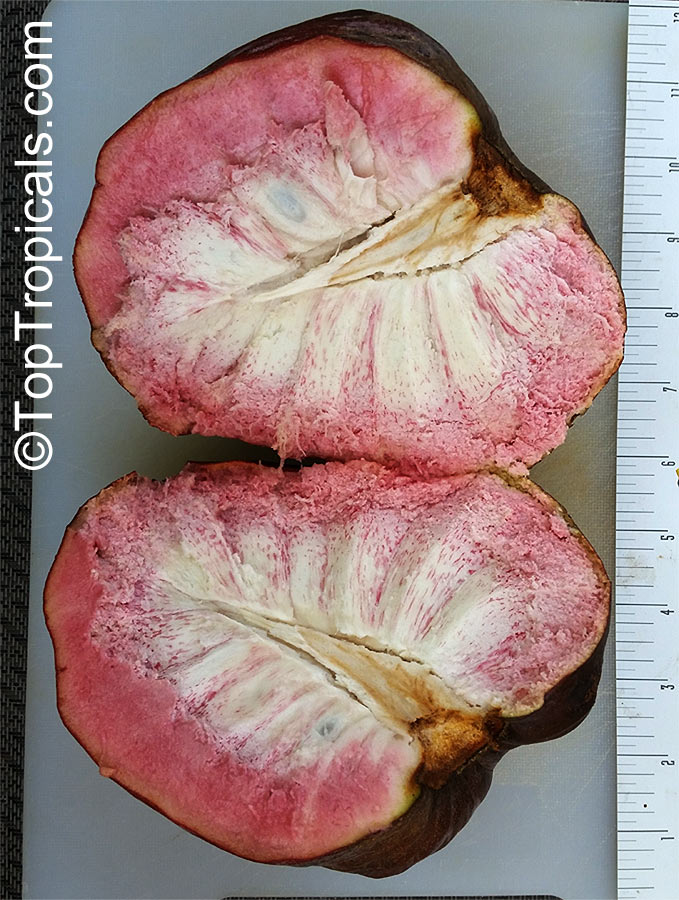
Custard Apple (Annona reticulata)
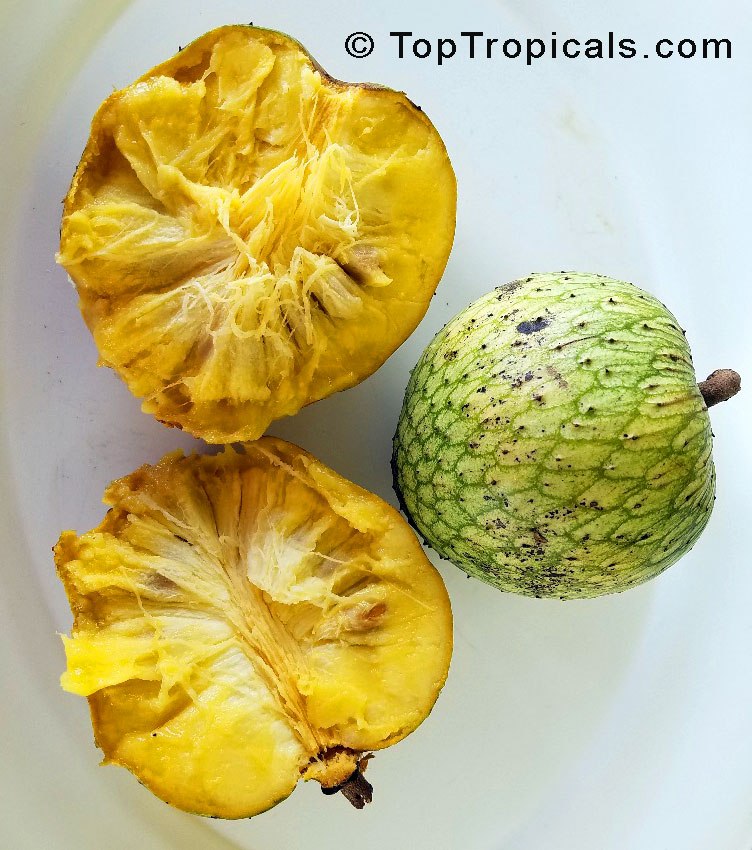
Mountain Soursop or Hedgehog (Annona montana)
🏆 The best tropical fruit tree for container growing, and the fastest to fruit: Annona.
🍏 Annonas (Annona sp) are very much loved tropical fruit. The fruit has smooth, creamy flesh, just like a natural custard - hence one of the common names - "Custard Apple". Growing an Annona tree is a rewarding experience, its a small compact tree that will let you enjoy its creamy and exotic fruit right away.
The best tropical tree suited for container growing, due to its small height. It can be maintained within 6-8 ft tall.
The fastest fruiting tree: 2-3-4 years from seed to fruit, depending on species.
Most species are deciduous: drop leaves during winter-spring.
Thrives in frost-free climate. Some species are cold hardier than others. Container culture is a good way to cold protect these beautiful small trees.
▪️ Rollinia (Rollinia deliciosa) - the biggest Annona fruit and the most showy
▪️ Sugar Apple (Annona squamosa) - the most popular
▪️ Guanabana (Annona muricata) - the most cold sensitive but the fruit is so tasty!
▪️ Pineapple Annona Golden (Annona costaricana) - cold hardy and easy to grow
▪️ Custard Apple (Annona reticulata) - with red flesh
▪️ Mountain Soursop or Hedgehog (Annona montana) - mentioned earlier, cold hardy
📚 Learn more:
Horoscope for Guanabana tree
Hedgehog Mountain Soursop - Annona montana
How to grow and hand-pollinate Guanabana Tree indoors (PDF)
🛒 Shop Annona varieties
#Food_Forest
🏵 TopTropicals
🍏 Annonas (Annona sp) are very much loved tropical fruit. The fruit has smooth, creamy flesh, just like a natural custard - hence one of the common names - "Custard Apple". Growing an Annona tree is a rewarding experience, its a small compact tree that will let you enjoy its creamy and exotic fruit right away.
The best tropical tree suited for container growing, due to its small height. It can be maintained within 6-8 ft tall.
The fastest fruiting tree: 2-3-4 years from seed to fruit, depending on species.
Most species are deciduous: drop leaves during winter-spring.
Thrives in frost-free climate. Some species are cold hardier than others. Container culture is a good way to cold protect these beautiful small trees.
❤️ 6 top most popular Annonas:
▪️ Rollinia (Rollinia deliciosa) - the biggest Annona fruit and the most showy
▪️ Sugar Apple (Annona squamosa) - the most popular
▪️ Guanabana (Annona muricata) - the most cold sensitive but the fruit is so tasty!
▪️ Pineapple Annona Golden (Annona costaricana) - cold hardy and easy to grow
▪️ Custard Apple (Annona reticulata) - with red flesh
▪️ Mountain Soursop or Hedgehog (Annona montana) - mentioned earlier, cold hardy
📚 Learn more:
Horoscope for Guanabana tree
Hedgehog Mountain Soursop - Annona montana
How to grow and hand-pollinate Guanabana Tree indoors (PDF)
🛒 Shop Annona varieties
#Food_Forest
🏵 TopTropicals