Date: 5 Nov 2024
How much water is too much?

"Always over-water your plants: just improve their soil drainage!" - Murray Corman, horticulturist, rare tropical fruit tree expert.
Q: I always tend to overwater my plants. How often should I water container plants and how to determine if it's too much water?
A: One of the most common challenges in tropical plant care, including houseplants, is overwatering, particularly in container gardening. So, how much water is too much?
The rule of thumb: let the soil dry out a bit before watering again, and never water if the soil feels wet to the touch. For indoor plants with saucers underneath, ensure they don't sit in standing water by removing any excess from the saucer after watering. However, remember that the watering schedule alone isn't the only key to success!
Improve drainage. Surprisingly, water itself isn't harmful to plants, no matter how generous your watering is. The real issue is poor drainage, which leads to stagnation and bacterial buildup, ultimately causing root rot.
In the nature. If you've traveled to places like Hawaii or explored tropical jungles, you might have noticed plants thriving between rocks with minimal soil, receiving a near-constant fine mist of rain. Conversely, swamps support very few trees - only bog or water plants adapted to wet conditions can survive there. The lesson? It's not the water, it's the growing medium!
The Soil Solution: for potted plants, always use a high-quality potting mix with excellent drainage properties. This should include ample "soil conditioners" such as perlite, vermiculite, and pine bark. At our nursery, we use a professional soil mix called Abundance. Learn more about potting soil.
Pot size matters. And the last but not least: if you tend to overwater your potted plants, consider using the smallest container size that comfortably fits the root system. A pot that's too large can mean excess wet soil, increasing the risk of root rot. With proper fertilizer program, container plants don't need to much soil to thrive.
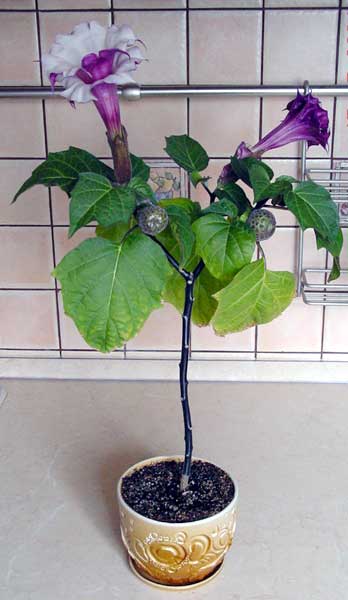
Photo above: Datura Metel
Date: 8 Nov 2024
Why you should grow your own Pomegranate Tree:
The "Fruit of Miracles" in your backyard
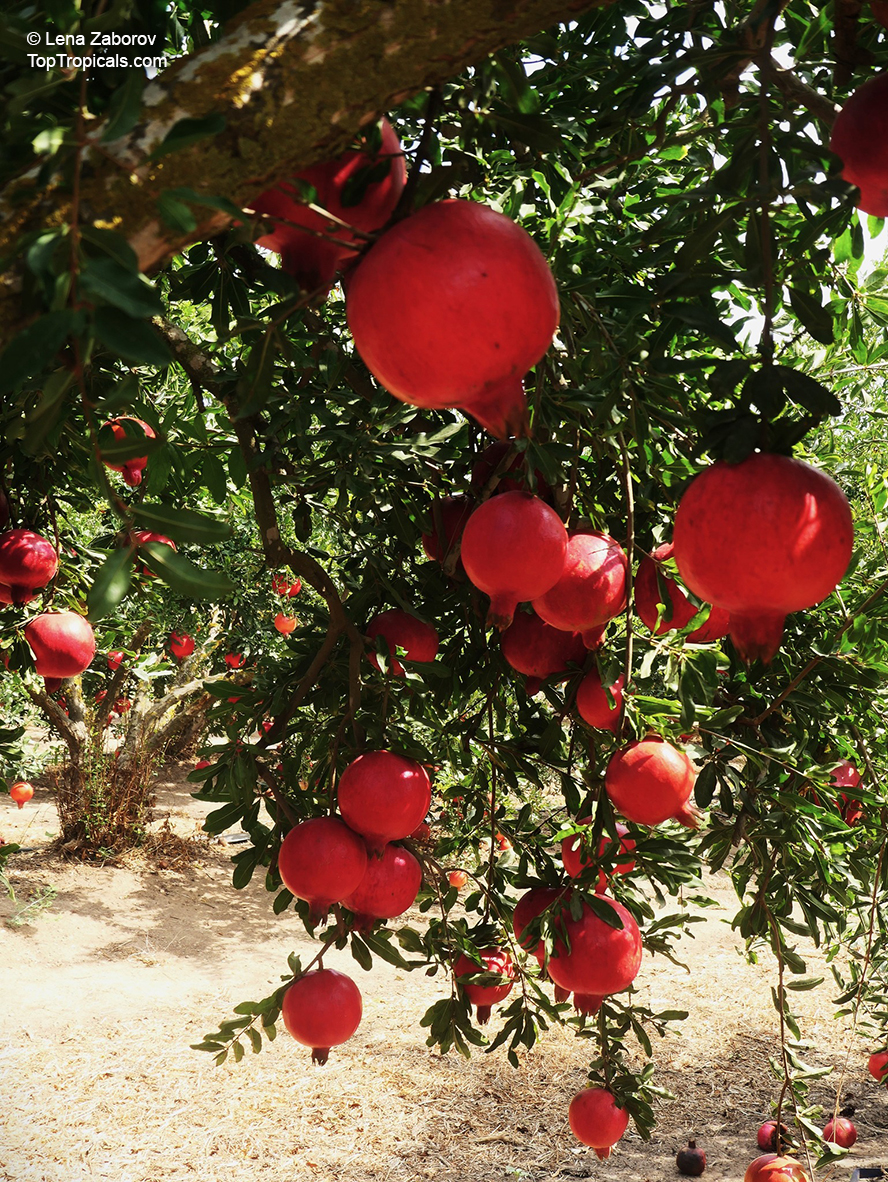
Pomegranates aren't just pretty to look at - they're packed with nutrients that make them a true "fruit of miracles". Adding a pomegranate tree to your garden can offer you a bountiful supply of this health-boosting superfruit and bring a bit of Mediterranean charm to your backyard.
Health Boosters in Every Bite
Pomegranates are loaded with antioxidants, vitamins, amino acids, and minerals. These nutrients work wonders for your health, from boosting hemoglobin levels to strengthening your immune system. Here's why this gem of a fruit deserves a spot in your diet (and your garden):
Antioxidant Power: Pomegranates are rich in antioxidants that fight off free radicals - those pesky molecules that can damage cells and lead to various diseases.
Heart Health Hero: They can reduce cholesterol and improve blood flow, lowering your risk of cardiovascular issues. Plus, they're known for increasing hemoglobin!
Blood Sugar Support: Pomegranate helps regulate blood sugar and offers a whole range of benefits, from diuretic and anti-inflammatory effects to even a little pain relief!
Beauty Booster: This fruit has benefits for your teeth, can help prevent hair loss, and even promotes youthful-looking skin.
Seeds of Goodness
Ever thought about tossing those pomegranate seeds? Think again! Eating the seeds can help keep your gut and hormones in check. These tiny bits are packed with oils that do wonders for your skin, blood vessels, and heart.
How often to indulge?
To enjoy the maximum benefits, you can eat one pomegranate daily or drink 300 ml of juice. Try to do this 30-40 minutes before a meal to prepare your stomach for digestion.
So, why not give this "miracle fruit" a home in your garden? You'll have a natural health booster right at your fingertips, ready to add a pop of flavor and color to your meals!
Date: 7 Nov 2024
Did you know that Lipstick plant has pretty flowers?
Bixa orellana - Lipstick Tree, Annatto, Achiote Bixa, flowers
🎨 Did you know that Lipstick plant has pretty flowers?
- 🌸 Bixa orellana - Lipstick Tree, Annatto, Achiote Bixa flowers are special not just for their beauty but for what comes next - annatto!
- 🌸 These delicate, pinkish-white blooms with soft petals give way to spiky seed pods filled with bright red seeds, which are the source of the natural dye and spice known as annatto.
- 🌸 Often called the “lipstick tree,” Bixa is celebrated for these seeds, used to color and flavor foods and even in cosmetics. So, those pretty flowers aren’t just decorative - they are the start of something vibrant and useful!
📚 Check out Lipstick Plant spectacular seeds
🛒 Order Lipstick Plant
#Food_Forest #Nature_Wonders #Trees
🔴 Join 👉 TopTropicals
Date: 17 Nov 2024
What is the most delicious Annona fruit?
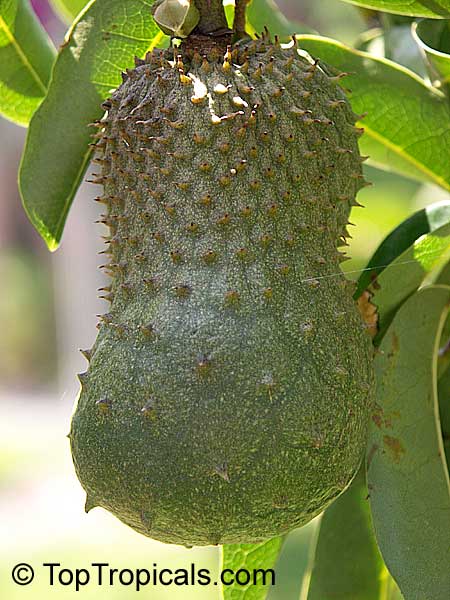
Annona muricata - Soursop, Guanabana, Graviola
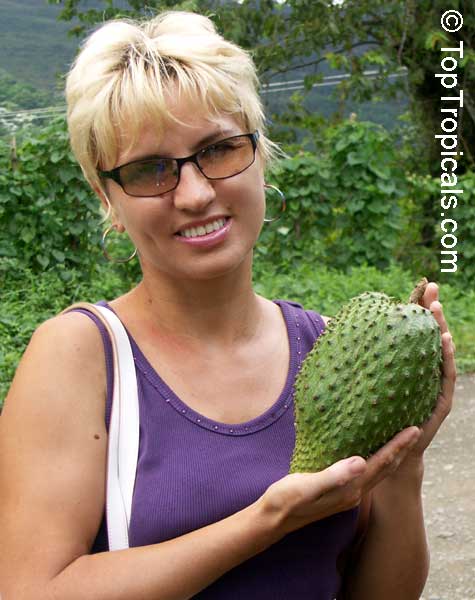
Annona muricata - Soursop, Guanabana, Graviola
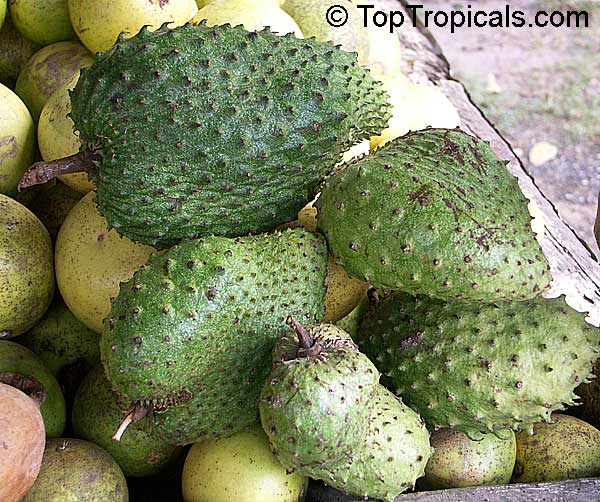
Annona muricata - Soursop, Guanabana, Graviola
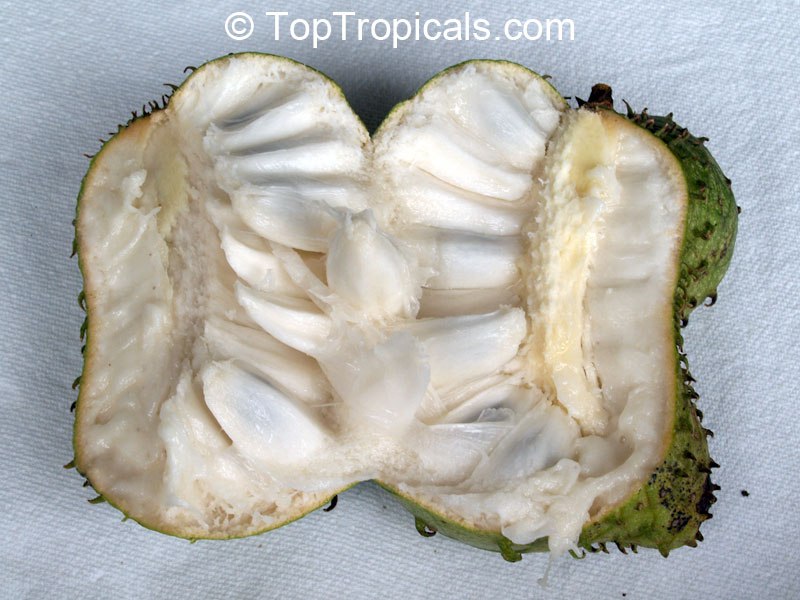
Annona muricata - Soursop, Guanabana, Graviola
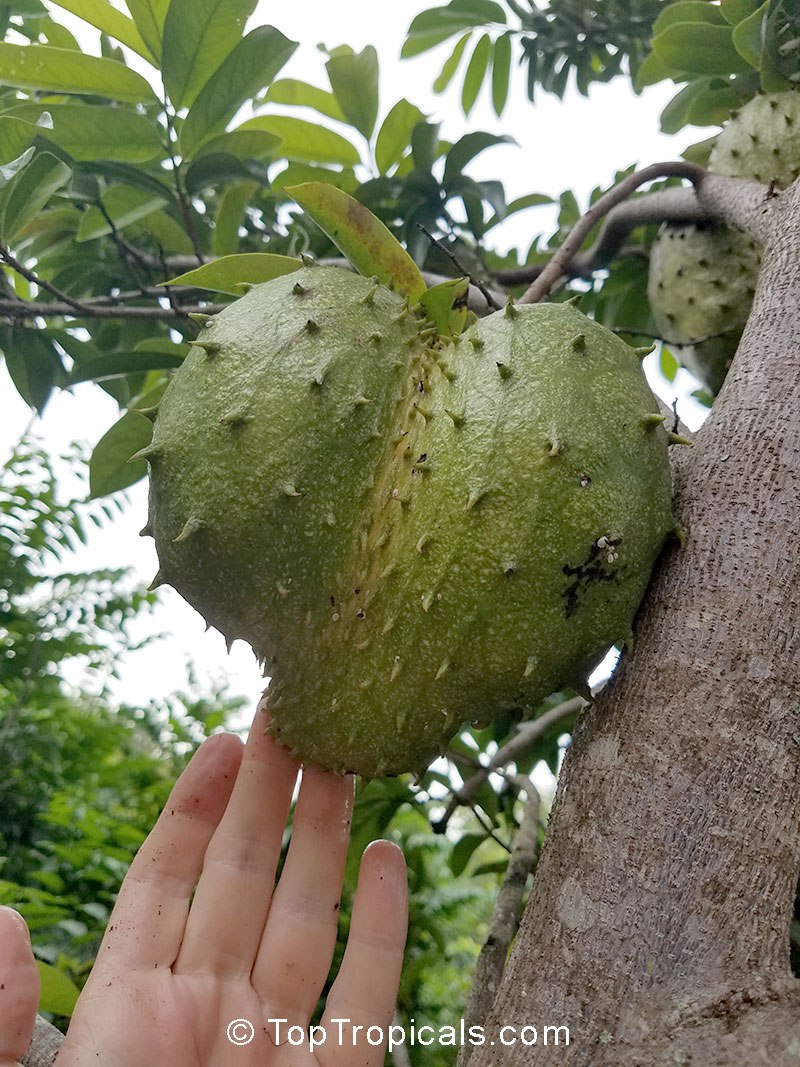
Annona muricata - Soursop, Guanabana, Graviola
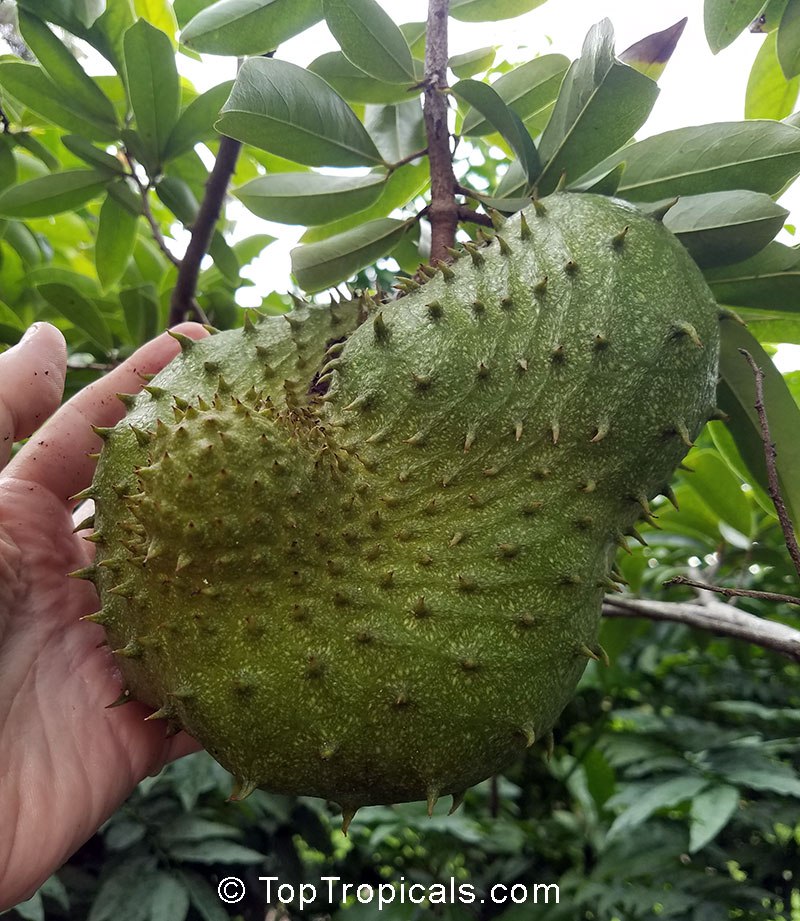
Annona muricata - Soursop, Guanabana, Graviola
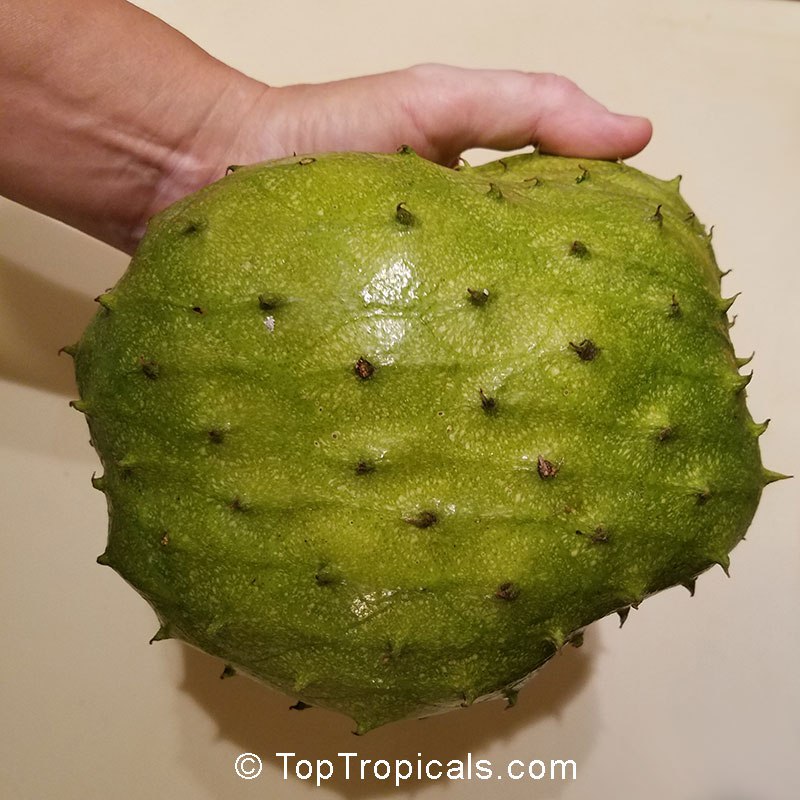
Annona muricata - Soursop, Guanabana, Graviola
❓ What is the most delicious Annona fruit? Guanabana!
- 🍐 Annona muricata - commonly known as Soursop, Guanabana, or Graviola, is widely regarded as the best-tasting annona fruit.
- 🍐 This tropical tree, native to Tropical America, produces large, unusual-looking fruits with a unique blend of sweet and slightly sour flavors. The custard-like pulp is fragrant, smooth and creamy, making Soursop perfect for milkshakes, desserts, or simply enjoyed fresh.
- 🍐 Soursop is evergreen in warm climates, though it's highly sensitive to cold and requires temperatures above 50°F to thrive. However, it can also be grown indoors in containers, making it possible to enjoy its delicious fruit even in cooler regions. The tree itself is medium-sized, fast-growing, and relatively easy to manage in a pot, offering a wonderful option for indoor fruit growing.
- 🍐 Soursop is one of the largest of the Annonas, and its quirky, bumpy fruit shapes make it a fun conversation starter. We even have an interesting article on how to grow, hand-pollinate and fruit Soursop in an apartment - ideal for plant lovers looking to bring a taste of the tropics into their homes!
- 🍐 Soursop leaves are superheroes in the world of natural remedies. Known for their potential to fight cancer, these leaves are packed with compounds that may help keep rogue cells in check. Whether brewed into tea or turned into extracts, they've become a popular go-to in holistic health circles.
📚 Tropical Treasures Magazine:
Growing and fruiting Soursop in apartment (PDF download)
Spoiler in the next post ⬇️⬇️⬇️
More about Anonnas in previous posts:
Top 10 fast-fruiting trees: #1. Annona
Why everyone wants the Sugar Apple?
The best tropical fruit tree for container growing, and the fastest to fruit: Annona
Spiny Hedgehog fruit: what does it taste like?
🛒 Plant your own Guanabana
#Food_Forest #Remedies
🔴 Join 👉 TopTropicals
Date: 24 Nov 2024
What dos Sugar Apple look like and how does it taste?
Annona squamosa - Sugar apple
🟢 What dos Sugar Apple look like and how does it taste?
😋 Annona squamosa - Sugar apple, is considered by many to be the most delicious tropical fruit. The fruit is a true treat, with pulp that resembles creamy custard, offering a flavor experience that’s hard to beat.
🕺 This very small, compact tree is perfect for containers or small yards, making it an excellent choice for home gardeners. It starts fruiting within just three years from seed and is remarkably easy to grow and undemanding.
📚 More about Anonnas in previous posts:
Guanabana - the most delicious Annona fruit
Top 10 fast-fruiting trees: #1. Annona
Why everyone wants the Sugar Apple?
The best tropical fruit tree for container growing, and the fastest to fruit: Annona
Spiny Hedgehog fruit: what does it taste like?
🛒 Order Sugar Apple
#Food_Forest #Container_Garden
🔴 Join 👉 TopTropicals