Date: 16 May 2026
🔮 When the World Around Becomes Too Gray: Plant a Tree. Eat a Donut. Keep going.

Smokey: Plant a tree.
Sunshine: And if that does not help?
Smokey: Plant another one.
Sunshine: And eat a donut.
Smokey: Not strictly necessary, but statistically beneficial.

If you have been feeling a little worn down lately, you are not alone.
You already know about the headlines. We do not need to list them. You have probably seen them today before breakfast.
We are not here to pretend that is not happening. It is happening. And it is a lot. But here is the thing we keep coming back to, the thing that has been true for as long as people have had hands and a patch of ground: when the world feels out of control, you can still plant something.
Gardening is not an escape. It is an answer. When you put a tree in the ground, you are making a quiet statement. You are saying that you expect there to be a future. That you intend to be in it. That shade and fruit and flowers still matter, and you are going to make sure they exist in your corner of the world.
That is not naive. That is courageous in the most ordinary and underrated way.
One tree, planted this season, might give you fruit in a few years. It might give butterflies somewhere to stop. It might give a bird a place to nest. It will almost certainly give you something to look at on a hard day that reminds you the world still contains beauty, and that you put some of it there. And if one tree does not quite do it? Plant another one.
Dostoevsky said beauty will save the world. We think a mango fruiting in your backyard counts. So does a Magnolia opening on a quiet morning.
Do not skip the donut.
A donut is a small, simple, completely unnecessary thing. That is exactly the point. It is not productive. It does not solve anything. It is just good, and sometimes that is the whole reason. In a world that constantly demands you be useful and informed and concerned, eating a donut is a quiet act of being human. You are allowed to enjoy a small thing on a hard day. You do not have to earn it.
Rest a little. Then go put something in the ground. Anything that will grow and flower and remind you that beautiful things are still happening whether the headlines mention them or not.
We have the plants. You bring the donuts.
🛒 Plant a sweeter world: grow color and flavor
Date: 15 Aug 2021
How to grow Cerbera and make it flower
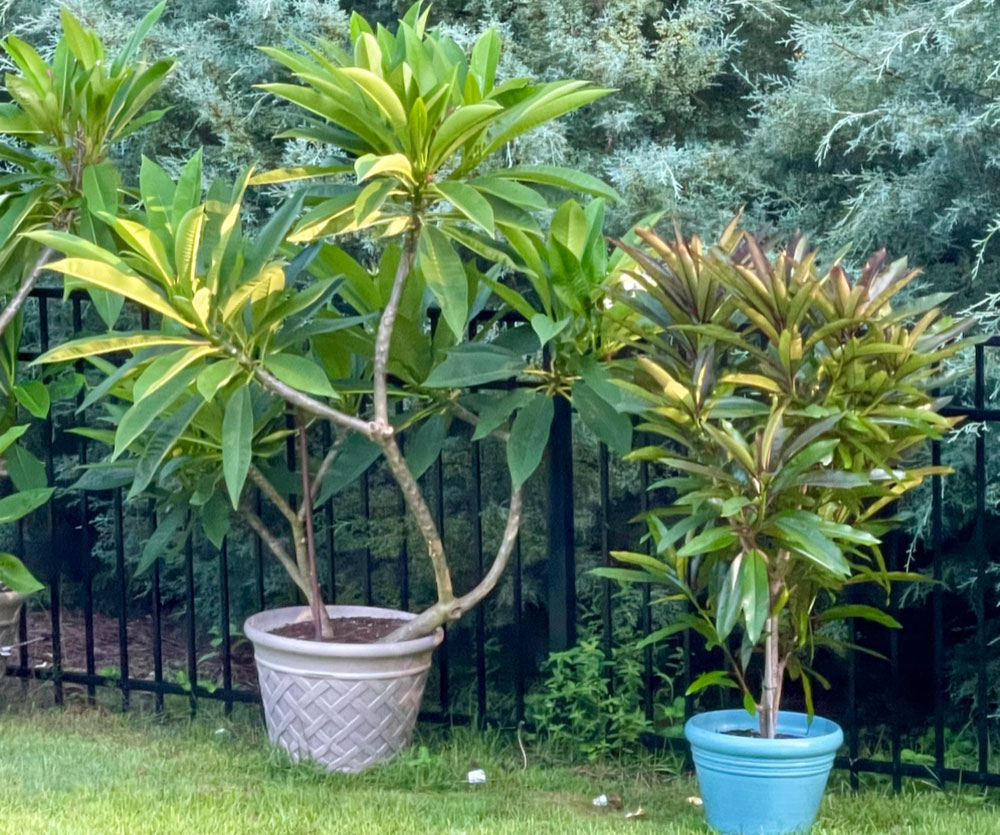
Q: I purchased Cerbera manghas - Enchanted Incense a year ago. As you see from the photo, it's doing great however, no blooms. I fertilize properly and very often and use worm castings for micronutrients. Yes it's not "your" fertilizer, but my plumerias, that are also in pots they are over 5 feet tall and blooming like crazy. I don't see any inflows coming on the Cerbera at all and it is hot and humid here in North Carolina, so it's happy but no sign of blooming. What is your advice?
A: Top Tropicals first brought Cerbera manghas into the US plant market a few years ago, it was recommended to us by our friend, plant taxonomist John Mood who visited Thailand, and among other exotic plants noted this fragrant beauty. Since then we've been successfully growing this plant, it has become one of everybody's favorites.
Generally speaking, Cerbera culture is very similar to Plumerias. These plants are closely related. So if you know how to grow Plumeria, you sure will succeed with Cerbera. Hot and sunny location, well-drained mix, moderate water and bloom boom fertilizer will do the trick. However, we have noticed a few distinctive features that make this plant somewhat challenging at times.
1) Flowers
For past years, we've been studying what triggers its flowering.
Sometimes these plants start flowering in 1 gal pot, 1 ft tall. Other times a large
developed tree 5-6 ft tall, in 5-7 gal pot, grows beautiful foliage with no
signs of flowers. Eventually all of them bloom, no matter how stubborn they
are, it's just some individual plants start flowering sooner than others, all
grown in the same conditions.
One of our plants in the ground, a well-branched tree, was covered with
flowers for a few months, but only on the 3d year after planting. Before that,
it only produced a few random blooms. Others bloomed in pots at very young
age.
The following factors benefit to Cerbera flowering:
- full sun at least 10 hours a day
- hot temperatures above 85F
- regular water but not heavy rains
- regular fertilizer - Bloom Booster type
- very good drainage and drying out before waterings. If root ball stays
moist, the plant may look healthy but won't set flower buds. Keeping on a dry
side will encourage flowering. Very similar to Jasmines: they bloom like crazy
in April while it's hot and dry in Florida, but once our summer rainy season
starts, they reduce blooming.
We highly recommend using Sunshine Megaflor bloom booster or SUNSHINE Pikake in combination with micro-element supplements Sunshine Honey (B-Mo) and Sunshine Superfood (complex micro) that induce flowering. Dry and granulated fertilizers may not supply exactly what a plant needs: certain elements that trigger flowering may be missing. Sunshine Boosters formulas are scientifically balanced, they contain precise amounts of nutrients needed for setting flowers. Besides, excessive salts from regular dry fertilizers create nutrient lock up that may retard plant metabolism; with liquid amino-acid based Sunshine boosters, plants consume the whole menu of elements without building them up in the soil.
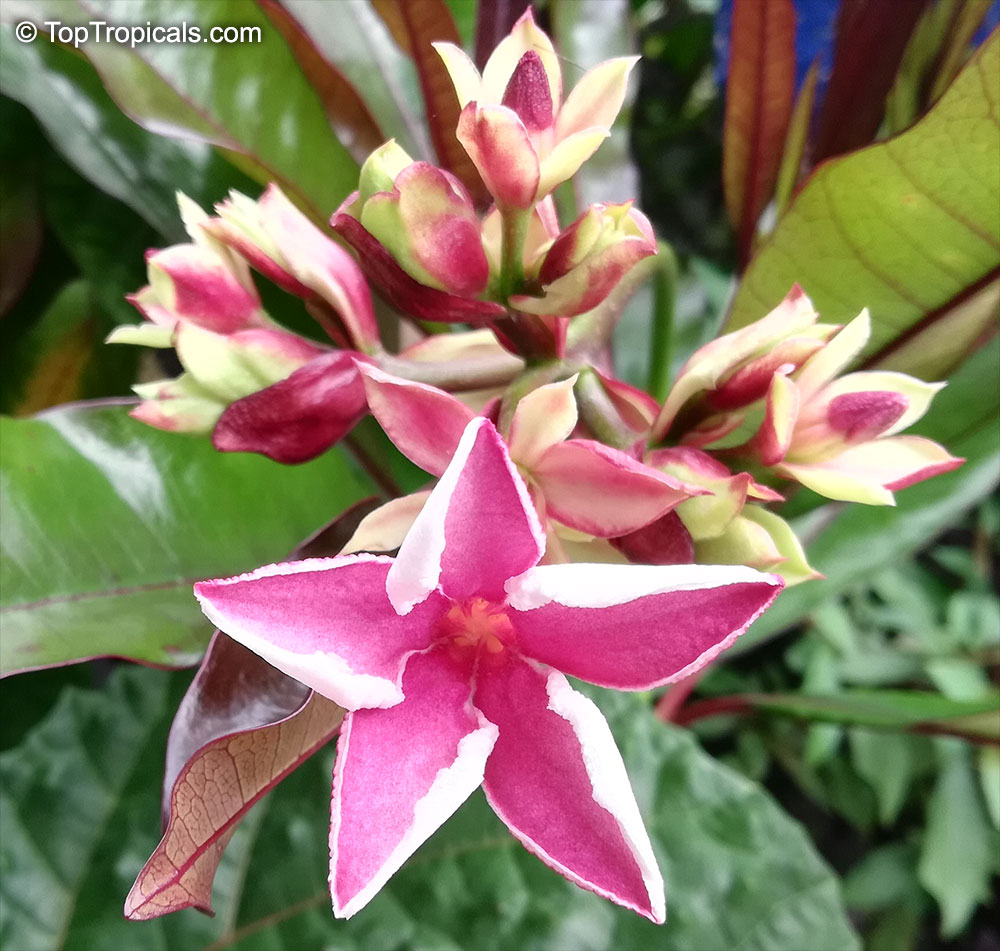
2) Fruit
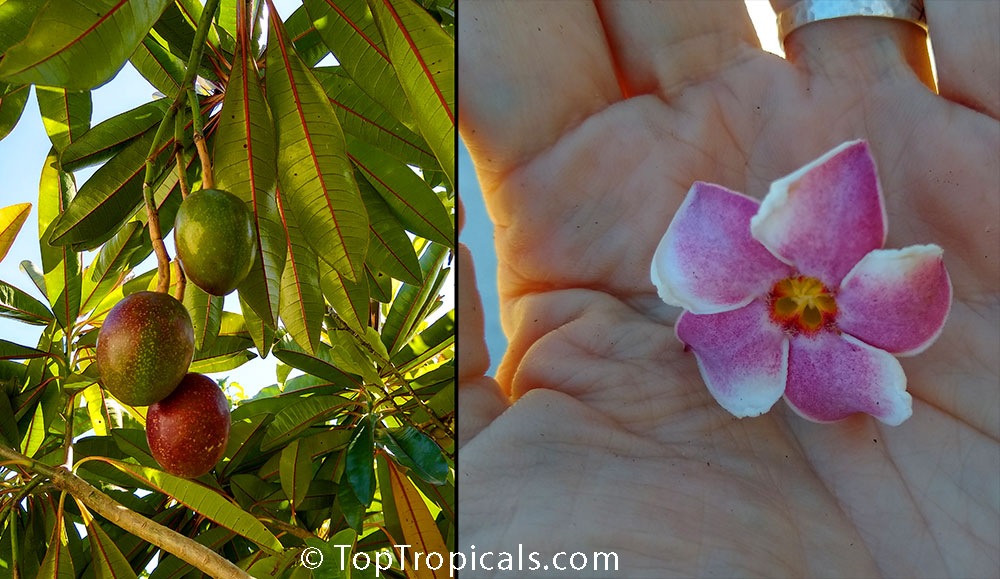
Fruit of Cerbera are very pretty and cover the tree after profuse flowering. To inexperienced eye they may look very much like small mango or avocado fruit - so make sure kids or visitors don't try to eat them! Cerbera seeds are extremely poisonous.
3) Leaves
If you ever grew Passiflora or Milkweed, you know how leaves can be
eaten by caterpillars overnight. This may happen to Cerbera too, as we
discovered. In Florida environment this exotic plant doesn't have natural predators for
protection from certain insect species that may feed on it. So watch out and
if noticed first signs of leaves damage - its time for insect control.
Other than that, Cerbera foliage is usually beautiful and colorful, here in
Florida it looks much healthier than that of Plumerias often affected with
rusty residue during high humidity months.
Hope this helps. The Cerbera fragrance is enchanting, it is worth the efforts and waiting!
Date: 6 Jun 2025
Bring Sunshine to your garden - no forecast needed!
Adenium Sunshine
☀️ Bring Sunshine to your garden - no forecast needed!
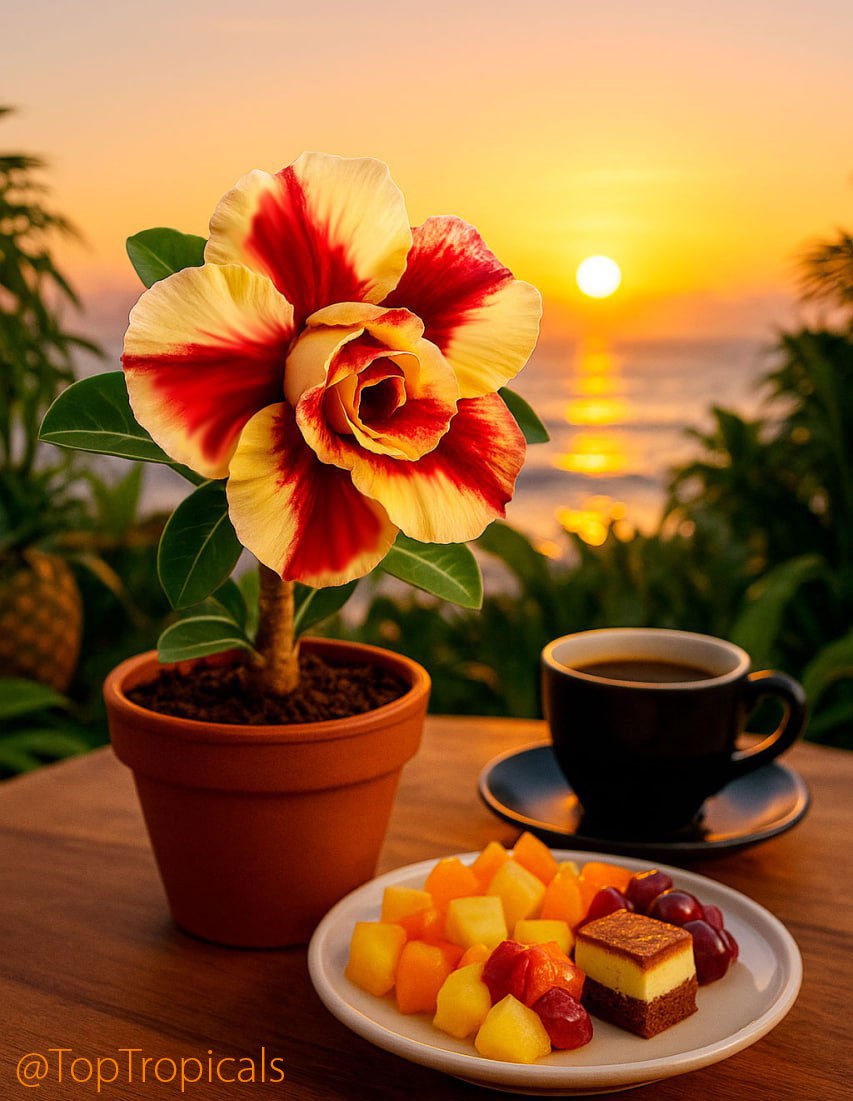
☀️ Adenium Sunshine is a radiant beauty that lives up to its name!
☀️ With mauve and yellow swirls across its multi-layered blooms, this flower glows like a warm summer day. The soft blending of colors creates a dynamic, cheerful display that feels like Happiness and Sunshine rolled into one.
☀️ A joyful, uplifting addition to your garden that brightens every glance.
See photos of the actual Adenium Sunshine in next post 👇
🛒 Shop the Sunshine Bloom
📚 More adeniums
#Nature_Wonders #Container_Garden #Fun_Facts #Adenium
🟢 Join 👉 TopTropicals
Date: 20 Jan 2024
Sunshine Boosters PRO - for Professionals
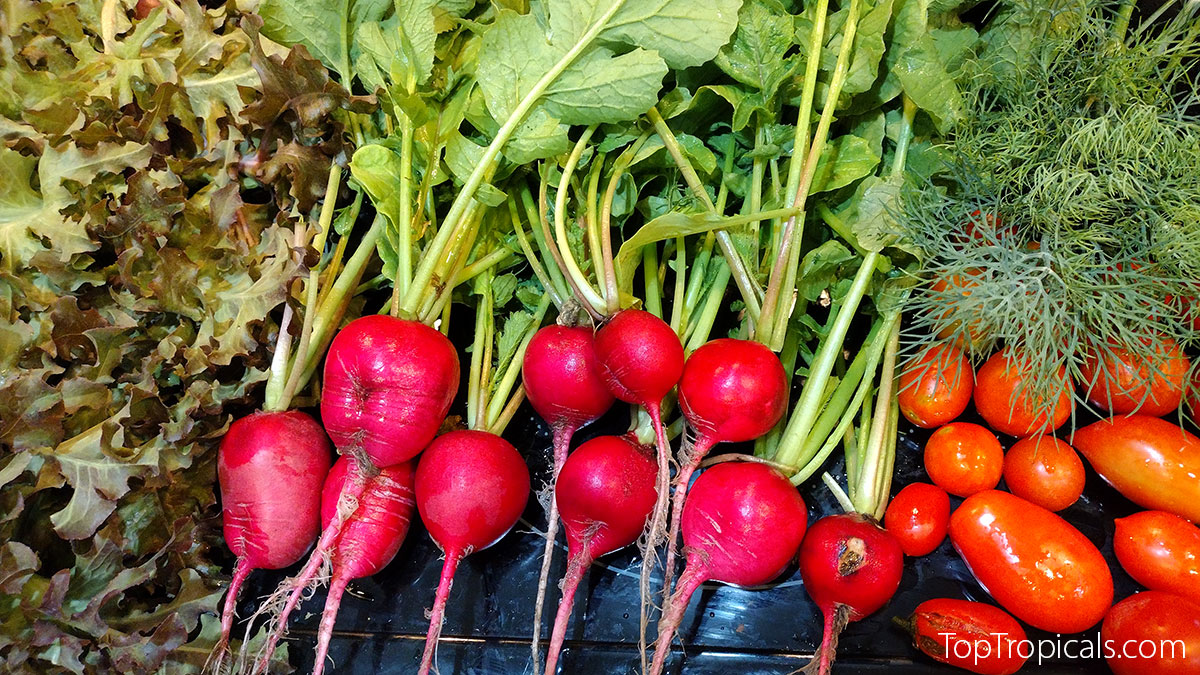
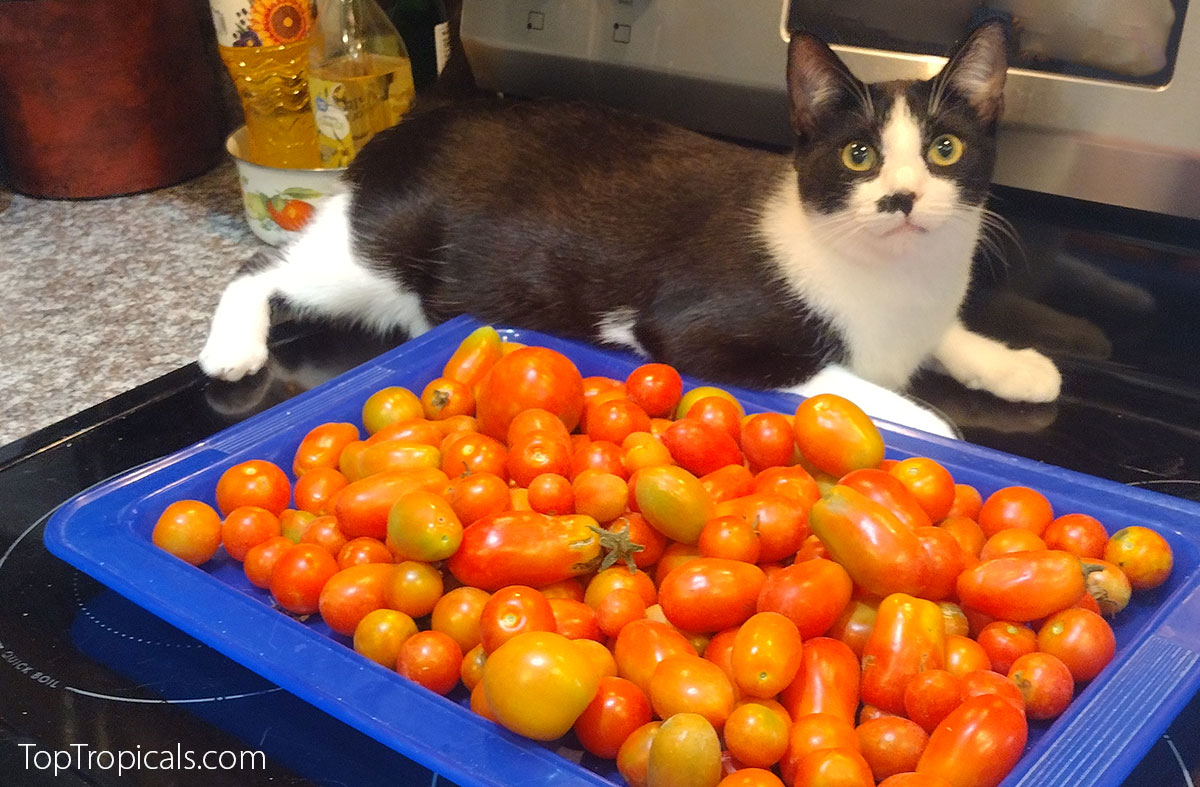
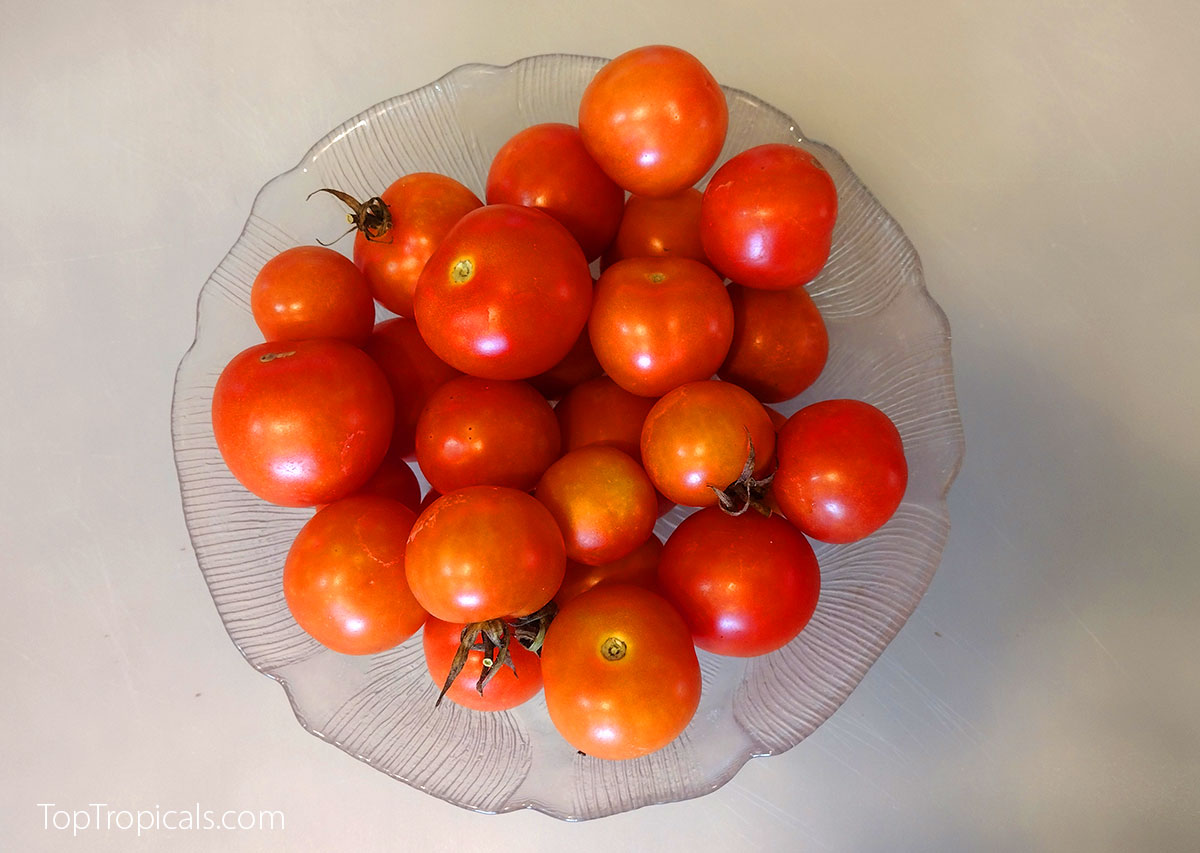
Q: Winter marks the vegetable season in Florida, and my half-acre vegetable garden in Highlands County thrives during this time. I cultivate a variety of produce, including tomatoes, cucumbers, onions, beets, various lettuces, radishes, and beans. Despite the sandy and poor soils, I manage a bountiful harvest that not only sustains my extended family but also provides for friends throughout the winter. To combat our sandy soil challenges, I heavily rely on fertilizers.
Recently, I came across your Sunshine Boosters products, and the results on my tomatoes were astonishing. They grew twice as fast compared to those on a "manure" bed. What I appreciate most about your product is its natural composition, allowing me to use it on edibles. The convenience of easily integrating liquid fertilizer into our irrigation system is a game-changer.
I'm curious if you offer budget-friendly deals on your boosters for larger gardens?
ON SALE TODAY
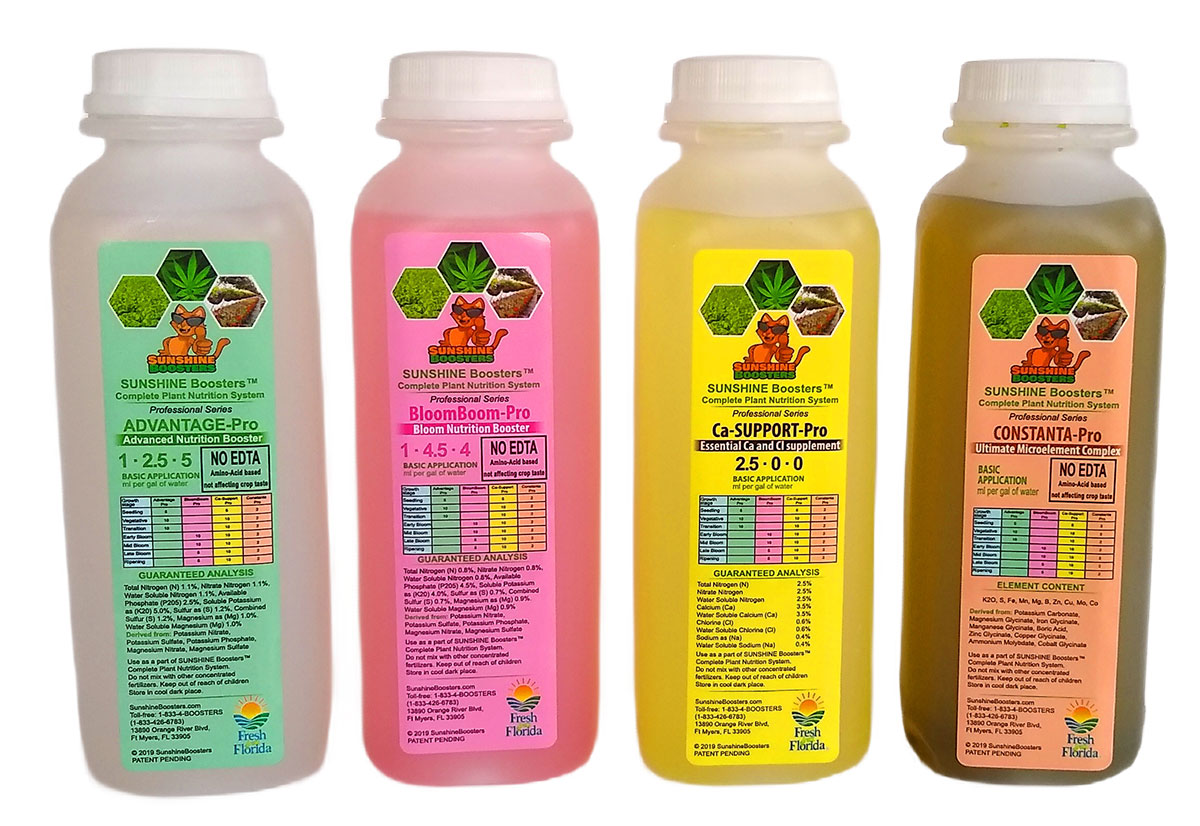
A: Absolutely! We have just the solution you're looking for - our Professional Series of Sunshine Boosters is tailored for avid growers like you. Having catered to the needs of various crops, including tomato and hemp farms, our natural, amino acid-based professional formulas are the most economical choice for any scale of production.
Our professional series covers everything, from small backyard gardens to extensive greenhouses. The feeding process involves just three solutions mixed with water in your fertilizer tank: NPK (Advantage or BloomBoom, depending on the growth stage), Ca-Support (Calcium supplement), and Microelements (Constanta-Pro). This comprehensive nutrient package meets all your garden's needs. (See advanced info about Sunshine PRO products.)
Explore our professional solutions at the Top Tropicals Online Store. For larger quantities, you can directly order from the SunshineBooster.com professional selection or just contact us for a customized quote.
If you haven't implemented an injector system yet, consider the Robuster - an easy-to-install, care-free automatic system that takes care of all the work for you.
Date: 3 Mar 2022
Top Tropicals Team in Ukraine
The tragedy hits quite close to home for Top Tropicals as we have a
number of friends and associates who are currently in the Ukraine. These kind and
hardworking people have contributed significantly to the success of Top
Tropicals, most specifically our line of Sunshine Boosters fertilizers...
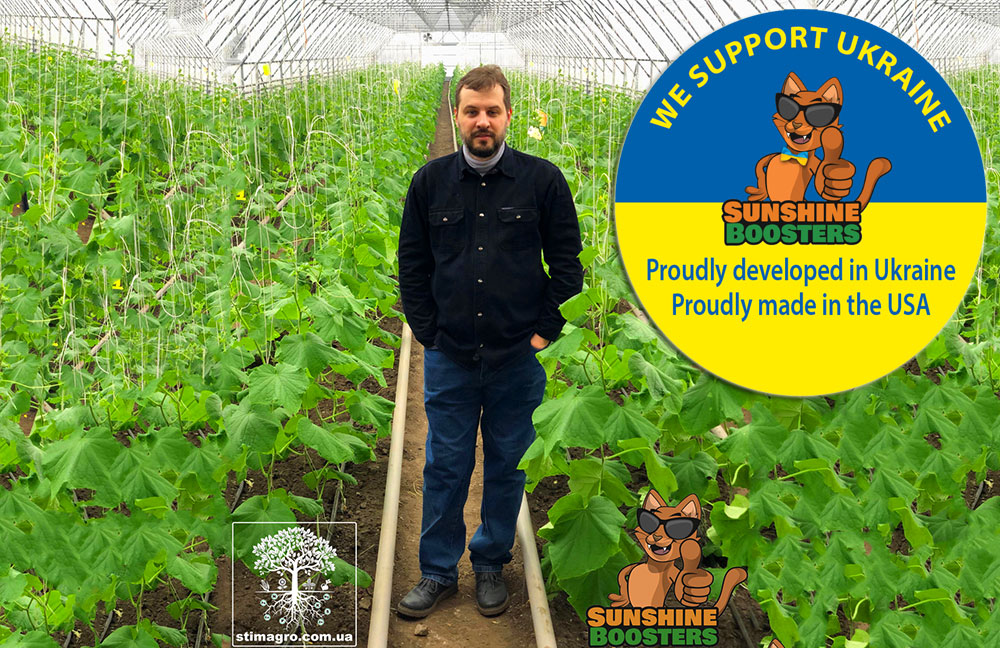
Top Tropicals has a research and development center in Ukraine. Where we
develop SB plant fertilizer and number of new and exciting products, including
Carefree Garden
Complete Greenhouse/Grow Room Controller...
Our Ukrainian Team members are:
Fedor Shabliy - a brilliant chemist. Under his
supervision the Sunshine Boosters series was developed, and then tested by local
farmers in the Ukraine.
Oksana Shabliy (chemist)
Anton Tkachenko (mechanical and electronic engineer)
Roman Bidyuk (software developer)
Igor Kayun (software developer)
Igor Sushelnitsky (software and electronic engineer)
Olga Ozerova (project manager)
They have families, kids...
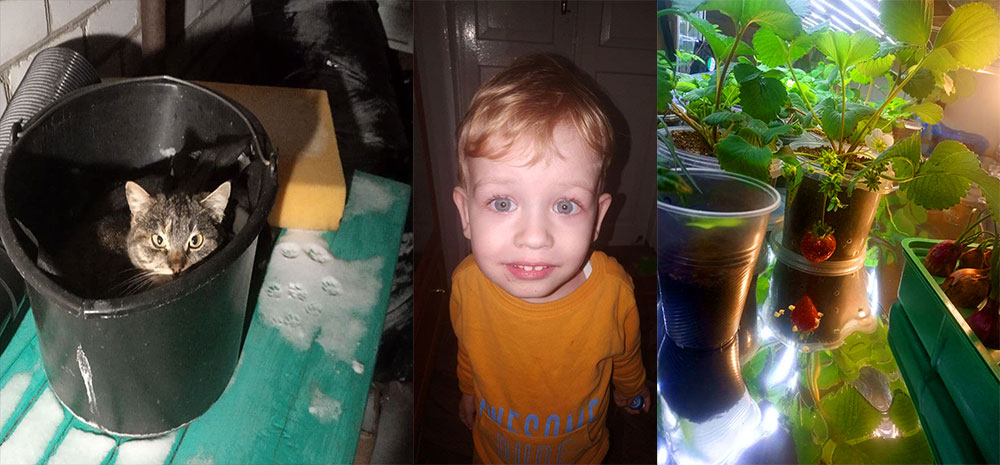

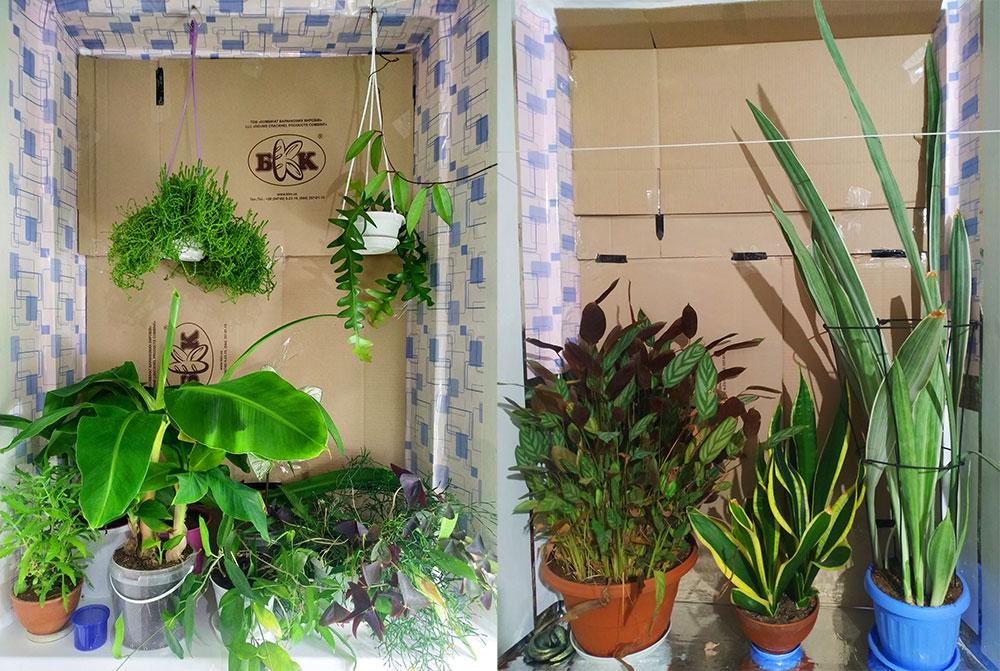
Cardboard window shutters to protect against broken glass...
Sunshine Boosters Special
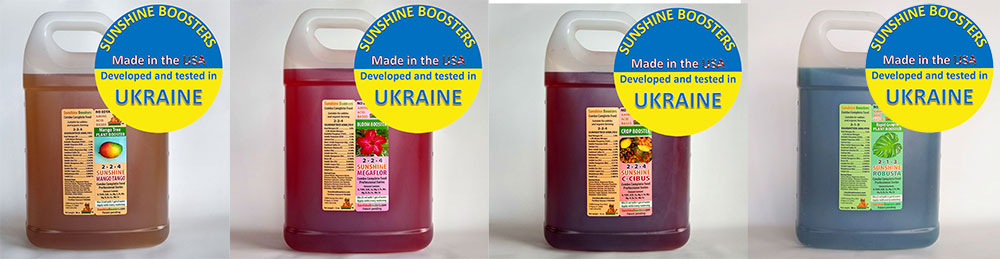
With all this in mind, we are earmarking a percentage of all Sunshine Booster sales for this team of friends to aid in their living expenses and full recovery. In order to give back to our team in Ukraine, we are offering the following Sunshine Boosters Garden Series items at a discounted price:
Your purchase helps support Ukraine!
Sunshine C-Cibus 1 gallon
Sunshine Mango Tango 1 gallon
Sunshine Megaflor 1 gallon
Sunshine Robusta 1 gallon
Currently priced at 33% off reg price!
In addition, we will also donate $5.00 from each purchase to help Support Ukraine.
Spring is the time to fertilize and all of you will be getting some food for your plants. So get your plants Sunshine Boosters - the Fertilizer that Works, developed in Ukraine. Help us to support our Ukrainian Research Team! As always, we appreciate the support of our loyal community of Top Tropicals customers and enthusiasts.