Garden Blog - Top Tropicals

Date: 21 Feb 2026

The best time to plant a fruit tree was 20 years ago - here is why you need to plant it now
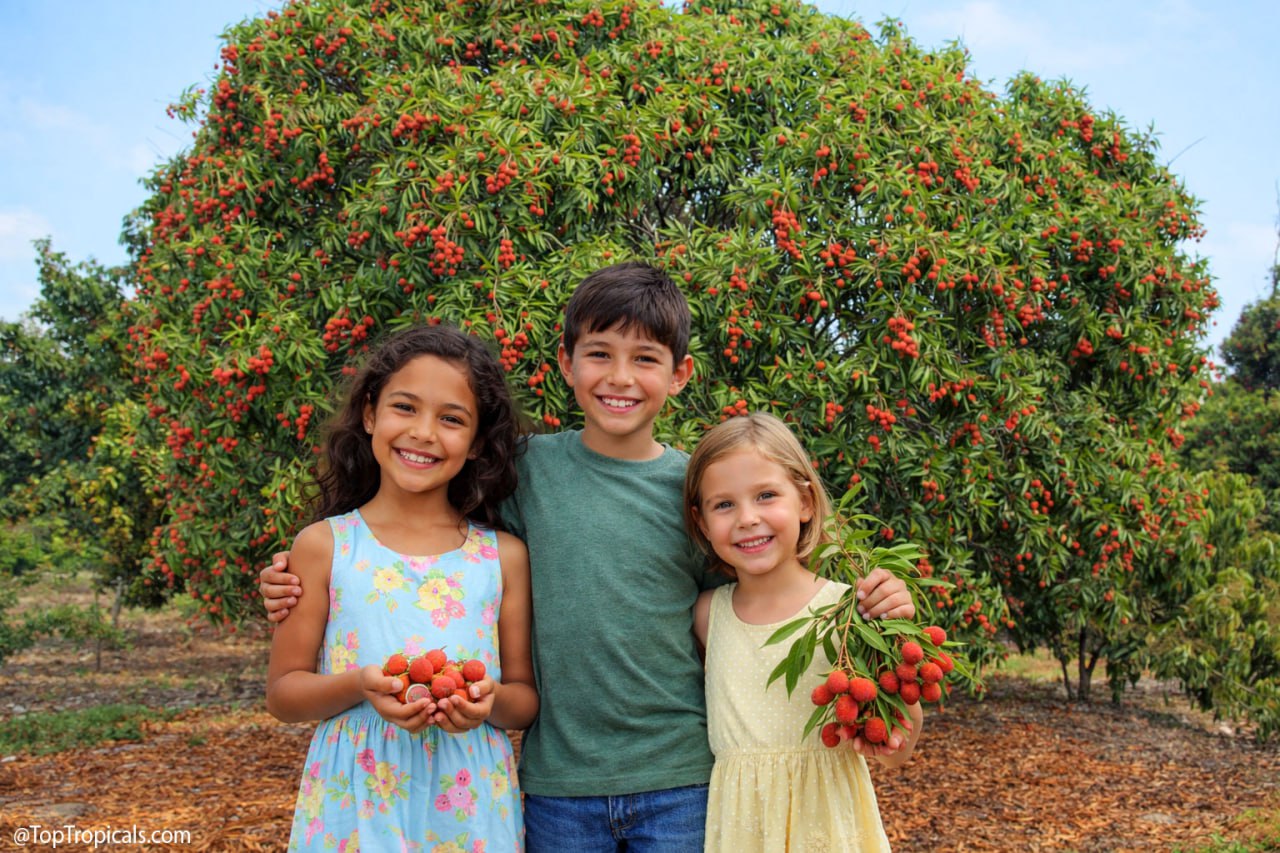
Litchi chinensis - Smiles under the Lychee tree

Litchi chinensis - Smiles under the Lychee tree

🍑 The best time to plant a fruit tree was 20 years ago - here is why you need to plant it now


They say the best time to plant a fruit tree was 20 years ago.
The second best time is today.

A fruit tree is not a seasonal purchase. It is not a decoration. It is a decision that stretches far beyond you.

When you plant a mango, an avocado, a loquat, a lychee tree - you are not just planting for this summer. You are planting for children who will climb that tree. For neighbors who will ask for a basket of fruit. For someone who may live in your house long after you are gone.

Fruit trees are quiet investments in the future.
Unlike annual crops that come and go, a tree deepens its roots every year. Many fruit trees - especially mangoes - can live for decades, even a century. They outlive trends, owners, renovations, even mortgages. They stand there, steady, producing.

Even if you sell the house, the tree remains.
The next family will walk into the yard and discover fruit hanging overhead. Imagine buying a home and realizing someone before you planted abundance!

That is a gift.

In many parts of the world, mango trees are called generational crops. One farmer plants them. His children harvest them. His grandchildren sell the fruit. A single decision continues to feed and support a family long after the planter is gone.
There is something deeply grounding about that.

We live in a fast world. Quick returns. Quick moves. Quick upgrades.
A fruit tree moves at a different pace. It asks for patience. It rewards consistency. It teaches you to think long term.

Planting a fruit tree says:
I believe in tomorrow.
I believe this land will matter.
I believe someone will stand here after me.

And even if you never taste the fullest harvest, someone will.
Passing fruit trees through generations is more than horticulture - it is legacy. It is continuity. It is resilience. It is saying that this space, this soil, this home will keep giving.

So plant it now.
Plant it for your children.
Plant it for the next homeowner.
Plant it for shade you may never sit under.
Plant it for fruit you may never pick.
Because one day, someone will walk into that yard, look up, and thank the person who thought ahead.
Let that person be you.

🛒 Explore fruit trees for your orchard
  • 👉 Tropical Fruit favorites:


🥭 Mango
Avocado
🍒 Cherry
🍊 Loquat
🍈 Jackfruit
🍑 Peach tree
🍉 Guava
🍏 Sugar apple
🍇 Mulberry
🍐 Sapodilla

#Food_Forest #Discover

🟢 Join 👉 TopTropicals
Date: 3 Mar 2020

Tu BiShvat - New Year for Trees

By Alex Butova

Tu BiShvat is the Israeli Arbor Day, and it is often referred to by that name in international media. Ecological organizations have adopted the holiday to further environmental-awareness programs. The modern practices and interpretations of Tu BiShvat often revolve around the earth and environment. This holiday is a celebration of nature and appreciation for creating the natural world. In Israel, Tu BiShvat is celebrated as an agricultural holiday. The 15th of Tu BiShvat was celebrated this year on February 10, 2020. This day marked the beginning of a new year for trees. This day marks the season in which the earliest-blooming trees emerge from their winter sleep and begin a new fruit-bearing cycle. Often the date of Tu BiShvat is used for determining the age of fruit baring trees and therefore establishes their birth dates. Therefore, Tu BiShvat is the "birthday" of trees!

The traditions and customs of Tu BiShvat vary, however, the most common include planting trees and gathering with family and friends for a meal. It is celebrated by eating fruit, particularly the kinds that praise the bounty of the Holy Land: grapes, figs, pomegranates, almonds, dates, olives and others. It reminds people that "a man is a tree of the field", and reflects on the lessons we can derive from the botanical analogue.

Check out fruit trees and nuts:

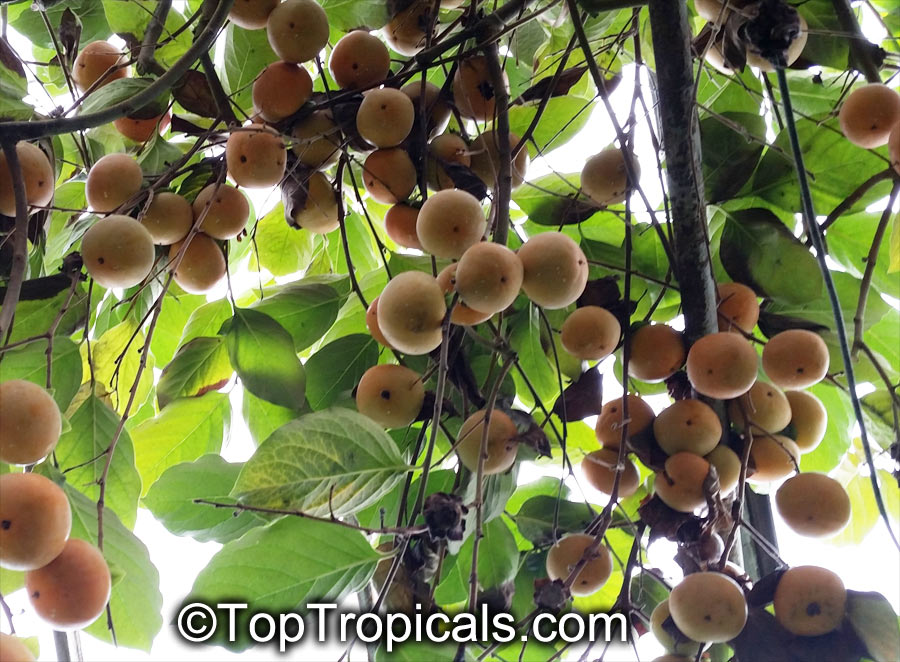
Persimmon tree

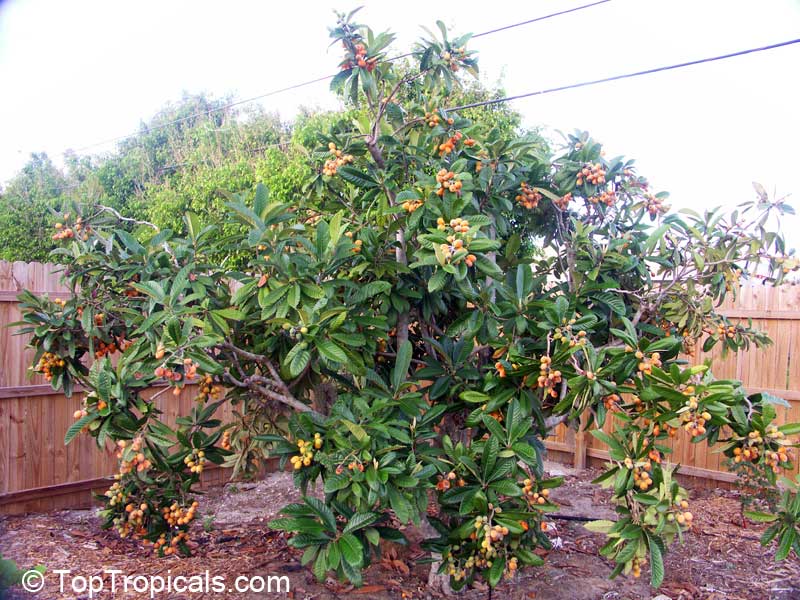
Loquat tree

Date: 28 Apr 2021

Cold hardy tropical fruit trees for Zone 9

Q: Can you suggest tropical fruit that can be grown (cold hardy) in Zone 9?

A: There are quite a few tropical/subtropical trees that will grow well in zone 9. Our favorites are: Figs - very cold hardy and drought tolerant.
Loquats - grafted trees that start fruiting right away, reliable producers.
Tropical Mulberry - very fast growing trees that can take freeze, heavy producers.
Macadamia - these trees are of a compact nature, very easy to grow and start producing nuts right away.
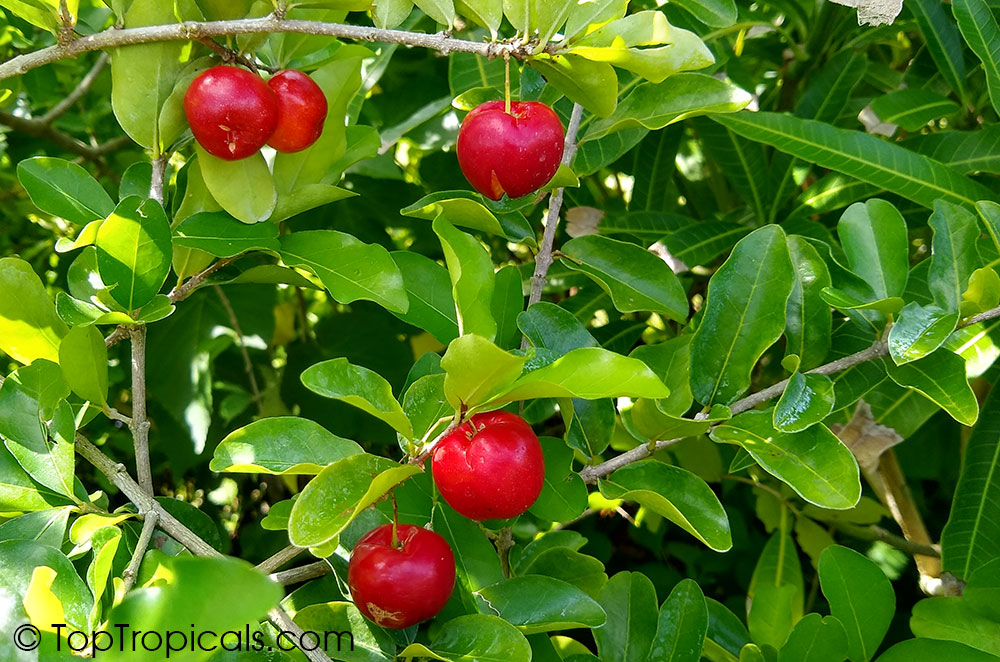
Many different varieties of Eugenias - tropical cherries - all-time favorites. Another tropical cherry - Malpighia, or Barbados cherry - starts fruiting in small size under one food tall! Great for containers.
Tropical (Low Chill) Peaches, Nectarines, and Plums. See full list of low-chill, relatively cold hardy fruit trees.
And of course - Bananas!

Don't forget to fertilize your fruit trees to improve their cold hardiness!

Date: 19 May 2016

Care of mail-order plants during hot summer

Q: I live in California and about a month ago ordered several plants from you, including fruit trees (Carambola, Mango, Avocado) and flowering trees (Xanthostemon, Adeniums, Champaca, Ylang Ylang). They were all doing well until I tried to move them into full sun, when they got leaf burn immediately. Ylang Ylang was doing great in a shade, but I repotted it from 1 gal into 3 gal and it is drooping leaves now. It has been very hot (over 100F) and dry (humidity is less than 25%). Any suggestions?

A: Hot summer can be pretty challenging time for establishing new plants. These are some guidelines to make your summer gardening more successful and rewarding.

1. You can order plants at any time, but keep your eye on your local weather forecast and try to chose cooler periods to schedule your plant shipments. Here at TopTropcals we monitor weather at destinations, and we can also delay shipment per your request until more favorable conditions.

2. During hot Summer months, many plants are still OK to ship, and to be planted, many species are heat tolerant. It's usually safe to ship most succulents, including Desert roses and Euphorbias. Some fruit trees are pretty easy too, like Loquats, Mango, Eugenias. Many flowering trees can take heat: Acacias, Clusias, Jatropha, Sausage Tree, Plumerias and many others. Check our full list of plants suitable for hot and dry conditions. Most jasmines, including Jasmine Sambac and Trachelospermum make also a safe choice for hot weather planting.

3. Use shade cloth or simply white sheets to protect young plants and new plantings from hot sun.

4. When establishing mail ordered plants during hot weather, keep them in shade for longer period of time than average recommended 1-2 weeks. Give them a chance to establish really well. In areas with low air humidity, try to create a simple mist system. It can be purchased in your local Home Depot for only $20 and set up takes only 10 minutes! It makes a big difference and can help you save many plants from hot weather stress.

5. Although it may seem that during hot weather plants need more water due to high evaporation, be careful with watering, and check soil with your finger before watering - don't water if it is still wet. Combination of "hot and wet" can be as harmful for the root system as "cold and wet" during winter. Protect root systems from overheating: covering black pots with white cloth will work. Remember when temperature is above 90F, most of plants slow down their metabolism, which means roots slow down or even stop pumping water and become more vulnerable to overwatering. For the same reason, do not hurry to step up into bigger container if roots haven't filled yet the existing pot.

Date: 4 Feb 2017

Groundhog Day Feb 2

On Groundhog Day Feb 2: Groundhog Punxsutawney Phil saw his shadow on Thursday morning, predicting six more weeks of winter during Groundhog Day festivities at Gobbler's Knob, a small hill just outside Phil's hometown.
According to folklore, if it is cloudy when a groundhog emerges from its burrow on this day, then the spring season will come soon; if it is sunny, the groundhog will supposedly see its shadow and retreat back into its den, and winter weather will persist for six more weeks.
Phil promised long winter, however, we should not cry in despair but starting to get ready for Spring!

Spring Check List:
- Make sure min temperatures are above 45F before you start bringing potted plants outside.
- When active new growth appears from buds, after-winter pruning can be done.
- You may start weekly fertilizing as soon as night temperatures raise above 55F.
- Start planting in the ground as soon as there are no more chances of frost, until then keep newly arrived plants in pots so they get better established.
- Low chill cold hardy fruit trees including Peaches, Nectarines, Plums, Apples, Mulberry, Loquats go in the ground first, so you can enjoy their blooms and early fruit set. Plant Pomegranates, blueberries and cranberries, raspberries and blackberries, grapes.
- Water as needed, still keeping on dry side until afternoons get hot and plants start using more water.
- Start seeds indoors. The sooner the better, to give seedlings more time to establish before planting out in the ground.

Overwintering Magnolia (Michelia)

Michelia alba Question: I have a question about Michelia alba. My Michelia alba leaves turning yellow and losing leaves. When I brought it inside for the winter, after the leaves falling off new one grow back not all of them grow back and now the new the branches start to die. I water once a week.

A: Whenever moving a plant in or out of the home it is always best to do it gradually. Moving a plant all in one day will cause stress to the plant due to environmental changes such as, new humidity levels, new light levels and new watering requirements. Michelias usually loose their leaves once in the spring and once before winter but grow them back right away. Now that your plant is inside with less humidity, light and leaves, you only need to water once the soil as almost dried out. You will need to stick your finger in the soil to see if it is still wet as the top layer dries before the under layer. If the branches are starting to die at the tips this usually means too much water. Move the plant to a bright light window, decrease water and you may want to also use a humidifier.