Vietnamese Mickey Mouse Plant
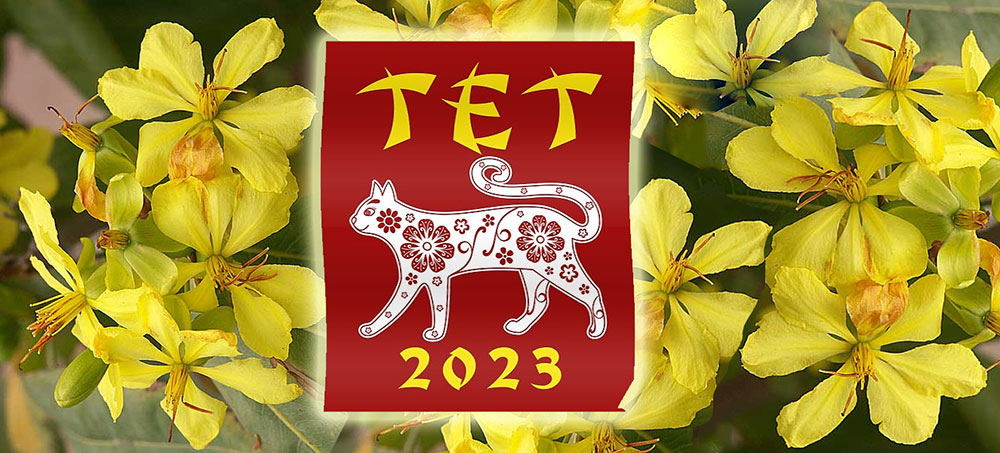
Hoa Mai - a must for 2023 luck!
Easy Sunday Morning Deal 50% off!
It's our favorite day and another Easy stroll through Top Tropicals Garden with savings of up to
50% and MORE!
The most celebrated flower in Vietnam, Ochna integerrima,
called in Vietnam Hoa Mai or Mai Vang, blooms profusely on the occasion of Tet,
the Vietnamese New Year. It will be celebrated soon - January 22. As we know, it is a
Year of the Cat. So, all you will need is a Cat and... the Hoa Mai, the Mickey
Mouse plant!
Mickey Mouse plant has pretty bright yellow flowers, believed to bring good luck and prosperity. They are followed by cute shiny black berries on
bright red sepals that resemble the face of Mickey Mouse.
Q: I have 5 avocados. Three of your cold hardy varieties and two
others that have all flowered and set fruit in the past. The last two years
including this year, not a single one of them has put out any flowers. I am
getting lots of new growth like one would expect on a tree too young to flower.
The last two years have been very mild with out any damaging frost where in
previous years they lost all their leaves due to frost yet started putting
out flowers once winter was over. I am confused because they have all flowered
and set fruit previous years. Any ideas would be appreciated.
A: From information you provided, and considering the trees get
lots of full sun and cold was not an issue, the only explanation is - lack of
nutrients. Here is an example.
Very common situation: you get a small 2-3 ft Avocado or Mango tree in 3
gal pot (or even smaller) from a nursery, full of flowers, and sometimes even a
small fruit. You bring it home, plant it in the ground or a bigger pot, it
looks happy and grows like crazy. Then next year - oops, no fruit, sometimes
not even flowers. What happened?
When the tree lived in a nursery, it was provided with all necessary
nutrients through the injector systems (continuous feed); or some nurseries may use
top dress smart release on regular schedule. Regardless of fertilizer type,
professional grower's set up delivers plant food non-stop, on regular basis, with balanced formulas. Plants are not only growing fast but also ready to produce, since nutrients are always available for a full growth cycle.
When you plant a tree in the ground (or larger pot), conditions change.
They may be beneficial for the plant: lots of room for roots to establish, hence
lots of vegetative growth. Even if you planted it using good quality fertile
soil, this soil may contain mostly nutrients responsible for vegetative
growth (branches and leaves). Chances are, your soil may be rich in Nitrogen
(good for green growth), but poor in other elements responsible for flowering and
fruiting (Phosphorous, Potassium, and many important micro-elements such as
Molybdenum, Boron, Iron, etc.). Besides, existing soil gets exhausted
quickly, and within a year a two, if you don't add fertilizer, flowering and fruiting may be reduced or even stopped.
This is why fertilizing program is very important for fruit trees that are expected to bring a crop soon.
Also keep in mind that some fruit trees have a habit of "skipping" a year and may either produce less or not produce at all every other year. In any case, balanced nutrition program can help to fix this "bad habit".
Q: I have tried to grow gardenia in pots for years and never keep
them alive. When i look on camellia websites they say fertilize potted
plants twice a year. I'm confused as I tend to kill them with kindness haha. Also, if our tap water has high cal/mag and that stops the gardenia getting other nutrients why would I make up the feed with tap water? So confusing and online is mixed messages...
A: Gardenias are not the easiest plants to grow, however, they are easier
in pots than in the ground: they prefer acidic soils, and in many areas soils
are alkaline. The most important factor is balanced and sufficient
nutrients. In the ground, plants have no limits to reach out to different elements by
spreading their root system. In a pot, once all the good stuff is consumed,
plants start suffering nutrient deficiency. This is why a balanced feeding
program is important.
Generally speaking, Cal/Mag in tap water cannot be bad, because they are
essential elements, good for plants (in proper amounts). However, just
Cal/Mag is not enough. This is why you need a balanced liquid fertilizer for plants that prefer acidic soil.
Excessive Cal/Mag alone can create nutrient lock up, especially if they are chelated
with EDTA like in dry fertilizers, which are not fully accessible for
plants.
We recommend natural, Amino-Acid based fertilizers that are completely
consumed by a plant and are safe to use with EVERY watering, even in Winter. They
are scientifically formulated and cover all plant needs.
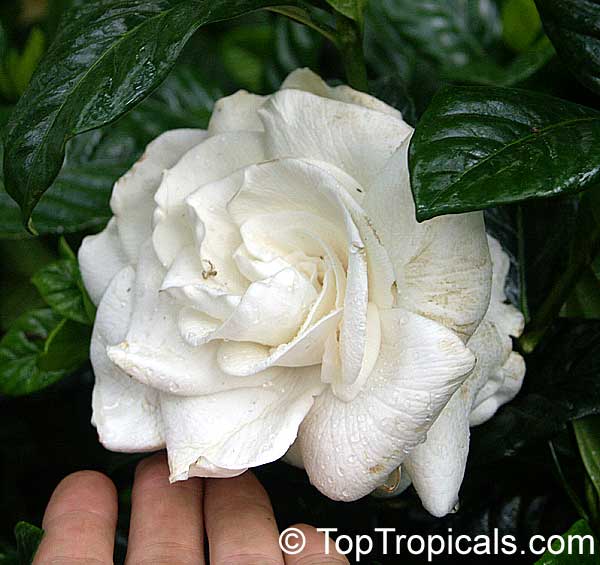
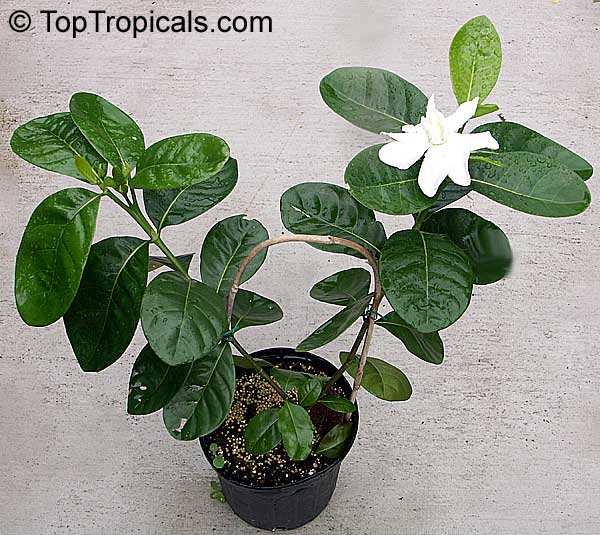
For your gardenias, you should use SUNSHINE Pikake - Fragrant Flower Booster.
Another important factor is proper watering. Gardenias like regular water
but don't like wet feet = well drained potting mix is a must, similar to Abundance professional growing mix.
Date: 4 Oct 2020
What fig trees are good for Florida?
Q: My baby fig tree was sprayed by the lawn people with weed
killer :( Any ideas? Also what figs do you have available to grow here in
Florida?
A: Unfortunately once a plant is affected by a herbicide, there
is not much you can do about it.
If you don't rinse the chemical within a few seconds, it gets into the
plant internal system and nothing can be done to save the plant. The tree may
remain green for a few days up to a week, but then gradually dies back. If your
fig tree wasn't rinsed immediately after herbicide spray, it is probably too
late.
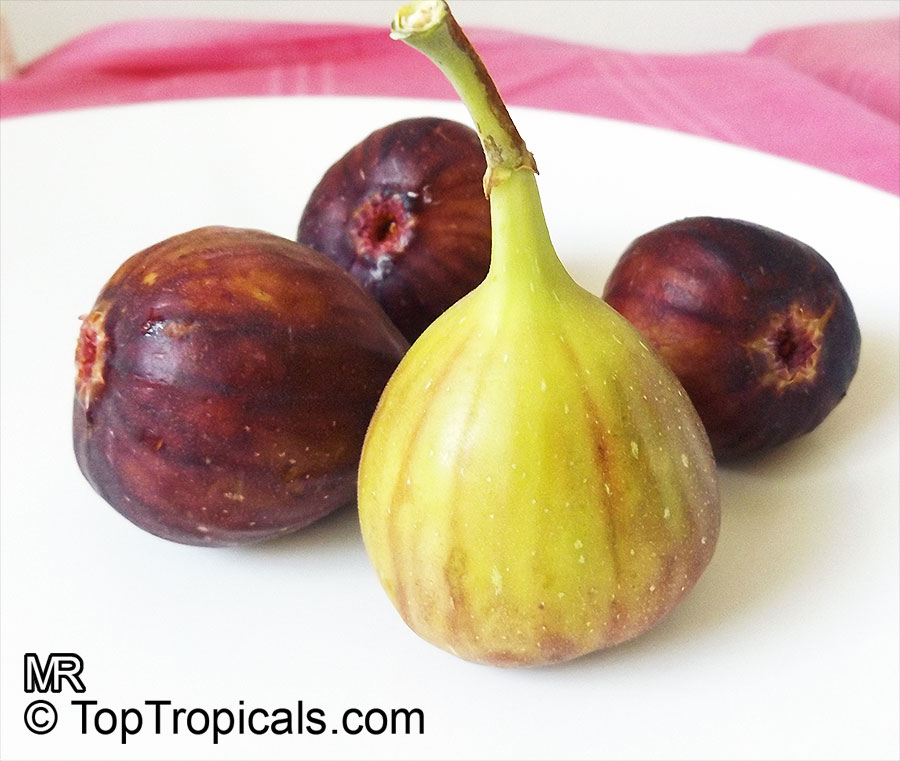
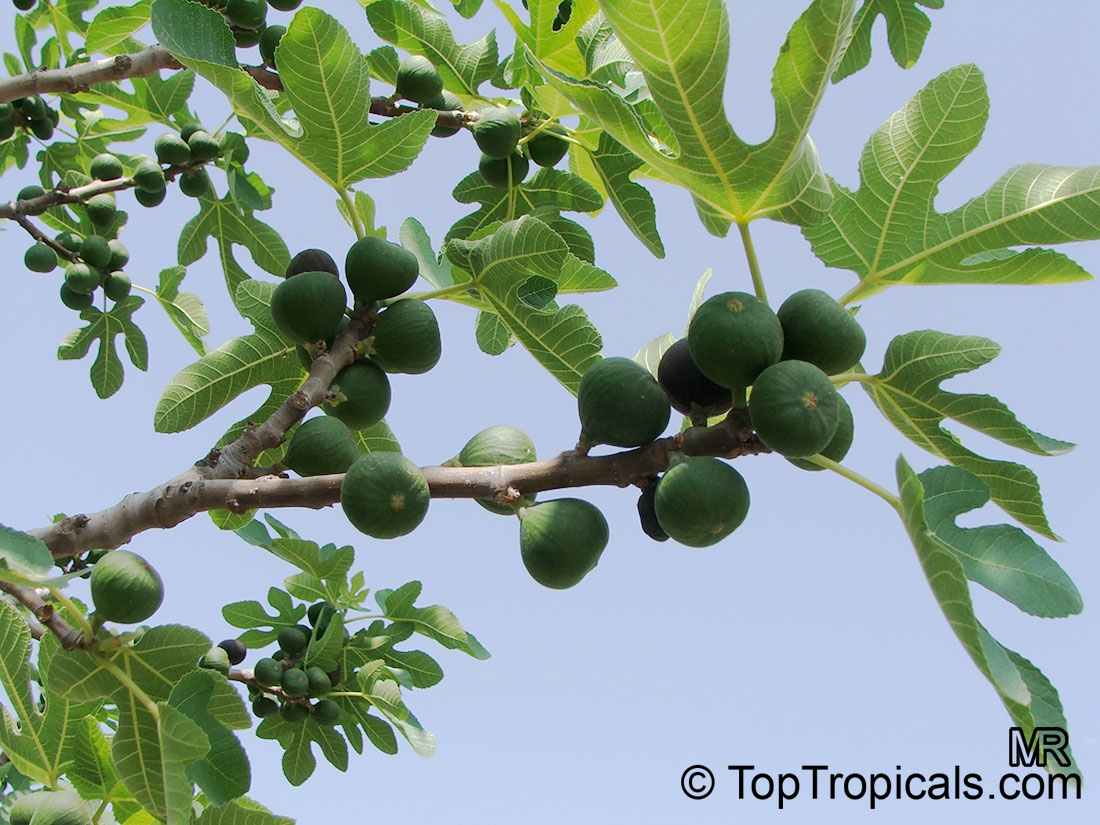
If you want to replace it with a new one, here is a few suggestions of our
favorite fig varieties which are great producers and grow well in Florida
heat:
Make sure to get appropriate plant food for your fig tree so it develops
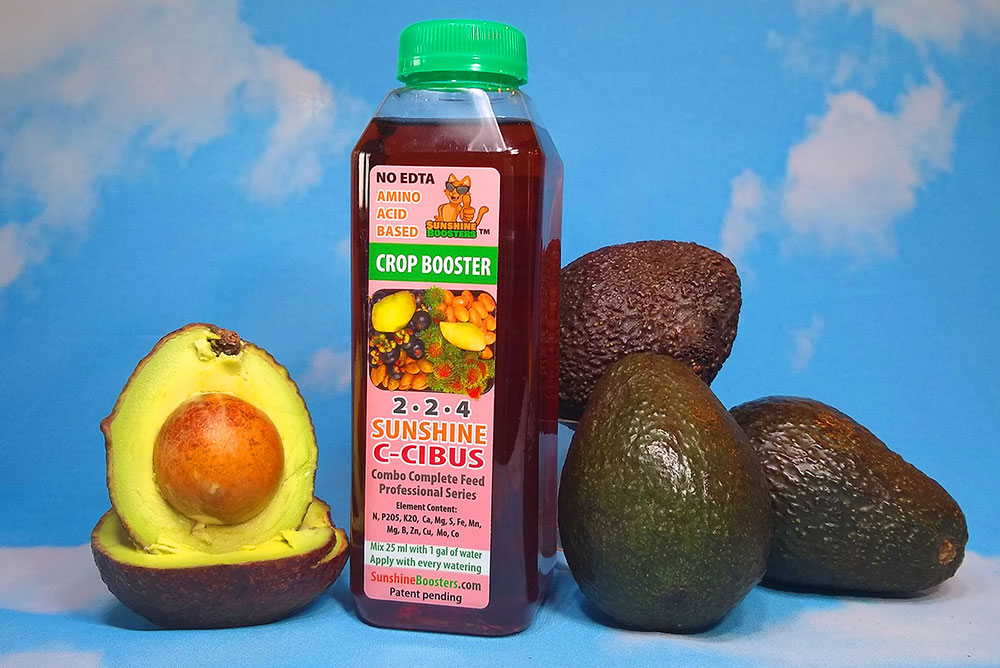
faster for you and gets well-established before winter: SUNSHINE C-Cibus - Crop Nutrition Booster from Garden Series, or Combo
Total Feed Collection - all nutrients in just one bottle, for fruit trees and
edibles.
Q: I have purchased a Sugar Loaf Pineapple from you a few months ago, it is growing well and
producing little babies around the main plant! I am so excited to have my own
Pineapple plantation! How soon will they fruit and is there anything I can
do to make them fruit faster? Can I give extra fertilizer just like I do for
other garden plants?
A: It takes a year or two until a pineapple plant gains enough
energy to be ready to fruit. However the total time depends on growing
conditions and availability of all necessary nutrients.
Pineapples, like all other plants from Bromeliaceae family require very
delicate fertilizer; traditional fertilizers, if overdosed, can harm Bromeliads
and even kill them. At the same time, Pineapples require extra Magnesium for
good production, and not every fertilizer has it, or contains it in
well-accessible compounds / proper proportions.
Sunshine Ananas Booster is a scientifically formulated, mild fertilizer,
designed especially for tender Bromeliads, containing Magnesium just in perfect
concentration. Its amino-acid based ingredients are natural and work perfectly
for edibles and organic gardens. Just follow the label instructions and speed
up the fruit production 3-4 times!
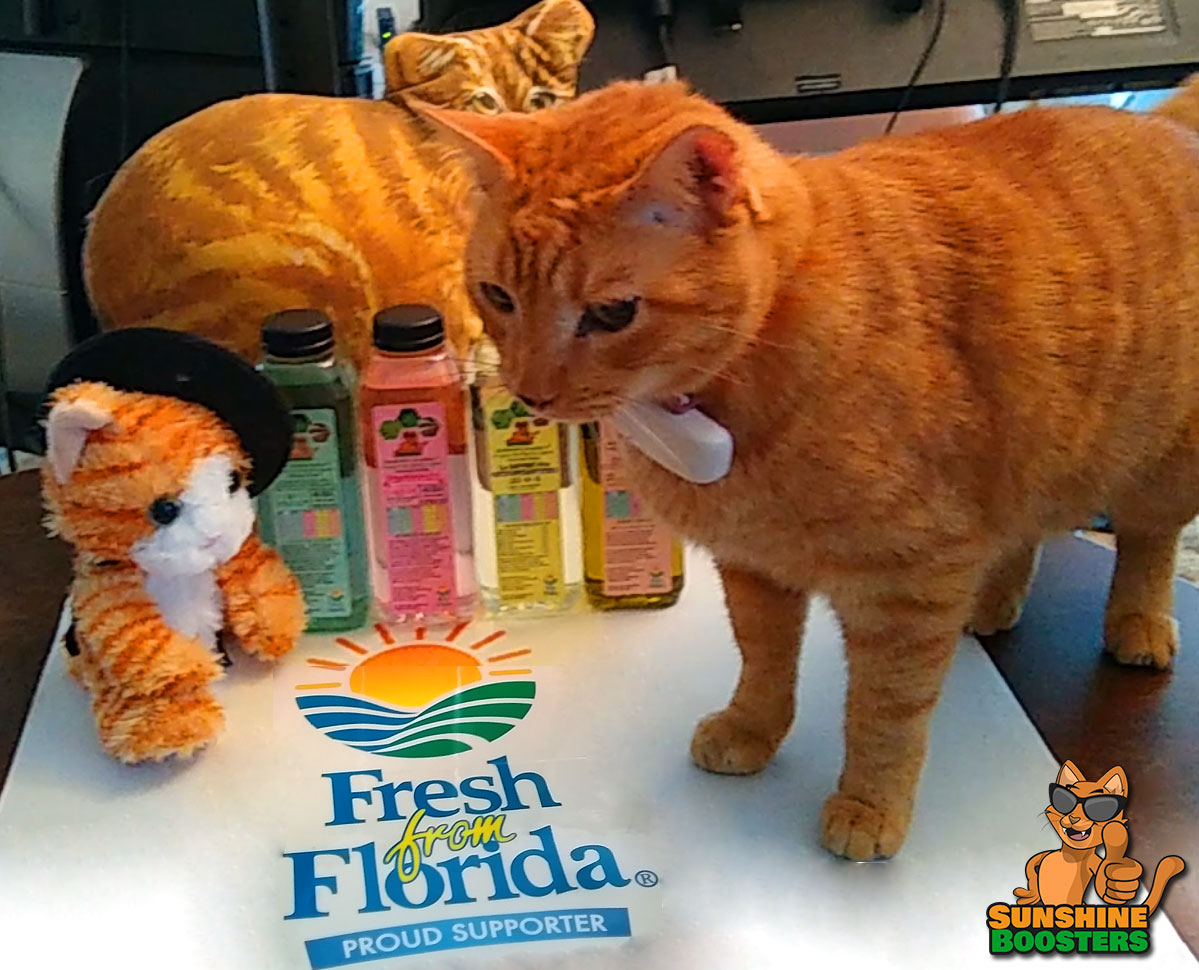
In the photo: Mr B checking his Sunshine Boosters inventory before shipping to his Good Customers.