Date: 7 Jun 2026
Which jaboticaba to grow: a quick guide to the most popular varieties
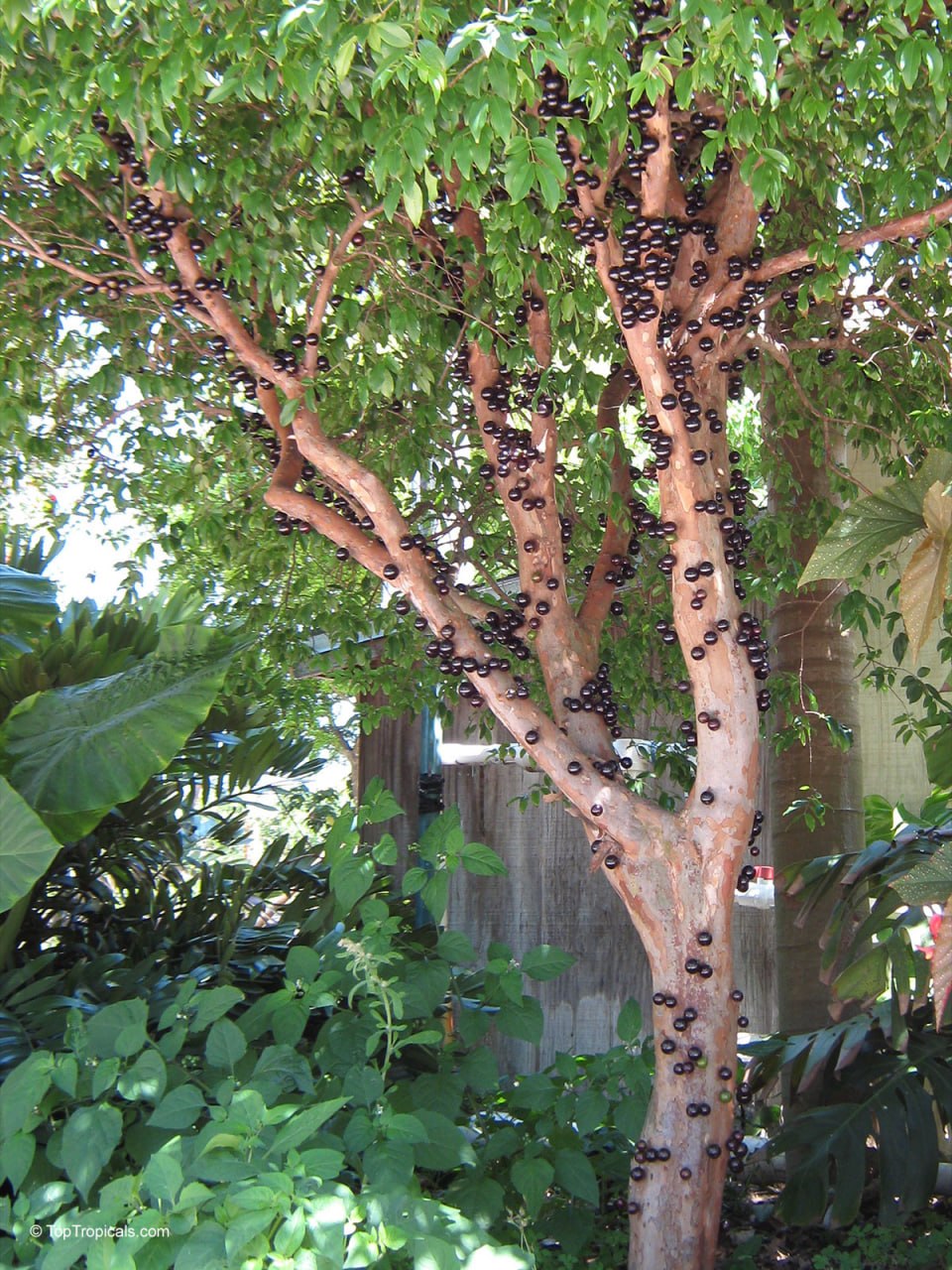
Myrciaria cauliflora Jaboticaba tree
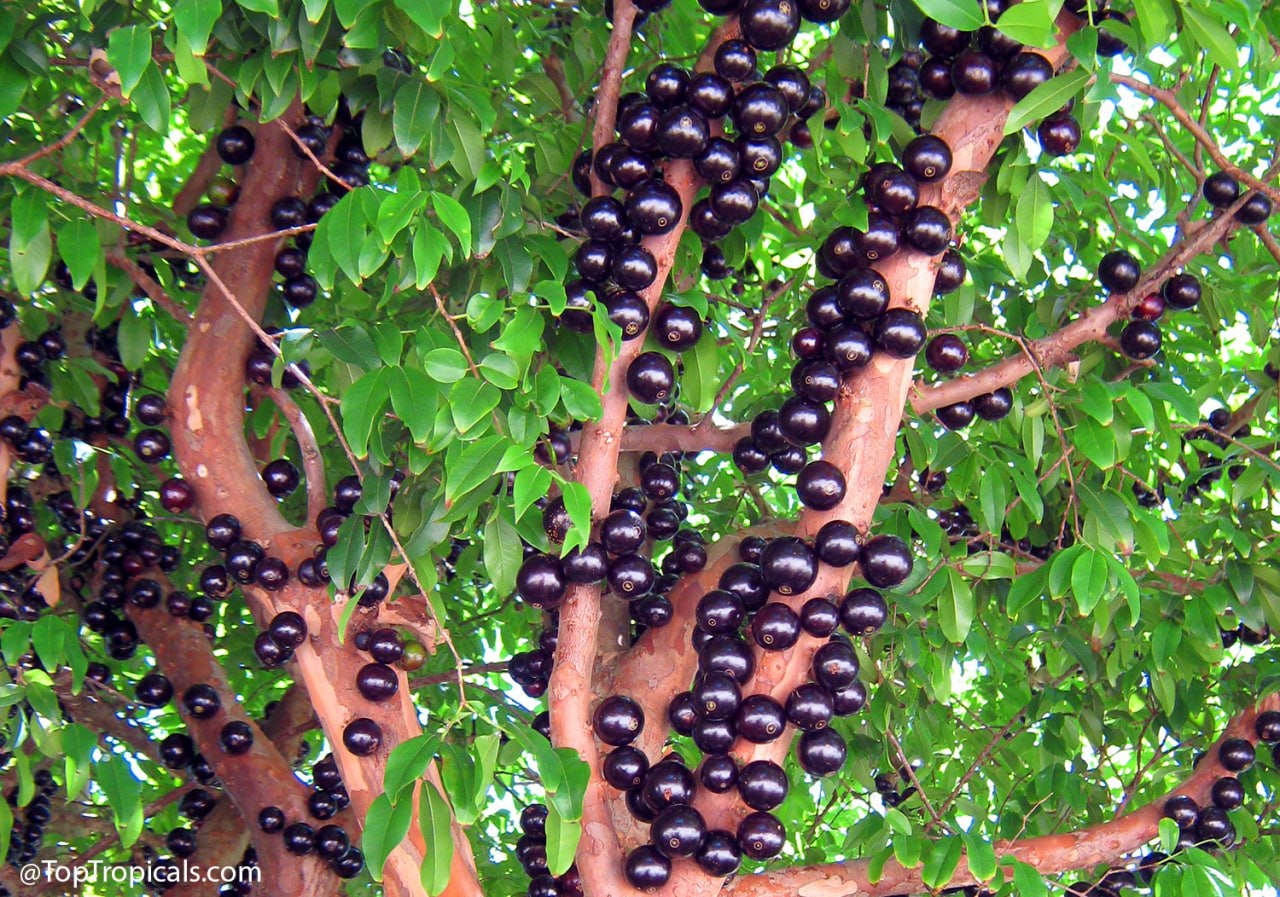
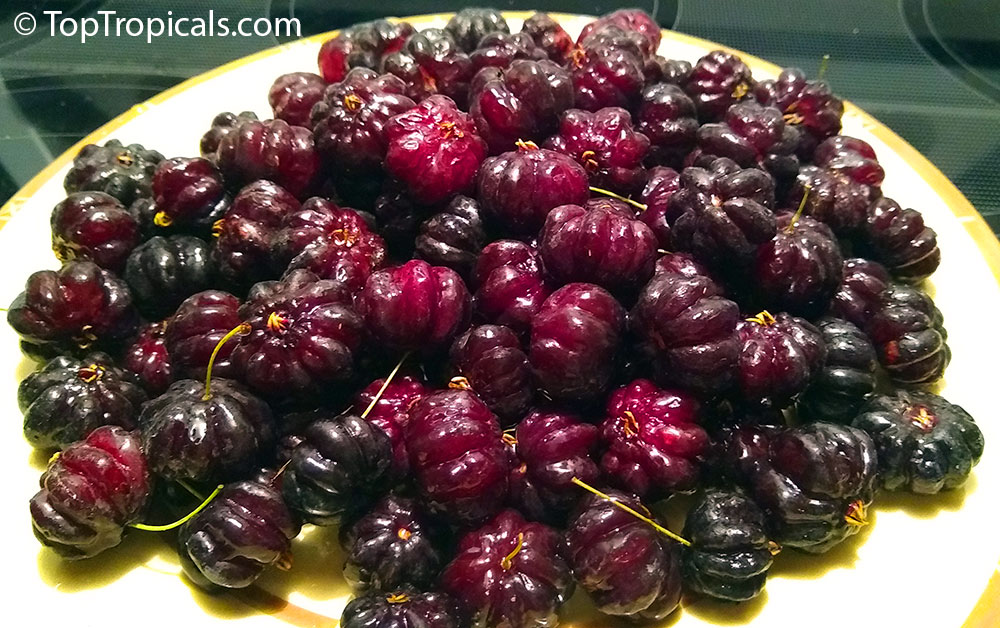
Myrciaria cauliflora Jaboticaba fruit
Myrciaria cauliflora Jaboticaba fruit
🍇Which jaboticaba to grow: a quick guide to the most popular varieties
Jaboticabas are among the most unusual fruit trees in the world. Native to Brazil, they produce grape-like fruit directly on the trunk and branches. Most varieties have sweet pulp, can fruit multiple times per year, and grow well in containers.
Despite their tropical appearance, jaboticabas are surprisingly cold hardy. During our historic Florida freeze, established trees handled 25F for two nights and nearly two weeks of unusual cold without protection. Many varieties can tolerate temperatures into the 20s, making them one of the more cold-hardy tropical fruit trees for Florida.
From fast-fruiting dwarfs to giant-fruited collectors' varieties, each jaboticaba offers something a little different. Here's a practical guide to some of the most popular selections.
One of the fastest-fruiting jaboticabas, often producing in 3-5 years. Compact, container-friendly, ideal for gardeners who want fruit sooner.
• Fruits young
• Naturally compact
• Excellent container plant
• Good for cooler climates where winter protection is needed
The classic Brazilian jaboticaba and still the most widely grown variety. Small, exceptionally sweet fruit with thin skin and juicy pulp. Can produce several crops per year.
• Traditional jaboticaba flavor
• Thin-skinned fruit
• Sweet and juicy
• Excellent for bonsai and containers
• One of Brazil's most popular wine varieties
Often called Giant Jaboticaba, with much larger fruit than most varieties. Thick juicy pulp, small seeds, heavy production.
• Larger fruit
• Thick pulp
• Heavy producer
• Excellent fresh eating quality
Known for large, exceptionally sweet fruit and relatively early production.
• Outstanding sweetness
• Large fruit
• Fruits in about 4-5 years
• Collector favorite
One of the most ornamental jaboticabas, with attractive foliage, upright growth, and excellent white-fleshed fruit. Fruits young and often several times per year.
• Beautiful foliage and trunk
• White-fleshed fruit
• Excellent flavor
• Multiple crops per year
• Good cold tolerance
A close jaboticaba relative (Myrciaria vexator) producing blue-purple fruit with a sweet grape-like flavor. Often grown as much for its beauty as its fruit.
• Unique blue fruit
• Sweet grape-like flavor
• Ornamental tree
• Rare and unusual
More vigorous and faster growing than traditional jaboticabas. Famous in Hawaii for Volcano Red wine.
• Faster growth
• More vigorous tree
• Good adaptability
• Tolerates occasional waterlogging
• Source of Hawaiian Volcano Red wine
• Fastest fruit: Precoce Dwarf
• Classic flavor: Sabara
• Largest fruit: Grimal
• Sweetest fruit: ESALQ
• Best ornamental: Branca Vinho or Blue Jaboticaba
• Fastest growth: Volcano Red
👉 All jaboticabas share the same magical trait - flowers and fruit appearing directly on the trunk. The differences are in fruit size, growth rate, and how quickly you'll enjoy your first harvest. Jaboticabas are notoriously slow growing, and large fruiting-size trees can take many years to develop. Established specimens are hard to find and can save years of waiting. If you've been thinking about adding one to your garden, remember: the best time to plant a jaboticaba was years ago - the second-best time is today.
🛒 Select from Jaboticaba varieties


Jaboticaba (Myrciaria cauliflora) in Plant Encyclopedia
Before you open a bottle of wine, meet the Secret Wine Tree from Brazil
What does Blue Jaboticaba taste like?
How Blue Jaboticaba is different from regular Jaboticaba?
What is Jaboticaba? I like the sound of this word!
#Food_Forest #Discover #How_to
🟢 Join 👉 TopTropicals
Jaboticabas are among the most unusual fruit trees in the world. Native to Brazil, they produce grape-like fruit directly on the trunk and branches. Most varieties have sweet pulp, can fruit multiple times per year, and grow well in containers.
Despite their tropical appearance, jaboticabas are surprisingly cold hardy. During our historic Florida freeze, established trees handled 25F for two nights and nearly two weeks of unusual cold without protection. Many varieties can tolerate temperatures into the 20s, making them one of the more cold-hardy tropical fruit trees for Florida.
From fast-fruiting dwarfs to giant-fruited collectors' varieties, each jaboticaba offers something a little different. Here's a practical guide to some of the most popular selections.
For beginners: Precoce Dwarf (Red Scarlet)
One of the fastest-fruiting jaboticabas, often producing in 3-5 years. Compact, container-friendly, ideal for gardeners who want fruit sooner.
• Fruits young
• Naturally compact
• Excellent container plant
• Good for cooler climates where winter protection is needed
The classic choice: Sabara
The classic Brazilian jaboticaba and still the most widely grown variety. Small, exceptionally sweet fruit with thin skin and juicy pulp. Can produce several crops per year.
• Traditional jaboticaba flavor
• Thin-skinned fruit
• Sweet and juicy
• Excellent for bonsai and containers
• One of Brazil's most popular wine varieties
For large fruit: Grimal
Often called Giant Jaboticaba, with much larger fruit than most varieties. Thick juicy pulp, small seeds, heavy production.
• Larger fruit
• Thick pulp
• Heavy producer
• Excellent fresh eating quality
For exceptional flavor: ESALQ
Known for large, exceptionally sweet fruit and relatively early production.
• Outstanding sweetness
• Large fruit
• Fruits in about 4-5 years
• Collector favorite
For beauty and productivity: Branca Vinho
One of the most ornamental jaboticabas, with attractive foliage, upright growth, and excellent white-fleshed fruit. Fruits young and often several times per year.
• Beautiful foliage and trunk
• White-fleshed fruit
• Excellent flavor
• Multiple crops per year
• Good cold tolerance
For collectors: Blue Jaboticaba
A close jaboticaba relative (Myrciaria vexator) producing blue-purple fruit with a sweet grape-like flavor. Often grown as much for its beauty as its fruit.
• Unique blue fruit
• Sweet grape-like flavor
• Ornamental tree
• Rare and unusual
For faster growth: Volcano Red (La Vinotinto)
More vigorous and faster growing than traditional jaboticabas. Famous in Hawaii for Volcano Red wine.
• Faster growth
• More vigorous tree
• Good adaptability
• Tolerates occasional waterlogging
• Source of Hawaiian Volcano Red wine
Which one is right for you?
• Fastest fruit: Precoce Dwarf
• Classic flavor: Sabara
• Largest fruit: Grimal
• Sweetest fruit: ESALQ
• Best ornamental: Branca Vinho or Blue Jaboticaba
• Fastest growth: Volcano Red
👉 All jaboticabas share the same magical trait - flowers and fruit appearing directly on the trunk. The differences are in fruit size, growth rate, and how quickly you'll enjoy your first harvest. Jaboticabas are notoriously slow growing, and large fruiting-size trees can take many years to develop. Established specimens are hard to find and can save years of waiting. If you've been thinking about adding one to your garden, remember: the best time to plant a jaboticaba was years ago - the second-best time is today.
🛒 Select from Jaboticaba varieties
📚 Learn more:
Jaboticaba (Myrciaria cauliflora) in Plant Encyclopedia
Before you open a bottle of wine, meet the Secret Wine Tree from Brazil
What does Blue Jaboticaba taste like?
How Blue Jaboticaba is different from regular Jaboticaba?
What is Jaboticaba? I like the sound of this word!
#Food_Forest #Discover #How_to
🟢 Join 👉 TopTropicals