Spring has arrived, and plants are coming back to life. New shoots are
appearing, fresh leaves are unfolding, and roots are beginning to grow
actively again. As plants enter this important stage of the season, they
need more than just water to support their growth. Proper nutrition is
essential for strong development and healthy
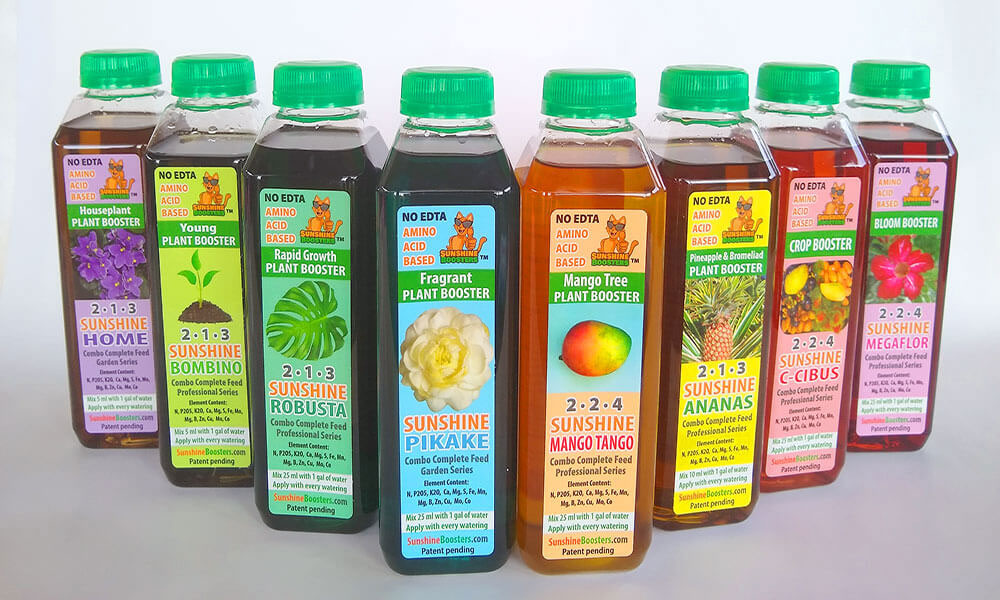
plants. SUNSHINE
Boosters provide the balanced nutrition plants need to start the growing
season strong.
A simple rule we follow in our nursery: new growth responds best to foliar
feeding.
When nutrients are sprayed directly on the leaves, plants can absorb them
quickly and efficiently.
Immediate action – nutrients are absorbed through the
leaves and start working right away.
No delay traveling through soil – plants do not need to
wait for nutrients to move down to the roots.
Avoids soil lockout – micronutrients can become unavailable
in high pH soils, but foliar feeding bypasses this problem.
Supports stressed plants – when roots are cold, damaged, or
newly transplanted, foliar feeding helps
plants recover faster.
However, sometimes plants begin to show visible nutrient deficiencies.
Yellow leaves, slow growth, brown leaf edges, or distorted new leaves are
often early signs that the plant is missing essential elements needed for
healthy development.
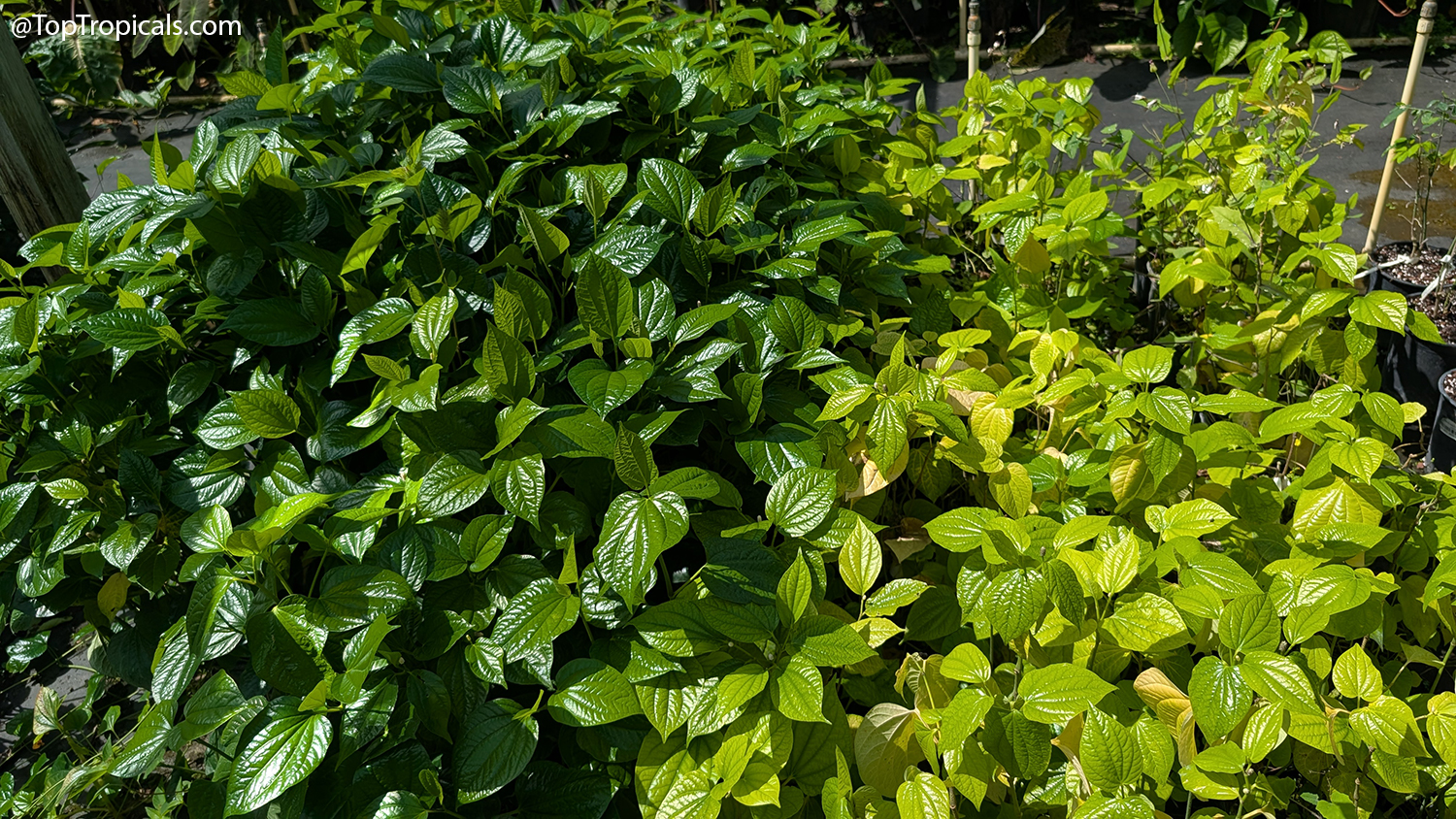
Piper sarmentosum - Vietnamese Pepper - with
fertilizer (left) and without (right)
Chaa-plu Plant Facts
Botanical name: Piper sarmentosum Also known as: Chaa-plu, Vietnamese Pepper, Lalot, La Lot, Wild Betel Leaf
USDA Zone: 9 - 11
Highligths
These symptoms are especially common in container plants, where nutrients
can be quickly depleted or become
unavailable due to soil pH and watering conditions.
Use the quick reference table below to identify common nutrient-related
symptoms and the recommended SUNSHINE solution to correct them.
Symptom you see
What to do
Pale leaves, slow growth, weak new shoots
(often nitrogen related)
For most plants, foliar feeding works best when applied lightly and
regularly during active growth.
Regular feeding (maintenance): Mix with tap water according to
the ratio on the label. For SUNSHINE Robusta use 25 ml (5 tsp)per gallon
of water and spray leaves every 5-7
days during active growth.
Correction feeding ("medicine" dose): if plants show visible
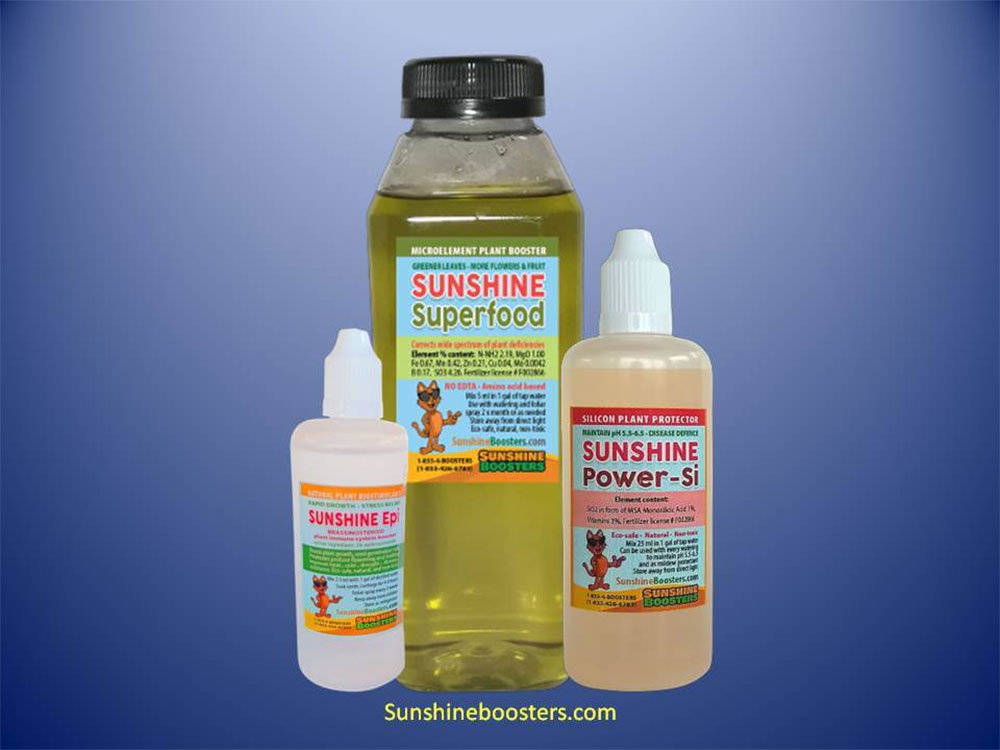
nutrient deficiencies, combine SUNSHINE Robusta with SUNSHINE Superfood and
spray every 5–7 days until new growth appears healthy. All SUNSHINE
Boosters
products are compatible and can be mixed with water in the same sprayer.
Best time to spray: early morning or evening when temperatures
are cooler and leaves can absorb nutrients efficiently.
Important: spray both the top and underside of leaves for
maximum absorption.
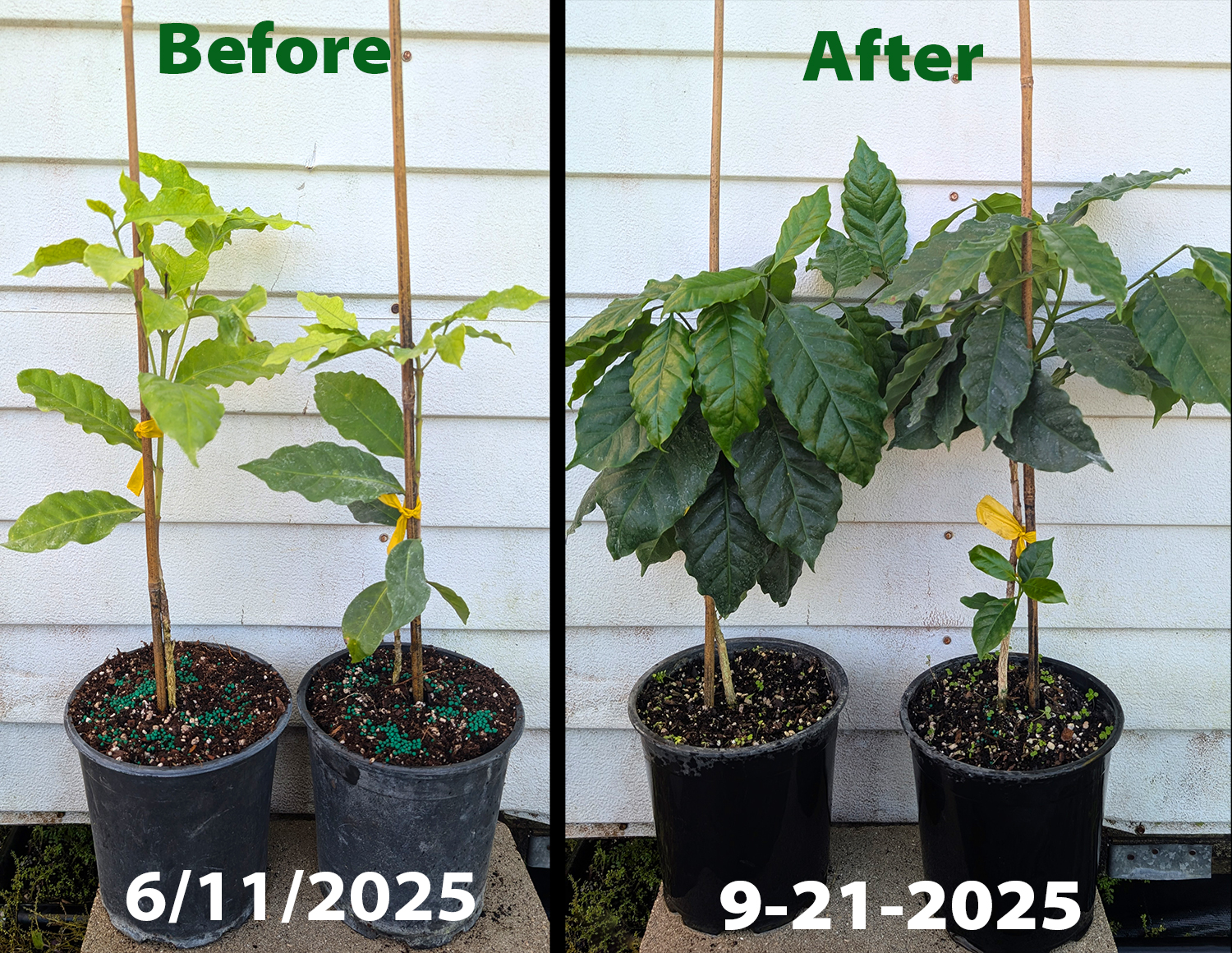
Coffee plants before and after regular Sunshine
Robusta applications
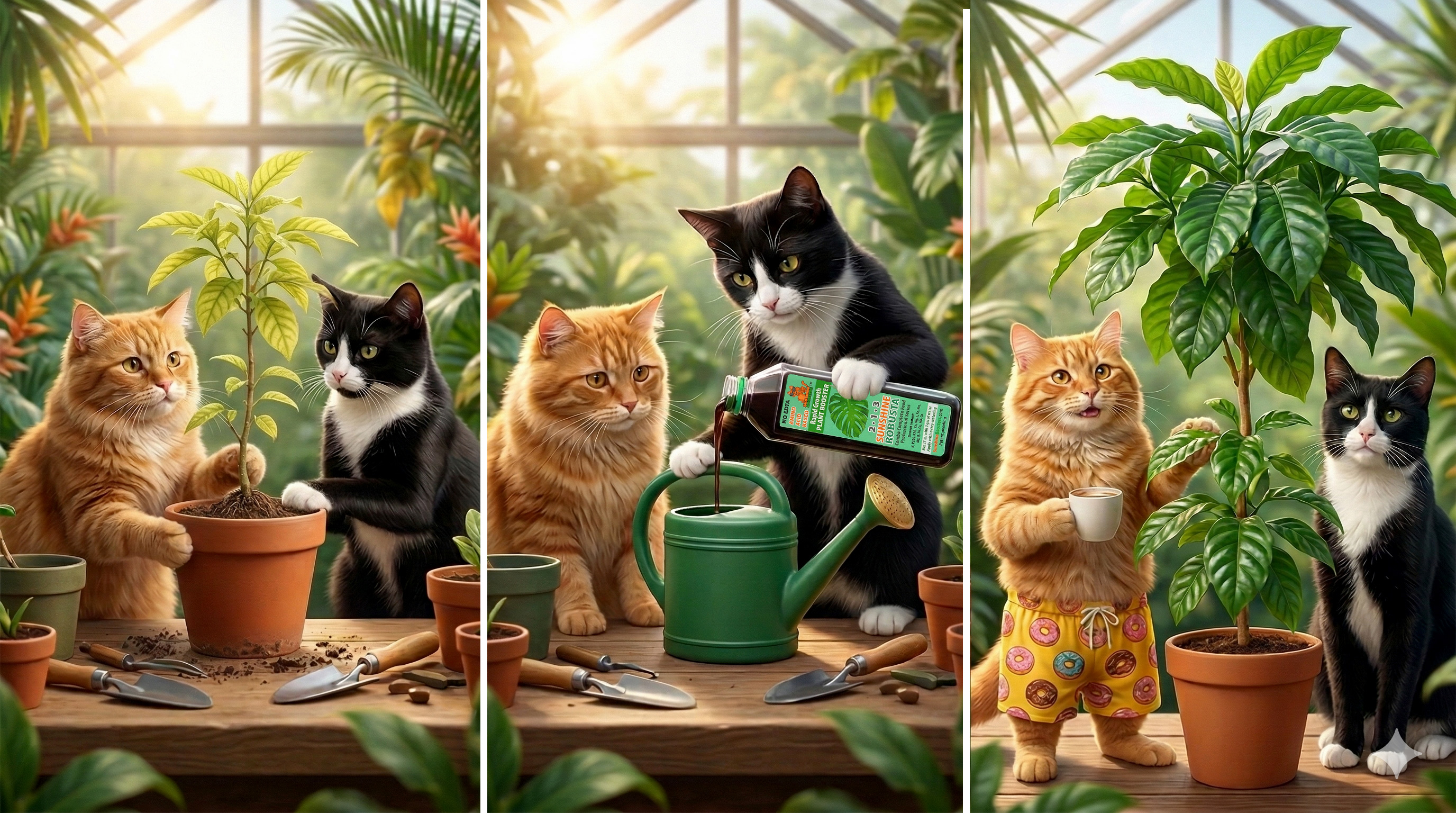
Cats Smokey and Sunshine using Sunshine Boosters supplements on plants
How to take your plants from good to exceptional
If your plants are growing but not really impressing you, this is the missing piece. Basic feeding keeps plants alive. The right boosters take them further - stronger growth, better blooms, sweeter fruit, and healthier plants overall.
☘️ Additional boosters that take plants to the next level
Beyond the base nutrition, Sunshine Boosters includes additional products that help plants perform better during key stages of growth. All formulas, including supplements, are compatible and can be used together when needed.
☘️ Full microelement support
Sunshine SuperFood is a microelement supplement that corrects deficiencies and improves flowering and fruiting. It helps with yellow leaves, weak growth, poor rooting, and low fruit set.
☘️ Growth and stress support
Sunshine Epi is a natural bio-stimulant that supports faster growth, stronger roots, and better resistance to stress. It helps plants handle cold, heat, drought, and disease.
All these boosters work together with the base Sunshine Boosters system. They do not replace regular feeding but enhance it. When used at the right time, they help plants grow stronger, flower better, and produce higher-quality fruit with improved taste and appearance.👉 More... 🛒 Get your plants real food
By Tatiana Anderson, Horticulture Expert at Top
Tropicals with Smokey & Sunshine help
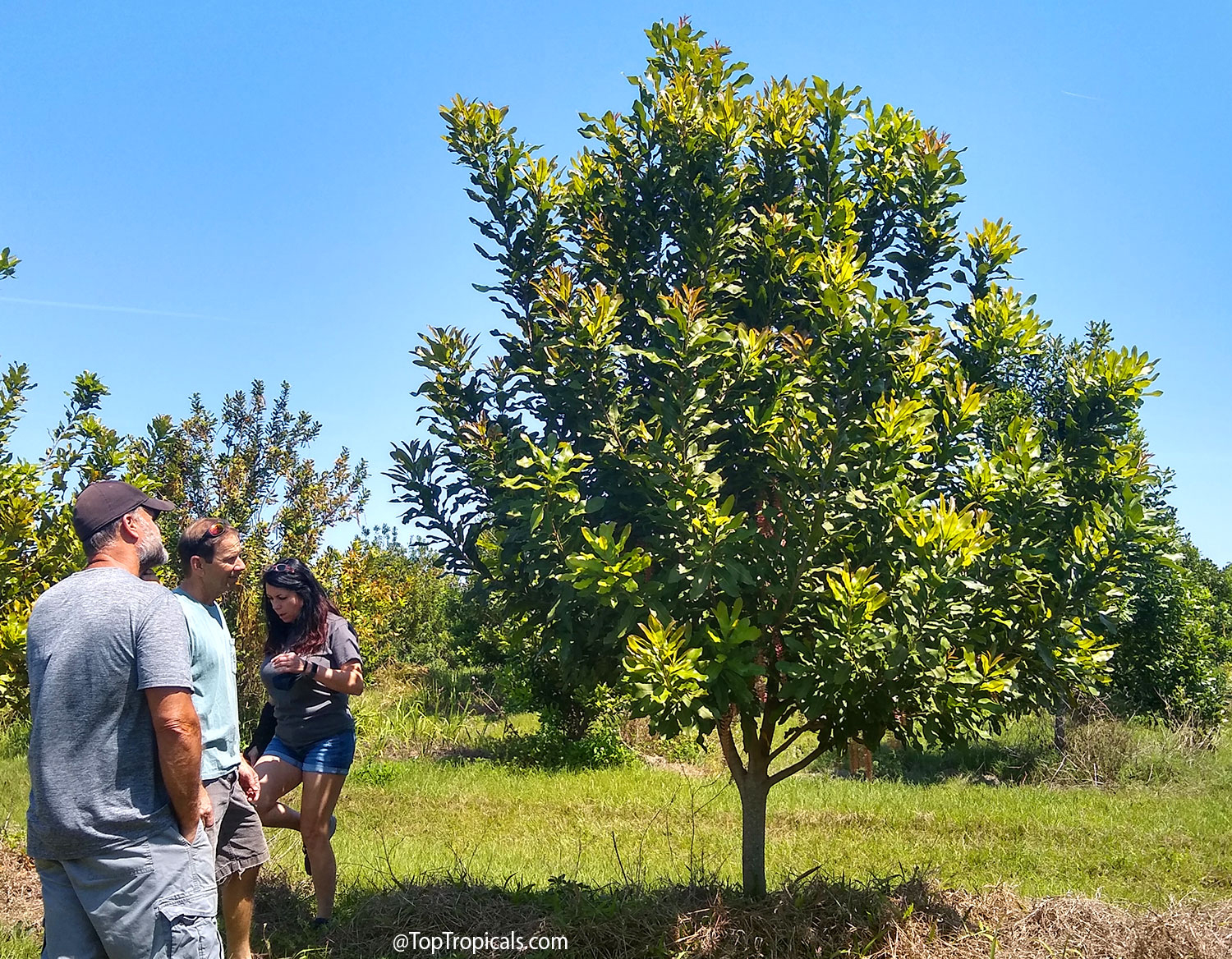
Macadamia
tree maturing into a productive, manageable canopy.
🌳 Growing Macadamia Tree
Macadamia is not a fragile tree, but it does have preferences. If you
respect them from the beginning, the tree rewards you for decades.
Start with the site. Drainage is everything. Macadamia will tolerate
cool weather better if planted in a well-drained area. Avoid low spots where
water sits after rain. If your soil is dense or clay-like, build a mound or
improve drainage before planting.
Choose full sun whenever possible for the best nut production.
Planting location matters. A south or southeast exposure near a wall can
create a warmer microclimate that buffers cold nights. Freeze plus wind is
more damaging than temperature alone. Macadamia handles cold better when
protected from winter wind.
Dig a hole about twice as wide as the container, but no deeper than the
root ball. Set the tree level with the surrounding soil. Do not bury the
trunk.
Water regularly during the first three months while the tree establishes
roots.
Fertilize lightly. Macadamia does not respond well to over-fertilizing.
Macadamias prefer mild liquid fertilizers, SUNSHINE
Boosters Robusta is ideal for it. You may also use controlled release Green
Magic every
6 months, it is especially formulated for hot climate. To keep leaves
healthy deep green without yellowing, micro elements must be applied on
regular basis, we recommend to always have handy Sunshine
Superfood micro nutrients complex.
Young trees should be protected if temperatures drop below freezing.
Once established, they become far more resilient.
Harvest timing: Nuts mature 6-7 months after flowering. Husk splits
naturally when ready. Fallen nuts should be collected quickly.
Flower and Nut Drop: Many gardeners panic when they see flowers or small
nuts drop, but Macadamia naturally sheds excess fruit. It does not mean
failure; the tree simply keeps what it
can afford to feed.
Macadamia is relatively low-maintenance, but watch for squirrels and rats.
They love the rich nuts as much as humans do, so be sure to collect fallen
nuts quickly.
Macadamia is not a fast-return crop. It begins producing a few years and
increases gradually. But once mature, it becomes a steady, reliable part of
your garden.
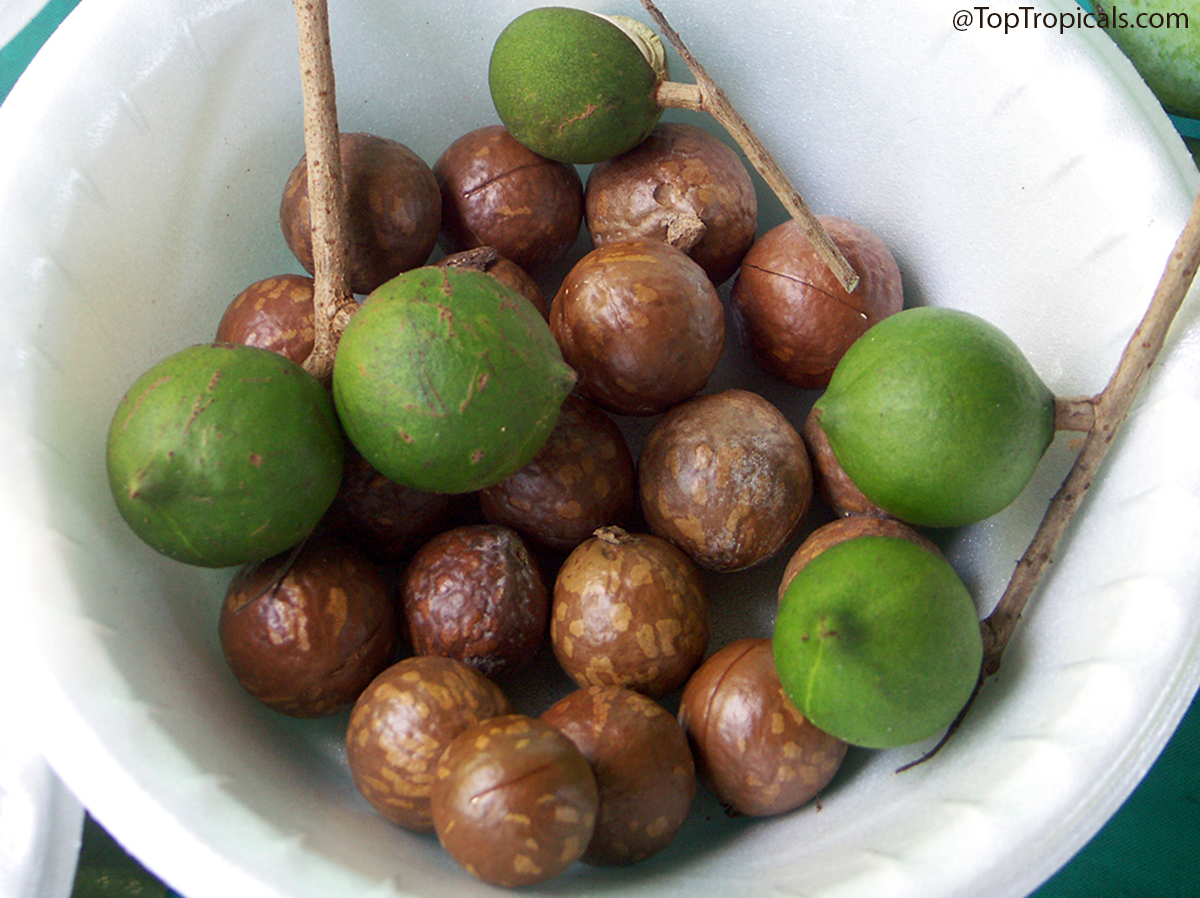
Macadamia fruit showing green outer husk and mature
brown shell inside.
🌱 Growing Macadamia in a Pot
Container size: Start large. A 15-25 gallon pot is ideal for long-term
growth.
Drainage: Critical. Use a container with multiple drainage holes.
Soil mix: Use a high-quality, well-draining container mix. Avoid heavy
garden soil. Top
Tropicals Abundance soil-less mix is specially formulated for pot
growing
Light: Full sun is best. Strong light improves flowering and nut
production.
Watering: Water deeply, then allow the top layer to dry slightly before
watering again. Avoid constant saturation.
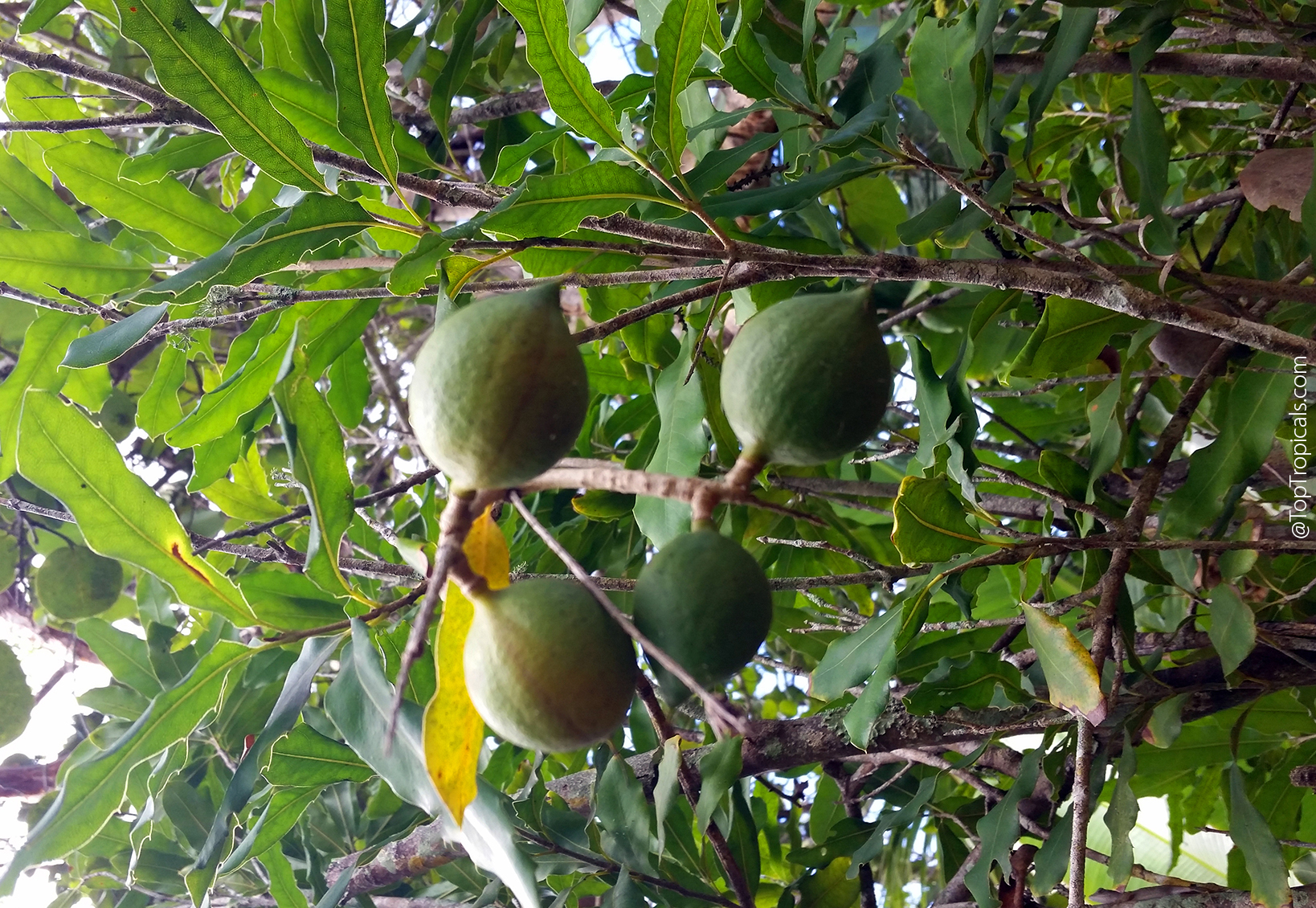
Macadamia nuts developing on the tree before the husk
splits.
🚫 Common Mistakes When Growing Macadamia
Planting in poorly drained soil:
The most common mistake. Macadamia will decline quickly in heavy,
waterlogged ground. If
drainage is questionable, plant on a mound.
Overwatering young trees:
Newly planted trees need consistent moisture, not constant saturation. Wet
roots lead to root problems.
Over-fertilizing:
Too much fertilizer causes weak growth and nutrient imbalance. Feed lightly
and avoid heavy nitrogen applications.
Planting too deep:
The top of the root ball should sit level with or slightly above the
surrounding soil. Do not bury the trunk.
Ignoring micronutrients:
Macadamia is very prone to iron, zinc, and copper deficiencies. Yellowing
leaves may signal a micronutrient issue. Applly Sunshine
Superfood on regular
basis.
Expecting instant production:
Macadamia takes time. Early years build structure. Patience is part of
success.
Skipping cold protection for young trees:
Established trees are tougher, but young plants should be protected below
freezing.
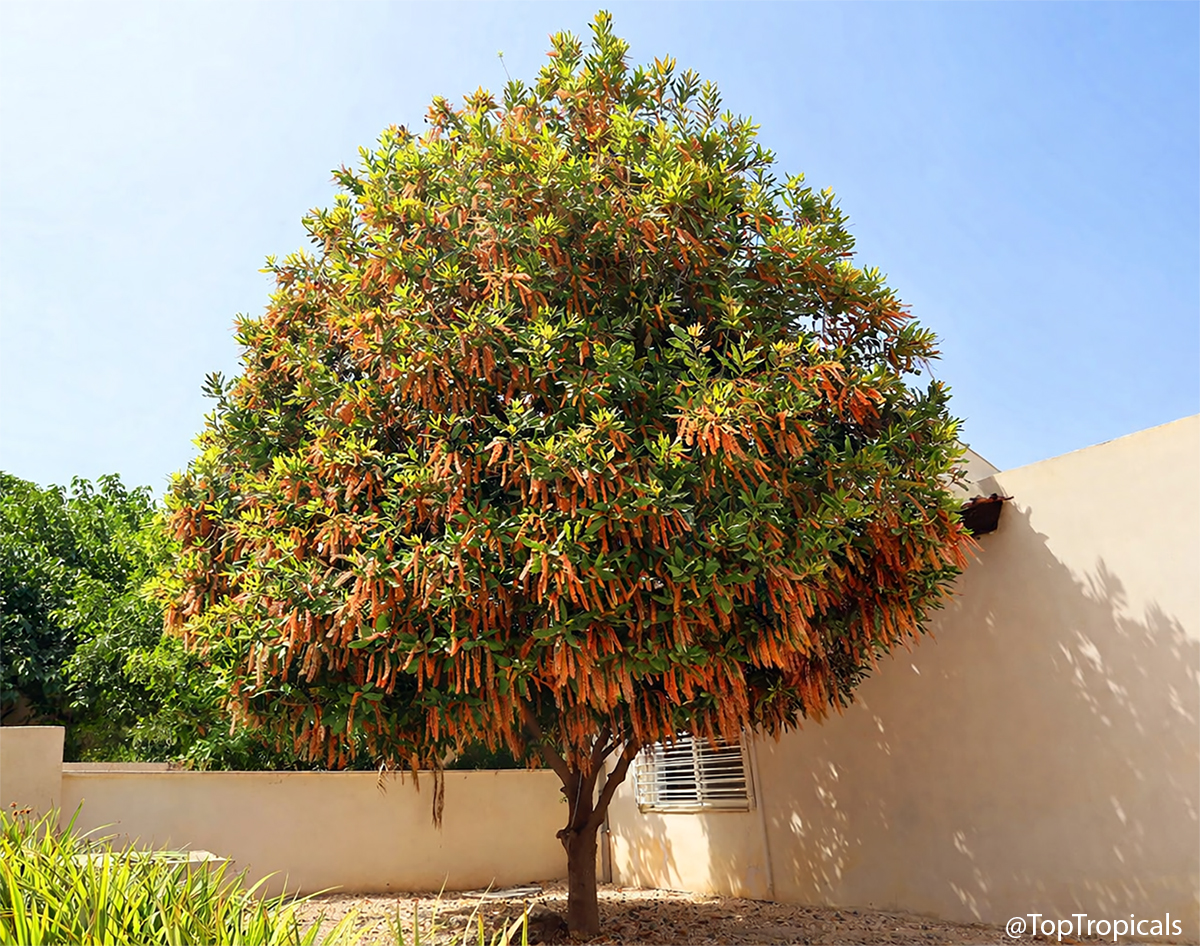
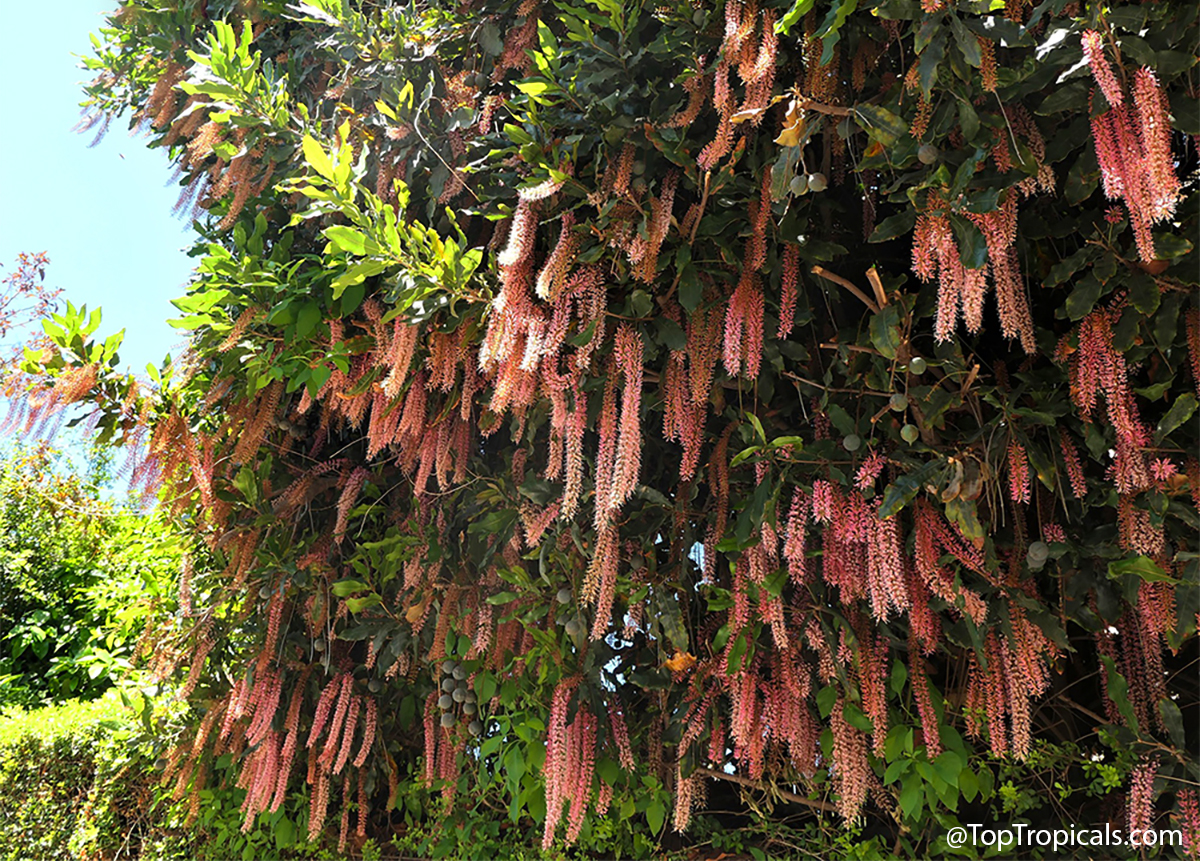
Macadamia tree in full bloom with abundant flower
clusters.
❓Frequently Asked Questions (FAQ)
Is Macadamia toxic to pets?
While the nuts are a superfood for humans, they are toxic to dogs. If
you have a dog that tends to forage in the garden, ensure you harvest
fallen nuts promptly or fence the base of the tree during the drop season.
Which varieties are best for the "Survivor" garden?
Look for Macadamia integrifolia (smooth-shell) or hybrids like
'Beaumont' (M.
tetraphylla x M. integrifolia). Hybrids often show slightly better cold
tolerance and more
consistent "home garden" production.
How tall will my tree get?
In the ground, an unpruned Macadamia can reach 20–30 feet. However,
they respond very well to "heading back" (pruning the top) to keep them at a
manageable 12–15 feet for easy harvesting.
Do I need two trees for cross-pollination?
Macadamias are self-fertile, meaning one tree will produce nuts. However,
planting two varieties near each other often results in a significantly
heavier "nut
set" due to cross-pollination.
Why are the leaves on my Macadamia prickly?
Don't panic—this is normal! Some species, particularly M.
tetraphylla, have serrated, holly-like leaves. This actually makes them
a great "defensive" hedge against intruders or deer.
When exactly should I harvest?
The tree tells you when it's ready. Don't shake the tree; wait for the nuts
to fall naturally. In Florida, this usually happens between August and
November. If the green outer husk hasn't split yet, let them sit in a
shaded, dry spot until they do.
My tree has "clusters" of flowers but no nuts. What happened?
Macadamias produce long racemes (flower spikes) with hundreds of tiny
blooms. It is normal for 90% of these to fall off. The tree only keeps what
it can afford to "feed." Boost your
success by using a combination of Sunshine
C-Cibus liquid
fertilizer and SUNSHINE
Superfood micro element supplement during the flowering stage to help
the tree retain more fruit.
Can I grow them from a nut I bought at the store?
Unlikely. Commercial nuts are usually roasted or dried at high heat, killing
the embryo. Even if a raw nut sprouts, it may take 10–12 years to
fruit and the quality is a gamble. Buying a grafted tree saves you a decade
of waiting.
We don’t just sell plants; we test them. The data from this
February freeze proves that with the right selection and proper drainage,
'tropical' doesn’t have to mean 'fragile.' Don’t wait for the
next cold front to find out what in your garden is
vulnerable. It is time to replace those empty spots with proven survivors
that offer both beauty and a premium harvest. If it can stand up to 25F in
our fields, it’s
ready for your backyard.
Coming in Part 2...
Smokey is already crunching the numbers on our next survivor, and Sunshine
found another tree that stayed perfectly green in the wind. Stay tuned to
see which fruit tree made the cut!
Macadamia
flowers forming long cascading racemes before nut set.
🌿 The Vanilla Plant That Outgrew Its
100-Gallon Container.
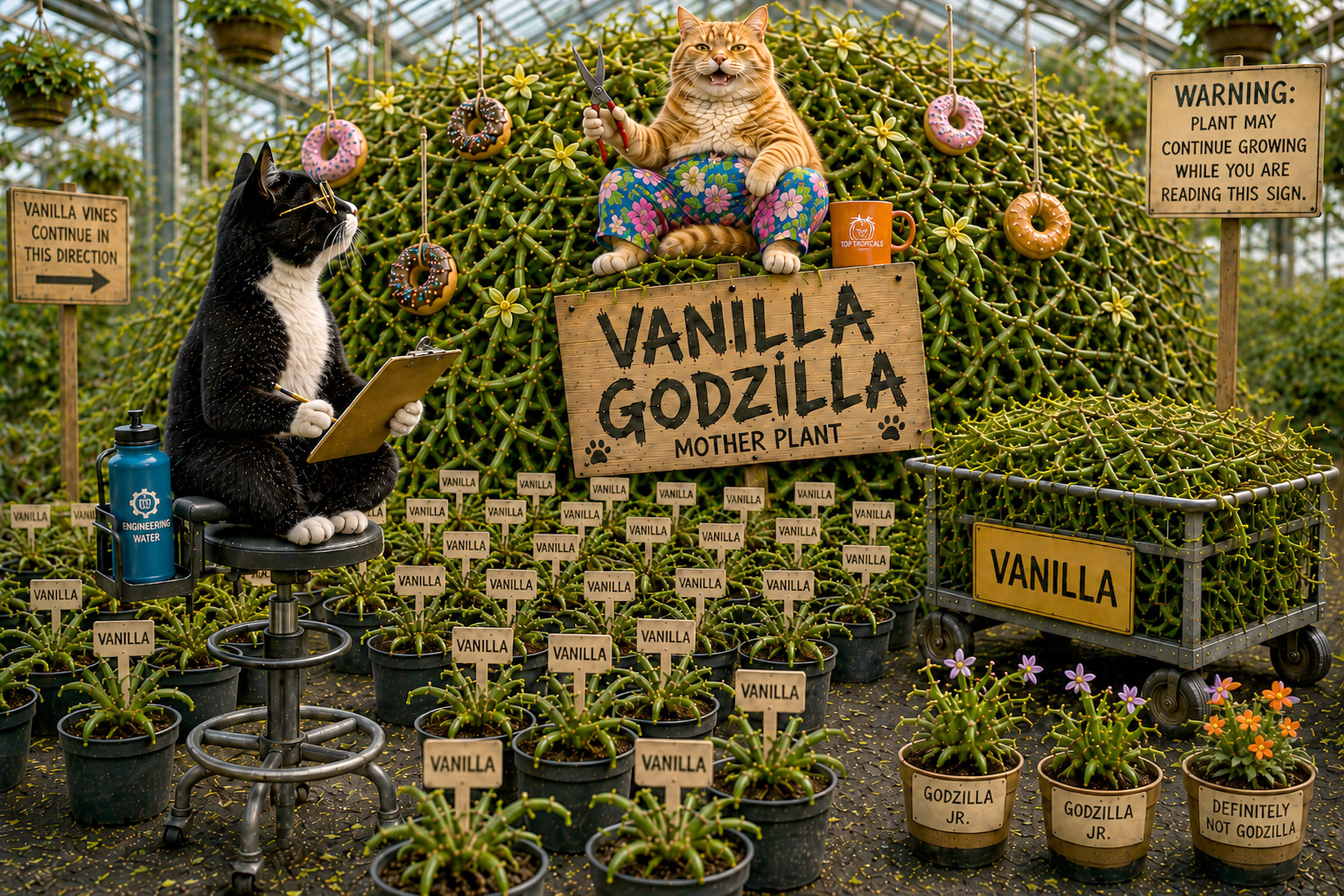
Smokey: Is that really the entire mother plant? Sunshine: Most of it. Smokey: What do you mean "most of it"? And why are there
donuts hanging from the plant? Sunshine: We still haven't found the other end. The donuts
attract pollinators. Smokey: Donuts do not attract pollinators. Sunshine: Then explain why I keep visiting the plant. Smokey: You work here. Sunshine: That's what the plant wants you to think. It's
called "Intelligent Design" for a reason.
The plant Sunshine is perched on is not a hedge. It is not a wall. It is a
single specimen of Vanilla
dilloniana, Dillon's Vanilla, and it has a name:
Intelligent Design. Unlike the familiar Vanilla planifolia
— the commercial vanilla of ice cream and extract — dilloniana
produces no leaves. The plant is essentially a green vine, photosynthesizing
entirely through its stems. It is an unusual and striking grower, and in
good
conditions it can develop into an impressive, multi-branched specimen.
It is classified as rare, and is considered vulnerable or endangered across
portions of its native range.
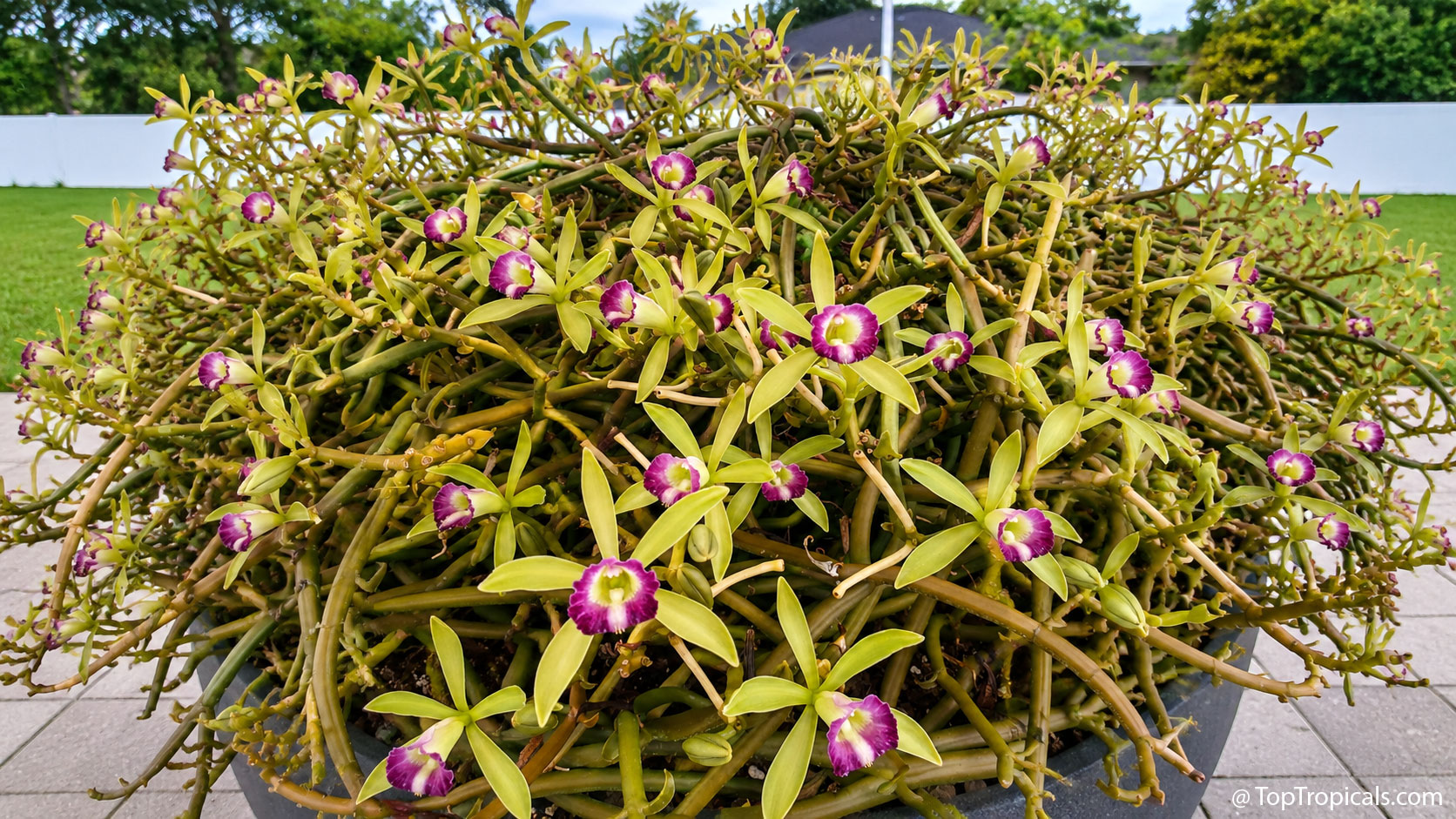
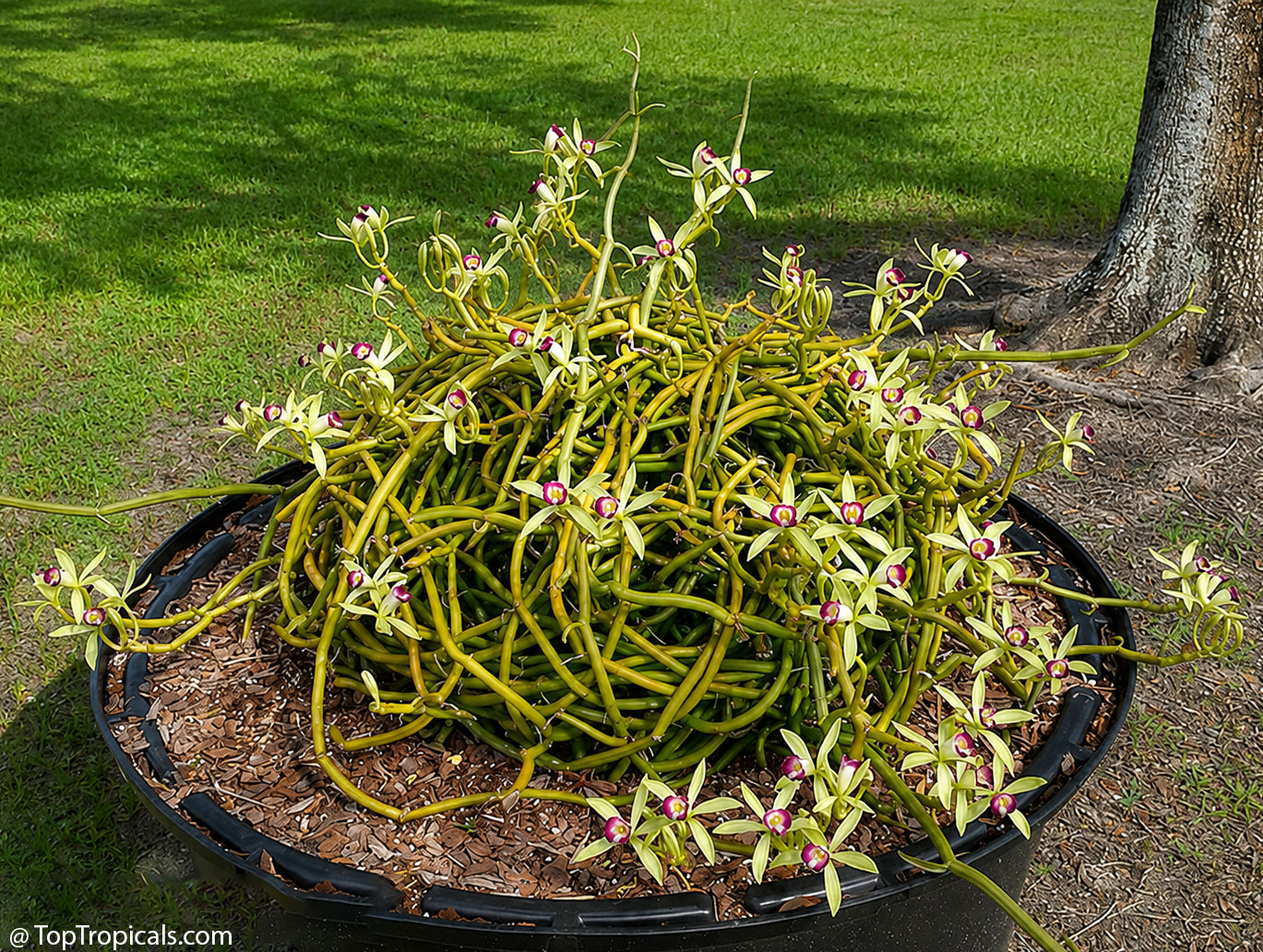
Vanilla dilloniana in full bloom before its next major
upgrade.
Intelligent Design was grown and lovingly tended for years by Robert
Riefer, a grower who is both a good friend of Top Tropicals and one of the
most
dedicated orchid collectors we know. The mother plant of this specimen
traces
its origins back to 1927 - nearly a century of continuous cultivation.
In 2011, the American Orchid Society recognized this remarkable plant with
a Certificate of Horticultural Merit (CHM), one of the society's formal
awards for plants of exceptional quality.
By 2017, the plant had already become well known in the orchid and tropical
plant community, appearing in a video that documented Robert moving it into
a 100-gallon container. That video became something of a legend among
collectors.
🎥 Video: the biggest Vanilla Orchid in the world moving to 100
gal pot
Then the plant kept growing.
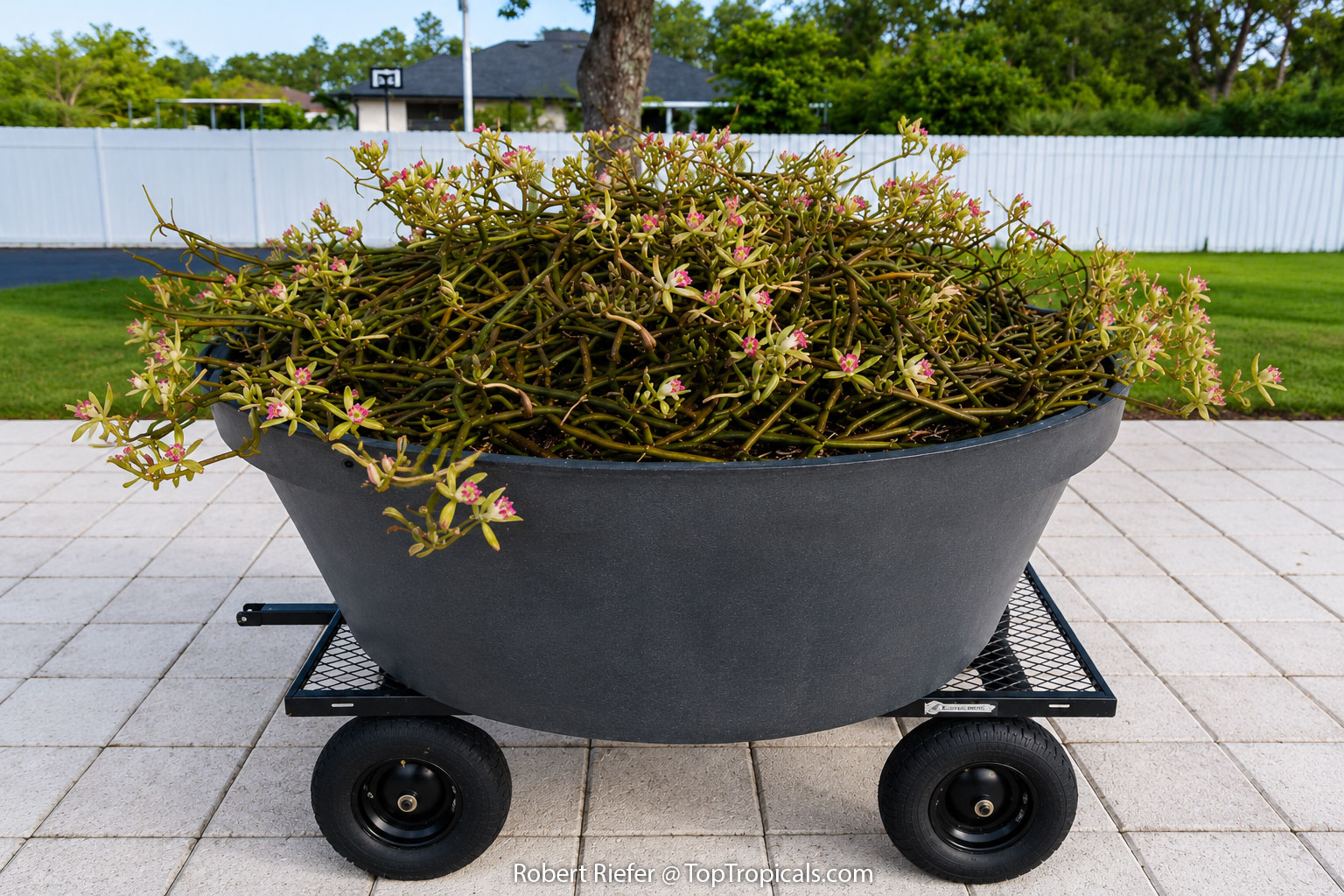
It outgrew the 100-gallon container. Robert eventually moved it into a
250-gallon pool on wheels - because when a plant refuses to stop, you give
it
room.
The move to a custom 250-gallon container allowed continued growth and
flowering.
The plant is currently on display at Edison Ford Winter Estates museum and botanical garden in Ft Myers,
Florida, during the month of June, where recent photographs show it larger
and
more floriferous than ever. It is, as best anyone can determine, the largest
known cultivated specimen of Vanilla dilloniana in the world. If you
are local or visiting Florida, don't miss the chance to see this
world-famous
orchid in person. It is expected to continue blooming through June.
And here's the remarkable part: the Vanilla
dilloniana plants available from Top Tropicals are
propagated directly from this exact plant - Intelligent Design itself.
👉 A Piece of Living History - Direct from the Source
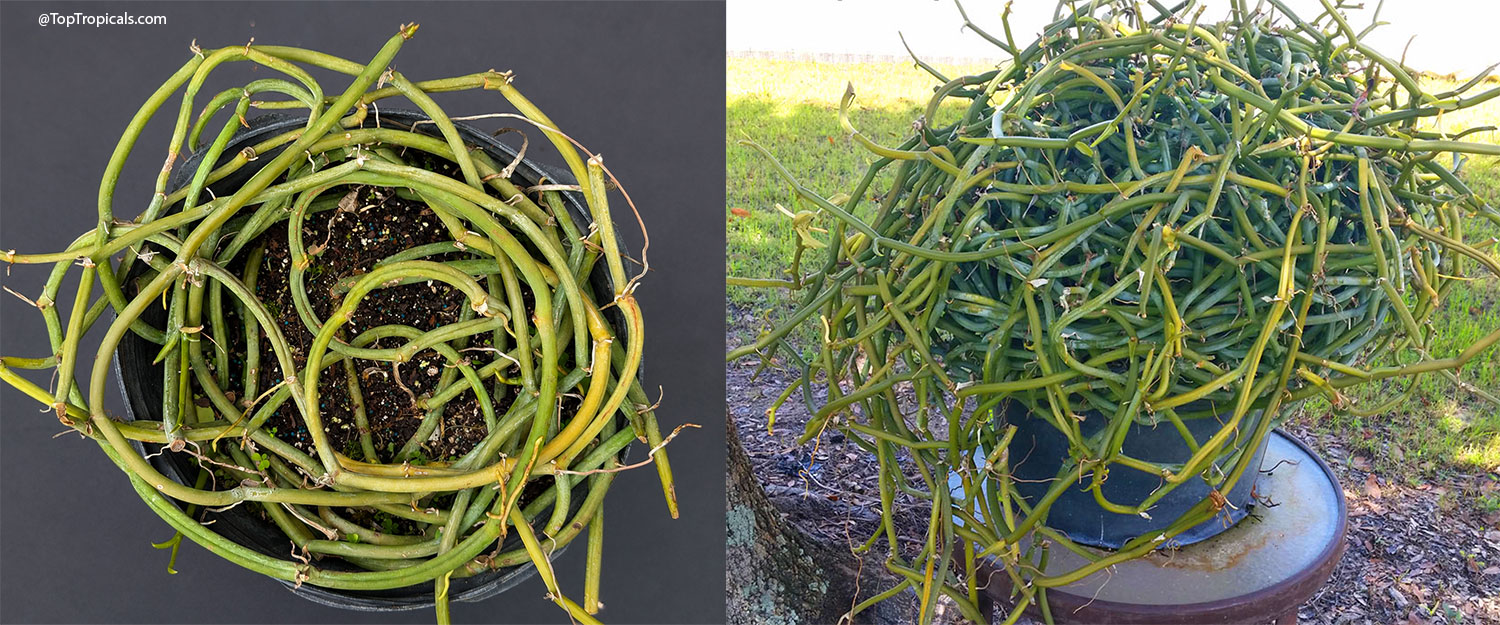
Every legendary Vanilla dilloniana starts somewhere. On the
left are
young Vanilla dilloniana plants. On the right is a more mature specimen in a
7-gallon pot beginning the characteristic wrap-around growth habit that
eventually transforms this unusual orchid into a sprawling, sculptural
giant.
Vanilla dilloniana is a rare species, considered vulnerable to
endangered across parts of its native Caribbean range. Plants with
documented
provenance - especially provenance tied to a named, award-winning,
century-old
specimen - are genuinely uncommon in cultivation.
What you would be growing is a direct descendant of the famous
Intelligent Design mother plant, carrying the same historic lineage
recognized by
the American Orchid Society.
For collectors, opportunities to acquire plants with this kind of
documented history are exceptionally rare.
This is how the legendary Vanilla
dilloniana mother plant, Intelligent Design, started its
world-famous "Godzilla" journey in 50-gallon container. It's in full bloom,
and
its leafless stems form a living sculpture, dotted with dozens of striking
orchid flowers that make this rare vanilla one of the most unusual
cultivated
orchids in the world.
Light:
Bright filtered light is ideal. Morning sun is generally well tolerated.
Avoid intense afternoon sun, especially during summer.
Ideal: Dappled shade, eastern exposure, greenhouse conditions, or
30-50% shade cloth.
Cold Protection:
In USDA Zones below 10, grow in a container and move indoors or to a
protected greenhouse before temperatures drop below 40F.
Humidity:
Prefers moderate to high humidity with good air circulation. Avoid cold,
stagnant, damp conditions.
Watering:
Water thoroughly, then allow the potting mix to partially dry before
watering again. Do not keep constantly wet.
In cool weather and winter, keep the soil on the drier side. Overwatering when temperatures are low is the most common
mistake.
Potting Mix:
Plant in a very fast-draining medium.
Recommended:Top Tropicals Abundance Mix.
The open structure allows excellent root aeration while retaining enough
moisture for healthy growth.
Support & Growth Habit: Unlike most vanilla orchids that
are trained vertically on posts or trellises, Vanilla dilloniana can be
grown
using the "Intelligent Design" method. Start with a sturdy support while the
plant is young, then allow the stems to wrap around themselves in wide
circles. As new growth emerges, continue guiding the vines around the
container.
Over time, the plant forms an impressive sculptural mound of intertwined
stems.
Container Growing:
Excellent for wide containers. The larger the mass of stems becomes, the
more impressive the display and the greater the flowering potential. Unlike
traditional vanilla culture, extensive vertical space is not required.
Repotting:
Move to progressively larger containers as needed. Rather than growing
upward indefinitely, the plant can continue expanding into a larger circular
mass, making it well suited for long-term container culture.
Fertilizing:
Feed lightly but consistently during active growth.
Recommended:Sunshine Booster™ Orchidasm.
Apply according to label directions every 2-4 weeks during warm growing
weather. Reduce feeding during cool periods or when growth slows.
Read our Guide to Sunshine Boosters™
Growth Rate:
Moderate to fast under warm conditions. Established plants can branch
freely and become surprisingly large over time.
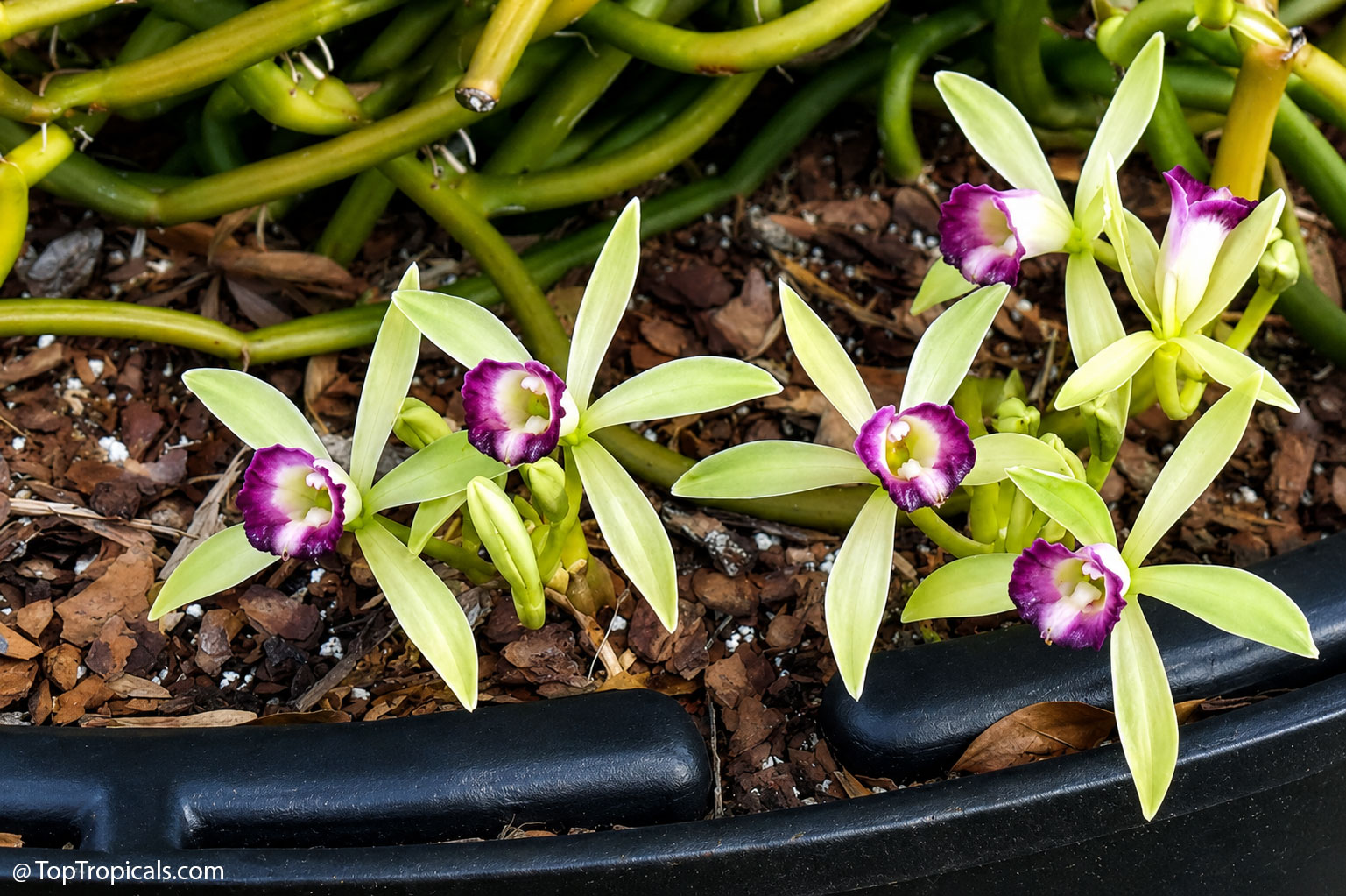
The Flowers:
Pale green to yellow-green flowers with a deeply fluted reddish-purple lip
and yellow crest. Mature plants in bloom are highly prized by orchid
collectors.
The making of Intelligent Design. As Vanilla
dilloniana grows, its long leafless stems naturally wrap
around themselves, creating a dense sculptural mass of living vines. Even in
a
7-gallon pot, the plant is already beginning to develop the unusual growth
pattern that would eventually make its famous mother plant one of the
largest
cultivated specimens of its species.
The famous mother plant was named Intelligent Design by its
grower, Robert Riefer. After decades of growth, countless blooms, container
upgrades, and an apparent determination to occupy every available square
foot of
greenhouse space, the name seemed increasingly appropriate.
Unlike commercial vanilla, Vanilla dilloniana is grown primarily as a
collector's orchid. Its leafless, sculptural stems create a living tangle of
green
architecture unlike almost any other cultivated vanilla species.
Ready to grow this remarkable Vanilla dilloniana? Start your own chapter
in the story of Intelligent Design.
The unusual flowers of Vanilla
dilloniana emerge directly from its leafless stems,
creating a stunning contrast of pale green petals and vibrant purple
throats.
Smokey: We cannot guarantee that your plant will
eventually require a 250-gallon pool on wheels. Sunshine: We also cannot rule it out. Smokey: Officially, we cannot confirm that the plant
possesses intelligence. Sunshine: The evidence is mounting. Smokey: What evidence? Sunshine: It convinced humans to build larger containers,
move it into a 250-gallon pool on wheels, transport it to museum
exhibitions,
and place its agents in collections across the country. Smokey: That's called excellent horticulture. Sunshine: That's exactly what the Intelligent Design
plant wants you to think.
Date: 20 Oct 2023
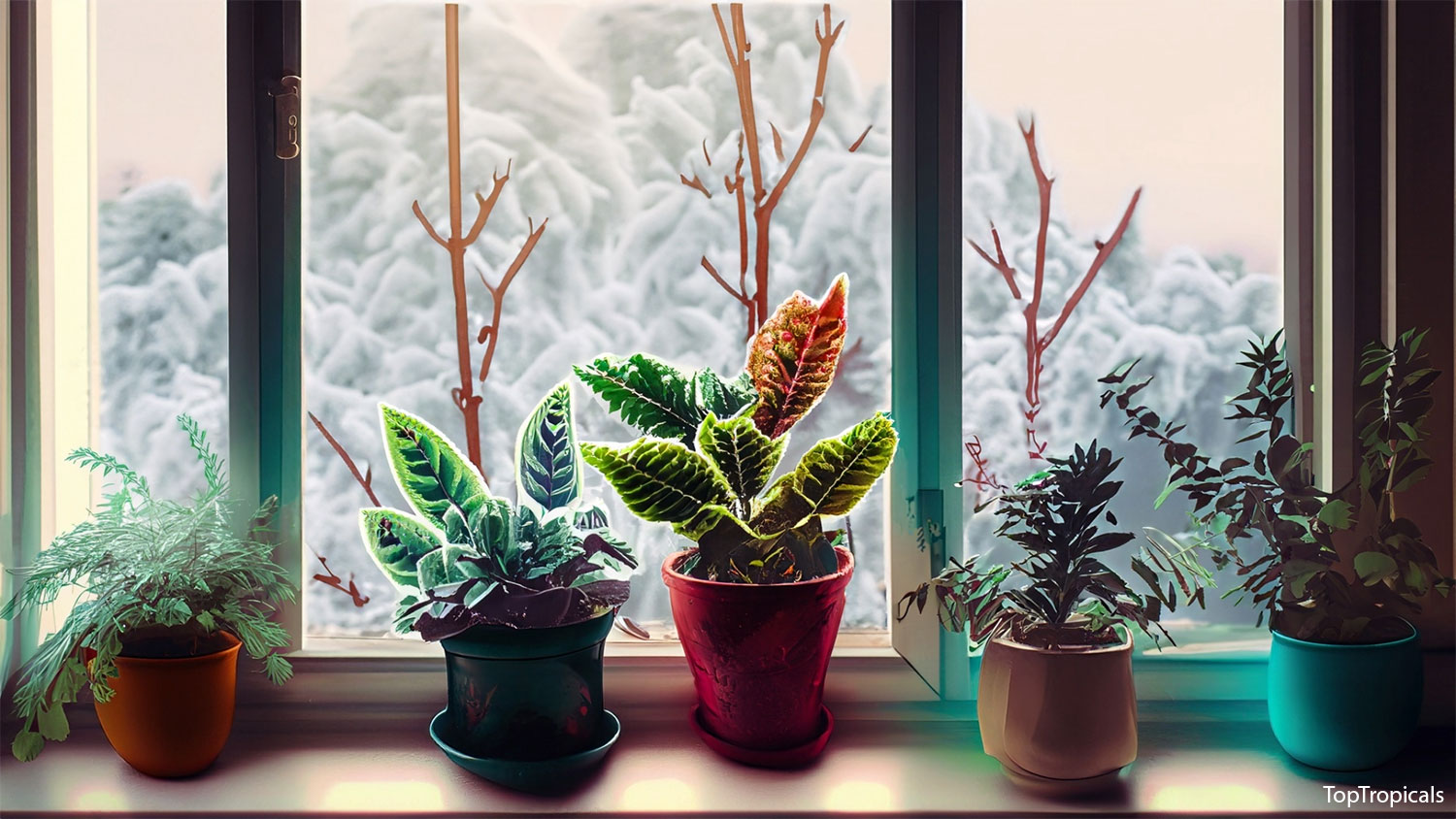
Prepare your plants for Winter with Sunshine Boosters
We usually stop using dry slow-release fertilizers from November to March. However,
liquid Sunshine Boosters, which are natural plant food, can be used all year. They help your plants survive winter. When it gets colder, we water less,
so the fertilizer decreases too. The plants only use what they need. To learn more about how Sunshine Boosters work and why they're safe and helpful, check
out this blog: Using Sunshine Booster during Winter.


 Macadamia Tree Care