Garden Blog - Top Tropicals

Date: 22 Jul 2025

Why gardeners love the Pink Butterfly Tree: blooms, shade, and zero fuss

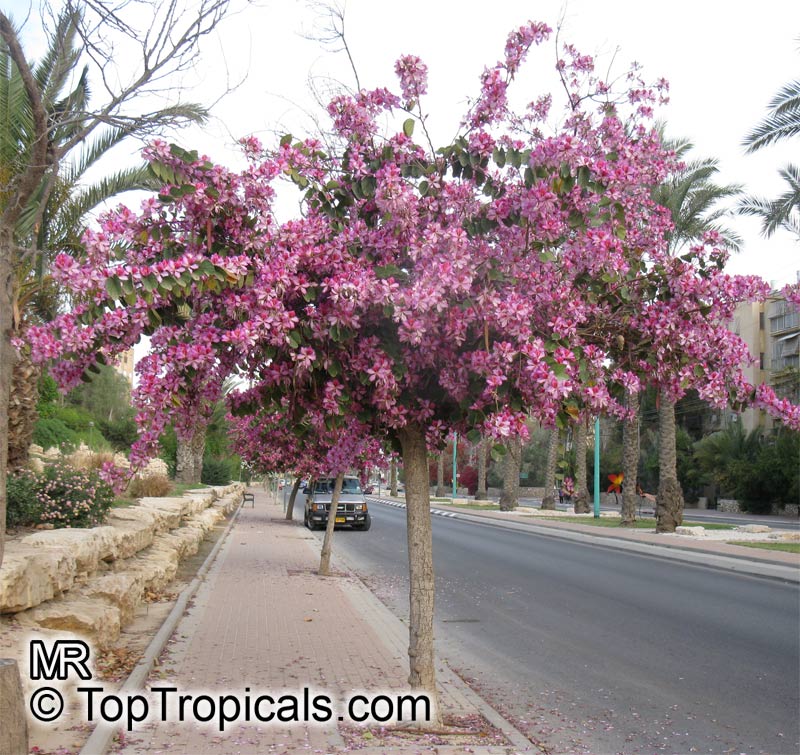
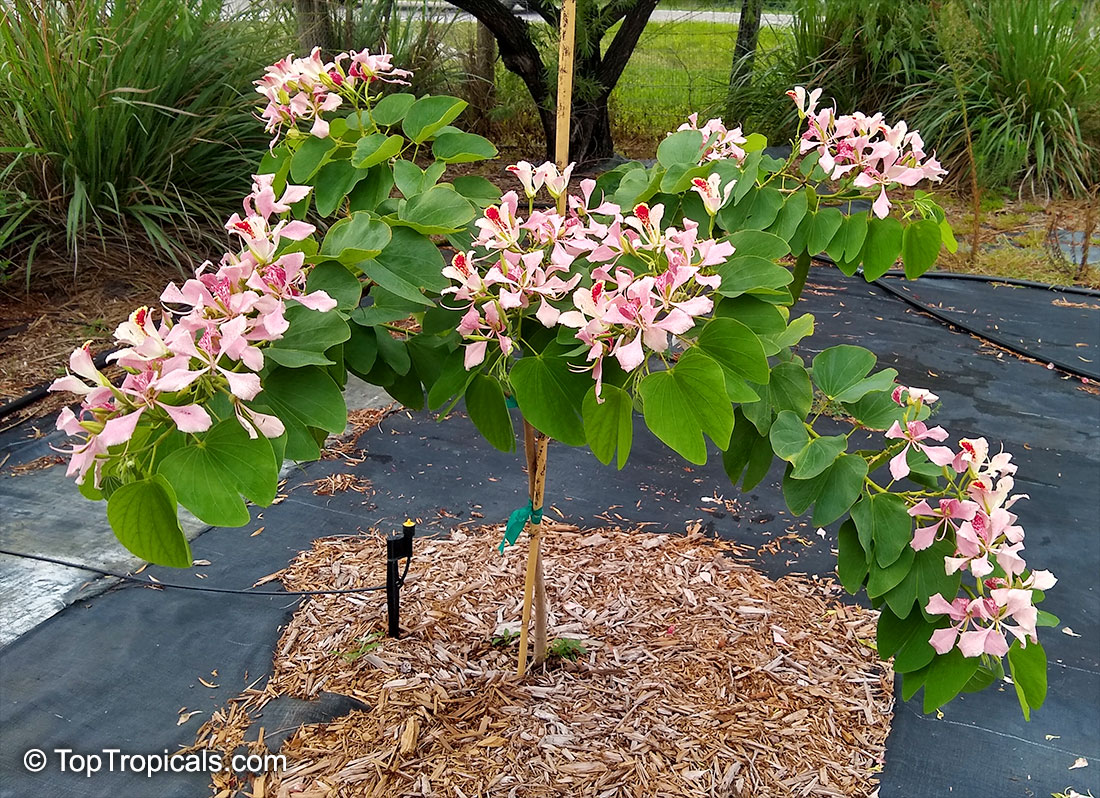
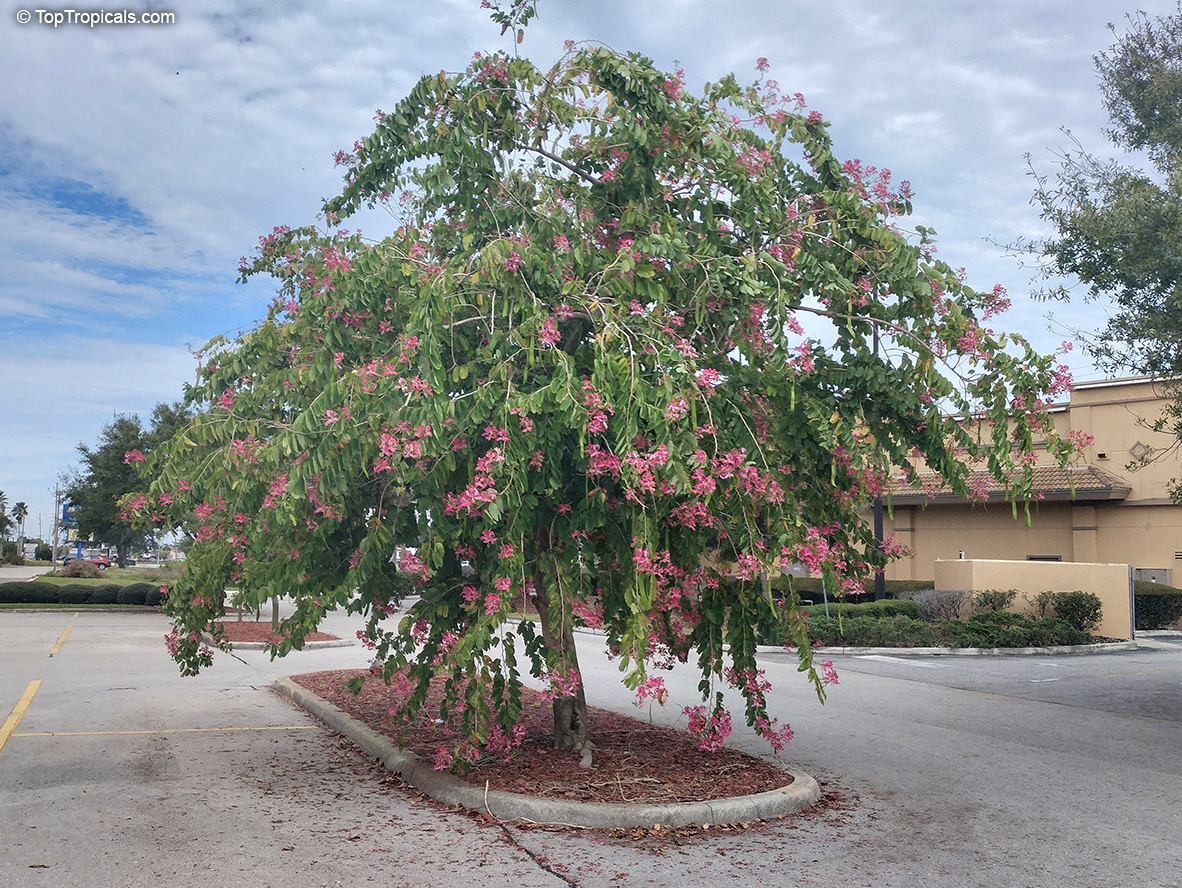
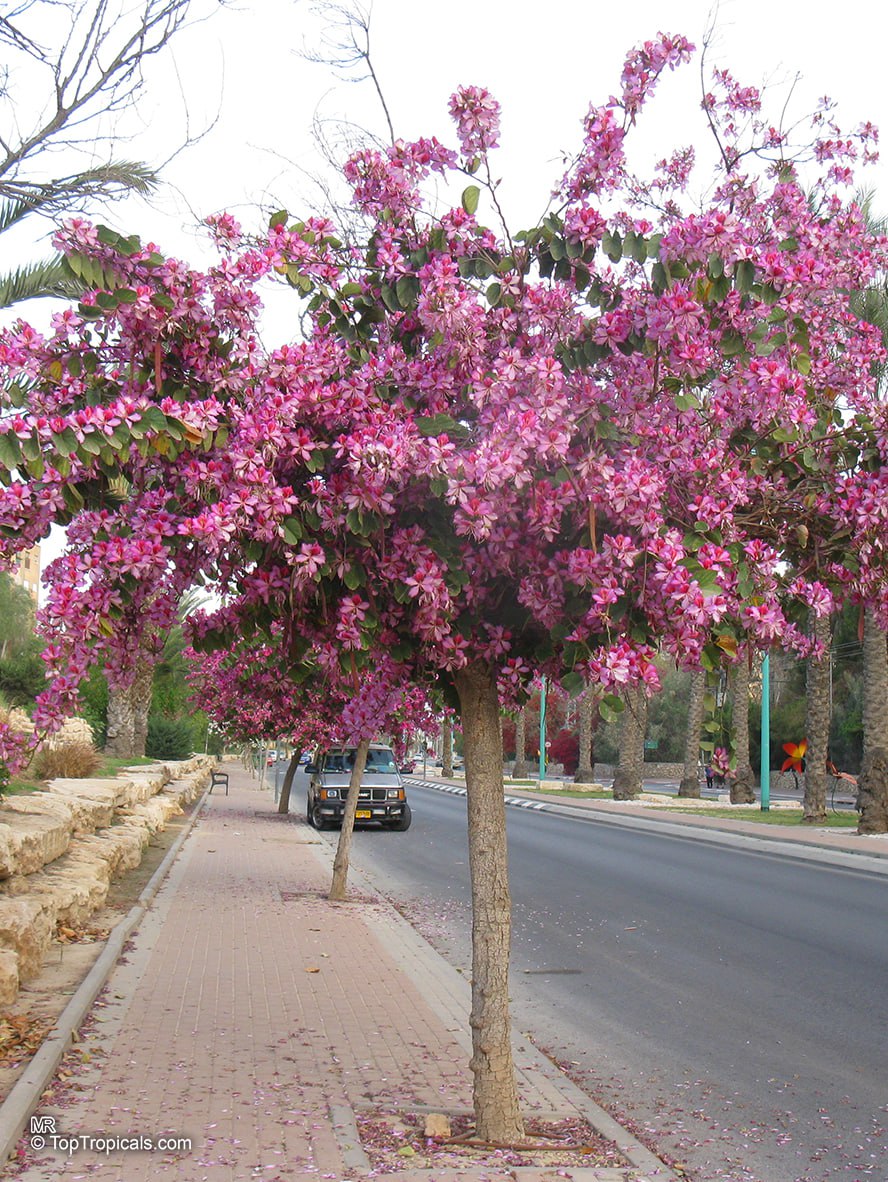
Bauhinia variegata, Pink Butterfly Orchid Tree

Bauhinia variegata, Pink Butterfly Orchid Tree

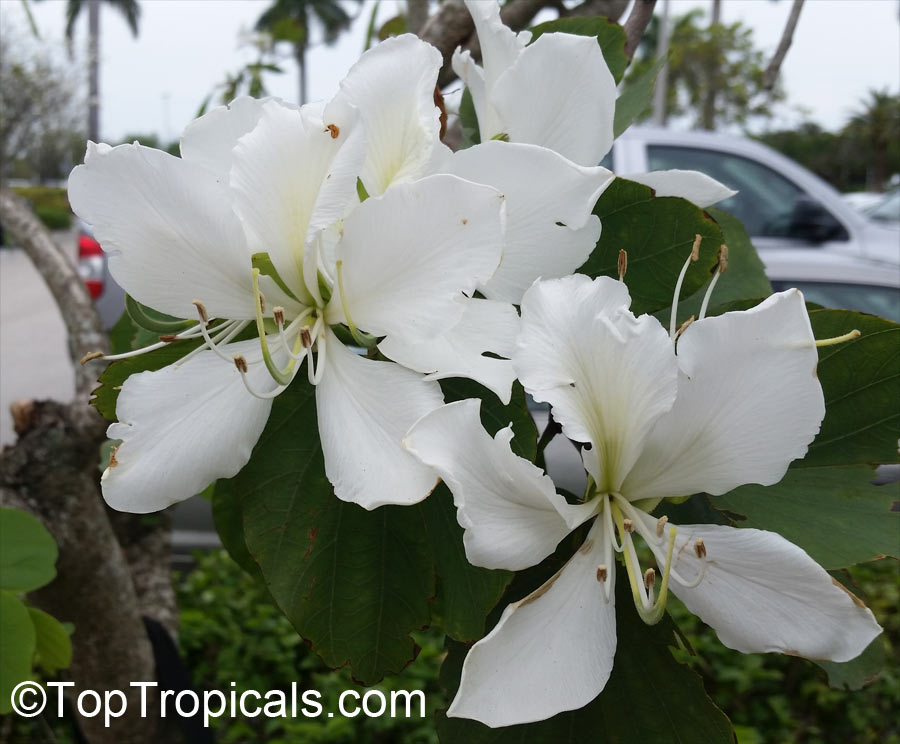
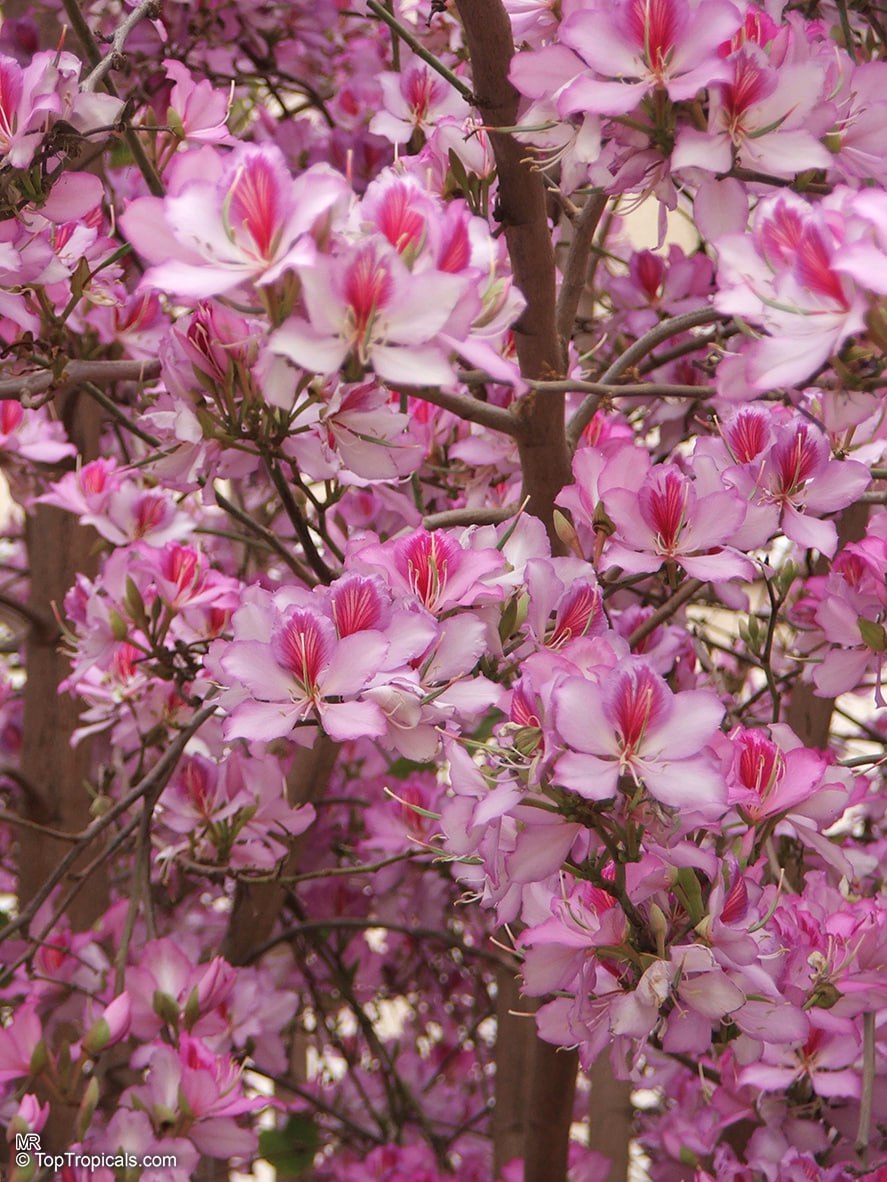
Bauhinia variegata, Pink Butterfly Orchid Tree, flowers close up

Bauhinia variegata, Pink Butterfly Orchid Tree, flowers close up

🌸 Why gardeners love the Pink Butterfly Tree: blooms, shade, and zero fuss

  • 🌸 Bauhinia variegata, Pink Butterfly Orchid Tree - is a gorgeous, fast-growing tree with orchid-like blooms in shades of magenta to lavender. Flowers appear from late winter through spring - and sometimes again in summer - filling the air with a soft, sweet fragrance. Its butterfly-shaped leaves and wide canopy make it perfect as a focal point, shade tree, or street-side beauty. Great for sustainable landscapes, shelterbelts, and windbreaks too.
  • 🌸 Easygoing and low-maintenance, it thrives in just about any soil - loam, sand, clay, even rocky ground - as long as it drains well. Loves full sun, needs little water once established, and grows fast (up to 2–3 feet per year) with plenty of cooling shade.
  • 🌸 The bright blooms bring in butterflies, bees, and hummingbirds.
  • 🌸 Extra bonus: its buds and blossoms are edible and used in traditional cooking, and the bark has been used in folk remedies for things like thyroid and ulcers.
  • 🌸 Tough, fast, and blooming with elegance, the Pink Butterfly Orchid Tree is a gorgeous shade tree that thrives on neglect - poor soil, low water, no problem! Fragrant, orchid-like flowers light up your garden from winter to spring: easy to grow and even easier to love!


🛒 Limited stock - plant one this season!
Discover more Bauhinias - Orchid trees.

📚 Learn more about Orchid trees:


#Trees

🟢 Join 👉 TopTropicals

Date: 14 Feb 2026

🍭 From Vine to Bean: A Practical Guide

Vanilla  planifolia  vine  climbing  a  support,  close-up  of  vanilla  flower,
 
 
  and  cured  vanilla  beans

Vanilla planifolia Vine, Flower, and Cured Vanilla Beans

How to Grow Vanilla: quick how-to

Vanilla is not complicated, but it does have preferences. Start with a pot and regular, well-draining mix. It does not need anything exotic. Give it:

  • Bright, indirect light
  • Warm temperatures
  • Good humidity
  • Air movement

Most importantly, give it something solid to climb. A wooden trellis, a log, or a burlap-covered board works well. The surface should be porous so the aerial roots can grip.

As it grows, guide the vine gently. You can prune it to control size. Vanilla is slow to mature. That is normal.

The Bloom Secret

Vanilla does not bloom just because it looks healthy. It blooms when it feels secure.

This is a climbing orchid. It must attach firmly to a solid, porous support such as a wood log, trellis, or burlap-covered board. When the aerial roots grip and the plant reaches maturity, flowering becomes possible.

Once the flowers appear, they usually need to be hand pollinated to produce pods. Each flower stays open for only a short time, so timing matters.

How to pollinate vanilla: In this video, we show you exactly how to pollinate vanilla step by step

❓Vanilla care: quick FAQ

  • Does Vanilla planifolia really produce vanilla beans?
    Yes. Vanilla planifolia is the commercial source of vanilla. After flowering, it can form long green pods (vanilla beans). The aroma develops later during curing.
  • What is the secret to getting vanilla to bloom?
    Let it climb. Vanilla is a climbing orchid and usually will not bloom until its aerial roots attach firmly to a solid, porous support like a wood log, trellis, or burlap-covered board.
  • Do I need to pollinate vanilla flowers?
    Yes. In most home growing conditions, vanilla flowers must be hand pollinated to produce pods. Each flower is open for only a short time, so timing matters.
  • Can I grow vanilla indoors?
    Yes, if you can provide bright, indirect light, warmth, humidity, and a support to climb. A sunny room with filtered light and a trellis or log can work well.
  • What should I use for support?
    Use a sturdy trellis, a wood log, or a burlap-covered board. The key is a porous surface that aerial roots can grip. Avoid chemically treated wood. Check out this very unusual way to grow Vanilla Orchid over a wall.
  • What potting mix should I use for Vanilla plant?
    Start in a pot with a regular, well-draining potting mix such as Sunshine Abundance. As the plant matures, it relies more on its support and aerial roots than the soil.
  • What fertilizer should I use?
    Sunshine Boosters Orchidasm is formulated specifically for orchids and will work perfecty for Vanilla orchid as well.
  • How big will it get?
    As big as you let it. Train it and prune it. Vanilla grows according to the structure and space you provide.
  • How long until it flowers?
    Typically a few years. Vanilla is a long-term project, but it is very rewarding once established.

For Collectors and Enthusiasts:

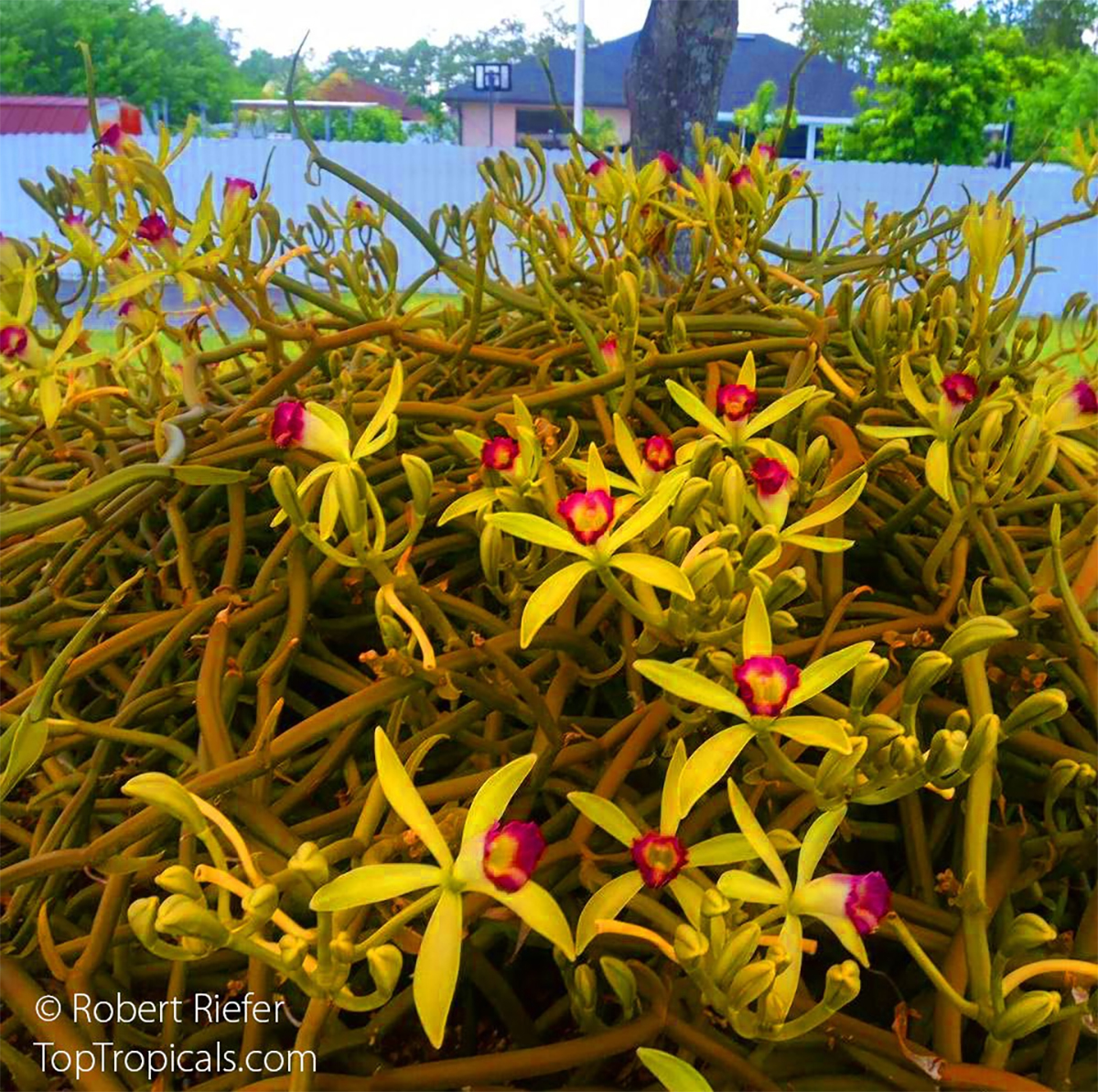
Vanilla  dilloniana  vine  covered  in  yellow-green  flowers  with  red 


centers  growing  outdoors  in  100  gal  pot

Vanilla dilloniana in Bloom - Rare Florida Native Orchid

We also offer Vanilla dilloniana, a rare Florida native species with distinctive flowers.

One remarkable specimen of this species, grown by our friend Robert Riefer, became so vigorous over many years that it outgrew a 100 gallon container and was eventually moved into a 250 gallon pool on wheels.

The plants we offer are propagated from that very specimen:

That kind of growth reflects deliberate cultivation and ideal conditions - not something that happens unintentionally.

Vanilla grows according to the space and structure you provide.

For gardeners focused on producing real vanilla beans for the kitchen, Vanilla planifolia remains the right place to start.

✍️ More About Vanilla Orchids from Blog

🎁 Shop Vanilla Orchids

Date: 23 Jul 2024

Where does Vanilla come from? How to grow your own Vanilla Beans

Vanilla planifolia - Bourbon Vanilla Bean Orchid beans, seeds

Vanilla planifolia - Bourbon Vanilla Bean Orchid beans, seeds

Vanilla planifolia - Bourbon Vanilla Bean Orchid flower

Vanilla planifolia - Bourbon Vanilla Bean Orchid flower

Vanilla planifolia - Bourbon Vanilla Bean Orchid

Vanilla planifolia - Bourbon Vanilla Bean Orchid

Vanilla dilloniana - Leafless Vanilla Orchid, flower

Vanilla dilloniana - Leafless Vanilla Orchid, flower

Where does Vanilla come from? How to grow your own Vanilla Beans.

  • ❣️ Vanilla spice comes from Vanilla Orchid!
  • ❣️ Vanilla planifolia is a leafy climbing orchid from hot, wet tropical America. It is grown for its pods which, when dried, become the commercial vanilla.
  • ❣️ The flowers are .
  • ❣️ The Aztec Indians in Mexico used Vanilla Pods to flavor their chocolate drink 'Xoco-latl'. Vanilla was believed to be a tonic for the brain.
  • ❣️ Vanilla Pods are picked green when they have no scent. The lengthy curing process, which develops fragrant aroma, is one reason for its high cost.
  • ❣️ Vanilla orchid needs a flat, solid, porous support for climbing and in order to flower and produce seed pods. It can be grown over a log or a board (make sure the support wood is not chemically treated), or climb over a tree.
  • ❣️ If really happy, Vanilla orchid can exceed 100 feet in length in just a few years. The plants flower only when mature, which takes a few years. It only flowers when it gets strongly attached to a support with its aerial roots.
  • ❣️Vanilla orchid can be grown indoors as a house plant. Culture is similar to traditional orchids, however, it will need a support or trellis. Just keep in mind that for Vanilla Bean production, Vanilla Orchid must attach to a porous surface (like a wood log).

Learn more:

📚 Vanilla - The Most Versatile Orchid

🎥 How to produce my own vanilla: secrets of Vanilla pollination


🛒 Shop vanilla orchids

#Food_Forest #Remedies #Container_Garden

. . . . . . . . . . . . . . . . . . . . . . . .
🔴 Join 👉 TopTropicals
. . . . . . . . . . . . . . . . . . . . . . . .

Date: 1 Jul 2025

Napoleons Plume - Orchid Tree that blooms in a pot

Bauhinia monandra - Napoleons Plume Orchid Tree in bloom

🌸 Napoleons Plume - Orchid Tree that blooms in a pot
  • Bauhinia monandra - Napoleons Plume Orchid Tree - is a breathtaking tropical tree with flowers that truly resemble delicate orchids, and leaves folding like butterfly wings. It is one of he most impressive varieties of orchid trees.
  • Each blossom starts off pale yellow and transforms to soft pink by the next day, with the center petal beautifully streaked in magenta - a unique color shift that makes the tree look like it's blooming in multiple shades at once. When in bloom, it's covered in these showy flowers, creating a dazzling display.
  • Despite its exotic look, this tree is surprisingly well-suited for containers. It can be easily kept trimmed and compact, with seedlings often blooming when just 2 feet tall. While it's sensitive to cold, growing it in a container makes it easy to move indoors during chilly weather. This makes Bauhinia monandra the perfect choice for gardeners who want a tropical tree that delivers nonstop visual impact in a manageable size.
  • How to enjoy the orchid flowers and butterfly foliage of Bauhinia right on your patio or balcony? Choose the right variety. More bauhinia species suitable for containers: B. galpinii, B. madagascariensis, B. monandra, B. alba (candida), B. acuminata, B. bidentata, B. blakeana, B. grandidieri and many others.


🛒 Shop Orchid Trees

📚 Learn more about Orchid trees:


#Container_Garden #How_to #Trees

🟢 Join 👉 TopTropicals

Date: 7 Oct 2025

⭐ The Winter Stars: 8 Flowering Trees That Steal the Show

Collage  showing  eight  tropical  and  subtropical  winter-flowering  trees: 


Royal  Poinciana  with  red-orange  canopy,  Dwarf  Pink  Tabebuia,  Dwarf  Golden 


Tabebuia,  Pink  Butterfly  Orchid  Tree,  Golden  Rain  Tree,  Weeping  Red 


Bottlebrush,  Hong  Kong  Orchid  Tree,  and  Jacaranda  with  purple 


flowers.

8 Best Flowering Trees That Bloom in Winter: Royal Poinciana with red-orange canopy, Dwarf Pink Tabebuia, Dwarf Golden Tabebuia, Pink Butterfly Orchid Tree, Golden Rain Tree, Weeping Red Bottlebrush, Hong Kong Orchid Tree, and Jacaranda with purple flowers.

Royal Poinciana (Delonix regia)

The diva of tropical trees. Huge red-orange flowers blanket the branches from late winter through summer. If you’ve ever seen one in full bloom, you know — it stops traffic. Best in large yards or open spaces, but young ones do great in big pots for a few years. 🛒 Shop
Tatiana: “If you want a tree that makes people say ‘wow,’ this is it.”

Tabebuia chrysotricha – Dwarf Golden Tabebuia

Small tree, big drama. It turns solid gold just before new leaves appear. Blooms while completely bare — a stunning contrast of yellow on brown wood. Perfect for patios, courtyards, and containers. Handles cool nights down to the mid-20s F. Bright, cheerful, and forgiving — the kind of tree that always looks like it’s celebrating. 🛒 Shop

Tabebuia impetiginosa – Dwarf Pink Tabebuia (Pau D’Arco)

The Florida “cherry blossom.” Pink-lavender flowers smother the branches each winter, often before any leaves return. Thrives in sandy soil, tolerates drought, and grows beautifully in large planters or pots indoors near a sunny window. Ideal for seasonal residents or anyone who wants color when everything else is asleep. 🛒 Shop

Jacaranda mimosifolia

If color had music, this would be jazz. Soft, fern-like leaves and cascades of violet-blue trumpet flowers — airy, elegant, unforgettable. Outdoors, it makes a graceful shade tree; in containers, it stays compact with regular pruning. Jacarandas reward patience — they bloom bigger each year. 🛒 Shop

Koelreuteria paniculata – Golden Rain Tree

A favorite for its surprises — golden blooms in summer, pink paper lantern pods in fall, and bronze leaves before rest. Fast-growing, tough, and easy. Loves full sun and moderate water. Great for open lawns or patio tubs. The kind of tree that gives you something new to look at every month. 🛒 Shop

Callistemon citrinus – Bottlebrush Tree

The hummingbird magnet. Bright red, brush-shaped flowers bloom several times a year — sometimes even in cool weather. The dwarf form, ‘Little John,’ stays about 4 feet tall, perfect for pots or small borders. Trim lightly after flowering to keep it compact and colorful. 🛒 Shop
Tatiana: “If you’ve never grown a tropical tree before — start here. It’s the friendliest one.”

Bauhinia variegata – Pink Butterfly Tree

Graceful, fragrant, and forgiving. Its pink-lavender orchid-like flowers open from late winter through spring, filling the garden with color and pollinators. It’s fast-growing, drought-tolerant, and excellent for both ground and pots. Even the buds are edible — a fun bonus for adventurous gardeners. 🛒 Shop

Bauhinia blakeana – Hong Kong Orchid Tree

The queen of them all. Huge magenta-purple blooms that last for months, from fall through spring. Fragrant, clean (no messy seed pods), and perfect for patios or large decorative containers. Give it sun, a little water, and it will reward you with bloom after bloom. 🛒 Shop
Tatiana: “It’s the one tree that never lets winter win.”

A note on grafted Hong Kong Orchid Trees: Most Hong Kong Orchid Trees are grafted, and that’s actually a big advantage. Because they don’t grow from seed, grafted plants mature faster and begin blooming while still small — sometimes within the first year. That makes them perfect for patio pots or small gardens where space is limited.

Bringing the Tropics Home

Whether your garden faces the Gulf or your window faces the snow, these trees let you live in color year-round. Plant them outdoors in warm zones or grow them in pots indoors — they adapt, they bloom, they brighten every corner.

Gardening isn’t about waiting for spring — it’s about finding joy in every season. And when a tree blooms in January, that joy feels twice as sweet.

🛒 Shop Winter Flowering Plants

Tabebuia  impetiginosa  -  Dwarf  Pink  Tabebuia,  Pau  DArco,  Taheebo

✍️ Winter Bloomer Q&A

Q: Can these trees really bloom indoors?

Yes! Smaller species like Bottlebrush ‘Little John,’ Dwarf Tabebuias, and many Bauhinias bloom beautifully in pots with bright light or grow lamps.

Q: Do they lose their leaves in winter?

Some, like Tabebuias and Jacarandas, drop leaves right before blooming — it’s normal and part of their charm. Others, like Bottlebrush, stay evergreen.

Q: What fertilizer works best?

We use Sunshine Boosters — gentle, balanced, and perfect for tropicals. Feed every 2–3 weeks during active growth.

Q: How do I know when to water?

Touch the soil! If it’s dry an inch or two down, water deeply. Overwatering is the main mistake with tropicals.

Q: Can they handle frost?

A quick dip into the upper 20s F is fine for most mature trees. Cover young ones or move containers under shelter if colder.

Q: Which are best for beginners?

Start with Bottlebrush ‘Little John’ or Golden Tabebuia — compact, colorful, and nearly foolproof.

Q: When will they bloom?

Usually within few years if they get enough sun and warmth. Grafted plants blooms much sooner

Q: Which of these trees are best for pot growing?

For patios, balconies, or indoor sunrooms, choose the compact or grafted types:

🎥 Watch videos of Dwarf trees in bloom:

Dwarf Golden Tabebuia

Dwarf Pink Tabebuia

🛒 Shop Winter Flowering Plants