Date: 7 Mar 2026
🌞 Spring Nutrition Strategy: How to Identify and Fix Plant Nutrient Starvation

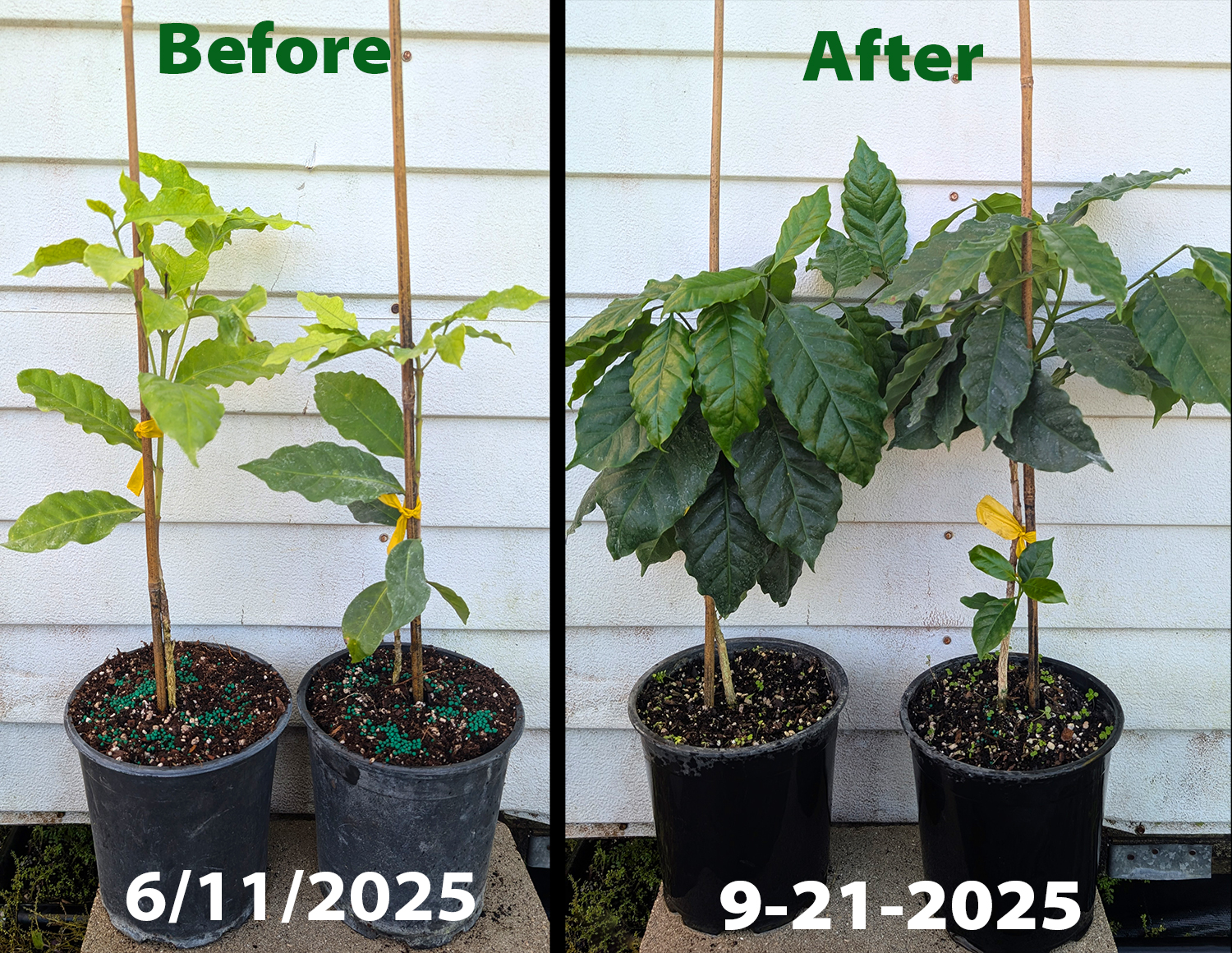
Smokey: It's not dying. It's starving. Classic nutrient collapse. Imagine going two days without donuts.
Sunshine: Two days? That's a PeopleCats rights violation. Catstitution First Amendment: food, including donuts, must remain available.
Smokey: Exactly. Plants feel the same. Let's feed it. Sunshine Robusta. Robusta is coffee, you know.
Sunshine: Obviously they named Sunshine Boosters after my charm. And since it's coffee, it should work perfectly.
One month later
Sunshine: Holy whiskers! You're a magician.
Smokey: No magic. Just boosters.
Sunshine: Great. Coffee is on me when this tree starts producing. You bring the donuts.
Read more about Smokey & Sunshine
Fellow gardeners,
Spring has arrived, and plants are coming back to life. New shoots are
appearing, fresh leaves are unfolding, and roots are beginning to grow
actively again. As plants enter this important stage of the season, they
need more than just water to support their growth. Proper nutrition is
essential for strong development and healthy
plants. SUNSHINE
Boosters provide the balanced nutrition plants need to start the growing
season strong.
A simple rule we follow in our nursery: new growth responds best to foliar feeding. When nutrients are sprayed directly on the leaves, plants can absorb them quickly and efficiently.
- Immediate action – nutrients are absorbed through the leaves and start working right away.
- No delay traveling through soil – plants do not need to wait for nutrients to move down to the roots.
- Avoids soil lockout – micronutrients can become unavailable in high pH soils, but foliar feeding bypasses this problem.
- Supports stressed plants – when roots are cold, damaged, or newly transplanted, foliar feeding helps plants recover faster.
However, sometimes plants begin to show visible nutrient deficiencies. Yellow leaves, slow growth, brown leaf edges, or distorted new leaves are often early signs that the plant is missing essential elements needed for healthy development.
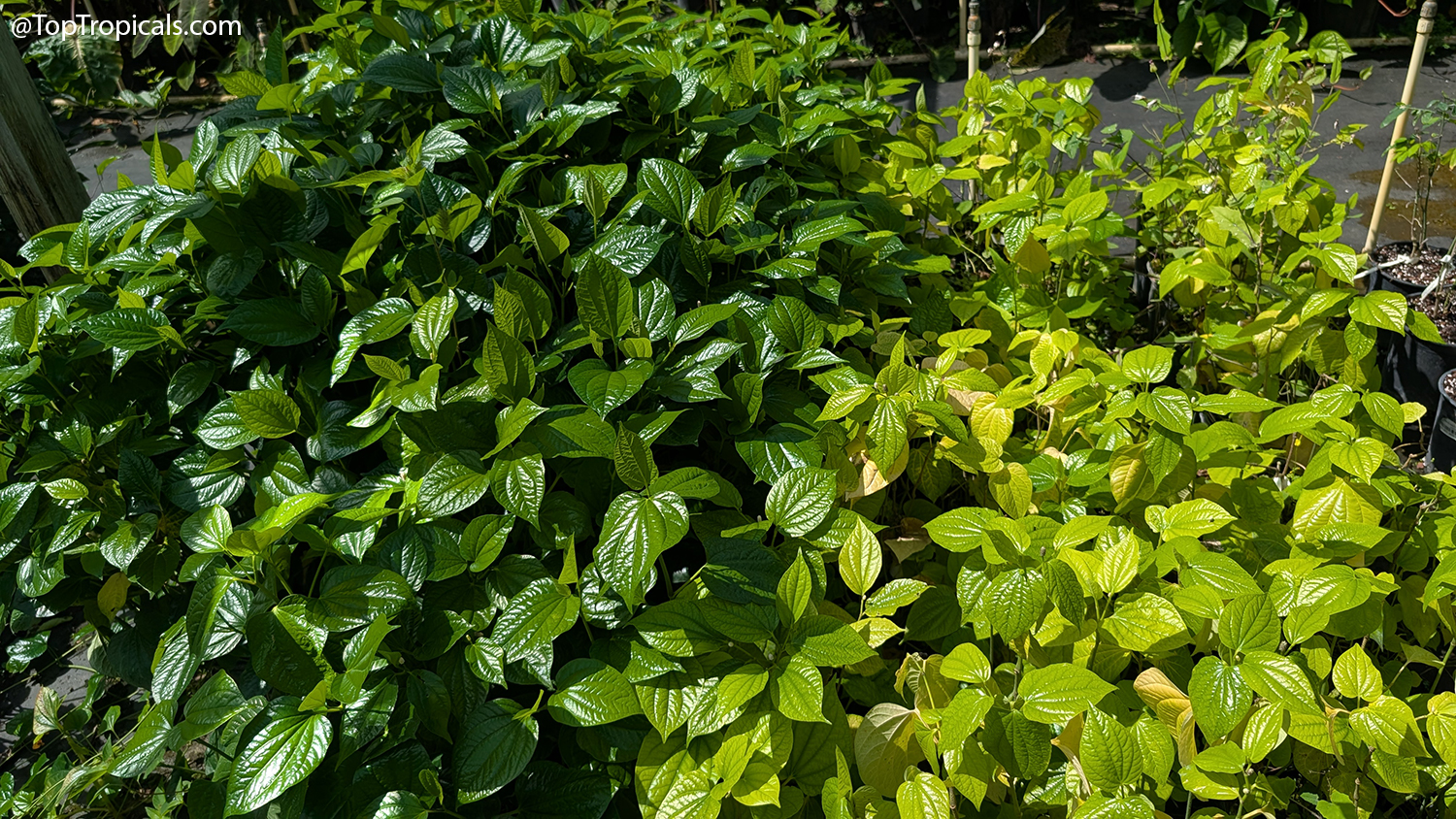
These symptoms are especially common in container plants, where nutrients can be quickly depleted or become unavailable due to soil pH and watering conditions.
Use the quick reference table below to identify common nutrient-related symptoms and the recommended SUNSHINE solution to correct them.
| Symptom you see | What to do |
|
Pale leaves, slow growth, weak new shoots (often nitrogen related) |
Spray SUNSHINE Robusta to stimulate strong vegetative growth. |
|
Brown leaf edges or weak plant vigor (often potassium related) |
Apply SUNSHINE Robusta to restore nutrient balance. |
|
Yellow leaves with green veins (iron or manganese deficiency) |
Apply SUNSHINE Superfood to correct micronutrient deficiency. |
|
Small distorted leaves or poor flowering (zinc or boron deficiency) |
Use SUNSHINE Superfood during active growth period. |
🌿Foliar Feeding: How Much and How Often
For most plants, foliar feeding works best when applied lightly and regularly during active growth.
- Regular feeding (maintenance): Mix with tap water according to the ratio on the label. For SUNSHINE Robusta use 25 ml (5 tsp)per gallon of water and spray leaves every 5-7 days during active growth.
- Correction feeding ("medicine" dose): if plants show visible nutrient deficiencies, combine SUNSHINE Robusta with SUNSHINE Superfood and spray every 5–7 days until new growth appears healthy. All SUNSHINE Boosters products are compatible and can be mixed with water in the same sprayer.
- Best time to spray: early morning or evening when temperatures are cooler and leaves can absorb nutrients efficiently.
- Important: spray both the top and underside of leaves for maximum absorption.
Date: 2 Mar 2026
Eugenia Cherries 🍒
By Tatiana Anderson, Horticulture Expert at Top Tropicals with Smokey & Sunshine help

Growing Eugenia Cherries (Cherry of the Rio Grande & Grumichama) 
Cherry of the Rio Grande and Grumichama are compact, adaptable tropical fruit trees well suited to Southern landscapes. While forgiving, they perform best when planted correctly from the beginning.
Site and Planting
- Drainage is essential. Avoid low areas where water collects. Plant on a slight mound if soil is heavy or clay-like.
- Choose full sun for best flowering and fruit production. Partial shade is tolerated.
- A south or southeast exposure near a wall improves cold resilience and reduces wind stress.
- Dig a hole twice as wide as the container, but no deeper than the root ball.
- Set the tree level with surrounding soil. Do not bury the trunk.
Water and Feeding
- Water regularly during the first few months while roots establish.
- Once established, trees tolerate short dry periods but fruit best with moderate, consistent moisture.
- Feed lightly and consistenly. SUNSHINE Boosters Robusta liquid fertilizer is safe to use with with every watering. During hot season you may add controlled release Green Magic every 6 months. It is essential to apply micro elements: Sunshine Superfood micro nutrients complex
Cold Tolerance
- Protect young trees during hard freezes.
- Established Cherry of the Rio Grande can tolerate brief drops into the low 20s.
- Established Grumichama tolerates temperatures into the upper 20s.
Harvest and Production
- Cherry of the Rio Grande fruits from late spring into summer. Pick when fully dark and slightly soft.
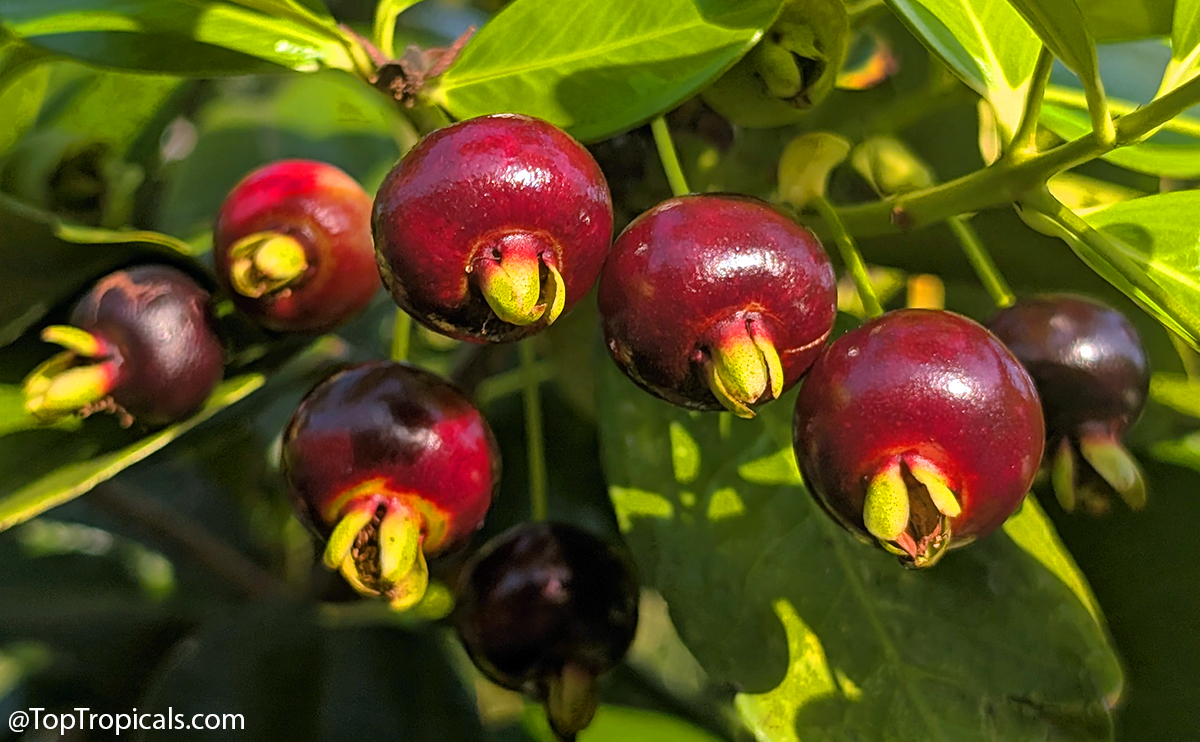
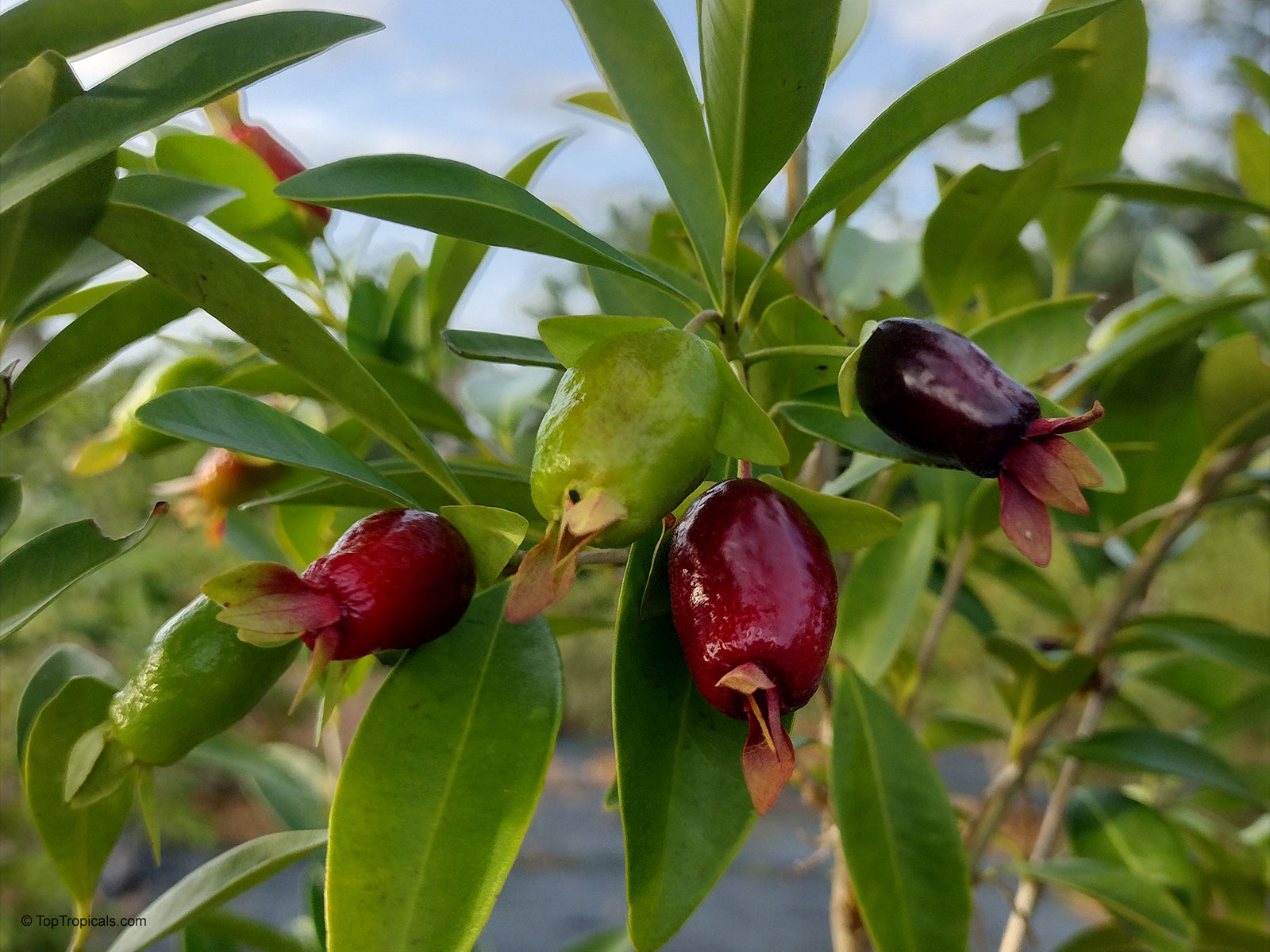
- Grumichama ripens quickly, often within four weeks after flowering. Pick when glossy and deep purple-black.
- Both trees often begin fruiting within 2–3 years and increase production steadily with maturity.
Growing in Containers
- Use at least a 10–20 gallon pot for long-term growth.
- Ensure multiple drainage holes.
- Use a high-quality, well-draining container mix. Avoid heavy garden soil. Top Tropicals Abundance soil-less mix is specially formulated for pot growing
- Place in full sun for best fruiting.
- Water deeply, then allow the top layer to dry slightly before watering again.
- Move containers to a protected area during hard freezes.
- Prune lightly to maintain shape and airflow.
Common Mistakes
- Planting in poorly drained soil.
- Overwatering and keeping soil constantly saturated.
- Over-fertilizing with excessive nitrogen.
- Planting too deep and burying the trunk.
- Expecting heavy crops immediately instead of allowing time for maturity.
- Skipping cold protection for young plants.
Learn more: Tropical Cherries – Eugenias
❓Frequently Asked Questions: Eugenia cherries (FAQ)
-
Which one tastes better – Cherry of the Rio Grande or
Grumichama?
Cherry of the Rio Grande has a deeper, classic “sweet cherry” flavor with slight richness. Grumichama is softer, juicier, and often described as cherry with hints of grape and plum. Both are excellent fresh; Grumichama is especially popular for jam. -
Which tree produces more fruit?
Grumichama typically produces heavier crops once mature and can carry hundreds of fruits in a season. Cherry of the Rio Grande produces consistently but in slightly smaller volumes. -
Do birds take all the fruit?
Birds are attracted to both trees, especially Grumichama. Netting during peak ripening or harvesting promptly usually solves the issue. -
Are these true "tropical" trees or subtropical?
They are best described as subtropical tropicals. Unlike ultra-tender tropical fruits, Eugenia cherries tolerate occasional frost once established, making them more reliable in Southern landscapes. -
Do they drop fruit messily?
Fruit will fall if overripe, but the trees are compact and manageable. Regular harvesting prevents ground drop and keeps the area clean. -
Can they be used for hedging or screening?
Yes. Their dense evergreen foliage and upright growth make them suitable for edible hedges or privacy screens while still producing fruit.
Choosing between them is not about survival — both have proven resilient. It is about flavor preference, crop volume, and how you want to use the fruit in your kitchen and landscape.
Date: 2 Mar 2026
😼😺 The Story Behind Smokey and Sunshine 🐾

Smokey: Not so fast, genius. Twenty five degrees is not the North Pole. And polar bears and penguins do not share zip codes.
Sunshine: You always pour cold water on my brilliance. Fine. Where do we start?
Smokey: Well, first you go talk to Tatiana. She graduated from the Geography Department. She can explain climate zones. Cherry of the Rio Grande can grow in North Florida, Texas, and similar climates. Let’s master that before we conquer Arctic.
Sunshine: So… Phase One: Geography?
Smokey: Exactly.
Some stories are easier to tell with a little humor. Smokey and Sunshine were never just mascots. They represent the two forces behind every decision we make here: bold ideas and careful reality. One dreams big. The other checks the climate zone map. Together, they remind us that growing plants is part science, part optimism, and always personal. If you have ever wondered why they keep appearing in our newsletters, you can read their full story on the Smokey and Sunshine page. They have been with us longer than most people realize.
🐾 Learn the Story of Smoky and Sunshine
Freeze Testing of Grumichama and Cherry of Rio Grande 🍒❄️
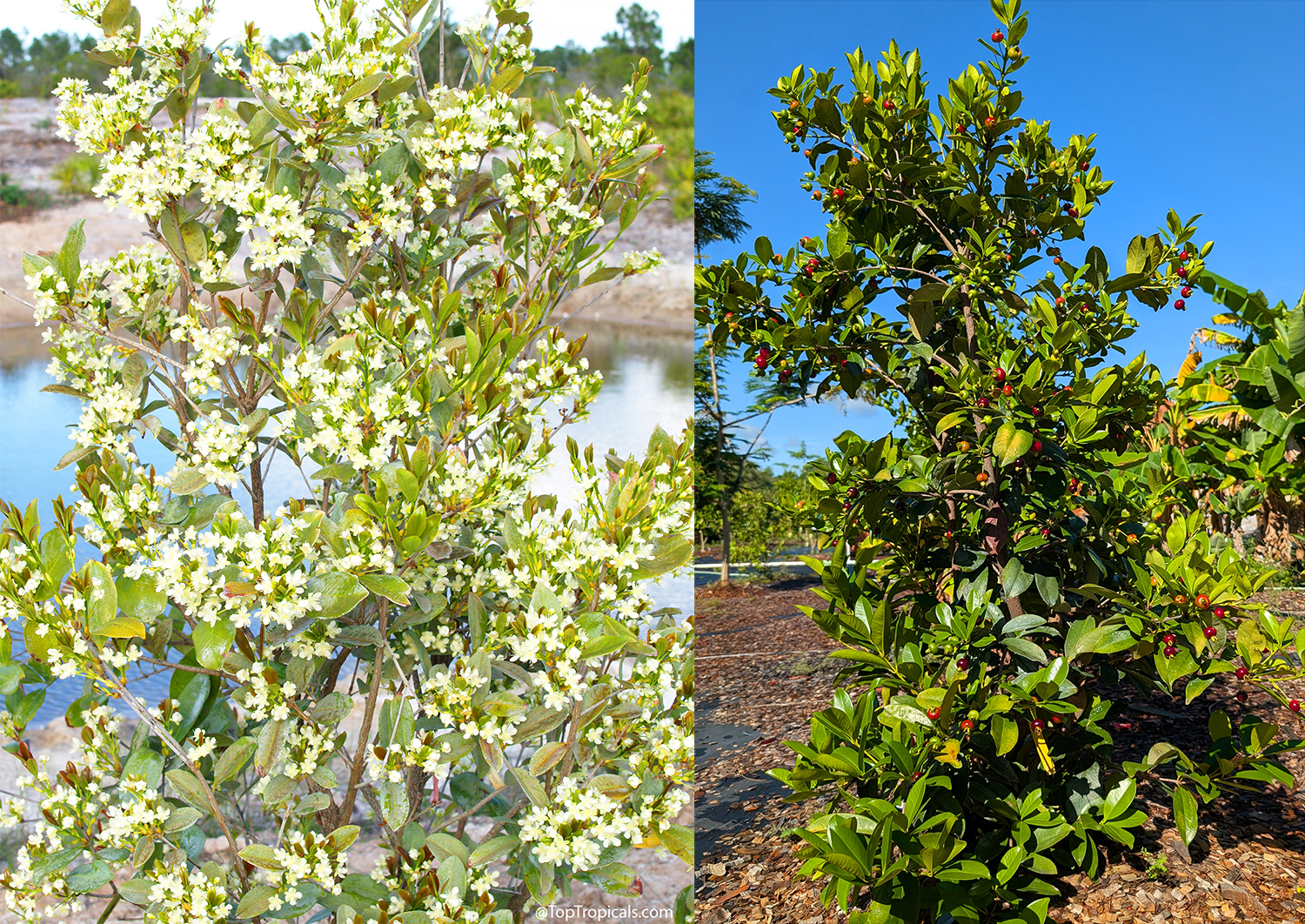
When temperatures dropped to 25F, with wind chill near 14F, winter made it clear which tropical trees were truly resilient. Some plants burned back. Tender growth collapsed. But our established Eugenia cherries stood steady. Leaves held. Branches stayed flexible. The canopy remained intact.
Cherry of the Rio Grande (Eugenia aggregata) and Grumichama (Eugenia brasiliensis) are among the most cold-hardy tropical cherries for Southern gardens. Both are native to Brazil and thrive in USDA Zones 9b–11, and even protected 9a sites.
Cherry of the Rio Grande produces dark ruby fruit that ripens almost black, with a rich, full cherry flavor. It flowers early in spring and can fruit well into summer. Mature trees can tolerate brief drops into the low 20s once established. Trees typically grow 8 to 15 feet tall, remain naturally compact, and often begin fruiting within 2 to 3 years.
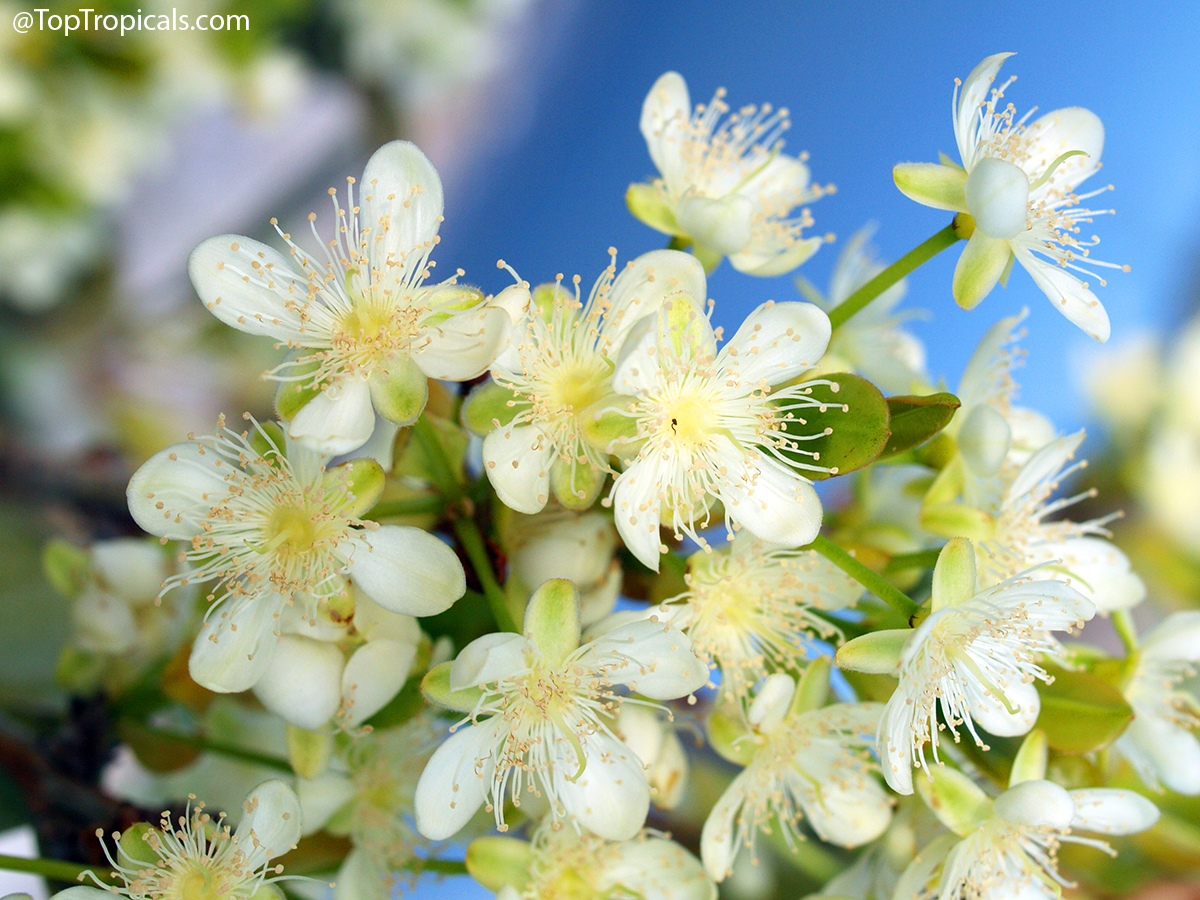
Grumichama is an evergreen tree known for both beauty and productivity. In spring, it covers itself in white starburst flowers that attract pollinators. Within about four weeks, glossy purple-black fruit develops. Established trees tolerate temperatures into the upper 20s and grow well in the ground or in 5–10 gallon containers. Mature trees can produce hundreds of fruits per season.
Across the Eugenia group, strengths are consistent: early bearing, compact growth, heat tolerance, light freeze endurance, and low pest pressure. They are adaptable to different soils, need modest water once established, and perform in full sun or partial shade. Birds enjoy the fruit, but there is usually plenty to share.
Nutritionally, Eugenia cherries provide Vitamin C, fiber, antioxidants, and notable Vitamin A that supports eye health. They offer sweetness with real dietary value.
In the kitchen, they are simple and rewarding. Cherry of the Rio Grande makes an easy compote. Simmer the fruit with a small amount of water until soft, mash lightly, and spoon over pancakes or warm bread. Grumichama turns into a deep red jam with sugar and lime, or can be blended into a bright spoon drizzle over vanilla ice cream.
Even when not fruiting, both trees remain attractive year-round with glossy evergreen foliage and clean structure. They fit well into edible landscapes, small yards, and container gardens.
Winter will return. The difference lies in planting fruit trees that can handle heat, humidity, and the occasional cold snap. If you are building a food forest for lasting harvests, cold-hardy tropical cherries like Cherry of the Rio Grande and Grumichama deserve a place in your garden.
Date: 23 Feb 2026
Macadamia Tree Care
By Tatiana Anderson, Horticulture Expert at Top Tropicals with Smokey & Sunshine help
🌳 Growing Macadamia Tree
Macadamia is not a fragile tree, but it does have preferences. If you respect them from the beginning, the tree rewards you for decades.
- Start with the site. Drainage is everything. Macadamia will tolerate cool weather better if planted in a well-drained area. Avoid low spots where water sits after rain. If your soil is dense or clay-like, build a mound or improve drainage before planting.
- Choose full sun whenever possible for the best nut production.
- Planting location matters. A south or southeast exposure near a wall can create a warmer microclimate that buffers cold nights. Freeze plus wind is more damaging than temperature alone. Macadamia handles cold better when protected from winter wind.
- Dig a hole about twice as wide as the container, but no deeper than the root ball. Set the tree level with the surrounding soil. Do not bury the trunk.
- Water regularly during the first three months while the tree establishes roots.
- Fertilize lightly. Macadamia does not respond well to over-fertilizing. Macadamias prefer mild liquid fertilizers, SUNSHINE Boosters Robusta is ideal for it. You may also use controlled release Green Magic every 6 months, it is especially formulated for hot climate. To keep leaves healthy deep green without yellowing, micro elements must be applied on regular basis, we recommend to always have handy Sunshine Superfood micro nutrients complex.
- Young trees should be protected if temperatures drop below freezing. Once established, they become far more resilient.
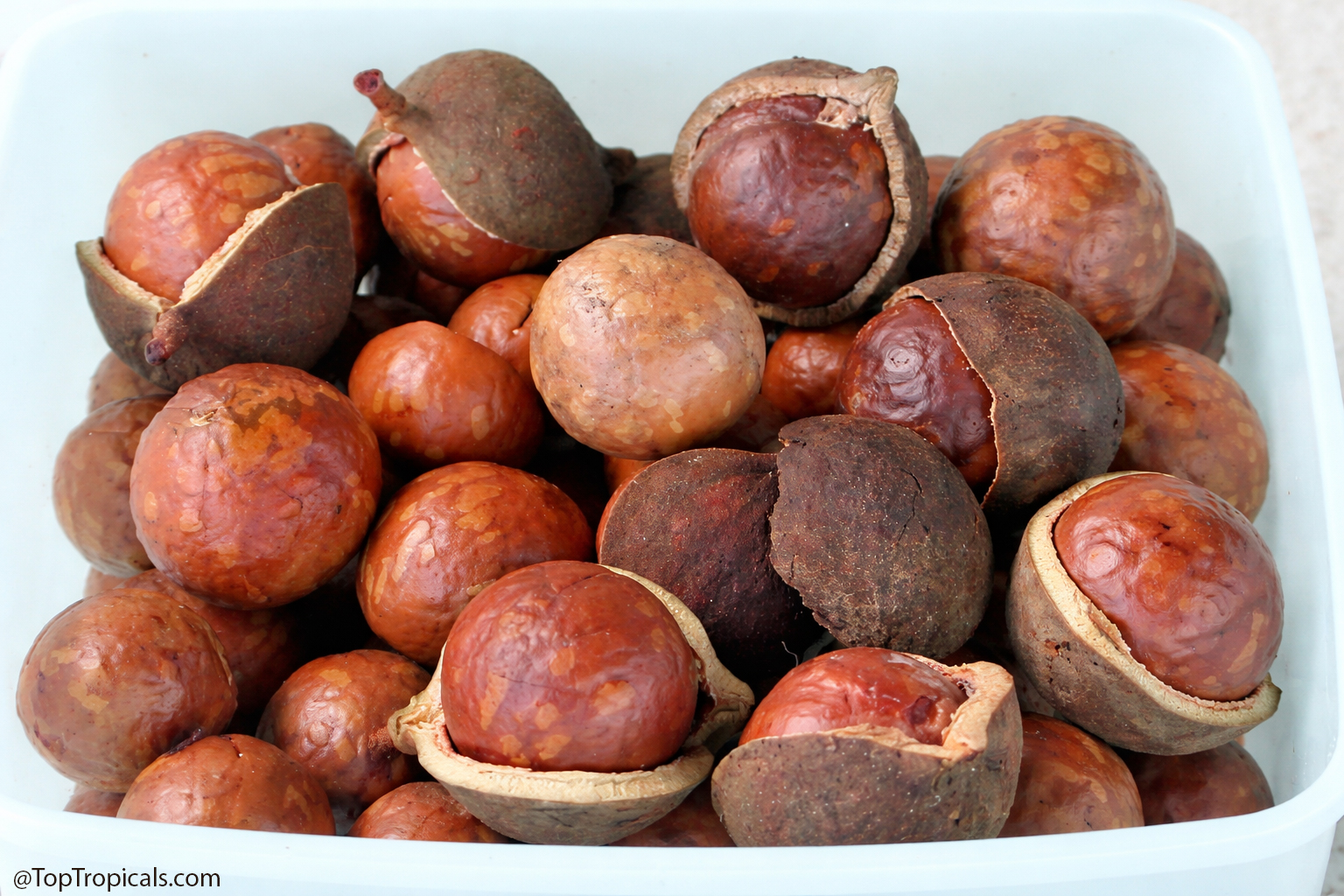
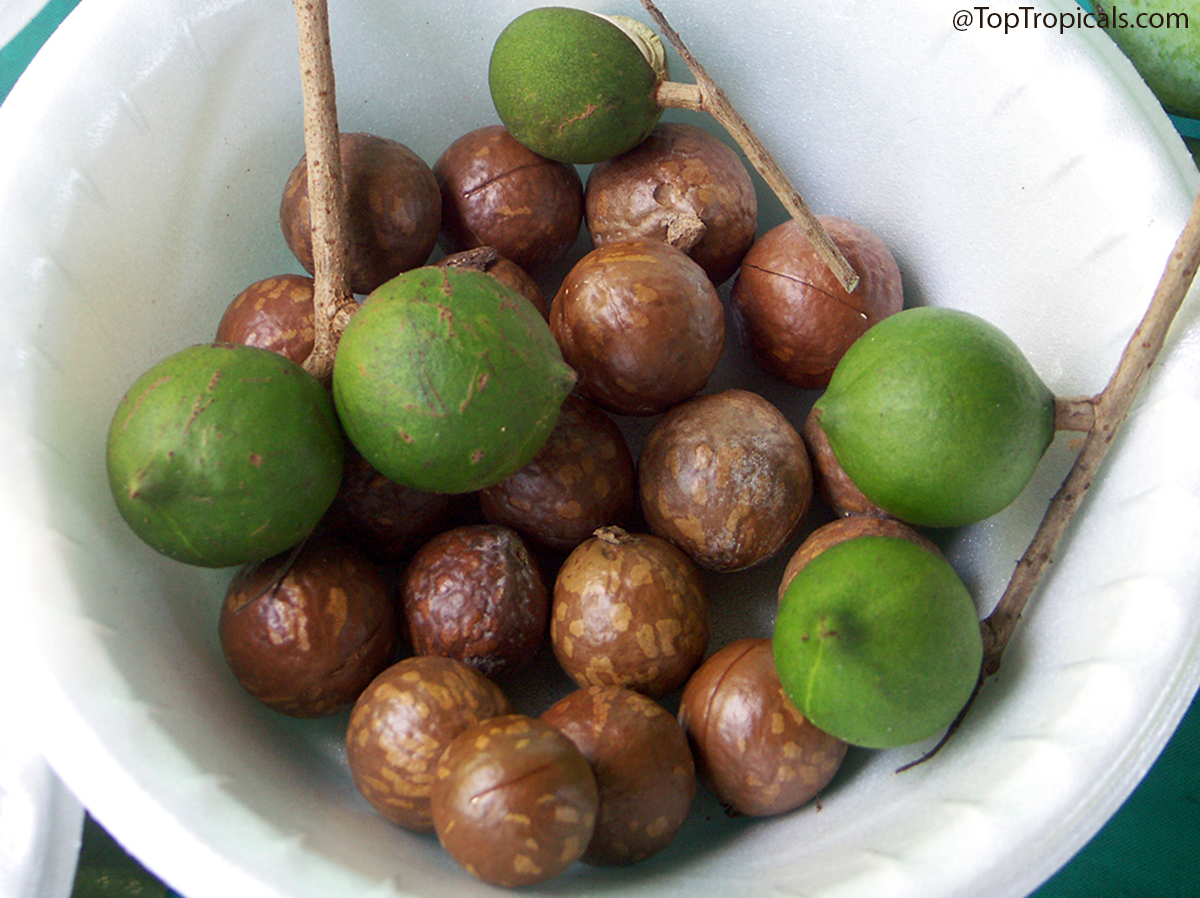
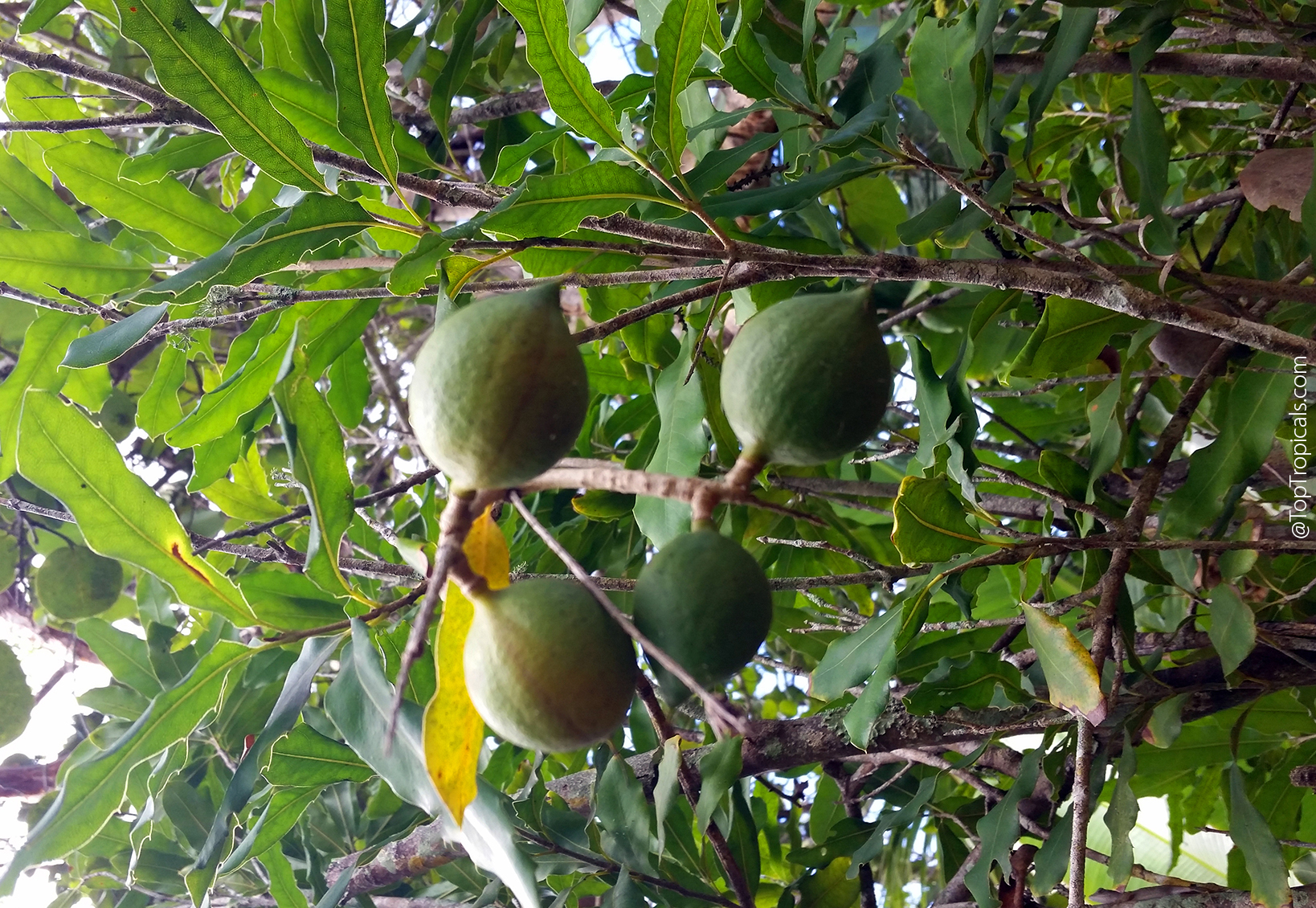
- Harvest timing: Nuts mature 6-7 months after flowering. Husk splits naturally when ready. Fallen nuts should be collected quickly.
- Flower and Nut Drop: Many gardeners panic when they see flowers or small nuts drop, but Macadamia naturally sheds excess fruit. It does not mean failure; the tree simply keeps what it can afford to feed.
- Macadamia is relatively low-maintenance, but watch for squirrels and rats. They love the rich nuts as much as humans do, so be sure to collect fallen nuts quickly.
- Root Sensitivity: Macadamia roots dislike disturbance. Transplant carefully. Avoid root damage.
- Macadamia is not a fast-return crop. It begins producing a few years and increases gradually. But once mature, it becomes a steady, reliable part of your garden.
Learn more: Macadamia - Hard Sweet Nut and Hardy Tree
🌱 Growing Macadamia in a Pot
- Container size: Start large. A 15-25 gallon pot is ideal for long-term growth.
- Drainage: Critical. Use a container with multiple drainage holes.
- Soil mix: Use a high-quality, well-draining container mix. Avoid heavy garden soil. Top Tropicals Abundance soil-less mix is specially formulated for pot growing
- Light: Full sun is best. Strong light improves flowering and nut production.
- Watering: Water deeply, then allow the top layer to dry slightly before watering again. Avoid constant saturation.
- Feed lightly and consistenly. SUNSHINE Boosters Robusta liquid fertilizer is safe to use with with every watering. During hot season you may add controlled release Green Magic every 6 months. It is essential to apply micro elements on Macadamias: Sunshine Superfood micro nutrients complex.
- Cold protection: If temperatures drop below freezing, move the container to a protected area such as a garage or greenhouse.
- Pruning: Prune lightly to control size and maintain airflow within the canopy.
- Expectations: Container trees may produce fewer nuts than in-ground trees, but they offer mobility and climate control.
- Smokey says: Container trees offer mobility and climate control so you never have to worry about a freeze!
✍️ More About Macadamia from Garden Blog
🚫 Common Mistakes When Growing Macadamia
-
Planting in poorly drained soil:
The most common mistake. Macadamia will decline quickly in heavy, waterlogged ground. If drainage is questionable, plant on a mound. -
Overwatering young trees:
Newly planted trees need consistent moisture, not constant saturation. Wet roots lead to root problems. -
Over-fertilizing:
Too much fertilizer causes weak growth and nutrient imbalance. Feed lightly and avoid heavy nitrogen applications. -
Planting too deep:
The top of the root ball should sit level with or slightly above the surrounding soil. Do not bury the trunk. -
Ignoring micronutrients:
Macadamia is very prone to iron, zinc, and copper deficiencies. Yellowing leaves may signal a micronutrient issue. Applly Sunshine Superfood on regular basis. -
Expecting instant production:
Macadamia takes time. Early years build structure. Patience is part of success. -
Skipping cold protection for young trees:
Established trees are tougher, but young plants should be protected below freezing.
❓Frequently Asked Questions (FAQ)
- Is Macadamia toxic to pets? While the nuts are a superfood for humans, they are toxic to dogs. If you have a dog that tends to forage in the garden, ensure you harvest fallen nuts promptly or fence the base of the tree during the drop season.
- Which varieties are best for the "Survivor" garden? Look for Macadamia integrifolia (smooth-shell) or hybrids like 'Beaumont' (M. tetraphylla x M. integrifolia). Hybrids often show slightly better cold tolerance and more consistent "home garden" production.
- How tall will my tree get? In the ground, an unpruned Macadamia can reach 20–30 feet. However, they respond very well to "heading back" (pruning the top) to keep them at a manageable 12–15 feet for easy harvesting.
- Do I need two trees for cross-pollination? Macadamias are self-fertile, meaning one tree will produce nuts. However, planting two varieties near each other often results in a significantly heavier "nut set" due to cross-pollination.
- Why are the leaves on my Macadamia prickly? Don't panic—this is normal! Some species, particularly M. tetraphylla, have serrated, holly-like leaves. This actually makes them a great "defensive" hedge against intruders or deer.
- When exactly should I harvest? The tree tells you when it's ready. Don't shake the tree; wait for the nuts to fall naturally. In Florida, this usually happens between August and November. If the green outer husk hasn't split yet, let them sit in a shaded, dry spot until they do.
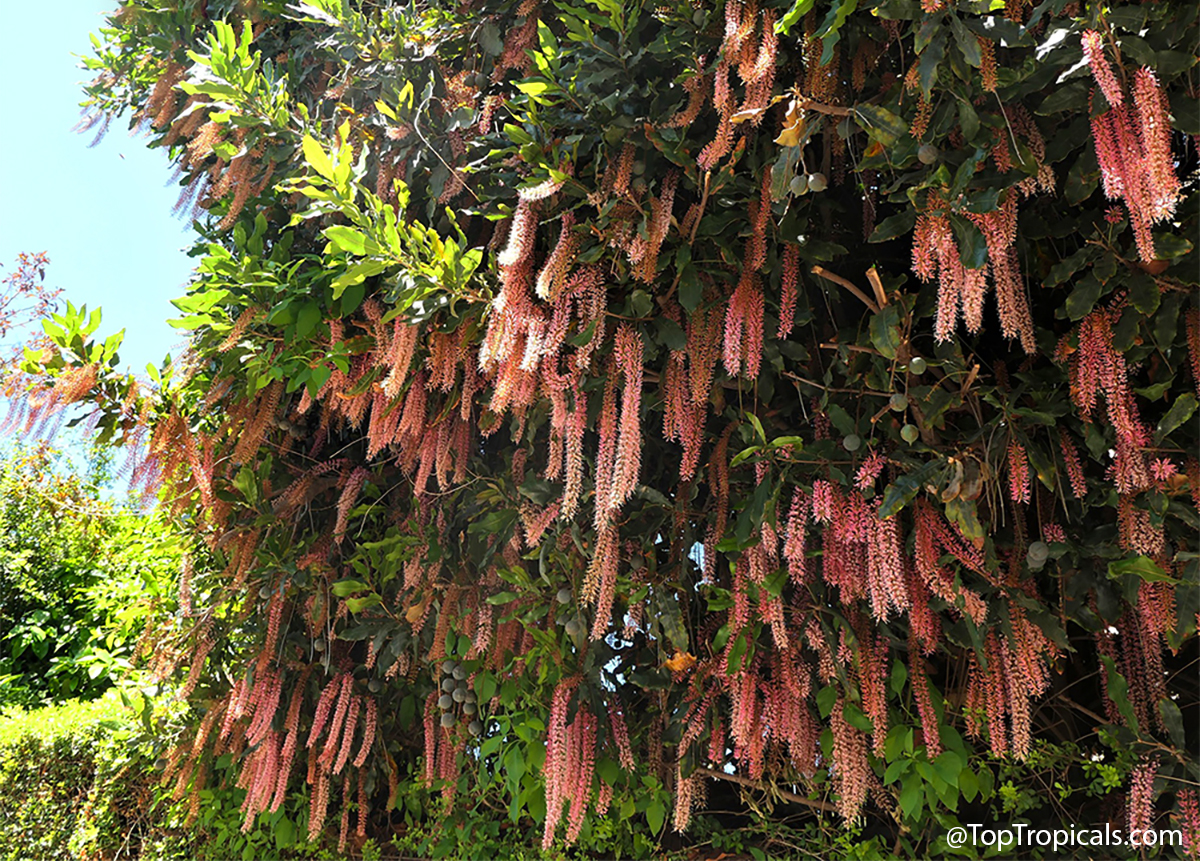
- My tree has "clusters" of flowers but no nuts. What happened? Macadamias produce long racemes (flower spikes) with hundreds of tiny blooms. It is normal for 90% of these to fall off. The tree only keeps what it can afford to "feed." Boost your success by using a combination of Sunshine C-Cibus liquid fertilizer and SUNSHINE Superfood micro element supplement during the flowering stage to help the tree retain more fruit.
- Can I grow them from a nut I bought at the store? Unlikely. Commercial nuts are usually roasted or dried at high heat, killing the embryo. Even if a raw nut sprouts, it may take 10–12 years to fruit and the quality is a gamble. Buying a grafted tree saves you a decade of waiting.
We don’t just sell plants; we test them. The data from this February freeze proves that with the right selection and proper drainage, 'tropical' doesn’t have to mean 'fragile.' Don’t wait for the next cold front to find out what in your garden is vulnerable. It is time to replace those empty spots with proven survivors that offer both beauty and a premium harvest. If it can stand up to 25F in our fields, it’s ready for your backyard.
Coming in Part 2...
Smokey is already crunching the numbers on our next survivor, and Sunshine found another tree that stayed perfectly green in the wind. Stay tuned to see which fruit tree made the cut!
Date: 23 Feb 2026
❄️ The Hardiness Report: February 2026 ❄️
🐾 Smokey & Sunshine’s real-world survival data from our Sebring, Florida Research Gardens. Smokey analyzed the data. Sunshine just stayed happy. Here is what they found.

Smokey: This is macadamia strength.
Sunshine: I should put a macadamia nut in my coffee and borrow some of that strength.
Smokey: Do not get too nutty yet. It still needs curing and cracking.
📊 Weather Data – February 1–6, 2026
Sebring, Florida – 132 years of recorded observations
This was not a light frost. It was a prolonged, windy, penetrating hard
freeze.
- 🌡 Minimum temperature: 25F
- ❄️ Wind chill: 14F
- ⏳ Duration: 3 nights of 8–10 hour hard freeze
- ☀️ Daytime temperatures: around 50F for 7 days
- 🌀 Wind: sustained 20 mph, gusts 40–50 mph
While all our plants in pots were protected in greenhouses, our in-ground plantings faced the freeze outdoors. We covered what we could. Even so, some plants were damaged, some died, and some surprised us by surviving.
In the next few newsletters, we will share the real survivors - the plants that proved themselves in the ground, under real conditions. Smokey and Sunshine have been out in the fields assessing the damage from the February 1–6 freeze. While many plants struggled, the Macadamia proved to be a true standout. This is how we grow them to handle the tough years.
Why does this matter? Because we have gotten used to warm winters, and this freeze was a rude awakening. Not everyone lives in Miami. If you garden in places where a real cold event can happen, you have to be prepared - and you have to plant what can take it.
🌰 Macadamia: Freeze Tested and Standing
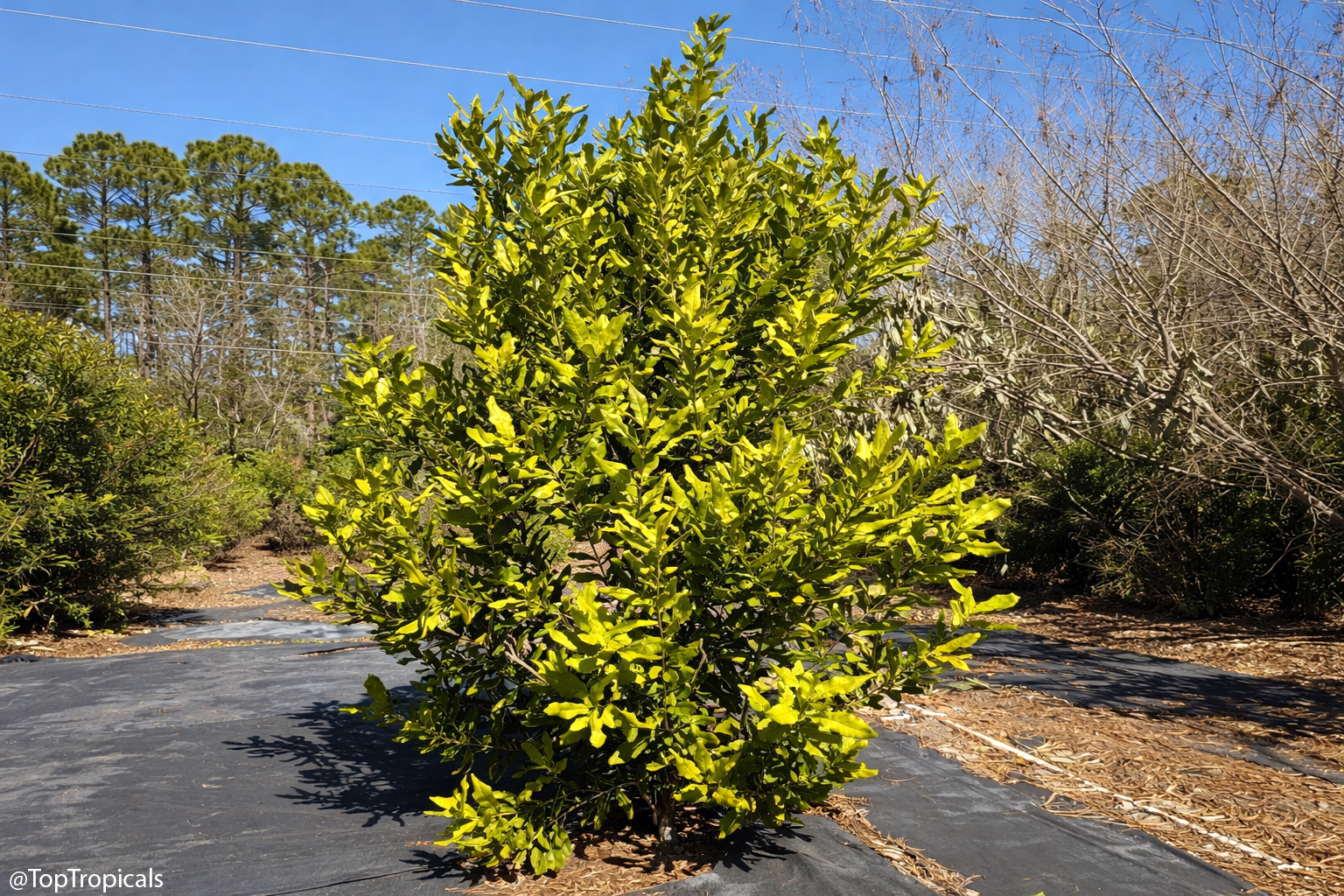
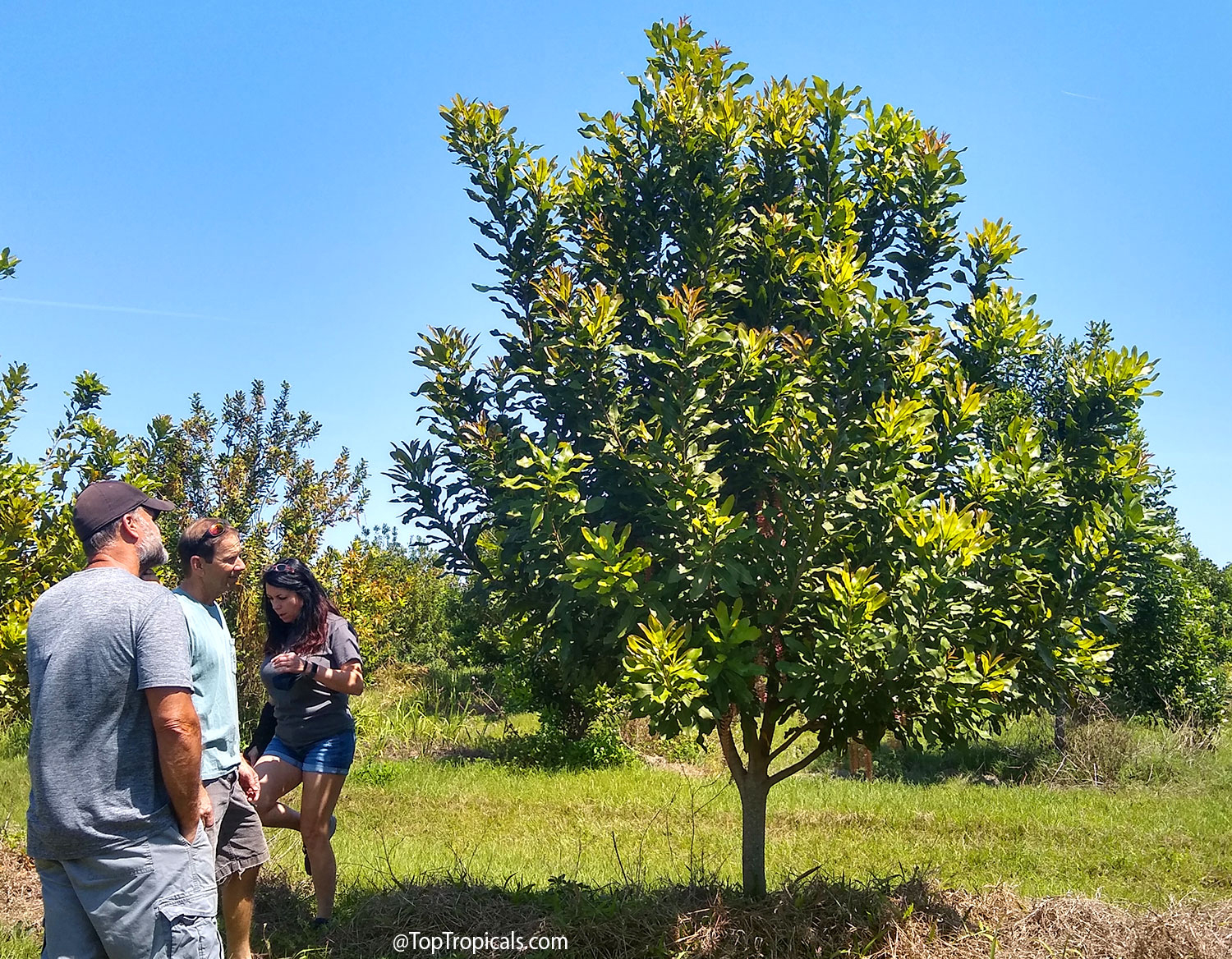
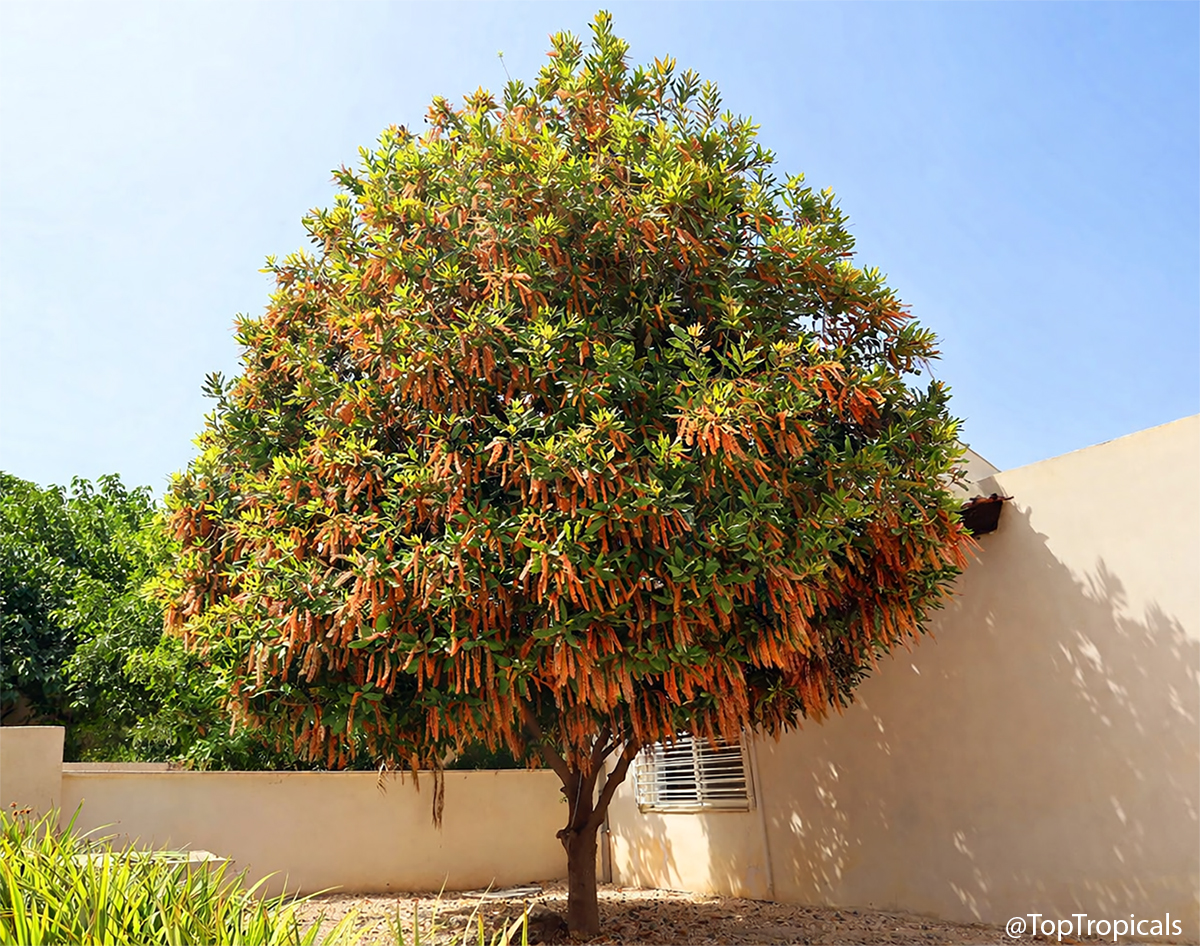
When temperatures dropped to 25F with wind chill near 14F, our established macadamia trees remained upright, green, and structurally intact. Leaves held. Branches stayed firm. No collapse, no panic.
That is not luck. That is macadamia hardiness.
Often considered a "tropical luxury nut," macadamia proved it can handle more than many gardeners expect. In USDA Zones 9b-11, with proper drainage and site selection, it is not just ornamental - it is a long-term food tree with real resilience.
In a winter that reminded us not to take warmth for granted, macadamia earned its place on the survivor list.
The nut itself is famous for its strength. The shell is among the hardest in the nut world, requiring serious pressure to crack. Inside, the kernel is creamy, buttery, rich, and deeply satisfying. High in monounsaturated fats and naturally low in sugar, macadamias have long been valued both for flavor and for nutrition.
The tree is equally impressive. An evergreen with tough leaves and elegant spring flowers, it matures into a productive, manageable canopy. Nuts develop slowly over six to seven months. Production begins in a few years and increases steadily as the tree matures. Plant it once, and it can reward you for decades.
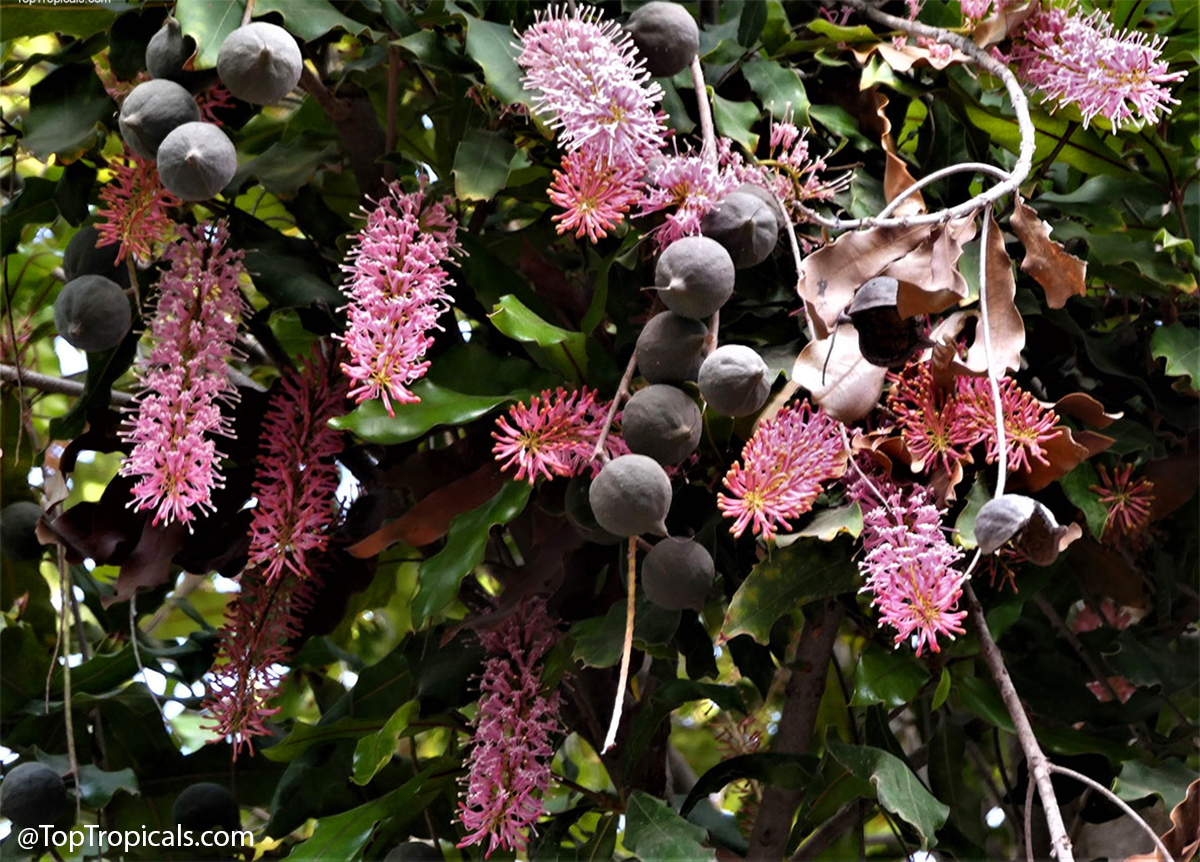
Cold will come again. It always does. The question is not whether winter will test your garden. The question is whether your trees are ready. Macadamia proved it is. If you are building a garden that feeds you for decades, this is a tree worth planting.
🛒 Add Macadamia Tree to your garden