Garden Blog - Top Tropicals

Date: 27 Oct 2025

🌳 Why Large Grafted Trees Are Better
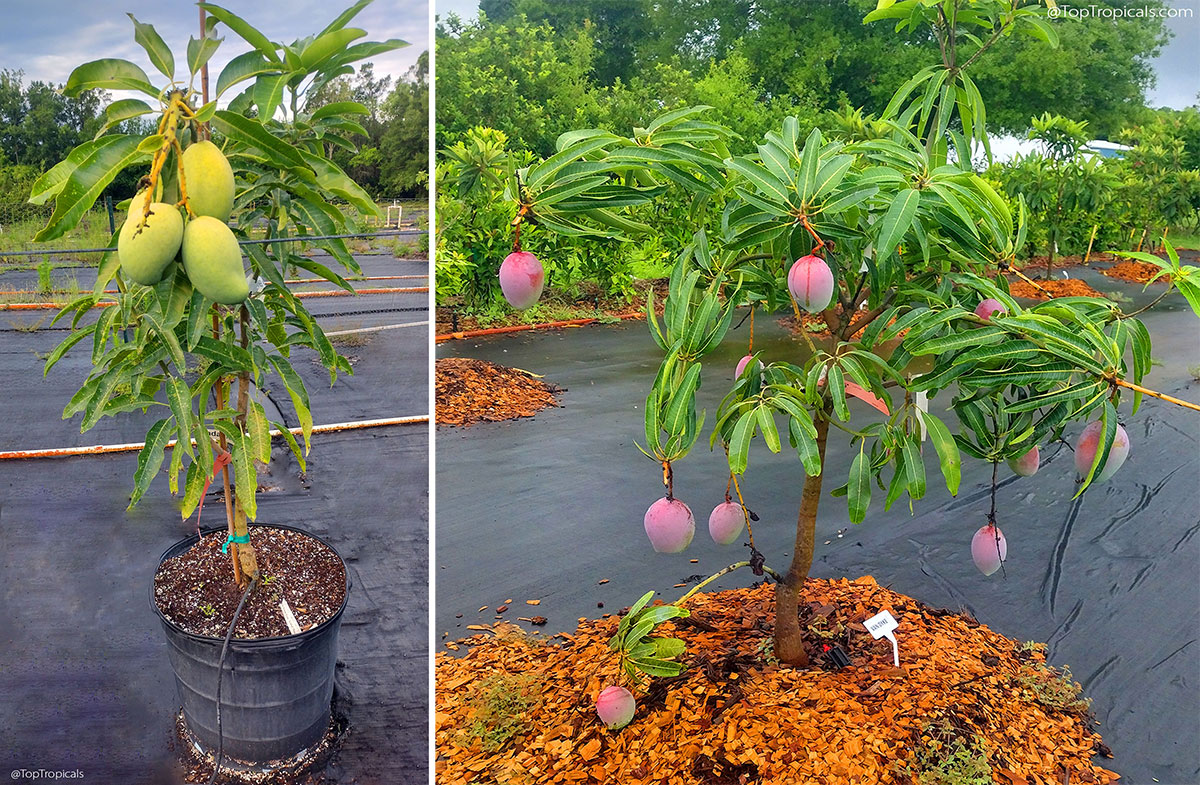
Comparison  of  Mango  trees  growing  in  container  and  in  ground  at  Top 
 Tropicals  nursery  -  potted  tree  with  large  green  fruit  and  in-ground  tree 
 with  ripe  purple  fruit  ready  for 
 harvest

These are not seedlings — they’re grafted trees, which means you get the true variety with known flavor, quality, and performance. Large grafted trees give you a real head start:

  • Already mature with a strong root system.
  • Handle transplanting and weather shifts with ease.
  • Can bloom and fruit in the first or second season.

No guessing, no waiting years — you’ll get the exact fruit you want, sooner.
👉 Learn more: How long does it take for a mango tree to bear fruit?

For Indoor and Patio Growers

No space for a full orchard? You can still grow your own tropical paradise! Our large grafted Condo Mango trees adapt beautifully to big containers on patios, balconies, and sunrooms. They stay compact, flower sooner, and can fruit even in pots when given good light and warmth.
👉 Learn more: What are the Condo Mangos?

Bring the tropics indoors — move your tree outside for summer sun, then back inside before frost. It’s the perfect way to enjoy homegrown fruit wherever you live.

Give your garden a smart start this season. Large grafted Mango trees are ready — but only for a short time before winter.

👉 Plant now, harvest sooner, and enjoy the true variety!
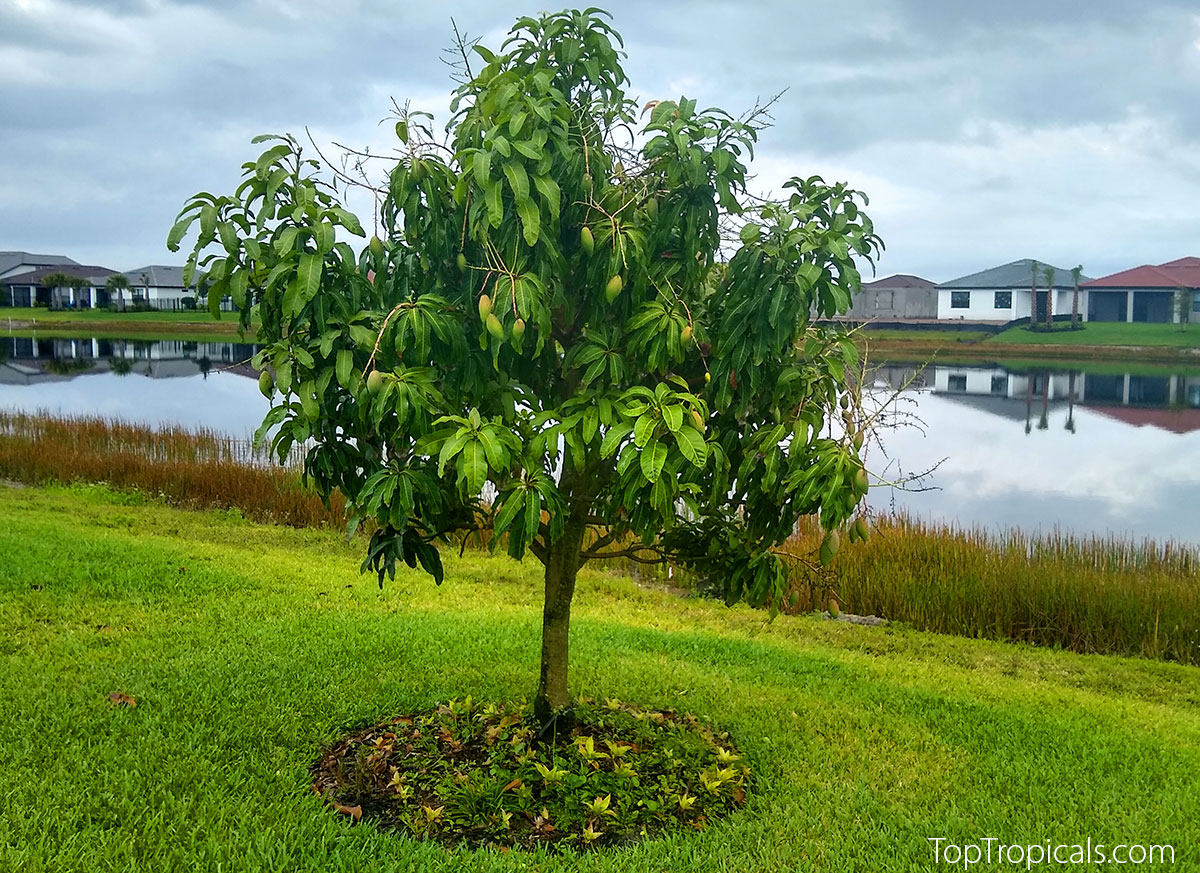
Mango  tree  growing  by  a  lake  in  a  Florida  backyard,  healthy  green 
 foliage  and  young  fruit  developing  on 
 branches

Plant Care Tips by Top Tropicals Plant Expert Tatiana Anderson

Large grafted Mango trees are easy to establish.

  • Soil: Well-drained, rich mix — avoid heavy clay.
  • Water: Deeply once or twice a week after the tree is established; keep soil evenly moist during the first few weeks after planting.
  • Light: Full sun or bright patio spot.
  • Feeding: Use balanced fertilizer Sunshine Boosters Mango Tango with every watering and Green Magic controlled release fertilizer every 6 months for steady growth.
  • Protection: Cover on cold nights for the first winter.
  • 👉 Learn more: How to take care of a mango tree in winter.

Plant once, care lightly, and your tree will reward you with fast growth and early fruit.

🌳 Big Trees, Local Pickup Only

For our local gardeners, we have something special. Extra-large 15- and 25-gallon Mango trees. These are full, mature specimens that simply can’t be shipped, but they’re perfect for local pickup or delivery.

Instant Impact and Faster Fruit

These trees already have strong trunks, big root systems, and start blooming next Spring. Plant one in your yard and it instantly looks like it’s been there for years.

Delivery and Installation

We offer local delivery and professional installation for large trees in the nearby area. Our team can bring the tree to your garden, position it correctly, and help with planting and setup.

👉 Contact us to arrange delivery and installation for your 15- or 25-gallon tree.

Limited Availability: Quantities are small, and these big trees go fast — once sold, they won’t be available again until next growing season.

"Large grafted trees give you a head start — they’re stronger, settle in faster, and can reward you with fruit the very next season," says Tatiana Anderson

🎥 Watch Short Videos:
🛒 Shop Mango trees

Date: 13 Apr 2026

🌸 Secrets of Blooming Plumerias

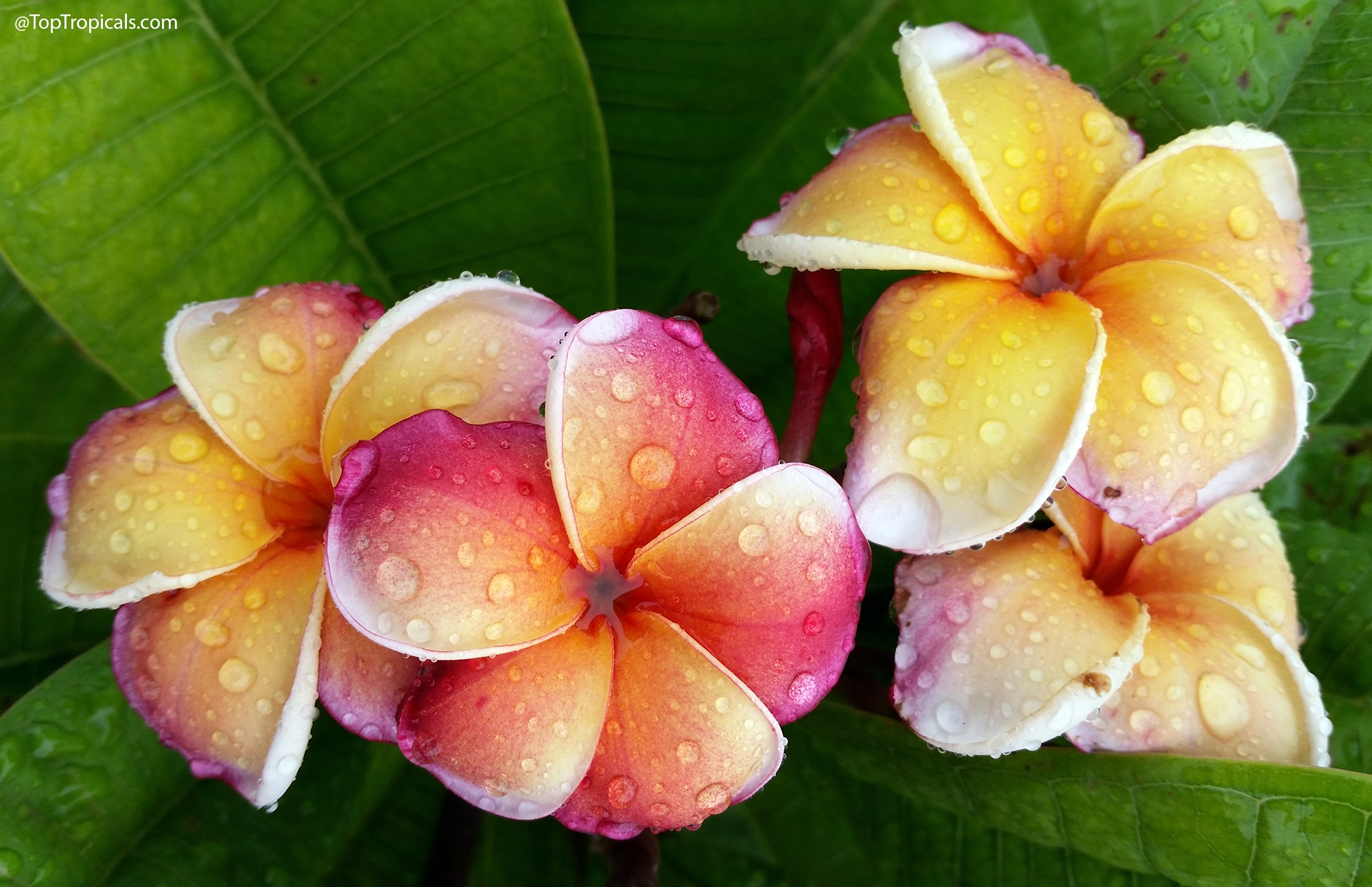
Plumeria  Orange  KLS  stands  out  with  a  rare  mix  of  five  colors  -  peach, 
 yellow,  orange,  white,  and  crimson  -  all  blending  into  one  vivid  bloom. 
 Fragrant  and  eye-catching,  it’s  a  truly  unique  plumeria.

Plumeria Orange KLS stands out with a rare mix of five colors - peach, yellow, orange, white, and crimson - all blending into one vivid bloom. Fragrant and eye-catching, it’s a truly unique plumeria.

Plumeria Plant Facts

Botanical name: Plumeria sp.
Also known as: Plumeria, Frangipani
USDA Zone: 9 - 11
Highligths Large shrub 5-10 ft tallSmall tree 10-20 ftFull sunWatering: Moderate. Water when top soil feels dryYellow, orange flowersRed, crimson, vinous flowersWhite, off-white flowersPink flowersPlant attracts butterflies, hummingbirdsDeciduous plantFragrant plantSeaside, salt tolerant plant
Get personalized tips for your region

Practical Growing Tips (Keep It Simple)

  • Sun: Full sun is key. 6+ hours daily for best blooms.
  • Soil: Fast-draining mix. In pots, use cactus mix or add perlite and sand. The best soil for Plumerias is a 50:50 mix of Abundance potting soil with coarse sand.
  • Watering: Water well, then let soil dry out before watering again.
  • Containers: Excellent for pots. Easier control and mobility.
  • Feeding: Light feeding during active growth helps more blooms. Use liquid Sunshine Boosters Megaflor for profuse blooming and controlled release Green Magic fertilizer every 6 months.
  • Airflow: Good airflow keeps plants healthy and clean.
  • Spacing: Give each plant room - better shape and more flowers.

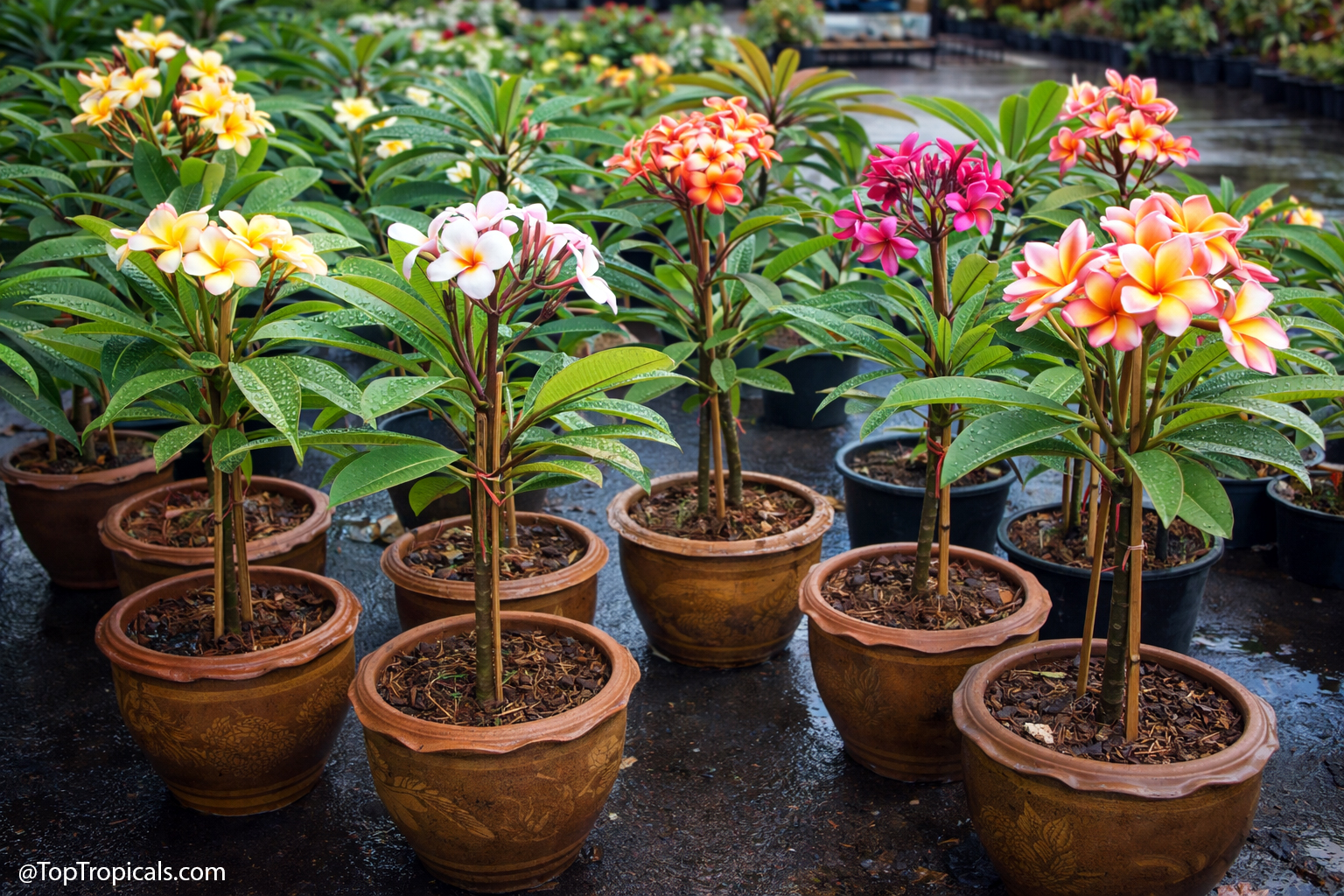
Blooming  plumeria  plants  in  multiple  pots  with  colorful  flowers, 
 arranged  outdoors  in  a  nursery  setting  after  rain.

Blooming plumeria plants in pots after rain.

Winter Care (Very Important)

  • Temperature: Protect from freeze. Below 40F they need protection.
  • Dormancy: Leaves drop in winter. This is normal.
  • Watering: Almost dry during dormancy.
  • Indoors: Move containers inside if frost is expected.
  • Light: Bright spot is enough. No need for full sun in dormancy.
  • No feeding: Do not fertilize during winter rest.
  • Restart: Resume watering when new growth appears in spring.

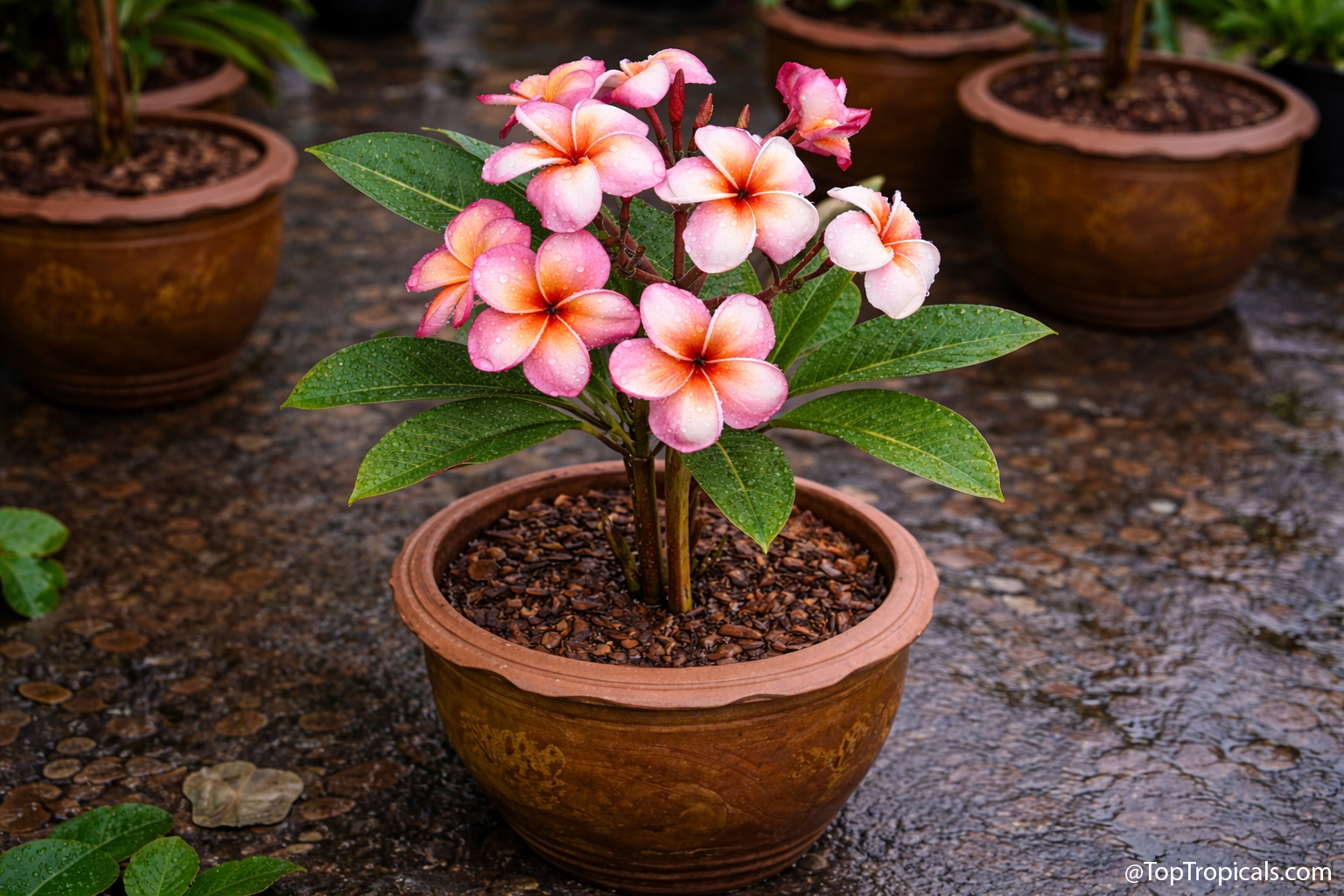
potted  plumeria  plant  pink  orange  flowers  with  water  droplets  on  leaves
   and  petals

Potted plumeria in bloom.

About Plumeria Rust (Florida Reality)

If you are growing plumerias in Florida, you will likely see plumeria rust at some point. It shows up as orange powdery spots on the underside of leaves and can cause leaves to yellow and drop early. It is driven by high humidity and is most common in the fall, right before the plant naturally starts dropping its leaves.

It looks alarming, but it is mostly a cosmetic issue and does not harm the plant long term. Good airflow, full sun, and avoiding overhead watering help reduce it. If needed, you can remove affected leaves or use a simple fungicide (in our experience, the most effective one for Plumeria rust is Southern Ag Garden Friendly Fungicide), but in most cases the plant grows right through it and comes back clean with fresh growth.

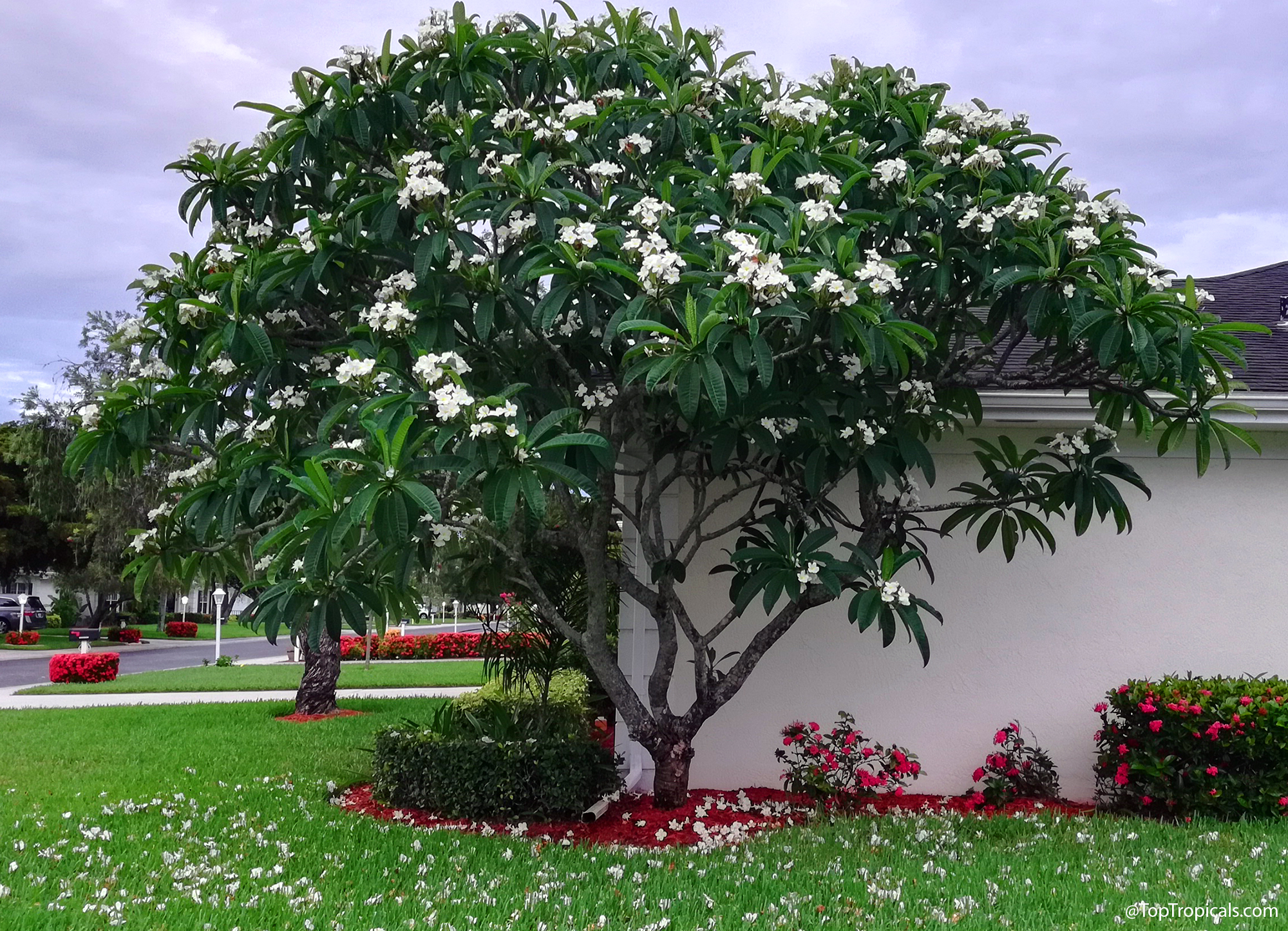
white  plumeria  tree  full  bloom  in  yard  with  green  leaves  and  fallen 
 flowers  on 
 grass

White and Yellow Plumerias are the most fragrant.

Plumeria Fragrance - Bring It Anywhere

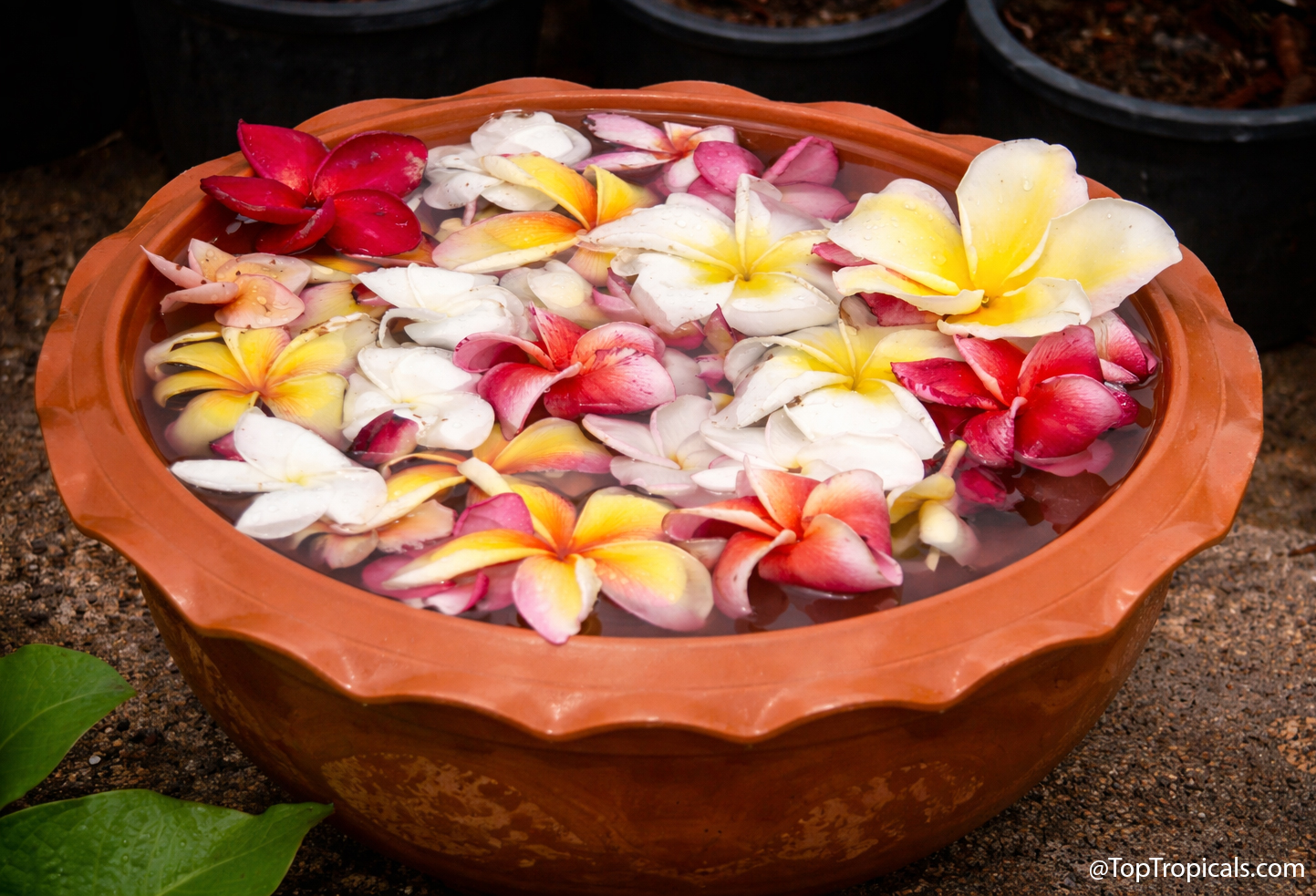
That scent does not have to stay in the garden. Fresh plumeria flowers can be brought inside and placed in a small bowl of water they will float and gently perfume the room. You can make a simple lei, keep a few blooms on a table, or even place a flower in your car on a hot day - the warmth releases the fragrance.

Terracotta  bowl  filled  with  floating  plumeria  flowers  in  white,  yellow,
   pink,  and  red,  set  outdoors  on  wet  ground  in  a  garden 
 setting.

Bowl with Plumeria flowers creates a scented space anywhere

🎥 Watch Plumeria videos

📚 Learn about Plumerias from our Blog

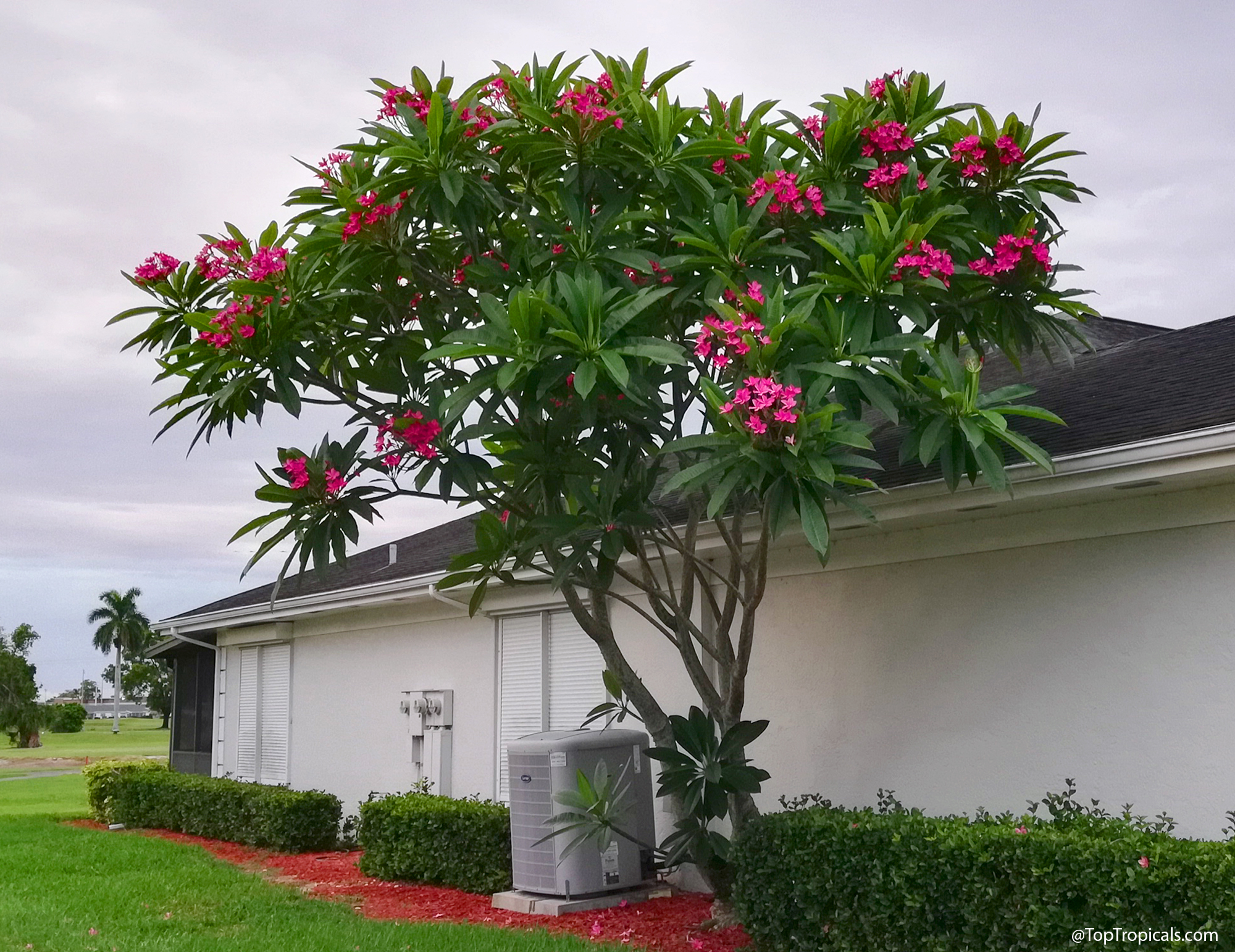
red  plumeria  tree  full  bloom  pink  red  flowers  in  residential  yard 
 tropical  flowering  tree

Red Plumeria is not just fragrant, it is one of the most spectacular trees when in full bloom

Build Your Plumeria Paradise - Save 10%
Get 10% off with coupon code PLUMERIA2026 on plumeria trees.
Offer valid through 04/15/2026.
Discount applies to plumeria plants only. Not valid on previous purchases and cannot be combined with other promotions or discounts. Offer subject to change without notice.

Date: 15 Oct 2023

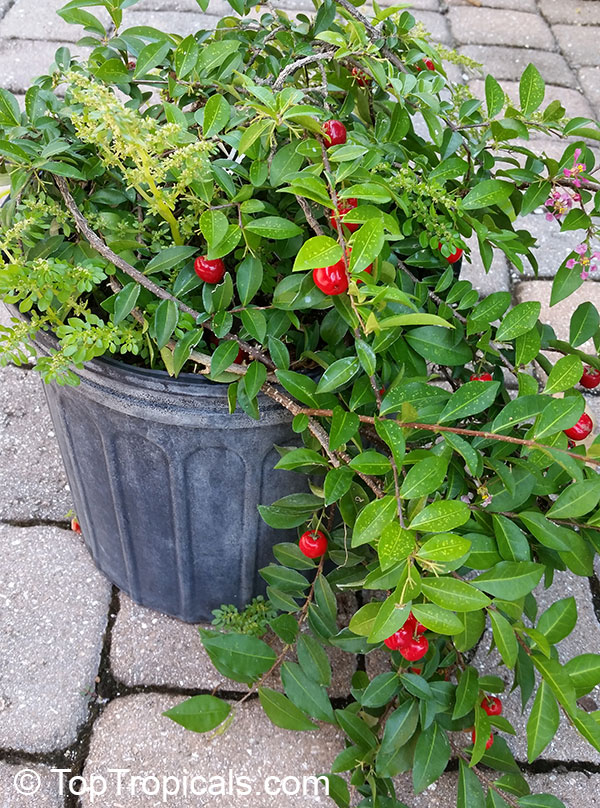
Growing Barbados Cherry in container

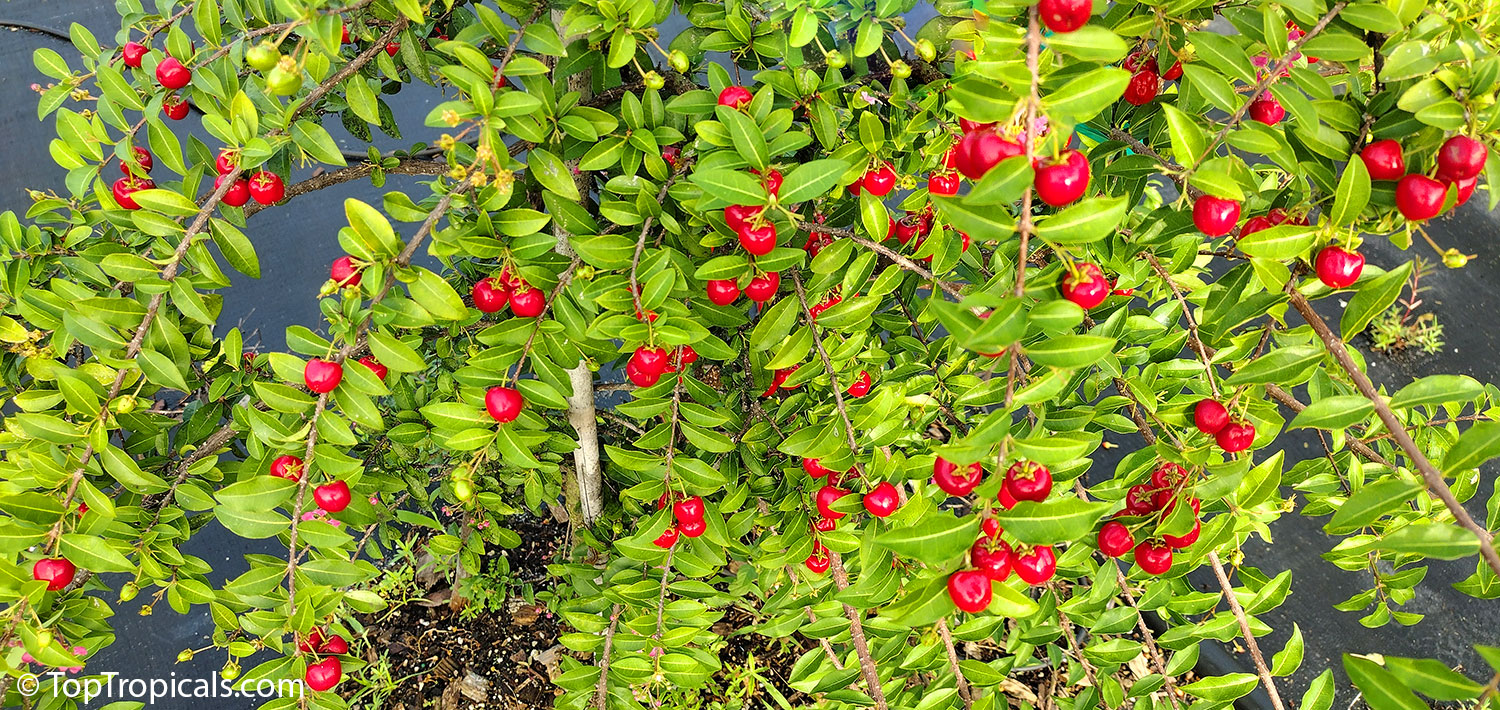
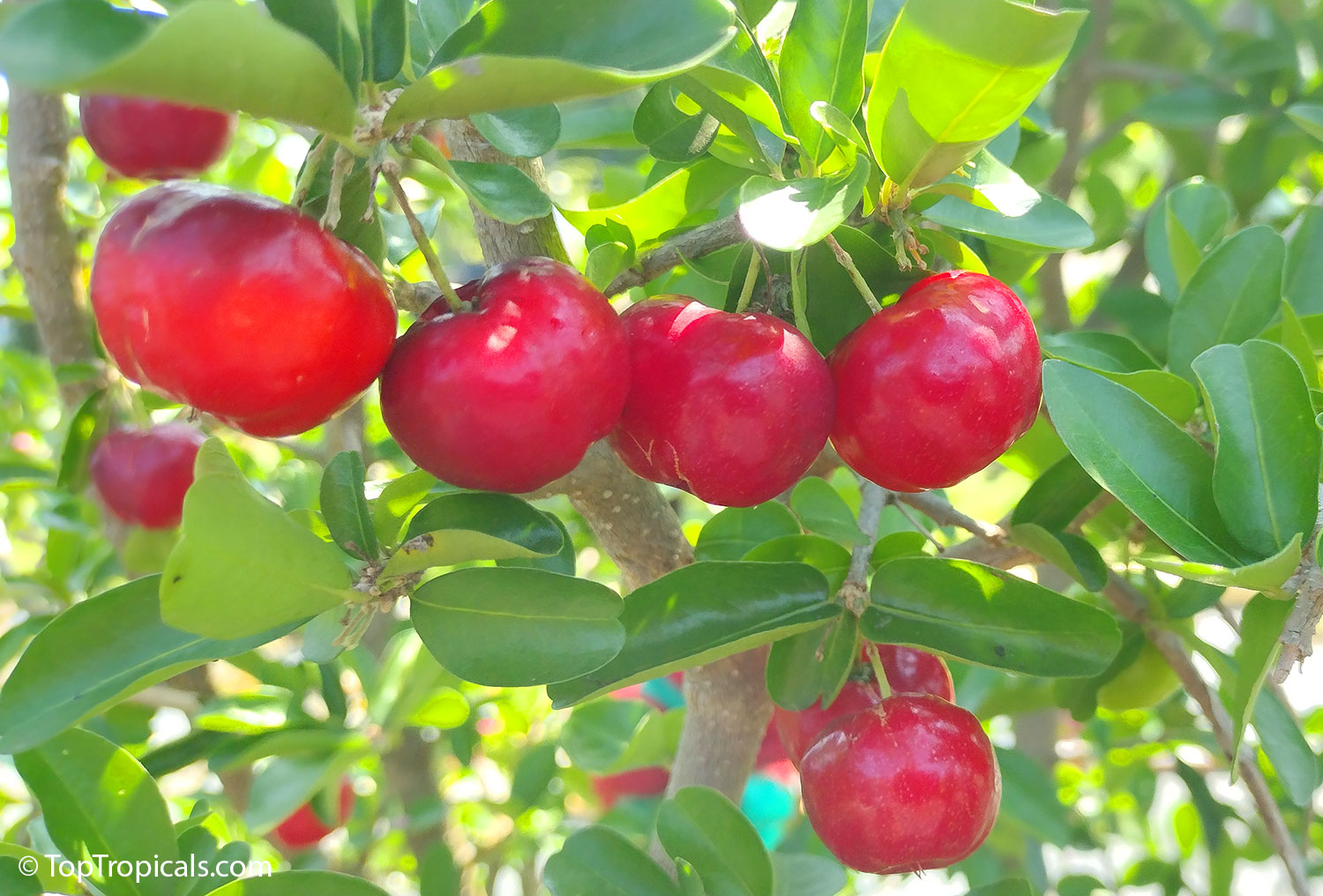
Barbados  Cherry  fruit  on  the  branch

Q: I am interested in buying some Barbados cherry plants. Could you please advise if these can be grown in containers indefinitely or it's still better for them to be planted in ground for nutrients etc?

A: The Barbados cherry, like other tropical cherry varieties, is exceptionally well-suited for cultivation in containers.

Barbados cherry grows into a dense bush, demands minimal pruning, and begins bearing fruit at a young age. Our plants, which are propagated from cuttings, initiate the flowering and fruiting process in the very same year. They produce fruit almost year around. This year we've had three big crops: April, July and October (still fruiting now!) besides sporadic fruiting throughout the warm season.

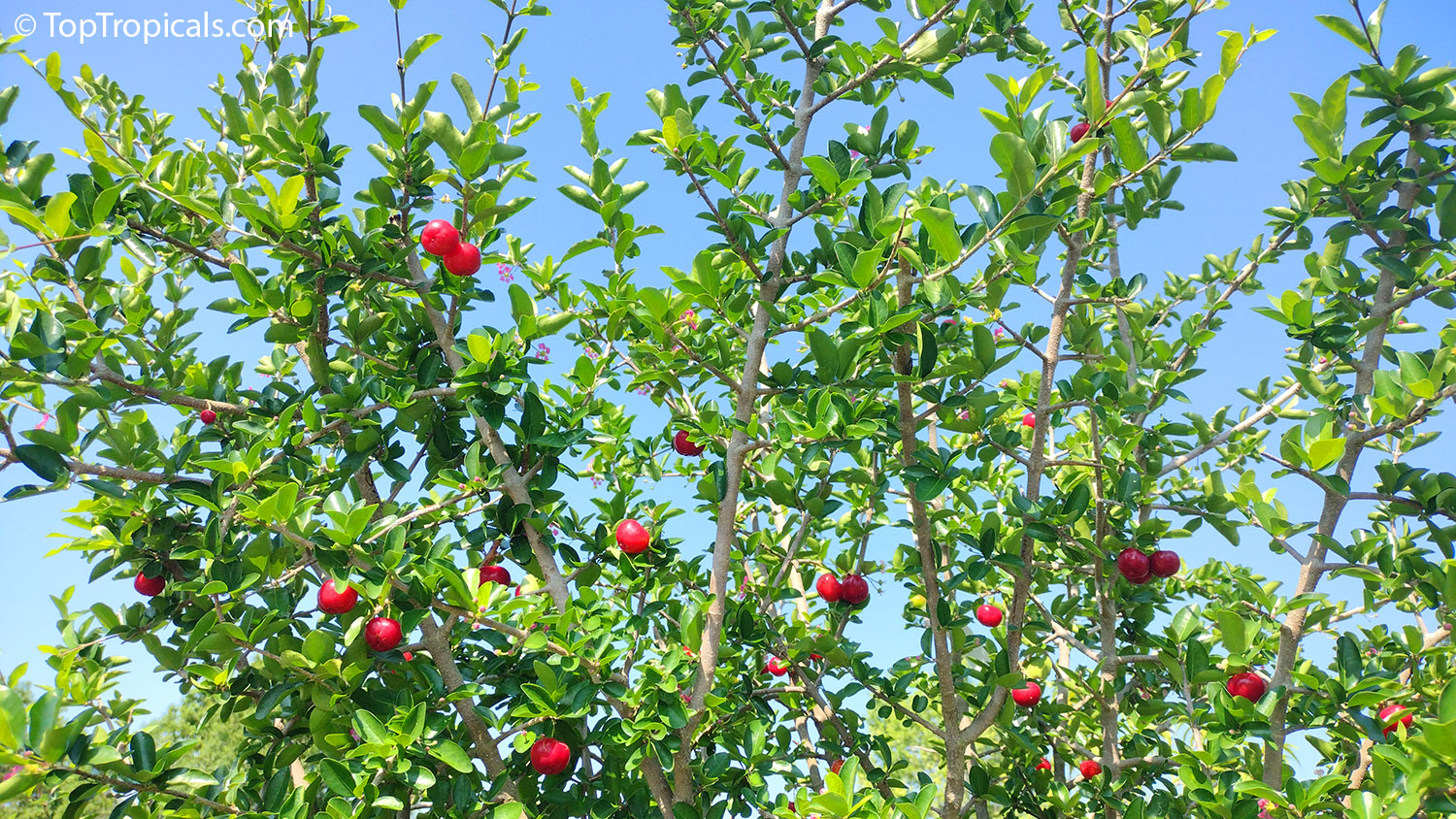
Barbados  Cherry  branches  with  fruit

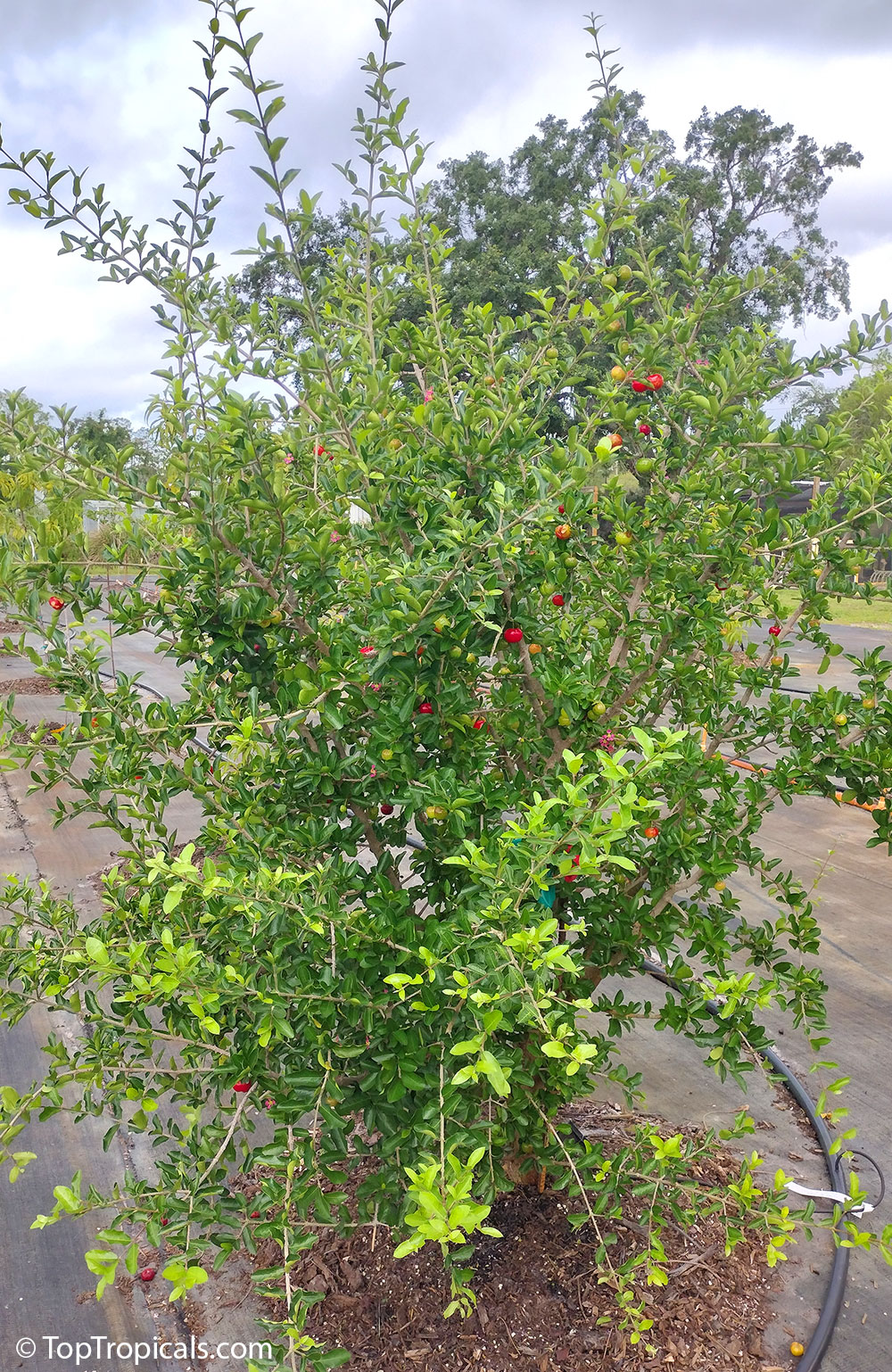
You can cultivate Barbados cherry in a pot, commencing with a 1-3 gallon container and gradually increasing the size each year. Below is a photo of a fully developed tree in the ground, for reference. This tree is approaching its third year of growth. When grown in a container, it maintains a more compact size, with the largest container needed likely being between 7 to 15 gallons. Regular pruning can be employed to keep it smaller.

Barbados  Cherry  bush  in  the  ground

Photo above: Barbados Cherry bush in the ground

Barbados cherry (Malpighia) possesses a distinct growth pattern that sets it apart from other tropical cherry varieties - Eugenias. Malpighia's branches can assume peculiar shapes, even at angles of up to 90 degrees. Therefore, pruning to achieve the desired shape is advantageous.

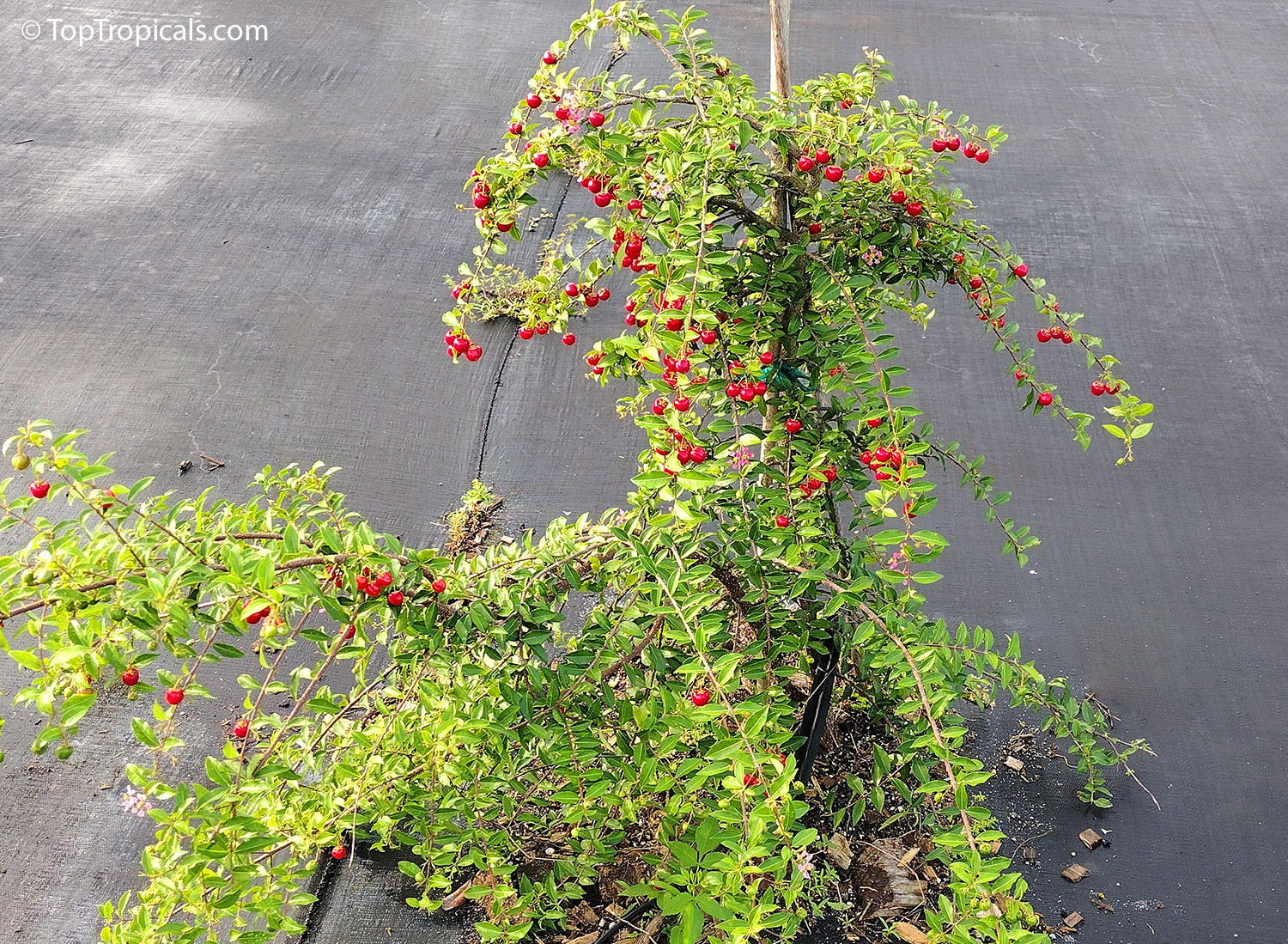
Additionally, you may want to explore the Dwarf Barbados cherry, a miniature cherry variety ideal for container cultivation, with cascading growth habit. Although its fruits are slightly smaller than those of the regular variety, they are notably sweeter.

Dwarf  Barbados  Cherry  branches  with  fruit

Photo above: Dwarf Barbados Cherry fruit

When it comes to ensuring the health and vitality of your potted Barbados cherry plants, maintaining a consistent nutrient supply is crucial. Implementing a regular fertilization regimen is essential to promote robust growth, consistent flowering, and bountiful fruit production. For optimal results, we recommend using Sunshine Boosters, which are specially formulated to enhance the development of fruits and edibles. These boosters are derived from organic amino acids, making them environmentally friendly and safe for year-round use. By incorporating Sunshine Boosters C-Cibus into your plant care routine, you can ensure that your container-grown Barbados cherry plants receive the essential nutrients they need to thrive and flourish.

Barbados  Cherry  in  the  ground

Photo above: Dwarf Barbados Cherry in the ground

Barbados  Cherry  in  a  pot

Date: 18 Feb 2026

⭐️ Choosing the Right Variety of Jasmine Sambac

By Tatiana Anderson, Horticulture Expert at Top Tropicals

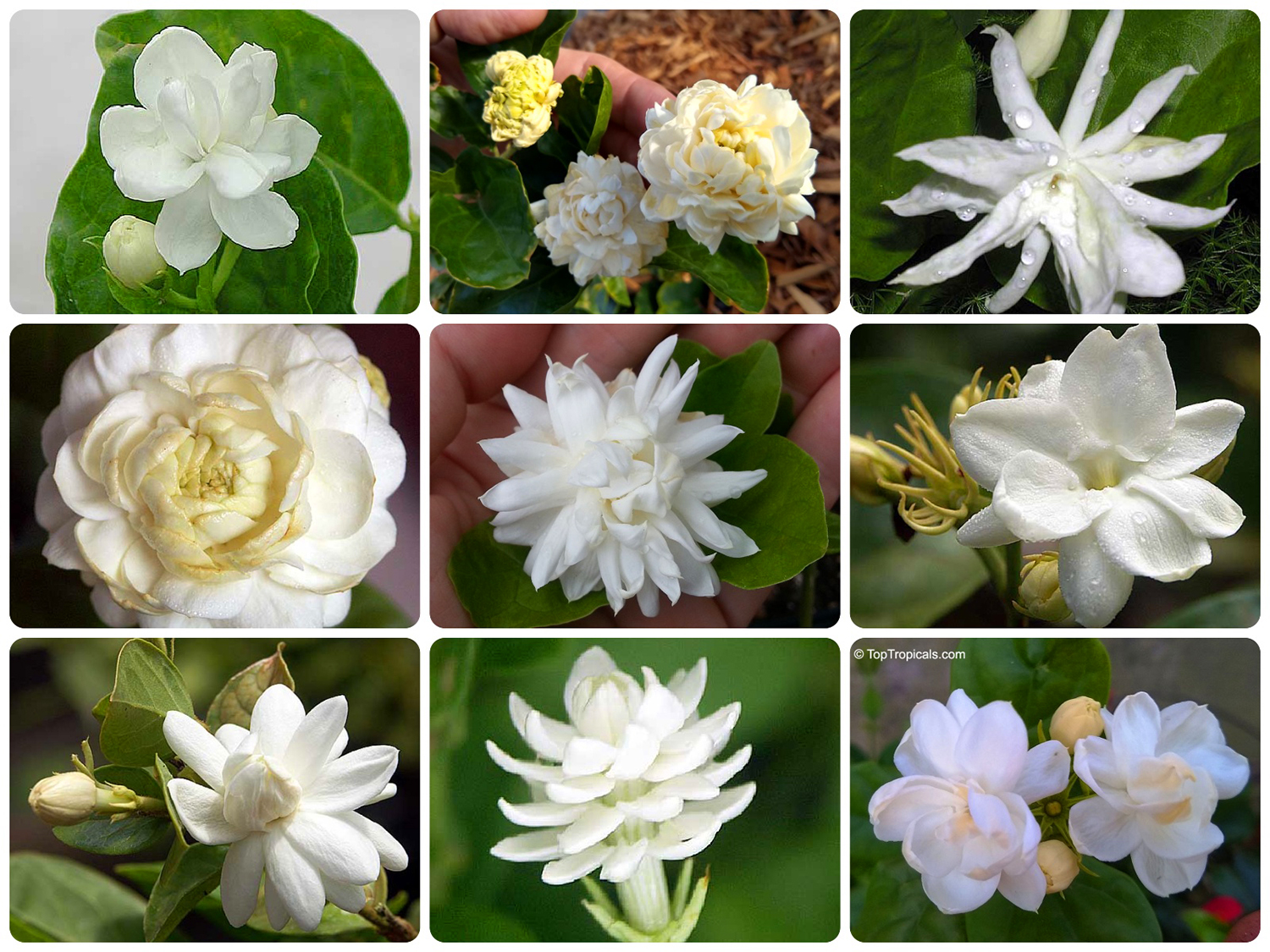
Jasmine  Sambac  varieties  collage  showing  single,  double,  and 
 multi-layered  white  fragrant  flowers  including  Belle  of  India,  Grand  Duke, 
 Arabian  Nights,  and  other 
 forms.

Jasmine Sambac varieties: Arabian Nights, Little Duke, Belle of India, Grand Duke, Duke Supreme, Maid of Orleans, Mysore Mulli, Malichat, Gundu Mallii

One of the reasons Jasmine Sambac is so fascinating is that it does not come in just one form. Each variety has its own personality.

If you want a compact patio plant, Arabian Nights or Little Duke are excellent choices. They stay tidy, bloom generously, and are easy to manage in containers.

If you prefer elegant, elongated petals and a refined look, Belle of India is a favorite. It can be grown as a small bush or trained lightly as a vine.

For those who love full, carnation-like double flowers, Grand Duke of Tuscany and Grand Duke Supreme are classic selections. They are vigorous and make impressive shrubs in warm climates.

If you need a stronger climber for fences or hedges, Maid of Orleans performs beautifully in full sun while Mysore Mulli prefers semi-shade.

Collectors often enjoy rare forms like Mali Chat or newer hybrids such as Gundu Malli, which combine traits from different lines.

How to Grow Jasmine Sambac Successfully

Sambac is not difficult, but it responds best to consistency.

Light: Full sun produces the most flowers. In very hot climates, light afternoon shade is acceptable. Indoors, place it in the brightest window available.

Soil: Use a well-draining potting mix such as Sunshine Abundance. Sambac does not like heavy, constantly wet soil.

Water: Water thoroughly, then allow the top layer to dry slightly before watering again. Reduce watering during cooler months.

Pruning: Light trimming after a bloom cycle encourages branching. More branches mean more flower buds.

Feeding: Sambac is a heavy bloomer, and fragrance takes energy. During active growth, feed regularly with a balanced fertilizer that supports flowering such as Green Magic (controlled release every 6 months) or liquid Sunshine Boosters Pikake (formulated especially for fragrant flowers) - with every watering. I prefer formulas slightly higher in potassium to encourage stronger bud formation and richer bloom cycles. Consistent feeding during warm months makes a visible difference in both flower count and intensity of scent.

With proper care, Jasmine Sambac will reward you not just with flowers, but with perfume that changes the atmosphere of your entire garden.

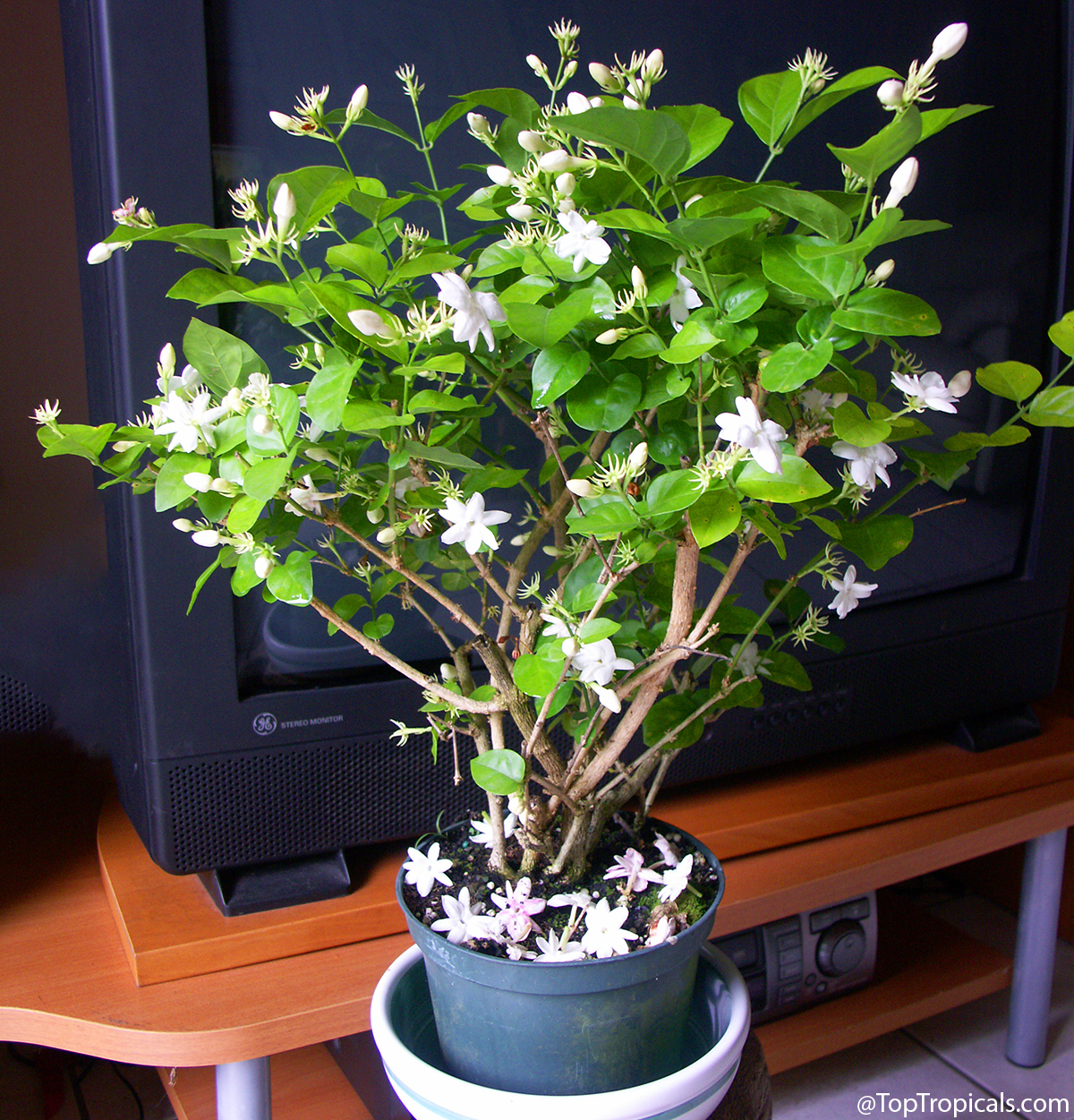
Jasmine  Sambac  Maid  of  Orleans  blooming  indoors  in  a  container  with 
 numerous  white  star-shaped  flowers  and  glossy  green 
 leaves.

Jasmine Sambac Maid of Orleans flowering indoors in a container under bright light.

❓Frequently Asked Questions About Jasmine Sambac

  • Does Jasmine Sambac need full sun?
    It flowers best in full sun. In very hot climates, light afternoon shade is acceptable. Indoors, give it the brightest window possible.
  • Can I grow it in a pot?
    Yes. Sambac performs beautifully in containers. Many gardeners prefer pots because it is easier to control size and move during cold weather.
  • How often does it bloom?
    With proper light and feeding, it blooms in cycles throughout the warm season. Consistency in care makes flowering more reliable.
  • Why is my plant not blooming?
    The most common reasons are insufficient light or irregular feeding. Increase light first, then review your fertilizing routine.
  • Is it difficult to grow indoors?
    Not if you provide strong light and good air circulation. Compact varieties adapt especially well.
  • Is it frost tolerant?
    No. Jasmine Sambac is tropical. Protect it from temperatures below 40F and bring it indoors before frost.

🌸 Year of the Horse Special – Jasmine Bonus

Celebrate 2026 with the fragrance of Jasmine plants. For a limited time, enjoy special savings when you grow one of the most wanted perfume plants in cultivation.

Jasmine Sale - 15% Off
Save 15% on all Jasmine plants. Discount is already applied in the online store - no code needed.
Offer valid through 02/28/2026.

🛒 Explore varieties of Sambac

Date: 12 Feb 2025

How to grow a Guava Tree: Practical Guide to Growing Guava

Guava (Psidium sp.)

🍉 How to grow a Guava Tree: Practical Guide to Growing Guava


🍑 Guava Trees (Psidium sp.) are beloved for their flavorful fruit and easy-growing nature. These fast-growing trees are reliable producers and can thrive in a variety of climates, making them a favorite among home gardeners. Guavas are compact and can be grown in containers, making them suitable for small spaces and urban gardens.

🍑 Light and Soil


Guava trees thrive in full sun, requiring at least 6-8 hours of direct sunlight daily to produce the best fruit. They prefer well-draining soils rich in organic matter but are adaptable to a range of soil types, including sandy or loamy soils. Slightly acidic to neutral soil is ideal. While guavas tolerate poor soils, enriching the soil with compost or manure will improve growth and yield.

🍑 Pruning tips


Pruning is essential for maintaining the shape, size, and productivity of guava trees.
· Frequency: Prune guavas annually, ideally after the fruiting season, to encourage new growth and improve airflow.
· Remove dead, diseased, or crossing branches to maintain tree health.
· Shape the tree to allow sunlight to penetrate the canopy, which enhances fruit production.
· For container-grown guavas, keep the tree compact by trimming back vigorous shoots regularly.

🍑 Guava in containers


Guavas are well-suited to container growing. Compact varieties like the "Nana" guava are ideal for pots. Use a large container (at least 15-20 gallons) with good drainage. Fill it with a high-quality potting mix enriched with organic matter. Place the container in a sunny location and water consistently. Regular pruning helps maintain a manageable size and promotes fruiting in container-grown guavas.

🍑 Watering


· Guava trees require consistent watering, especially during dry periods and the fruiting season. While they can tolerate short periods of flooding, ensure the soil is not waterlogged. Water deeply once or twice a week, depending on your climate.
· Fertilize guavas 3-4 times a year during the growing season with a balanced fertilizer rich in potassium and phosphorus to promote flowering and fruiting. Adding organic matter like compost or manure annually boosts soil fertility and improves yields.

🍑 Harvesting


· Guava trees are quick to fruit, often producing their first harvest within a year of planting. For container-grown trees, fruiting can start in even smaller pots, such as 1-gallon containers.
· Signs of ripe guava fruit include:
- A change in color from green to yellow (depending on the variety).
- A sweet, fruity aroma.
- Slight softness when gently pressed.
· Harvest ripe guavas by hand or with pruning shears. Consume fresh or use them to make juices, jams, or desserts.

🍑 Health Benefits of Guava


· Guava is a nutrient powerhouse, offering numerous health benefits:
· Vitamin C: Boosts the immune system and helps protect against colds and infections.
· Potassium: Supports healthy blood pressure levels.
· Antioxidants: Contribute to glowing skin and may reduce the risk of cancer.
· Fiber: Aids digestion and helps regulate blood sugar levels.

🍑 Popular Varieties of Guava


· Tropical Guava (Psidium guajava): Sweet and aromatic, suitable for warmer climates.
· Cattley Guava (Psidium littorale): Cold-hardy with a slightly tart flavor.
· Cas Guava (Psidium friedrichsthalianum): Known for its sour taste, perfect for juices like Costa Rica’s traditional "Agua de Cas." Cold hardy, disease resistant and vigorous, productive variety.
· Pineapple Guava (Feijoa sellowiana): Fruity and floral, thriving in cooler climates.

🍑 Additional Tips


· Guava trees are relatively pest-resistant but may require monitoring in humid climates for mealybugs. Use neem oil if needed.
· Planting multiple guava varieties ensures a continuous supply of fruit.
· With their fast growth, compact size, and delicious fruit, guava trees are a fantastic addition to tropical garden, greenhouse or patio.

📚 More from previous posts about #Guava

🛒 Shop Guava Trees

#Food_Forest #Guava

🔴 Join 👉 TopTropicals