Date: 23 Feb 2026
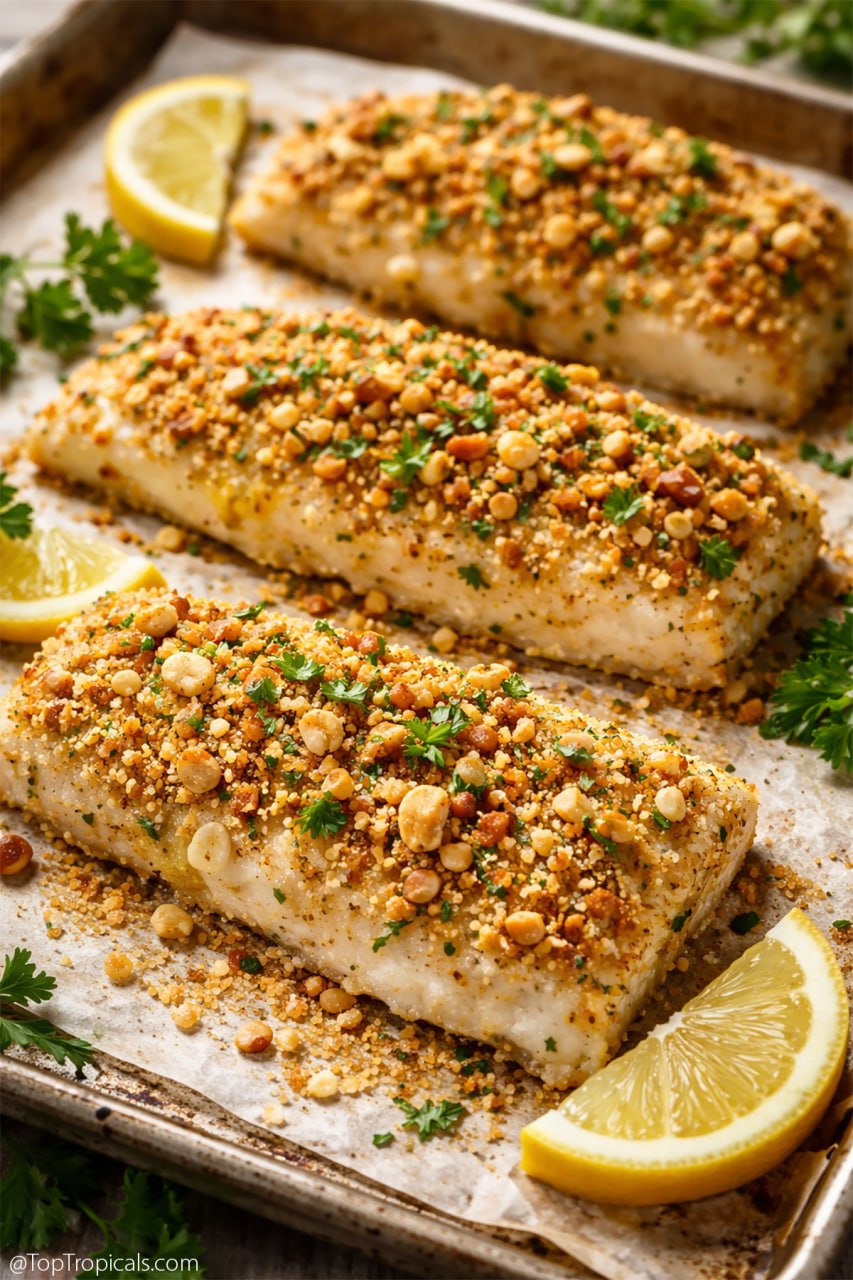
Macadamia nut oven crisp
🍴 Macadamia nut oven crisp: quick-n-fun exotic recipes
🌿About the plant:
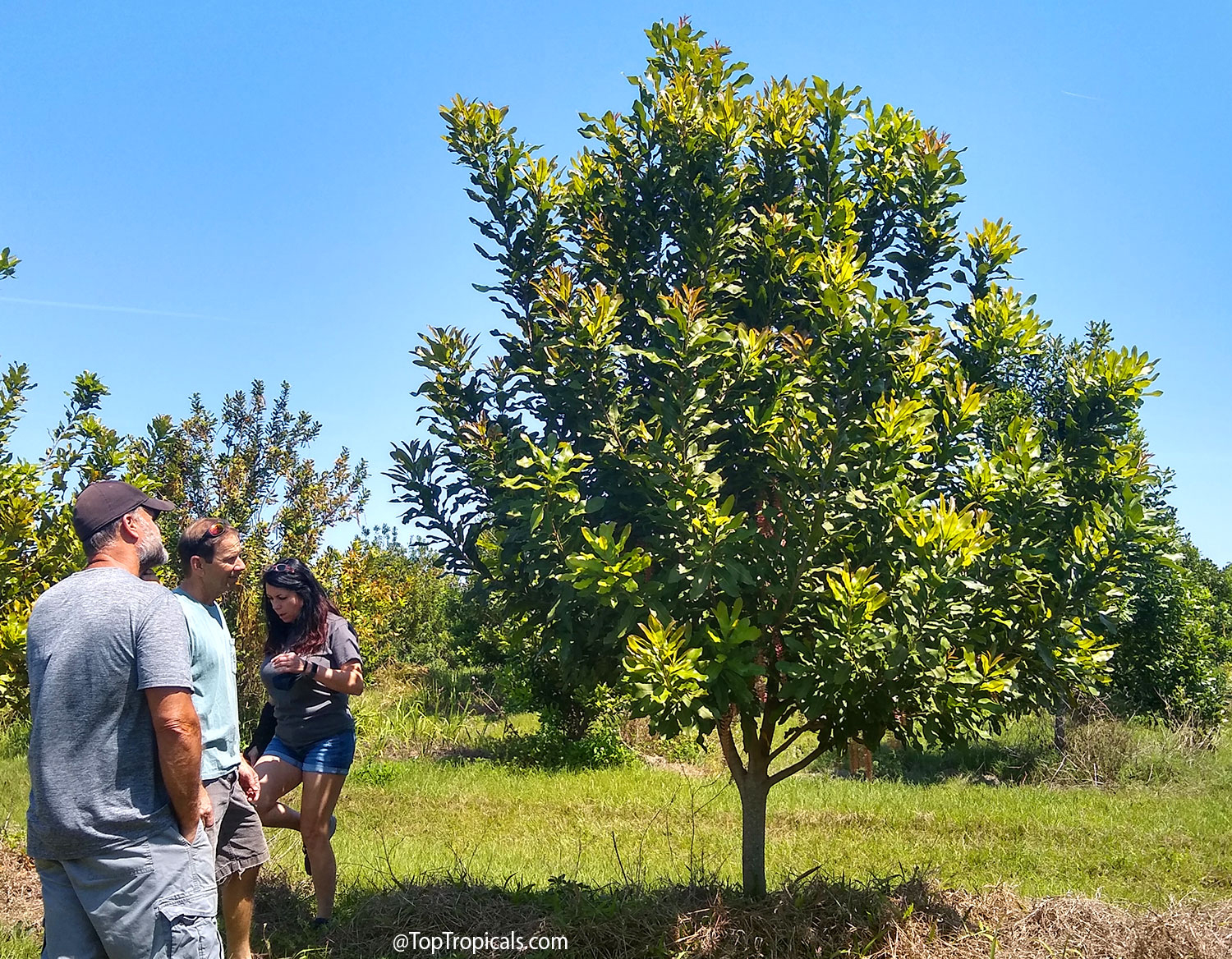
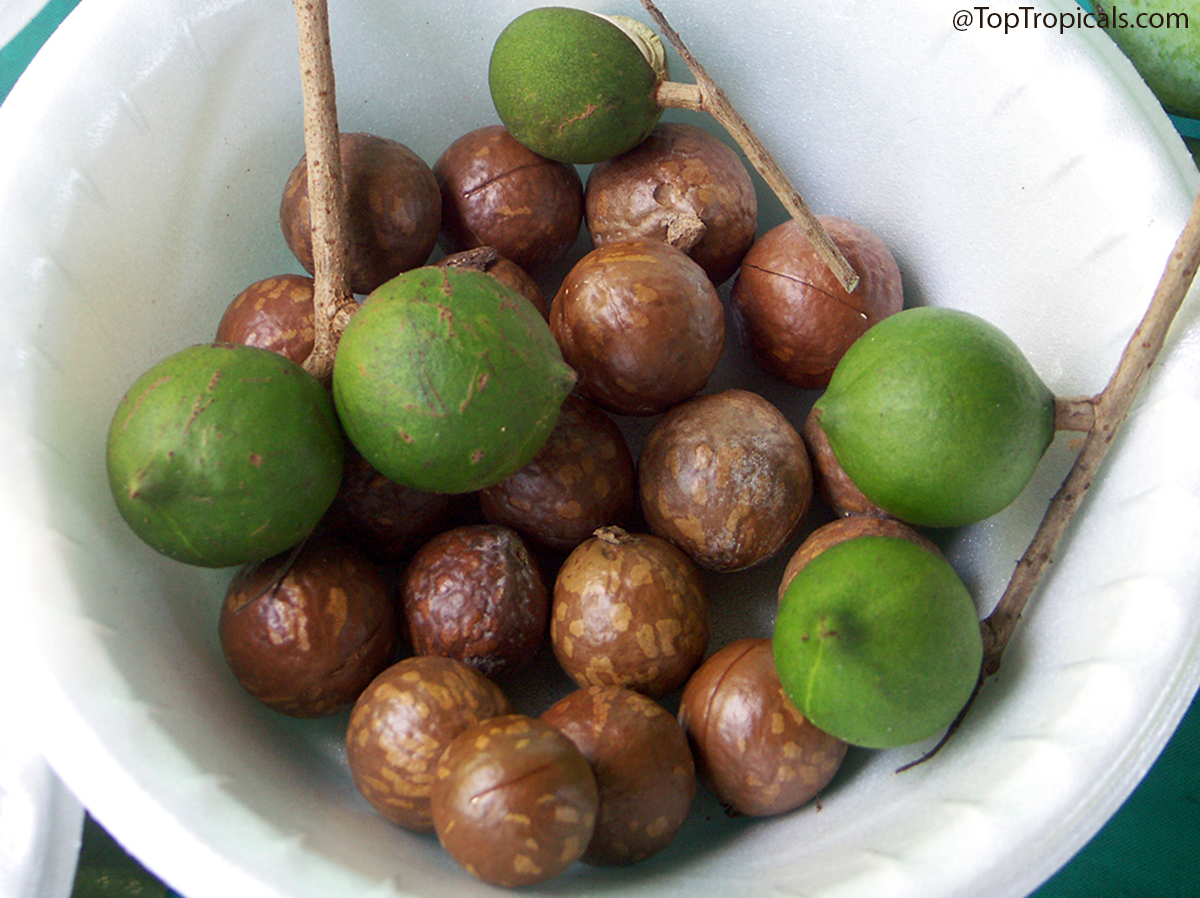
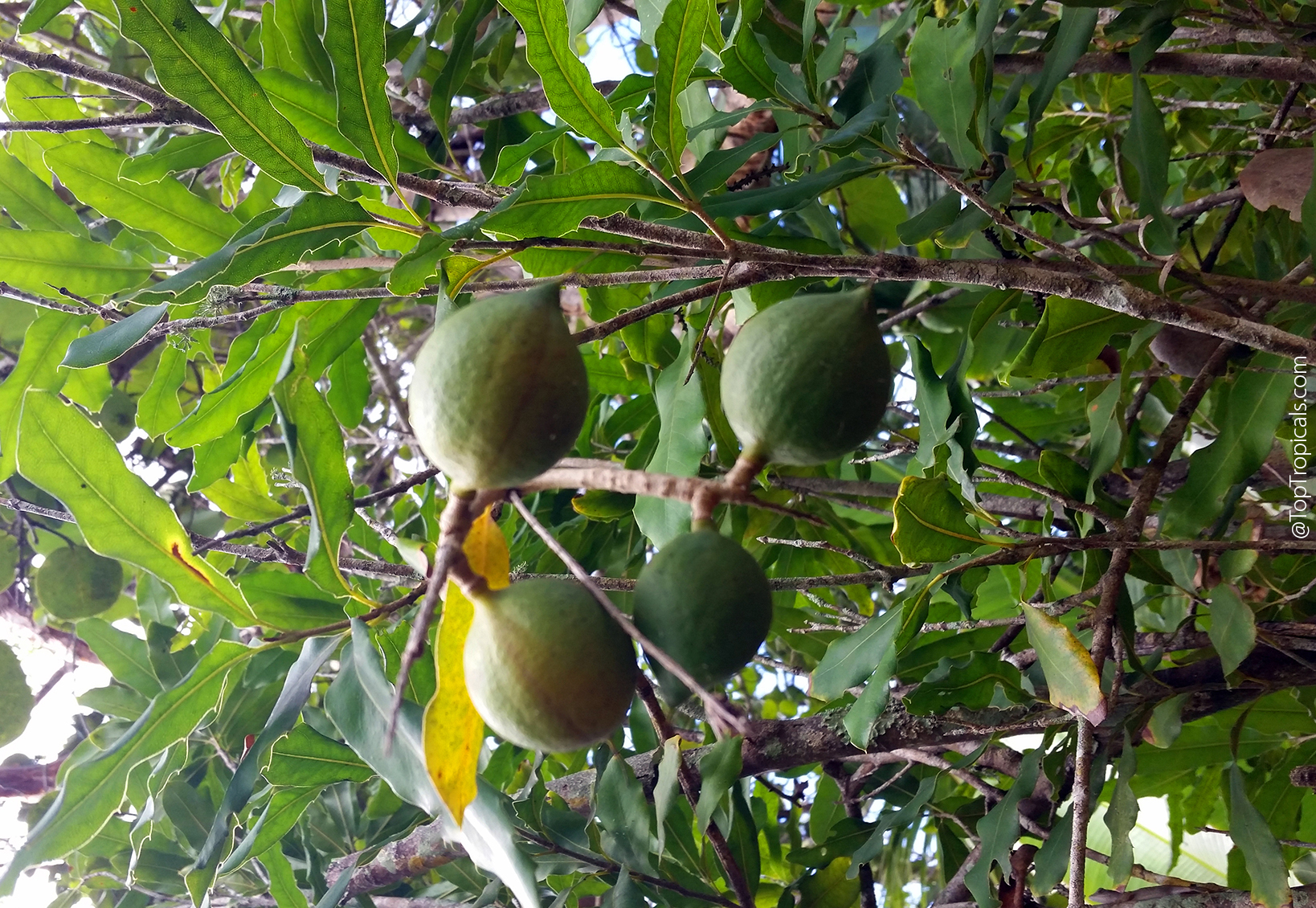
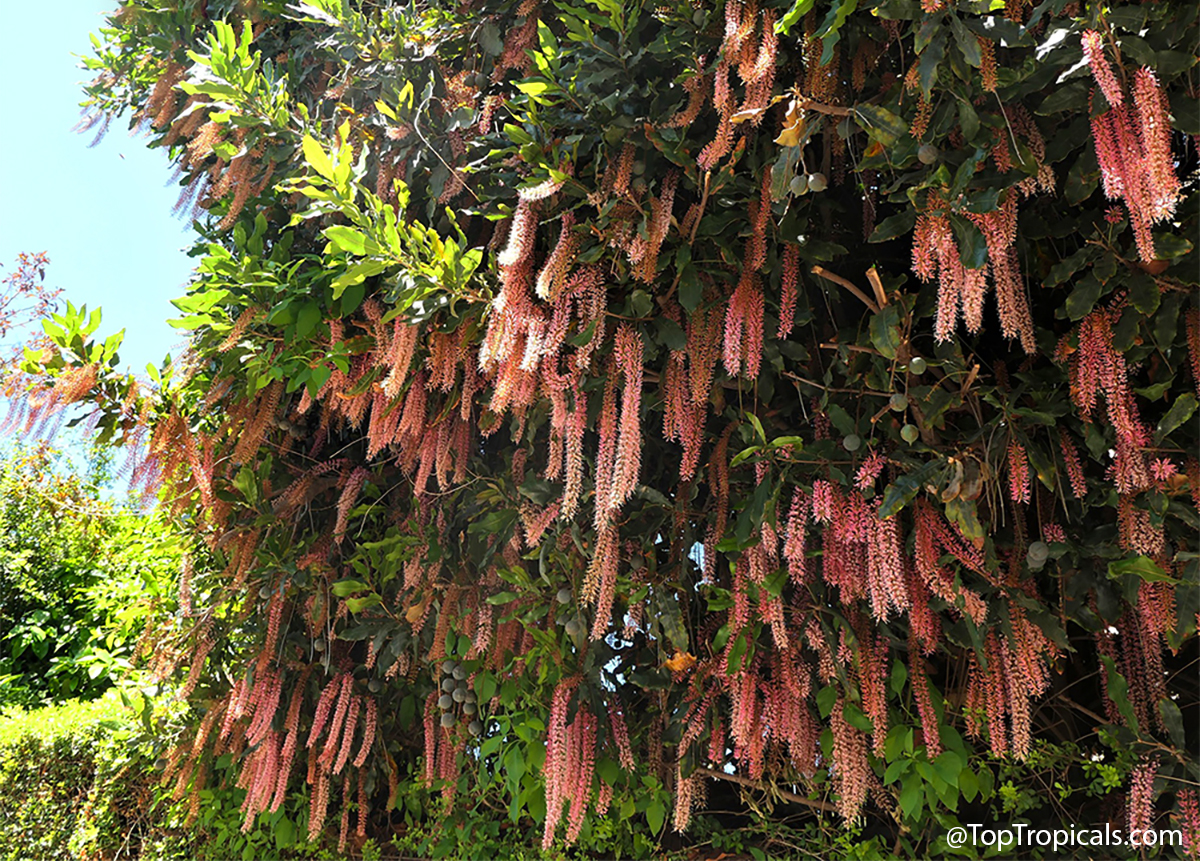
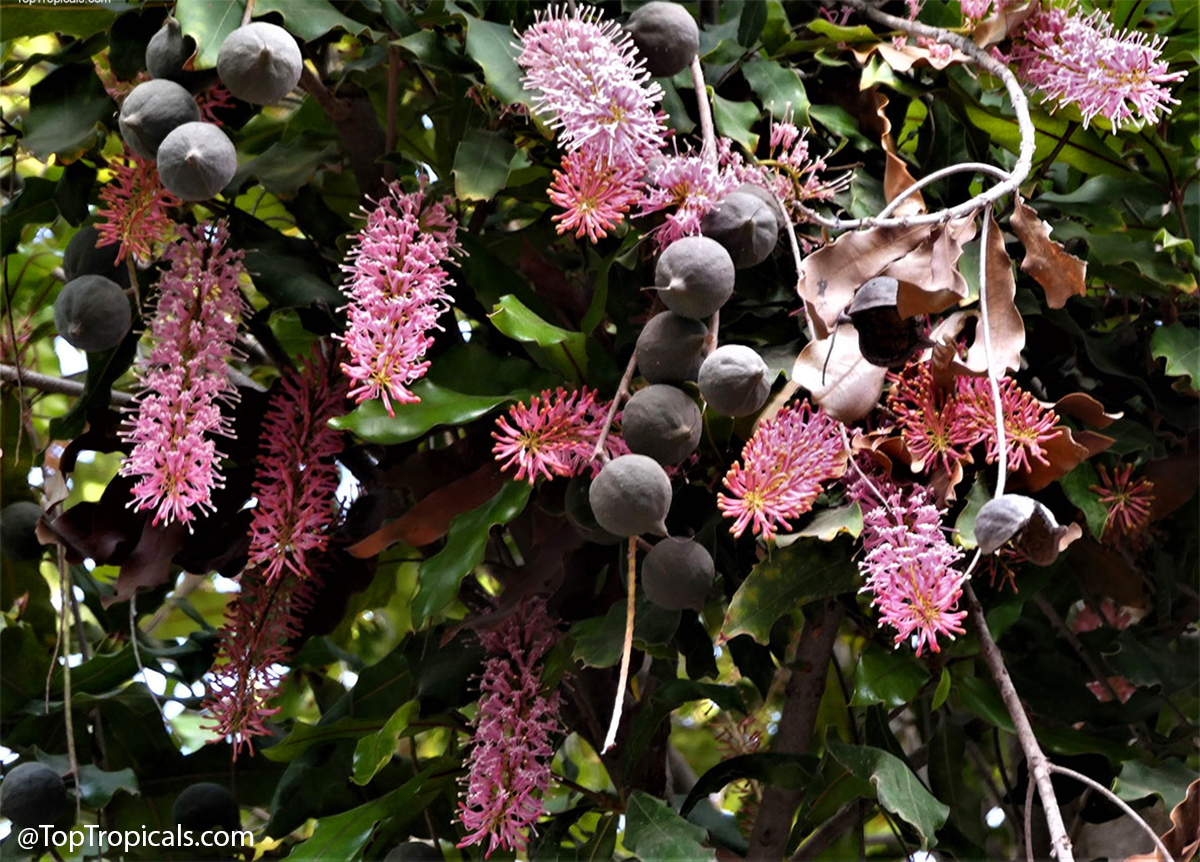
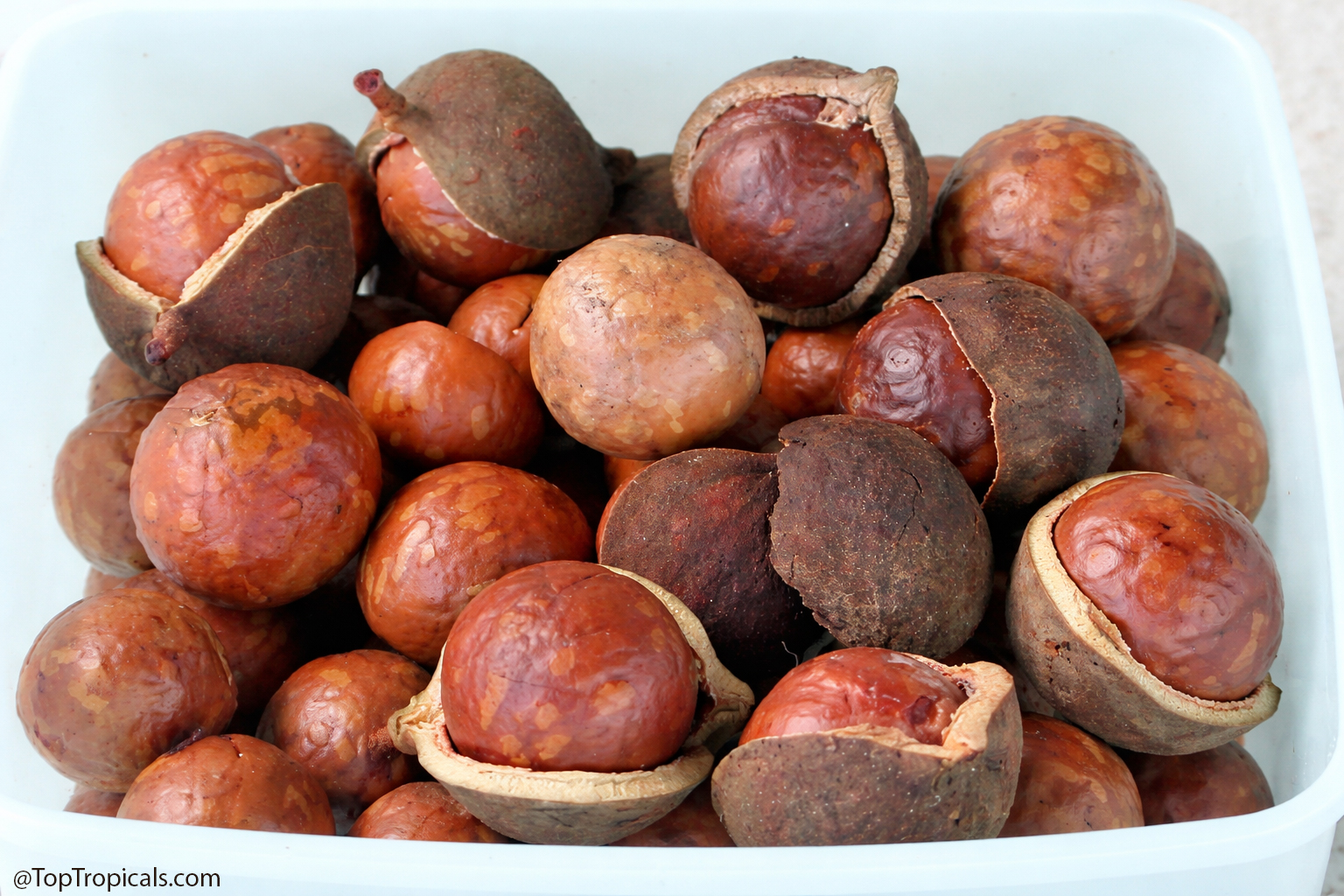
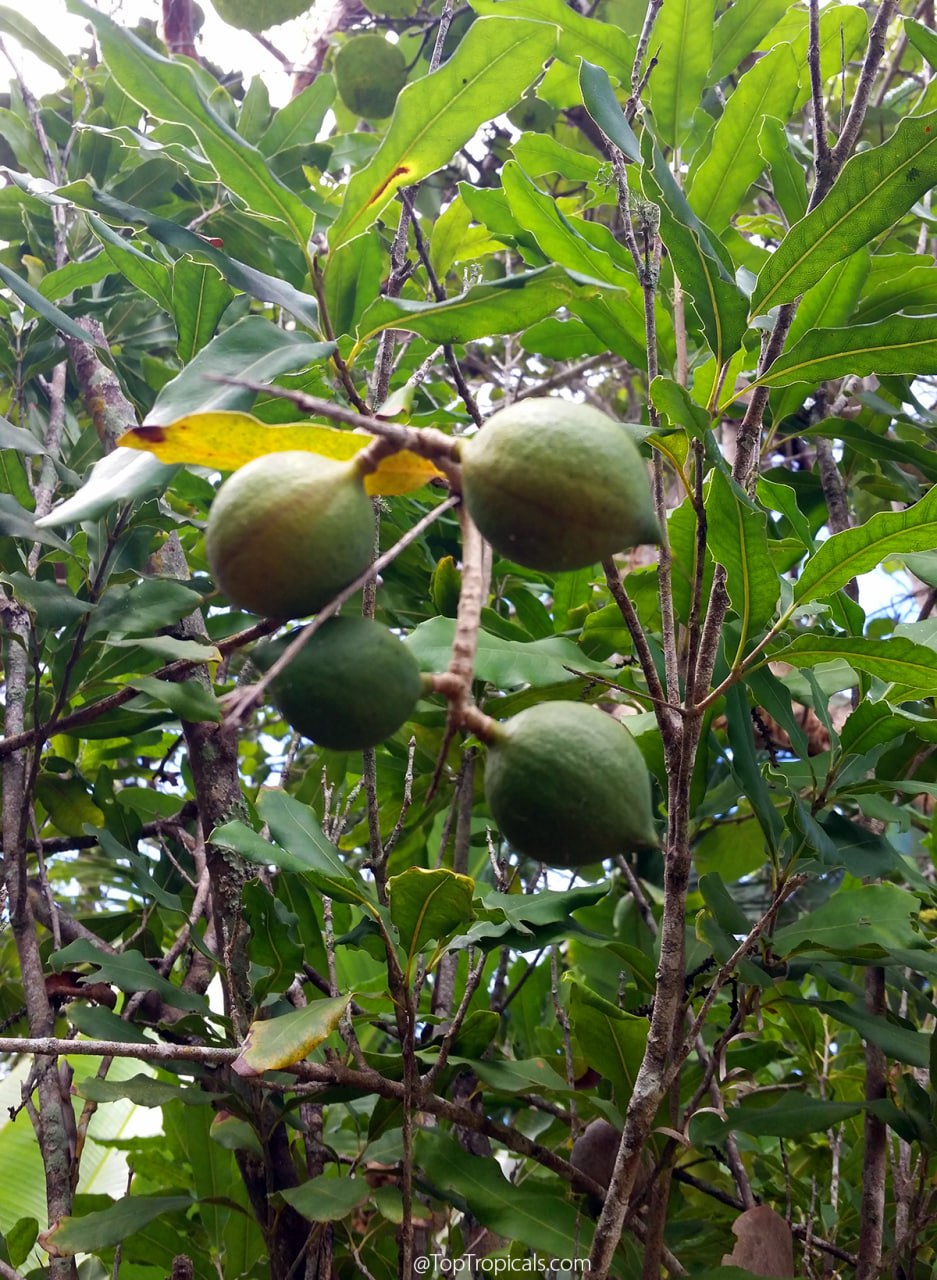
Macadamia is an Australian rainforest tree that gives us one of the richest, creamiest nuts on earth. The shell is famously hard - you really earn that buttery crunch.
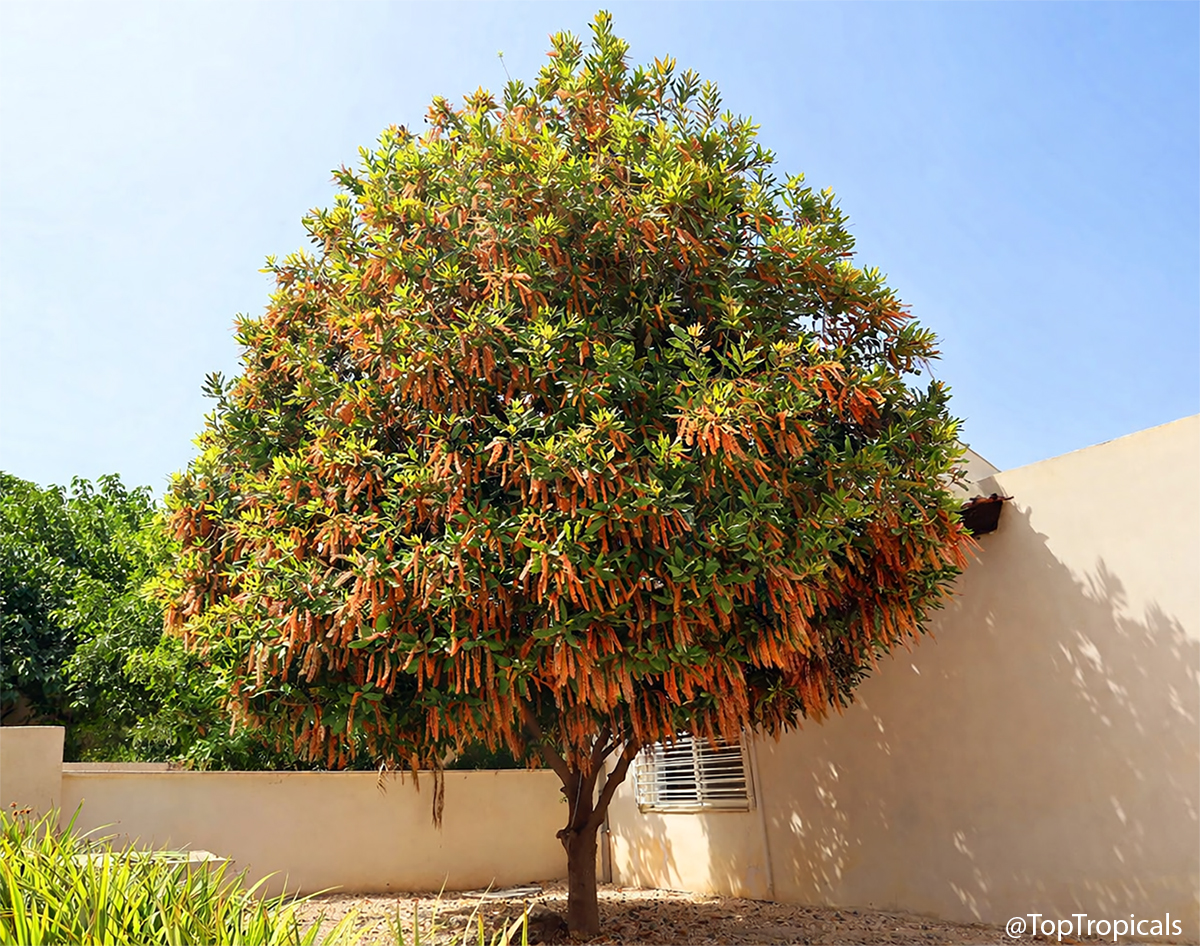
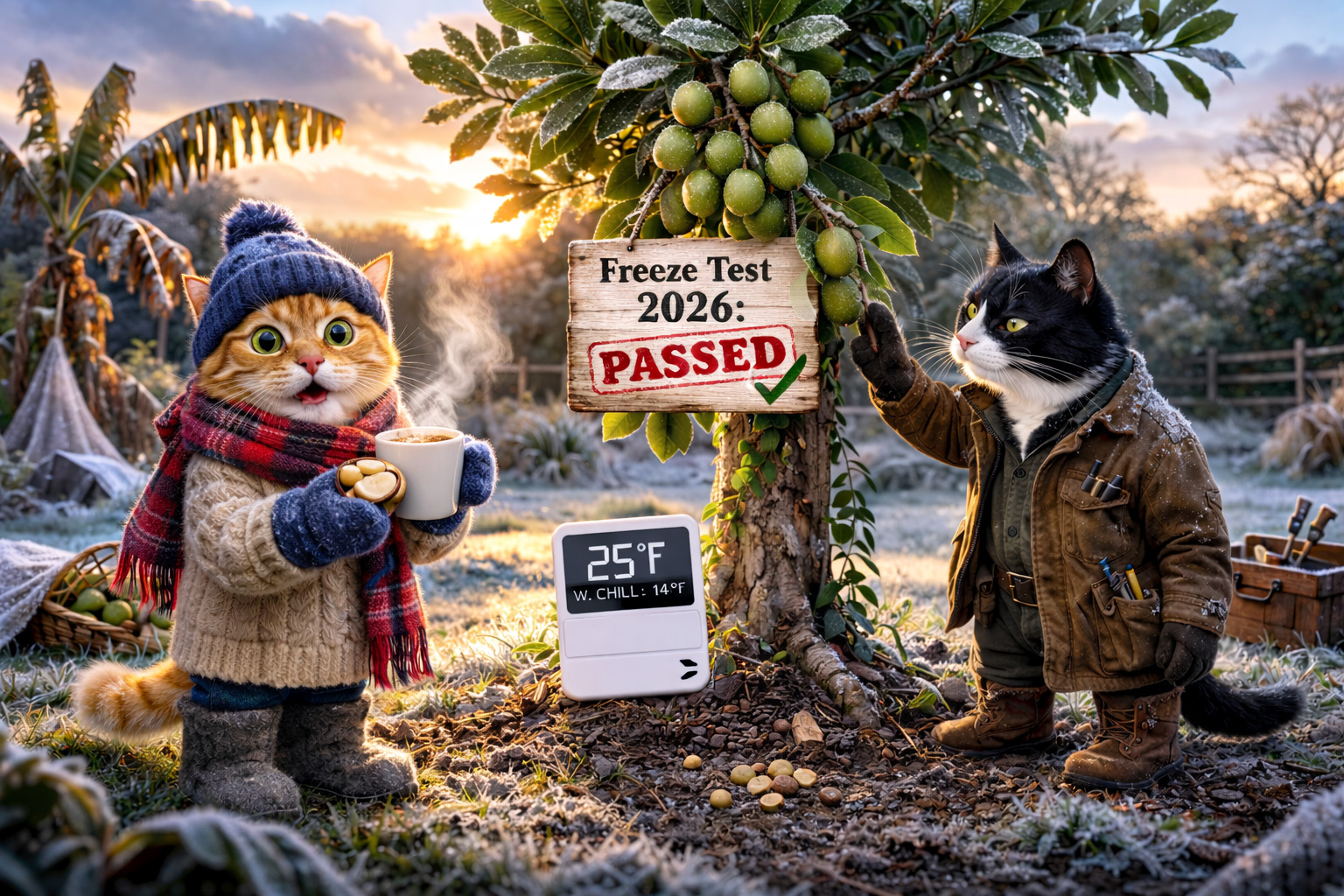
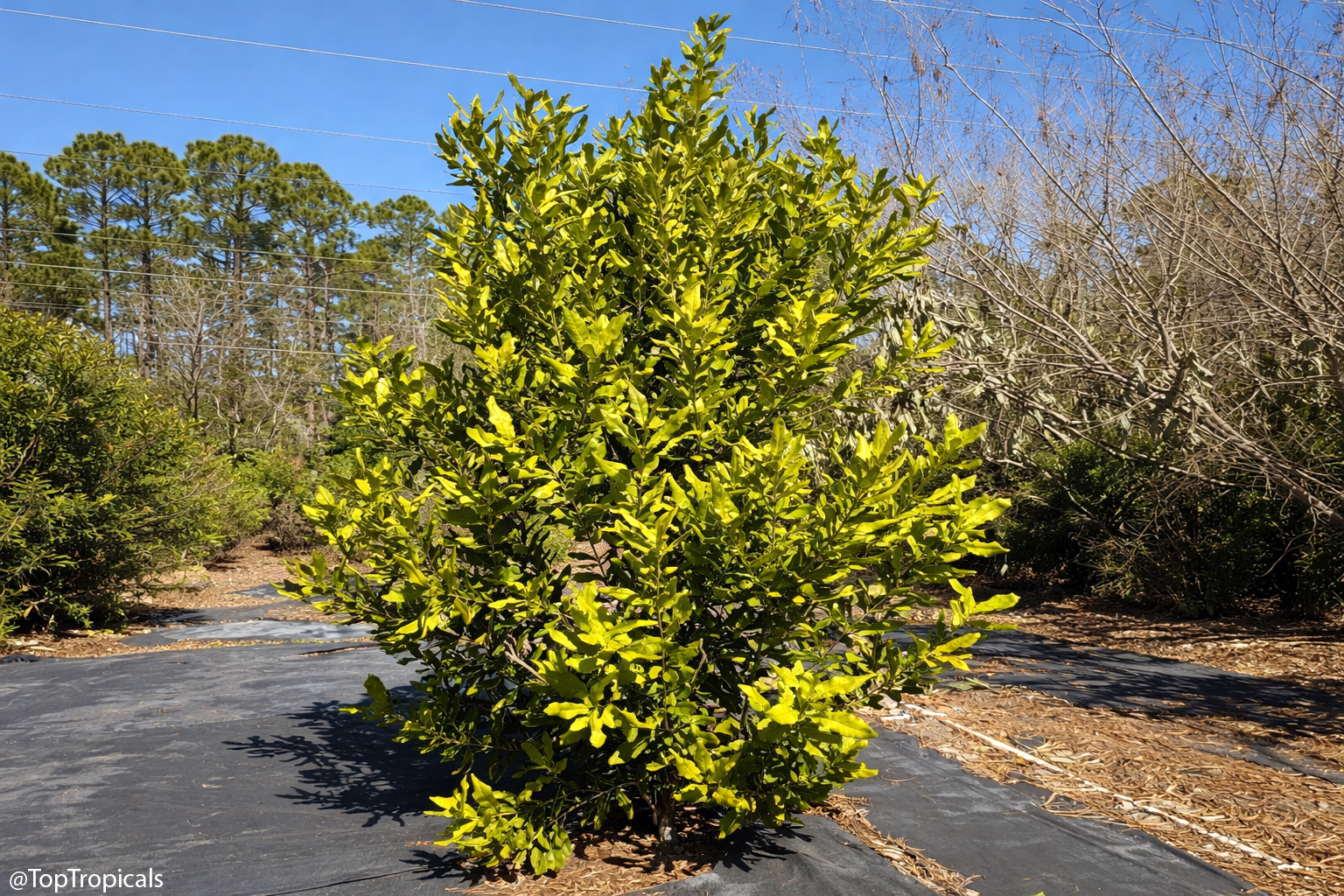
Best in warm climates, zones 9-11, cold hardy to light freeze. Needs full sun, good drainage, and patience - seedlings can take several years to start producing (grafted or air-layered trees start flowering right away). Once established, they are long-lived and productive.
🛒 Plant a hardy Macadamia tree to always have your nuts
🎥 Growing Macadamia trees
#Food_Forest #Recipes
🟢 Join 👉 TopTropicals
🟡Press crushed macadamia nuts onto a fillet with a little mustard.- 🟡Bake until golden and crisp.
- 🟡The nuts toast and turn incredibly fragrant.
🌿About the plant:
Macadamia is an Australian rainforest tree that gives us one of the richest, creamiest nuts on earth. The shell is famously hard - you really earn that buttery crunch.
🏡 In the garden:
Best in warm climates, zones 9-11, cold hardy to light freeze. Needs full sun, good drainage, and patience - seedlings can take several years to start producing (grafted or air-layered trees start flowering right away). Once established, they are long-lived and productive.
🛒 Plant a hardy Macadamia tree to always have your nuts
📚 Learn more:
- Macadamia integrifolia in Plant Encyclopedia
- Macadamia nut crusted fish: quick-n-fun exotic recipes
- Stop buying macadamias - plant this tree to enjoy your own nuts
- Where do Macadamia nuts come from
- What are the flowers of Macadamia nuts
- Ten best fruit trees to grow in Florida and Southern landscapes. # 6: Macadamia Nut Tree.
- How to grow your own Sweet Macadamia Nuts
- Macadamia: Hard Sweet Nut and Hardy Tree
🎥 Growing Macadamia trees
#Food_Forest #Recipes
🟢 Join 👉 TopTropicals
 Macadamia Tree Care