Garden Blog - Top Tropicals
Date: 18 Oct 2026
Why Isnt Your Doctor Prescribing Insulin Ginger?
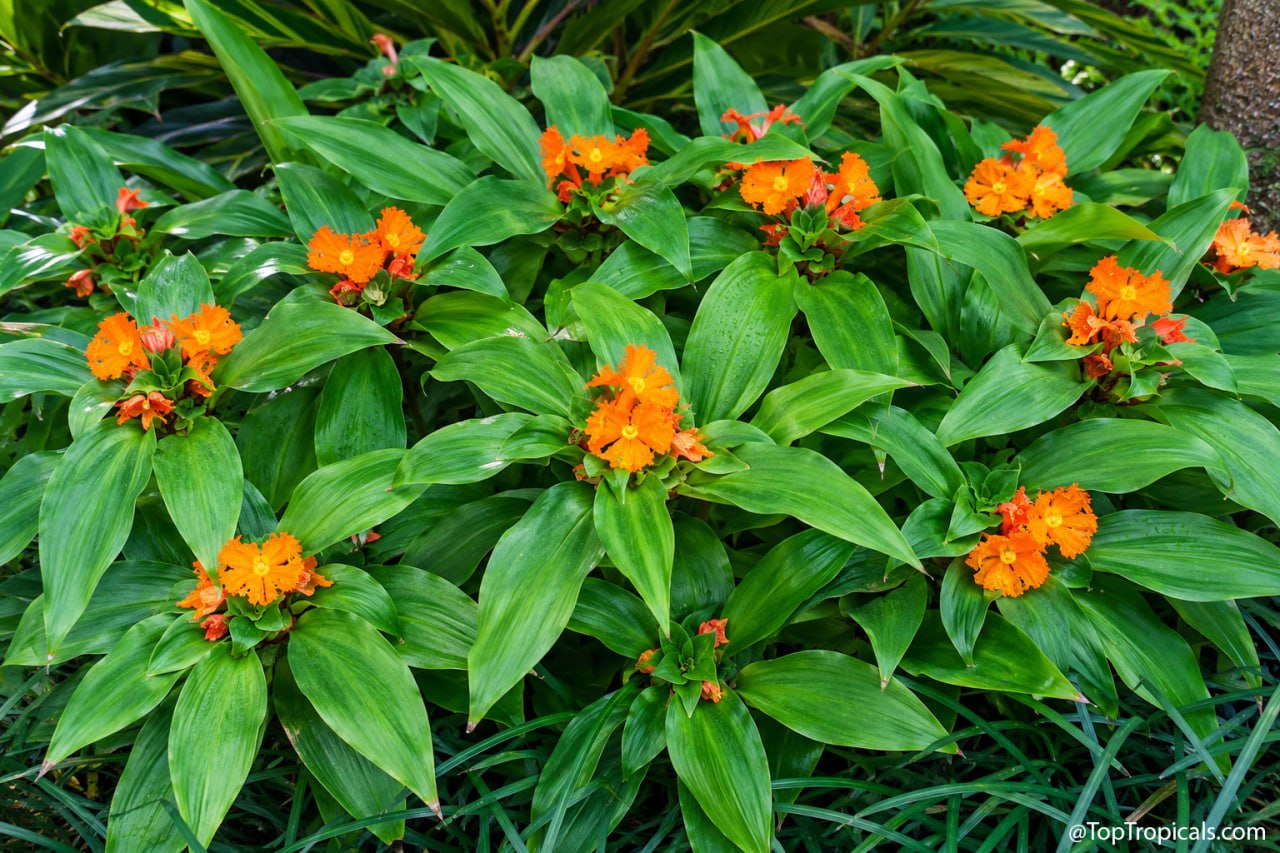
💊 Why Isn't Your Doctor Prescribing Insulin Ginger?
If you’ve searched for natural blood sugar support, you’ve likely come across Insulin Ginger (Chamaecostus cuspidatus, formerly Costus igneus). It’s one of the world's most talked-about tropical herbs - yet most physicians never bring it up. So why isn't it sitting on pharmacy shelves?
The explanation is simpler than you might think.
🌿 How It Got Its Name
Insulin Ginger didn’t earn its nickname because it produces actual insulin.
Instead, the moniker caught on in India, where chewing its fresh leaves became a popular traditional practice for blood sugar management. As gardeners shared divisions around the world, the name "Insulin Plant" stuck. 👉 See the Study
While laboratory and animal studies show that active compounds in the leaves may help lower blood glucose, these findings are not standardized in human clinical trials.
The Risk: Because compounds in Chamaecostus cuspidatus can lower blood sugar, consuming it alongside prescription diabetes medications (like metformin or insulin) can cause blood glucose levels to drop dangerously low (hypoglycemia). 👉 See the study
🌿 The Multi-Million-Dollar Patent Problem
Why haven't pharmaceutical companies run those large human trials?
Massive Costs: Bringing a prescription drug through FDA-style approval often costs tens to hundreds of millions of dollars.
No Patent Rights: Naturally occurring plants cannot be patented. Without the ability to protect their investment, drug companies have little financial incentive to fund multi-stage clinical research.
A lack of prescription approval doesn't mean a plant lacks value - it simply means the regulatory bar for pharmaceuticals is fundamentally higher than for home-grown herbs.
🌿 What Does It Actually Taste Like?
Despite the "ginger" moniker, it isn't culinary ginger and lacks that signature fiery burn.
Flavor Profile: Crisp, slightly succulent, with a mild, green, leafy taste.
How It's Prepared: Many chew a raw leaf whole, while others steep the leaves into tea, blend them into smoothies, or mix them into citrus juices to soften the green flavor.
🌿 An Easy Tropical Herb to Grow at Home
You don't need expensive dried supplements to access this plant. Insulin Ginger thrives in warm climates and containers, forming a dense clump that expands via underground rhizomes. A single plant can yield fresh foliage for years and generate dozens of new plants through simple root division.
🛒 Start Your Own Insulin Ginger Patch
📚 Learn more:


Costus igneus (Chamaecostus cuspidatus) - Insulin Ginger in Plant Encyclopedia
Insulin Ginger: Myths vs Facts
One plant today - dozens tomorrow: why gardeners love Insulin Ginger
Insulin Ginger traditional remedies: Quick-n-fun exotic recipes
A leaf you grow, not a pill you buy: Insulin ginger - the plant people actually use
How to make lots of Insulin Ginger plants quickly and get more health benefits
The fiery plant that fights sugar: Nature secret insulin?
#Food_Forest #Remedies #Shade_Garden #Discover
🟢 Join 👉 TopTropicals