Garden Blog - Top Tropicals
Date: 5 Aug 2026
One plant today - dozens tomorrow: why gardeners love Insulin Ginger
💚 One plant today - dozens tomorrow: why gardeners love Insulin Ginger
People first seek out Insulin Ginger (Chamaecostus cuspidatus, formerly Costus igneus) for its long-standing reputation in supporting healthy blood sugar levels. But most end up keeping it for an entirely different reason: it is practically impossible to run out of it.
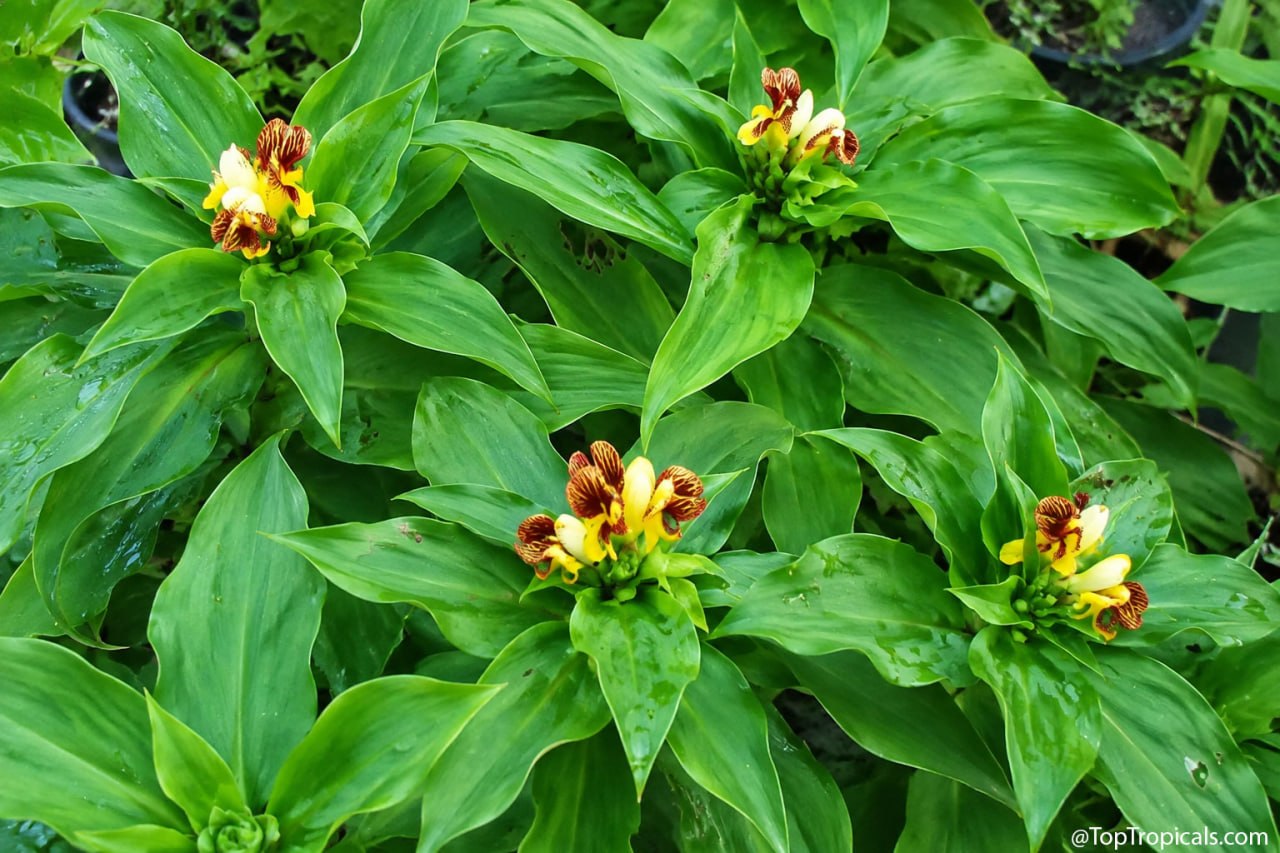
Unlike plants that simply get taller, Insulin Ginger spreads outwards. Most gardeners start with a single potted plant. Within months, that sole stem multiplies into a dense, lush clump full of fresh shoots.
A year or two down the line, a single plant usually turns into several new pots scattered around the garden - with plenty left over to give away.
A common concern for beginners is whether picking leaves daily will weaken the plant. The short answer: it actually helps it grow.
· More Light & Air: Removing mature outer leaves lets sunlight reach the center of the crown.
· Thicker Growth: Pruning triggers the root system to send up fresh, vibrant shoots.
· Prevents Overcrowding: Regular harvesting acts as routine maintenance, keeping the foliage looking fresh rather than leggy or tired.
As long as you leave a few healthy stems intact, harvesting only encourages faster regrowth.
Insulin Ginger grows via underground rhizomes. As these roots expand, brand-new stems continuously push through the soil.
When the pot or garden bed gets full, simply dig up the clump and split the roots. Each division quickly takes hold on its own. One plant easily becomes two, then five, then twenty.
Whether you grow it for its striking spiral foliage, vivid orange flowers, or herbal properties, a mature clump ensures a continuous supply. Instead of relying on store-bought dried herbs, home gardeners can harvest fresh leaves year-round in tropical and subtropical climates.
Sometimes the best plants aren't the rarest ones - they are the ones that keep giving back.
Grow your own Insulin Ginger and watch one plant become many.
✅ Don't forget Green Magic fertilizer for the best results. Insulin Ginger absolutely loves it! Healthy plants grow faster, produce lush foliage, and give you plenty of leaves to harvest throughout the season. Plus, a vigorous clump multiplies more quickly, so one plant soon becomes many.
🛒 Plant One - Harvest for Years


Costus igneus (Chamaecostus cuspidatus) - Insulin Ginger in Plant Encyclopedia
Insulin Ginger traditional remedies: Quick-n-fun exotic recipes
A leaf you grow, not a pill you buy: Insulin ginger - the plant people actually use
How to make lots of Insulin Ginger plants quickly and get more health benefits
How to lose weight naturally with tropical fruit and plants
The fiery plant that fights sugar: Nature secret insulin?
#Food_Forest #Remedies #Shade_Garden #Discover
🟢 Join 👉 TopTropicals
People first seek out Insulin Ginger (Chamaecostus cuspidatus, formerly Costus igneus) for its long-standing reputation in supporting healthy blood sugar levels. But most end up keeping it for an entirely different reason: it is practically impossible to run out of it.
☘️ One plant, hundreds of leaves every year
Unlike plants that simply get taller, Insulin Ginger spreads outwards. Most gardeners start with a single potted plant. Within months, that sole stem multiplies into a dense, lush clump full of fresh shoots.
A year or two down the line, a single plant usually turns into several new pots scattered around the garden - with plenty left over to give away.
☘️ What happens if you keep harvesting the leaves?
A common concern for beginners is whether picking leaves daily will weaken the plant. The short answer: it actually helps it grow.
· More Light & Air: Removing mature outer leaves lets sunlight reach the center of the crown.
· Thicker Growth: Pruning triggers the root system to send up fresh, vibrant shoots.
· Prevents Overcrowding: Regular harvesting acts as routine maintenance, keeping the foliage looking fresh rather than leggy or tired.
As long as you leave a few healthy stems intact, harvesting only encourages faster regrowth.
☘️ More plants for free
Insulin Ginger grows via underground rhizomes. As these roots expand, brand-new stems continuously push through the soil.
When the pot or garden bed gets full, simply dig up the clump and split the roots. Each division quickly takes hold on its own. One plant easily becomes two, then five, then twenty.
☘️ The easiest medicinal plant to share with friends
Whether you grow it for its striking spiral foliage, vivid orange flowers, or herbal properties, a mature clump ensures a continuous supply. Instead of relying on store-bought dried herbs, home gardeners can harvest fresh leaves year-round in tropical and subtropical climates.
Sometimes the best plants aren't the rarest ones - they are the ones that keep giving back.
Grow your own Insulin Ginger and watch one plant become many.
✅ Don't forget Green Magic fertilizer for the best results. Insulin Ginger absolutely loves it! Healthy plants grow faster, produce lush foliage, and give you plenty of leaves to harvest throughout the season. Plus, a vigorous clump multiplies more quickly, so one plant soon becomes many.
🛒 Plant One - Harvest for Years
📚 Learn more:
Costus igneus (Chamaecostus cuspidatus) - Insulin Ginger in Plant Encyclopedia
Insulin Ginger traditional remedies: Quick-n-fun exotic recipes
A leaf you grow, not a pill you buy: Insulin ginger - the plant people actually use
How to make lots of Insulin Ginger plants quickly and get more health benefits
How to lose weight naturally with tropical fruit and plants
The fiery plant that fights sugar: Nature secret insulin?
#Food_Forest #Remedies #Shade_Garden #Discover
🟢 Join 👉 TopTropicals