Garden Blog - Top Tropicals
Date: 31 Aug 2026
Get the Garden Ready
By Tatiana Anderson, Plant Expert, Top Tropicals
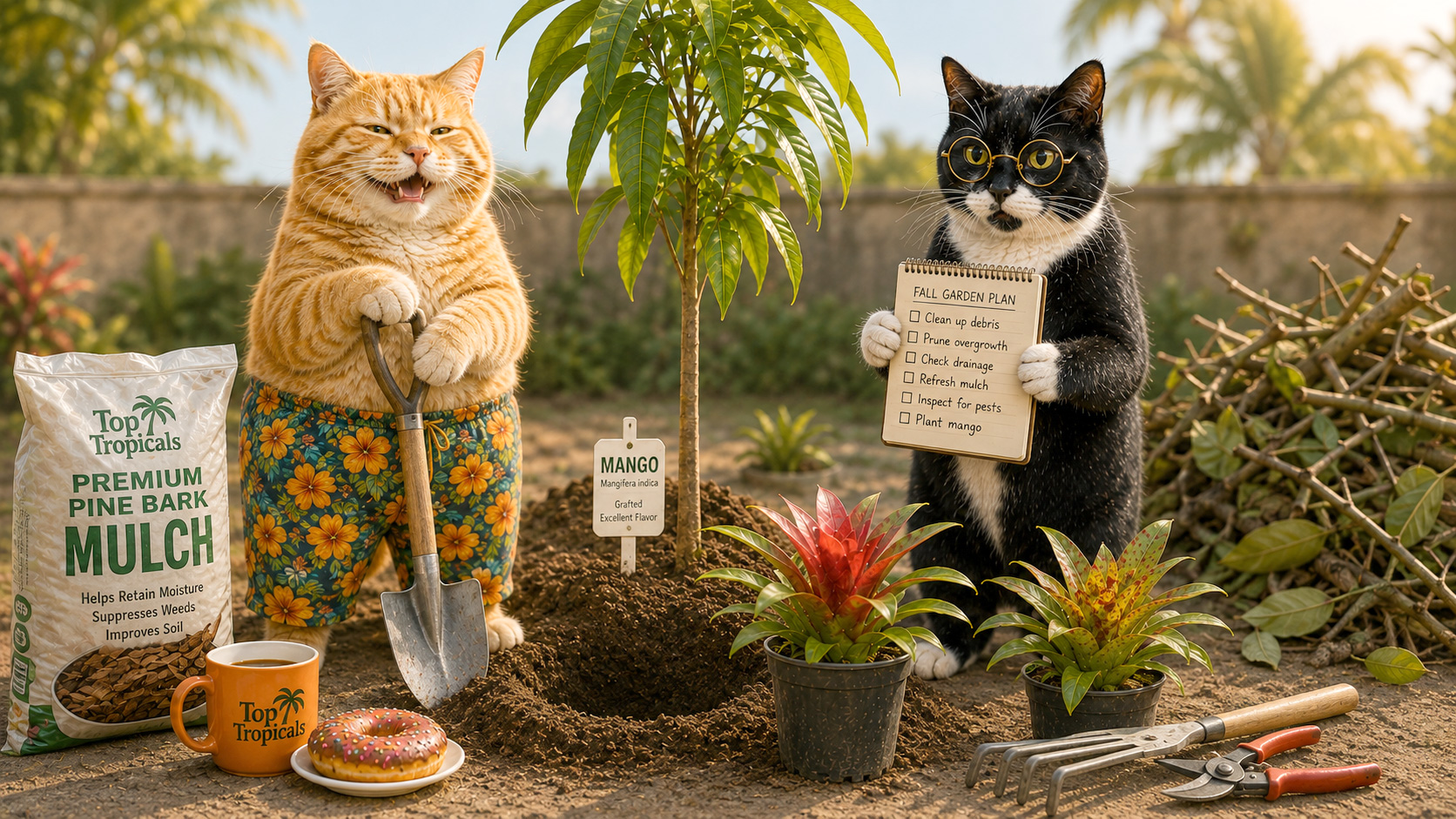
Smokey: Cleanup, trimming, drainage, pests...
Sunshine: Checked, checked, checked. And donuts.
Smokey: Fine. You can plant now.

Summer did what summer does. Heat, downpours, fast growth, weeds, fallen fruit, and at least one plant that outgrew the space you gave it.
Now the season is turning. For warm-climate gardeners, fall is the best planting stretch of the year, but it pays to clean up and take stock first. For gardeners farther north, it means the tropicals that summered outside have to come indoors before the first frost. And if you garden somewhere in between, you're doing a bit of both: the tender plants come inside, and the rest of the garden gets the fall checkup. Warm-climate readers, start here. The northern list is further down.
Clean Up the Summer Mess
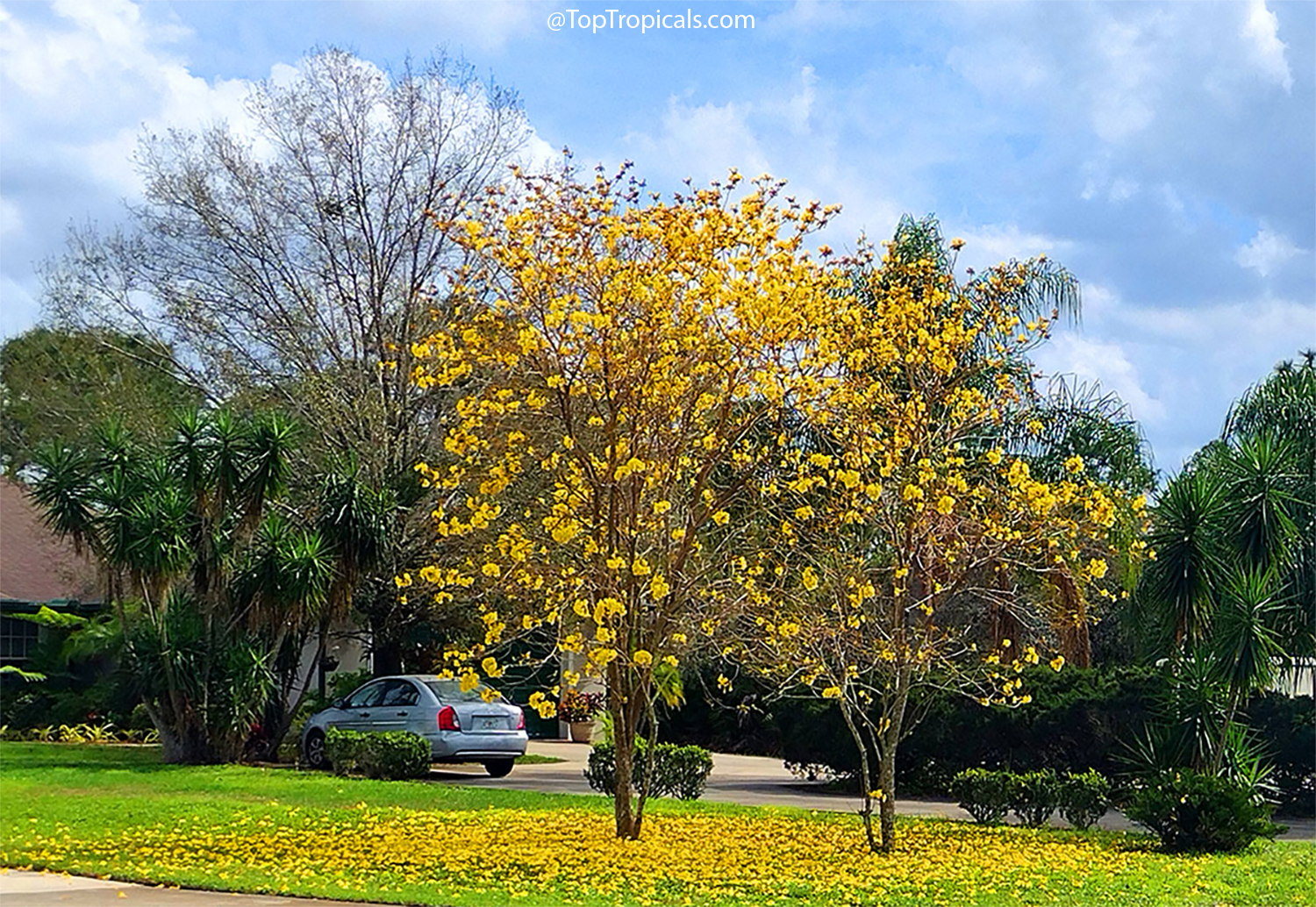
Months of heat, humidity, and growth leave even a well-kept garden looking wild. Clear the fallen fruit, spent flowers, weeds, dead branches, and the debris packed around the base of plants. Take out diseased leaves and anything the storms tore up.
You don't need to strip the beds bare. Leaf litter feeds the soil. What you're after is the material that causes trouble: rotting fruit, diseased foliage, and the wet mat of debris held against stems where rot begins.
✂️ Prune What Got Out of Control
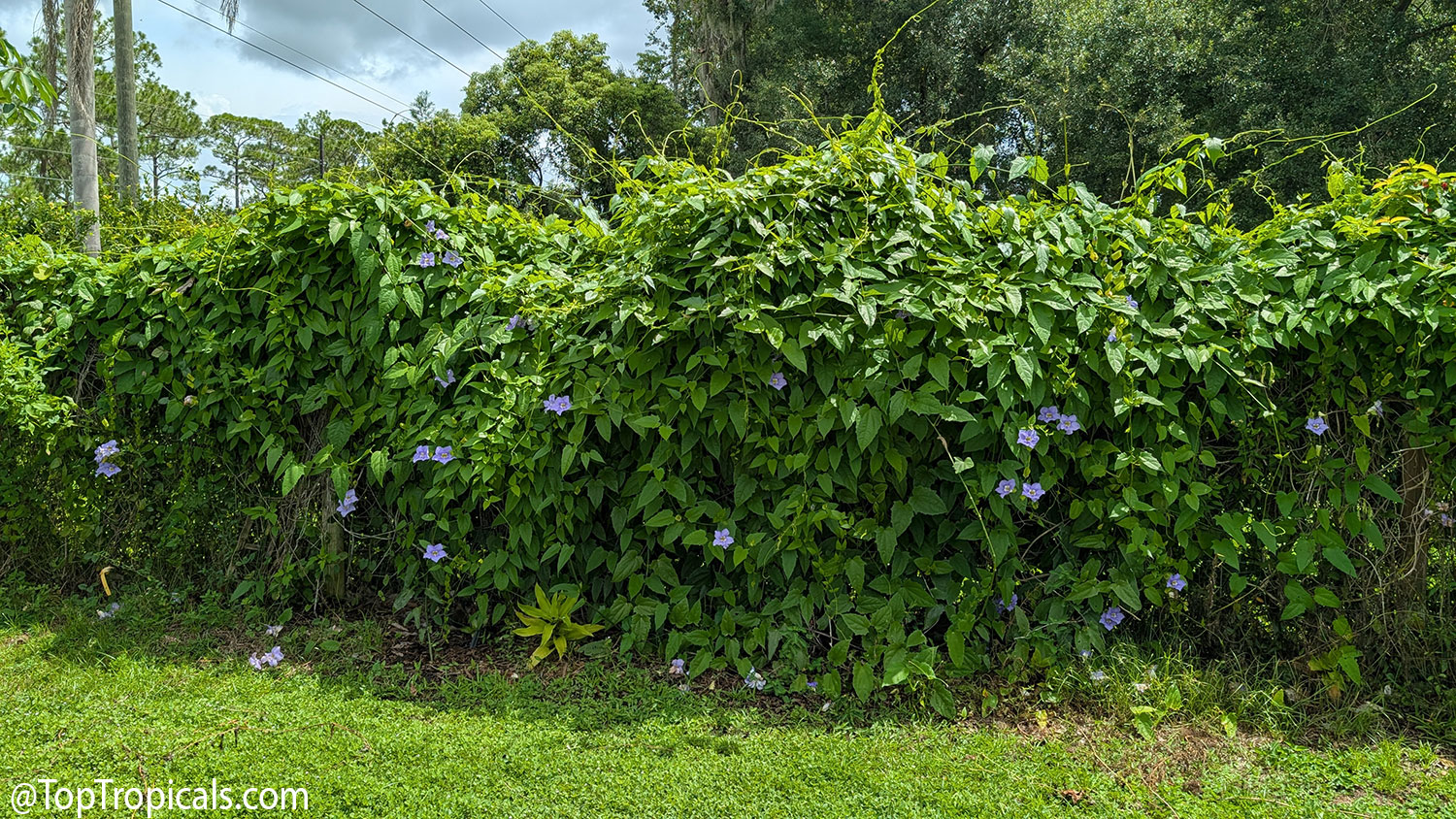
Cut the branches that cross, rub, or block a path. Bring in the vines that left their trellis. If one plant is shading another that needs the light, open it up.
Go easy. Heavy pruning in warm weather can push a flush of soft new growth, and that tender growth is the first thing to burn if the temperature drops. Shape now; leave the hard cutting-back for its proper season.
☀️ Look at What Worked This Summer
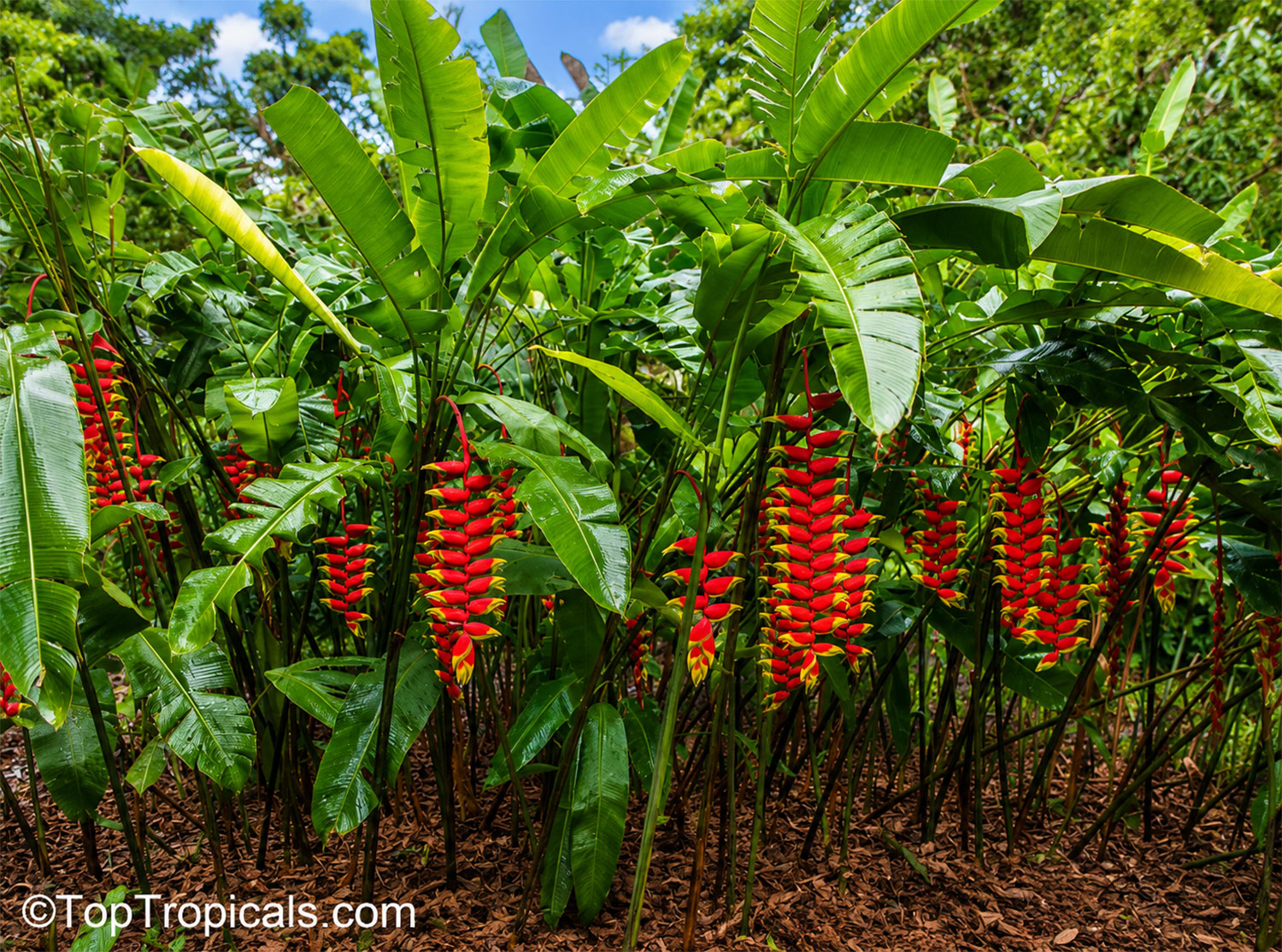
Before you buy anything new, look hard at the garden you have. Summer has already shown you what worked and what did not.
Walk the beds and ask:
- Which plants thrived where they stood, and which struggled all season?
- Where was there too much sun, and where too little?
- Which spots stayed soggy, and which dried out fast?
- Which plants outgrew their space and crowded a neighbor?
Some of what you find is worth acting on now: a plant that belongs in a different spot, or one that will only crowd its neighbors more next year.
🌀 Storm Season Isn't Over
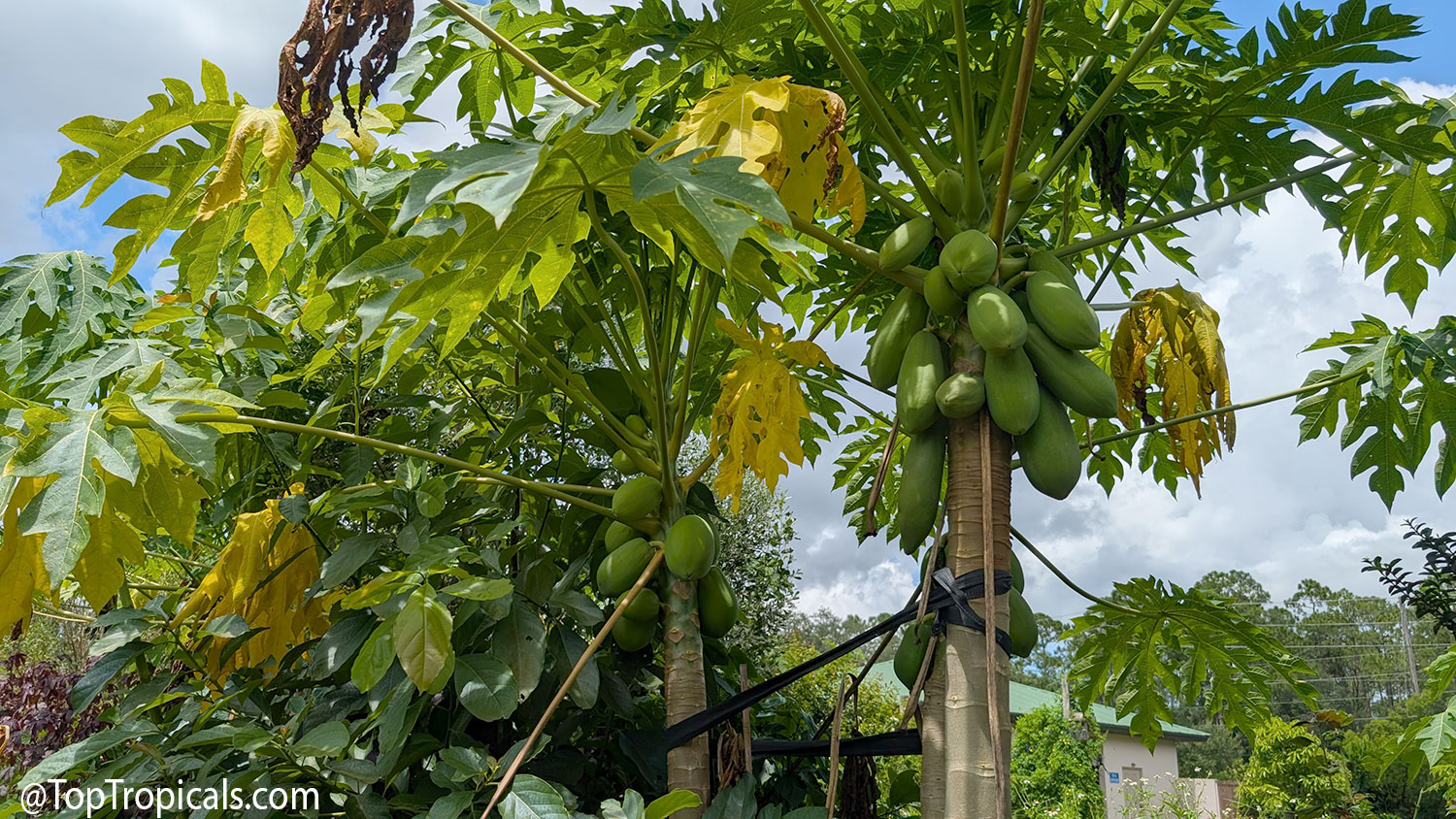
For a lot of warm-climate gardeners, the most important fall prep has nothing to do with planting. If you live in Florida or anywhere along the Gulf or Atlantic coast, hurricane season peaks in September, so the loose and the dead things in your yard are what to deal with first.
Before the next big blow:
- Move or group potted plants so they can't tip over or become projectiles.
- Take down dead or cracked branches that a strong gust could turn into a hazard.
- Clear drains, gutters, and low spots so heavy rain has somewhere to go.
💧 Check Drainage
A summer of hard rain shows you exactly where your garden doesn't drain. Note where the water pooled and sat: the beds that stayed soggy for days, the low pockets, the runoff that drains straight at a plant that hates wet feet, the ground packed too tight to take it.
Fix those spots before you plant. Sometimes that means regrading. Sometimes it means building the bed up and setting the plant high. Drainage depends on a lot at once, the soil, the grade, how deep you plant, so if a spot held water all summer, solve that before you put anything new in it.
💦 Check Irrigation
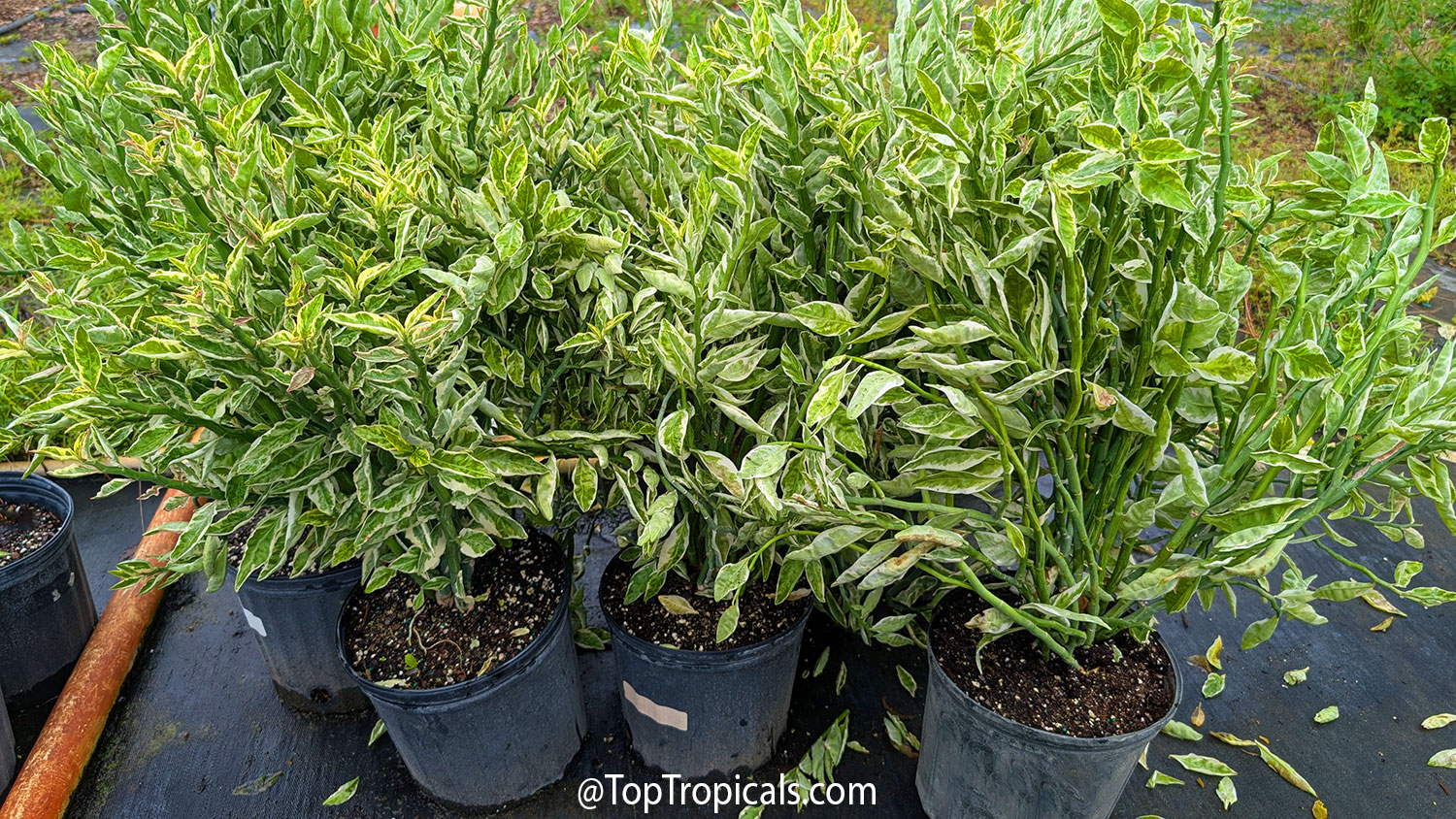
This is a good time to check the irrigation system itself, so it is ready when rainfall becomes less reliable.
Run it and watch it work. Look for clogged emitters, broken or misaimed heads, and plants grown so large the spray no longer reaches the roots. Then adjust the watering to match the rain you're actually getting, not the schedule you set back in spring.
🏡 Refresh Mulch
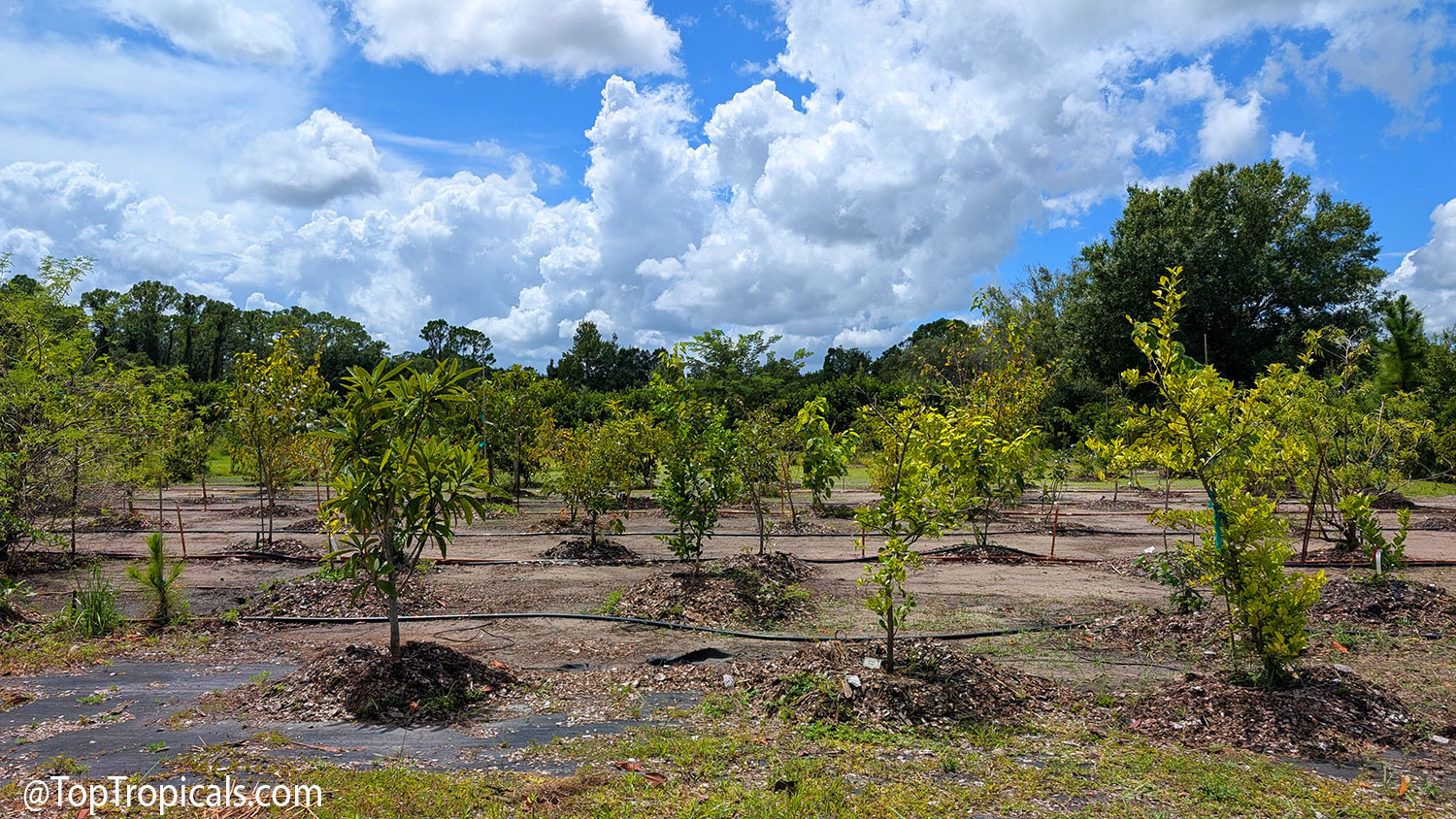
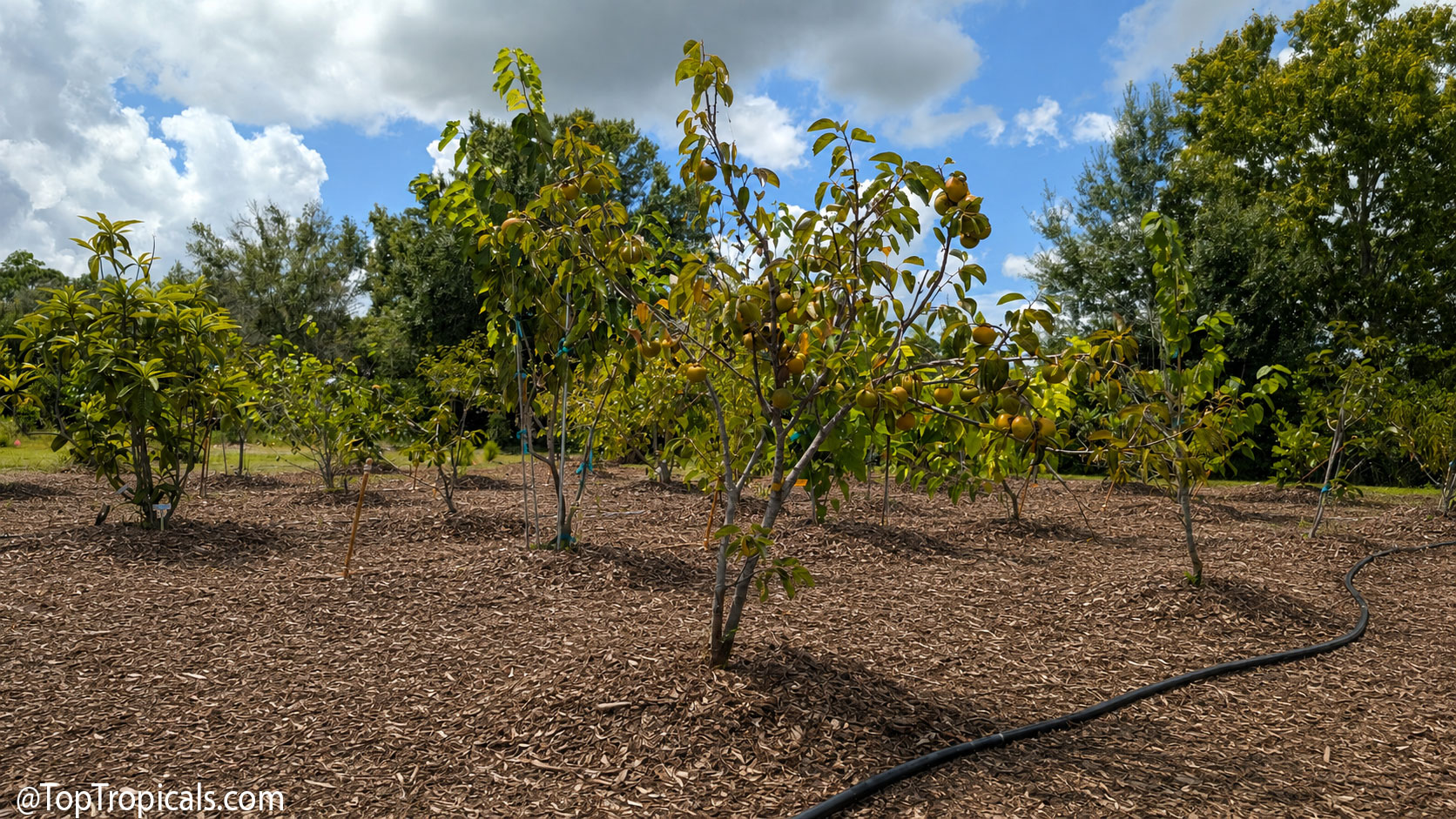
Mulch holds moisture, keeps weeds down, and shields the soil. If yours has thinned or broken down over the summer, top it up.
One rule: keep it off the trunks and stems. Pull it back a few inches so moisture and rot don't collect against the base. No mulch volcanoes.
Feed Carefully, or Not at All
This is not the season to fertilize everything in sight. Heading into fall, the goal is steady health, not a surge of soft new growth right before any cool weather.
Two things to keep in mind. First, feed the plants that show a real need, and go easy on the rest. Pale or off-color leaves can point to a nutrient problem, but they can also mean overwatering, root trouble, or pests, so it's worth figuring out the cause before you reach for fertilizer. Some fruit trees and container plants may need feeding more often than established landscape plants, but the timing and amount depend on the plant.
Second, and this matters, many counties and cities regulate landscape fertilizer during the rainy or summer months, and some ban nitrogen and phosphorus outright for part of the year. Before you spread anything, check your local rules. You may need to consult your county extension office or municipal guidelines, because they vary from place to place.
When you do feed, a slow- or controlled-release fertilizer is a good choice in warm, rainy weather. It releases nutrients gradually, which keeps growth even and, when heavy rain follows soon after application, is less likely to leach or run off than a fast-release product.
🐛 Inspect for Pests
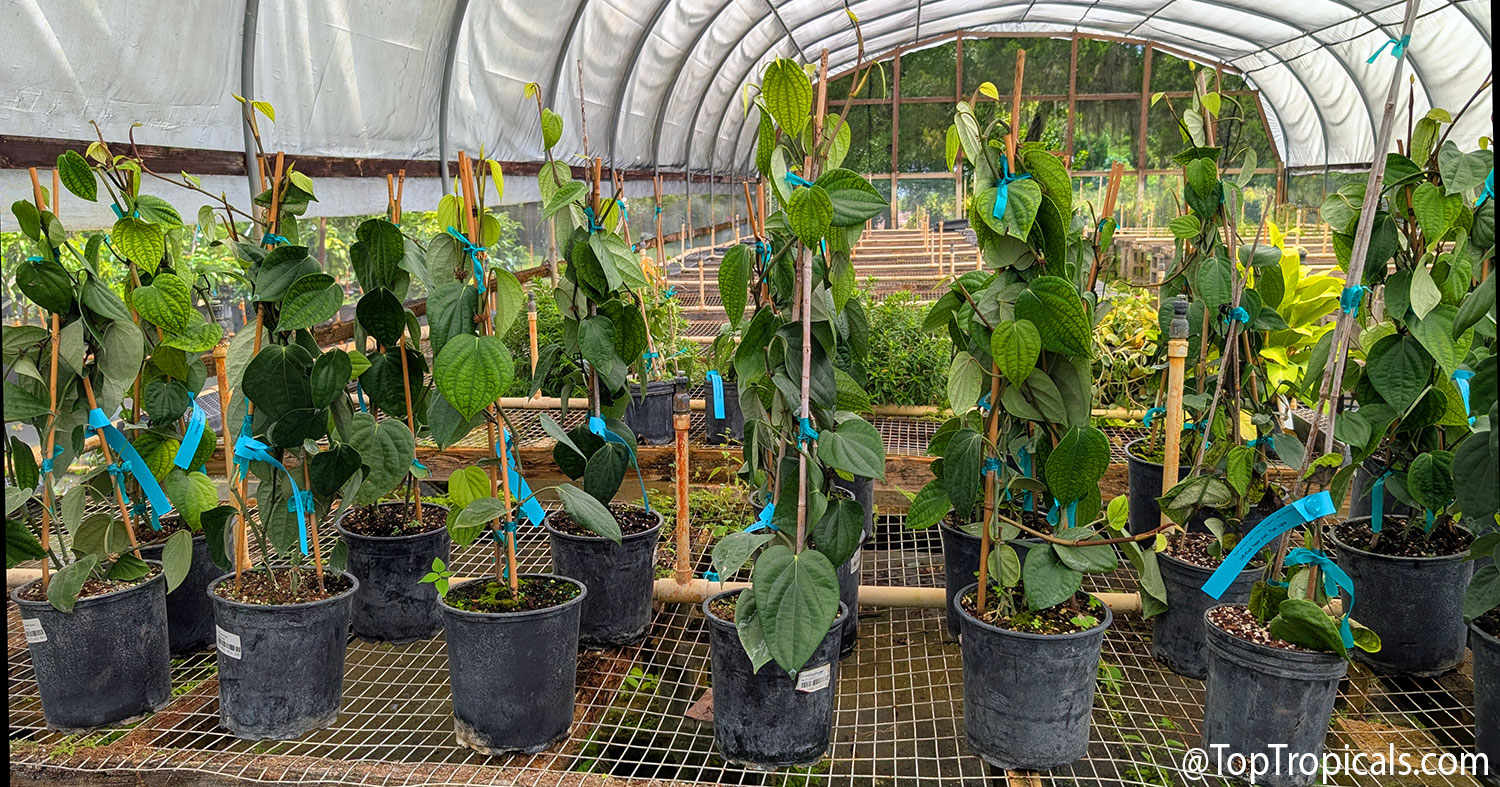
A small infestation is far easier to end than a large one, so catch it early. Watch for scale, spider mites, whiteflies, mealybugs, and aphids. They tuck into the spots that are easy to miss: new growth, leaf undersides, stems, and the joints where branches meet.
Start gentle. A strong spray from the hose knocks aphids and mites right off, and for a lot of soft-bodied pests that's most of the battle. For something more stubborn, a homemade neem oil spray works well: mix neem oil with water and a few drops of liquid soap to help it blend, and coat the undersides of the leaves where the pests actually sit. Insecticidal soap does a similar job. These are easier on the garden than a broad-spectrum insecticide, which tends to kill the beneficial insects along with the pests, and those beneficials were helping keep the problem down in the first place.
Whatever you reach for, know what you're treating before you spray. The right approach depends on the pest, and the milder options usually handle far more than people expect.
🌱 Prepare New Planting Areas
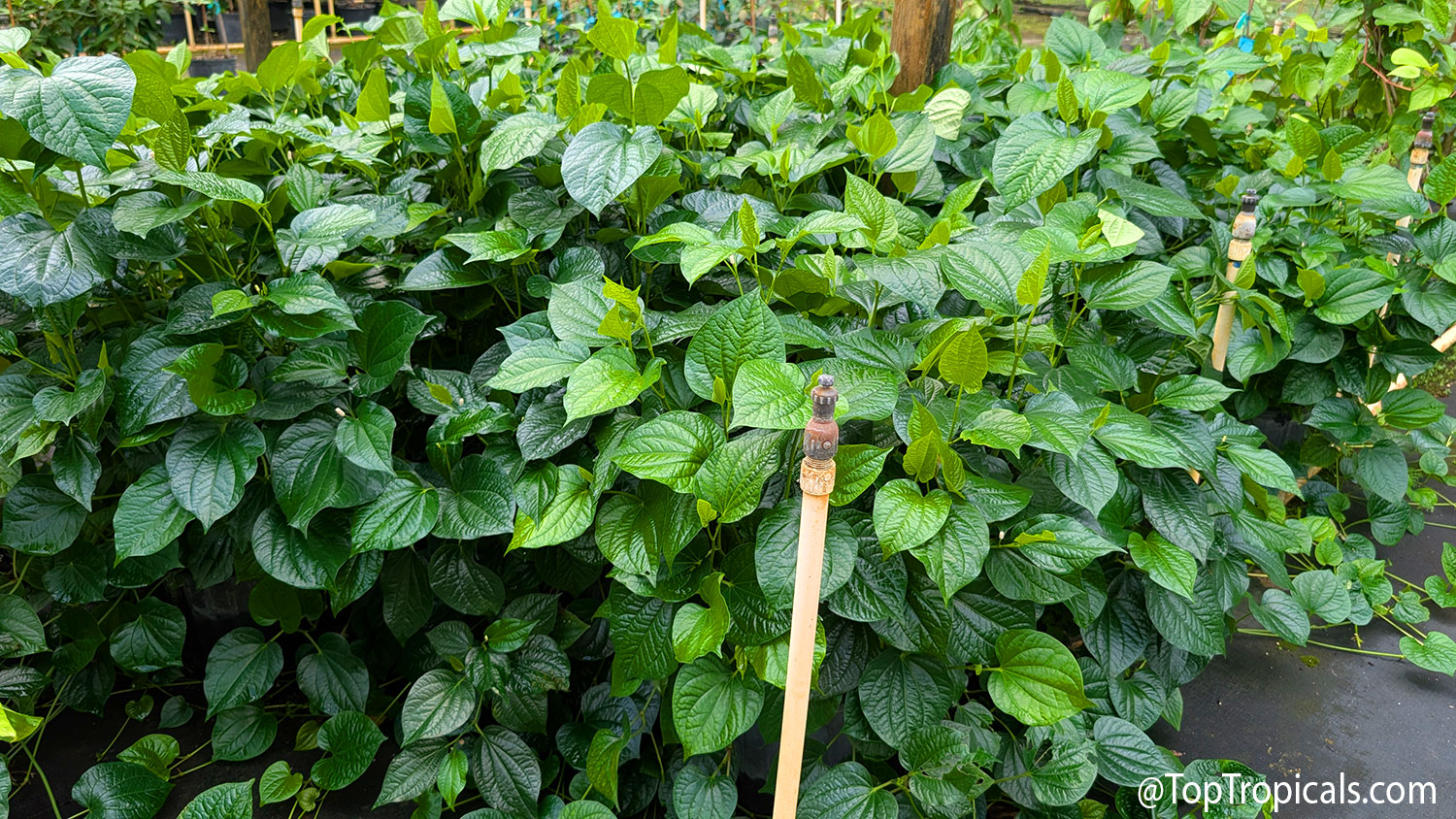
Before you fall for a plant at the nursery, be honest about where it will live. Check the light, the drainage, the room, and the size the plant reaches at maturity. Measure the distance from the house, the walkway, and the neighbors, and make sure water can reach it.
Match the plant to the location, not the location to the plant. The garden holds together better when you place a plant where it fits than when you buy it first and hunt for a spot after.
🌳 Decide What to Plant This Fall
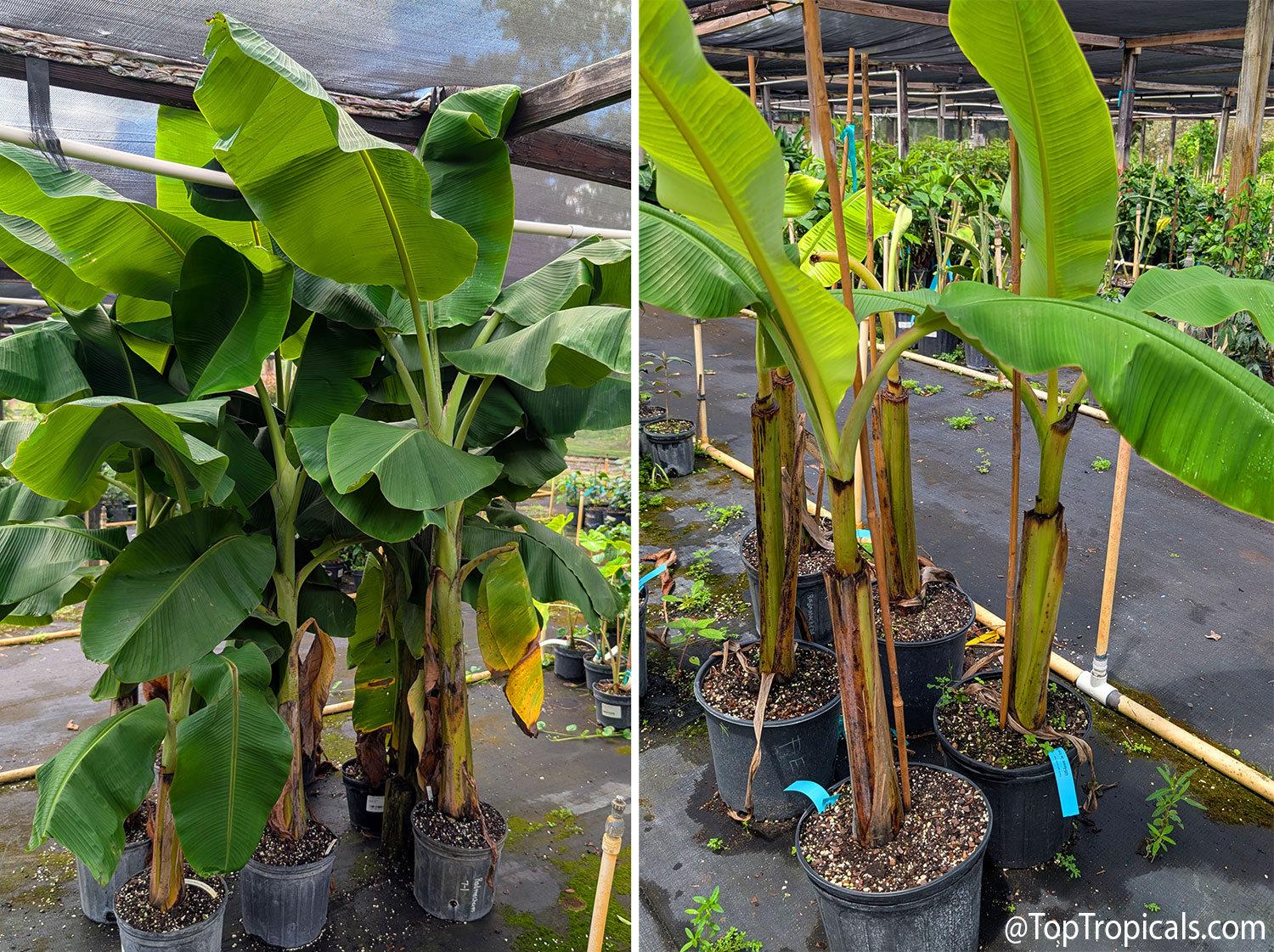
For most warm-climate gardens, fall is one of the best planting windows of the year. As the worst of the summer heat eases, plants deal with less heat stress and water evaporates more slowly, making establishment easier. The work is easier on you, too.
That head start lets a plant establish itself well before next summer's heat. Not everything belongs in the ground the same week, though. The most cold-sensitive tropicals still need timing suited to your own spot, so hold those for the right moment.
✅ Start the Fall Wish List
With a clear picture of what worked and what failed, make a list.
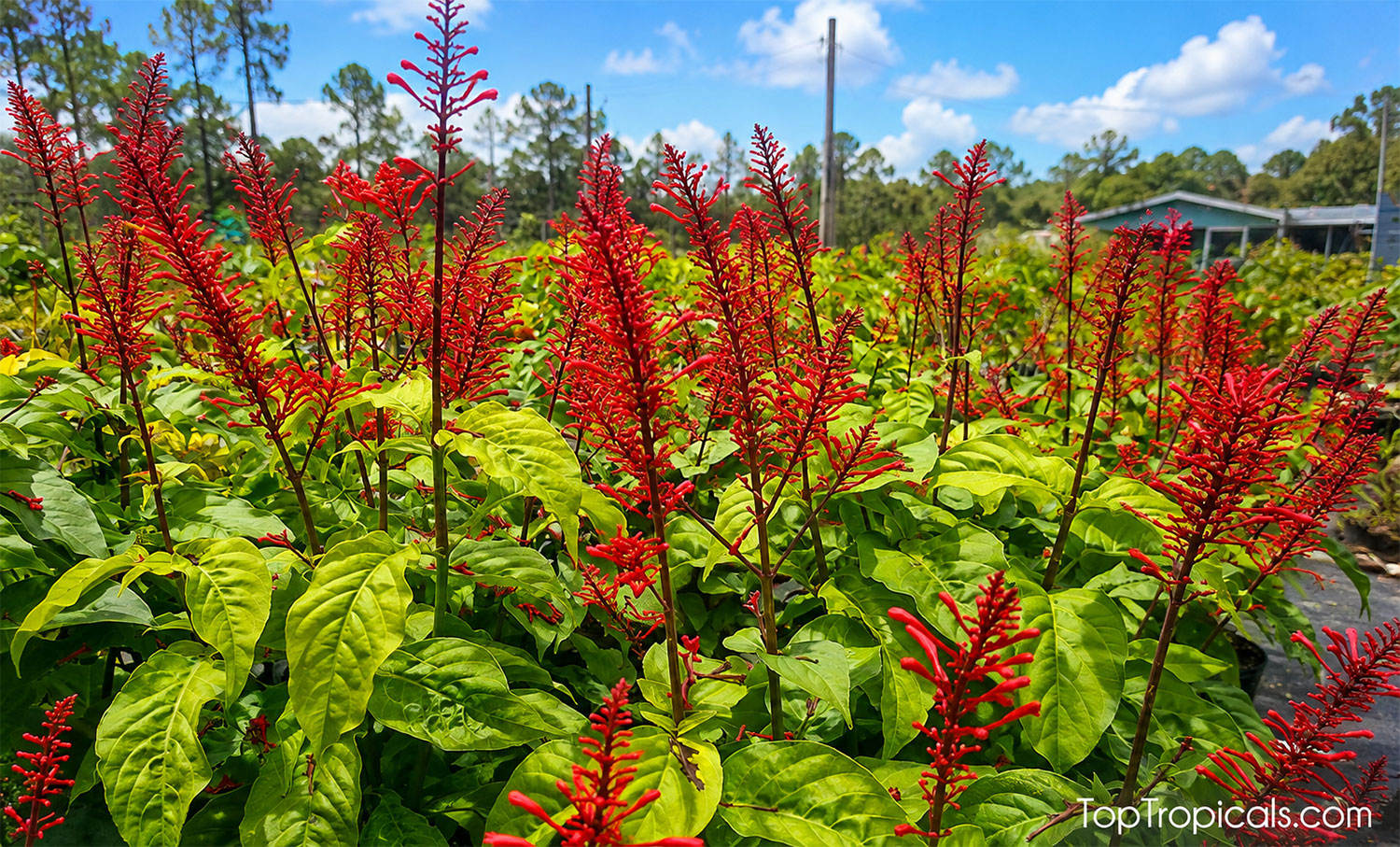
Fruit trees. Flowering tropicals. Something fragrant by the door. A vine, a screen to hide a view, a standout for a container. And honest replacements for whatever gave out this summer.
If some of that list leads you our way, we won't argue. Get the list right first.
❄️ Northern Gardeners: The Plants Come Inside
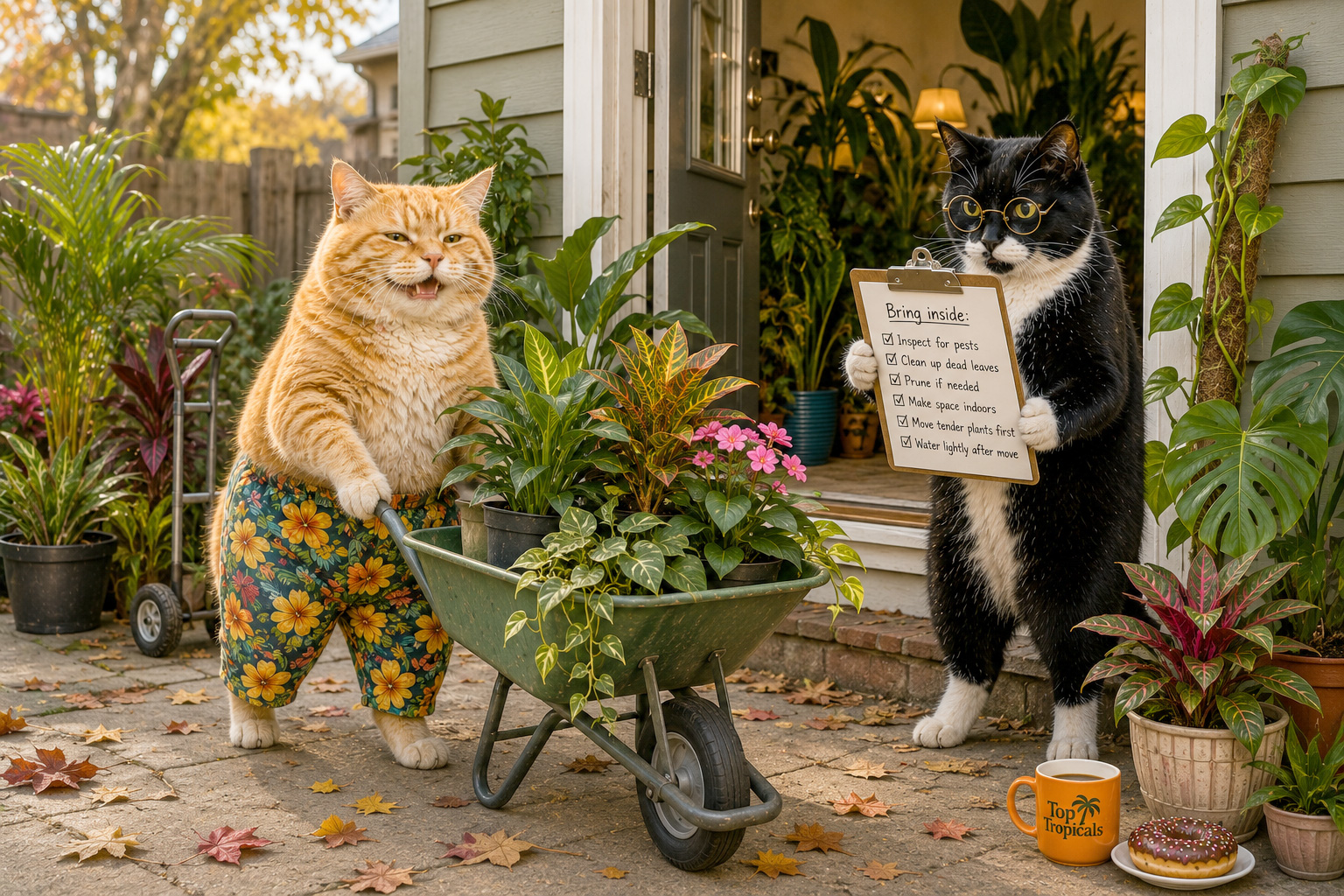
Smokey: As many as it takes to get all the plants inside.
Sunshine: And a donut break?
Smokey: After the insect inspection.
If fall means figuring out how all those pots fit indoors again, this part is yours. You have less time than the warm-climate folks, and a different job.
Decide what comes in. Not every plant is worth the space. Some are too big, too far gone, or not worth the winter room. Make those calls now, not on the first cold night.
Inspect for pests first. A plant that looks clean outdoors can carry scale, mites, whiteflies, mealybugs, aphids, or a few ants. Check leaf undersides, stems, branch joints, the pot rim, the drainage holes, and the soil surface. Bring in the plant, not the whole yard with it.
Clean the plants and pots. Pull the dead leaves, clear the debris and the weeds that took hold in the pots, and wipe down the dirty pot exteriors. It is simpler now than on a crowded windowsill later.
Prune only if you must. Some plants need to lose a little size to fit through the door and into their spot. Trim for that and no more.
Ease them toward lower light. A plant that spent summer in strong sun struggles when it lands in a dim room. Where you can, move it to shadier ground for a week or two first, so the change is gradual rather than sudden.
Settle where they will live, and plan the light. Group plants by what they need: the light-hungry ones get your best windows, the tolerant ones take what's left. South-facing windows give the most winter light and north-facing the least, though trees and overhangs change that fast. A plant headed for a dark corner will likely need a grow light to get through winter; a more tolerant plant can be allowed to slow down instead.
Cold matters too. A windowsill right against the glass can get much colder on a winter night than the rest of the room, so keep tender plants off the coldest sills, away from heating vents, and remember that indoor winter air is dry, which is hard on tropicals used to a humid summer.
Don't repot everything on the way in. A new pot, a new spot, and lower light at the same time is a lot of change to hit a plant with. Repot only what needs it: a rootbound plant, or one with pests or a soil problem you want out of the house.
Water less as growth slows. Indoors, in weaker light, plants use water slowly, and overwatering is a common winter problem. Check the pot before you water rather than following a fixed schedule.
Sort the ones that grow from the ones that slow. With enough warmth and light, some tropicals keep going through winter. Others slow to a near stop, more from low indoor light than any real dormancy, so don't overwater or overfeed one that's just marking time.
Take cuttings where it fits. If a plant is simply too large to haul indoors, cuttings can sometimes carry it through instead. It won't work for every species, but consider it before you give up a favorite.
Don't wait for frost. Move your tender plants by their cold tolerance, not by the calendar. A merely chilly night can hurt some tropicals with no frost at all, and because species differ so widely, there's no single safe number to trust. Know your plants and bring the tender ones in early.
Do the cleanup now, make the planting list, and get tender plants indoors before temperatures become a problem. Then you can handle the rest of the season as it comes.
✍️ Winter preparation from Top Tropicals Garden Blog
🎥 Watch How-To Gardening ideas