Garden Blog - Top Tropicals
Date: 9 Jul 2026
Blue Java Banana: the Ice Cream Banana that looks too good to be real
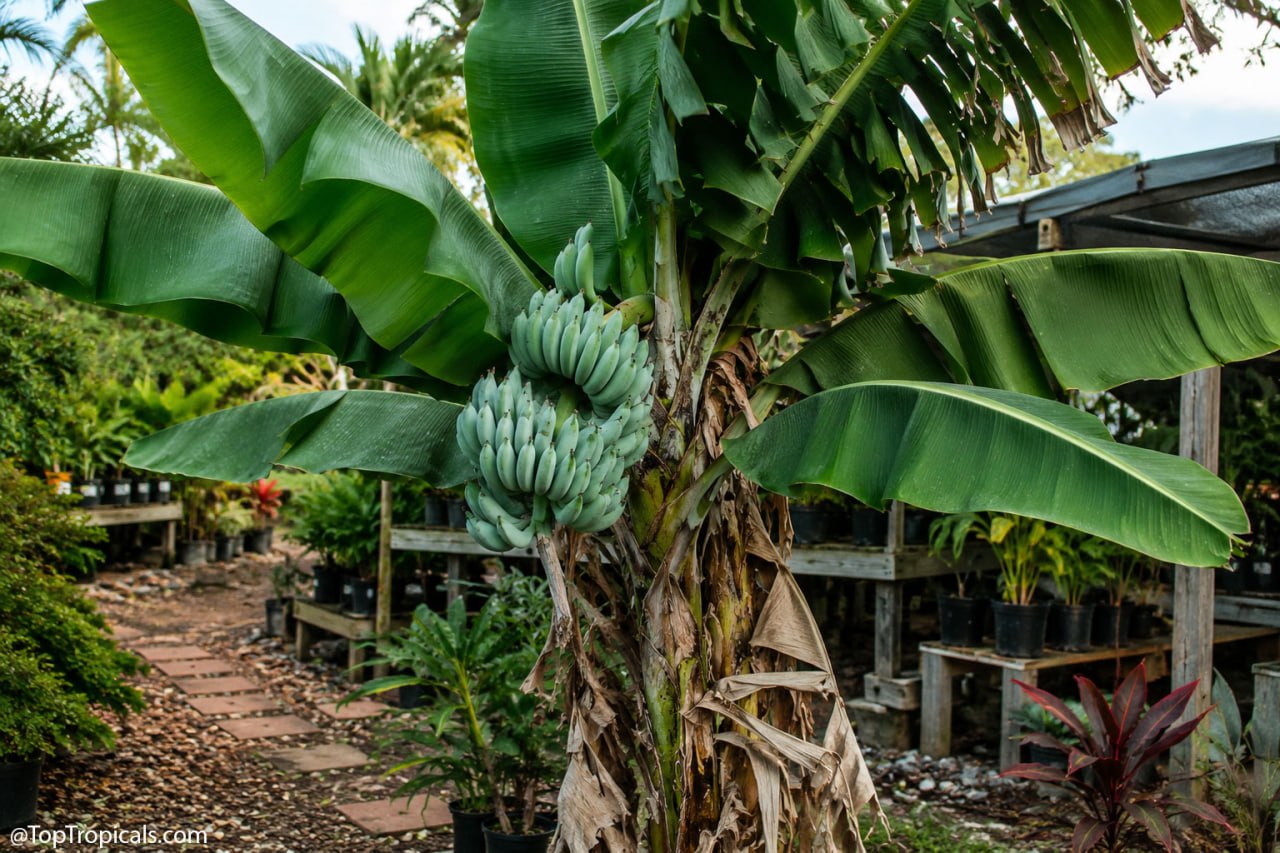
Ice Cream Banana
Ice Cream Banana
🍌 Blue Java Banana: the Ice Cream Banana that looks too good to be real.
Most bananas (Musa acuminata) look the same. Blue Java isn't one of them.
Every year, as soon as the growing season begins, gardeners start asking the same question: "Do you have Ice Cream bananas?" Last season it was one of our most requested plants - and this year is no different.
Known as the Ice Cream Banana, Blue Java has become one of the world's most talked-about banana varieties. Once you see a bunch hanging on the plant, it's easy to understand why. Before ripening, the fruit develops a natural silvery blue-green color that almost looks unreal. It's not painted, dyed, or edited - that's simply how this remarkable banana grows.
The real surprise comes after harvest.
As the fruit ripens, the blue-green skin gradually turns soft yellow. Inside is creamy white flesh with an unusually smooth, custard-like texture. Many gardeners describe the flavor as sweet with hints of vanilla, which earned it the nickname "Ice Cream Banana." Whether you enjoy it fresh, in smoothies, or frozen for desserts, it's unlike the typical supermarket banana.
Blue Java isn't grown only for its bananas.
The plant itself is spectacular, with huge tropical leaves, a sturdy trunk, and dramatic reddish-purple flower buds that develop into heavy clusters of fruit. Mature plants typically reach 10-15 feet tall and produce impressive bunches weighing 40-60 pounds under good growing conditions.
One reason Blue Java has become so popular is that it is more cold-tolerant than many dessert bananas. While it still loves warm weather, full sun, rich soil, and regular watering, established plants can handle cooler temperatures better than many other banana varieties, making them an excellent choice for gardeners in marginal tropical and subtropical climates.
Blue Java is still considered a specialty variety, which is why most people never get the chance to taste one. If you've only eaten standard Cavendish bananas, growing your own Blue Java is a completely different experience - from the unusual blue fruit to its creamy, dessert-like flavor.
It's one of those plants that makes visitors stop, point, and ask:
"Are those really blue bananas?"
👉 Grab it while it’s in stock.
🛒 Explore Banana Varieties


Bananas (Musa) in plant encyclopedia
Blue Ice Cream banana you’ll never find in stores
Is Blue Java Banana really blue?
Why is Mahoi banana called DOUBLE?
Why every garden needs a banana tree (or three!)
The best varieties of edible Bananas
#Food_Forest #Bananas #Discover
🟢 Join 👉 TopTropicals
Most bananas (Musa acuminata) look the same. Blue Java isn't one of them.
Every year, as soon as the growing season begins, gardeners start asking the same question: "Do you have Ice Cream bananas?" Last season it was one of our most requested plants - and this year is no different.
Known as the Ice Cream Banana, Blue Java has become one of the world's most talked-about banana varieties. Once you see a bunch hanging on the plant, it's easy to understand why. Before ripening, the fruit develops a natural silvery blue-green color that almost looks unreal. It's not painted, dyed, or edited - that's simply how this remarkable banana grows.
🔹 Why is it called the Ice Cream Banana?
The real surprise comes after harvest.
As the fruit ripens, the blue-green skin gradually turns soft yellow. Inside is creamy white flesh with an unusually smooth, custard-like texture. Many gardeners describe the flavor as sweet with hints of vanilla, which earned it the nickname "Ice Cream Banana." Whether you enjoy it fresh, in smoothies, or frozen for desserts, it's unlike the typical supermarket banana.
🔹 A beautiful plant even before it fruits
Blue Java isn't grown only for its bananas.
The plant itself is spectacular, with huge tropical leaves, a sturdy trunk, and dramatic reddish-purple flower buds that develop into heavy clusters of fruit. Mature plants typically reach 10-15 feet tall and produce impressive bunches weighing 40-60 pounds under good growing conditions.
🔹 Easier to grow than many tropical bananas
One reason Blue Java has become so popular is that it is more cold-tolerant than many dessert bananas. While it still loves warm weather, full sun, rich soil, and regular watering, established plants can handle cooler temperatures better than many other banana varieties, making them an excellent choice for gardeners in marginal tropical and subtropical climates.
🔹 A banana you'll probably never find at the grocery store
Blue Java is still considered a specialty variety, which is why most people never get the chance to taste one. If you've only eaten standard Cavendish bananas, growing your own Blue Java is a completely different experience - from the unusual blue fruit to its creamy, dessert-like flavor.
It's one of those plants that makes visitors stop, point, and ask:
"Are those really blue bananas?"
👉 Grab it while it’s in stock.
🛒 Explore Banana Varieties
📚 Learn more:
Bananas (Musa) in plant encyclopedia
Blue Ice Cream banana you’ll never find in stores
Is Blue Java Banana really blue?
Why is Mahoi banana called DOUBLE?
Why every garden needs a banana tree (or three!)
The best varieties of edible Bananas
#Food_Forest #Bananas #Discover
🟢 Join 👉 TopTropicals