Garden Blog - Top Tropicals

Date: 12 Feb 2026

Hoa Mai and the Year of the Horse - why yellow flower Ochna is the luckiest plant of 2026?

Hoa Mai and the Year of the Horse - why yellow flower Ochna is the luckiest plant of 2026? Hoa Mai and the Year of the Horse - why yellow flower Ochna is the luckiest plant of 2026? Hoa Mai and the Year of the Horse - why yellow flower Ochna is the luckiest plant of 2026?
🔥 Hoa Mai and the Year of the Horse - why yellow flower Ochna is the luckiest plant of 2026?

Ochna integerrima - Vietnamese Mickey Mouse plant, Hoa Mai has seeds and sepals that resemble the face of Mickey Mouse, hence the common name.

  • 💖 On February 17, 2026, the Lunar New Year begins - welcoming the Year of the Fire Horse


  • And if there is one plant that perfectly captures the bold, bright energy of a new zodiac cycle, it is Ochna integerrima, known in Vietnam as Hoa Mai. This cheerful yellow bloomer is not just decorative. In Vietnam, it is the flower of Tet - a living symbol of luck, prosperity, and fresh beginnings.

  • 💖 Does Vietnamese New Year start on a different date in 2026?


  • No. In 2026, Tet - the Vietnamese Lunar New Year - begins on the same day as the Chinese Lunar New Year: February 17. Tet follows the lunar calendar, just like Chinese New Year, so both celebrations align this year.
    Tet, officially called Tet Nguyen Dan, marks the arrival of spring and is the most important holiday in Vietnam. And nothing represents Tet in southern Vietnam more than Hoa Mai in full bloom.

  • 💖 Why Hoa Mai is the flower of Tet


  • Hoa Mai literally means "yellow blossoms". In southern Vietnam, these bright yellow flowers open right around Lunar New Year, often covering the entire plant.
    The color yellow symbolizes:

· Wealth
  • · Prosperity
  • · Happiness
  • · Good fortune


  • Families display flowering Hoa Mai trees in homes, courtyards, and businesses during Tet. The more blossoms, the more luck the coming year is believed to bring.

  • 💖 Why it is called the Mickey Mouse plant


  • After flowering, Ochna integerrima produces glossy black berries that sit on bright red sepals. The combination looks surprisingly like a tiny cartoon face - two black "ears" and a round head - which is how it earned the nickname Vietnamese Mickey Mouse plant.

    It is playful, unusual, and a total conversation starter.

  • 💖 A perfect plant for Year of the Fire Horse energy


  • The Fire Horse year is associated with:

· Passion
  • · Independence
  • · Bold action
  • · Fast movement

  • And honestly? A plant that explodes into golden blooms in the middle of winter feels exactly right for that kind of year!
    If you have been waiting to start something new - planting a rare shrub, reshaping your garden, training a miniature tree - this zodiac cycle carries that "go for it" momentum.

  • 💖 Can you grow Hoa Mai outside Vietnam?


  • Yes - and that is part of its appeal. Ochna integerrima - Hoa Mai - is:

· A slow-growing, medium shrub
  • · Trainable into a small tree or bonsai form
  • · Suitable for containers
  • · Relatively tolerant of light frost

It blooms in winter, when many tropical collections feel quiet. That alone makes it valuable in warm-climate gardens like Florida.

To encourage winter blooms, steady feeding before and during the cooler season helps stimulate bud formation. Consistent light, good drainage, and balanced fertilization are key.

💖 A living symbol of luck for 2026

Every Lunar New Year carries its own theme. The Year of the Fire Horse is about bold growth, forward motion, and courage.
Hoa Mai blooms exactly at the moment when people reset intentions, clean their homes, and welcome fresh energy. It is not just a plant - it is a seasonal signal that a new chapter has begun.

And if you want to invite a little more golden luck into your garden this February, few plants say "new year, new beginning" better than Hoa Mai in full bloom.

🛒 Plant your own lucky Mickey Mouse Plant

📚 Learn more:

#Horoscope #Hedges_with_benefits #Nature_Wonders #Fun_Facts

🟢 Join 👉 TopTropicals
Date: 11 Feb 2026

Glory in overcoming

Glory in overcoming
🐱 Glory in overcoming

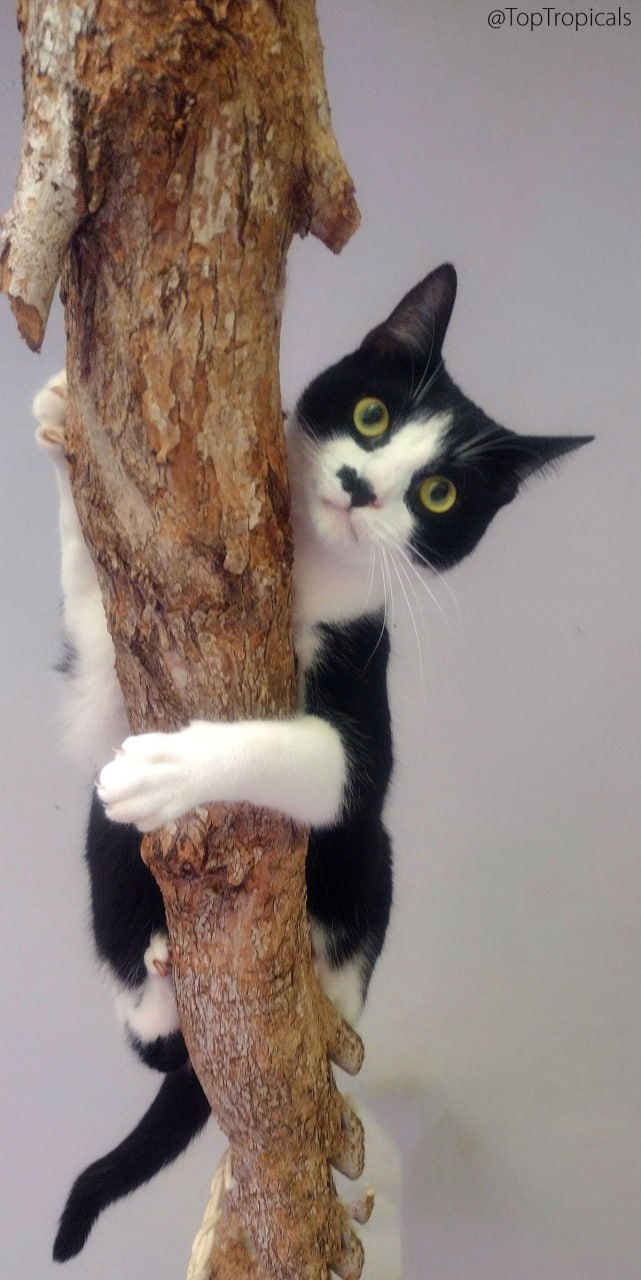
"The greater the obstacle, the more glory in overcoming it." - Moliere

🐈📸 Cat Philemon climbing a tree at TopTropicals PeopleCats.Garden.

#PeopleCats #Quotes

🟢 Join 👉 TopTropicals

Date: 10 Feb 2026

Cold-hardy avocado survival groups - what the numbers really mean

Cold-hardy avocado survival groups - what the numbers really mean

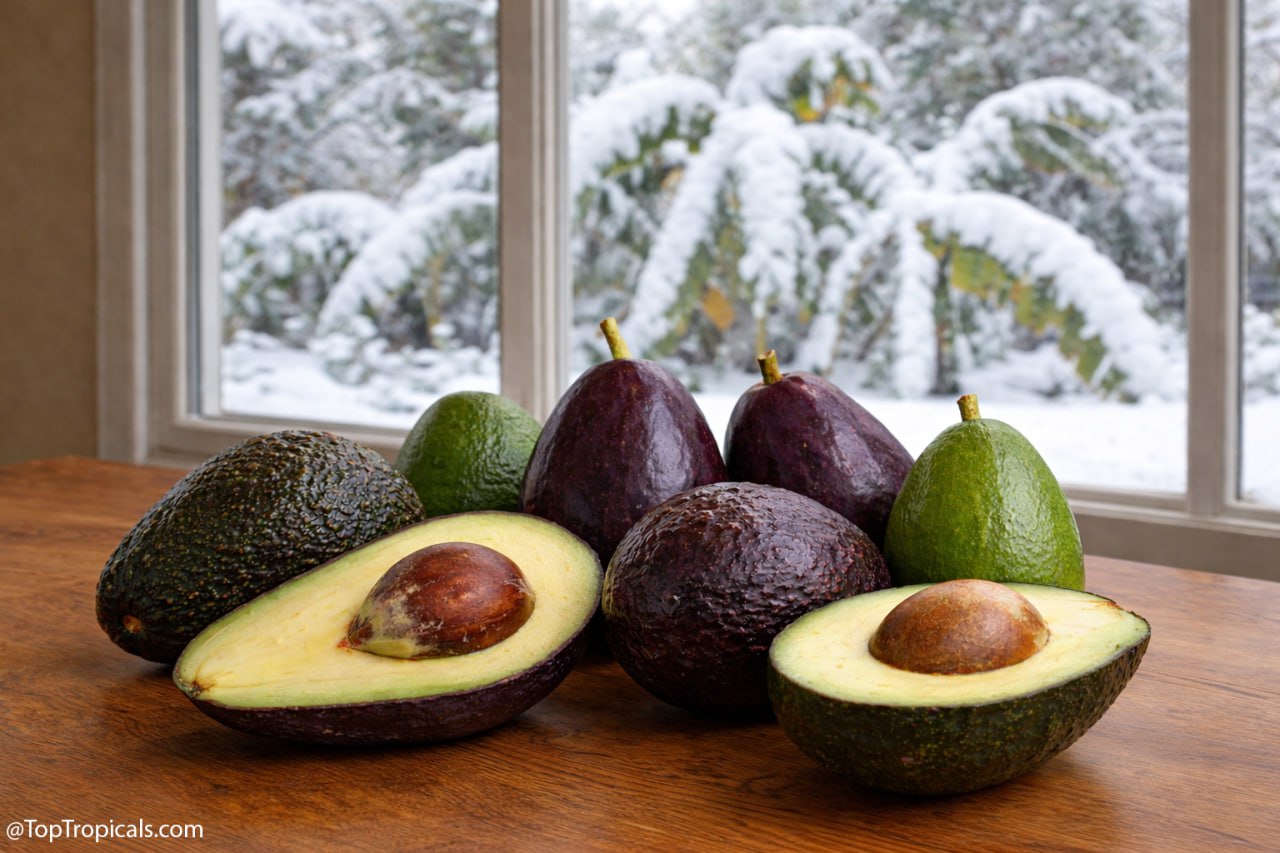
Avocado cold hardiness is often misunderstood. Temperature numbers do not mean a tree stays untouched - they describe survival, not appearance. Leaf burn, twig dieback, and temporary setbacks are normal even on hardy varieties. The difference is whether the tree recovers.
Below are cold-hardy avocado varieties grouped by minimum reported survival temperatures, along with what growers typically observe after a freeze.

  • 🌡 Hardy to 15F:

  • Brazos Belle (Wilma), Fantastic, Joey, Lila (Opal), Day.
    Best freeze survivors. Minor leaf burn possible, but trees usually recover quickly with little structural damage. These are among the most cold-tolerant avocado varieties when fully established and exposed to short-duration freezes.
    What to expect: Trees in this group often survive temperatures near 15F with little to moderate leaf damage. Some tip dieback is possible, but major limb loss is uncommon. Recovery is usually strong once warm weather returns, especially in dry winter conditions.

  • 🌡 Hardy to 20F:

  • Bacon, Brogdon (Brogden), Fuerte (Dwarf), Mexicola, Miguel, Ulala (Super Hass), Dwarf, and Waldin.
    Reliable survivors in cold-prone areas. Expect leaf damage and some setback, but established trees typically rebound.
    These varieties perform well in marginal climates and are commonly grown where freezes are expected but not extreme.
    What to expect:
    Leaf burn is common at or below 20F, and young shoots may be damaged. Trees typically survive, but may need a full growing season to regain canopy density. Established trees usually rebound well with good drainage and protection from wind.

  • 🌡 Hardy to 25F:

  • Black Prince, Choquette, Hall, Hardee Red, Lula, Marcus Pumpkin, Mexicola Grande, Nishikawa, Oro Negro, Poncho (Pancho), Tonnage, Winter Mexican, Wurtz, and Yamagata.
    Moderate cold tolerance. Leaf drop and branch dieback are common after freezes, though trees usually survive.
    This group includes moderately cold-tolerant avocados that handle light freezes but are more easily damaged during prolonged cold.
    What to expect:
    Expect noticeable leaf drop and some branch dieback when temperatures fall near 25F. Trees usually survive but may look rough for weeks or months. Proper placement and drainage greatly influence recovery speed.

  • 🌡 Hardy to 30F:

Bernecker, Catalina, and Florida Hass (Haas).
Frost-tolerant only. Damage occurs quickly, and repeated freezes can cause serious stress without protection.
Actual results depend on tree age, freeze duration, wind, moisture, and microclimate. Lower numbers do not mean damage-free - they mean the tree lived to grow again.
These avocados are best suited to areas with only occasional frost and minimal freeze exposure.
What to expect:
Leaf damage occurs quickly near 30F, and unprotected trees may suffer significant canopy loss. Survival is possible during brief cold events, but repeated freezes can cause lasting damage. These varieties benefit most from proactive protection.

❗️Important reminder
All temperature figures are approximate and experience-based, not guarantees. Survival depends on tree age, duration of cold, wind, moisture, and microclimate. Cold tolerance improves significantly as trees mature, while young trees remain vulnerable across all groups.
Understanding the difference between survival and damage is the key to choosing the right avocado for colder climates.

🛒 Explore cold hardy Avocado varieties

📖 Our Book: Avocado Variety Guide, Snack or Guacamole?

📚Learn more:

🎥 These Avocados survived 25F hard freeze 3 nights of Florida Record Freeze

#Food_Forest #Avocado #Discover #How_to

🟢 Join 👉 TopTropicals

Date: 10 Feb 2026

Cold-hardy avocado varieties - what freezing they really survive

Cold-hardy avocado varieties - what freezing they really survive
❄️ Cold-hardy avocado varieties - what freezing they really survive

Avocado trees are usually associated with warm, frost-free climates, so every winter freeze raises the same question - which avocados actually survive cold weather? After recent freeze events, interest spikes as gardeners look for real answers, not guesses. The truth is, avocado cold hardiness is not just about the lowest temperature. Duration, moisture, wind, and tree maturity matter just as much - sometimes more.
  • What cold hardiness really means for avocados

  • Cold hardiness does not mean an avocado tree escapes winter untouched. It simply means the tree survives a freeze without being killed.
    Leaf burn, branch dieback, or temporary growth setbacks can still occur. Survival is the key distinction.
  • Cold tolerance is influenced by:

· Tree age and establishment. Young avocado trees are always more vulnerable. Once established, tolerance improves significantly.
  • · Length of the freeze
  • · Wind exposure
  • · Daytime sun and heat retention
  • · Drainage and soil moisture
  • · Overall tree health going into winter

  • Where cold-hardy avocados come from

  • The most cold-hardy avocados are of Mexican origin. These types evolved in cooler, higher-elevation regions and differ genetically from West Indian and Guatemalan avocados.
    These varieties are widely grown around San Antonio, Texas (USDA Zone 8b), where trees have been damaged but not killed by temperatures near 10F. As a general rule, established Mexican-type avocados can tolerate short freezes (about 3-6 hours) down to roughly 15F with little or no permanent damage. Temperature estimates apply to established trees under favorable conditions. The best results come from combining the right genetics with smart planting, good drainage, and thoughtful winter care.
  • Why cold tolerance varies so much

  • Cold ratings are never absolute. The same variety can survive very different temperatures depending on conditions such as tree maturity, freeze duration, wind, microclimate, and humidity. For example, an avocado may tolerate 10-15F in dry Texas winters but only 15-20F in wetter East Coast conditions.
  • Planting and protection tips for colder climates

· Plant in the warmest available location, ideally near a south or southeast wall
  • · Protect trees from cold wind
  • · Ensure excellent drainage; standing water during cold weather is deadly
  • · Use raised mounds in poorly drained areas

  • During freezes, small trees should be covered, mulched heavily, and protected with frost cloth. In severe cold, gentle heat under covers may help. Mature trees often need little to no protection.


Avocado varieties known for the best freeze survival
These varieties are among the more reliable choices for colder regions once established, reported tolerance near 15F:
  • · Brazos Belle - medium to large purple-black fruit, season October-November
  • · Fantastic - green fruit with paper-thin skin, creamy texture, the most cold tolerant
  • · Joey - selected in Uvalde, Texas; purple-black fruit, excellent flavor, heavy producer, season September-October
  • · Lila - medium green fruit, season September-October (not to be confused with Lula)
  • · Poncho - medium to large green fruit


  • Cold-hardy avocados make growing this fruit possible beyond the tropics, but expectations must stay realistic. Survival does not mean zero damage, and protection still matters during extreme weather.


🛒 Explore cold hardy Avocado varieties

📖 Our Book: Avocado Variety Guide, Snack or Guacamole?

📚Learn more:

🎥 Avocados survived 25F hard freeze 3 nights of Florida Record Freeze

#Food_Forest #Avocado #Discover #How_to

🟢 Join 👉 TopTropicals

Date: 10 Feb 2026

These Avocados survived 3 nights of 25F hard freeze, Florida Record Freeze

⛄️ These Avocados survived 3 nights of 25F hard freeze, Florida Record Freeze

  • ⛄️ Recent winter freezes have once again raised the same urgent question among avocado growers - which varieties actually survive cold weather, and what does survival really look like afterward?

  • ⛄️ After widespread freeze events, trees across many regions showed very different outcomes, from minor leaf burn to complete canopy loss.

  • ⛄️ This video taken on February 4, 2026 at Top Tropicals BFarm in Sebring, FL, reflects what we observed in real conditions after 3 nights of hard freeze.

  • ⛄️ The trees in the video had no protection.


❄️Weather data

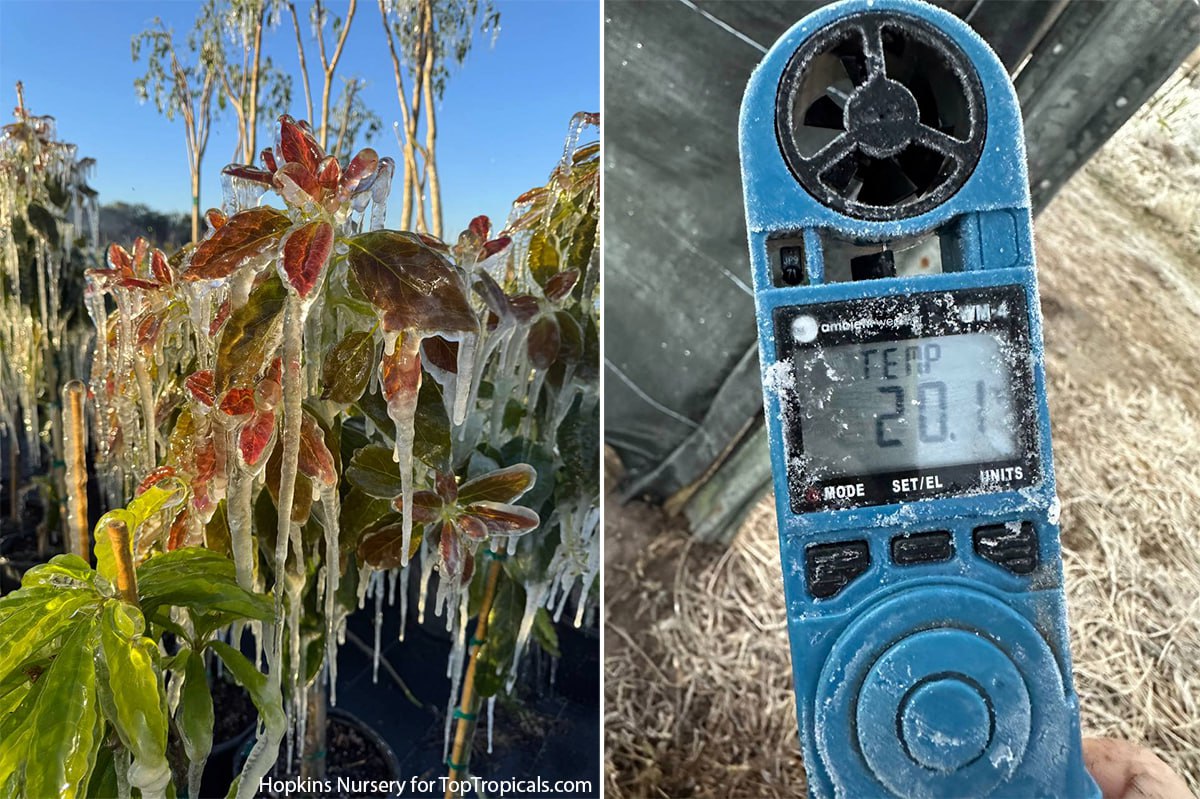
Feb 1-6, 2026, Coldest in Recorded History (132 years of observations)
Top Tropicals Farm and Nursery at Sebring FL

🌡 Min temps: 25F, wind chill 14F
⏳ Duration of cold: 3 nights of 8-10 hour hard freeze, along with 7 days of cool daytime temps around 50F
🌀 Wind: 20 mph, with 40-50 mph gusts.

🛒 Explore cold hardy Avocado varieties

📖 Our Book: Avocado Variety Guide, Snack or Guacamole?

📚Learn more:

#Food_Forest #Avocado #Discover #How_to

🟢 Join 👉 TopTropicals