Date: 20 Jan 2026
7 steps for a care-free Spanish Tamarind - the easiest rare fruit to grow
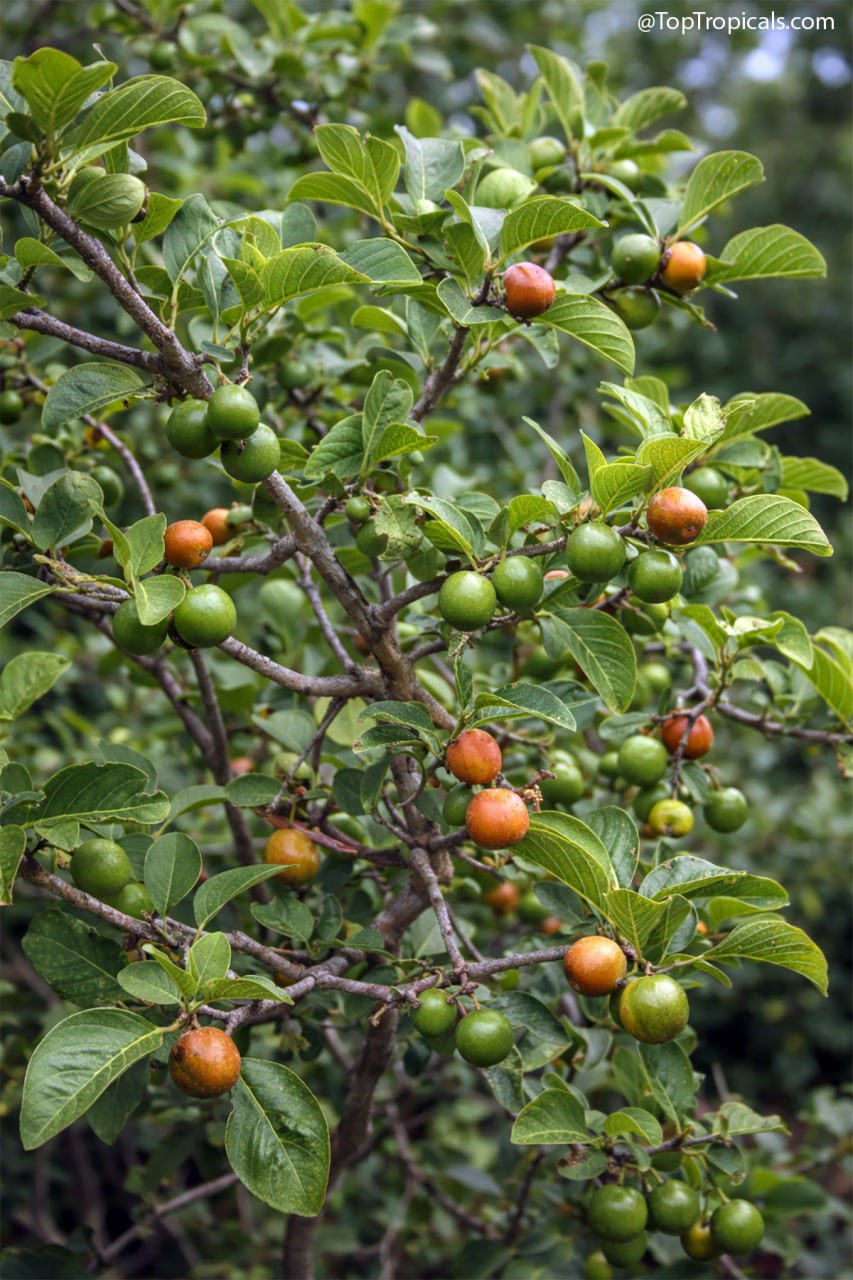
Vangueria infausta (Spanish Tamarind, Wild Medlar)
🍊 7 steps for a care-free Spanish Tamarind - the easiest rare fruit to grow
Yes, it can handle light frost - Vangueria infausta (Spanish Tamarind, Wild Medlar) - we just discovered it can handle cold snaps! After a few cold nights in January, our young tree planted just a few months ago, still looks happy and strong!


If you are looking for a tough little fruit tree that thrives on neglect but gives you something truly special in return - try this rare, compact fruit tree. Spanish Tamarind is native to southern Africa, it is drought-tolerant, pest-resistant, and surprisingly cold-hardy once established - making it a great choice even for gardeners in borderline zones.
🛒 Add rare Spanish Tamarind to your rare fruit collection
📚 Learn more:
Vangueria infausta - Spanish Tamarind in Plant Encyclopedia
The wild fruit with a secret: health benefits of rare Spanish Tamarind - the exotic fruit you've never heard of
#Food_Forest #Remedies #Discover
🟢 Join 👉 TopTropicals