Cnidoscolus aconitifolius variegatus - Variegated Chaya, Maya Spinach Tree
🌱 Variegated Chaya - beauty meets nutrition
🌿 Variegated Chaya - Variegated Maya Spinach Tree or Cnidoscolus aconitifolius variegatus - is a showstopper in the edible garden. Its heavily cut, creamy-white variegated leaves look like they belong in a tropical ornamental bed, but this beauty is also a powerhouse leafy green.
🌿 Native to the Yucatan Peninsula, Chaya has been a traditional food for centuries. Younger leaves (and a little stem) are cooked like spinach, simmered for at least 5-15 minutes to neutralize toxins, then served with butter, oil, or in soups. Once cooked, they’re loaded with protein, calcium, iron, and vitamins A and C - a true garden superfood.
🌿 Fast-growing and low-maintenance, Chaya can reach 6-8 feet and thrives in full sun or partial shade. It's drought-tolerant, attracts butterflies and hummingbirds with its white flowers, and grows easily from cuttings. Perfect for food forests, permaculture gardens, or anyone wanting beauty and function in one plant.
⚡️ One of our Vanilla Bean Orchids at TopTropicals has big ambitions - it's already climbed 10 feet up a pine tree! We’re waiting (impatiently!) for those elegant yellow-green flowers, which will hopefully turn into vanilla beans.
⚡️ Vanilla Bean Orchid(Vanilla planifolia) is the plant behind that sweet, comforting vanilla flavor we all love. It starts off like any potted orchid, but soon sends out aerial roots and becomes a climber, wrapping itself around trees or trellises. In its natural habitat, it grows high into forest canopies, but in the garden it will happily scale any sturdy support you give it.
⚡️ Once established, it flowers and sets the long green pods we call vanilla beans. Growing your own is a lesson in patience - from flower to dried bean can take month - but nothing beats harvesting your own vanilla for the kitchen.
Coffee trees (Coffea arabica) that you saw blooming at Top Tropicals in May with fragrant, gardenia-like flowers, now in August - they are loaded with fruit! We will update on them once they turn red and ripe...
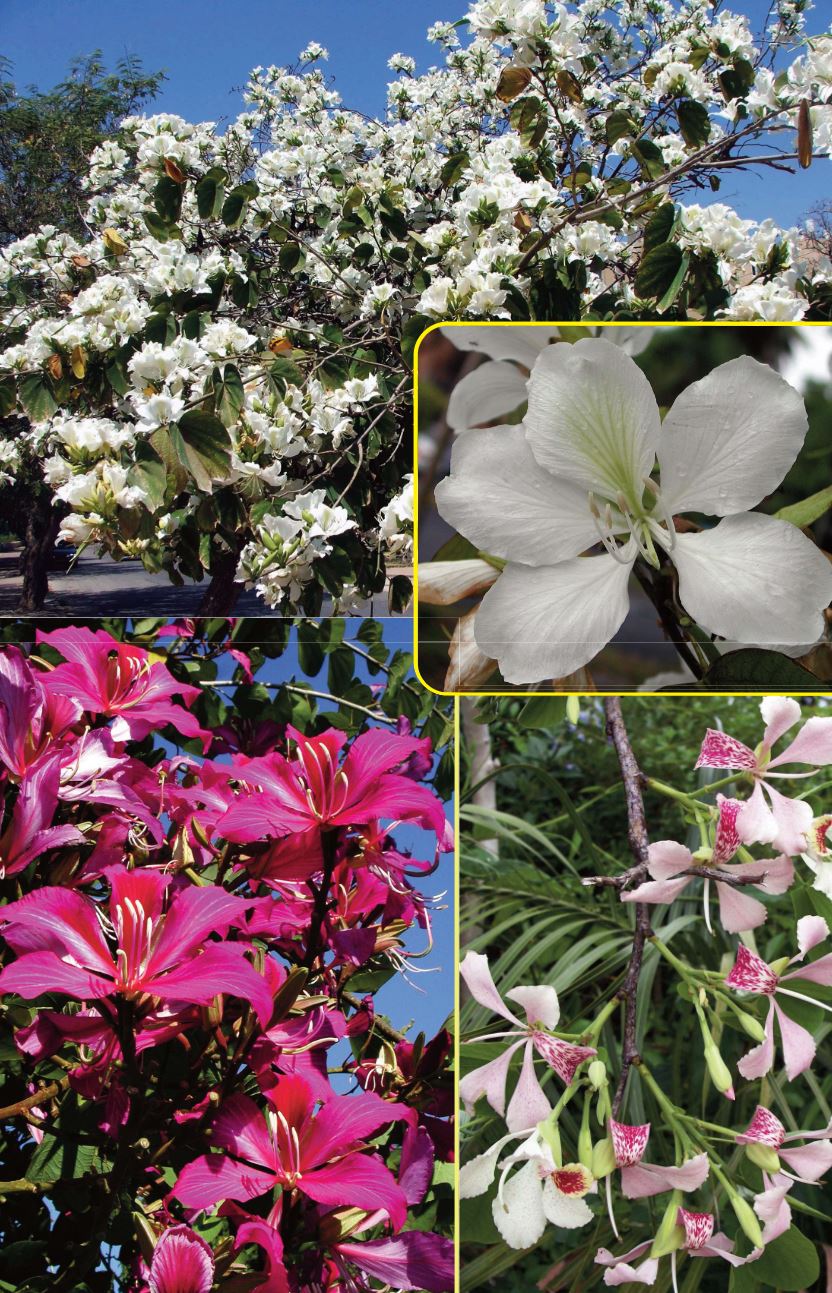
🌸 Orchid Tree - Bauhinia: Winter Blooms &
Year-Round Beauty
Bauhinia blakeana, Bauhinia variegata var. candida, and
Bauhinia monandra – Orchid Trees in Bloom
Sometimes a plant stops you midwalk. Flowers so bright they almost glow,
leaves shaped like butterflies — that’s a Bauhinia, the Orchid Tree. These fast growers bring color when many
gardens are quiet, with some blooming in the heart of winter.
🌟 Why Grow
Bauhinia?
Exotic blooms in colors from white to deep magenta
Distinctive leaves — nature’s own butterfly design
Many varieties flower in the cooler season
Fast growth, easy shaping, more blooms after pruning
Varieties for large yards, small gardens, and sunny patios
Tolerant of heat, drought, and poor soils
Bauhinia Care Tips
🌞 Outdoor
Full sun for best flowering, well-draining soil, deep
watering once established. Light pruning after bloom keeps shape and encourages
more flowers. Protect young plants from frost. During the growing season
(Spring - Fall), apply a balanced fertilizer - like top-dress slow release fertilizer or controlled-release Green Magic. Liquid fertilizer Sunshine Boosters Megaflor can be used year around - to promote
vigorous growth and abundant blooms.
🏡 Indoor / Patio
Bright sun (south window or outdoors in warm months), large
pot with drainage, even moisture during growth, and a bloom-booster feed in
season. Feed regularly with a balanced fertilizer controlled-release Green Magic. Liquid fertilizer Sunshine Boosters Megaflor can be used year around - to promote
vigorous growth and abundant blooms. Bring indoors before frost.
🍂 Seasonal Note – Bauhinias are
Deciduous
Bauhinias drop their leaves in winter — even in warm
climates. This is normal and part of their rest cycle. Bare branches in the
cool season will leaf out again in spring, often just as flowers begin.
Lily (aka Lilimon) has officially settled into Bfarm life - and she's living it up!
She's claimed a fluffy blanket as her spot, where she purrs away while kneading it like she's making bread.
When she's not in her cozy corner, she's off exploring the indoor jungle, getting into shenanigans with the other #PeopleCats, or joining in on Catnip Parties and rolling around like the happiest cat in the world!
⭐️If there were an award for the strangest flower, the Starfish Flower - Stapelia gigantea - would be a top contender. Also known as the Zulu Giant or Carrion Plant, it produces massive blooms, sometimes 12 inches across, that look exactly like starfish. The pale ochre-yellow petals are lined with fine maroon stripes, giving the flowers a texture and color you can't ignore.
⭐️ And then there's the smell!🐱
Its nickname Carrion Plant comes from its uncanny scent of rotting meat. While that might not sound appealing, it's a brilliant strategy for attracting its pollinators - flies - who can't resist investigating! Just like Amorphophallus - Corpse flower! 🐱
⭐️The plant itself is a stunner even without flowers, with chunky, 4-angled succulent stems that sprawl sideways. In the ground, it can spread up to 24 inches wide, and in a pot, it makes a fantastic conversation piece. Despite its cactus-like appearance, it's actually a member of the Milkweed family. When it sets seed, each pod bursts to release silky parachutes that float away just like milkweed.
⭐️It's bizarre, beautiful, and guaranteed to get people talking!


 Bauhinia Care Tips