Sunshine: Newsletter? Smokey: Yes. Sunshine: Another article? Smokey: No. Sunshine: Advice? Smokey: Also no. Sunshine: Just plants? Smokey: Just plants. New arrivals and top picks by our
horticulturist Sunshine: Perfect. I just enjoy the plants and coffee. Hope everyone
reading does too.
🍸Guess what is this fruit that tastes like Gin - it's Gin Berry, Glycosmis pentaphylla. It's also called Orangeberry, or Limonia, and is one of those plants that surprises people the moment they touch it. Crush a leaf or rub one of the ripe berries, and the scent is unmistakable - fresh, citrusy, pure gin! Just add tonic.
🍸 Why the berries smell like gin?
The leaves and berries are packed with aromatic oils rich in citrus terpenes, similar to compounds found in juniper and citrus peel. That shared chemistry is what creates the gin-like fragrance. It smells clean, sharp, and refreshing - more aroma than sweetness.
🍸 A lesser-known citrus cousin
Gin Berry belongs to the Rutaceae family, the same plant family as oranges, lemons, limes, and Curry leaf. You can see it in the glossy leaves and smell it in the oils, but the growth habit is different. Instead of becoming a tree, Gin Berry stays a compact, evergreen shrub.
🍸 Edible, but fragrance-forward
The small berries are edible and lightly sweet-tart, though most people notice the aroma before the flavor. In parts of South and Southeast Asia, the fruit is eaten fresh, added to chutneys, or used to scent drinks and infusions. It is subtle and aromatic rather than juicy.
🍸 Traditional uses and health benefits 🔸Gin Berry has a long history in folk medicine, especially in in Hindu medicine.
🔸Leaves used in teas for digestion and fevers
🔸Roots traditionally used for inflammation and pain
🔸Modern studies note antimicrobial and antioxidant activity
🍸 Easy garden and container plant
🔸Evergreen shrub with shiny leaves
🔸Naturally compact and easy to prune
🔸Small white flowers with a light fragrance
🔸Clusters of decorative berries
🔸Excellent for pots, patios, and warm climates
🔸Attracts pollinators, and birds enjoy the berries.
🍸 Why Gin Berry stands out
Gin Berry sits right between ornamental and edible. It has the citrus-family fragrance people love, stays manageable in size, and offers a unique sensory experience that most gardeners have never seen - or smelled - before.
🌸Dombeya seminole - Tropical Rose Hydrangea: everyone who sees this plant falls in love at first sight. Exceptional rose-pink flower clusters cover the shrub, and butterflies and bees go wild over it. While it is considered a winter bloomer, here at Top Tropicals garden we regularly see it flower multiple times a year, with peak bloom from November through January and surprise blooms the rest of the year.
🌸 Here is how to keep your Dombeya seminole happy and blooming more:
💋1. Full sun
The more sun it gets, the more flowers it produces. Sun equals bloom power.
💋2. Adequate water
Dombeyas are heavy drinkers. Regular watering fuels fast growth and heavier flowering.
💋3. Feed for flowers
Use Sunshine Megaflor bloom booster with regular watering, or apply Green Magic controlled-release fertilizer every 6 months.
💋4. Trim after flowering
Prune once blooms fade. A bushier plant means more flowering points next season.
💋5. Give it space
This is a round, airy shrub. Allow at least 6 x 6 ft for good air circulation and even light exposure.
🌸 Quick facts you will appreciate:
💋Often called Tropical Hydrangea because of its hydrangea-like flower clusters
💋Blooms fall through spring, often all winter
💋Reaches about 6-7 ft tall and wide, but can be kept smaller with pruning
💋Thrives in full sun to partial shade and tolerates poor soil
💋An excellent nectar source for butterflies
If you want a beautiful color that refuses to quit, this shrub earns its spotlight.
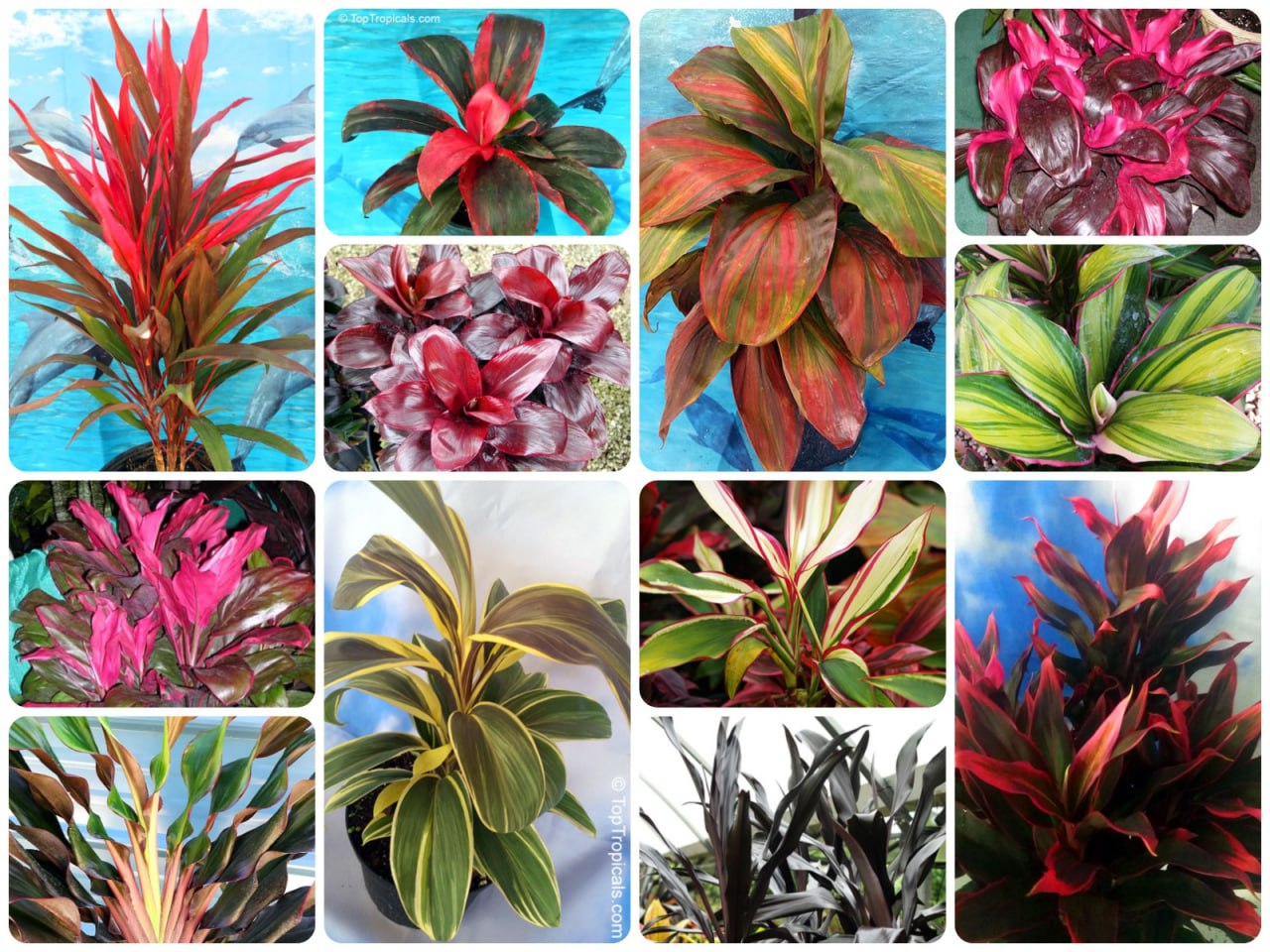
The Hawaiian Ti plant (Cordyline fruticosa) is more than just a colorful tropical accent. Across Polynesian, Hawaiian, and Southeast Asian cultures, the color of ti plant leaves has long been associated with different meanings, moods, and uses - both symbolic and practical.
🌈 Green leaves
Green ti plants are linked to peace, balance, and steady growth. Traditionally, they were planted around homes for protection and good fortune. In the garden, green varieties are usually the toughest and most shade-tolerant.
🌈 Red and deep burgundy leaves
Red ti plants are associated with strength, power, and protection. In Hawaiian tradition, red ti leaves were believed to ward off negative energy and were often used in ceremonies. Garden-wise, deeper reds usually mean more sun exposure and stronger pigmentation.
🌈 Pink, magenta, and multicolor leaves
These colorful ti plants symbolize joy, celebration, and creativity. They are often used as ornamental focal points and in festive plantings. Variegated and pink types tend to prefer brighter light to keep their colors sharp.
🌈 Purple and dark-toned leaves
Purple ti plants are linked to mystery, spirituality, and transformation. Their dramatic color comes from high anthocyanin levels and usually intensifies in bright light with good nutrition.
🌈 Yellow or light variegation
Yellow tones often represent optimism and new beginnings. Plants with lighter variegation may grow a bit slower and need protection from harsh sun, but they add a softer contrast in tropical landscapes.
🌈 One practical note
Leaf color is influenced not just by variety, but also by light, temperature, and nutrition. Fading color usually means too little light or depleted soil, while rich, bold tones signal a happy plant.
Ti plant colors tell a story - part cultural tradition, part plant health, and part personal style in your garden.
The most asked-about tree in the Sunshine State: Bauhinia
Purple Orchid tree - Bauhinia purpurea
🌸 The most asked-about tree in the Sunshine State: Bauhinia
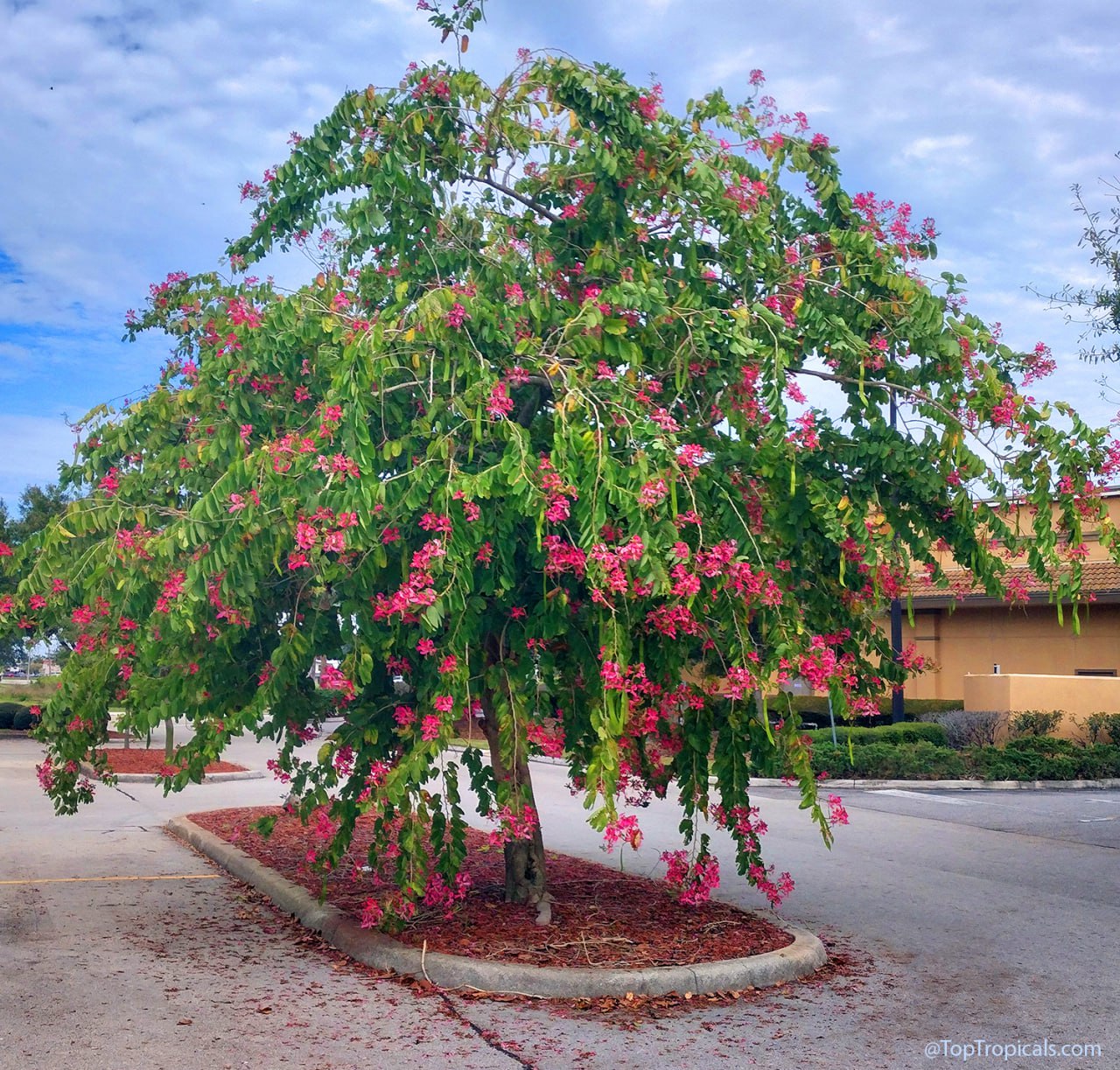
🌸 If you visit Florida in winter, chances are you will notice a tree covered in orchid-like flowers and wonder what it is. That tree is often an orchid tree, most commonly Bauhinia purpurea. It is fast growing, wide spreading, and blooms from late winter through spring, sometimes with a second round in summer. The flowers range from magenta to lavender, are lightly fragrant, and stand out even from a distance. The leaves are just as distinctive - split into two halves like butterfly wings, which is why these trees are also called butterfly trees.
🌸 Orchid trees are easygoing and practical. They thrive in full sun, tolerate many soil types as long as drainage is good, and need little water once established. Growth is quick, often 2–3 feet per year, making them excellent shade trees for hot climates. The flowers attract bees, butterflies, and hummingbirds, and in some cultures the buds and blossoms are used in cooking, while the bark has a long history in folk remedies. Beautiful, useful, and low maintenance, orchid trees are a perfect fit for Southern landscapes.