Garden Blog - Top Tropicals

Date: 22 Jan 2026

This old-school tropical fruit is making a quiet comeback: Eggfruit - Canistel

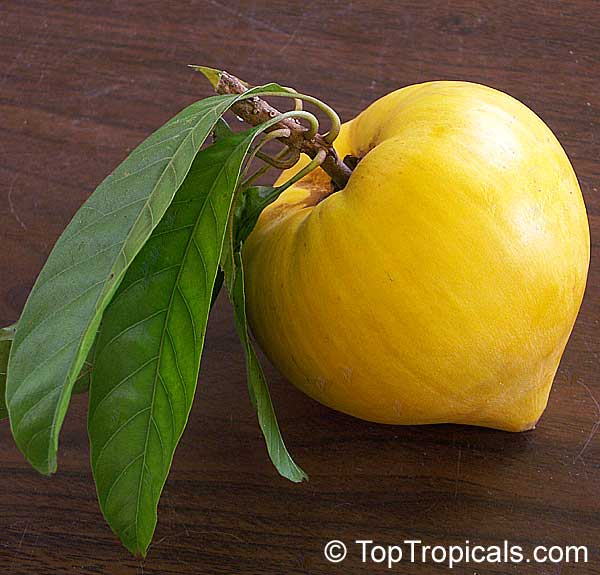
Canistel - Pouteria campechiana, Egg Fruit

💛 This old-school tropical fruit is making a quiet comeback: Eggfruit - Canistel

❓✔️ The tropical fruit that feels like dessert but isn’t junk: FAQ
  • 💛 What is canistel fruit?

  • Canistel is the fruit of Pouteria campechiana, often called Egg Fruit because its texture resembles a cooked egg yolk. It has dense, yellow flesh and a naturally sweet, custard-like flavor.
  • 💛 Is canistel a high-energy fruit?

  • Yes. Canistel contains complex carbohydrates that provide steady, long-lasting energy instead of quick sugar spikes. It is a good choice for active days or when you need sustained fuel.
  • 💛 Does canistel help you feel full?

  • It does. The thick texture and fiber content make canistel very satisfying, helping you feel full with smaller portions.
  • 💛 Can canistel support weight management?

  • Canistel is filling and naturally sweet, which can help reduce cravings for processed desserts and snacks.
  • 💛 Is canistel easy to digest?

  • Yes. Its soft, pasty texture is gentle on the stomach and often well tolerated by people with sensitive digestion.
  • 💛 How does canistel benefit skin health?

  • Canistel provides beta-carotene and vitamin C, which support skin renewal, elasticity, and overall skin appearance.
  • 💛 Does canistel help with muscle function?

  • Yes. It contains potassium and other minerals that support muscle function and help reduce fatigue after physical activity.
  • 💛 Is canistel good for brain health?

  • Canistel supplies iron and B vitamins that support oxygen delivery and mental clarity, especially during periods of fatigue.
  • 💛 Does canistel support healthy aging?

  • Its antioxidants help protect cells from oxidative stress, which plays a role in aging and long-term wellness.
  • 💛 Is canistel just a snack fruit?

Not at all. Canistel is a functional fruit used in custards, smoothies, baked goods, spreads, and even savory dishes, offering both nutrition and comfort-food satisfaction.

🛒 Plant Egg Fruit - Canistel Tree

📚 Learn more:

#Food_Forest #Remedies #Discover

🟢 Join 👉 TopTropicals
Date: 22 Jan 2026

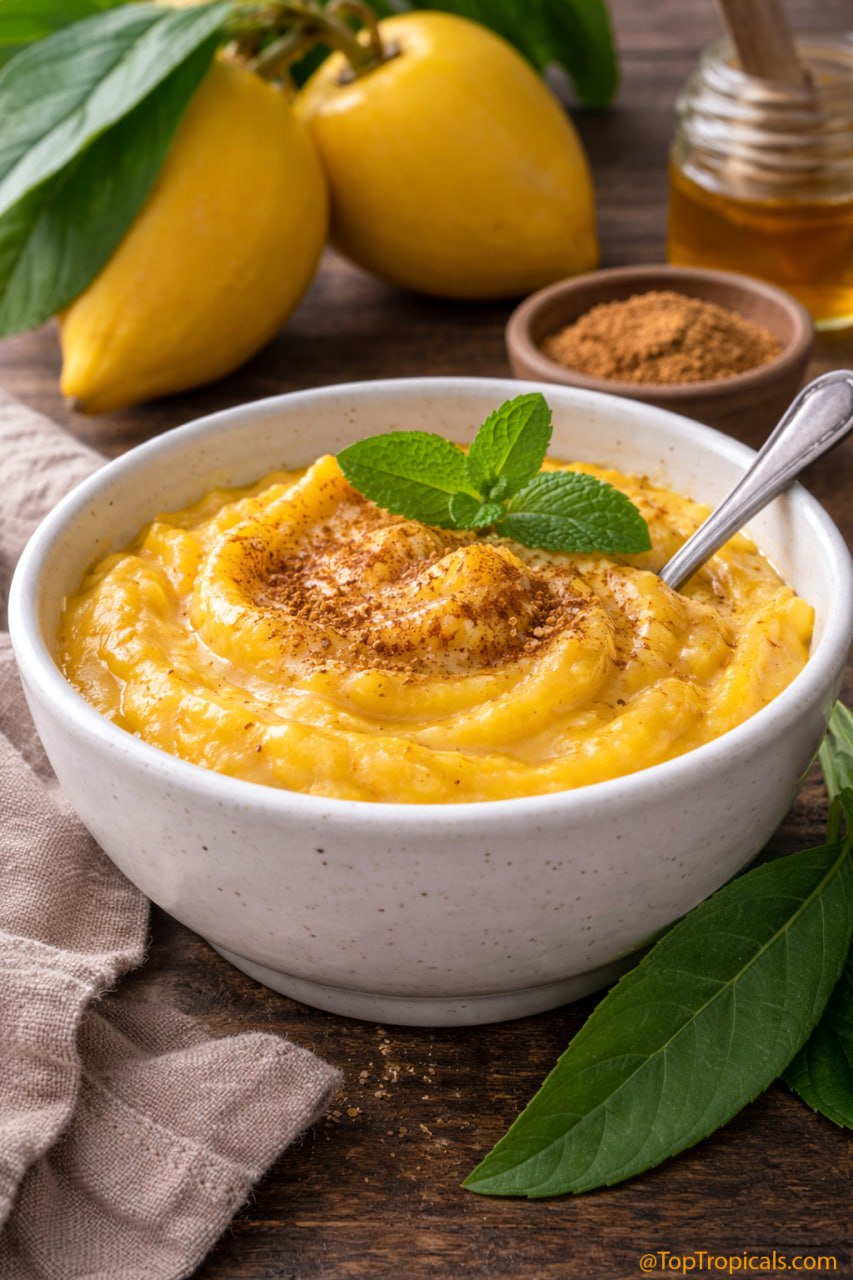
Canistel breakfast mash: quick-n-fun exotic recipes

Canistel breakfast mash

Canistel breakfast mash

Canistel - Pouteria campechiana, Egg Fruit

Canistel - Pouteria campechiana, Egg Fruit

🍴 Canistel breakfast mash: quick-n-fun exotic recipes
  • 🟡Mash canistel flesh with a spoon of milk until custard-like.
  • 🟡Serve with a sprinkle of cinnamon on top.


🌿 About the plant:
Canistel (Pouteria campechiana), often called Eggfruit, has dense yellow flesh with a flavor reminiscent of sweet potato, pumpkin, and custard. It is naturally rich and filling, which is why it is often used mashed, blended, or cooked.

🌱 In the garden:
Canistel is a tough, drought-tolerant tropical fruit tree that performs well in warm climates. It prefers full sun, well-drained soil, and minimal fuss once established. Compact growth and heavy production make it well suited for edible landscapes and container growing.

🛒 Add to your garden:

📚 Learn more:

#Food_Forest #Recipes

🟢 Join 👉 TopTropicals

Date: 22 Jan 2026

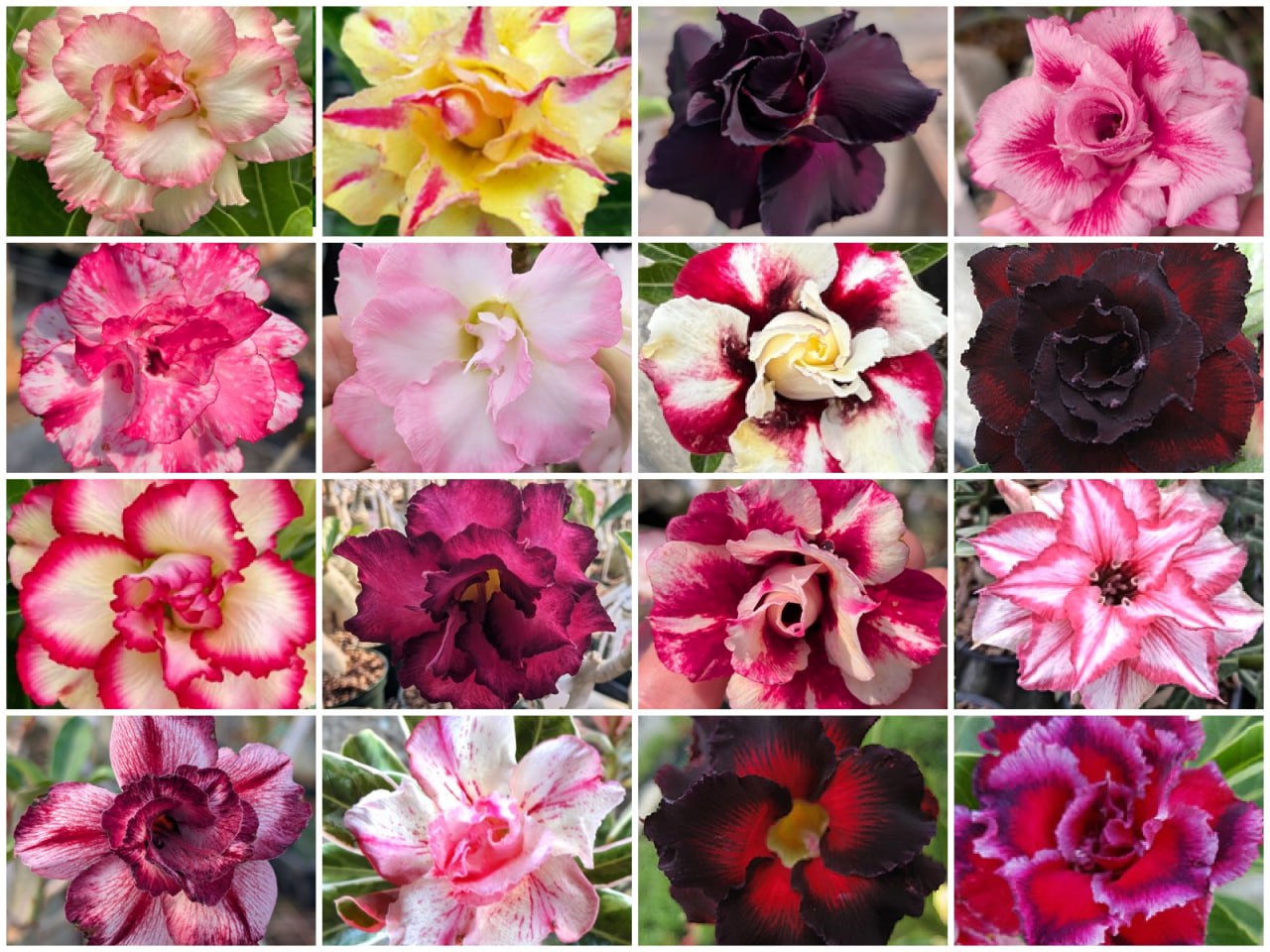
Free shipping on Exotic Adenium Desert Roses - limited time!

Adenium hybrids

Adenium hybrids

🆓 Free shipping on Exotic Adenium Desert Roses - limited time!

🛍 One week only, all adenium desert roses ship FREE!
  • 🌸 Perfect time to grab the varieties you have been eyeing or add a few more to your collection.
  • 🌸 Many selections are limited and selling quickly. Orders are filled first come, first served.
  • 🌸 We will pack all your adeniums together and ship them safely in one big box for you (or many boxes if that's what it takes) - with free shipping on us!
  • 🌸 Don’t wait on this one. When they’re gone, they’re gone. While supply lasts.


🛒 Explore collectible Adeniums

📚 Learn more:

#Container_Garden #Adeniums #Shade_Garden

🟢 Join 👉 TopTropicals

Date: 21 Jan 2026

Watch cats lining up to try the bag

Cat James Coconuts, Riki, Niki

🐈 Watch cats lining up to try the bag

"Anyone who is waiting faster than you is impatient. Anyone waiting slower than you has no life." - George Carlin

🐈📸 Cat James Coconuts and Riki are waiting in line to try on the bag that Niki discovered at PeopleCats.Garden

#PeopleCats #Quotes

🟢 Join 👉 TopTropicals

Date: 21 Jan 2026

Ice Cream Bean cool fluff: quick-n-fun exotic recipes

Ice Cream Bean cool fluff

Ice Cream Bean cool fluff

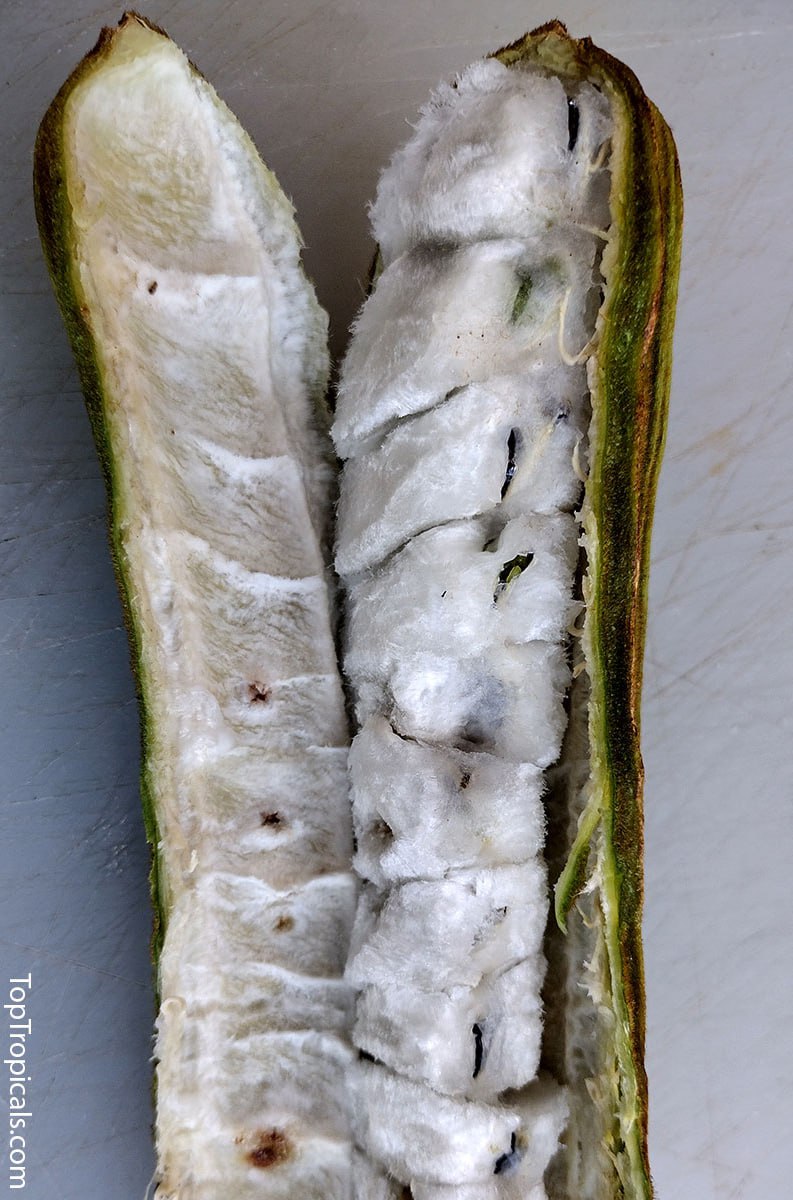
Ice cream bean tree (Inga edulis) - fruit

Ice cream bean tree (Inga edulis) - fruit

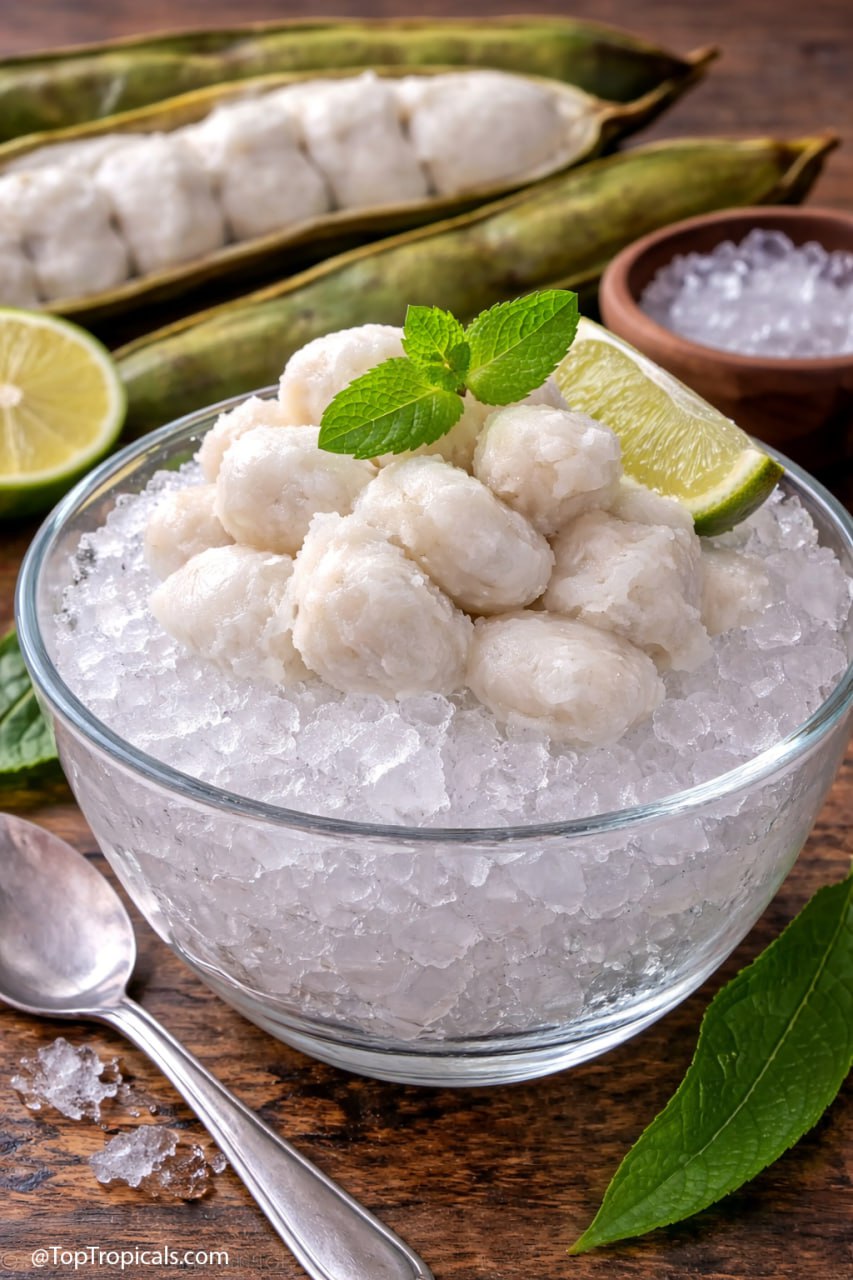
🍴 Ice Cream Bean cool fluff: quick-n-fun exotic recipes
  • 🔵Scoop the sweet white pulp from the pods.
  • 🔵Remove seeds (and plant more Ice Cream Bean Trees)
  • 🔵Chill the pulp and serve over crushed ice for a natural shaved-ice treat.


🌿 About the plant:
Ice cream bean (Inga edulis) produces long pods filled with sweet, cottony white pulp surrounding dark seeds. The flavor is mild, vanilla-like, and naturally creamy. The pulp is eaten fresh and used as a natural dessert across South and Central America.

🌱 In the garden:
Inga edulis is a fast-growing tropical tree with lush foliage and nitrogen-fixing roots that improve soil health. It is a perfect tree for a quick shade solution in just one season. While large in the ground, it can be managed with pruning in home orchards.

🛒 Plant Ice Cream Bean tree

📚 Learn more:

#Food_Forest #Recipes

🟢 Join 👉 TopTropicals

Date: 20 Jan 2026

The best printer cover

Cat James Coconuts

😎 The best printer cover

"Nature does not hurry, yet everything is accomplished." - Lao Tzu

🐈📸 Cat James Coconuts working as a printer cover at TopTropicals Office of PeopleCats.Garden

#PeopleCats #Quotes

🟢 Join 👉 TopTropicals

Date: 20 Jan 2026

7 steps for a care-free Spanish Tamarind - the easiest rare fruit to grow

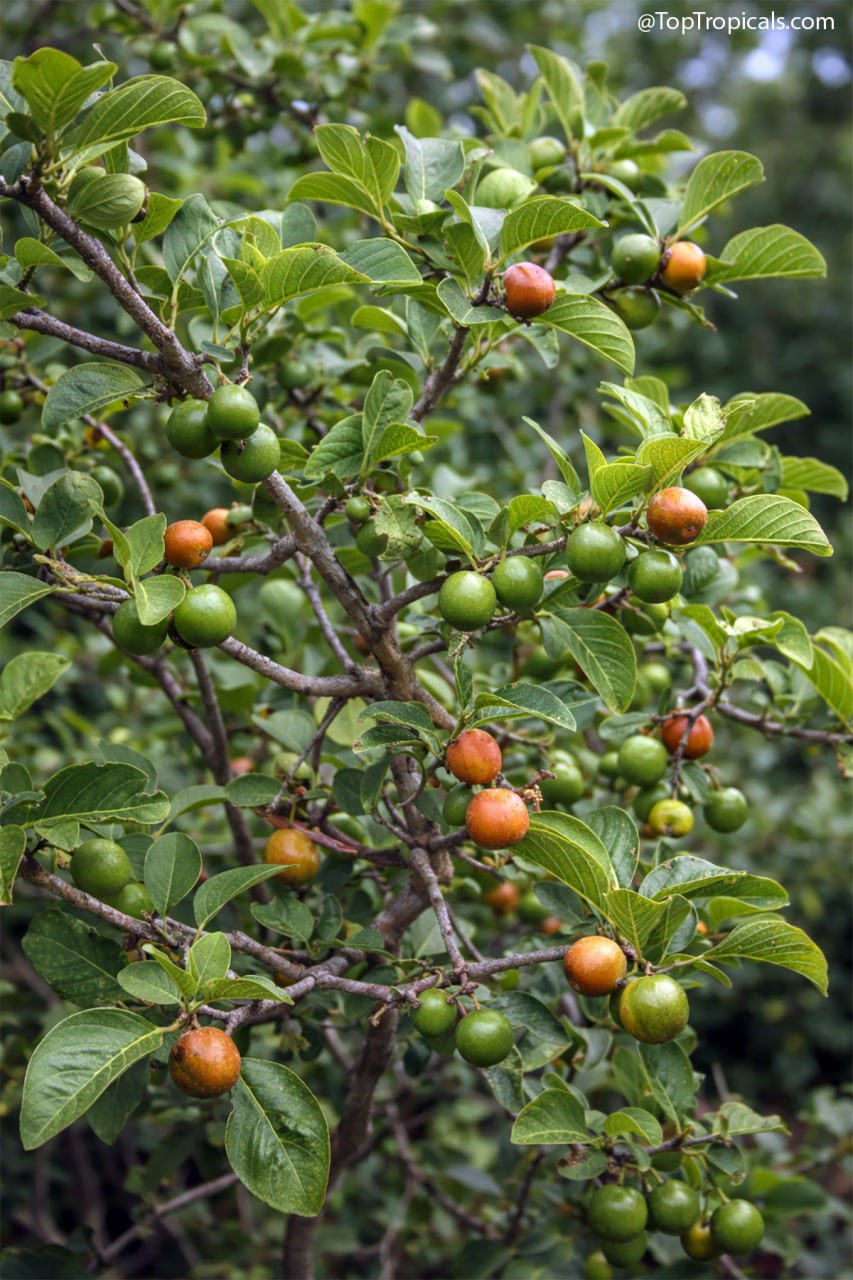
Vangueria infausta (Spanish Tamarind, Wild Medlar)

Vangueria infausta (Spanish Tamarind, Wild Medlar)

🍊7 steps for a care-free Spanish Tamarind - the easiest rare fruit to grow

Yes, it can handle light frost - Vangueria infausta (Spanish Tamarind, Wild Medlar) - we just discovered it can handle cold snaps! After a few cold nights in January, our young tree planted just a few months ago, still looks happy and strong!
If you are looking for a tough little fruit tree that thrives on neglect but gives you something truly special in return - try this rare, compact fruit tree. Spanish Tamarind is native to southern Africa, it is drought-tolerant, pest-resistant, and surprisingly cold-hardy once established - making it a great choice even for gardeners in borderline zones.

Here’s how to grow this resilient gem:

🌞 Sun and soil

Spanish Tamarind loves full sun, but will tolerate light shade. It isn’t picky about soil as long as it drains well - sandy, rocky, or loamy, it will grow just fine. No special amendments needed.

💧 Watering

Once established, it's very drought tolerant, but young trees need regular watering to develop a deep root system. In containers, water when the top inch of soil is dry. In the ground, water deeply but infrequently.

❄️ Cold tolerance

Now for the surprise: while it’s considered a tropical fruit, Wild Medlar can handle brief dips into the mid-30s F without damage, especially when mature and dormant. In Sebring, FL, we’ve seen this tree shrug off light frosts with no protection!
And what makes this even more impressive? The tree has beautiful, lush velvet leaves - soft to the touch and tropical in appearance - yet surprisingly hardy for such large, tender-looking foliage.
  • · Young plants should be protected the first couple winters
  • · Grow in containers if you’re in USDA zone 8 or lower
  • · A little mulch around the base helps stabilize soil temps in winter


Growing in pots

This tree is very compact and does well in containers. Use a large, well-drained pot and a loose soil mix. Keep it outside in spring through fall, then bring it indoors before a hard frost. It grows slowly and stays compact for years, making it a great fit for patios or balconies.

🍊 When to expect fruit

With enough sun and time, your tree can start fruiting in 2-3 years. Mature trees can bear 20-40 small round fruits per season, ripening to a golden-brown with a tangy-sweet flavor. The fruiting season may vary depending on your local climate, but typically occurs in late summer to fall.

🛠 Maintenance? Almost none.
  • · No special pruning needed (except to shape)
  • · No major pests or diseases reported
  • · Tough and low-maintenance in the landscape


🏆 Final thought: grow it for the surprise

Spanish Tamarind - Wild Medlar - is a tree that rewards patience. It's unusual, beautiful in its own scruffy way, and packs a punch with cold tolerance, drought resistance, and tasty fruit. Spanish Tamarind belongs in every experimental garden or food forest - especially if you love growing things no one else in the neighborhood has.

🛒 Add rare Spanish Tamarind to your rare fruit collection

📚 Learn more:

#Food_Forest #Remedies #Discover

🟢 Join 👉 TopTropicals
Date: 20 Jan 2026

Smokey and Sunshine

Anthropomorphic
Sunshine: Newsletter?
Smokey: Yes.
Sunshine: Another article?
Smokey: No.
Sunshine: Advice?
Smokey: Also no.
Sunshine: Just plants?
Smokey: Just plants. New arrivals and top picks by our horticulturist
Sunshine: Perfect. I just enjoy the plants and coffee. Hope everyone reading does too.

Shop new arrivals

Date: 19 Jan 2026

You dont need to buy Gin any more!

Gin Berry, Glycosmis pentaphylla, Orangeberry, Limonia

🍸 You don't need to buy Gin any more!
  • 🍸Guess what is this fruit that tastes like Gin - it's Gin Berry, Glycosmis pentaphylla. It's also called Orangeberry, or Limonia, and is one of those plants that surprises people the moment they touch it. Crush a leaf or rub one of the ripe berries, and the scent is unmistakable - fresh, citrusy, pure gin! Just add tonic.
  • 🍸 Why the berries smell like gin?

  • The leaves and berries are packed with aromatic oils rich in citrus terpenes, similar to compounds found in juniper and citrus peel. That shared chemistry is what creates the gin-like fragrance. It smells clean, sharp, and refreshing - more aroma than sweetness.
  • 🍸 A lesser-known citrus cousin

  • Gin Berry belongs to the Rutaceae family, the same plant family as oranges, lemons, limes, and Curry leaf. You can see it in the glossy leaves and smell it in the oils, but the growth habit is different. Instead of becoming a tree, Gin Berry stays a compact, evergreen shrub.
  • 🍸 Edible, but fragrance-forward

  • The small berries are edible and lightly sweet-tart, though most people notice the aroma before the flavor. In parts of South and Southeast Asia, the fruit is eaten fresh, added to chutneys, or used to scent drinks and infusions. It is subtle and aromatic rather than juicy.
  • 🍸 Traditional uses and health benefits

🔸Gin Berry has a long history in folk medicine, especially in in Hindu medicine.
  • 🔸Leaves used in teas for digestion and fevers
  • 🔸Roots traditionally used for inflammation and pain
  • 🔸Modern studies note antimicrobial and antioxidant activity

  • 🍸 Easy garden and container plant

🔸Evergreen shrub with shiny leaves
  • 🔸Naturally compact and easy to prune
  • 🔸Small white flowers with a light fragrance
  • 🔸Clusters of decorative berries
  • 🔸Excellent for pots, patios, and warm climates
  • 🔸Attracts pollinators, and birds enjoy the berries.


🍸 Why Gin Berry stands out
Gin Berry sits right between ornamental and edible. It has the citrus-family fragrance people love, stays manageable in size, and offers a unique sensory experience that most gardeners have never seen - or smelled - before.

🛒 Add Gin Berry to your rare fruit collection

#Food_Forest #Fun_facts #Remedies

🟢 Join 👉 TopTropicals

Date: 19 Jan 2026

Brave iTembie in the forest

iTembie, the South African brave cat

iTembie, the South African brave cat

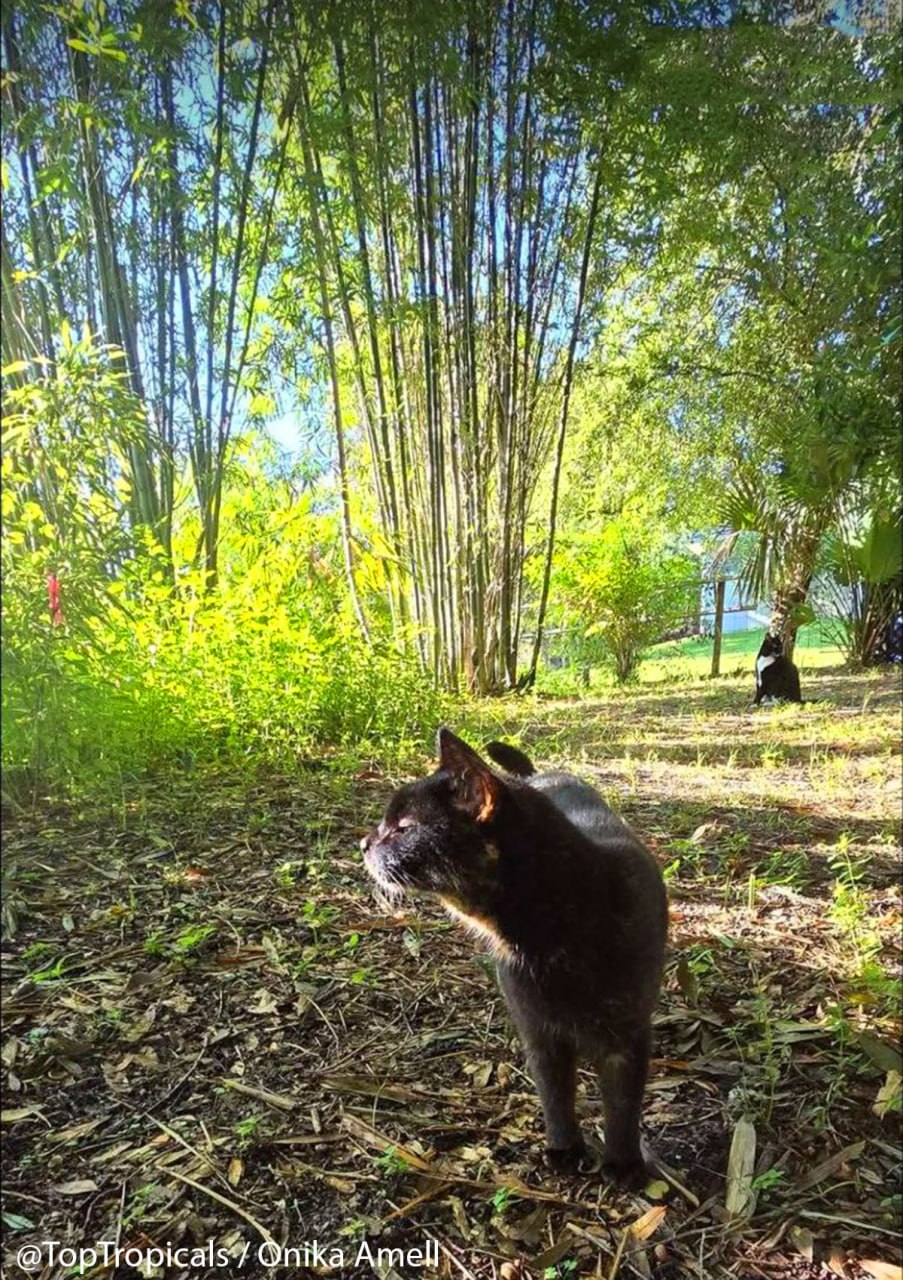
🐈 Brave iTembie in the forest

🐈📸 This is iTembie, the South African brave cat, who took the plane all alone to America.
TopTropicals PeopleCats.Garden

#PeopleCats

🟢 Join 👉 TopTropicals