Garden Blog - Top Tropicals

Date: 13 Apr 2024

Grow your own Olive Oil
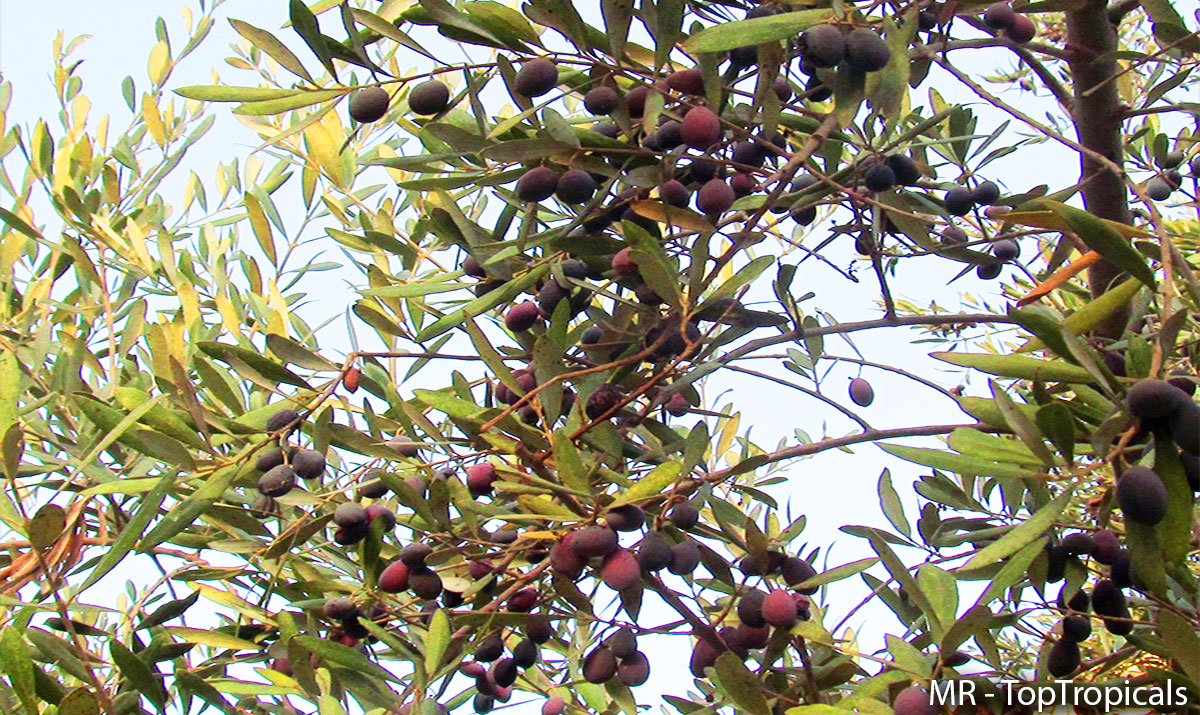
Branch of olives

Q: Can I grow an olive tree in Florida and have my own olives? How long does it take to fruit?

A: Olive trees can indeed thrive and fruit in various regions of Florida. Their adaptability to different climates makes them suitable for the state's diverse conditions. In the northern and central parts of Florida olive trees can flourish.

Easy to grow. Olive trees prefer well-drained soil, and they thrive in full sun, which Florida offers in abundance. While they may not produce as prolifically as in their native Mediterranean habitats, with proper care and suitable varieties, such as Arbequina, Coratina and Leccino, you can still enjoy a bountiful harvest.

Cold hardy. One advantage of olive trees in Florida is their cold hardiness. They can withstand occasional frosts and freezes, particularly when they are mature.

Heat- and drought-tolerant. Olive trees also offer additional benefits beyond their fruit production. They are drought-tolerant once established, making them well-suited to Florida's sometimes erratic rainfall patterns.

Beautiful in landscape. Evergreen foliage of olive trees adds aesthetic appeal to landscapes year-round, and their gnarled trunks and silvery-green leaves create a Mediterranean ambiance reminiscent of warmer climates.

Fertilize for quick fruit. Olives will start flowering within 1-2 years of planting, providing regular fertilizing program. We recommend Sunshine Boosters C-Cibus liquid fertilizer, perfect for edibles and organic gardens.

Symbol of Prosperity. The olive branch has long been revered for its symbolic significance, representing peace, prosperity, and hope across cultures and centuries. It transcends mere botanical importance to embody the enduring power of goodwill.

Healthy Olive Oil. Similarly, olive oil, extracted from these timeless fruits, has been celebrated not only for its culinary excellence but also for its remarkable health benefits. Rich in antioxidants and heart-healthy fats, olive oil has sustained generations with its nourishing properties, earning it a cherished place in both culinary traditions and holistic wellness practices worldwide. So, whether adorning Olympic crowns or enriching Mediterranean cuisine, the olive and its offerings continue to inspire and enrich our lives with their timeless allure and profound significance.

Get your own Olive tree today!

Read more: How to grow a nice Olive tree fast?
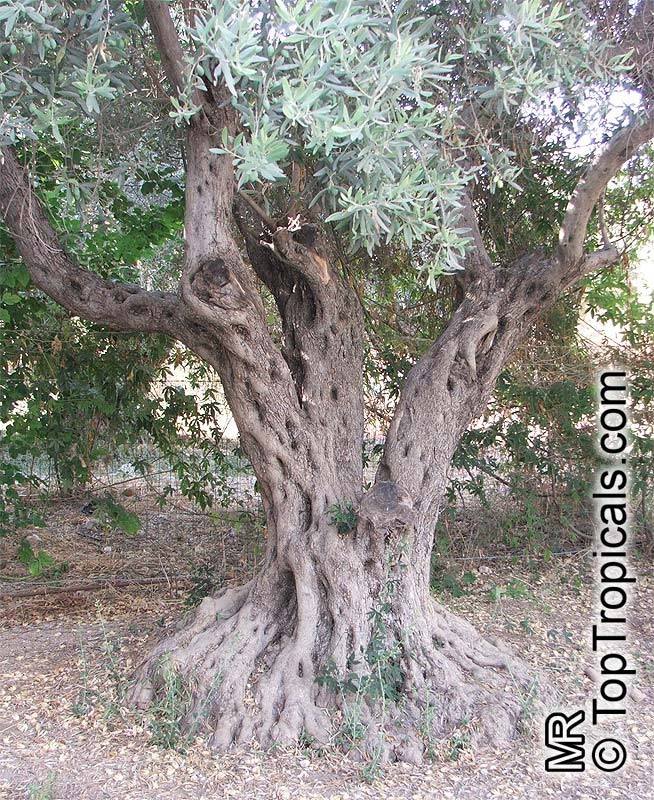
Large olive tree

Date: 19 Jan 2022

Avocado Q & A

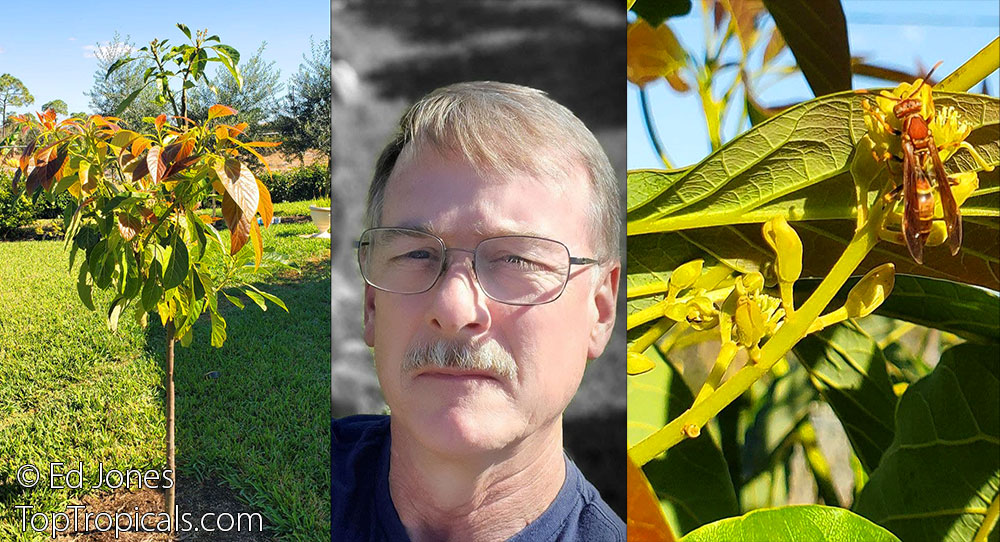
Sensation: Avocado 2.5 y.o seedling just bloomed!

Ed's Avocado seedling blooming at age 2.5 years old... Go figure!

Q: Can I plant a seed from a store bought avocado and expect it to bear fruit?

A: Avocados grown from seed do not always come true, meaning being the same as the avocado that produced the seed being planted. Also, avocados grown from seed will take upwards of 8 years to flower and bear fruit unless grown by Ed Jones and his witchcraft. Ed Jones, the Avocado Guy... Yes, he is also the Mango Guy, and the Booster Guy... We don't know how he does it. He grows the most beautiful fruit trees, many of them from seed and they all seem to flower within two years! (See his blogs about his Star Fruit, Olive trees, and video about Shaping Mango Trees). All we know for sure, he uses Sunshine Boosters for all his plant experiments.
As far as Avocado , we recommend a grafted variety, where a scion, or branch tip, of a known cultivar is grafted to good rootstock. These trees will usually flower right away and bear good amount of fruit within a couple of years of being planted in the ground.
It's a good chance now to get a good grafted Avocado on our special Happy Value Sale while supply lasts, for only $59.95.

Date: 15 Oct 2023

Growing Barbados Cherry in container

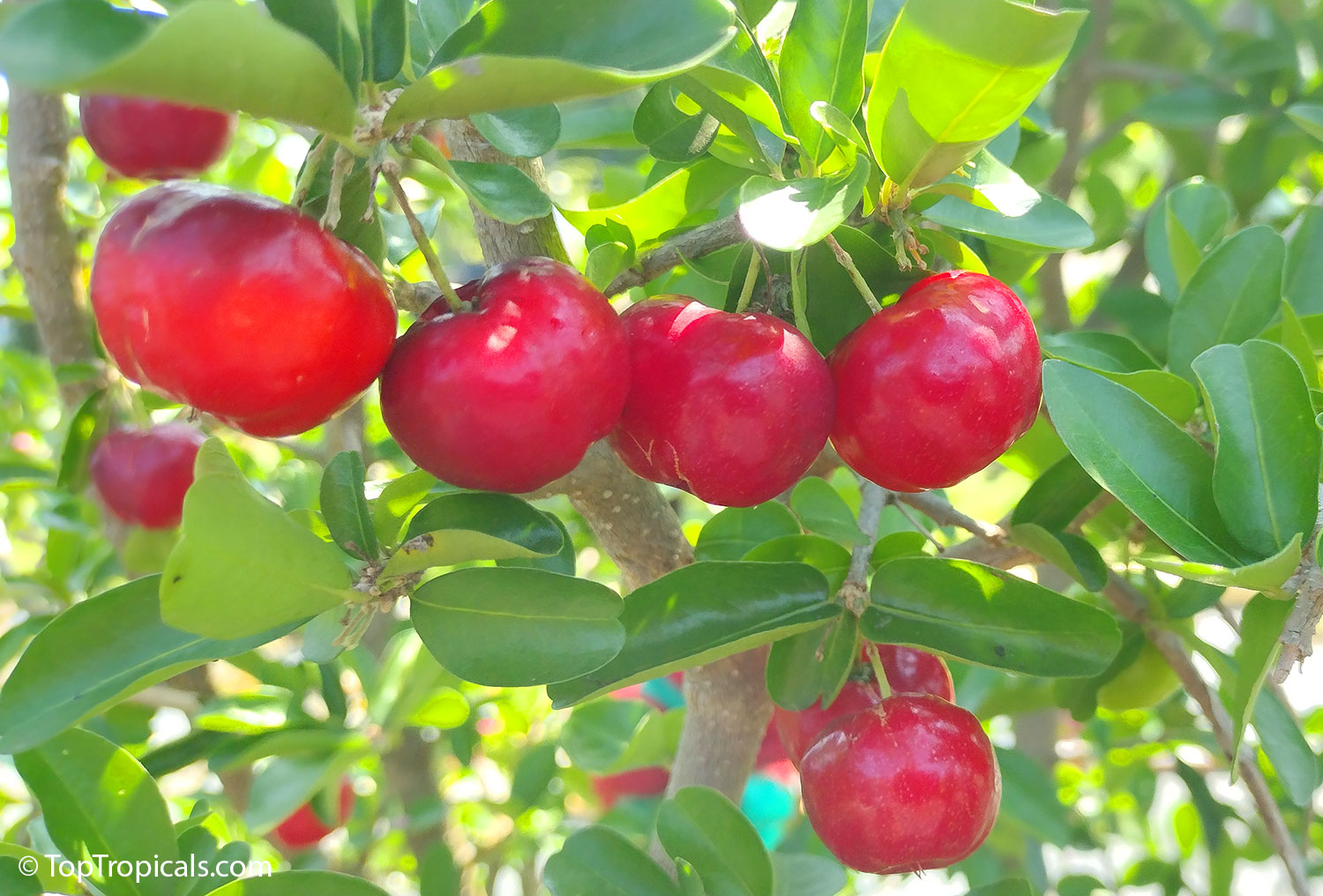
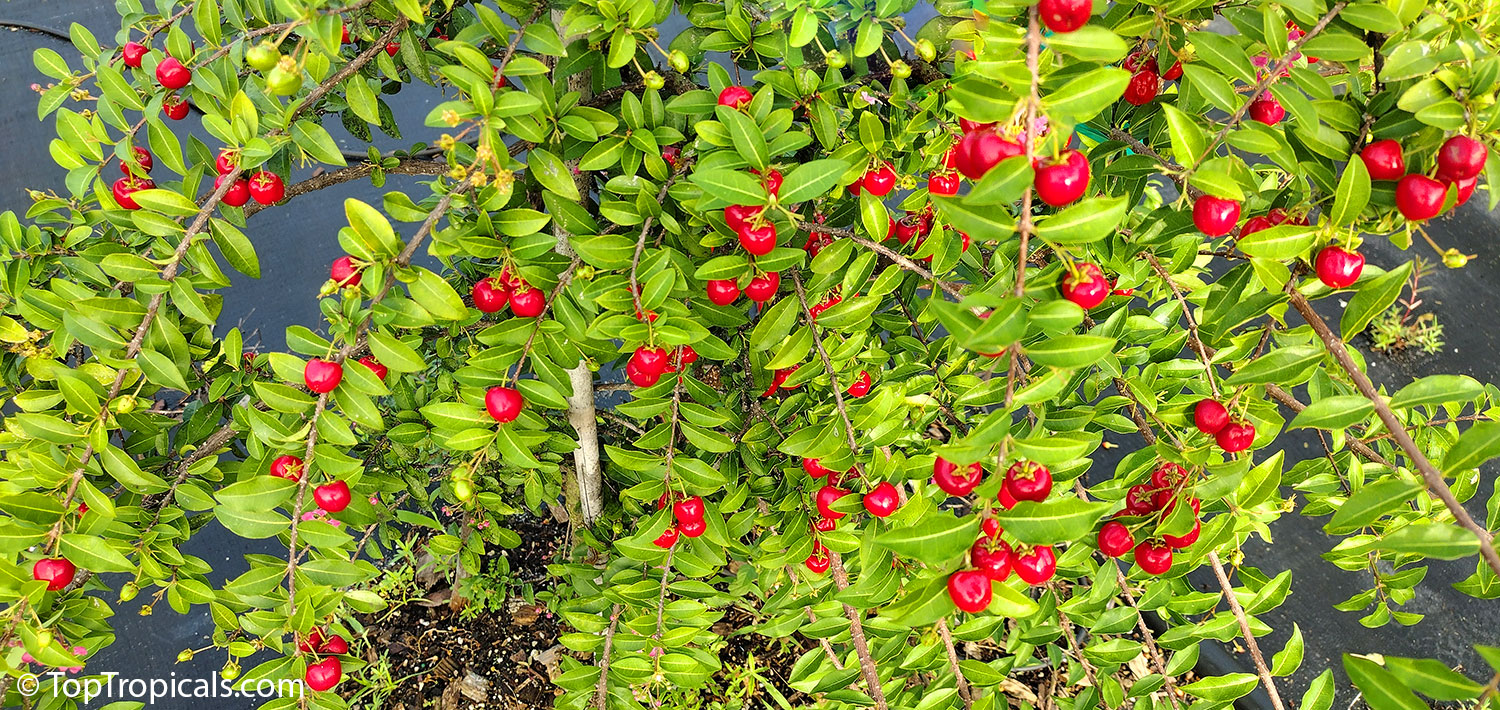
Barbados Cherry fruit on the branch

Q: I am interested in buying some Barbados cherry plants. Could you please advise if these can be grown in containers indefinitely or it's still better for them to be planted in ground for nutrients etc?

A: The Barbados cherry, like other tropical cherry varieties, is exceptionally well-suited for cultivation in containers.

Barbados cherry grows into a dense bush, demands minimal pruning, and begins bearing fruit at a young age. Our plants, which are propagated from cuttings, initiate the flowering and fruiting process in the very same year. They produce fruit almost year around. This year we've had three big crops: April, July and October (still fruiting now!) besides sporadic fruiting throughout the warm season.

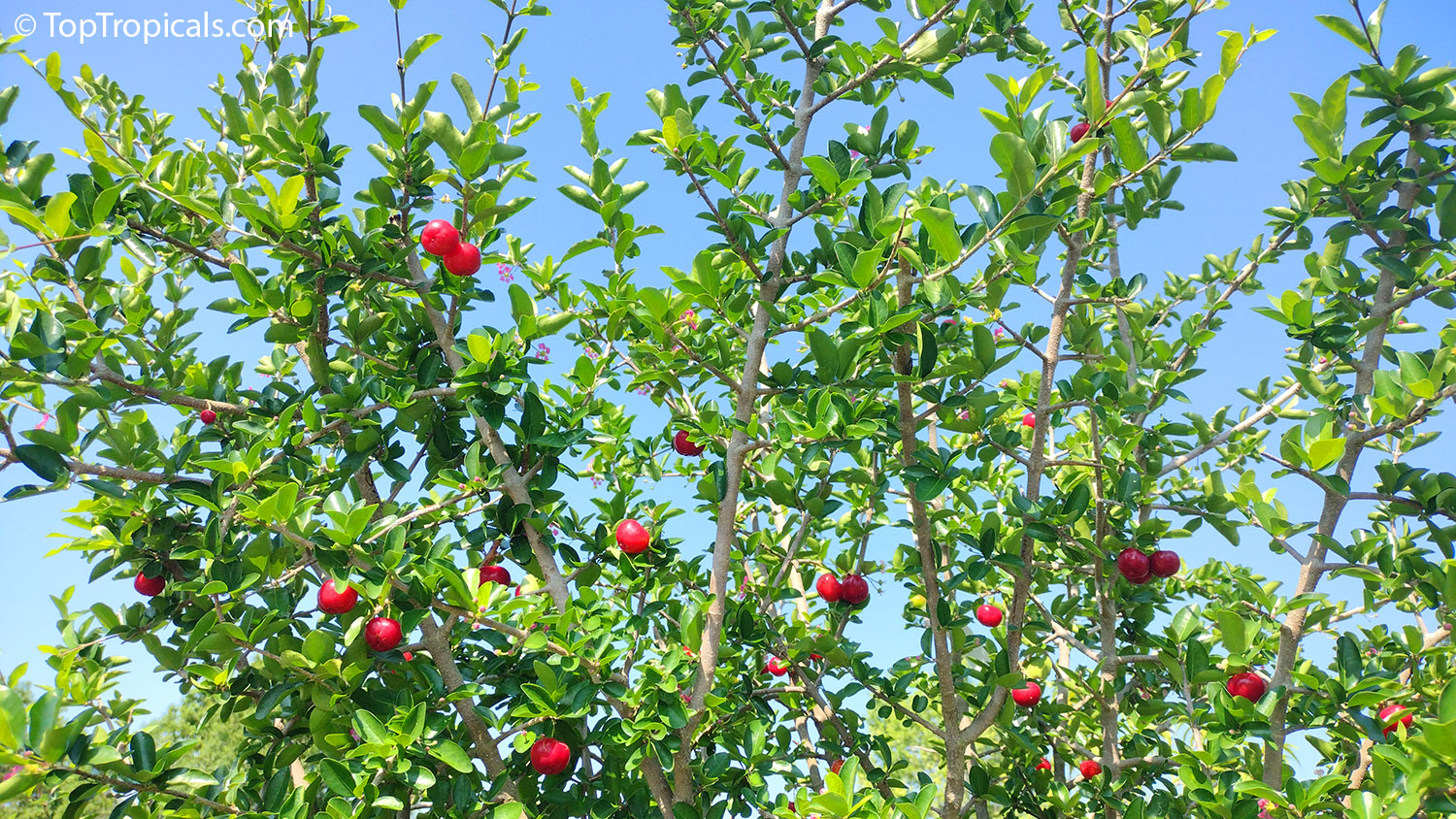
Barbados Cherry branches with fruit

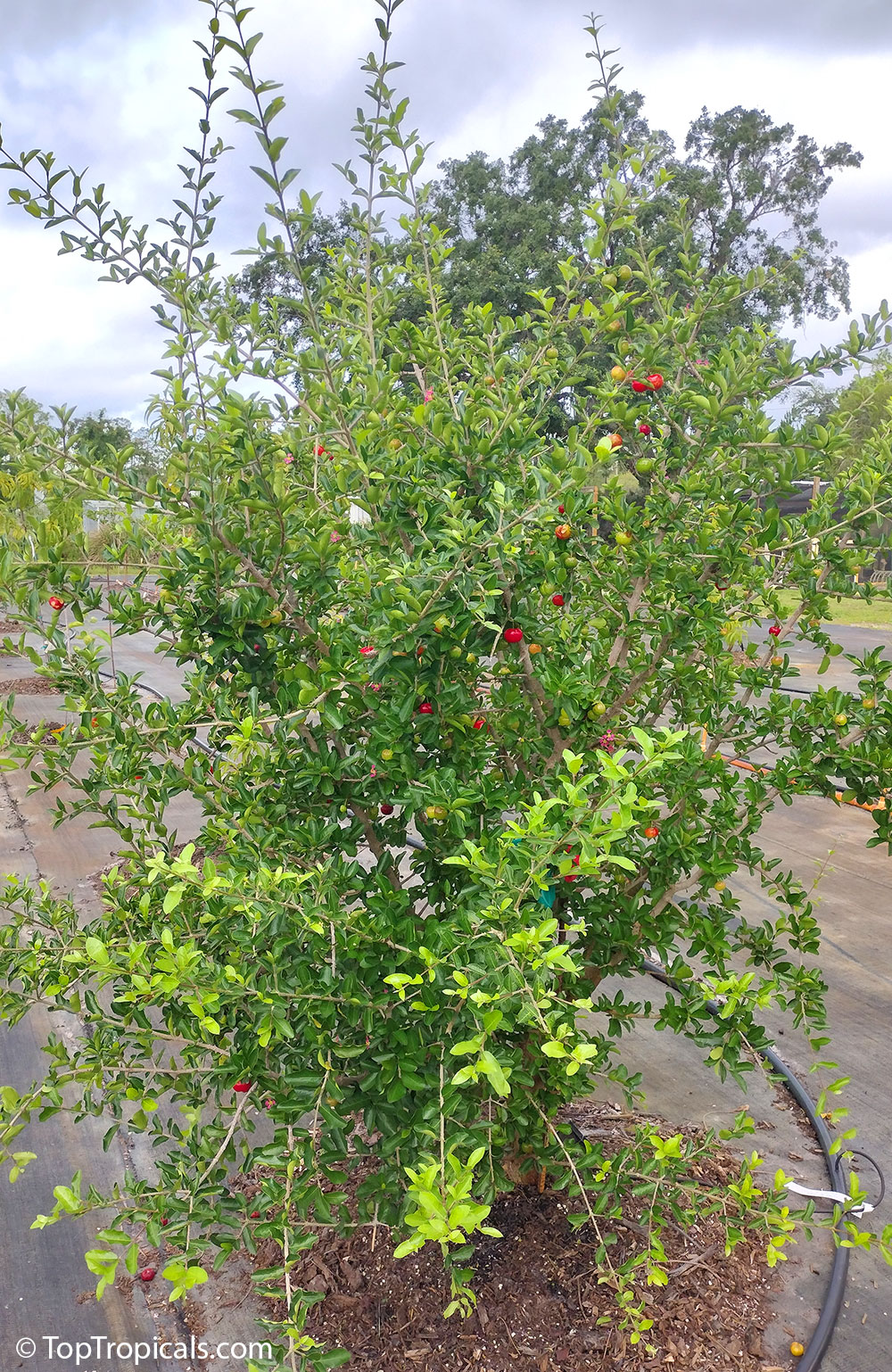
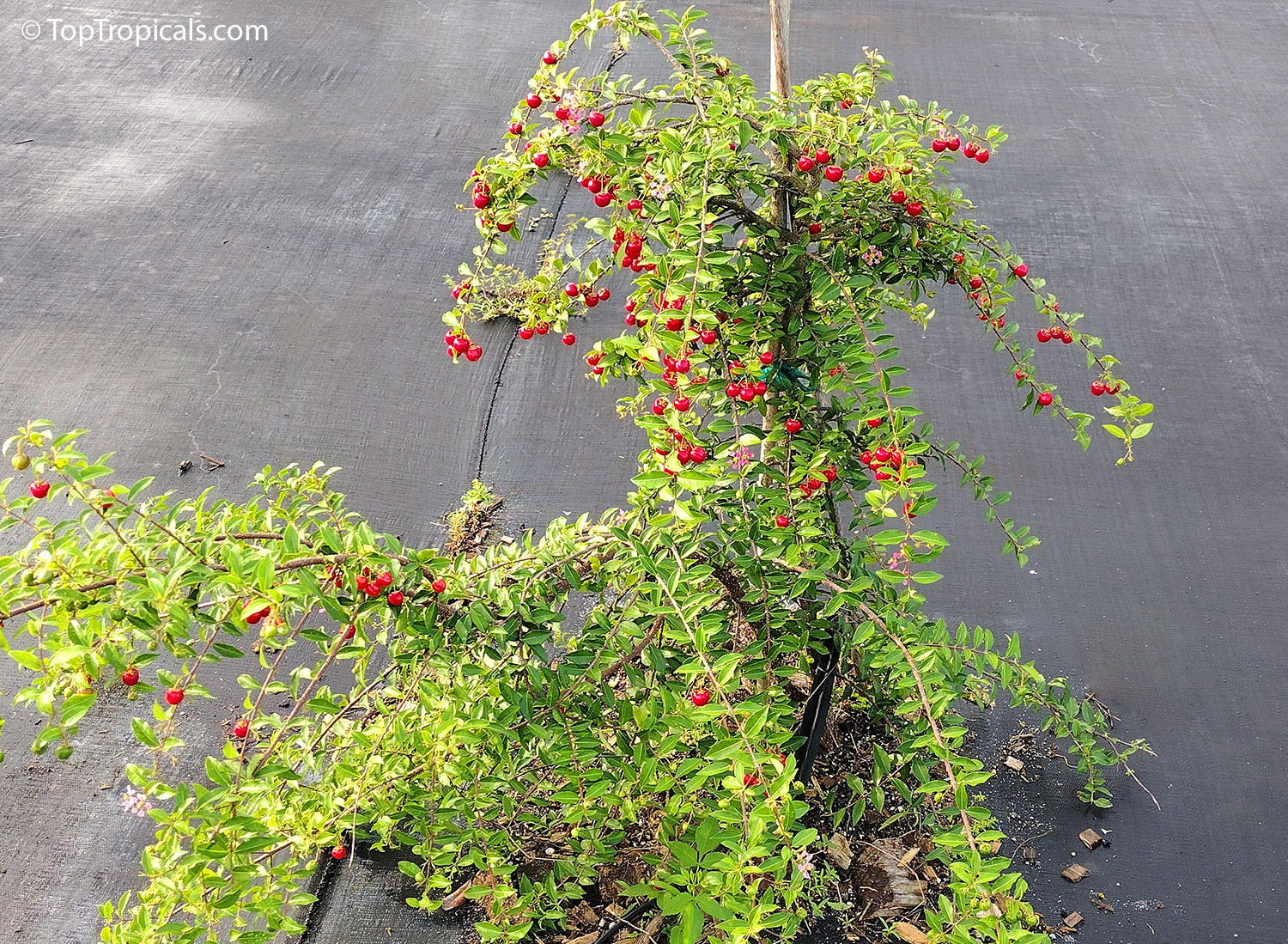
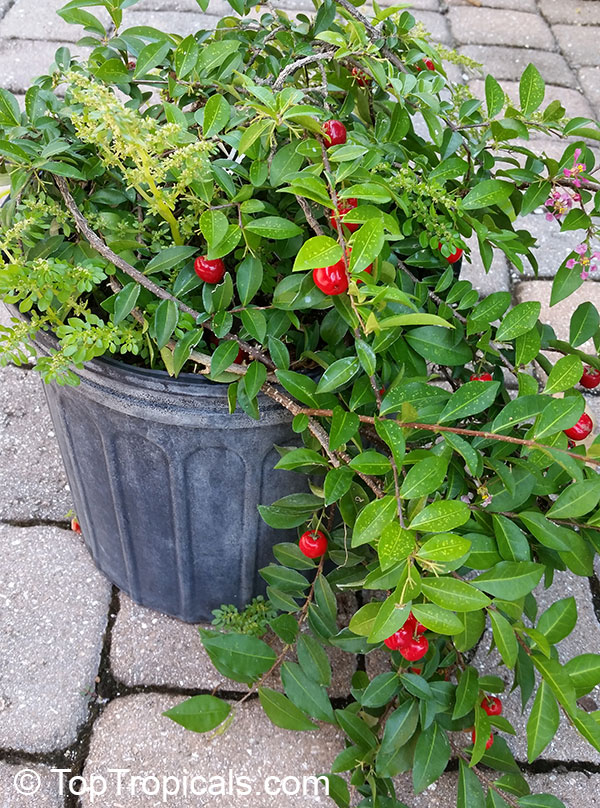
You can cultivate Barbados cherry in a pot, commencing with a 1-3 gallon container and gradually increasing the size each year. Below is a photo of a fully developed tree in the ground, for reference. This tree is approaching its third year of growth. When grown in a container, it maintains a more compact size, with the largest container needed likely being between 7 to 15 gallons. Regular pruning can be employed to keep it smaller.

 Barbados Cherry bush in the ground

Photo above: Barbados Cherry bush in the ground

Barbados cherry (Malpighia) possesses a distinct growth pattern that sets it apart from other tropical cherry varieties - Eugenias. Malpighia's branches can assume peculiar shapes, even at angles of up to 90 degrees. Therefore, pruning to achieve the desired shape is advantageous.

Additionally, you may want to explore the Dwarf Barbados cherry, a miniature cherry variety ideal for container cultivation, with cascading growth habit. Although its fruits are slightly smaller than those of the regular variety, they are notably sweeter.

Dwarf Barbados Cherry branches with fruit

Photo above: Dwarf Barbados Cherry fruit

When it comes to ensuring the health and vitality of your potted Barbados cherry plants, maintaining a consistent nutrient supply is crucial. Implementing a regular fertilization regimen is essential to promote robust growth, consistent flowering, and bountiful fruit production. For optimal results, we recommend using Sunshine Boosters, which are specially formulated to enhance the development of fruits and edibles. These boosters are derived from organic amino acids, making them environmentally friendly and safe for year-round use. By incorporating Sunshine Boosters C-Cibus into your plant care routine, you can ensure that your container-grown Barbados cherry plants receive the essential nutrients they need to thrive and flourish.

Barbados Cherry in the ground

Photo above: Dwarf Barbados Cherry in the ground

Barbados Cherry in a pot

Date: 24 Jun 2018

TopTropicals

URBAN TROPICAL GARDENING:
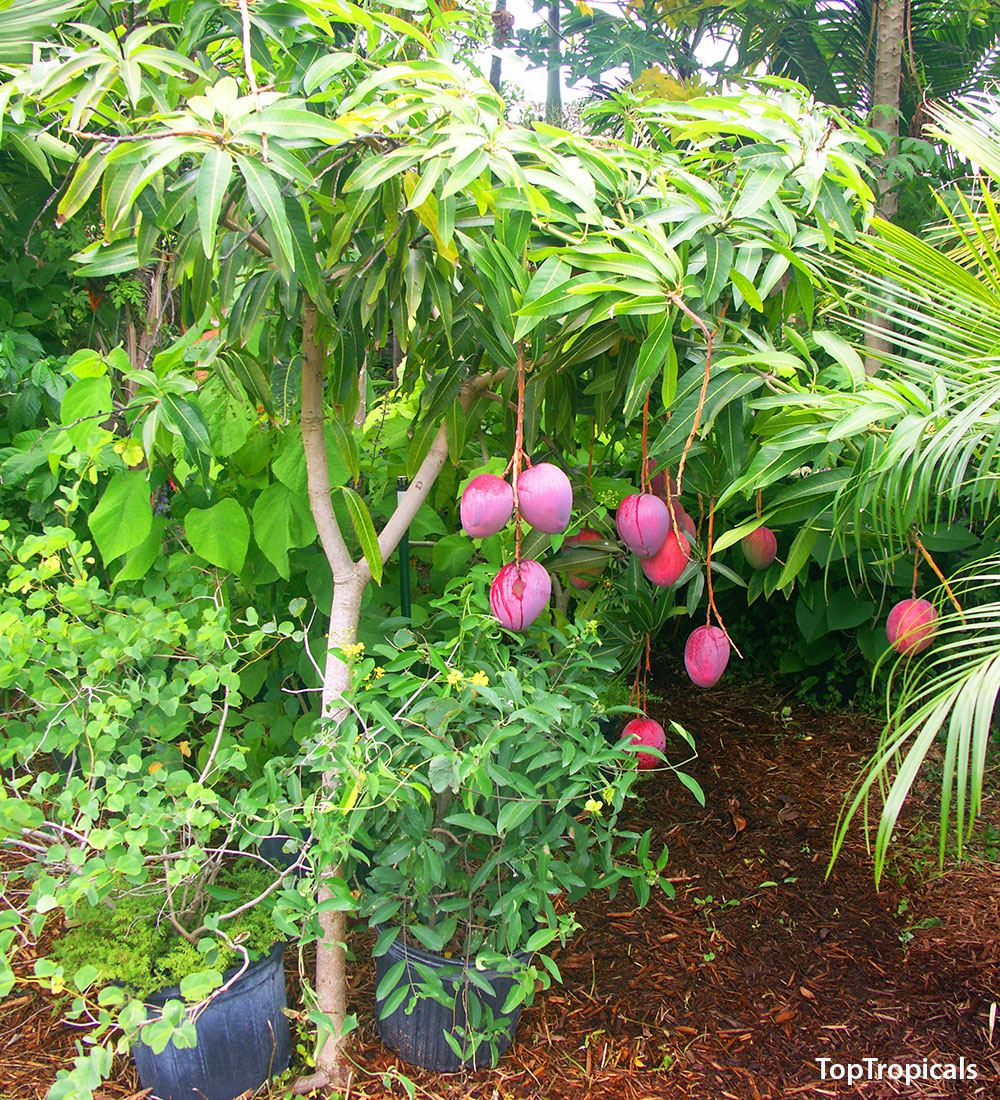
10 secrets of successful Container Mango growing on a balcony.

Q: I live in Miami in apartment on a second floor, and I have a balcony with SE exposure. I wonder if I can grow a mango tree in a pot? Will it fruit for me? I recently moved to South Florida and I don't know much about tropical plants; but I tasted real fiberless mangos from someone's garden - it was so delicious and different from those in the grocery store. I wonder if I can have a fruiting tree on my balcony? And if yes, how do I plant and take care of it?

A: Yes, you can! Here is what you need to do:
1) Temperature. You are lucky to live in Tropics, keep it on a balcony year round.
2) Light. Position the pot in a spot with the most sun exposure. Mango trees can take filtered light too, but the less sun, the less fruit you will get.
3) Soil and Container. Use only well drained potting mix. Step up the purchased plant into next size container (3 gal into 7 gal, 7 gal into 15 gal). When transplanting, make sure to keep growth point (where roots meet the trunk) just at the top of the soil. Covering base of the trunk with soil may kill the plant.
4) Water. Water daily during hot season, but only if top of soil gets dry. If it still moist, skip that day. Mangoes (unlike Avocados!) prefer to stay on a dry side.
5) Fertilizer. Use balanced fertilizer once a month, 1 tsp per 1 gal of soil. Do not fertilize during fruiting - this may cause fruit cracks.
6) Microelements. Apply SUNSHINE-Superfood once a month. This will help your mango healthy, vigorous, and resistant to diseases. Use SUNSHINE-Honey to make your fruit sweeter.
7) Insect control. Watch for scales and mealybugs, clean with solution of soapy water + vegetable oil (may need to repeat 2-3 times with 10 days interval), or with systemic insecticide like imidacloprid only as needed (if non-harsh treatment didn't help). Most Flea shampoo for dogs contain that chemical, you may try that shampoo solution.
8) Trimming. Once potted, do not remove leaves that are discolored or have spots until new growth appears. Dark dots on mango leaves, especially in humid climate like Florida, may be signs of fungus. Treat with fungicide according to label, and remove only badly damaged leaves. Trim crown as needed after flowering and fruiting (by Fall). Train into a small tree, and you may remove some lower branches eventually.
9) Flower and fruit. Mangoes are winter bloomers with bunches of tiny flowers coming in thousands. Many of them set fruit (if pollinating insects present). Keep in mind that young trees can only bare a few fruit. Normally a tree will drop excessive fruit and keep only a few that it can manage. To save the young tree some energy, remove fruit if too many and leave only 2-3 for the first year. It will pay you next year with more abundant crop.
10) Variety. Last but not least: Choose the right variety for container culture! Pick from "condo" dwarf varieties such as Icecream, Nam Doc Mai, Carrie, Cogshall, Julie, Fairchild, Pickering, Graham, Mallika, and a few others - check out Mango Chart pdf and full list of our Mango varieties.

Date: 27 Apr 2020

How to feed a Mango tree...
and to grow a Dwarf Mango

How to fertilize a Mango tree

Q: My mango trees that I bought and planted last august now have fruit. I bought 2 types of fertilizer from you and never used it. Should I use your fertilizer now?

A: It is a perfect time now to fertilize your plants as they start active growth. For mango trees, we recommend liquid fertilizer Sunshine Booster - Mango Tango. It is formulated for Mango trees, especially for container grown. It improves quantity and quality of flowers and ability to set fruit, reduces bud-flower-fruit drop. Can be used as often as with every watering. For best results, use in combination with Sunshine Honey and Sunshine Superfood plant supplements. Its scientifically-balanced stable formula is organic Amino-acid based and has NO EDTA chelators to eliminate nutrients lockup; it does not affect crop taste.
Additionally, you may use slow-release granulated fertilizer Mango-Food once a month during hot season only. Dosage: 1 teaspoon per each gal of soil. Water-soluble fertilizers can be also used, however, those are usually EDTA-chelated which is not as efficient as Amono-acid based Sunshine Boosters and may create nutrients build up, especially if overdosed in containers.
For in-ground mango trees, you may use all the above, and slow-release granulated fertilizer can be applied in larger quantities: spread a handful around the drip line.

Remember that only liquid Sunshine Boosters can be applied year around. With other fertilizers, you need to be careful not to overdose, and apply only during hot weather (when night temperatures are steadily above 65F).

How to grow a Dwarf Mango tree

Q: I received the Ice cream mango tree in great condition (thank you for the ingenious packing job) on Wednesday and have planted it in a pot slightly bigger than the root ball. I plan to grow the tree on my front porch, so how big a container should I ultimately use when the tree outgrows this pot? How big a container does it need to fruit? I hope to keep it around 6-7 feet high, if possible. I live in Hawaii.

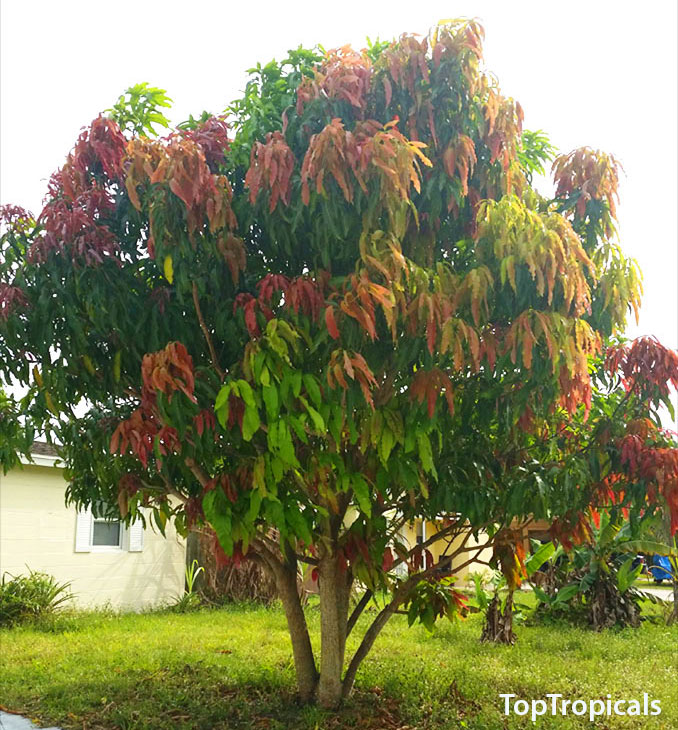
A: Ice Cream mango is a perfect variety for container culture, and it should be happy in Hawaii. You did everything right. Keep it in this small pot for now and wait until it starts vigorous growth in Summer. Once it starts growing (and you will notice roots growing too, sometimes they try to grow through the holes in the bottom of the pot), then it's time to step up into a bigger container (7-10 gal). Eventually you may use container size as large as 15 gal. Ice cream mango is slow growing and compact, and you will be able to maintain it under 7 ft with very minimal pruning if any.