Garden Blog - Top Tropicals

Date: 23 Dec 2023

Butterfly Bush: Fast, Pretty, Low Maintenance...
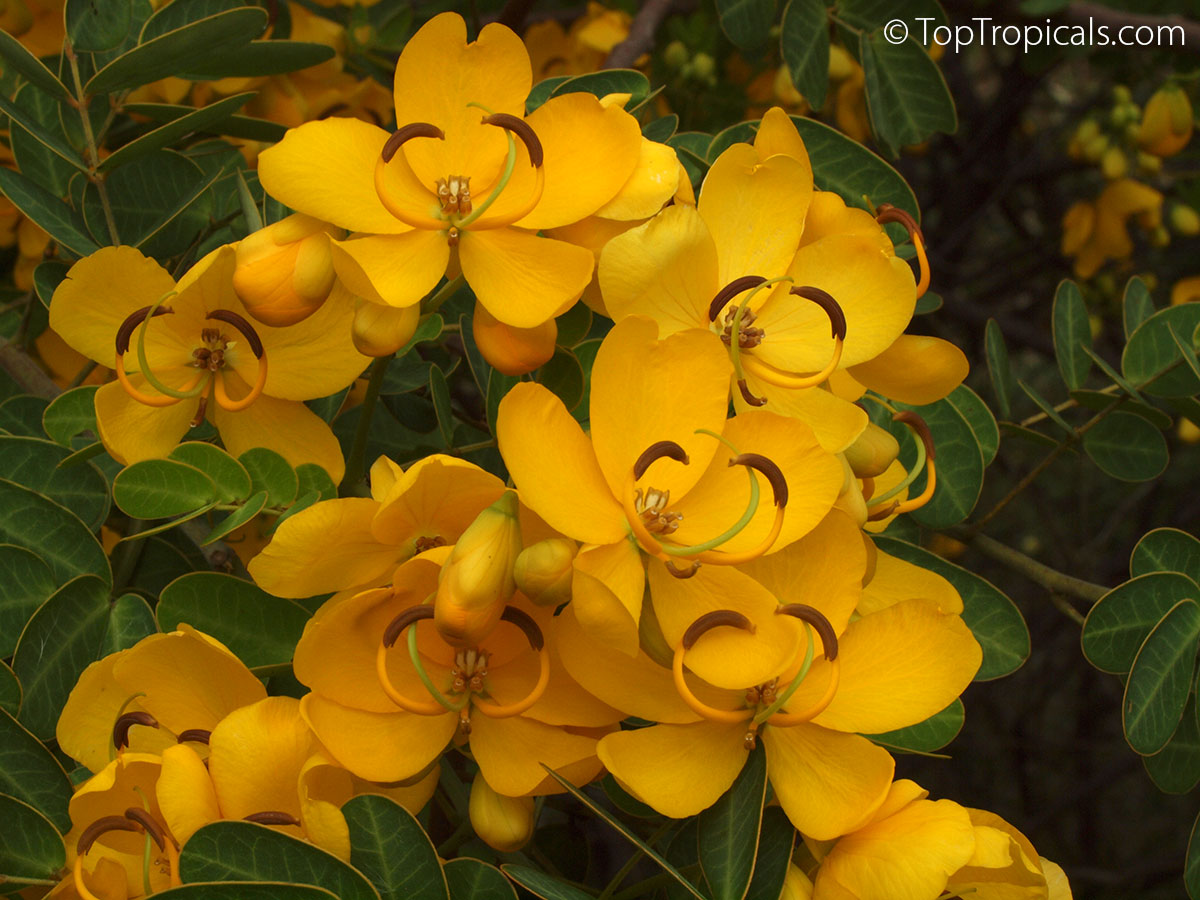
Cassia  (Senna)  bicapsularis  -  Butterfly  Bush

Five unbeatable reasons to plant Butterfly Cassia

Q: I am trying to find some easy flowering shrub to screen the ugly corner of my neighbor's yard, can you suggest something fast growing and pretty?

A: One of our favorite flowering shrubs in Florida is the Cassia bicapsularis, commonly known as Scrambled Egg Bush or Butterfly Bush. It is one of the most desirable plants for the southern landscape. It has all the benefits any gardener may dream of, whether a beginner or an expert:

1. Very fast growing, can screen unwanted views and create a beautiful flowering hedge. Cassia bicapsularis is known for its rapid growth, making it an excellent choice for quickly transforming an unsightly corner into a vibrant and lush area. Its dense foliage and attractive yellow blooms add both beauty and privacy to your outdoor space.

2. Easy to grow, not fussy about soil or water, drought and flood tolerant, cold tolerant. Butterfly Bush is incredibly adaptable and resilient. It thrives in a variety of soil types, is not demanding when it comes to water, and can withstand both drought and occasional flooding. Additionally, it is cold tolerant and can withstand occasional frosts once established.

3. Blooms for many months, featuring especially in winter flowers from Fall to spring. Very pretty, large "sunny" flowers resembling bright yellow butterflies, hence the name. It is a generous bloomer, gracing your garden with vibrant yellow flowers for an extended period, particularly from fall to spring. The large, sunny blooms not only add visual appeal but also attract pollinators, enhancing the ecological balance of your garden.

4. Attracts lots of butterflies. As the common name suggests, the Butterfly Bush is a magnet for butterflies. If you enjoy the presence of these beautiful winged creatures in your garden, planting Cassia bicapsularis is an excellent way to encourage and support butterfly populations.

5. Low maintenance. Butterfly Bush can be trimmed and controlled at the desired shape if needed, but if you have room for a big bush in a full sun area - just let it go and it will form a nice dense bush without any pruning: this shrub is a low-maintenance delight. While it can be pruned and shaped according to your preferences, it also flourishes when left to grow naturally. Its ability to form a dense and attractive bush without constant pruning makes it an ideal choice for those seeking a fuss-free gardening experience.

If you're looking for a fast-growing, low-maintenance, and aesthetically pleasing solution to screen an unsightly corner, Cassia bicapsularis is an unbeatable choice. It ticks all the boxes for a beautiful and resilient flowering shrub in the southern landscape.

A  lady  standing  next  to  Cassia  (Senna)  bicapsularis  -  Butterfly  Bush

"...Without a doubt, Butterfly Cassia became one of my favorite plants during my visit to Florida for Christmas a few years ago. I only wish I could have taken it back home with me to Latvia. If only my windowsill hadn't already reached its greenhouse capacity!.." - Alex Butova.

To see more options for flowering shrubs, check out the reference chart Hedges with Benefits Chart.

Date: 8 Oct 2025

Blue butterfly pea lemonade: quick-n-fun exotic recipes

Blue butterfly pea lemonade

Blue butterfly pea lemonade

🍴 Blue butterfly pea lemonade: quick-n-fun exotic recipes

  • 🔵Blue butterfly pea flowers (Clitoria ternatea) make an excellent lemonade!
  • 🔵Brew the flowers into a blue tea, add a bit of lemon juice.
  • 🔵Watch the color turn purple like magic!

Blue butterfly pea lemonade

Ingredients

  • 🔵 A handful of blue butterfly pea flowers (Clitoria ternatea)
  • 🔵 Hot water for brewing
  • 🔵 Fresh lemon juice
  • 🔵 Ice cubes and lemon slices for serving

Instructions

  • 🔵 Steep blue butterfly pea flowers in hot water to make deep blue tea.
  • 🔵 Cool and add a splash of lemon juice — watch the color turn purple like magic!
  • 🔵 Pour over ice and garnish with lemon slices.

🛒 Plant Clitoria vine for blue and purple exotic drinks

#Food_Forest #Recipes

🟢 Join 👉 TopTropicals

Date: 16 Mar 2024

Monarch Butterflies Are In Trouble
You Can Help By Planting Milkweed

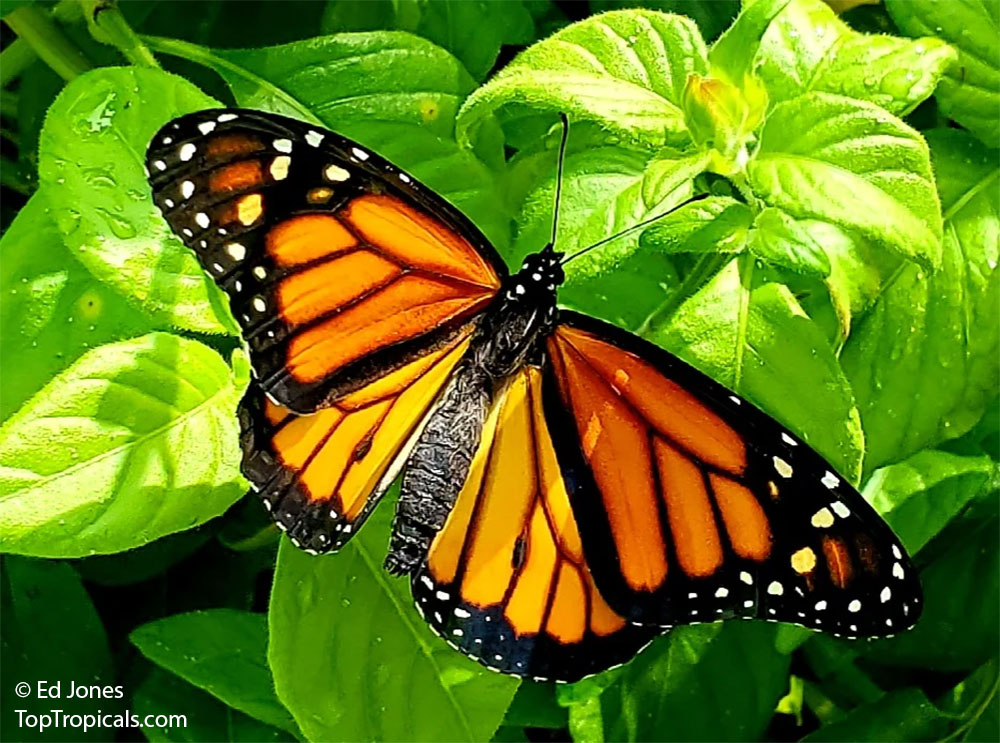
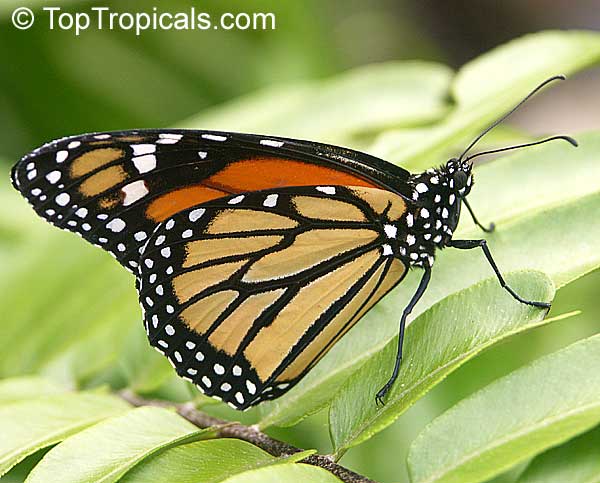
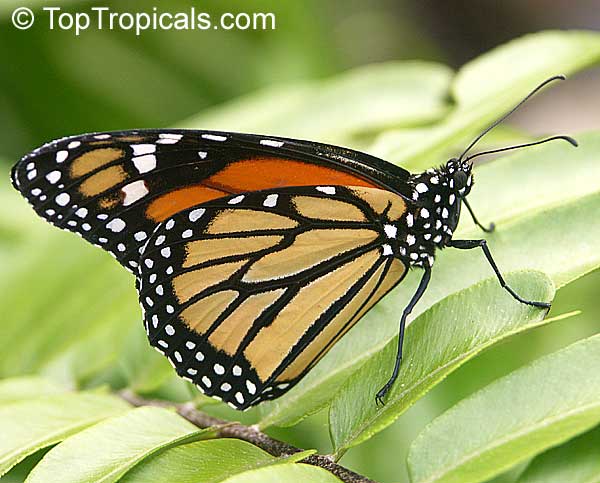
Monarch  Butterfly

Do you want to save butterflies from extinction? This is all you need - embrace the allure of butterfly plants and become a hero for monarchs!

...Ecologists and other scientists have been warning about an 80 percent decline in monarch populations due to habitat loss, pesticides and climate change over the past two decades, but 2024 is a critical year. A recently released annual survey on monarch populations reported a 59.3 percent decrease in population from 2022.
Milkweed plants are one of the best butterfly attractors and they can grow pretty much anywhere. It is a favorite of monarchs, according to Monarch Watch.... (Source: blockclubchicago.org)

Join us in combating the decline of monarch populations by welcoming these graceful creatures into your garden! Discover the beauty of butterfly plants today and help preserve their habitat.

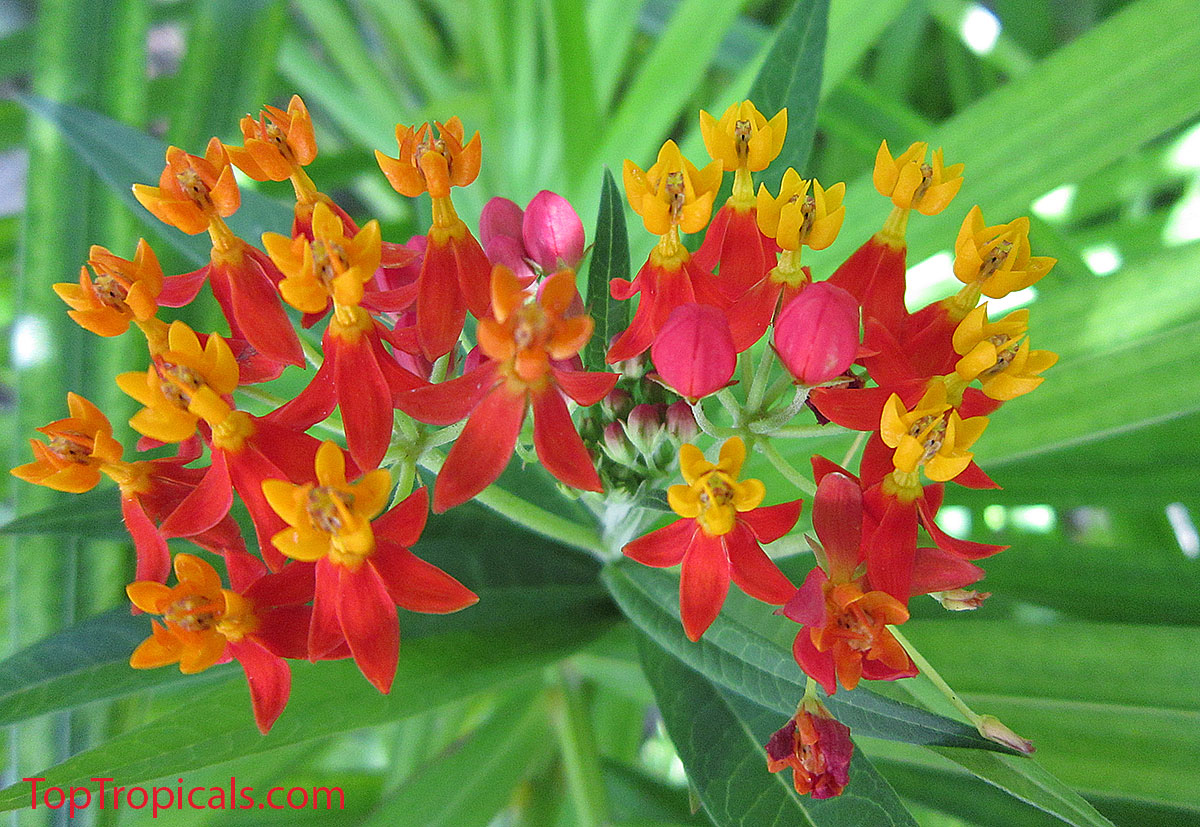
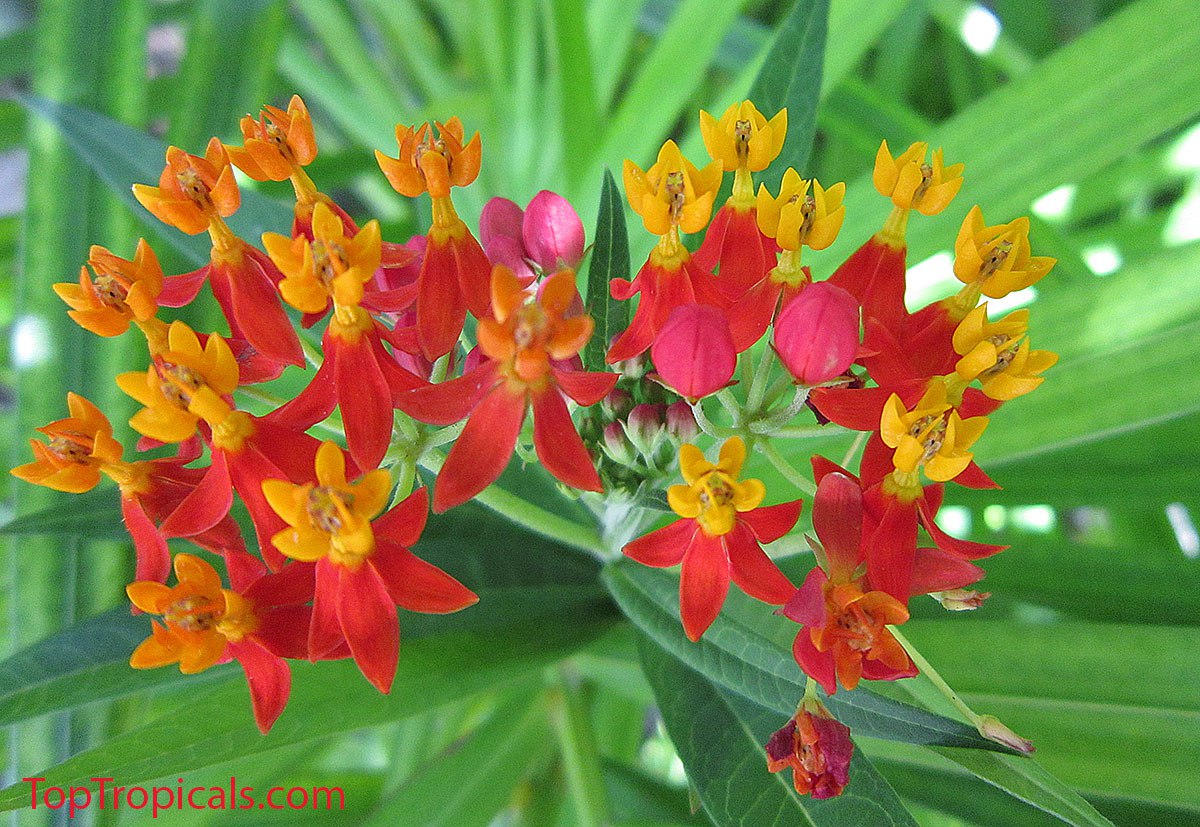
Milkweed

In the photo: Asclepias - favorite plant of all butterflies.

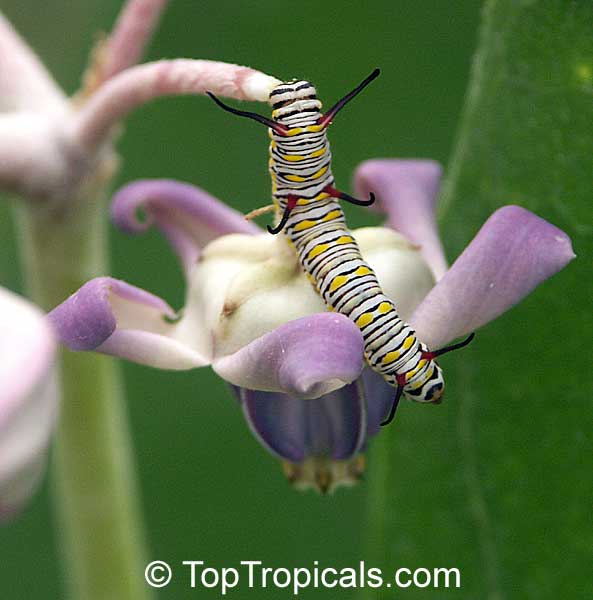
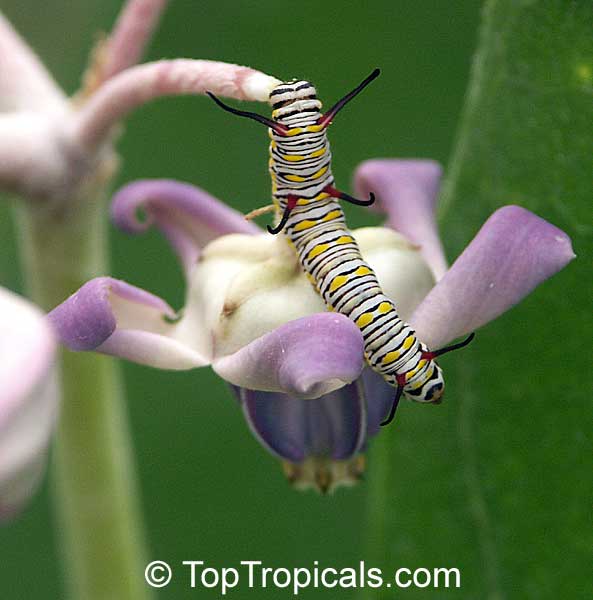
Calotropis  gigantea,  Giant  Milkweed

In the photo: a caterpillar of a future Monarch butterfly climbing up the Calotropis gigantea - Giant milkweed flower, one of the best host plants for Monarch butterfly.

Date: 12 Jul 2022

The Milkweed and the Monarch, how to raise your own

Monarch  butterfly

by Ed Jones, the Booster Guy

...How to attract butterflies in your garden? What plants do butterflies love? How to grow those plants when butterfly larvae keep eating them?...
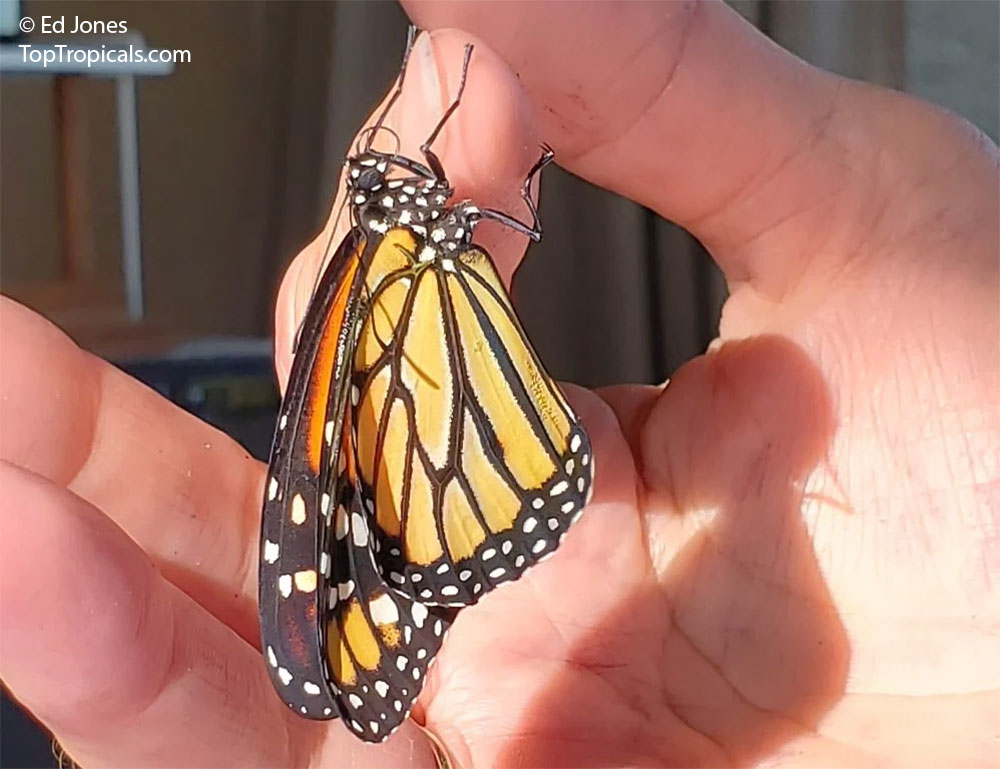
Many gardeners ask these questions and butterfly attracting plants always have been very popular. But did you know that you could actually turn your garden into a little butterfly farm?...
Find out from Ed and Juvonda's butterfly mini-farm experience!
CONTINUE READING >

Monarch  butterfly  on  the  hand

See full list of butterfly attractors

Date: 2 Jun 2024

How to attract more butterflies to your garden?

Monarch Butterfly

Monarch Butterfly

Milkweed

Milkweed

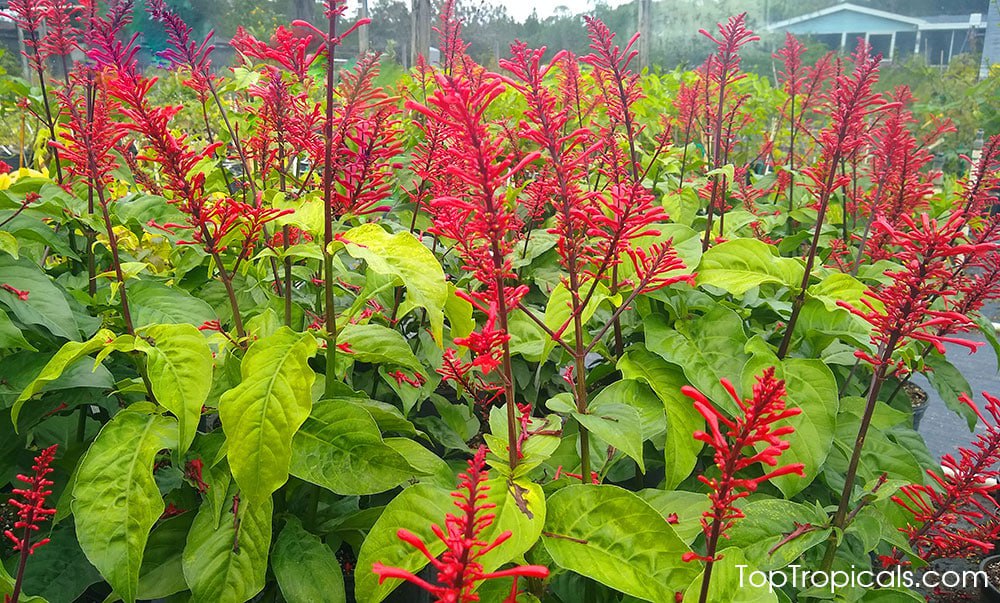
Odontonema

Odontonema

Giant Milkweed

Giant Milkweed

How to attract more butterflies to your garden?

How to attract more butterflies to your garden?


Attracting butterflies to your garden can be a fun and rewarding experience. Here are some tips to help you create a butterfly-friendly environment.
  • 💐 Choose the right plants: butterflies are attracted to nectar-producing flowers such as odontonemas.
  • 💐 Plant lots of bright flowers, especially of yellow and pink colors like some cassias which seem to be the pleasant to butterfly's eye.
  • 💐 Use a variety of flowers to attract different species of butterflies. Check the list of butterfly-attracting tropical plants.
  • 💐 Provide food for caterpillars: butterflies lay their eggs on specific host plants that caterpillars will eat. For example, monarch butterflies lay their eggs on milkweed. Passion flower (Passiflora) and Aristolochia that we introduced earlier, are also great butterfly hosts, but be prepared to sacrifice some leaves!
  • 💐 Provide a water source: butterflies need a source of water to drink from. A shallow dish or birdbath with rocks in it will provide a place for butterflies to rest and drink.
  • 💐 Avoid using pesticides: they can harm butterflies and other beneficial insects. Try using natural methods to control pests in your garden.
  • 💐 Create a sunny spot: butterflies love warm, sunny spots. Plant your butterfly garden in an area that receives at least six hours of direct sunlight each day.
  • 💐 Add a butterfly house to provide shelter for butterflies during bad weather and at night.


📸 Milkweed, Odontonema, Giant Milkweed

🛒 Shop Butterfly Garden

#Butterfly_Plants

🏵 TopTropicals