Garden Blog - Top Tropicals

Date: 15 Aug 2021

How to grow Cerbera and make it flower
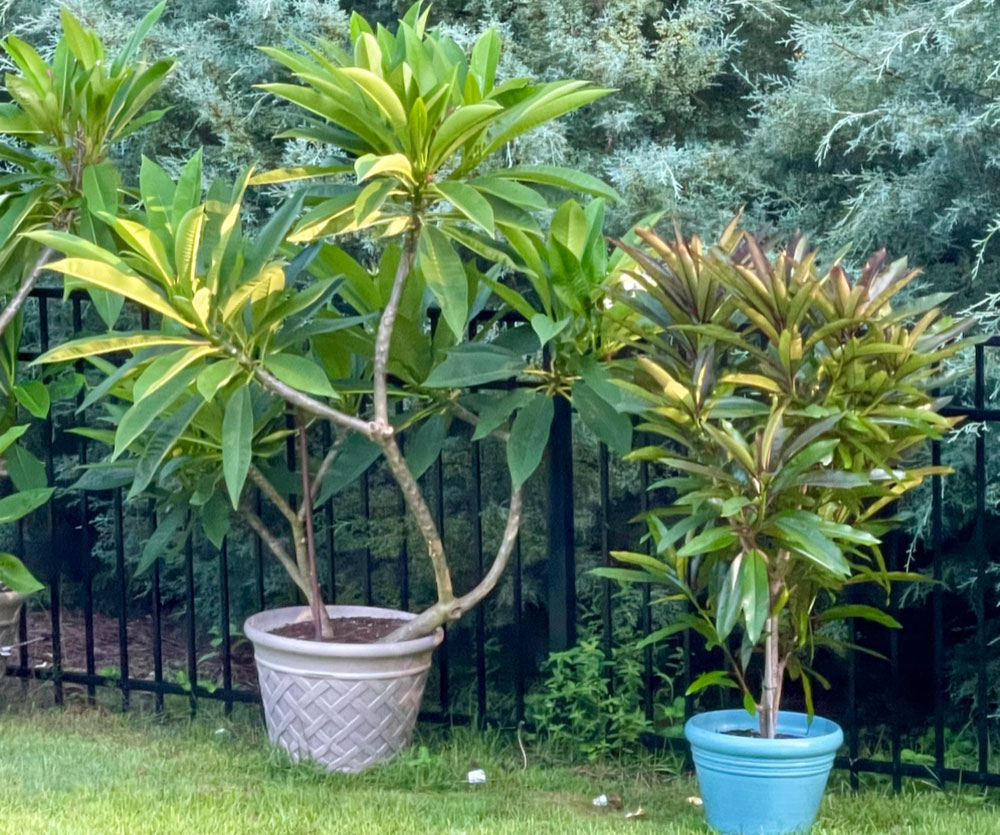
Q: I purchased Cerbera manghas - Enchanted Incense a year ago. As you see from the photo, it's doing great however, no blooms. I fertilize properly and very often and use worm castings for micronutrients. Yes it's not "your" fertilizer, but my plumerias, that are also in pots they are over 5 feet tall and blooming like crazy. I don't see any inflows coming on the Cerbera at all and it is hot and humid here in North Carolina, so it's happy but no sign of blooming. What is your advice?

A: Top Tropicals first brought Cerbera manghas into the US plant market a few years ago, it was recommended to us by our friend, plant taxonomist John Mood who visited Thailand, and among other exotic plants noted this fragrant beauty. Since then we've been successfully growing this plant, it has become one of everybody's favorites.

Generally speaking, Cerbera culture is very similar to Plumerias. These plants are closely related. So if you know how to grow Plumeria, you sure will succeed with Cerbera. Hot and sunny location, well-drained mix, moderate water and bloom boom fertilizer will do the trick. However, we have noticed a few distinctive features that make this plant somewhat challenging at times.

1) Flowers

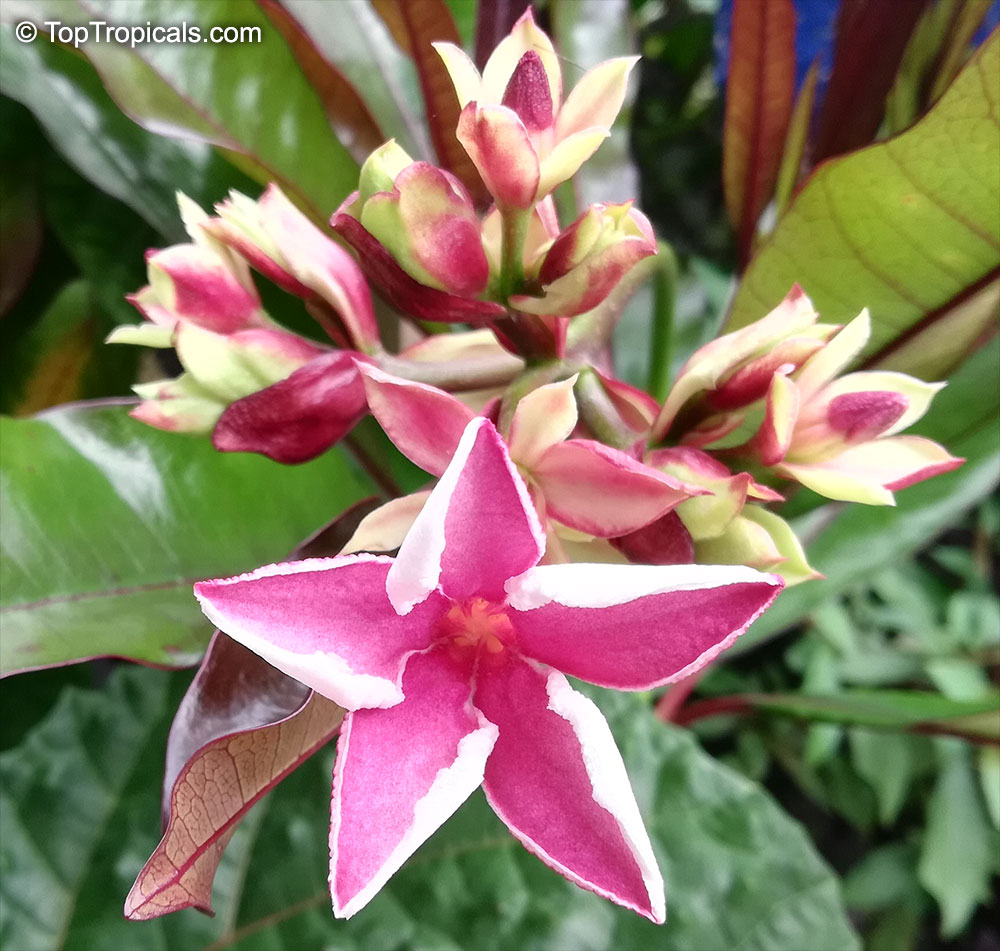
For past years, we've been studying what triggers its flowering. Sometimes these plants start flowering in 1 gal pot, 1 ft tall. Other times a large developed tree 5-6 ft tall, in 5-7 gal pot, grows beautiful foliage with no signs of flowers. Eventually all of them bloom, no matter how stubborn they are, it's just some individual plants start flowering sooner than others, all grown in the same conditions.
One of our plants in the ground, a well-branched tree, was covered with flowers for a few months, but only on the 3d year after planting. Before that, it only produced a few random blooms. Others bloomed in pots at very young age.
The following factors benefit to Cerbera flowering:
- full sun at least 10 hours a day
- hot temperatures above 85F
- regular water but not heavy rains
- regular fertilizer - Bloom Booster type
- very good drainage and drying out before waterings. If root ball stays moist, the plant may look healthy but won't set flower buds. Keeping on a dry side will encourage flowering. Very similar to Jasmines: they bloom like crazy in April while it's hot and dry in Florida, but once our summer rainy season starts, they reduce blooming.

We highly recommend using Sunshine Megaflor bloom booster or SUNSHINE Pikake in combination with micro-element supplements Sunshine Honey (B-Mo) and Sunshine Superfood (complex micro) that induce flowering. Dry and granulated fertilizers may not supply exactly what a plant needs: certain elements that trigger flowering may be missing. Sunshine Boosters formulas are scientifically balanced, they contain precise amounts of nutrients needed for setting flowers. Besides, excessive salts from regular dry fertilizers create nutrient lock up that may retard plant metabolism; with liquid amino-acid based Sunshine boosters, plants consume the whole menu of elements without building them up in the soil.
2) Fruit

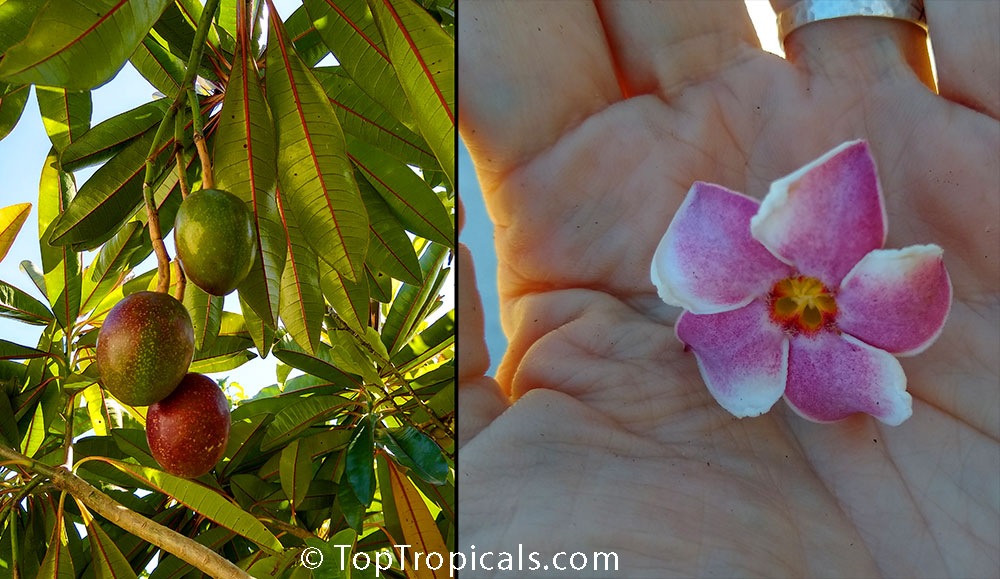
Fruit of Cerbera are very pretty and cover the tree after profuse flowering. To inexperienced eye they may look very much like small mango or avocado fruit - so make sure kids or visitors don't try to eat them! Cerbera seeds are extremely poisonous.

3) Leaves

If you ever grew Passiflora or Milkweed, you know how leaves can be eaten by caterpillars overnight. This may happen to Cerbera too, as we discovered. In Florida environment this exotic plant doesn't have natural predators for protection from certain insect species that may feed on it. So watch out and if noticed first signs of leaves damage - its time for insect control.
Other than that, Cerbera foliage is usually beautiful and colorful, here in Florida it looks much healthier than that of Plumerias often affected with rusty residue during high humidity months.

Hope this helps. The Cerbera fragrance is enchanting, it is worth the efforts and waiting!

Date: 15 Aug 2021

Plants and Trips...

Where are all the tropicals?

By Kristi, the Florida girl...

...Jamie and I recently took our first real vacation in four years! Yep, that's right, we packed our bags and loaded the Challenger for a two-day drive from Florida to New Hampshire. I know what you are asking "Are you crazy? That's a long drive!" Yes, yes, it is a long drive. One this Florida born and raised girl didn't realize would be as long as it was...

...As we got into the driving, the world as I knew it began to change. All of a sudden, the roads started twisting and turning. The streets were no longer palm tree lined but in their place were huge jetting rocks and cliffs. I was like a kid at Disney! I have never seen anything like this, there were Christmas trees growing out of the ground! Right up out of the ground!..

CONTINUE READING

Date: 9 Aug 2021

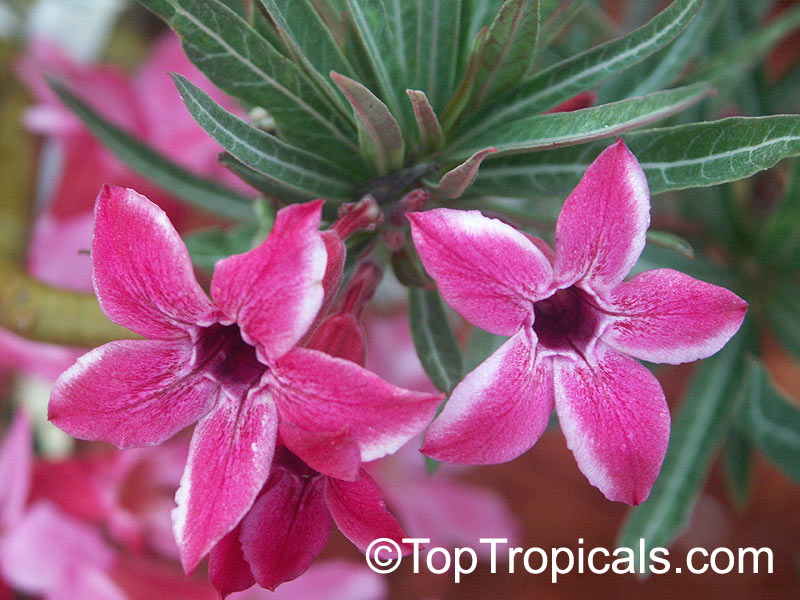
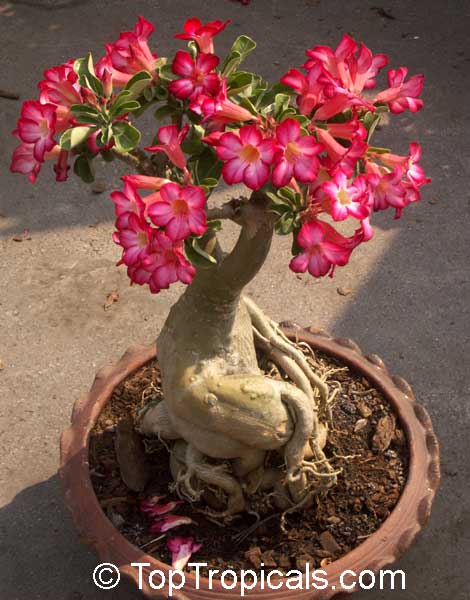
Care of Desert Roses

Q: I am looking forward to my three desert roses I just ordered from you and I am wondering how to take care of them, especially during winter time. Should I put the pots in full sun or shade? What kind of soil do they like? How often should I water them? When it gets cooler, should I bring them inside? We do have occasional frost here during winter.

A: Here are a few tips for your desert roses:

1. When received Adenium from mail-order, unpack carefully; branches are fragile. Plant in well-drained potting mix. Cactus mix will do, but we recommend special Adenium mix. If using regular acidic peat-based potting mix, you may add sea-shells on top of soil to neutralize acidity: adeniums prefer alkaline soils. Using clay pots is beneficial. Water once and do not water again until soil gets dry. Place in bright shade until new leaves sprout, then the plant can be moved to full sun.

2. Adenium is a succulent, but not a cactus. It needs watering, however let soil dry before waterings. Reduce watering during cool season and discontinue when plant gets dormant (drops all leaves in winter).

3. Bright light is the best for profuse flowering. However, adeniums look much healthier in slightly filtered light rather than in all-day full sun.

4. Fertilize and spray leaves with liquid fertilizer SUNSHINE Megaflor - Nutrition Bloom Booster. Phosphorous is responsible both for flowering and caudex development. Avoid caudex, spray over foliage only. Dry fertilizer can be used only during hot months.

5. Watch for spider mites during hot and dry season.

6. Give plants a break during winter dormant season. Keep in bright shade and reduce watering to 1-2 per month or stop watering if temperature is below 65F.

More info on growing Desert Roses:
What you need for successful growing Adeniums
Overwintering Adeniums outside of tropics
Growing Exotic Adeniums - Growing Exotic Adeniums

Date: 9 Aug 2021

August 8
International Cat Day

...August 8 is International Cat Day - a day to celebrate one of man's most common and ancient pets. They have even been worshiped as gods (we see you, Egypt.) Well, it is not surprising, Cats are one of the coolest beings on the planet: they are independent, inquisitive, adventurous, have an amazing physiognomy, and the power to heal by themselves... And - cats and plants always go together!..

...Nowadays, cats seem to be one of the pop icons in modern society - we have about half of a billion among us. And, since 2002, thanks to the International Fund for Animal Welfare cats have their own holiday!..

CONTINUE READING >>

Q: What do you call a huge pile of cats?

A: Take your pick - a Meowntain or a Purramid!

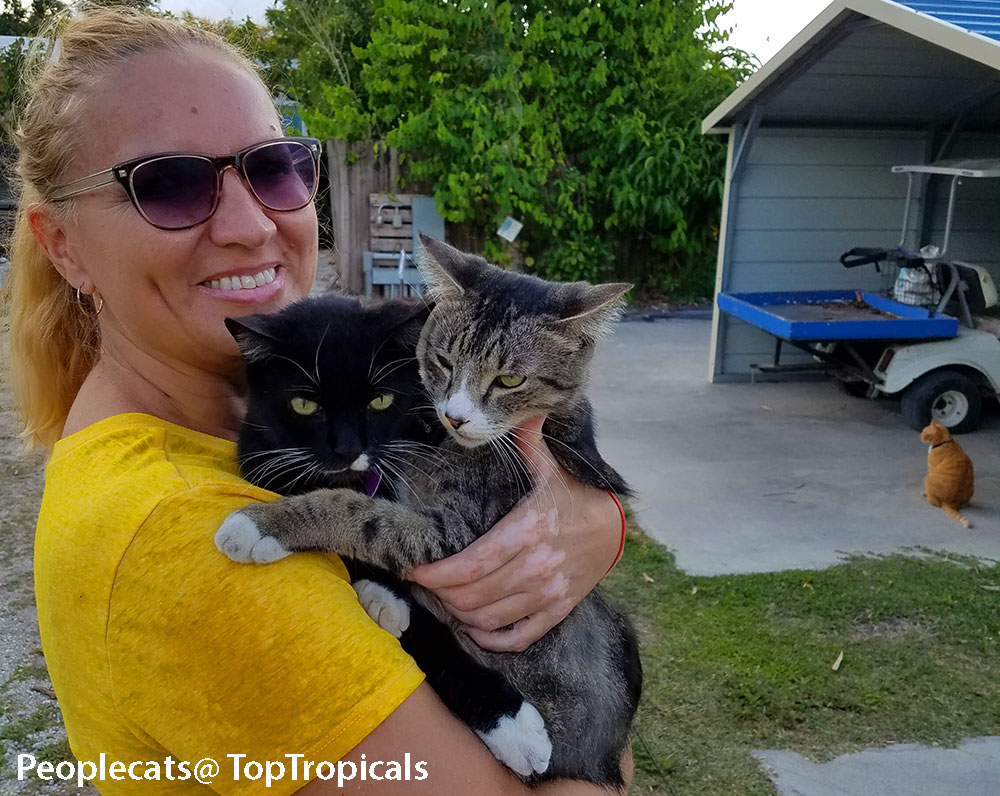
See Top Tropicals PeopleCats

Date: 5 Aug 2021

The secret of Burning Bush of the Bible...
and other Blackberries

by Alex Butova, the Witch of Herbs and Cats

...In the entire Old Testament nowhere does God reveal more about himself to one man than in the passage of the Burning Bush... And this exact bush exists! It can be found at the Chapel of the Burning Bush on Mount Sinai, where it is revered as the original Burning Bush of the Bible survived to nowadays. The species is very long lived so chances are, this is the exact plant that has been growing and regrowing from its roots throughout centuries...

...Rubus sanctus not only successfully survived to nowadays, but is used in Blackberry and Raspberry breeding programs. It has many descendants - hybrid varieties of berries so much loved by both kids and adults...

CONTINUE READING >>

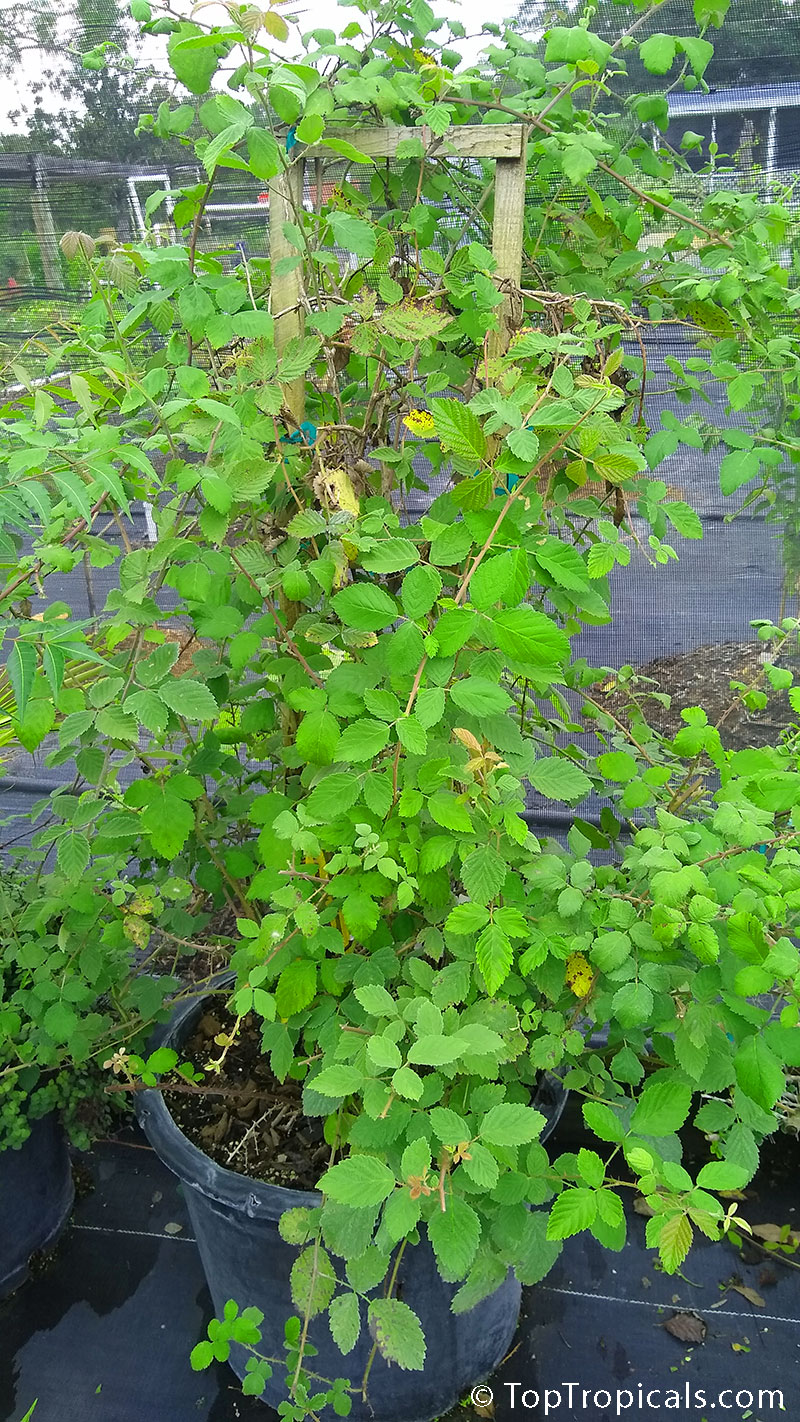
Photo above: the original mother plant specimen of Rubus sanctus growing at Top Tropicals B-Farm. This plant was obtained from Israel in 2016 and gave life to many clones of so much wanted plant, for rare plant collectors worldwide.