Garden Blog - Top Tropicals
Date:
PeopleCats of TopTropicals. Cats of the day: Biggy's Cat Hospital
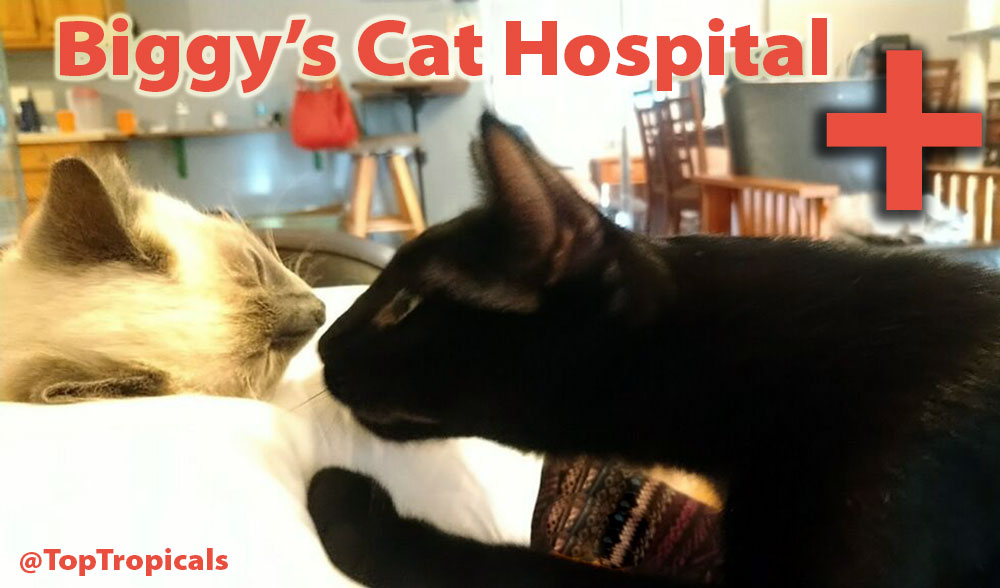
Biggy checking on patient Abu when he couldn't walk
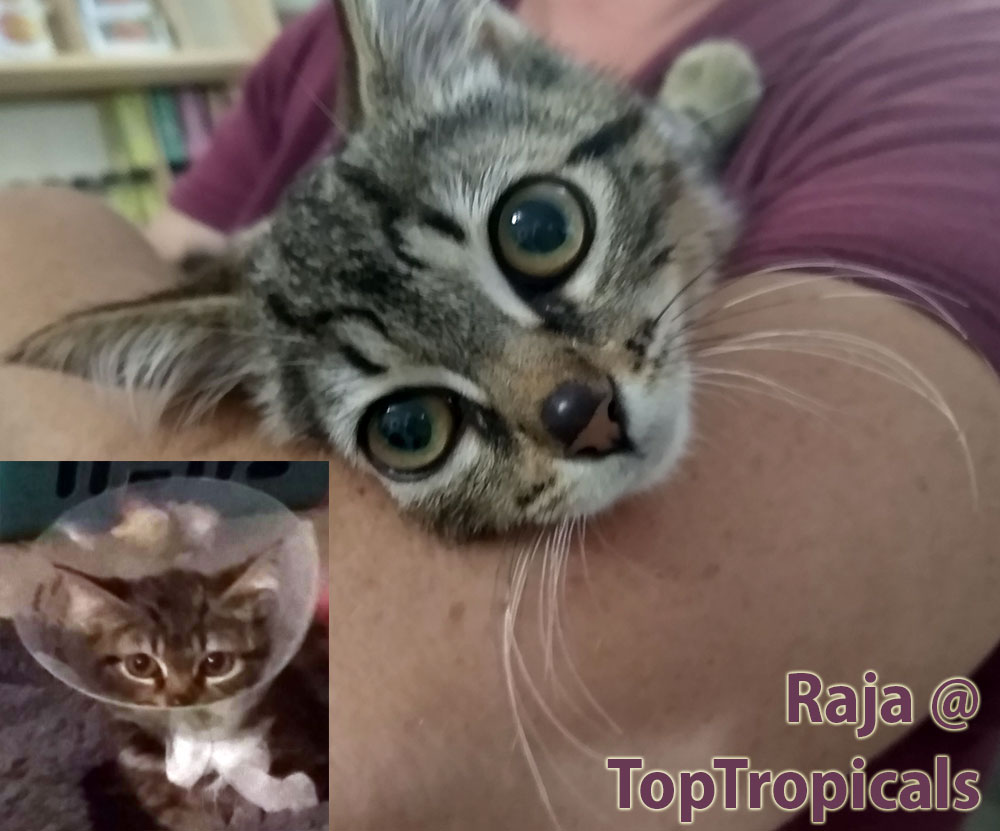
During these challenging times for the whole planet, we receive kind letters from our customers checking on how our PeopleCats are doing, especially those that previously were ill. And since we promised to follow up on everyone, including heart-breaking story of Raja and Abu, today's report is about everybody's progress!
As we mentioned in our previous newsletter, several cats in TopTropicals
Cat Sanctuary had a coronavirus (we call it COVID-Cat-20), or simply a cat respiratory infection. Chiefy, Snitch, Marco and Biggy had it really bad, but some other PeopleCats surprisingly didn't
get it! Just like with humans. Lucky King didn't have a single sneeze!
Finally, everybody has recovered by now, but it has been a very stressful
couple of weeks for us, considering limited vet availability at this stay-home
time. On top of that, Lil S had an abscess and was also contained in a home hospital, away
from flu-quarantined PeopleCats. Our homes become real cat hospitals!
We are thankful to our customers support, especially Silvia who made
several donations for our PeopleCats, and also recommended antiseptic pads - those worked great for Lil S!
Abu and Raja's adventures were not over... After 2 weeks of seeing a
vet treating their infections and injuries, they got worse... Then after a
couple of weeks in another hospital (and a couple thousand more in bills) we were
suggested to put them down as hopeless since they would never walk again...
But Kristi did not want to believe it, she did not give up! The kittens heard
her. They won. Today, they are all better, walking, jumping and playing!
Thank you Kristi!
Never give up hope!
Stay safe and healthy with your PeoplePets!


TopTropicals PeopleCat Club
Thank you everybody for supporting us in helping PeopleCat Community!
Make
your kind donation today and receive a surprise gift from us. Every little
bit helps! Thank you and God bless you and your pets!
Date:
Meet PeopleCats of TopTropicals. Charlie, the Indoor Hunter
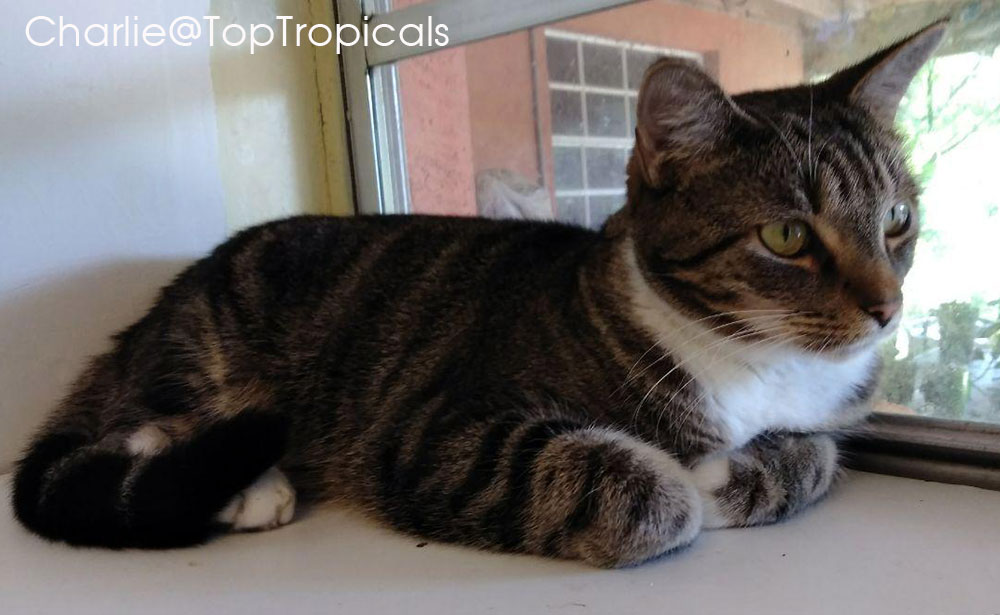
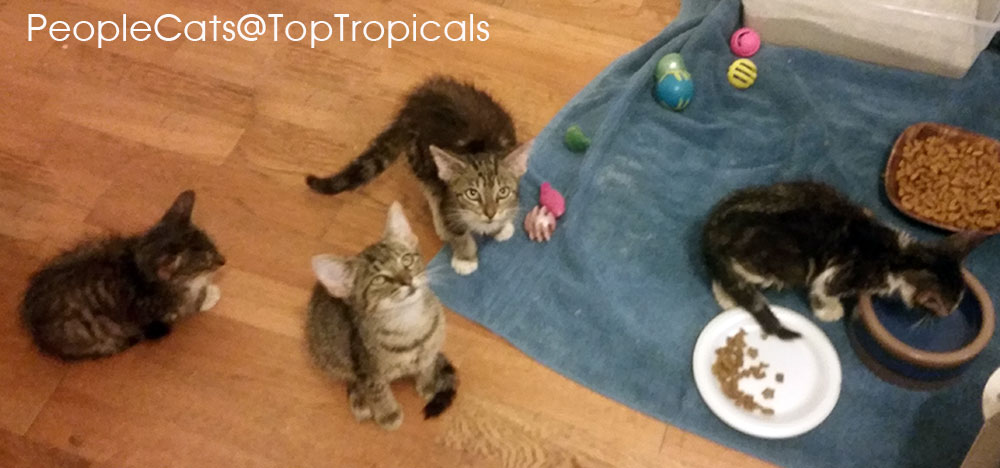
Carlie was a kitty drop off with LadyBug, Rickie, and Purry.
Charlie is Jamie's baby. She has an attitude of a teenager, one minute she
loves you and the next - wants nothing to do with you. Carlie stays with the
inside PeopleCats, she says it's too big in the outside world for her and she
gets scared. Carlie has a fun game (fun to her): she plays around 2:00 am in
the morning, she loves to drag random items down the hall (socks, toys,
shirts, even blankets) in her mouth MEOOOWWWING as loud as she can. She then sets
the items down on her human's bedroom rug and waits for her human to say
thank you. We're pretty sure her hunting instinct is off...
Check out and more Cat of the Day stories.
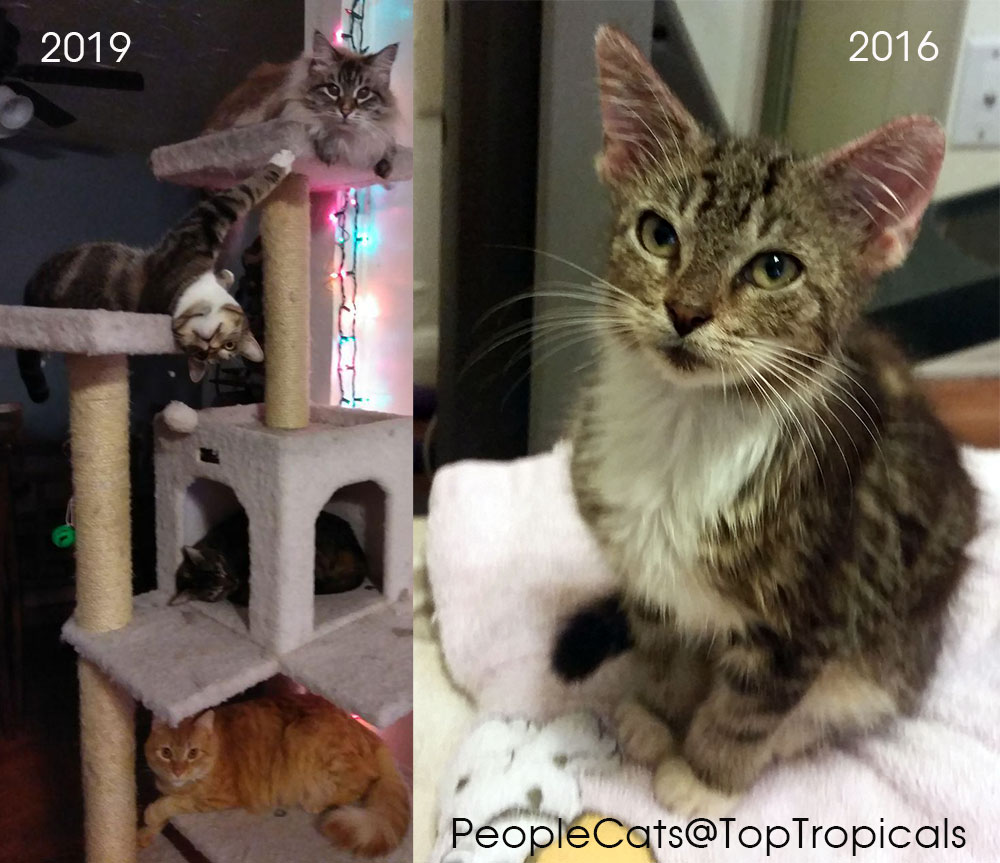
2019, from Top to Bottom: Moe, Charlie, Bagheera, and Snitch. 2016: Charlie
Date:
Cold protection of tropical container plants
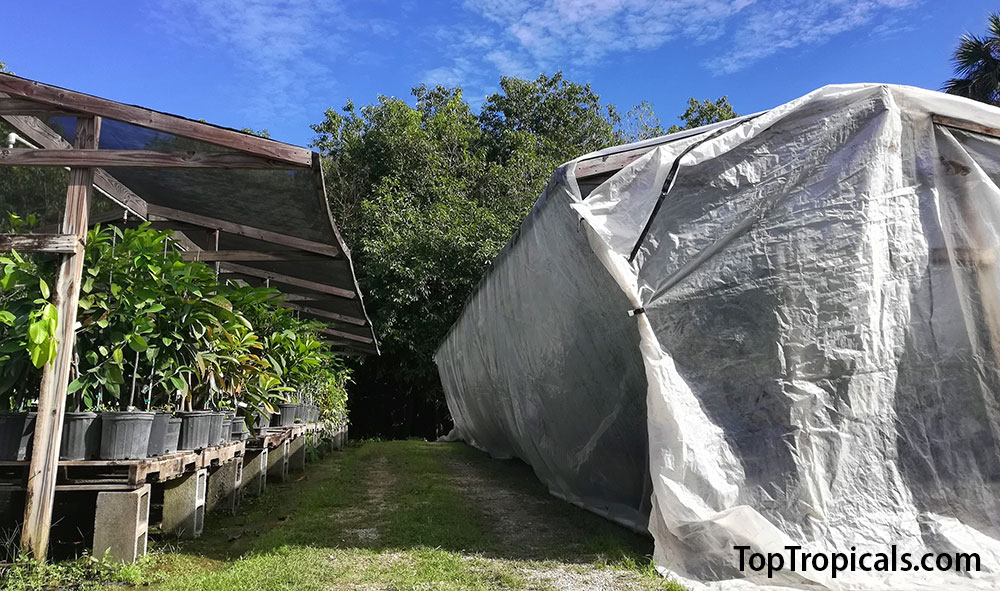
Q: I am long time customer of yours, I live in San Diego California and while the summer and Fall temperatures are warm to mild, the winter temperatures dip to a point where some tropicals die off. We are experimenting with different variations of way to heat and insulate the pots we have the tropicals planted in as a way to keep them alive during the colder winter months. I was wondering if you knew of the ideal soil temperature for these tropical in order to look their best year round. All of the heaters we have installed have thermostats and temperature adjustments so we can now keep the soil anywhere between a range of between 65-75 degrees. Any advise you can provide would be greatly appreciated.
A: This is a very interesting concept you are working with.
Indeed, keeping pots/roots warm, may help a lot! We've been experimenting with
cold protection for a long time - for the above-ground plant parts. For sure
keeping roots protected (even with a thick layer of mulch) will benefit tropical
plants during winter. In case with container plants, this may help
dramatically.
The guideline is, tropical plants slow down or stop their metabolism at
65F. As long as you can keep soil above that temperature - this should work
great. Of course, the higher the better.
Optimum temperature for growing tropical plants in general - 70-85F.
Above 90F, metabolism stops too, unless it's a heat tolerant, desert
plant.
More information on winter cold protection of tropical plants and zone pushing:
Greenhouse in Virginia
Plumeria cold protection
Ghost Cold Protection
Seven rules of cold protection for tropicals
About Cold Protection
Cold protection - winter action for your plant collection
Tropical Treasures articles on zone pushing.
Date:
PeopleCats of TopTropicals. Cat of the Day: the mischievous Jim the Second
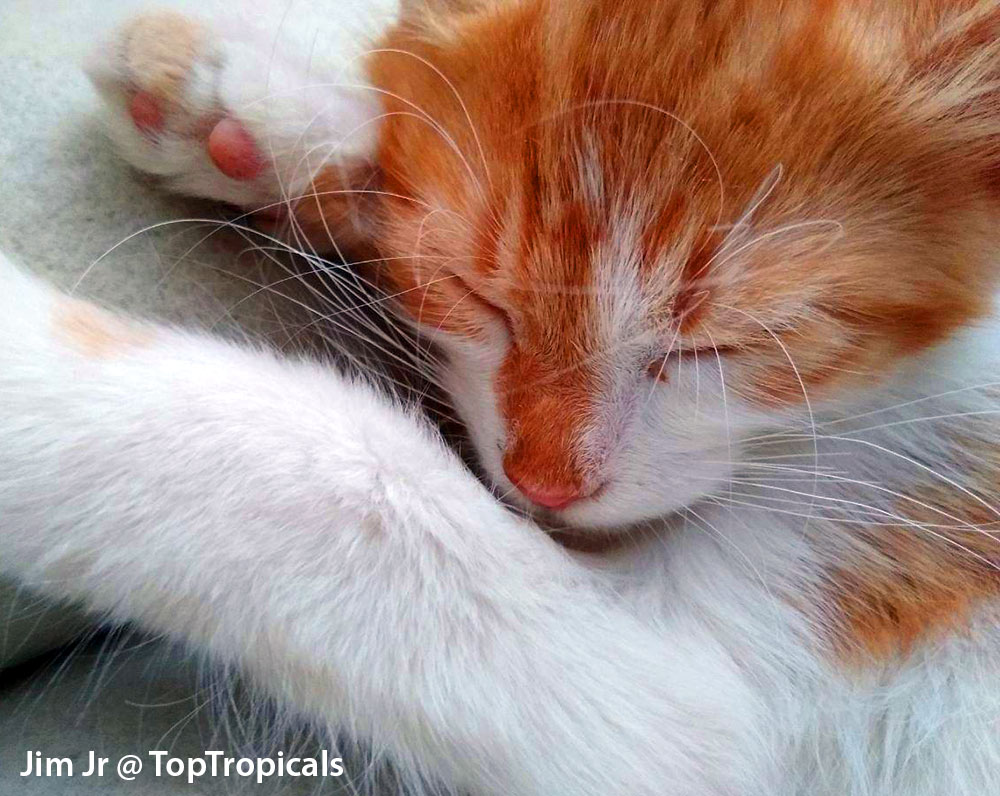
In May 2020 we celebrated 16th birthday of Jim the Founder - the Cat who established
TopTropicals. It broke our hearts when this Old and Wise Purrrson peacefully passed away
this August :(( We want to believe that he is now in Cat Paradise... but we
miss him terribly - both humans and PeopleCats. Google the Cat lost his appetite and went into a deep depression after
he lost his best buddy... To get him distracted from his separation stress,
we decided that Google needs... a Project.
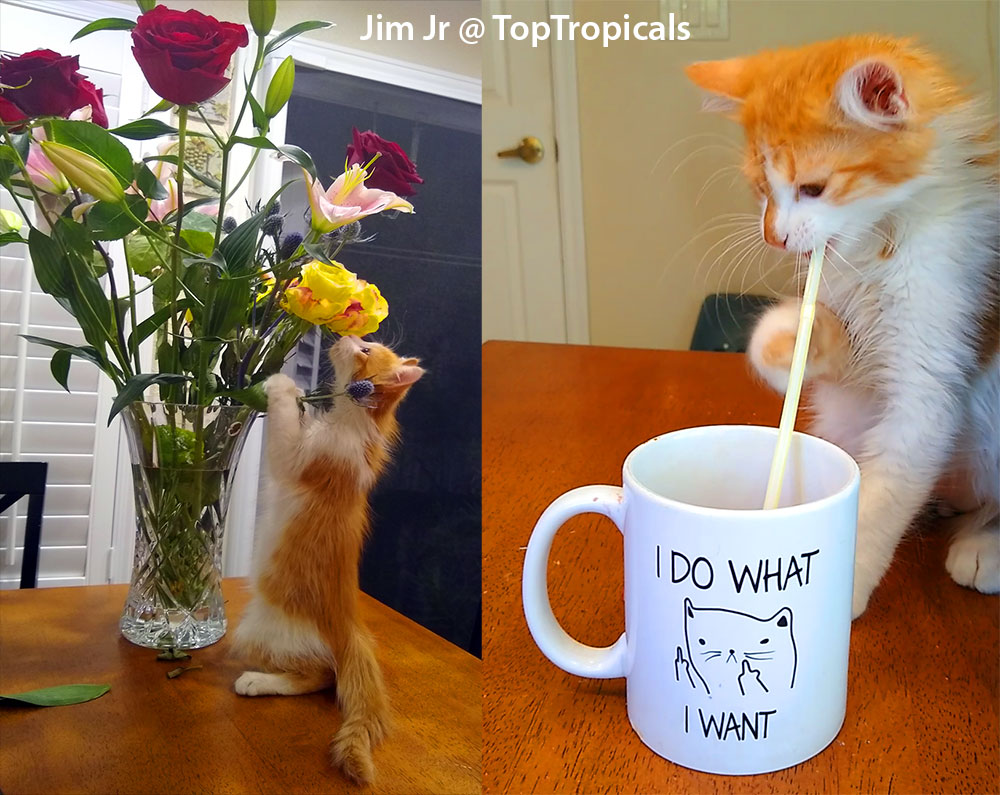
Here he is. Jim the Second. About a month ago we found him in a Human
Society shelter. He was a tiny fur ball size of a palm of a hand. But he proudly
carries his Godfather's name, for a reason - he likes to EAT - just as much as
Jim the First. He eats 3 times more than Google, and he talks a lot. And of
course, he pulls everyone's tail, and kicks everything that is kickable...
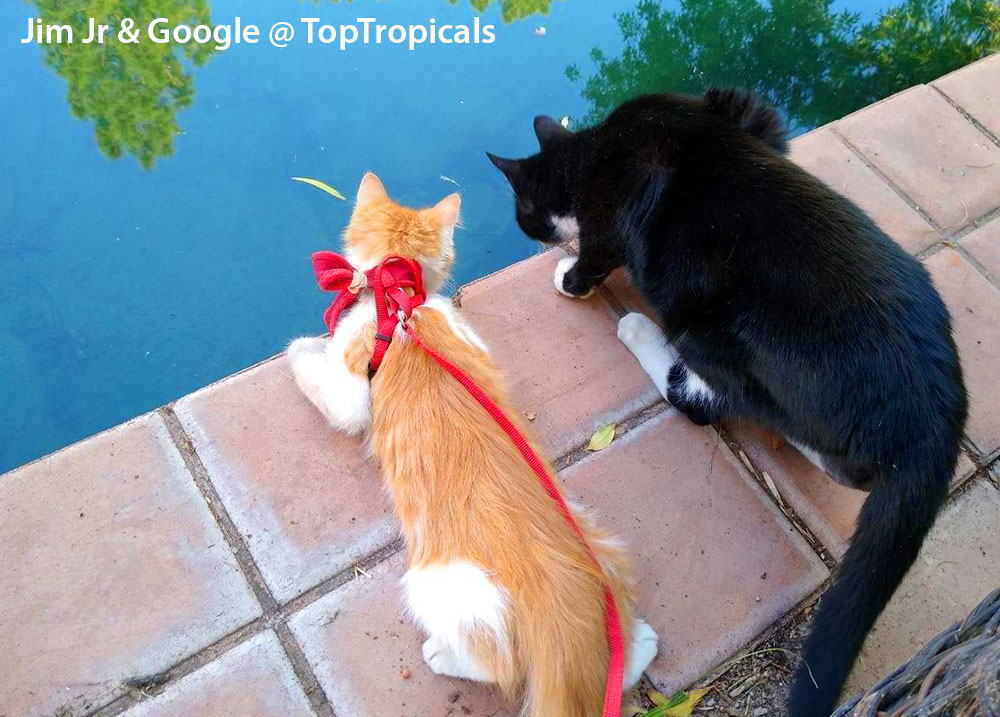
The Veteran Google complains that young generation of PeopleCats nowadays
are nothing but trouble... but they've become friends anyway! Google feels
much happier now. He just took Jim Jr to his first walk outside to the lake and
showed him some fishing techniques...
Bon voyage Little Jim, you soon will master it all! As Mr Booster claims, Orange Cats Bring Happiness!
TopTropicals PeopleCat Club and Zoo
Thank you for supporting us in helping PeopleCat Community!
Make
your kind donation today and receive a surprise gift from us! Every little
bit helps. Thank you and God bless you and your pets!
Date:
Ghost Cold Protection
Q: Has anyone ever tried using heat packs under frost blankets to protect tropical plants from frost?
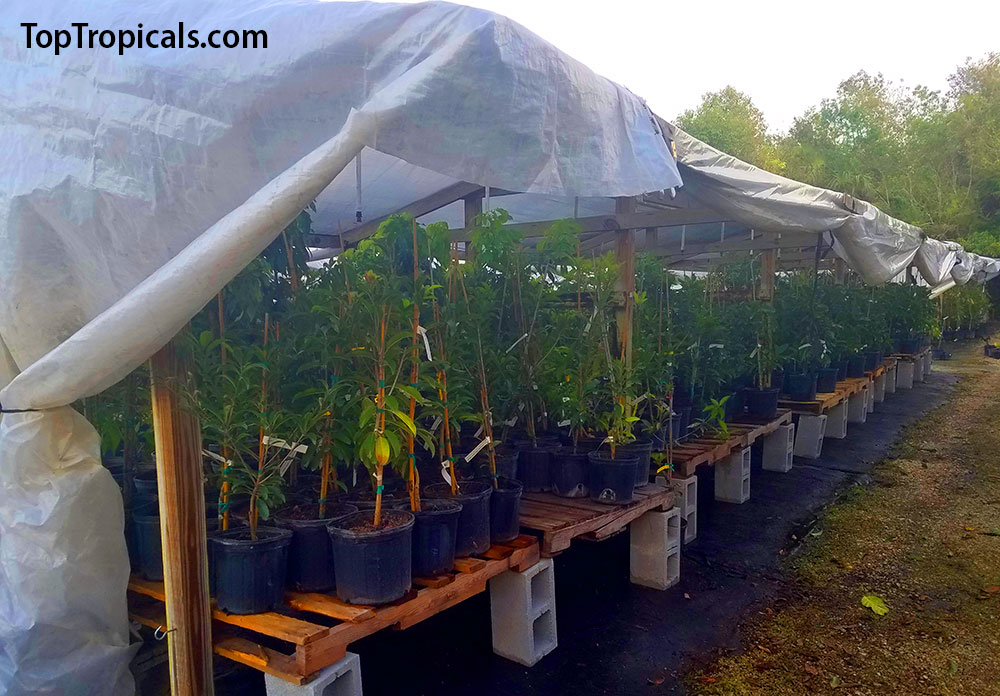
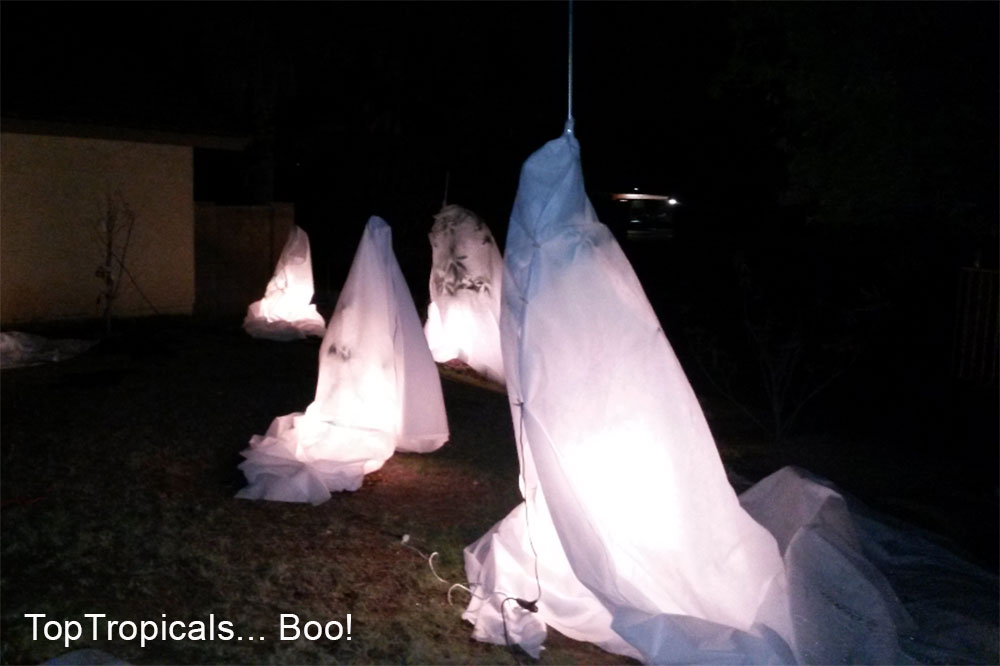
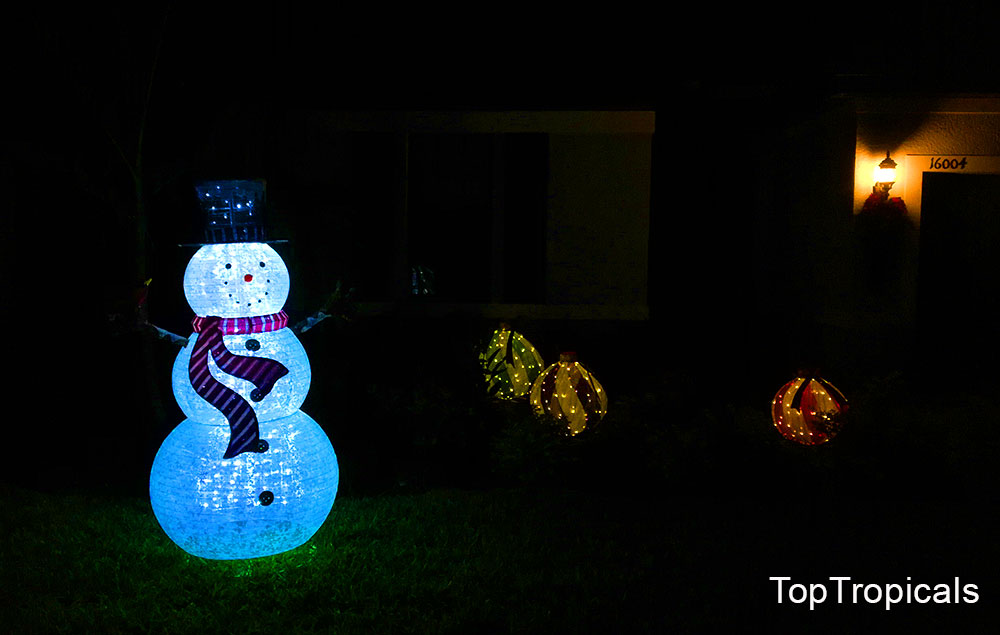
A: The reality is, the heat packs used for shipping do not have enough heat capacity to create efficient warming effect. From our own experience, the best way is to use small 25W incandescent bulbs which produce lots of heat (considering observing all safety precautions and fire safety). Some gardeners use Christmas lights. See picture of our plants in the ground during a cold night. We called them Ghost Cold Protection! ;)
See more columns on cold protection:
Seven rules of cold protection for tropicals
About Cold Protection
Cold protection - winter action for your plant collection
Tropical Treasures articles
Date:
Seven rules of cold protection for tropicals
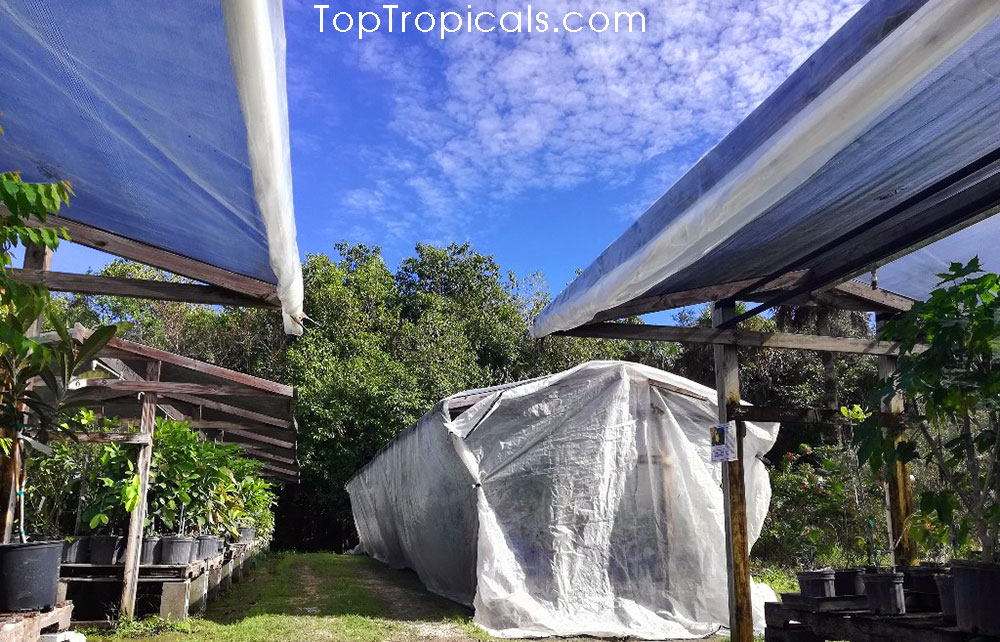
Q: I was always wondering how you guys manage to grow true tropical trees in Florida? I live in Puerto Rico and we have Breadfruit trees growing here in a wild... but my sister lives not far away from you, in Orlando, which is much colder, and I wonder if I can get her a Breadfruit tree for Christmas?
A: Your
sister can grow a Breadfruit tree in Orlando either in a pot (and bring it indoors during
cold periods) or in the ground inside a structure (an elclosed conservatory
with heating system). See our customer's Greenhouse in Virginia. Cold protection of tropical plants is a lengthy
subject and we have many interesting publications about it in our managine
Tropical
Treasures and on the website. In a nutshell, when growing tropicals outside of
tropical climate, you need to follow these 7 rules:
1. Cut watering to a minimum. Cold+wet kills tropical roots.
2. Water thirsty plants before a cold night. Jucy leaves have fewer
chances to be cold-zapped.
3. Wind protection is more important than a temperature drop. Plant
tropicals close to a house or surrounded by other trees.
4. Duration of a cold period is more critical than the cold itself. If
expecting long cold hours, bring up all available protection resources.
Christmas lights or propane heaters - as long as there is a heat source,
everything helps!
5. Remove plastic covers during the daytime so plants don't get
"cooked" in the sun. Fabric covers are better than plastic.
6. Grow ultra-tropicals in containers and bring them inside the garage
or even indoors during the cold.
7. Use SUNSHINE plant boosters and feed your plants well during Summer to improve cold hardiness.
Related topics:
About Cold Protection
Cold protection - winter action for your plant collection
Improving cold hardiness before winter: fertilizer and micro-elements
Cold hardy tropical fruit trees
Date:

Healthy Plants: Q&A from Mr Booster
What is an ideal potting mix?
Q: A few years ago, I purchased a Barbie Loquat from you, and I'm pleased to say it's been growing very well. I now have several loquat seedlings. I have read that a well-draining medium should be used, and I have found that the various formulations provided on the web for such medium seem vaguely reminiscent of the recipe provided in your transplanting instructions. Therefore, I would like to retrieve your recipe, unless you could recommend an even better one?
A: The main requirements for a good potting mix are:
- perfect drainage, allowing air circulation that is so necessary for
healthy roots; oxygen circulation helps to avoid root rot
- water retention: to keep nutrients in soil
- low pH (soil acidity) which is important for most tropical plants
- adequate amount of organic matter in the mix, in combination with proper
fertilizer program
In our nursery we experimented with many different potting mixes for the past couple decades. We ended up with an ultimate mix for tropical container plants that we designed ourselves. This custom mix is called -
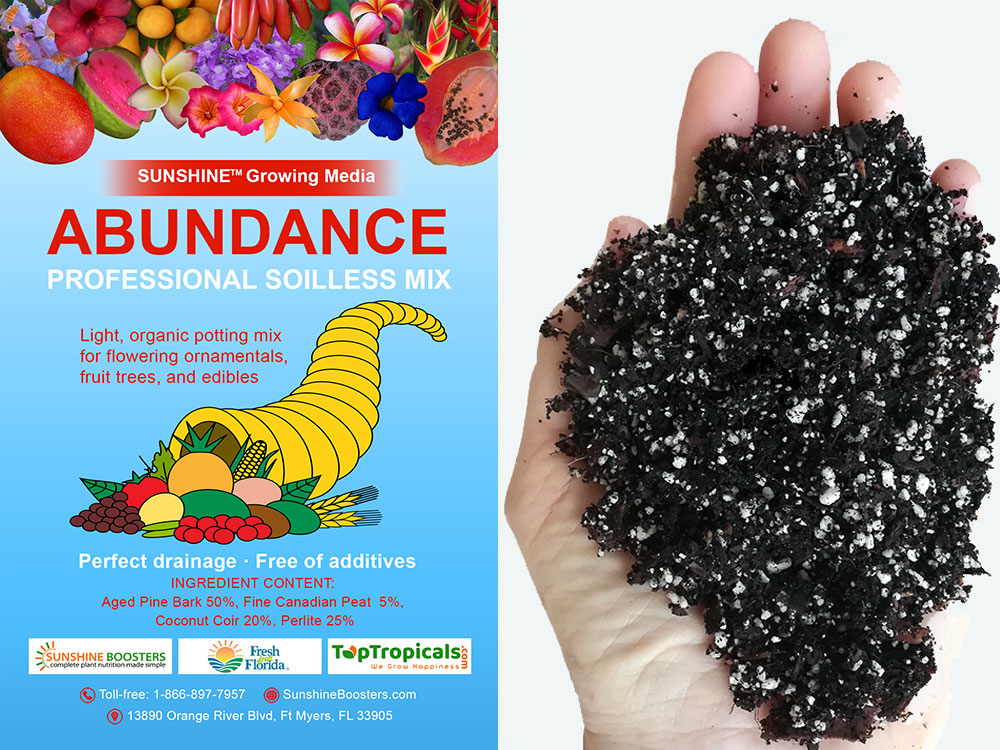
Abundance - TopTropicals professional soilless potting mix
It meets all the requirements above which makes it a perfect mix. All
our plants are happy with it.
Abundance is a professional quality (nursery-grade) potting mix with great
drainage characteristics, ideal for any tropical plants. It is organically
derived soil-less mix, free of any additives.
Ingredients are:
- fine Canadian peat moss
- coconut coir
- perlite
- aged pine bark (soil conditioner).
See more info on
soil mixes.
We have this mix available for purchase in different packaging sizes - 2, 3, and 7 gal
bags.
Besides proper potting mix, all container plants require regular
fertilizing. We recommend the newest, scientifically balanced fertilizers Sunshine Boosters that are natural, eco-safe, great for all edibles and
organic gardening. They are safe to use with every watering, provide all
necessary elements for plant daily needs, and won't burn the roots.
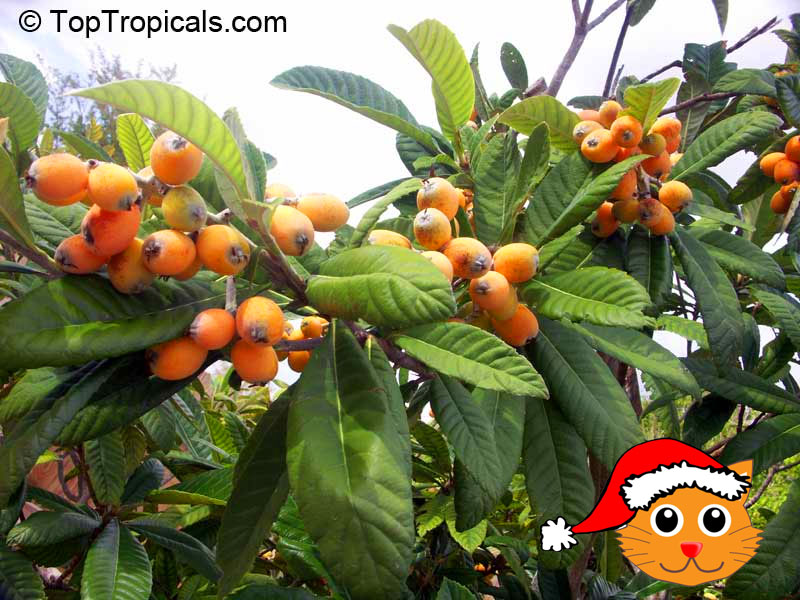
For your loquat tree, consider Sunshine C-Cibus, it boosts both flowering and fruit production. Loquat
is Winter-Spring bloomer, hopefully you will get some crop soon!
See more information about potting mix science


Date:

Healthy Plants: Q&A from Mr Booster
Feeding Indoor Plants
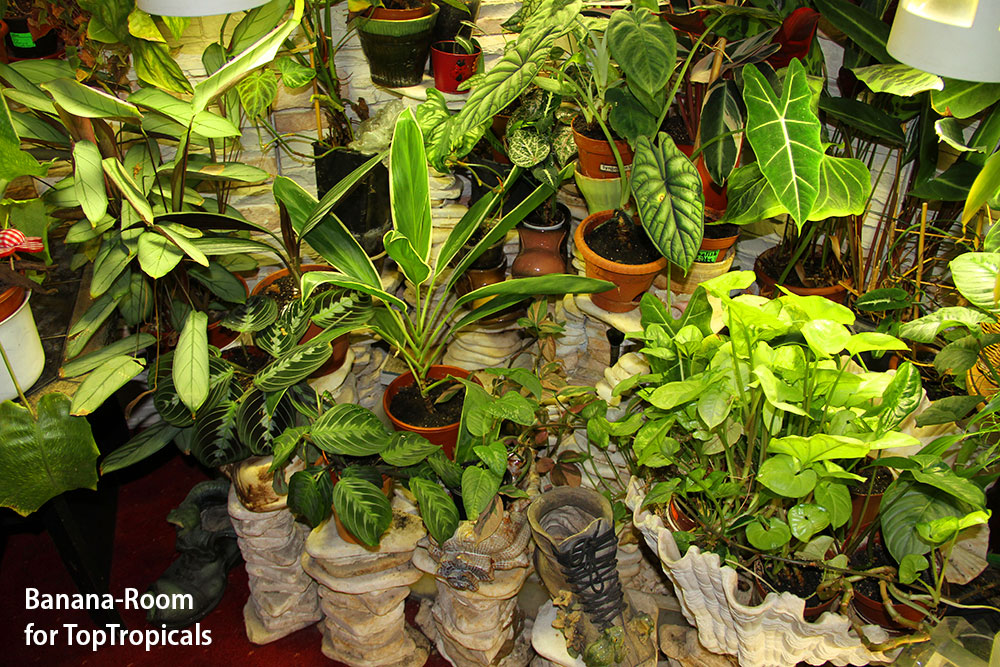
Q: I am moving all my potted plants indoors as weather is cooling down. I still have Sunshine Boosters that I got from you in Summer. Do I need to continue fertilizing and how often, or should I wait until Spring?
A: Indoor plants add a vibrant warmth to your home, and can even
improve the air quality. But most importantly, indoor plants give you access
to year-round gardening.
While majority of house plants are easy to maintain, they still require
proper care to thrive.
Too many gardeners overlook the importance of fertilizing plants indoors.
However, proper feeding is essential to grow healthy, vibrant plants. With
outdoor plants nature sends rain and a plant will send new roots to find food,
an indoor plant is limited to only what you will give it. That is why it is
essential to feed your plants a healthy nutritious meal even indoors.
Many granular and slow-releasing fertilizers will recommend that you only
feed your plants occasionally, but this is not the healthiest for plants,
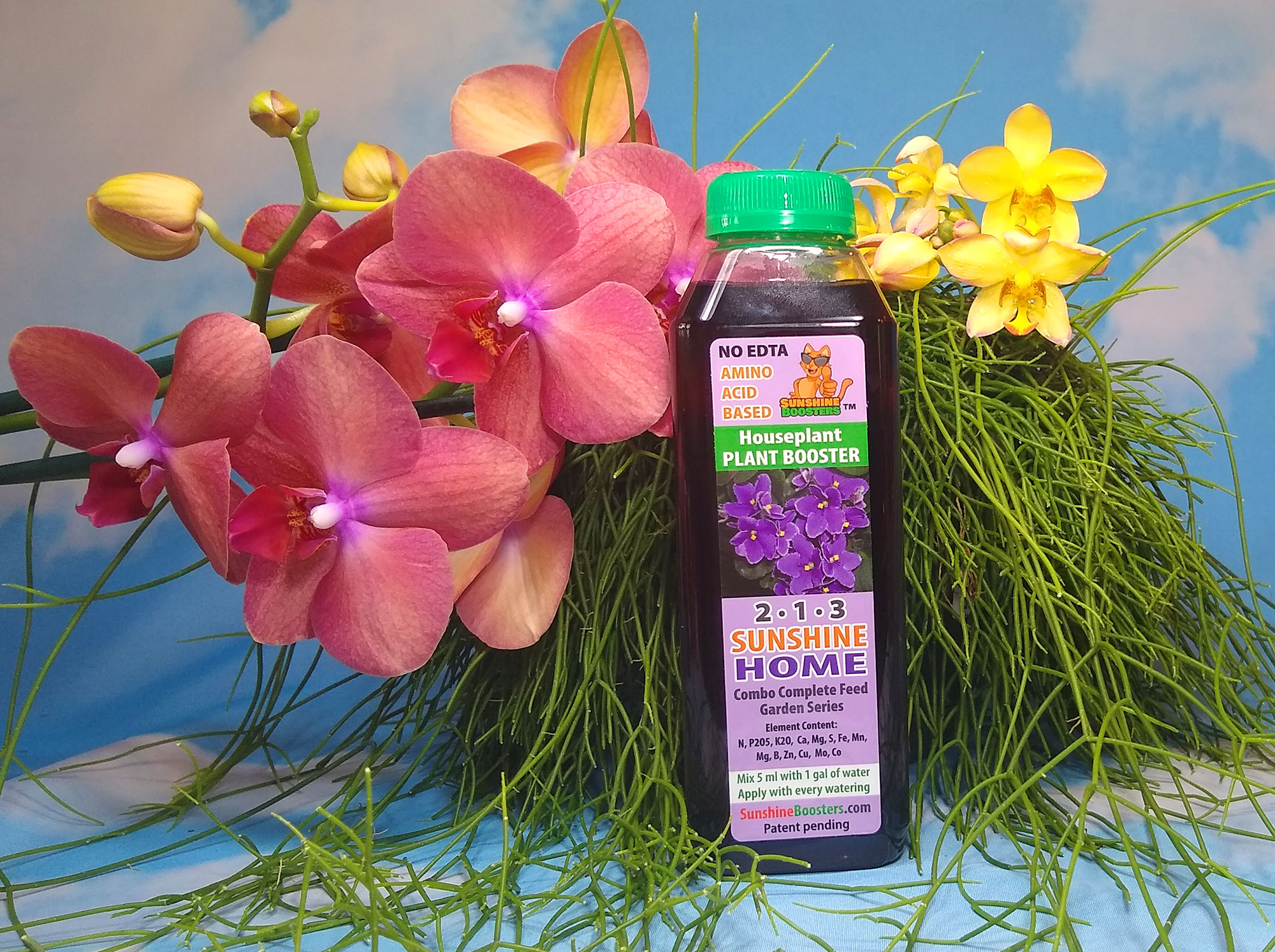
since they need to "snack" every day to satisfy their daily nutrient needs. When you feed a plant a large meal rarely, it cannot absorb the nutrients effectively, leftovers creating build up in soil (it's called "locked up nutrients") and that is why we specifically designed our fertilizers to be a light, daily nutritious meal for your plants -
Sunshine Home for houseplants...
Date:
Healthy Plants: Q&A from Mr Booster
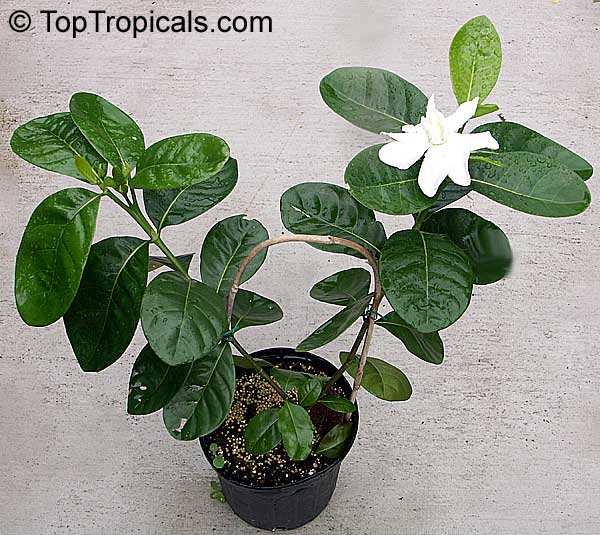
How not to kill gardenias?

Q: I have tried to grow gardenia in pots for years and never keep them alive. When i look on camellia websites they say fertilize potted plants twice a year. I'm confused as I tend to kill them with kindness haha. Also, if our tap water has high cal/mag and that stops the gardenia getting other nutrients why would I make up the feed with tap water? So confusing and online is mixed messages...
A: Gardenias are not the easiest plants to grow, however, they are easier in pots than in the ground: they prefer acidic soils, and in many areas soils are alkaline. The most important factor is balanced and sufficient nutrients. In the ground, plants have no limits to reach out to different elements by spreading their root system. In a pot, once all the good stuff is consumed, plants start suffering nutrient deficiency. This is why a balanced feeding program is important.
Generally speaking, Cal/Mag in tap water cannot be bad, because they are
essential elements, good for plants (in proper amounts). However, just
Cal/Mag is not enough. This is why you need a balanced liquid fertilizer for plants that prefer acidic soil.
Excessive Cal/Mag alone can create nutrient lock up, especially if they are chelated
with EDTA like in dry fertilizers, which are not fully accessible for
plants.
We recommend natural, Amino-Acid based fertilizers that are completely
consumed by a plant and are safe to use with EVERY watering, even in Winter. They
are scientifically formulated and cover all plant needs.
For your gardenias, you should use SUNSHINE Pikake - Fragrant Flower Booster.
Another important factor is proper watering. Gardenias like regular water
but don't like wet feet = well drained potting mix is a must, similar to Abundance professional growing mix.
Date:
Healthy Plants: Q&A from Mr Booster
How to keep bugs away naturally?
Q: I started moving my tropical plant collection indoors as it's getting colder... And all of a sudden, I noticed bugs on leaves! I know for sure all my plants were bug-free when I kept the pots outside in my lanai. What happened? And how can I keep them clean and healthy without using any harsh chemicals? I have many edibles and herbs that I use in my cooking and prefer to stay away from insecticides. Any suggestions?
A: It is very common when healthy looking plants, once moved
indoors for the winter, get insect infestations. The main reason is change of
environment that puts a plant into stress and makes it susceptible to parasites
and diseases. Just think about what a plant is missing, a whole combination
of necessary conditions that provided a good life:
- Bring light -> light level reduced, so beneficial UV spectrum is gone
- Air circulation -> less wind = more bugs thriving
- Warm temperature -> from upper 80's in summer to 70's in your AC room
- Air humidity -> although humid air is believed to be causing some issues
(for example fungus), however, reducing humidity overall puts a plant into
stress and makes it more vulnerable.
Many gardener prefer to avoid chemicals, especially when it comes to treating edible plants and indoor collections. The solution to your problems is - Organic Solution!
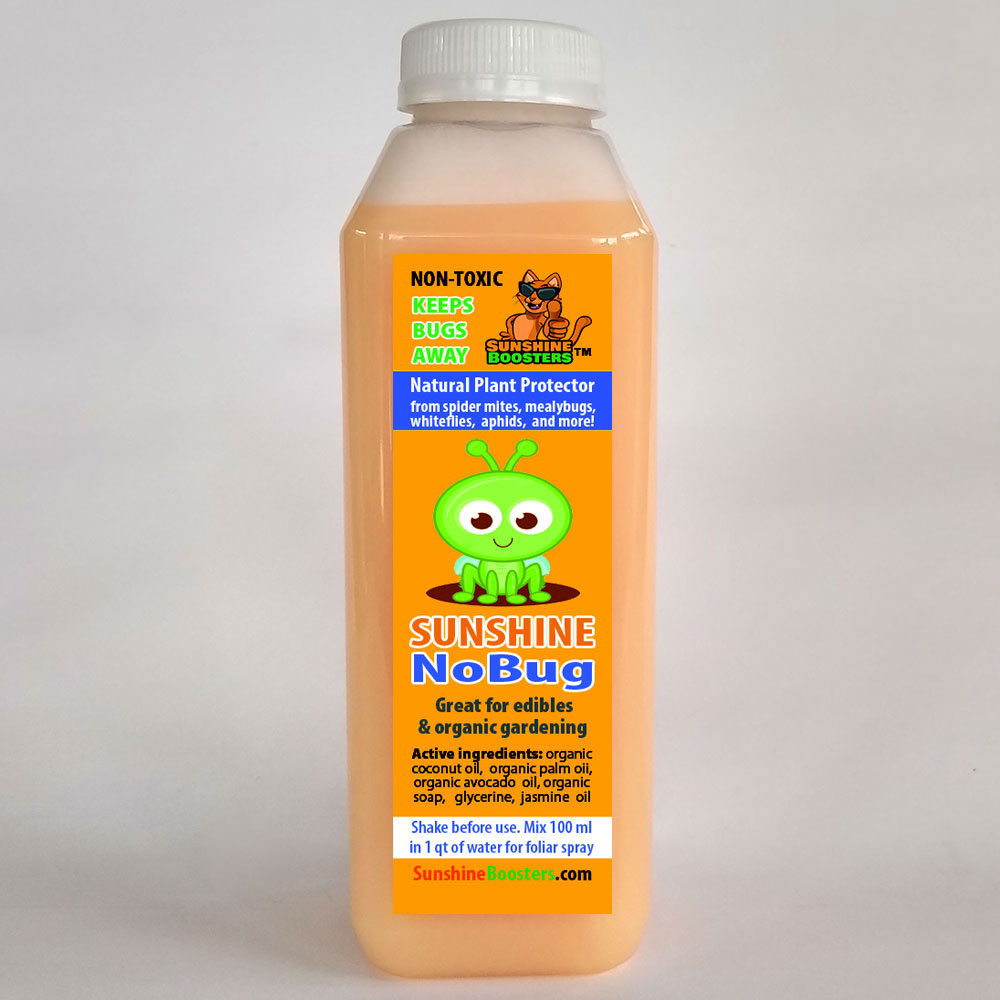
SUNSHINE NoBug - Natural Plant Protector.
Shampoo for Plants - for both indoors and garden
SUNSHINE NoBug - is a natural solution to keep your plants healthy and
bug-free without harsh chemicals. It is great for organic gardening and
edibles, eco-safe and non-toxic for humans and pets.
It kills, repels and prevents: spider-mites, mealybugs, whiteflies, aphids
and many more. No wait time required - spray and play! And it smells like
jasmine, forget stinky insecticides!
How does it work? Just look at these ingredients: Kosher Glycerine, Organic
Coconut Oil, Organic Palm Oil, Oat Protein, Organic Soap, Horticultural Oil,
Jasmine Oil, Water. Yum! But bugs hate it - they suffocate in it! This is
why your plants will have NO BUGS with NoBug, that's it!
Directions are simple:
- Mix 100 ml (3-4 oz) with 1 qt (32 oz) of water, or 500 ml (16 oz) in 1
gal of water - for larger applications
- Spray foliage to drip point, including underneath leaves.
- Repeat the treatment in 7 days.
- As a preventive care, spray leaves once a month to keep insects away.
- You may use a paper towel saturated with this solution to wipe the leaves
and remove residue from insects.
- Store at room temperature.

This poor Pepper plant was tossed into garbage can by a neighbor... it looked hopeless, infested with mealybugs. We saved it with NoBug ! In 2 days it perked up, and after 4 weeks its healthy and fruiting!