Garden Blog - Top Tropicals

Date: 18 Apr 2020

Fast-fruiting trees
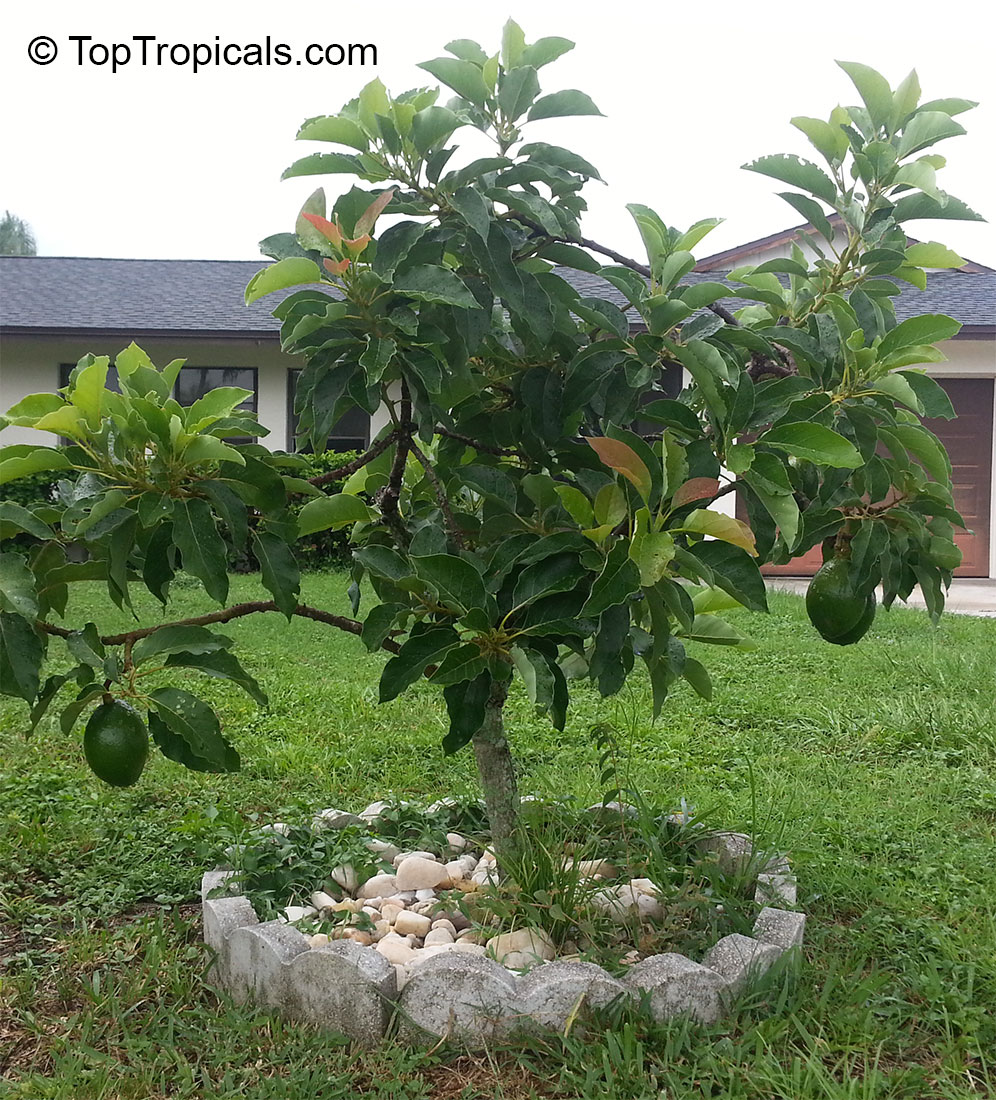
Grafted trees, including Mango and Avocado, will start flowering and fruiting right away

Q: It would be easier for us buyers, if we could search for plants that produce fruit in 2 years or less... I don't have the patience to wait longer than that for fruit. I'm trying to buy for a fairly good sized garden but want some fast growers and fruit produced in 2 yrs. Can you help me out?

A: Fruiting time depends on many factors (growing conditions, fertilizing, and even specific variety), this is why we can not just put a simple icon "will fruit within 2 years". However, most grafted and air-layered fruit trees, including all Mango, Avocado, Loquat, Sapote, Sapodilla, Longan, Peaches and Nectarines - will fruit right away.
If you see in our store "grafted" or "air-layered" in plant description - these trees will fruit soon. Some of them are already flowering and fruiting!

Some non-grafted trees will fruit within a couple of years or even sooner (those from cuttings, root division or even seedlings) - such as: Annona, Artocarpus (Jackfruit), Eugenia, Guava, Banana, Dragon fruit, Mulberry, Blackberry/Raspberry. Banana, Mulberry, Dragon fruit, Blackberry-Raspberry - usually fruit within a year. You may refer to our store directory page for fruit specials.

Also, all spice trees like Bay Leaf, Bay Rum, Allspice and many more - will produce spice for you right away, so you don't need to wait at all!

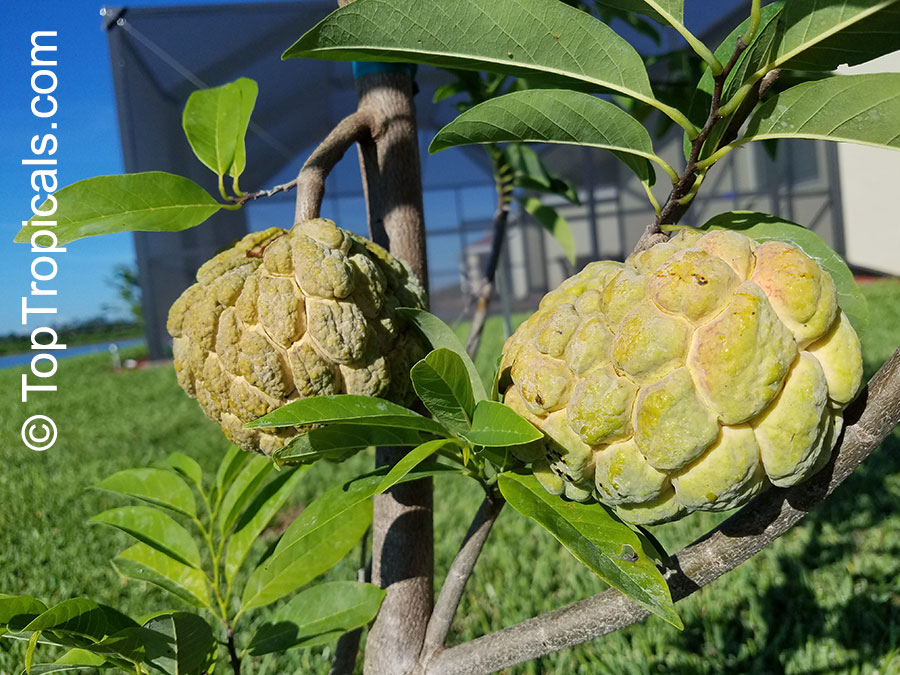
Annonas start fruiting within 3 years from seed and are the most popular fruit trees for both container culture and small gardens.

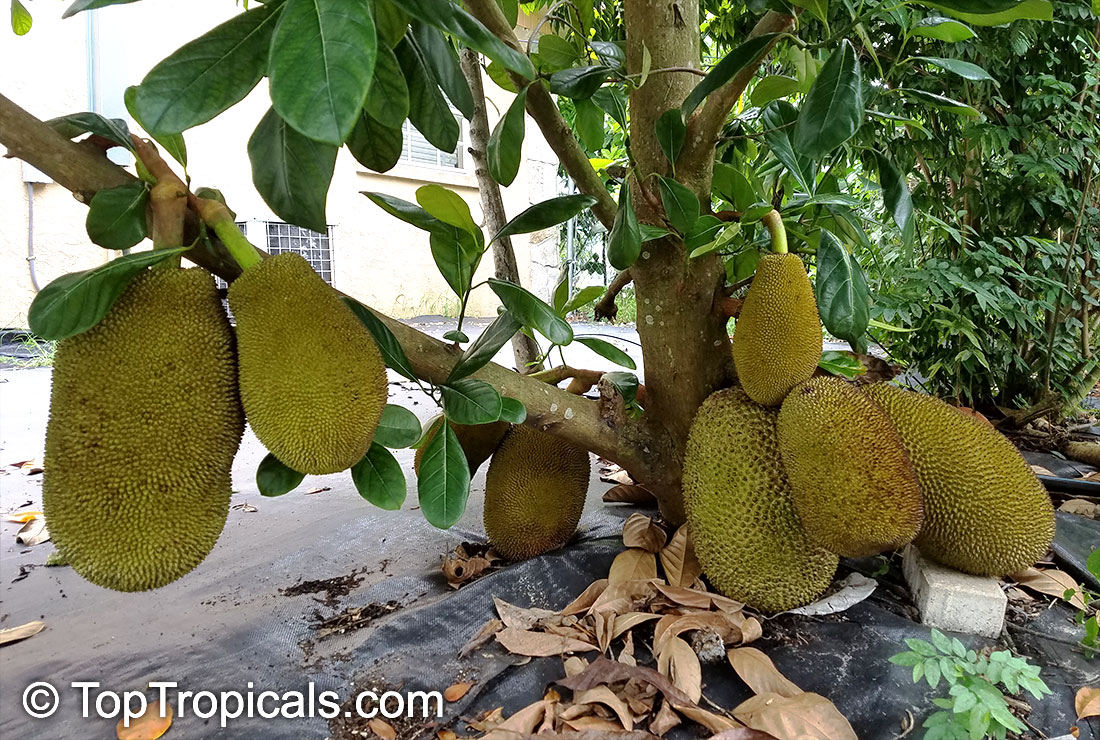
This Jackfruit started fruiting on the second year after planting in the ground.

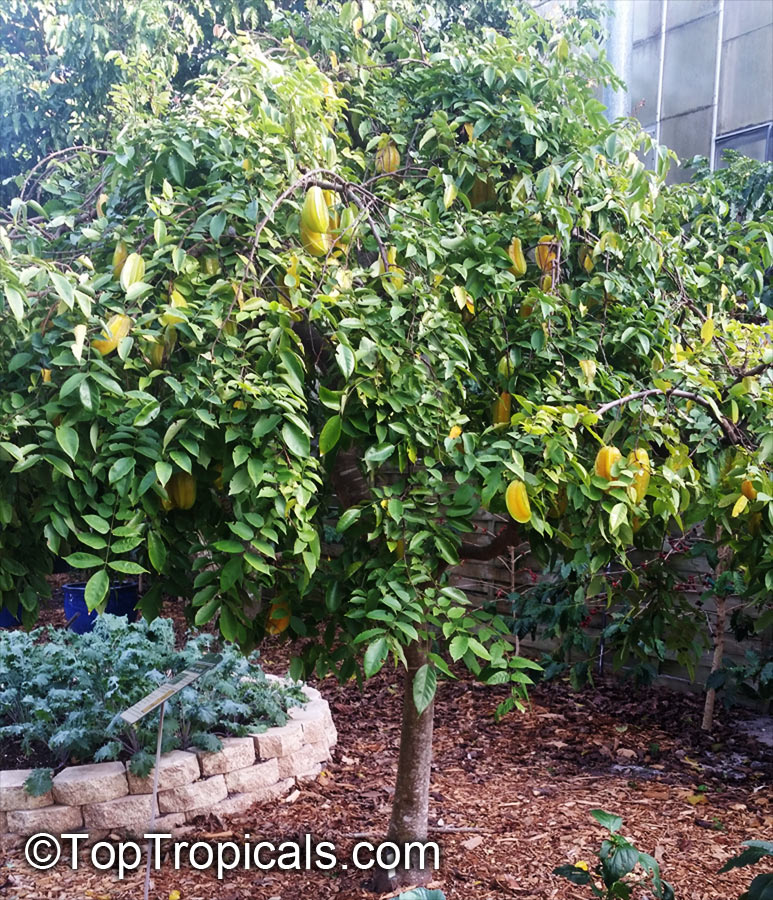
Carambola - Start Fruit - will start producing fruit the same year or next year. We have them fruiting in pots, sometimes as small as 1 gal pots!

Date: 4 Oct 2016

Plants for happiness and joy

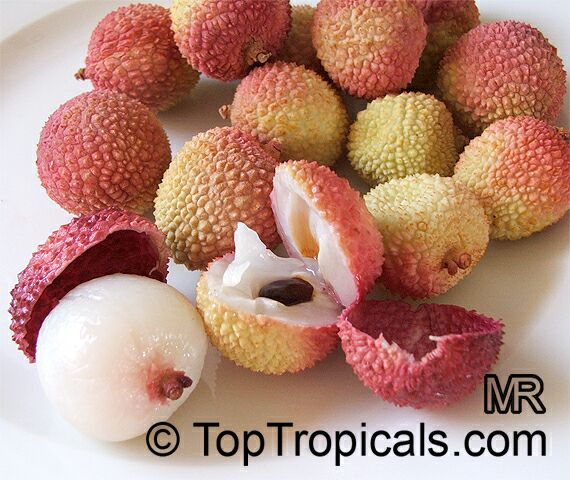
Plants as homeopathic remedies and happiness boosters. Many people know about health benefits of vitamin C which improves and boosts our immune system similar to SUNSHINE plant booster stimulating growth of plants. But not everybody realizes that this vitamin is responsible for overall happiness of our body, it brings many systems in balance. A number of tropical plants used in salads, as well as fruit with high content of vitamin C can play dual role in your life. You can use them as food, as well as enjoy their beautiful tropical appearance. Such plants will help you feel interest and joy in life when you feel apathetic and resigned to the situation you are in. Just to name a few:

Lychee
Barbados Cherry
Eugenias
Hibiscus Karkade

Try them out. Stay healthy and happy!

Date: 25 Sep 2016

Libra Zodiac lucky plants

Libra - 9/23-10/22. Libra is an AIR sign, and is ruled by the planet Venus. Because Venus is the planet of beauty and love, Libra's plants often have light, lovely flowers and gorgeous scents.
Libra has been related to the endocrine system, the kidneys, and the bladder. Venus (which also rules Taurus) is responsible for the harmony between the various body systems, as well as the abdomen, kidneys and urinary tract, and thyroid. Libra's plants help to bring balance to these areas of the body. Libra's romantic nature appreciates a spice that cultivates love and sensuality. Cardamom is a spice known for its gently warming nature, so add a sprinkle when you want to heat things up slowly.

Libra Zodiac lucky plants: Jasmine, Gardenia, Euclinia, Pua Keni Keni, Randia, Beaumontia, Faradaya, Butterfly Ginger, Kopsia, Hydrangea, Montanoa, Aglaia, Dwarf Ylang-Ylang, Desmos, Clematis, Almond Bush, Brunfelsia, Four oclock plant, Juniper, Moonflower, Carissa, White Chocolate Jasmine, Night blooming jasmine, Fiddlewood, Honeysuckle, Orchid, Clerodendrums, Millingtonia, Parijat, Fried Egg Tree, Oxyceros, Phaleria, Tuberose, Cubanola, Portlandia, Rothmannia, Allamanda, Nasturtium, Rose, Camellia, Ephedra, Fuchsia, Ylang-Ylang, Magnolia, Stemmadenia, White Plumeria, Appleblossom, Needle Flower Tree, Tree Jasmine, Guaiacum, Epiphyllum, Amazon Lily, India Hawthorn, Stephanotis, Talauma, Pakalana vine, Wrightia, White flowers, Cypress, Lucky Bamboo, Dracaena, Bakul, Apple, Pear, Fig, Raspberry, Olive, Pomegranate, Apricot, Peach, Plum, Loquat, Grape, Blackberry, Mango, Cherries, Chrysobalanus icaco, Berries, Neem tree, Asparagus, Spices, Mint, Catnip, Bergamot, Thyme, Cardamom.

For other signs information, see full Plant Horoscope.

15% OFF ON ALL FRAGRANT PLANTS! 3 day sale.

Date: 27 Aug 2016

Plant Horoscope. Virgo Zodiac lucky plants: Jacaranda and Assai palm

Virgo - 8/23-9/22. Virgo is an EARTH sign ruled by the planet Mercury, which also rules Gemini.

Virgo is traditionally the Goddess of the Grain, and is associated with autumn. Her plants often have finely divided leaves or stems, subtle odors, or small, brightly-colored flowers. The most beneficial plants for Virgo are high in potassium and help to calm the nerves.

In its rulership of Virgo, Mercury governs the abdomen and the lower intestinal tract and the entire digestive process. Herbs associated with Virgo assist in digestion (as do Cancer herbs) and help to reduce flatulence. The relaxing, calming scents help Virgo release stress and worries.

Virgo Zodiac lucky plants: Amorphophallus, Anethum graveolens (Dill), Barringtonia, Bolusanthus, Dioscorea, Grewia asiatica (Falsa), Hibiscus sabdariffa (Karkade), Iboza riparia, Lagerstroemia speciosa (Queens Crape Myrtle), Laurus nobilis (Bay Leaf), Lippia, Melissa, Catnip, Mint, Arugula, Piper betle, Piper sarmentosum, Psychotria, Syzygium aromaticum (Clove), Banisteriopsis, Papaya, Mesua ferrea (Ironwood), Momordica, Euterpe oleracea (Assai Palm), Jacaranda,  Magnolia officinalis, Pimenta dioica (Allspice), Osteospermum, Petrea, Plumbago, Clitoria, Eranthemum, Litchi, Cashew, Pecan, Nut trees, Cherries, Lavender, Myrtles, Sansiveria, Aloe vera, Blackberry, Honey suckle, Satureja, Vitex, Mulberry, Elaeocarpus, Clausena lansium (Wampi), Feronia elephantum (Bel Fruit).

For other signs information, see full Plant Horoscope.

Date: 19 May 2016

Care of mail-order plants during hot summer

Q: I live in California and about a month ago ordered several plants from you, including fruit trees (Carambola, Mango, Avocado) and flowering trees (Xanthostemon, Adeniums, Champaca, Ylang Ylang). They were all doing well until I tried to move them into full sun, when they got leaf burn immediately. Ylang Ylang was doing great in a shade, but I repotted it from 1 gal into 3 gal and it is drooping leaves now. It has been very hot (over 100F) and dry (humidity is less than 25%). Any suggestions?

A: Hot summer can be pretty challenging time for establishing new plants. These are some guidelines to make your summer gardening more successful and rewarding.

1. You can order plants at any time, but keep your eye on your local weather forecast and try to chose cooler periods to schedule your plant shipments. Here at TopTropcals we monitor weather at destinations, and we can also delay shipment per your request until more favorable conditions.

2. During hot Summer months, many plants are still OK to ship, and to be planted, many species are heat tolerant. It's usually safe to ship most succulents, including Desert roses and Euphorbias. Some fruit trees are pretty easy too, like Loquats, Mango, Eugenias. Many flowering trees can take heat: Acacias, Clusias, Jatropha, Sausage Tree, Plumerias and many others. Check our full list of plants suitable for hot and dry conditions. Most jasmines, including Jasmine Sambac and Trachelospermum make also a safe choice for hot weather planting.

3. Use shade cloth or simply white sheets to protect young plants and new plantings from hot sun.

4. When establishing mail ordered plants during hot weather, keep them in shade for longer period of time than average recommended 1-2 weeks. Give them a chance to establish really well. In areas with low air humidity, try to create a simple mist system. It can be purchased in your local Home Depot for only $20 and set up takes only 10 minutes! It makes a big difference and can help you save many plants from hot weather stress.

5. Although it may seem that during hot weather plants need more water due to high evaporation, be careful with watering, and check soil with your finger before watering - don't water if it is still wet. Combination of "hot and wet" can be as harmful for the root system as "cold and wet" during winter. Protect root systems from overheating: covering black pots with white cloth will work. Remember when temperature is above 90F, most of plants slow down their metabolism, which means roots slow down or even stop pumping water and become more vulnerable to overwatering. For the same reason, do not hurry to step up into bigger container if roots haven't filled yet the existing pot.