Garden Blog - Top Tropicals

Date: 14 Oct 2019

Meet PeopleCats of TopTropicals. Cat of the Day: Ricki
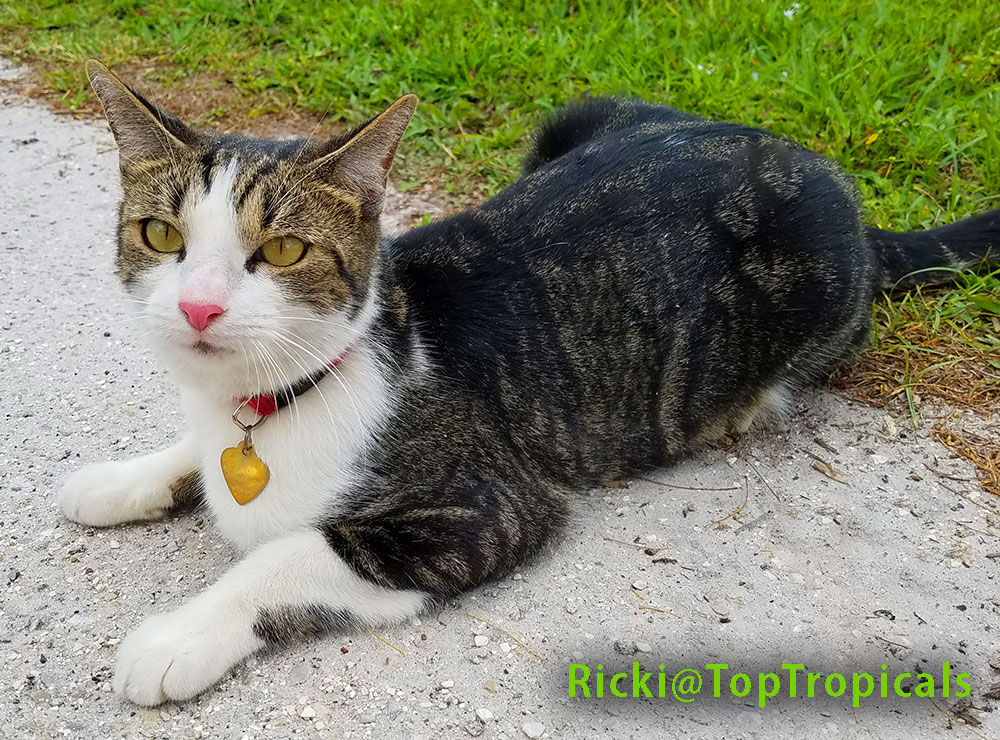
The Smallest Cat

Ricki is a tiny little cat. He is already 3 y.o. but still feels shy because he always has been the smallest one... He arrived to TopTropicals as a little kitten, along with his 3 sisters, Charlie, Purry, and LadyBug, in a box. Ricki was the last kitten in the littler and almost half the size of other kittens! But his ears were the biggest. So he became a very Wise Puuurson who knows how to Listen.

Not only Ricki was the smallest, but he also was pretty sick when we first got him at the age of 4 weeks. He had a bad infection in both eyes and could hardly see anything... His 2 sisters got adopted by employees, but no one wanted to adopt poor Ricki... so he stayed at TopTropicals. Almost 2 weeks of therapy finally helped him to get all better. Now he is one of the cutest Little People!

Ricki has his own spot at the corner of a dinner table. He is not interested in stealing any food (unlike Wesley), he just wants to be involved in a dinner conversation...

Ricki likes treats and remains very shy, staying indoors. If you visit our Garden Center, you may bring him a small treat - his favorite "Temptations".

Wesley and Ricki at Dinner conversation
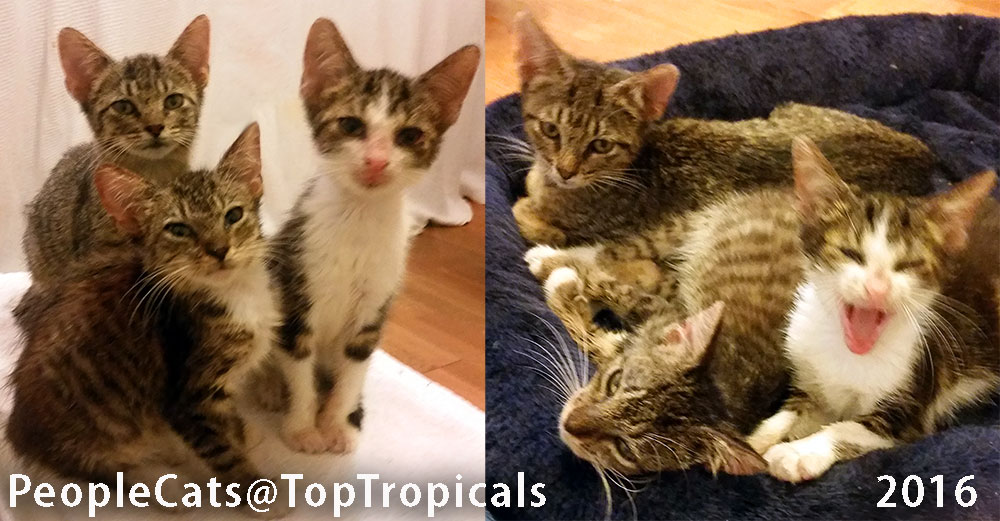
LadyBug, Purry, and Ricki, 2016.
Date: 18 Oct 2019

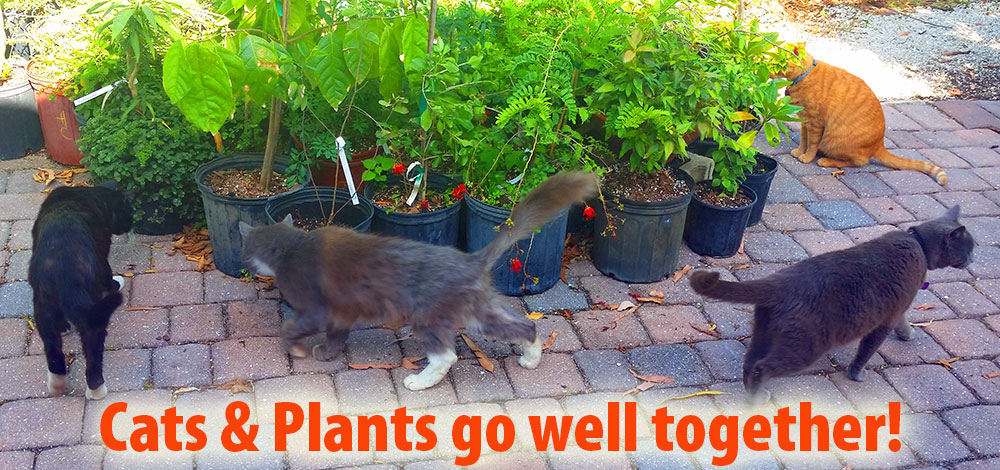
Meet PeopleCats of TopTropicals. Cat, Pet & Plant Community

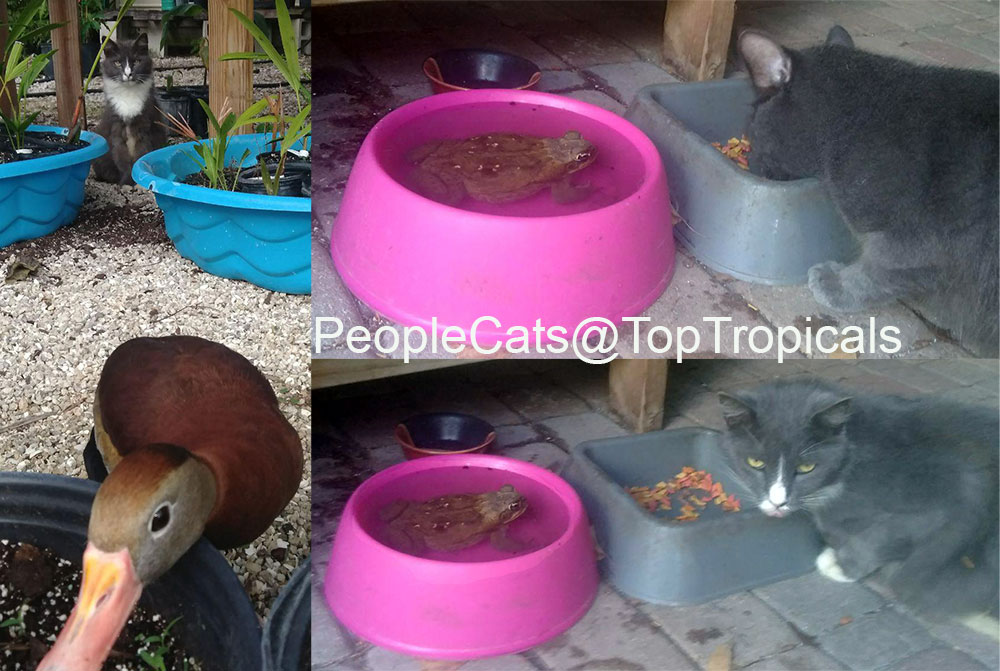
Marco watching Dobi Duck; King & Marco with their Pet Frog

Barcy, Wesley and Coconuts at sweet liquor tasting

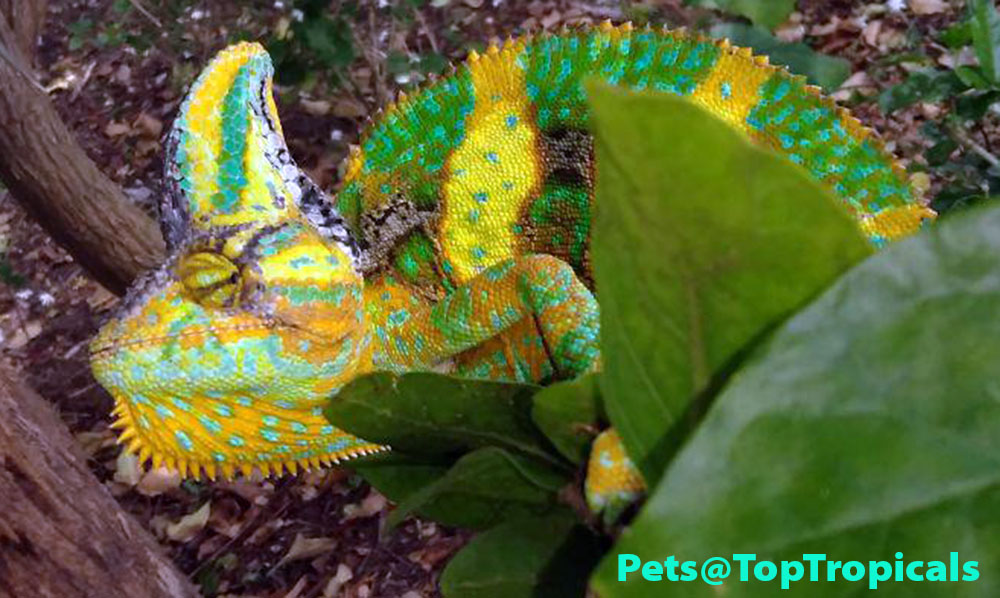
Anyone knows the name of this creature? He feeds on our Jasmines!

Date: 19 Feb 2019

Australia Planting 1 Billion Trees To Fight Climate Change

TopTropicals.com

Australia plans to plant 1 billion new trees to fight climate change, by the year 2050. That is a lot of trees and is the first real effort the country has made toward combating climate change. The only real problem is finding enough space to plant that many trees...
A billion trees is a billion trees, and even with a team of 30,000 people planting a tree per day for the next 31 years, the final tally would still only be 339,450,000 trees. Australia will need a tree army to get that many trees planted by 2050... Read the whole story...

How about planting just one tree today and save the World one step at a time?

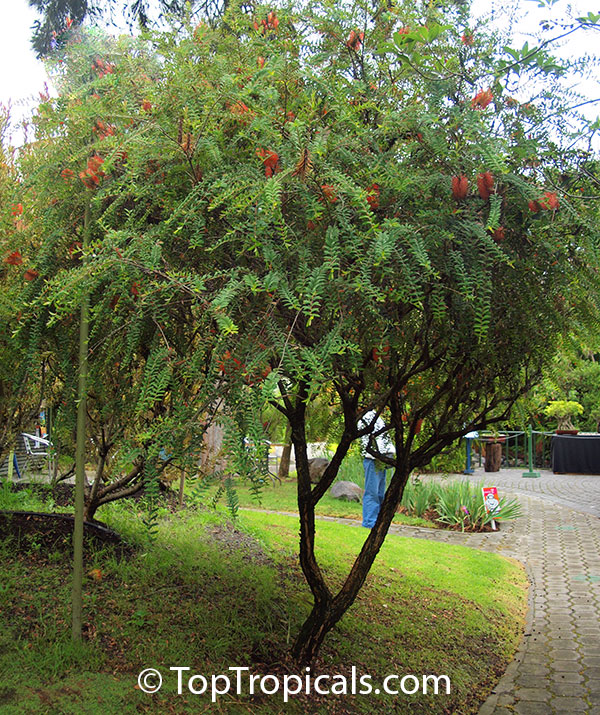
On the photo: Callistemon, Australian native tree.

Date: 12 Sep 2019

Helping Citrus and other fruit trees with Nutritional Supplements

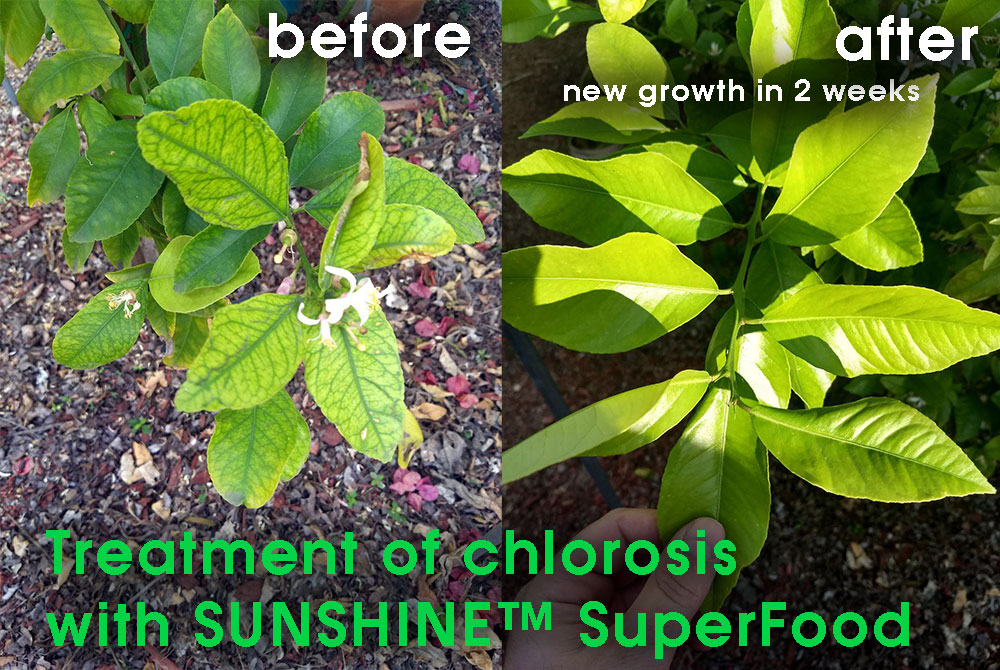
Q: Can you recommended a product to help with my citrus? Combating greening and chlorosis.

A: Citrus greening is spread by an insect called the Asian citrus psyllid. The psyllid feeds on the stems and leaves of the trees, infecting the trees with the bacteria that causes citrus greening. Florida Citrus growers dedicated the last decade to researching citrus greening. Officially, currently there is still no cure, however, some Nutritional solutions have shown promising results. To slow the progression of citrus greening in infected trees, nutrients are applied to the leaves and to the roots. Providing better nutrition helps trees fight against citrus greening and enables them to continue to produce quality fruit.

We recommend the following products for use on regular basis:

SUNSHINE Epi is a natural Brassinosteroid plant hormone and a bio-stimulant that may be very effective as citrus greening treatment. It works through plant's immune system and shows amazing results of recovery of weak and sick plants.

SUNSHINE Superfood, a complex micro-element supplement, maintains plant's health and provides vigorous growth.

SUNSHINE-Honey is a basic nutritional complement, it contains essential plant micronutrients Boron (B) and Molybdenum (Mo). These elements are essential to vegetative and reproductive growth, cell expansion, tissue growth, and fertility. A very common problem for most unimproved garden soils is lack of Molybdenum and Boron as soil micro-component. This results in underdeveloped / low quality fruit and/or premature fruit drop. Applying SUNSHINE Honey on your fruit trees will fill that gap and help a fruit tree to form a healthy fruit.

Macro-nutrients should be applied in combination with micro-nutrients on regular basis:

Mango-Food - Smart Release Fruit Tree Booster (works great for all tropical fruit trees)
Fruit Festival Plant Food - Ideal blend designed to improve fruit trees health and vigor, and increase crop yield.

See SUNSHINE Boosters page for the complete list of plant boosters.

Date: 29 Jul 2019

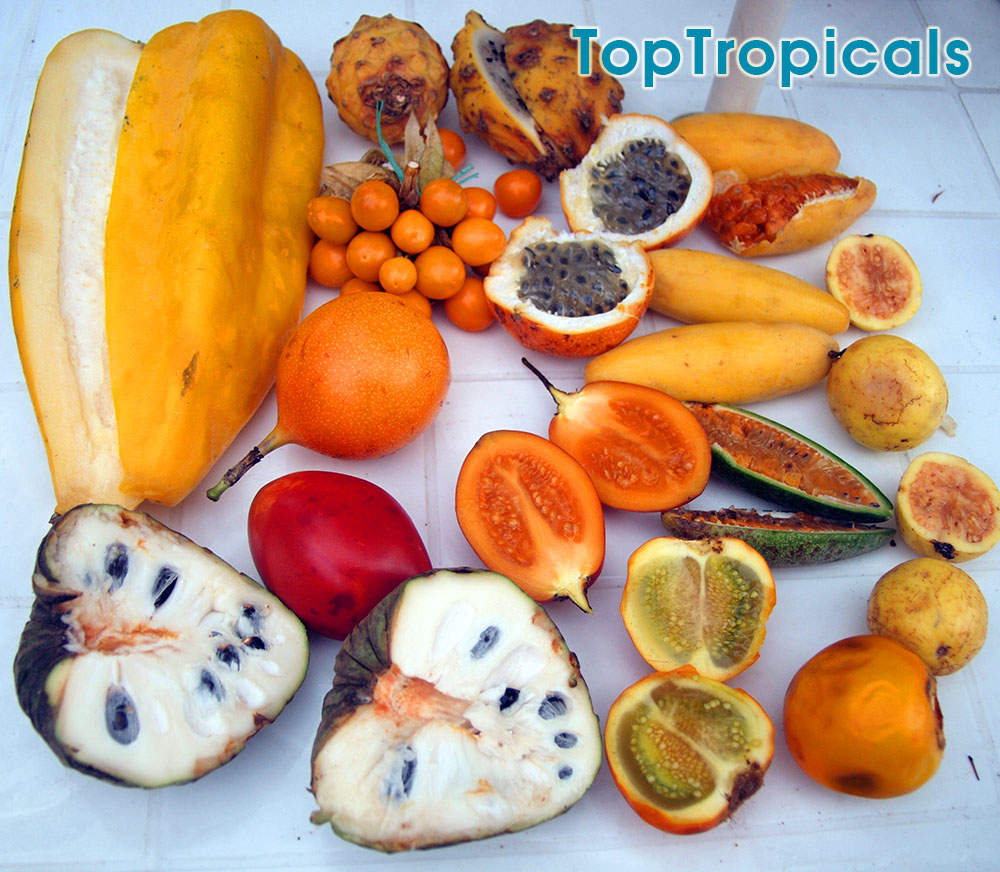
When to fertilize and prune tropical fruit trees?

Q: Can tropical fruit trees (Soursop, Mango, Star fruit, etc) be given plant food any time of year? Also can they be trimmed this time of year/summer?

A: True tropical plants (including fruit trees) need plant food most of the year in real Tropics, where temperatures have very little fluctuations, and active growth season is close to 12 months a year. In subtropical areas when temperatures in winter drop below 65F, plant metabolism slows down, so it is recommended to fertilize only during the warmest period (March through November). So yes, Summer is the perfect time for fertilizing your trees; their metabolism is at the highest point and they can use more food!

Trim your fruit trees right after harvesting. Obviously, you don't want to prune branches before or during flowering or fruiting. The specific time of the year for pruning depends on the plant - every tree has its own flowering/fruiting season. However, avoid pruning right before winter: young shoots promoted by pruning are tender and can be cold damaged.

Recommended fertilizers for fruit trees:

Fruit Festival Plant Food - Super Crop Booster
Mango-Food - Smart Release Fruit Tree Booster
SUNSHINE-Honey - for sweeter fruit
SUNSHINE SuperFood - microelement supplement