Garden Blog - Top Tropicals

Date: 29 Jul 2019

When to fertilize and prune tropical fruit trees?
Q: Can tropical fruit trees (Soursop, Mango, Star fruit, etc) be given plant food any time of year? Also can they be trimmed this time of year/summer?

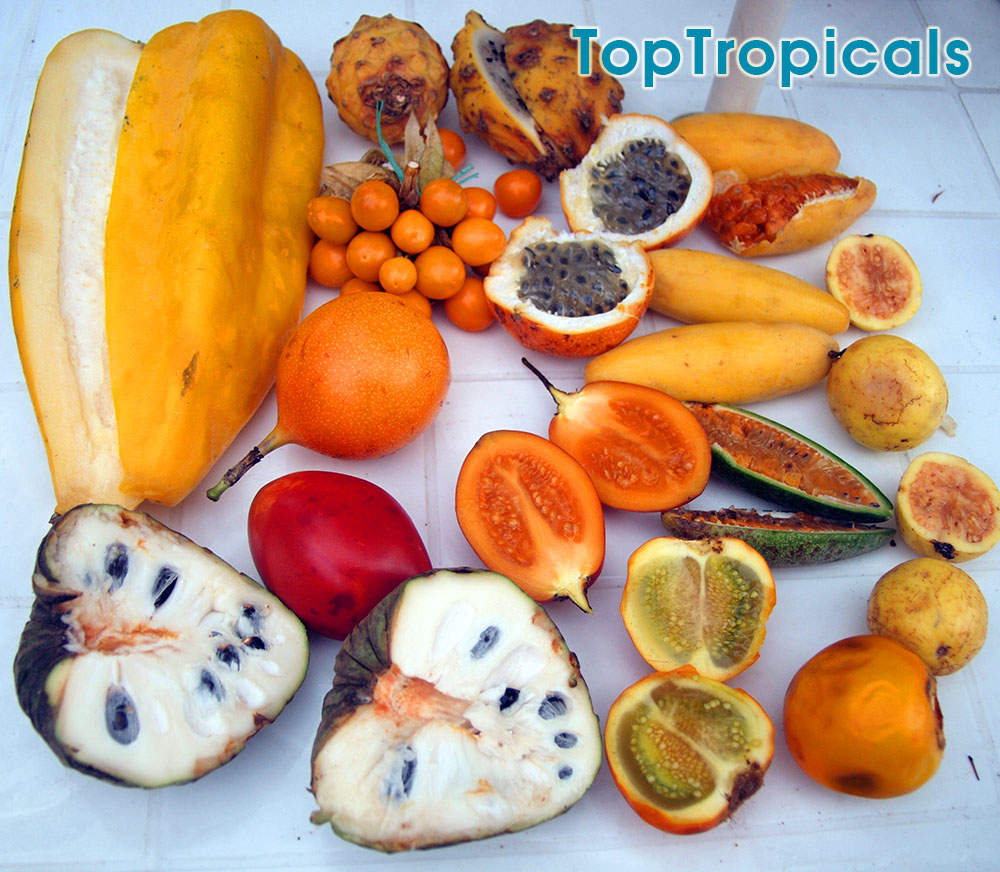
A: True tropical plants (including fruit trees) need plant food most of the year in real Tropics, where temperatures have very little fluctuations, and active growth season is close to 12 months a year. In subtropical areas when temperatures in winter drop below 65F, plant metabolism slows down, so it is recommended to fertilize only during the warmest period (March through November). So yes, Summer is the perfect time for fertilizing your trees; their metabolism is at the highest point and they can use more food!

Trim your fruit trees right after harvesting. Obviously, you don't want to prune branches before or during flowering or fruiting. The specific time of the year for pruning depends on the plant - every tree has its own flowering/fruiting season. However, avoid pruning right before winter: young shoots promoted by pruning are tender and can be cold damaged.

Recommended fertilizers for fruit trees:

Fruit Festival Plant Food - Super Crop Booster
Mango-Food - Smart Release Fruit Tree Booster
SUNSHINE-Honey - for sweeter fruit
SUNSHINE SuperFood - microelement supplement

Date: 24 Jul 2019

Perfect small tree for a pool area

Q: I need a tree for a space that is close to a pool and I don't want a tree that is shedding leaves all year long. I don't want it too big either. The canary tree caught my attention but I need to know if it is a tree that is dropping leaves all year. If it does then can you recommend another tree? I live in Fort Lauderdale.

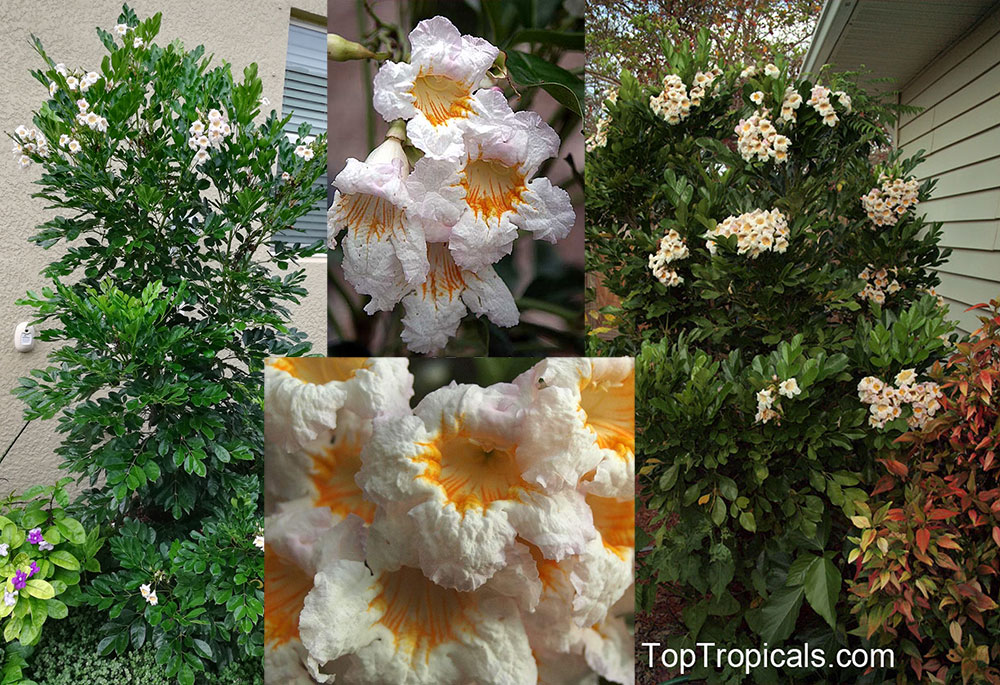
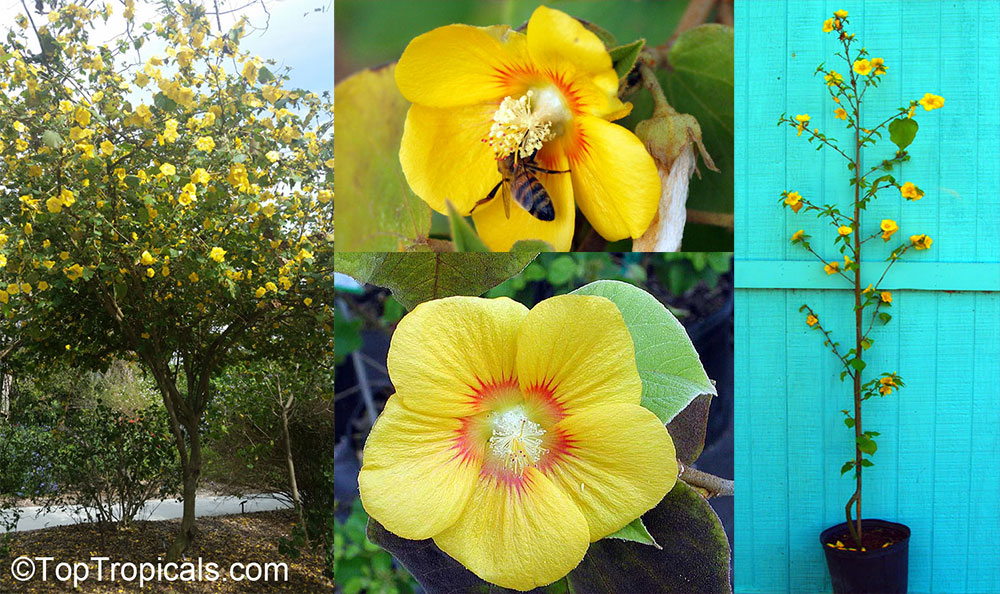
A: Canary tree is a good choice. It is free-flowering pretty little tree. It is evergreen and doesn't shed leaves too much especially in your area with mild winter. However, keep in mind that every plant sheds leaves. Even evergreen trees replace old leaves with new ones. Some trees more than others. Flowers also have a seasonal drop. You may check the full list of compact flowering trees suitable for small spaces.

Another great choice is a Dwarf Tree Jasmine, Radermachera - also a free-flowering tree with rose-fragrant flowers and large, architectural leaves that hardly ever drop. It has very dense yet compact columnar shape, and is one of the greatest trees for smaller landscapes.

Recommended fertilizers and supplements:

Pink N Good Daily Plant Food - Flower Booster
Tropical Allure - Smart-Release Booster
SUNSHINE SuperFood - plant booster

Date: 24 Jul 2019

Plants that are not for eating

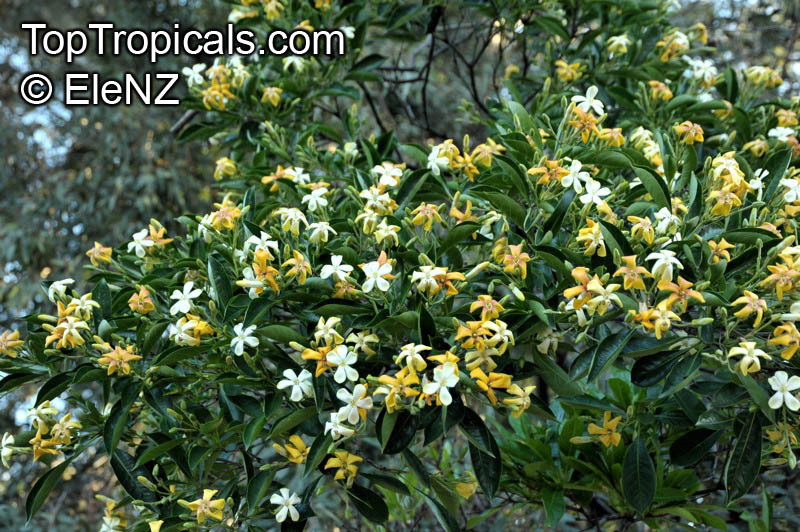
Q: On the website, it says that the pua keni keni tree is toxic. Do you know how toxic? Is it mild irritation or can someone die from ingesting any part of the plant?

A: Pua Keni Keni, Fagraea - seeds (and especially flesh of the fruit) are toxic, so we recommend to always wash your hands after handling them. Obviously, nobody in our team ever tried to eat them to check how toxic they are and if they are deadly.

In general, one must be careful when using plants for purposes other than ornamental growing, especially for consumption. While some obvious edibles (cultivated fruit, vegetables, herbs) are generally safe, but some individuals may have severe reactions - for example, many people are allergic to mangoes; other people may be sensitive to only mango leaves.

A number of plants that have parts commonly consumed for food, have other parts toxic or poisonous. Example: Potato - Solanum tuberosum - has edible tubers feeding the whole planet population, but this plant's fruit is highly toxic and even deadly if eaten. Fruit from a Potato plant look like tiny little green tomatoes since Potato belongs to the same family as Tomato - Nightshade, but it is super poisonous, while Tomato fruit is perfectly edible. So one must watch out and especially educate little children about not tasting anything directly from the garden.

As far as animals concern, in Nature they know what is poisonous and what is edible. Have you ever seen dead birds around a tree with poisonous fruit/seeds? Animals have their own sense for it. So if your concern is for pets, it is normally safe to have pets around plants with irritating or even poisonous parts. However, if your dog has a bad habit of chewing on stuff, you may use extra caution there.

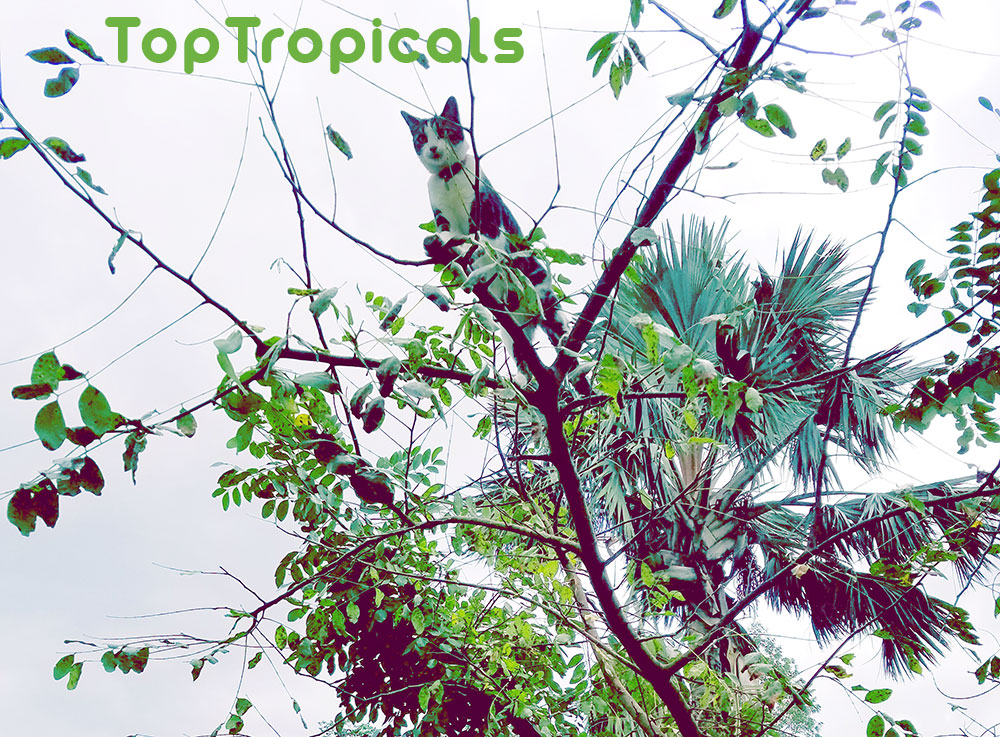
Photo below:

Riki-Tiki-Tavi exploring TopTropicals Gardens.

Date: 19 Jul 2019

How to grow Soursop in a pot

Q: Is it possible to grow soursop in a large pot for life?

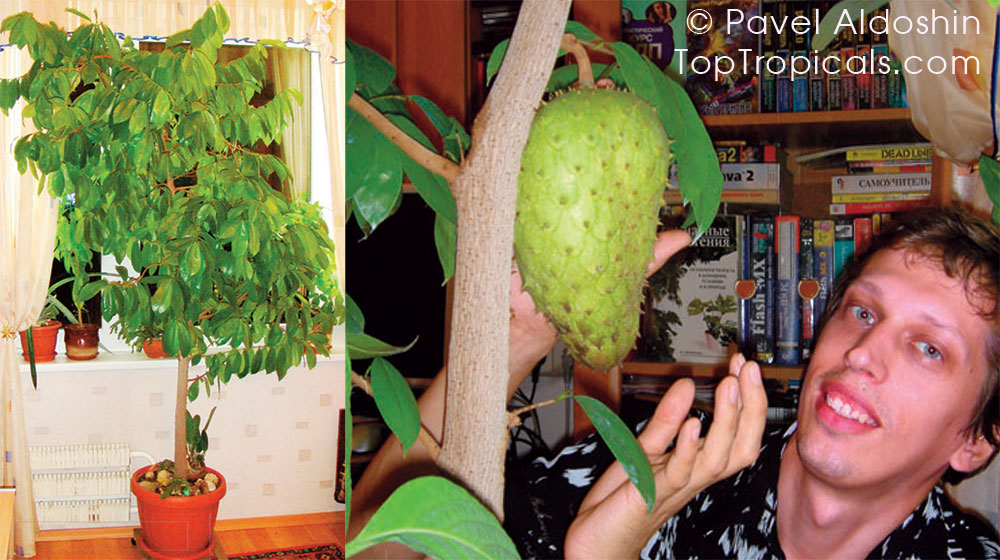
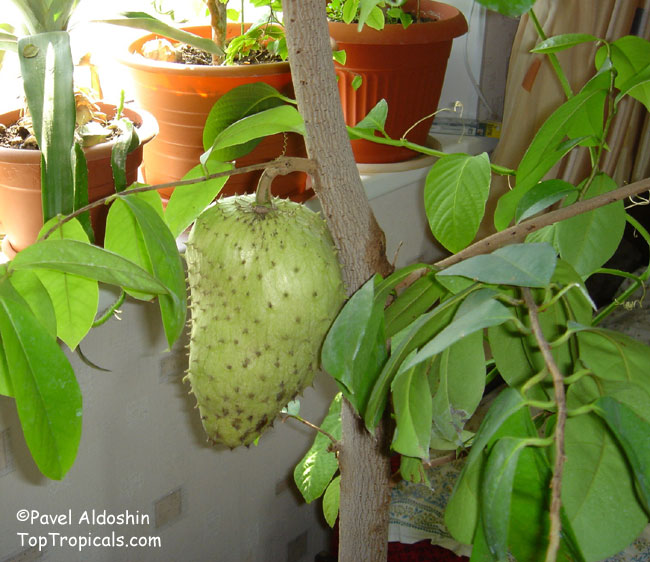
A: Soursop, or Guanabana - Annona muricata - is actually one of those tropicals fruit trees that can be easily cultivated in a container. Most plants of genus Annona have compact nature, and these fruit trees usually start production at a young age, as early as 3 years from seed. Annona muricata seedlings take a little longer to fruit, this is why we offer grafted trees, which can start producing right away.
We have a very interesting article about growing Soursop in an apartment. The article was written by an indoor gardener who lives in a very small apartment in Moscow, Russia. He grew this tree from seed and after years of cultivation fun, he finally got several large delicious fruit! It is an amazing story. We have it published in our Tropical Treasures magazine, download the whole issue #7, get a hard copy, or you may download PDF file of the single article.

Recommended fertilizers and supplements:

Fruit Festival Plant Food - Super Crop Booster
Mango-Food - Smart Release Fruit Tree Booster
SUNSHINE-Honey - sugar booster

Date: 19 Jul 2019

Growing Coconuts from seeds

Q: Good afternoon Anna, hope all is well. I have a question regarding Coconut growth. When I planted my coconuts seeds I notice they had water in it, after checking 6 months later I took one out from the pot and shock to see if still had water but notice no water shaken inside, still, no plant growing on all 6 seeds but no water noise inside of them. Can you indicate if I should discard them or are they still have a chance they will germinate?

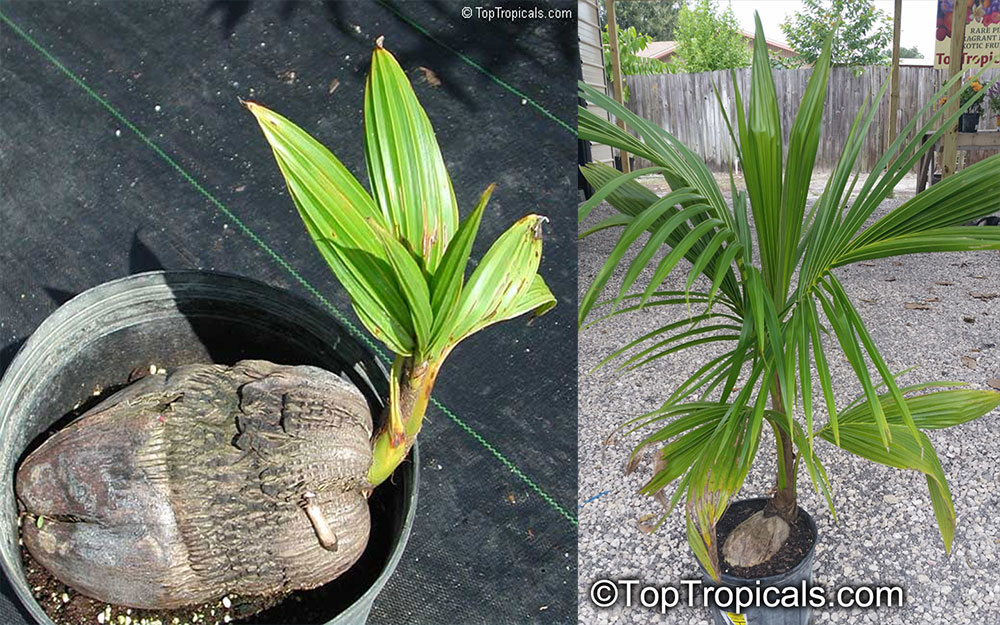
A: Coconut seeds normally germinate within a month from planting. If there is no growth within 6 month, chances are the seed was not ripe enough, or didn't have proper conditions for germination.
To grow a coconut palm from seed, place the nut on top of the soil (if in a pot, must be at least 3 gal pot) on its side, and bury it in soil half-way. Keep it warm (75F or higher, the warmer the better), in full sun, and soil must stay moist. Start fertilizing when the seed sprouts.

RECOMMENDED FERTILIZER:

Purple Palm Food - Smart Release Palm Booster

Photo below:

James Coconuts, one of our customer service reps, will be happy to answer all your questions! (Anna Banana, Stevie, or Onika can help when Coconuts is out of the office).