Q: Can I grow an olive tree in Florida and have
my own olives? How long does it take to fruit?
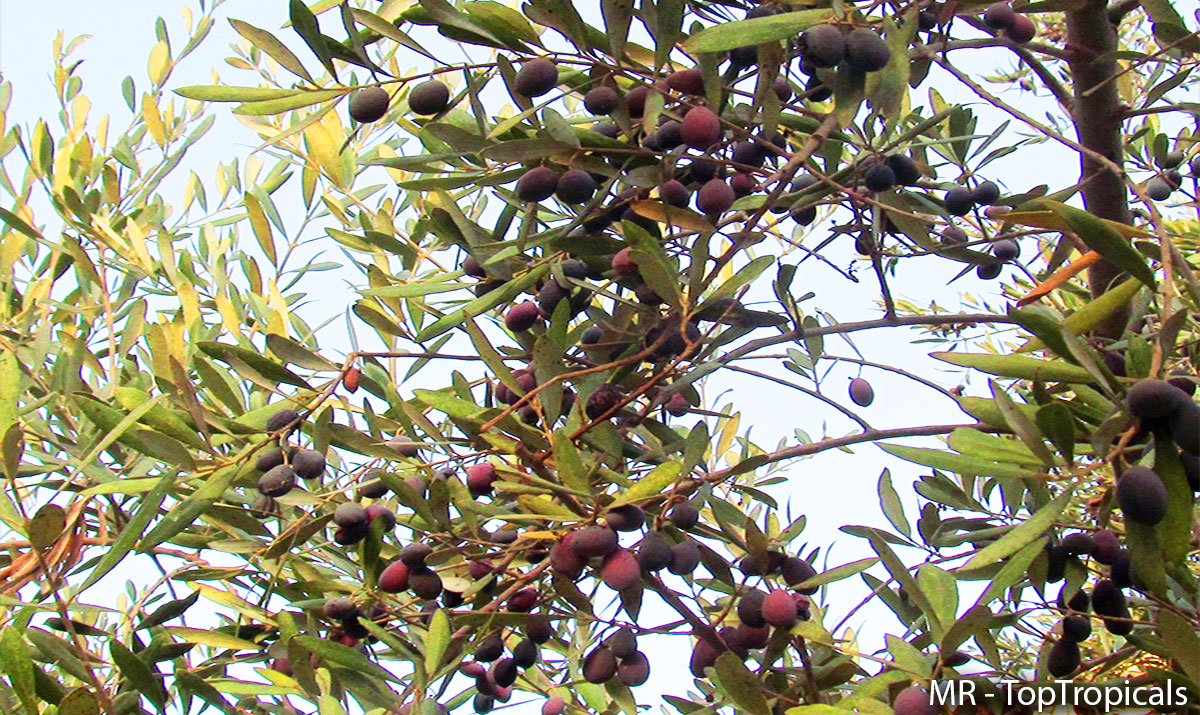
A:Olive trees can indeed thrive and fruit in various regions of Florida.
Their adaptability to different climates makes them suitable for the state's
diverse conditions. In the northern and central parts of Florida olive trees
can flourish.
Easy to grow. Olive trees prefer well-drained soil, and they
thrive in full sun, which Florida offers in abundance. While they may not produce
as prolifically as in their native Mediterranean habitats, with proper care
and suitable varieties, such as Arbequina, Coratina and Leccino, you can
still enjoy a bountiful harvest.
Cold hardy. One advantage of olive trees in Florida is their cold
hardiness. They can withstand occasional frosts and freezes, particularly
when they are mature.
Heat- and drought-tolerant. Olive trees also offer additional
benefits beyond their fruit production. They are drought-tolerant once
established, making them well-suited to Florida's sometimes erratic rainfall patterns.
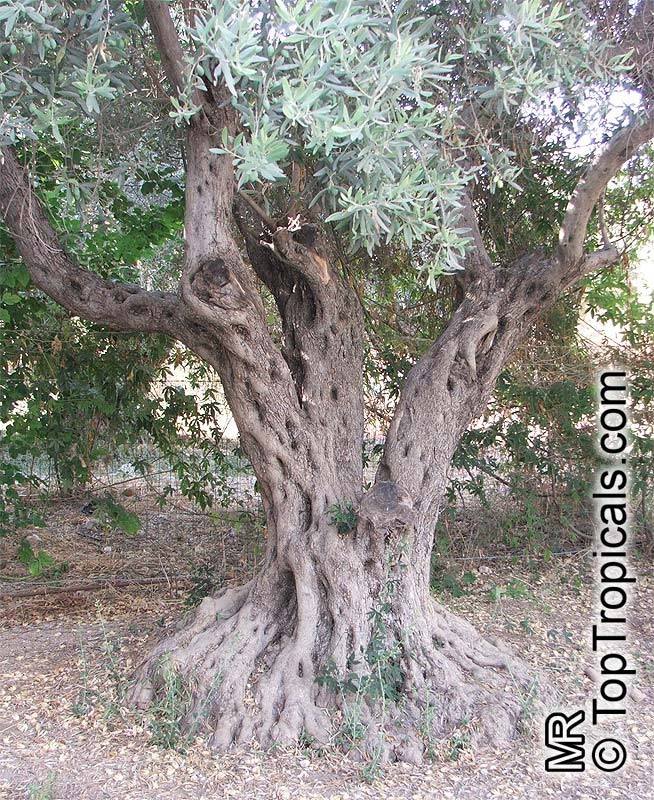
Beautiful in landscape. Evergreen foliage of olive trees adds
aesthetic appeal to landscapes year-round, and their gnarled trunks and
silvery-green leaves create a Mediterranean ambiance reminiscent of warmer
climates.
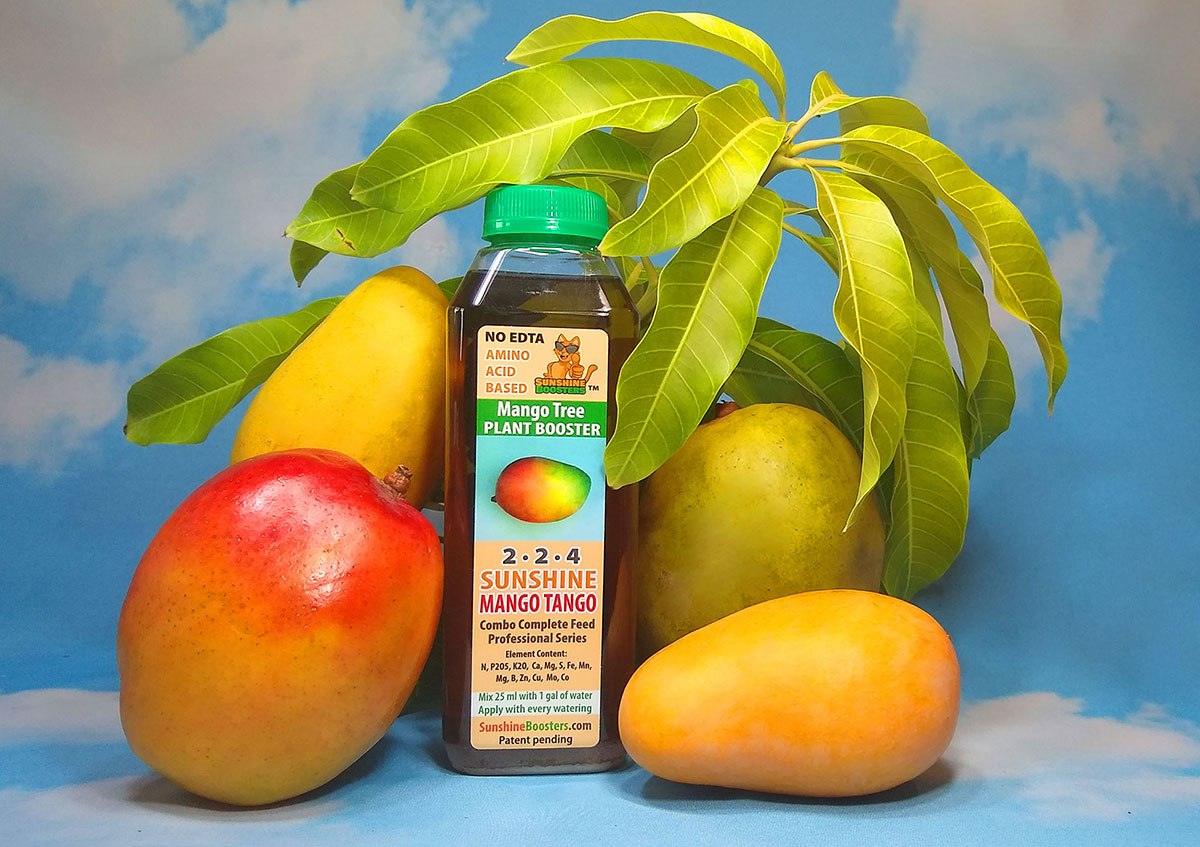
Fertilize for quick fruit. Olives will start flowering within 1-2
years of planting, providing regular fertilizing program. We recommend
Sunshine Boosters C-Cibus liquid fertilizer, perfect for edibles and
organic gardens.
Symbol of Prosperity. The olive branch has long been revered for
its symbolic significance, representing peace, prosperity, and hope across
cultures and centuries. It transcends mere botanical importance to embody the
enduring power of goodwill.
Healthy Olive Oil. Similarly, olive oil, extracted from these
timeless fruits, has been celebrated not only for its culinary excellence but
also for its remarkable health benefits. Rich in antioxidants and heart-healthy
fats, olive oil has sustained generations with its nourishing properties,
earning it a cherished place in both culinary traditions and holistic wellness
practices worldwide. So, whether adorning Olympic crowns or enriching
Mediterranean cuisine, the olive and its offerings continue to inspire and enrich
our lives with their timeless allure and profound significance.
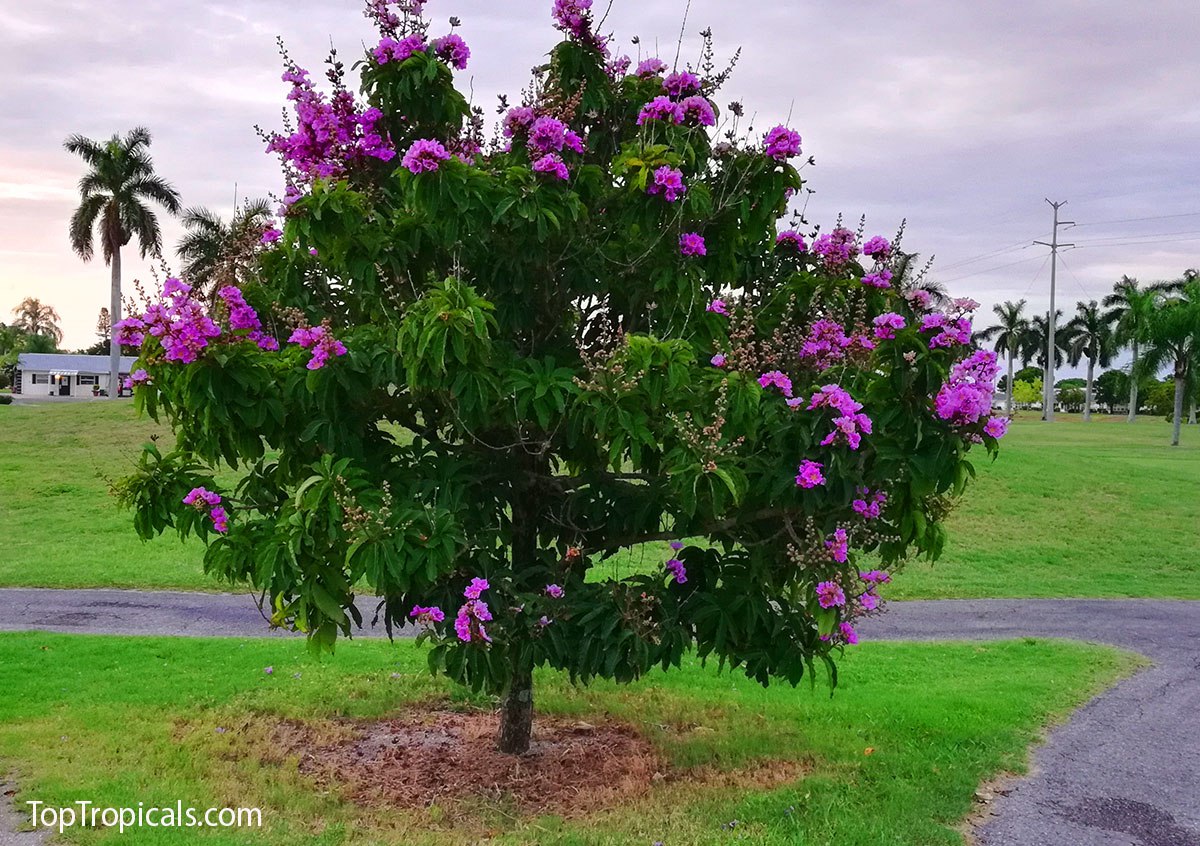
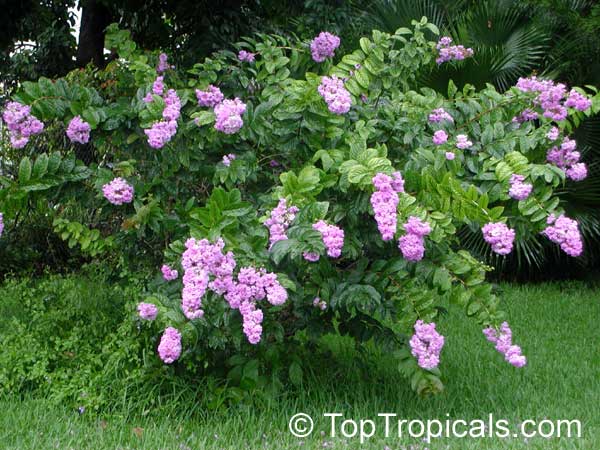
Photo above:
Lagerstroemia speciosa - Queen Crape Myrtle. Gorgeous flowering tree with
cascades of lilac flowers. One of the most popular trees in Southern
gardens.
Q: It's spring, finally! I can't wait to plant my
paradise garden with lots of tropical flowers. We moved into a nice new
house but the yard has nothing but grass. Where do I start?
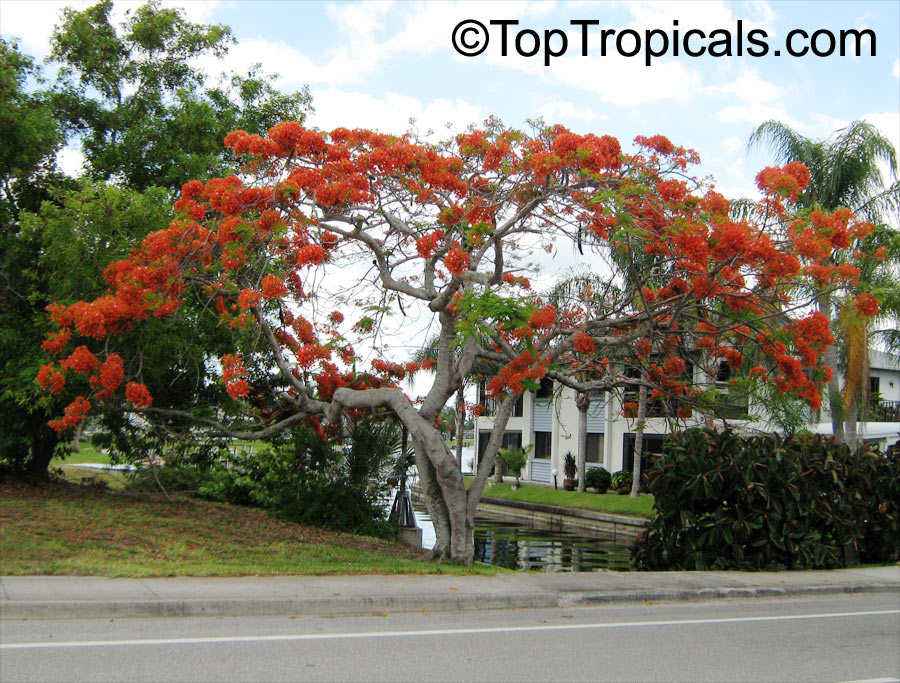
A: When you start your garden from scratch, you
need to plant your trees first. It's a perfect timing!
Getting tropical
flowering trees now is really important for making your garden strong and
beautiful. Trees are like the bones of your garden, giving it shape and shade.
If you plant them in spring, they have enough time to grow strong roots
before winter. This helps them survive better.
Trees also give shade to other plants so they can grow well too. It's like
building a house - you need to start with the frame before adding other
parts. So, it's a good idea to get those trees now before moving on to shrubs and
vines.
Remember to provide regular fertilizing program which is the most important
during season of active growth. The more food your tree gets, the stronger
and faster it grows! For flowering trees, we recommend Sunshine Boosters Megaflor formula.
CAT BREEDS:
European Shorthair - a cat that came from the wild...
By Alex Butova, the Witch of Herbs and Cats
Q: I saw your beautiful cats in your garden and now I know you are not only plant experts, but also cat experts. Do you now what is the classic color of European shorthair cat?
A: You are right, here at Top Tropicals we have a whole PeopleCats garden with all sorts of cats, and we can tell stories about each breed and personality! In fact, our cat expert Alex Boutova just started a series about cat breeds.
With European shorthair cat breed, there is a twist! Sometimes, people get confused because European shorthair covers lots of different cats found all over Europe. It's not just one type of cat, but a whole bunch! You've got cats with two colors, including bicolor cats (including tuxedo cats), multicolor cats, and even cats with just one solid color like black, grey, ginger, or tabby...