Garden Blog - Top Tropicals

Date: 7 Jan 2019

Three interesting varieties of Avocado
TopTropicals.com

Q: I intend to gift three avocados, at least one type A and one type B, to a friend who lives in an area where the temperature never goes below 25F. The idea is to give them a ripening season as long as possible. Which combinations do you suggest, and which are the A and B?

A: When talking about "A" type and "B" type in Avocados, we are referring to the flowers. An avocado will produce both male and female flowers on the same plant. "A" type means that the flowers are female in the morning and male at afternoon. "B" type means that the flowers are male in the morning and female in the afternoon. If you plant to start a commercial growth, then it's important to create a proper mix of both types. However, in hot and humid climate a single tree produces flowers of both types, so it is NOT necessary to have both A- and B- types planted together in the backyard. Even a single tree produces enough fruit for a home gardener.

It is also important to know that while there are "more cold hardy" avocados (hardy to as low as 15F), it refers to a full grown established tree. Young trees still need protection from the cold until they are bigger and more established. One can not expect a small tree planted in June to survive the first winter with a hard freeze. It'll take a few years until the tree is strong enough.

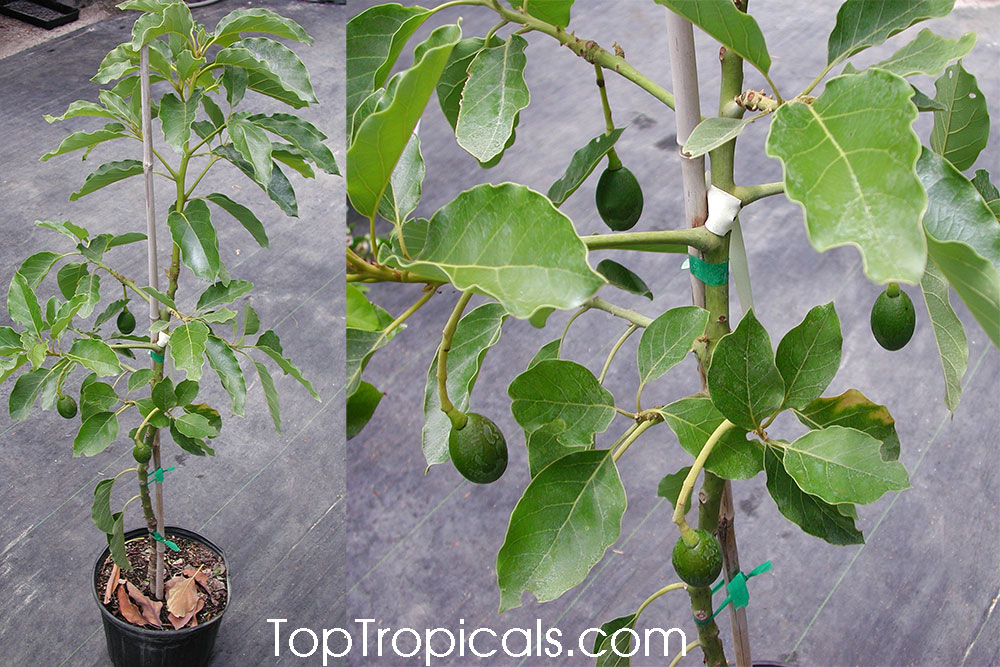
These a few rare varieties that may be of your interest.

Poncho Avocado
Very cold hardy variety. Produces medium to large green fruit. It survived temperatures around 10F near San Antonio, Texas (Zone 8b). Mature trees can take temperatures down to 15F for short period of time without significant damage.

Anise Avocado
This avocado has strongly scented leaves that smell like Anise. Very rare variety. Fruit is of excellent quality, creamy and buttery.

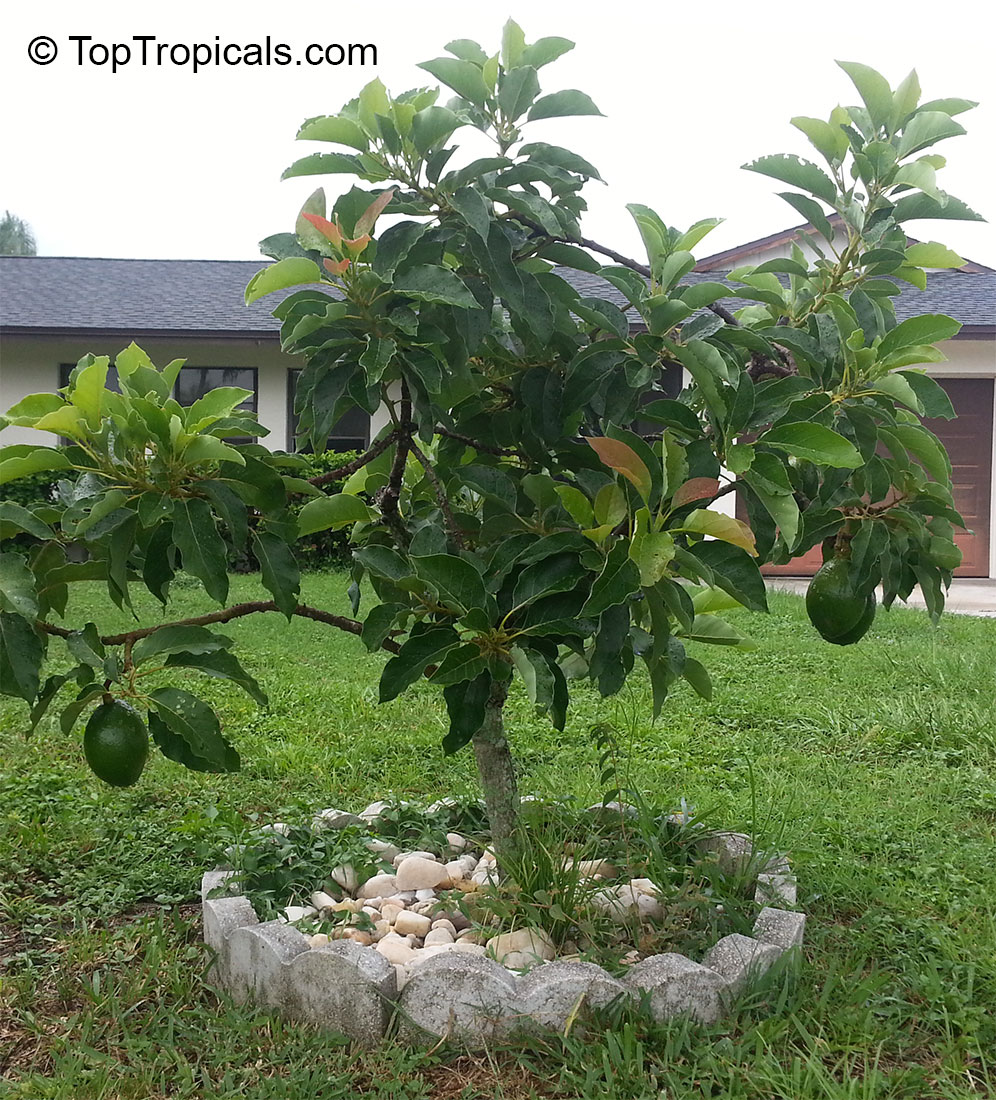
Catalina Avocado
Catalina is a very nice mid-season pear-shaped fruit that is especially rich and creamy. It is an extremely popular variety in South Florida in the Cuban Community. The Story of this variety says...
...Catalina is an amazing avocado floated across from Cuba, 60 years ago just before Fidel Castro took over the Island Nation. Wise Cubans jumped into the ocean to escape the Castro regime and tossed in some favorite scions for us to enjoy here in the States. We owe a great debt to poor old Don Miguel Cruz de la Santa Maria Espinoza Sanchez Alvarez Jr. who sadly was lost at sea. His amazing scion wood, wrapped in cellophane and aluminum foil floated over, washing ashore on Miami Beach. His shiny little package was miraculously picked up on the shoreline and immediately grafted and cared for by keen-eyed avocado lovers in Miami...
So be sure to think about this story every time you eat a Catalina!

These three Avocados will provide you with fruit ripening during the whole warm season. See more information on avocado varieties and the most cold hardy cultivars.

Check out our full selection of avocado varieties. They are 15% OFF today!

Date: 31 Aug 2016

Hardy avocados

Q: I intend to gift three avocados, at least one type A and one type B, to a friend who lives in an area where the temperature never goes below 25F. The idea is to give them a ripening season as long as possible. Which combinations do you suggest, and which are the A and B?

A: When talking about "A" type and "B" type in Avocados, it is referring to the flowers. An avocado will produce both male and female flowers on the same plant. "A" type means that the flowers are female in the morning and male at afternoon. "B" type means that the flowers are male in the morning and female in the afternoon. If you plant to start a commercial growth, then it's important to create a proper mix of both types. However, in hot and humid climate a single tree produces flowers of both types, so it is not necessary to have both A- and B- types planted together in backyard. Even a single tree produces enough fruits for home gardener.

It is also important to know that while there are more cold hardy avocados, it refers to a full grown established tree. They will still need protection from the cold until they are bigger and more established. One can not expect a small tree, which was planted in June, to survive the first winter. It'll take few years until the tree is "harden" enough.

Wurtz Avocado: Fruits from May to Sept. Dwarf hybrid. It is very compact and slow growing, reaching only about 8-12 feet at maturity. Distinctive weeping growth habit. Suited for planters, containers, patios, greenhouse use. Great for dooryard or container growing. The tree can handle temperatures to 25(F) degrees. Production is good and it is a consistent bearer.

Day Avocado: Fruits July to Sept. Day avocado is green, smooth skin and is shaped like a club. The fruit is of very good quality and has a nice buttery consistency. The slender tree is relatively cold tolerant and produces July through September.

Fuerte Avocado: Fruits Nov to June. Relatively cold hardy variety. Green fruit, elongated,flavor excellent, buttery. Vigorous compact tree with decidedly alternate year bearing habit. Ripens November to June.

These three will provide you with fruit ripening during the whole warm season. For the most cold hardy avocado varieties, see this info sheet.

Date: 3 Apr 2019

Clay or plastic?

TopTropicals.com

Q: I purchased an Avocado tree and planted it in a nice clay pot that I bought in a special pottery place. My tree looked very healthy when arrived but after a week leaves become droopy and started yellowing. I was advised this was a sign of over-watering. I watered the tree only once since I got it 2 weeks ago. What is wrong with my plant?

A: Unfortunately, the fancy pot may be the reason. Although clay pots (plain clay, without glaze) are considered to be good for root health, however, the root system is hard to control and difficult to check without disturbing. Clay pots with fancy glaze and painting may have a drainage problem. We have noticed that cone-shaped pots are usually problematic for drainage, and a plant always has "wet feet". Avocados like watering, but cannot tolerate sitting in water. If you want to avoid root problems and still like to keep a beautiful look of your treasure plant, you may use a fancy planter, where you can put your plant growing in a plain plastic black nursery pot of much smaller size than a planter: its vertical walls are perfect for drainage, and the pot is easy to remove for re-potting or inspecting. Make sure to put a layer of drainage rock on the bottom of the planter so your efforts won't be in vain.

Date: 24 Jun 2018

TopTropicals

Avocado, Lychee and Mango setting fruit... give them some FOOD!

Q: Do I need to fertilize tropical fruit when they set fruit?

A: It is traditionally believed that mango and other tropical fruit shouldn't be fertilized during fruiting period. It is true to an extent: you don't want fruit to burst from fast excessive growing. Instead, try to feed fruit trees wisely, because they still need proper nutrition to produce flowers and fruit.
Our spring specials of Lychee, Avocado and Mango are full of buds and some already set tiny fruit (see examples on the photo). Here is the feeding plan for these plants once you receive your mail order:
1) Once received the plant, pot it into container size of the root ball and let establish for couple weeks. Use SUNSHINE-E to help the plant recover from shipping stress and establish root system.
2) Apply SUNSHINE-Honey right before flowering, and next time at setting fruit, to provide sweeter and bigger fruit, eliminate fruit cracks and help resist fungus and other fruit diseases.
3) Use balanced granulated fertilizer, 1 tsp per each gallon of soil. Apply once a month during Spring-Summer season. This gives the plant balanced macro-elements (NPK) necessary for overall plant health. Do not use on fruit trees fertilizers with high Nitrogen content.
4) Apply SUNSHINE SuperFood micro-element booster to keep fruit trees vigorous, develop strong root system and avoid deficiencies.
5) In case of signs of chlorosis (yellowing leaves with darker veins), give the tree SUNSHINE-GreenLeaf and watch the leaves turning green quickly.
After harvesting, don't forget to make another treatment of SUNSHINE-Honey as a preparation for the next year flowering and fruiting season.

Date: 19 May 2016

Care of mail-order plants during hot summer

Q: I live in California and about a month ago ordered several plants from you, including fruit trees (Carambola, Mango, Avocado) and flowering trees (Xanthostemon, Adeniums, Champaca, Ylang Ylang). They were all doing well until I tried to move them into full sun, when they got leaf burn immediately. Ylang Ylang was doing great in a shade, but I repotted it from 1 gal into 3 gal and it is drooping leaves now. It has been very hot (over 100F) and dry (humidity is less than 25%). Any suggestions?

A: Hot summer can be pretty challenging time for establishing new plants. These are some guidelines to make your summer gardening more successful and rewarding.

1. You can order plants at any time, but keep your eye on your local weather forecast and try to chose cooler periods to schedule your plant shipments. Here at TopTropcals we monitor weather at destinations, and we can also delay shipment per your request until more favorable conditions.

2. During hot Summer months, many plants are still OK to ship, and to be planted, many species are heat tolerant. It's usually safe to ship most succulents, including Desert roses and Euphorbias. Some fruit trees are pretty easy too, like Loquats, Mango, Eugenias. Many flowering trees can take heat: Acacias, Clusias, Jatropha, Sausage Tree, Plumerias and many others. Check our full list of plants suitable for hot and dry conditions. Most jasmines, including Jasmine Sambac and Trachelospermum make also a safe choice for hot weather planting.

3. Use shade cloth or simply white sheets to protect young plants and new plantings from hot sun.

4. When establishing mail ordered plants during hot weather, keep them in shade for longer period of time than average recommended 1-2 weeks. Give them a chance to establish really well. In areas with low air humidity, try to create a simple mist system. It can be purchased in your local Home Depot for only $20 and set up takes only 10 minutes! It makes a big difference and can help you save many plants from hot weather stress.

5. Although it may seem that during hot weather plants need more water due to high evaporation, be careful with watering, and check soil with your finger before watering - don't water if it is still wet. Combination of "hot and wet" can be as harmful for the root system as "cold and wet" during winter. Protect root systems from overheating: covering black pots with white cloth will work. Remember when temperature is above 90F, most of plants slow down their metabolism, which means roots slow down or even stop pumping water and become more vulnerable to overwatering. For the same reason, do not hurry to step up into bigger container if roots haven't filled yet the existing pot.