Date: 12 Jul 2020
Delicious Turkish Brown Fig
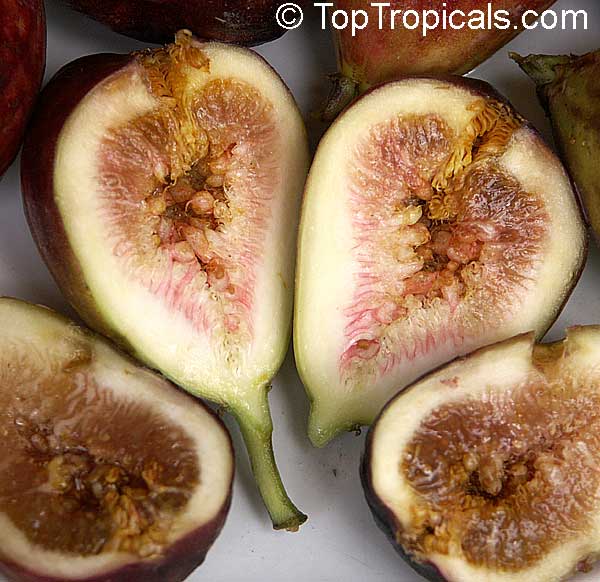
by Onika Amell, tropical plant expert
...Did you know that figs were among the very first plants grown in the
hot and arid Middle East? Fast growing and utterly delicious, they soon made
their way all over the Mediterranean, transported aboard ships and on the
backs of camels...
If you are a fig lover, you may be tempted to grow your own. Market-bought
figs are never as good and tasty as your own, homegrown figs. They just
simply do not keep well in supermarkets. Fast growing, undemanding and low
maintenance, figs will bear fruit in just two years, often bearing two crops in a
year. Another plus is that they are not bothered by too many pests and are
self-fertile. Apart from the delicious fruit, any fig tree will add beauty and
shade to a garden...
CONTINUE READING >>

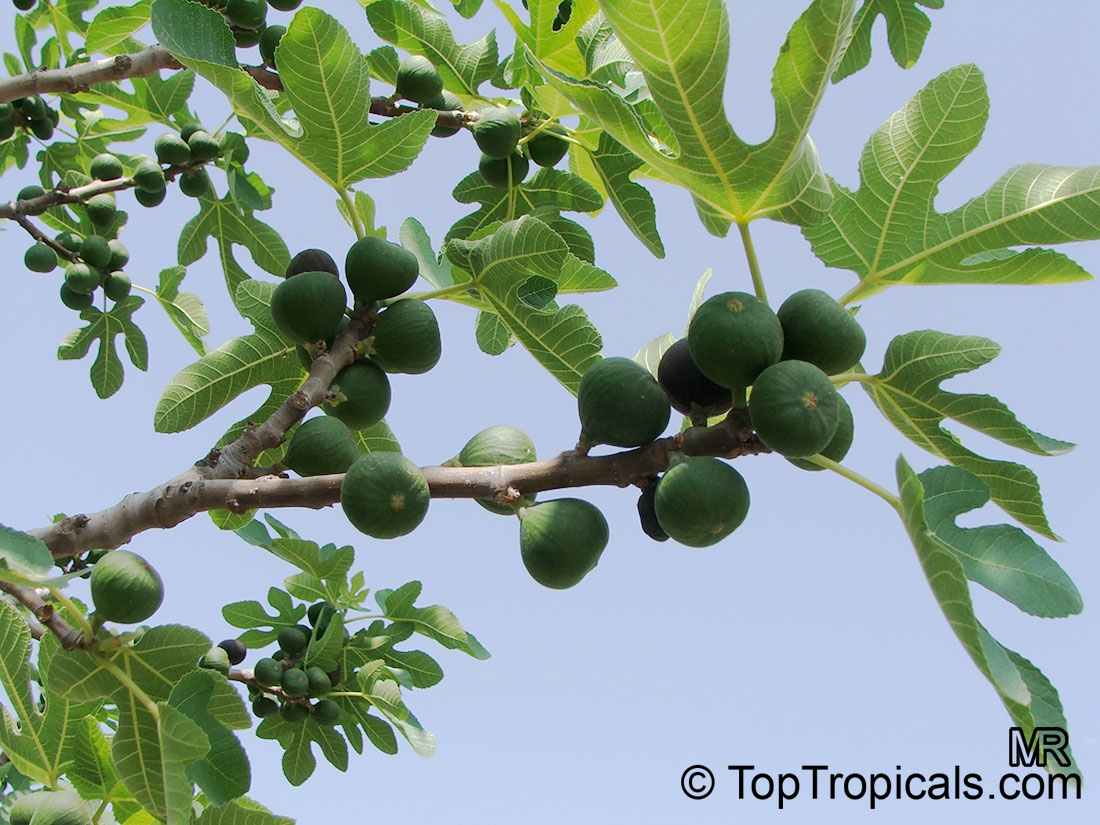
Read more about fig trees:
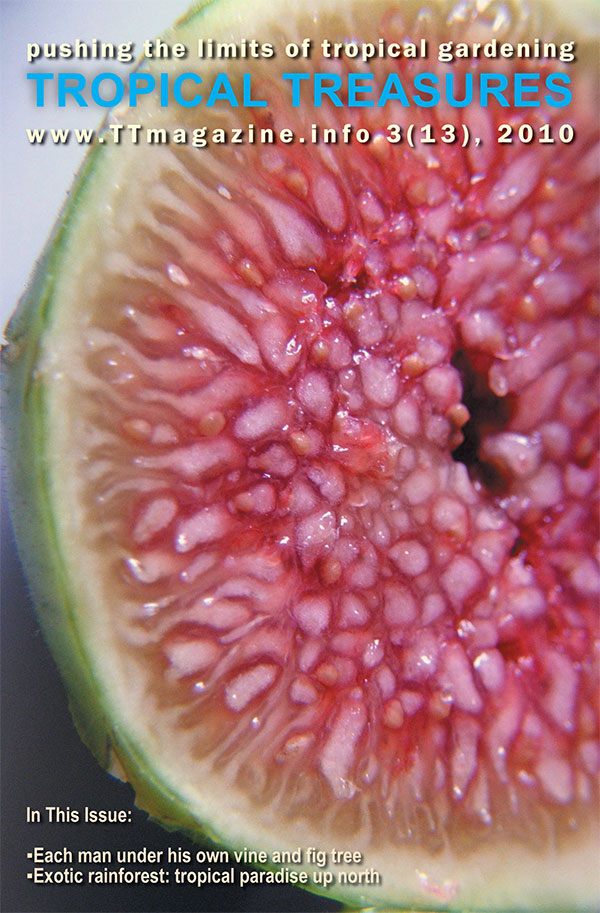
Tropical Treasure magazine # 13 (3) 2010:
- Hard
copy
- PDF
Download
Date: 8 Jul 2020
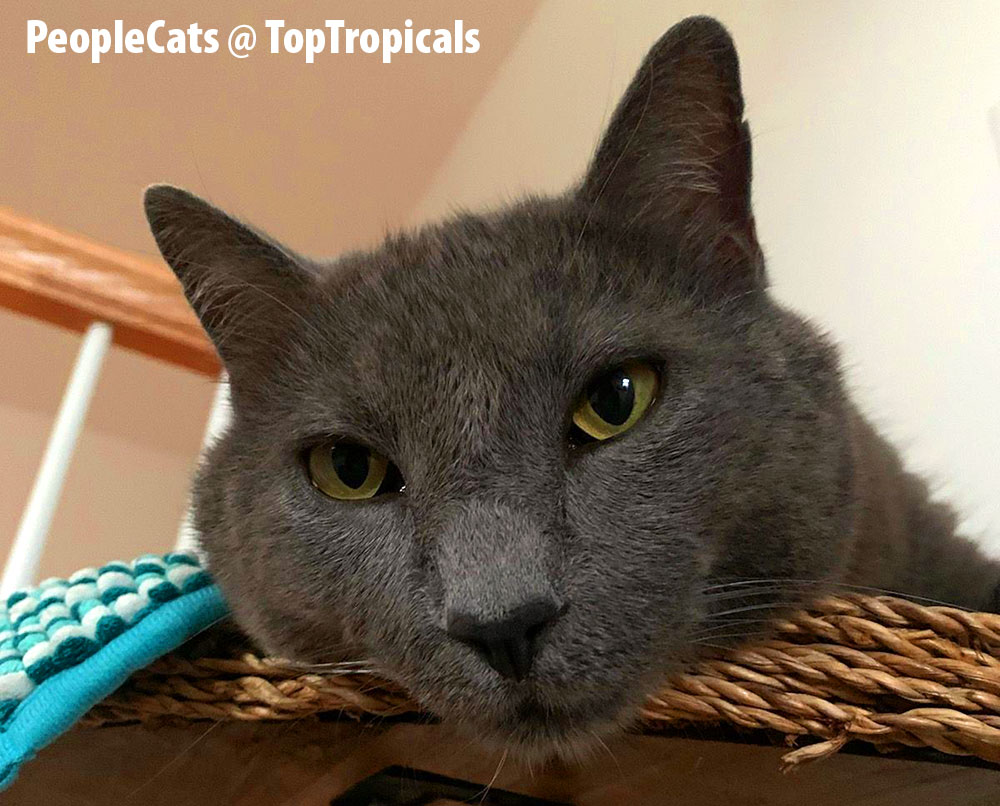
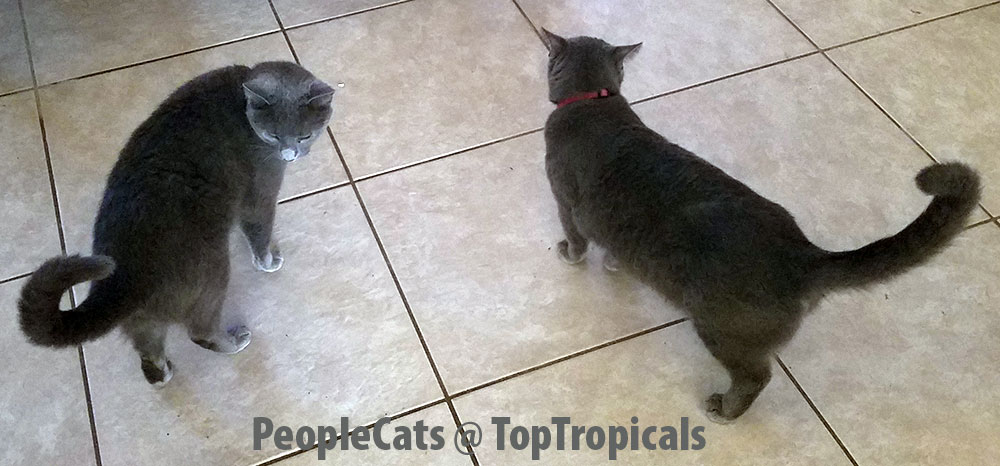
Meet PeopleCats of TopTropicals. Cat of the day: Russian Blue - a true Angel
Many customers ask if they can adopt one of our PeopleCats. Sorry, the answers is no, because they are not only members
of our family, but also valuable employees who help us around the nursery:
to grow and ship plants, work on construction projects, and even take care of
property security. However, we can give some advise on what kind of cats make
the most purrrfect companions.
If you are searching for a pet with a heart of an Angel, who is gentle and
loving, the Russian Blue is the perfect purrson to add to your family. The
Russian Blue breed comes in beautiful shades of gray, varying from a light
shimmering silver to a darker, slate gray. Their short, dense coat has been the
hallmark of the Russian breed for more than a century. It is a naturally
occurring breed originated in the port of Arkhangelsk in Russia. They are also
sometimes called ArchAngel Blues. It is believed that sailors took Russian Blues
from the Archangel Isles to Great Britain and Northern Europe in the
1860s.
Throughout the history of Top Tropicals, we've had many Russian Blues,
including famous Wesley, Marco, and King that are loved by everyone.
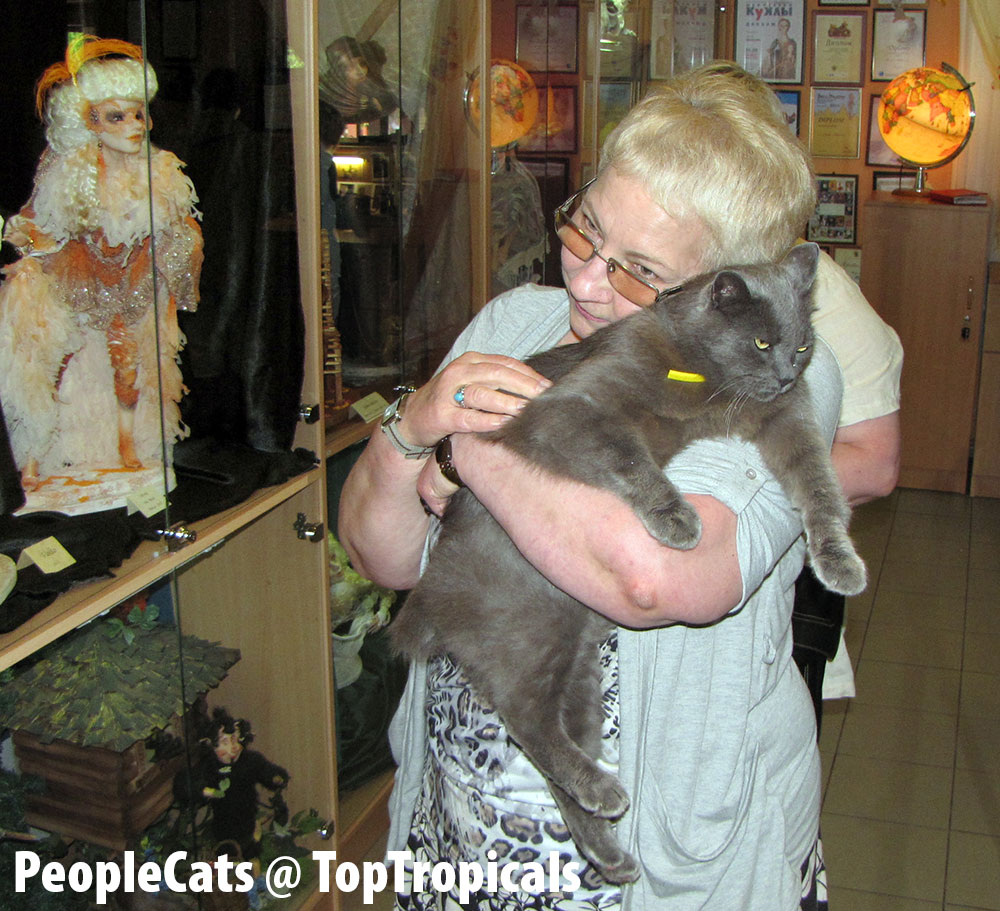
In the photo: TopTropicals editor Alex with Gosha - manager of the Puppet Kingdom, Museum of Dolls in Preili, Latvia
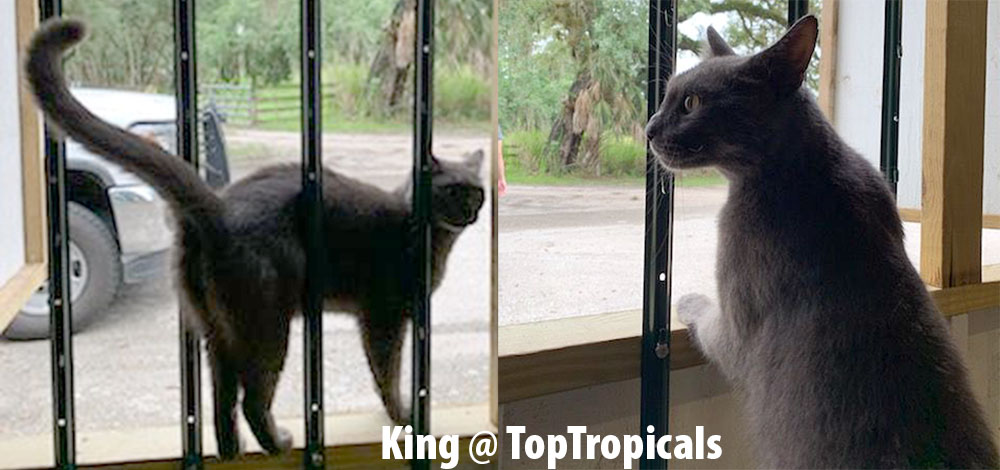
In the photo: King is checking security of the new window
TopTropicals PeopleCat Club and Zoo
Thank you for supporting us in helping PeopleCat Community!
Make
your kind donation today and receive a surprise gift from us! Every little
bit helps. Thank you and God bless you and your pets!
Date: 8 Jul 2020
Grafted fruit trees for Hawaiian gardens
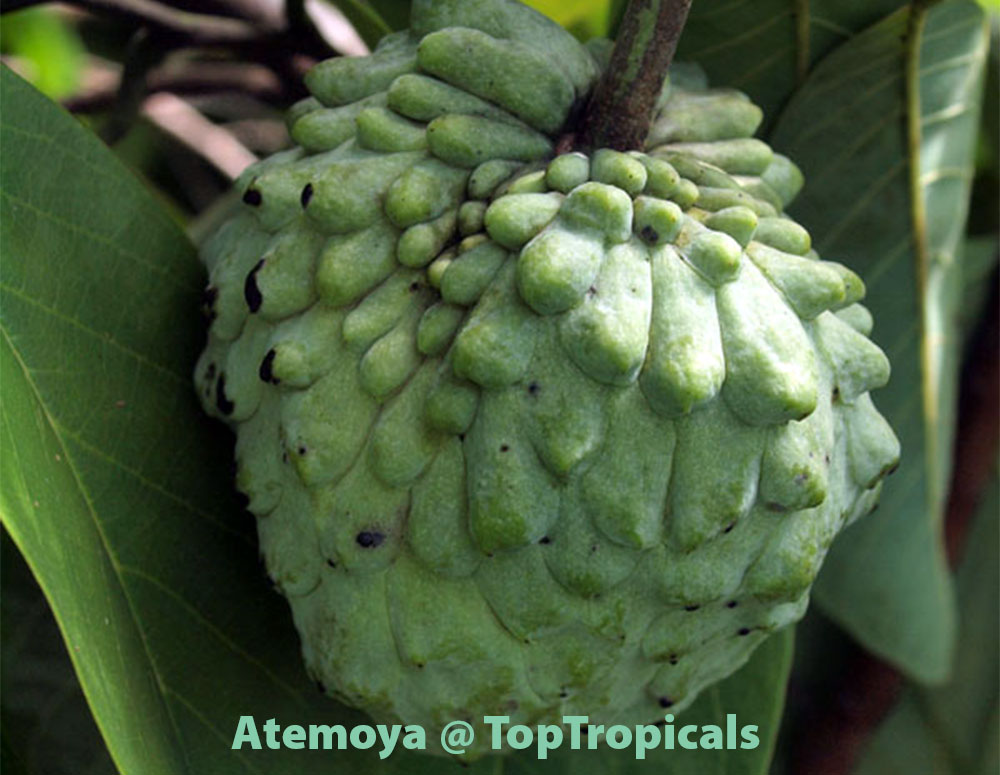
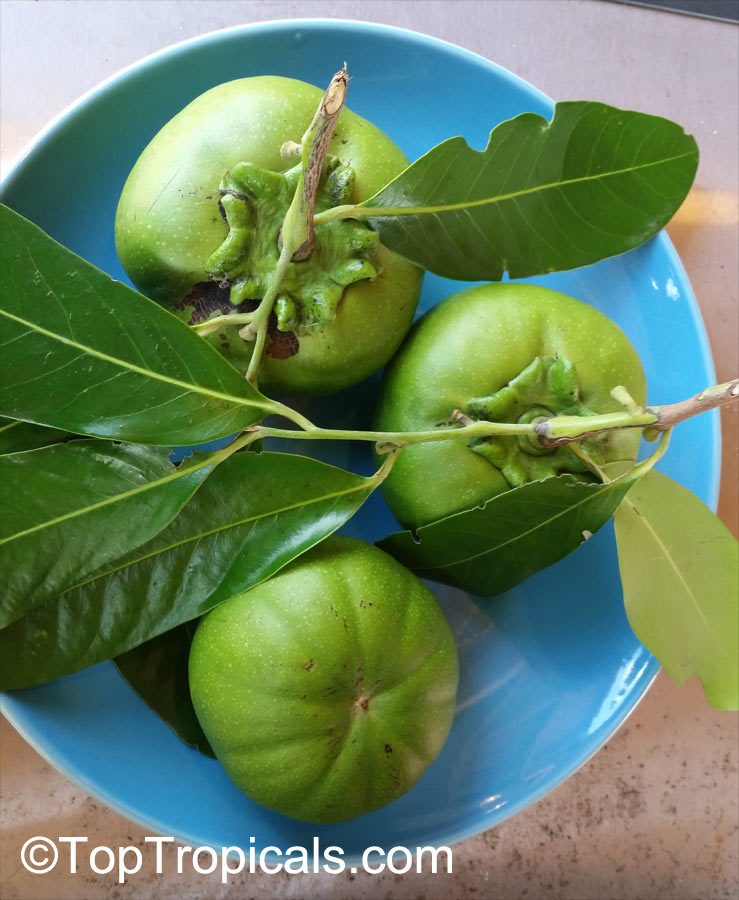
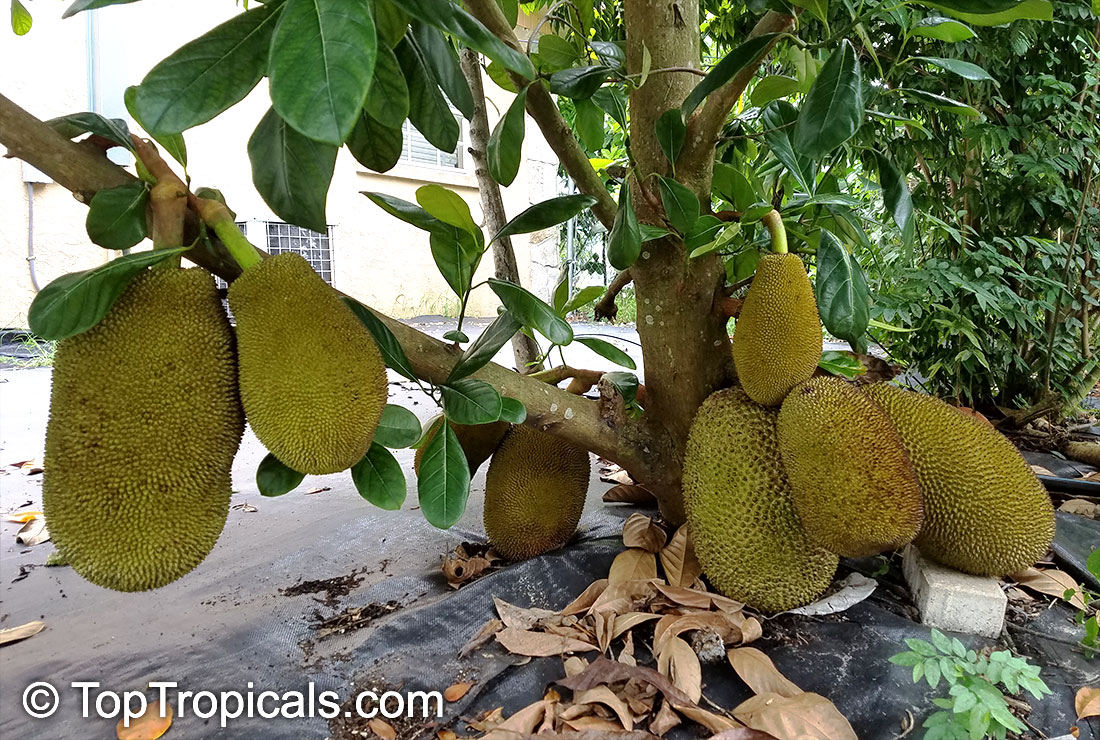
Q: Aloha guys, I purchased a Diospyros digyna - Black Sapote grafted var. Black Beauty from you and am checking to make sure it will fruit by itself and not need both sexes. Also checking to see if the grafted atemoya I bought from you will fruit at sea level (where I'm at) or if I should give it to a friend who is above 1,000 so it will fruit? My grafted Maimi soursop is thriving! Looking at getting a grafted jackfruit from you all next.
A: Black sapote Black Beauty does not need a second plant to produce
fruit. Grafted trees should be flowering and setting fruit right away, or
sometimes on the second year.
Atemoya does not require high elevation for fruiting. It is a hybrid
Annona squamosa x Annona cherimola (A. cherimola species prefers higher
elevation) so Atemoya is usually is happy at sea level.
Congratulations with your Soursop! It should be really happy in your location.
As for grafted Jackfruits, this is the list of varieties we usually carry. Since many of them are very rare, they sell out quickly once we get new arrivals. If you are looking for a specific variety, I strongly recommend to add it to your wishlist (click on "Notify me when available") and you will receive email from us as soon as we have it in stock, so you will be the first one to know about it!
Our favorite Jackfruit varieties (and also hot sellers)
Black Gold
Borneo
Red
Crispy
Dang
Rasimi
We also suggest to get a Kwai Muk (while we still have it!) - the most delicious fruit, and it should do well in Hawaii.
Date: 30 Jun 2020
Meet PeopleCats of TopTropicals. Cat of the day: Wesley's Independence

Wesley is the biggest cat at TopTropicals. He weighs almost 30 pounds.
He believes in good
nutrition and never sweats the small stuff.
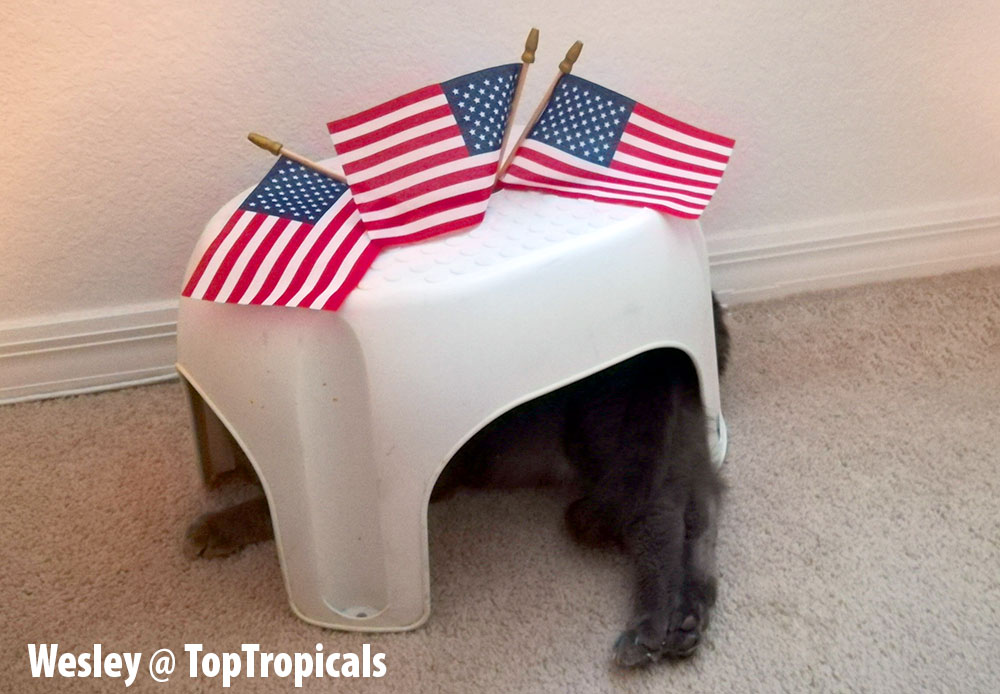
In spite of being the Biggest Purrrson, Wesley is not exactly fearless...
Everyone knows that there are two things Wes is afraid of - a thunder, and...
a doorbell. When someone rings the doorbell, Wesley zooms into the nearest
closet faster than a lightning and stays there until dark. No more than one
visitor per day for him!

In the photo below: Wes is celebrating his Independence - "It's better be safe than sorry!"
TopTropicals PeopleCat Club and Zoo
Thank you for supporting us in helping PeopleCat Community!
Make
your kind donation today and receive a surprise gift from us! Every little
bit helps. Thank you and God bless you and your pets!
Date: 30 Jun 2020
Plants like to snack!
How to feed Poinciana tree
(and other tropical flowering trees)
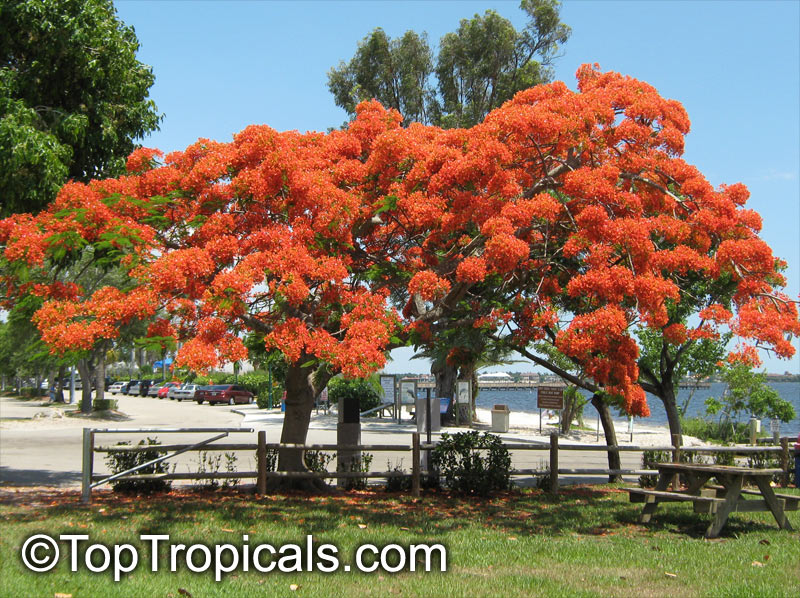
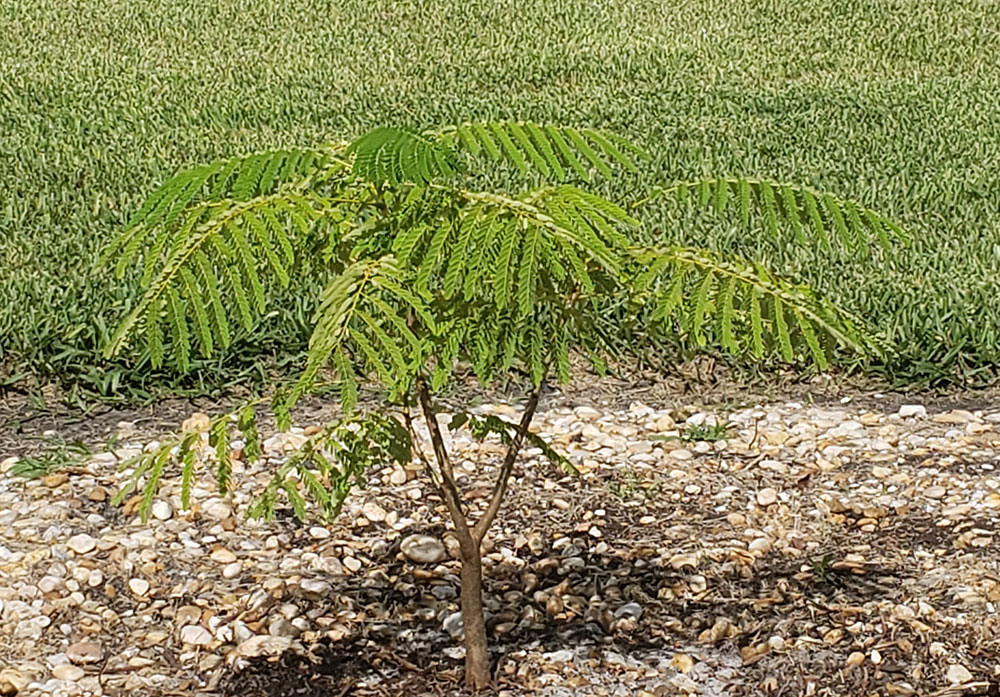
Q: We purchased a Royal Poinciana tree from TopTropicals not too long ago and we gradually gave it more sun until finally we were able to plant it in direct sunlight where it's been for a week or so. Rain has been sporadic lately so I'm giving it a little bit of water every day. It seems to be doing fine. I do have a question about whether the leaves are as green as they should be? I read online that I should fertilize it with gardenia / ixoria fertilizer in March, June, and October. I looked on homedepot.com but didn't really find anything that goes by that name. Would fertilizer help? Can you suggest a fertilizer?
A: Your Poinciana tree looks pretty healthy and happy,
congratulations with a great job!
Traditional (old-school) fertilizer recommendations usually suggest feeding
a plant 2-3 times a year with a slow-release fertilizer. And although a
plant will benefit from any fertilizer application (extra food is always good),
however, for the best results, faster growth, sooner and more profuse
blooming, your should use complete plant nutrition products - liquid fertilizers (see
why liquid
fertilizers are better than dry).
Here is an example. Some people eat a big heavy meal once a day which we
all know, is not very healthy. Other people eat balanced food more frequently
but in smaller portions - this is always the best way to go.
From this point, plants prefer SNACKING - frequent feeding, but with less
concentrated, mild and balanced nutrients.
For your beautiful Poinciana tree (and other flowering plants), we suggest
the following nutrition program:
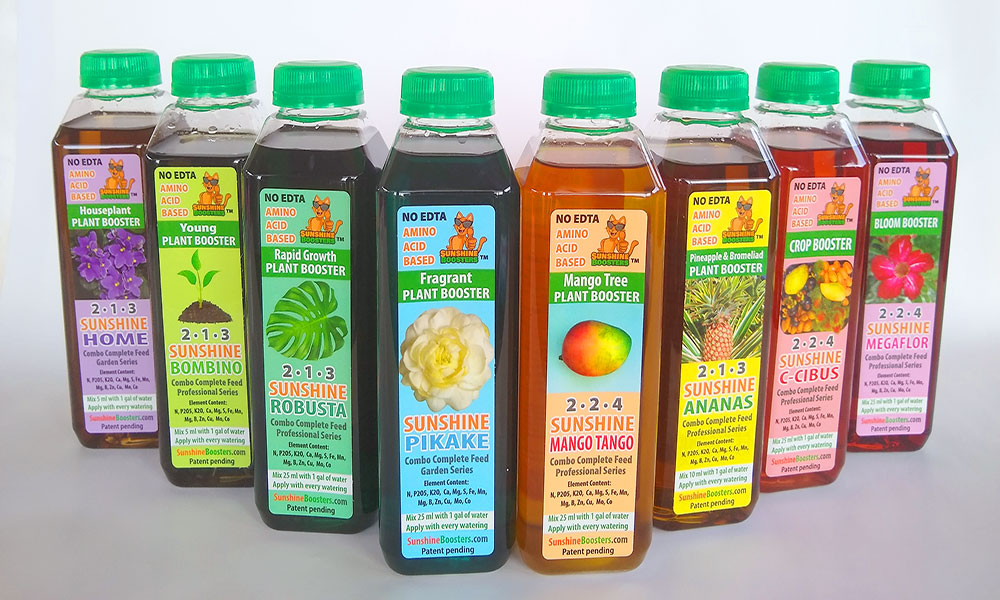
1) SUNSHINE Megaflor - Bloom Nutrition Booster - you may use this fertilizer as frequent as with every watering, it won't burn the roots, and will provide a complete nutrition for all plant needs throughout the year. You can continue fertilizing with Megaflor even during winter time. Sunshine Megaflor will help you to keep the plant healthy, vigorous, and resistant to stress and diseases. It turns leaves green and makes the plant strong so it will start flowering sooner for you.
2) Tropical Allure - Smart-Release Booster. Apply it once a month during hot season only (in Florida - from March to November).