Garden Blog - Top Tropicals

Date: 15 Mar 2019

Spring mulching
TopTropicals.com

Q: When do I start re-mulching my garden? Should I wait till summer?

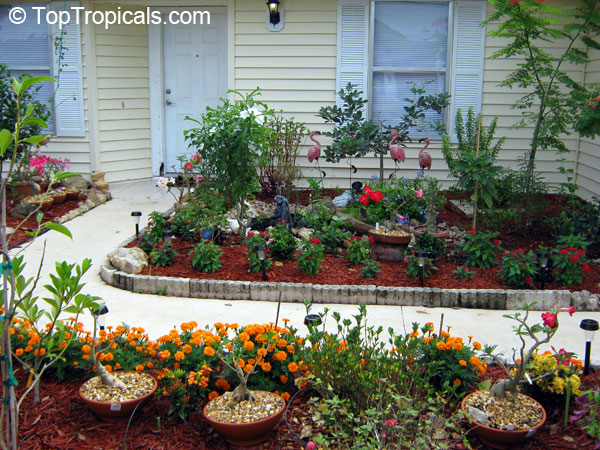
A: It is time now to get ready for the growing season when not only plants start growing, but weeds as well. To protect your garden from unwanted invasives, keep a thick layer of mulch in areas around tree trunks and shrubs.
Heavily mulch your garden at least once a year, at springtime. Add mulch during the year as needed.
After mowing your lawn, use cut grass (hay) as a mulch around trees. Hay is the best natural mulch, it compresses well after the rain or watering and becomes very dense - weeds won't grow through it. You may cover it with some colored mulch of your choice for a more attractive look.
Mulching is also helpful for retaining water for root systems, so plants will require less frequent watering.
Date: 12 Mar 2019

Spring tips

TopTropicals.com

Once temperatures stay above 65F, growing season starts for tropical plants.

1. Increase watering as soon as you see new buds opening and new leaves growing

2. Trim all dead or damaged wood 1-2 inches above new growth

3. Apply the following treats to make your plants happy:

- granulated balanced fertilizer

- SUNSHINE Superfood microelements as foliar spray for healthy growth, profuse flowering, and disease/bug resistance

- SUNSHINE-E to help plants come out of dormancy faster and increase metabolism. 100 ml bottles and 50 ml bottles available for large plant collections.

- SUNSHINE-Honey to fruit trees so you can enjoy sweeter and bigger fruit later this year

4. If nights are still chilly, take potted plants outside to enjoy the afternoon sun and bring them back indoors for the night.

Date: 12 Mar 2019

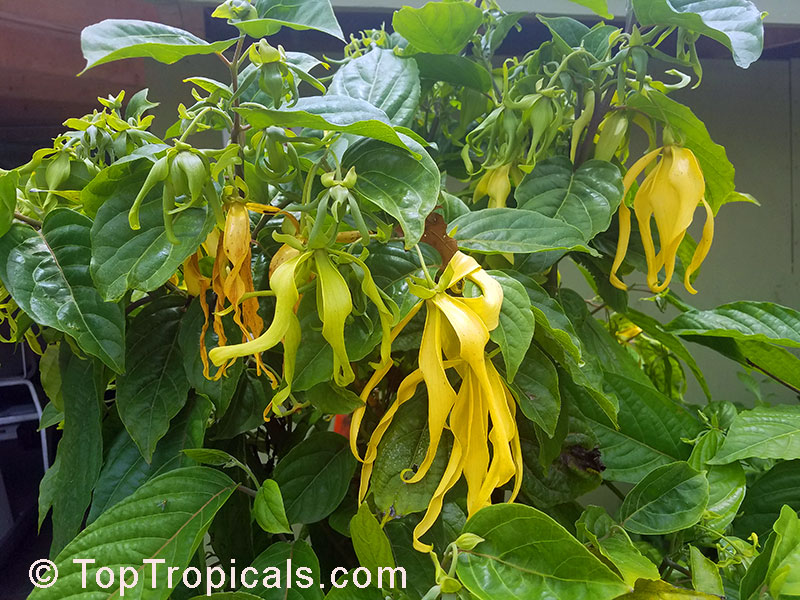
Fertilizing Ylang Ylang

TopTropicals.com

Q: What fertilizer should we be using for ylang ylang?

A: Ylang Ylang is a free-flowering tropical plant that requires regular feeding during active growth period (March through November in Florida). We use balanced granulated fertilizer that contains micro-elements. Apply once a month 1 tsp per 1 gal of soil. For in-ground plants, 1/2 cup once a month.
We also apply additional micro-element treat SuperFood as foliar spray which dramatically increases growth rate and promotes flowering.

Check out our fertilizers, plant boosters, and garden supplies:

Date: 8 Mar 2019

RARE Featured plant, finally in stock!

TopTropicals.com

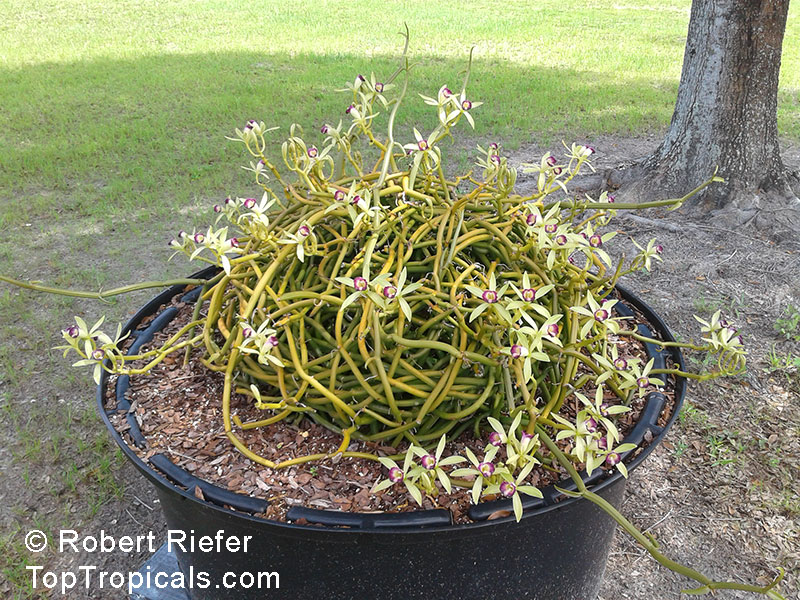
Vanilla dilloniana - Leafless Vanilla Orchid

Very rare, collectible and extinct species! This plant propagated at TopTropicals nursery from Robert Riefer's unique specimen, the biggest potted specimen in the World, grown in 100 gal pot, originated in 1927, awarded in 2011 with CHM certificate of Horticultural Merit by American Orchid Society. Leafless Vanilla Orchid is amazing exotic vanilla that forms a multi-branched, leafless vine reaching lengths up to 15 ft. The light green flowers are similar to Vanilla barbellata but the petals and sepals are longer and the fluted lip is a deep reddish-purple with a yellow crest. Vanilla dilloniana is distributed throughout the West Indies and had been reported on the banks of the Miami River in South Florida. Vanilla dilloniana is a very rare species and considered vulnerable, endangered across its range. Pieces of plants from the original colony have been shared and may be found in local collections.

See the .

Check out this plant...

Date: 8 Mar 2019

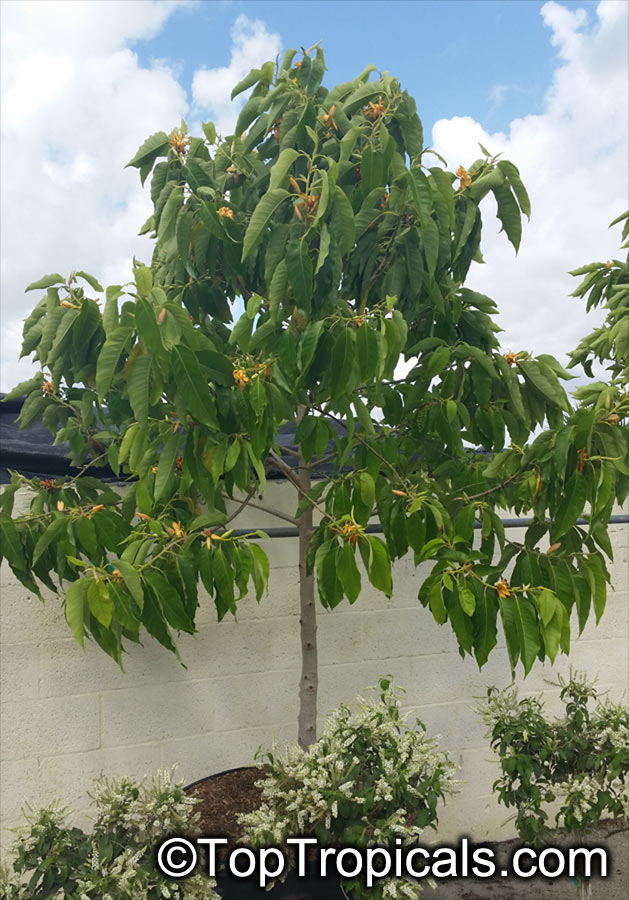
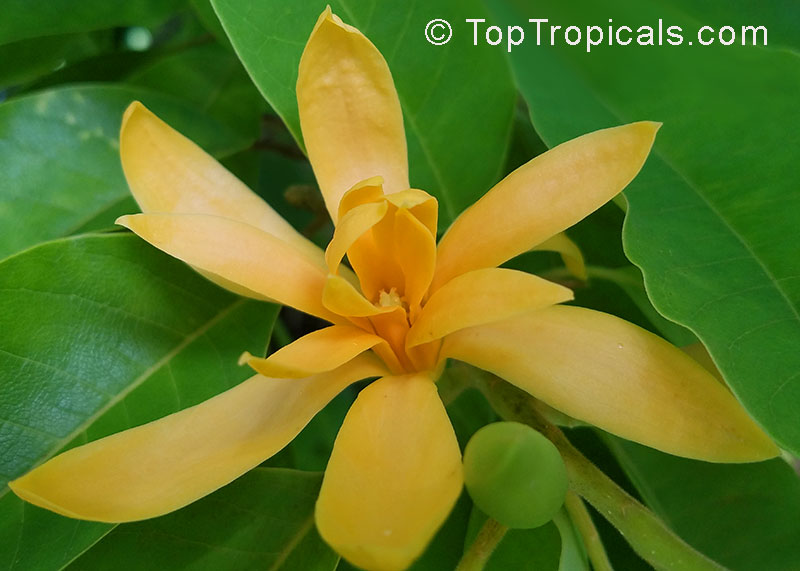
Champaca tree during Spring

TopTropicals.com

Q: The Joy Tree that I purchased from you is going fine but the leaves have brown tips that shriveled up. How can I avoid this?

A: All Magnolias prefer rich and moist soils. These are some useful tips for growing Magnolia champaca:
- when planting in the ground, dig a big hole and replace sandy old soil with a rich organic mix containing compost and lots of peat moss to retain moisture.
- water daily for the first few months until the tree is well-established and root system is large and strong.
- use a large amount of mulch around planting
- remember that during springtime (especially March through May) champacas go through the semi-deciduous stage and lose a lot of leaves. Sometimes the tree may start looking drying out - all the sudden, overnight. Give it a few weeks and you will notice new light green re-leafing that will dress up your tree when the time comes.

Check out Champaca trees:

TopTropicals.com