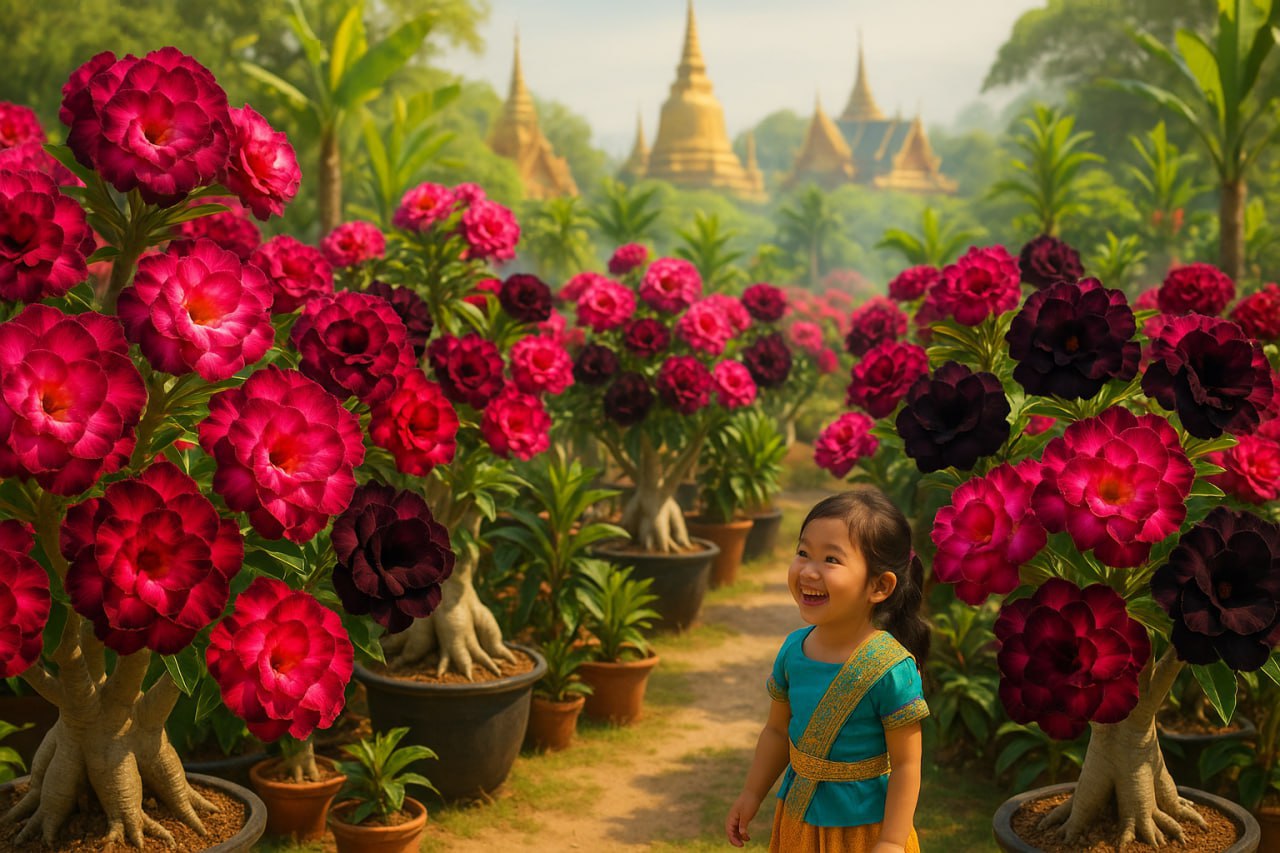
It looks so tasty - you want to paint this masterpiece!
Adenium Caramel
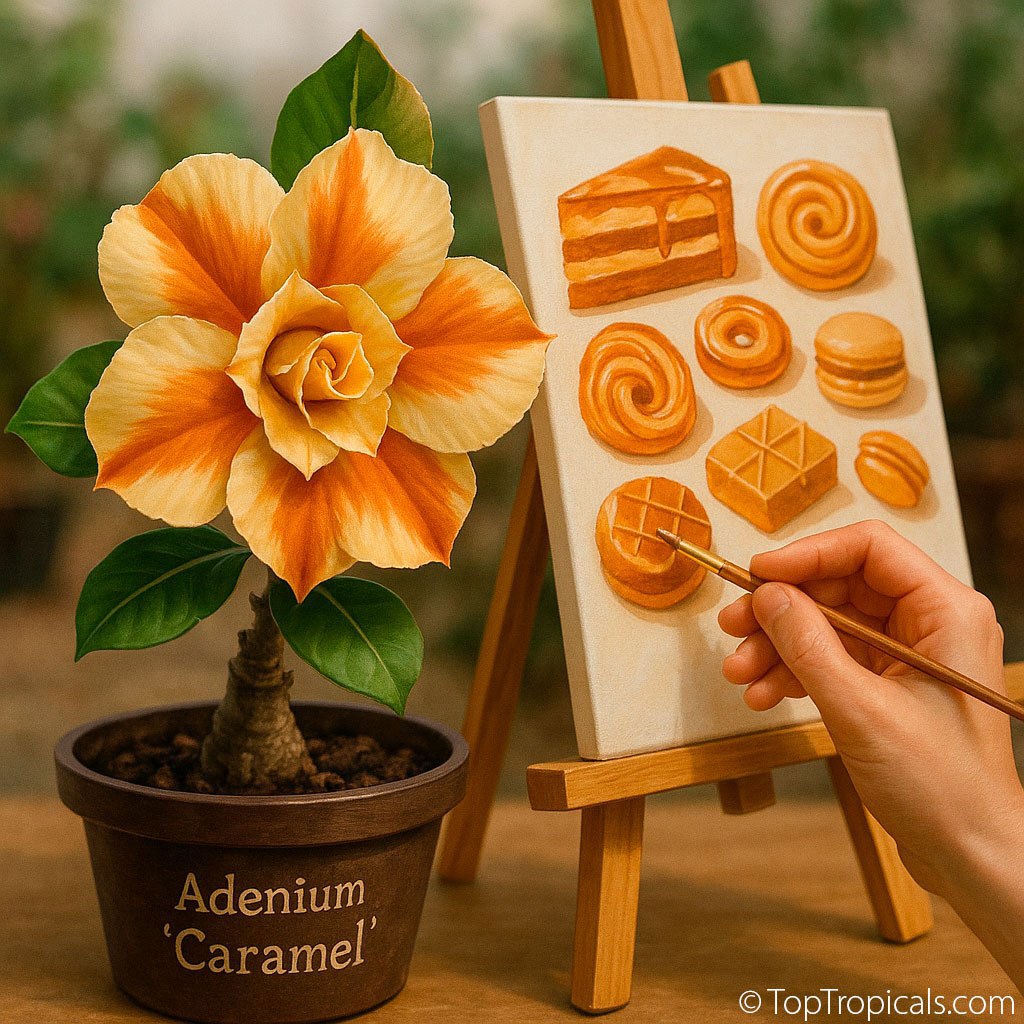
🍰 It looks so tasty - you want to paint this masterpiece!
🍰 Adenium Caramel is one of our favorites at Top Tropicals! It features soft, creamy petals with delicate hints of peach and coral, creating a warm, caramel-like color.
🍰 The smooth, gradual transition between shades adds to the flower's elegant appearance.
🍰 Its soft and inviting colors make it a sweet and sophisticated addition to your garden, like a delicate treat that brightens your space. See photos of the actual Adenium Caramel in next post 👇
🐘 Charming Elephant Ears: Alocasia vs. Colocasia - which one is better?
Alocasias and Colocasias, or Elephant Ears, are both remarkable and popular plants that can bring a tropical exotic touch to your garden, pond, or pool area. Why are they so popular - and which one should you choose?
🍀 Why gardeners love Elephant Ears
✔️ Tropical appeal: Bold, architectural foliage creates a lush, exotic atmosphere. ✔️ Striking leaves: Huge heart- or arrow-shaped leaves in green, purple, black, or variegated tones. ✔️ Versatile placement: Ideal for containers, garden beds, water features, or borders. ✔️ Low maintenance: Thrive in part shade with moist soil and occasional fertilizer. ✔️ Big impact: Some varieties reach over 6 ft tall, adding strong vertical structure.
🍀 Alocasia vs. Colocasia - what's the difference?
🟢Leaf shape: Alocasia = upright, arrow-shaped; Colocasia = drooping, heart-shaped. 🟢Leaf texture: Alocasia = glossy; Colocasia = more matte. 🟢Stem color: Alocasia = green; Colocasia = often purplish. 🟢Light and soil: Alocasia prefers bright, indirect light and good drainage; Colocasia loves shade and wet soil. 🟢Cold tolerance: Colocasia is generally more cold-hardy and water-tolerant.
Curcuma - the tropical tulip with a secret spice twist
Curcuma flowers
🌷 Curcuma - the tropical tulip with a secret spice twist
🌷Curcuma, also known as Siam Tulip or Turmeric, is a plant with personality! It looks like it came straight from a fairy tale with bright, showy blooms in pink, purple, white, yellow, and even orange - that rise above lush green foliage like floral fireworks.
🌷Despite its exotic looks, it’s super easy to grow. Keep the soil moist, give it filtered light, and this beauty will reward you with long-lasting blooms. This is an excellent cut flower that lasts up to 2 weeks in a vase!
🌷And here's the kicker: beneath the soil, it hides a spicy secret - its rhizomes are the source of Turmeric, the golden powder used in curry and traditional medicine. So yes, your flower garden can also be a spice rack!
🌷Curcuma thrives in warm zones but grows happily in pots too - just bring it inside when things get chilly. With its striking looks and health-boosting roots, Curcuma is your new garden showstopper and wellness booster all in one!
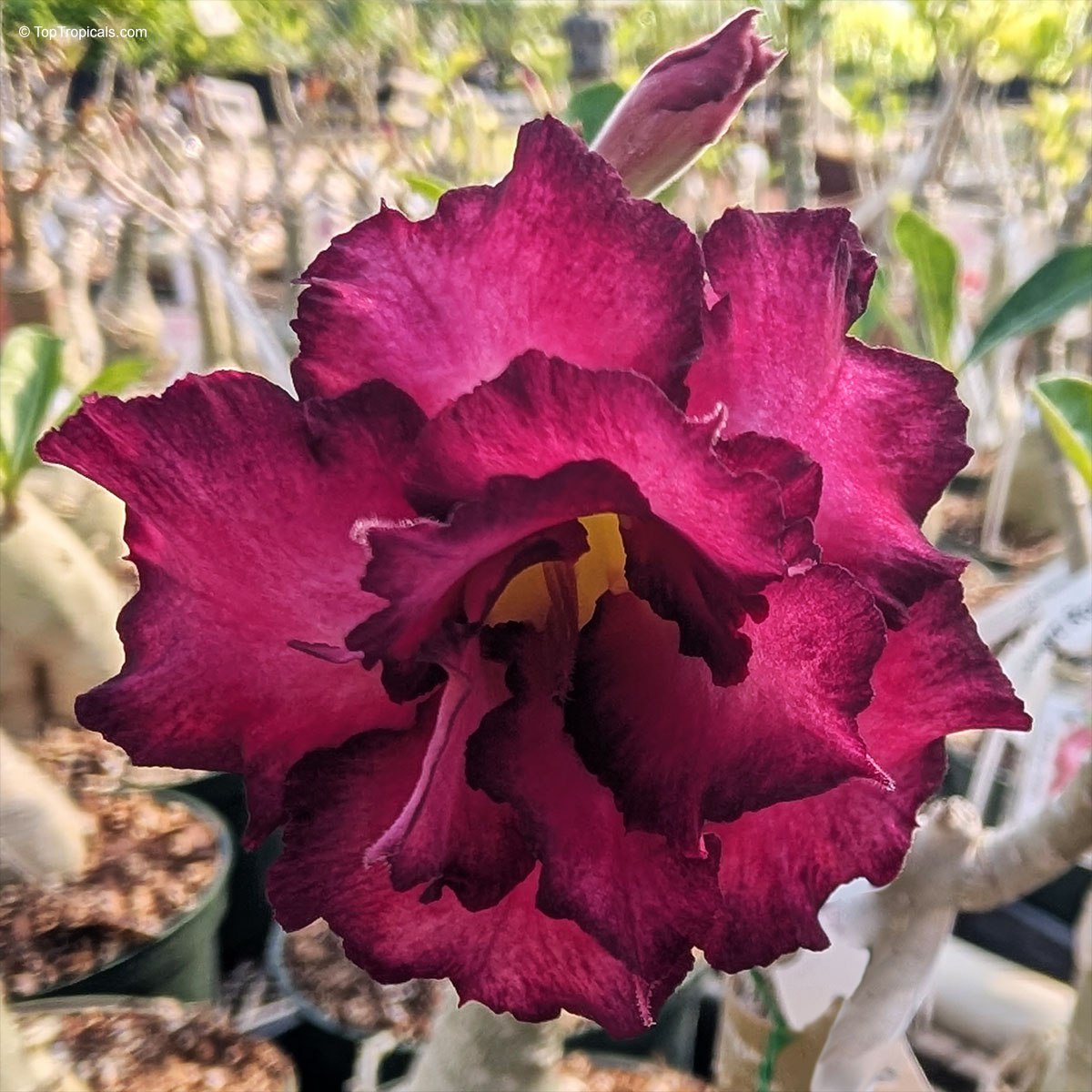
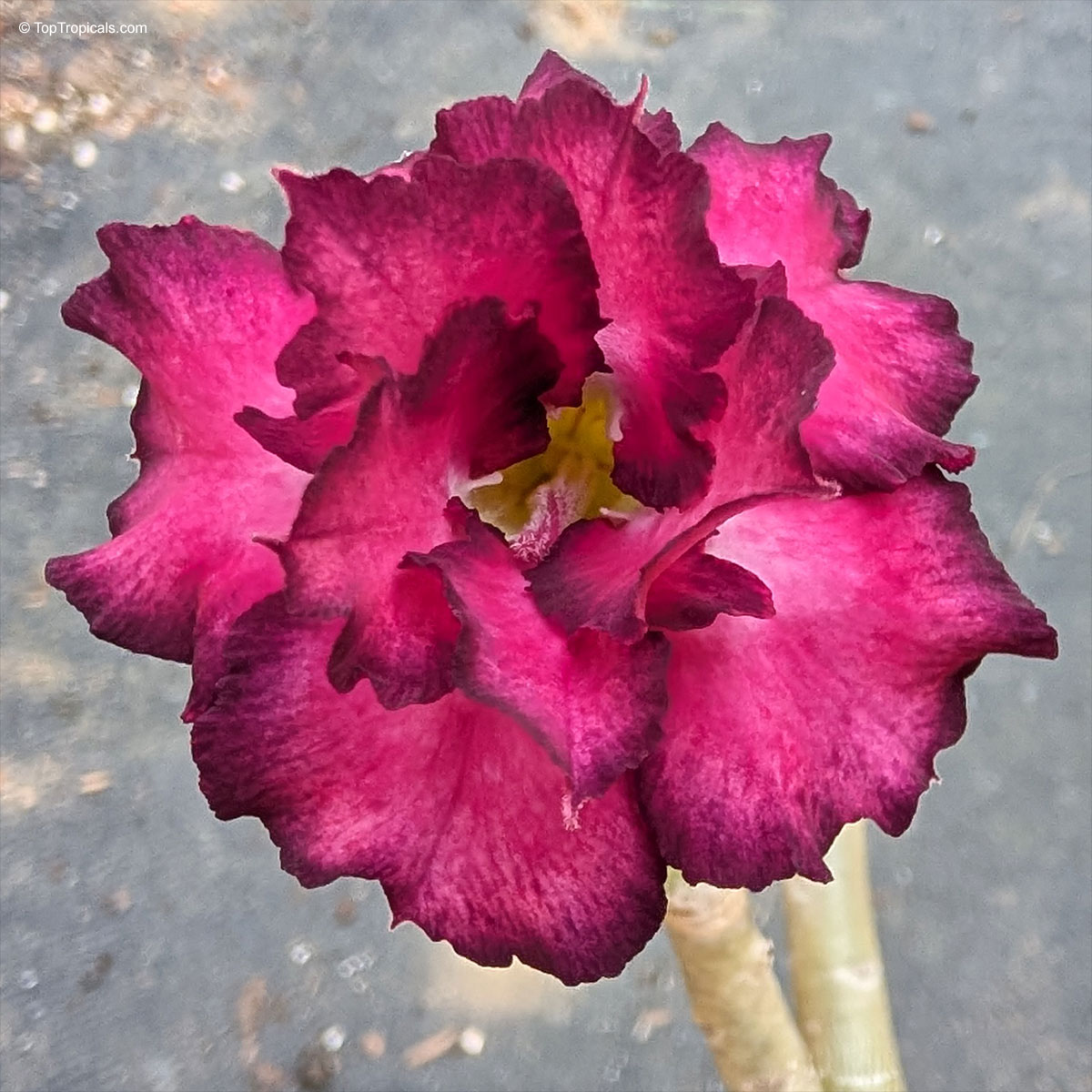
🌺 Adenium Moung Kusuma, (also known as Moung Jinda) - meaning in Thai language City of Flowers, or Flower Land - showcases rich, deep magenta petals with a velvety texture.
🌺 The dark hues are complemented by a subtle gradient towards black border, giving the flower a striking, dramatic look. Its intricate layers and bold color make it a standout addition to your garden, radiating elegance and charm. See photos of the actual Moung Kusuma in next post 👇
From seed to fruit. How to grow Loquat from seeds, step-by-step guide. Part 2: after germination
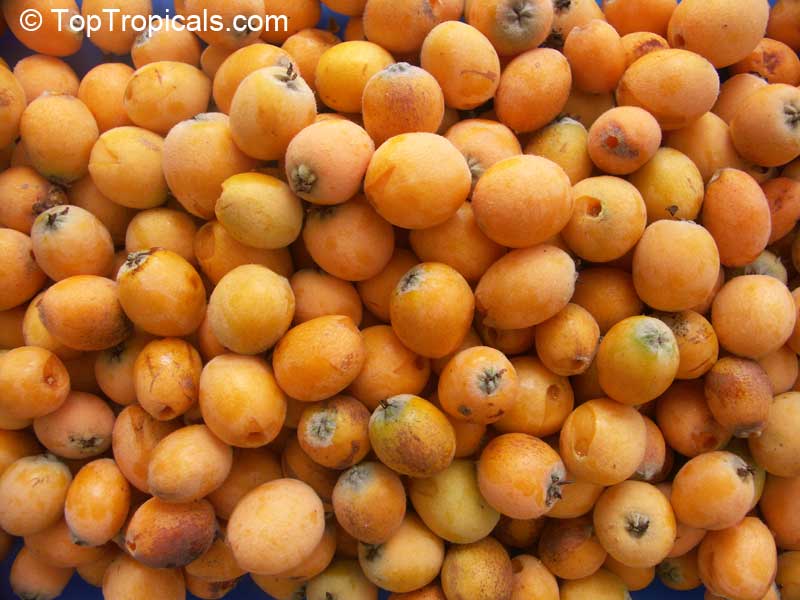
Loquat tree (Eriobotrya japonica) - fruit
✍️ From seed to fruit. How to grow Loquat from seeds, step-by-step guide. Part 2: after germination
Continued from previous posts⤴️
🍑 4. Transplanting Seedlings
When to Transplant: Once seedlings reach about 2-4” (5-10 cm) in height. Transplanting and fertilizing: Move each seedling to its own pot and add controlled release fertilizer (Green Magic is the best), or use liquid balanced fertilizer Sunshine Boosters after 1-2 weeks once the seedlings establish. Watering. Keep soil in a pot slightly moist but not soggy Temperature. Keep seedling warm - above 70F (21C), and protect from extreme heat over 90F (35C) . For small plants, avoid freezing temperatures during winter. As the seedlings get bigger, they get higher drought-, heat- and cold tolerance. Established Loquat trees (2-3 years and older) may take light freezing temperatures. Planting in the ground. You can plant the seedling in the ground when it reaches 2-3 ft tall (50-100 cm) in frost-free areas. During chill winter nights, young seedlings can be cold protected until established.
🍑 5. Sunlight Requirements
Light Exposure: Loquat established seedlings thrive in full sun but can tolerate partial shade. Start seedlings in bright shade and protect from afternoon hot sun to avoid leaf burn. Once seedlings are established and new growth appears (2-4 weeks), gradually move them to full sun. Why adequate sunlight (full sun) is important:
- promotes healthy growth
- helps to avoid fungus and insect problems
- is critical for future flowering and fruit production
🍑 6. Fruit production
Loquat seedlings start producing seed within 3-4 years from seed, providing adequate sunlight, warm temperatures and regular irrigation. Grafted Loquats start producing right away or the next year Fruit will develop over the winter and ripen from March through May depending on location
From seed to fruit. How to grow Loquat from seeds, step-by-step guide. Part 1: planting seeds
Loquat tree (Eriobotrya japonica) - seedlings
✍️ From seed to fruit. How to grow Loquat from seeds, step-by-step guide. Part 1: planting seeds
🍑 1. Harvesting and Preparing Seeds
Harvest: Select ripe Loquat fruits (when they are bright yellow color) and remove 1-3 seeds from each. Clean: Rinse seeds thoroughly in cool water to remove all fruit residue. Like with every fruit seeds, any pulp leftover may prevent germination and/or cause rot of the seeds. Storage: If not planting immediately, wrap seeds in a damp paper towel and store in a vented container with moist sawdust or moss (to avoid drying out) at room temperature (if stored a few days) or at 40F if stored for over a week. Seeds can remain viable for up to 3-6 months. Refrigerating the fruit doesn't harm the seeds, although may take seeds longer to germinate. If the seeds are slightly dry, soak them in water overnight.
🍑 2. Planting Seeds
Container: Use a pot with a good drainage. Soil: Fill with well-draining, soilless potting mix (no compost or top soil). Perfect seed germination mix is Abundance Mix: peat moss (or coconut fiber) - 80%, perlite - 10%, small pieces of pine bark - 10%. Depth: Plant seeds 1"deep. Place them horizontally. Spacing: Multiple seeds can be planted in one pot or tray (with drainage holes); space them adequately. You can use so called “community pots”, then separate the seedlings once they reach 2-4" in height.
🍑 3. Germination Conditions
Light: Place the pot in a bright, warm area with temperatures at least (and above) 70F . The warmer, the faster the germination. We germinate seeds in a "hot house" where temperatures can reach 100F. Moisture: Keep the soil consistently moist but not wet. Germination Time: Loquat seeds germinate within 2-4 weeks.