Shade - Plant Encyclopedia Results
| Number of plants found: 510 | Next | 
|
Go to page: | 1 | 2 | 3 | 4 | 5 | Last |
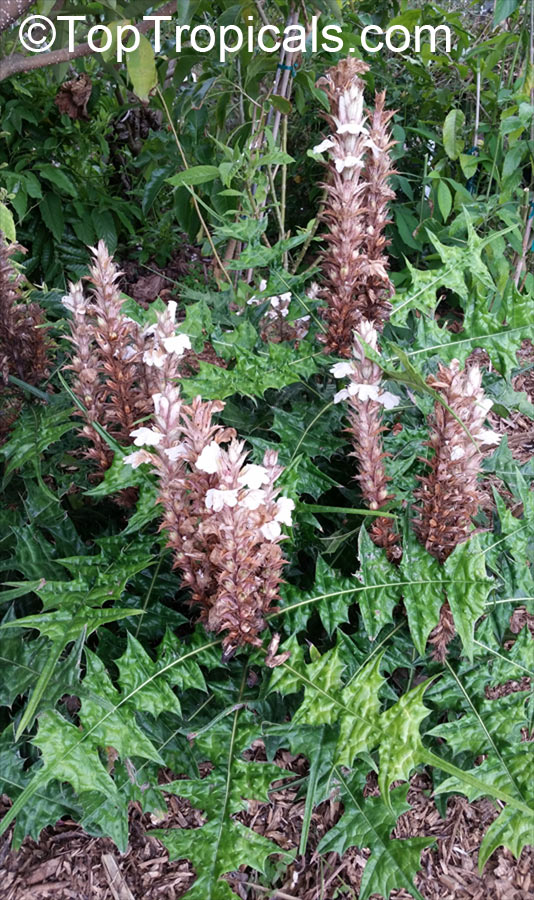
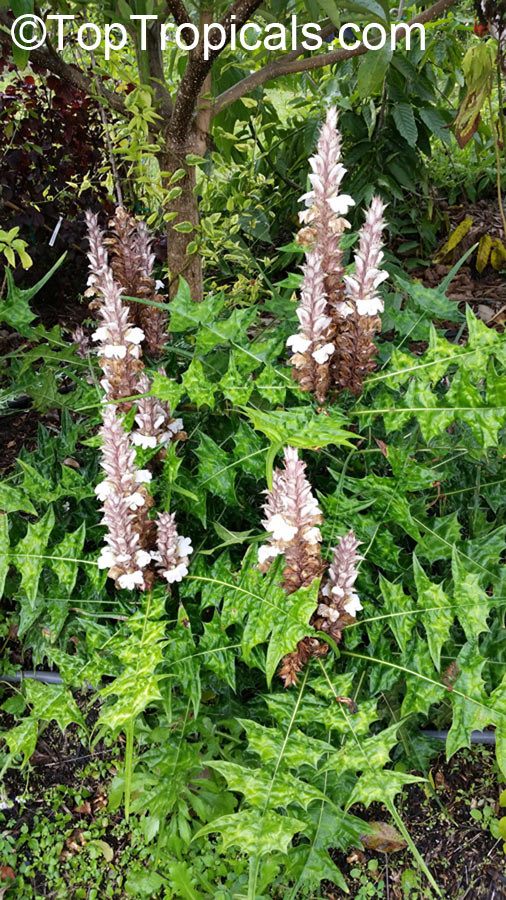
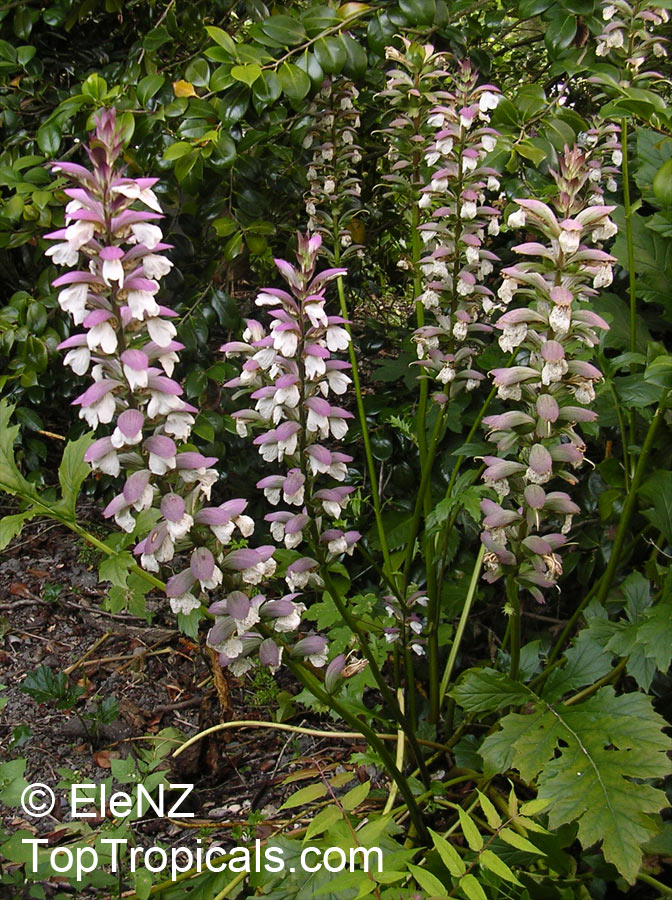
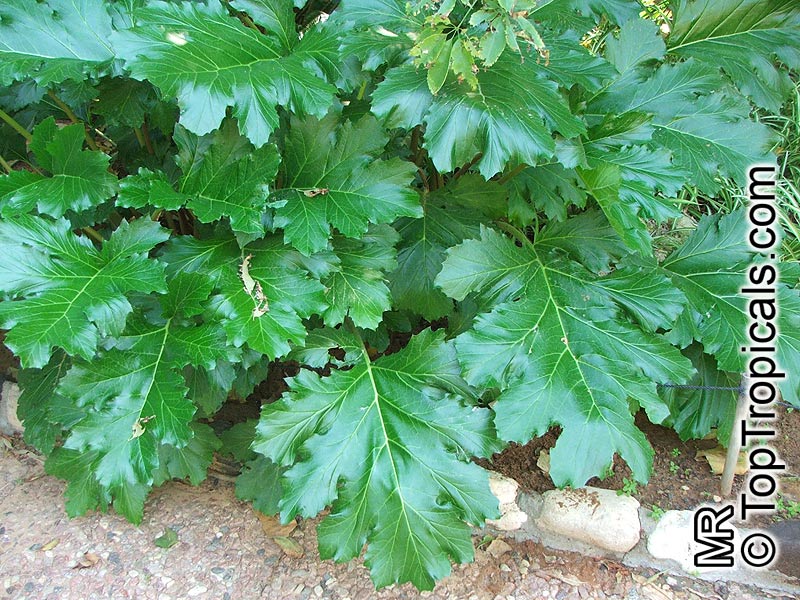
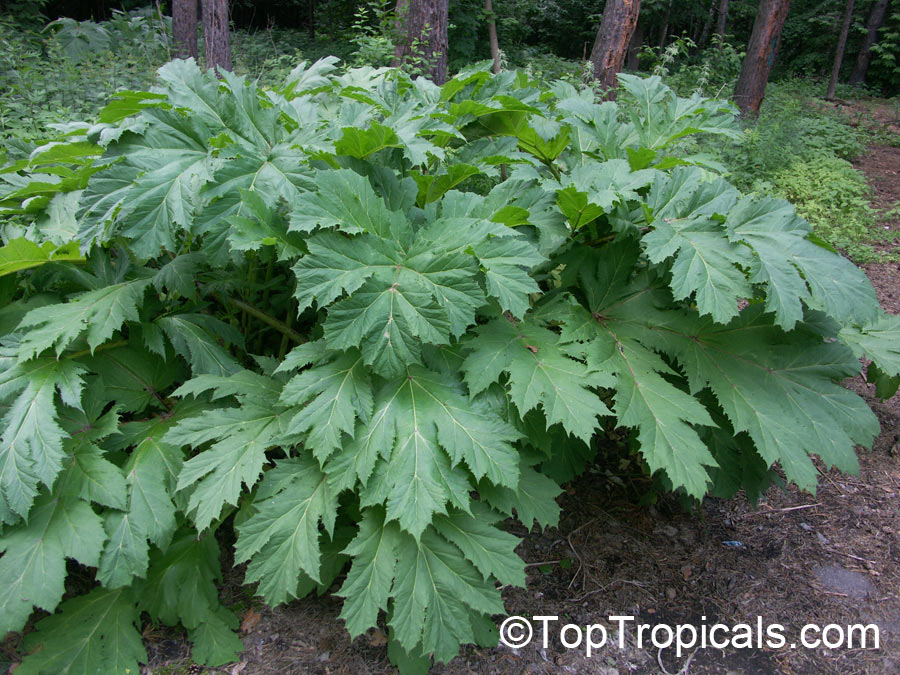
Botanical name: Acanthus sp.
Common names: Acanthus, Bear's Breeches, Mountain Thistle, Alligator Plant
Family: Acanthaceae
Origin: Mediterranean Basin, Asia
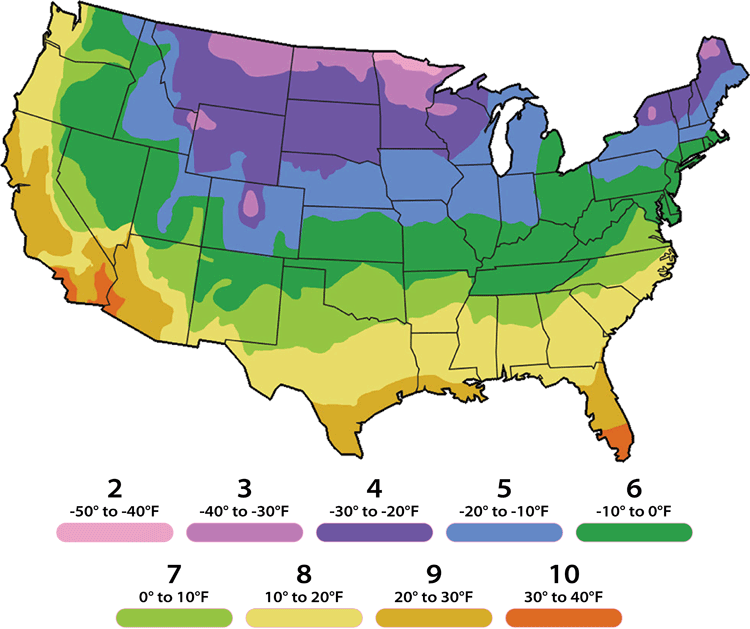
USDA Zone: 9-11


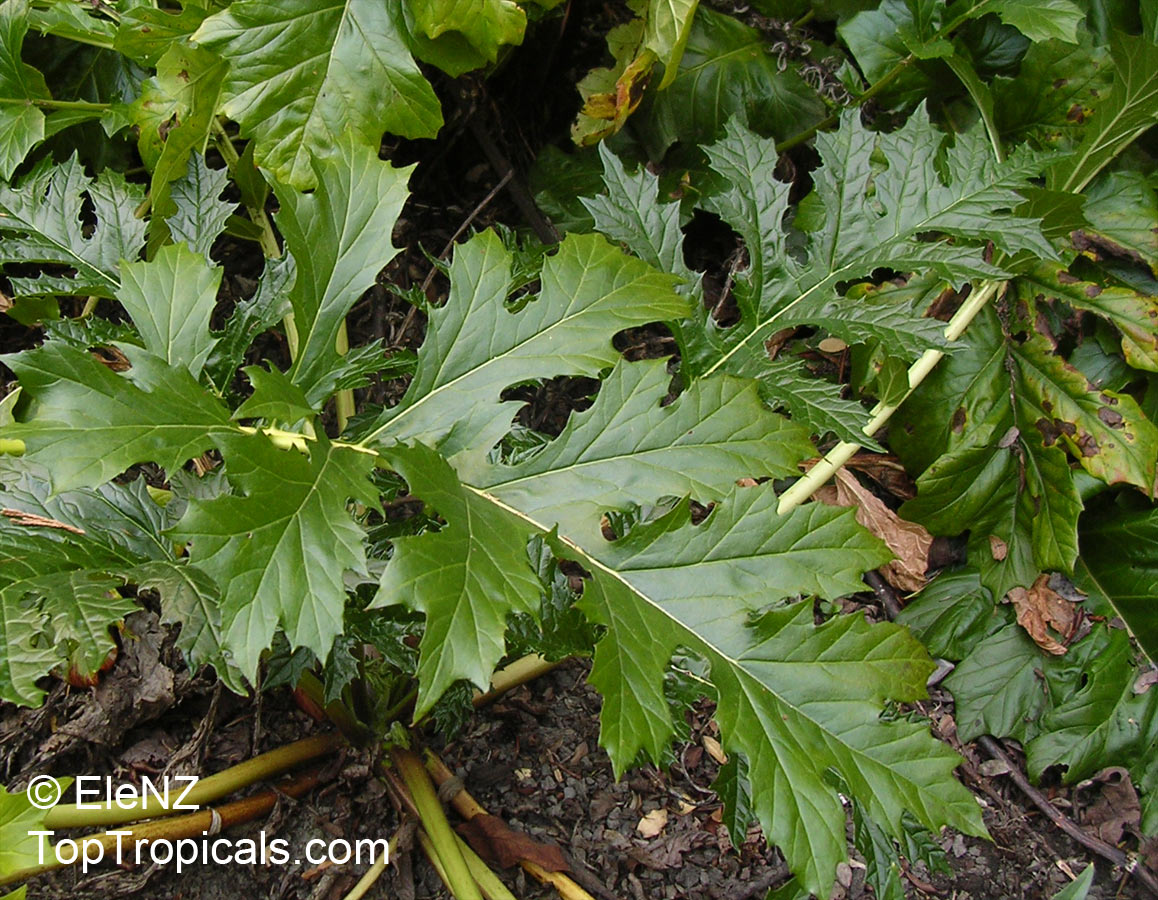
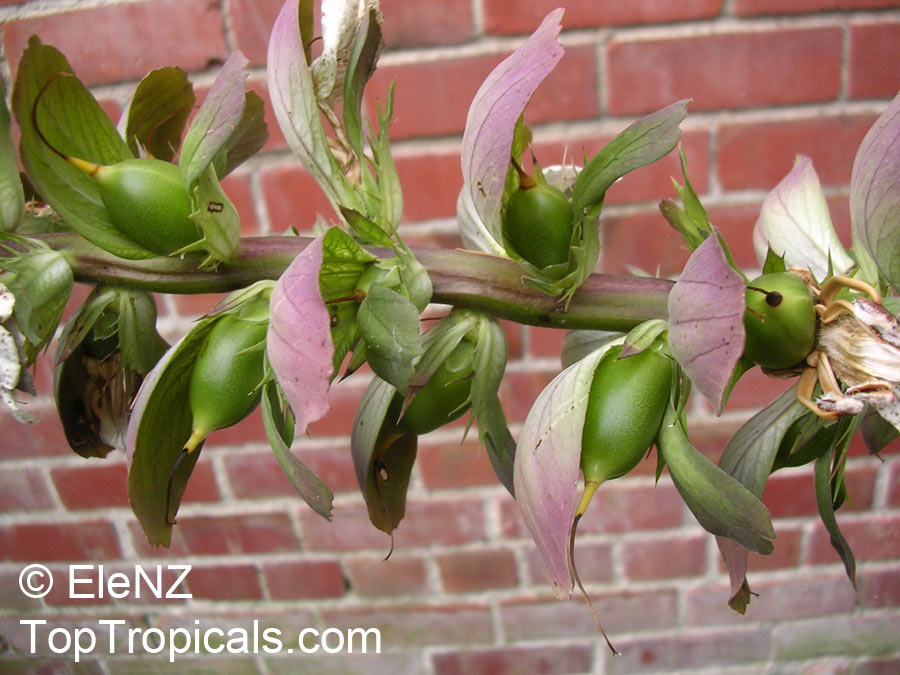
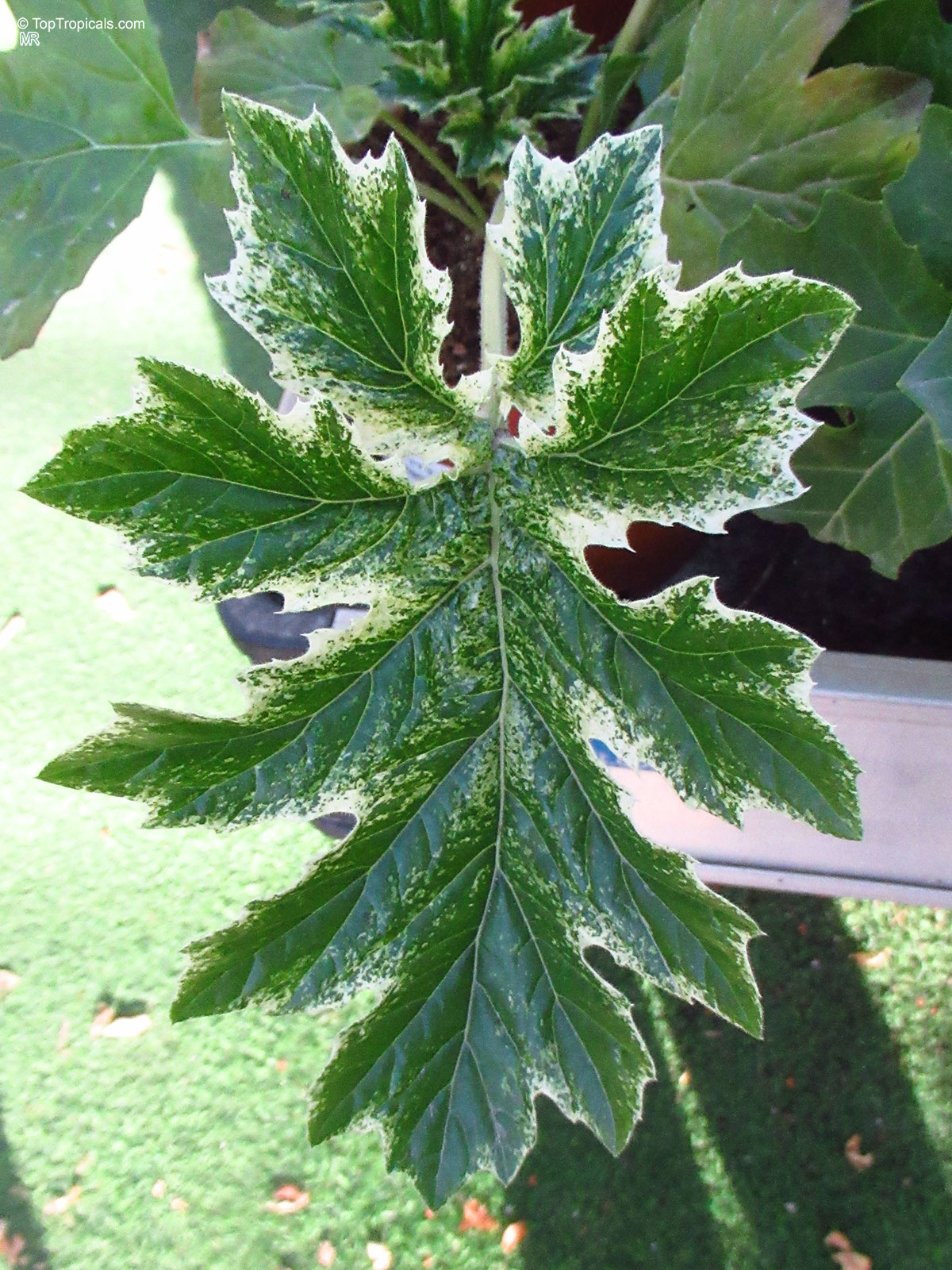
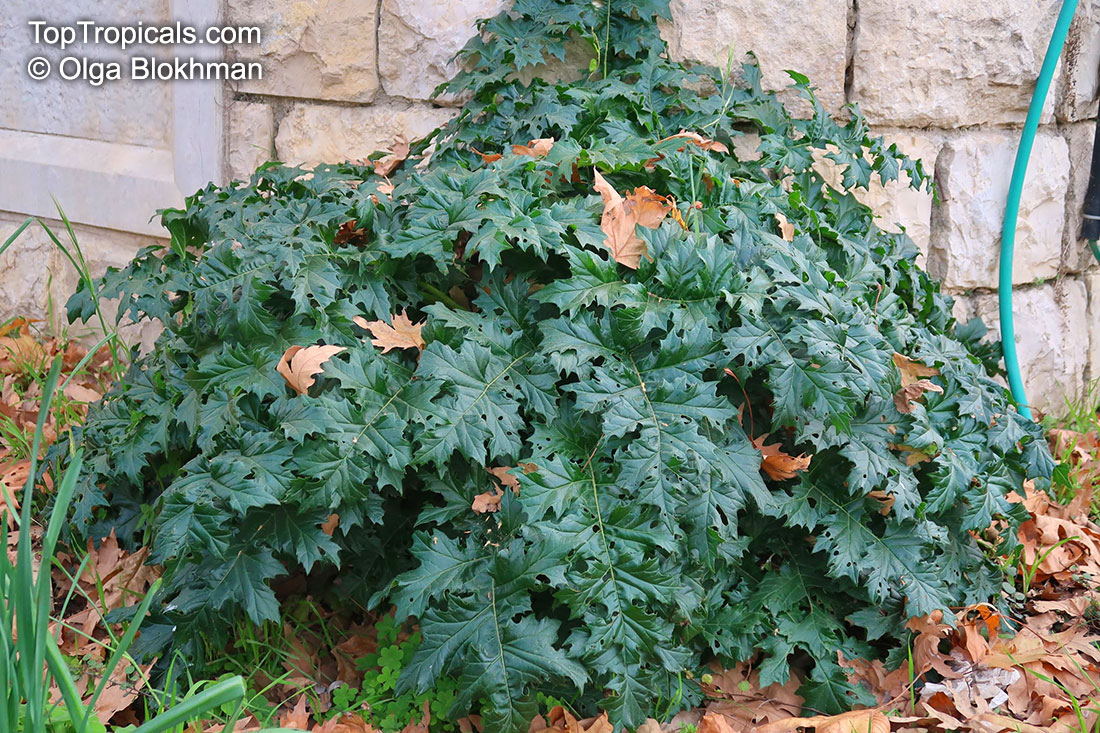
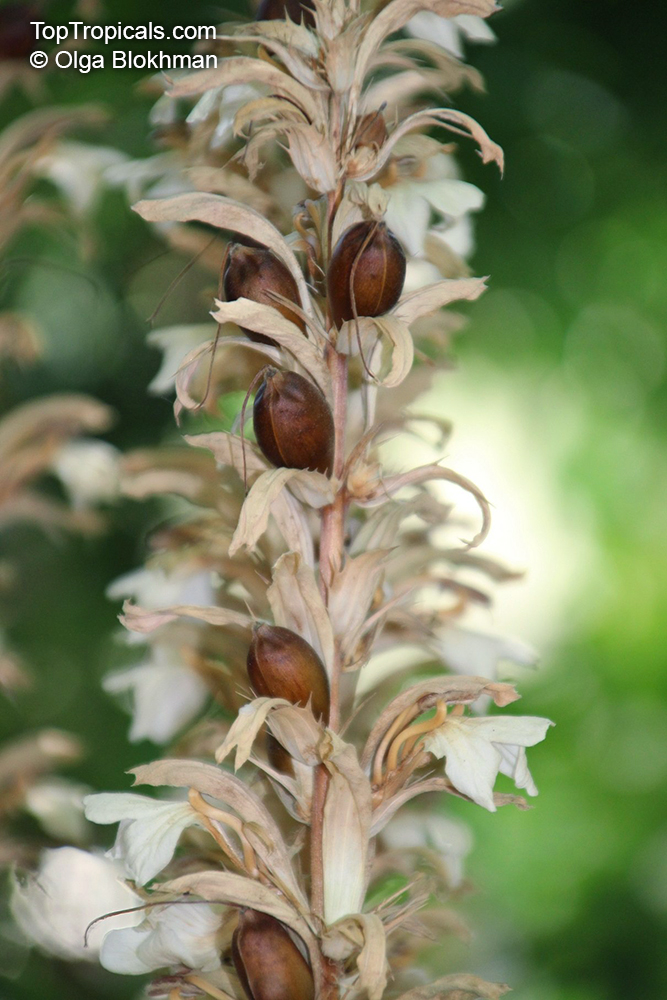
Acanthus sp., also known as Acanthus, Bear's Breeches, grows in full sun to partial shade and will thrive in most soils, provided they are well-drained. It is a thinly branched unusual perennial with interesting foliage, basal clusters of oblong to lance-shaped glossy, dark green leaves reaching up to 12 inches long. The leaves have silver marks and wavy margins. It produces showy pink flowers in the summer to fall.
The plant needs regular watering, but should not be over watered, as this can lead to root rot. It is a deciduous plant so it will lose its leaves during the winter months. It is a somewhat spiny, but attractive plant. For colder regions, it is recommended to grow Acanthus in a pot and move them indoors once it gets too cold to leave the plant outside. In these cases the plant should be placed in a south-facing window and watered regularly.
Acanthus montanus, Alligator Plant: if you love plants that make visitors stop and ask, "What is that?", the Alligator Plant belongs in your garden. Its spectacular, glossy leaves feature raised veins and deep lobes that resemble the hide of an alligator, giving it year-round appeal even when not in bloom. During the warm season, impressive flower spikes covered with delicate pink and white blossoms add another layer of beauty. A rare and rewarding choice for shaded tropical gardens and collectors alike.

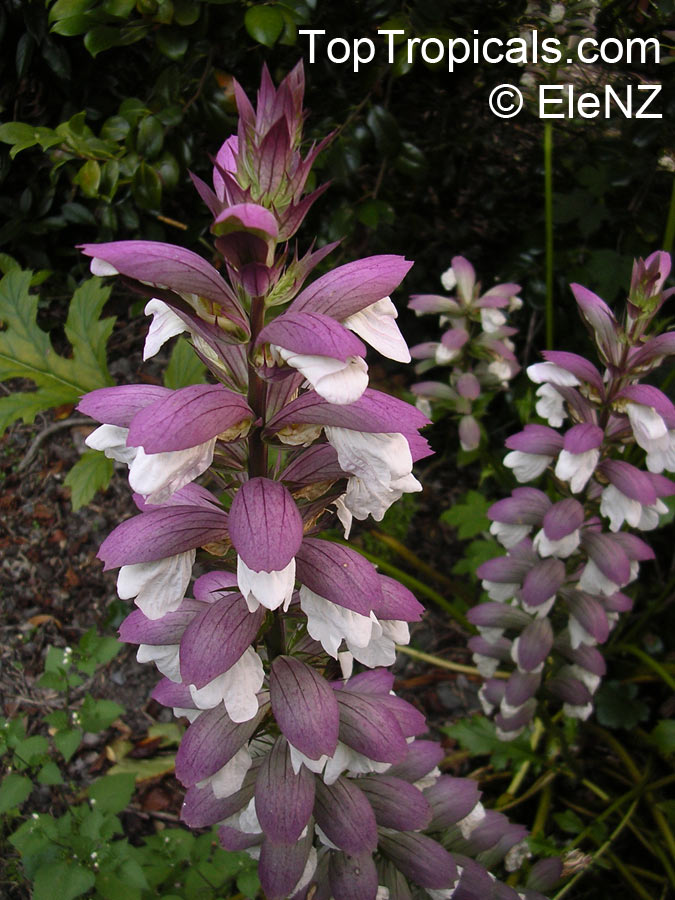
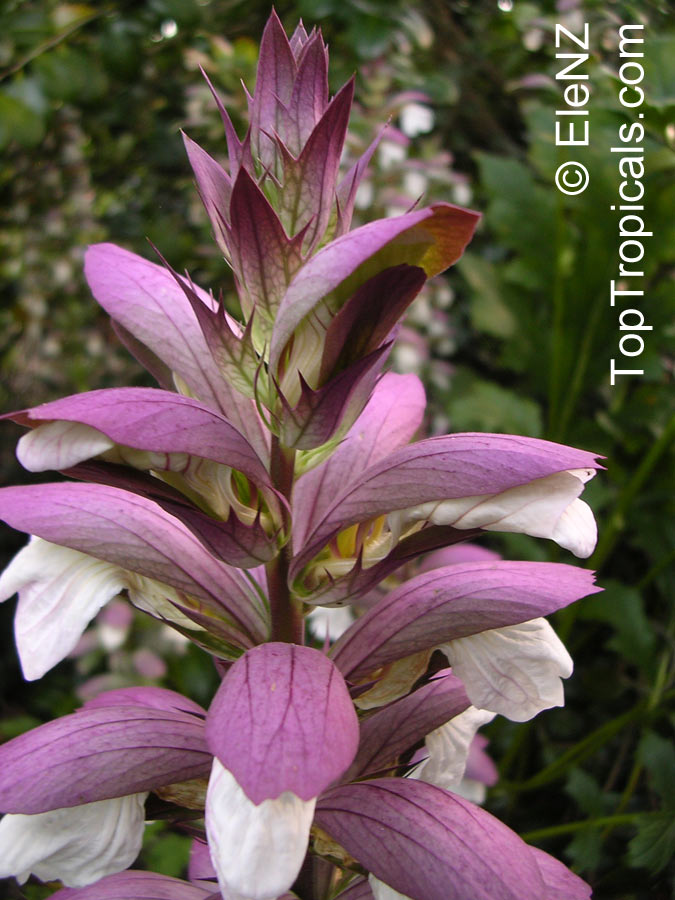
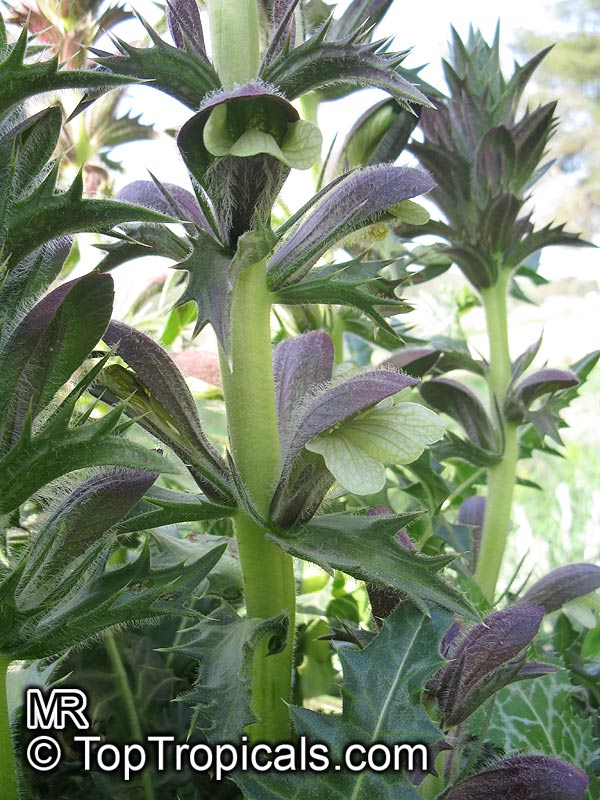
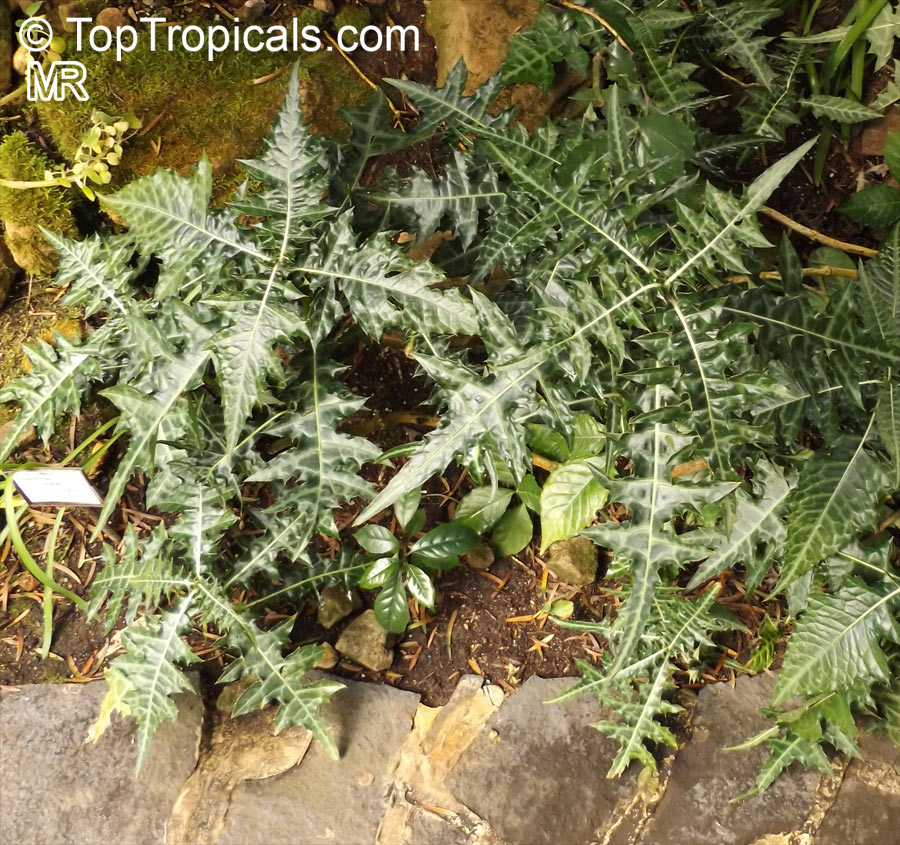


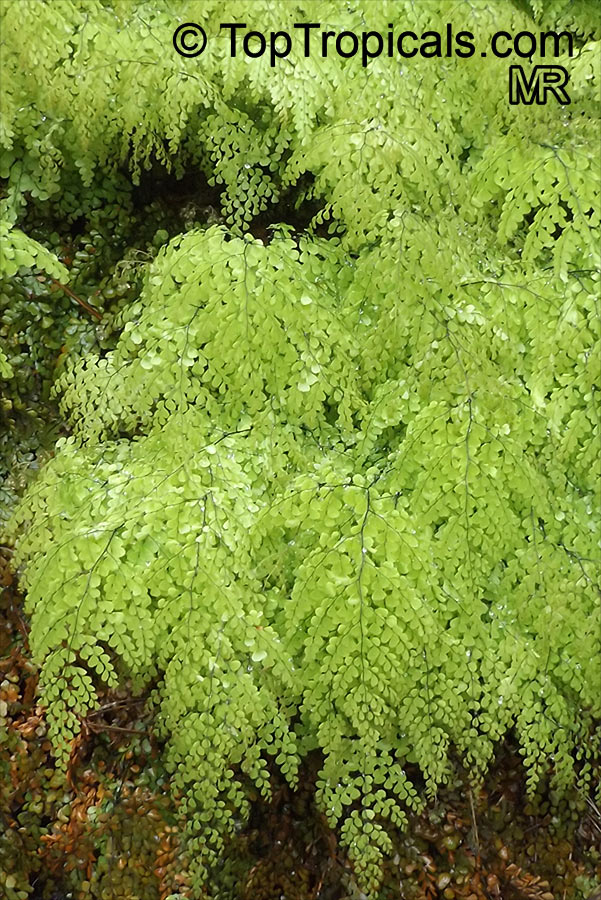
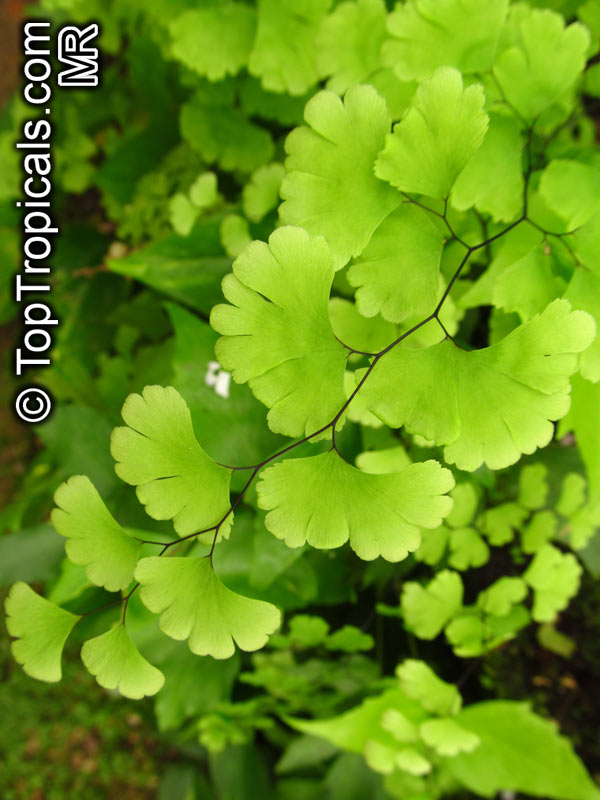
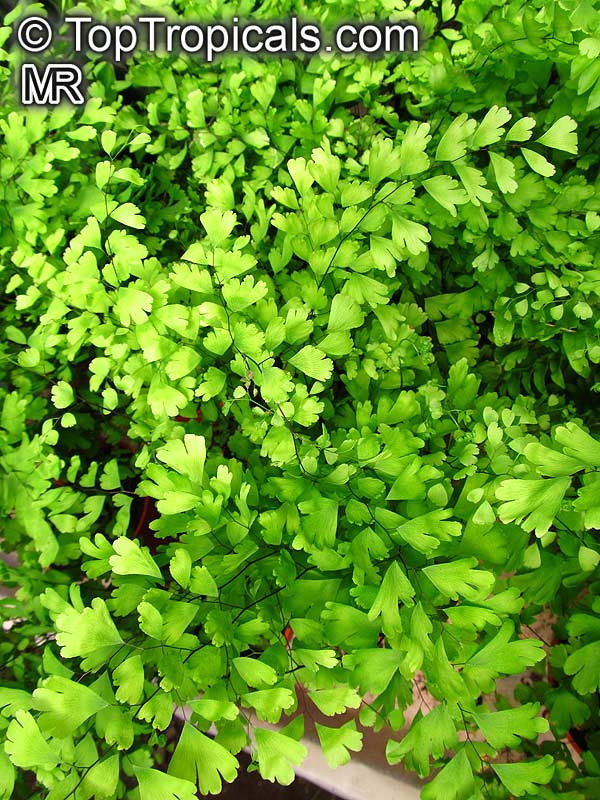
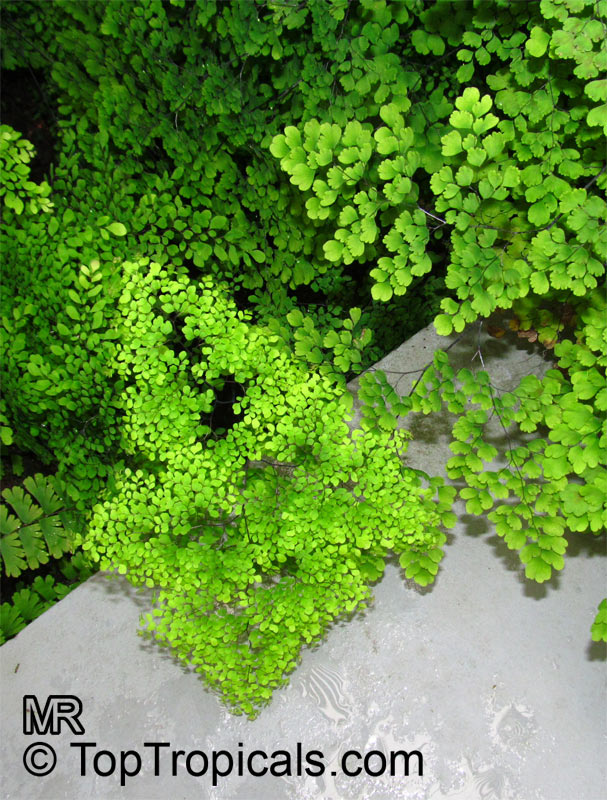
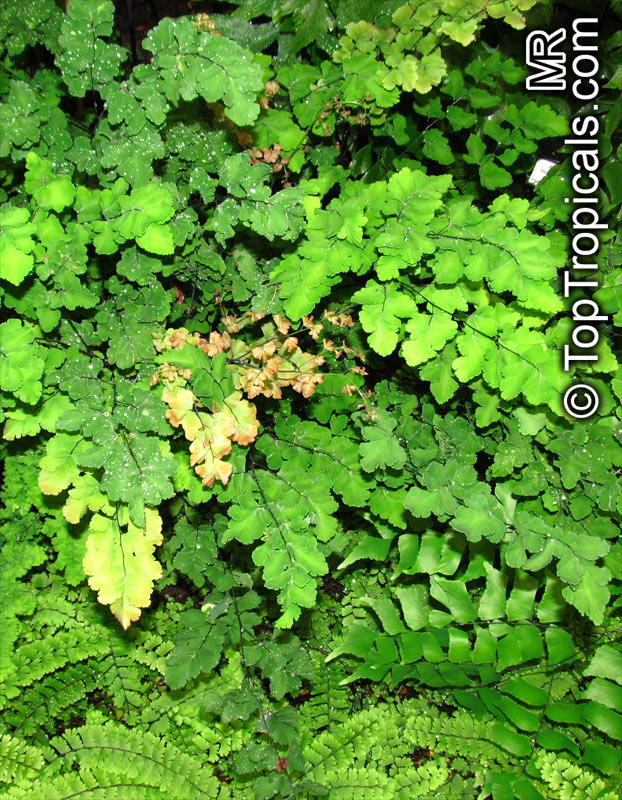
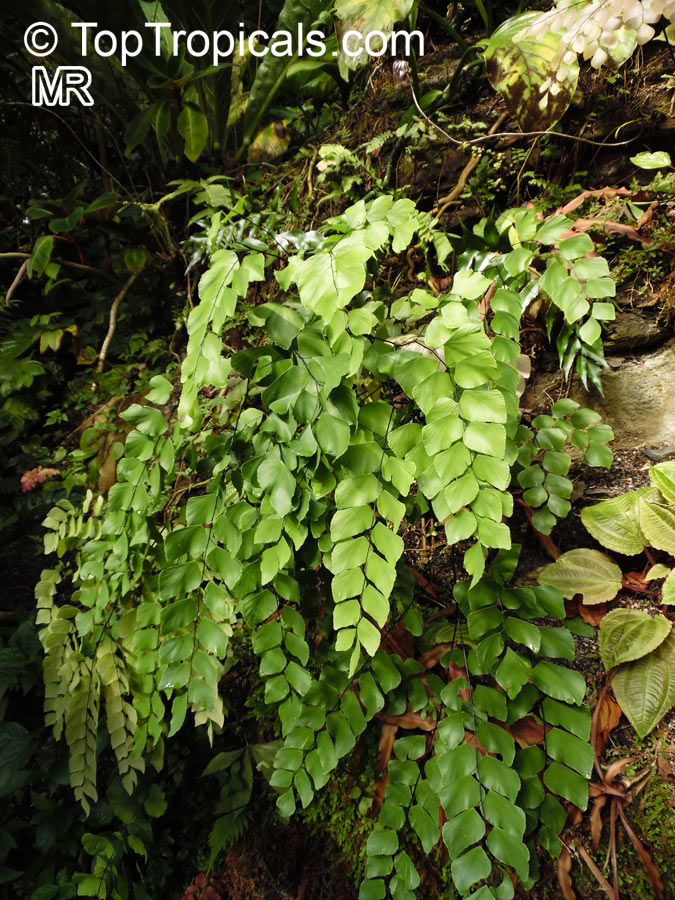
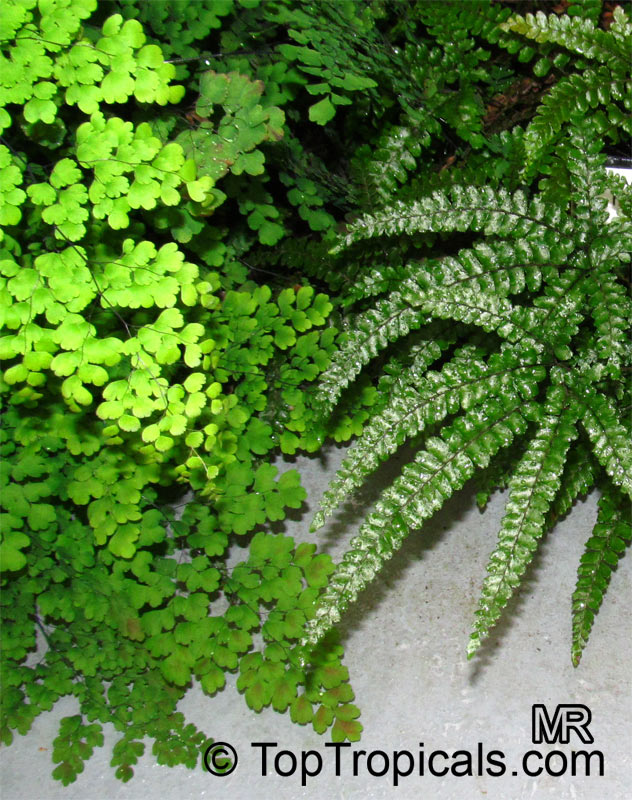
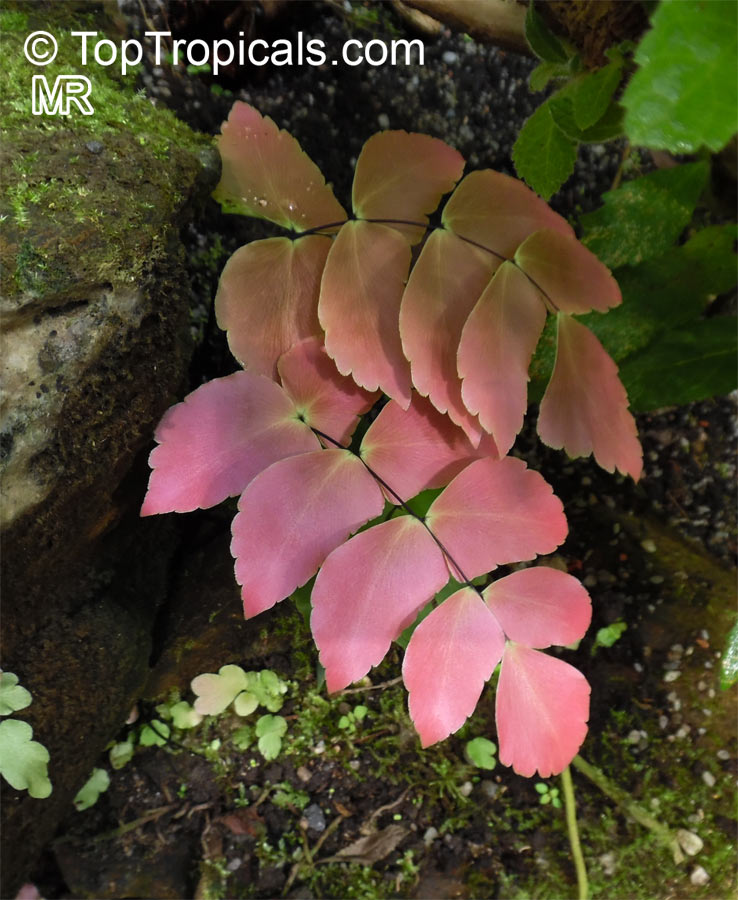
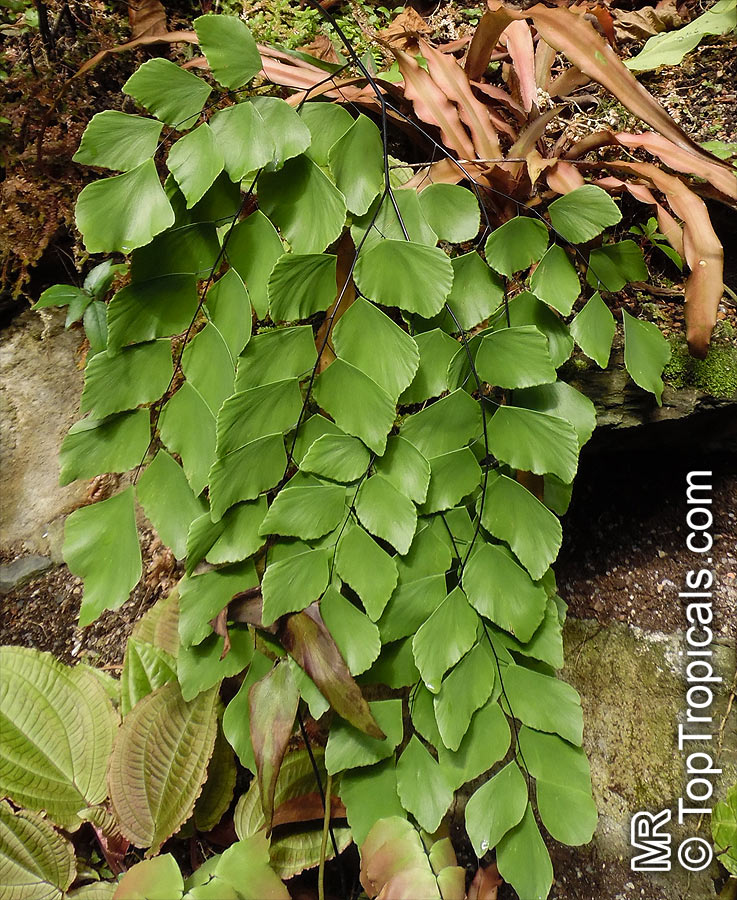
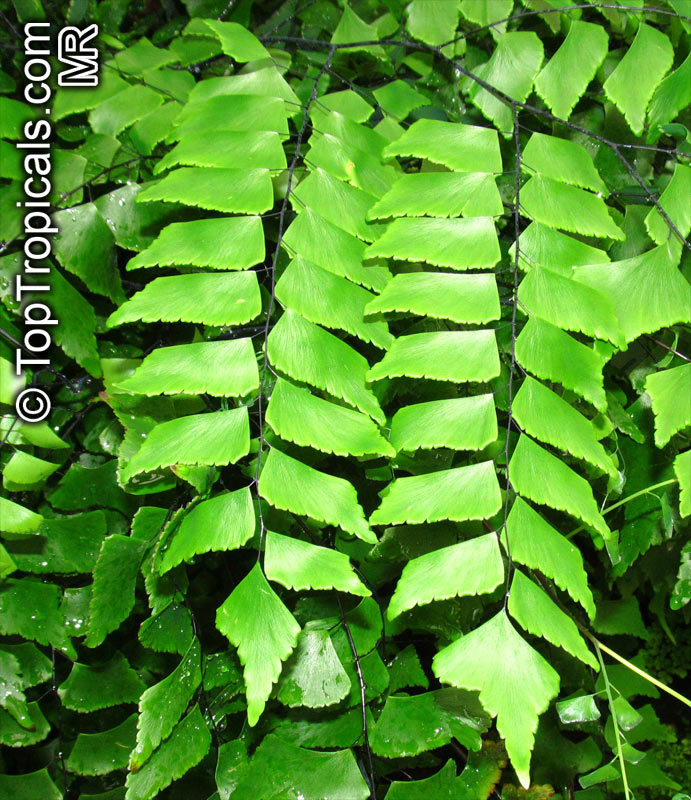
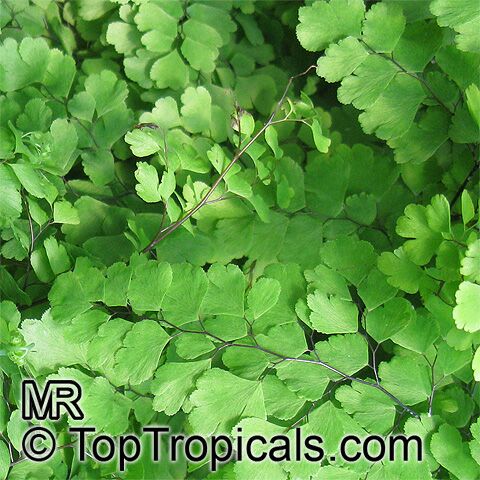
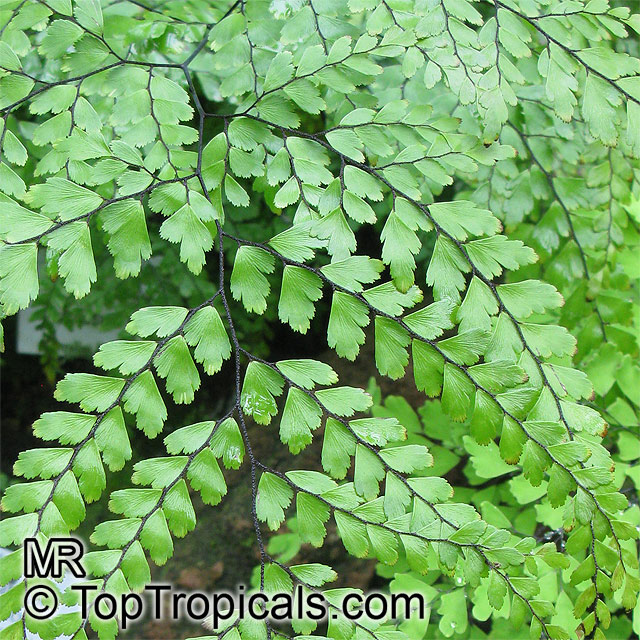
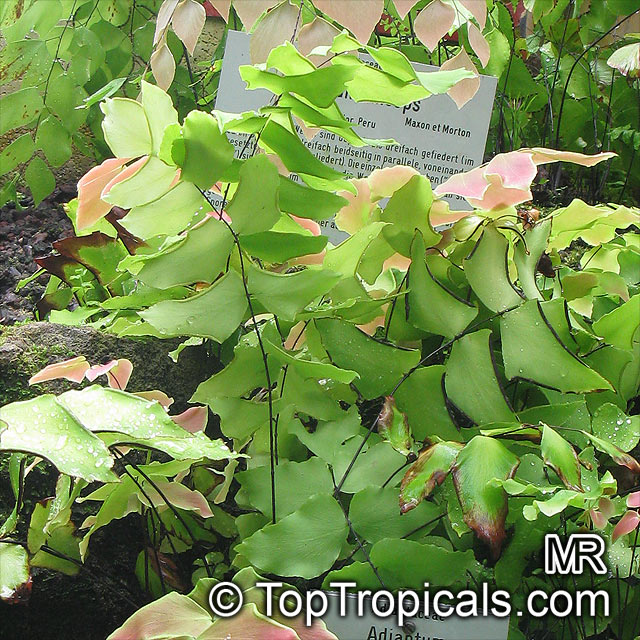
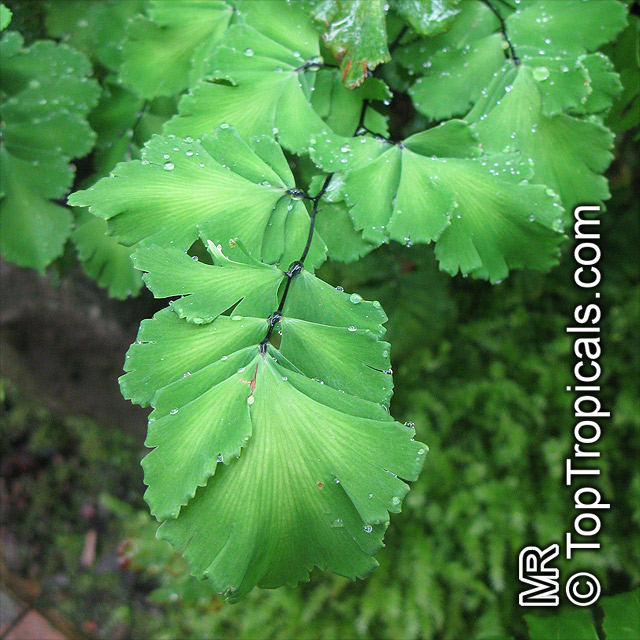
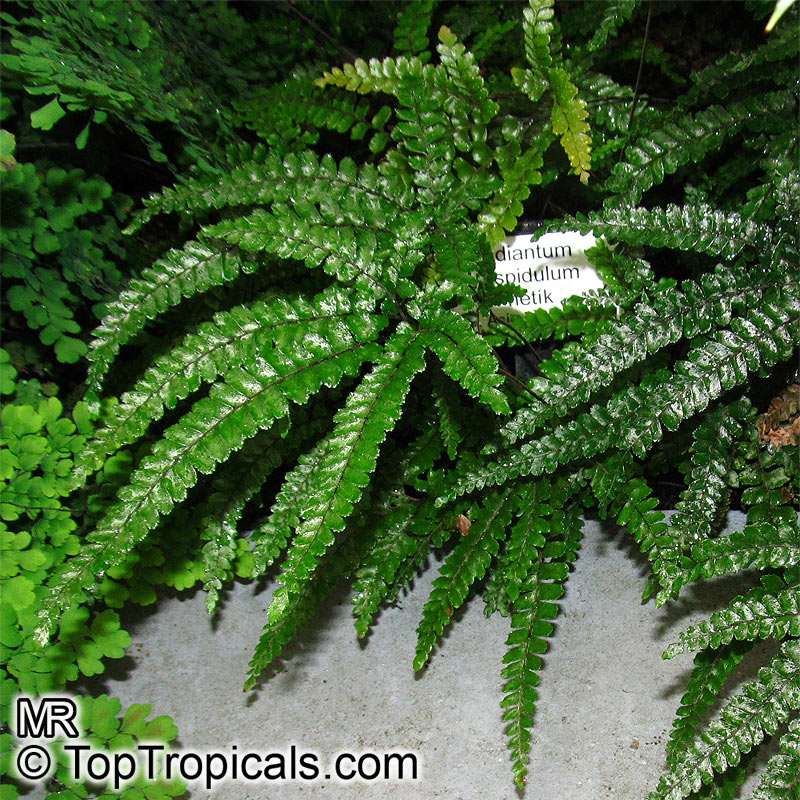
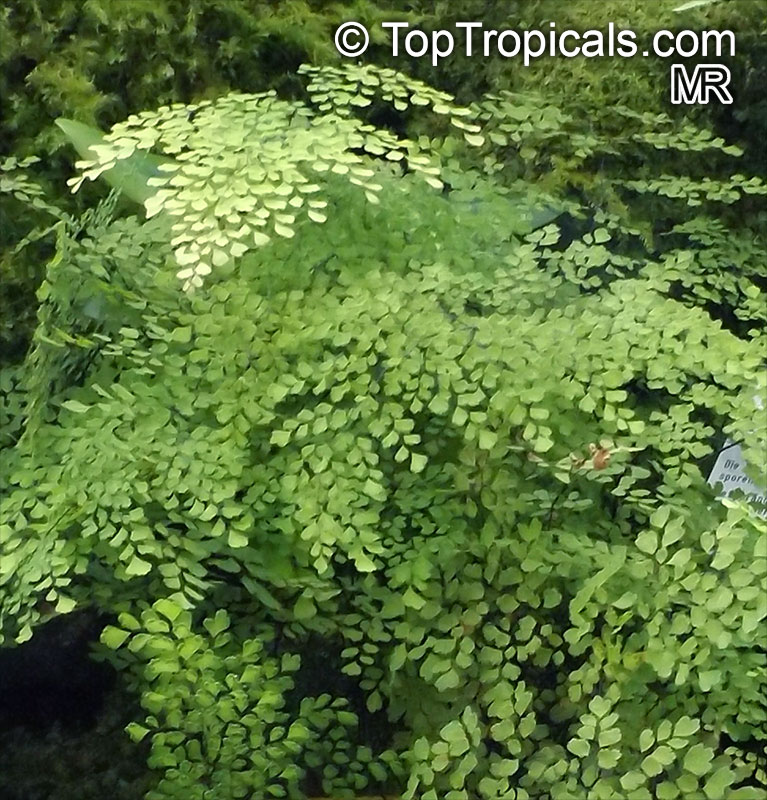
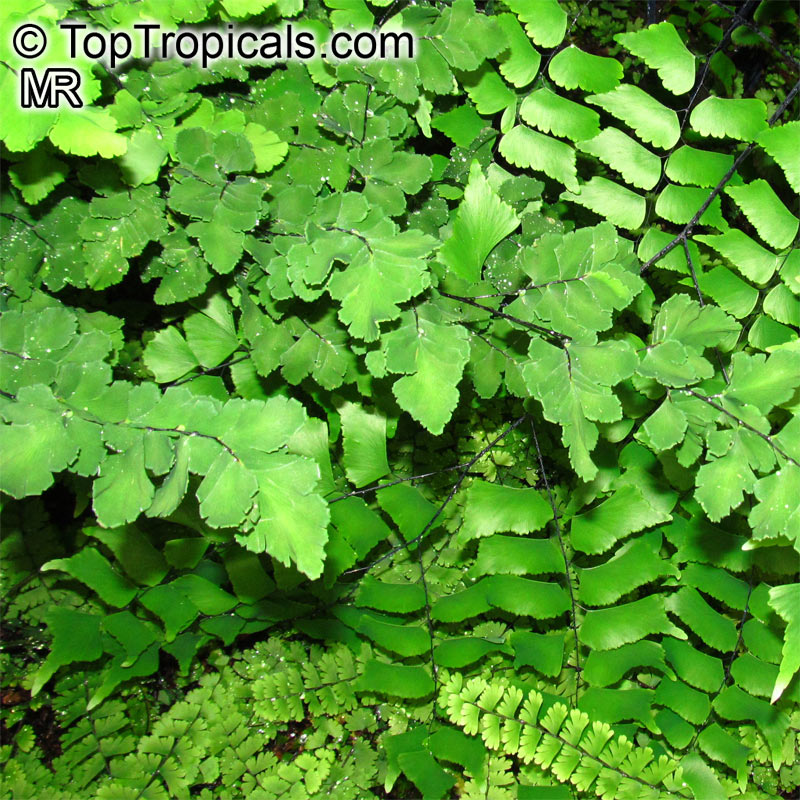
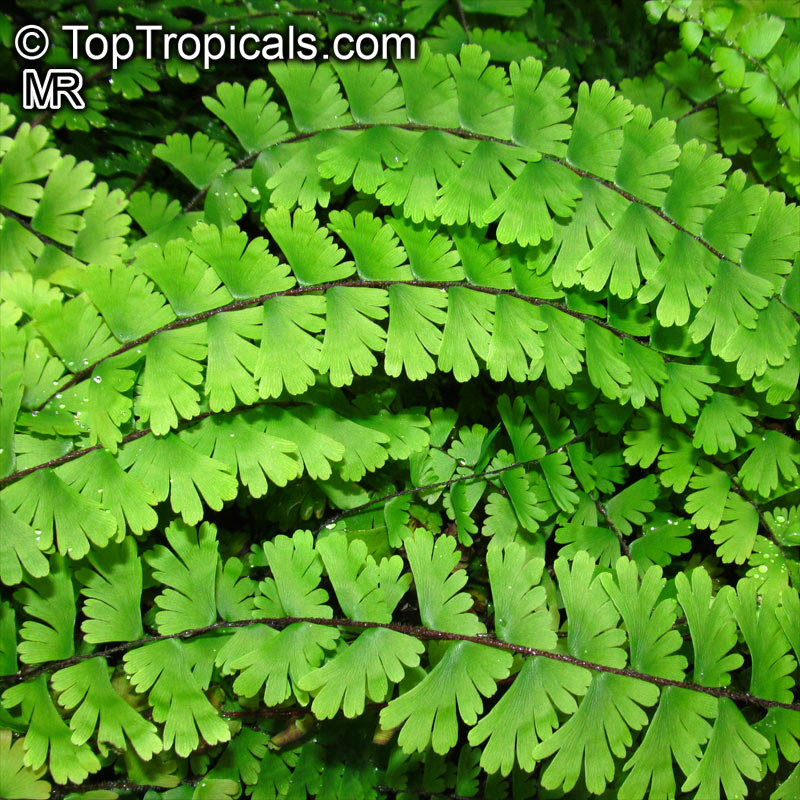
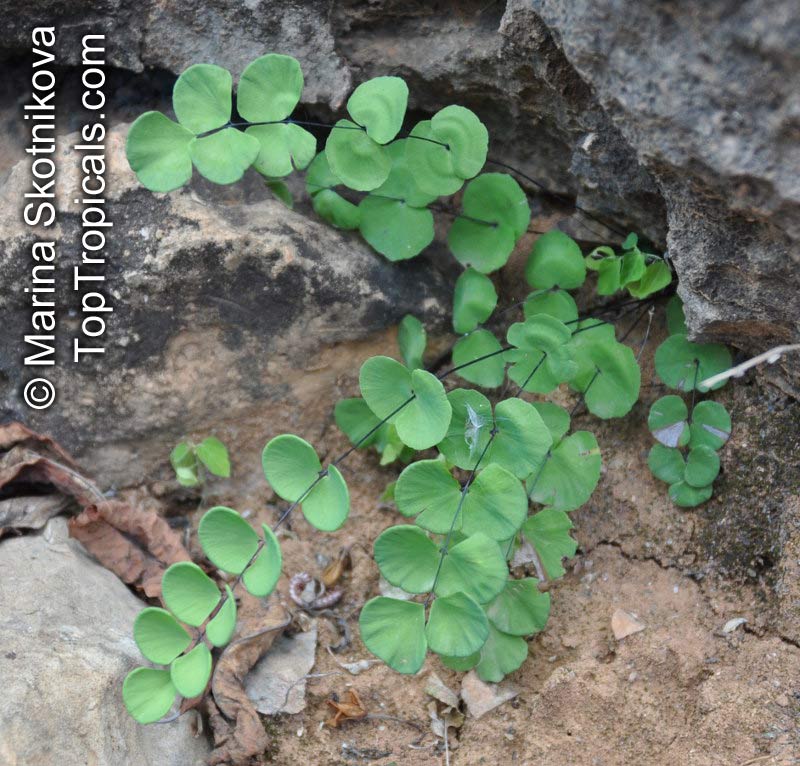
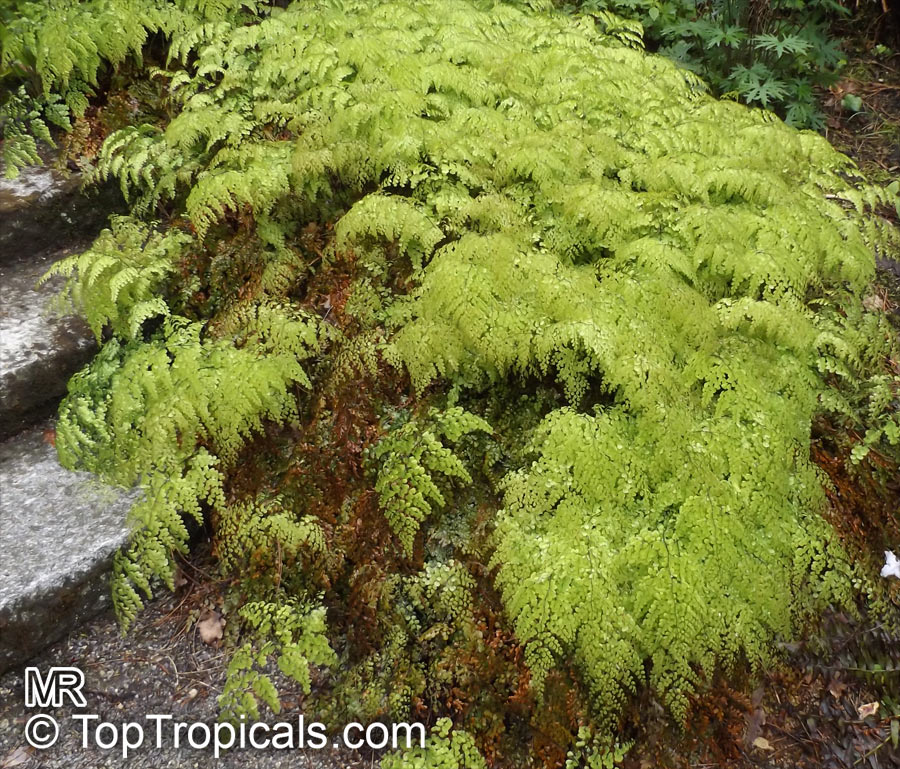
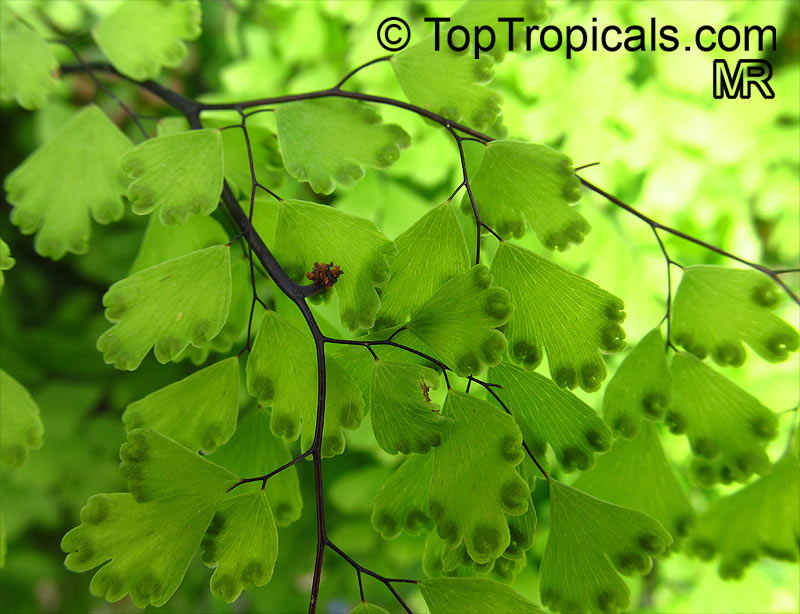
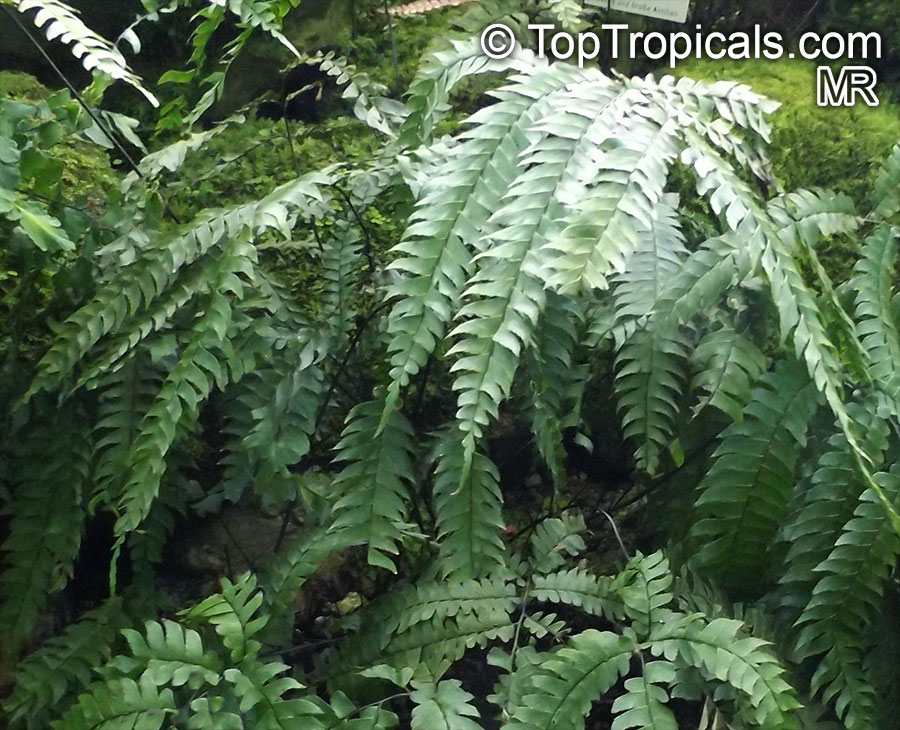
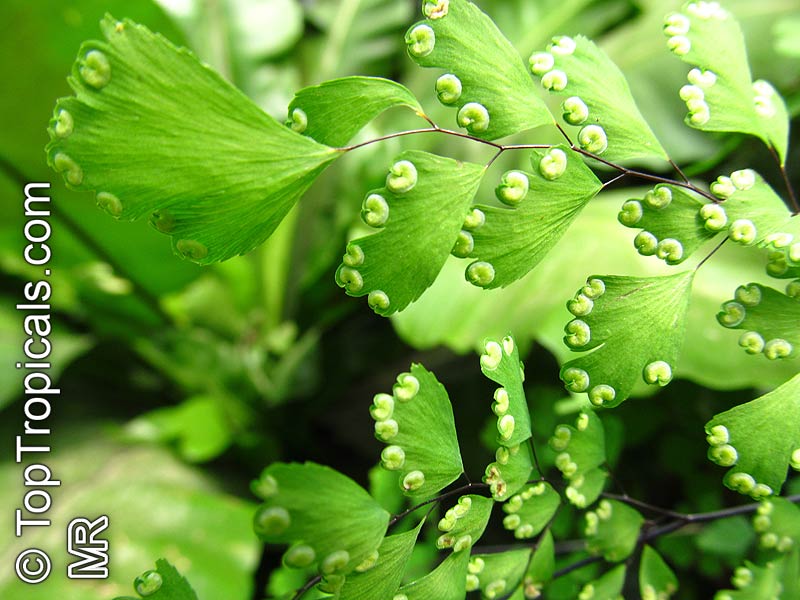
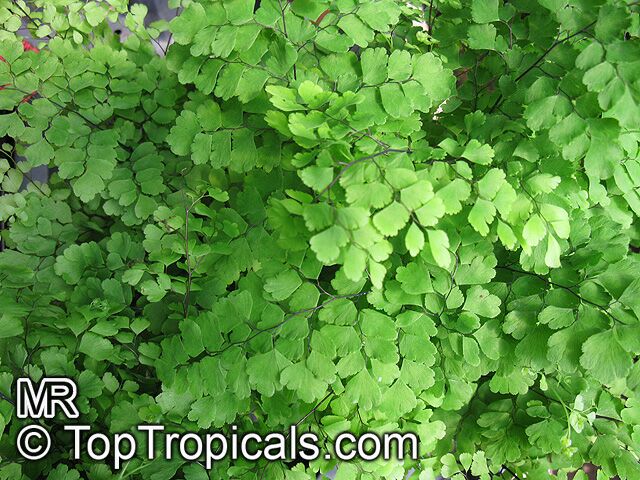
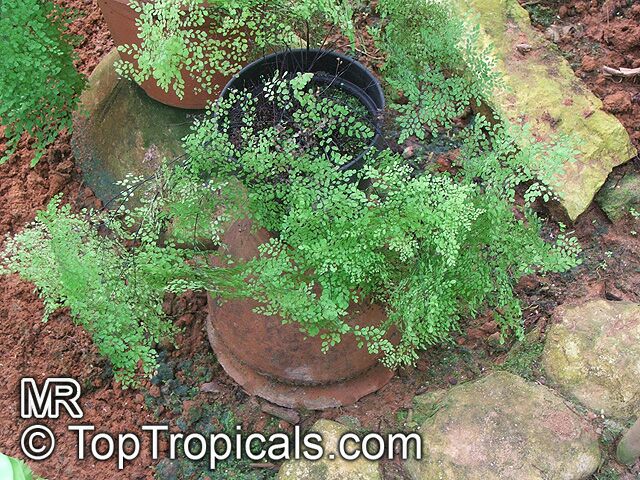
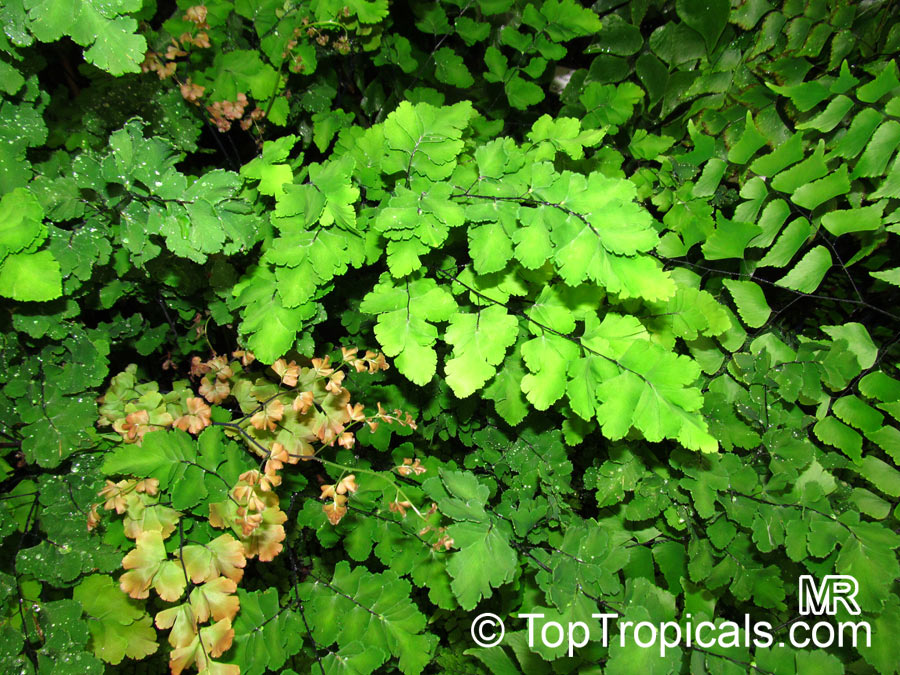
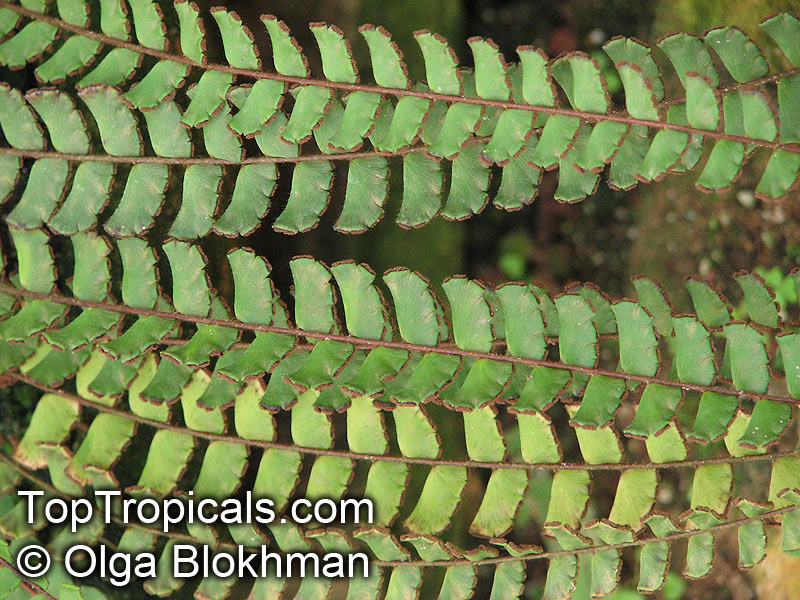
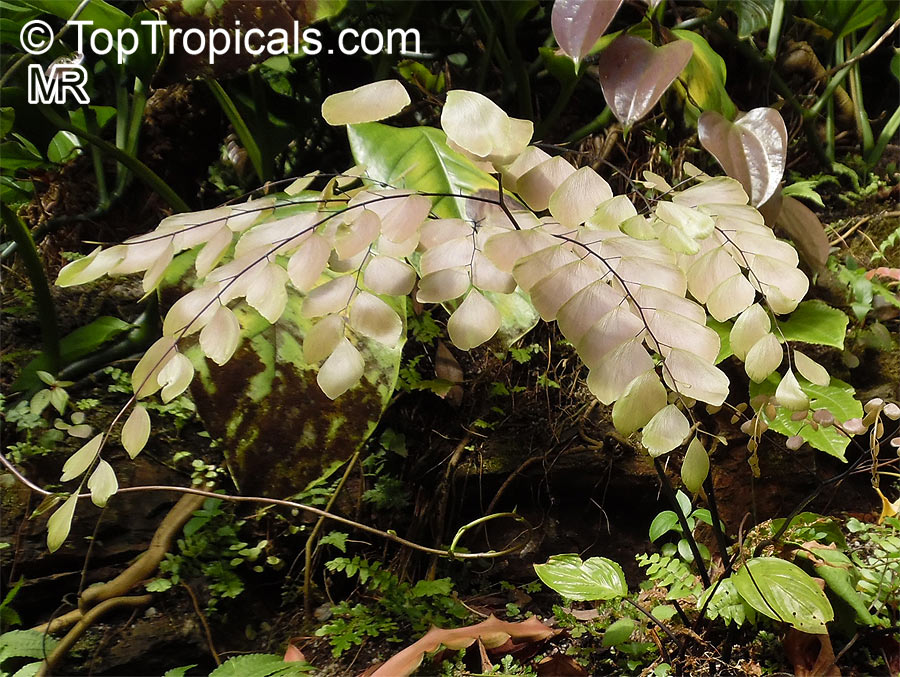
Botanical name: Adiantum sp.
Common name: Maidenhair Fern
Family: Pteridaceae
Origin: Central and South America
USDA Zone: 9-10
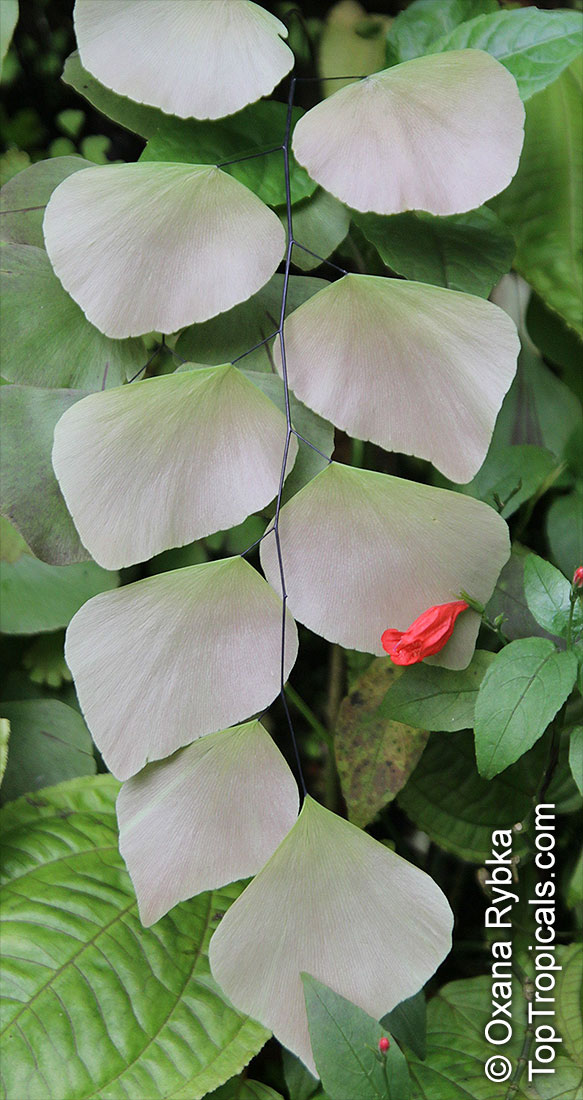
Adiantum is a genus of about 200 species of ferns in the family Pteridaceae, though some researchers place it in its own family, Adiantaceae.
Adiantum has slender black stems and delicate, triangular green fronds.
The plant likes higher humidity but should not be misted.
Species:
Adiantum aethiopicum
Adiantum balfourii
Adiantum henslovianum
Adiantum macrophyllum
Adiantum platyphyllum
Adiantum raddianum
Adiantum tenerum
Adiantum tetraphyllum
Adiantum venustum





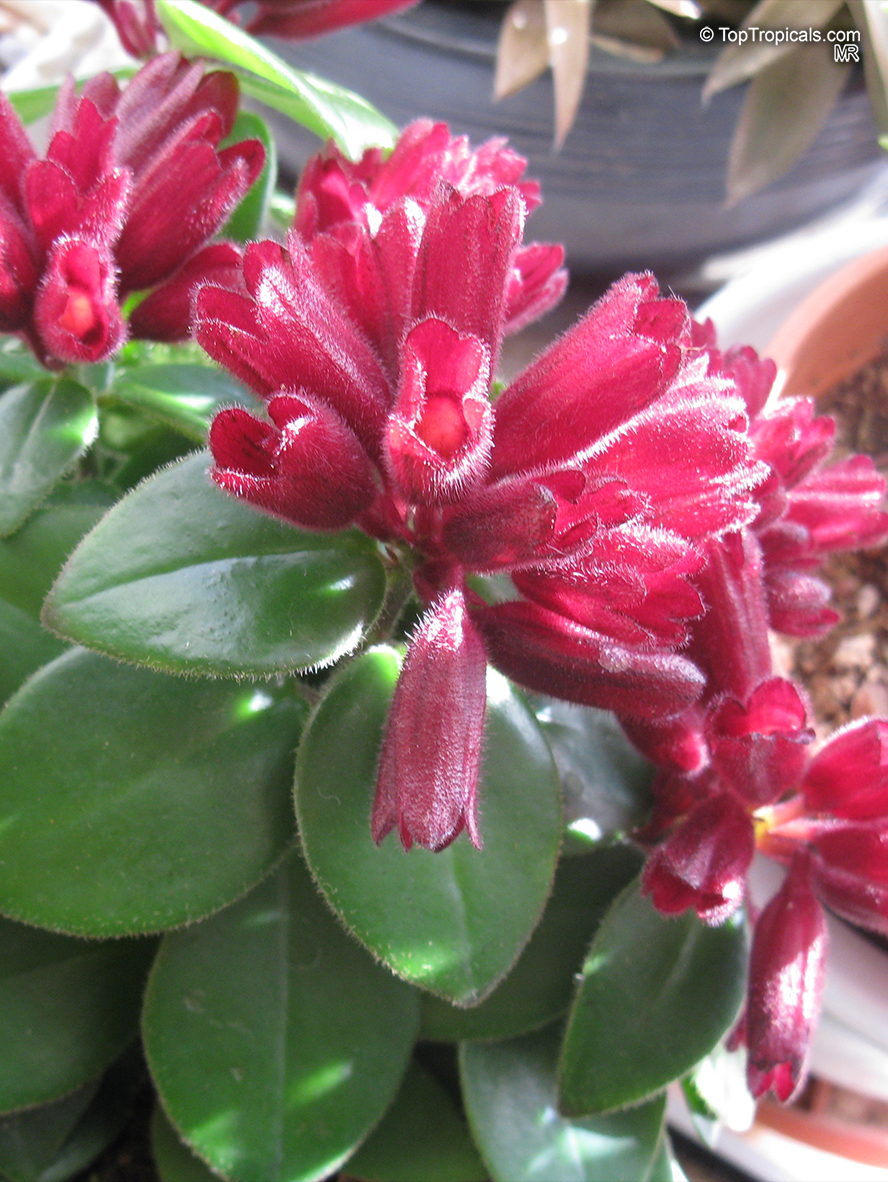
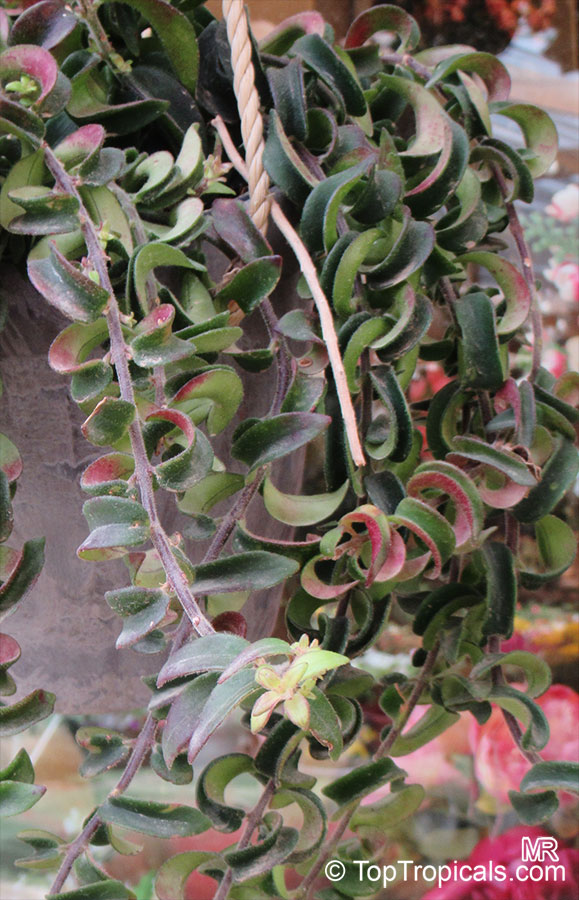
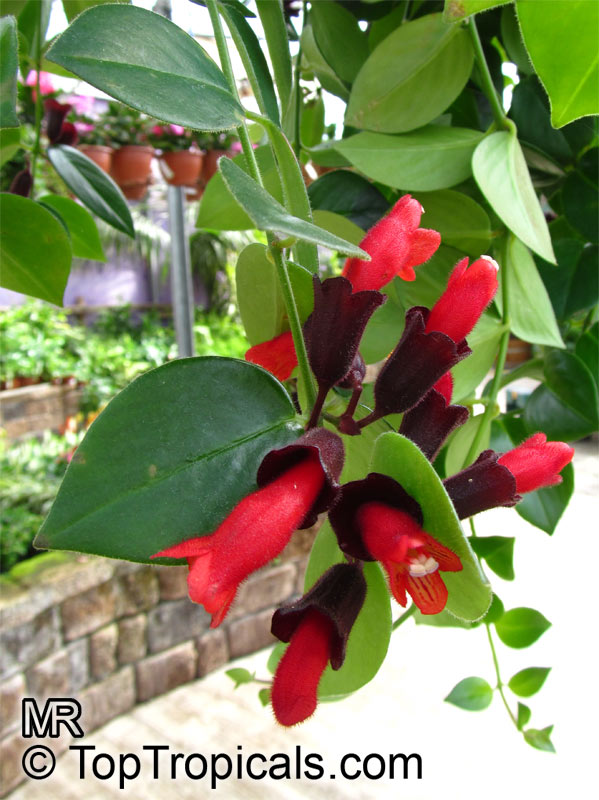
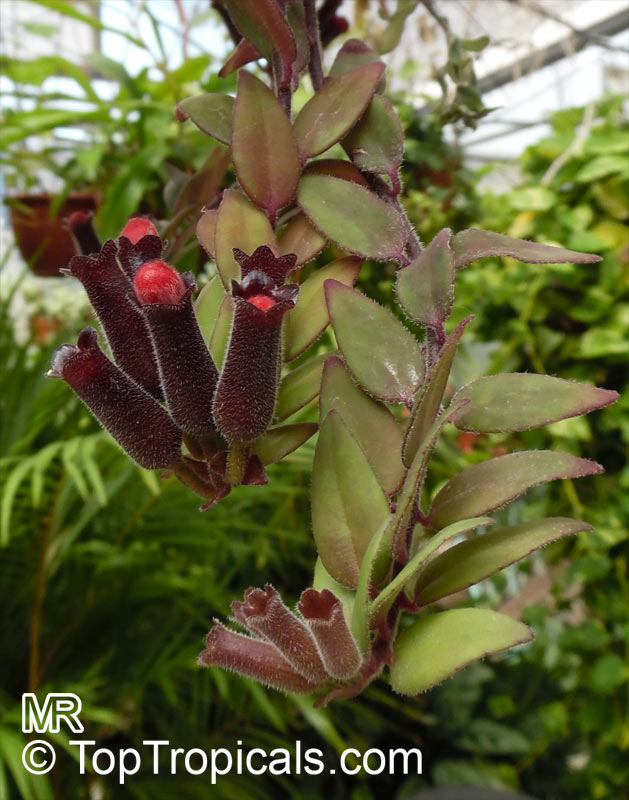
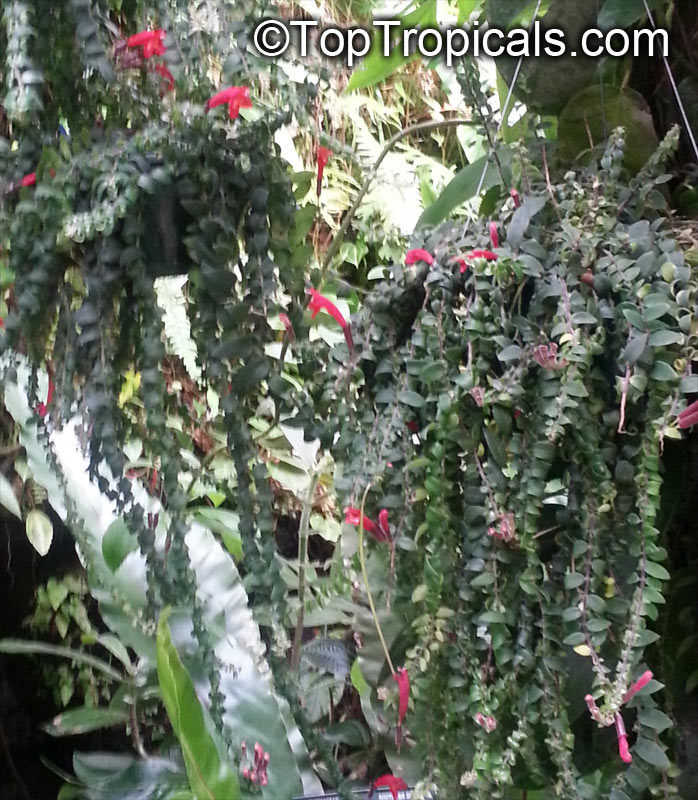
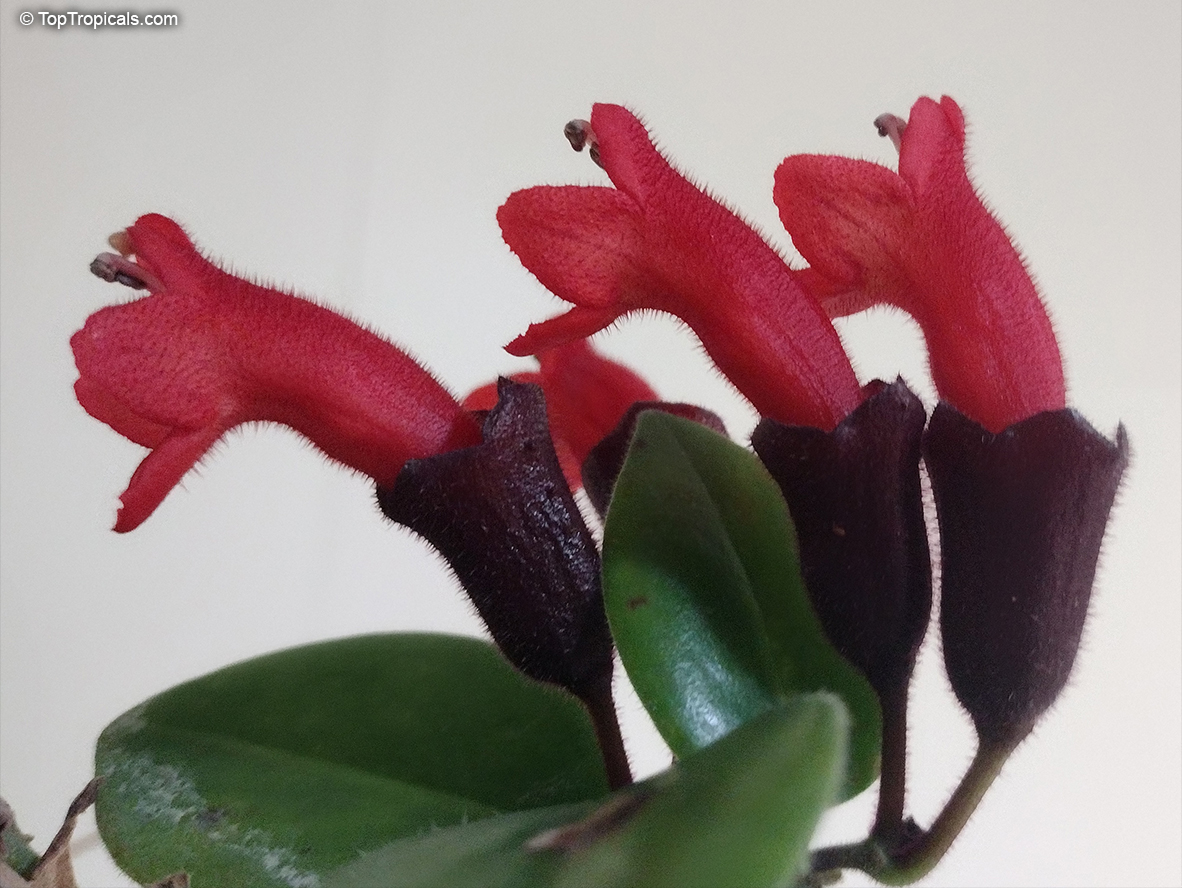
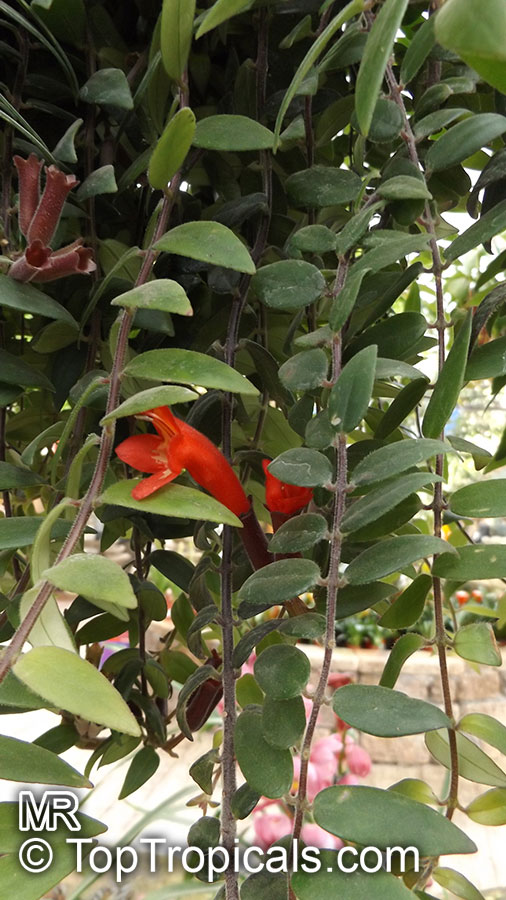
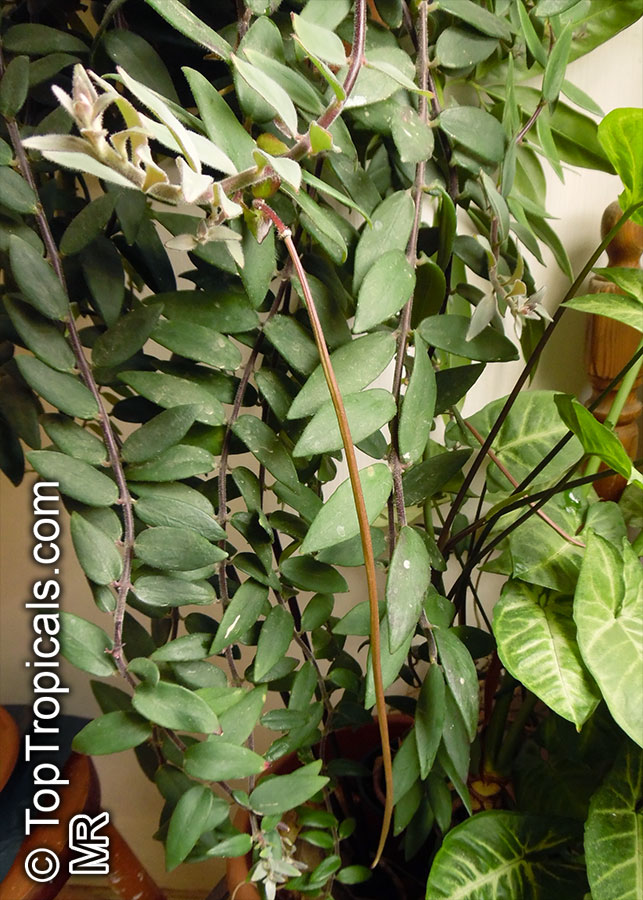
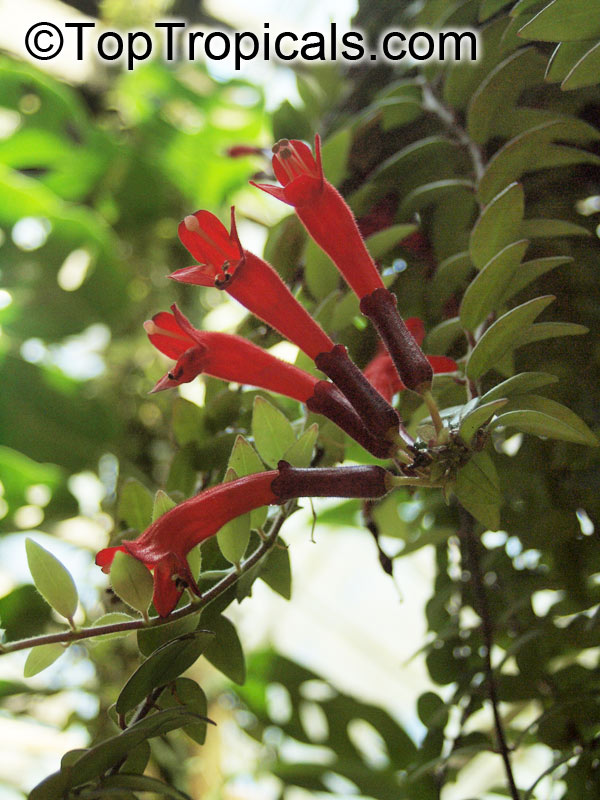
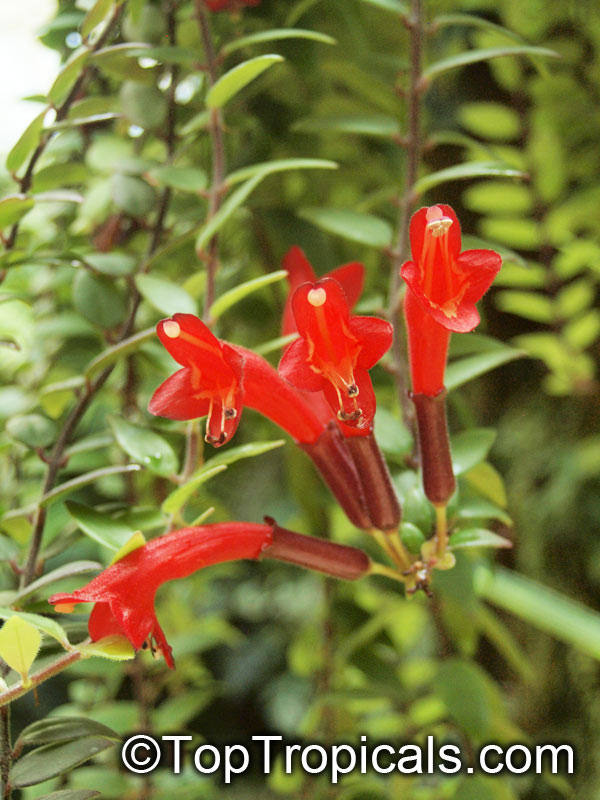
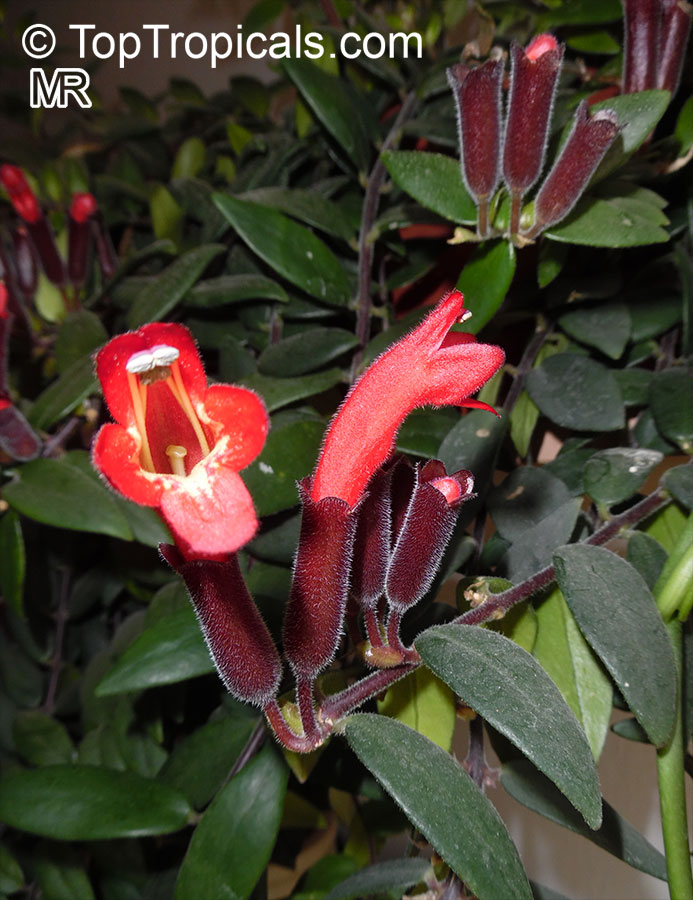
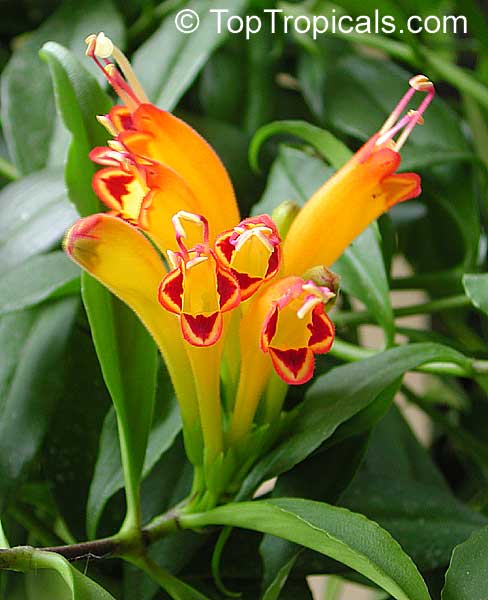
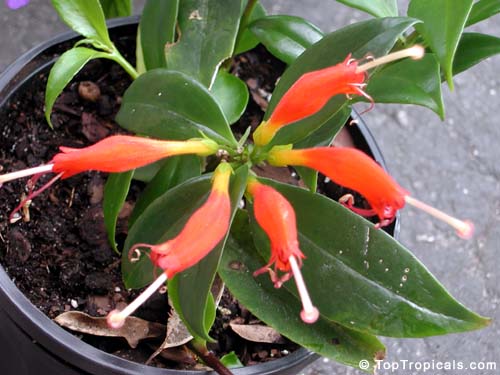
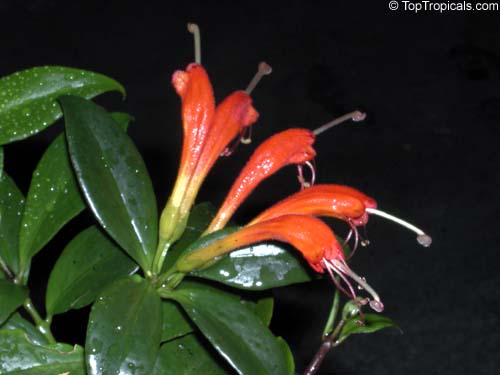
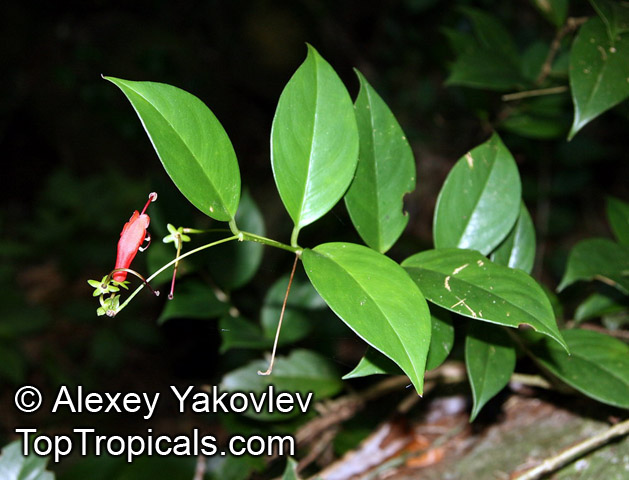
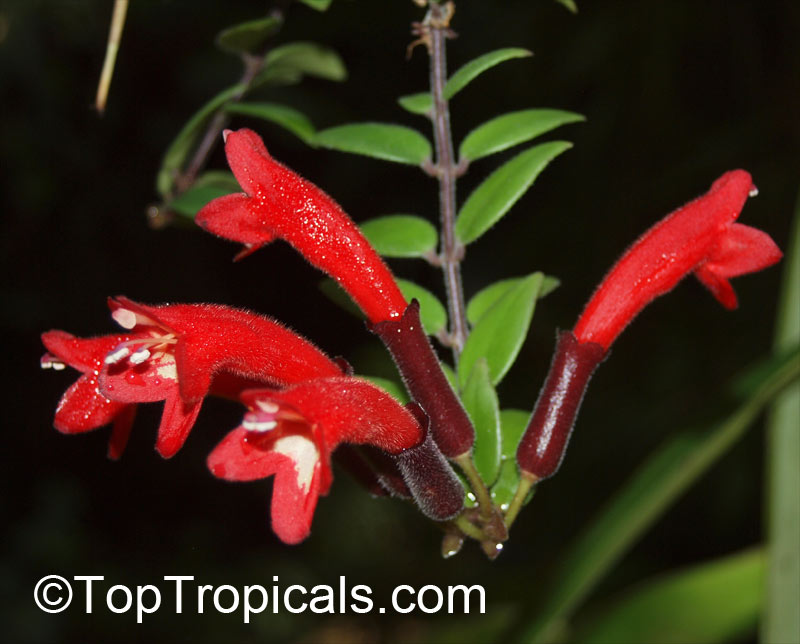
Botanical names: Aeschynanthus radicans, Aeschynanthus lobbianus
Common name: Lipstick Plant
Family: Gesneriaceae
Origin: Southeast Asia
USDA Zone: 9-11


Aeschynanthus is a large genus of Old World tropical herbs, similar to the genus Columnea in Central and South America. Both are often trailing epiphytes with large, showy flowers.
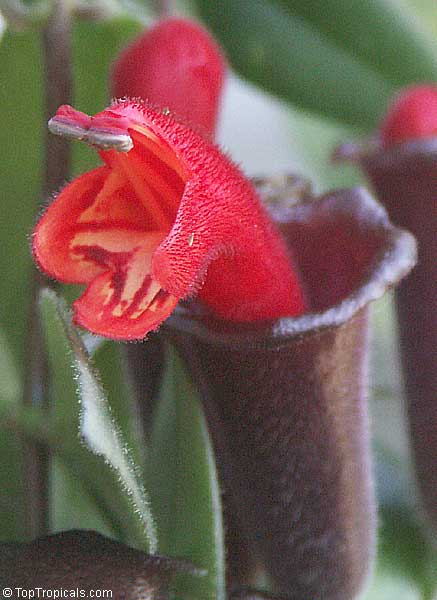
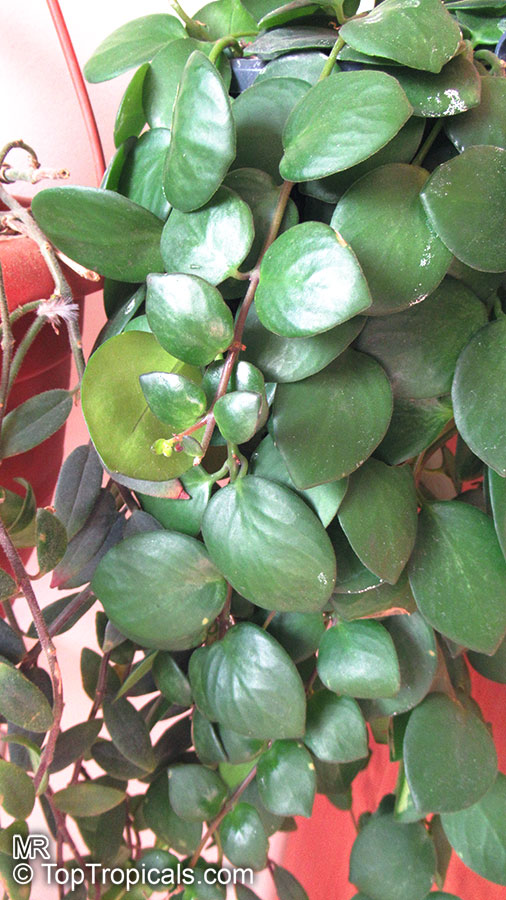
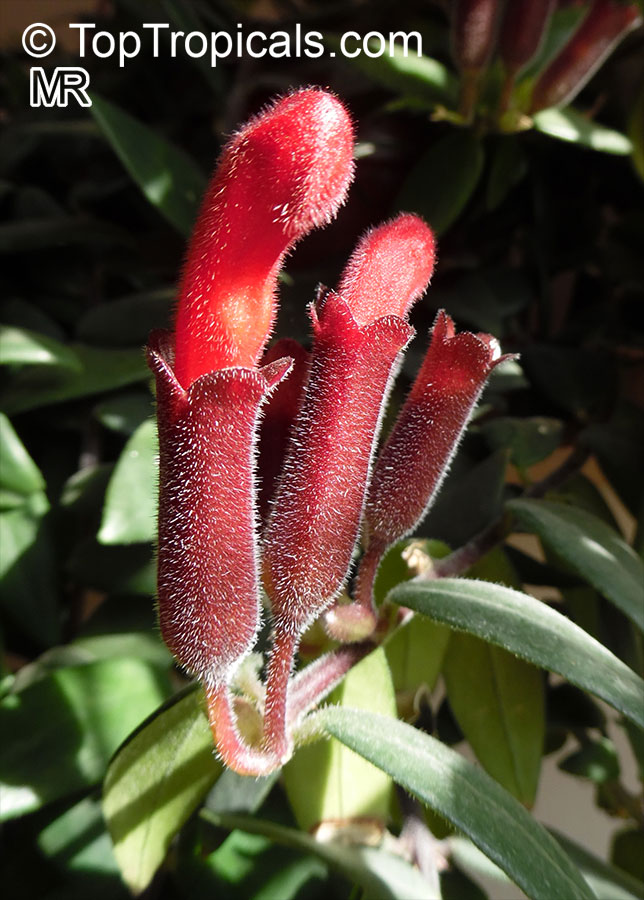
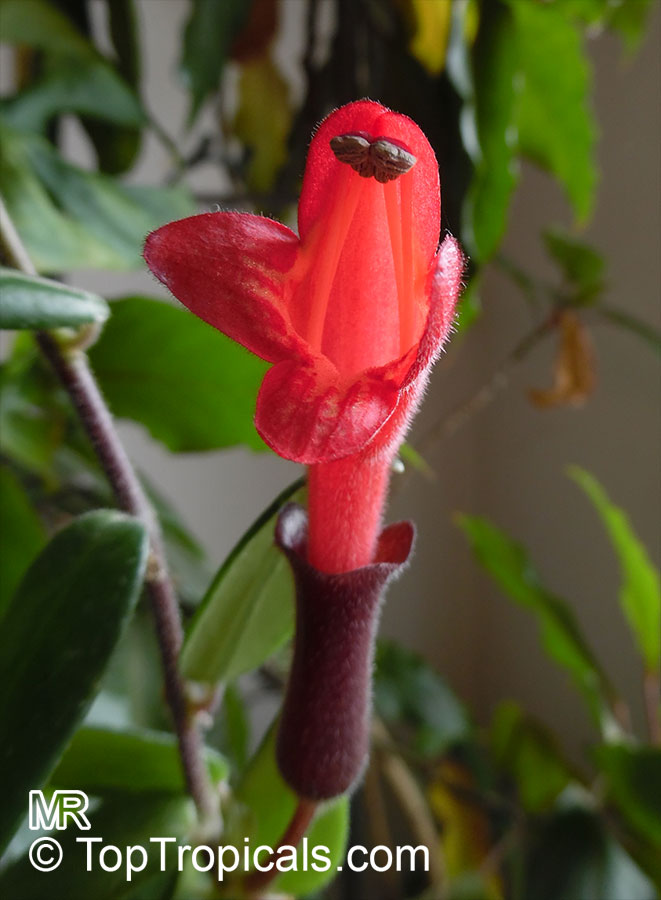
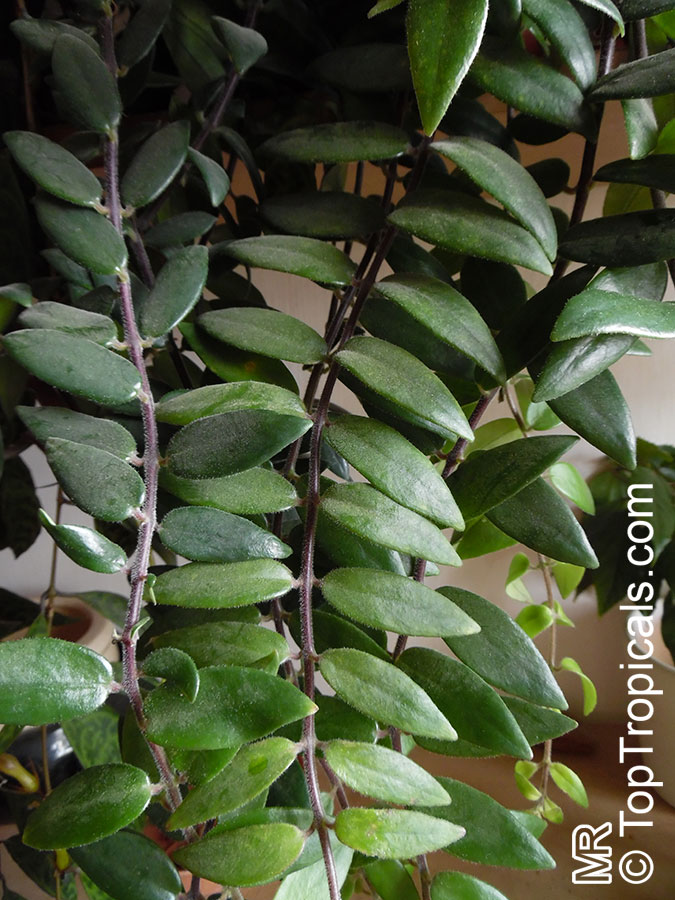
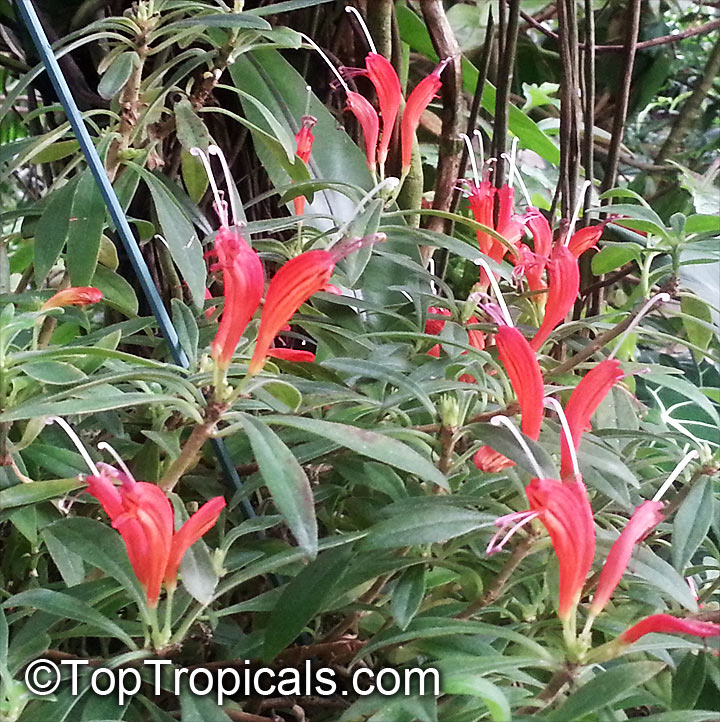
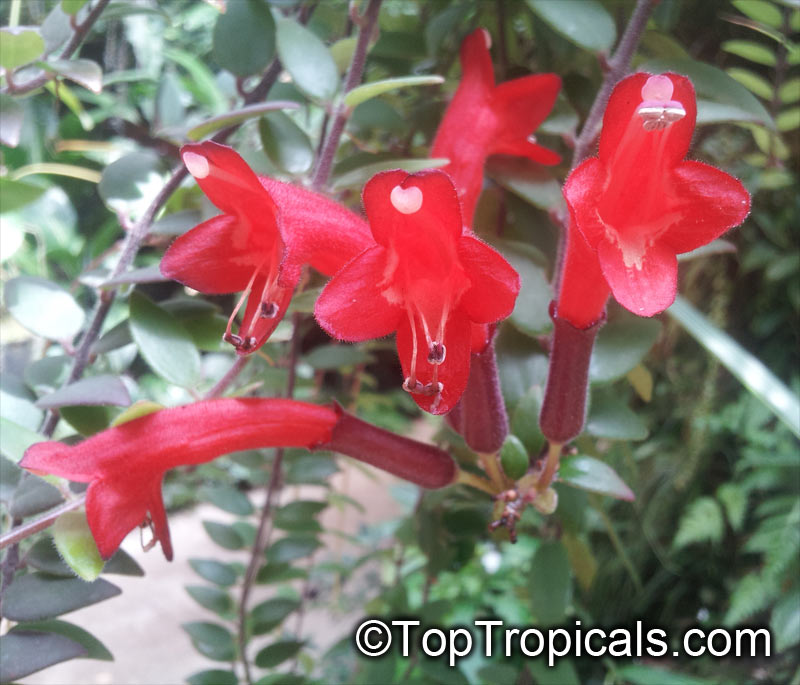
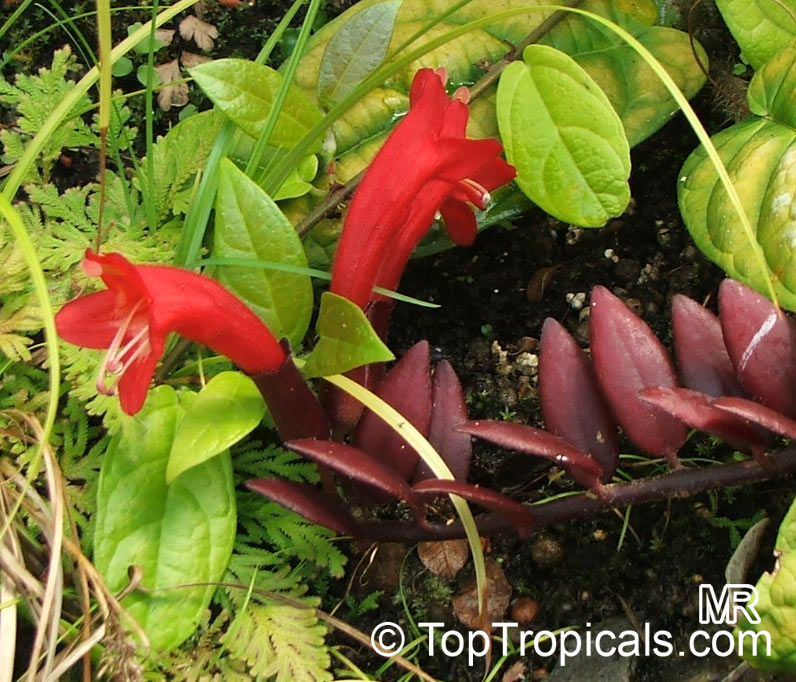
The appearance of the various Aeschynanthus species varies widely. The original "Lipstick Plant" has shiny, hard-surfaced leaves with bright red flowers that emerge from a dark red tubular calyx, resembling lipstick emerging from a tube. It is an epiphyte that grows in the angles of branches in the rainforest. As with all epiphytes, it does not live as a parasite on the tree, but takes its nourishment from fallen leaves and twigs that accumulate in the crevices of branches.
To care for the Lipstick Plant, it needs plenty of light but not direct sunlight. They thrive in summer heat, and winter temperatures should not drop below 60 degrees. It should be grown in semi-shade and needs regular or moderate water. If you live in a colder area, you can grow it in pots and make sure to water it regularly and keep the soil evenly moist.
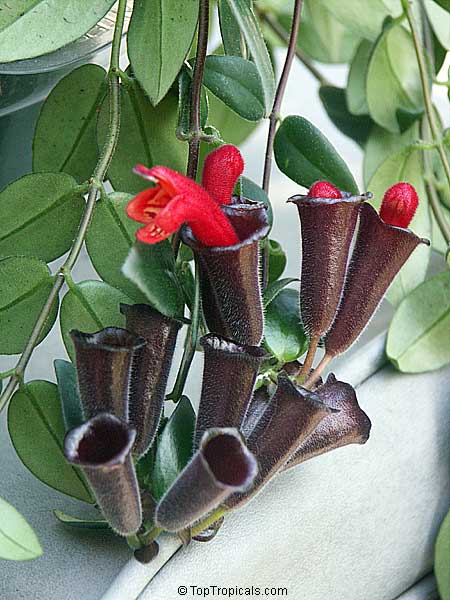
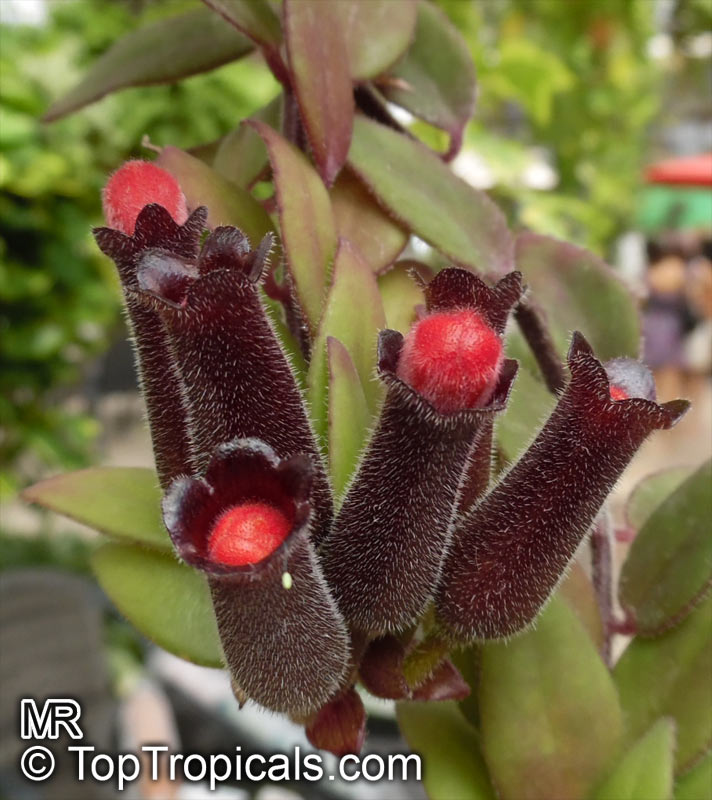
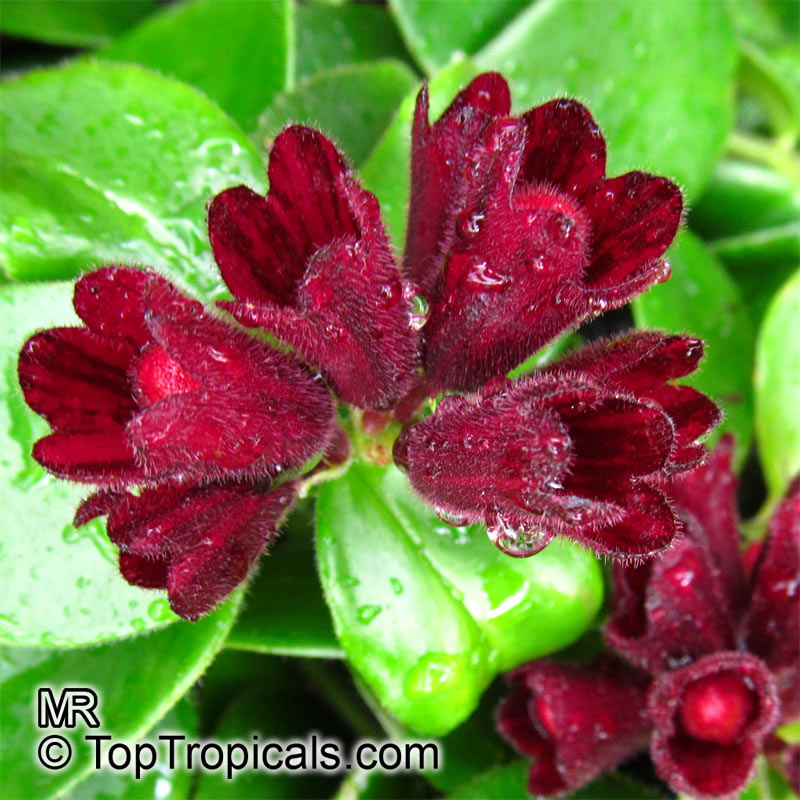

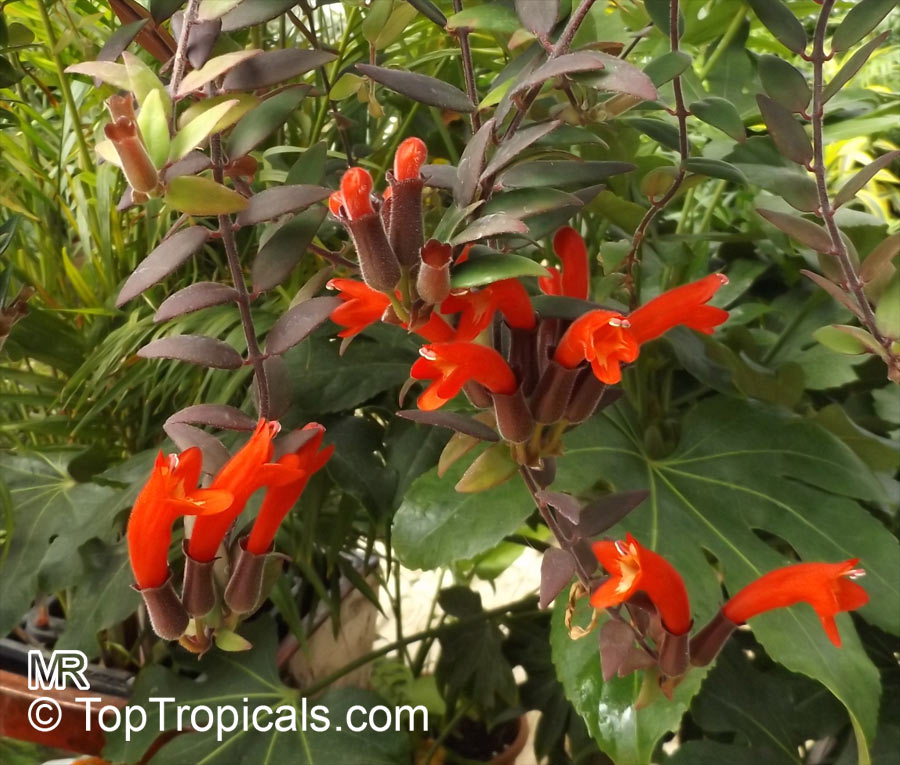
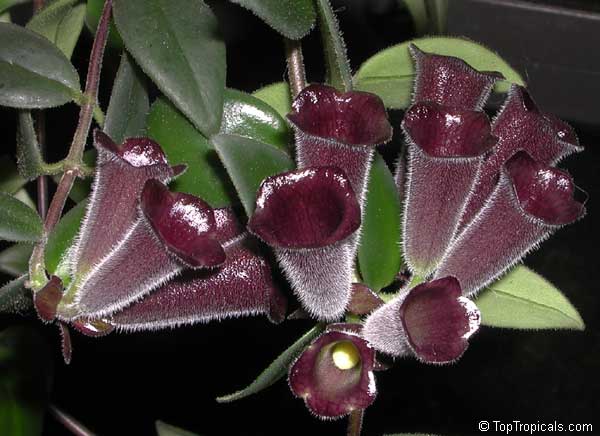
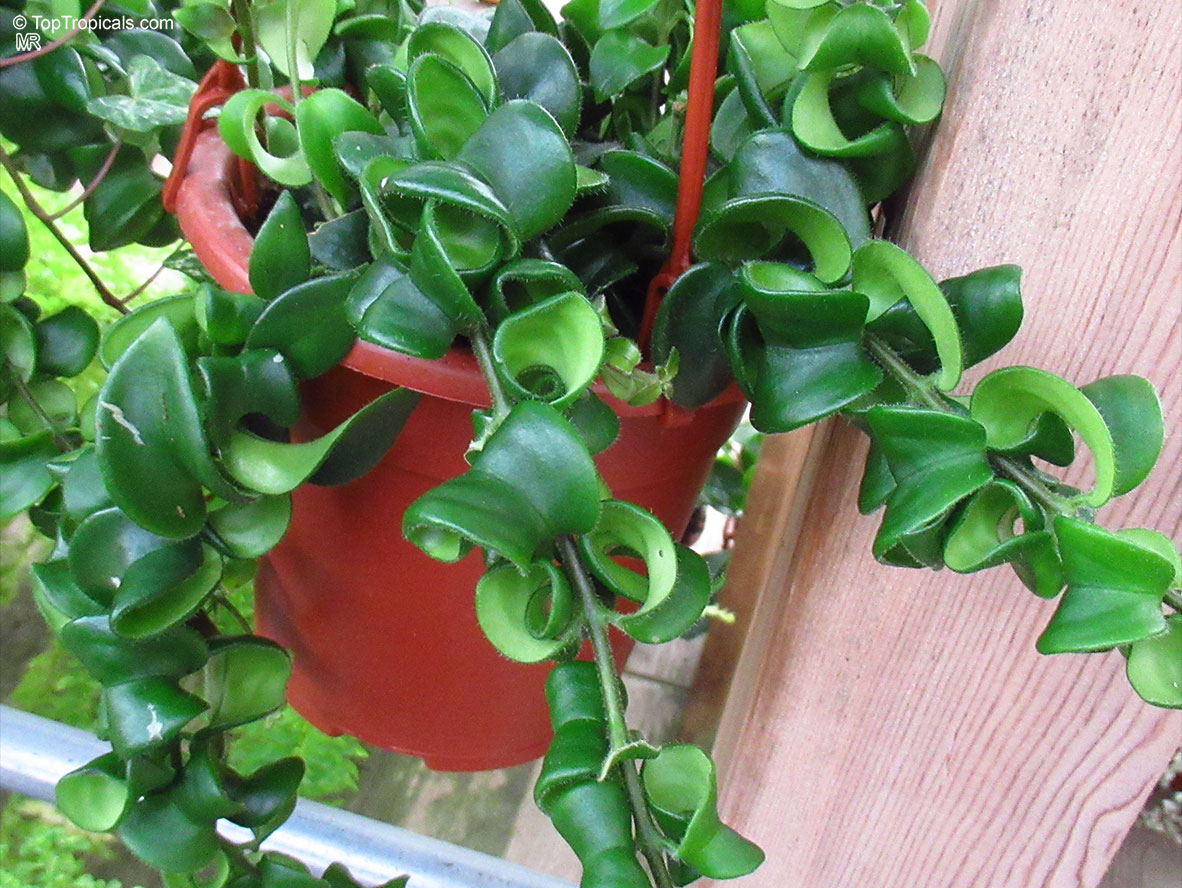
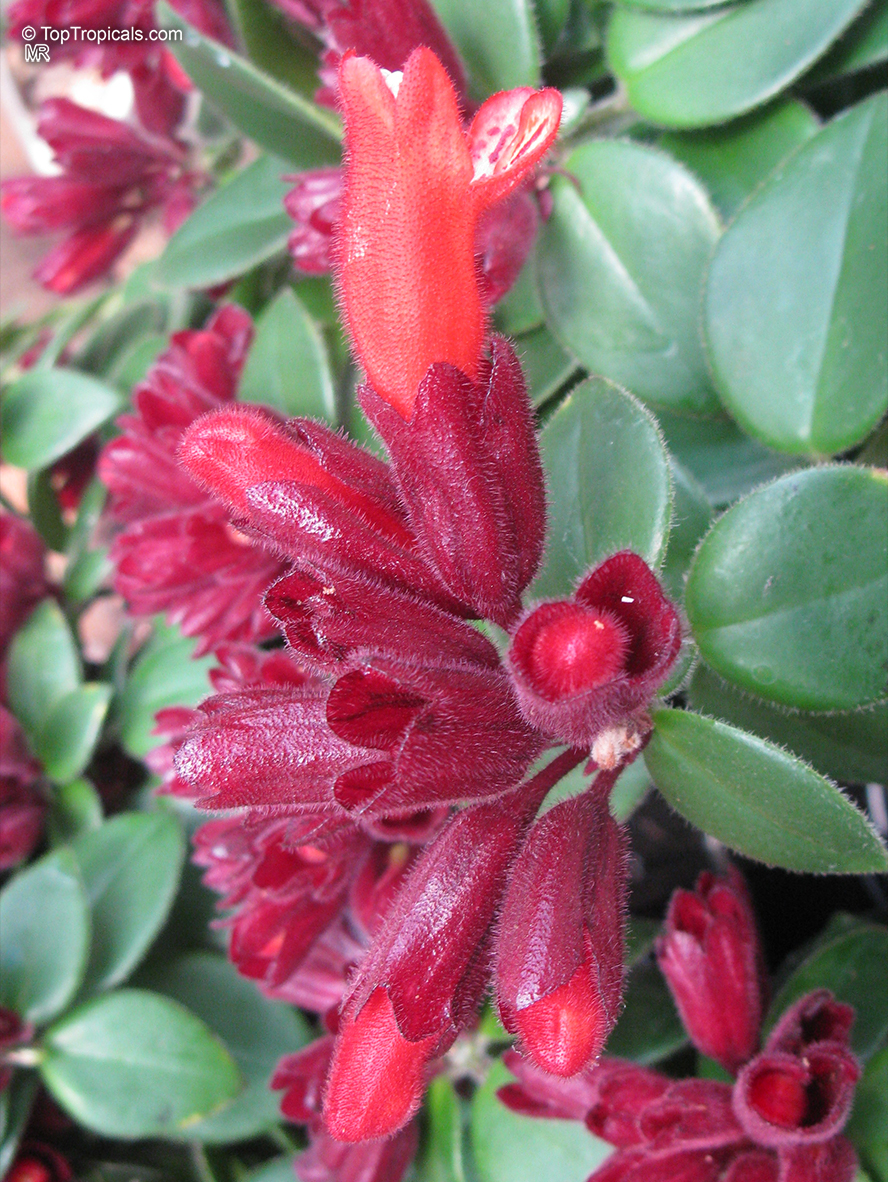
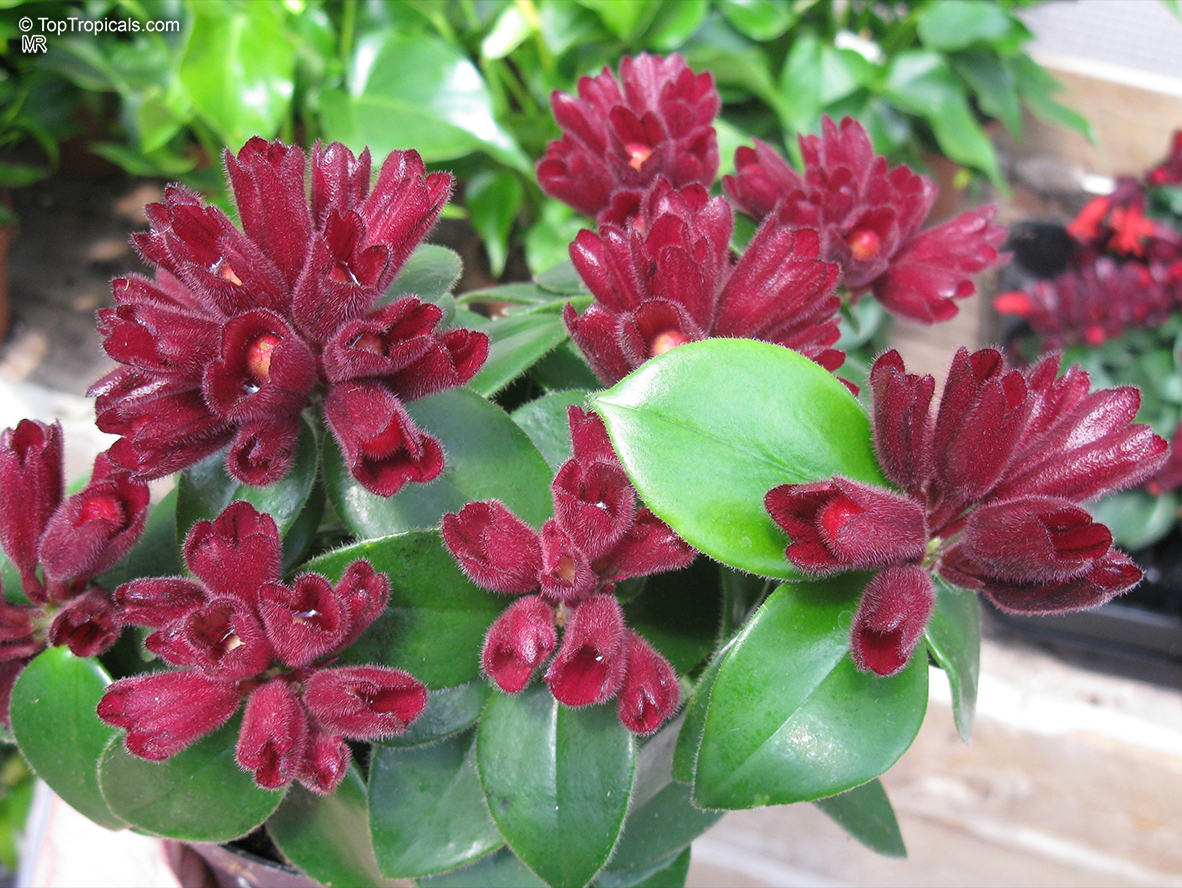
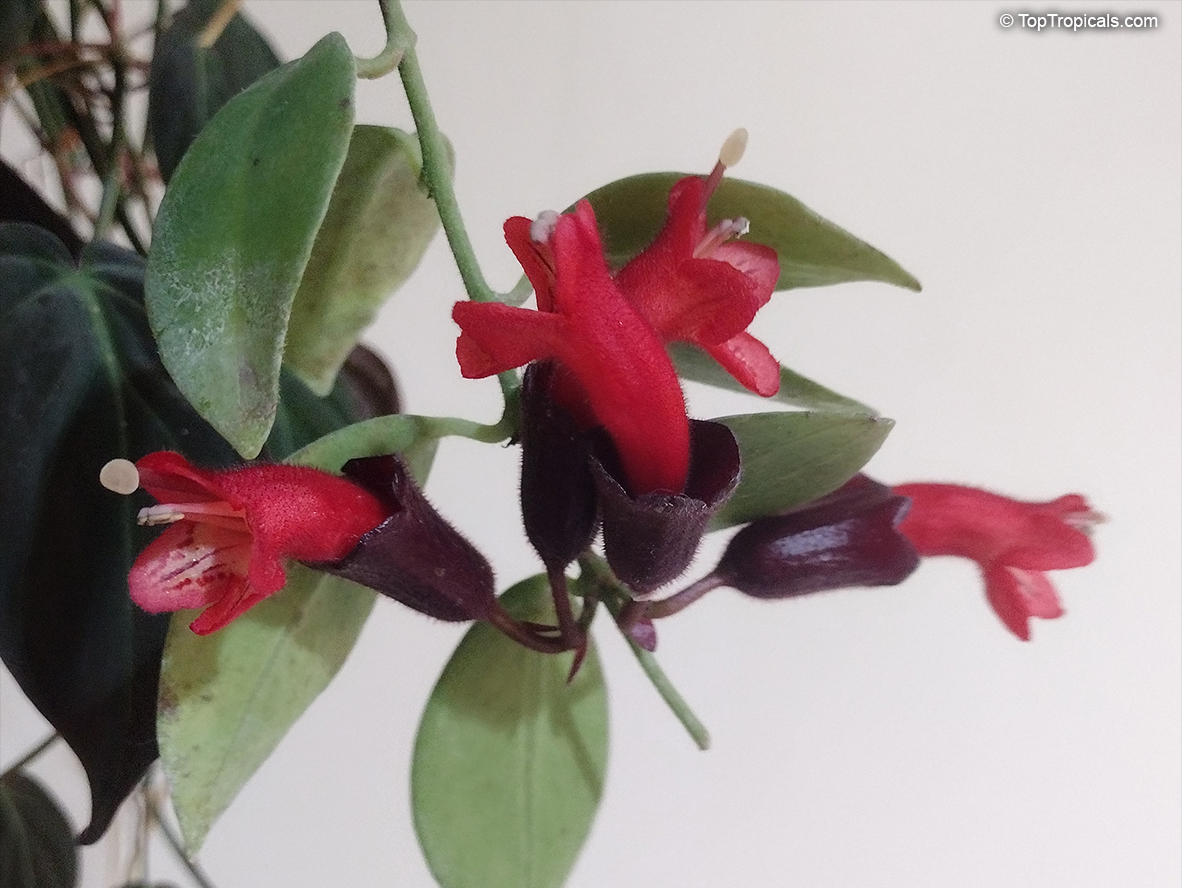
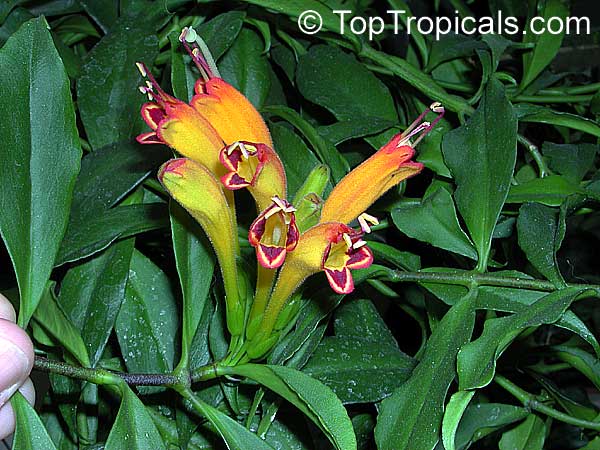
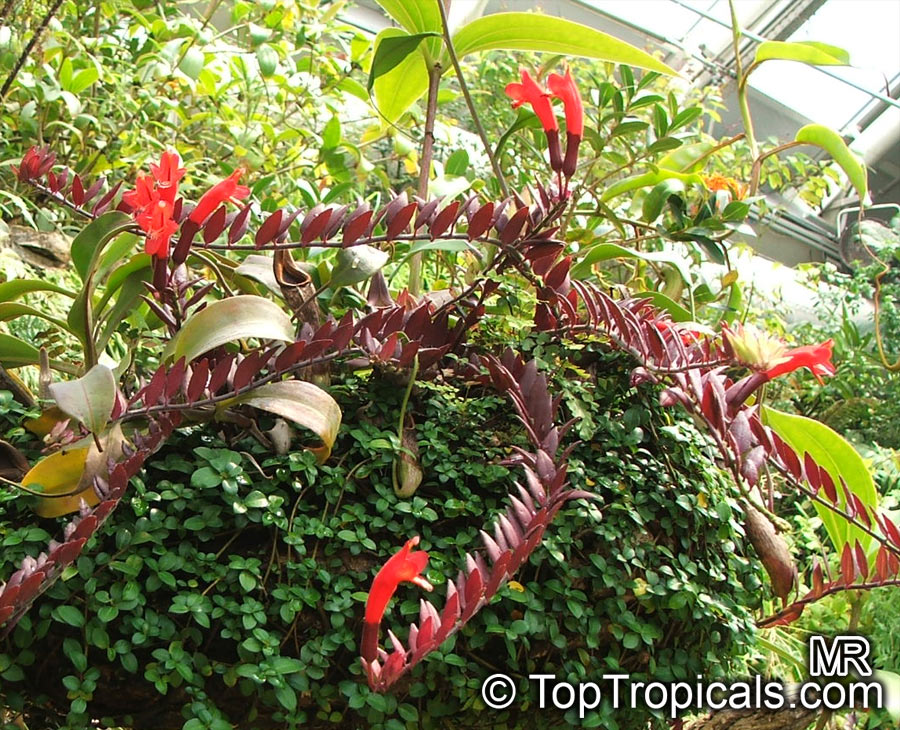
Botanical name: Aeschynanthus sp.
Common names: Lipstick Plant, Lipstick Vine
Family: Gesneriaceae
Origin: Southeast Asia
USDA Zone: 9-10
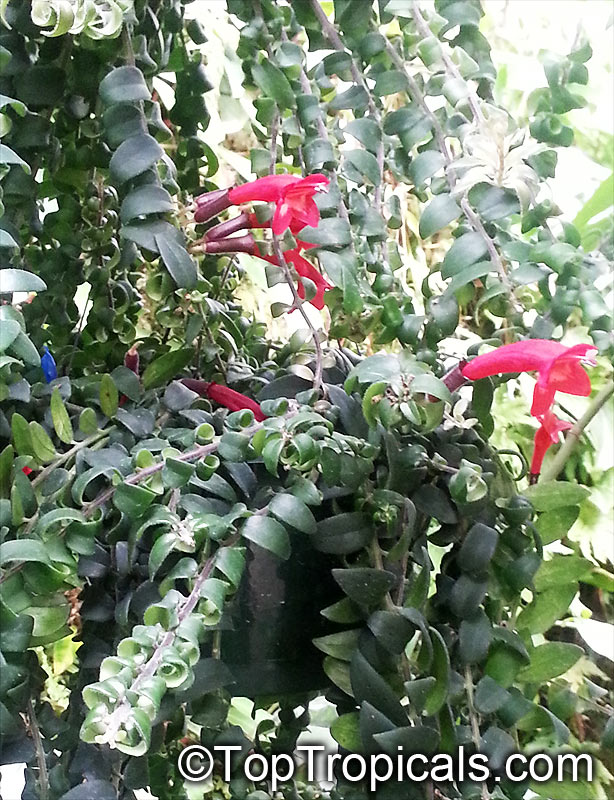
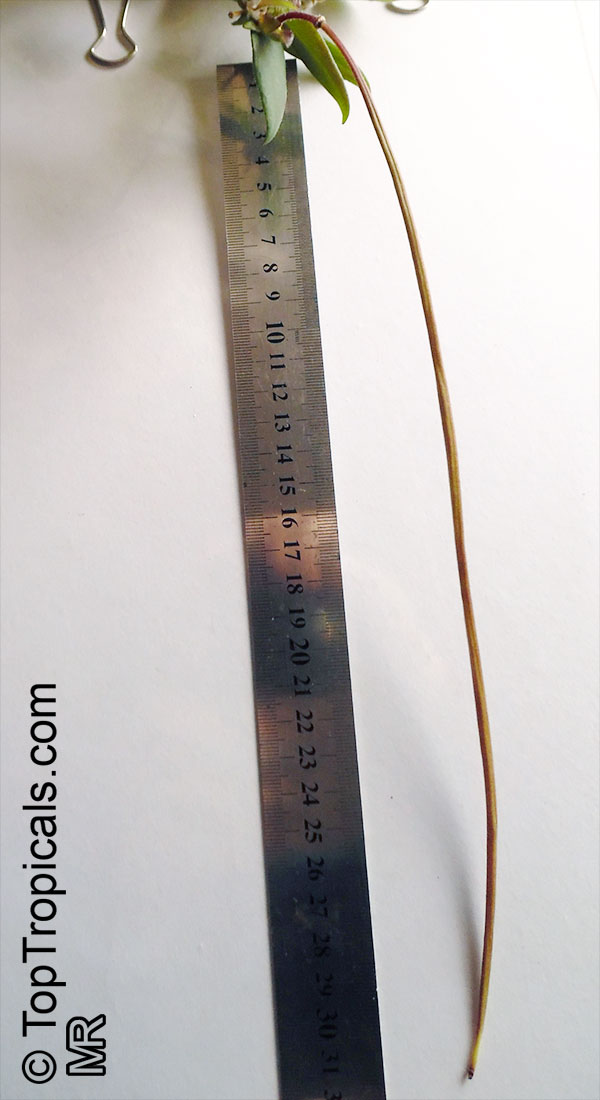
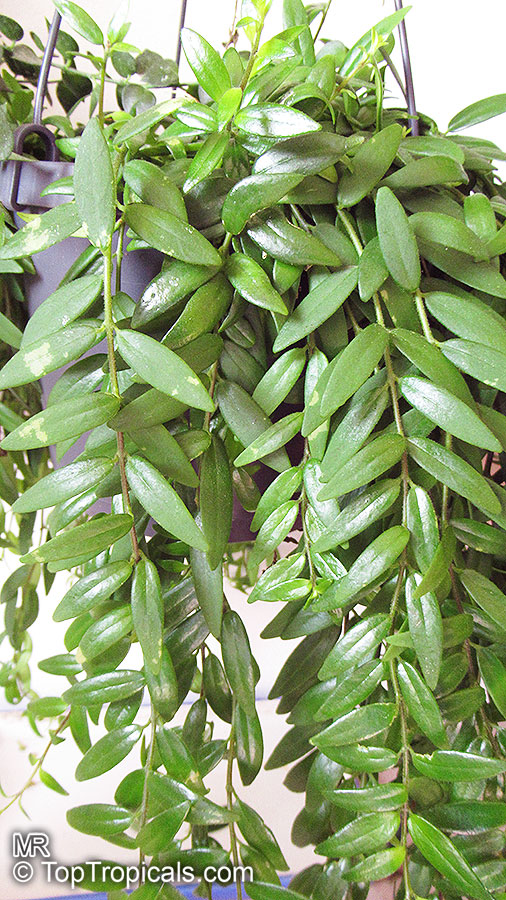
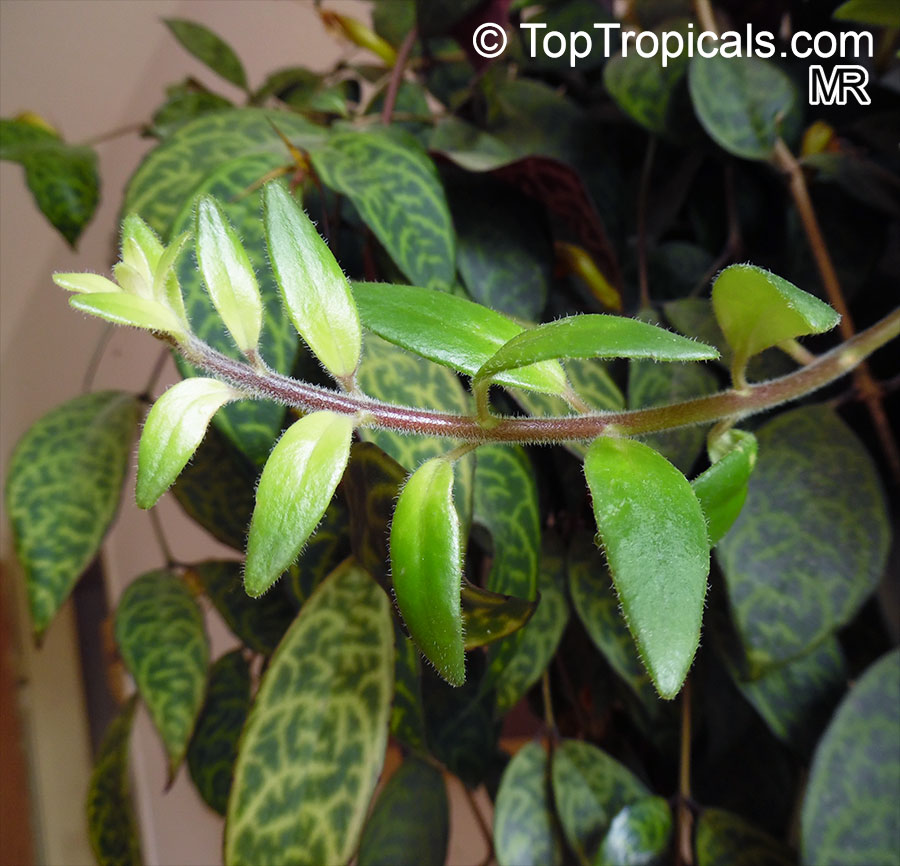
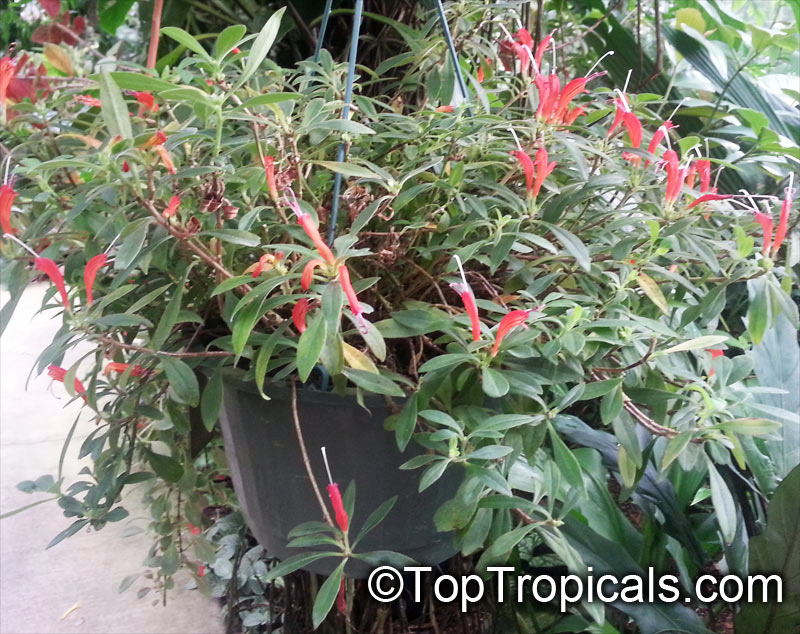
A very attractive flowering vine, that is mostly used in hanging pots. Water freely durning spring to fall, but keep the soil a little drier in the winter. The trailing stems can be 2ft long, so they may need pruning after flowering has finished. The plant tolerates most house temperatures. Ideal temperatures are 60 degrees at night but 10 to 15 degrees higher during the day. A. pulcher is one of the classic lipstick plants, and is similar to A. lobbianus -- except for the tan colored calyx.
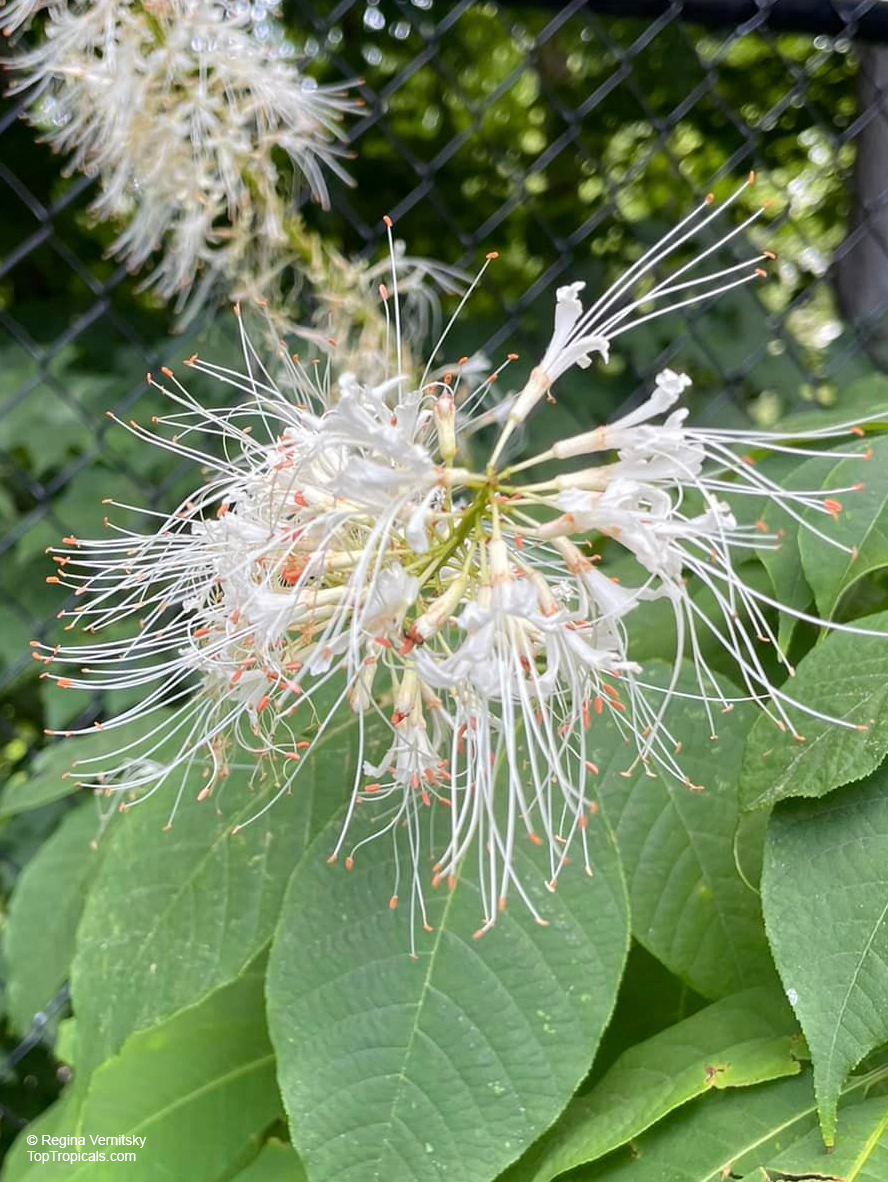
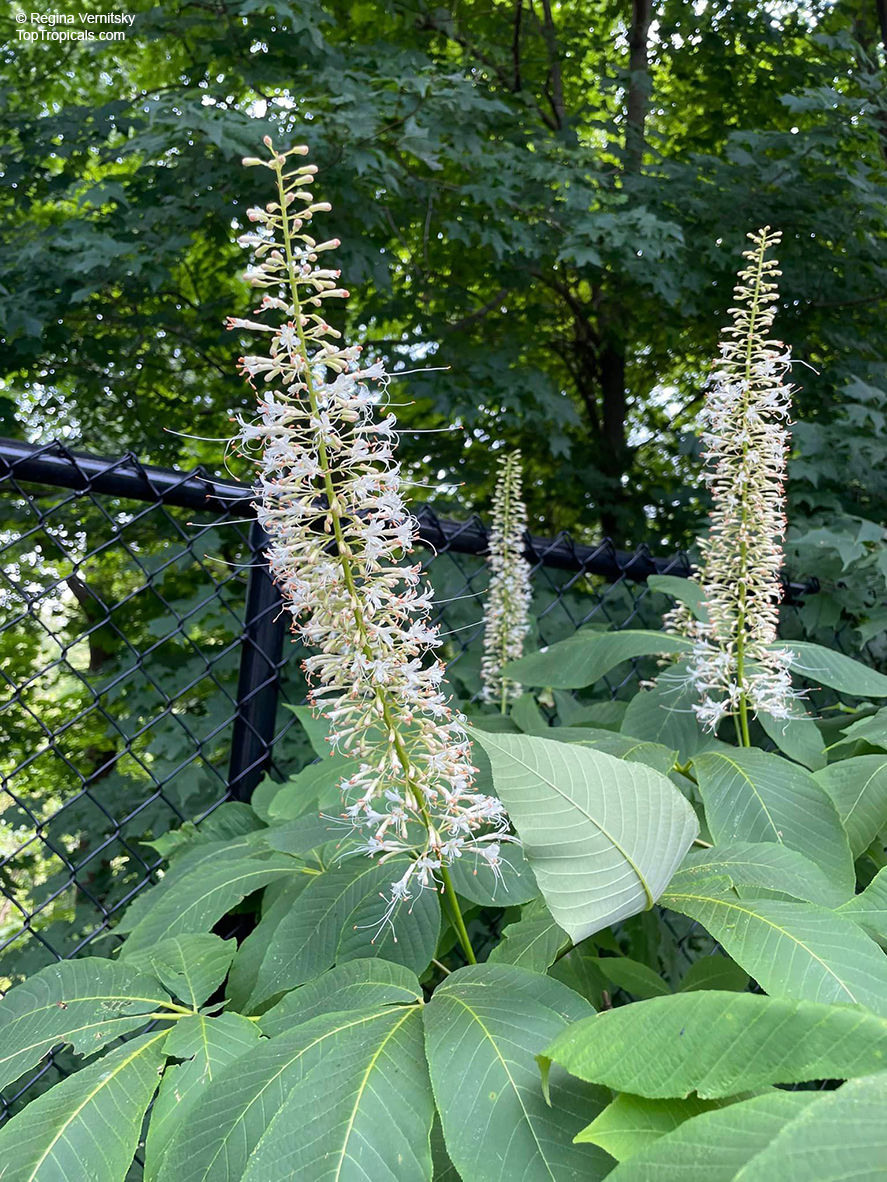
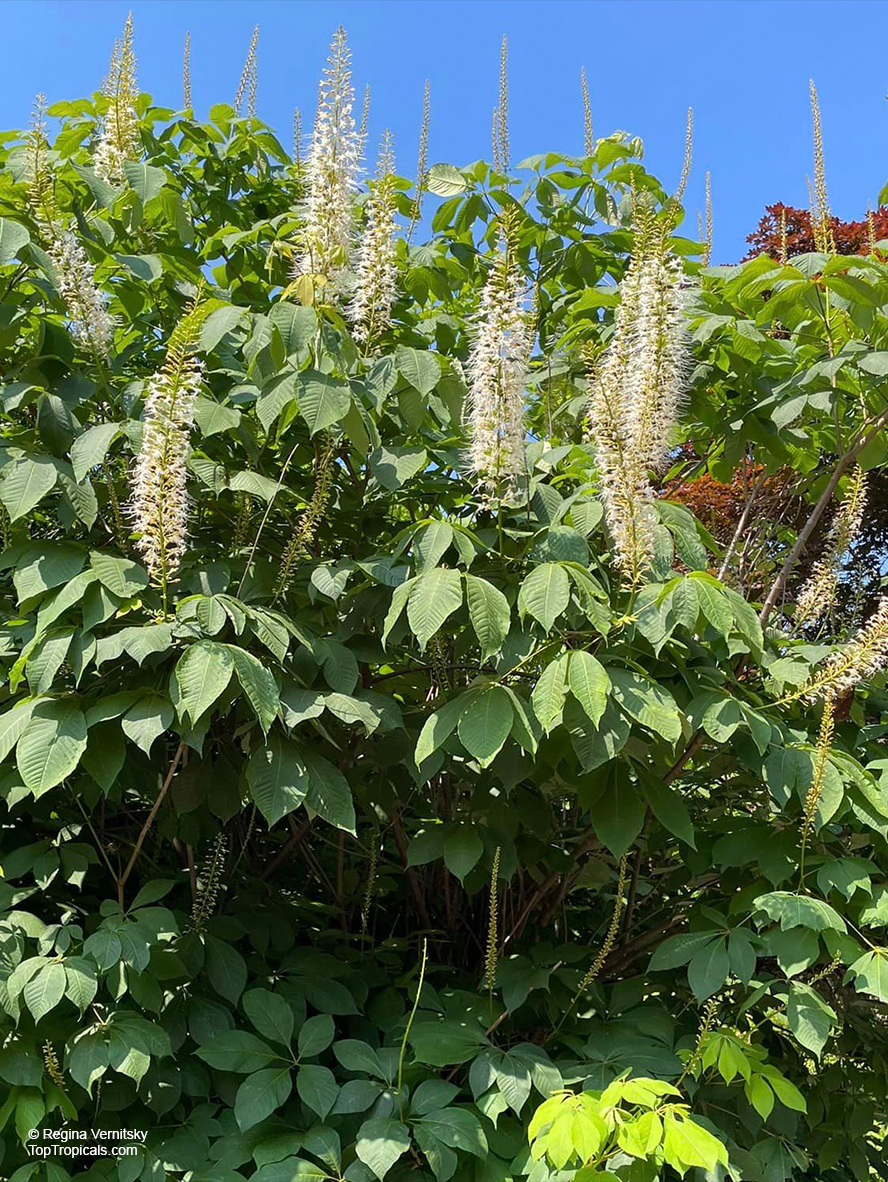
Botanical name: Aesculus parviflora
Common names: Bottlebrush Buckeye, Small-flowered Buckeye
Family: Sapindaceae
Origin: Southeastern United States
USDA Zone: 4-8


Aesculus parviflora is grown as an ornamental plant in gardens, where its August flowering attracts butterflies. It prefers moist, well-drained soils in part shade to full shade.
This plant is highly poisonous to humans IF EATEN.
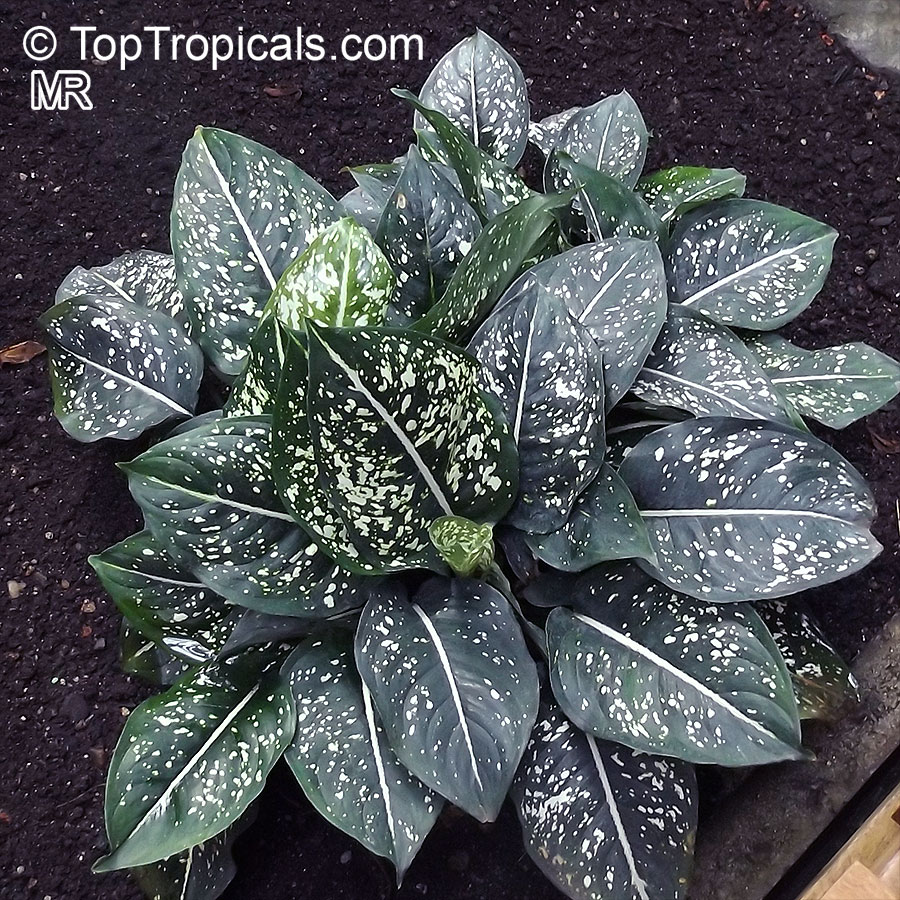
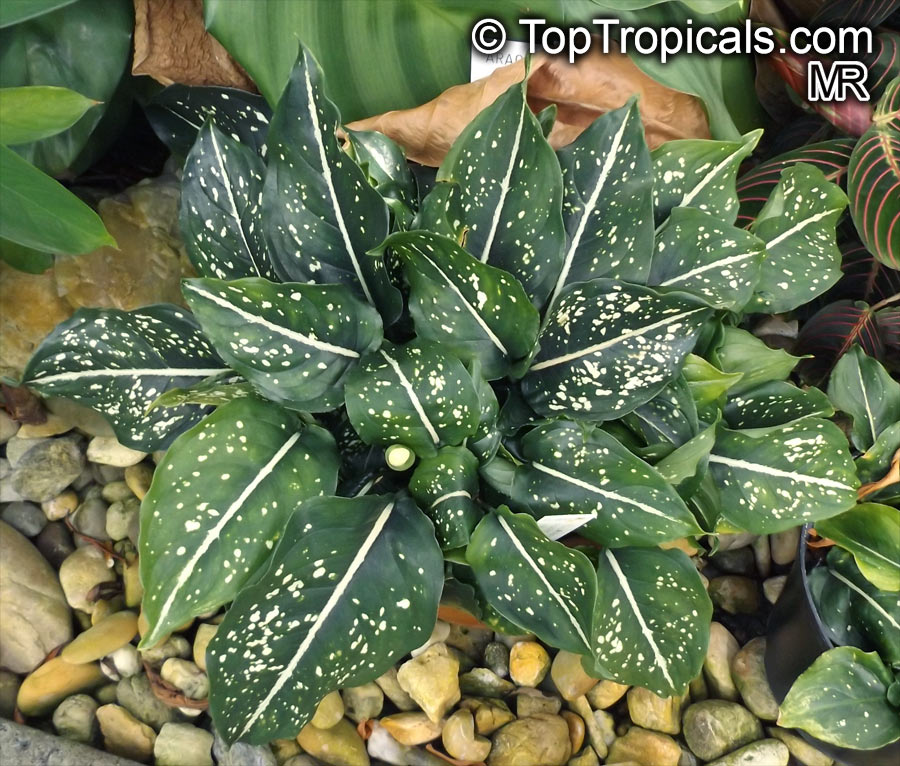
Botanical name: Aglaonema costatum
Common name: Spotted Evergreen
Family: Araceae
Origin: Southeast Asia
USDA Zone: 9-10

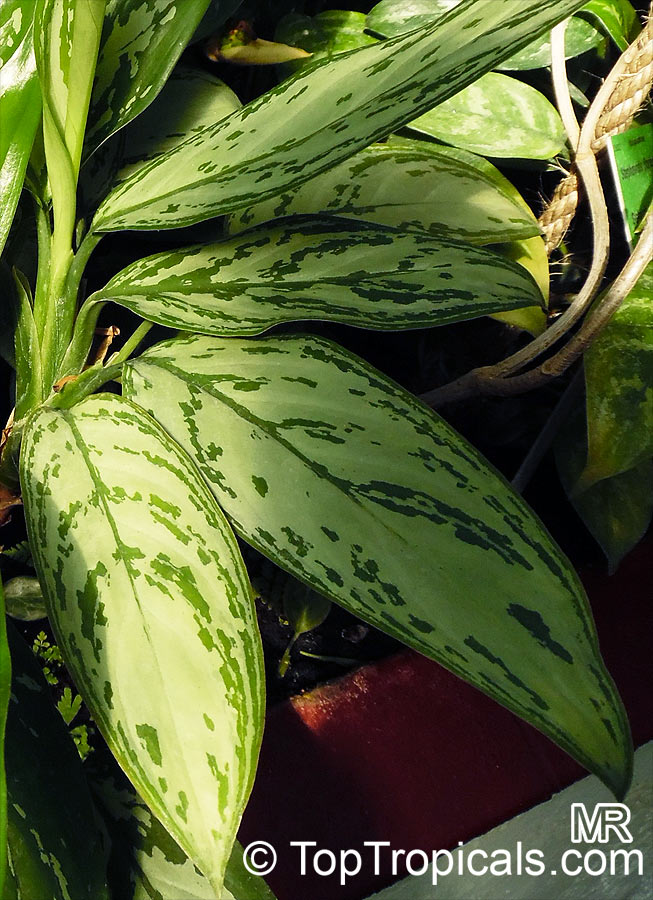
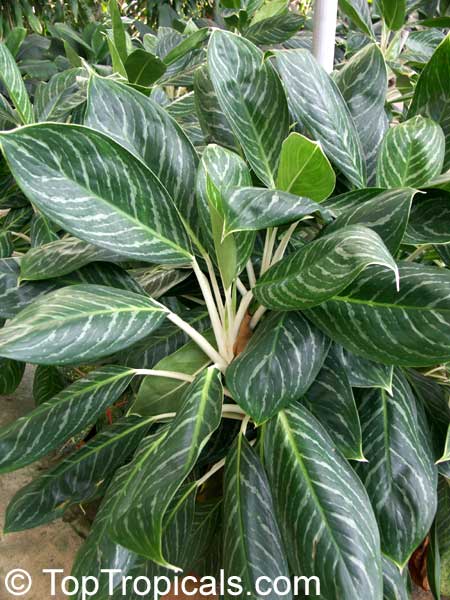
Botanical name: Aglaonema nitidum
Common names: Chinese Evergreen, Painted Drop Tongue, Silver Evergreen
Family: Araceae
USDA Zone: 9-10
Aglaonema nitidum or Chinese Evergreen is a small evergreen shrub, typically growing anywhere between 2-5 feet tall. This ornamental foliage is incredibly versatile, making it a great addition to any home or garden. Aglaonema nitidum grows best in USDA zones 9-11 and prefers to be in partial shade or semi-shade, as an overexposure to direct sunlight can cause the leaves to burn. This plant requires moderate water, about once a week, in order to keep the soil moist.
When grown in a container, Aglaonema nitidum can be a great choice for indoor or outdoor locations, making it an ideal houseplant. As a smaller shrub, it is perfect for those looking for a smaller, evergreen bush to brighten up their space. Additionally, Chinese Evergreen is a great option for gardeners in cold regions, since it can be easily moved indoors during the winter season.
When caring for Aglaonema nitidum, special attention must be taken to the soil and container it is placed in. When grown in a container, the soil should be kept consistently moist, and allowed to dry slightly between waterings. The container must be well-draining, and should be placed in a section of the garden that gets partial shade or semi-shade. If grown indoors, it should be placed in an area that receives bright, indirect sunlight. When any new leaves appear, it is important to avoid any contact with the irritant sap they produce.
Overall, Aglaonema nitidum is a great addition to any home, thanks to its evergreen foliage and small size. It is a very versatile plant and can tolerate both direct and indirect light, making it easy to accommodate it in any living space. With the right soil, container, and proper care, Chinese Evergreen can be a great addition to any garden.

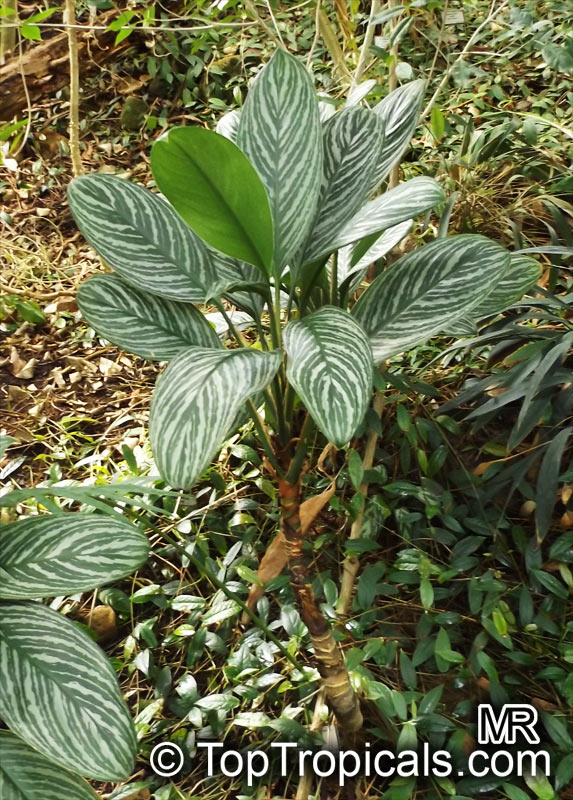
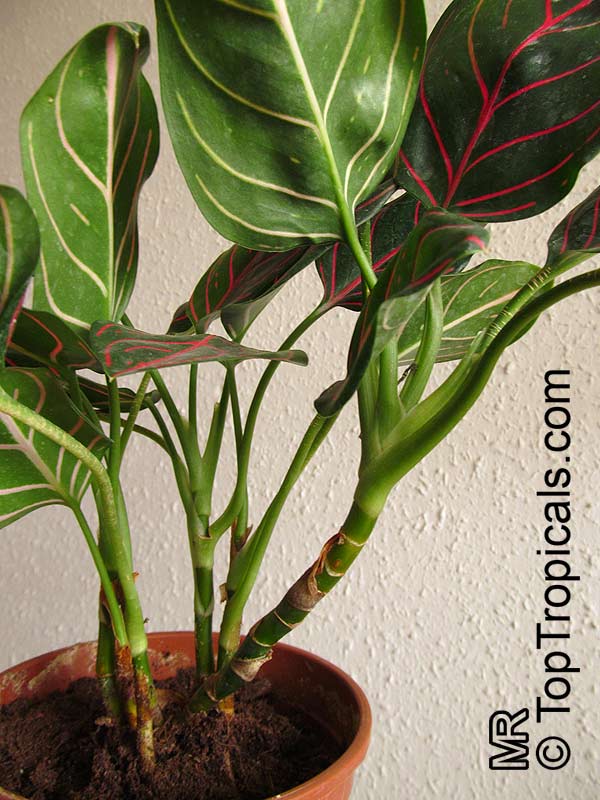
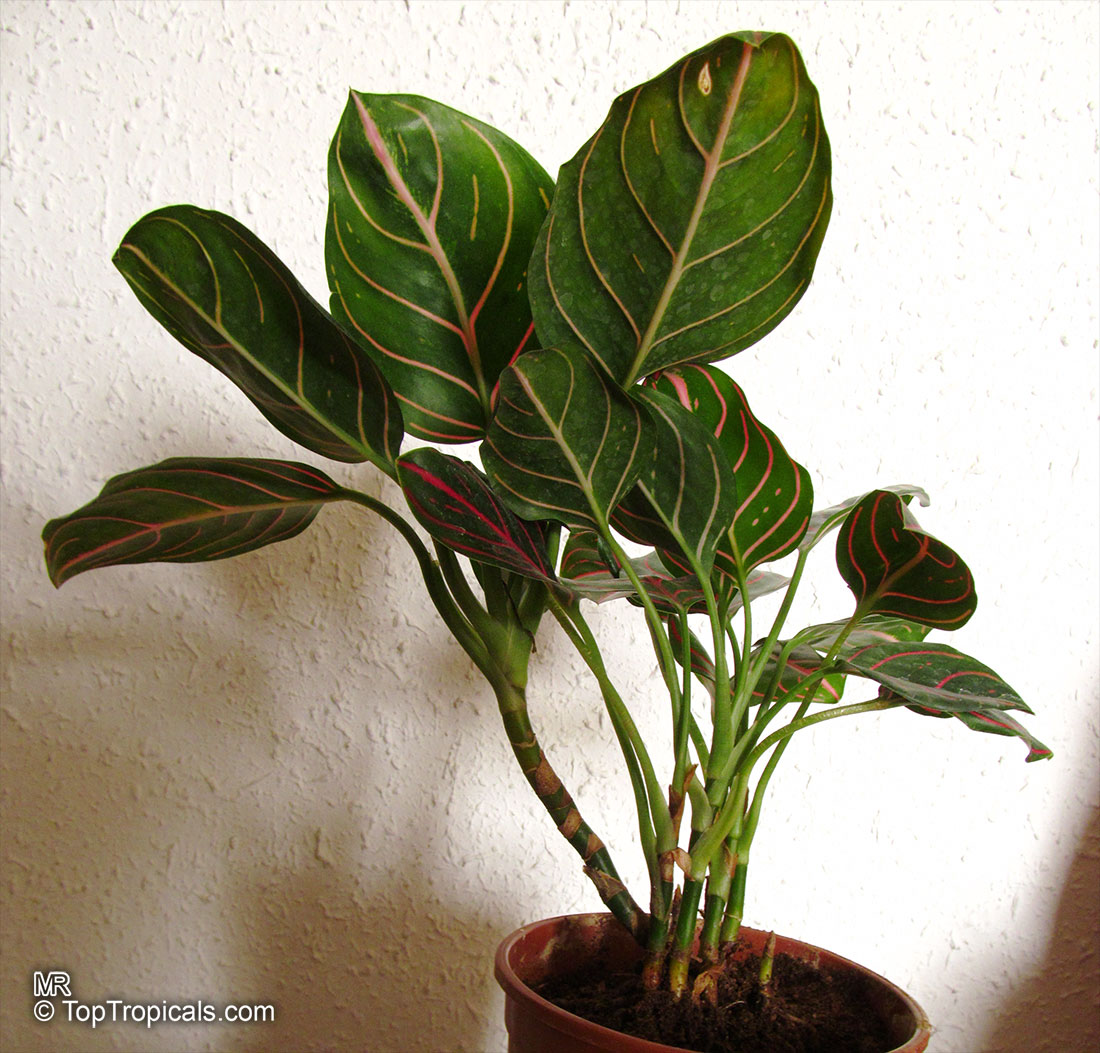
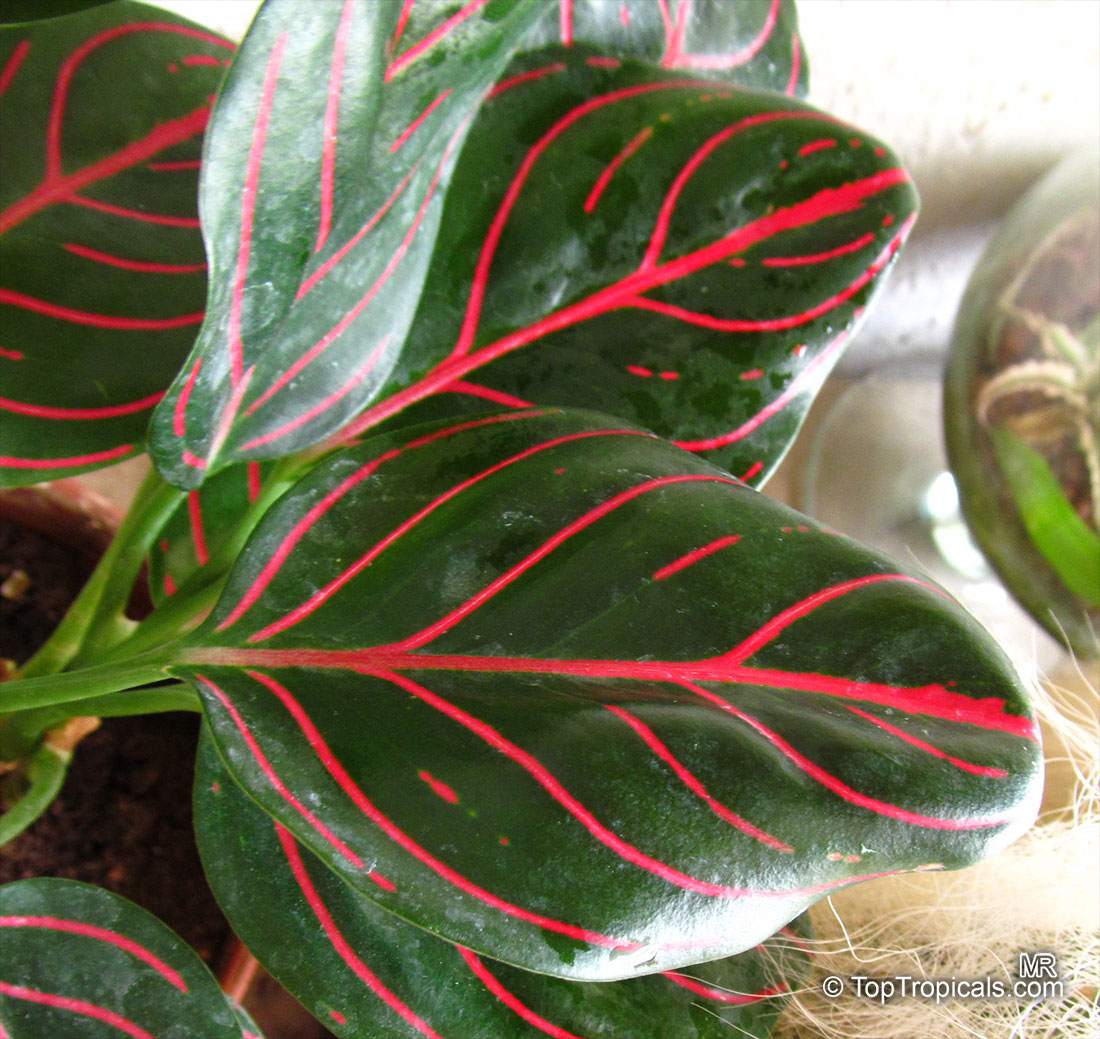
Botanical name: Aglaonema rotundum
Common name: Chinese Evergreen
Family: Araceae
Origin: Sumatra
USDA Zone: 9-10
This small plant is native to Sumatra, and it is an easy-care plant. It is suitable for the most interiors, with indirect, or semi-shade light. The Aglaonema rotundum (Chinese Evergreen) prefers moderate water, about once a week. The soil should be kept moist, but not wet and do not over water. It does not need high humidity, as damp air can easily cause root rot. You can fertilize Aglaonema rotundum once a month, but be careful not to over-fertilize. The foliage is often variegated, with white and pink marbling, giving the plant an ornamental aspect.
Grown in USDA Zone 9-11, Aglaonema rotundum can be grown successfully in pots in cooler regions. A sunny, warm spot and a light, well-drained soil are ideal for successful cultivation. Pruning is not necessary for Aglaonema rotundum, however, dead or diseased foliage should be removed to allow new leaves to grow.
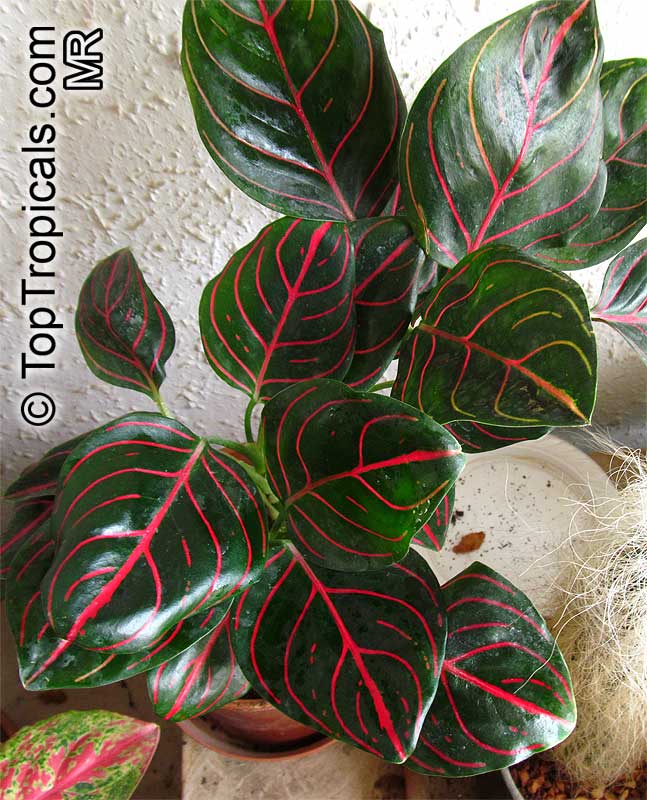
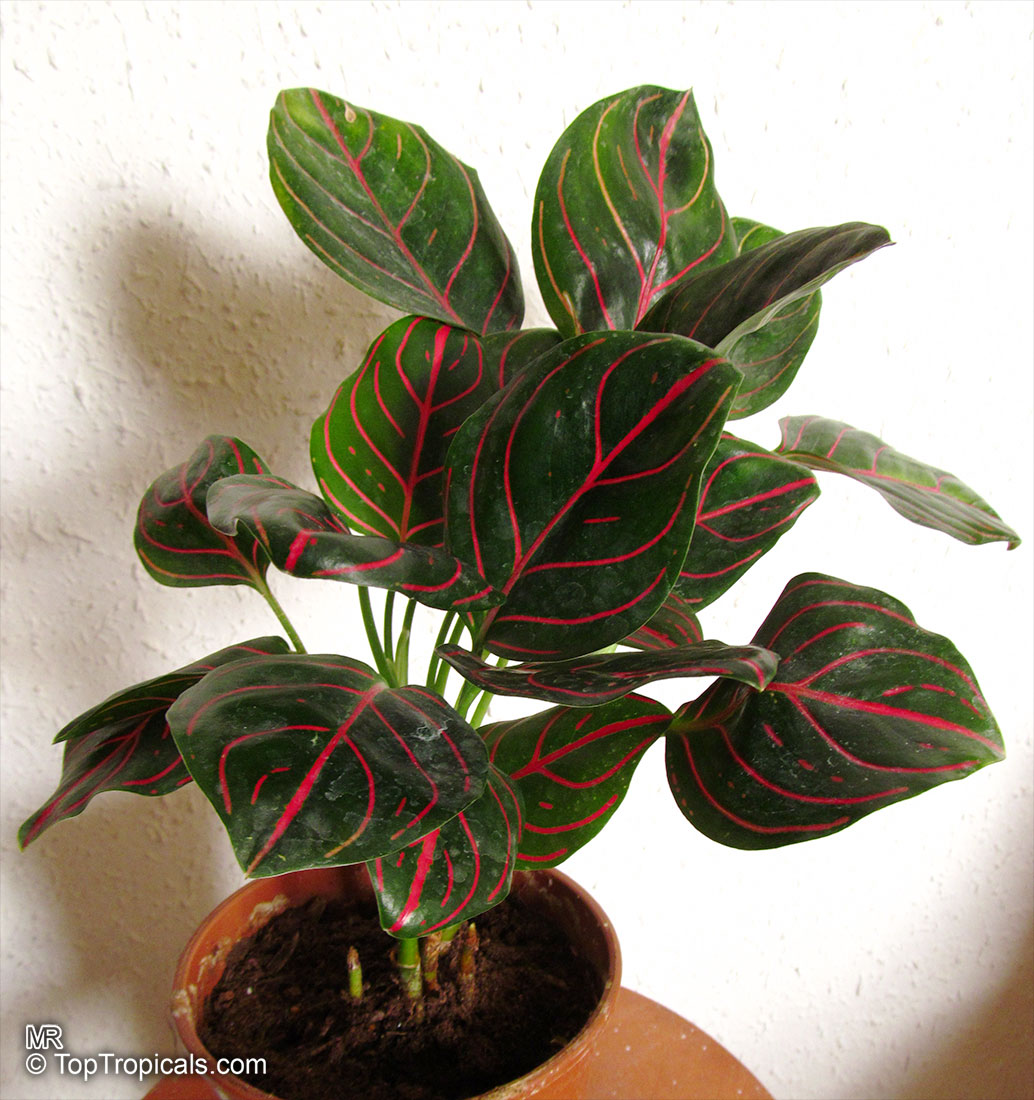
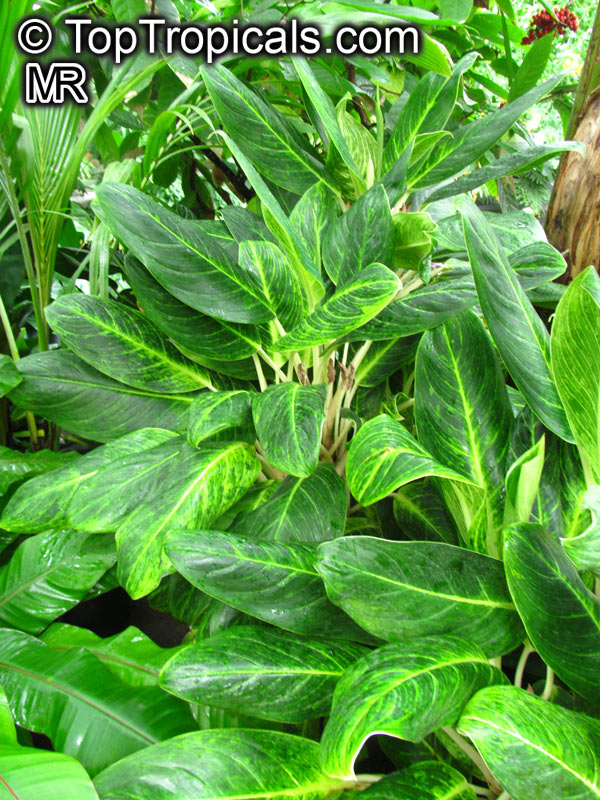
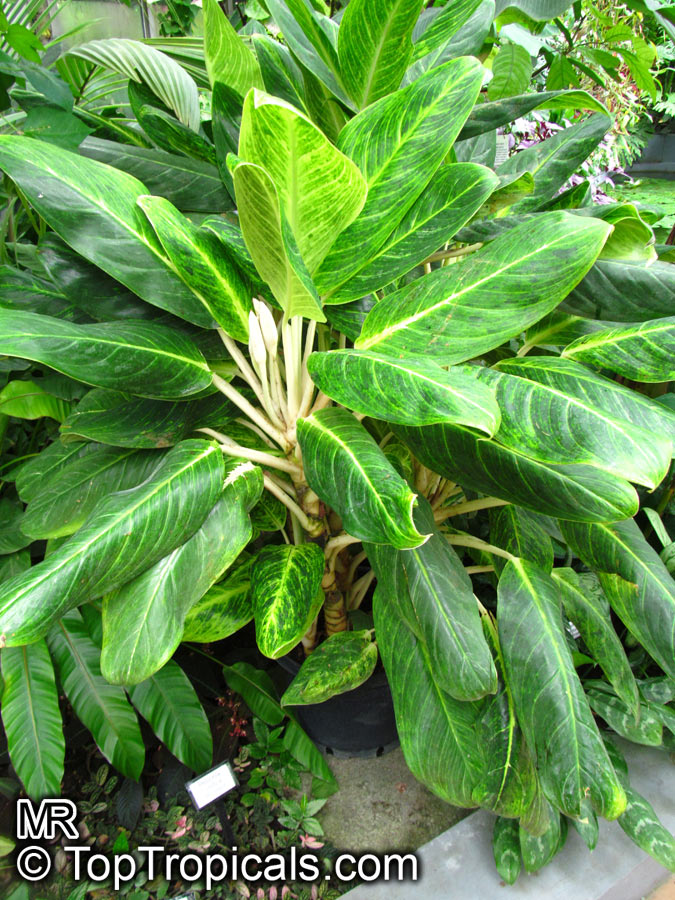
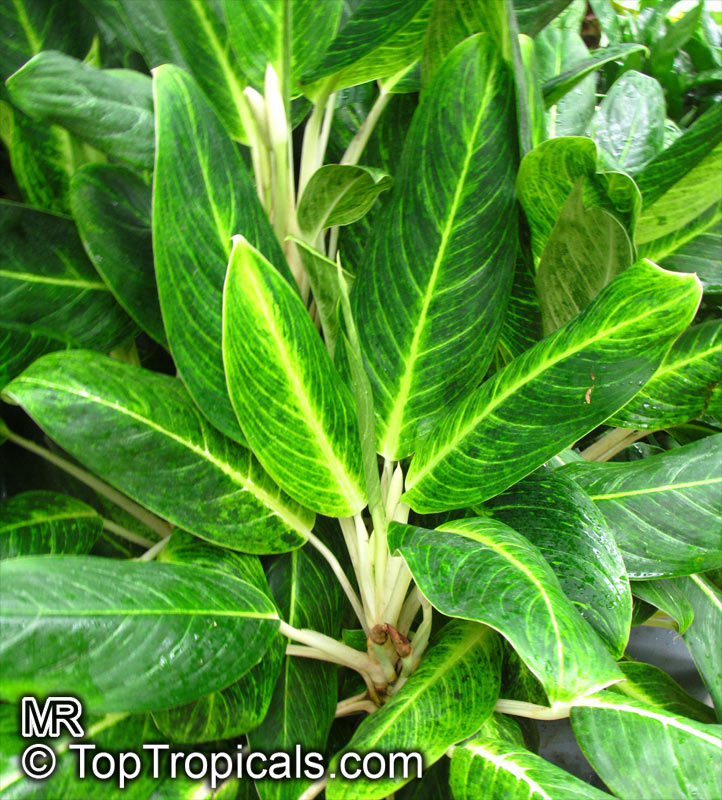
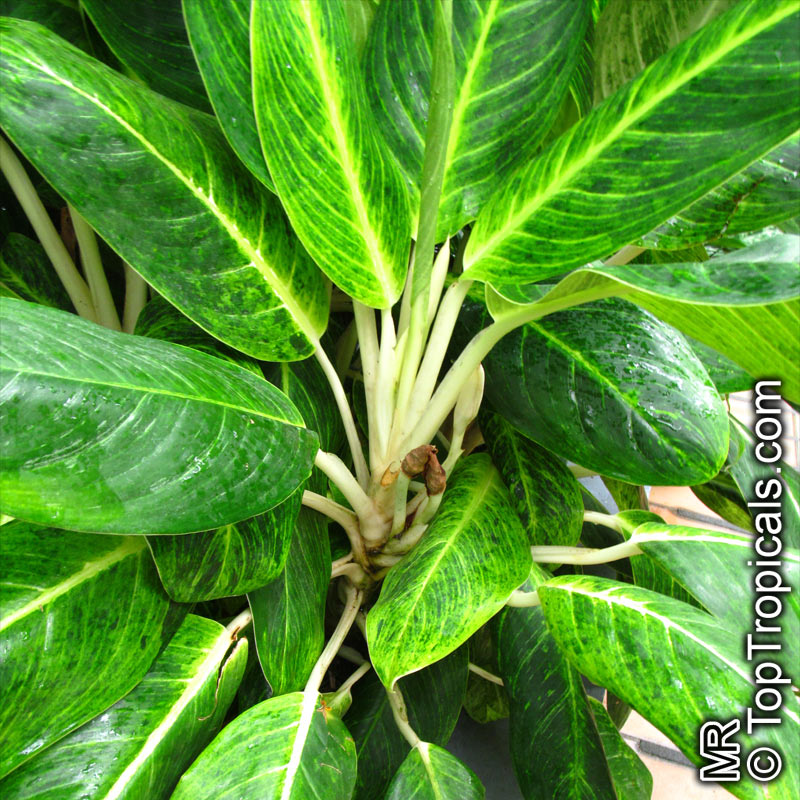
Botanical name: Aglaonema sp.
Common name: Aglaonema 'King of Siam'
Cultivar: King Of Siam
Family: Araceae
USDA Zone: 9-10
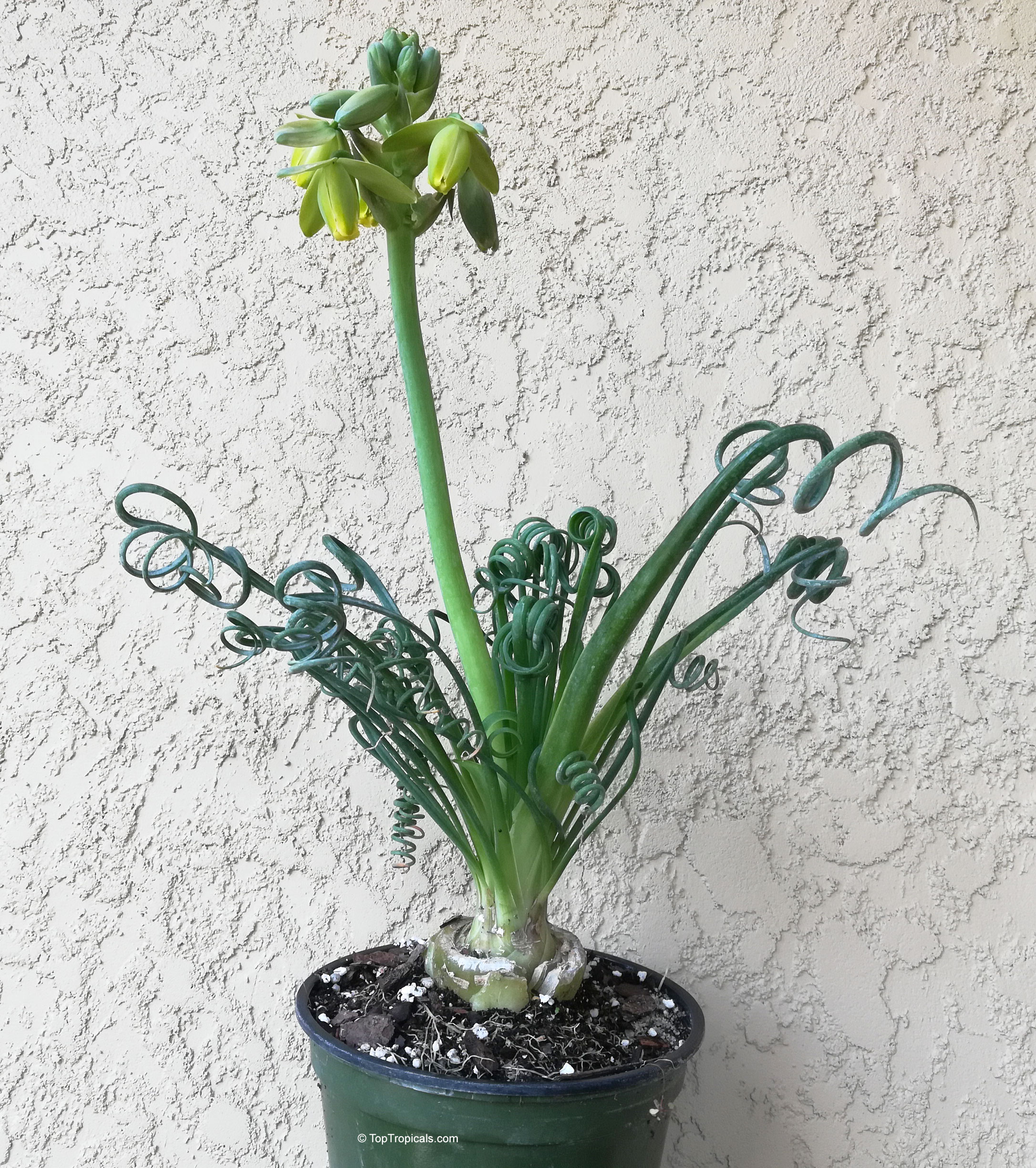
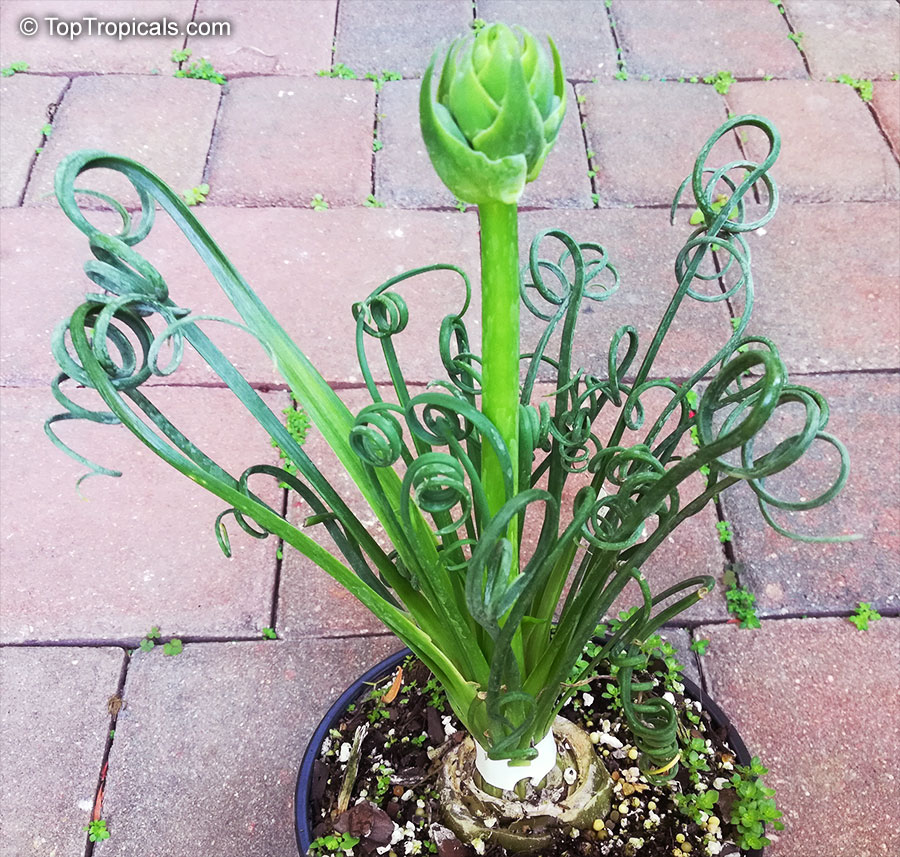
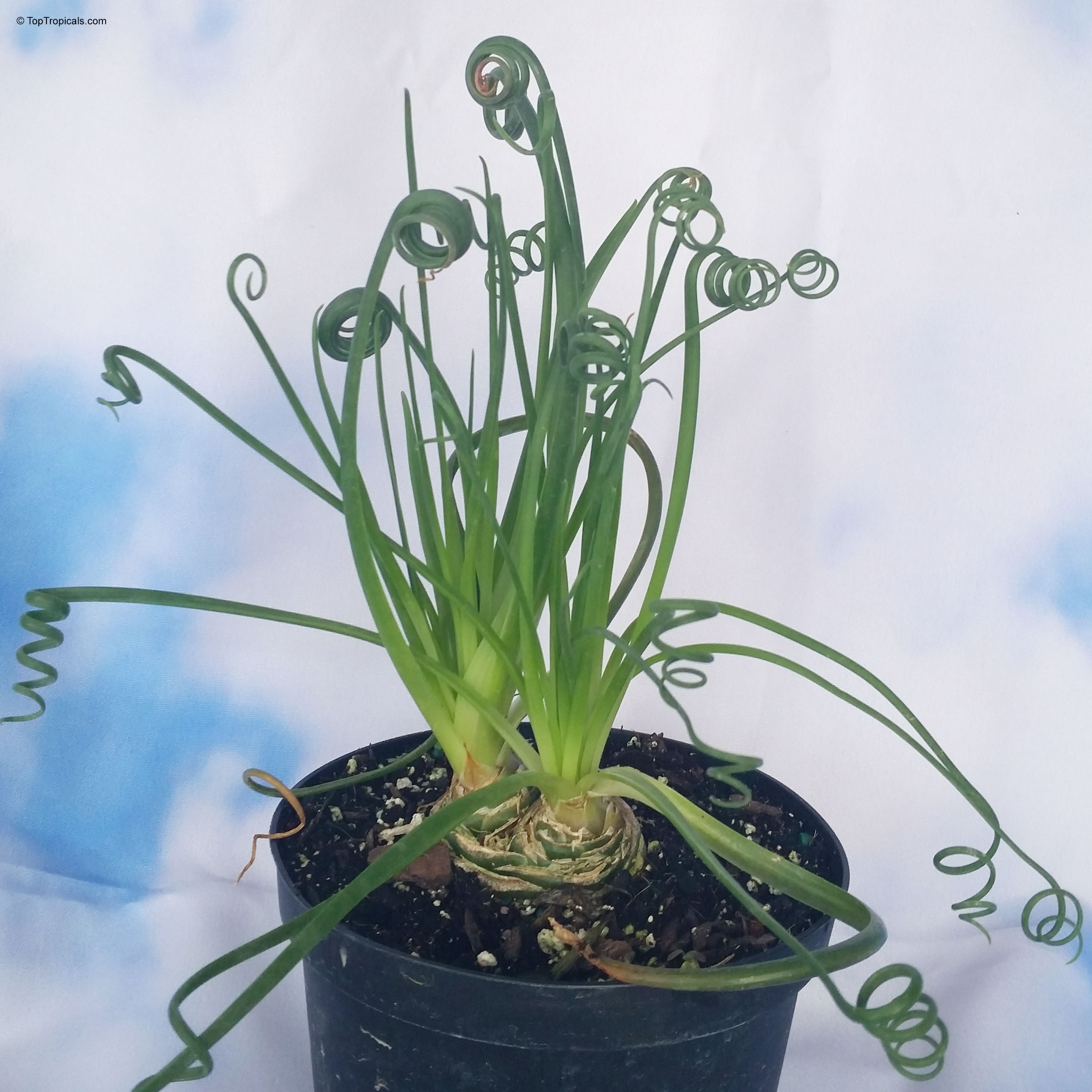
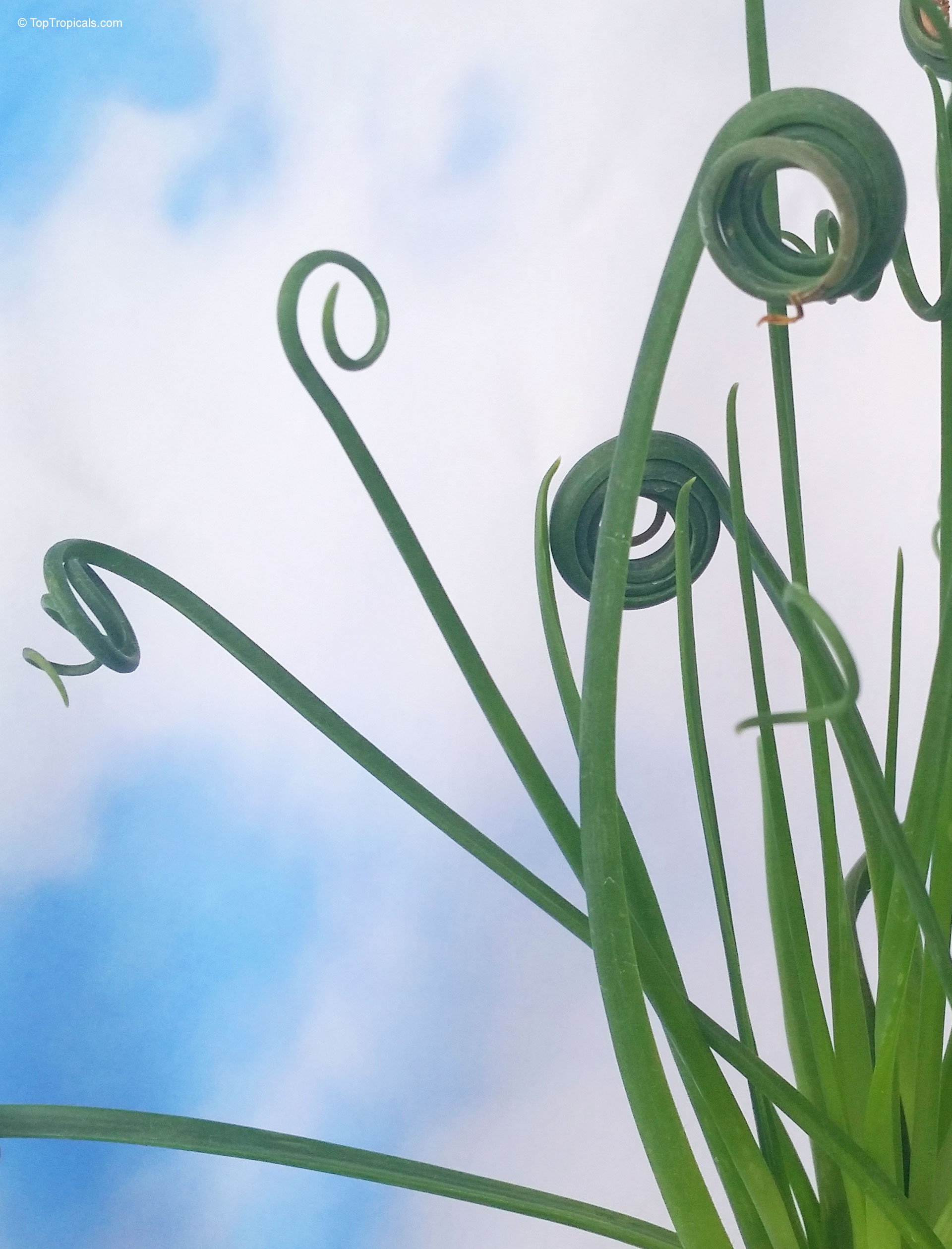
Botanical name: Albuca spiralis
Common names: Frizzle Sizzle, Corkscrew Albuca
Family: Asparagaceae (Formerly:Hyacinthaceae / Liliaceae)
Subfamily: Scilloideae
Origin: South Africa
USDA Zone: 8-10


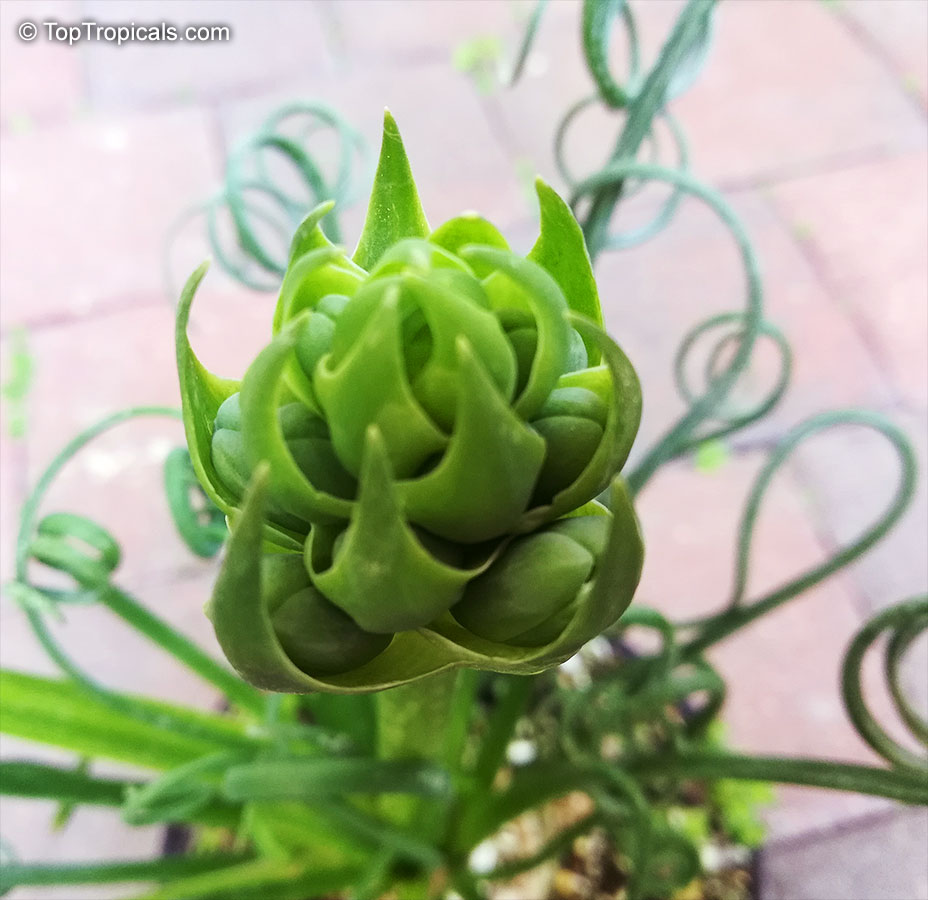
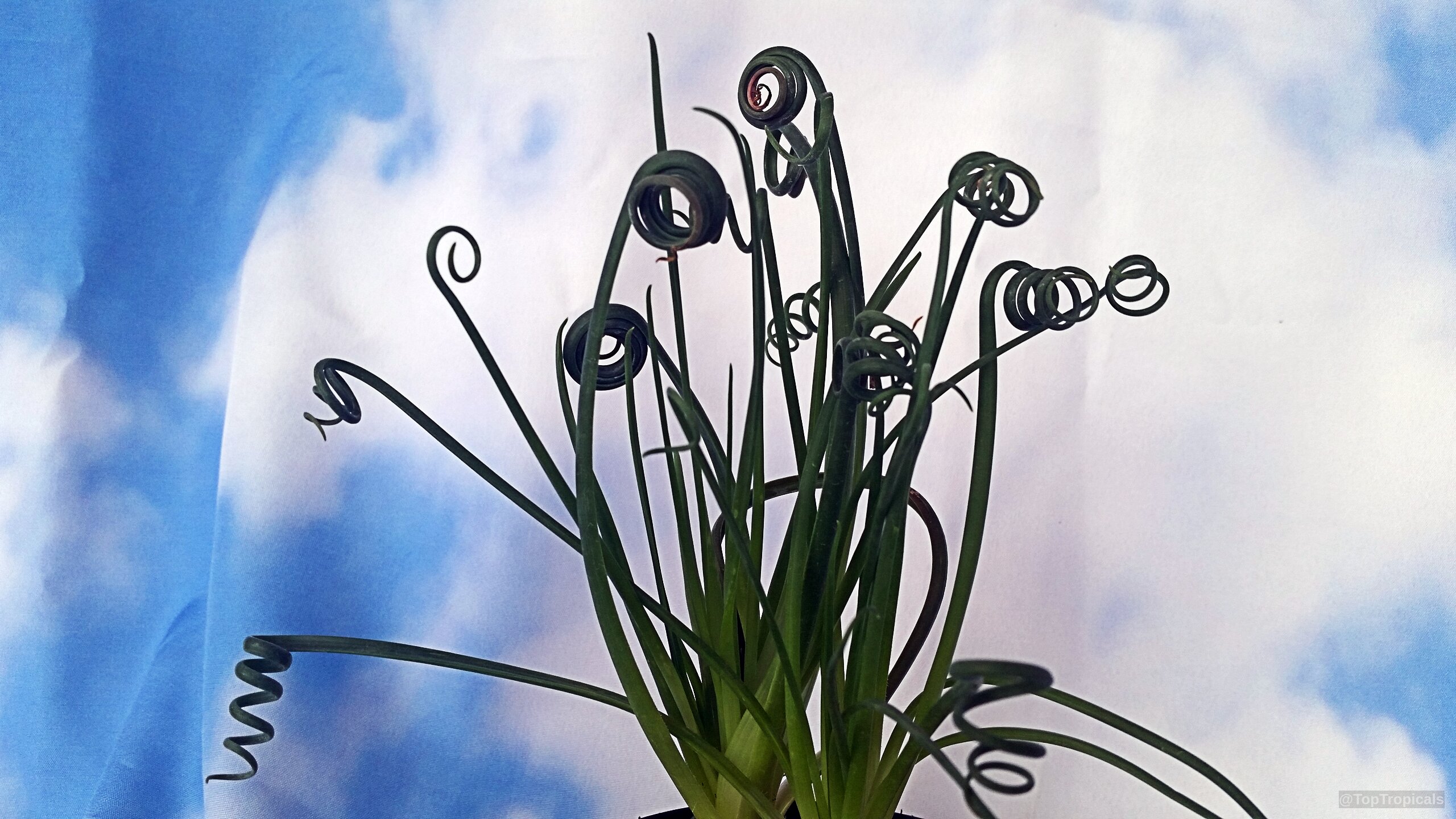
Albuca spiralis or Frizzle Sizzle, also known as the Corkscrew Albuca, is a unique and easy-to-grow plant native to South Africa. With green onion-like leaves that appear curled, each plant has its own distinct personality. It can reach between 2 to 5 feet tall with a spread of 5 to 10 feet, making it suitable for use as a groundcover or low-growing border. It also looks great in rock walls, perennial beds, and cottage gardens and can even be used for bonsai training.
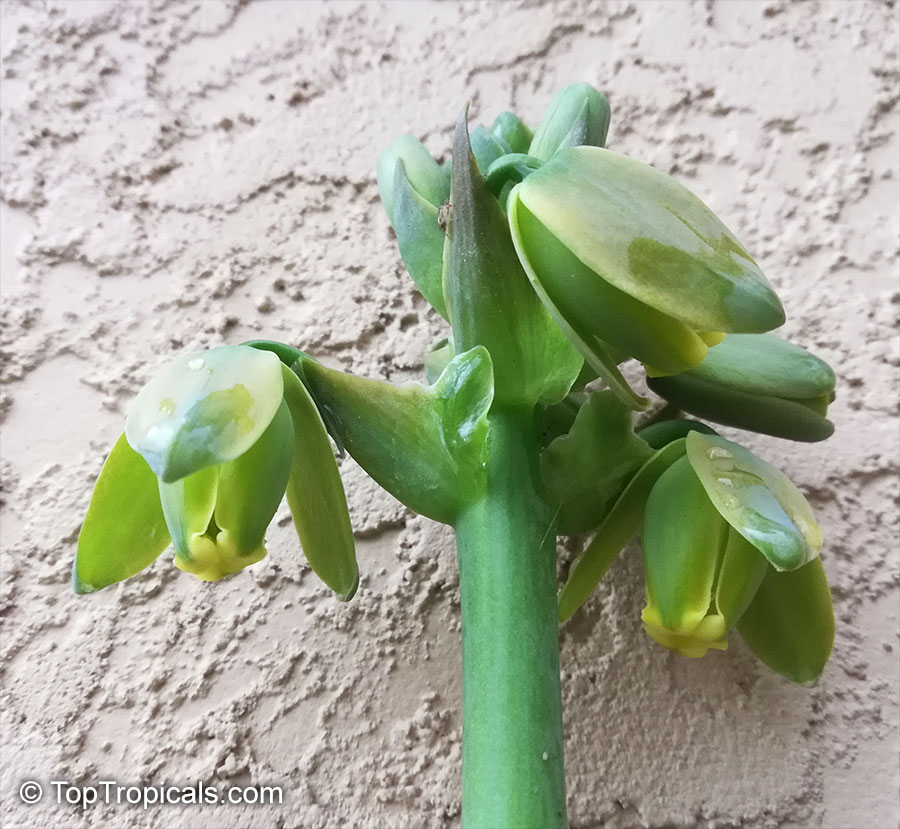
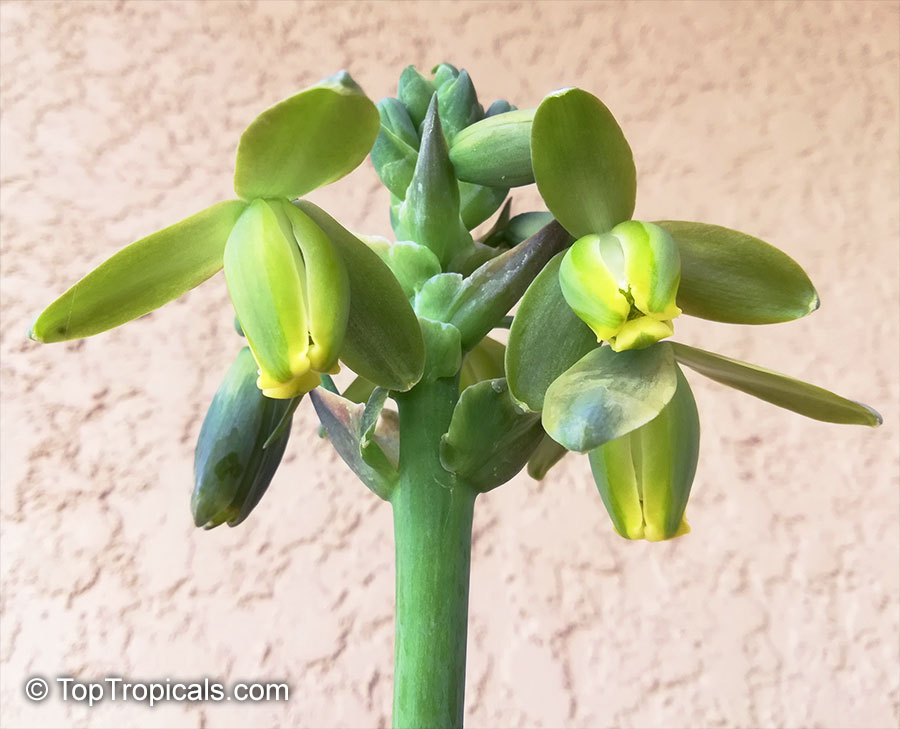
In the spring, the plant produces spikes of orchid-like chartreuse-yellow flowers that have a light vanilla fragrance. It may occasionally rebloom later in the season. Frizzle Sizzle is hardy in USDA Zone 8-10, or it can be grown as a houseplant in colder regions. Just be sure to bring it indoors if the temperature drops below freezing. To care for this plant, give it lots of sun and well-draining soil, and allow the soil to dry out between waterings, similar to how you would care for a succulent.
Frizzle Sizzle is an ideal plant for home gardens as it is low maintenance and has no pest or disease problems. In colder climates, it can be overwintered indoors on a sunny window sill or allowed to go dormant by stopping watering and storing in a cool, dry location. So if you're looking for a fun and eye-catching plant that's easy to grow, consider adding Frizzle Sizzle to your collection.
| Next | |
Use link to repeat this search:
https://toptropicals.com/cgi-bin/garden_catalog/cat.cgi?search_op=and&keyword_op=and&language=e&number=10&no_change_lang=1
&v1=shd&user=tt&sale=1&first=0