Columnea sp. (Goldfish Plant)
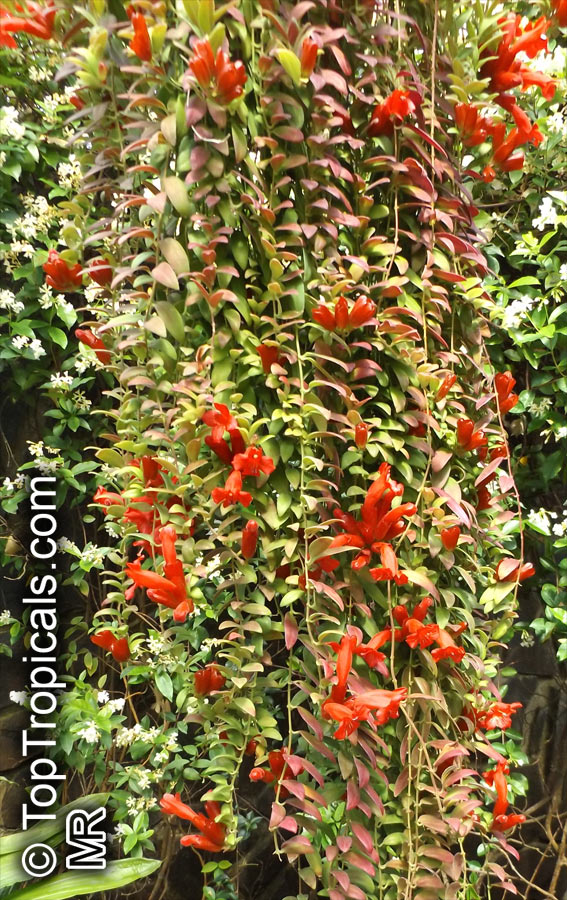
Botanical name: Columnea sp.
Common name: Goldfish Plant
Family: Gesneriaceae
Origin: Central and South America
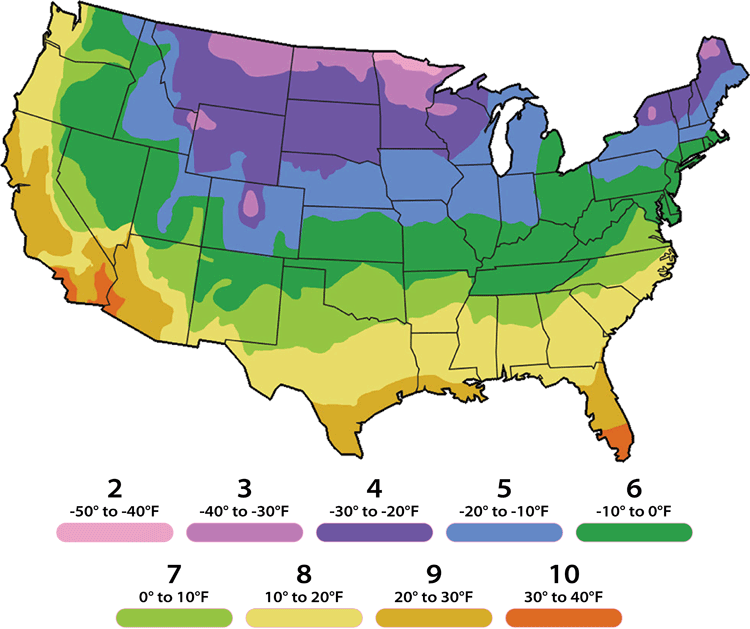
USDA Zone: 10-11
Cold tolerance: 35
 Plant form: Small
 Mature height: 2-5 ft
 Sun exposure: Semi-shade
 Cold tolerance: Frost sensitive. Protect from freezing.

 Watering: Regular; moderate; epiphyte. Needs light, frequent misting or soaking to stay hydrated.

 Flower color: Pink; red, crimson, vinous; yellow, orange
 Suitable for: Outdoors in the suitable USDA zone; small gardens, containers, and indoor growing
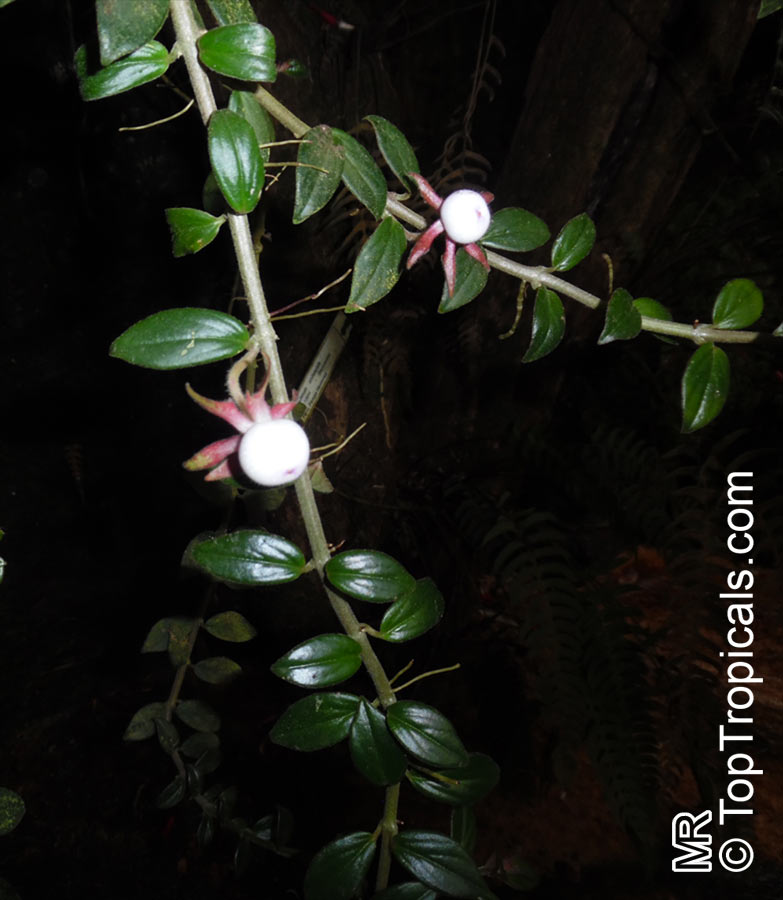
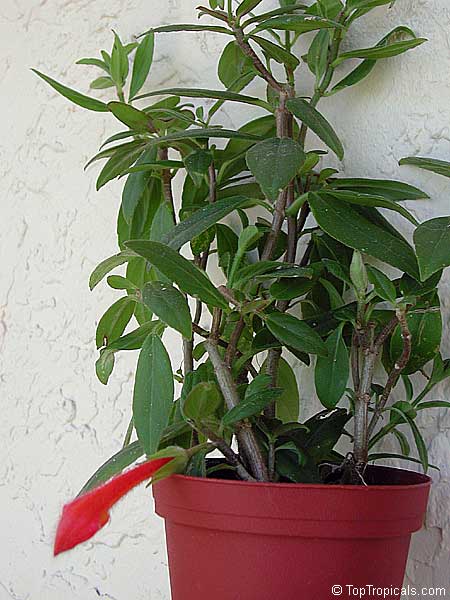
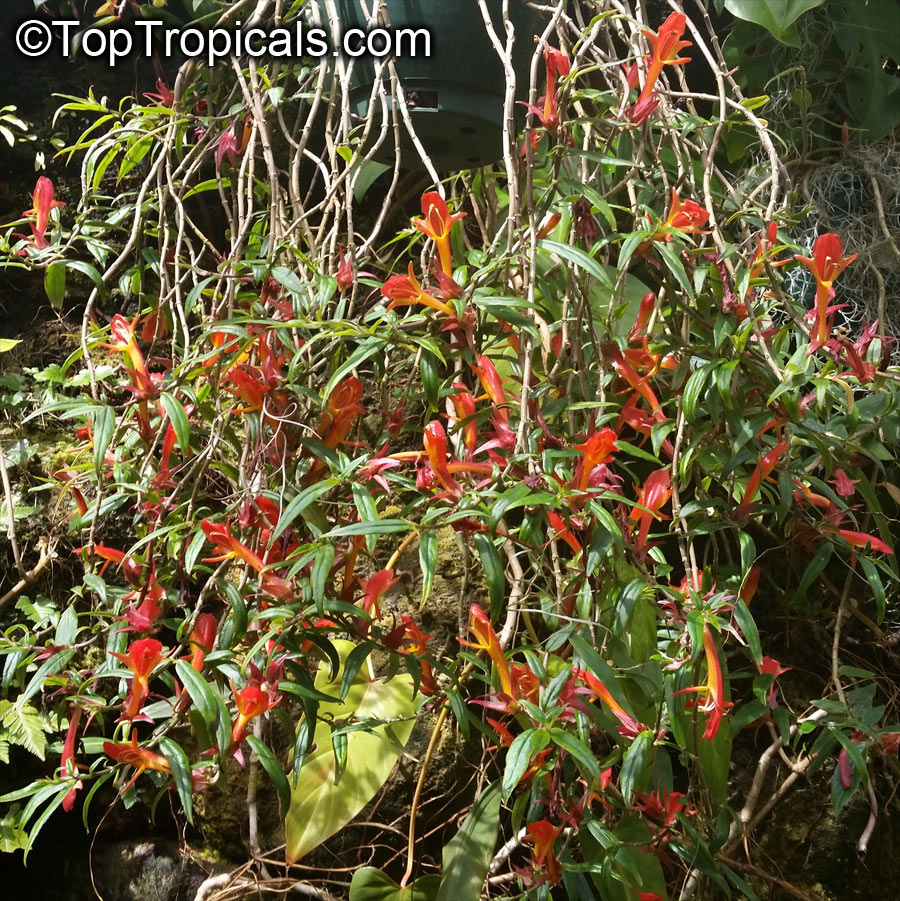
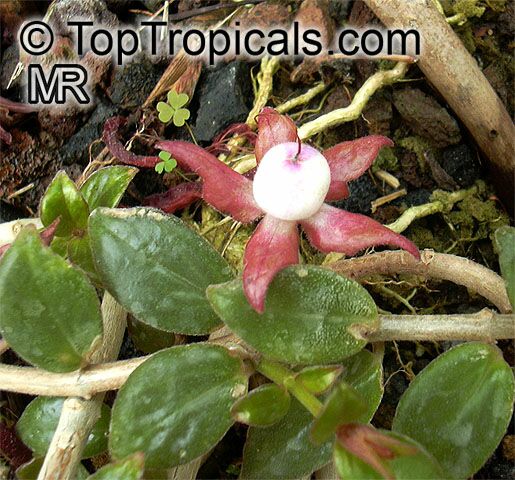
Columnea is a genus of tropical evergreen plants in the Gesneriaceae family, native to Central and South America and the Caribbean. Many species are epiphytes with trailing or arching stems, making them especially attractive in hanging baskets. Leaves vary from small and glossy to large, softly hairy, or attractively patterned, while the tubular flowers are often brilliant red, orange, or yellow and are adapted for hummingbird pollination. Numerous species, cultivars, and hybrids are grown as ornamentals, and many cultivated forms are commonly known as goldfish plants. Popular cultivated forms include 'Early Bird', with abundant orange-red flowers, 'Light Prince', valued for variegated foliage, and 'Krakatau', with vivid red-orange blooms. Many modern Columnea hybrids combine compact growth, prolonged flowering, and colorful foliage.
Columnea grows best in bright filtered light, warm temperatures, and moderate to high humidity. As predominantly epiphytic plants, they prefer a loose, airy, organic-rich potting mix with excellent drainage rather than heavy garden soil. Water regularly during active growth but allow some aeration around the roots and avoid prolonged waterlogging. Trailing forms are particularly effective in hanging containers, where their stems and flowers can cascade freely. Pruning or pinching encourages branching and a fuller plant. Most cultivated Columnea are frost tender and are best suited outdoors to USDA Zones 10-11 or grown as houseplants elsewhere.
Similar plants: Columnea sp. (Goldfish Plant)
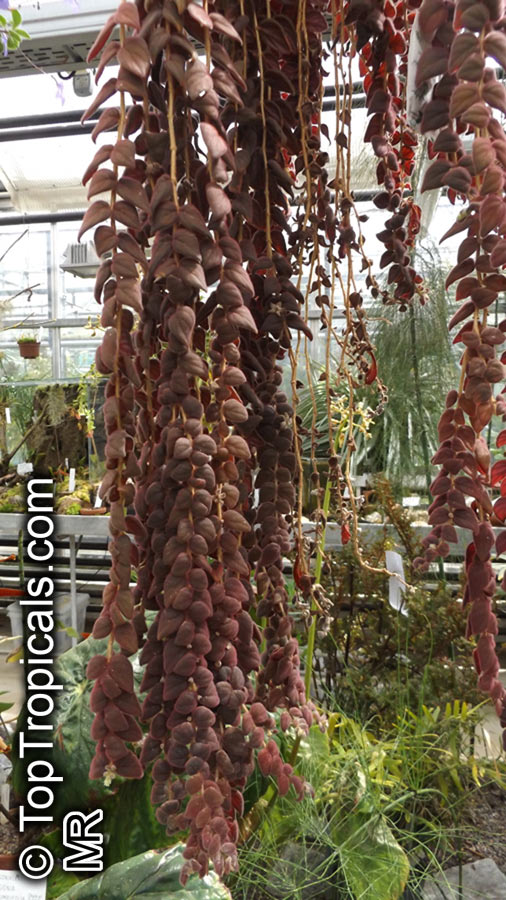
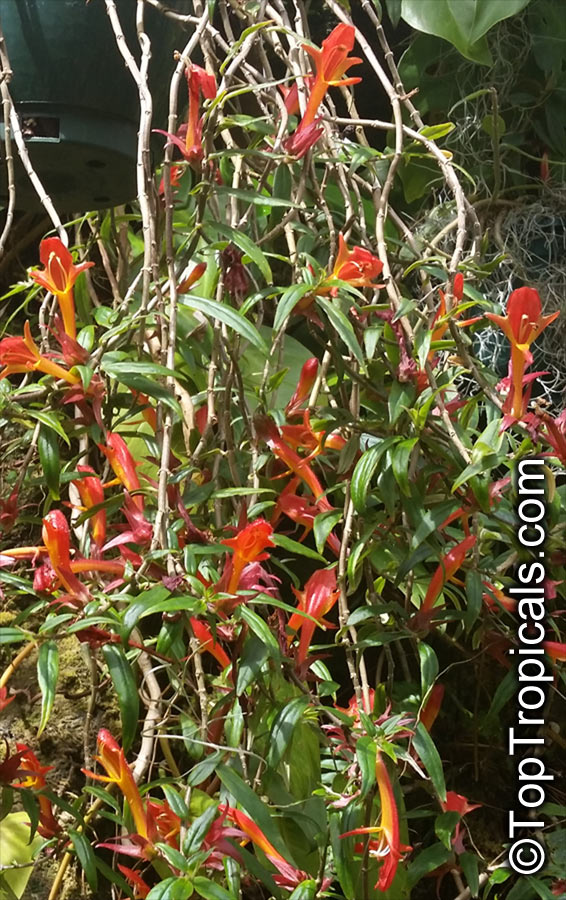
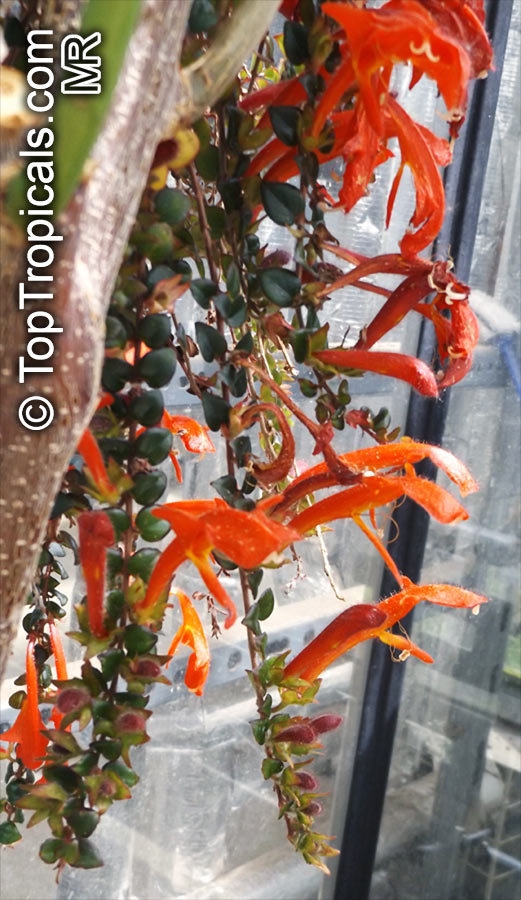
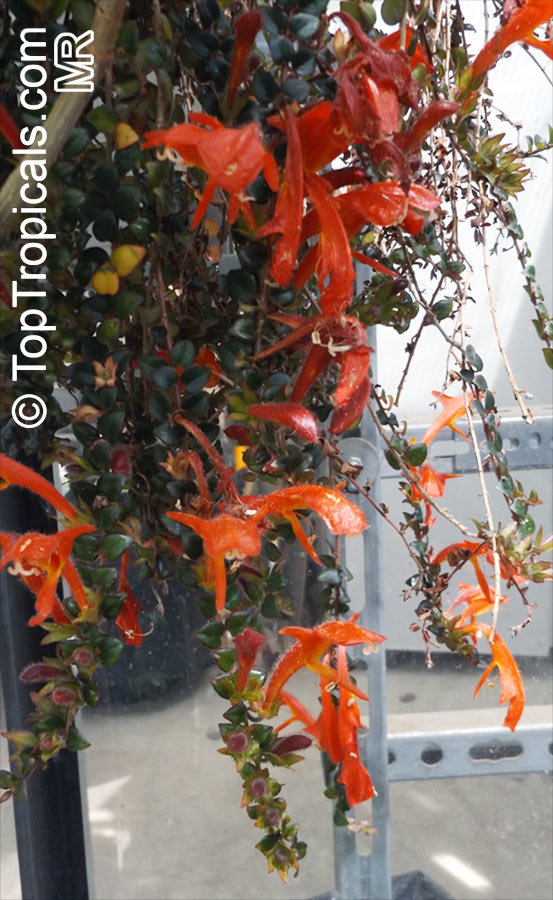
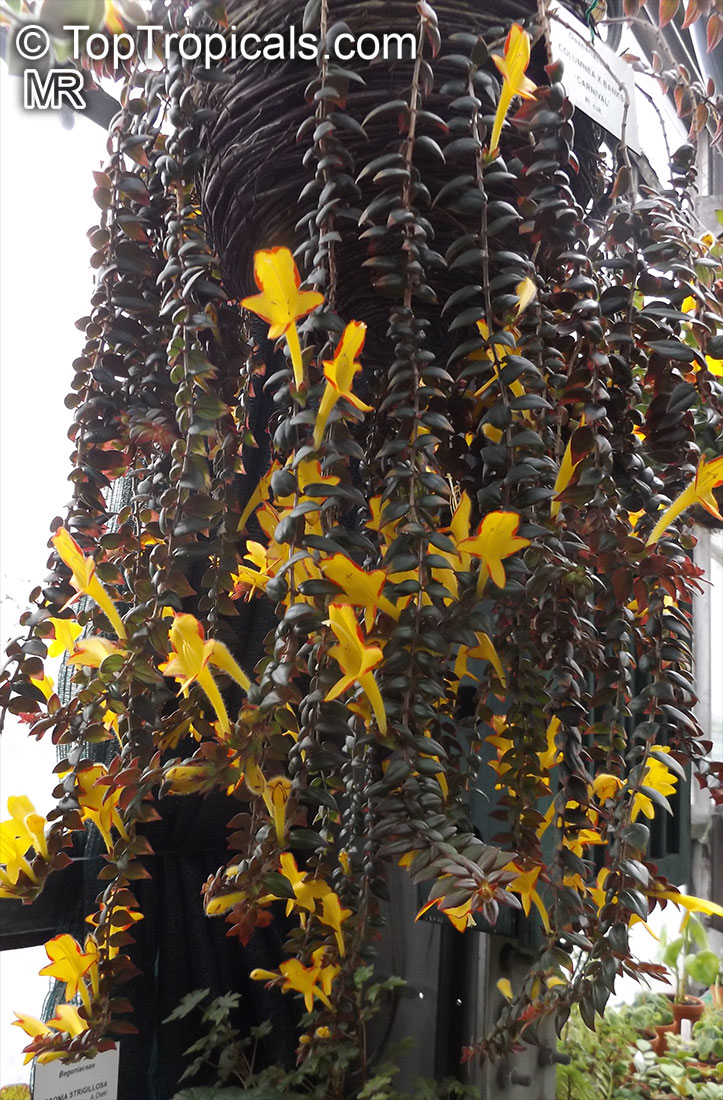
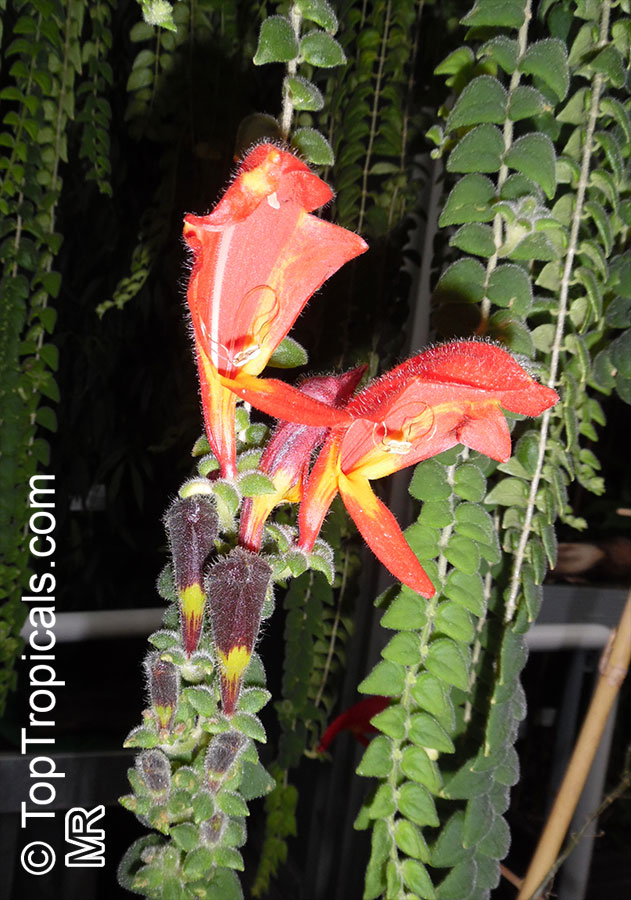
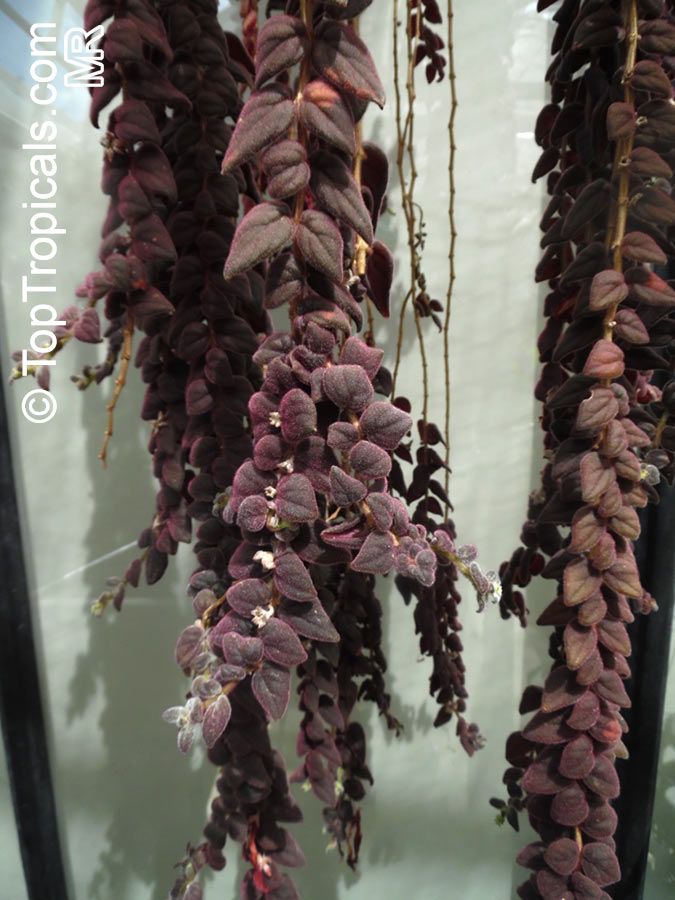
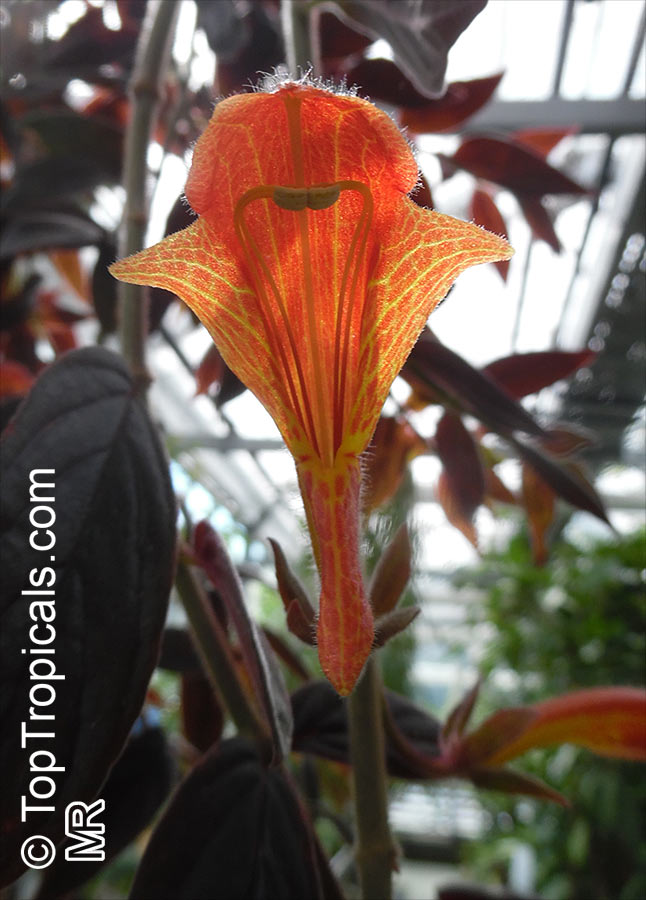
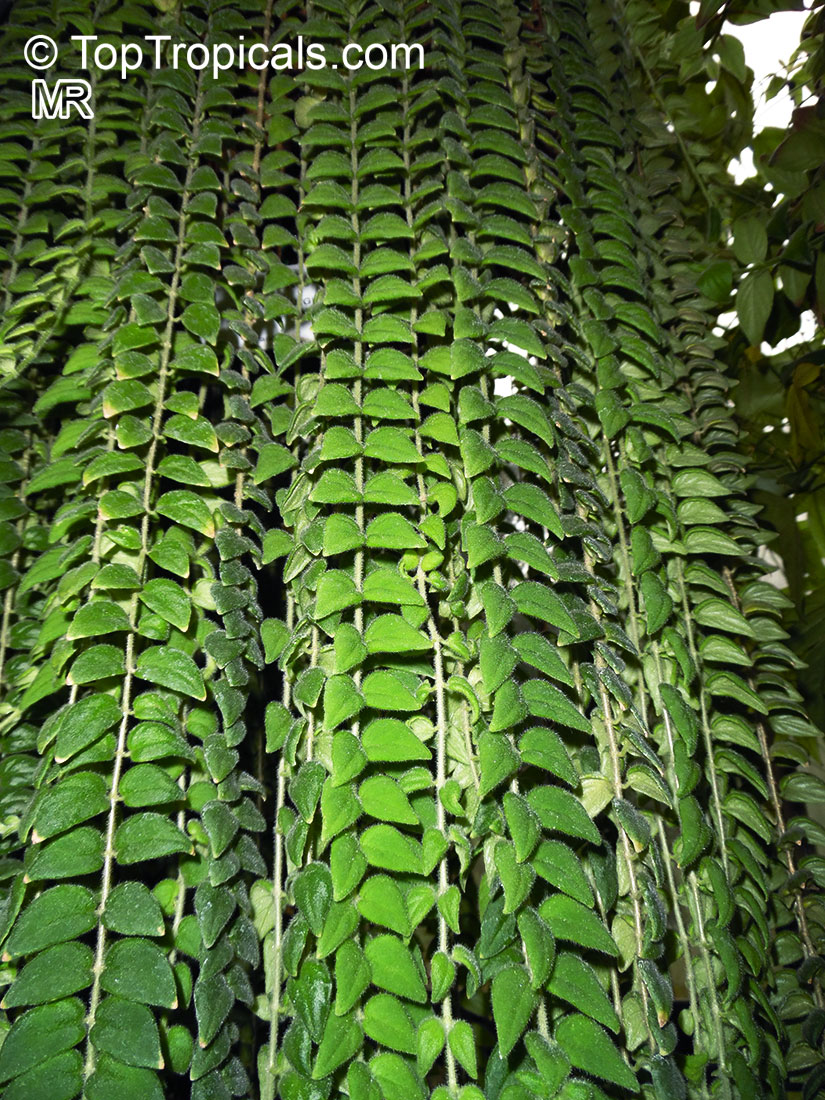
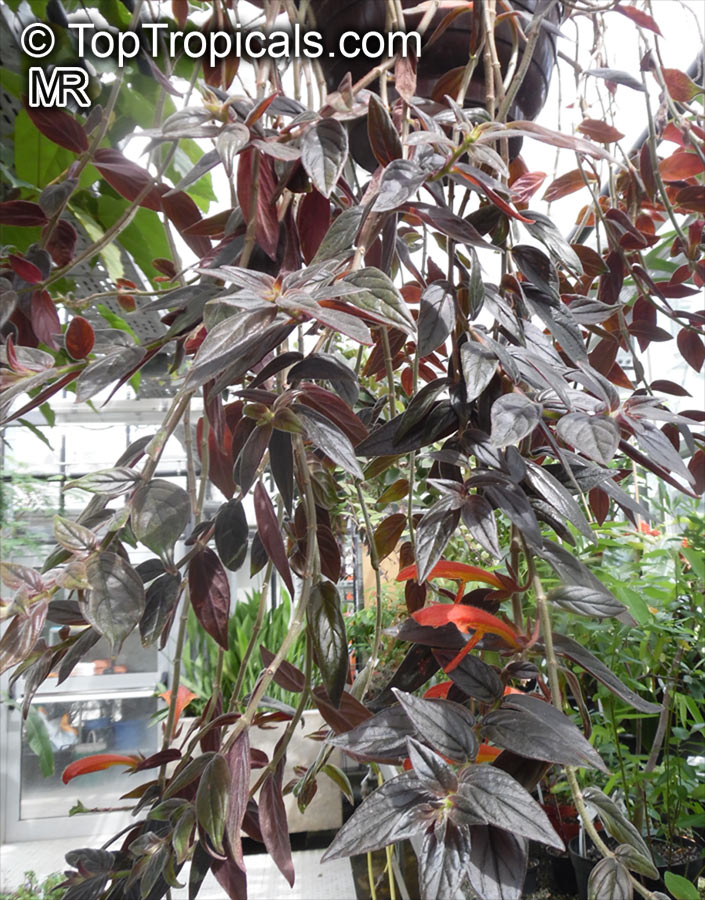
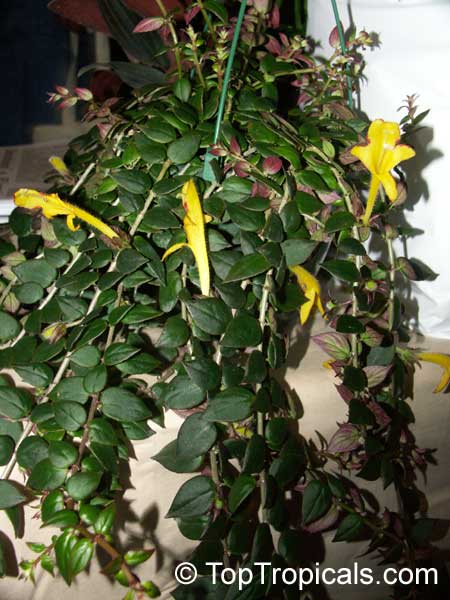
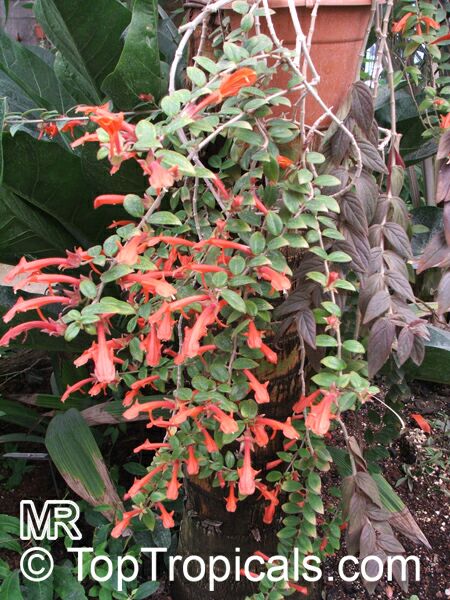
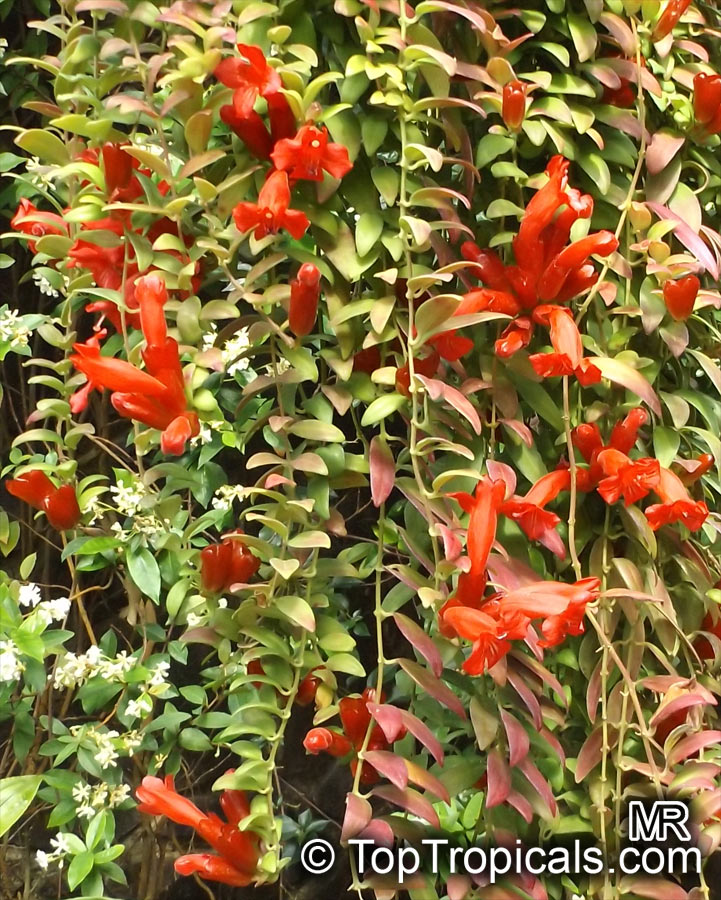
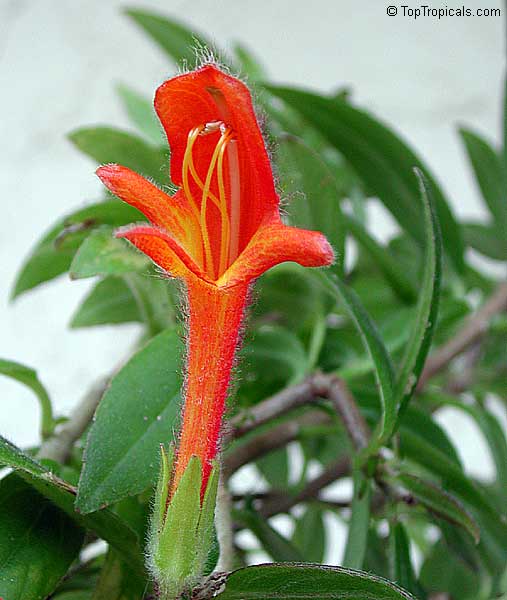
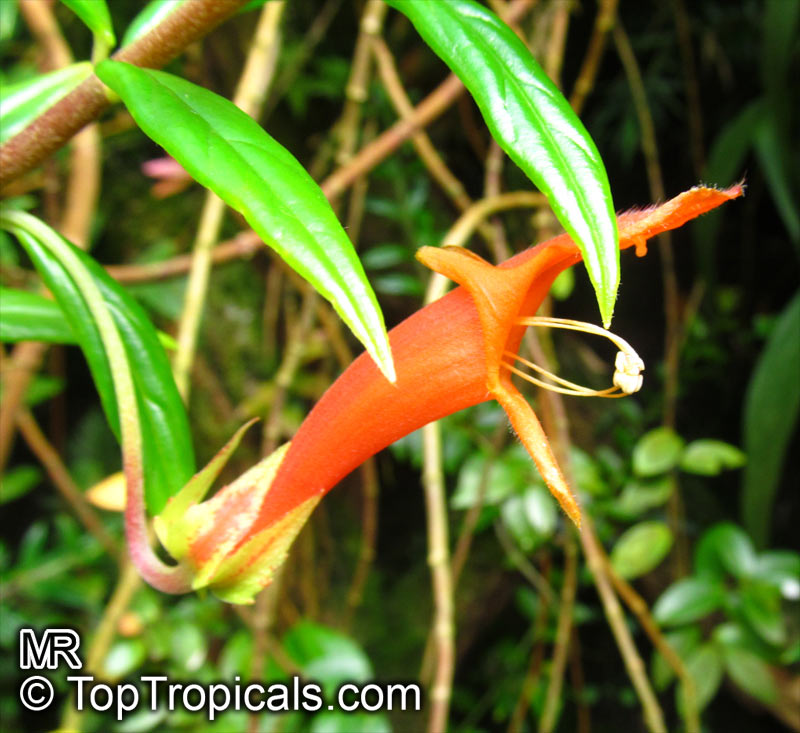
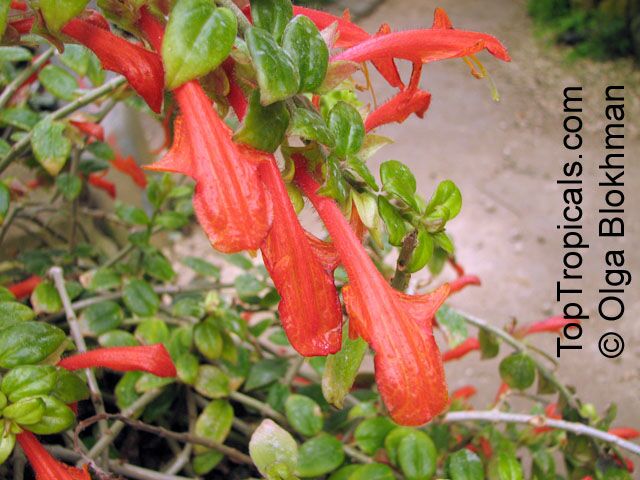

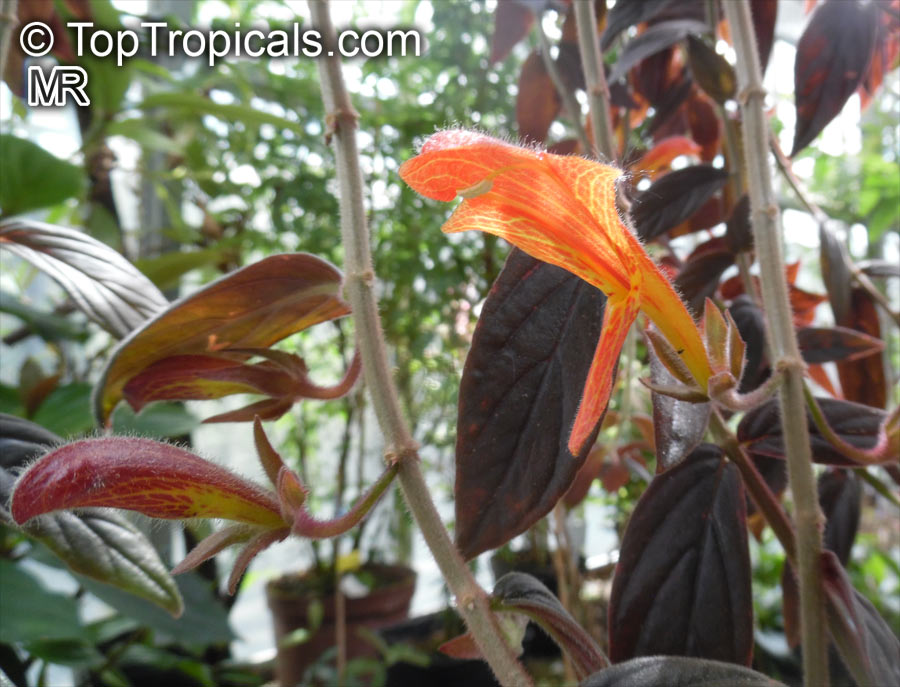
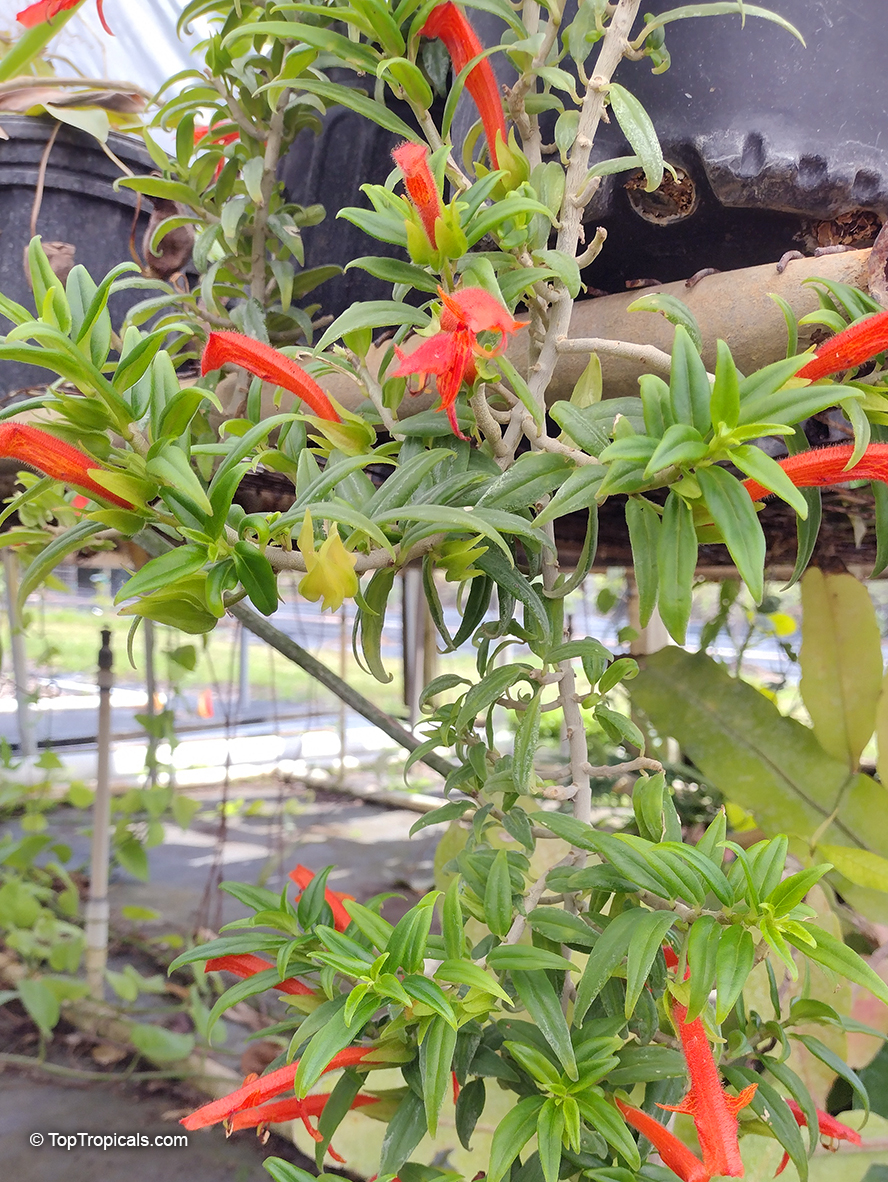
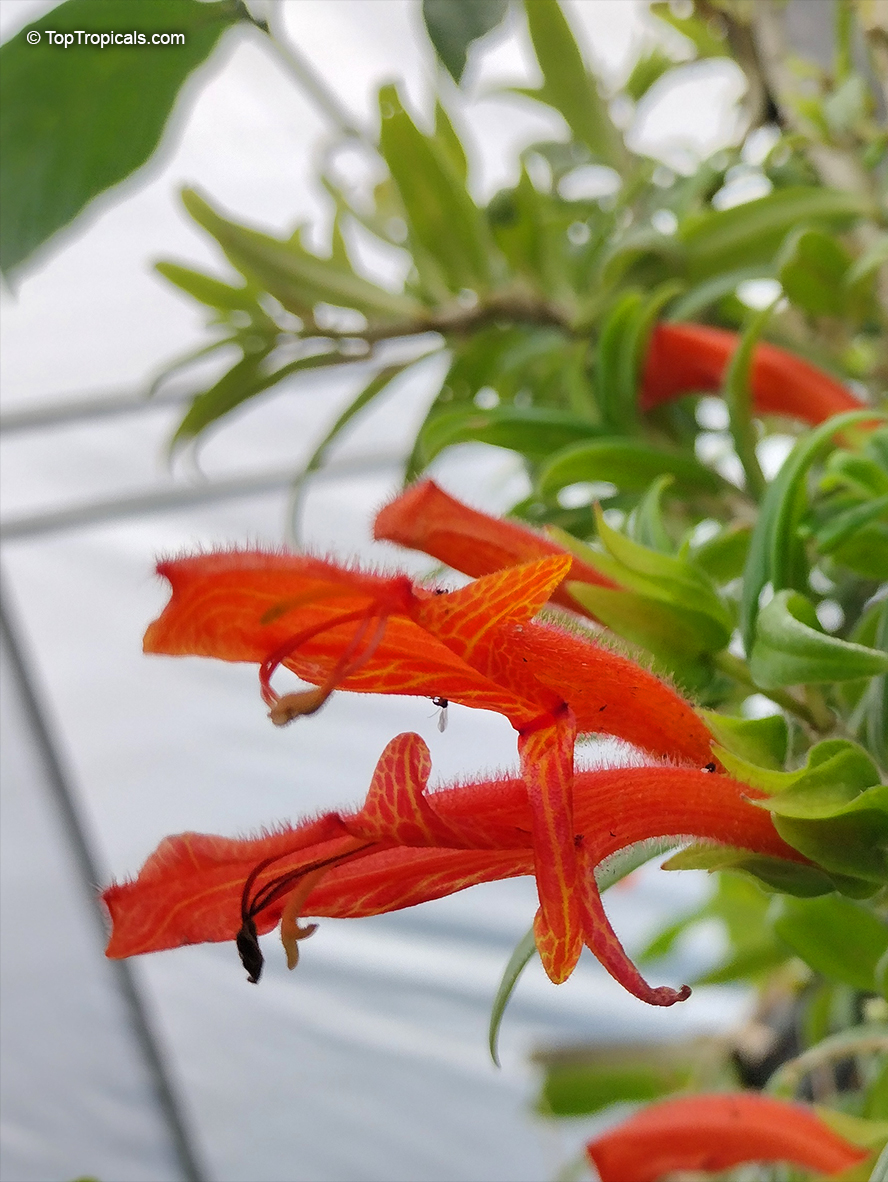
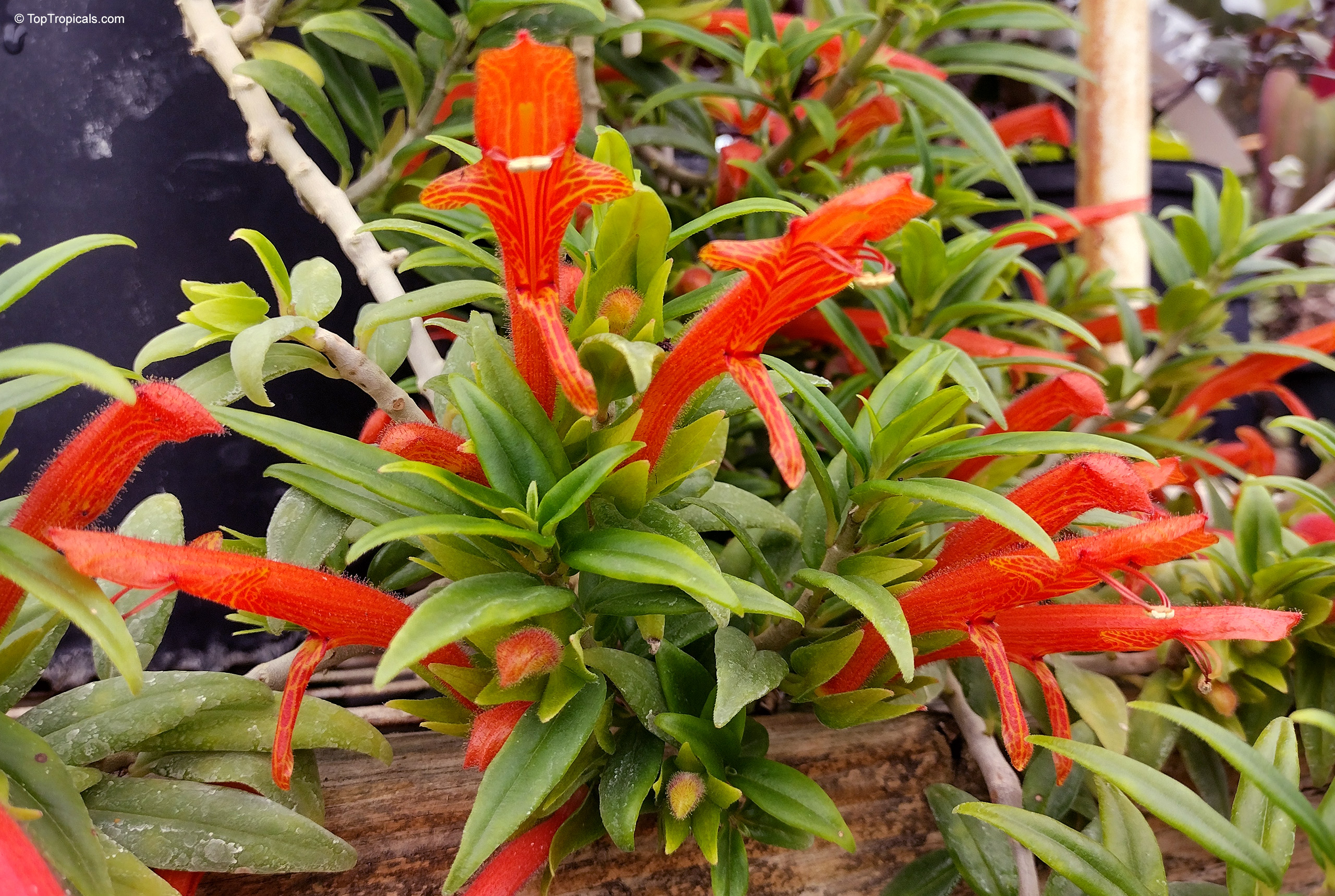
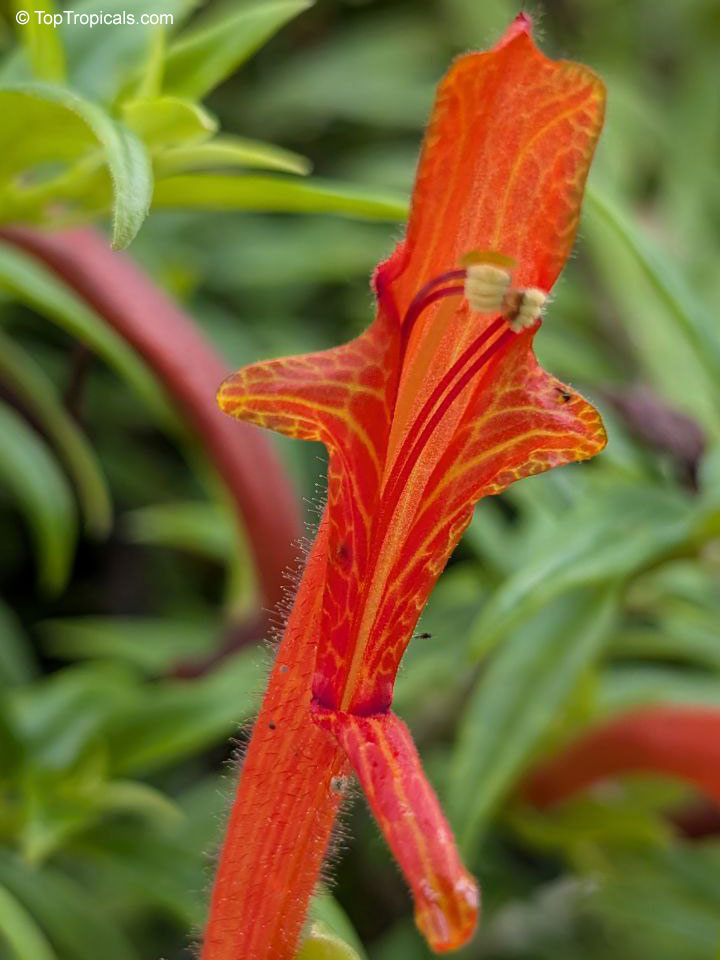
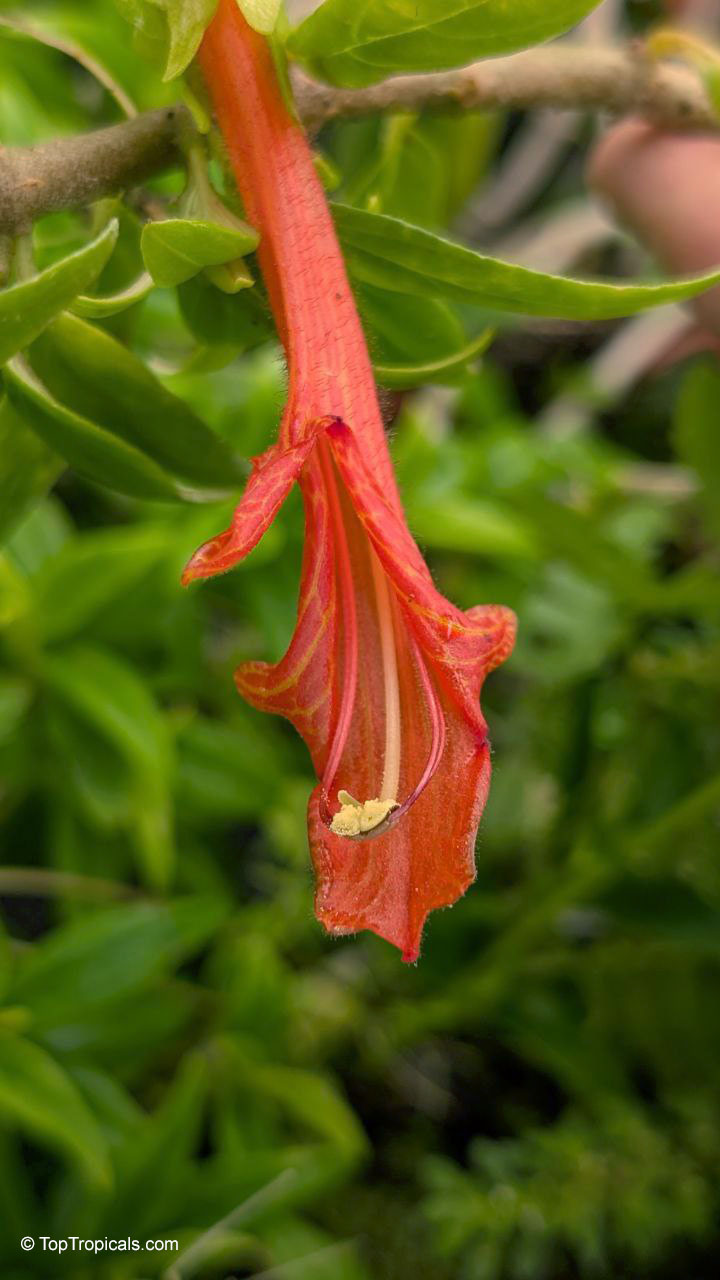
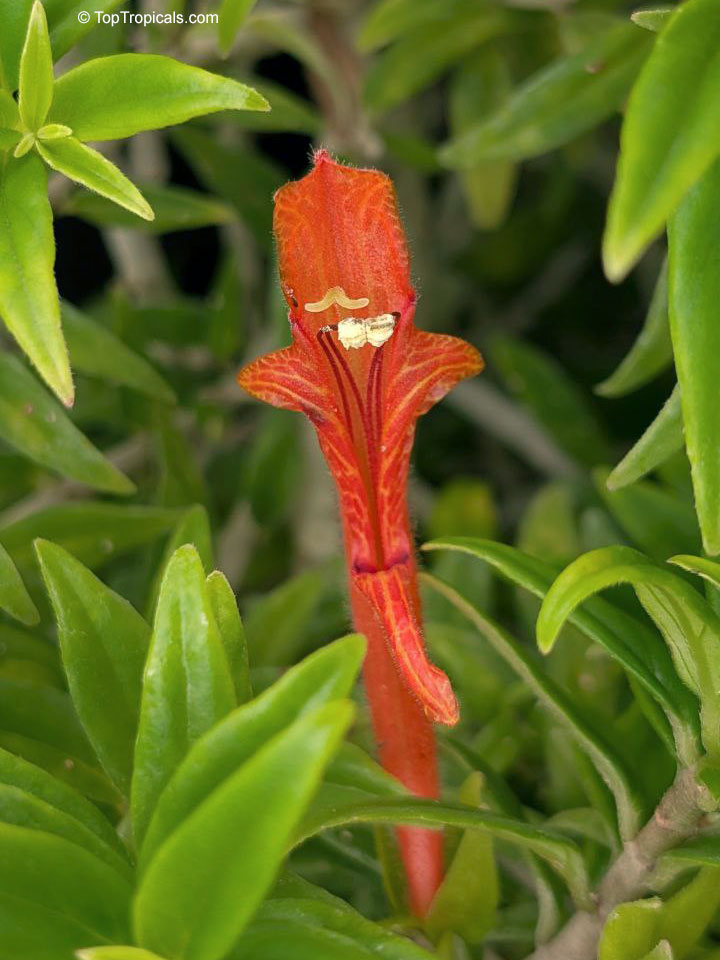
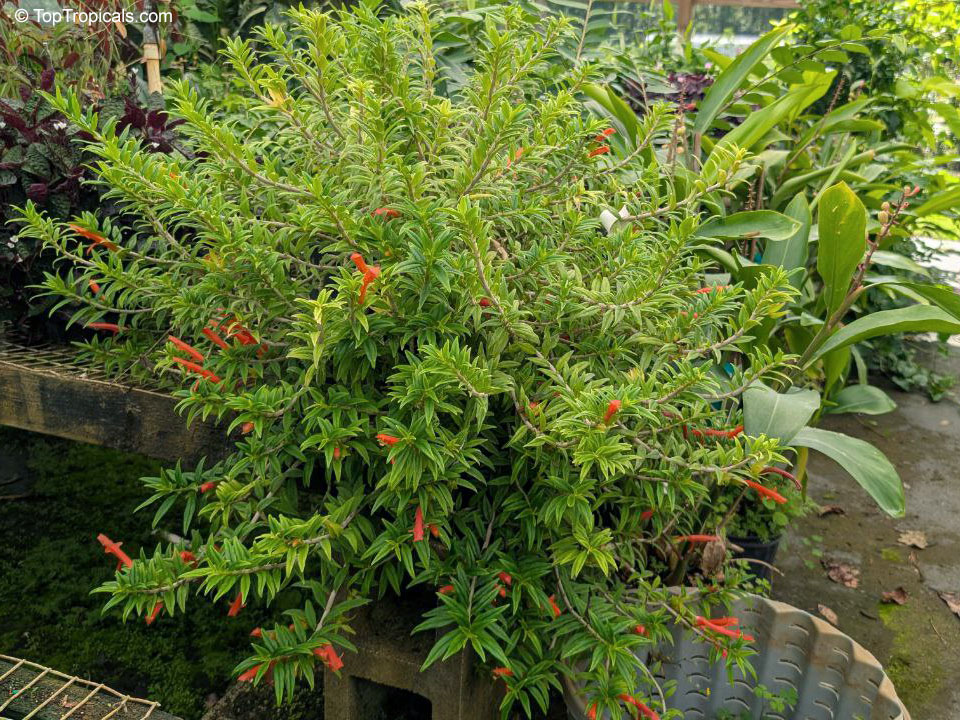
These plants require high humidity and warmth throughout the growing season, as well as strong, but not direct, light. These plants are perfect for a greenhouse, sunroom or conservatory.
Perfect for hanging baskets/pots to best display their lovely cascading stems and attractive flowers or in containers placed on a pedestal or windowsill. The plant can be kept in a bathroom window sill or kitchen for increased humidity.
Very similar to Aeschynanthus speciosus.
Recommended Fertilizer: SUNSHINE Robusta - Rapid Growth Booster