Small tree 10-20 ft - Plant Encyclopedia Results
| Number of plants found: 1482 | Next | 
|
Go to page: | 1 | 2 | 3 | 4 | 5 | Last |
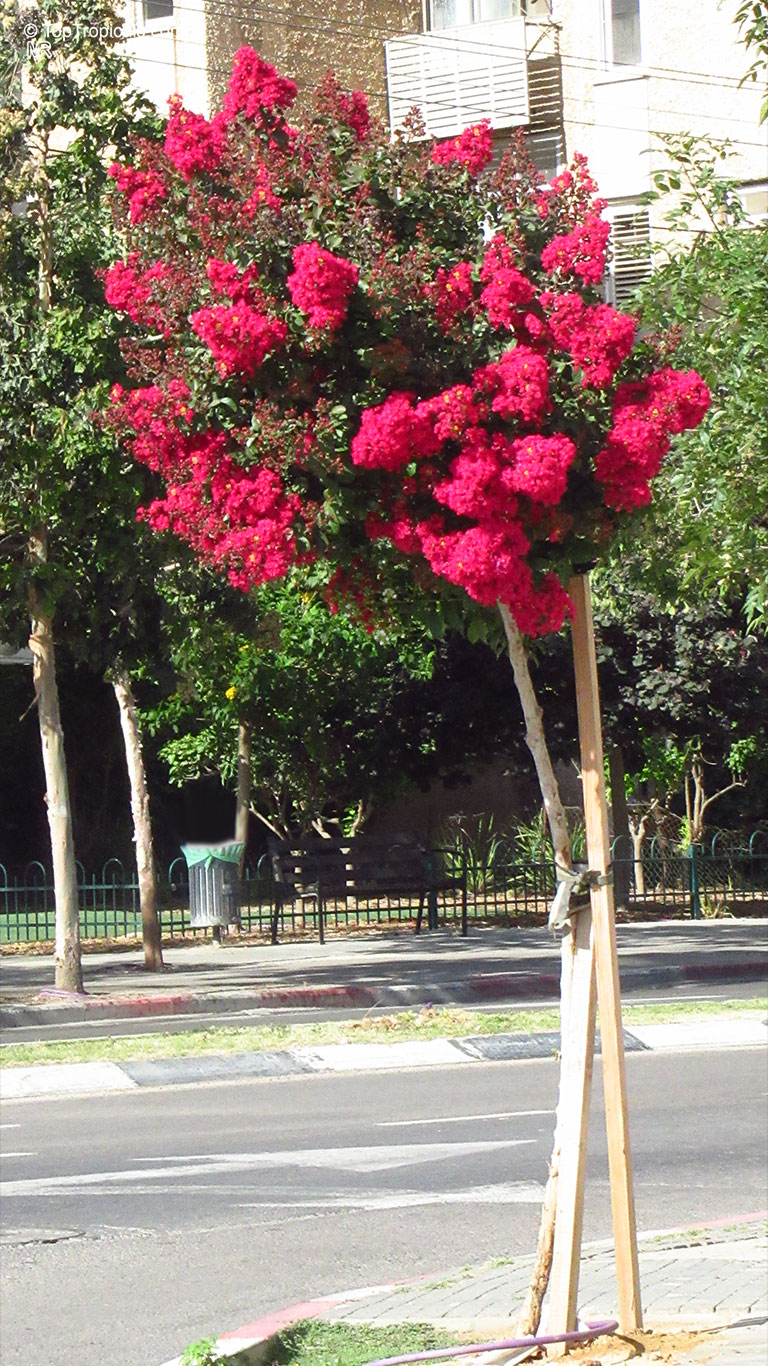
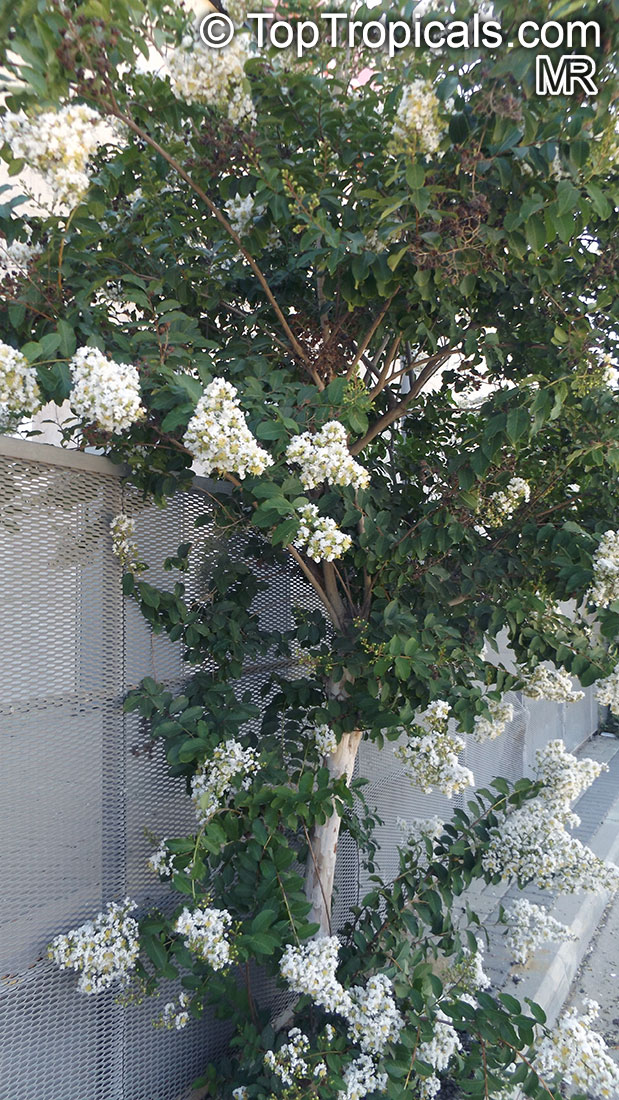
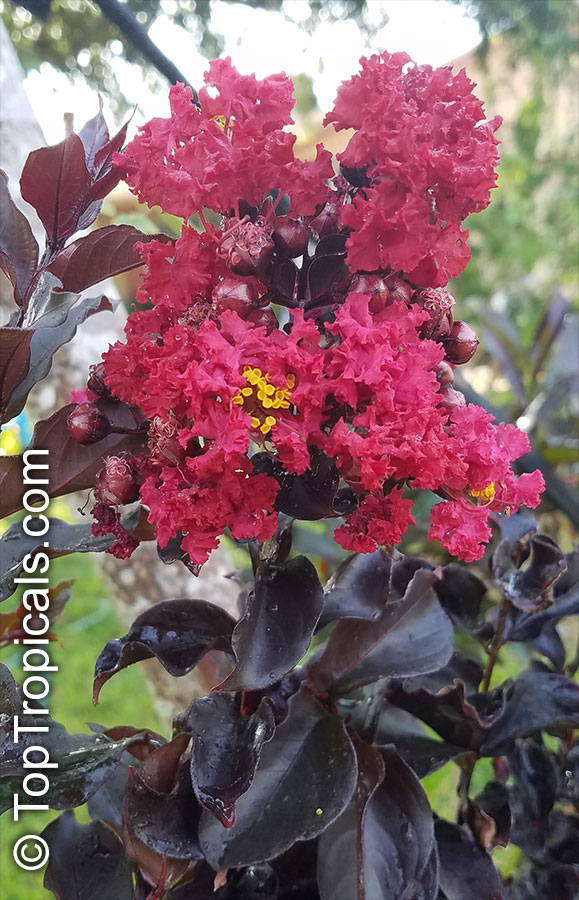
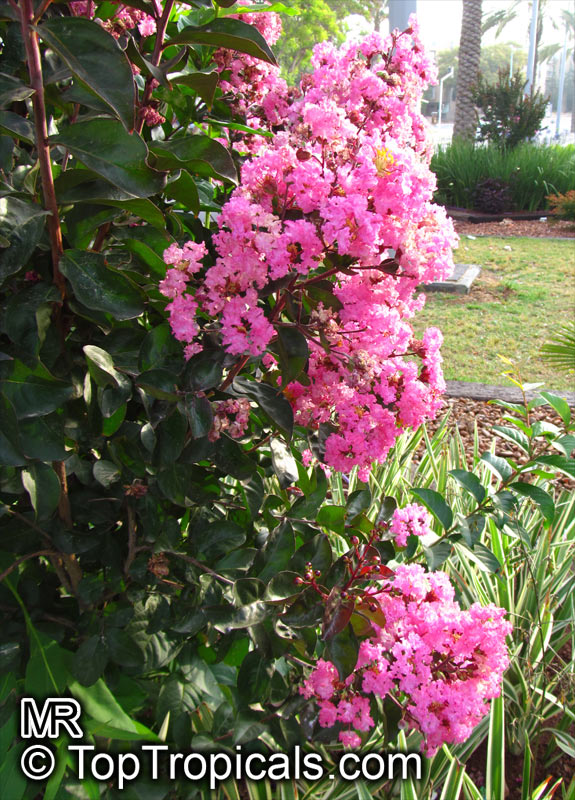
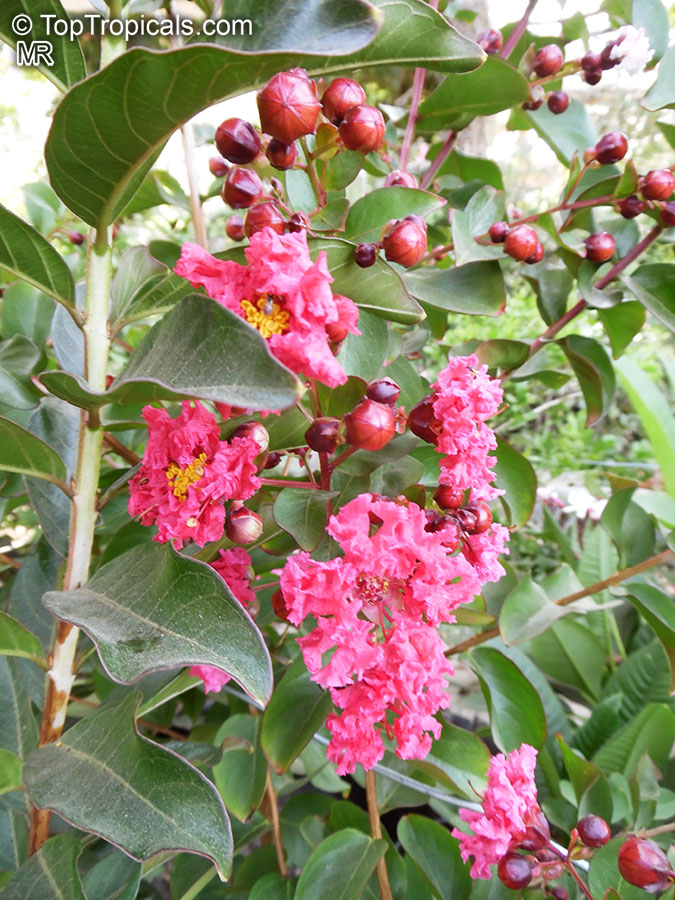
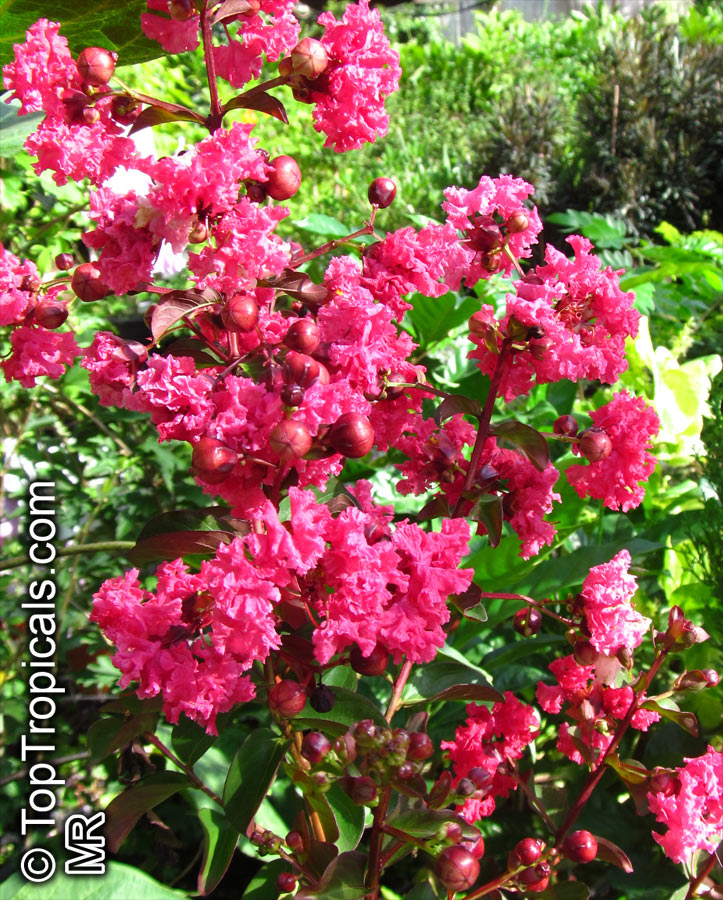
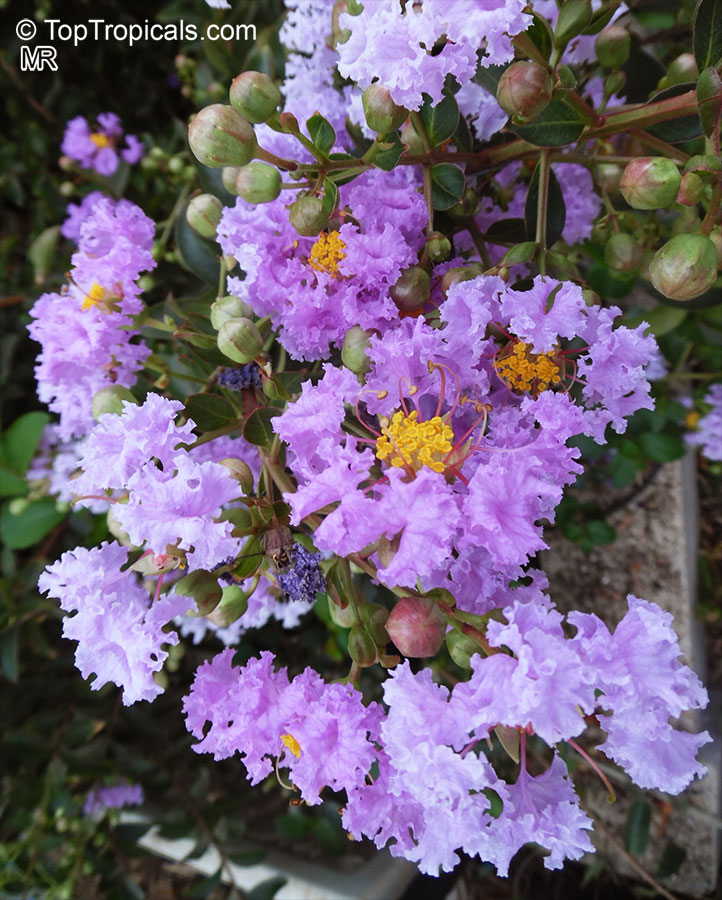
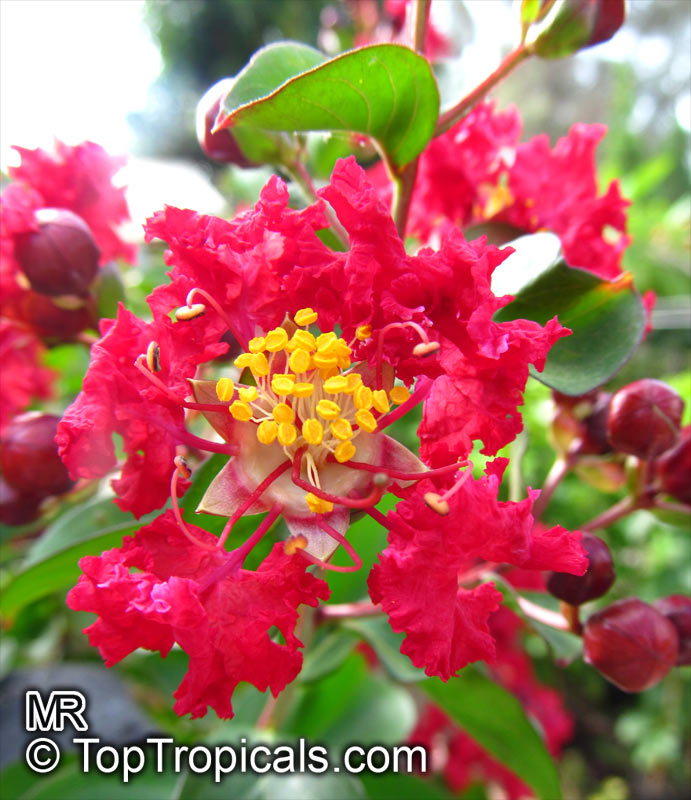
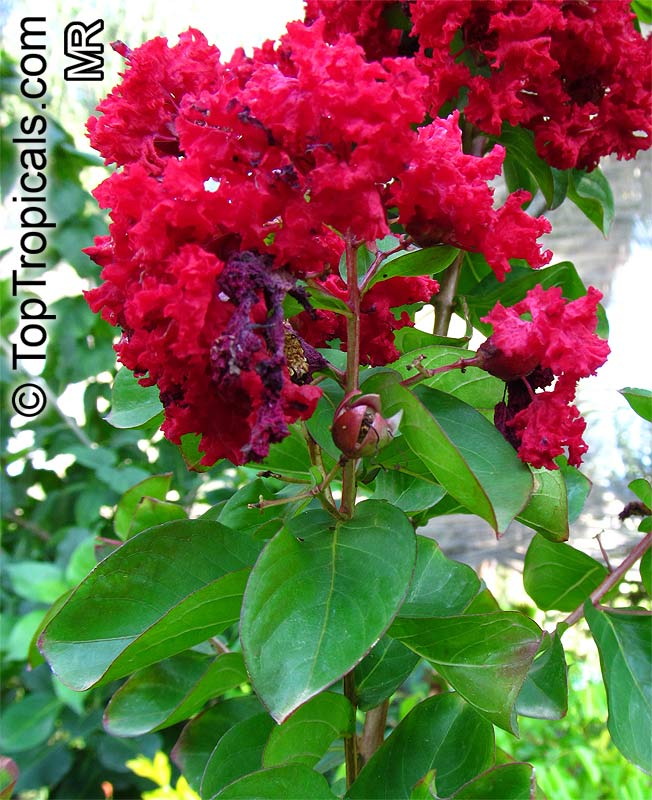
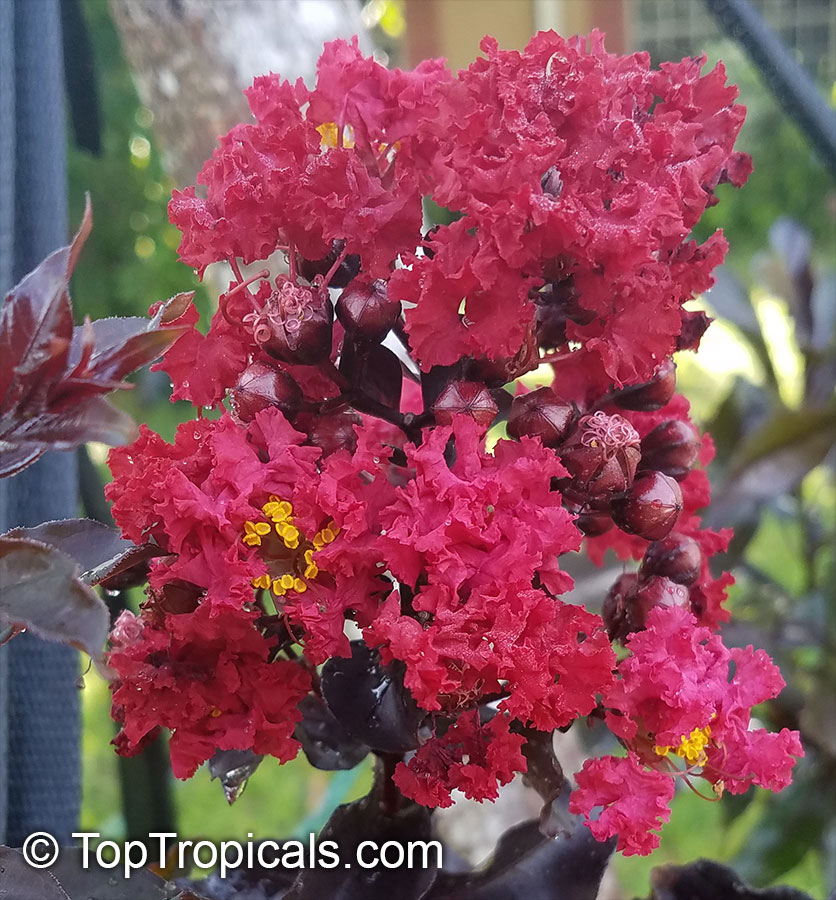
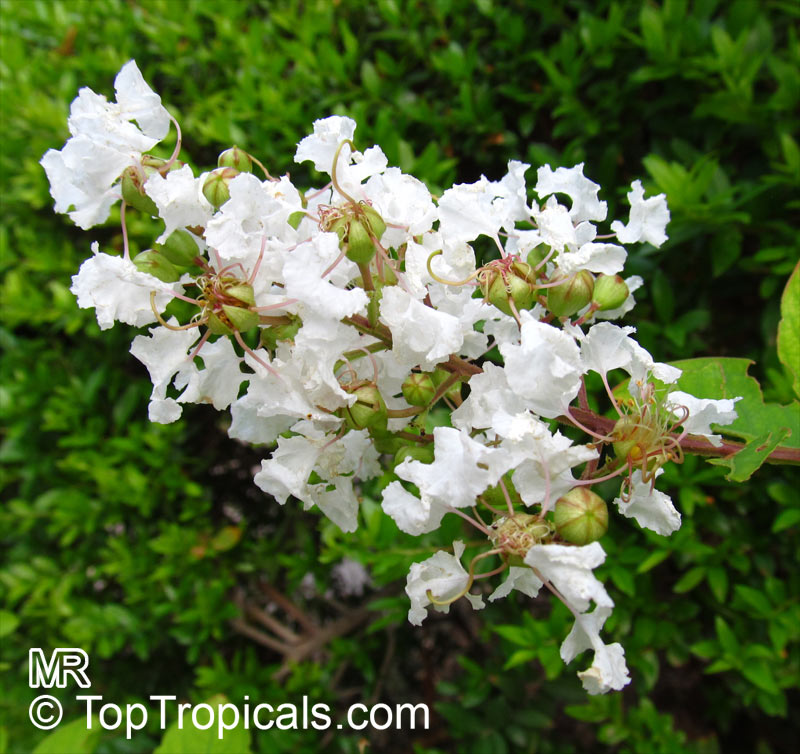
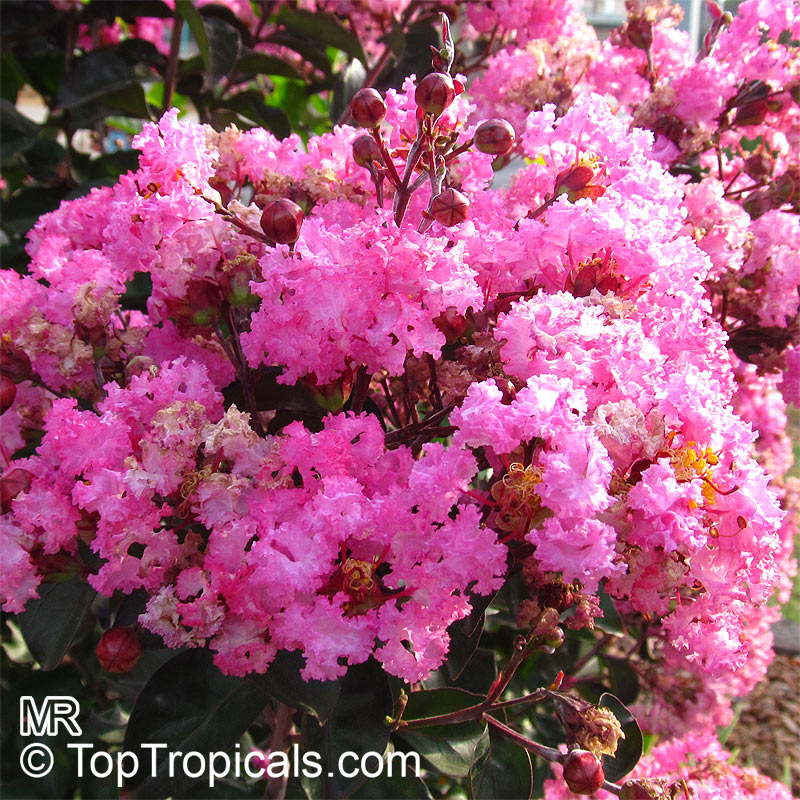
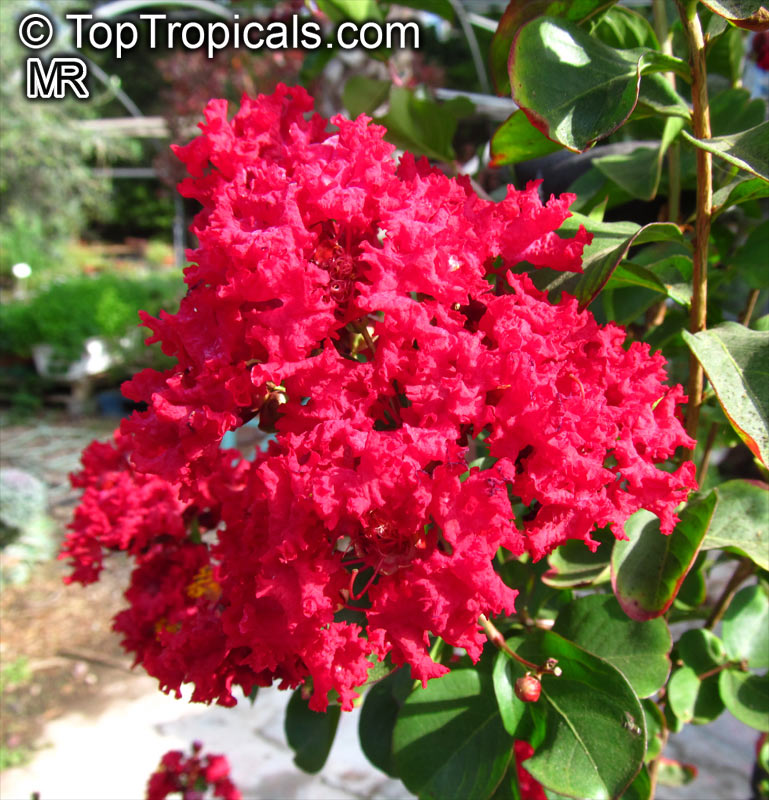
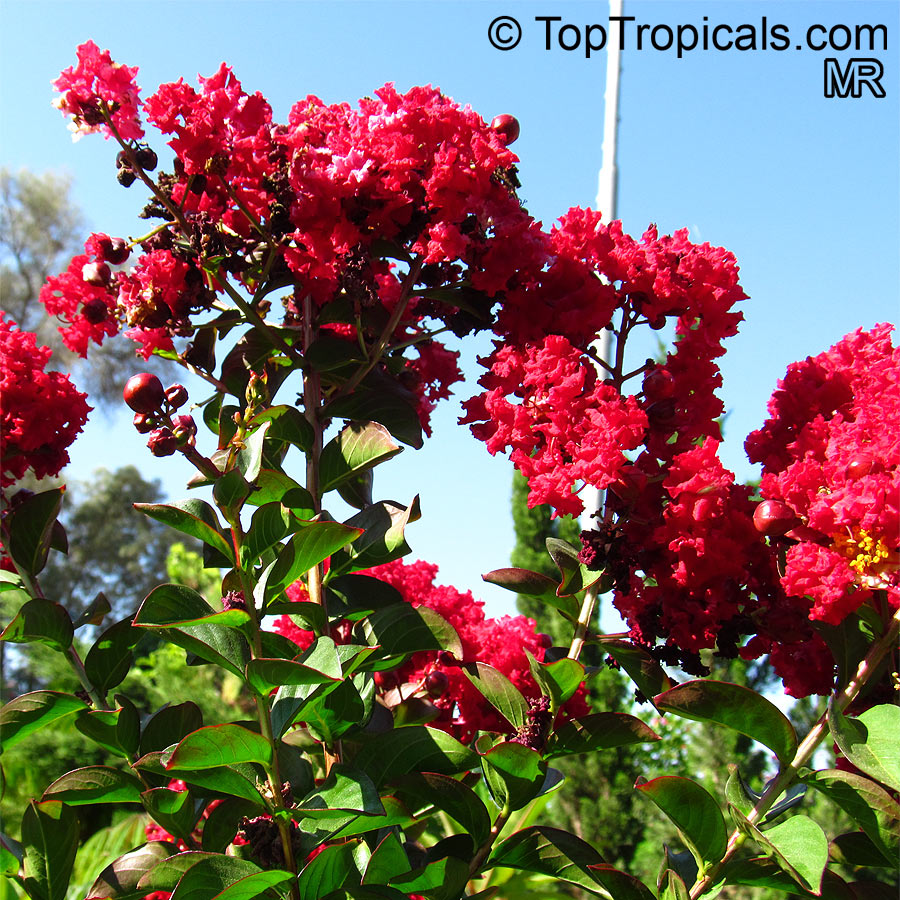
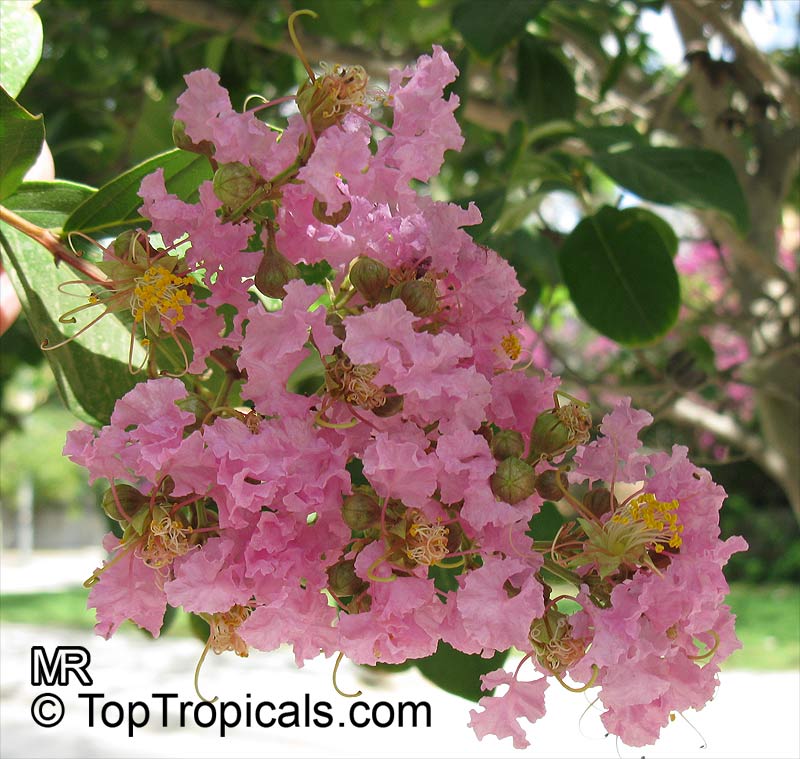
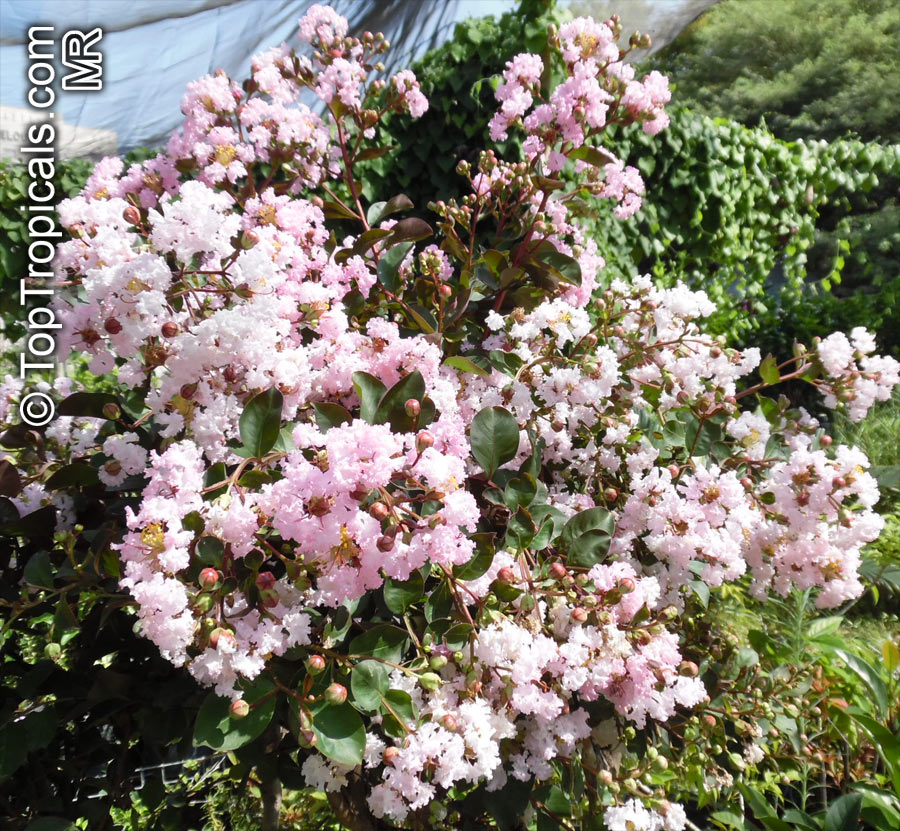
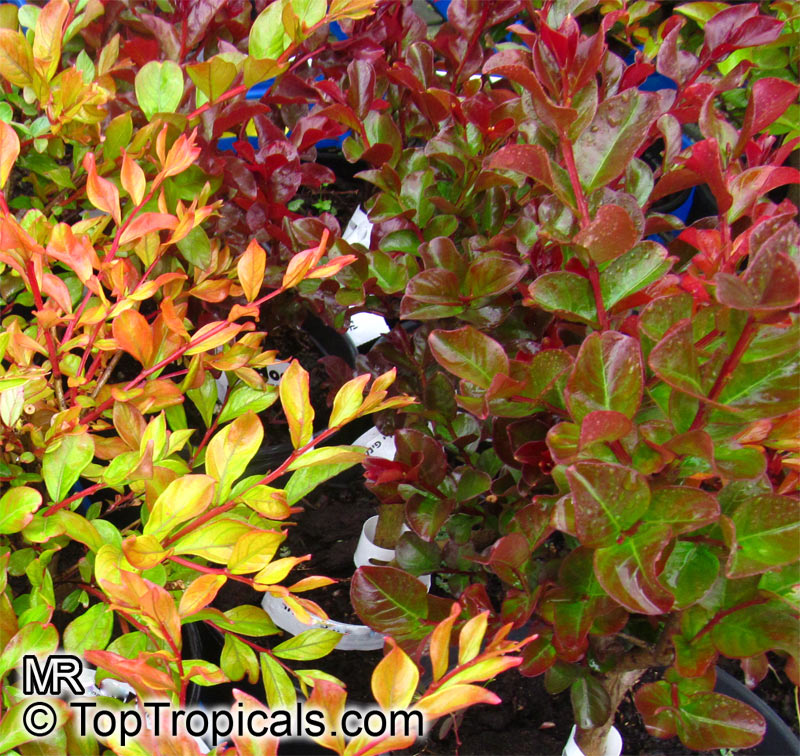
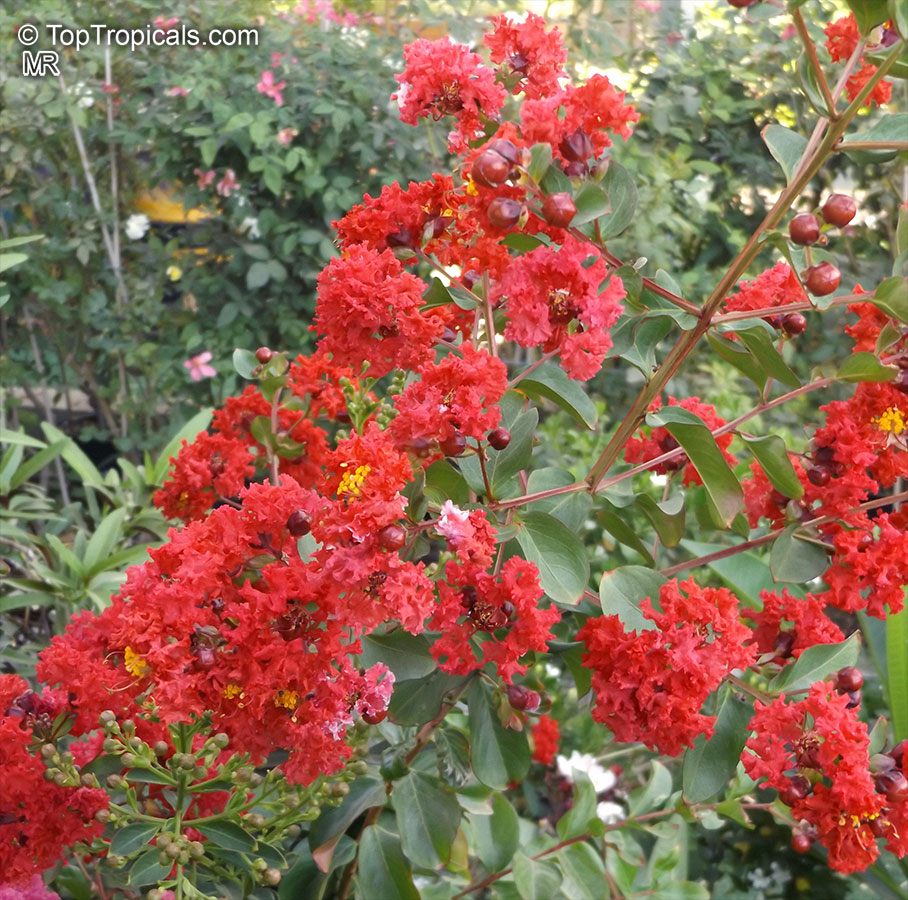
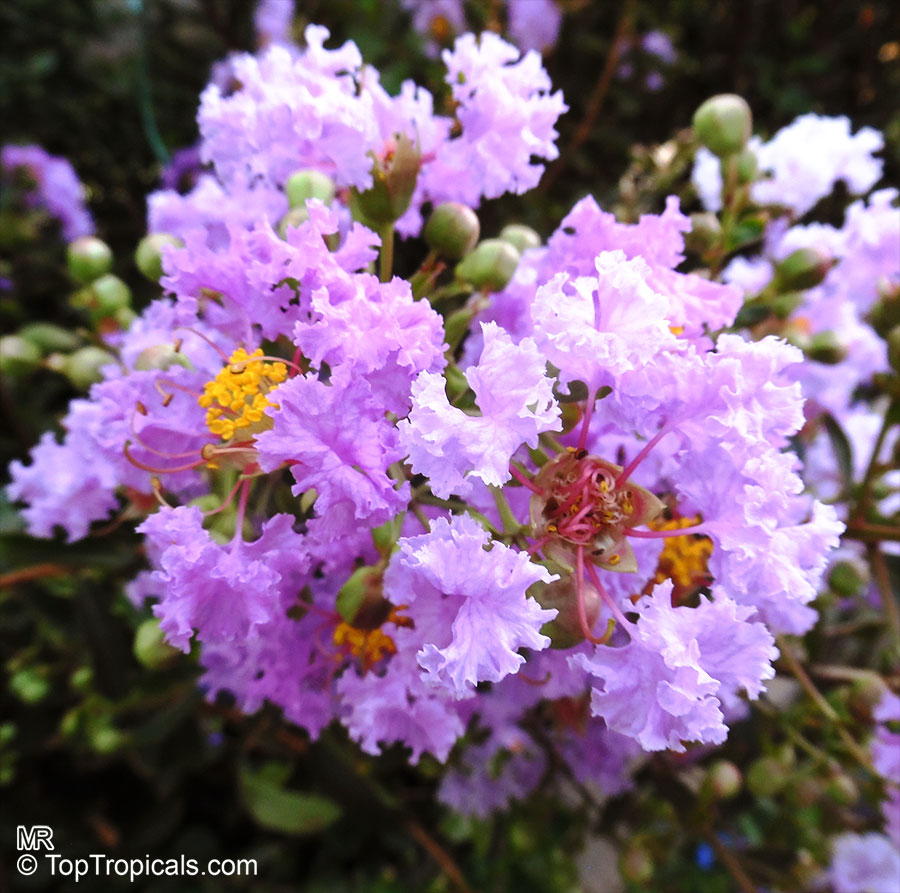
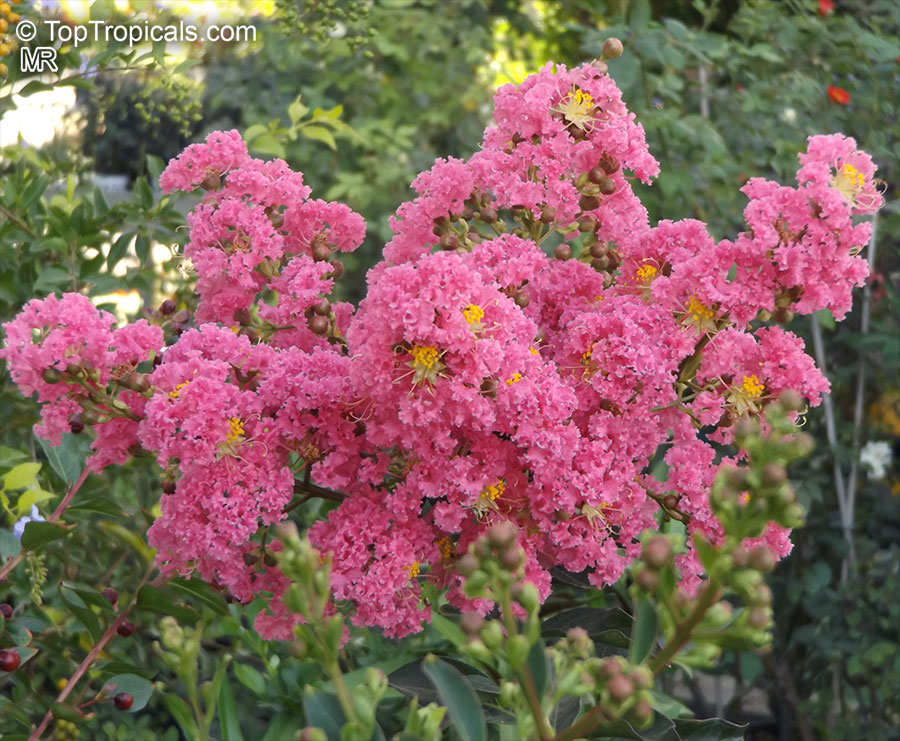
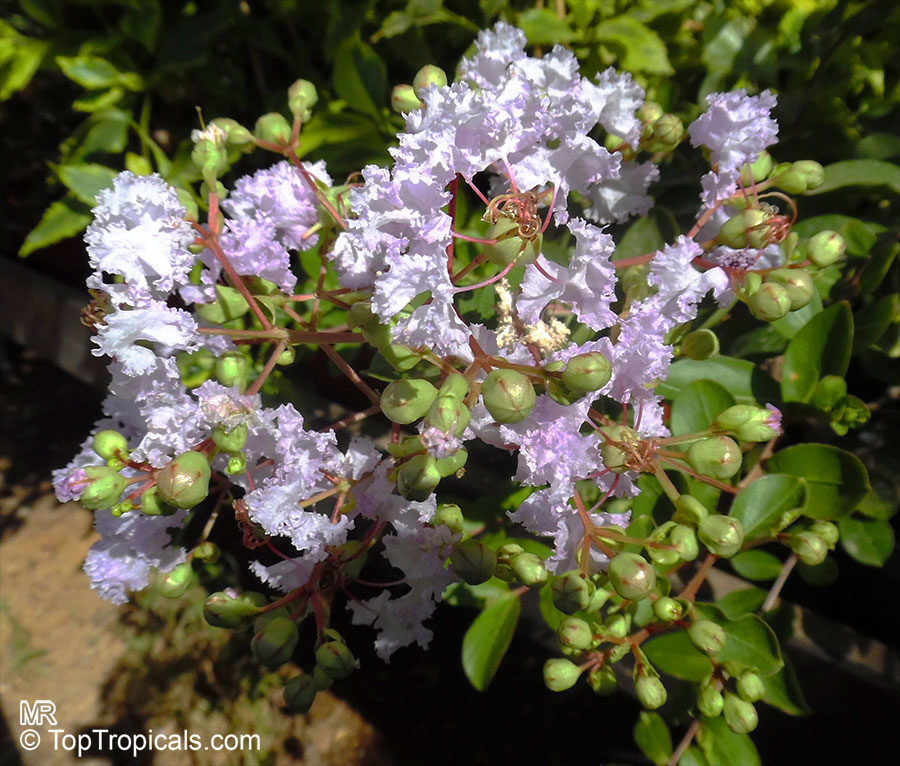
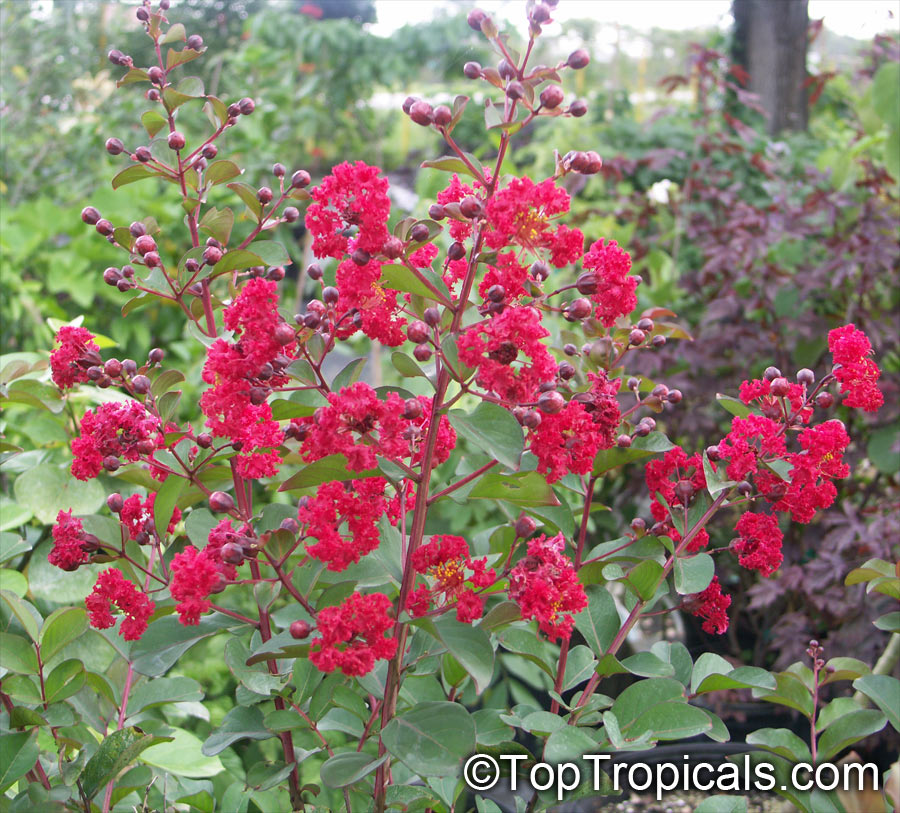
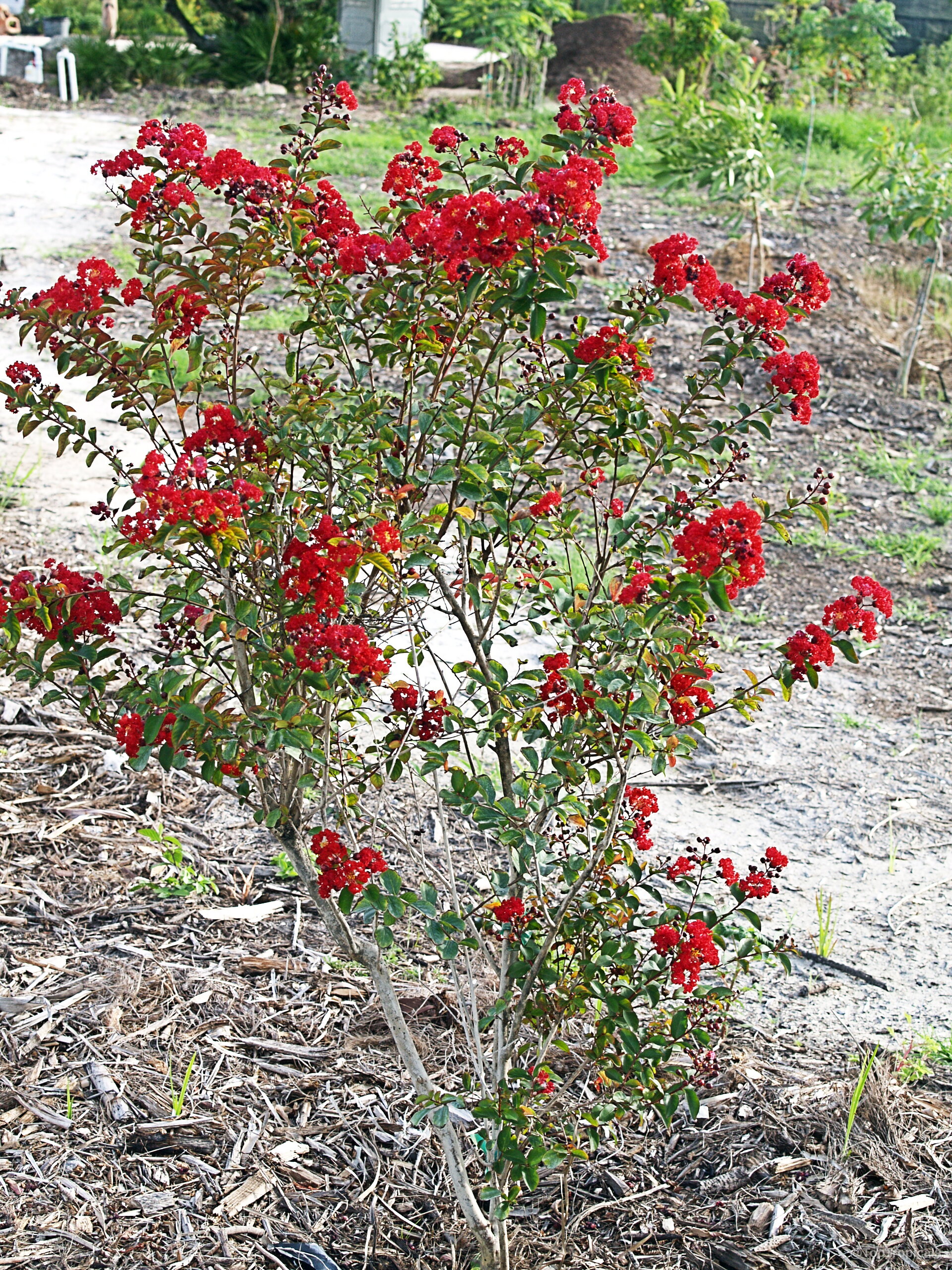
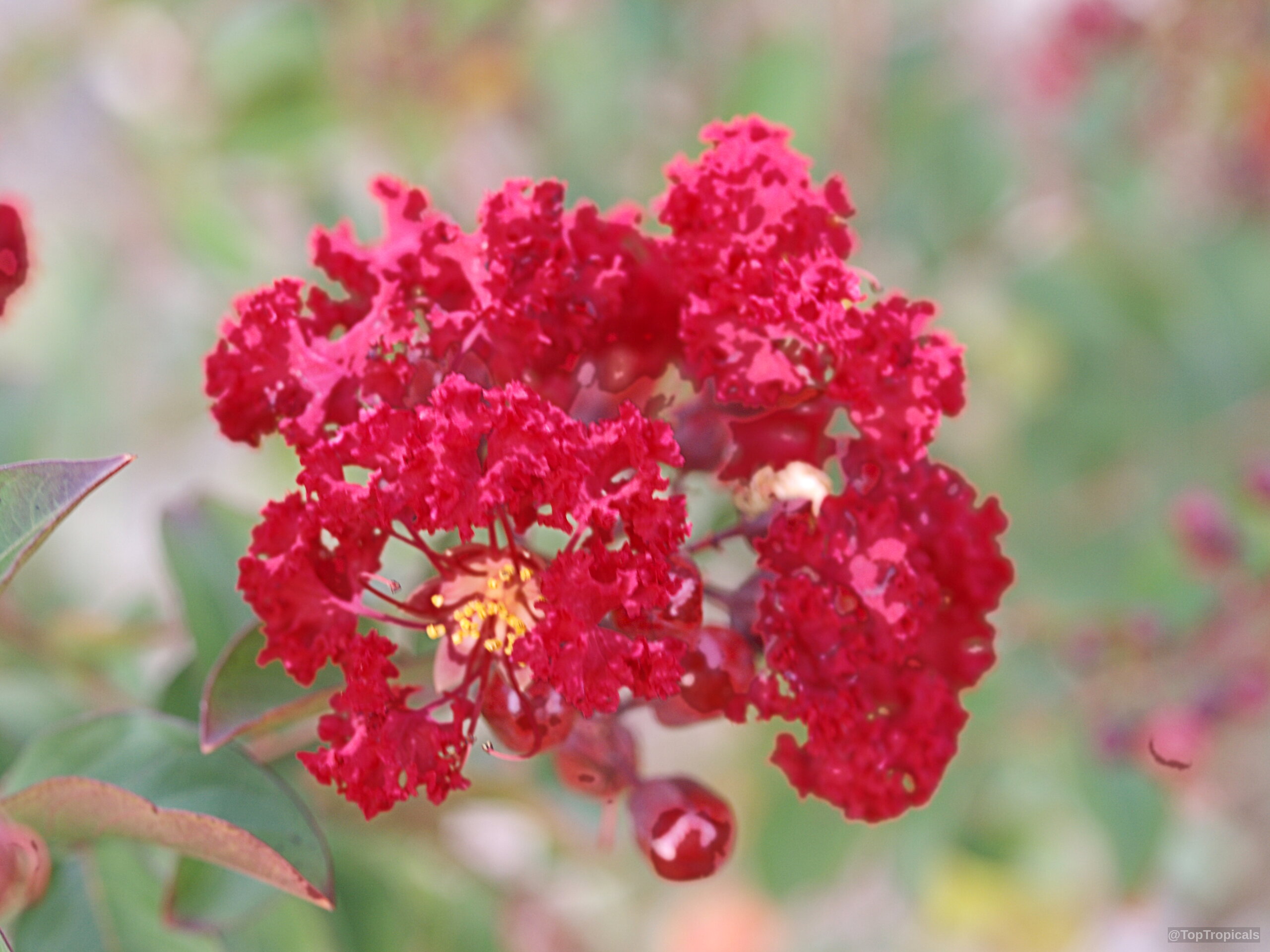
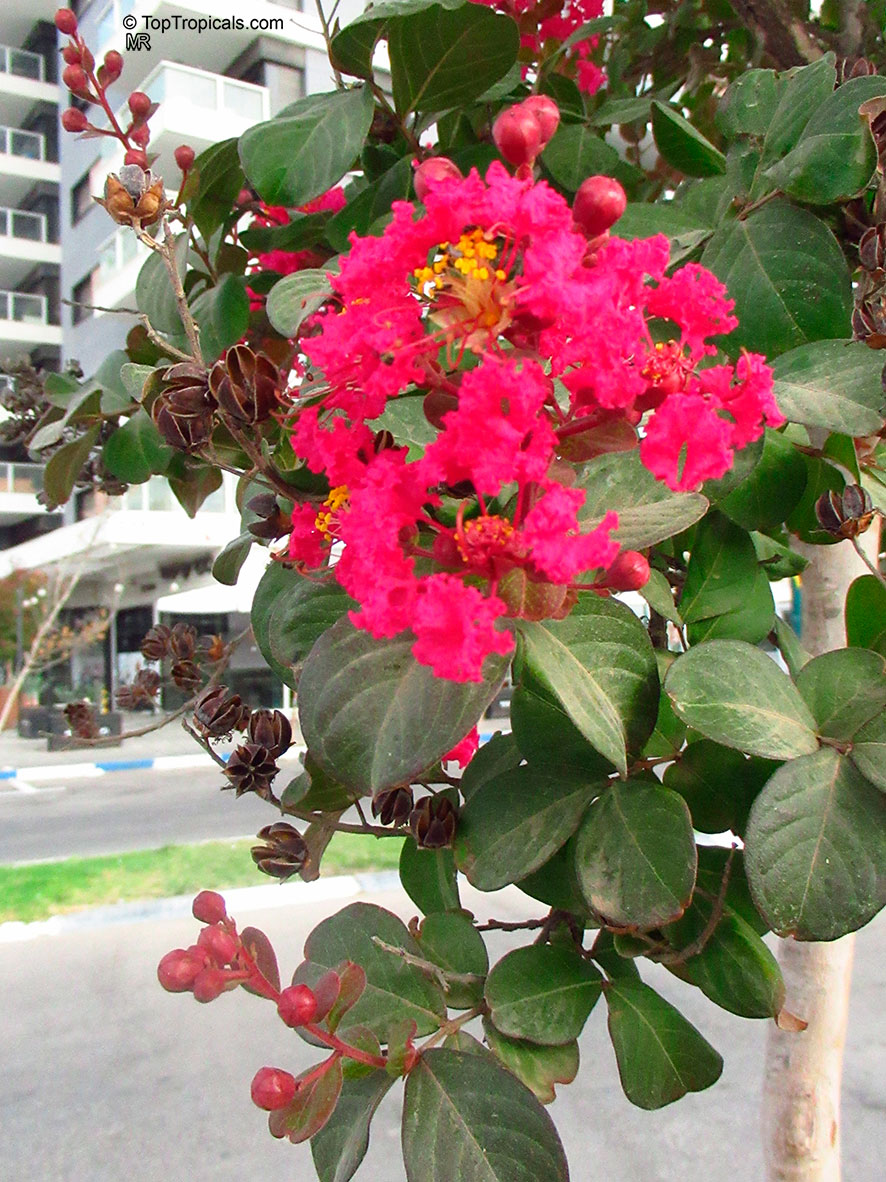
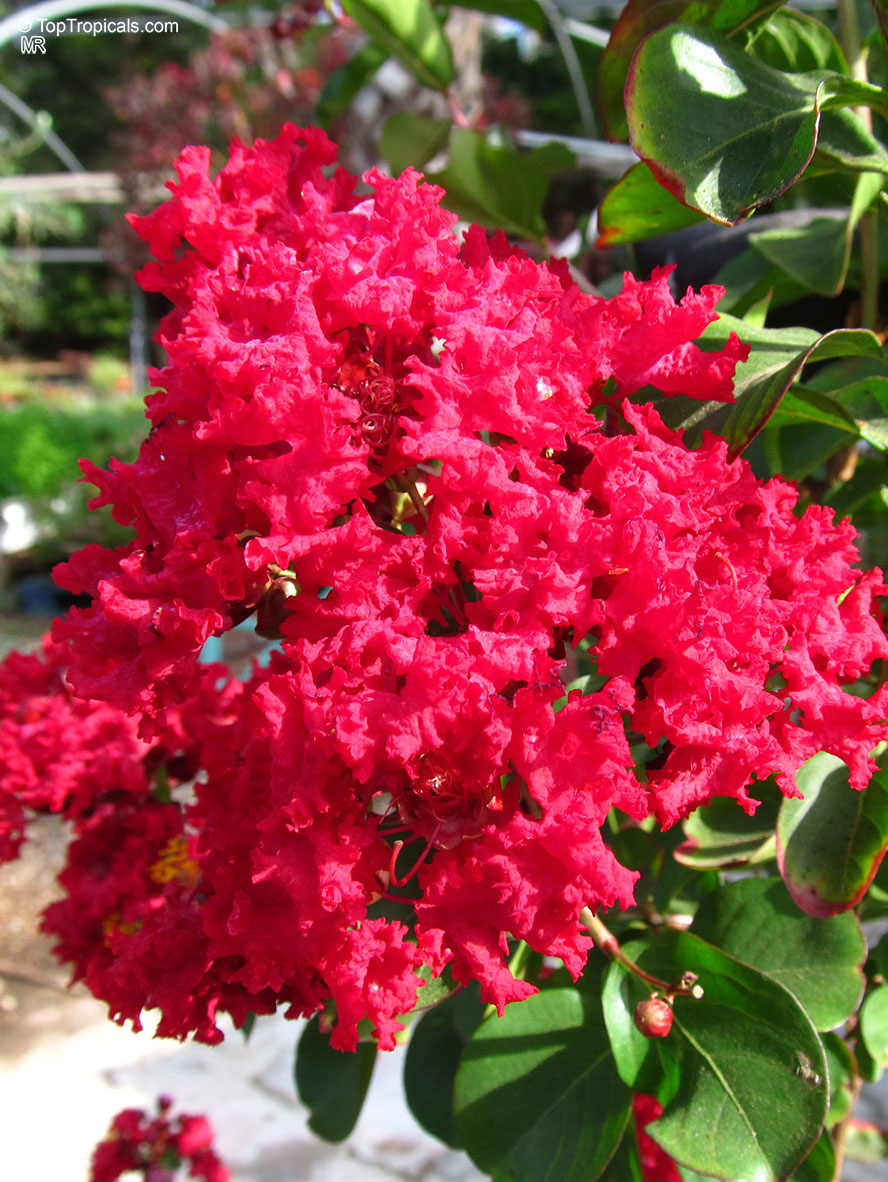
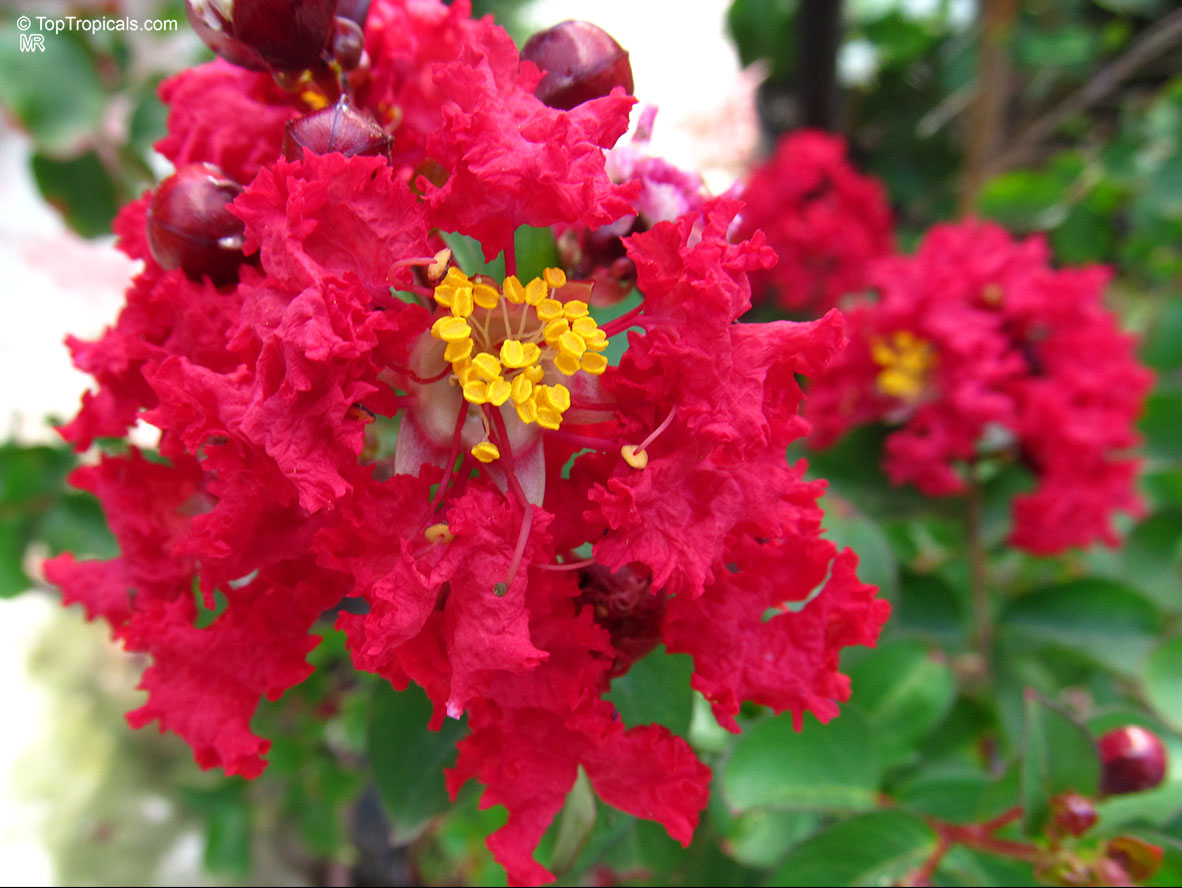
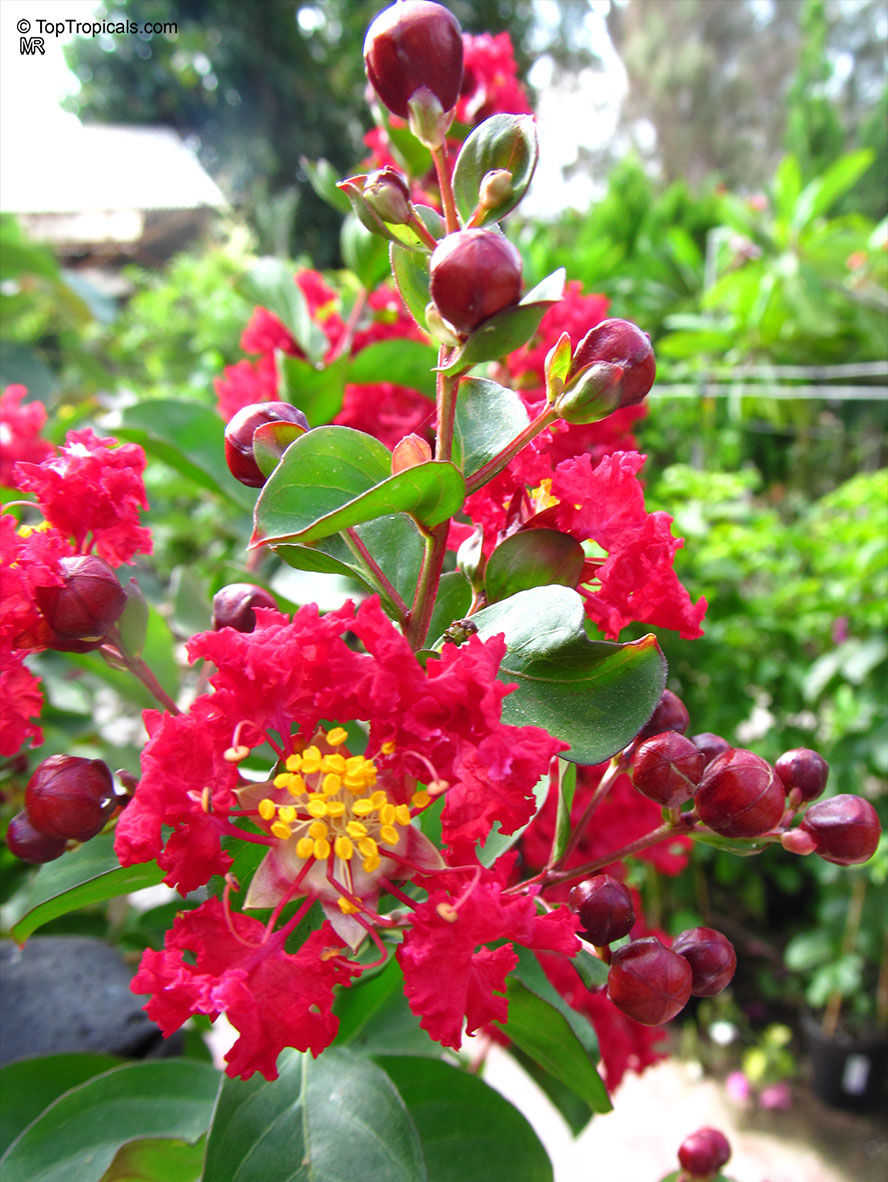
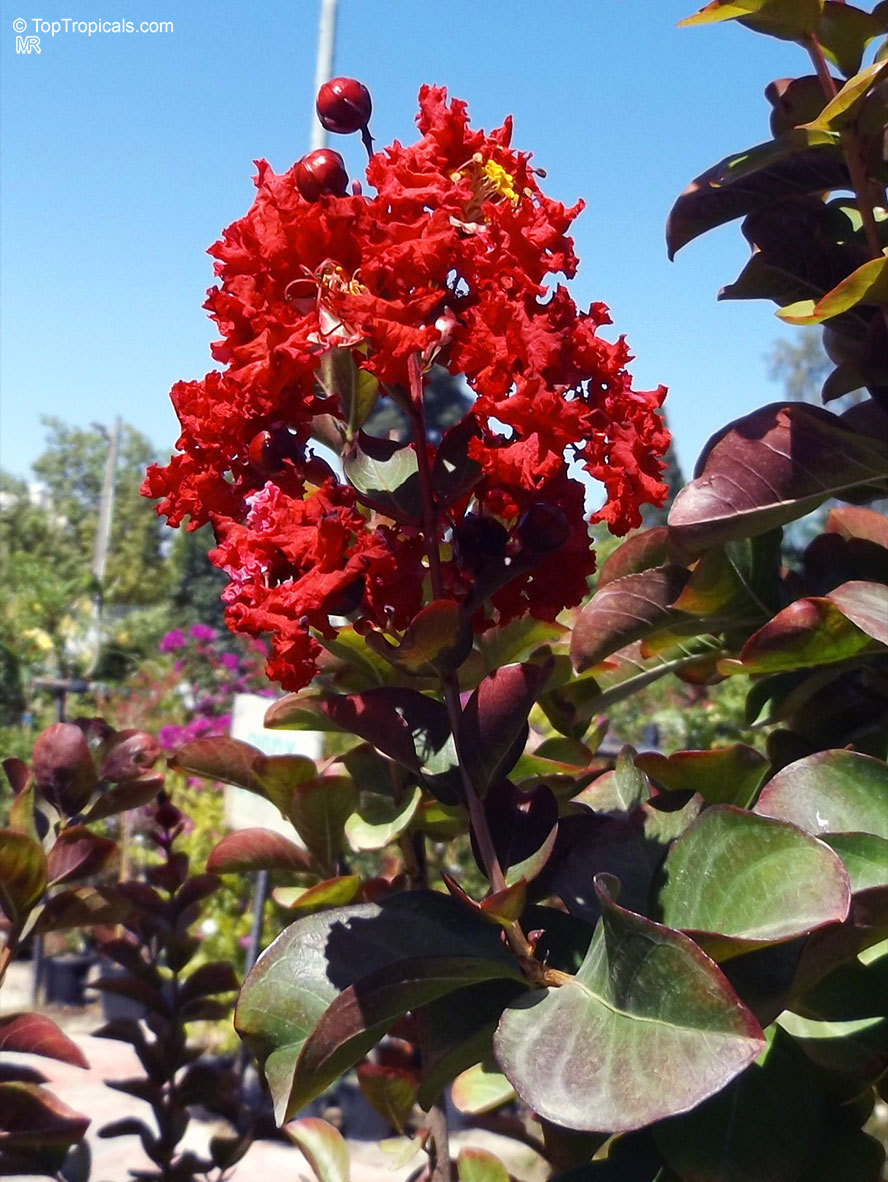
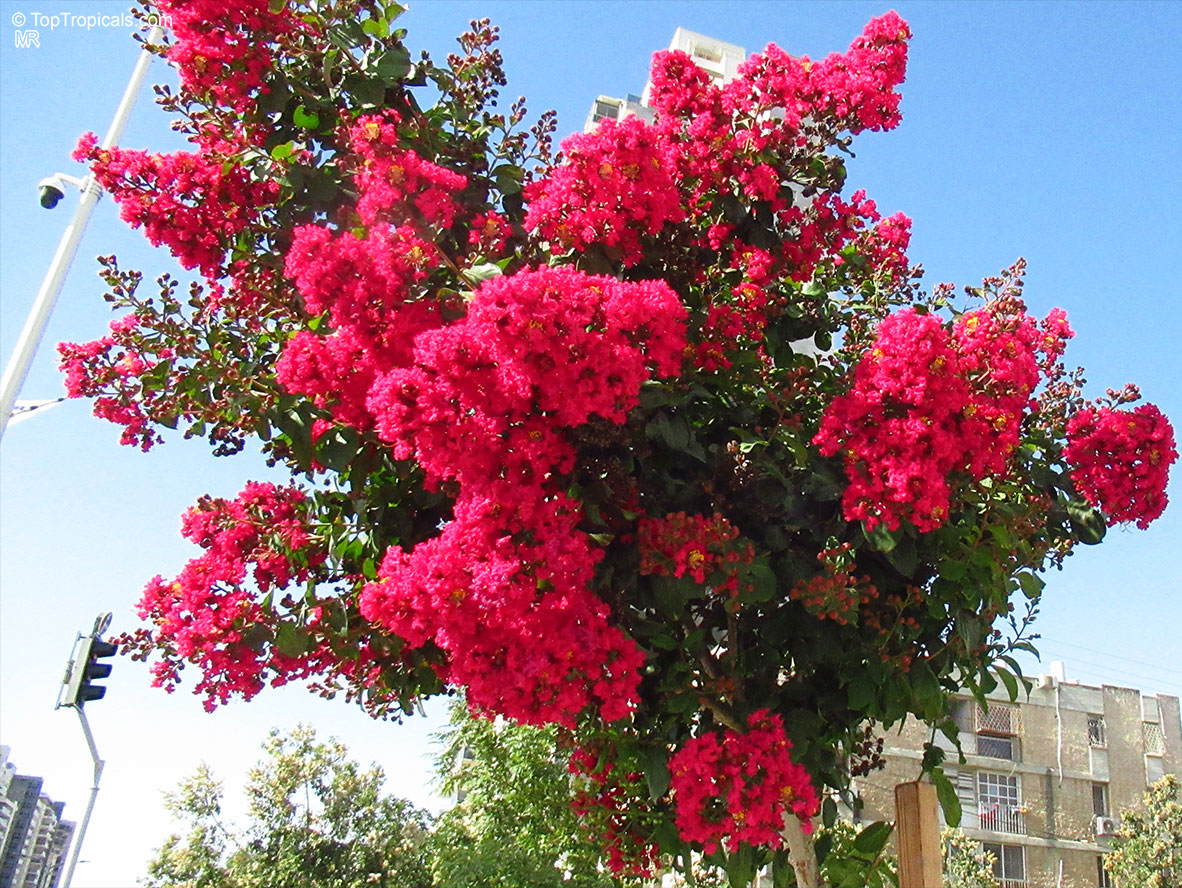
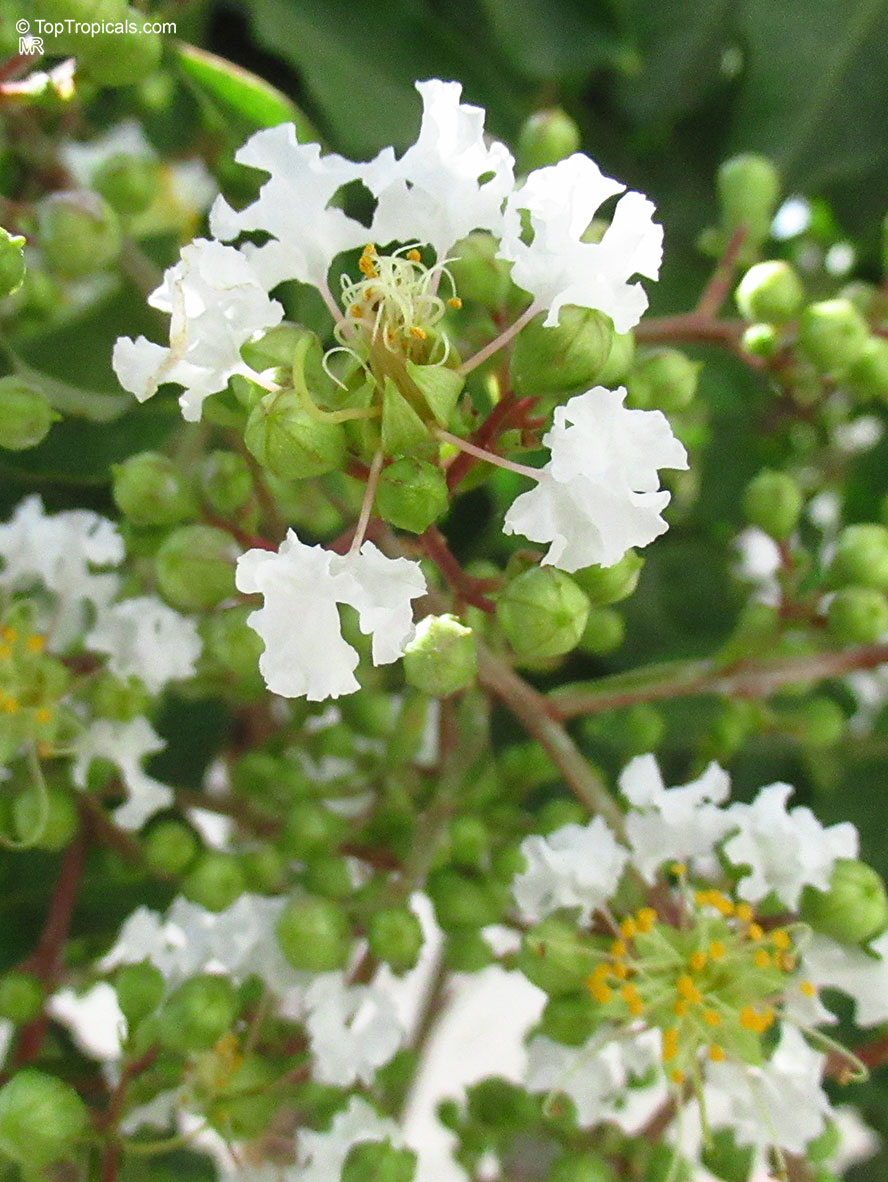
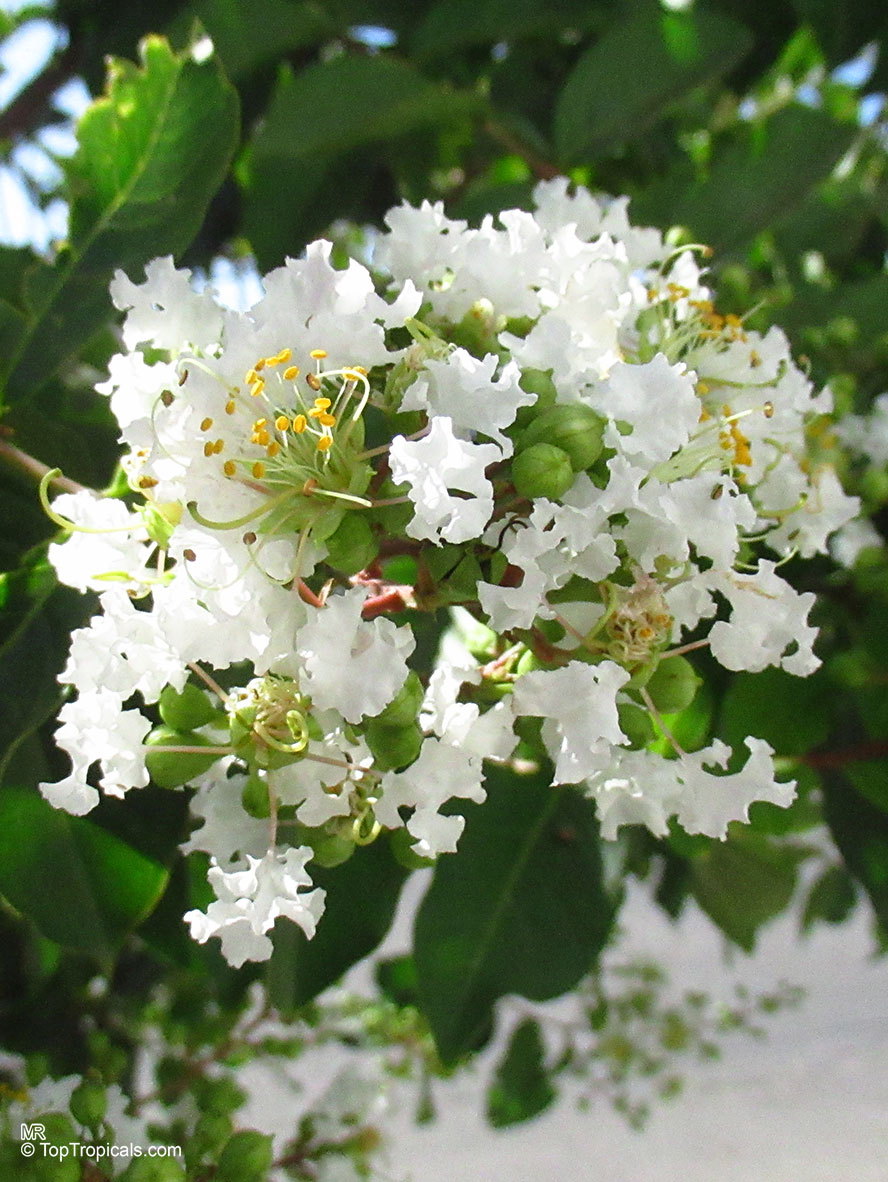
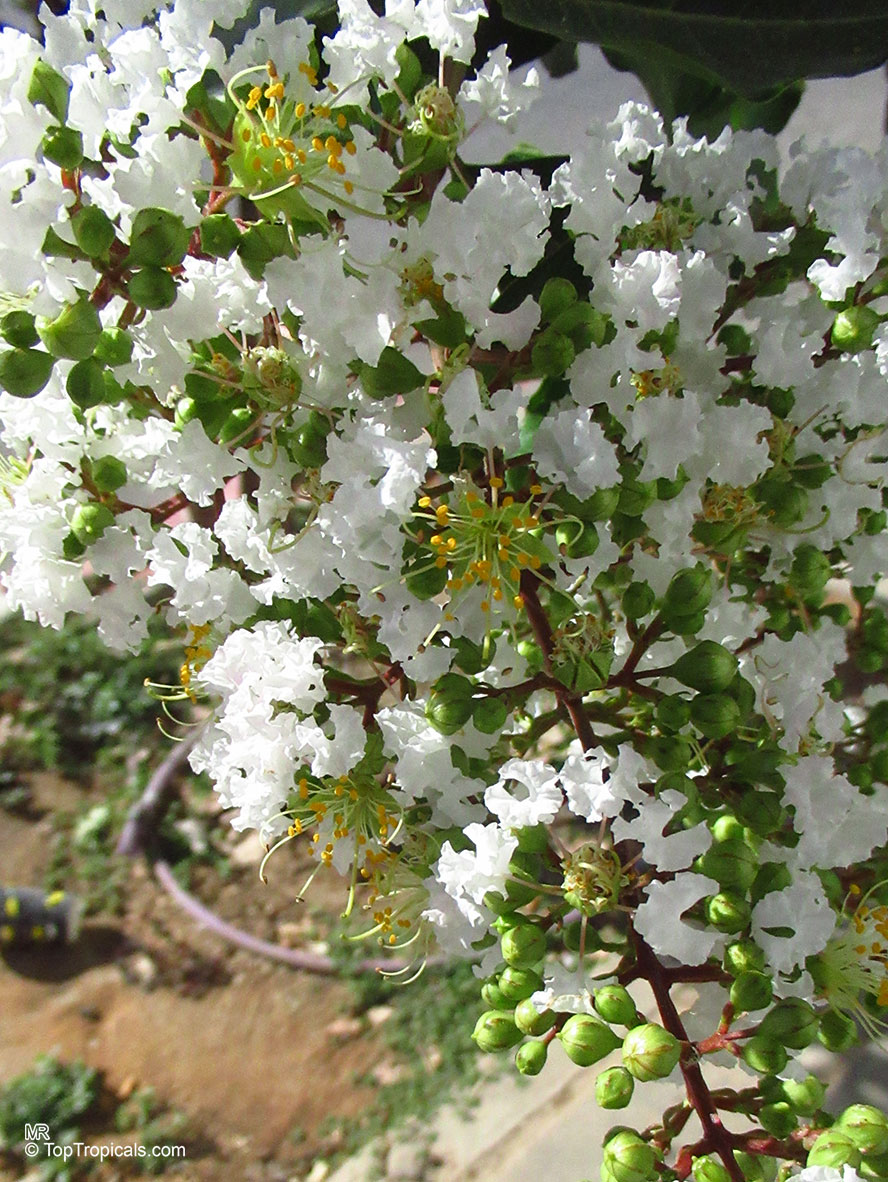
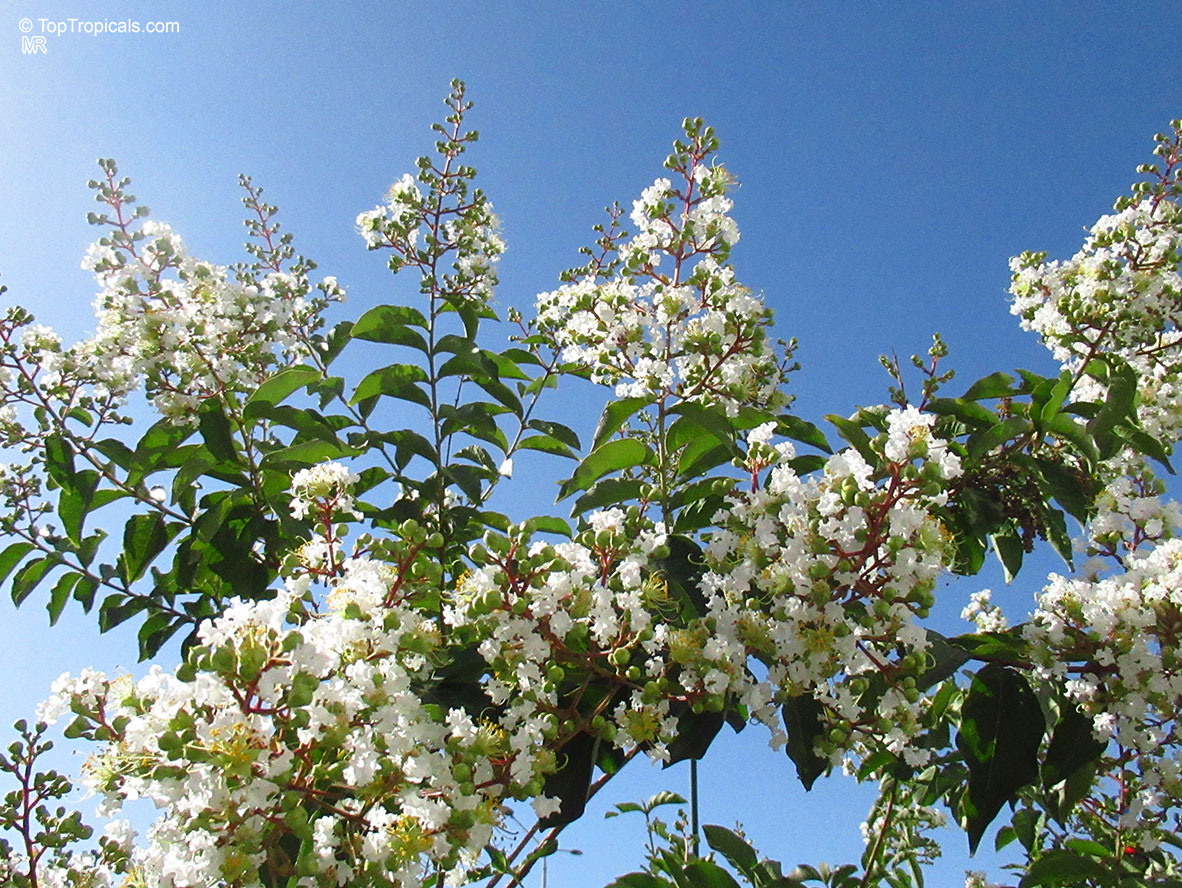
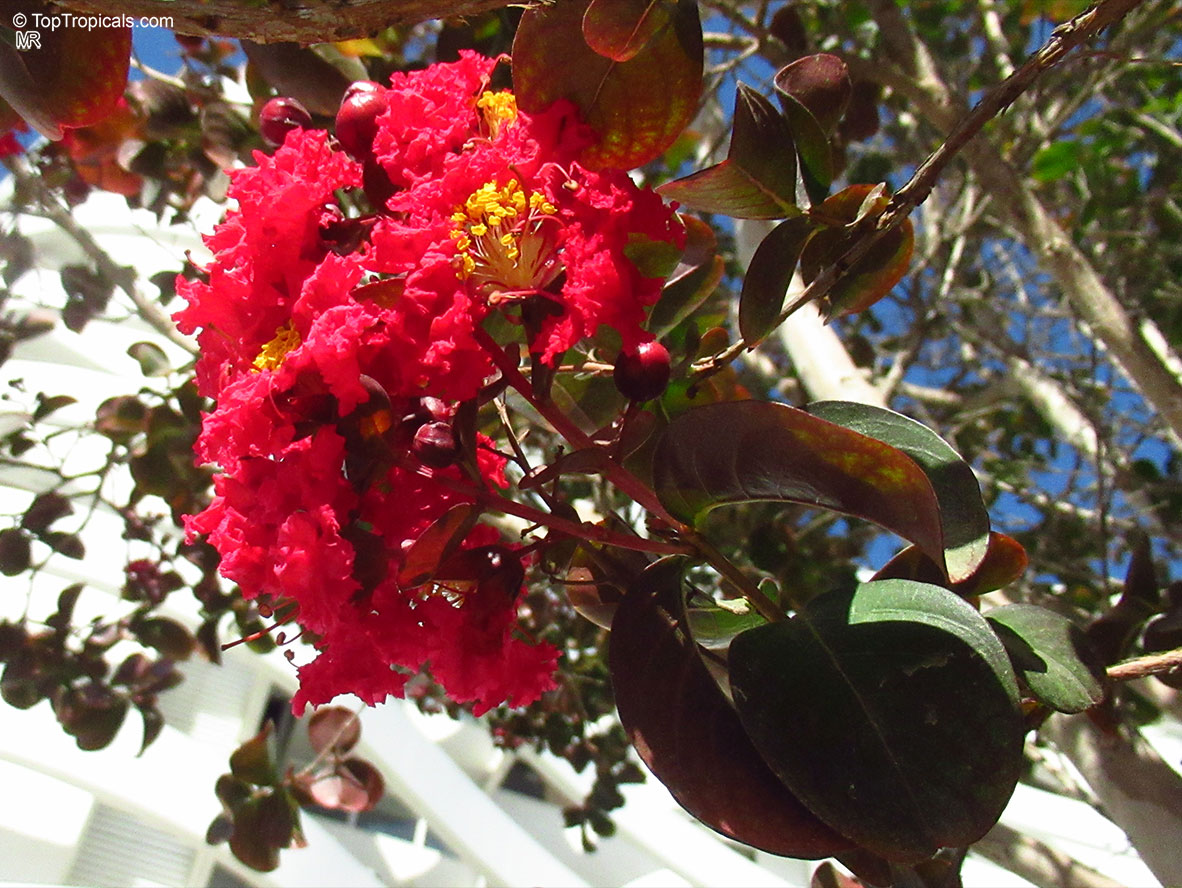
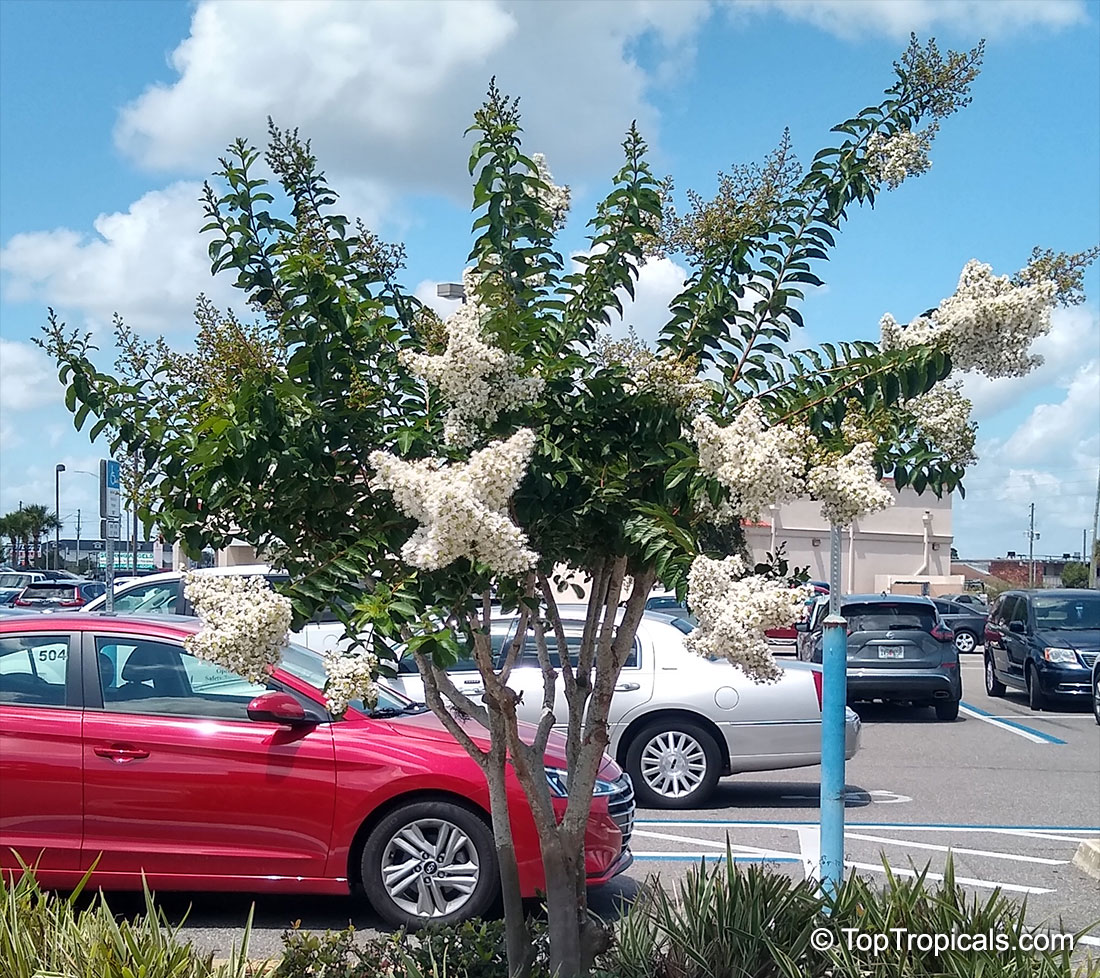
Botanical name: Lagerstroemia indica
Common names: Crape Myrtle, Crepe Myrtle
Family: Lythraceae
Origin: Australia, Asia, Pacific
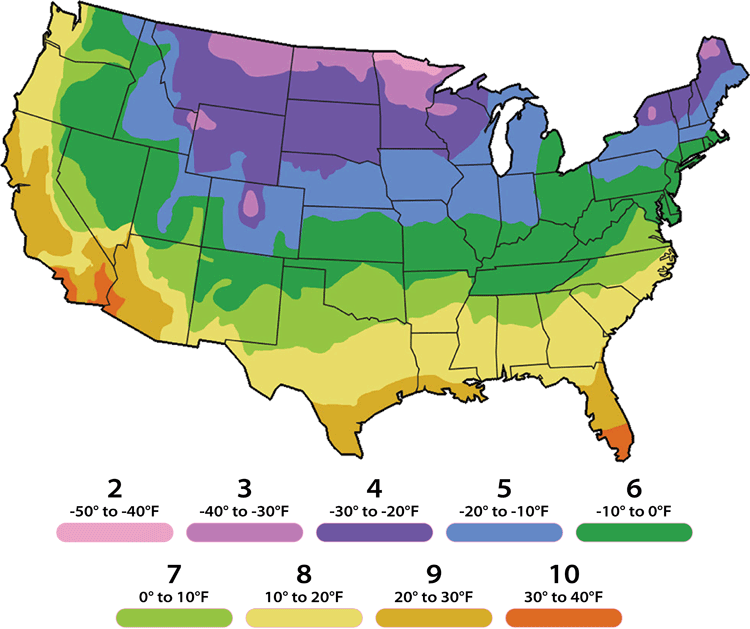
Hardiness: 5°F


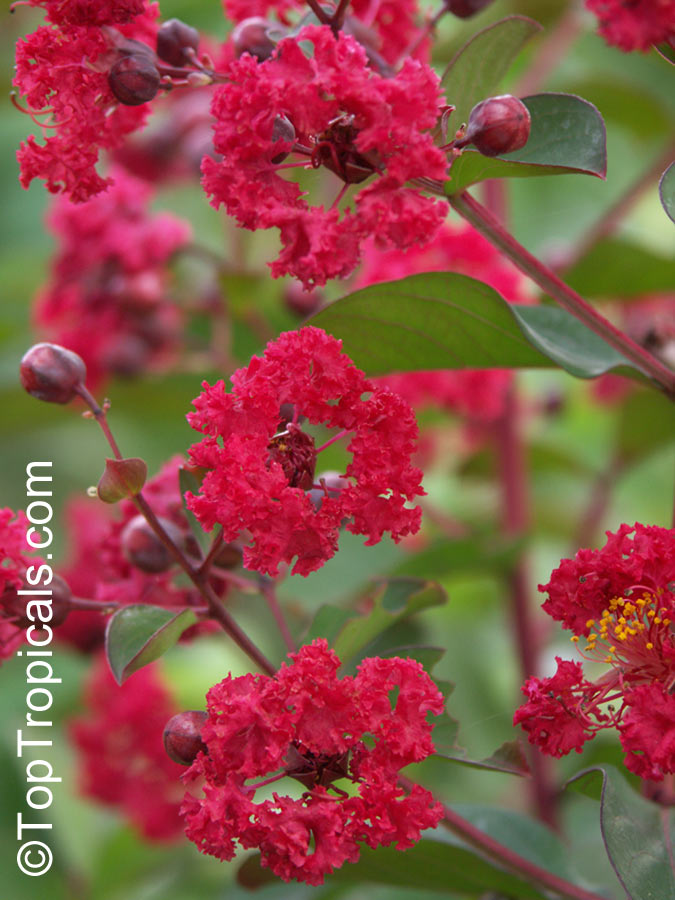
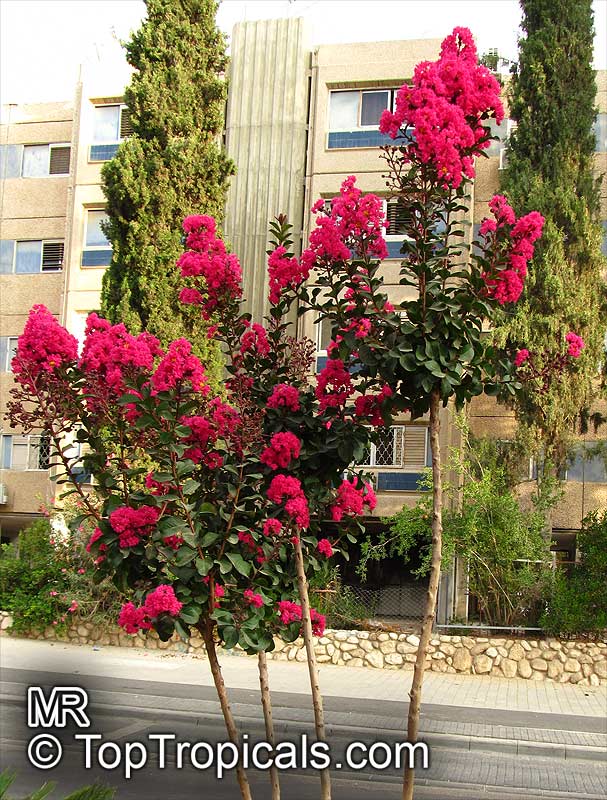
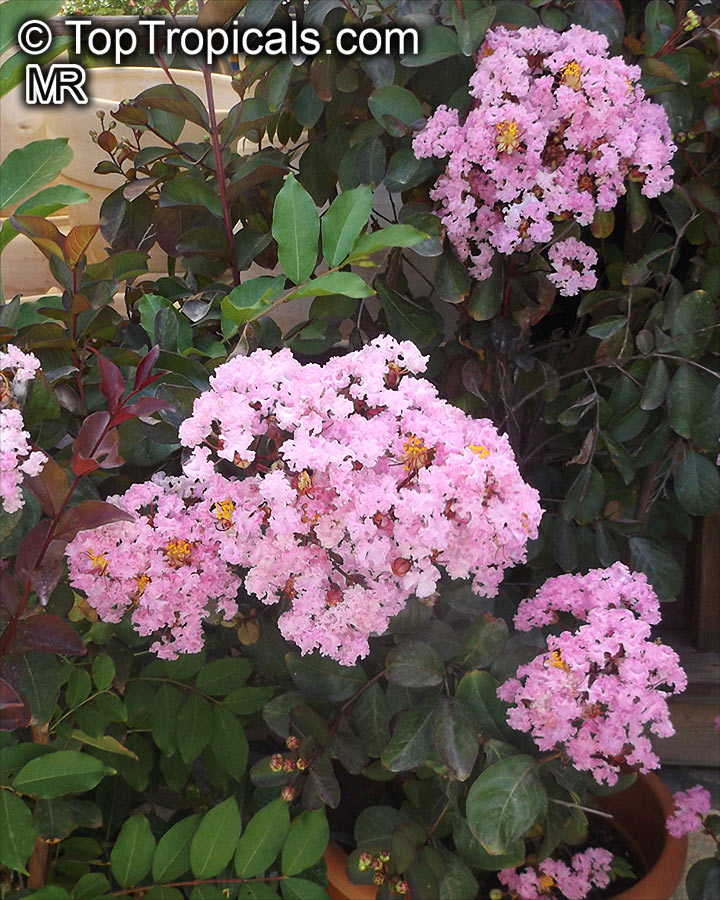
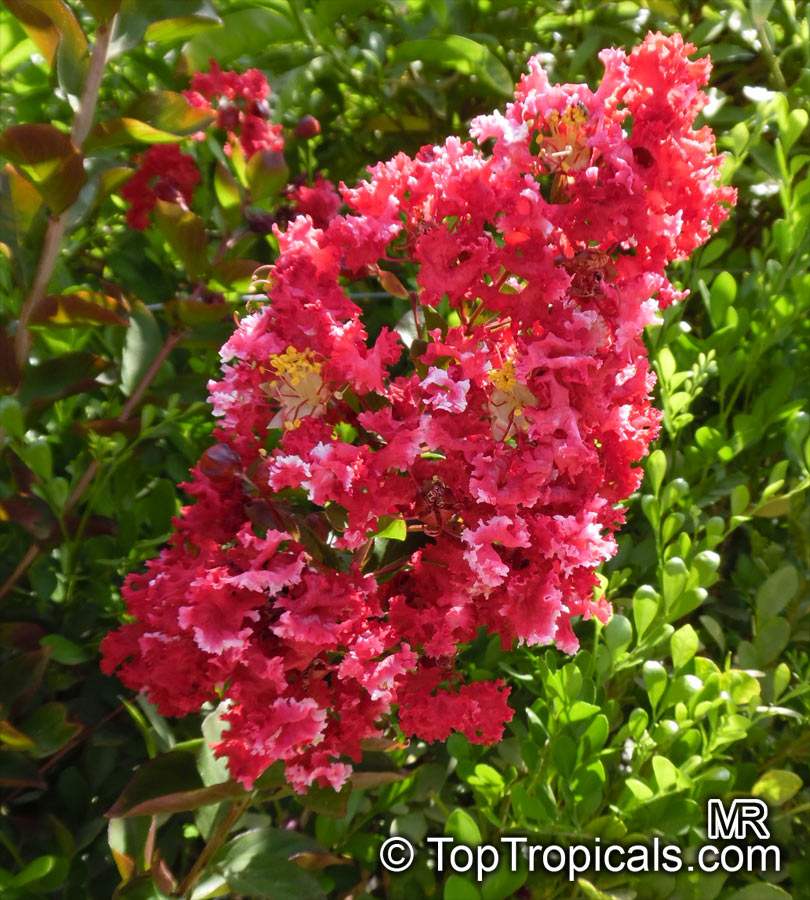
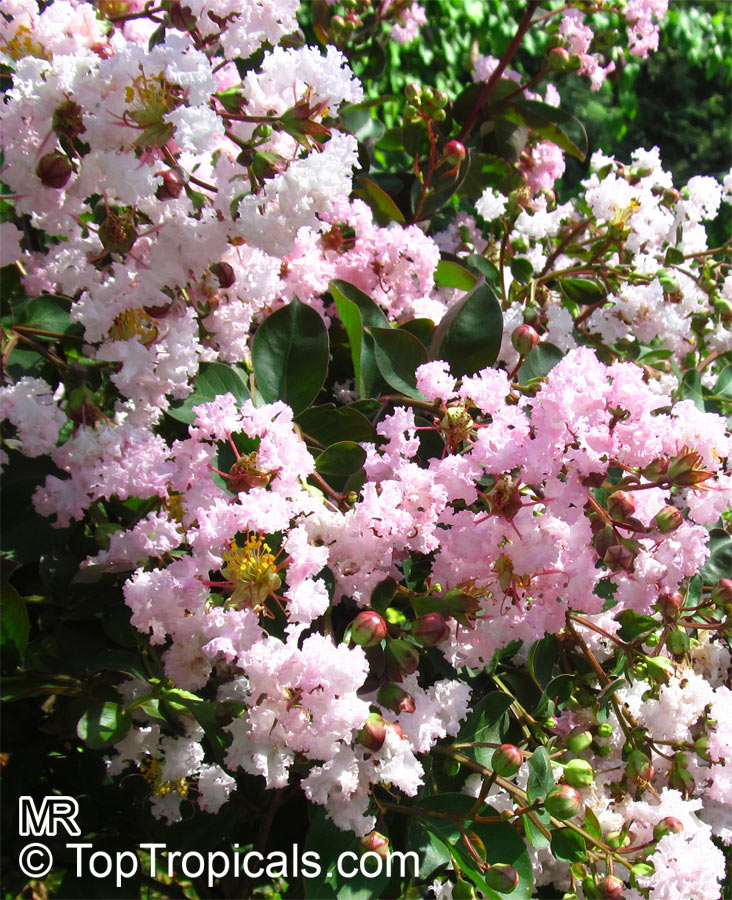
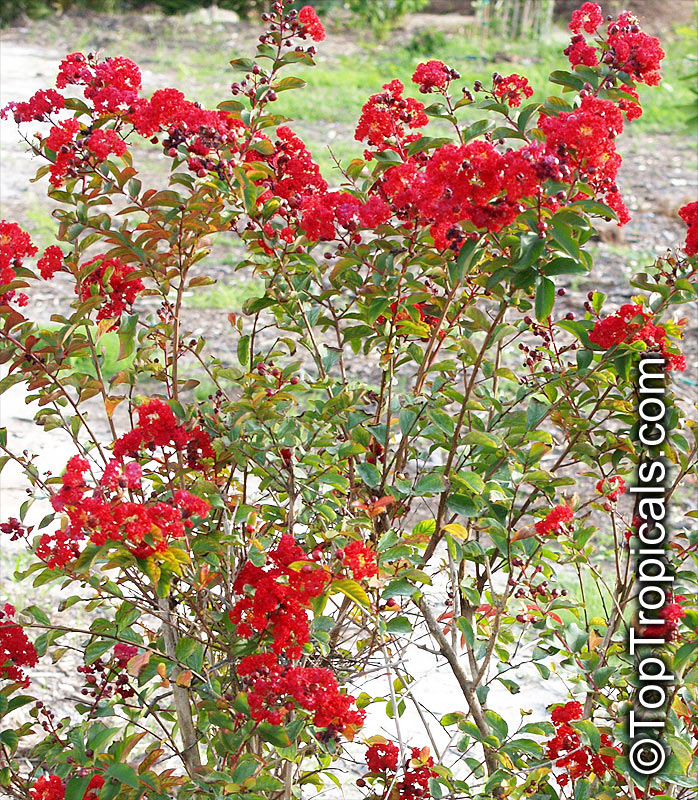
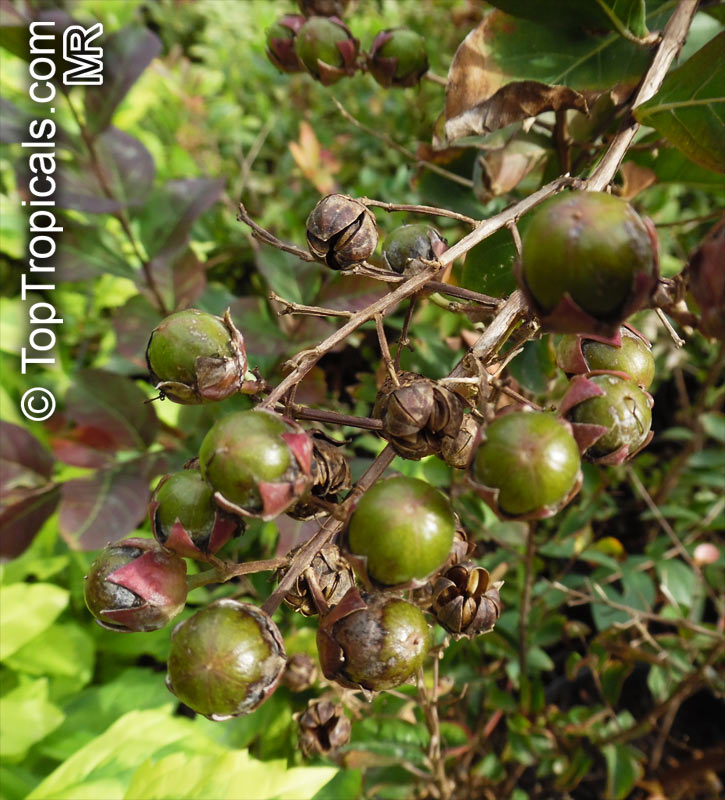
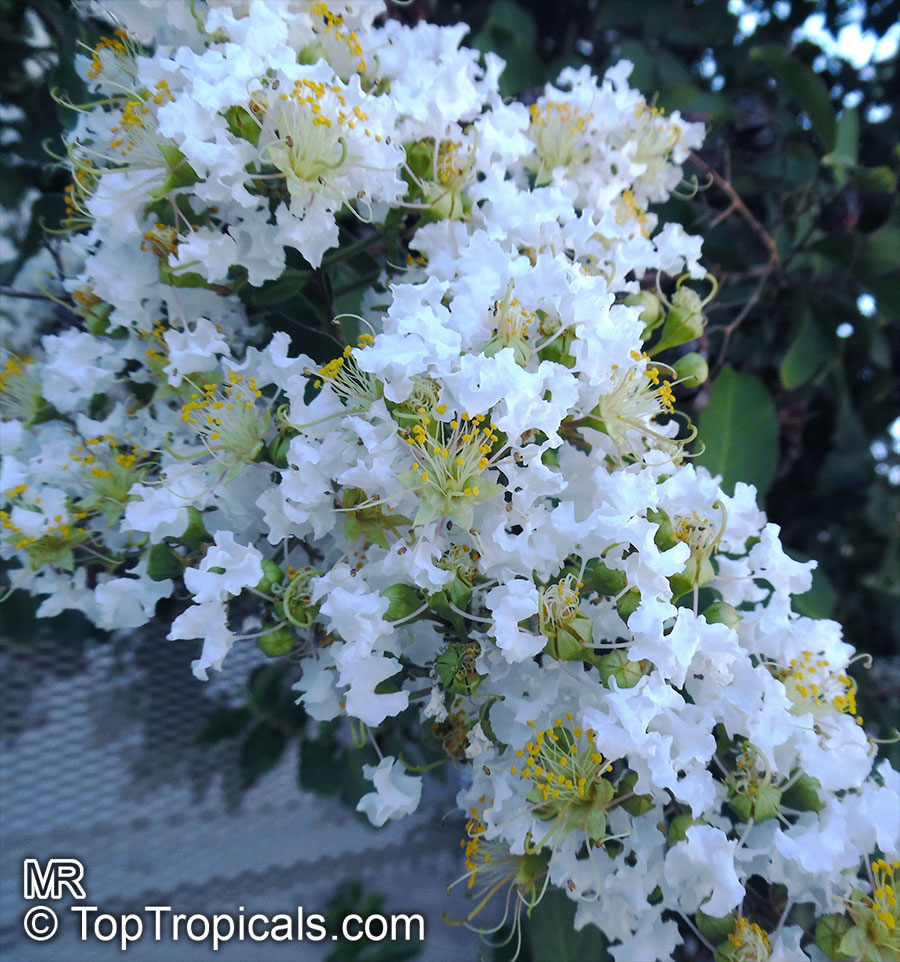
Lagerstroemia indica (Crape Myrtle) is a large shrub that can grow up to 5-10 feet tall, or a small tree that can reach between 10-20 feet in height. It is native to Australia, Asia and the Pacific. This deciduous plant is a great choice for gardens as it blooms for a long period of time, from 3-4 month and the profuse flowering begins even when the plant is very small. The flowers come in shades of white, off-white, pink, blue, lavender, purple, red and crimson and have a light but sweet fragrance. They also attract hummingbirds and butterflies, making them an eye-catching addition to any garden.
This shrub prefers full sun and regular watering to really thrive. In USDA Zone 7-10. The plant is also tolerant of seaside and salt conditions, making it suitable to grow even in seaside gardens.
When growing Crape Myrtle in a pot, or in cooler climates, there are a few precautions that one should take. The pot should be well-draining and the soil should contain plenty of organic matter to keep it moist. In addition, the plant should be protected from strong winds and some shade should be provided during the hottest parts of the day.
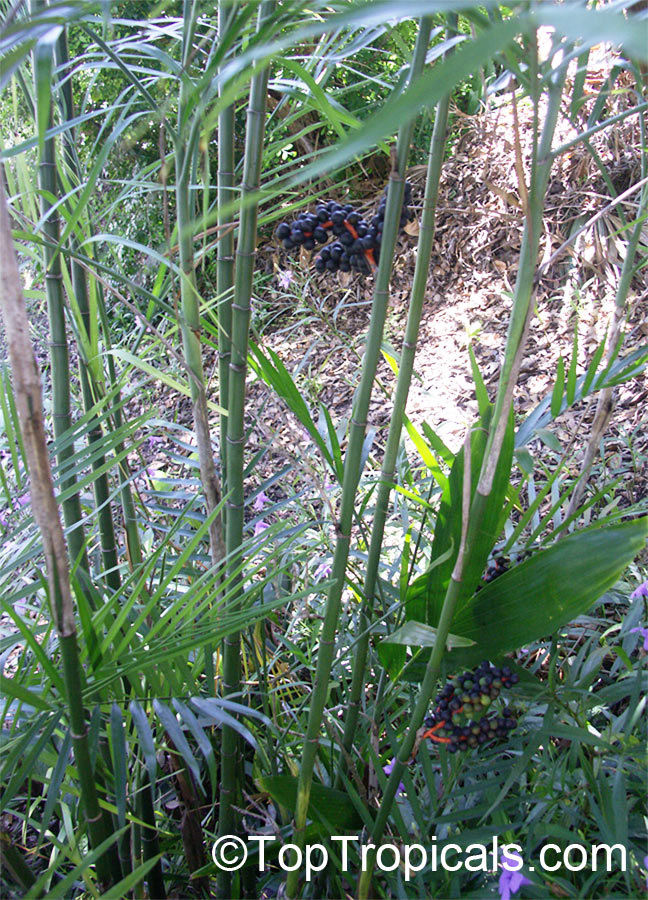
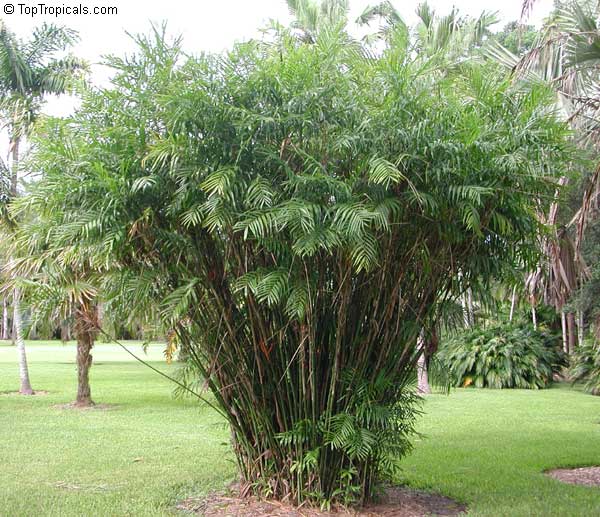
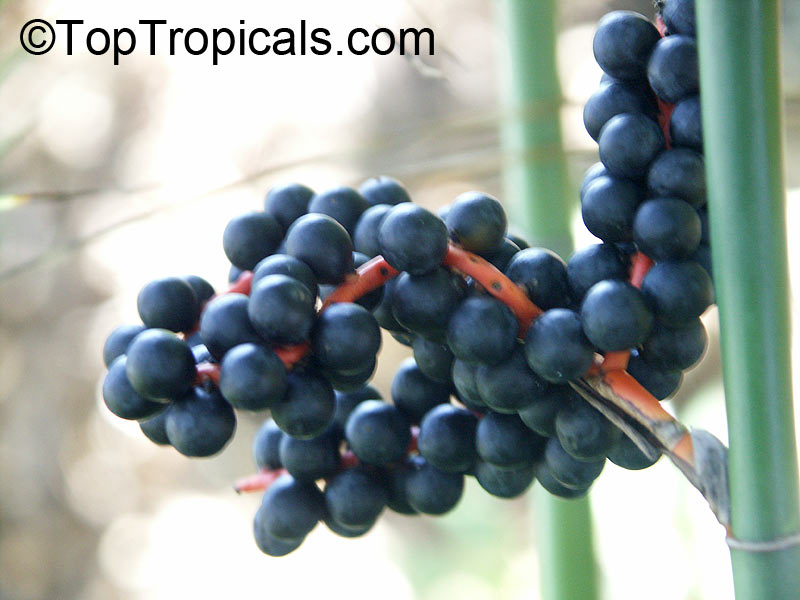
Botanical names: Chamaedorea seifrizii, Chamaedorea erumpens
Common name: Bamboo Palm
Family: Arecaceae / Palmae
Origin: Mexico, Belize, Guatemala, Honduras


This attractive indoor palm produces long bamboo-like canes which in time form a tall, columnar shaped plant, perfect for today's interiors. In common with other chamaedoreas it tolerates low light well, requires a rich soil with an abundance of water and is generally reliable, and exceptionally easy to look after. Keep it out of direct light, feed during the growing season, and keep the soil slightly moist all the time.
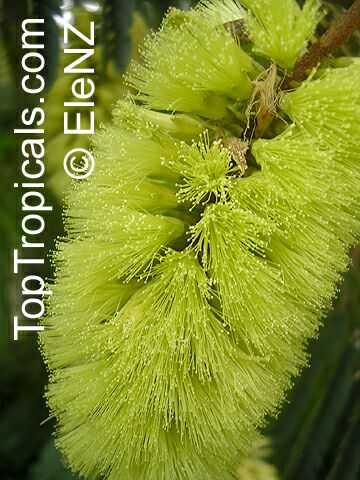
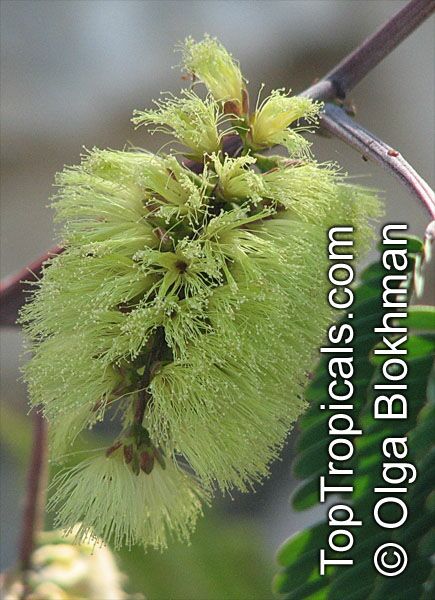
Botanical names: Paraserianthes lophantha, Albizia lophantha
Common names: Cape Leeuwin Wattle, Crested Wattle
Family: Fabaceae
Subfamily: Mimosoideae
Origin: Western Australia


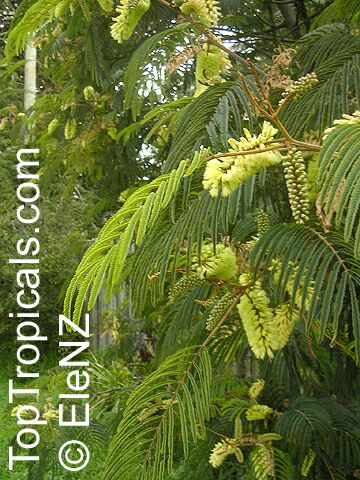
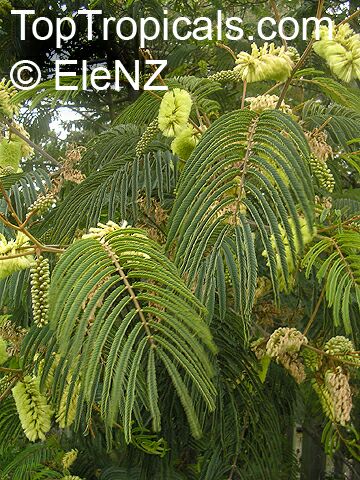
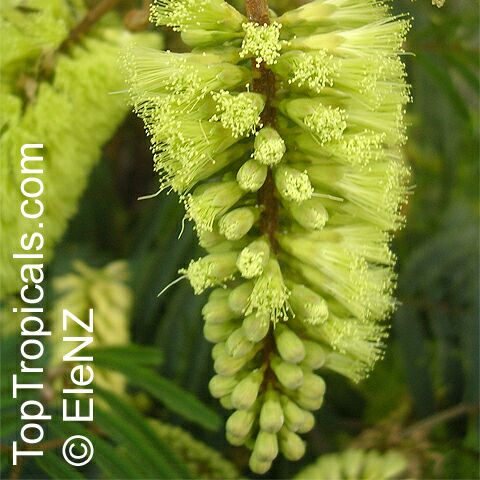
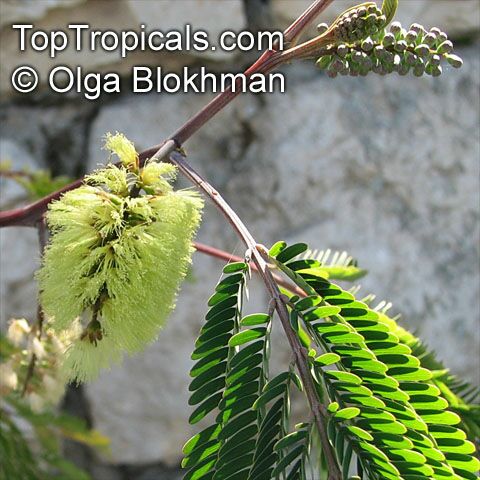
It is an attractive small tree to about 8m, very fast growing, especially in coastal areas, with long (up to 20 cm) bipinnate leaves. The greenish yellow flowers appear in early June and flowering continues through the winter months and into September. These are followed by dark seed pods up to 10 cm in length. The tree flowers from an early age and because of its quick growing habit makes good cover for other species.
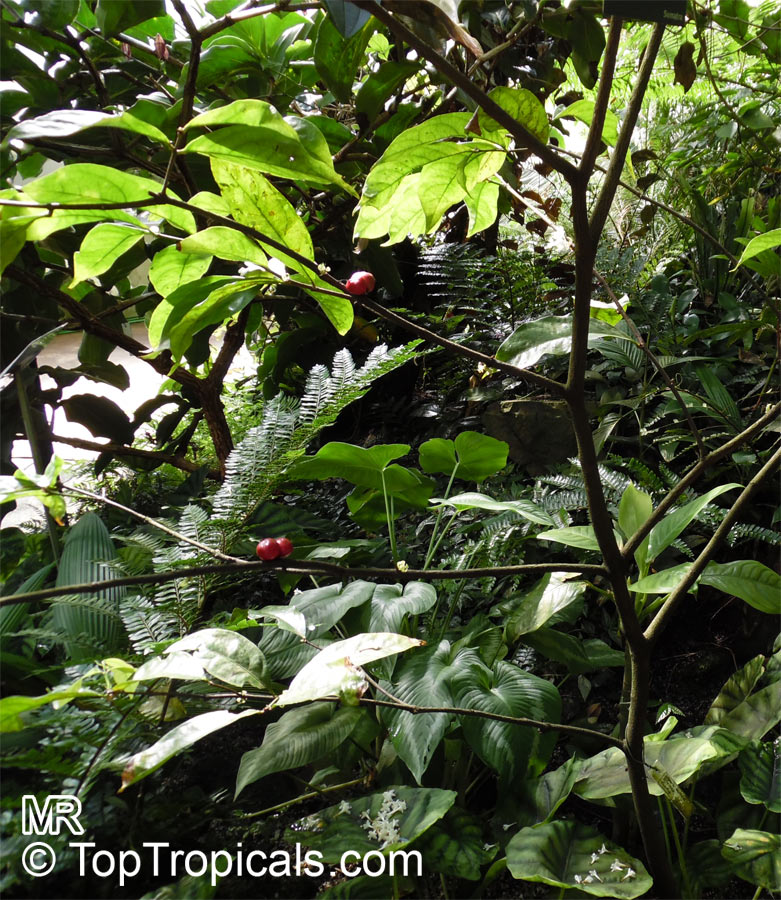
Botanical name: Phaleria sp.
Common name: Scented Daphne
Family: Thymelaeaceae
Origin: New Guinea, Indonesia, Australia

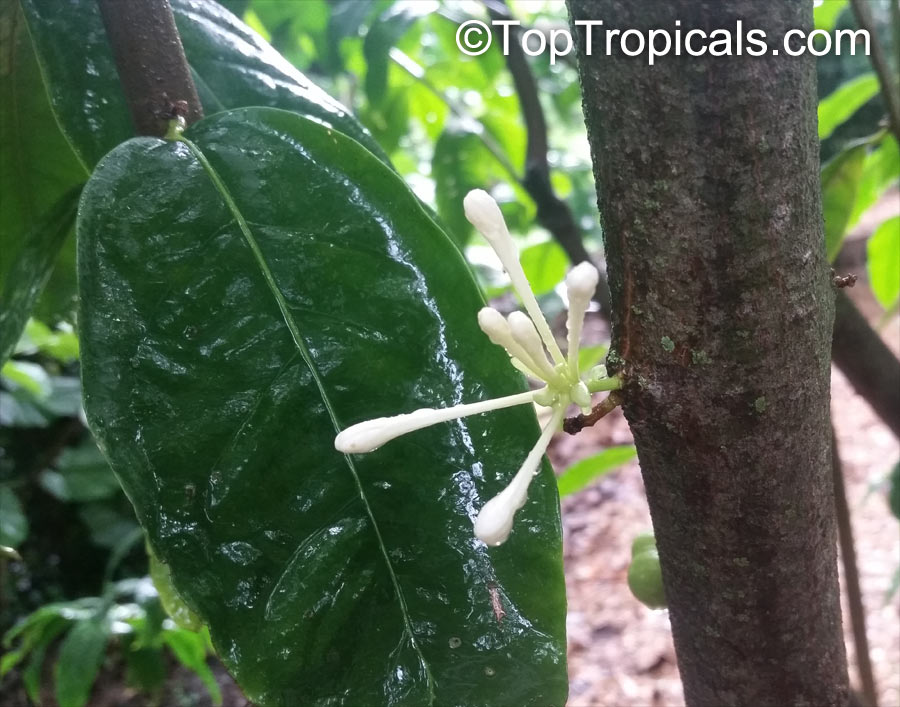
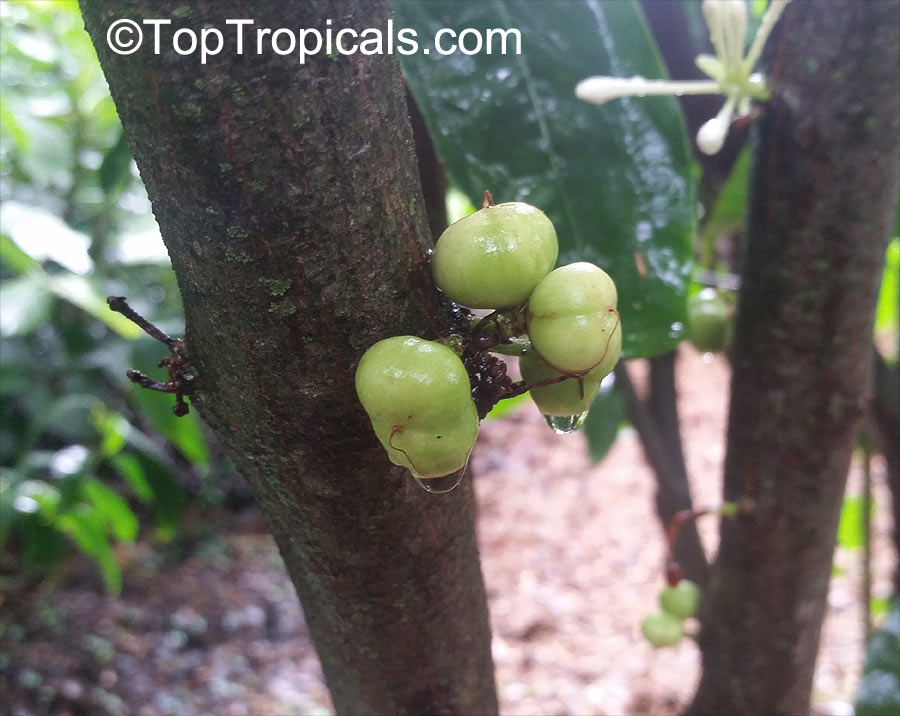
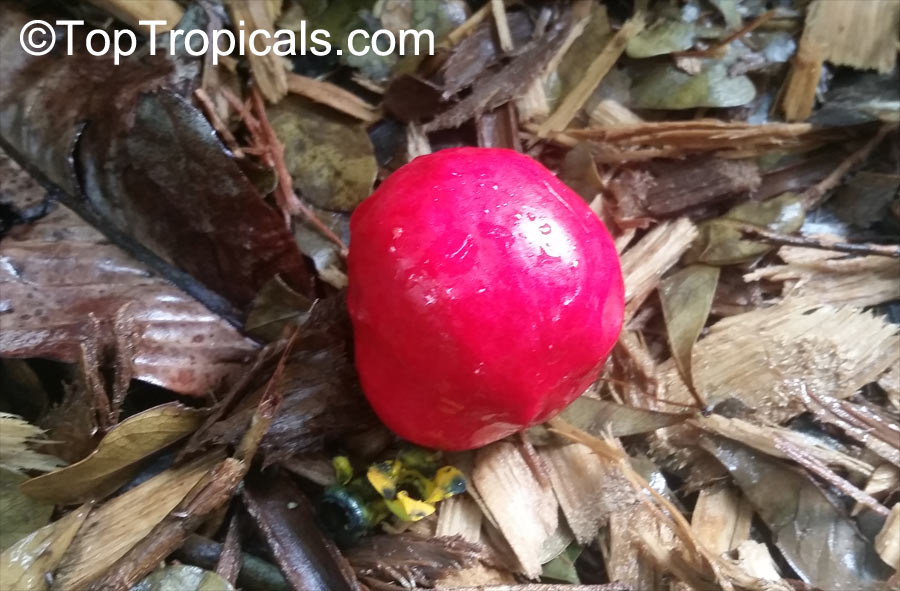
It is a large bush or small tree that can reach up to 10 to 20 feet in height. It is native to Indonesia, Australia, and New Guinea and is a popular garden ornamental and ethnomedical plant.
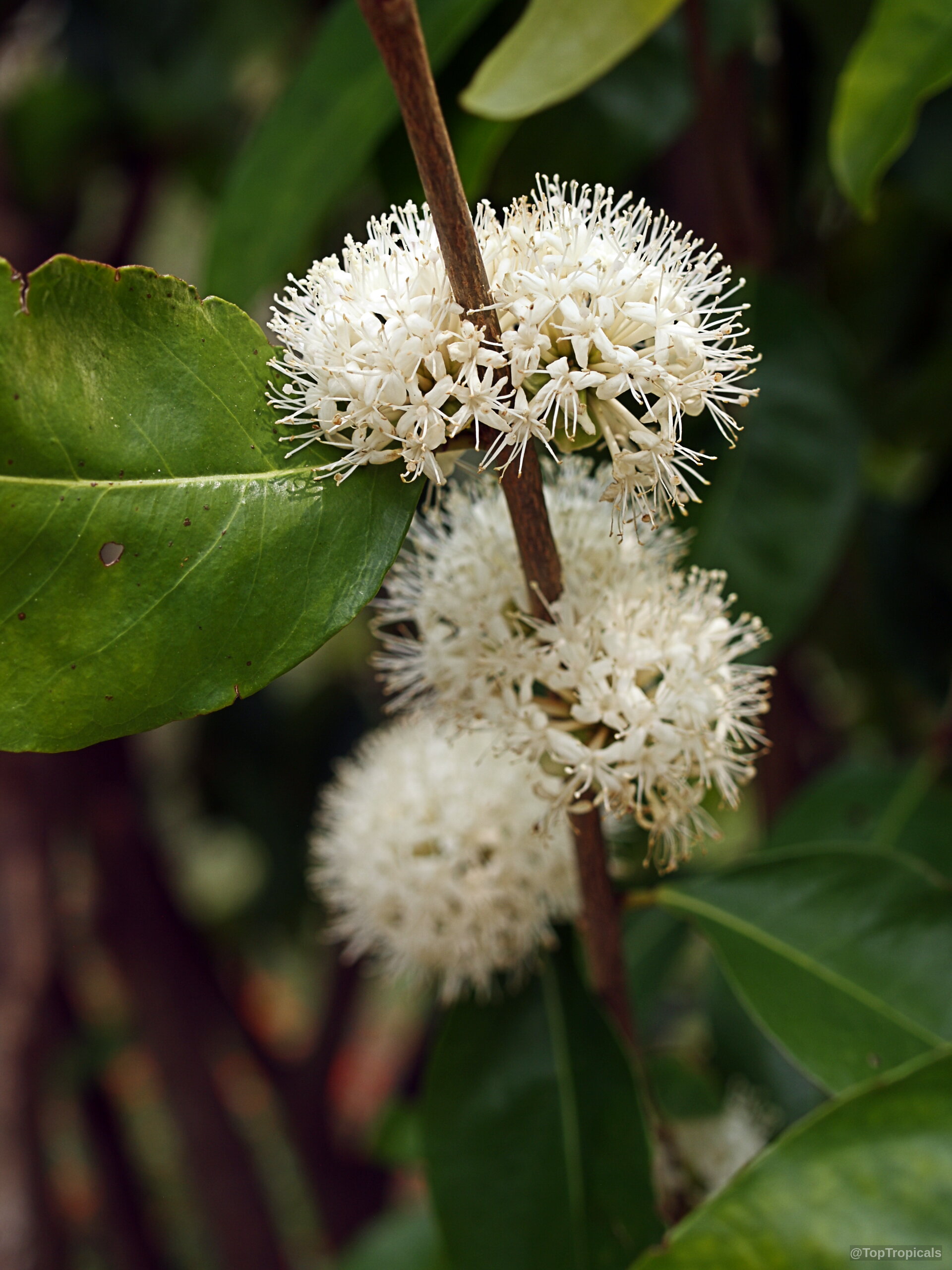
The foliage of Phaleria is dense and glossy, and the plant can be either cultivated as a shrub, usually reaching 5-10 ft tall, or as a small tree, growing up to 10-20 feet in height. It produces white to off-white fragrant flowers, which can be seen primarily in the summer months. Depending on the location, it grows best in full sun or semi-shade, and requires regular water.
Phaleria can be grown in USDA zones 9-11 with great success. In areas where there are cooler temperatures, it is beneficial to grow the plant in a pot, as this will give it greater protection from the cold winters. Plant the shrub or tree in a soil that is well drained and add a layer of mulch over the top of the soil in order to improve its water retention rate. When planting, it is important to ensure that the plant has enough room to grow and not be feel cramped by its pot.
To ensure that Phaleria remains healthy and flourishing, it is recommended to trim them regularly and remove any dead foliage, as this will allow the plant to more adequately absorb sunlight and air. Additionally, fertilizer should be added to the top layer of the soil, which will provide extra nutrients and help maintain the plant'âs growth.
In conclusion, Phaleria sp. (Scented Daphne) is a fascinating and beautiful plant that can be easily grown with enough care and attention. With its fragrant white flowers and glossy foliage, it makes an excellent addition to any garden.
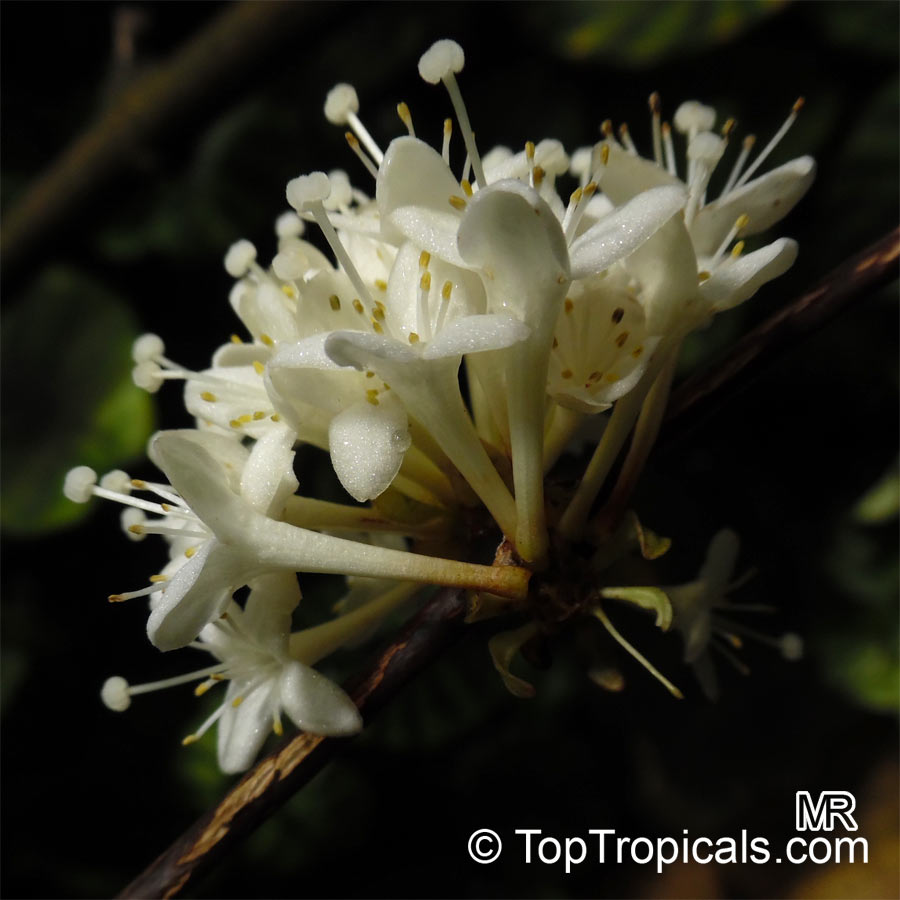
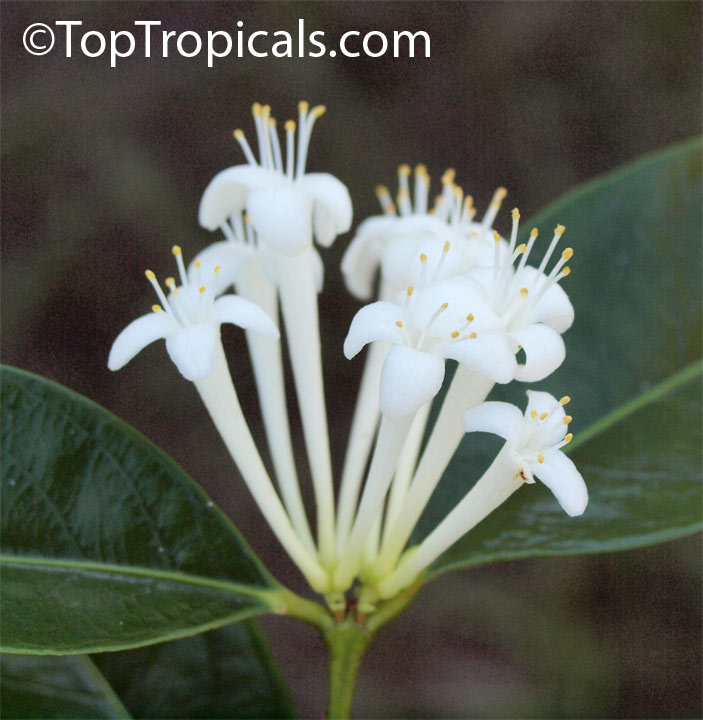
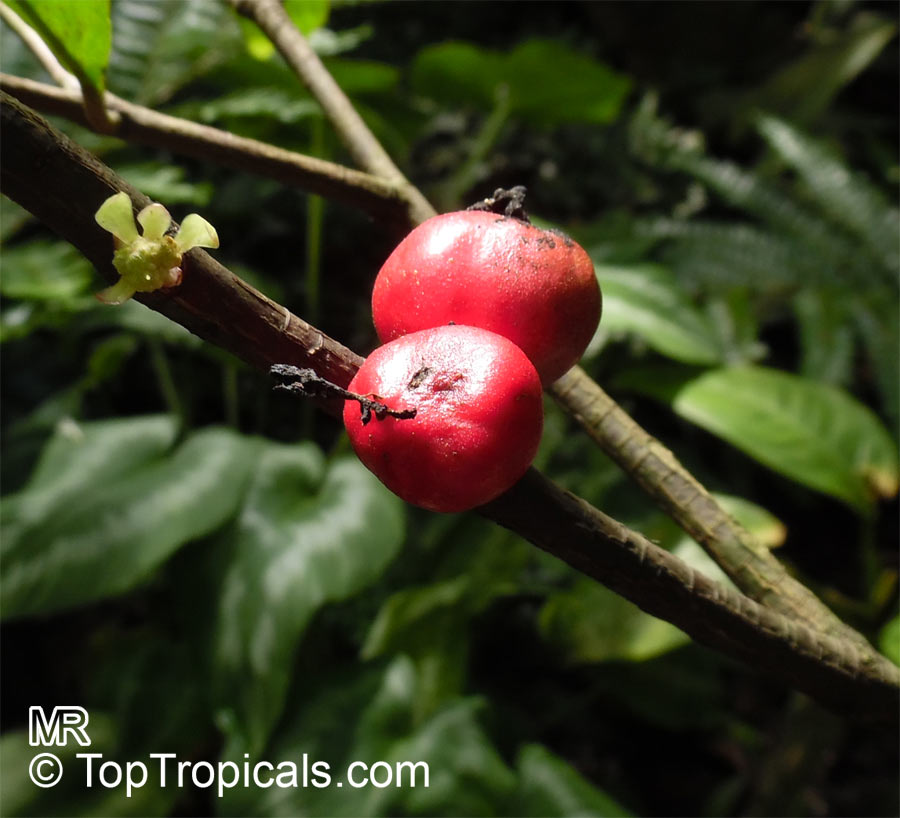
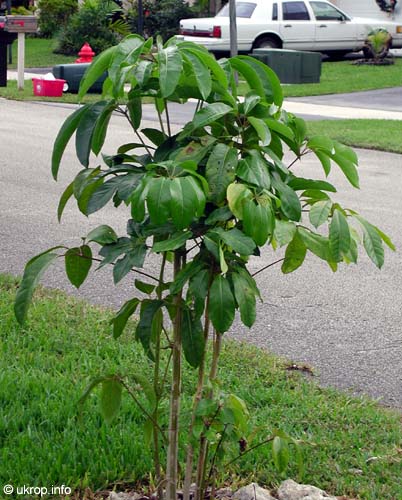
Botanical name: Schefflera digitata
Common name: Umbrella Tree
Family: Araliaceae
Origin: New Zealand

Schefflera digitata is a shrub with a much thinner habit in green leaves that have points rather than rounded.
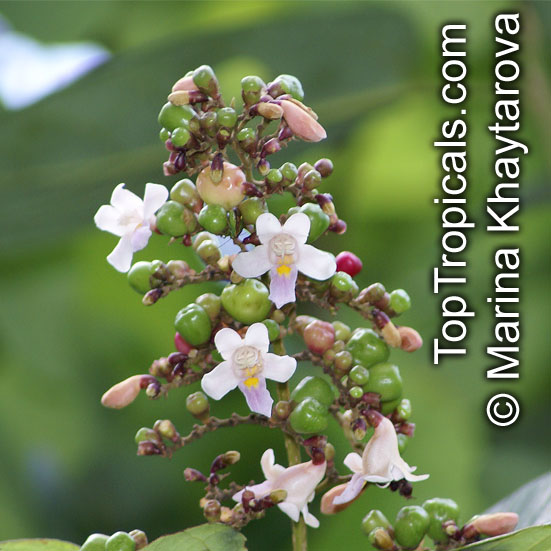
Botanical names: Gmelina macrophylla, Ephialis simplicifolia, Gmelina dalrympleana, Vitex dalrympleana, Vitex macrophylla
Common name: Grey Teak
Family: Lamiaceae
Origin: Australia, New Guinea
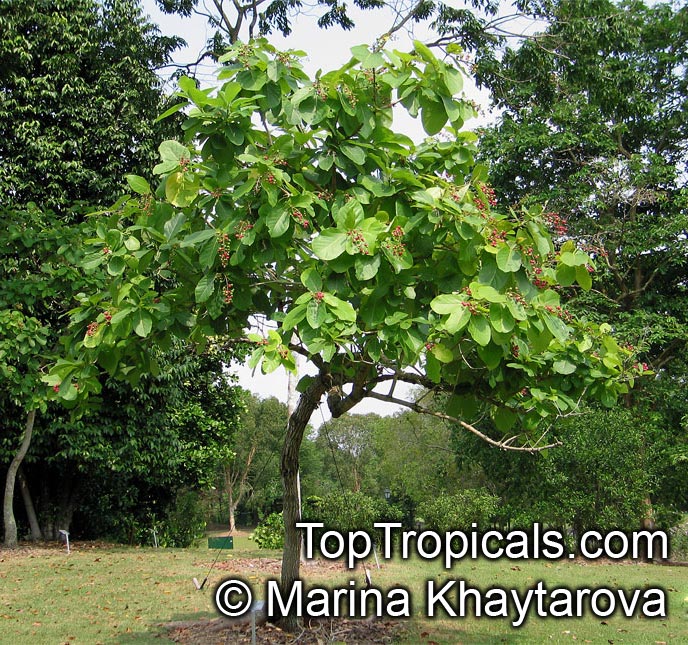
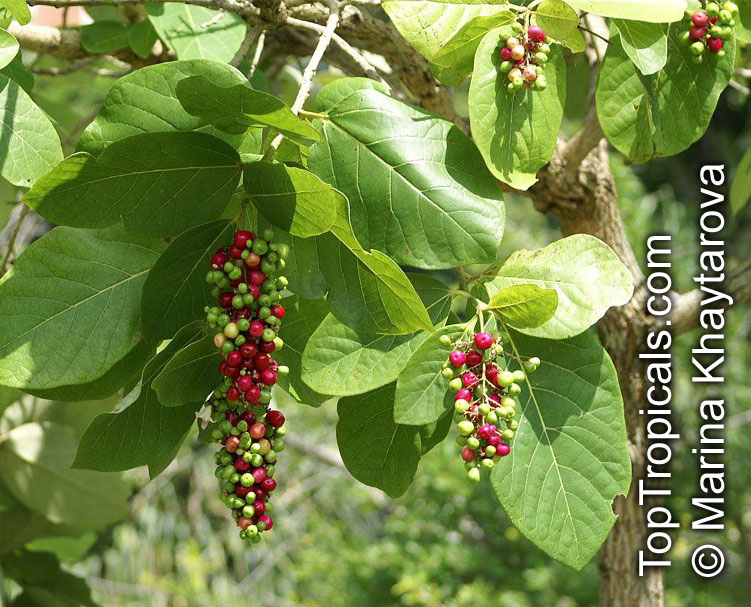
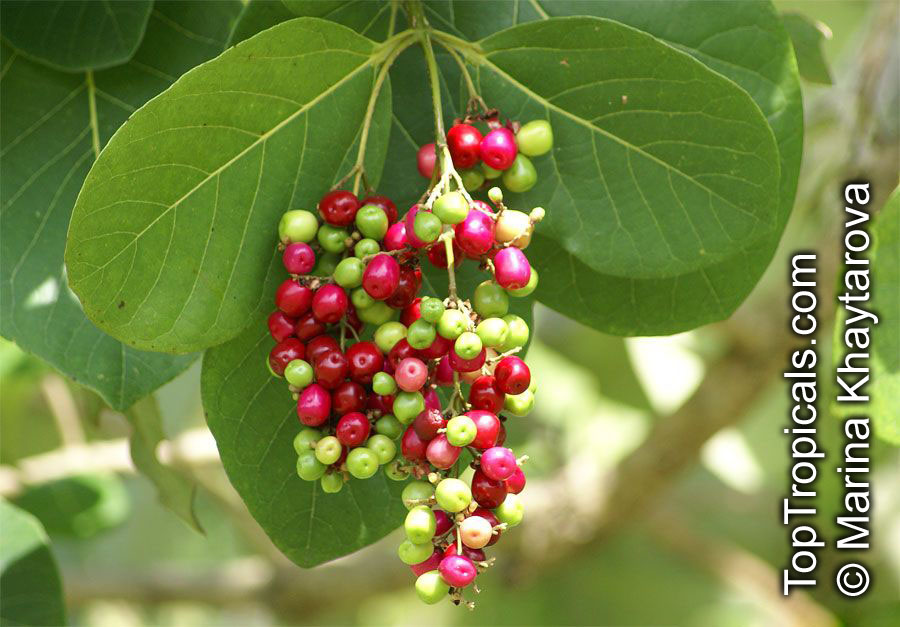
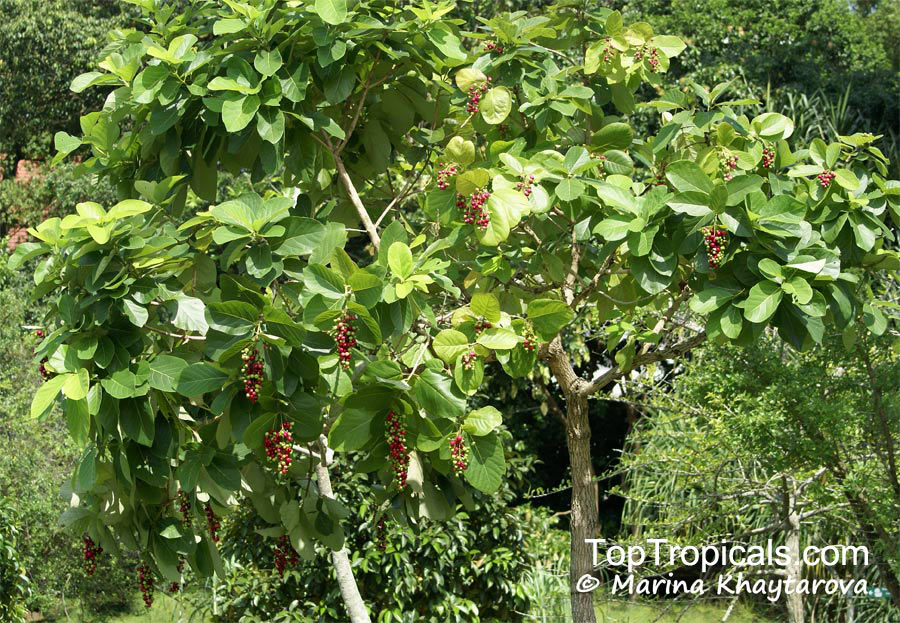
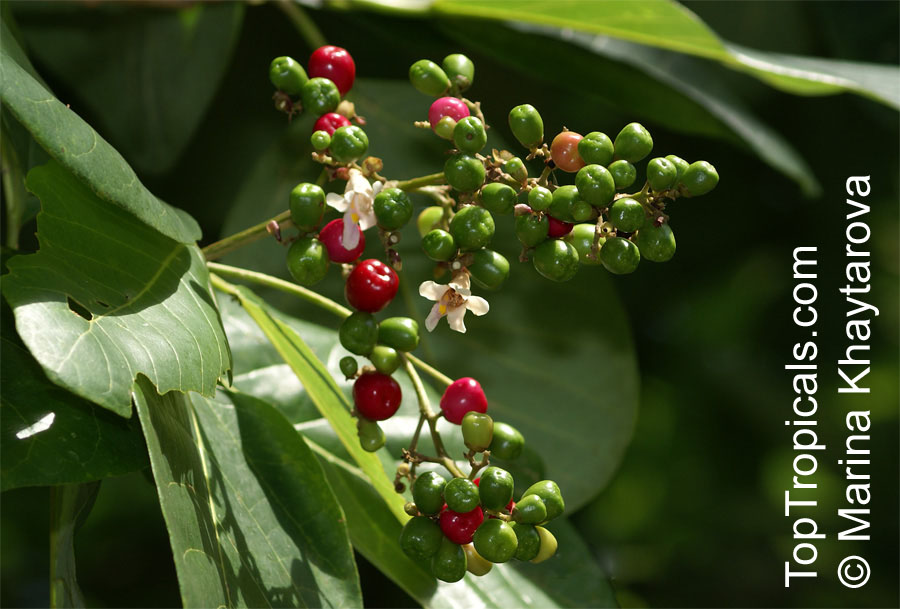
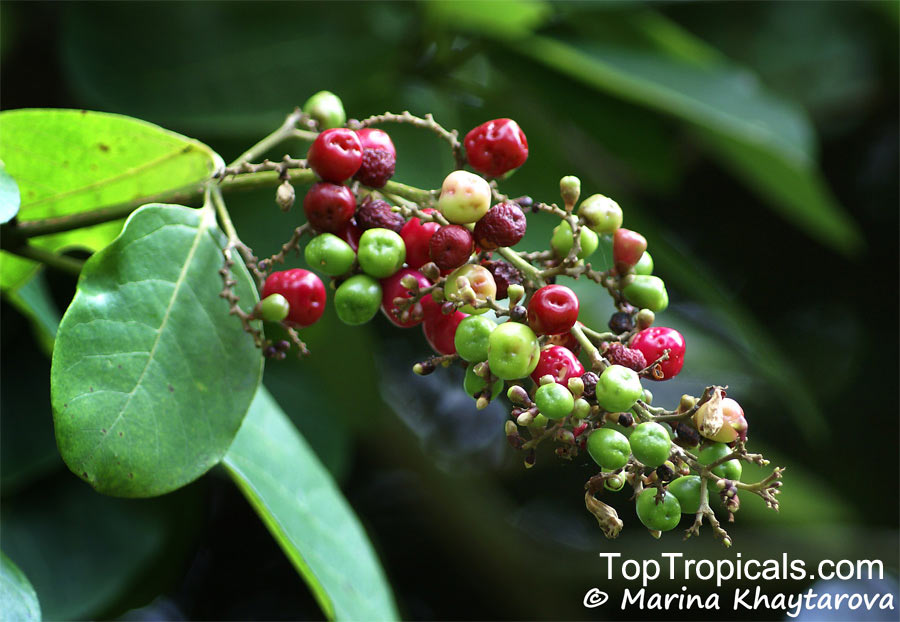
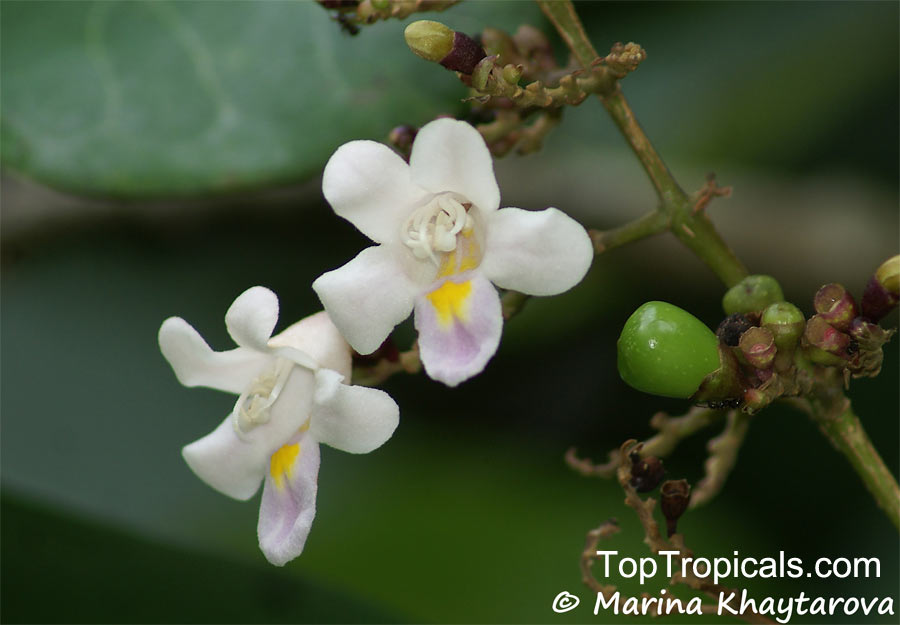
Botanical name: Psidium guajava
Common names: Honeymoon Guava, Honey Moon, Variegated Guajava
Cultivar: Variegata
Family: Myrtaceae
Origin: Tropical America

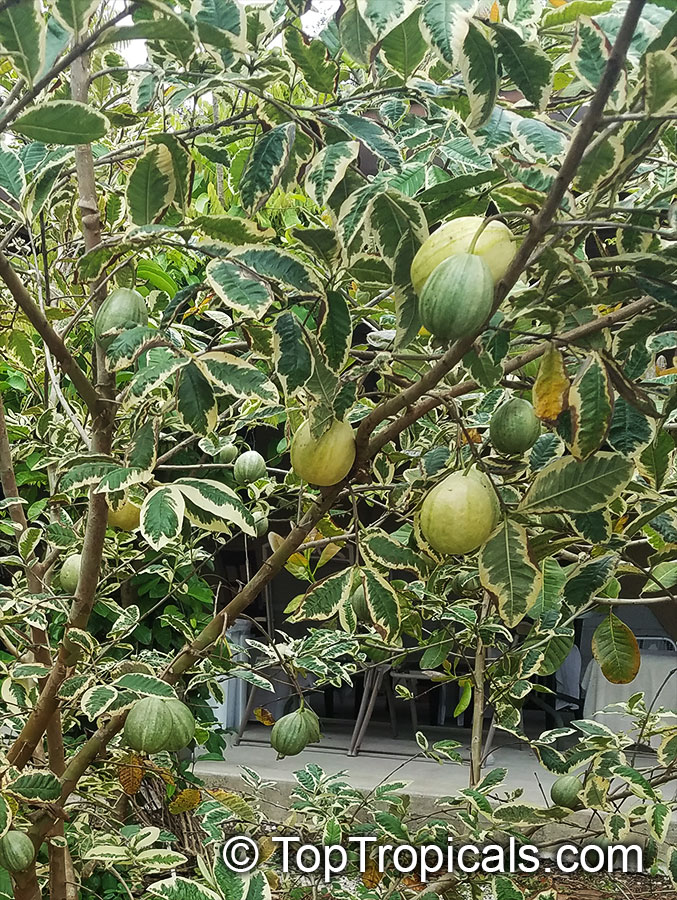
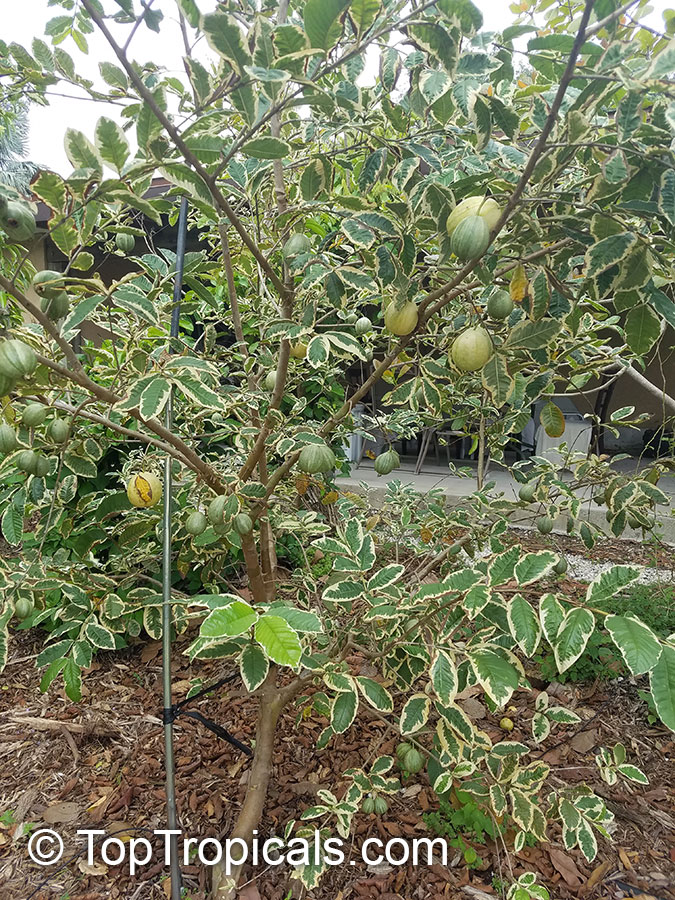
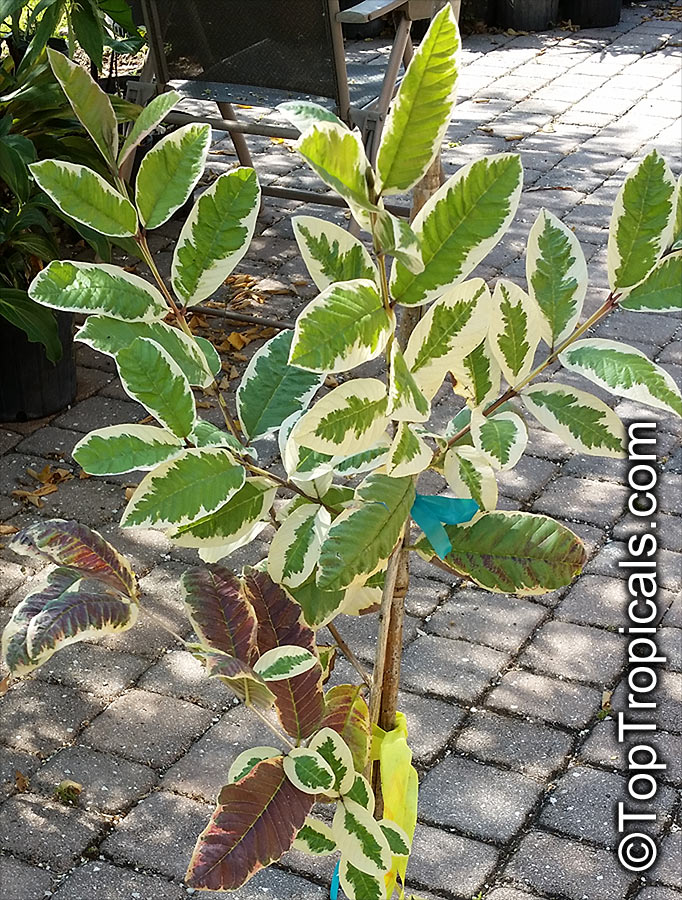
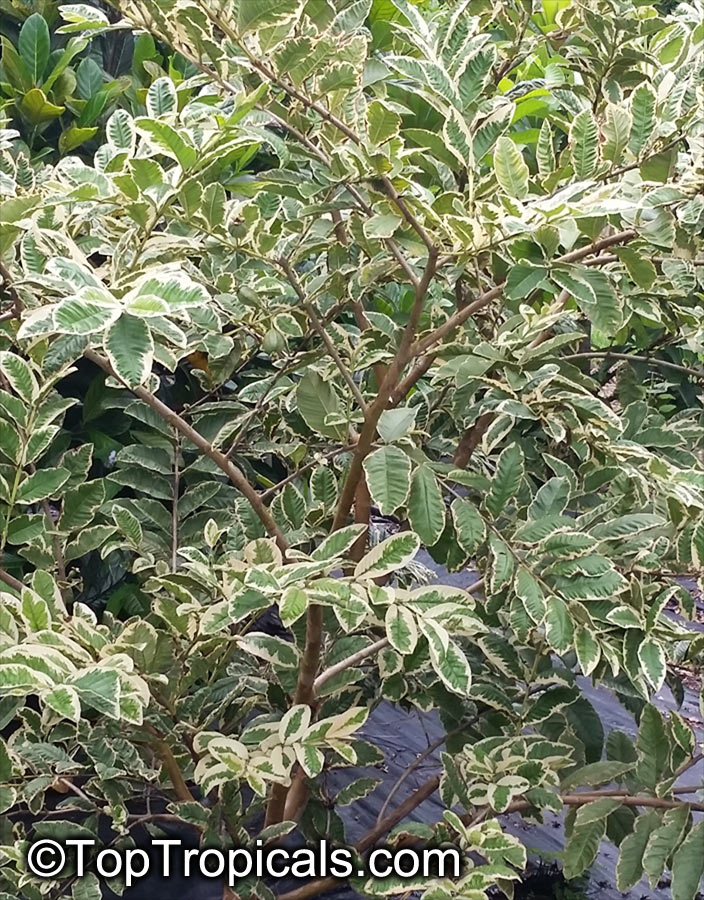
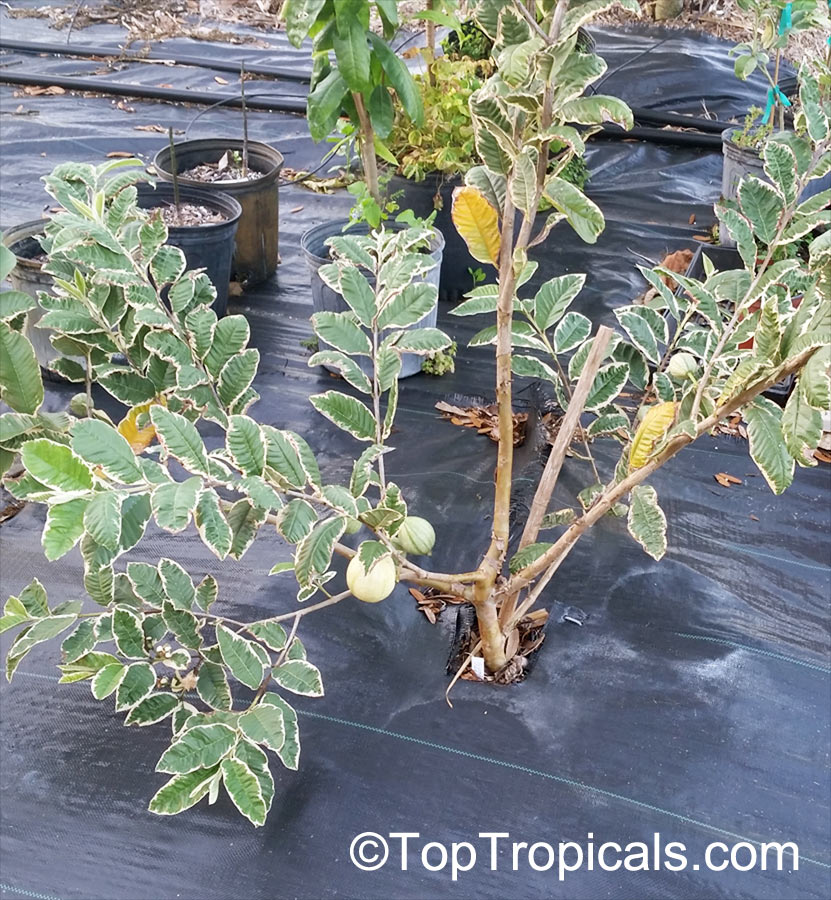
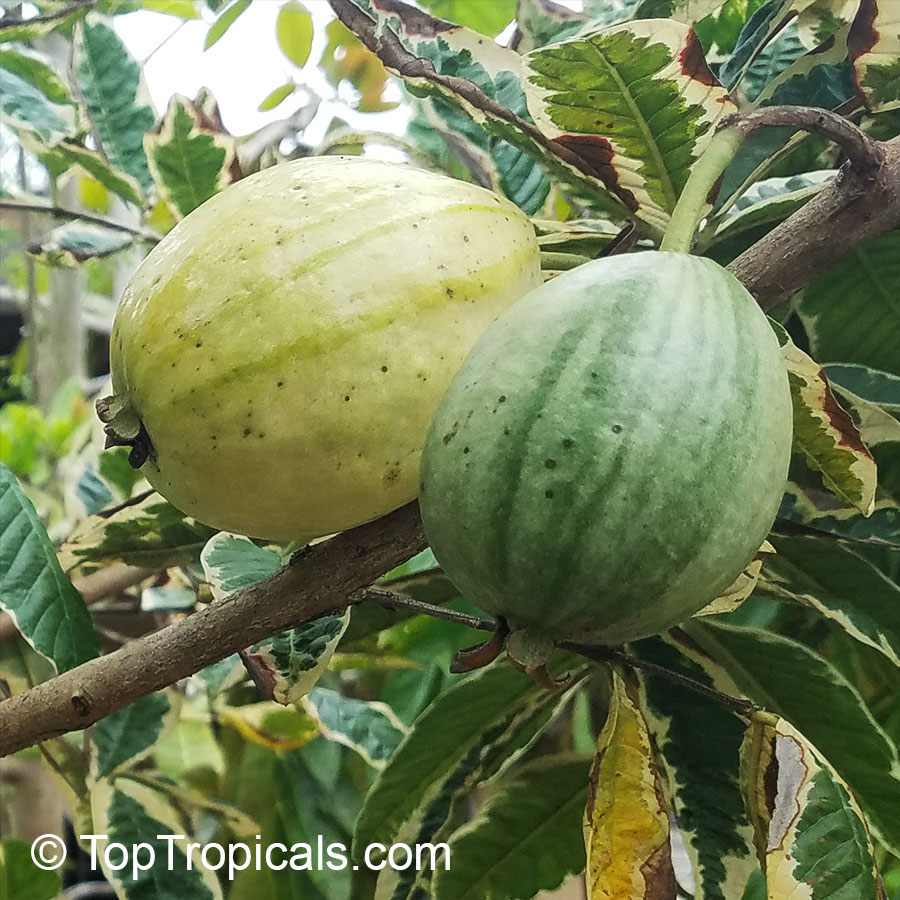
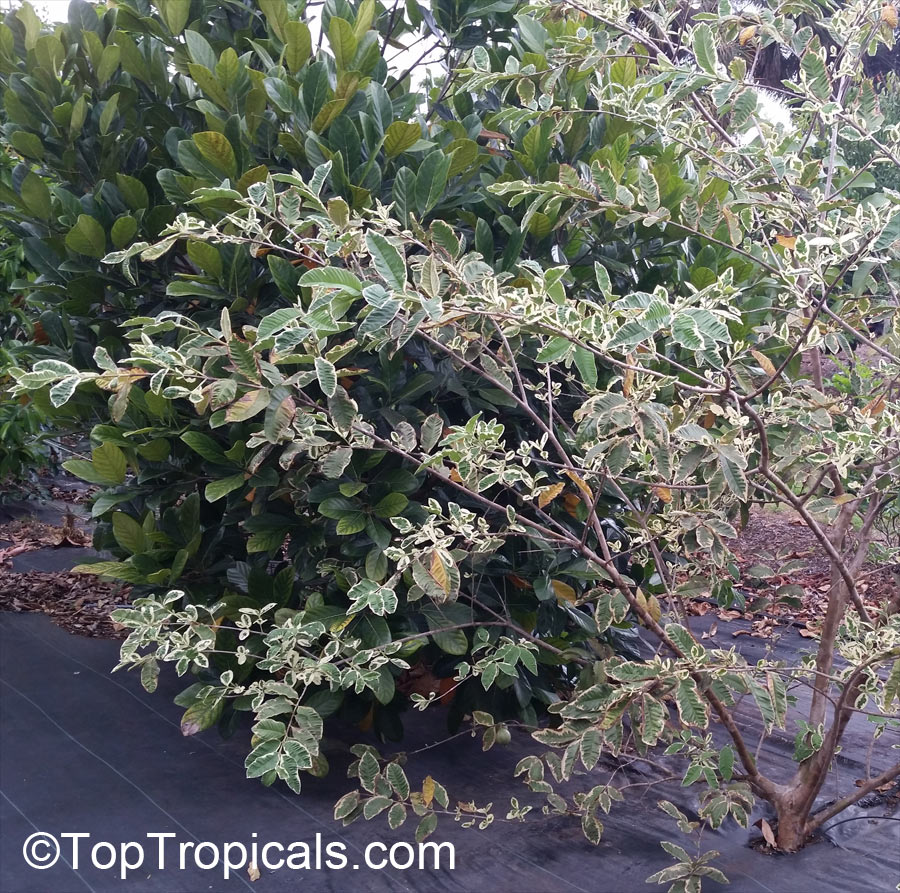
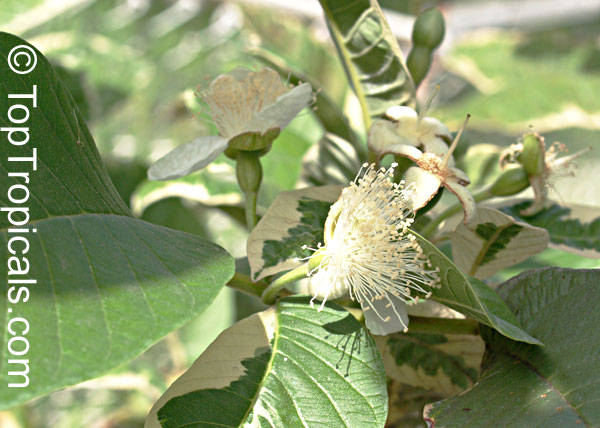
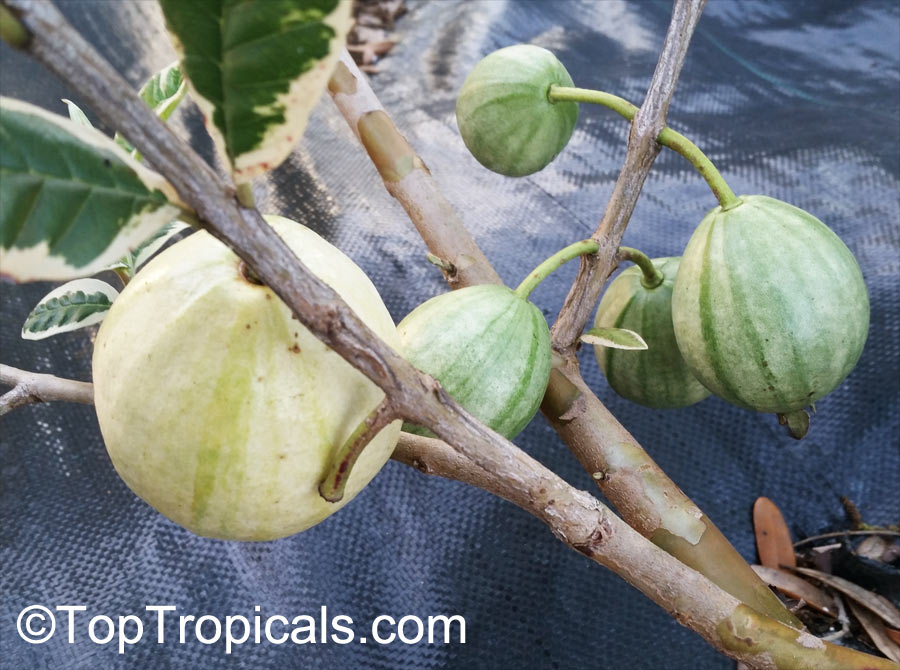
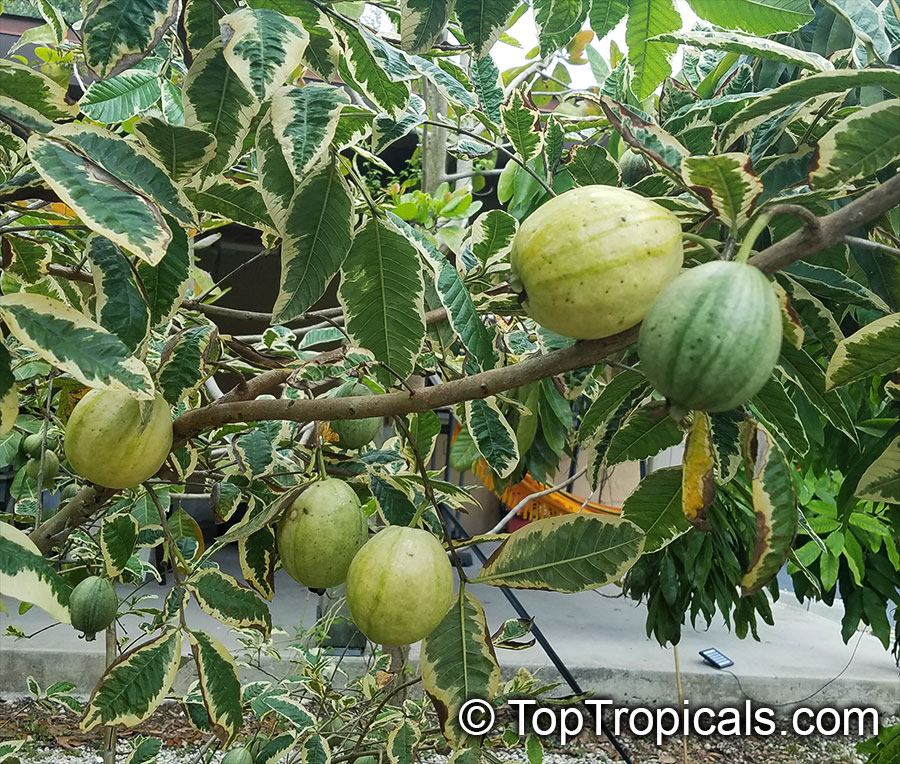
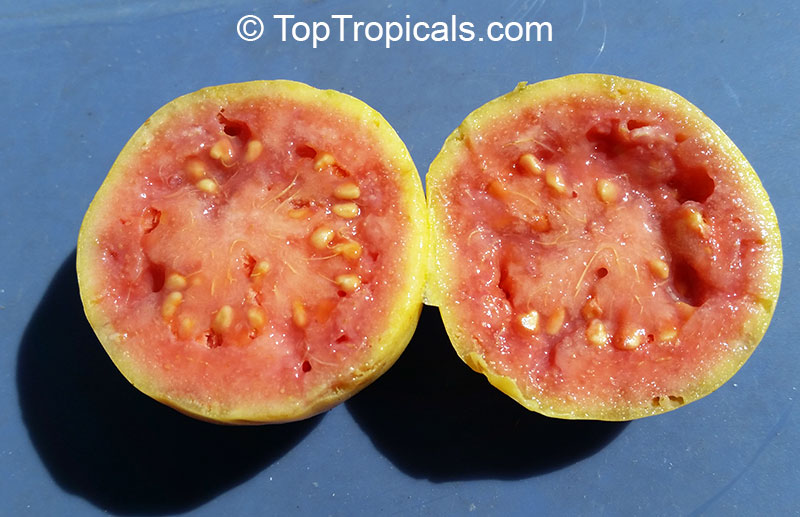
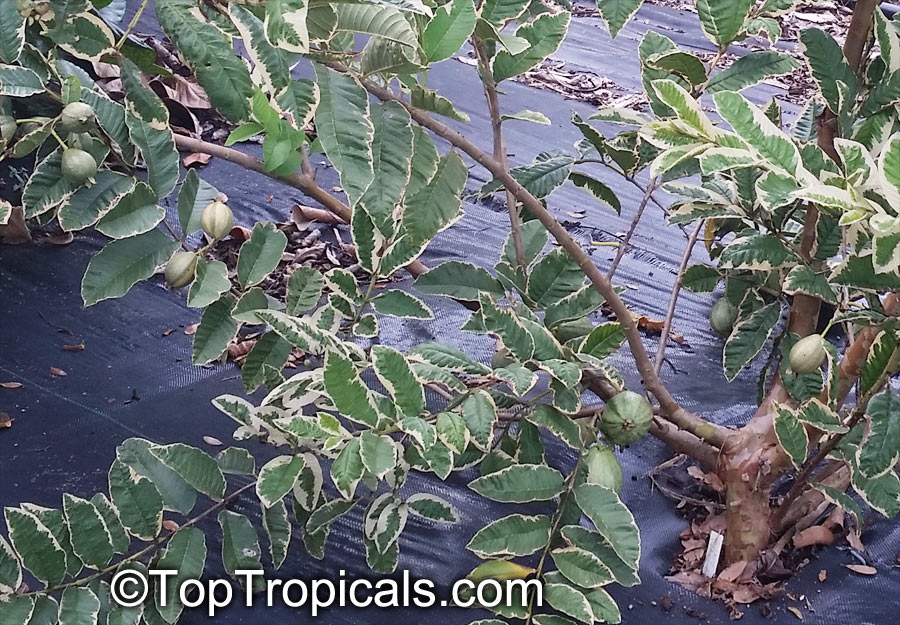
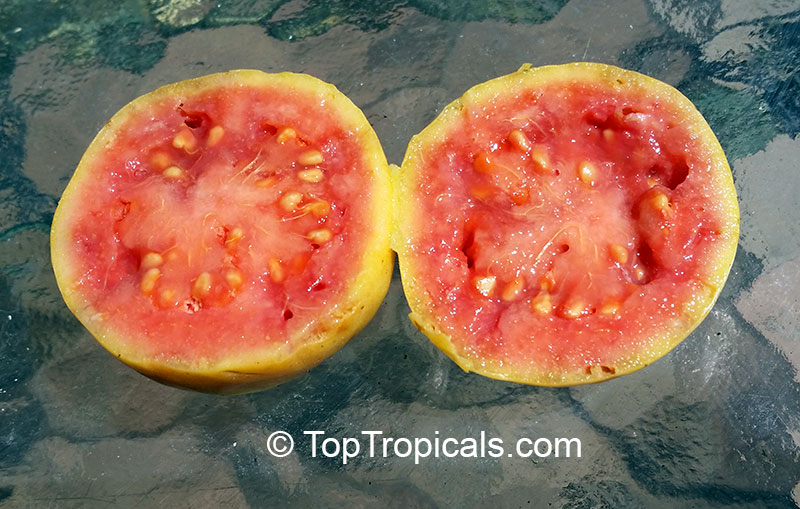
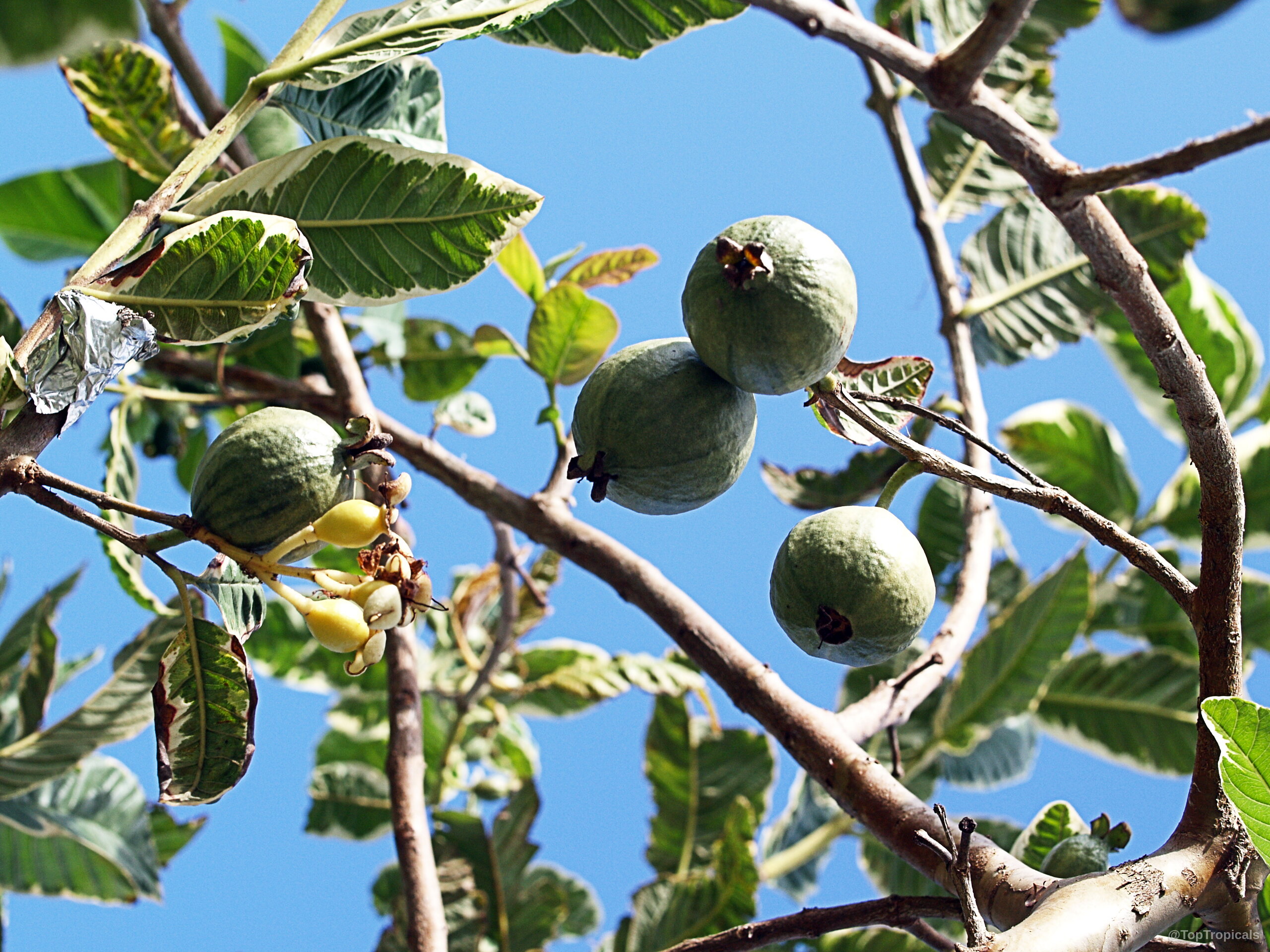
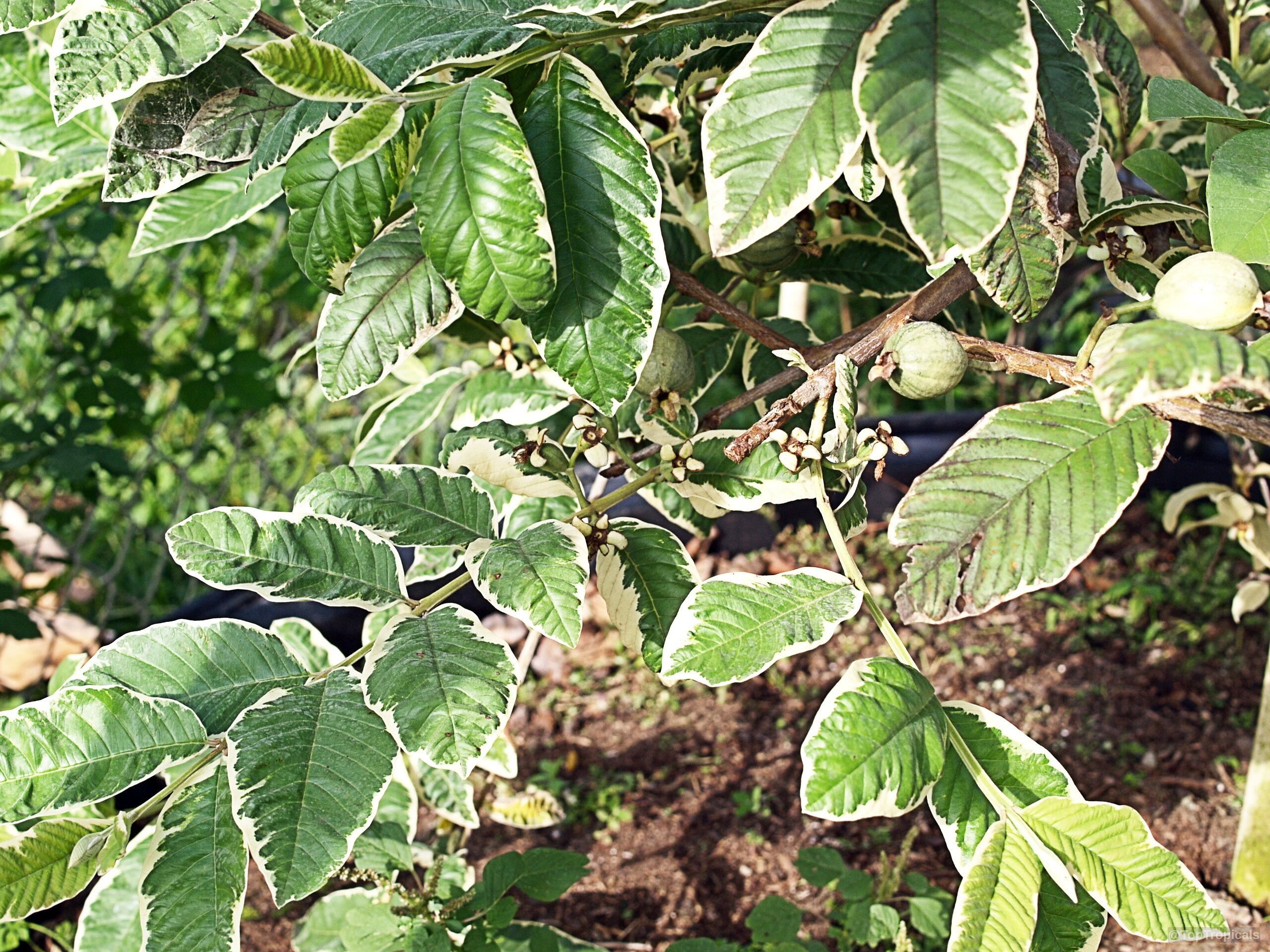
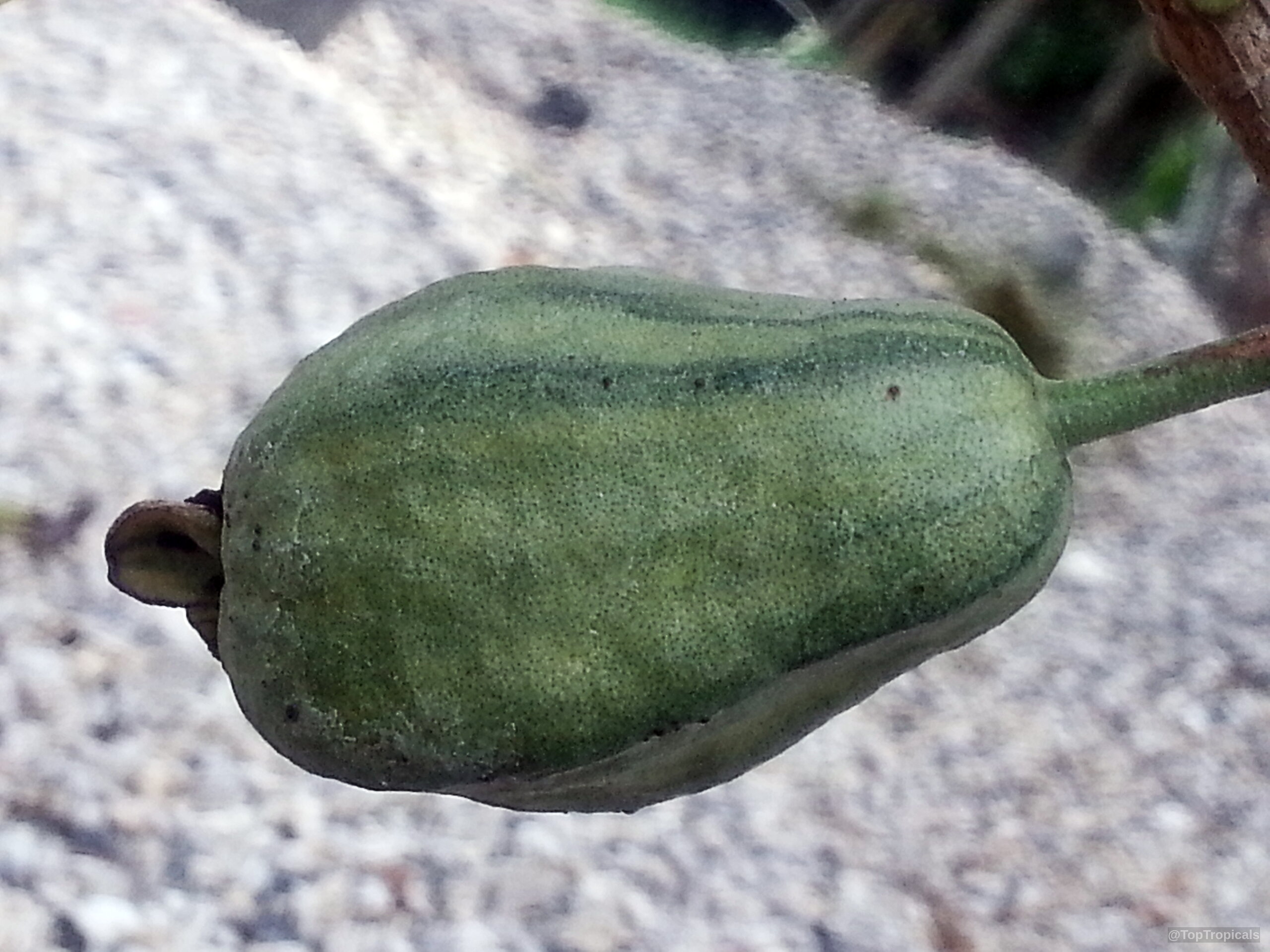
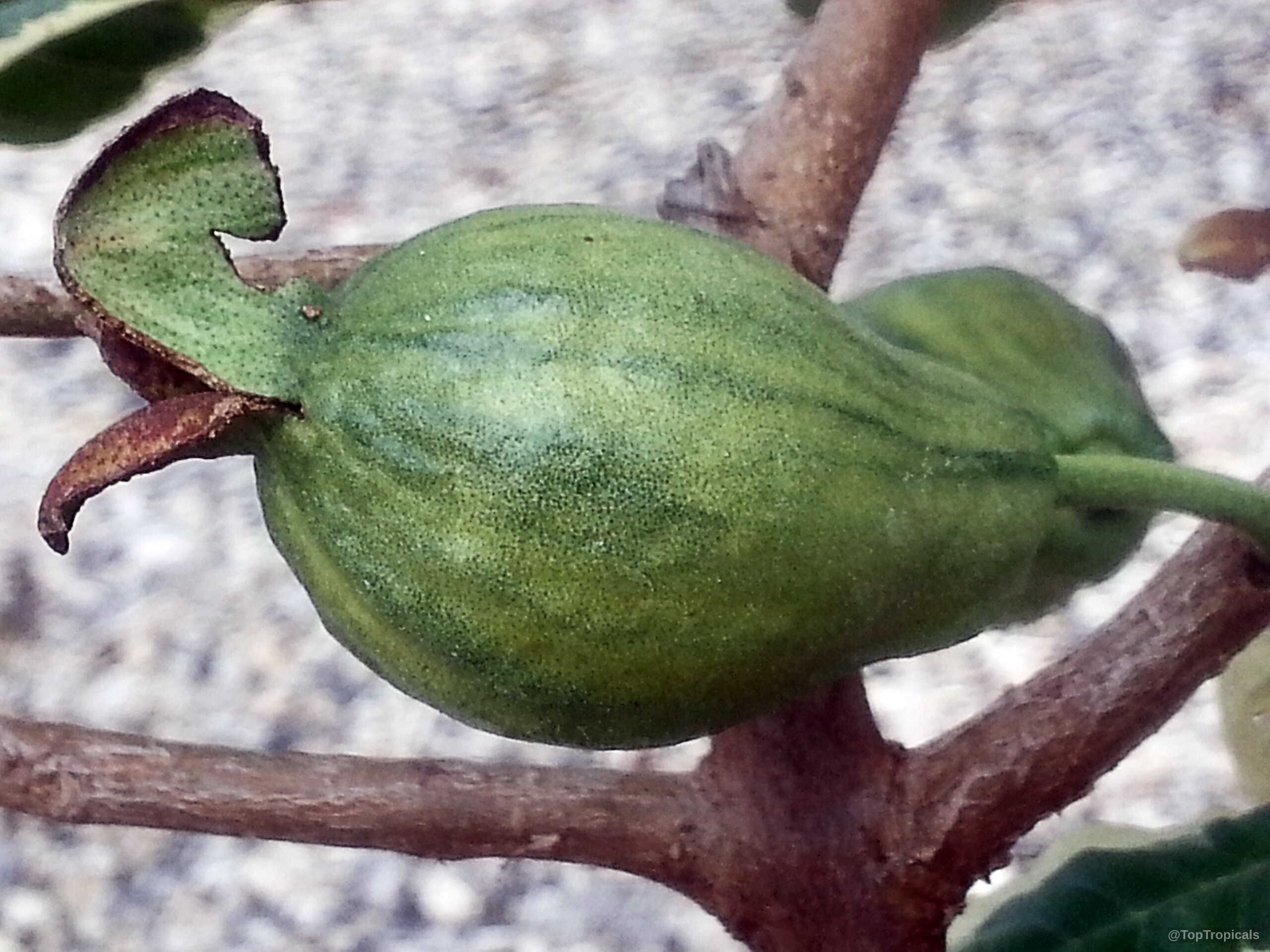
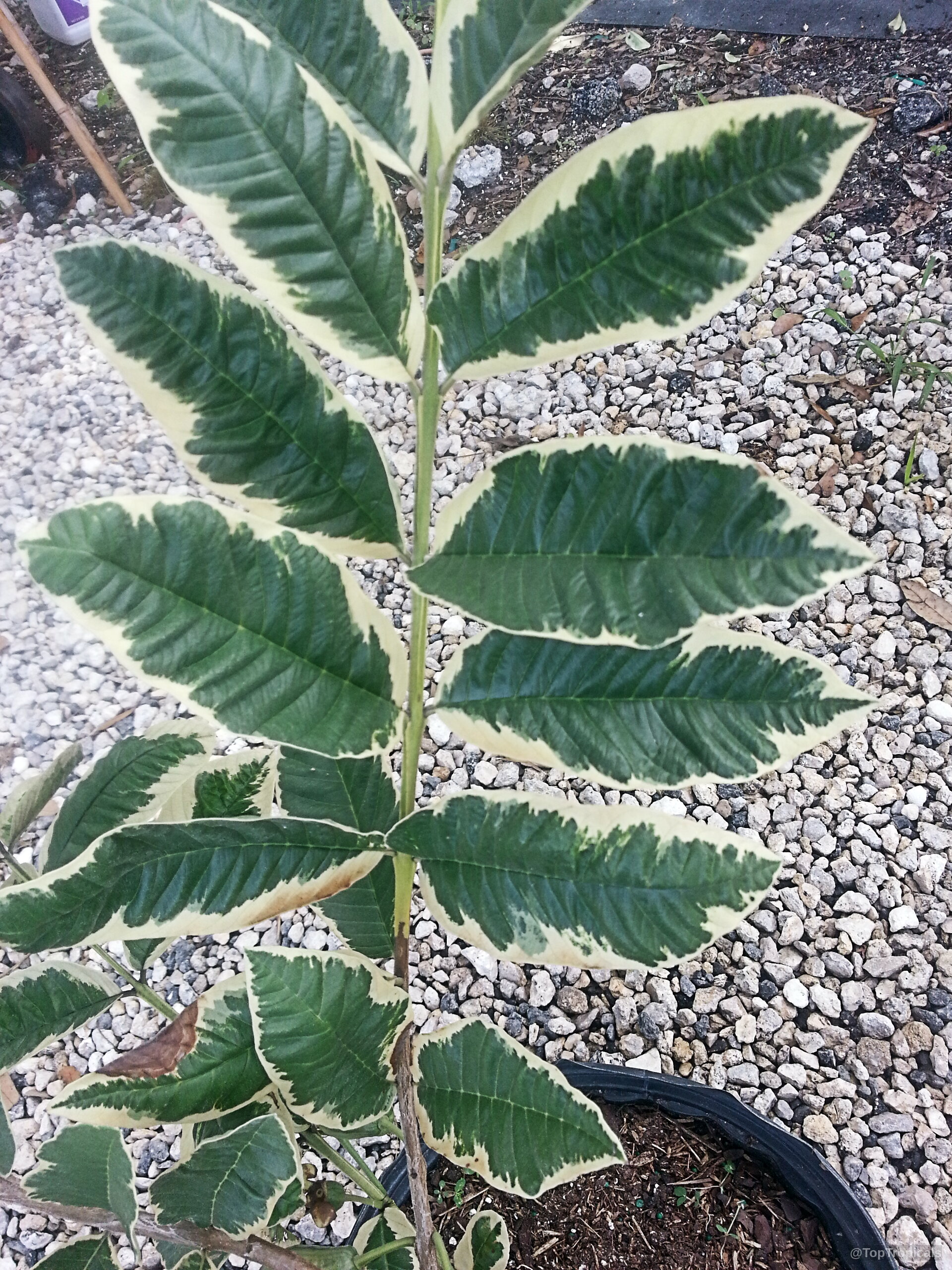
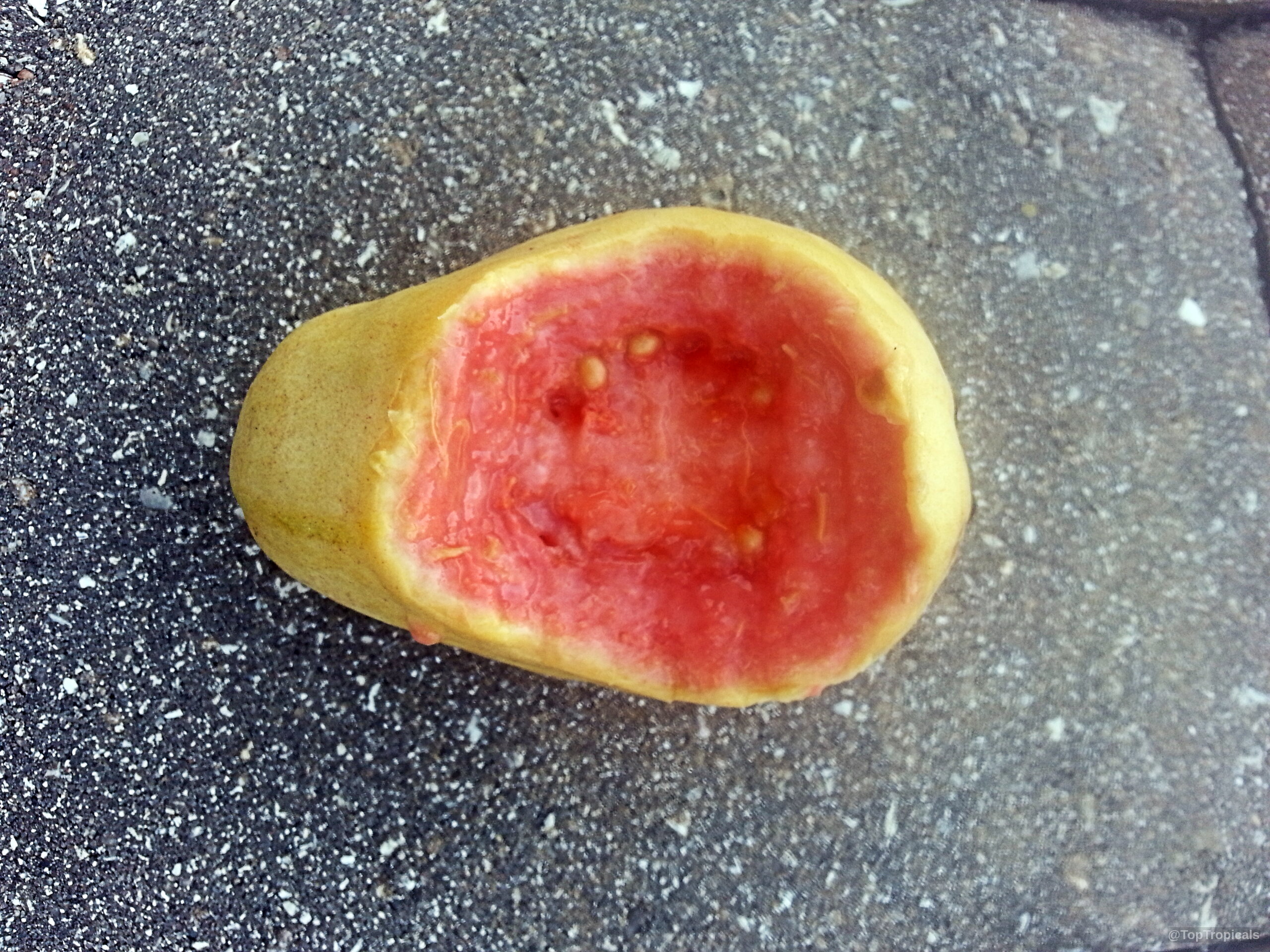
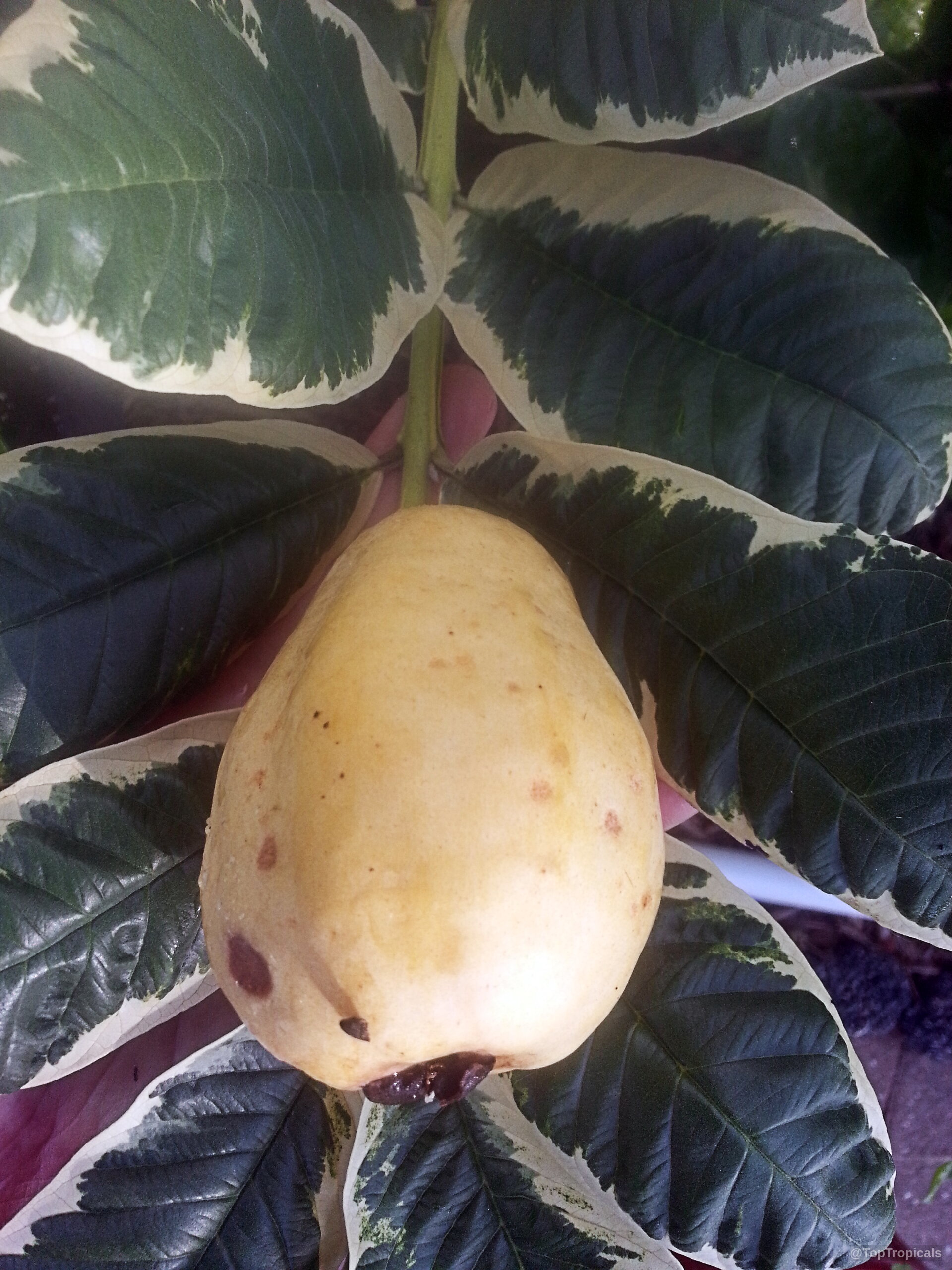
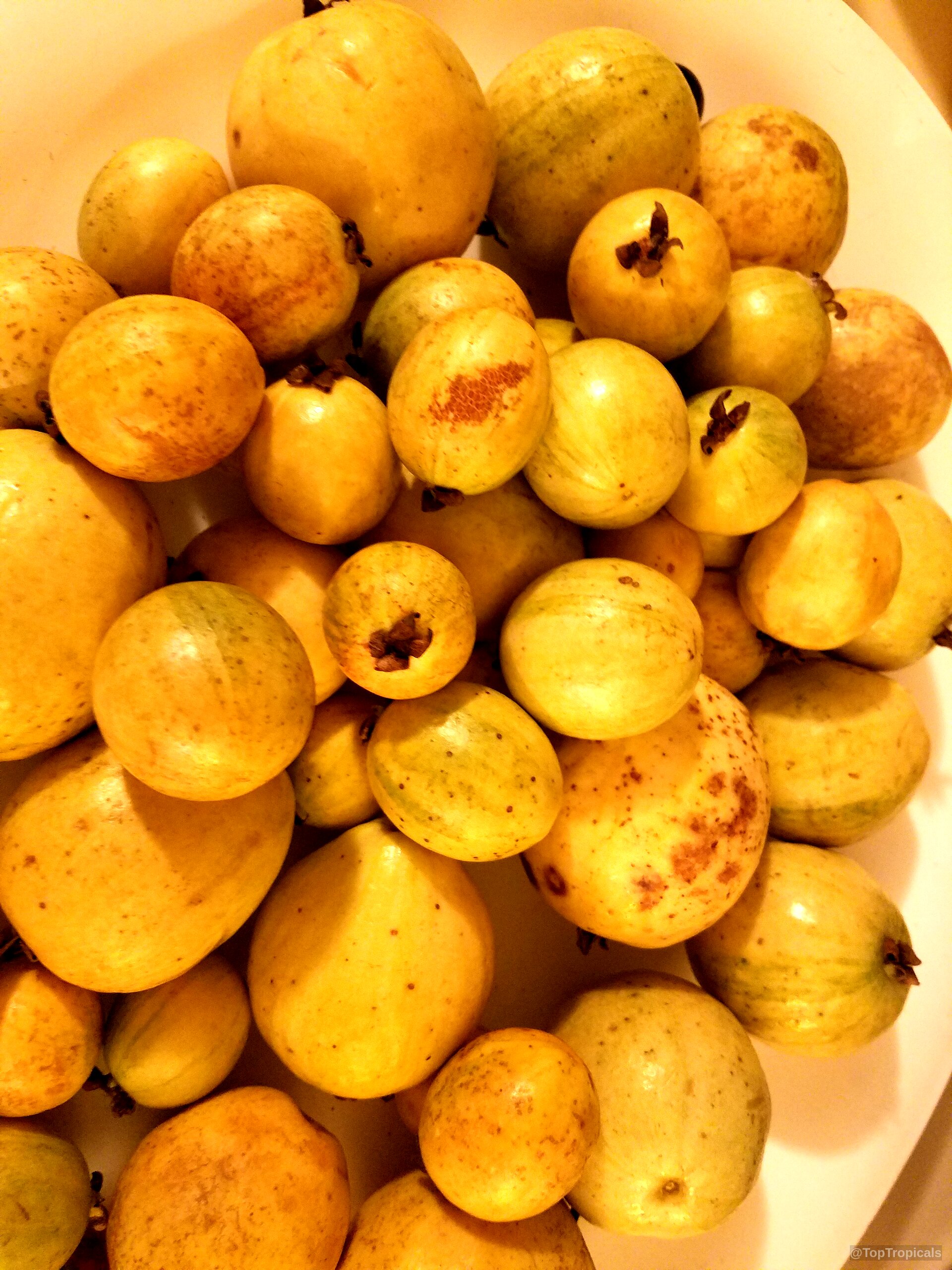
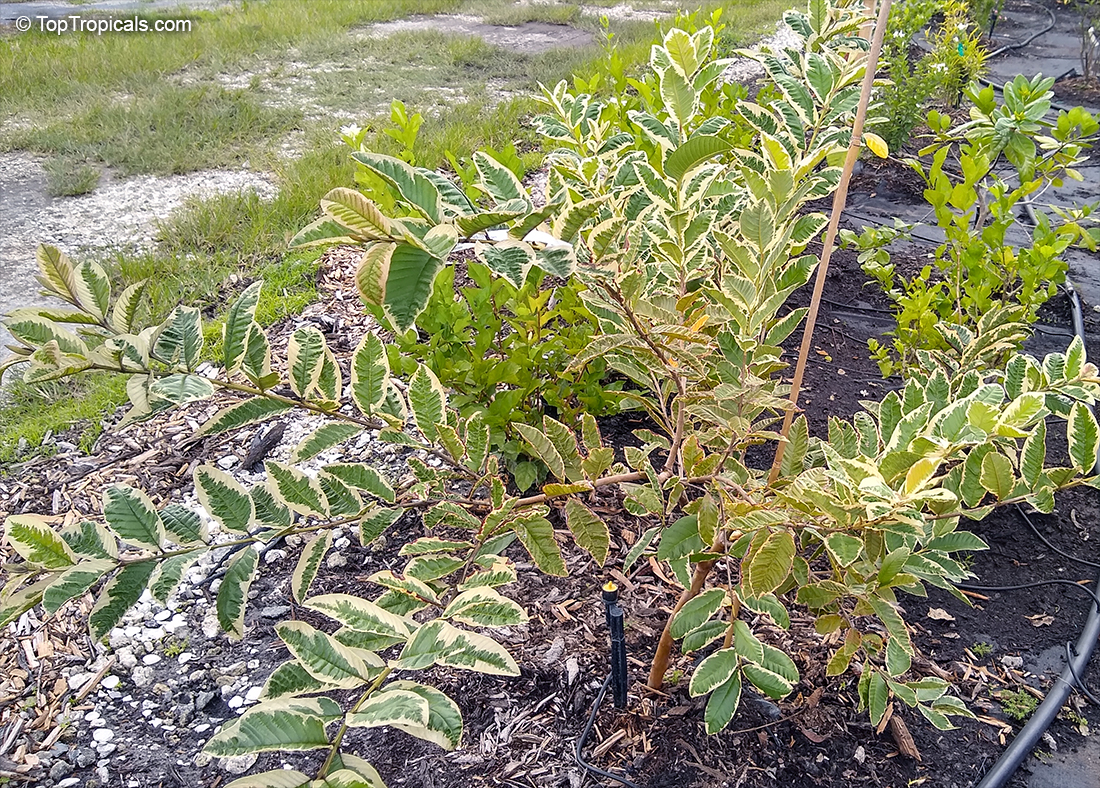
Psidium guajava variegata (Honeymoon Guava) is a large shrub or small tree native to tropical America. It is a fast-growing tree, capable of reaching 5-10 feet tall in full sun and with regular water. The tree is an ornamental specimen with its variegated, broad leaves which have showy white to off-white flowers. Its flowers bloom in clusters and are very attractive. The edible fruit it produces is sweet and delicious with the aroma of ripe fruit when it is fully ripe. The ripe fruit has a unique variegated yellow and green striped exterior and sweet, aromatic, and juicy pink flesh that contains a few seeds.
The Honeymoon Guava is hardy to USDA Zone 8-11 and can withstand temperatures as low as 30s F for a short period of time. The tree can produce up to 50 fruits per season and the fruits can be eaten raw, cooked, canned, and juiced. Psidium guajava variegata is rich in vitamin C, dietary fiber, carotenoids and flavonoids. Eating this fruit can boost immune system, aid digestion, and help keep skin looking healthy.
When grown in cold regions, this guava tree is best grown in a pot. It should be protected from cold winter winds, as well as heat and drought. The potted tree should be placed in a sunny spot, and watered regularly. It is important to prune the plant in spring to promote growth and keep it healthy. The soil needs to be rich and well-draining, and the plant requires fertilizer to ensure good growth and fruit production.







Recommended Fertilizer: SUNSHINE C-Cibus - Crop Nutrition Booster
SUNSHINE-Honey - sugar booster
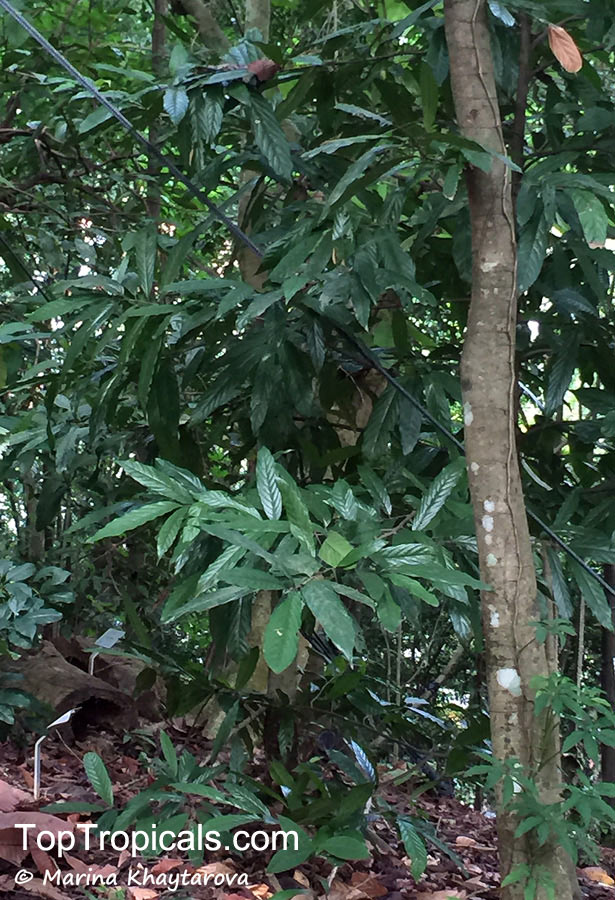
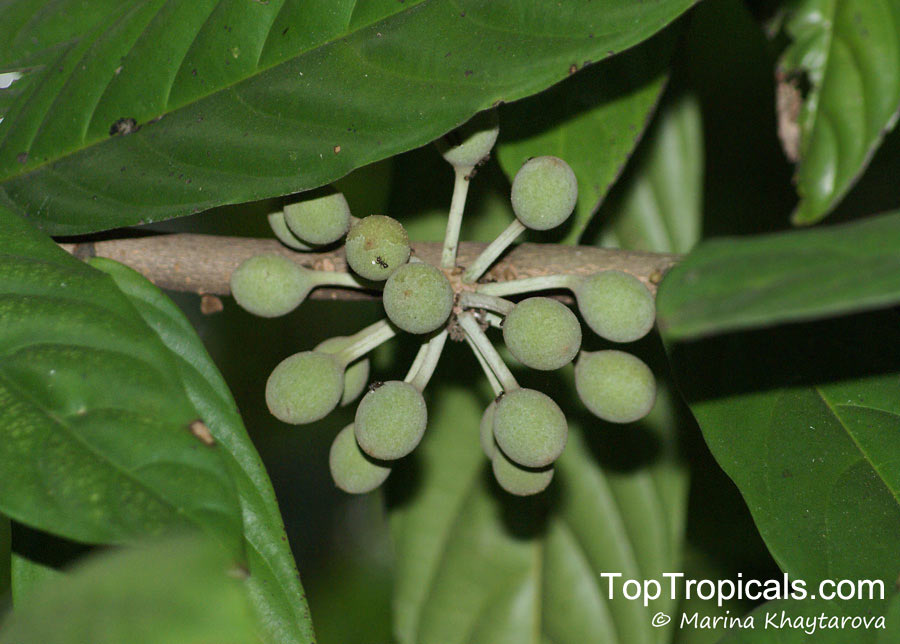
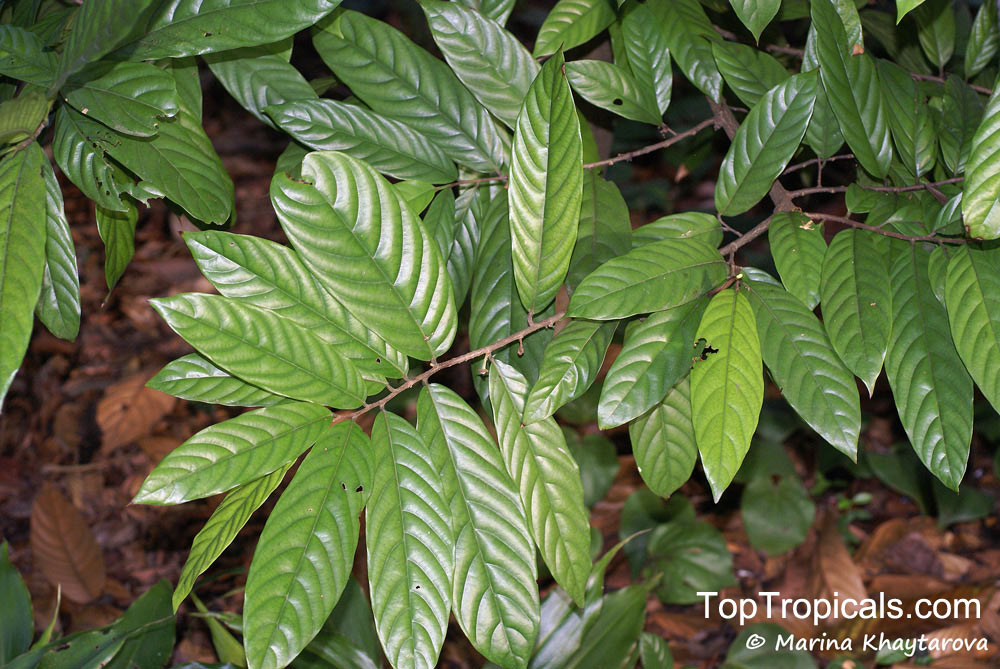
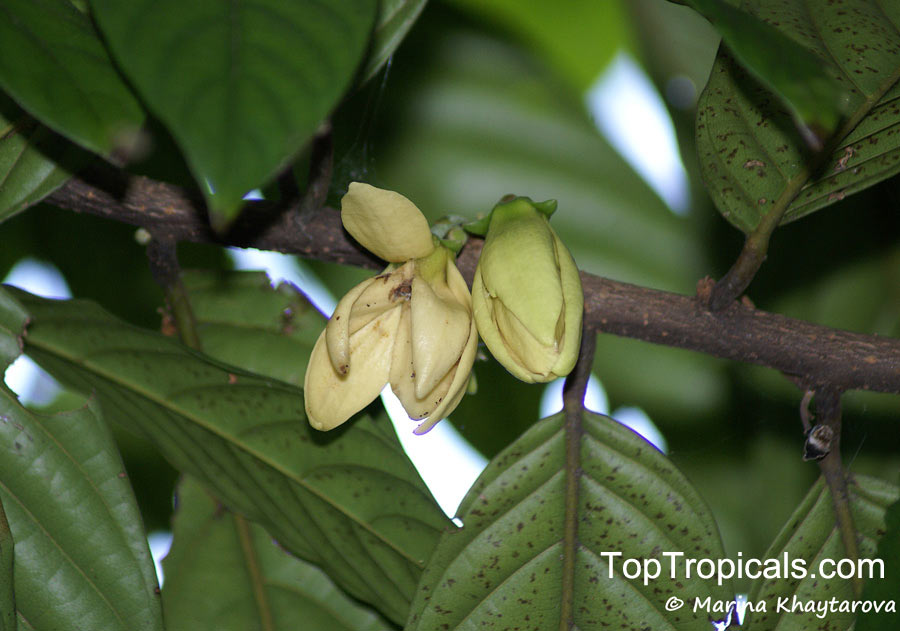
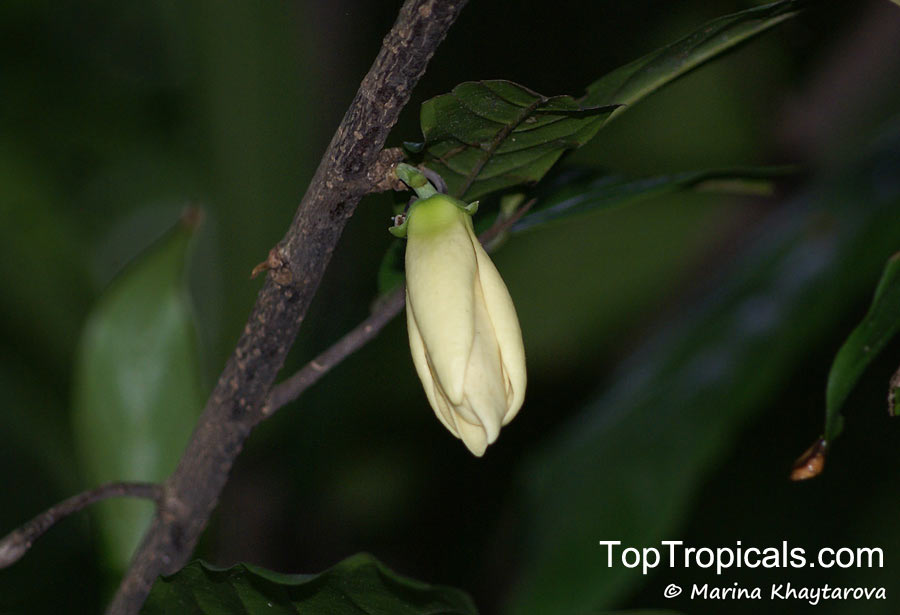
Botanical names: Monoon hookerianum, Polyalthia hookeriana
Common name: Monoon
Family: Annonaceae
Origin: Malaysia
Botanical name: Cerbera sp.
Common name: Cerbera Enchanted Incense
Family: Apocynaceae
Origin: Southern Asia
Hardiness: 30°F

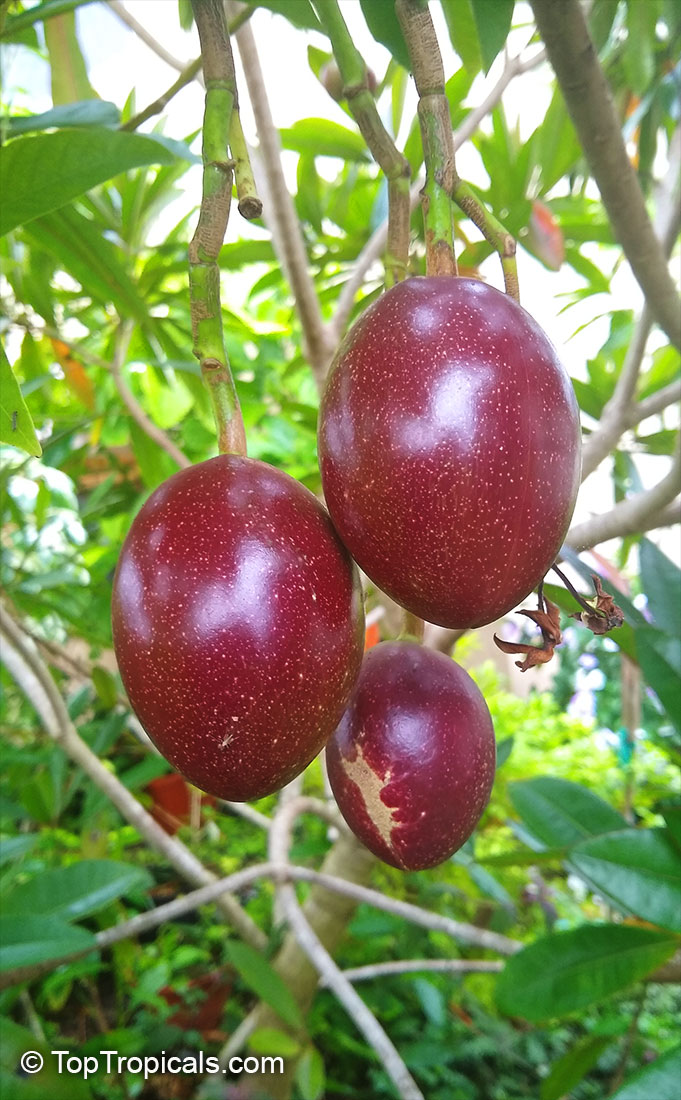
Cerbera sp. is a small tree of 10-20 ft. Native to Southern Asia, this deciduous plant is a wonderfully ornamental addition to landscapes, gardens, and pot growing in USDA Zones 9-11.
Absolutely NEW perfume plant! It is becoming one of the most wanted in rare fragrant plant market.
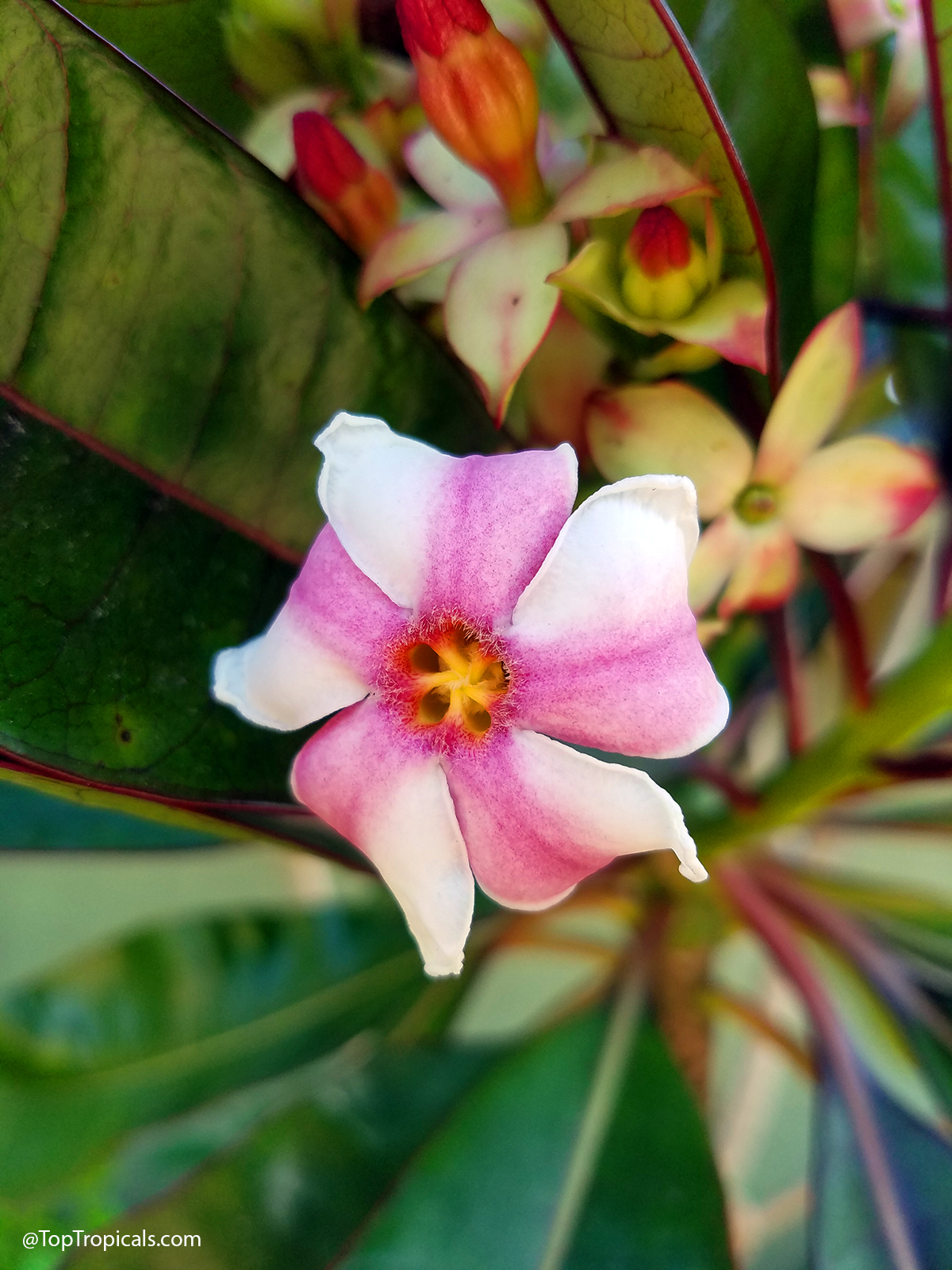
Beautiful striped red-and-white flowers are highly fragrant. Fragrance is the most intense you can imagine and is much better than all jasmines and gardenias all together.
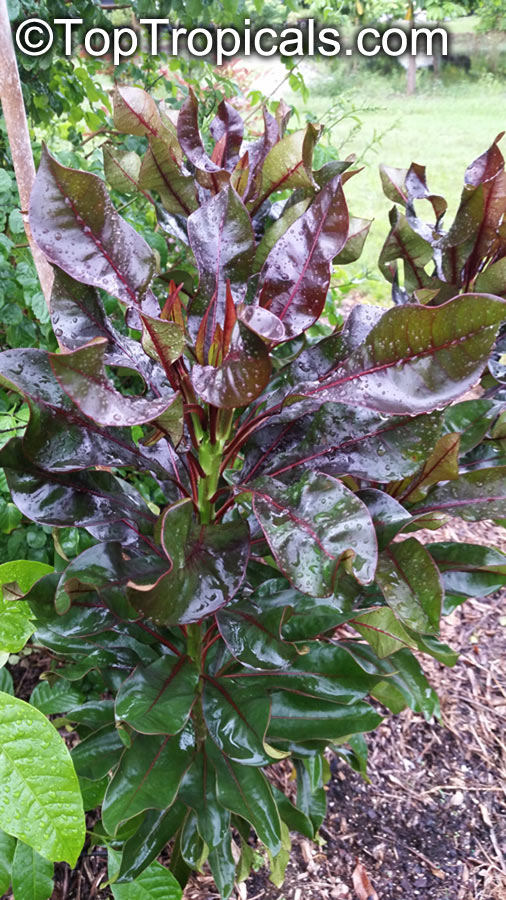
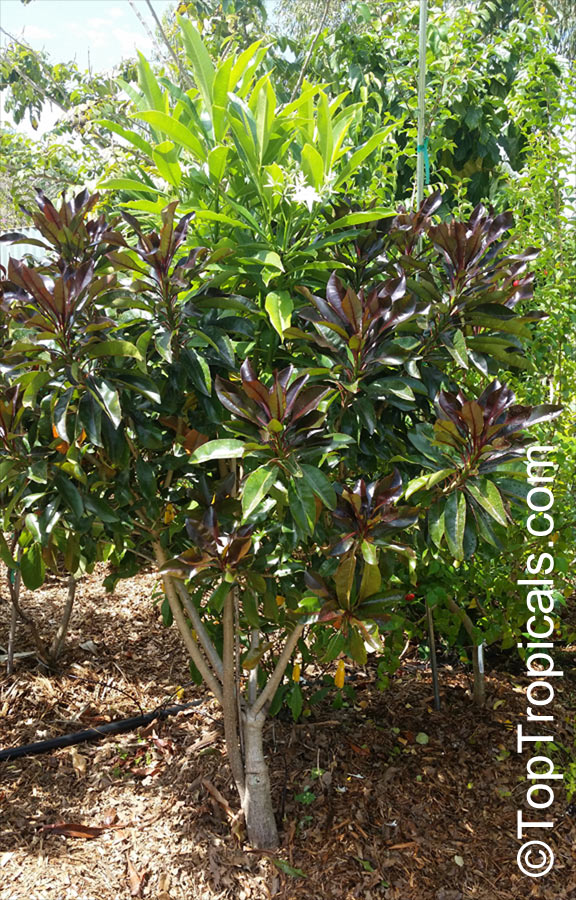
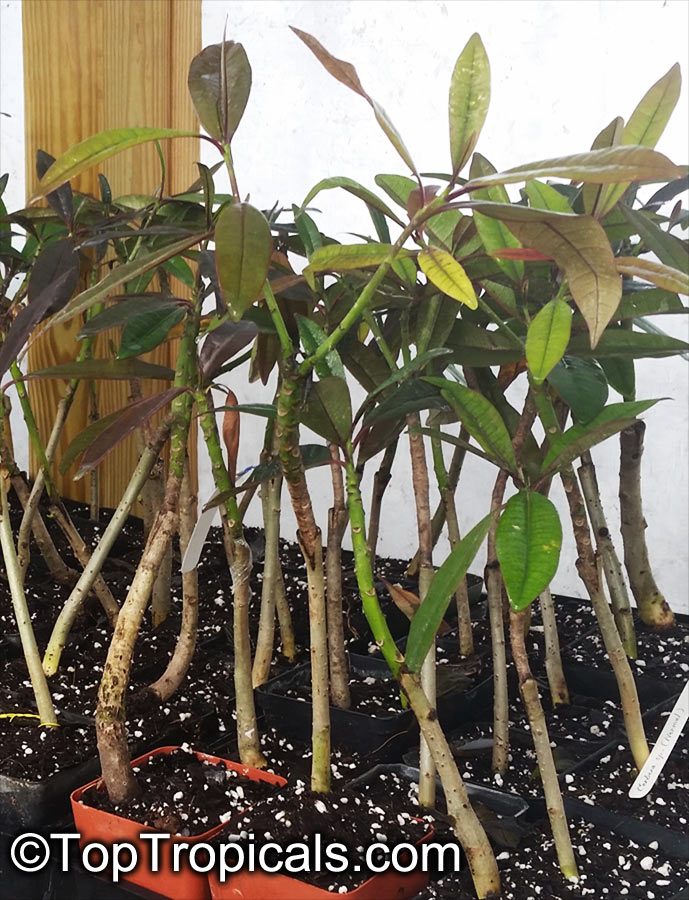
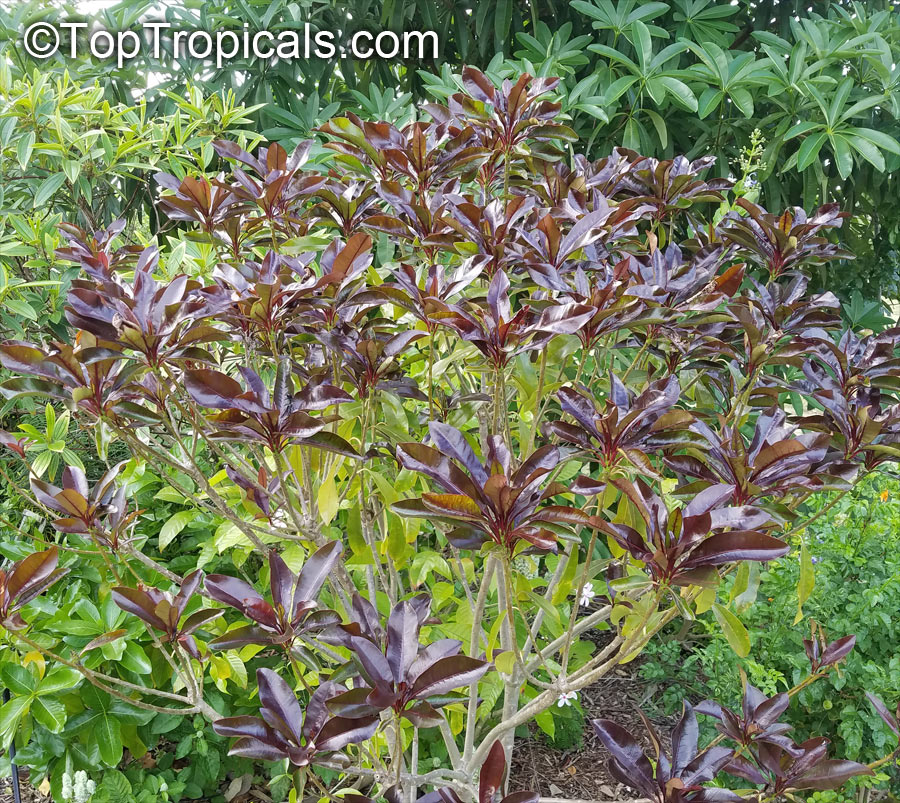
The plant is very similar to plumeria in growth habit (and is close related to Plumeria). It grows into a small tree. Unlike Plumeria, it is evergreen in warm climate.
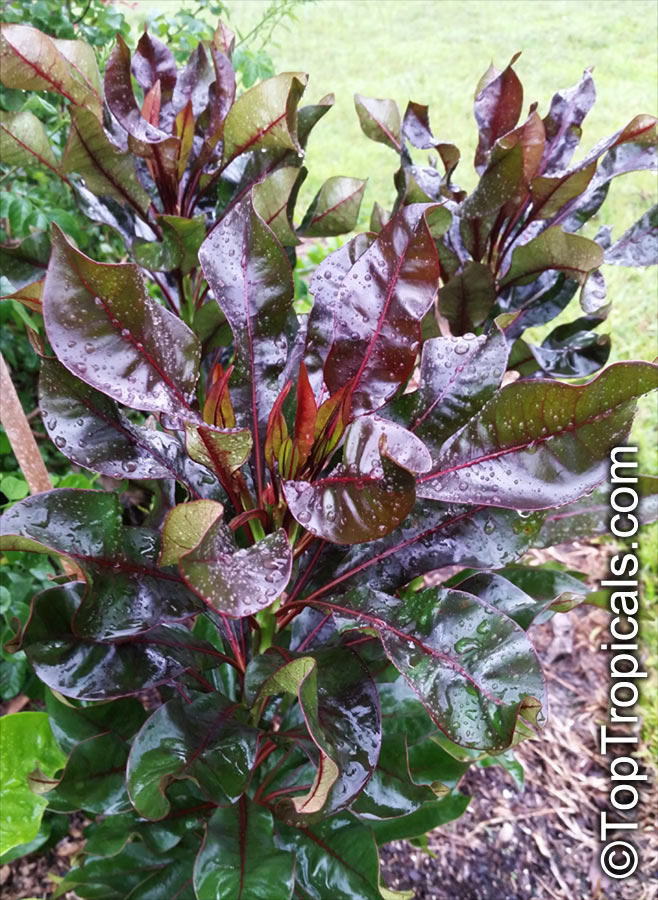
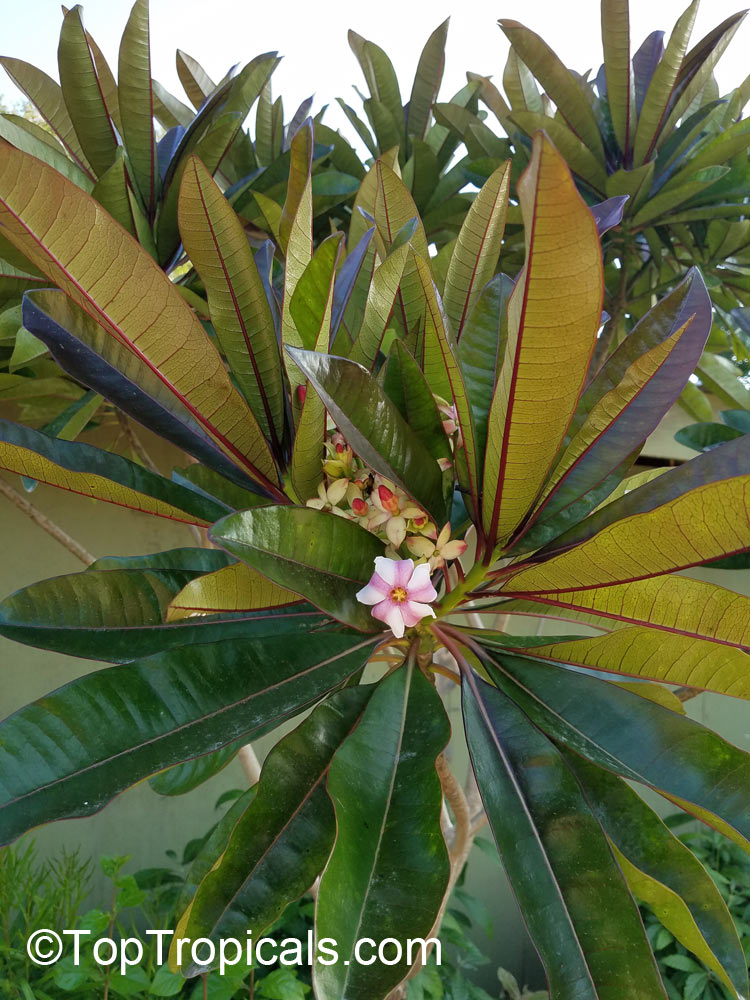
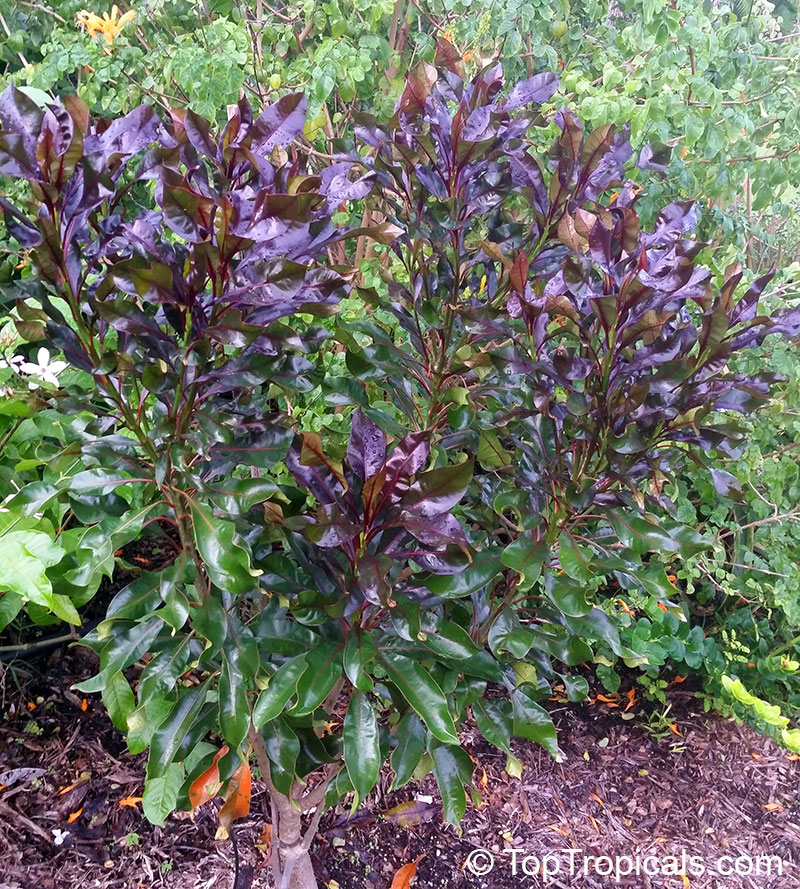
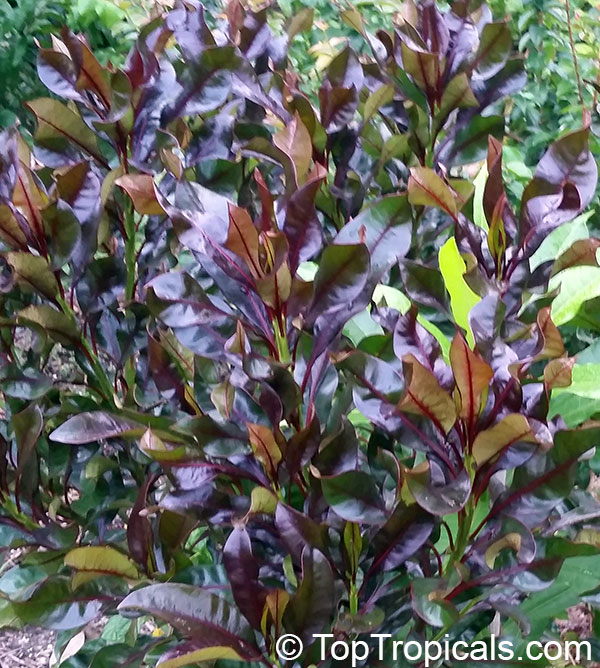
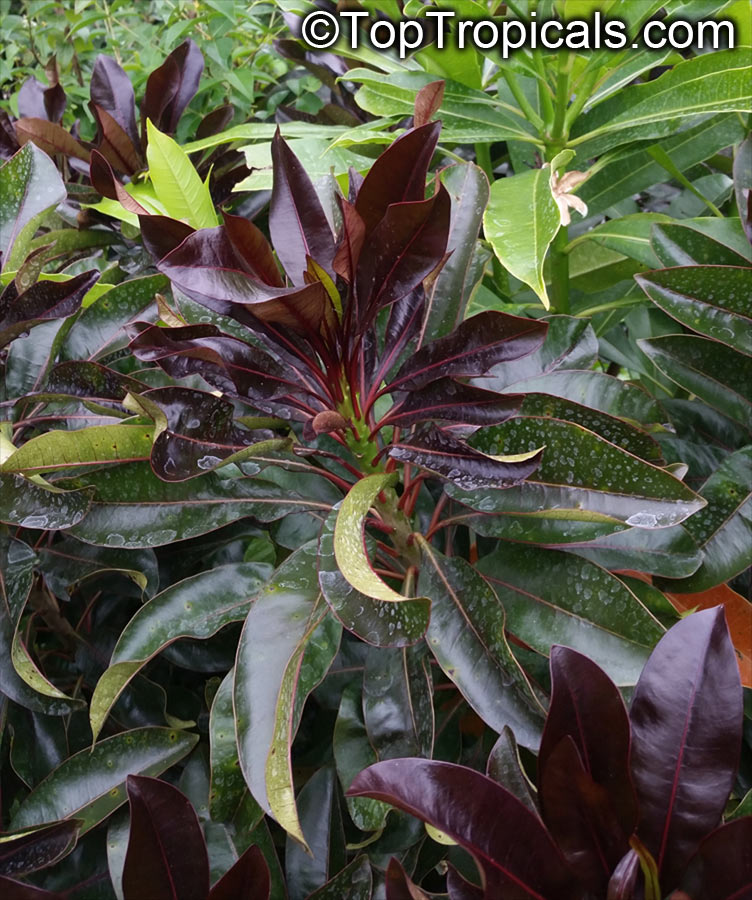
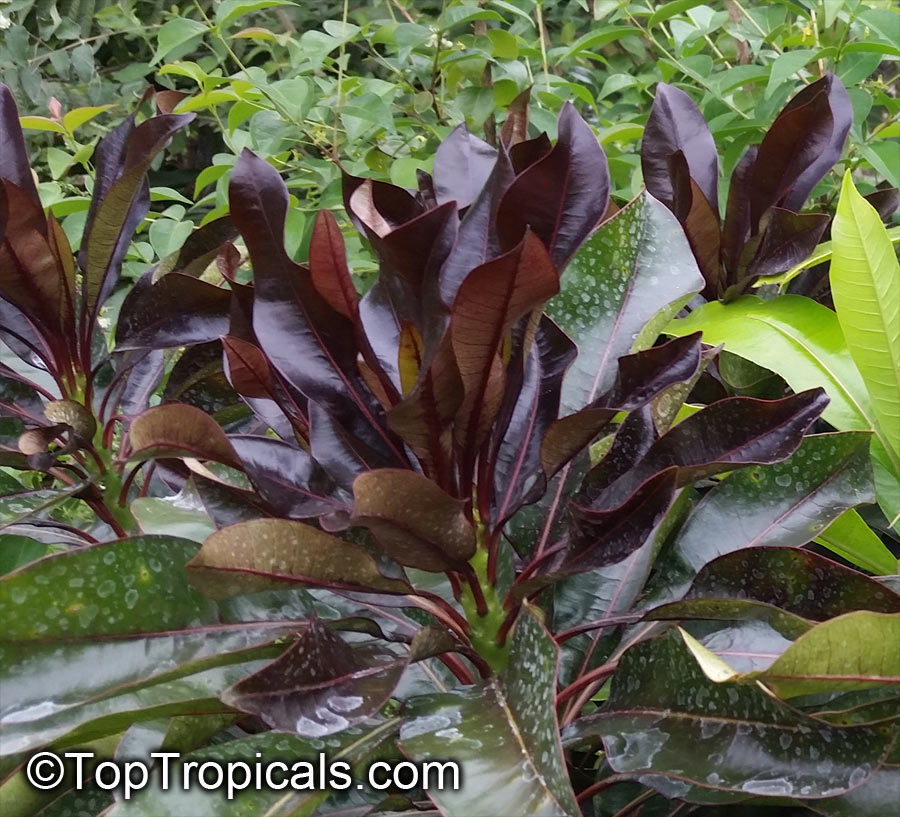
Beautiful mauve colored leaves are very ornamental.
Slow growing, compact plant, great for containers. Very undemanding and has low water needs.
Cerbera Enchanted Incense will thrive in an area with full sun, but can also tolerate partial shade. The plant needs some extra water during the hot season. In cold regions and in deep winter, it is better to keep the soil slightly dry. As for feeding, controlled-release fertilizer formulated for flowering plants is recommended.
The plant will bloom in late spring with very elegant, pink/white or off-white flowers that as later darken to red/pink. The blooms are very fragrant and can light an entire garden. In terms of size, these flowers usually reach 4-5 inches in diameter.
The foliage of Cerbera Enchanted Incense is almost as wonderful as the flowers. With leaves of bright fresh green and golden yellow color, the tree is very eye-catching and decorative. It also grows in a slightly weeping form.
This excellent ornamental is also very resilient and adaptable. It is reasonably salt tolerant, meaning it can be grown near seaside and exposed to salty winds and spray. Cerbera Enchanted Incense can maturely survive cold temperatures down to 30s F, however if the temperatures reaches lower, the foliage may be damaged while the rootstock will survive.
For those seeking an ornamental tree-like shrub with fragrant flowers and dramatic foliage, Cerbera sp. (Cerbera Enchanted Incense) is an excellent choice. Its' hardiness and adaptability makes it a great choice to adorn many gardens while its' unique beauty and amazing fragrance will cause many to appreciate it.
This amazing flower was recommended to us by our friend horticulturist John Mood, he discovered it in Thailand.
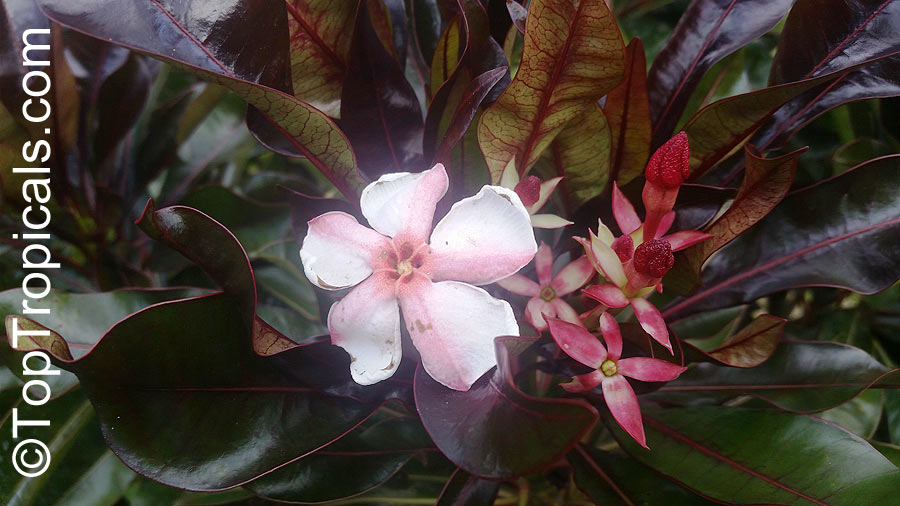
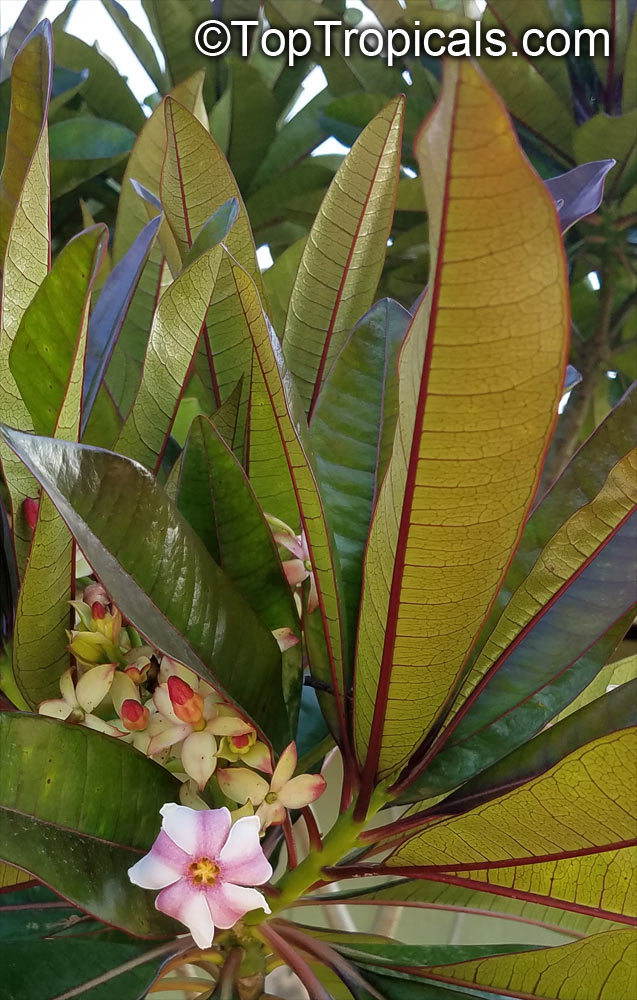
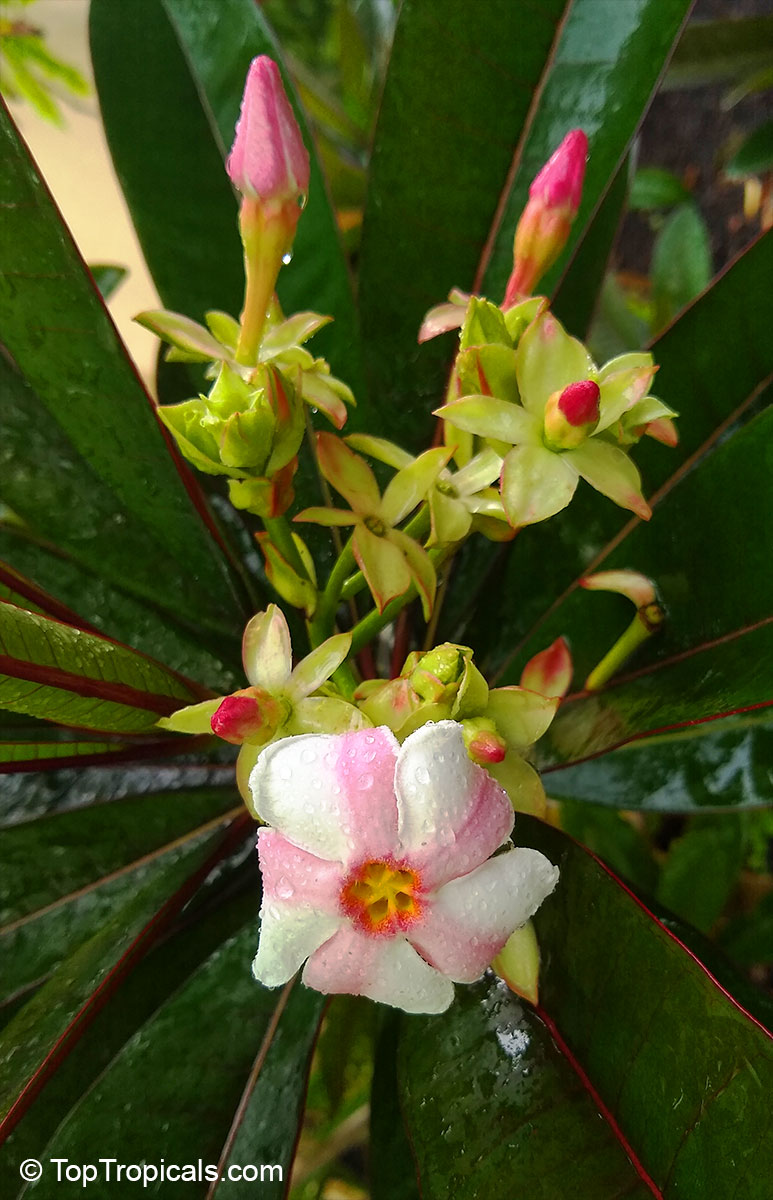
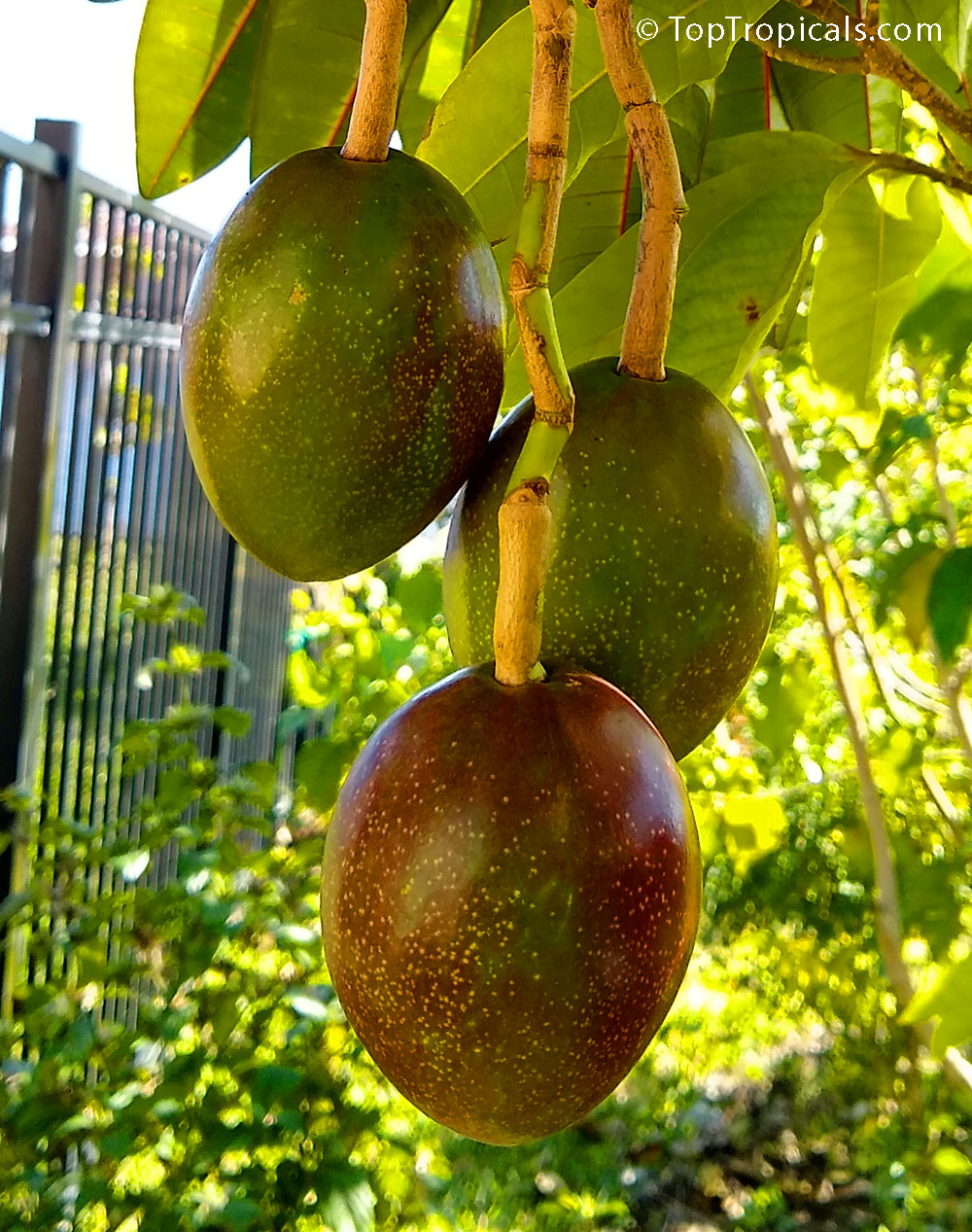
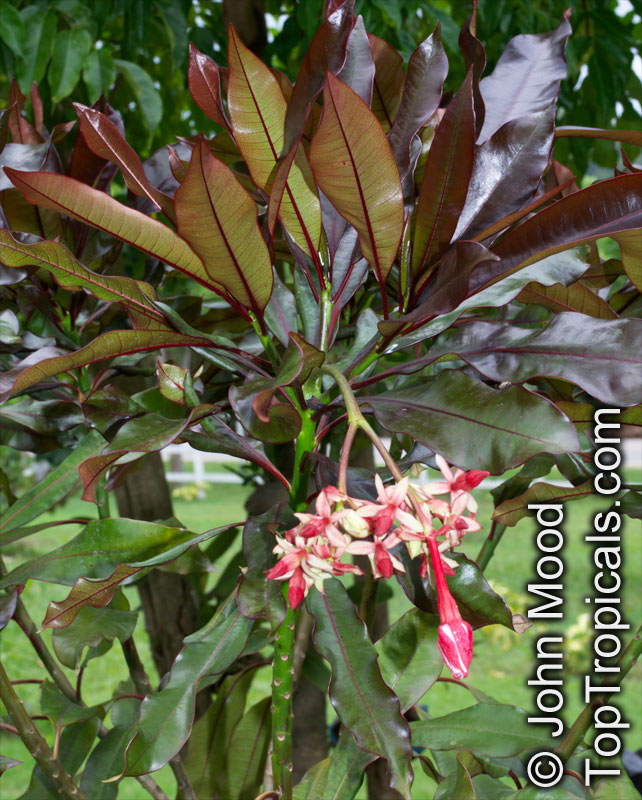
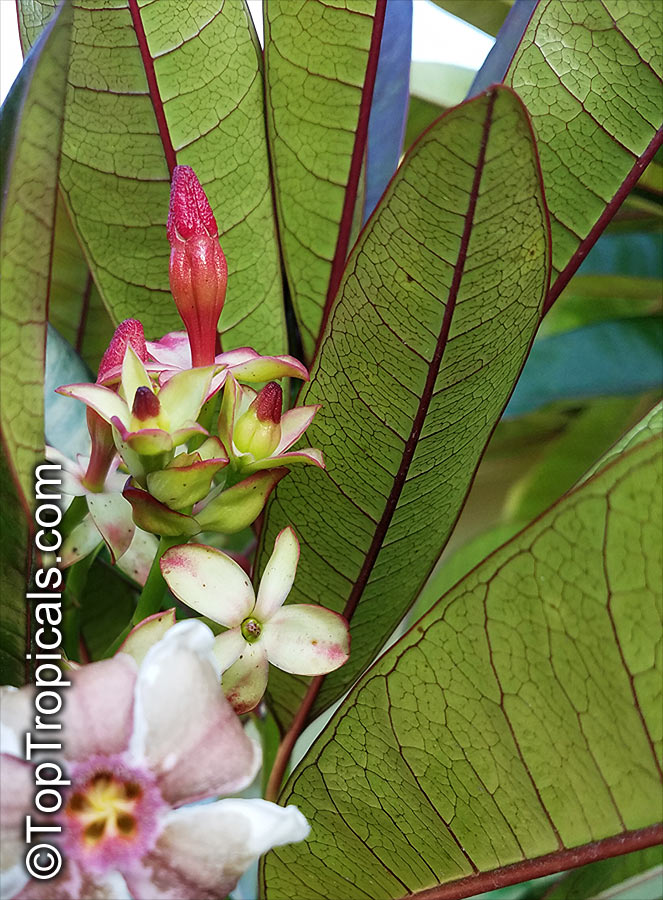
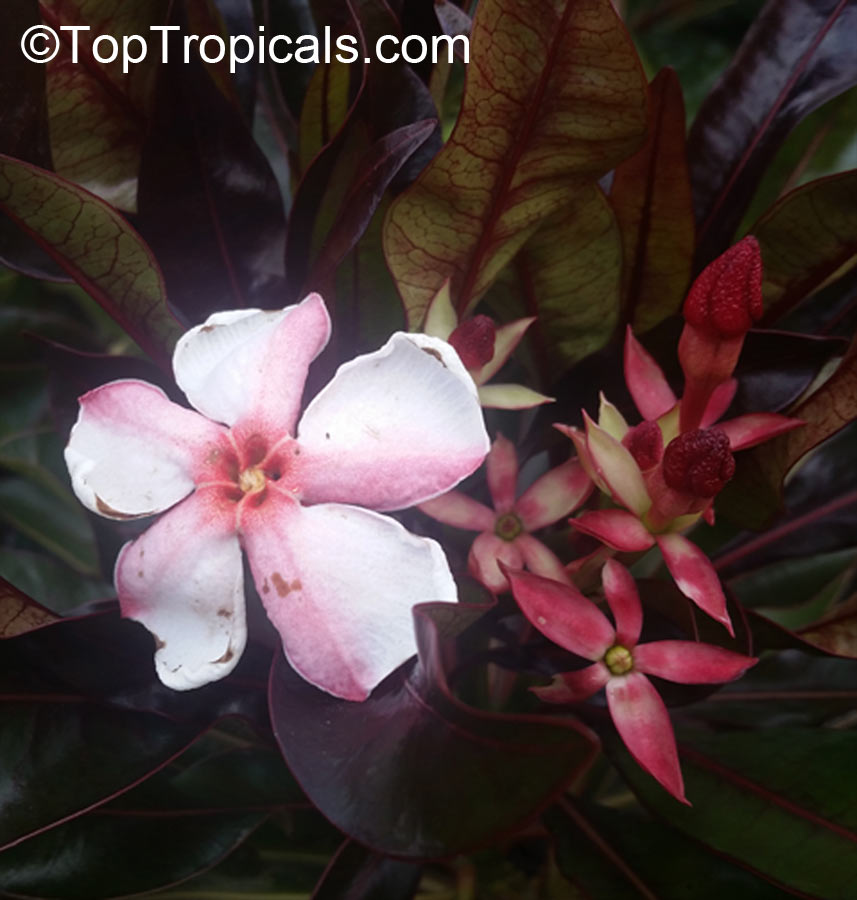
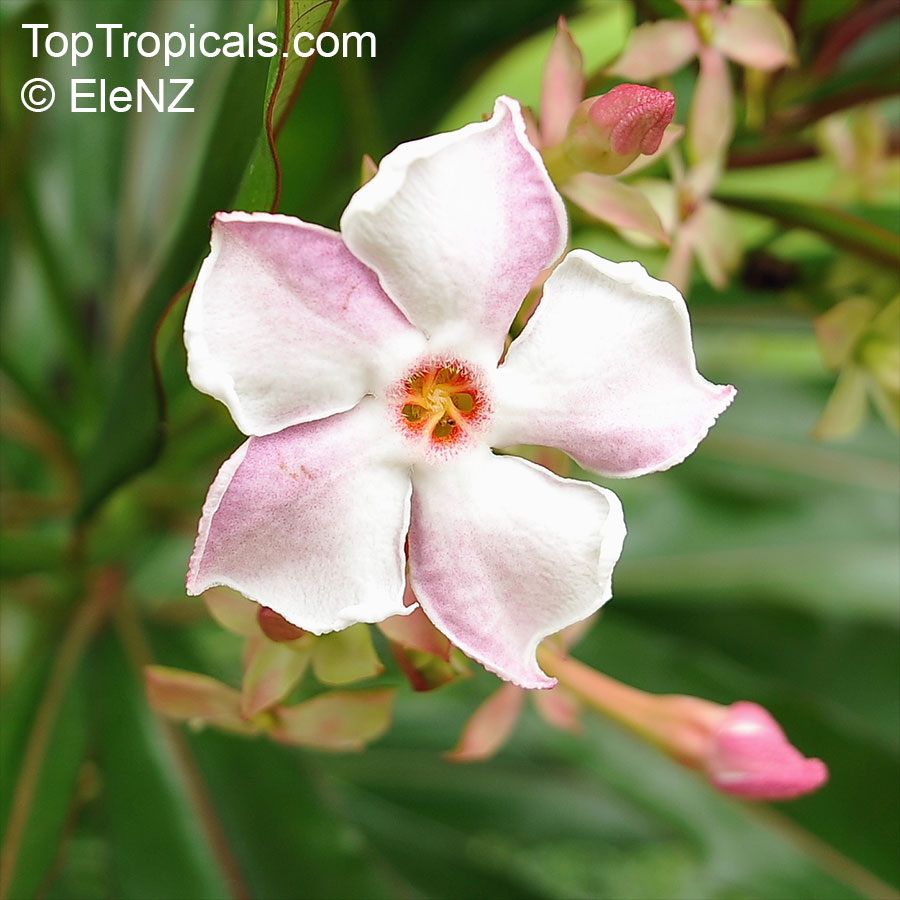
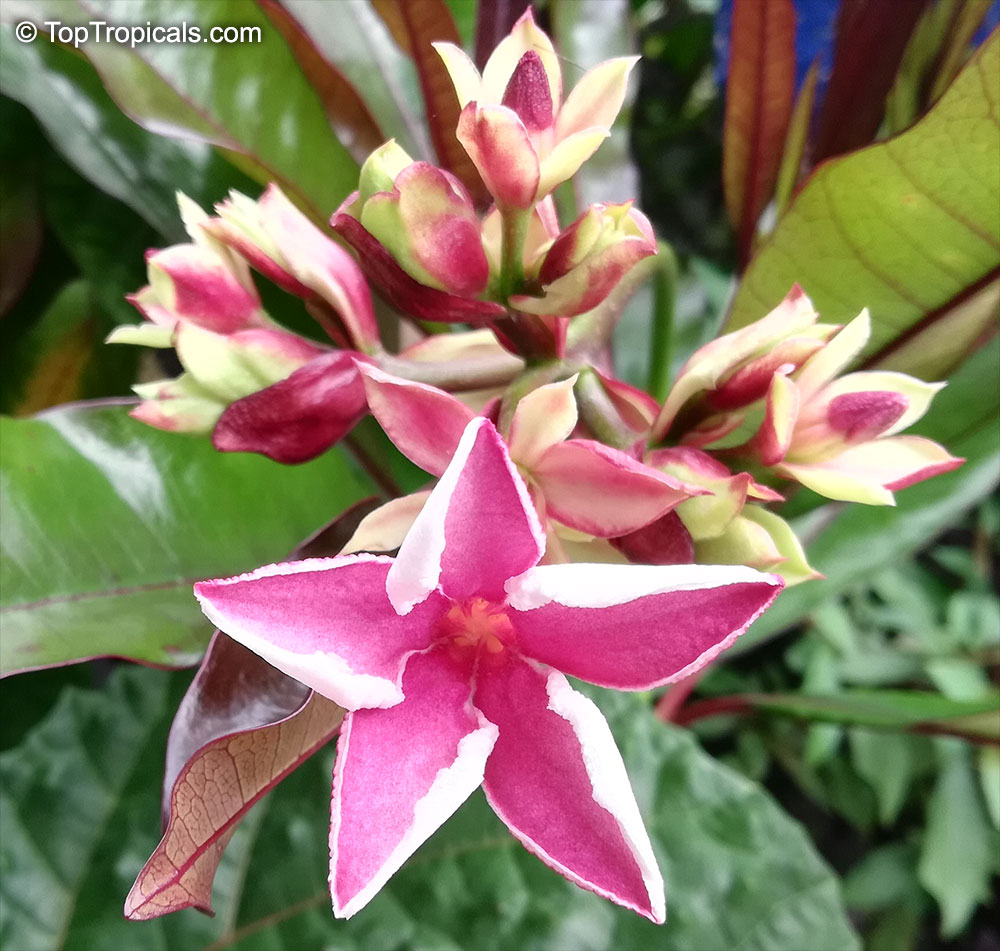
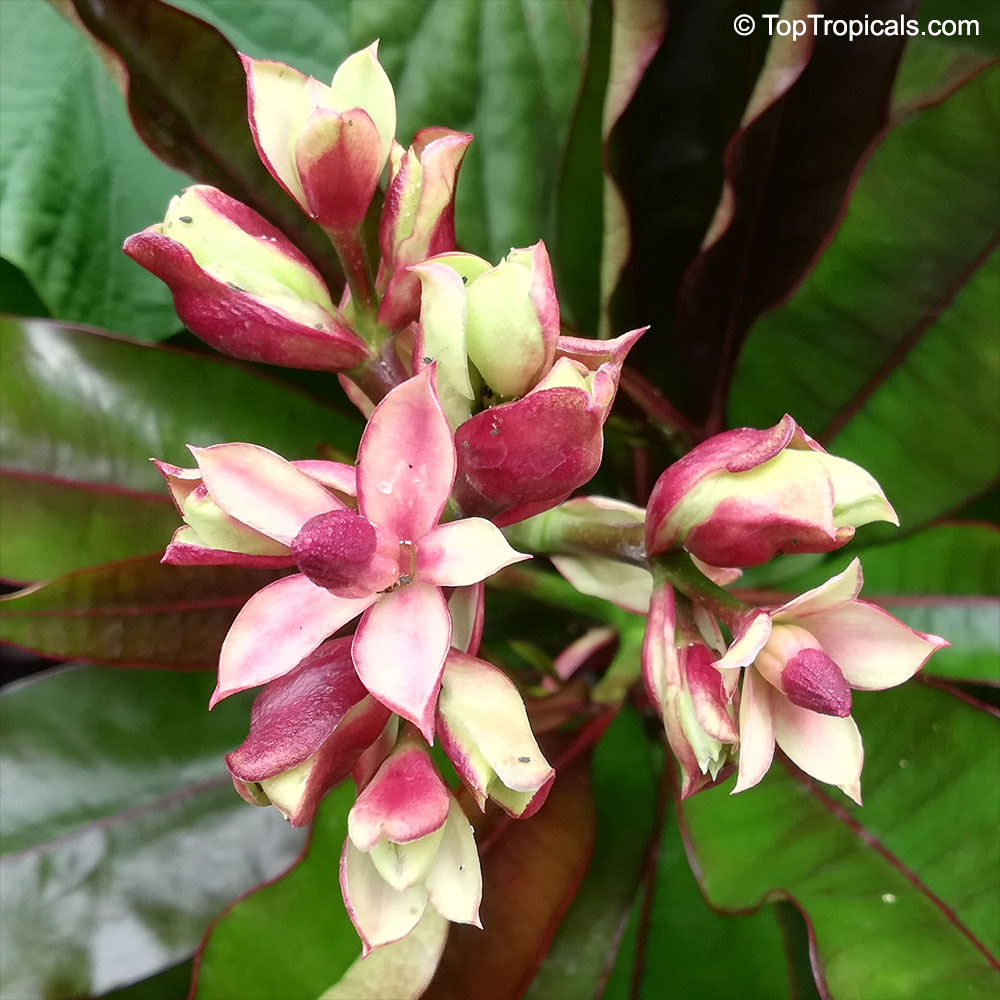
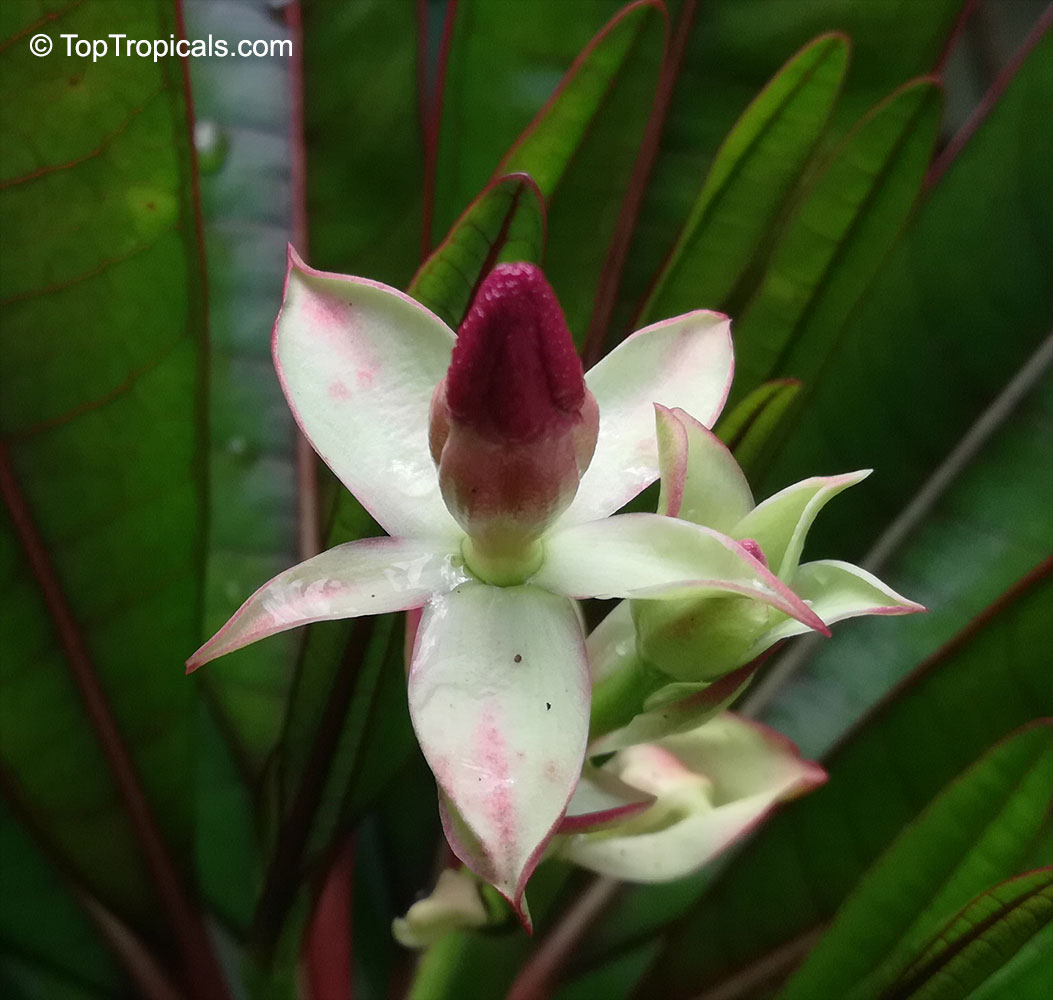
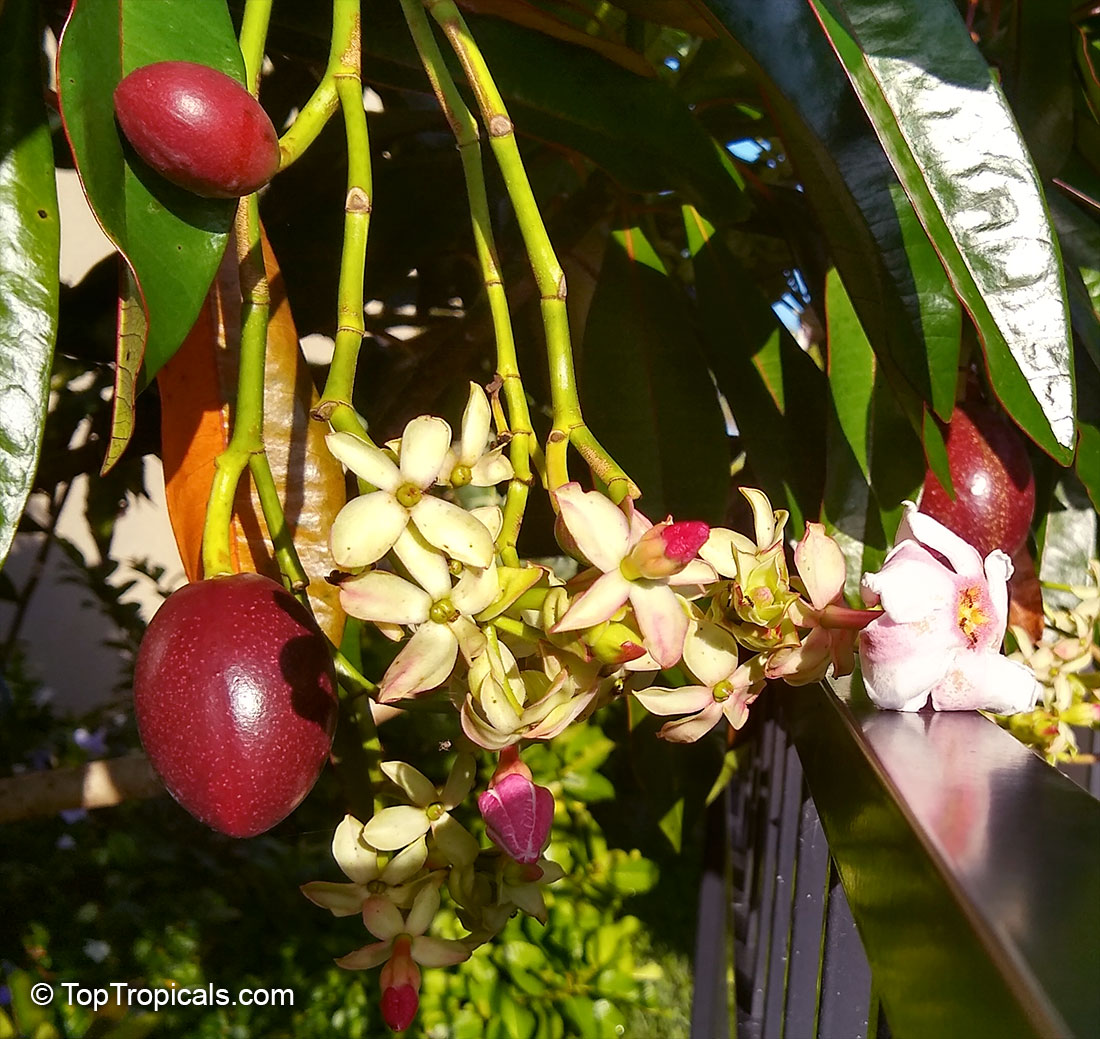
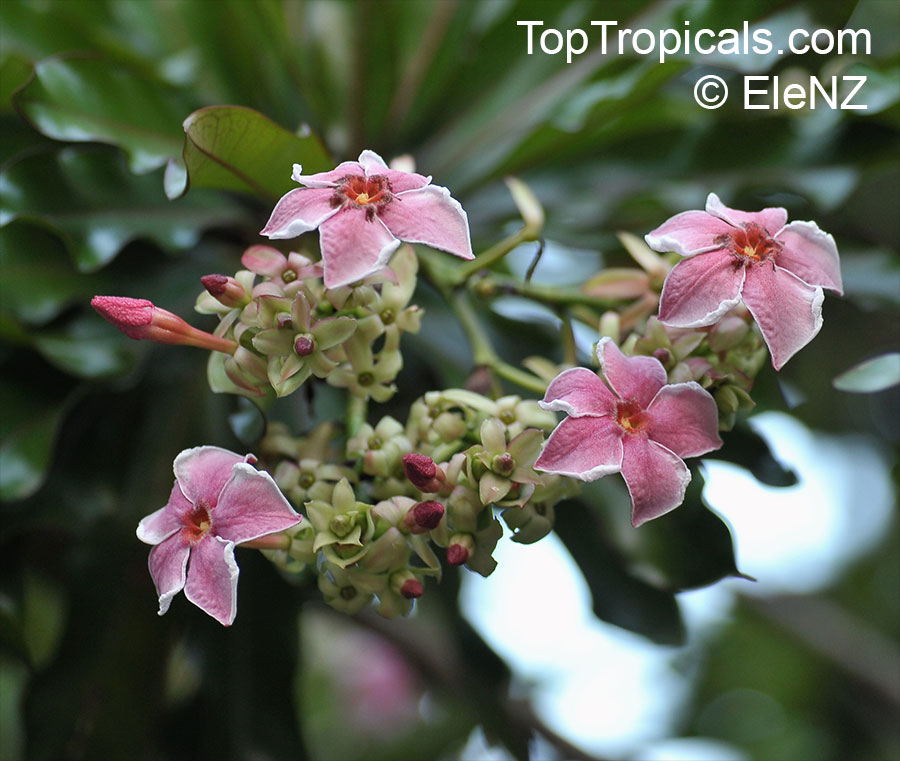
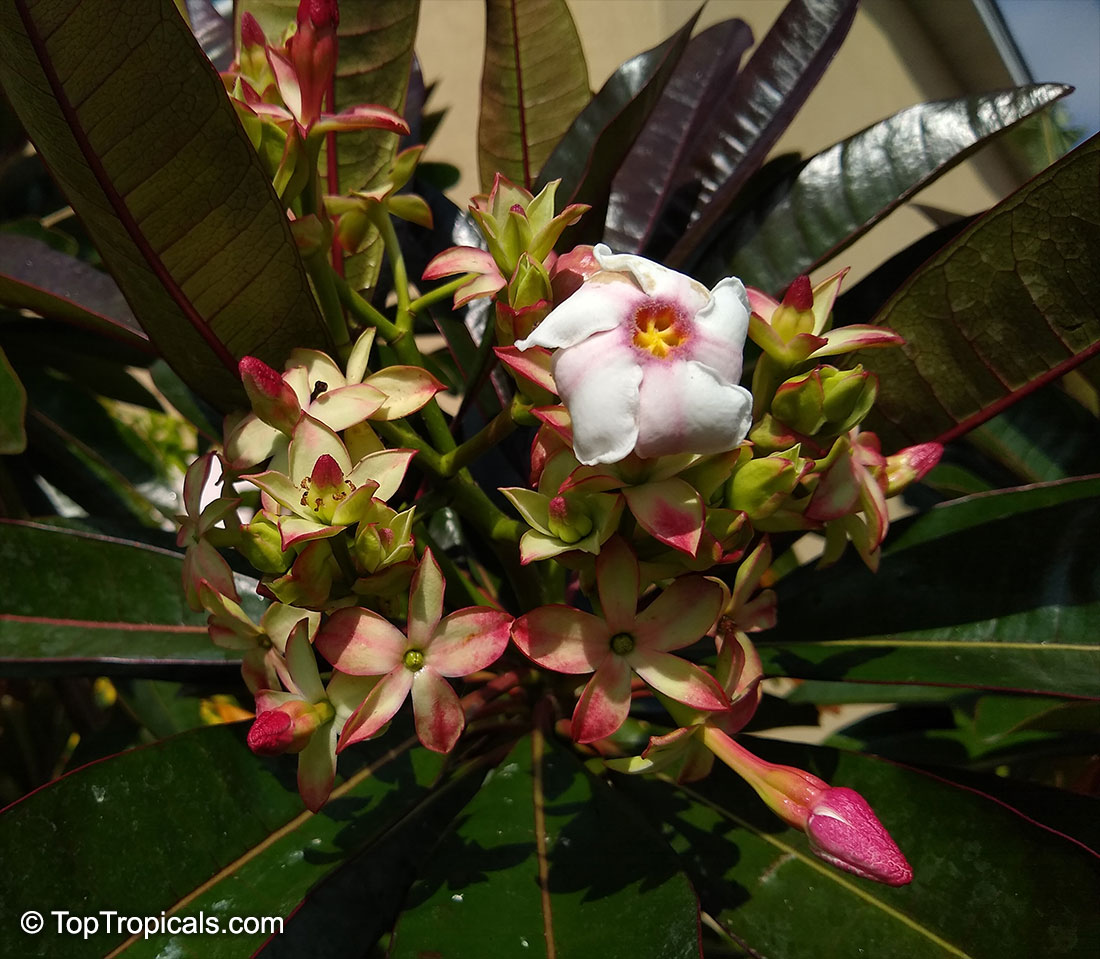
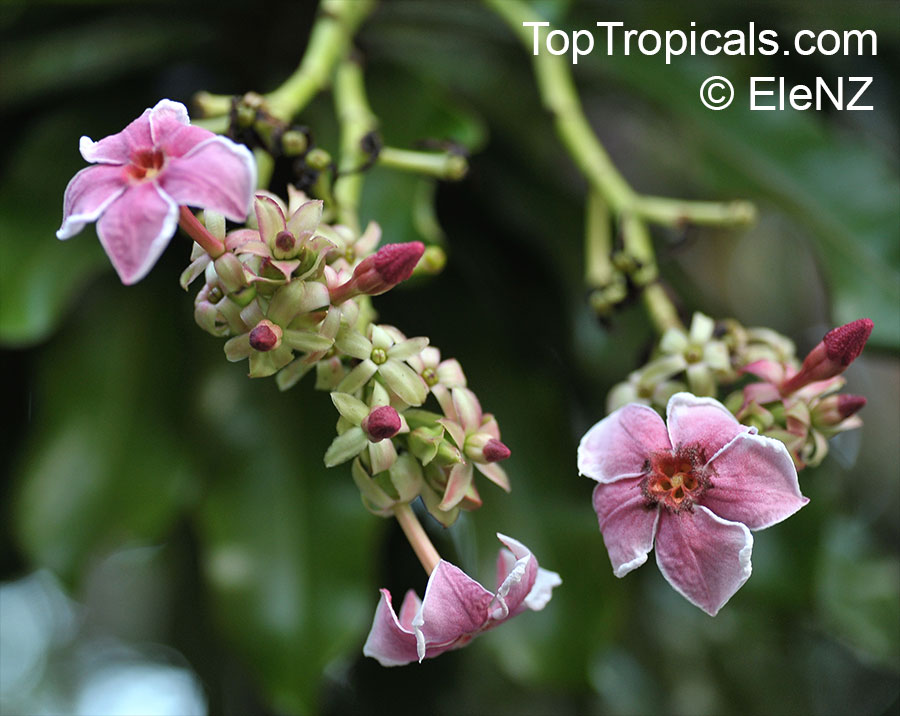
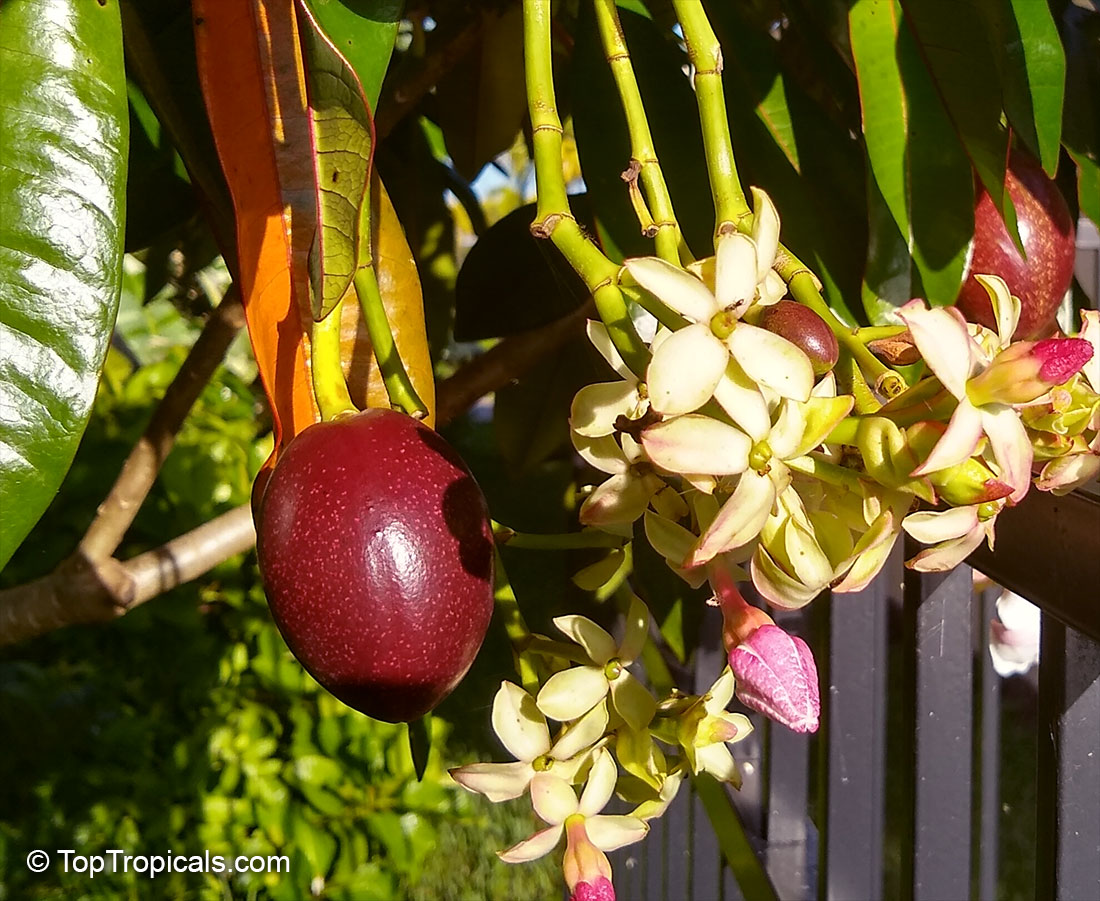
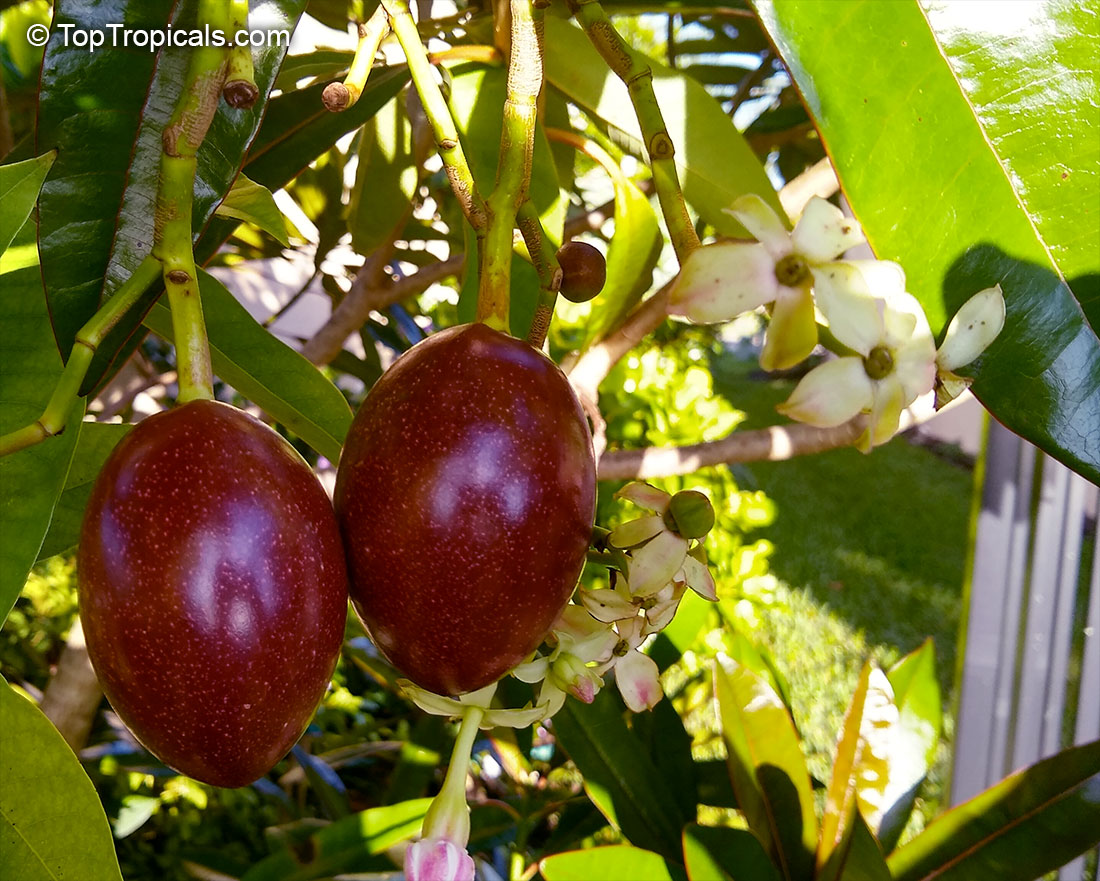
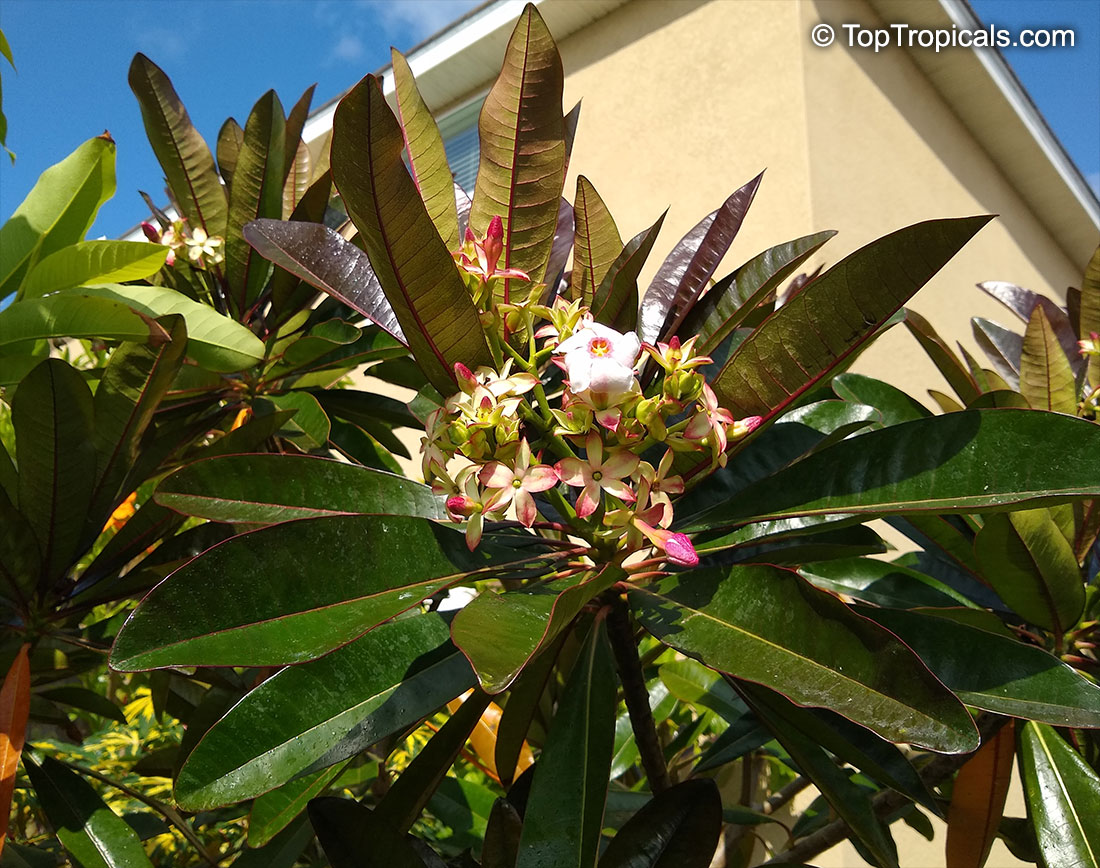
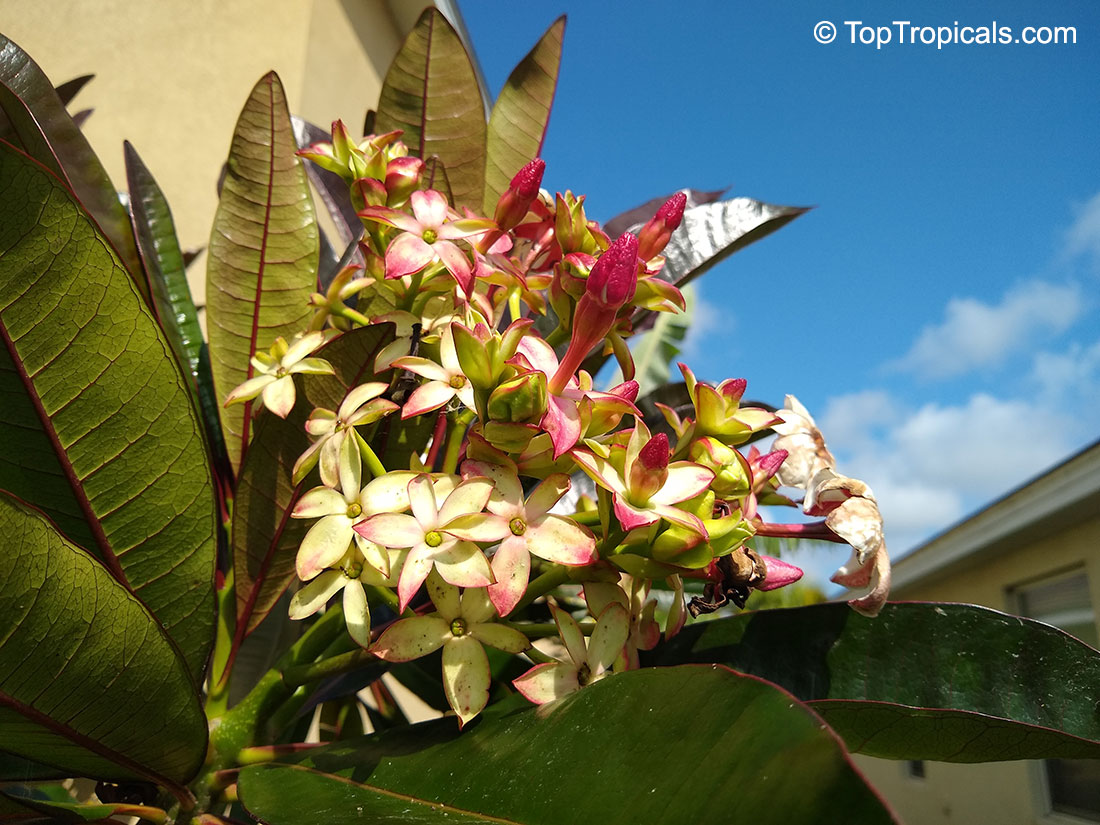
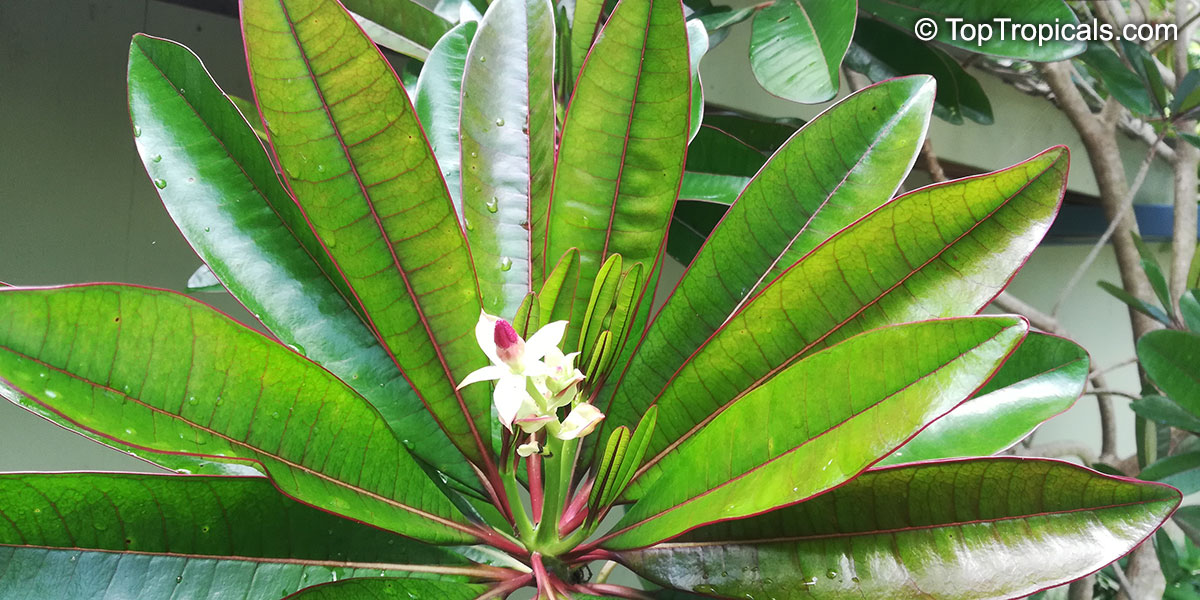
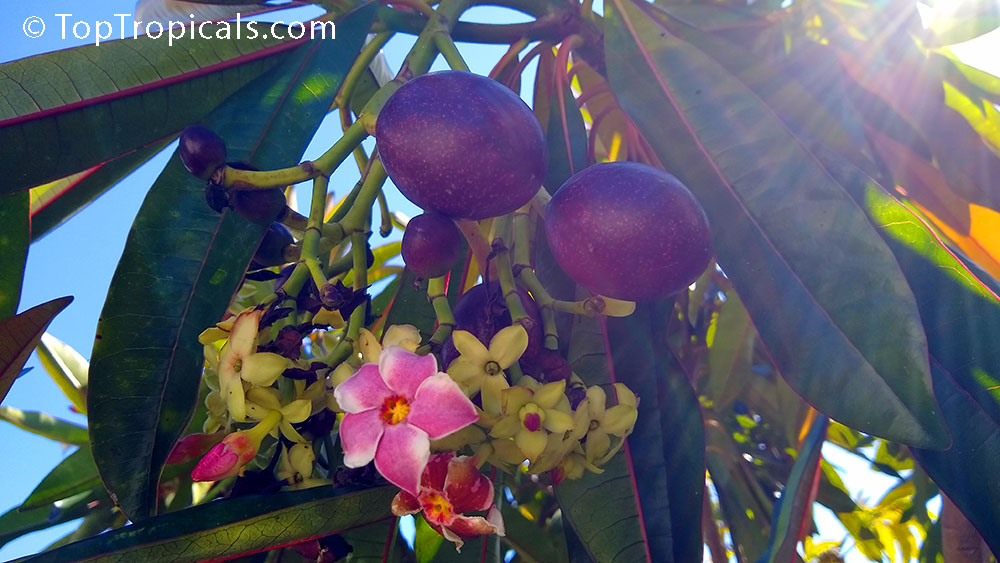


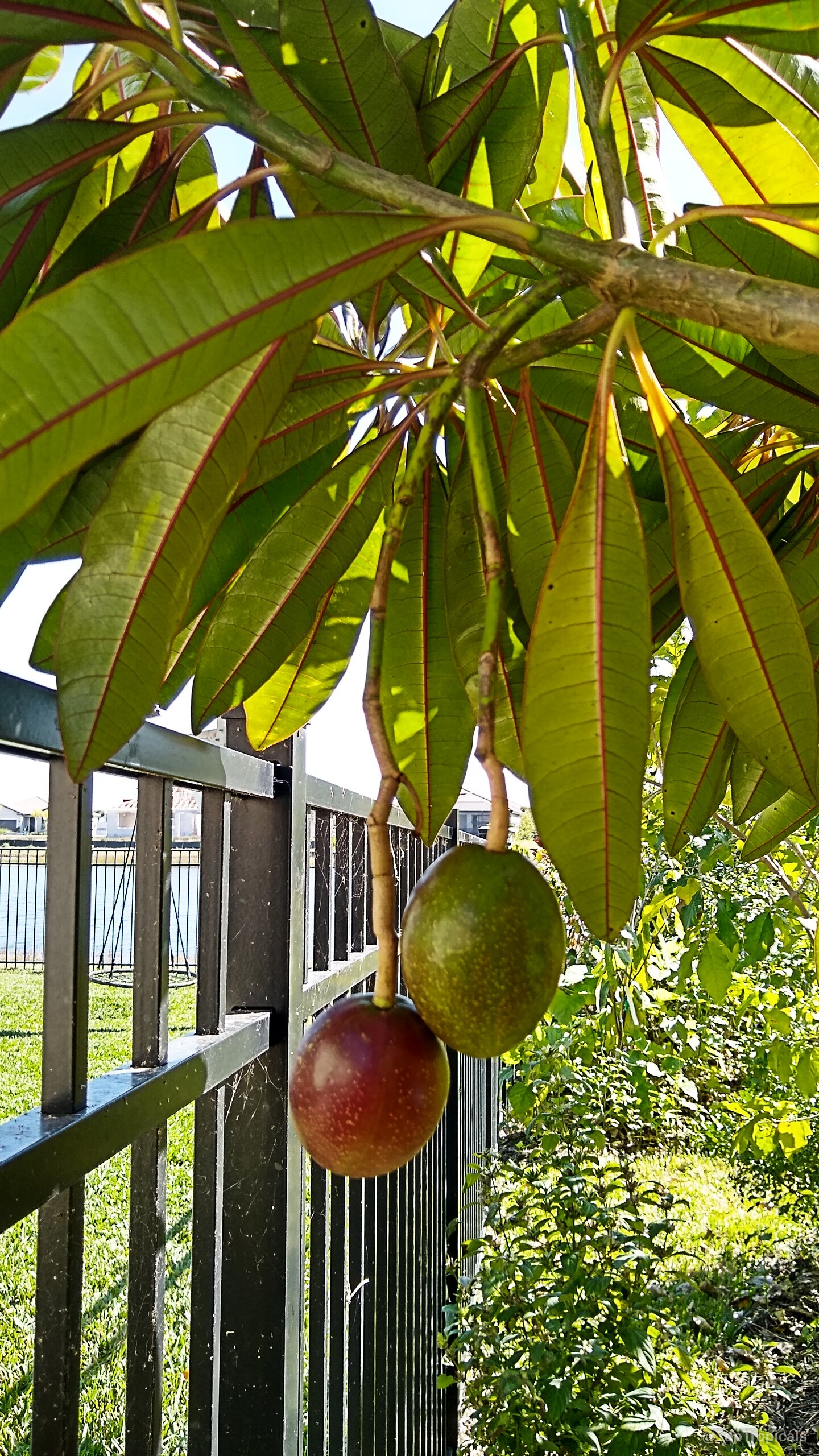
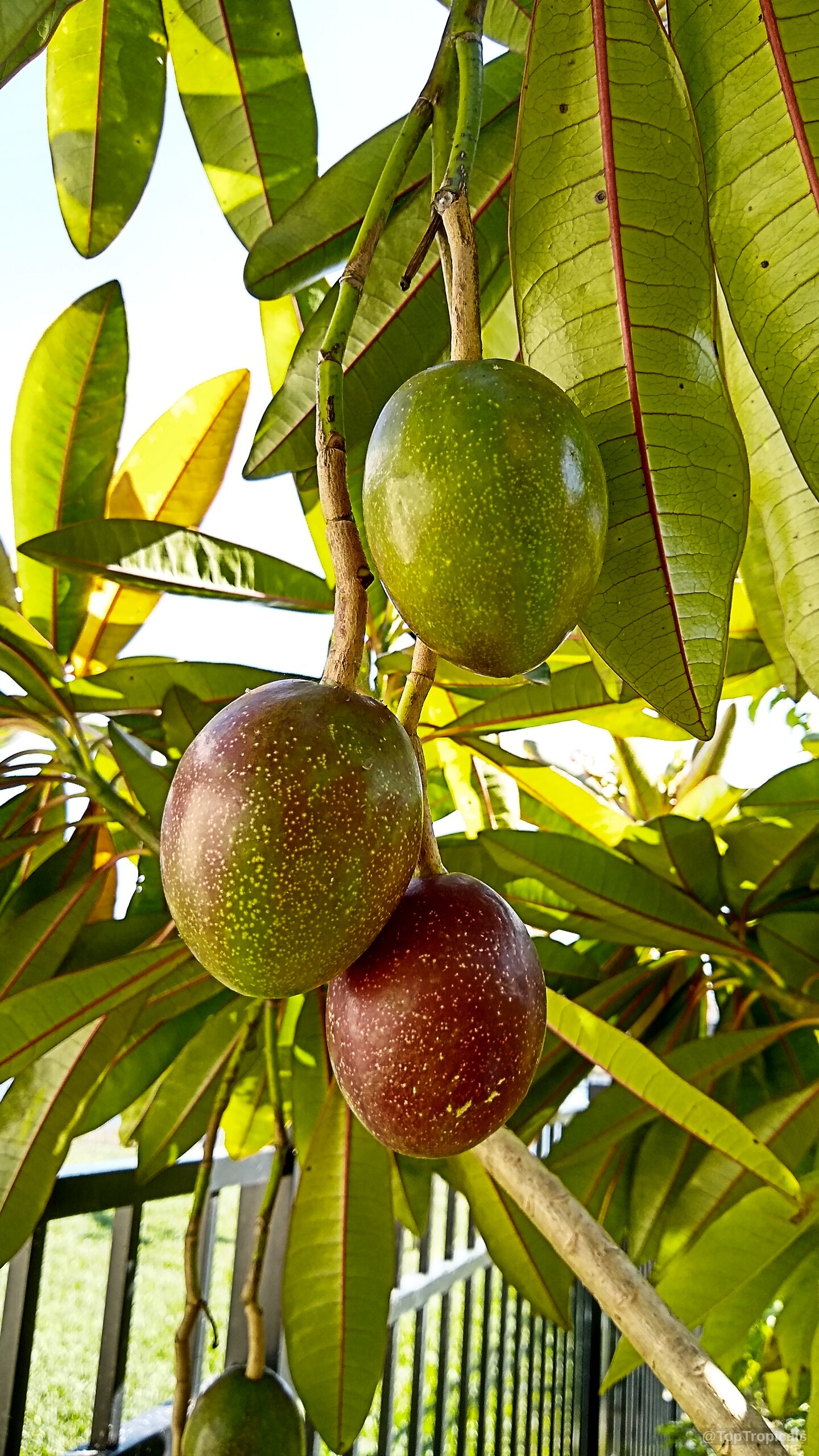
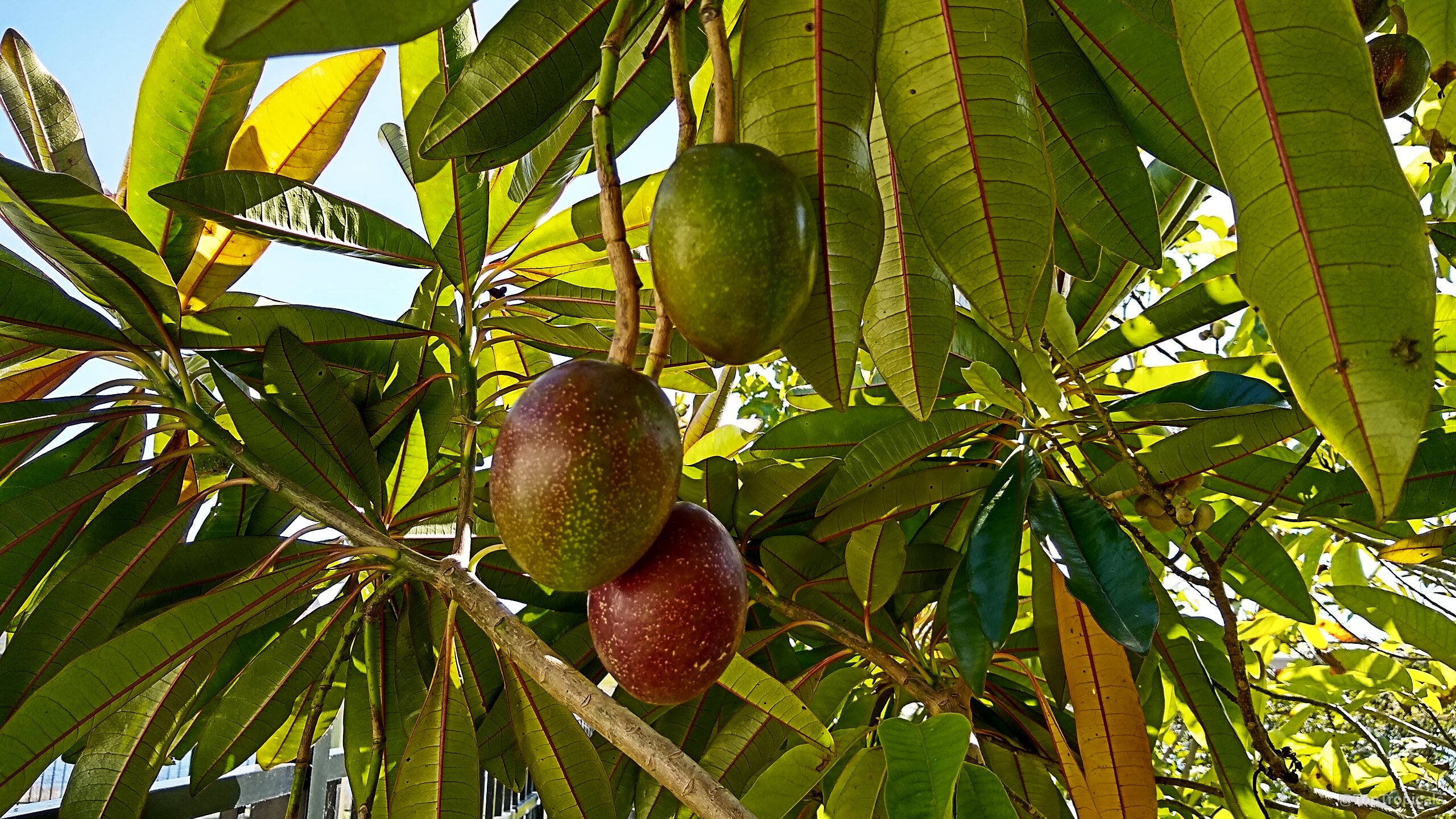
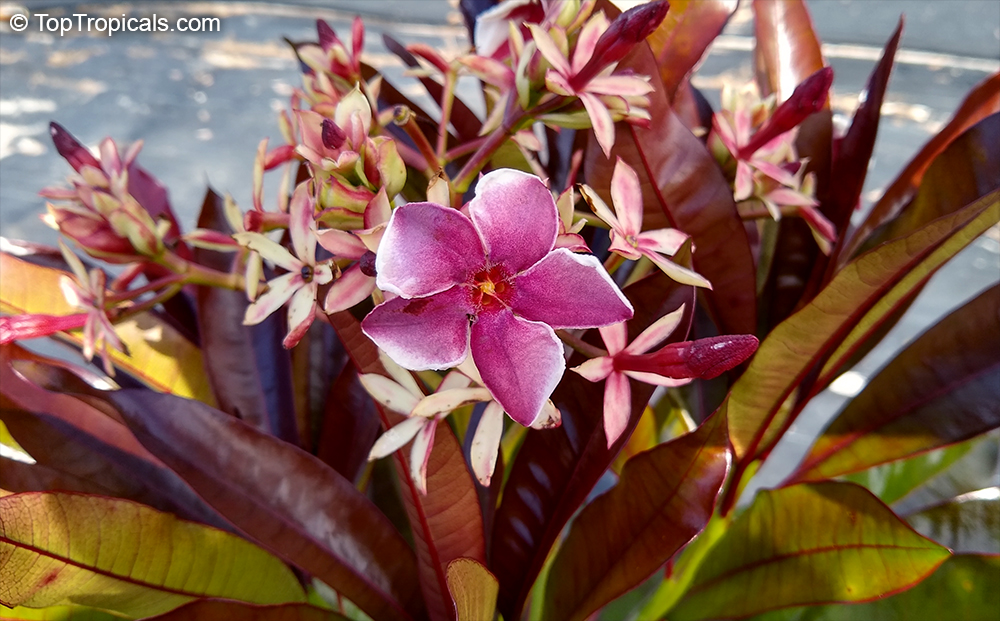
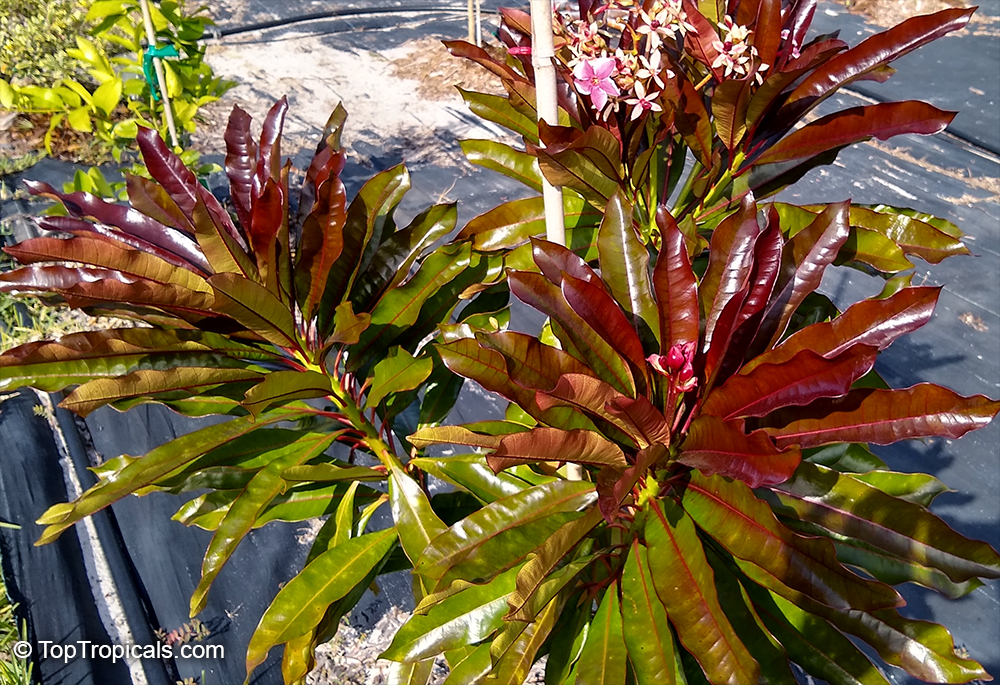
Beautiful striped red-and-white flowers are highly fragrant. Fragrance is the most intense you can imagine and is much better than all jasmines and gardenias all together.
The plant is very similar to plumeria in growth habit (and is close related to Plumeria). It grows into a small tree. Unlike Plumeria, it is evergreen in warm climate.
Beautiful mauve colored leaves are very ornamental.
Slow growing, compact plant, great for containers. Very undemanding and has low water needs.
This amazing flower was recommended to us by our friend horticulturist John Mood, he discovered it in Thailand.
Recommended Fertilizer: SUNSHINE Pikake - Fragrant Flower Booster
| Next | |
Use link to repeat this search:
https://toptropicals.com/cgi-bin/garden_catalog/cat.cgi?search_op=and&keyword_op=and&language=e&number=10&no_change_lang=1
&v1=str&user=tt&sale=1&first=0