Keep soil moist - Plant Encyclopedia Results
| Number of plants found: 146 | Next | 
|
Go to page: | 1 | 2 | 3 | 4 | 5 | Last |
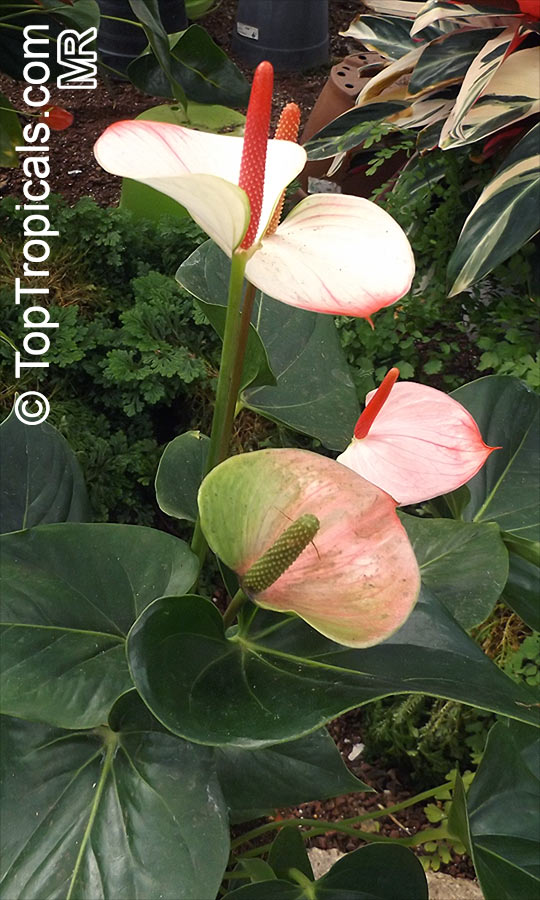
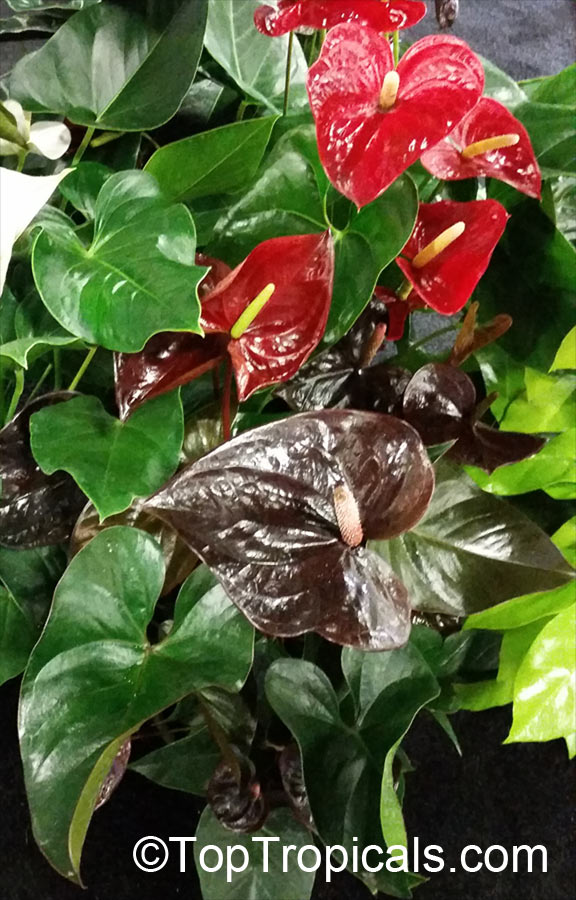
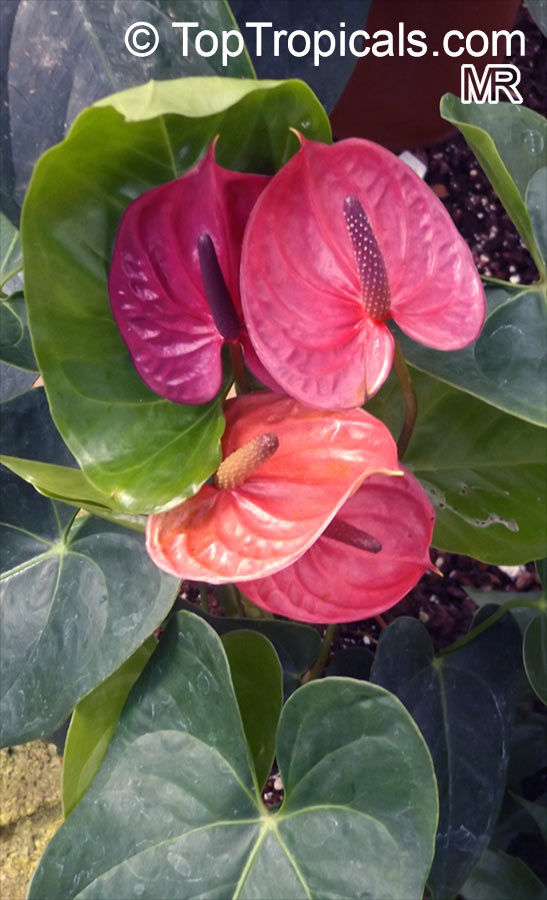
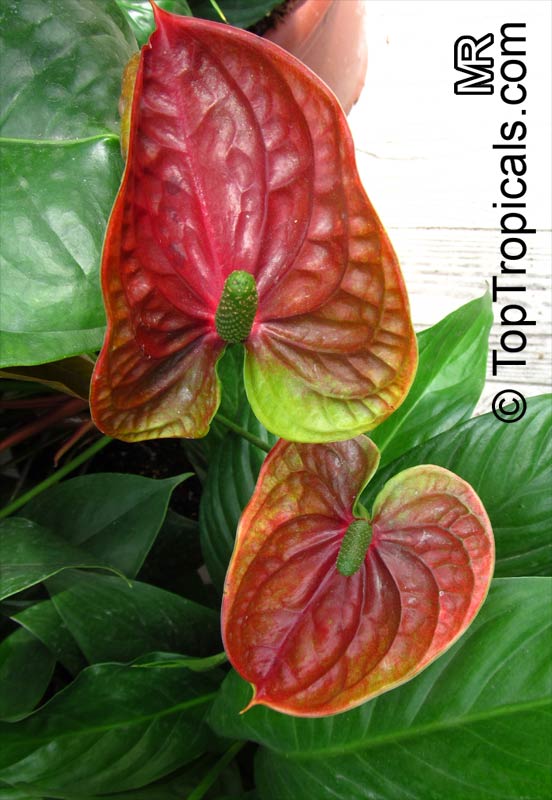
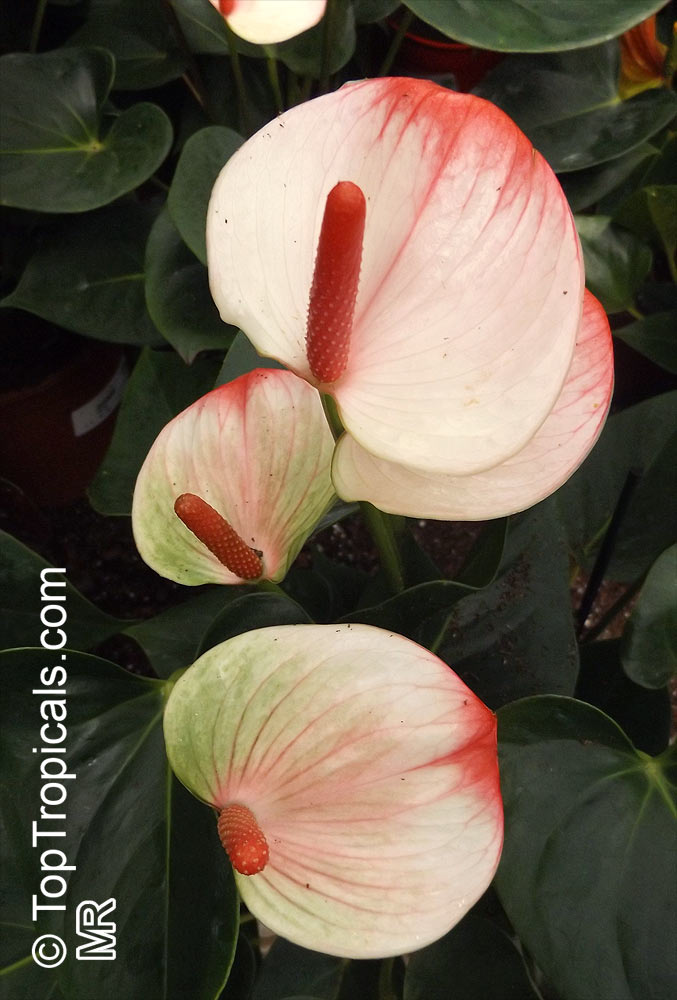
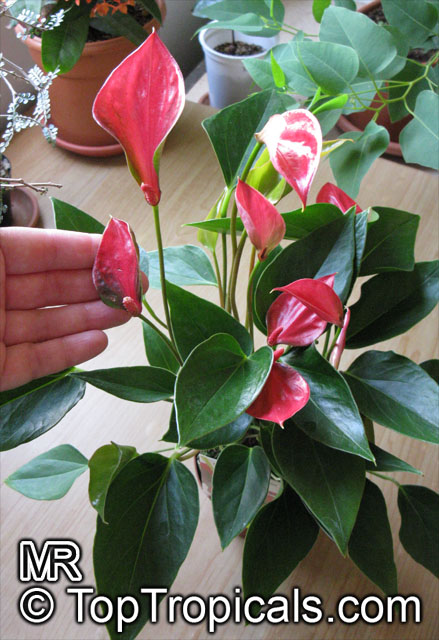
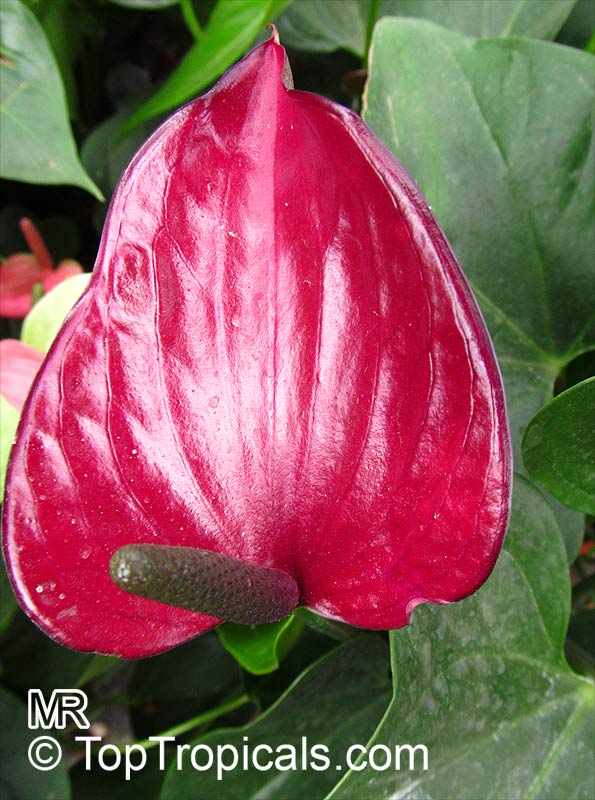
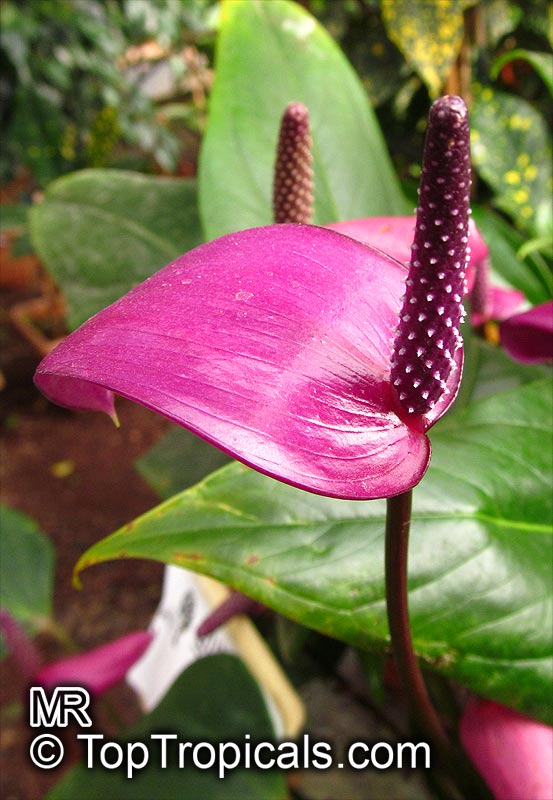
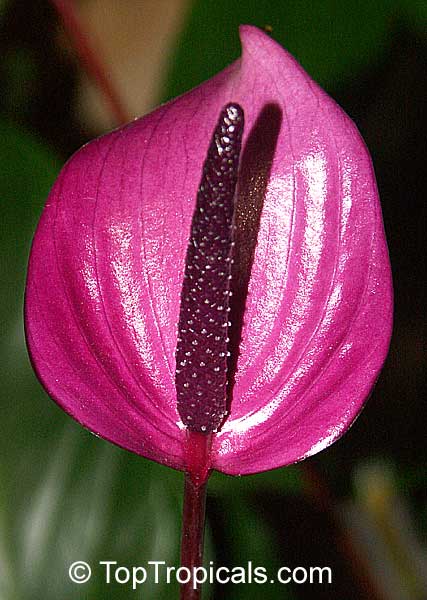
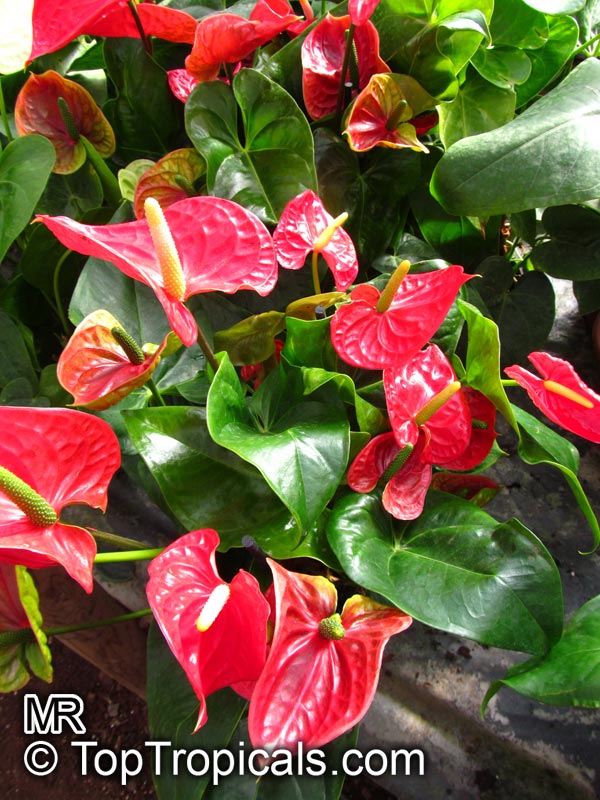
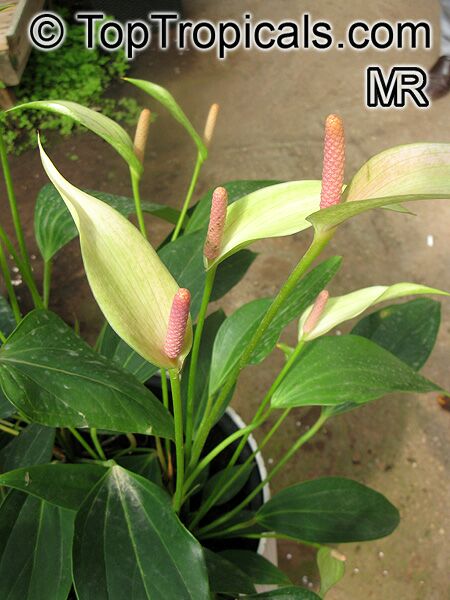
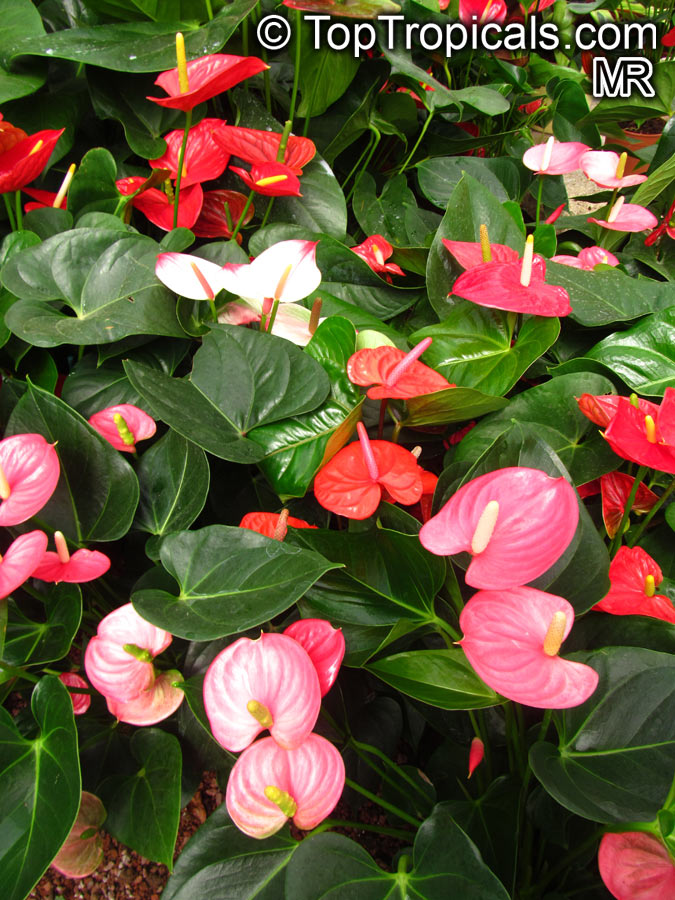
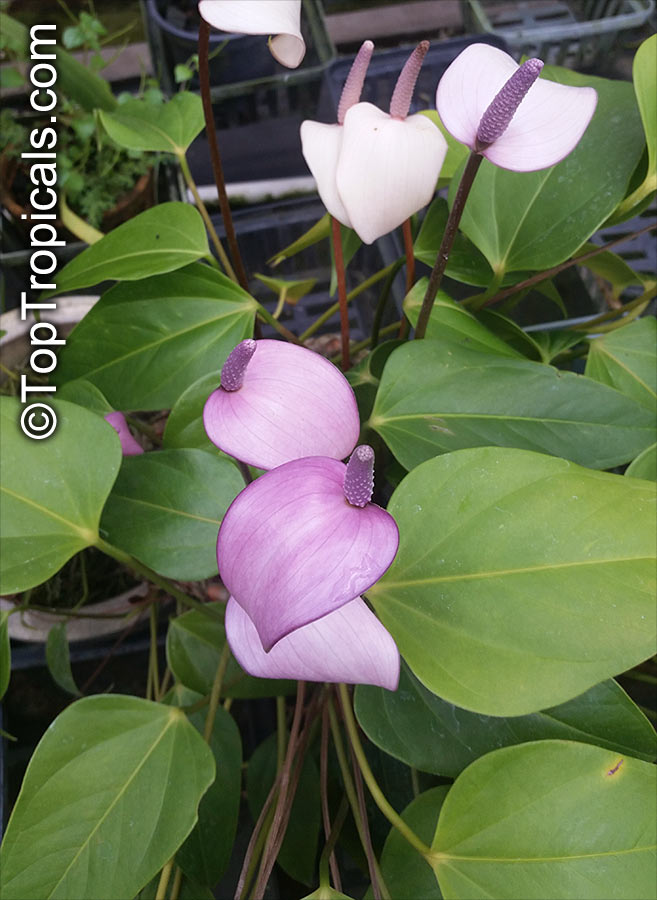
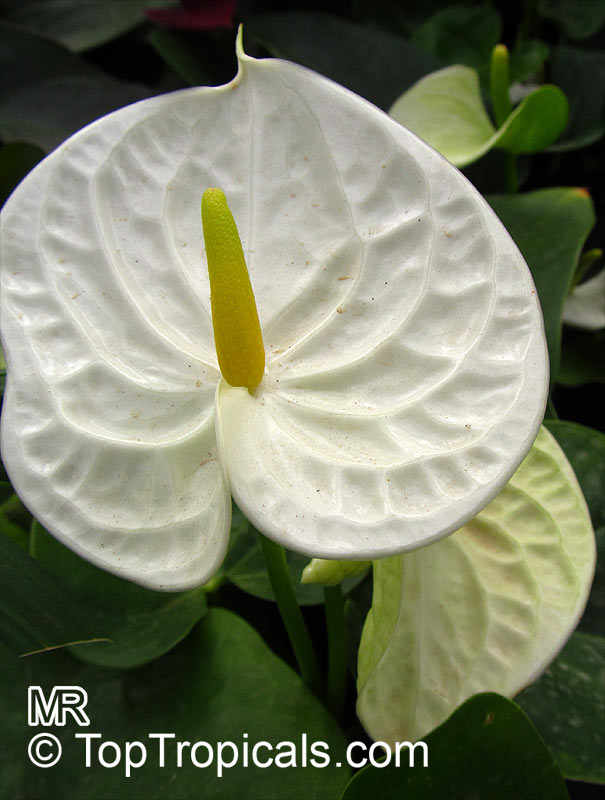
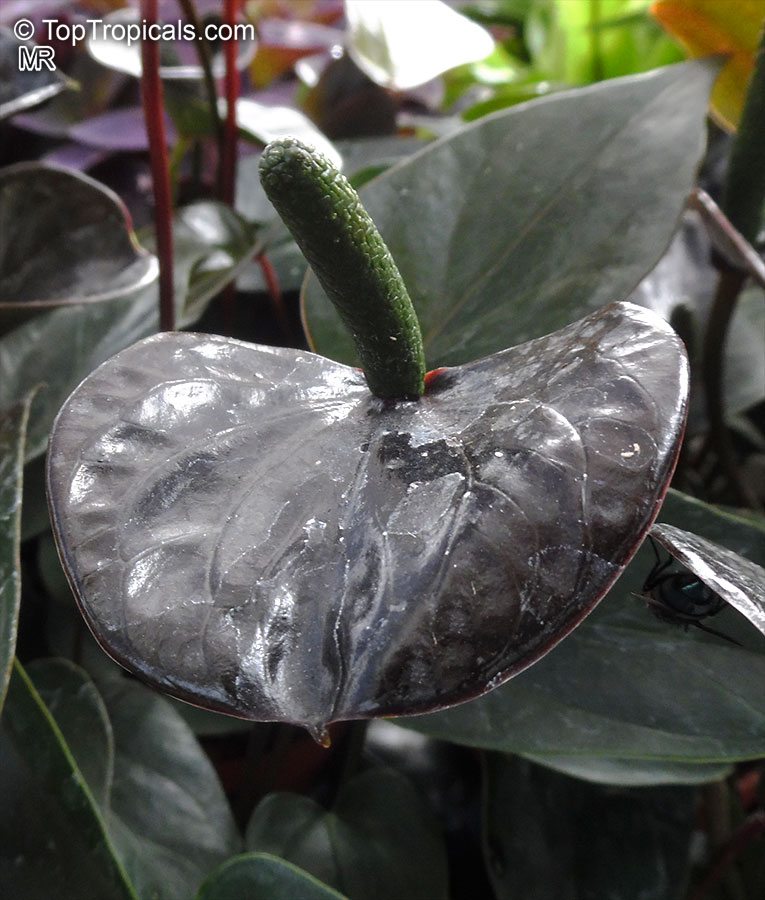
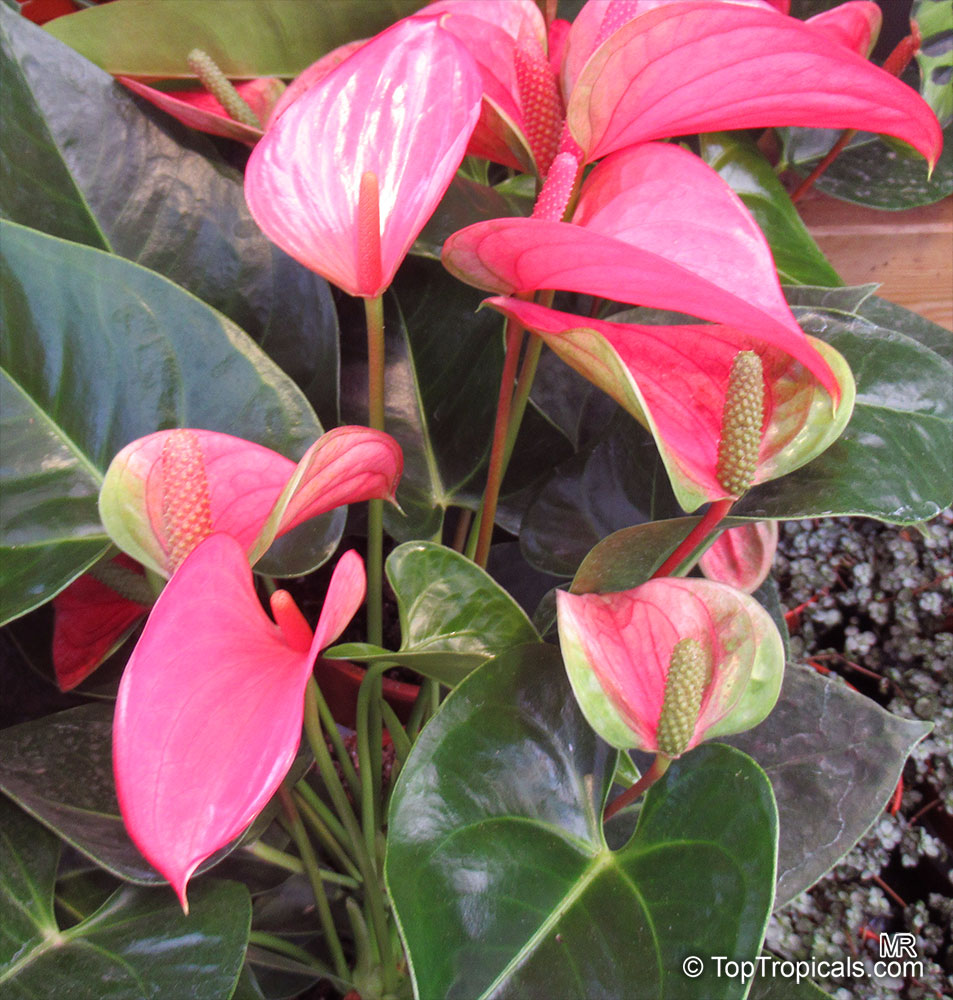
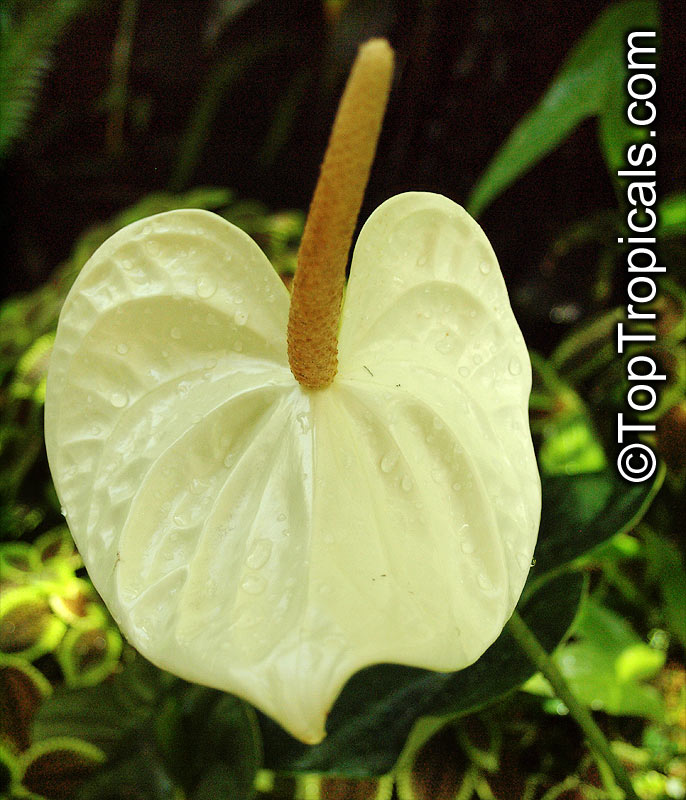
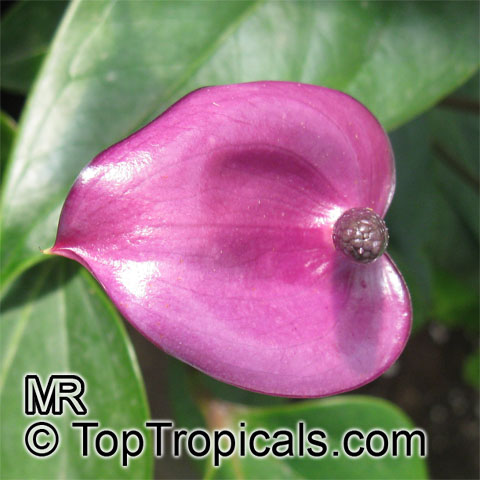
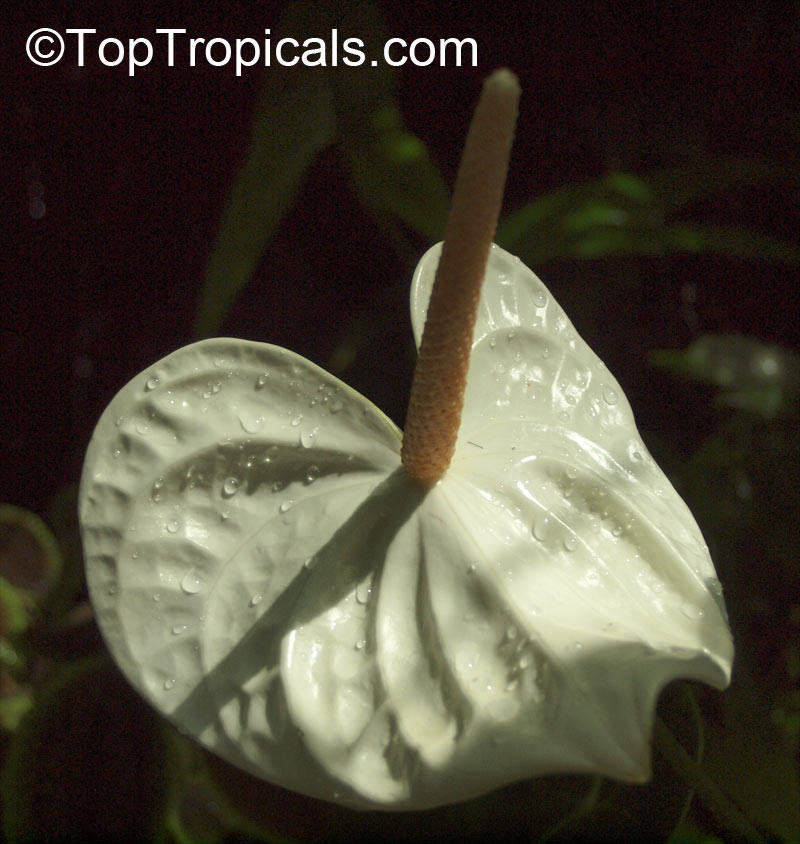
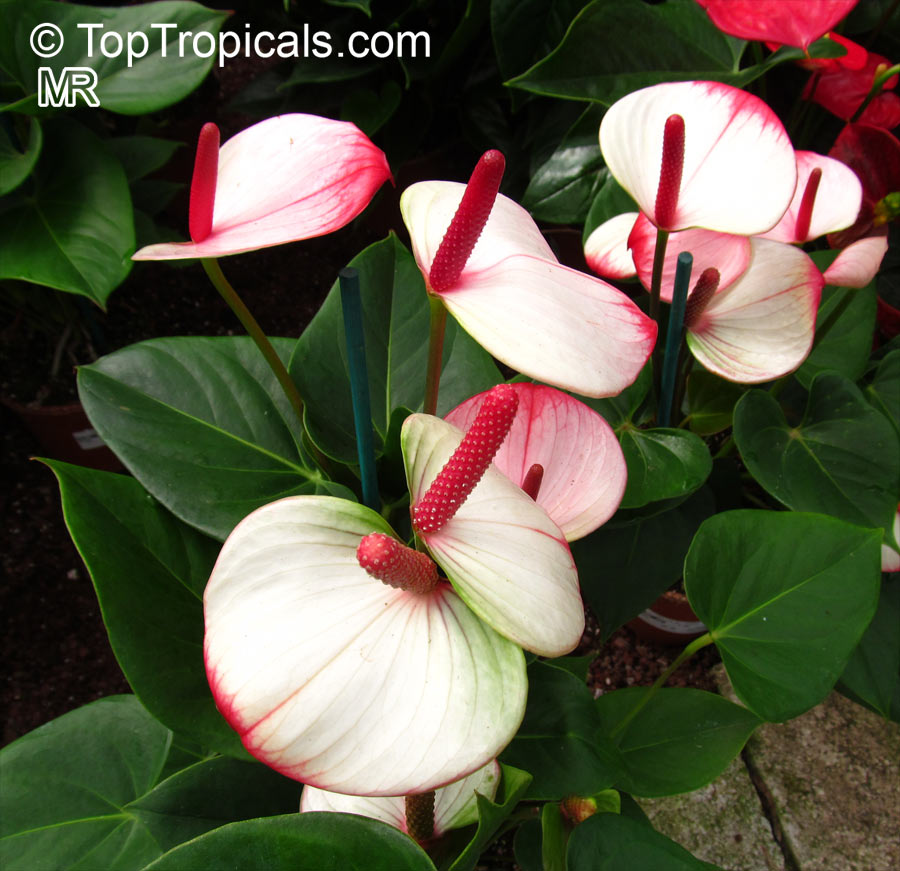
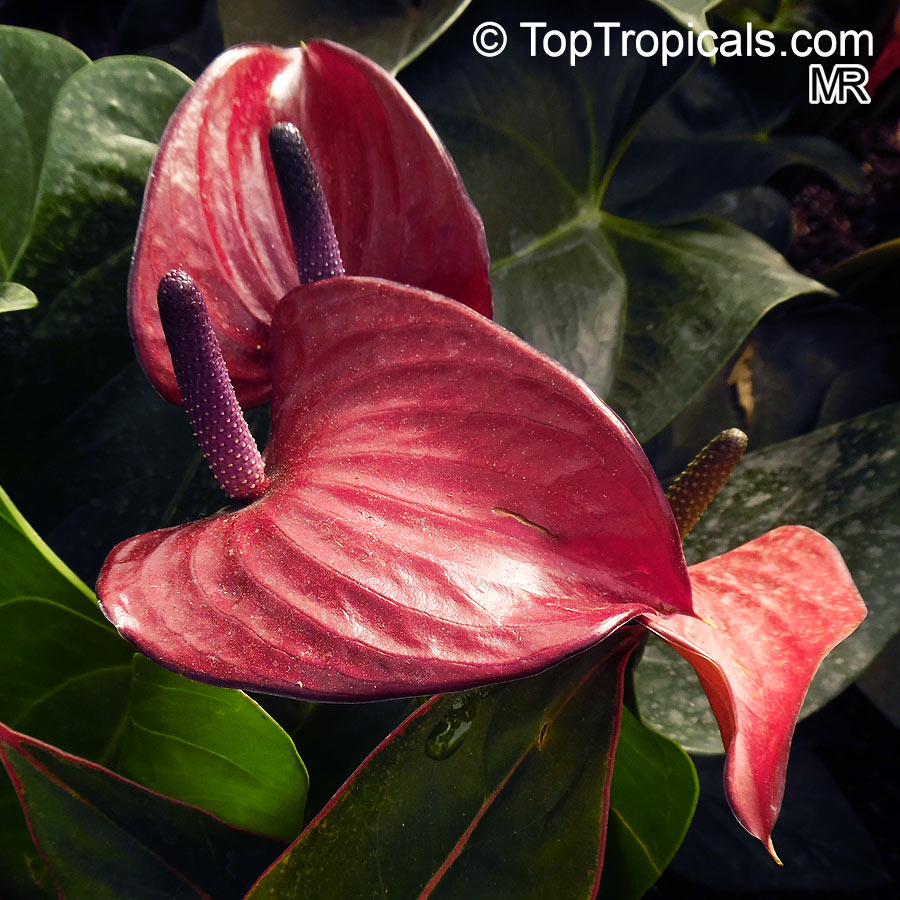
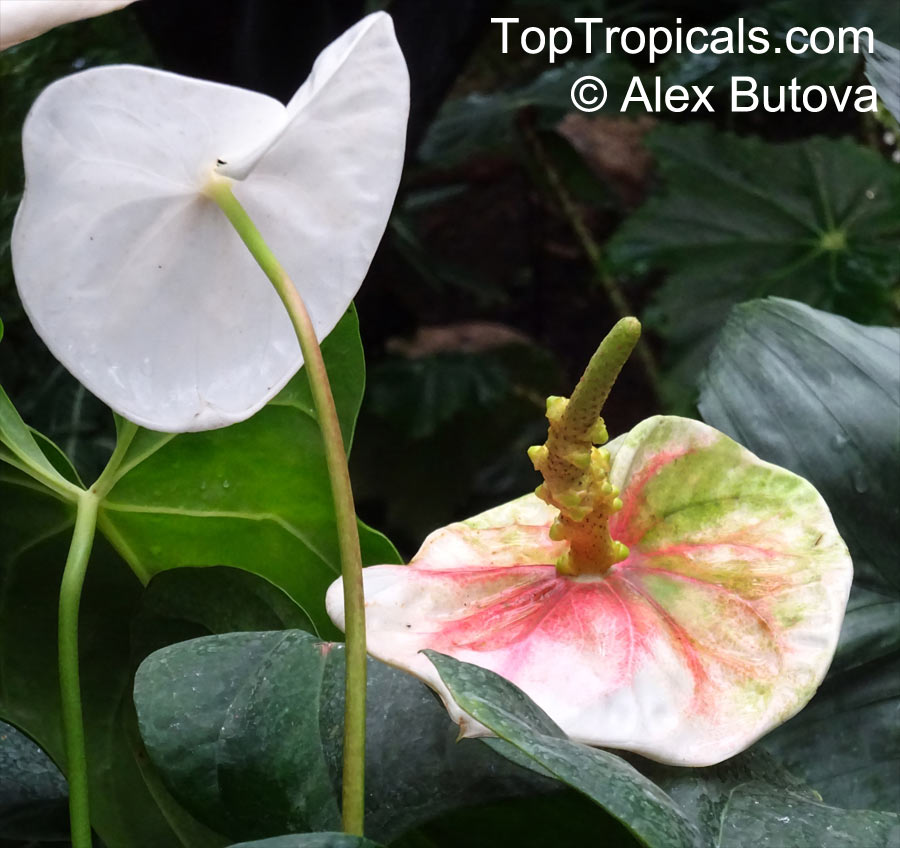
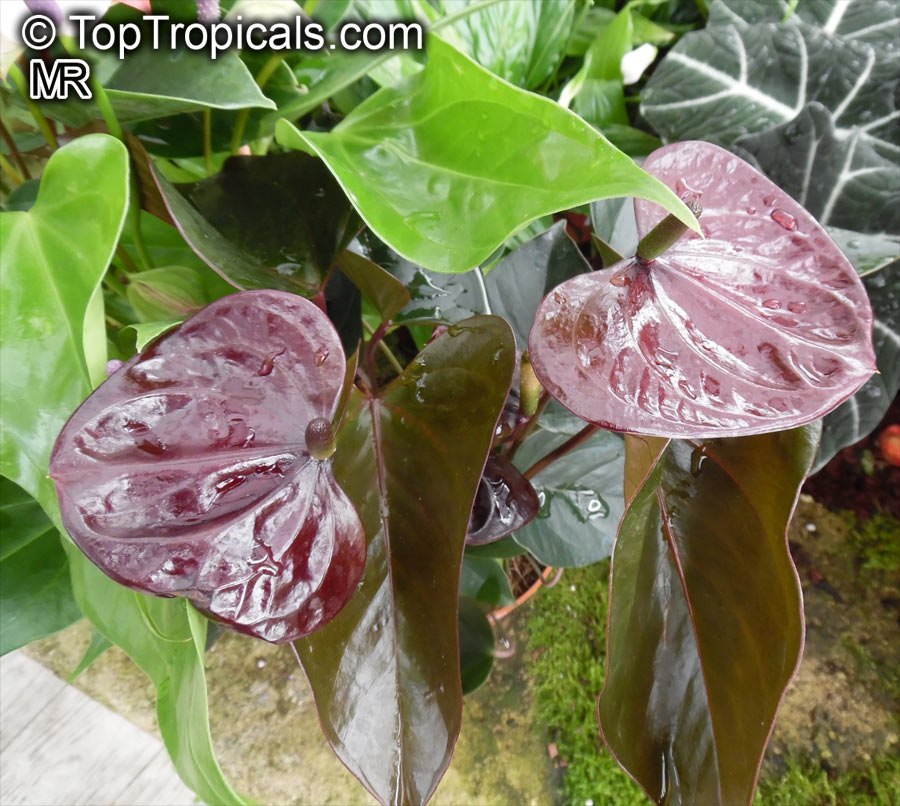
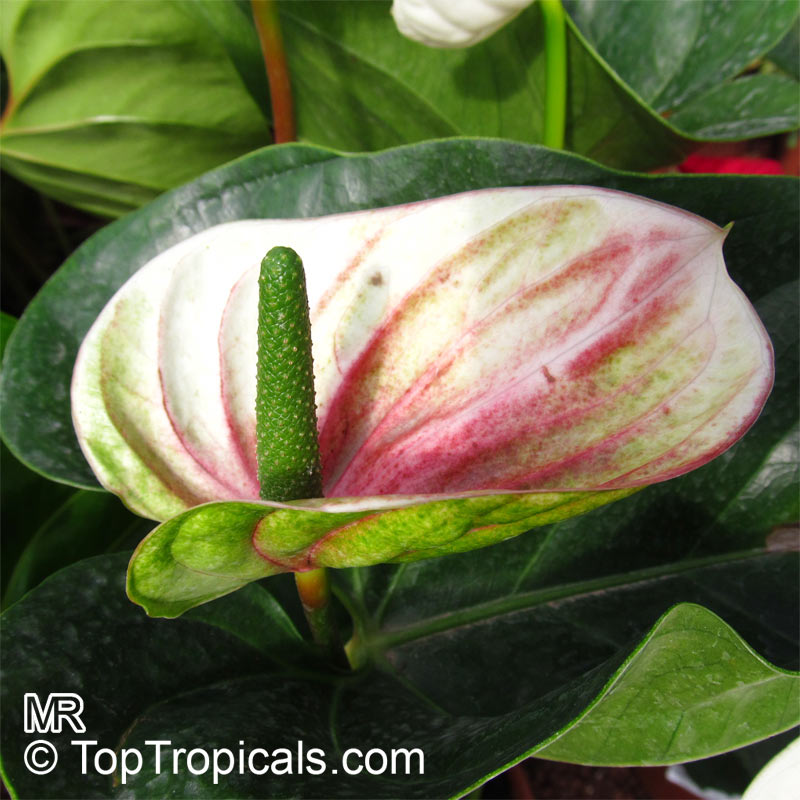
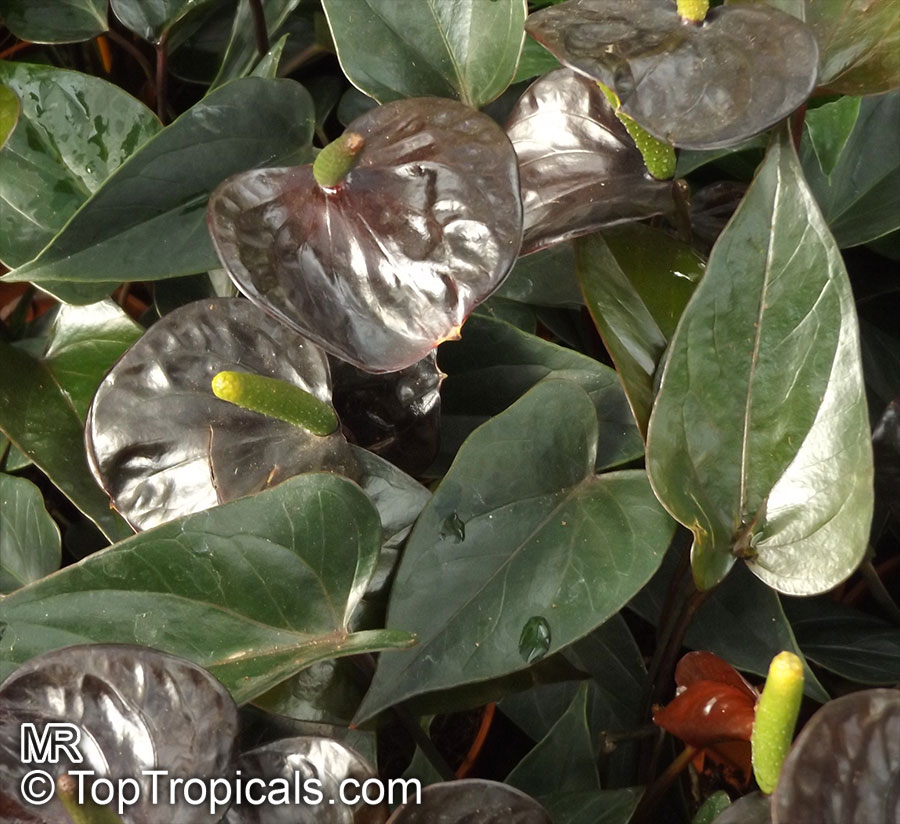
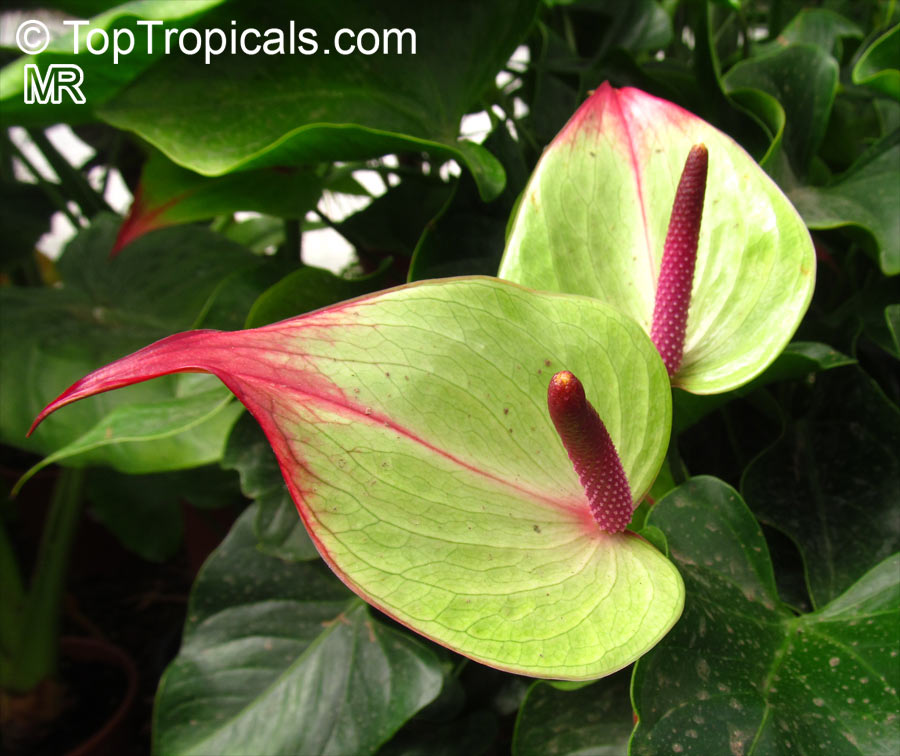
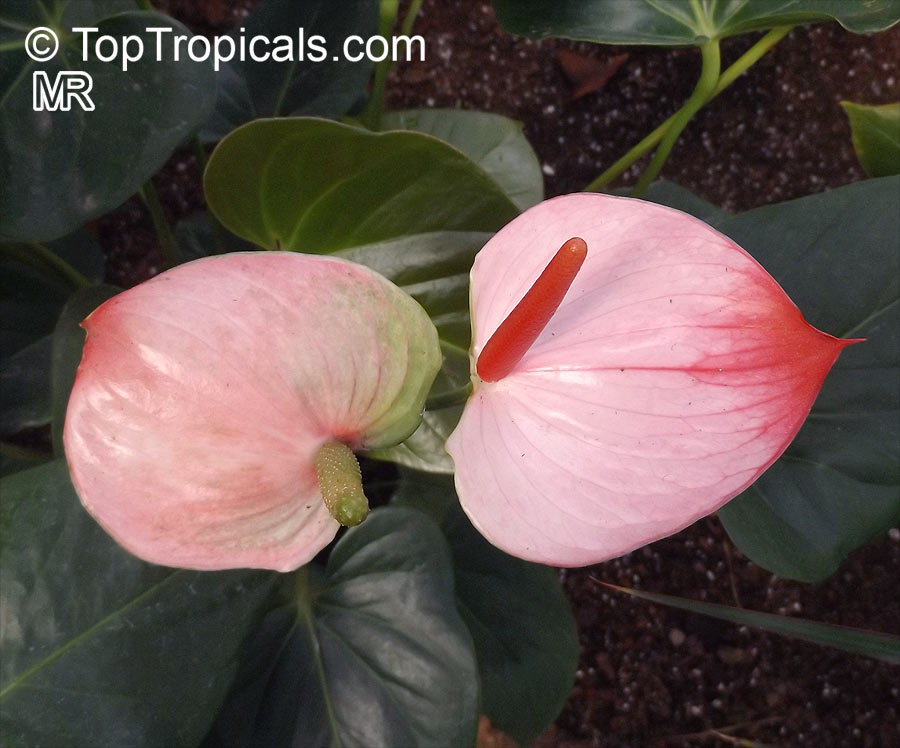
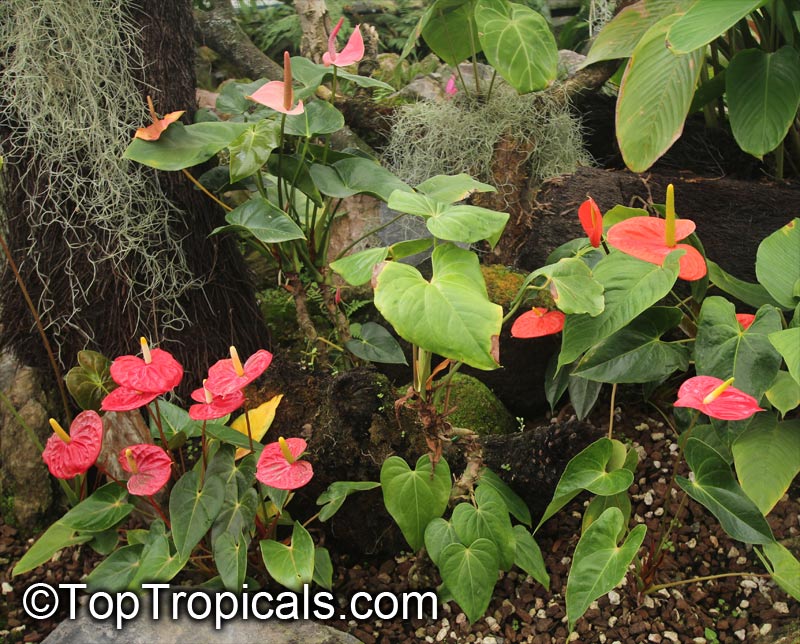
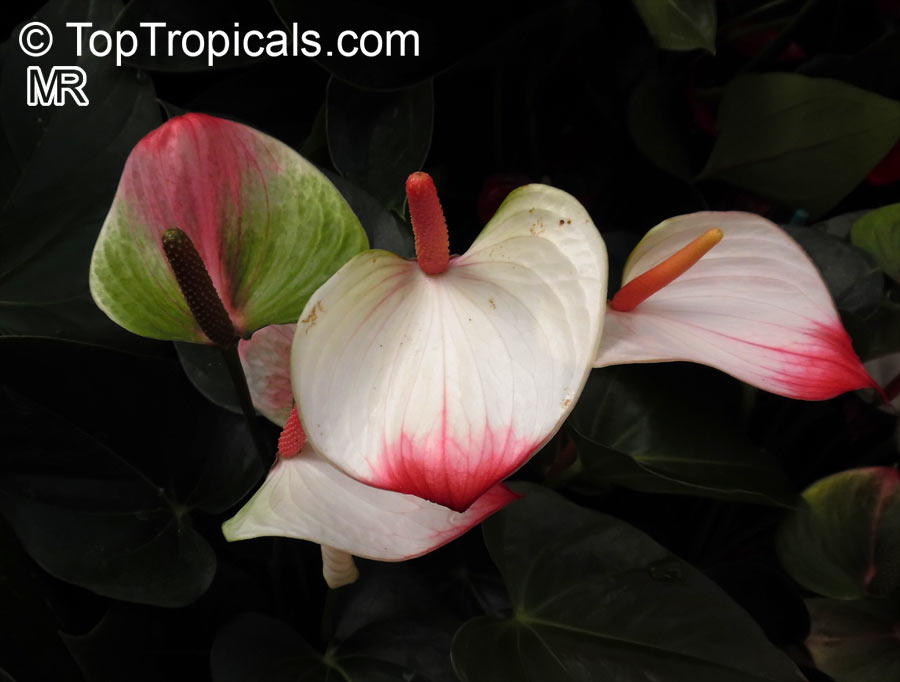
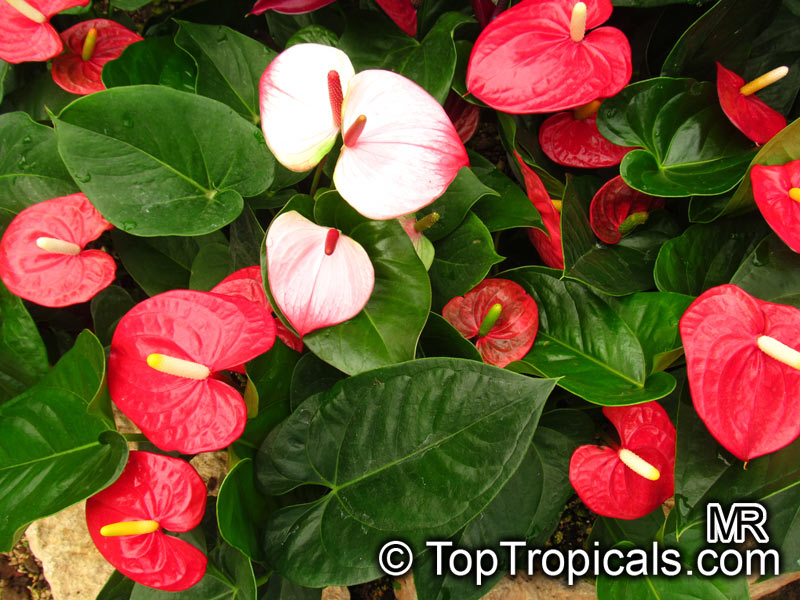
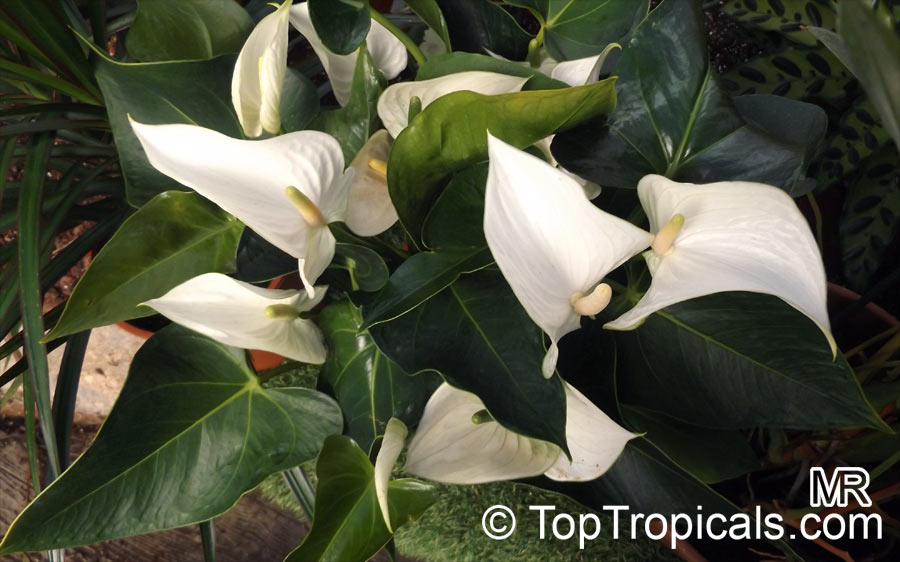
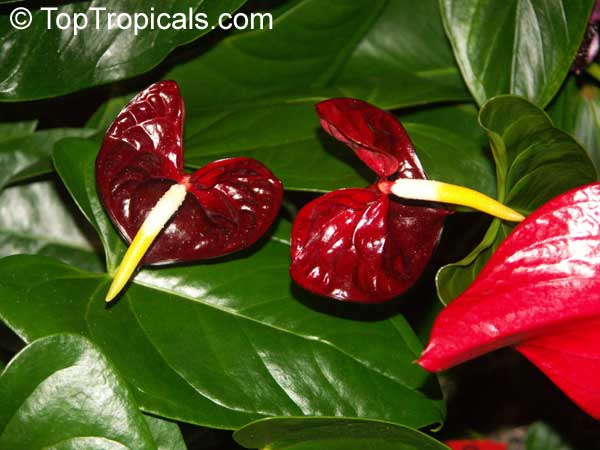
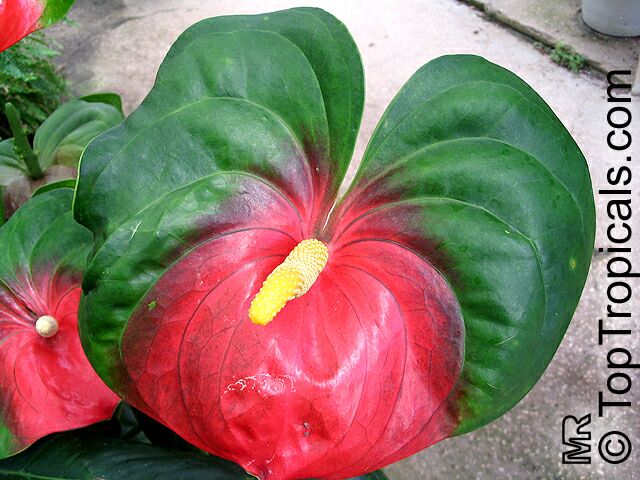
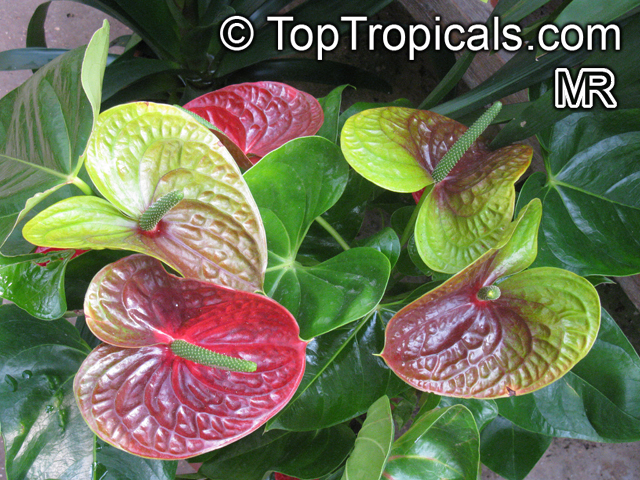
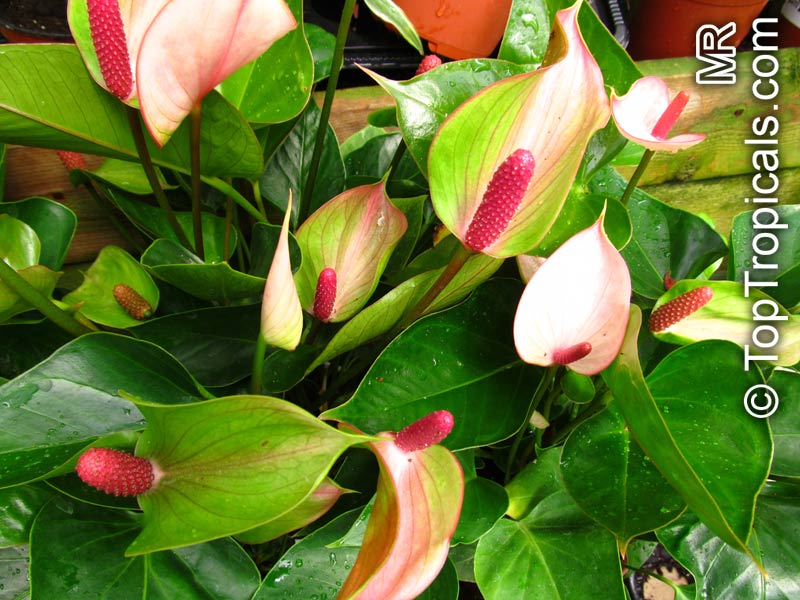
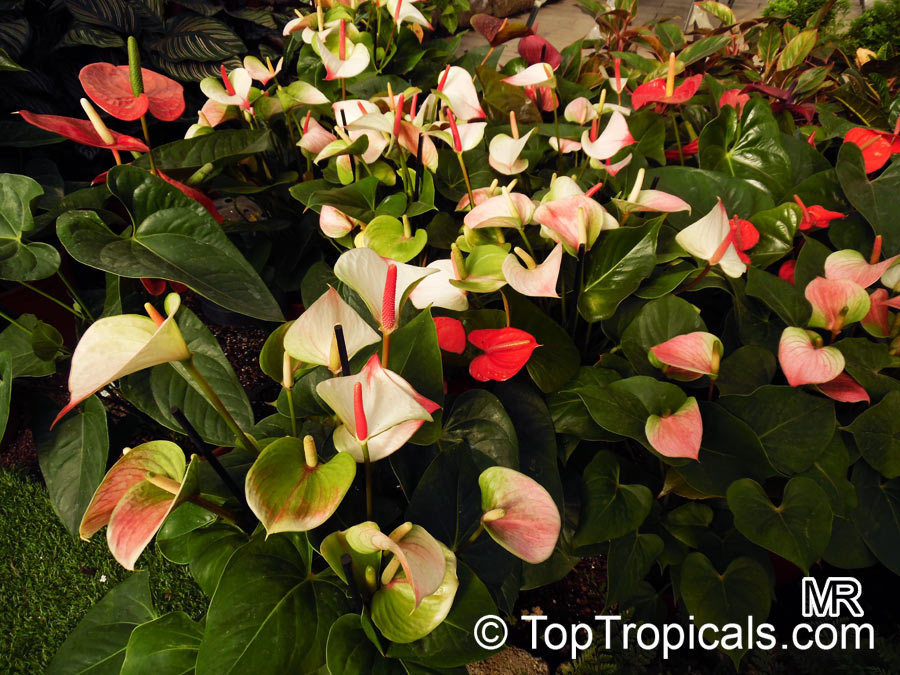
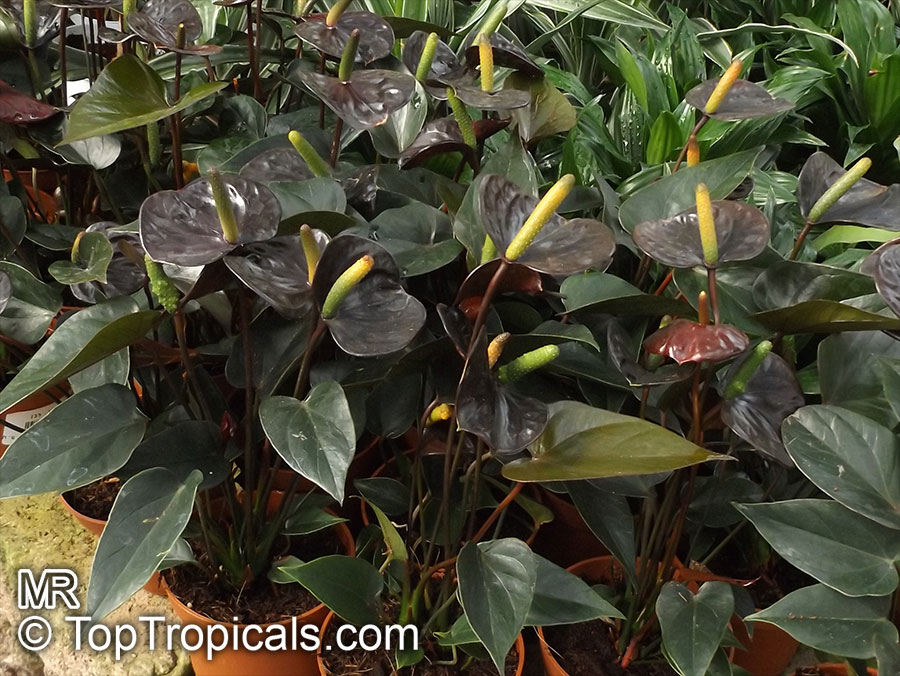
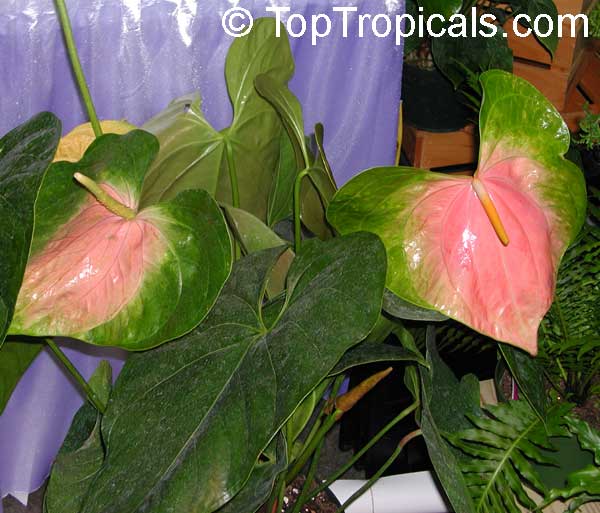
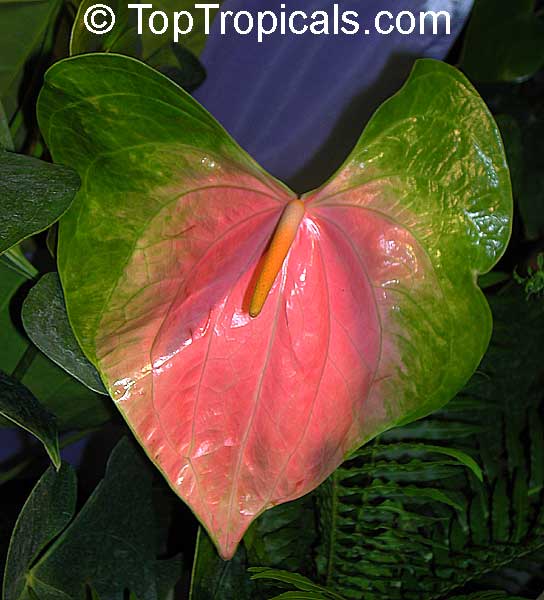
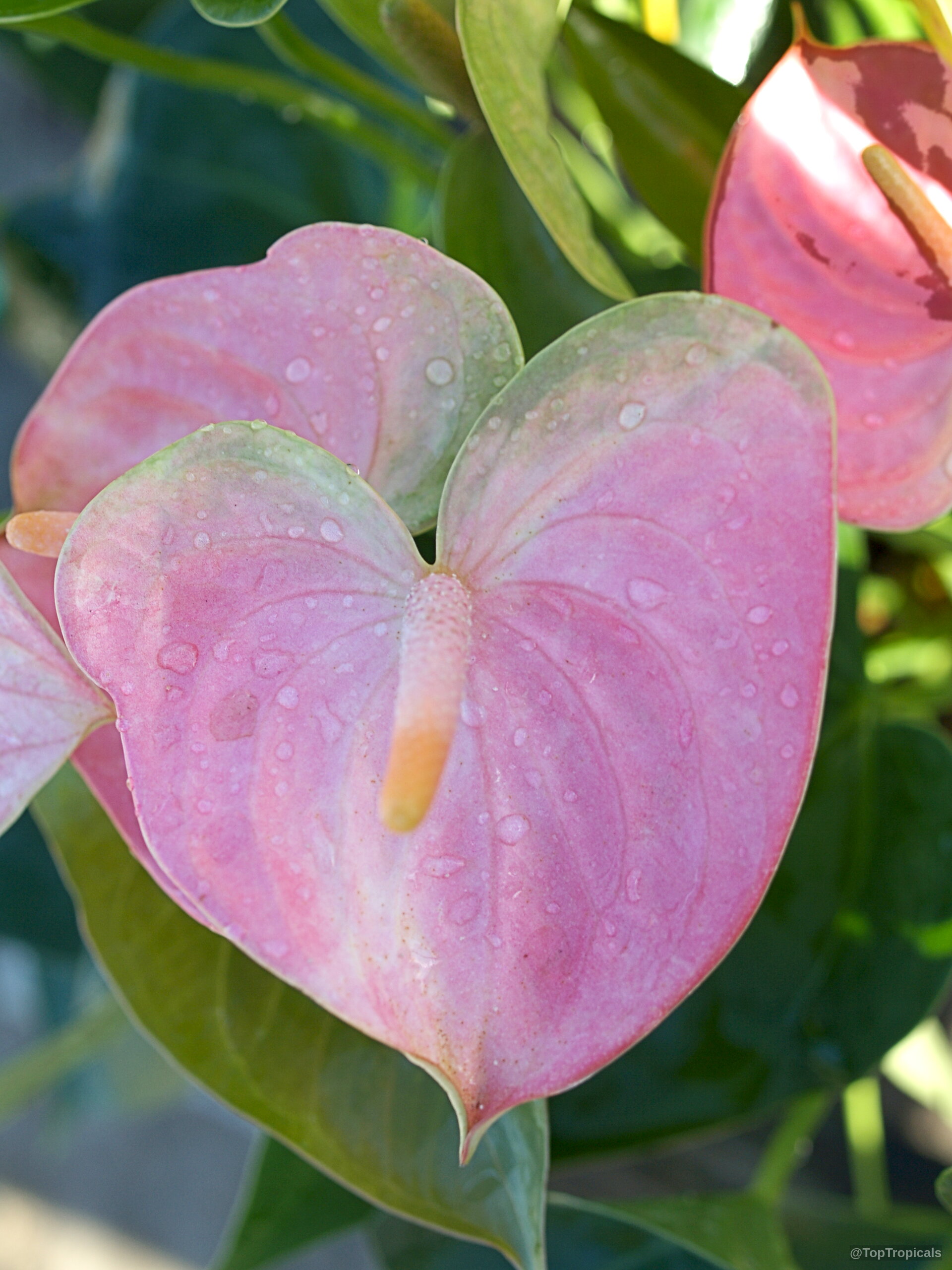
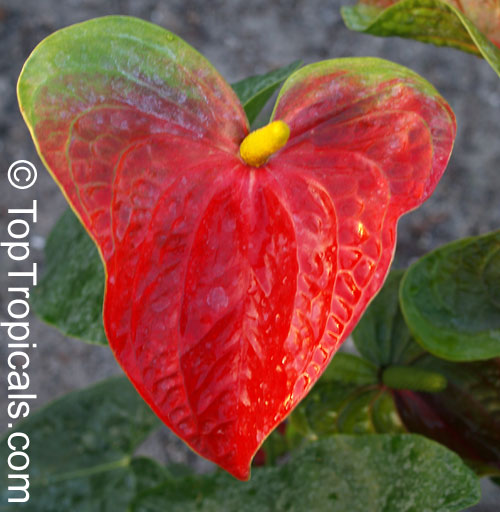
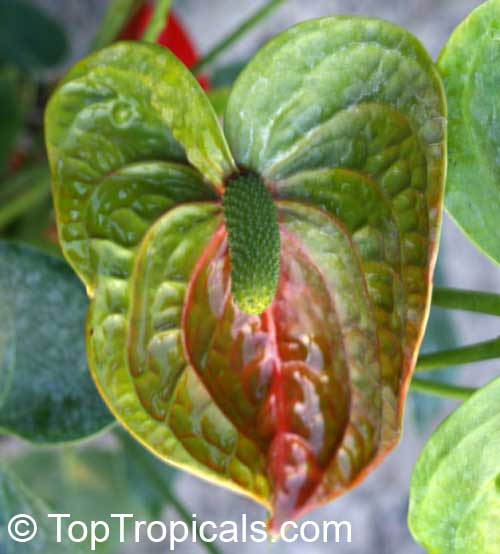
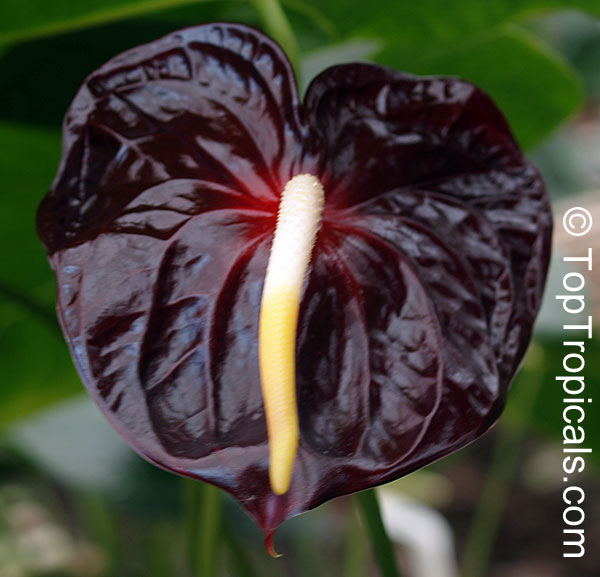
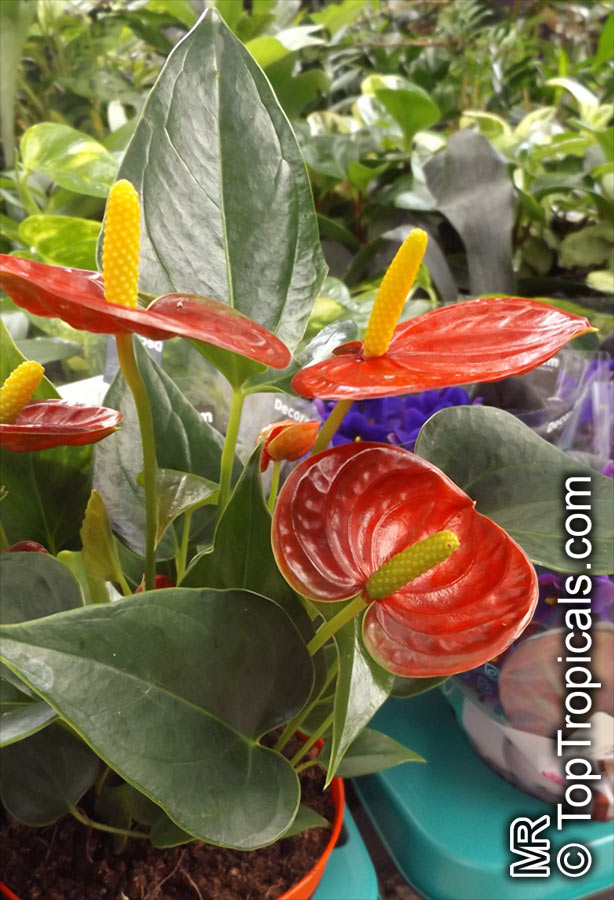
Botanical name: Anthurium andraeanum
Common names: Flamingo Flower, Tail Flower
Family: Araceae
Origin: Ecuador and Colombia
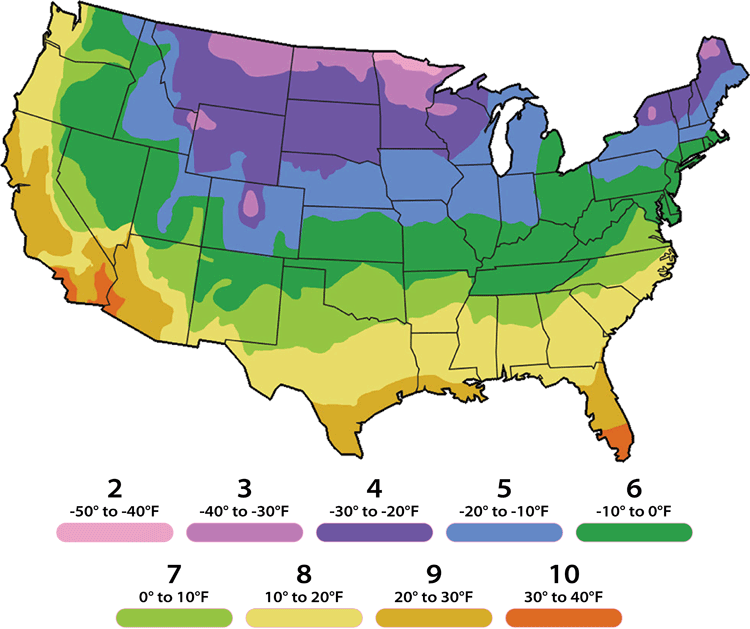
USDA Zone: 9-10


There are hundreds of species of this genus, all members of the Araceae family. The majority are fairly nondescript and a few are grown for their handsome foliage. There are only two species which are generally grown for their flowers, Anthurium andraeanum and Anthurium scherzerianum. Both types are basically epiphytic and grown best in a mix of bark, perlite and fern fiber such as that used in orchids or bromeliads. They will grow in soil but rarely perform well in that medium. Anthurium andraeanum is the florist anthurium, a plant with red, white or pink spatches which have an artificial, plastic-like look. Give a moderately high light intensity but avoid direct sunlight during the spring and summer months when the sun is most intense. A high humidity is essential as is warm temperature, 70-75 days, 65 minimum at night. The potting mixture should be kept moist, but not soggy during the spring- summer period and allowed to dry slightly between waterings from late fall through winter. A feeding of weak manure water and a fish emulsion may be given every two weeks from late winter to mid summer.
Both species have a tendency to grow up out of the pot. The exposed aerial roots should be wrapped in moist sphagnum.
When the plant is eight inches or higher out of the pot it may be cut off at the base and repotted in fresh potting mixture. Plants will occasionally split and form pups. These can be divided when large enough. Plants are also propagated by stem cuttings and seed, both of which are extremely difficult without greenhouse facilities.
Real Hawaiian lava rock is hand selected to provide a happy home for Anthurium. With reasonable care your volcano bonsai should last for years. Place in a bright window or on a countertop without direct sun and just keep a small amount of water in the saucer/tray provided. Requires consistently moist soil.



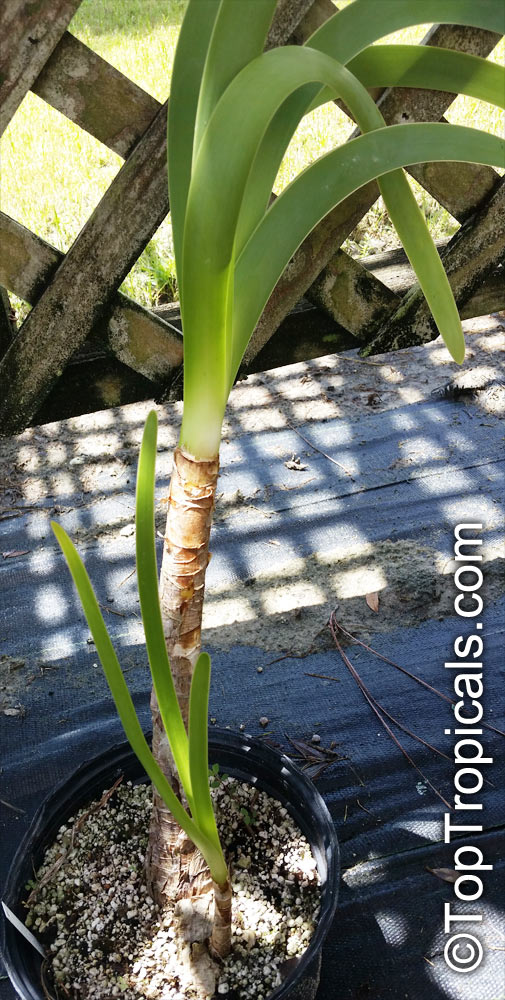
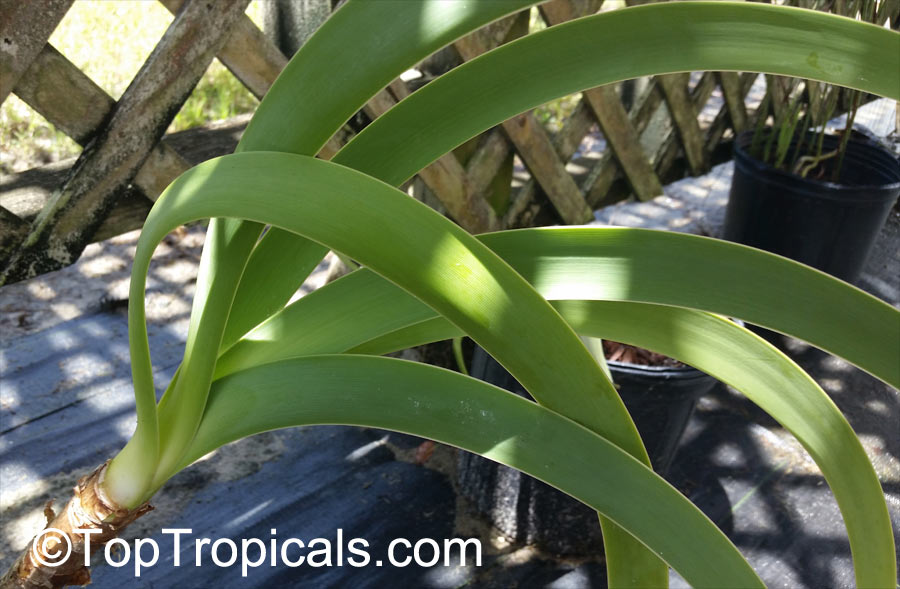
Botanical names: Worsleya procera, Worsleya rayneri
Common names: Empress of Brazil, Blue Amaryllis
Family: Amaryllidaceae
Origin: Brazil
USDA Zone: 9-10


The Empress of Brazil, also known as Worsleya procera, is easy to cultivate and is an ideal choice for growing in containers and indoors.
This small plant prefers full sun, and its soil should be kept moist at all times. Water regularly, and make sure to keep the soil evenly moist. In cold regions, the Empress of Brazil can be grown in a pot, although it should be brought inside for the winter months.
The Empress of Brazil has vibrant, beautiful blooms that come in colors ranging from deep blue to lavender, to purple. It is a low-maintenance plant, and it is also very easy to propagate. Its flowers are often quite large and can measure up to six inches in diameter.
The Empress of Brazil is a drought-tolerant plant, but it does not do well with dry air. You should mist the leaves of the Empress of Brazil regularly to keep them hydrated. Aside from misting, you should also feed your Worsleya procera a fertilizer that is high in phosphorus, as this will help it to produce healthy and beautiful blooms.
The Empress of Brazil can be grown in USDA hardiness zones 9-11. It is an evergreen plant and is easy to grow as long as given the right conditions. The Empress of Brazil requires plenty of sun and moderate water. It also needs to be in well-drained soil, so be sure to plant in an area that doesn't stay wet for long periods of time.
With proper care and attention, the Empress of Brazil will reward you with long lasting and gorgeous blooms. It is an ideal choice for adding color and beauty to your garden or home. So, go ahead and give it a go, and let the Empress of Brazil show you its beauty!
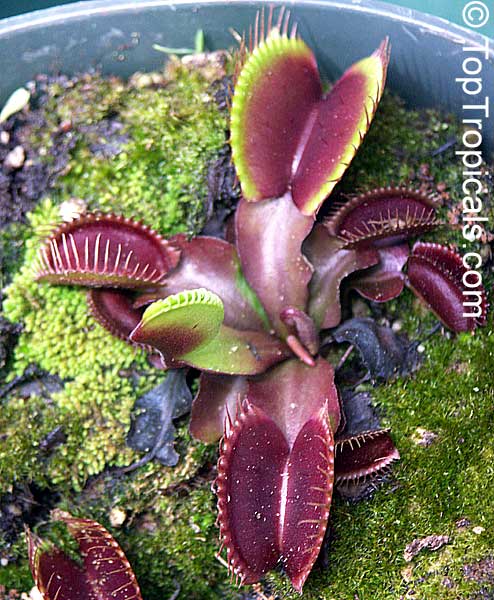
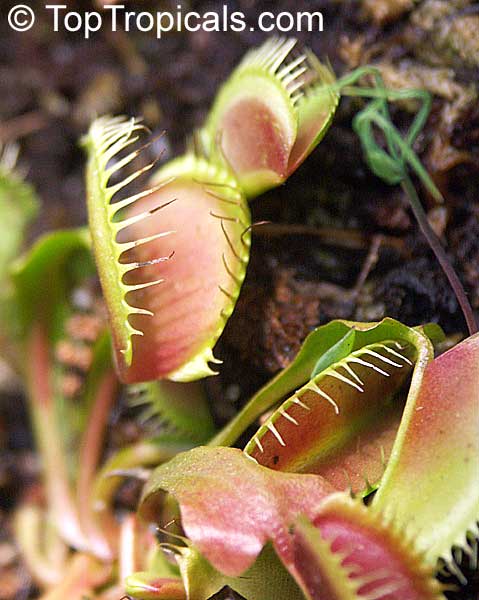
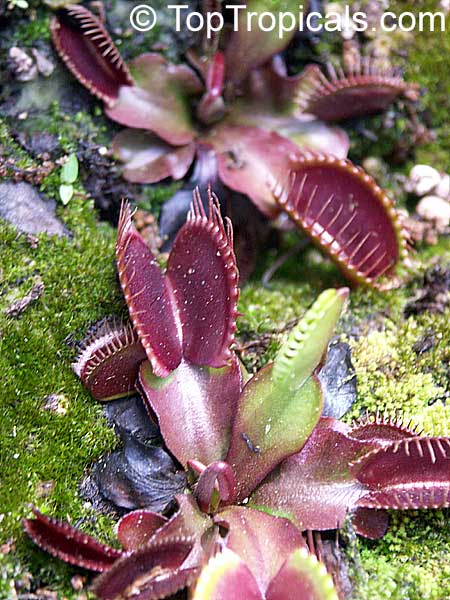
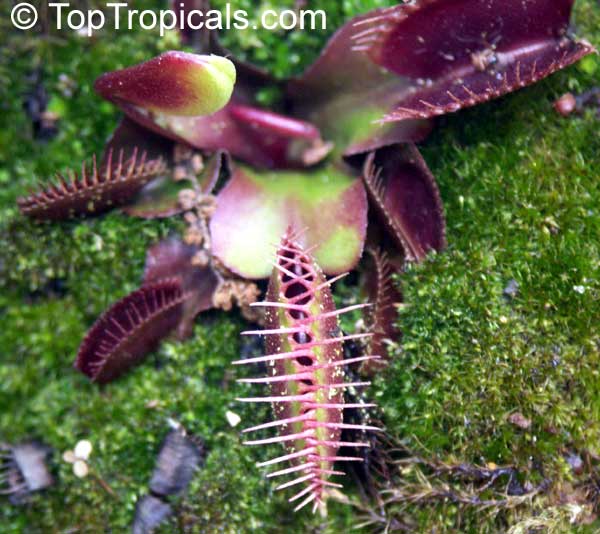
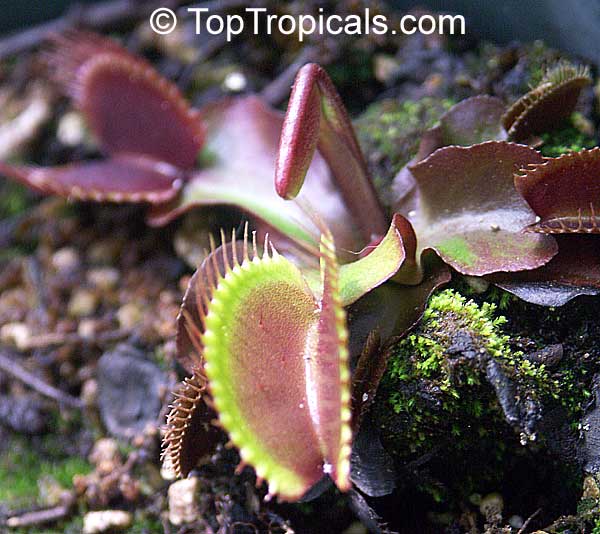
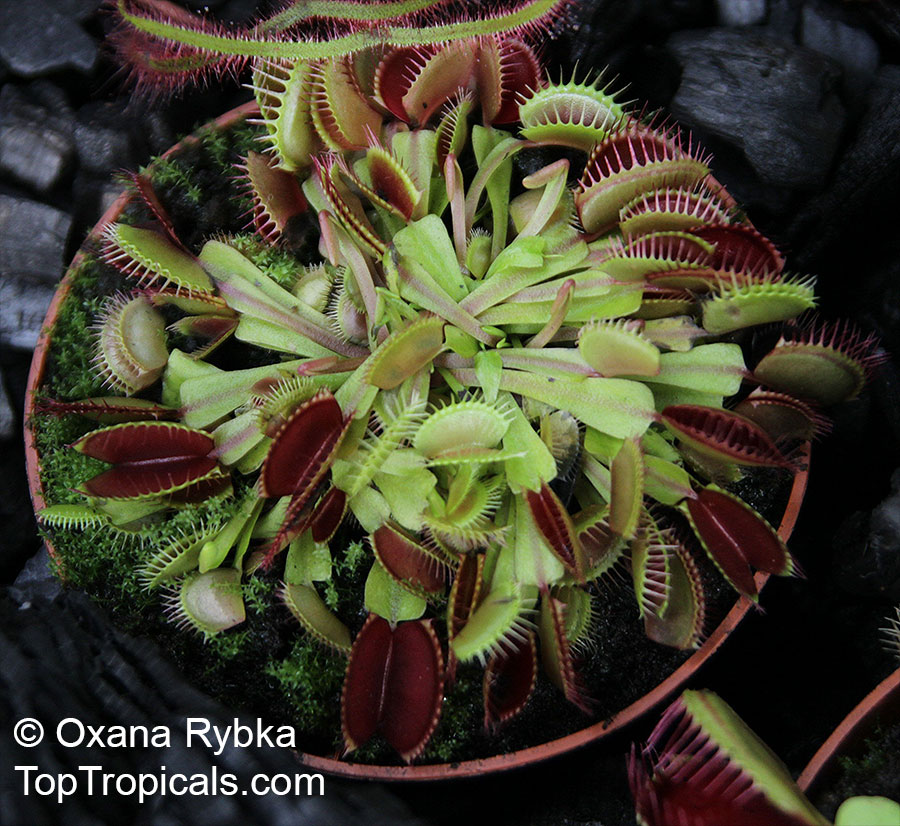
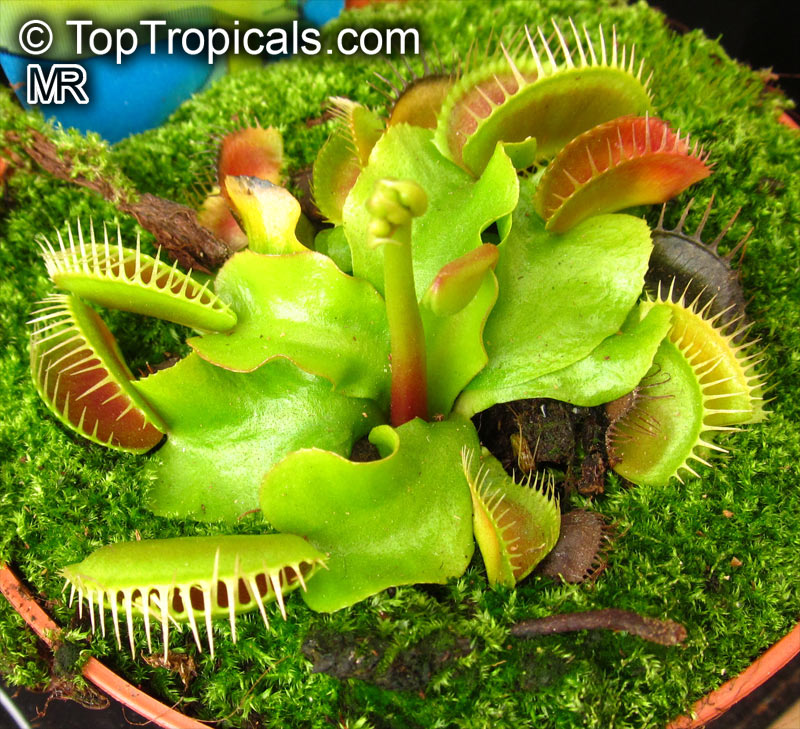
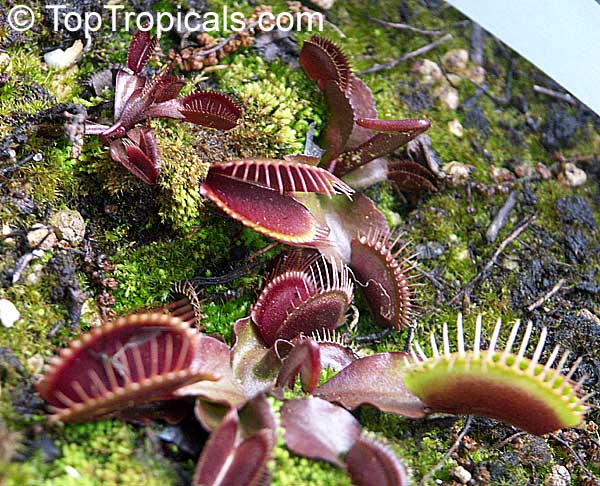
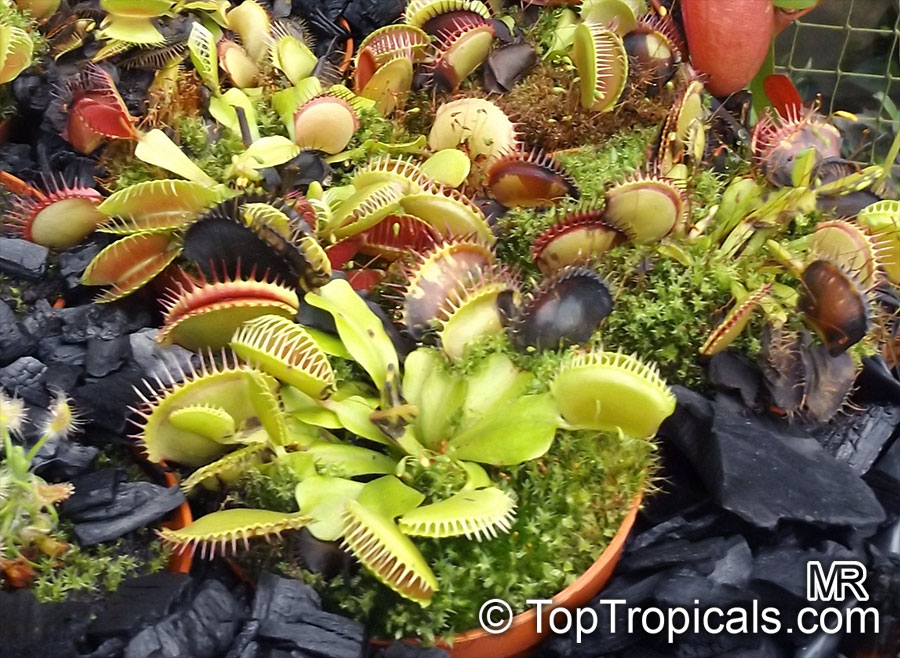
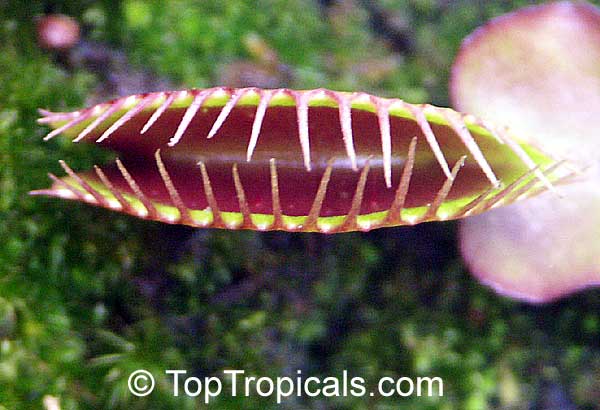
Botanical name: Dionaea muscipula
Common name: Venus flytrap
Family: Droseraceae
USDA Zone: 7-10


The Venus flytrap is a small herbaceous wetland plant characterized by unique hinged clamshell-like traps that spring closed to catch unwary insects. Venus flytrap grows from a fleshy white rhizome which gives rise to 4-6in rosettes of reclining leaves. Each leaf consists of a relatively broad petiole (leaf stem) and a leaf blade which is modified into the trap. The perennial Venus flytrap blooms in May and June with white, five-petaled blossoms which are held a few inches above the foliage. Caring for Venus flytrap in cultivation is not too difficult, and they require no major difference to general Carnivorous Plants care. A common Venus flytrap soil mixture is 1 part sphagnum moss peat to 1 part sand, and they can be grown on the tray system - taking care to ensure the water is suitable. Venus flytraps require at least three months of cool dormancy, and will tolerate light frosts. Venus flytraps require a substrate that is constantly moist and an atmosphere with at least 80% relative humidity. They can tolerate brief periods of flooding and drying out. During the growing season, keep the planting medium constantly moist. During the winter, keep it just barely moist. Never water with anything but rain water.


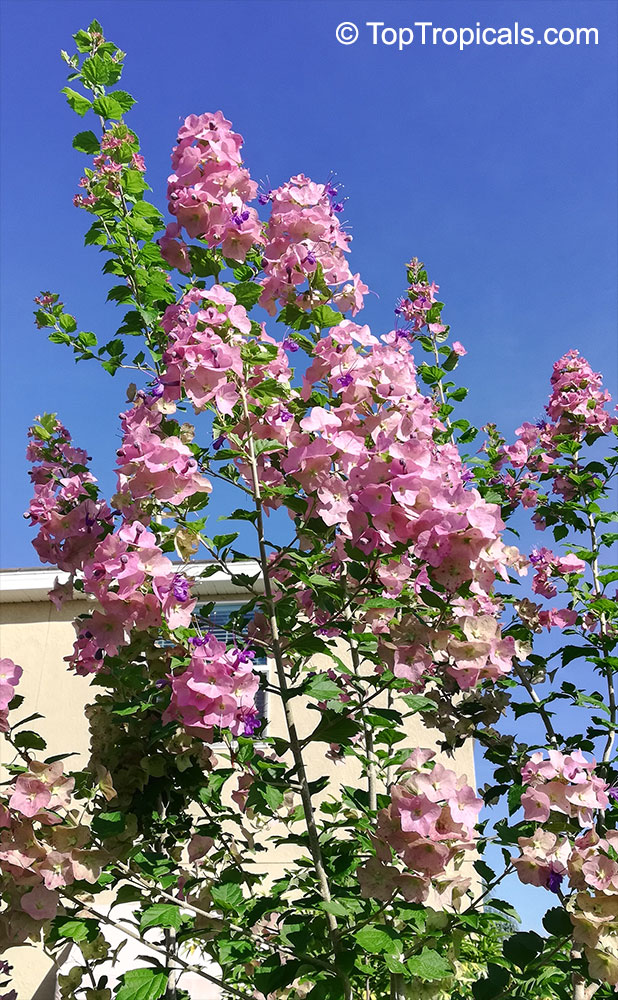
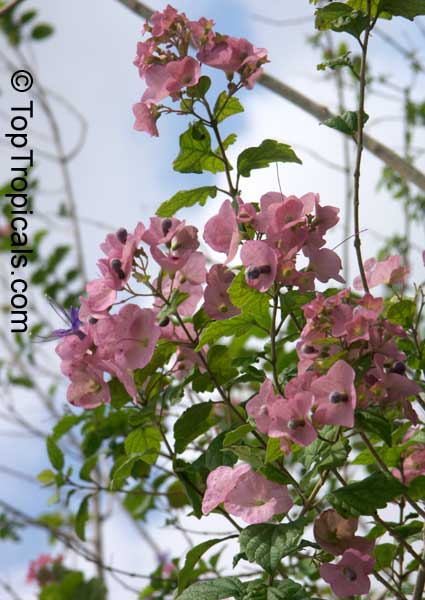
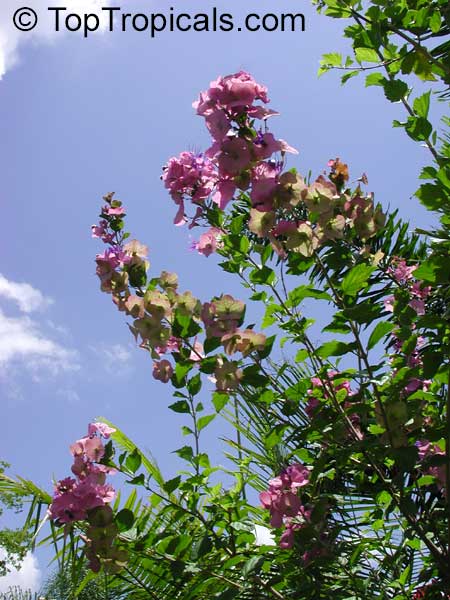
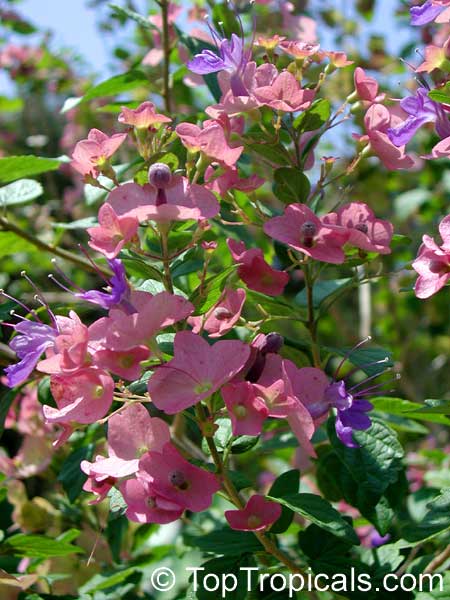
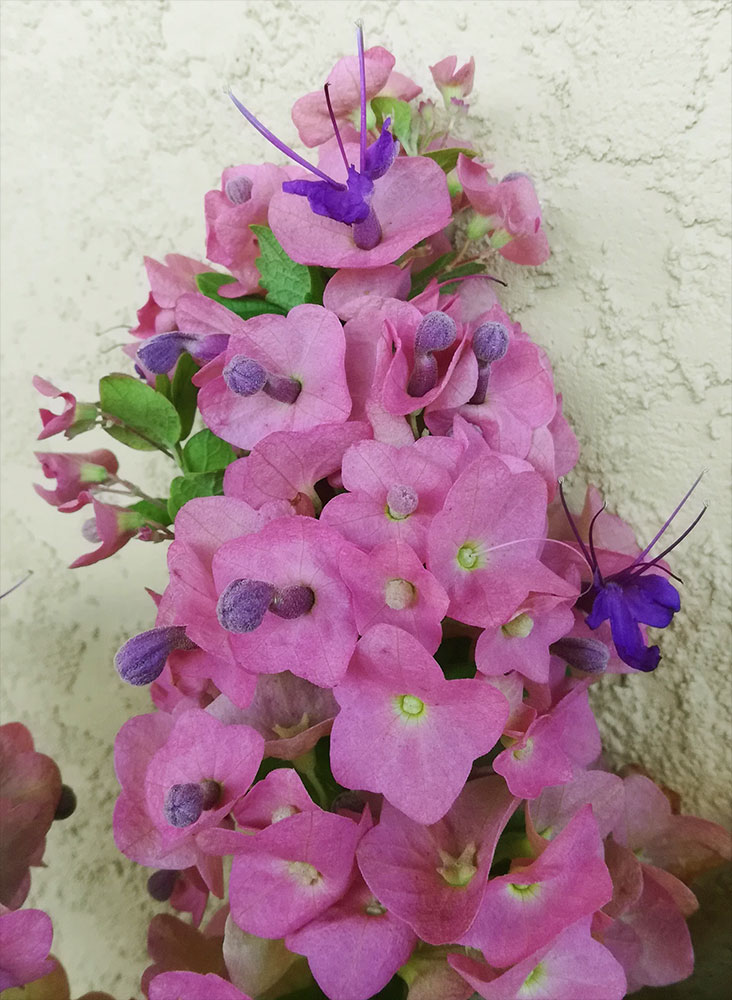
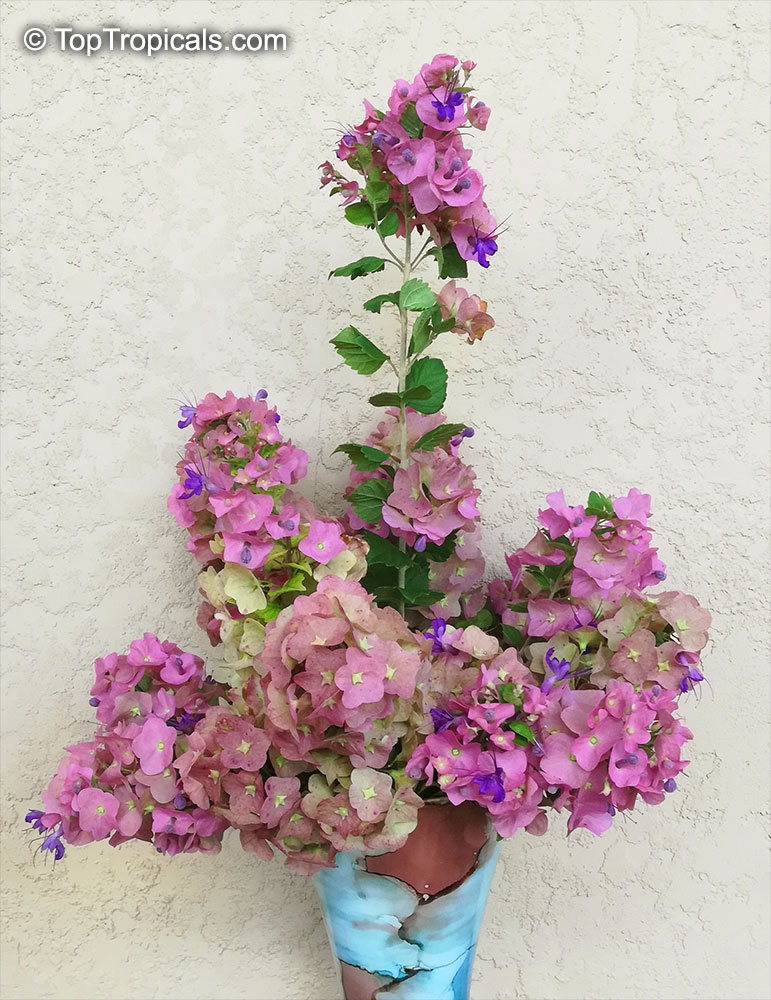
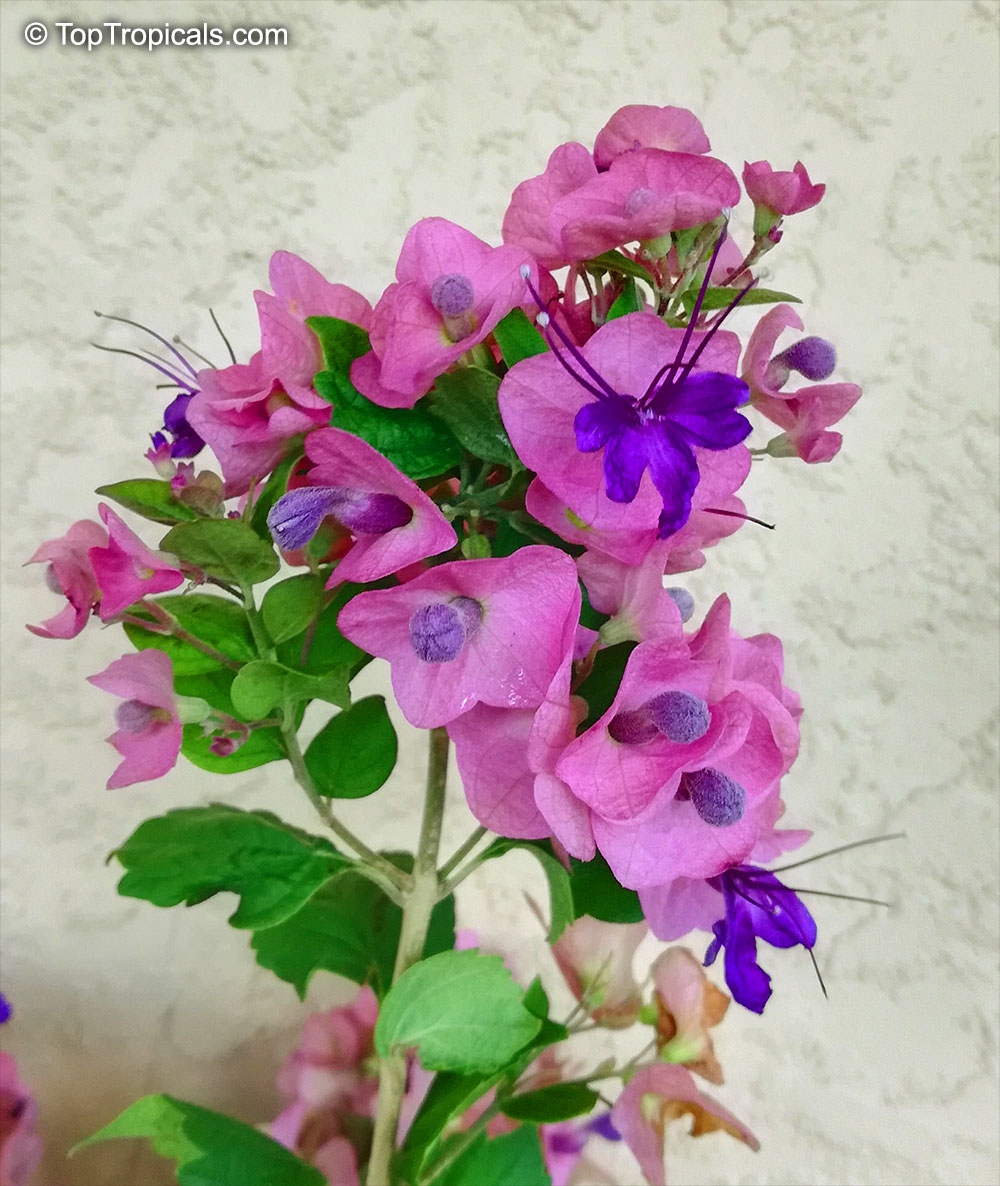
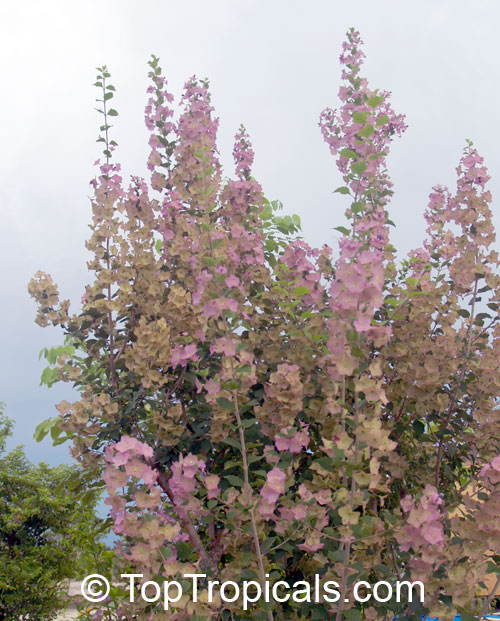
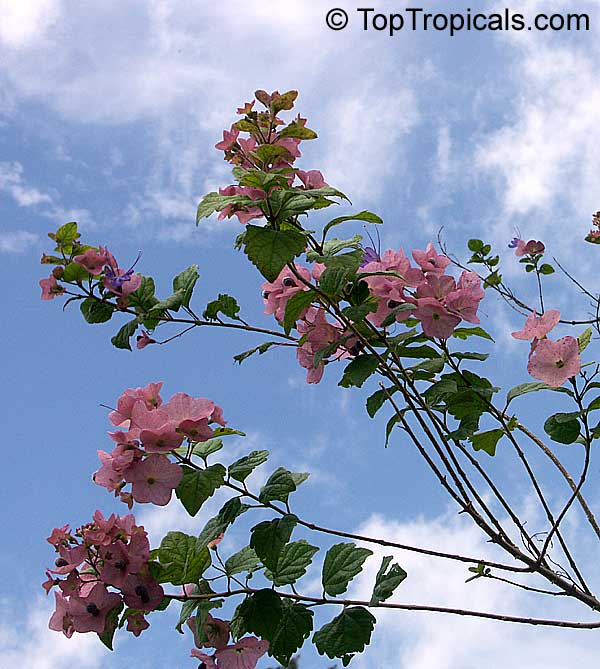
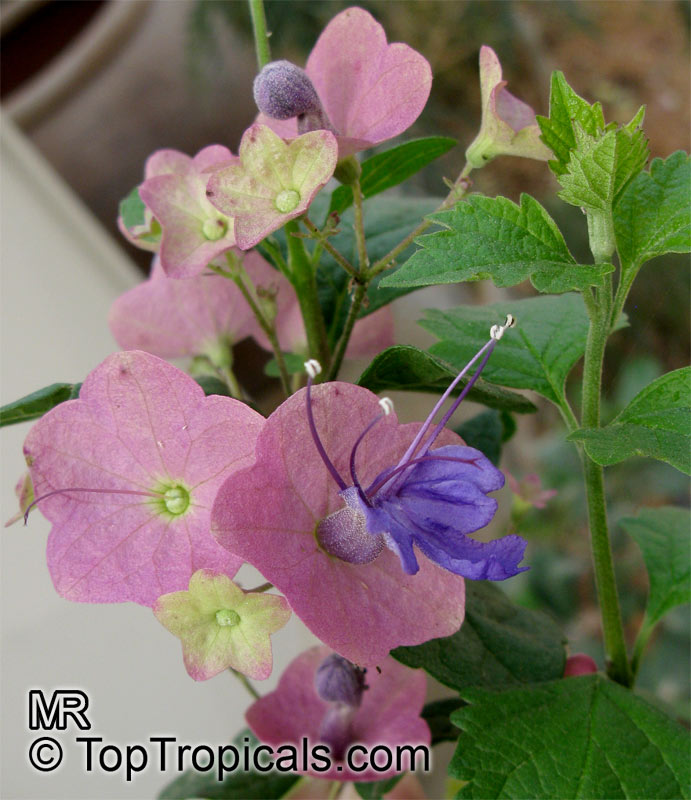
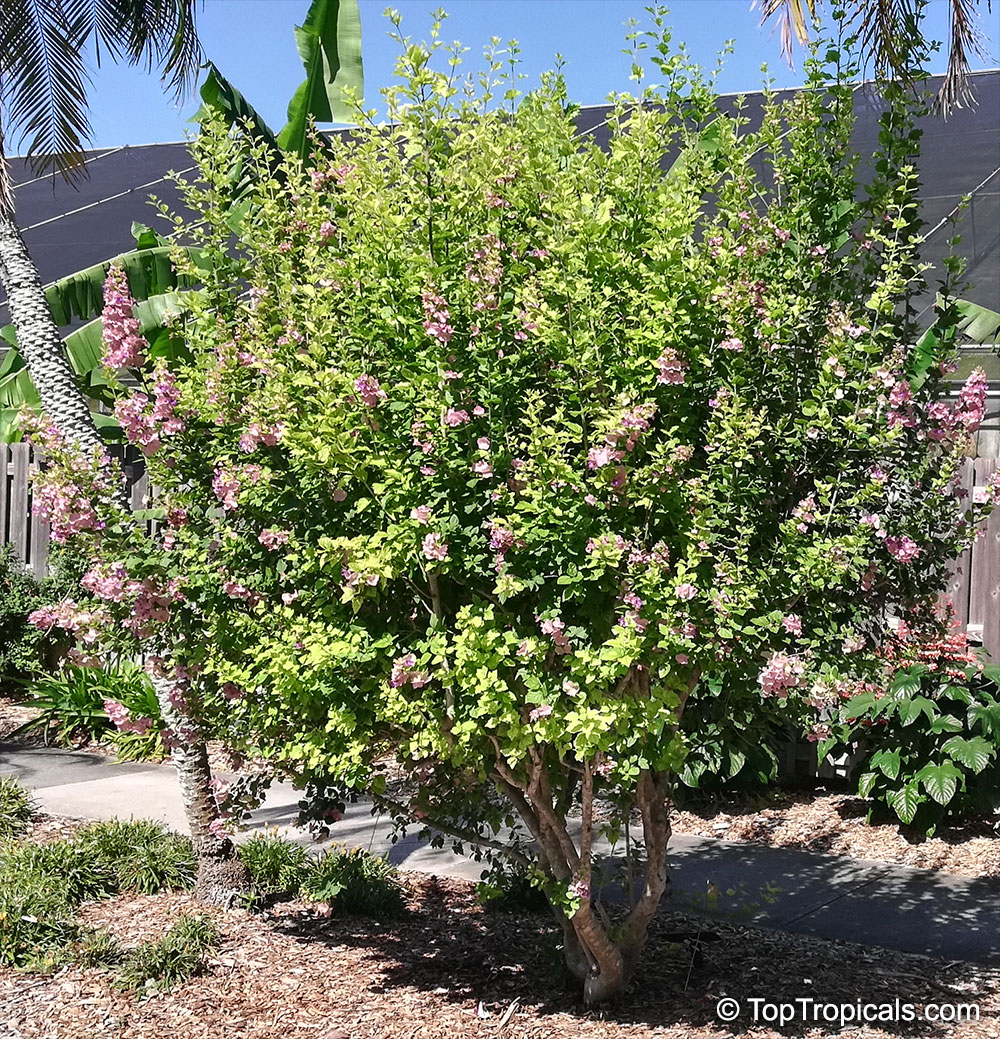
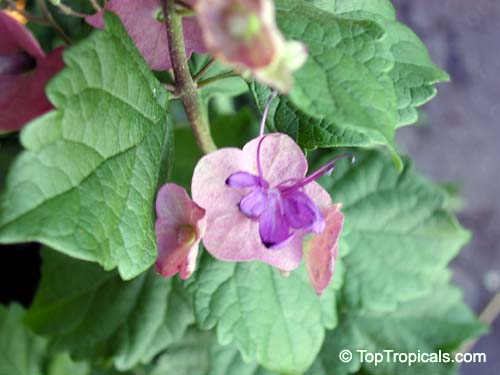
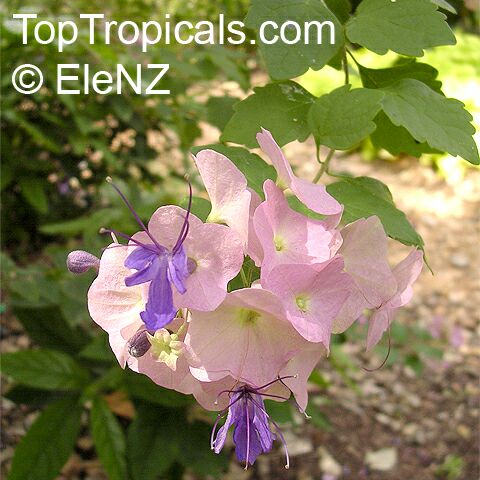
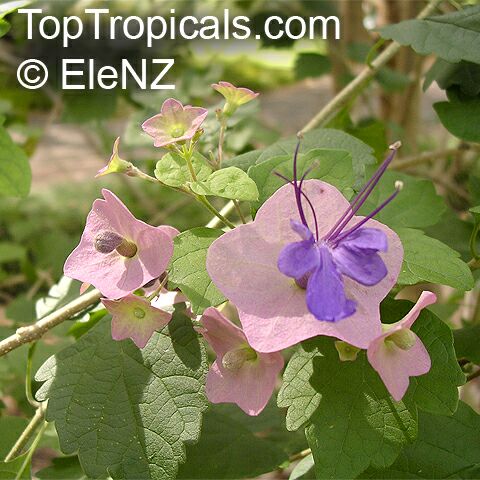
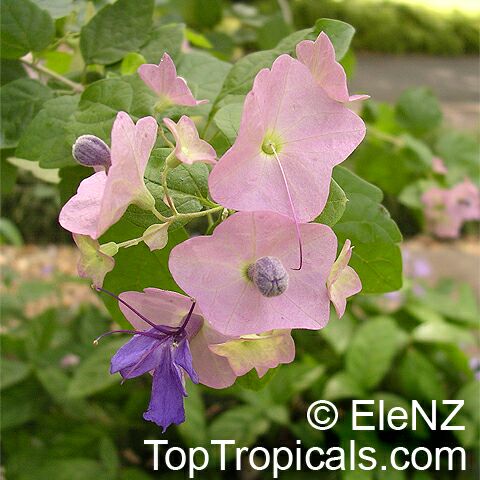
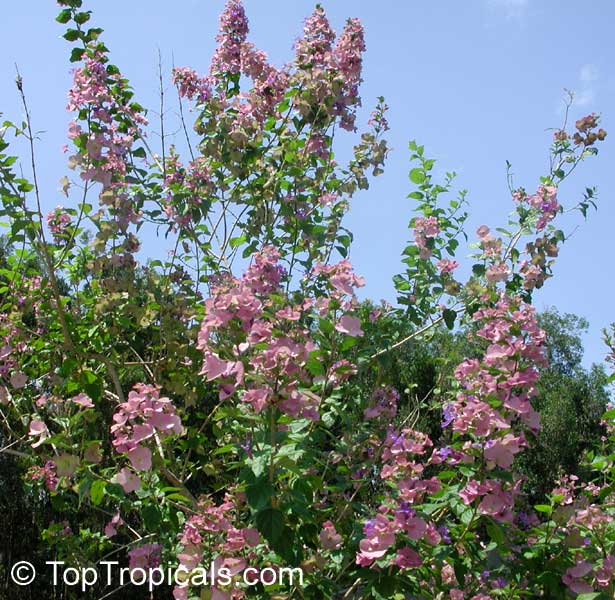
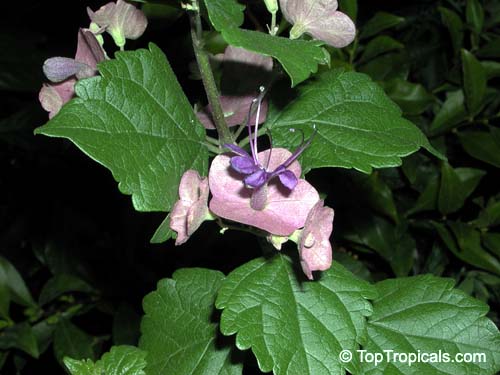
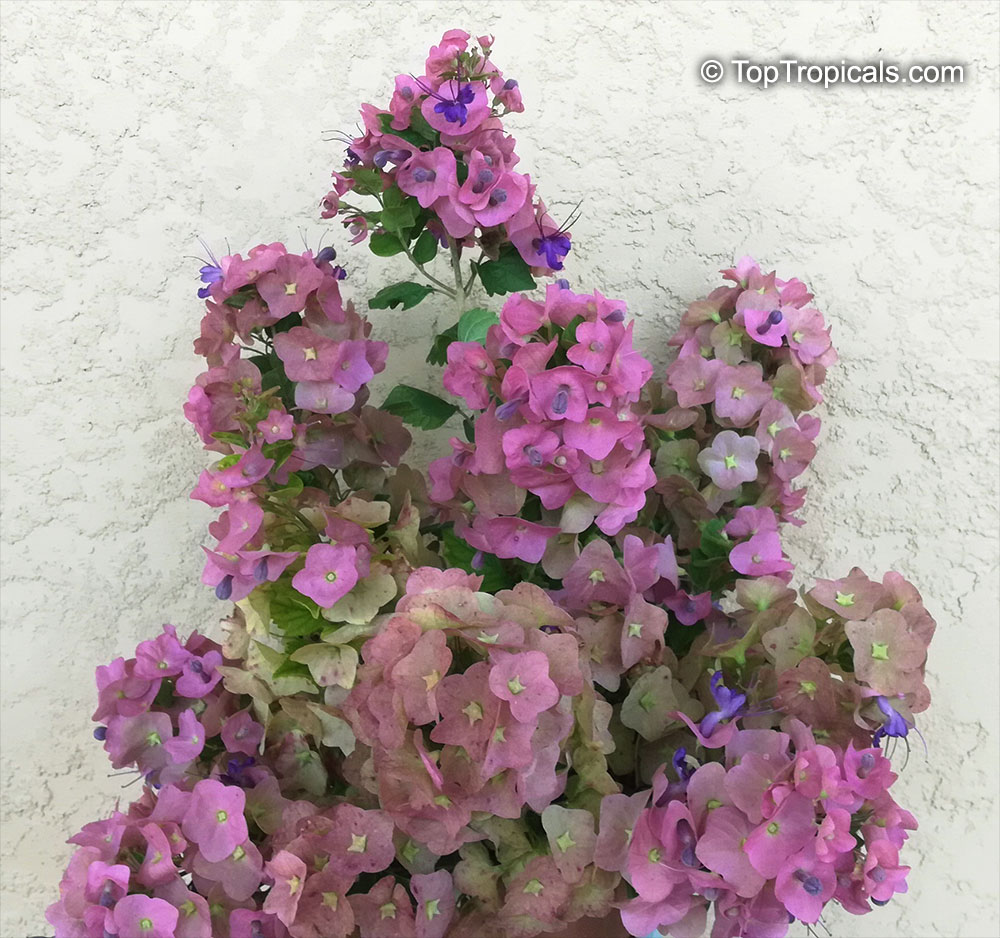
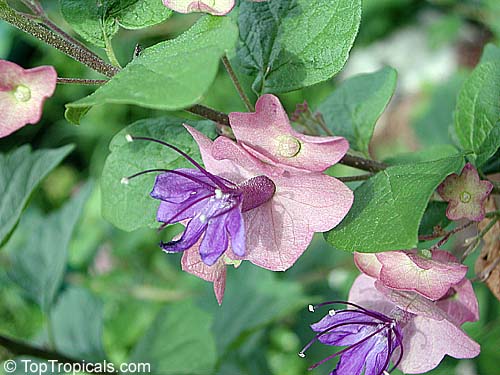
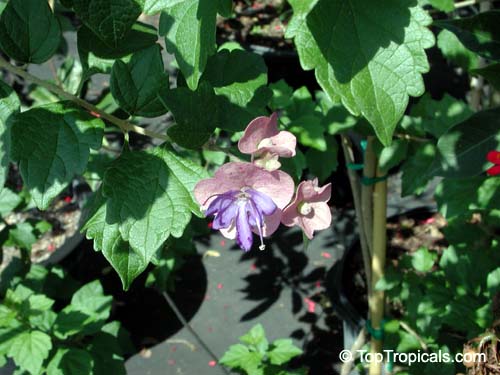
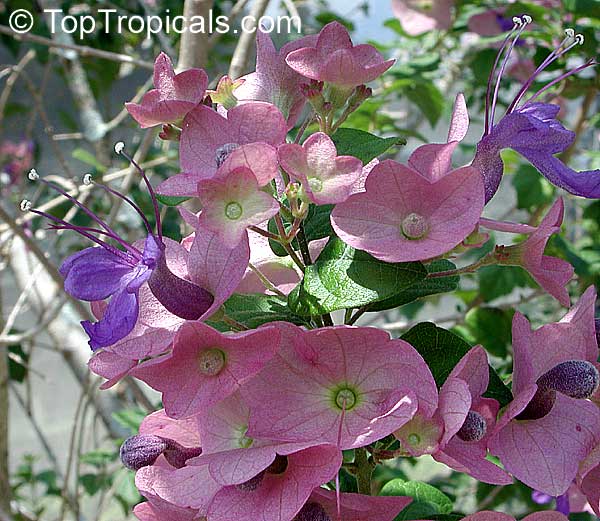
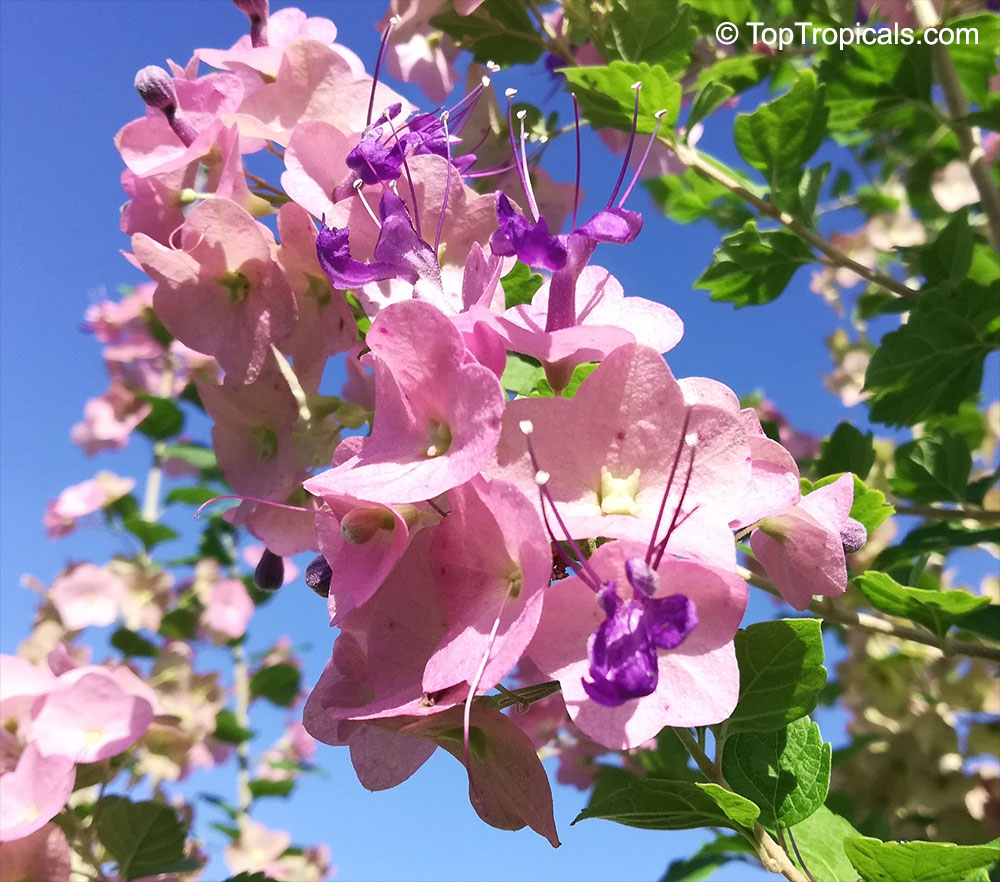
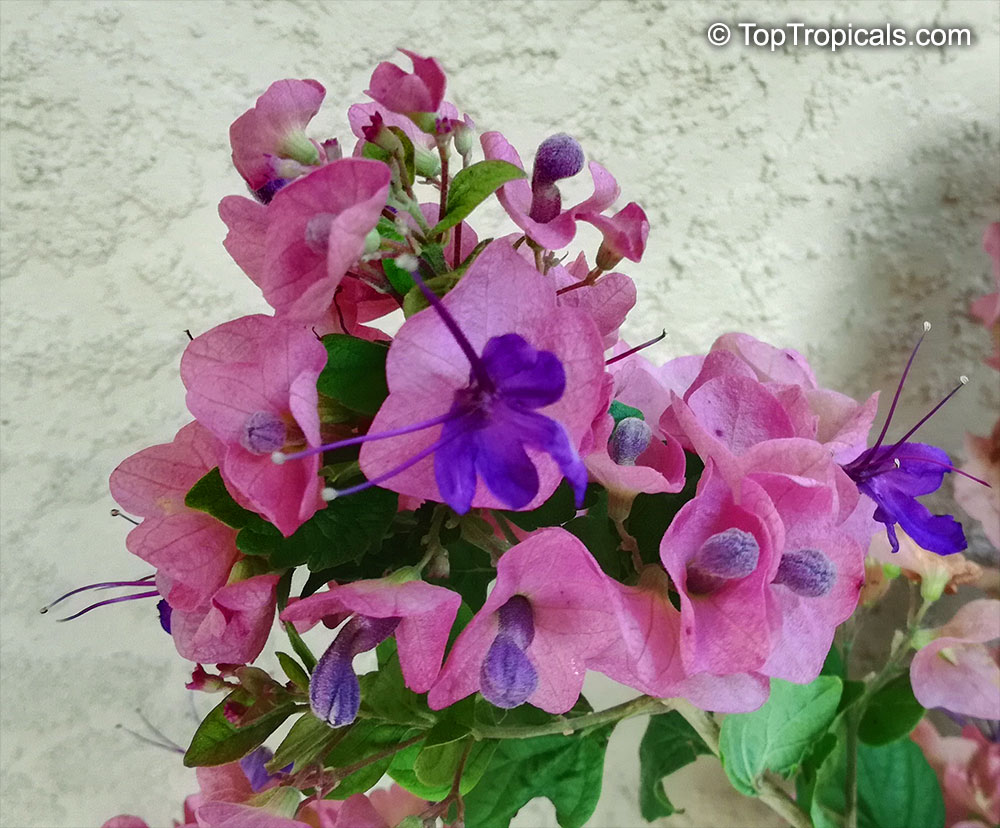
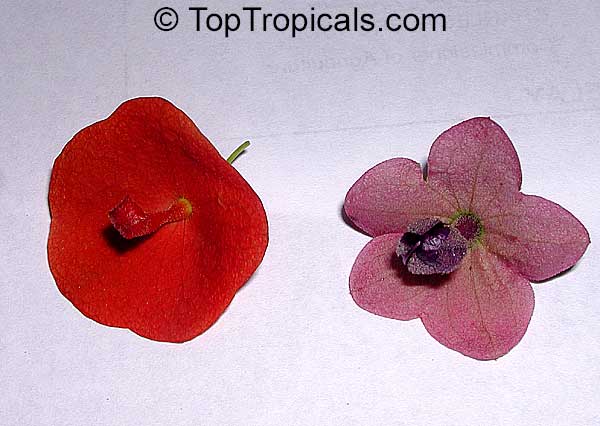
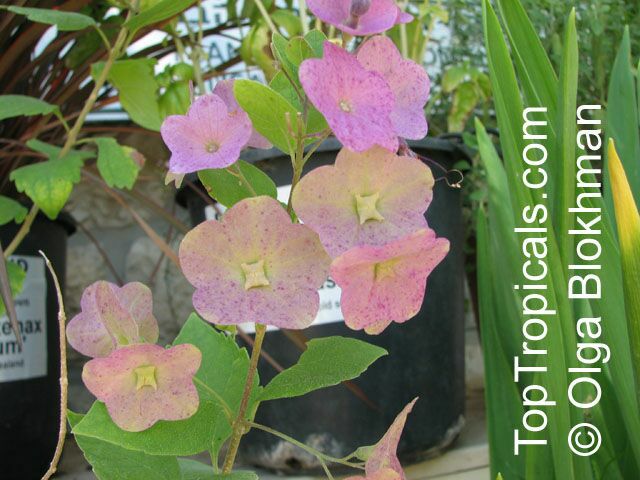
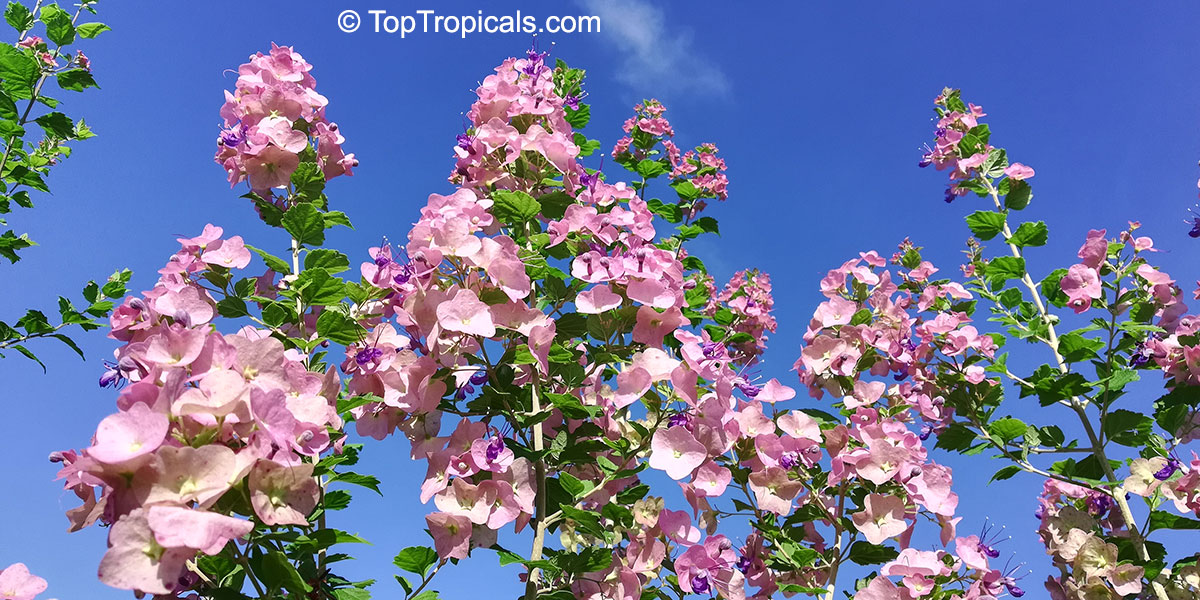
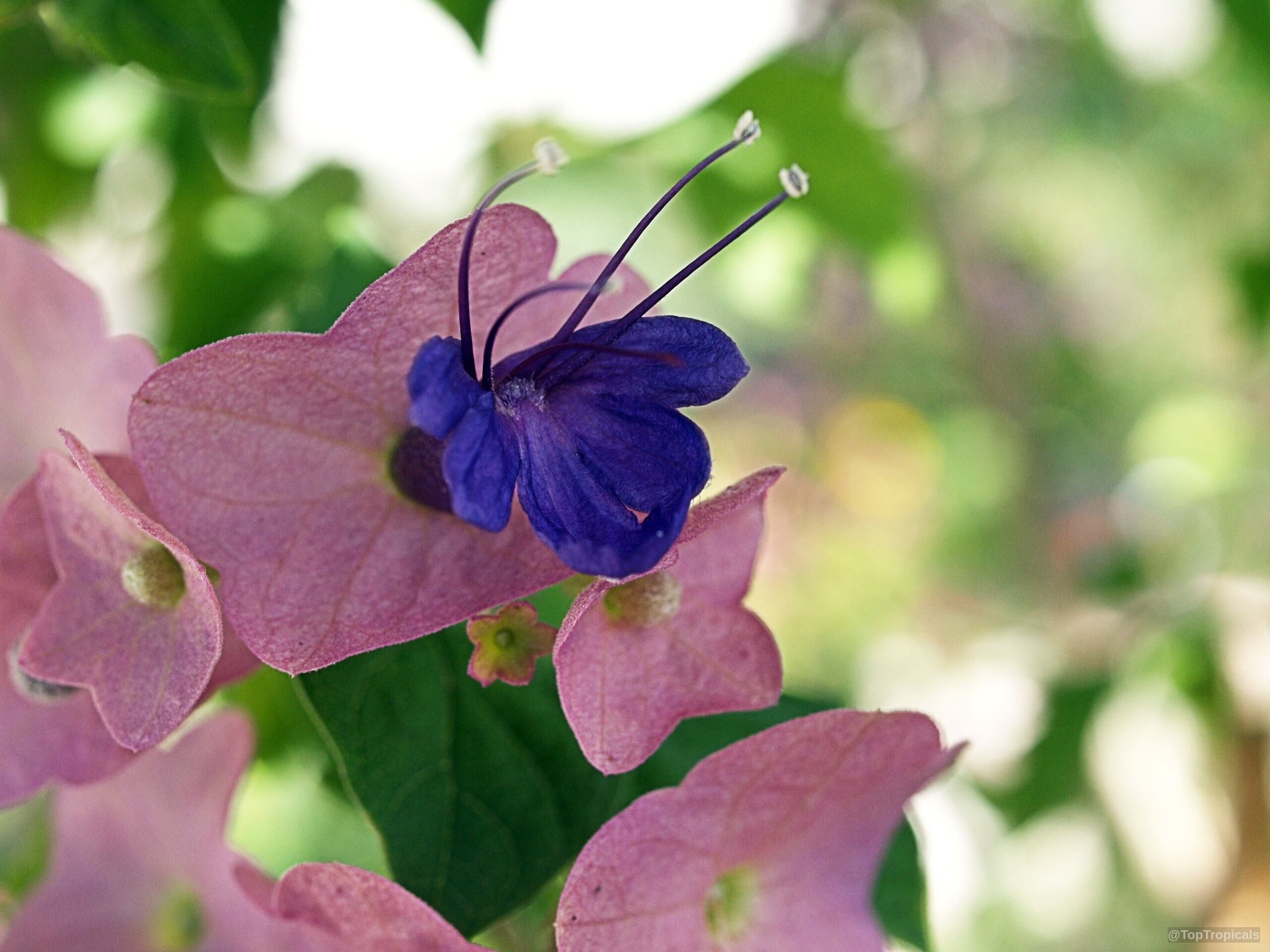
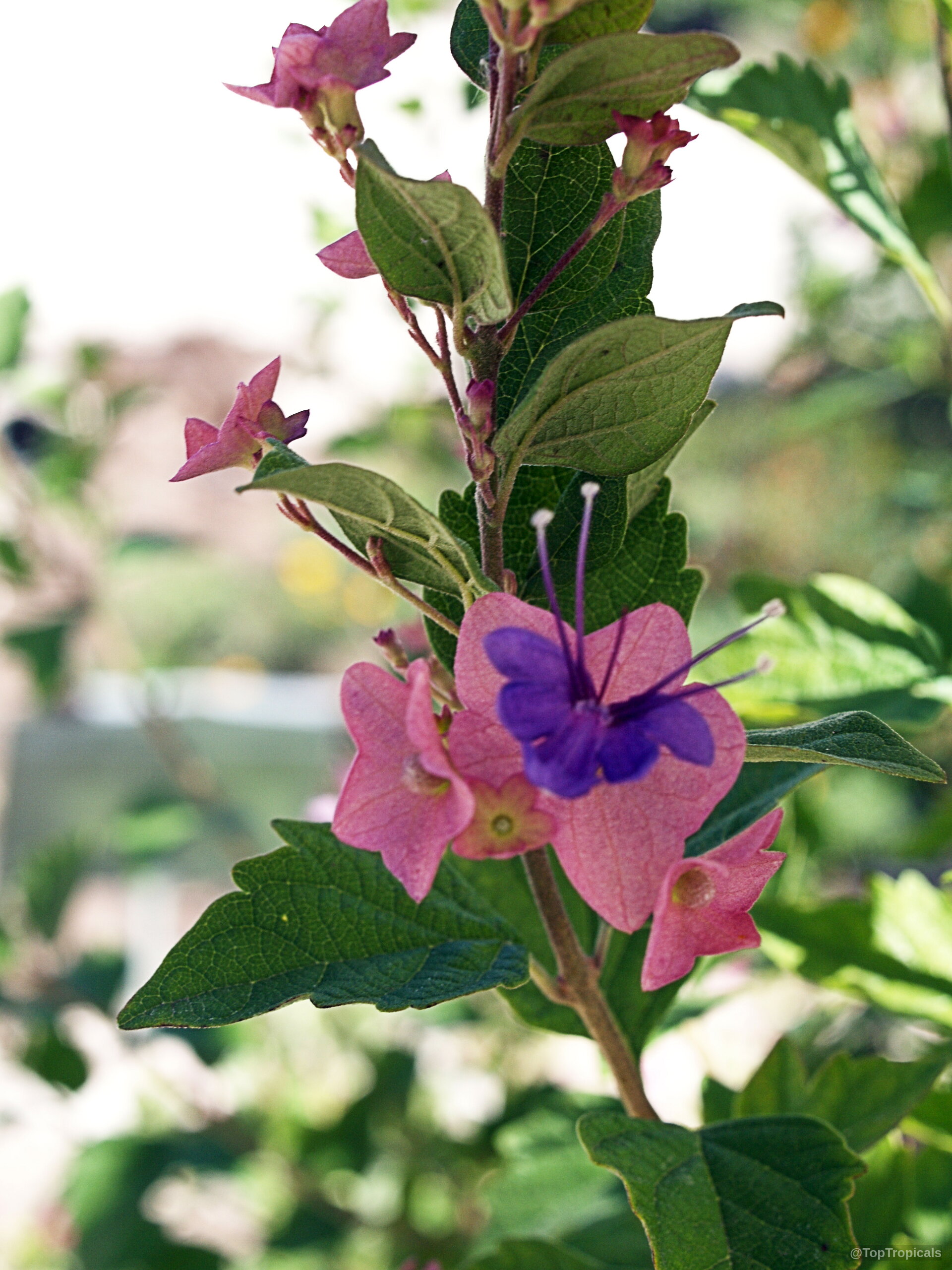
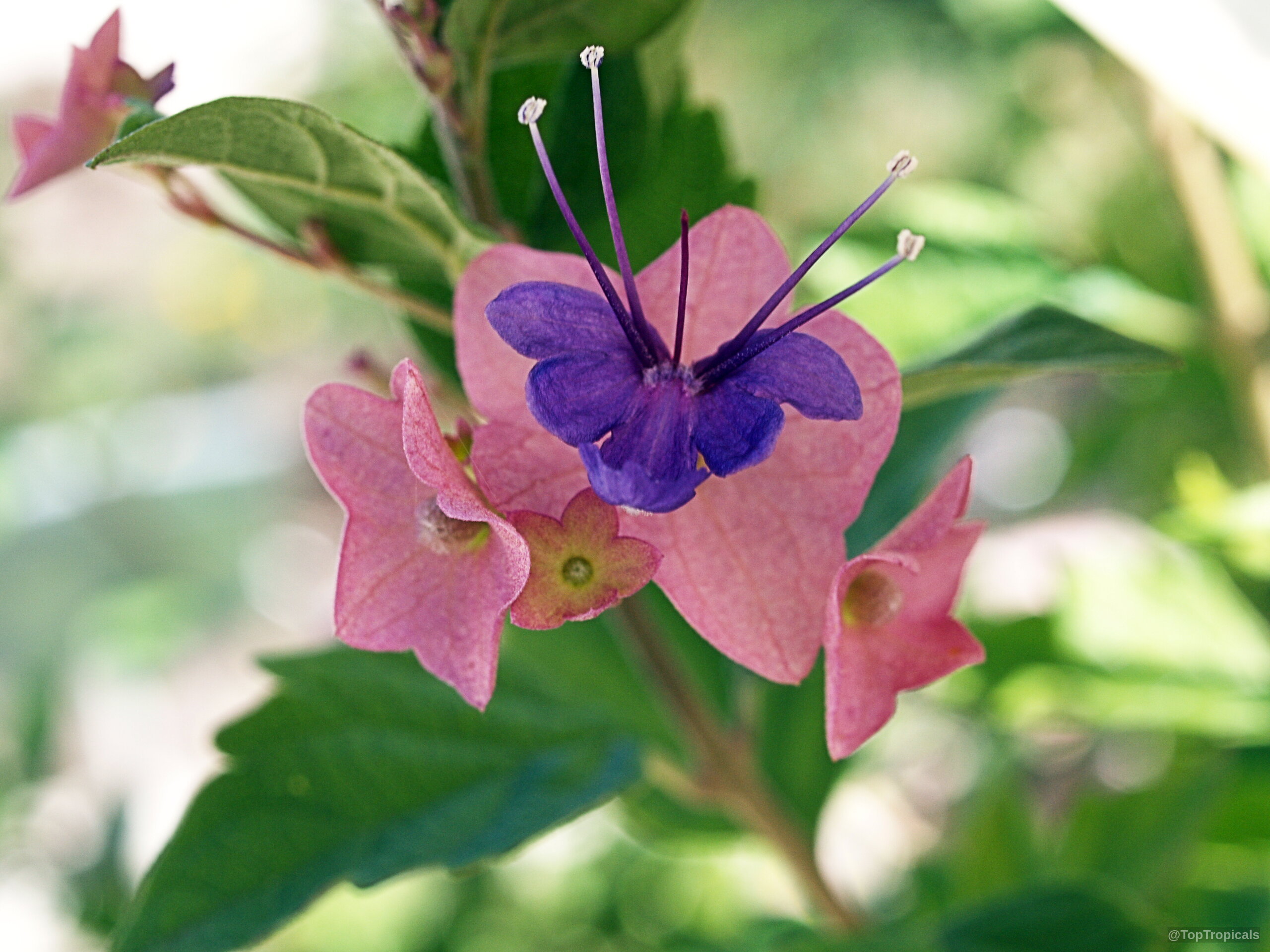
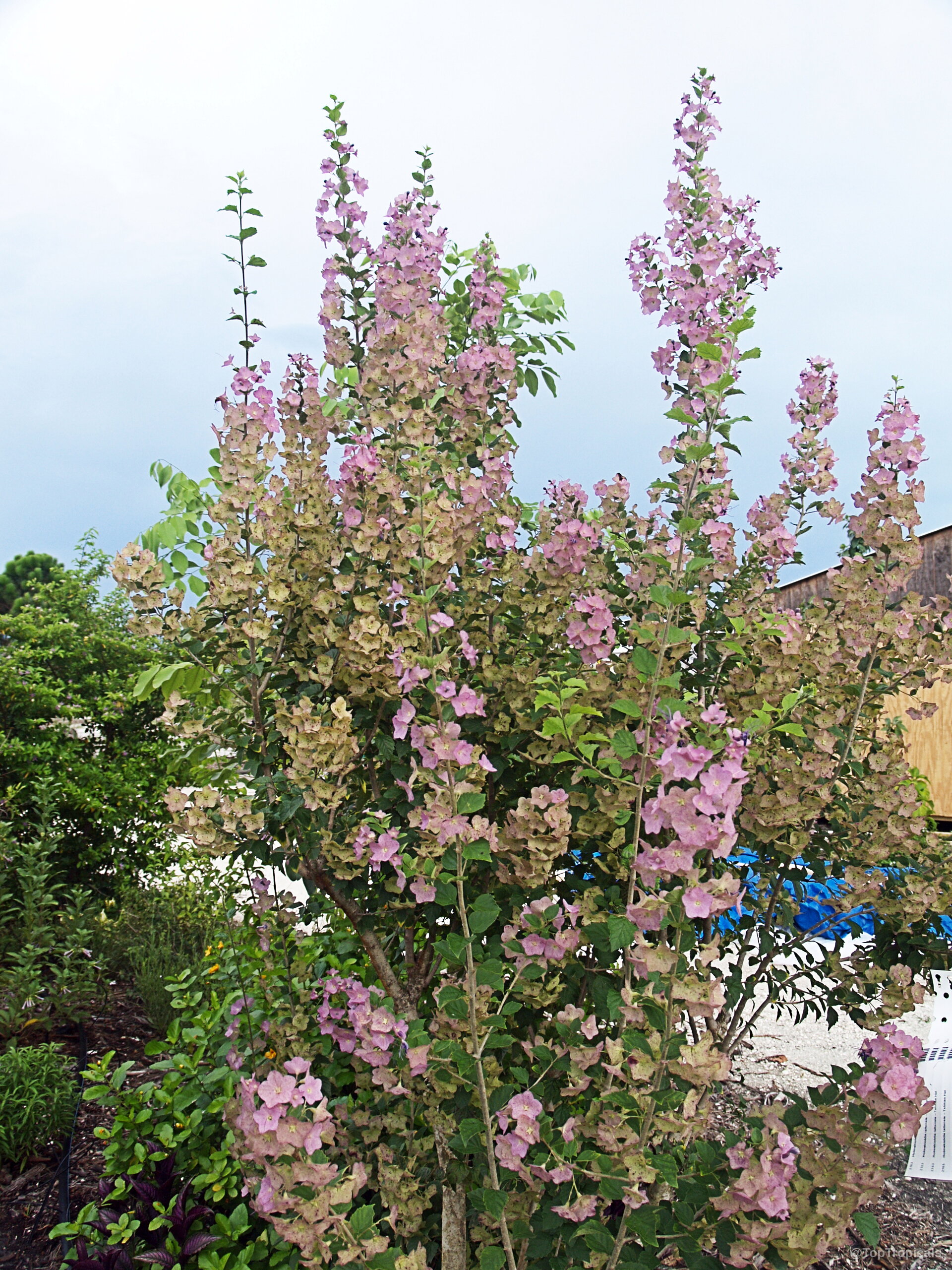
Botanical names: Holmskioldia taitensis, Holmskoldia tettensis, Karomia speciosa
Common name: Tahitian Hat
Family: Lamiaceae (Formerly:Verbenaceae)
USDA Zone: 9-10


Very rare variety of Holmskioldia. Like it's sister "chinese hat" Holmskioldia sanguinea, it has showy flowers resembling a hat. Bright pink-and-blue color. Prefers moist soil and part shade.




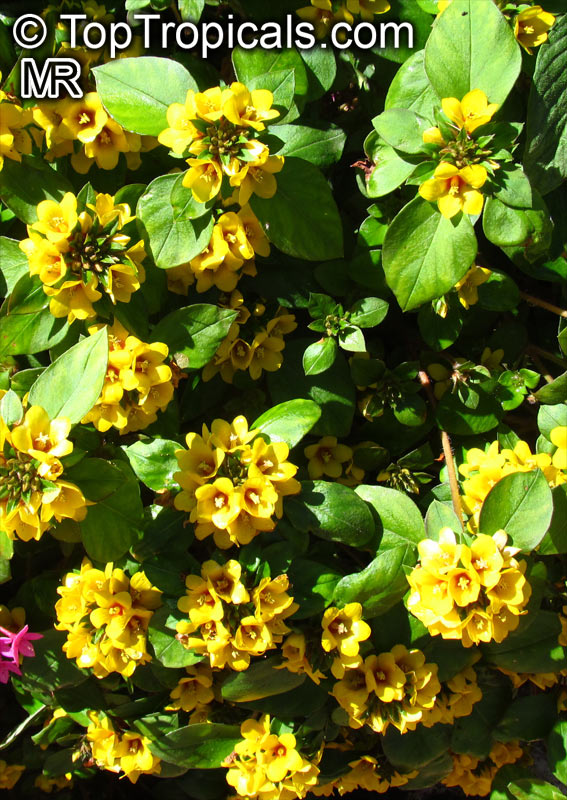
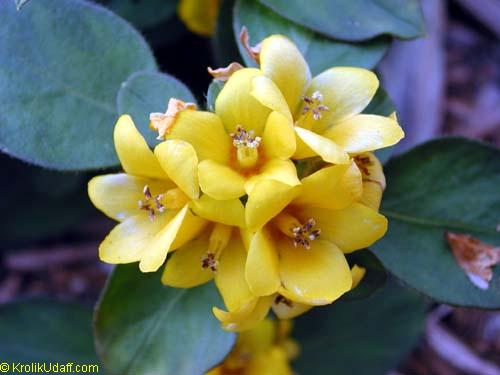
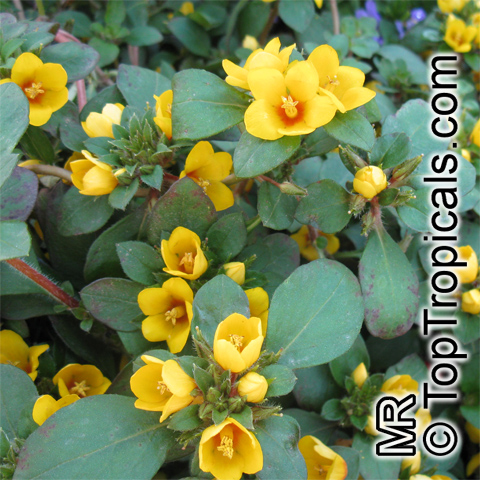
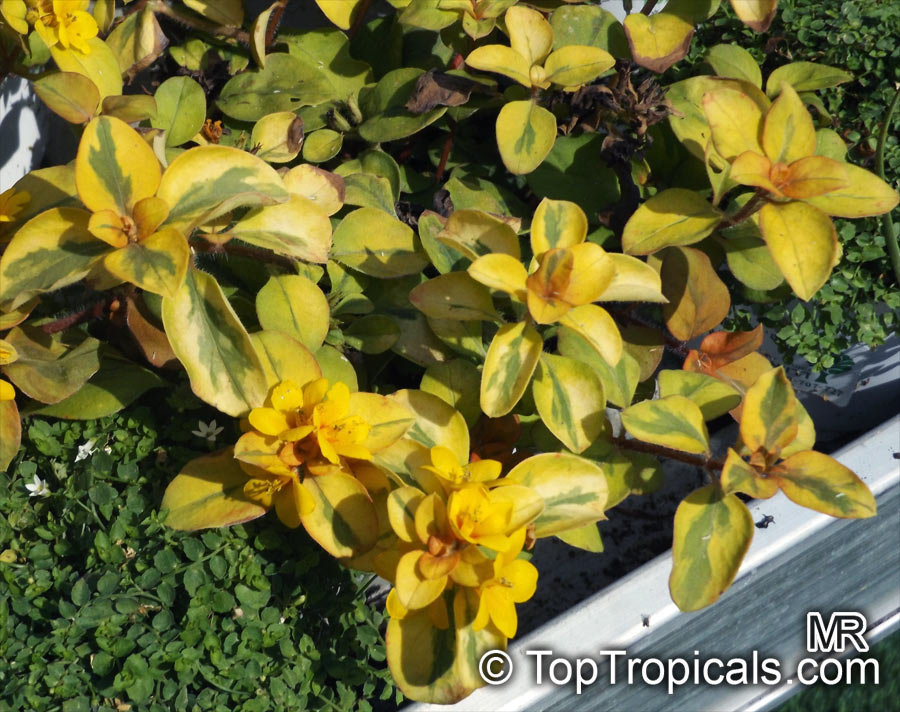
Botanical name: Lysimachia sp.
Common name: Golden Globe
Family: Primulaceae
Origin: India Through to China
USDA Zone: 9-10

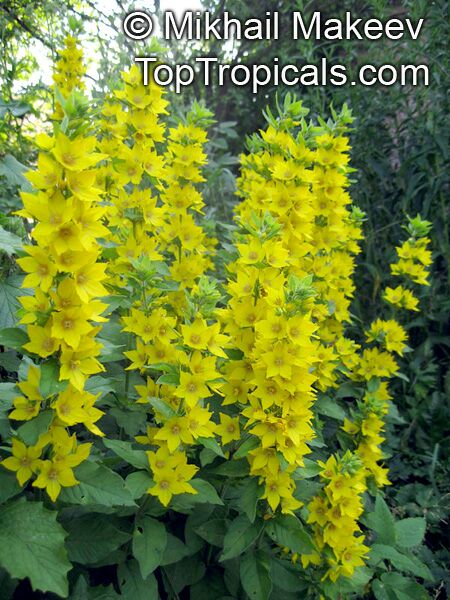
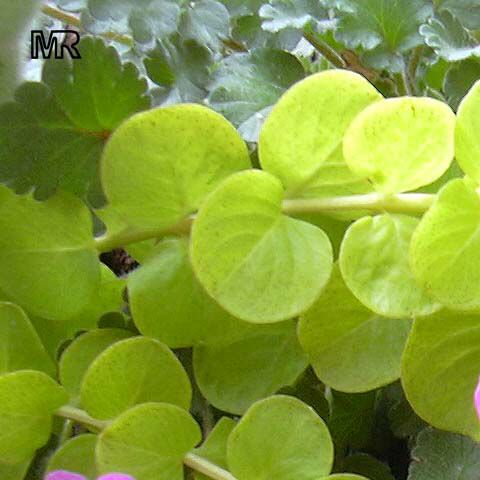
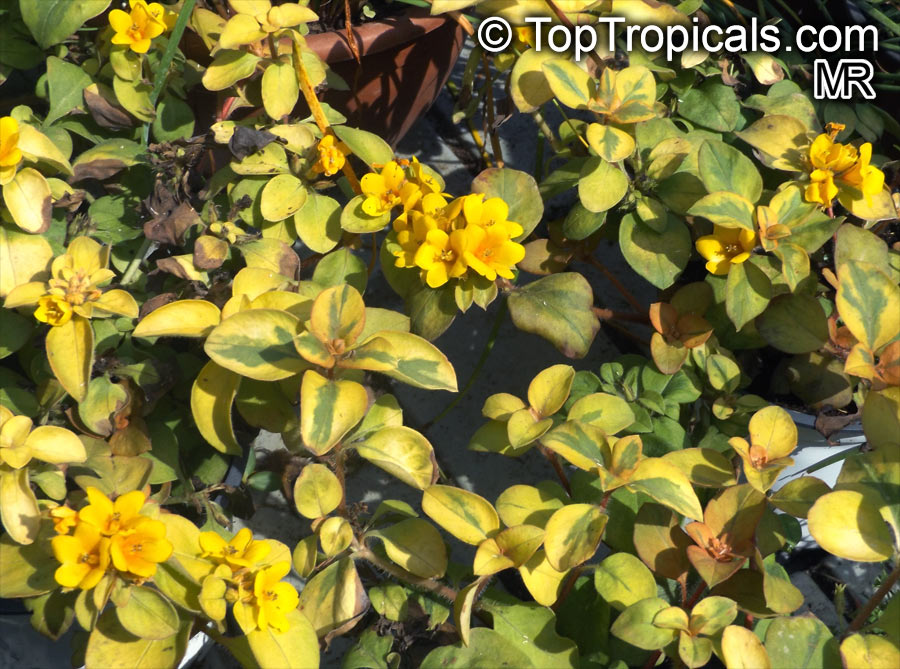
Lysimachia sp. (Golden Globe) is a low-growing groundcover native to India, China and Japan. Growing quickly to a max height of around two feet, it adds a vivid splash of color to the garden bed. Golden Globe will light up any garden with its ornamental foliage and vibrant yellow, orange flowers. These blooms are sure to attract butterflies, hummingbirds, and other beneficial wildlife. It is a great plant for those looking for an edge to the perennial beds, as even in winter its woody, evergreen foliage still gives interest.
Golden Globe is easy to grow and maintain and is suitable for USDA zones 9-11. It is also a popular choice for container planting as its creeping habit makes it very manageable in pots.
Overall, Lysimachia sp (Golden Globe) is a great choice for those looking to add a splash of color and interest to the garden. Requiring minimal maintenance and the ability to attract beneficial wildlife, the Golden Globe is a great choice for those looking to spruce up their garden without spending too much time or energy.
Botanical name: Leptospermum coriaceum
Common name: Green Teatree
Family: Myrtaceae
Origin: South Australia
USDA Zone: 9-11


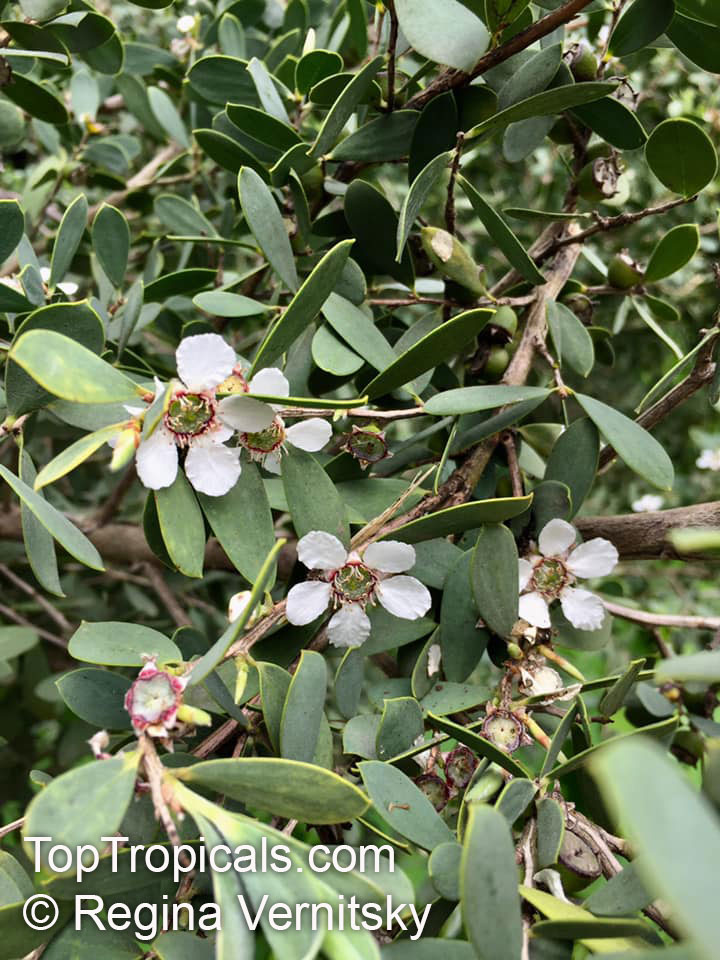
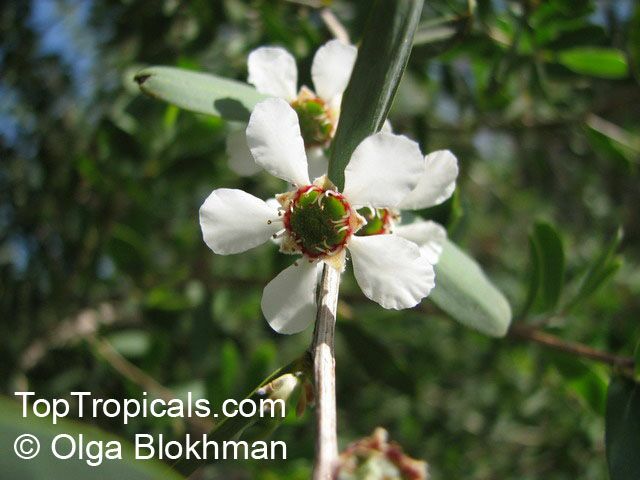
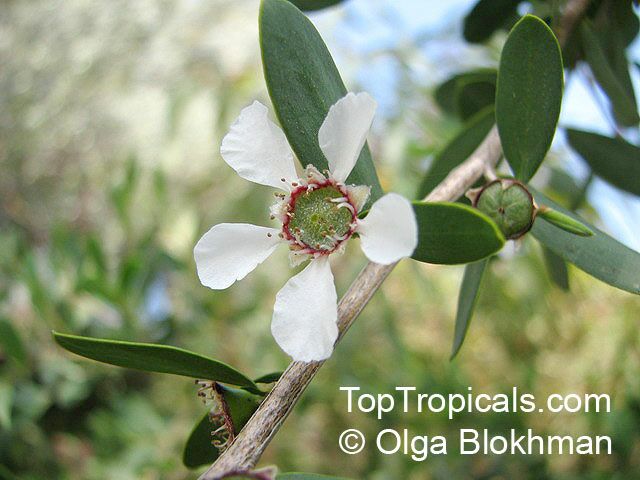
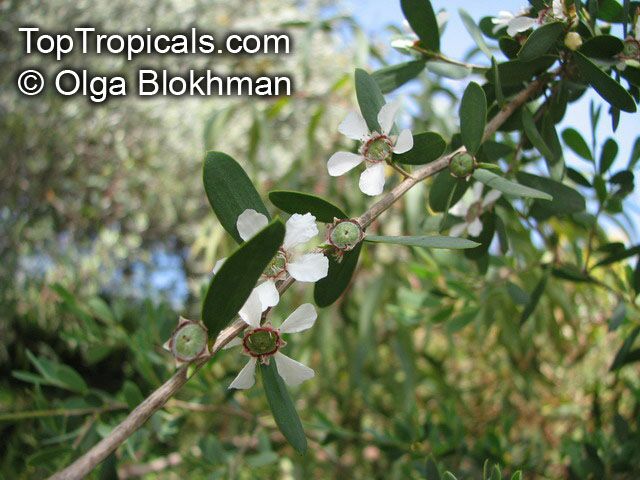
Leptospermum is a lovely tree, with flowers which resemble tiny wild roses and spiky little evergreen leaves. It is distributed in Australia, New Zealand and South East Asia. This genus was first recognized by Johann Reinhold Forster in 1776, and comprises 86 species, 83 occurring in Australia, all but two endemic.
The common name of Tea Tree derives from the practice of early Australian settlers who soaked the leaves in boiling water to make a herbal tea rich in Vitamin C. It is said that Captain Cook brewed tea of Leptospermum leaves to prevent scurvy amongst his crews. The nectar from the flowers is harvested by bees; this is used to make Manuka honey which has strong antibacterial and anti-fungal properties.
Leptospermum makes a desirable garden plant, valued for its fine texture, pleasant citrus-like scent of foliage and attractive flowers. It is also great for container and bonsai culture.
In the ground, it can be planted as a single specimen tree or as several plants close together for a terrific wind-breaking thicket. Cultivation is pretty easy as most adapt well to a variety of soil types, preferring slightly acid. Give young trees plenty of water to establish deep roots - this enhances their natural drought tolerance in later years. Shape a single-trunk tree in its early years by cutting off any stems that sprout near the base. Look for the trunk to gnarl and grow "hair" in a few years - it's an outstanding feature of older trees.
When grown in container, Leptospermum requires a bit more attention. Lack of water is the easiest way to kill this plant: it won't wilt, but will go from healthy to dead in a matter of hours. Soil must be kept uniformly moist; the plant can tolerate poor drainage, however excessive water may cause root rot. Water when the soil dries slightly on the top. Leptospermum needs lots of light; if kept indoors, requires a very bright location. Tip pruning after flowering improves the vigor and tends to avoid the woody appearance.
Some species (for example, L. scoparium) are hardy to lover 20's; others are sensitive to frost. Leptospermum prefers it to be a bit cool in winter (below 55 degrees).
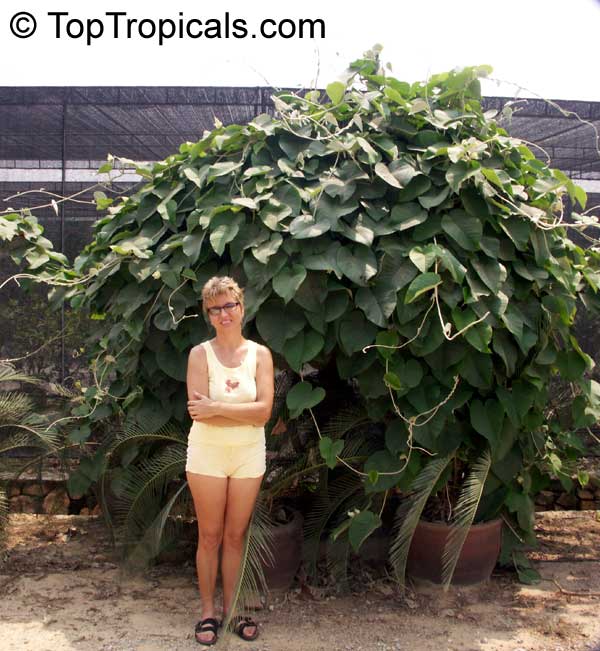
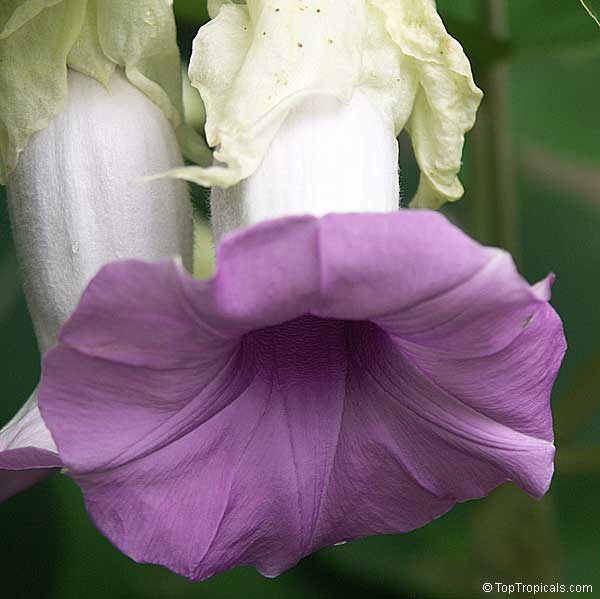
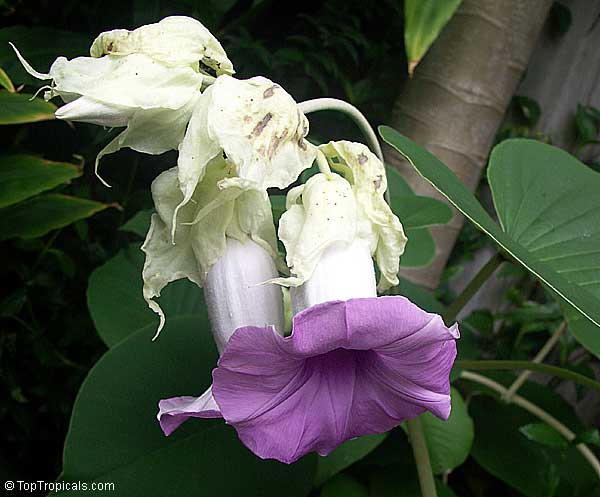
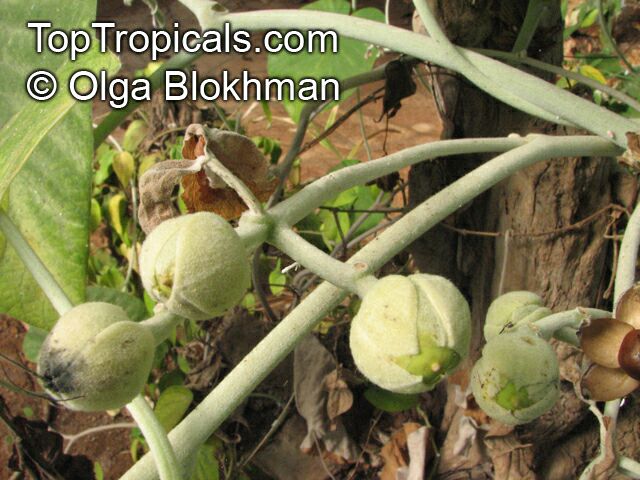
Botanical names: Argyreia nervosa, Argyreia speciosa
Common names: Elephant creeper; Woolly Morning Glory, Hawaiian Baby Woodrose
Family: Convolvulaceae
Origin: India
USDA Zone: 9-10


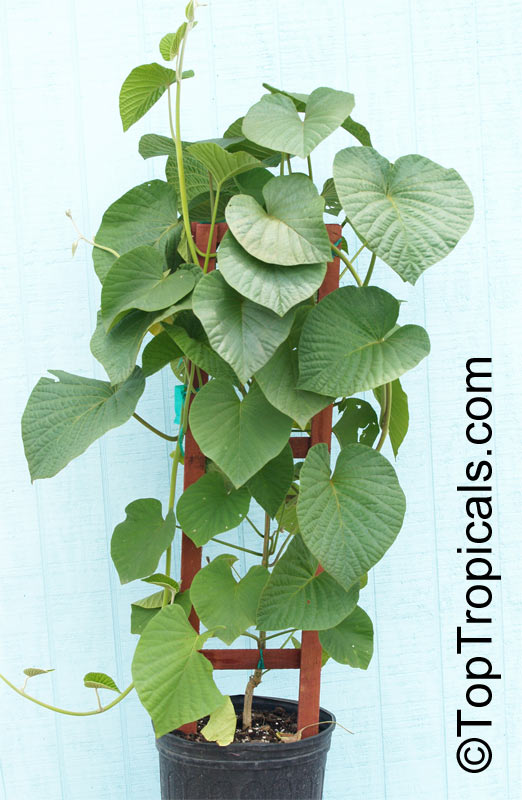
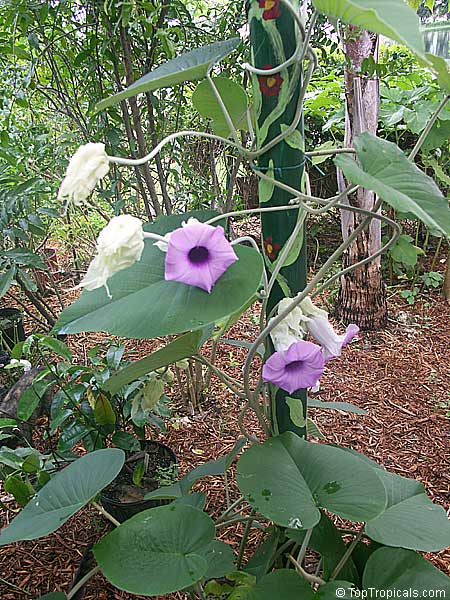
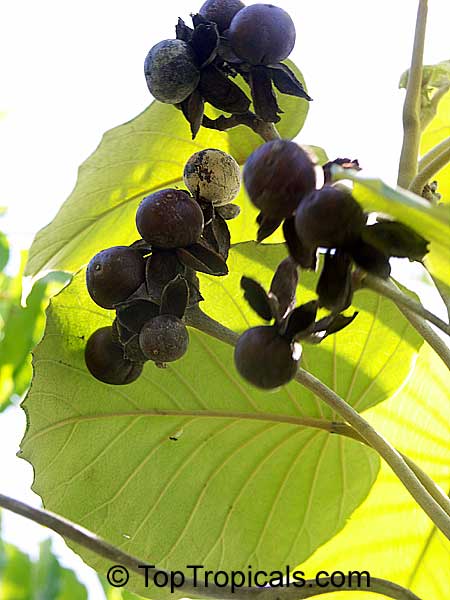
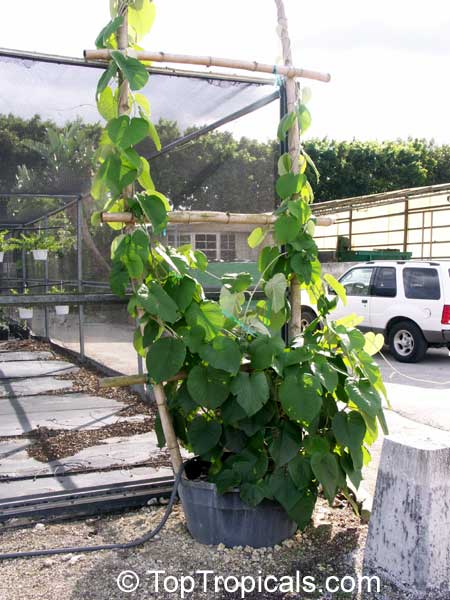
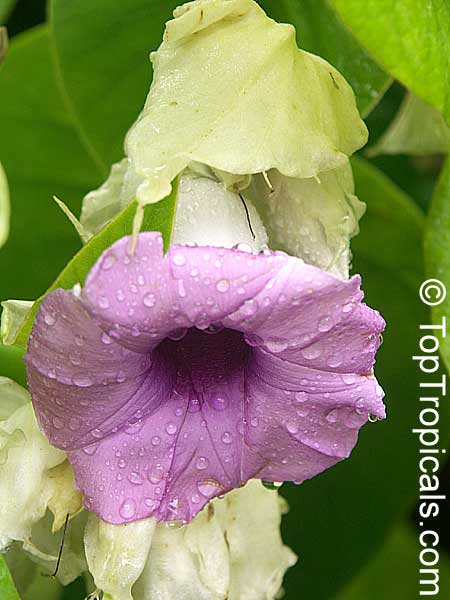
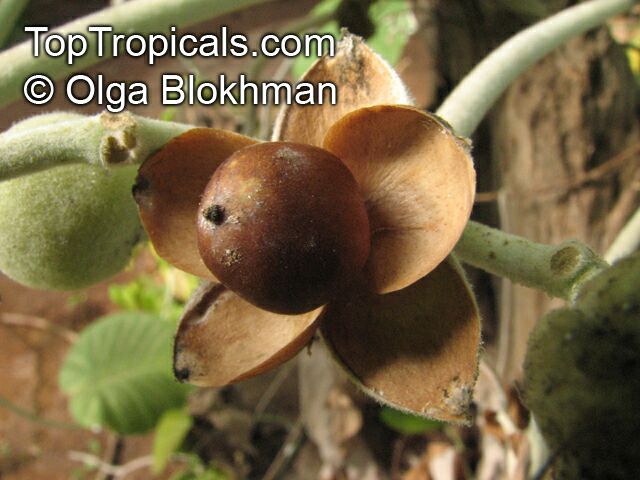
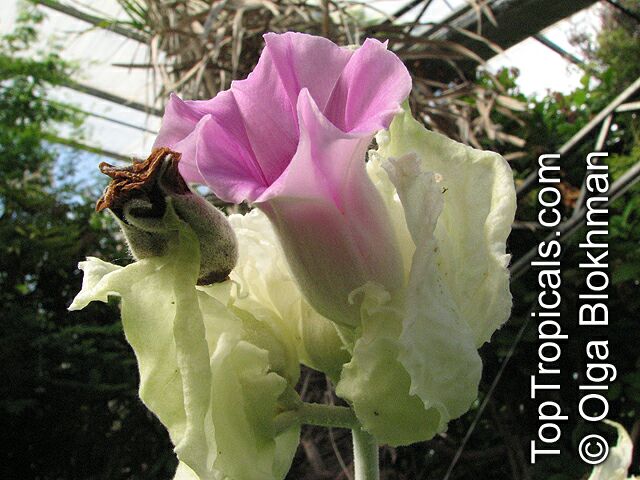
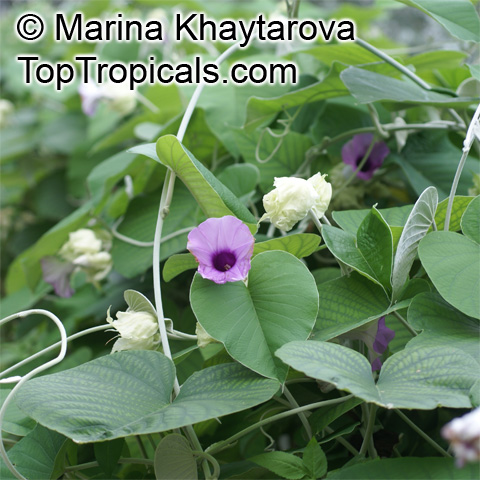
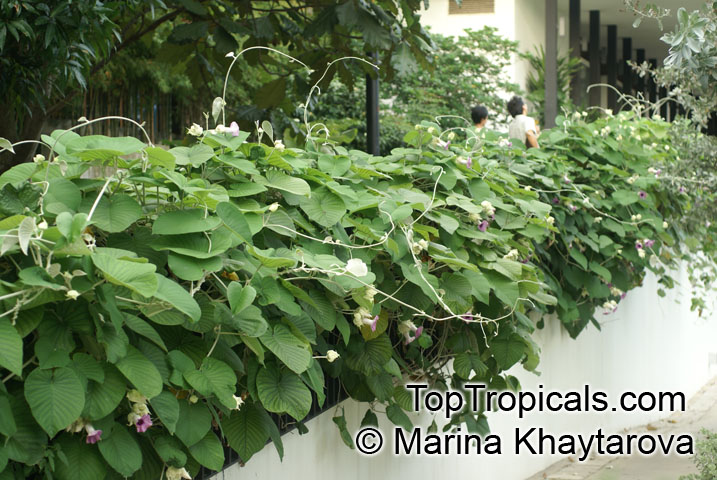
A native of eastern India and Bangladesh, this vigorous twiner will grow 30 ft (9 m) or more into the treetops, but can be trained over a post or stump and kept trimmed to a moundlike form. A dense white down covers both young stems and leaf undersides. The leaves are ovate-cordate, to 1 foot across, white tomentose beneath with lateral veins conspicuous on the undersides. Tight clusters of trumpet-shaped bright pink flowers about 2 in (5 cm) across on pedicels to 6 inches long appear among the foliage in spring and summer. In a tropical climate cultivation is simple, the plants making very vigorous growth in a sunny position in moist soil. In cooler climates they can be grown in a sunny conservatory, but due to their rampant growth will need frequent cutting back. Propagate from seed or cuttings. Used medicinally in India. The roots and seeds of Elephant Creeper have been used as a support of the nervous system, a geriatric tonic and mild aphrodisiac. The whole plant is reported to have purifying properties. It is also taken to help maintain healthy joints.


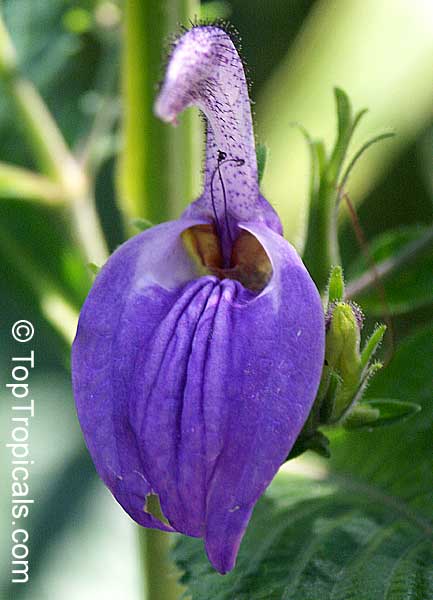
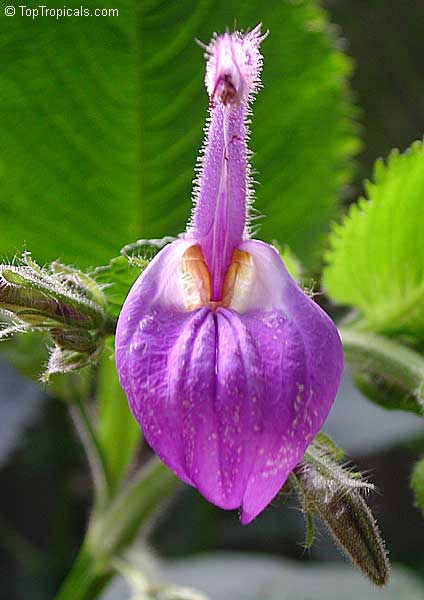
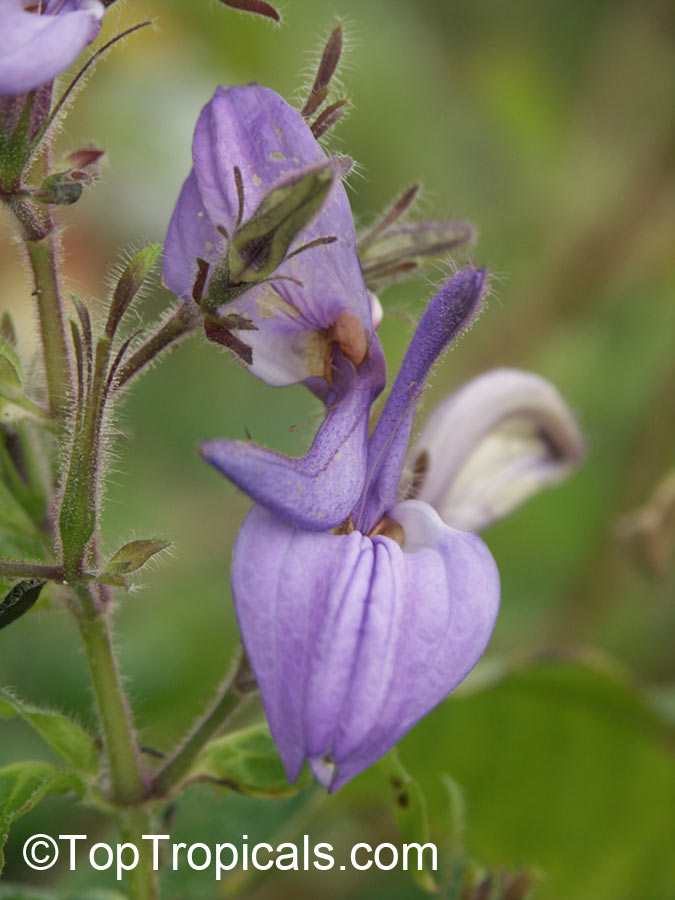
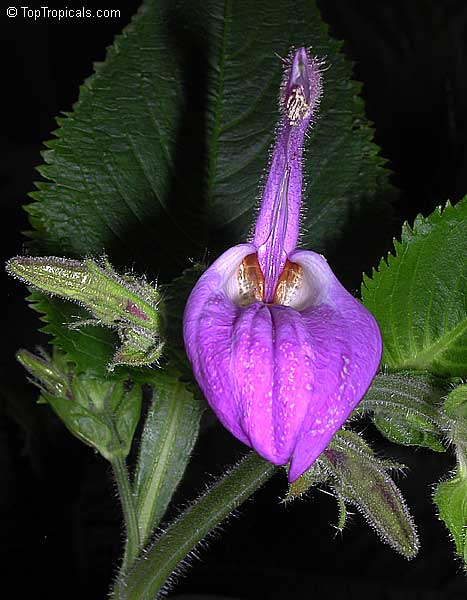
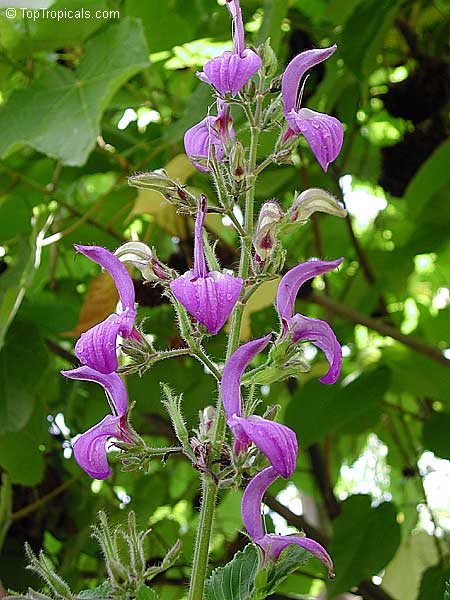
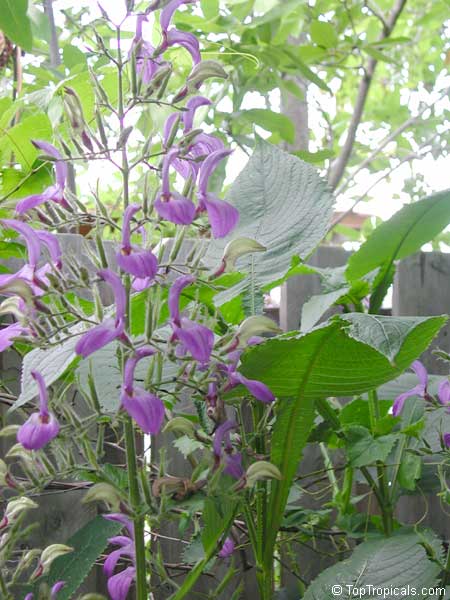
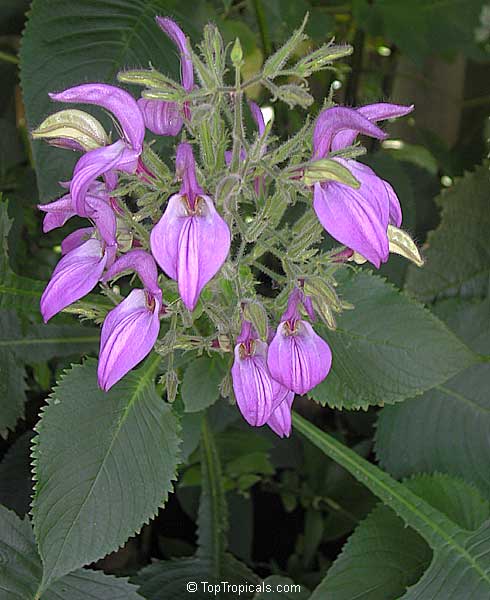
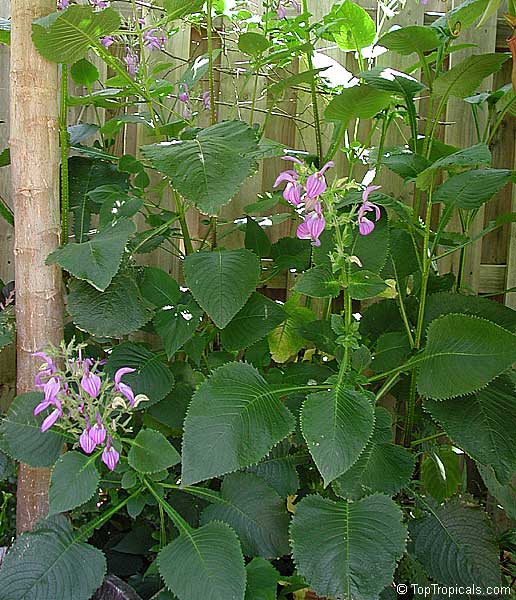
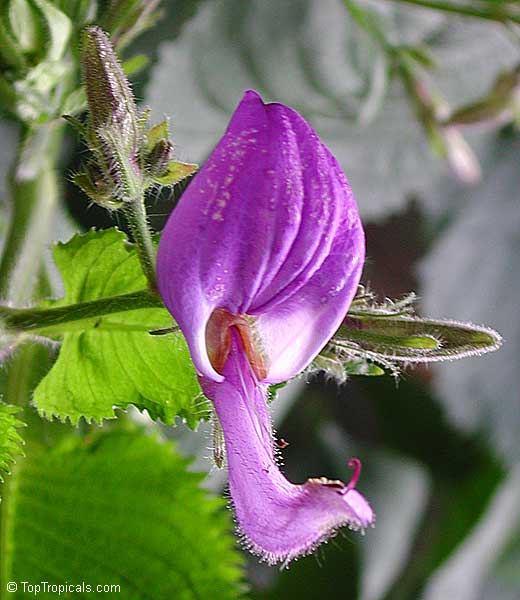
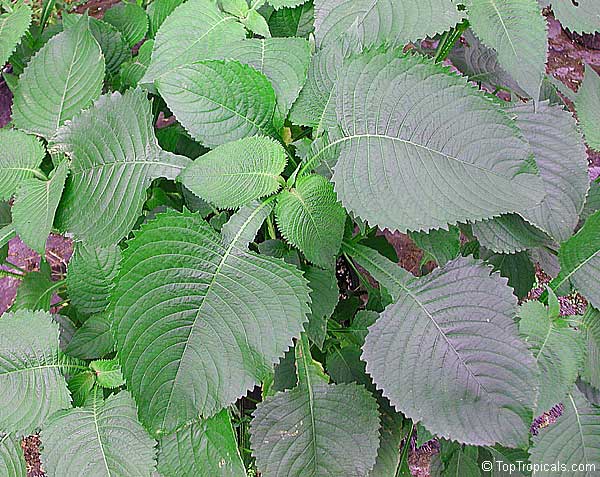
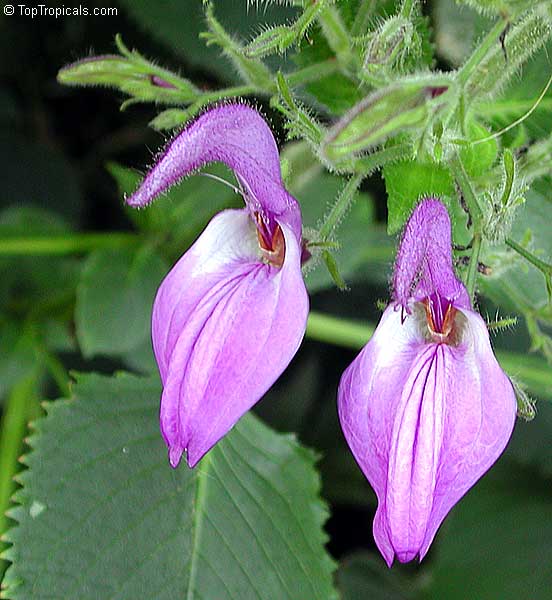
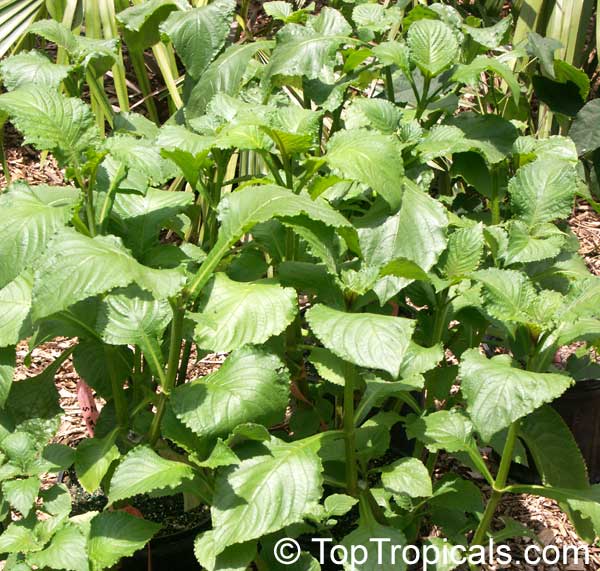
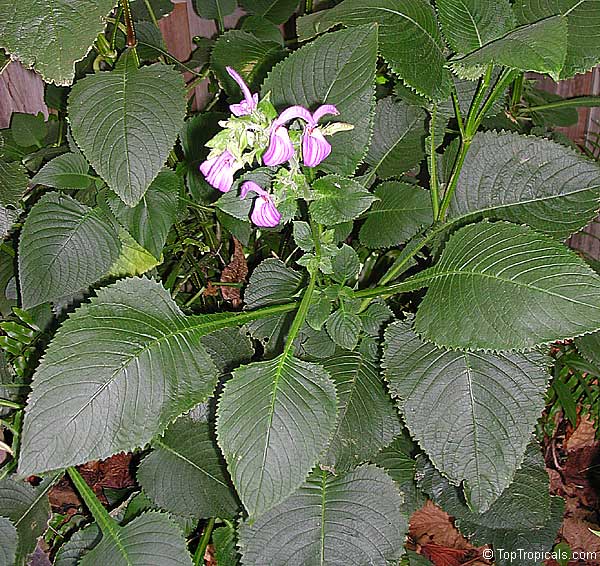
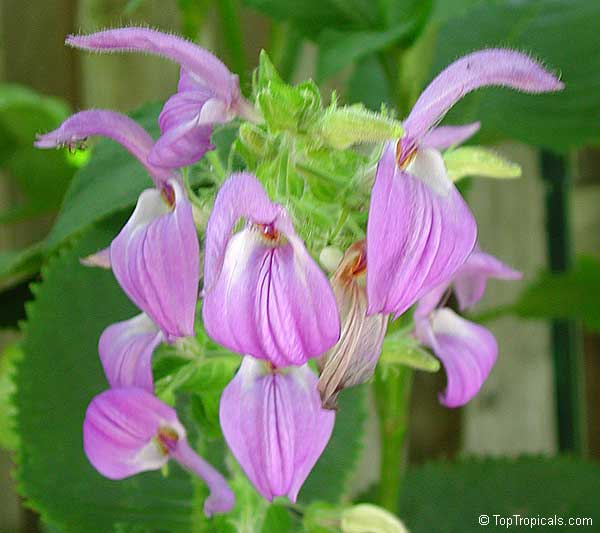
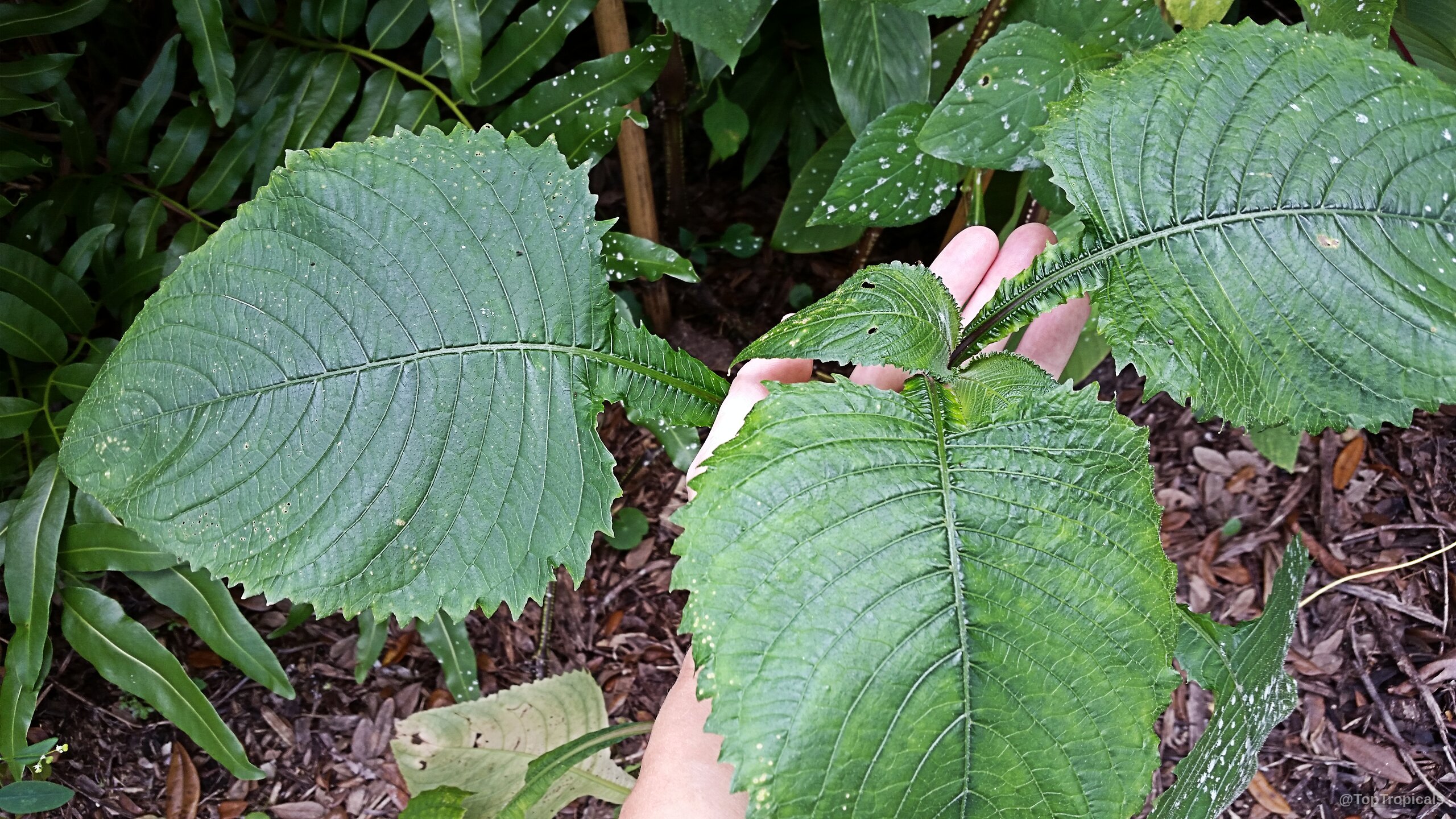
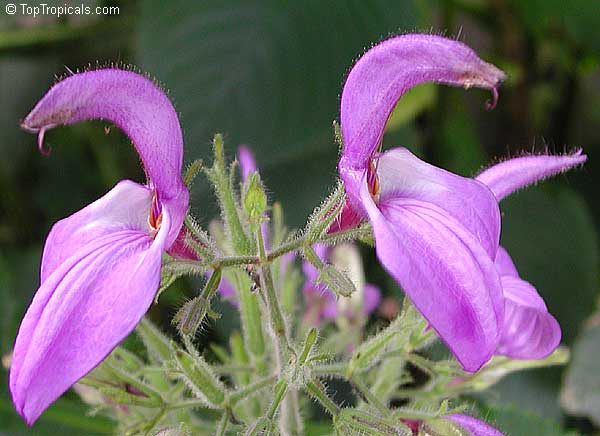
Botanical names: Brillantaisia guianensis, Leucorhaphis lamium, Brillantaisia nitens
Common names: Tropical Giant Salvia, Fiddle Leaf
Family: Acanthaceae
Origin: Central and West Africa
USDA Zone: 9-11
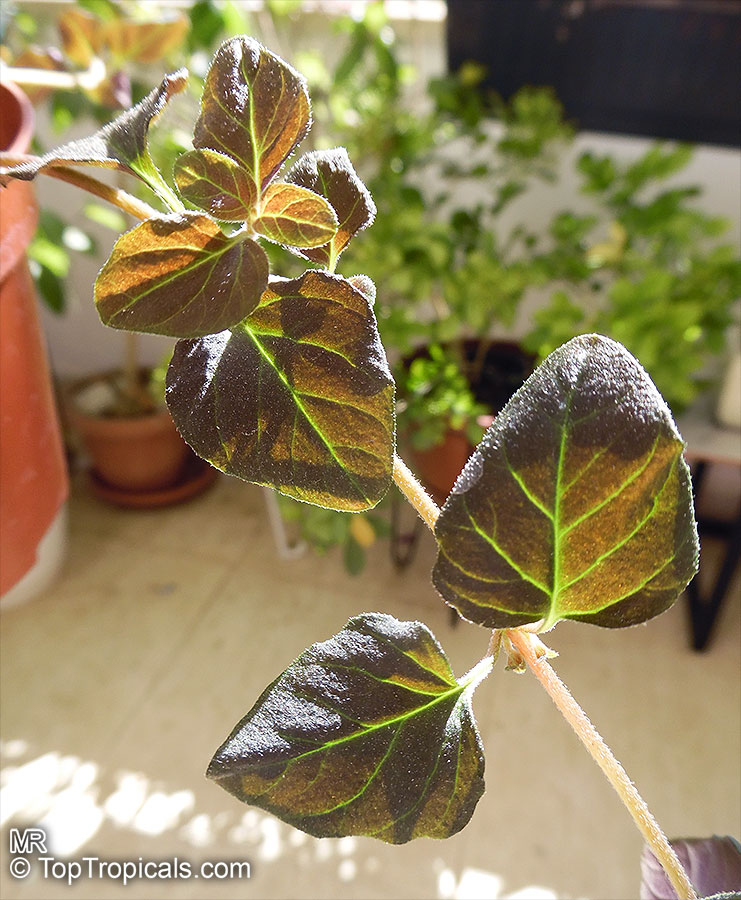
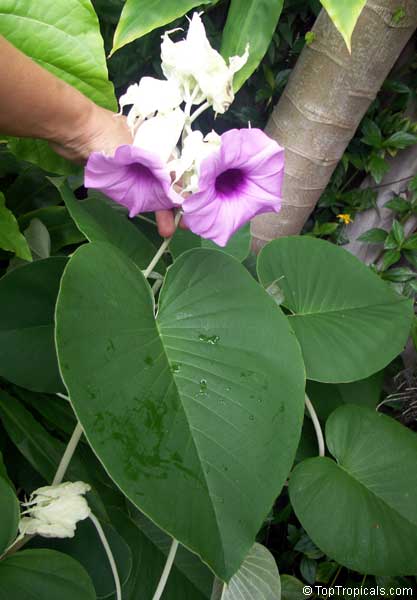
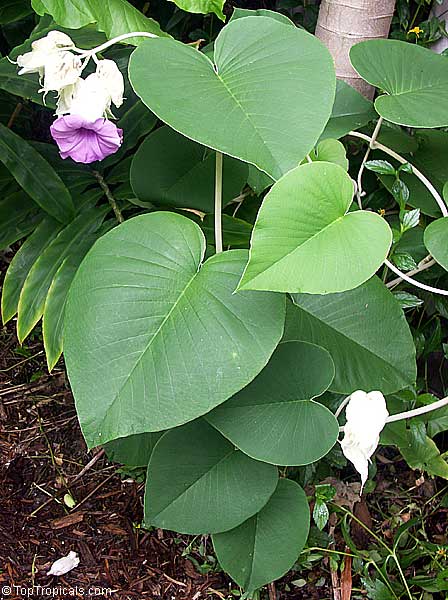
Brillantaisia guianensis (Tropical Giant Salvia) is a large shrub that is native to Central and West Africa, growing up to 5-10ft tall. Its dense and lush fiddle-shaped leaves are a definite eye-catcher, while its white, off-white and light blue to lavender and purple flowers add a further decorative element. The shrub is best kept in semi-shade and soil kept moist and well drained. The plant is cold hardy and can tolerate temperatures at least down to 30s F but it may have to be brought indoors if living in a cold region. Brillantaisia guianensis grows best in USDA zone 9-11. If you are growing the plant in a pot in a cold region you will need to bring the plant indoors during cold periods, as the roots can be damaged by frost. The plant can be propagated by using seeds, or by rooting from stem fragment cuttings. Brillantaisia guianensis is a great addition to any garden and its ornamental foliage is sure to turn heads.


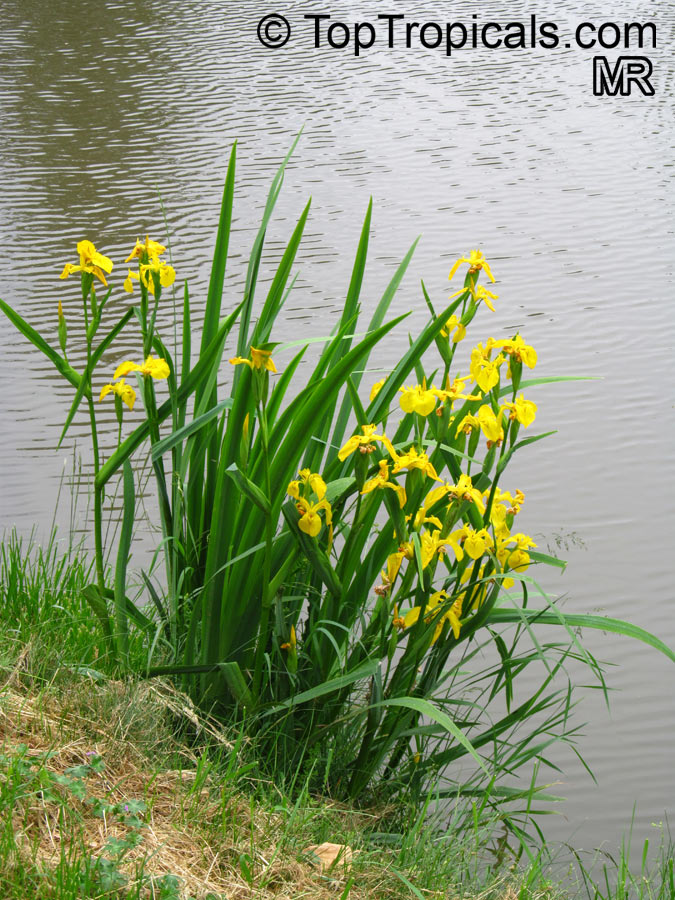
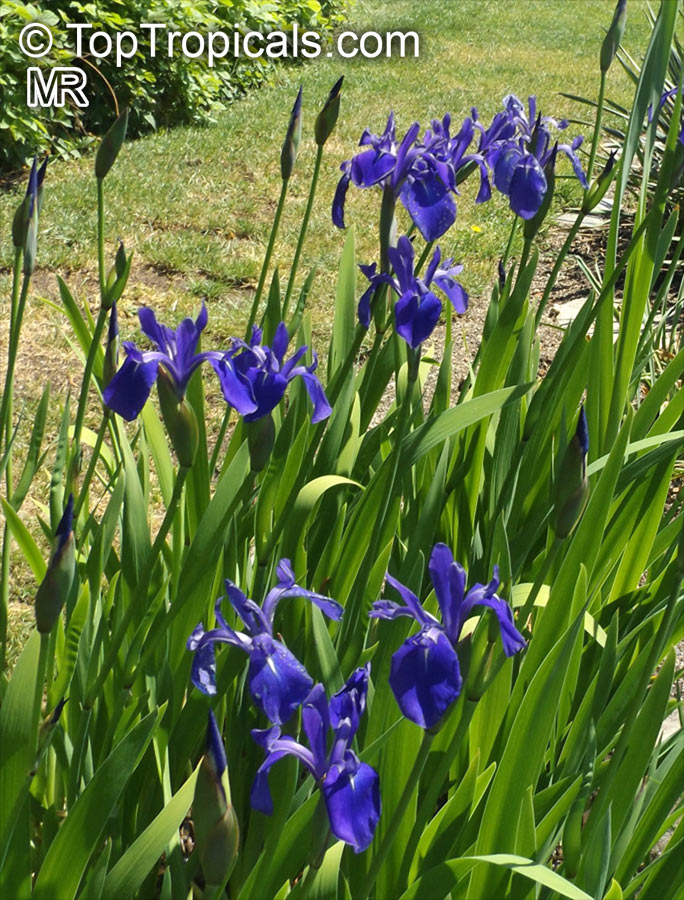
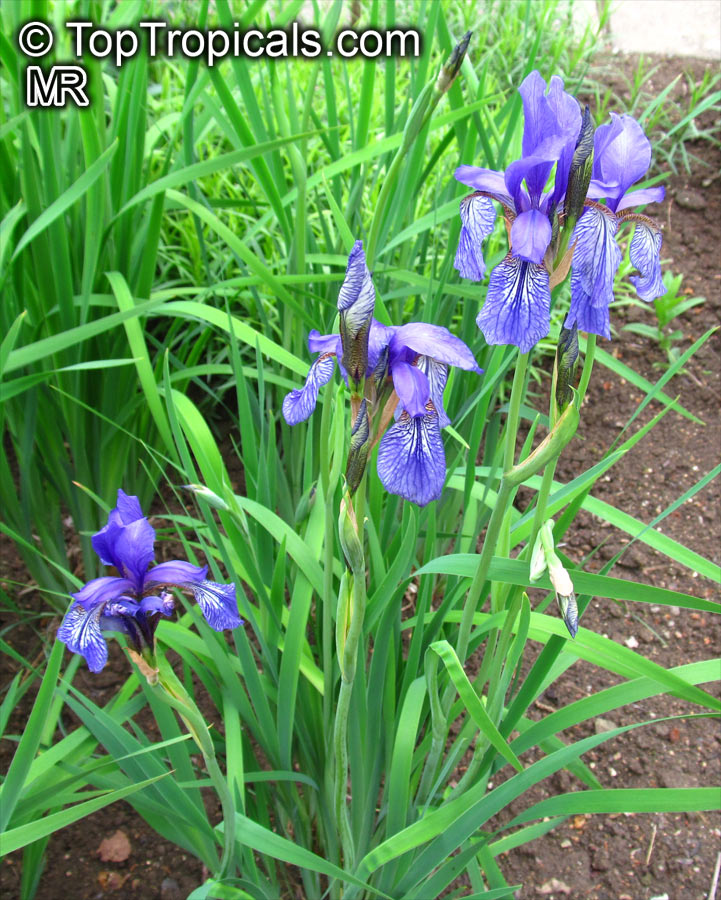
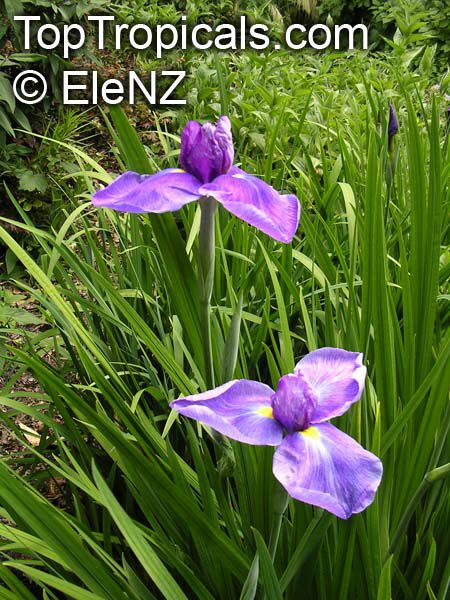
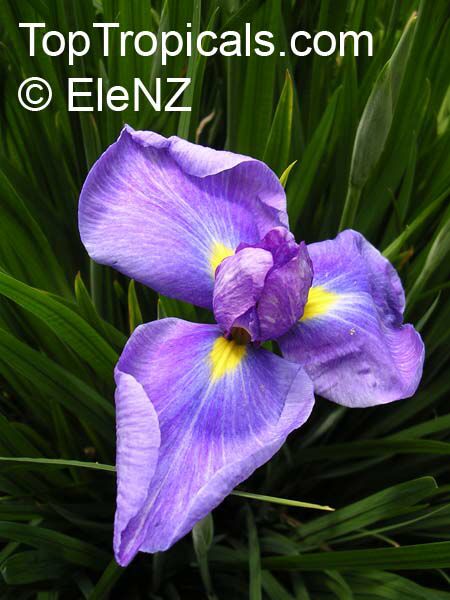
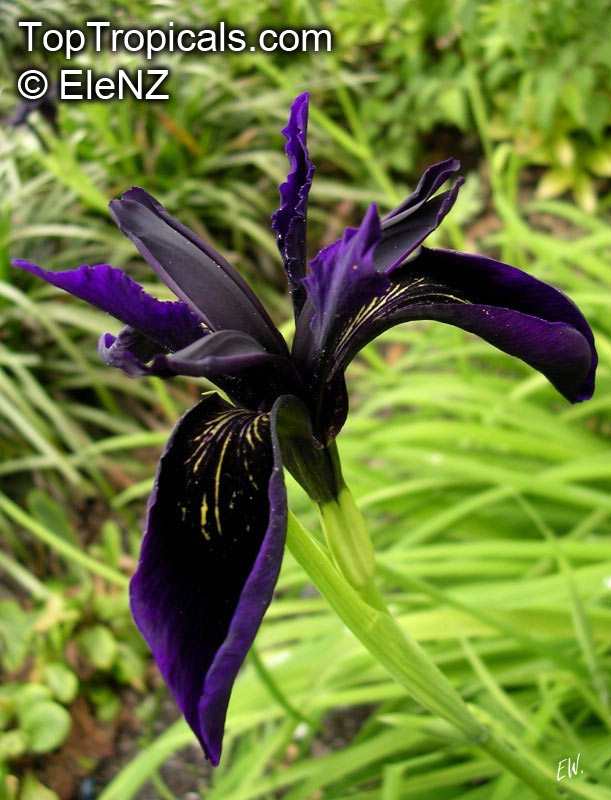
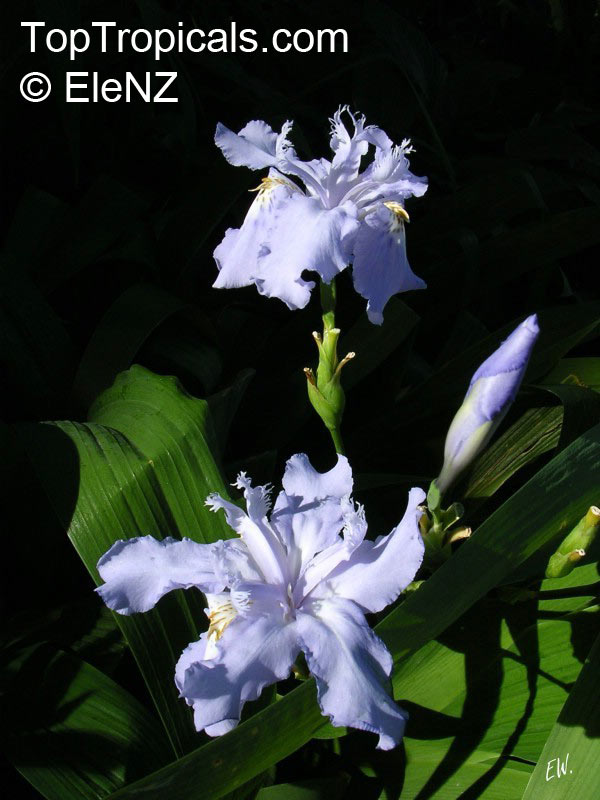
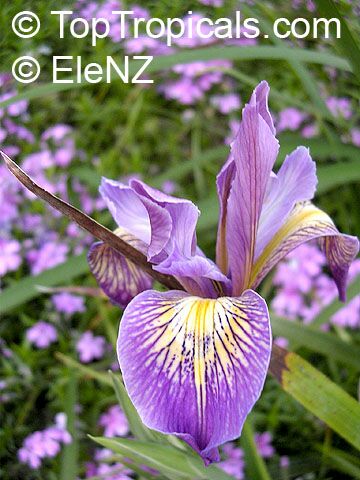
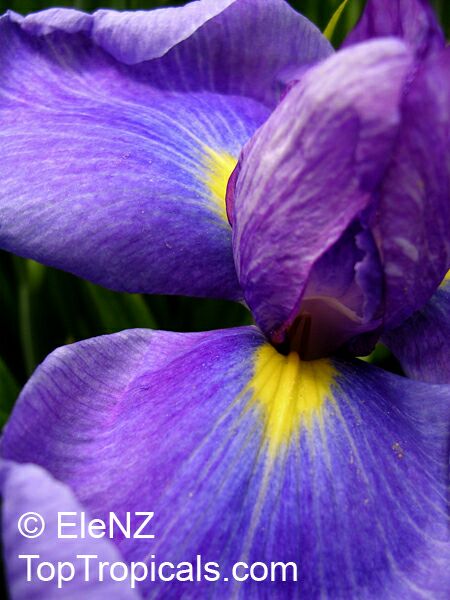
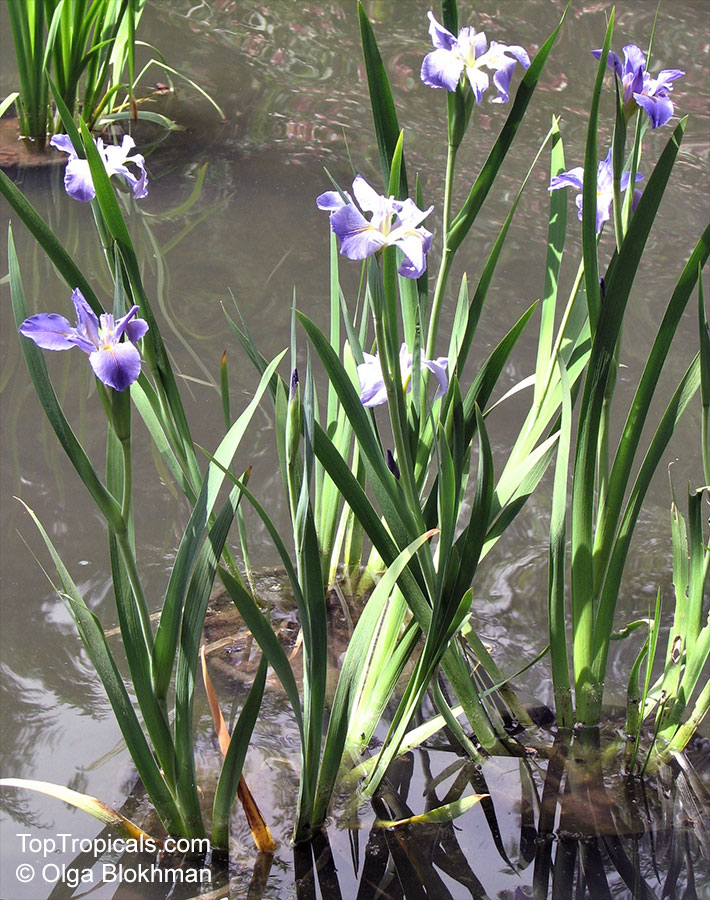
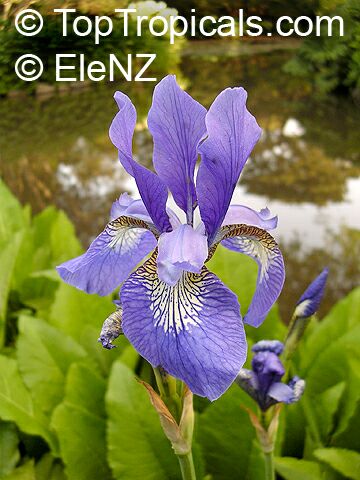
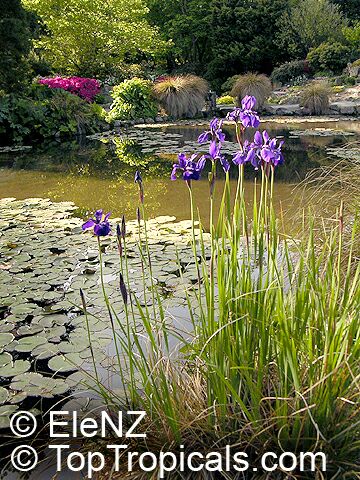
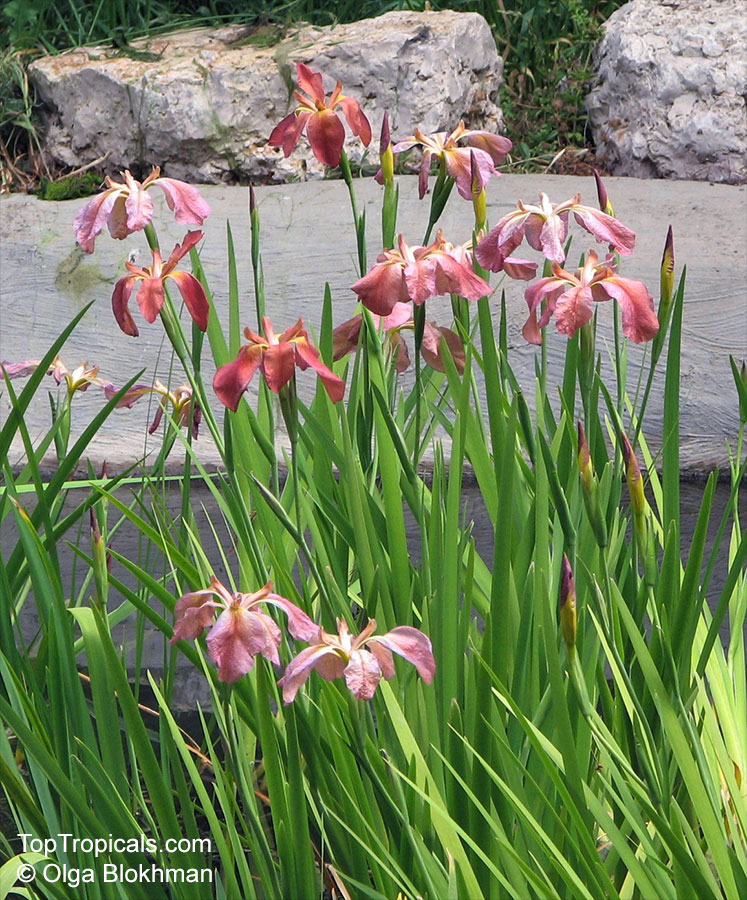
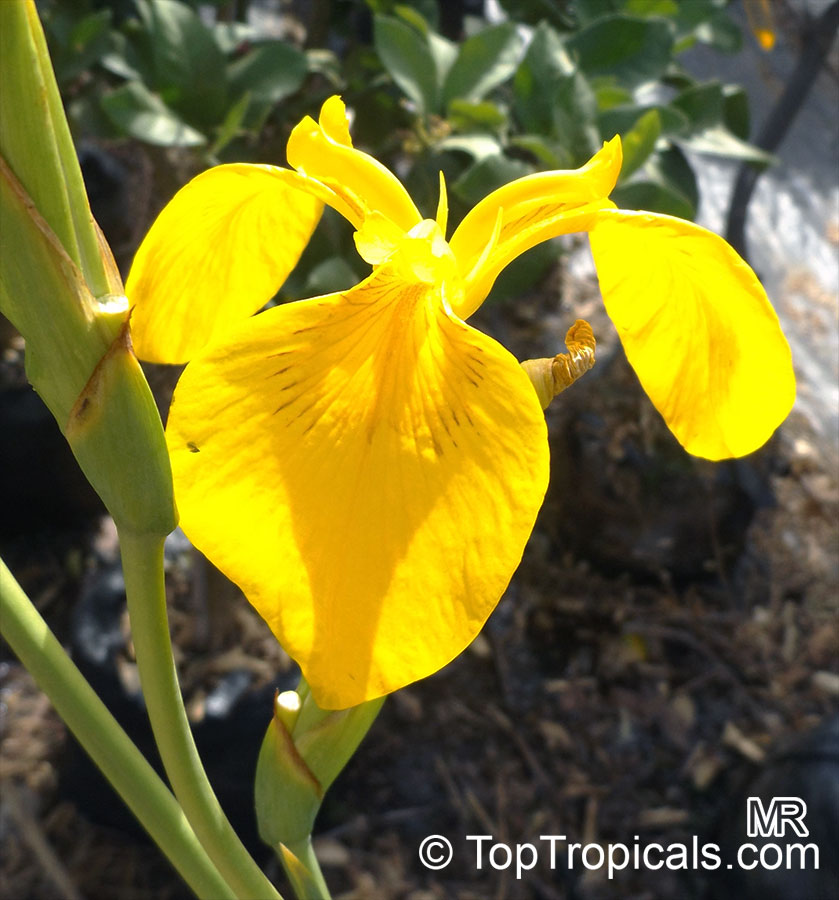
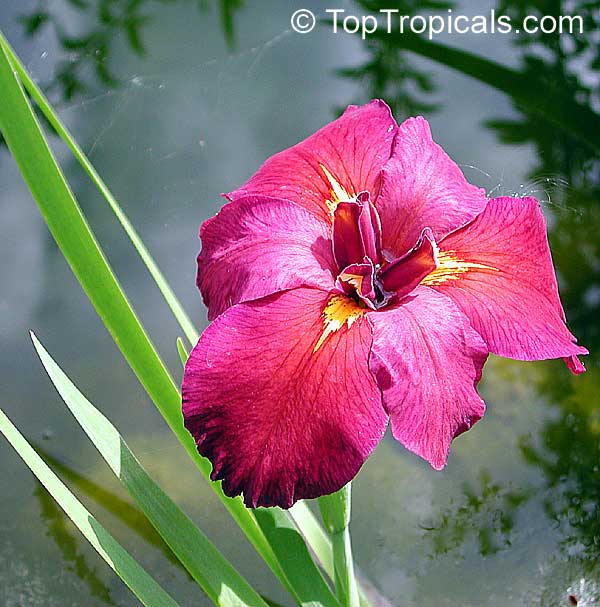
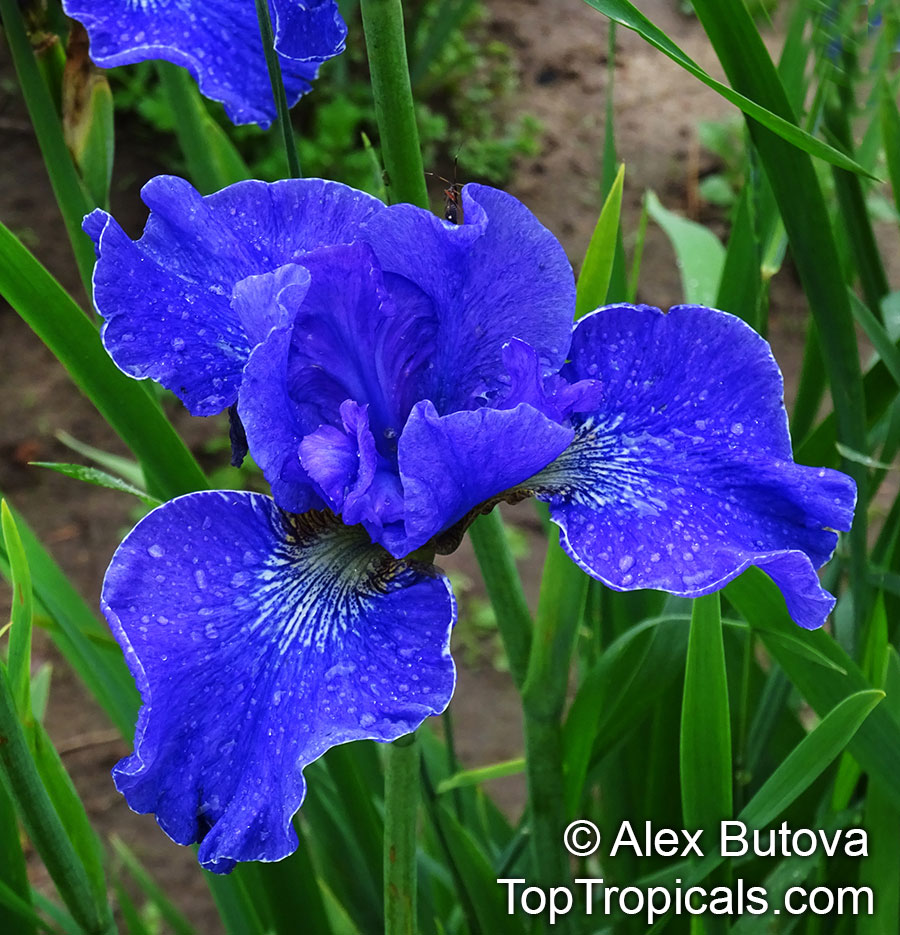
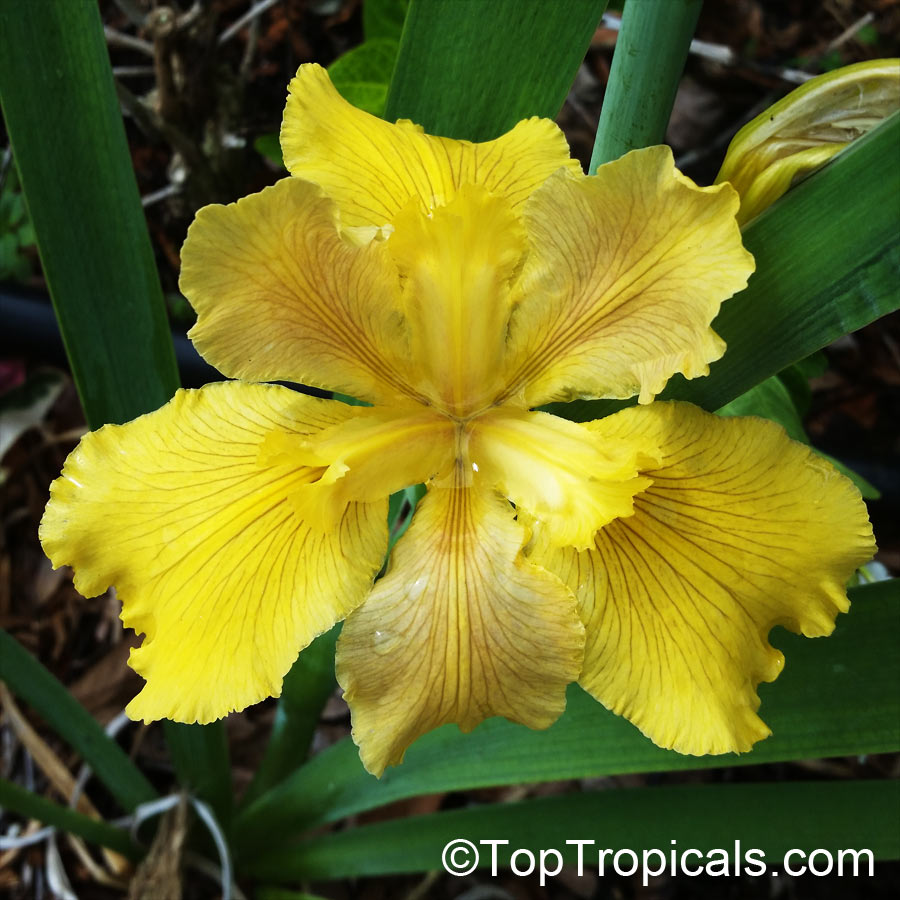
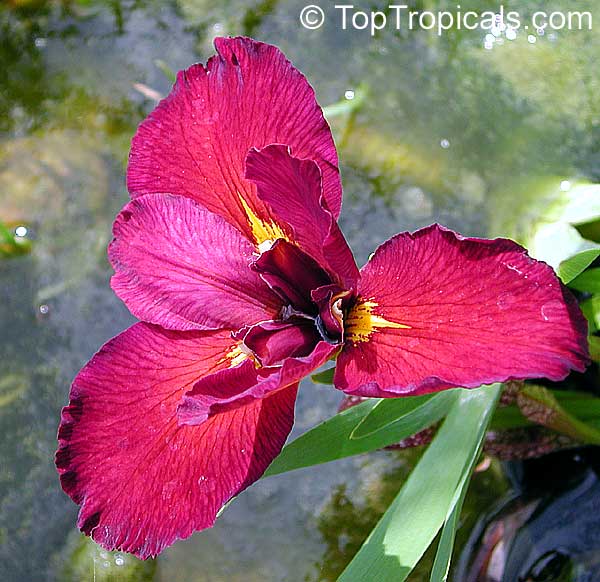
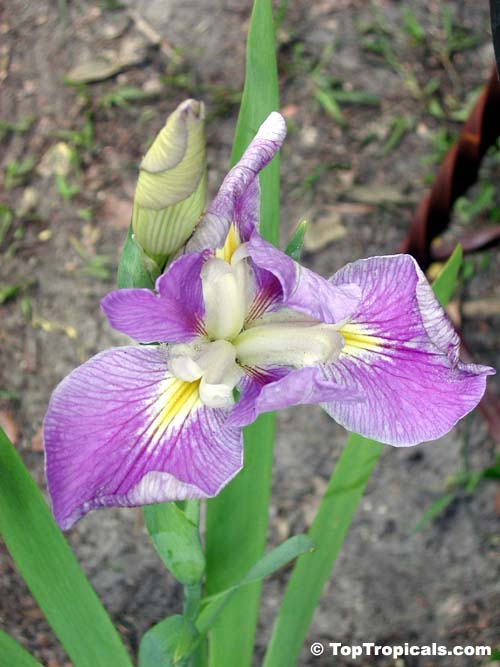
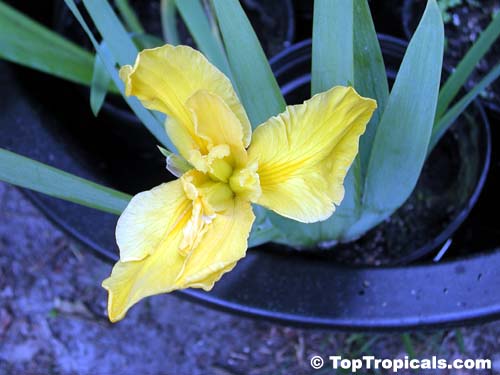
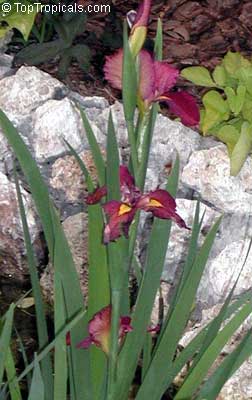
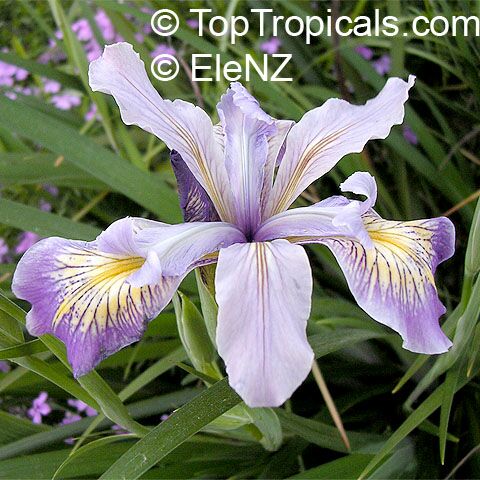
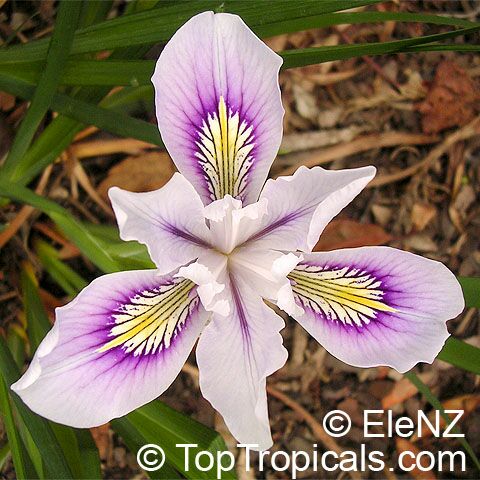
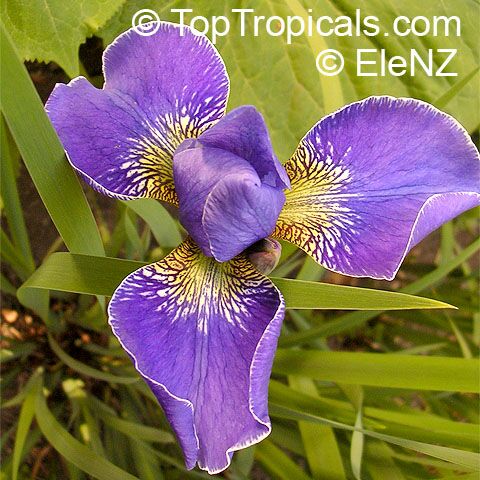
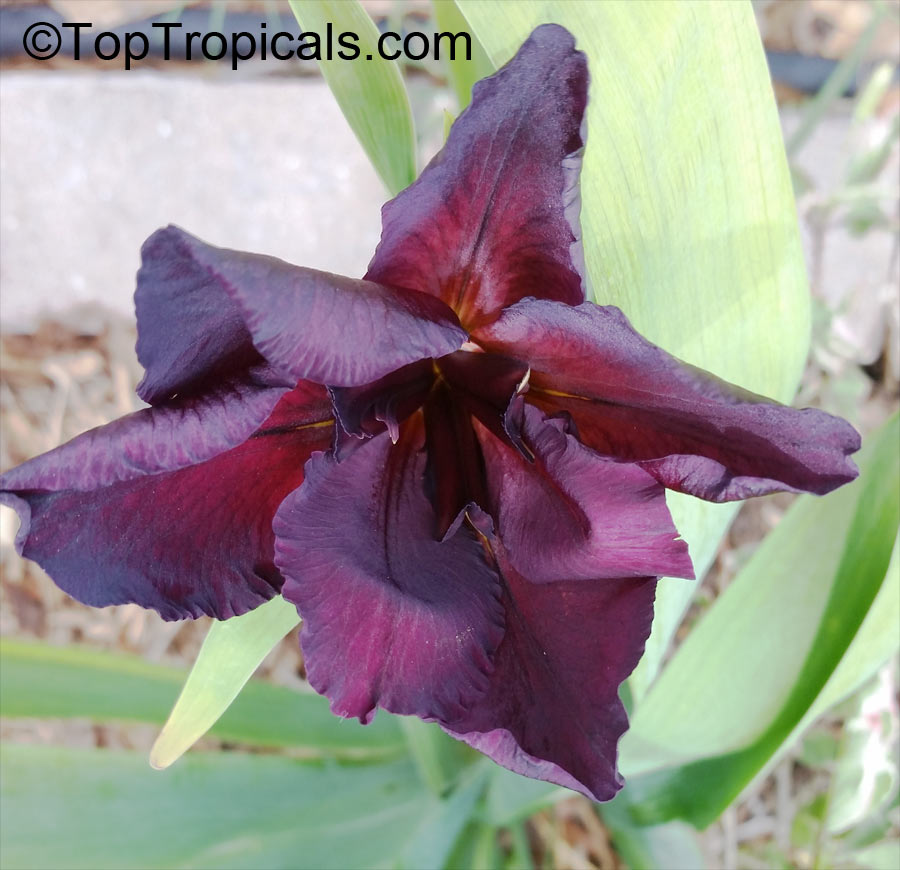
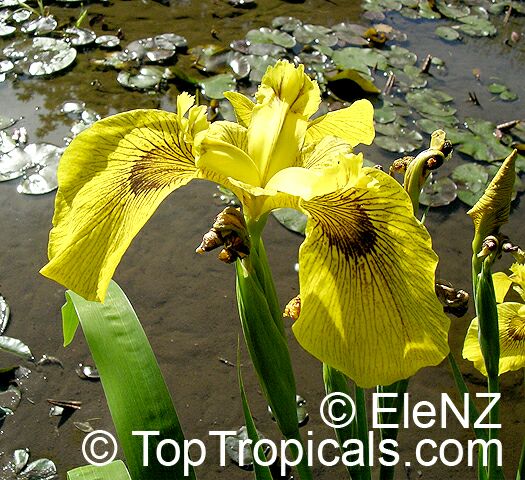
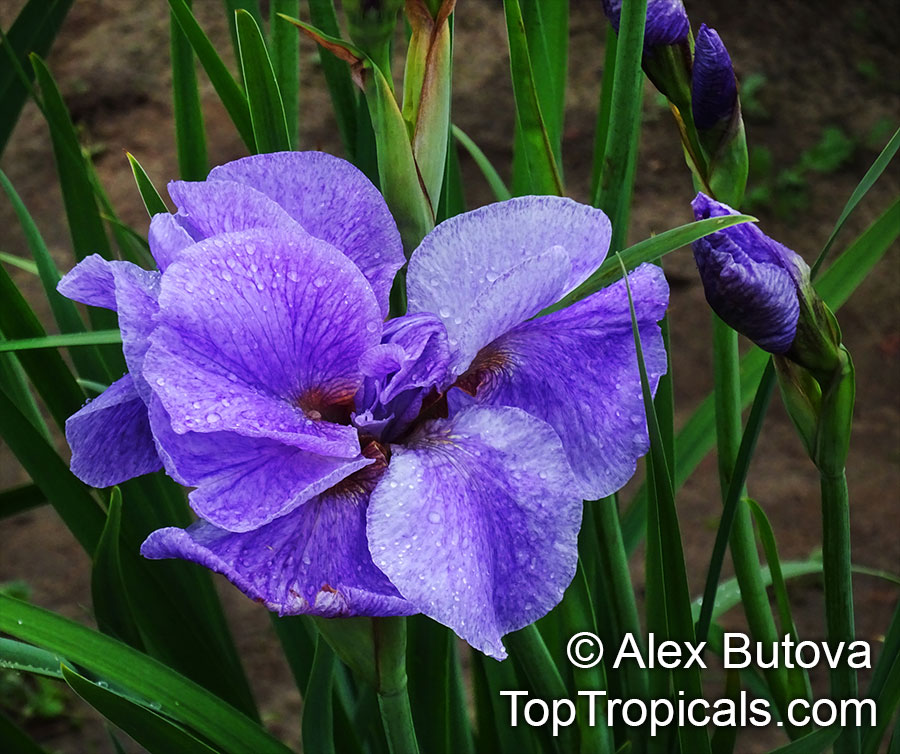
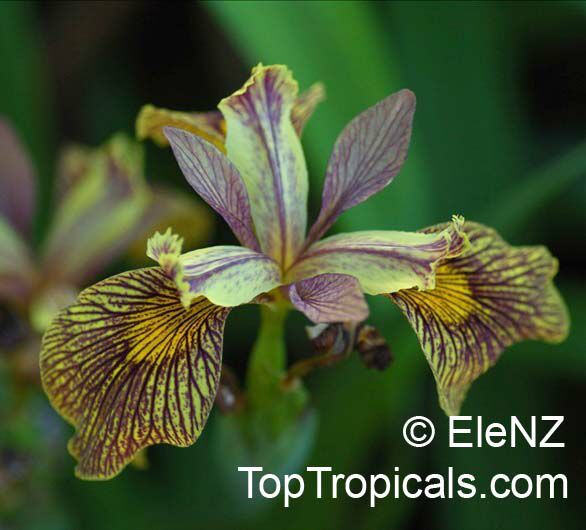
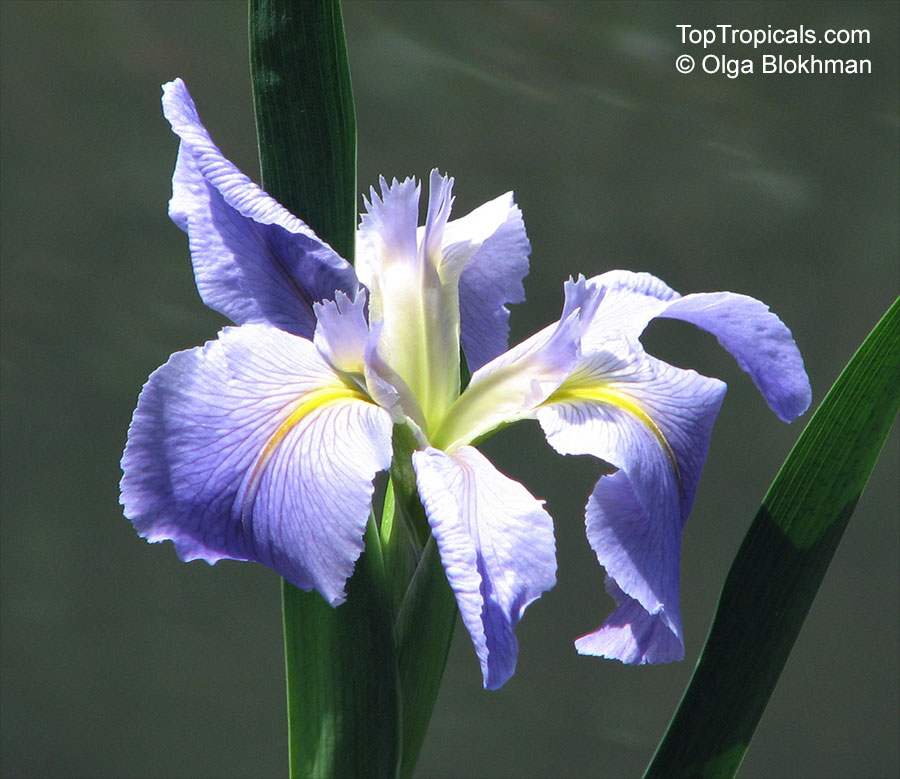
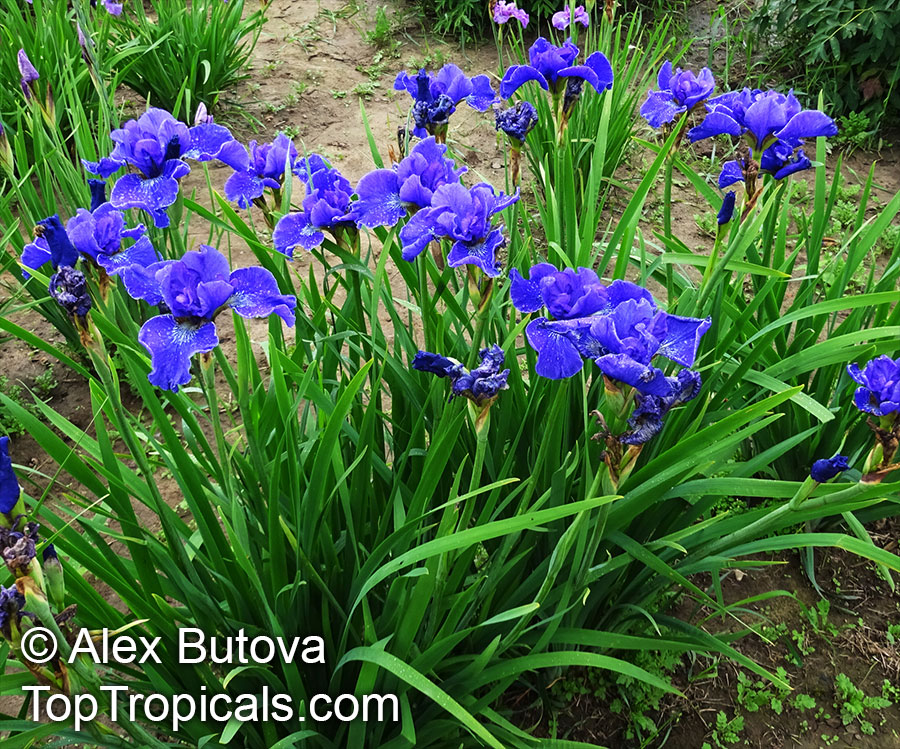
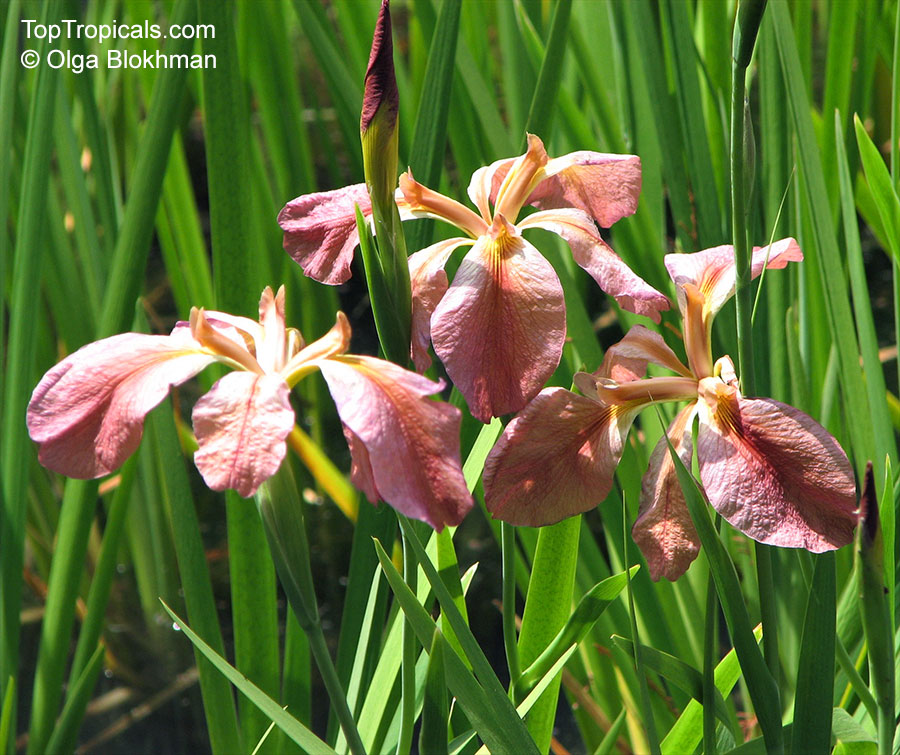
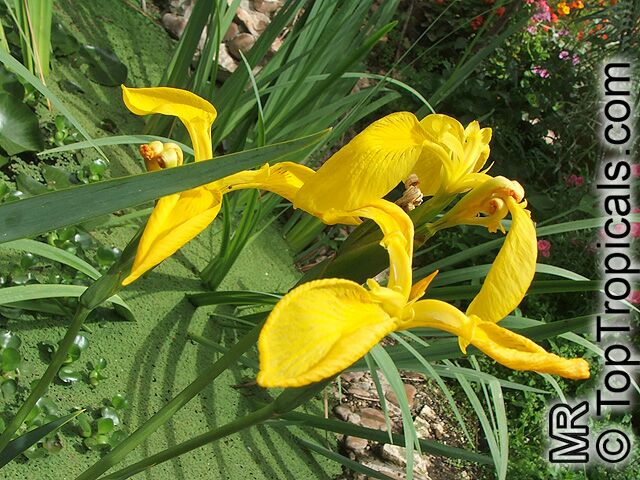
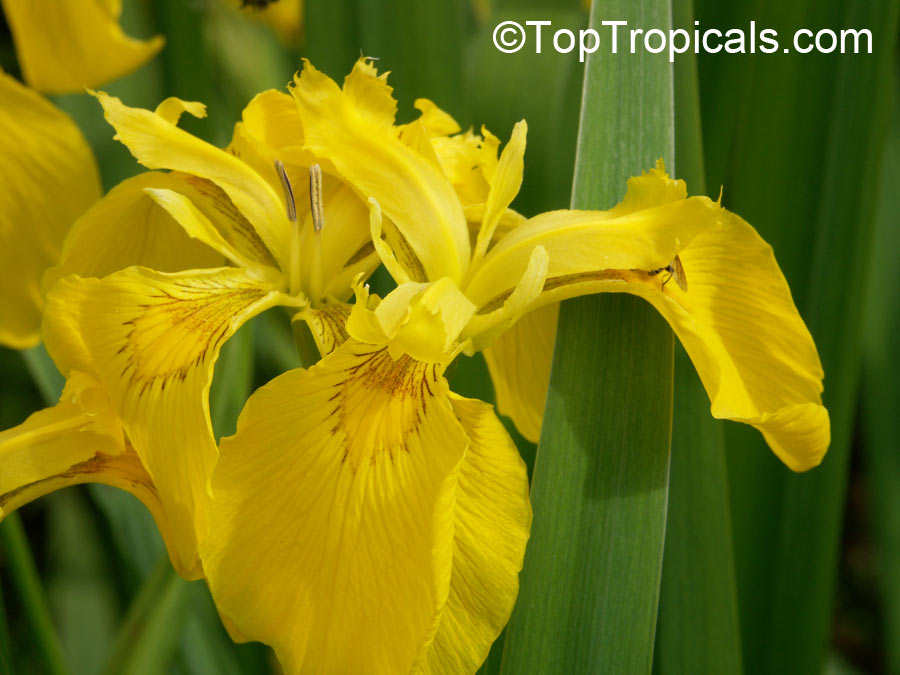
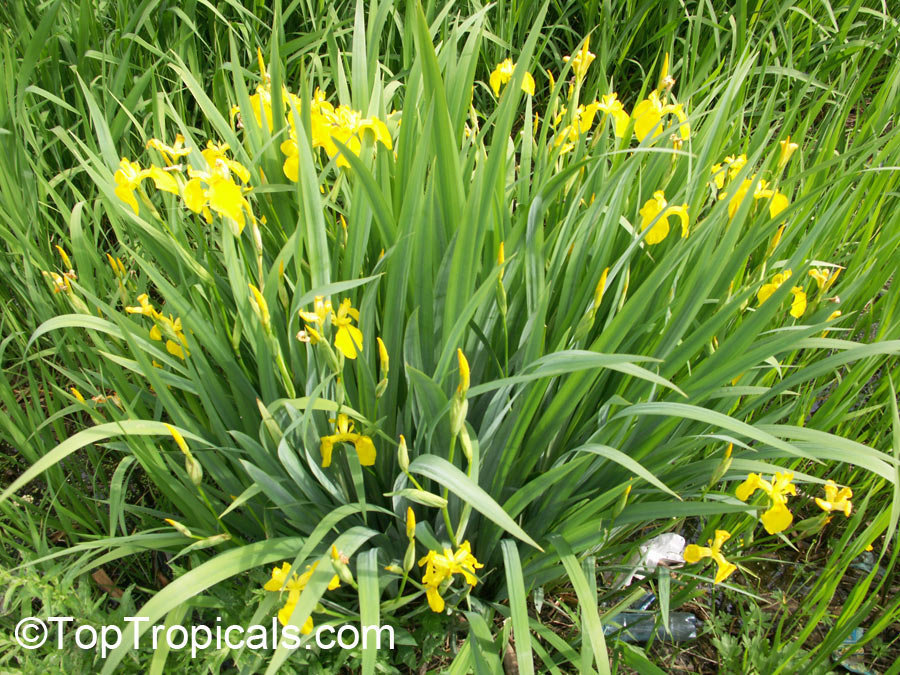
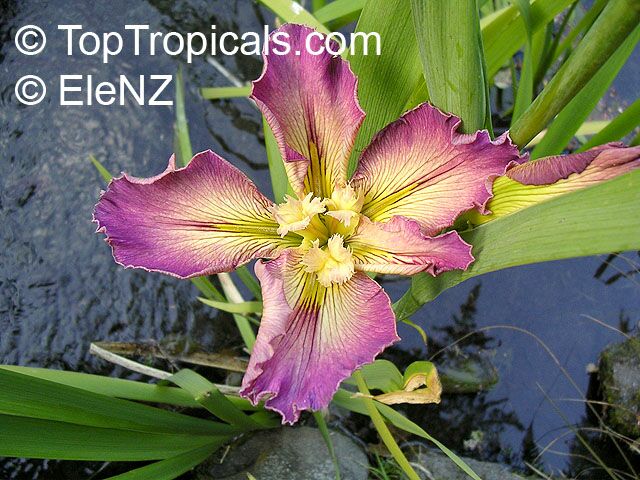
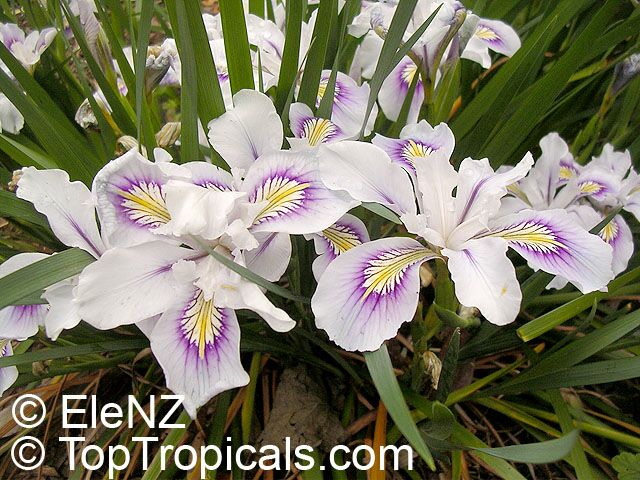
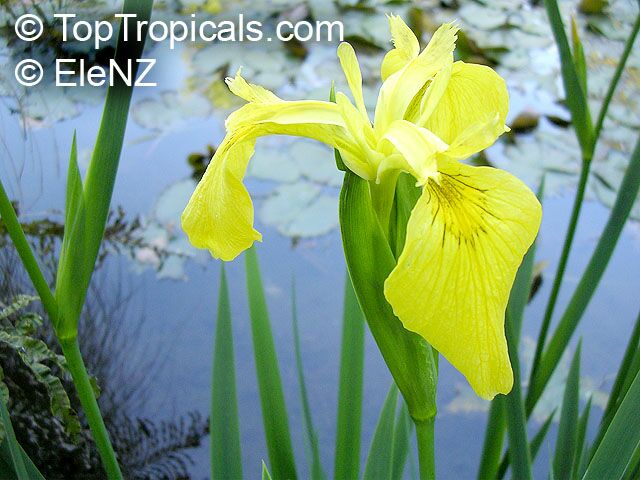
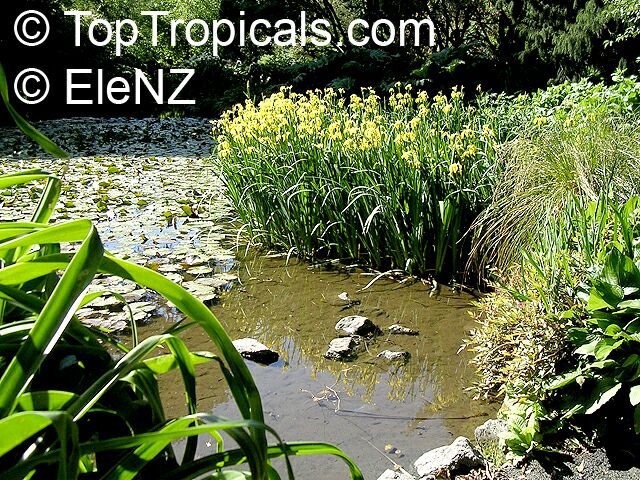
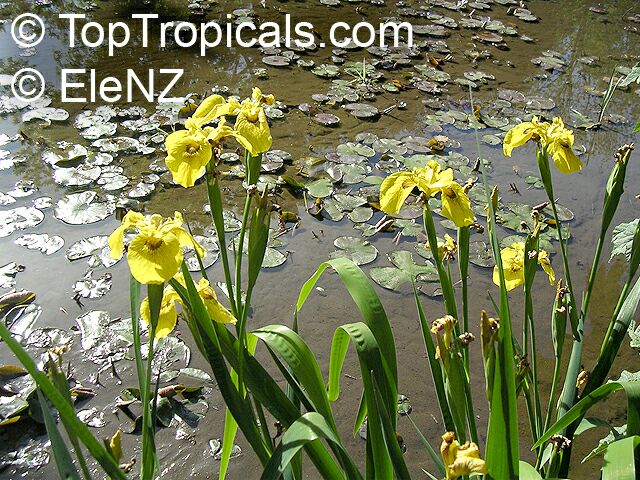
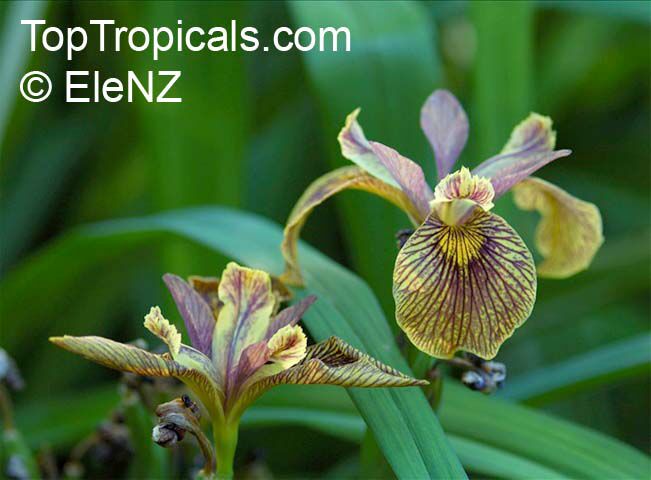
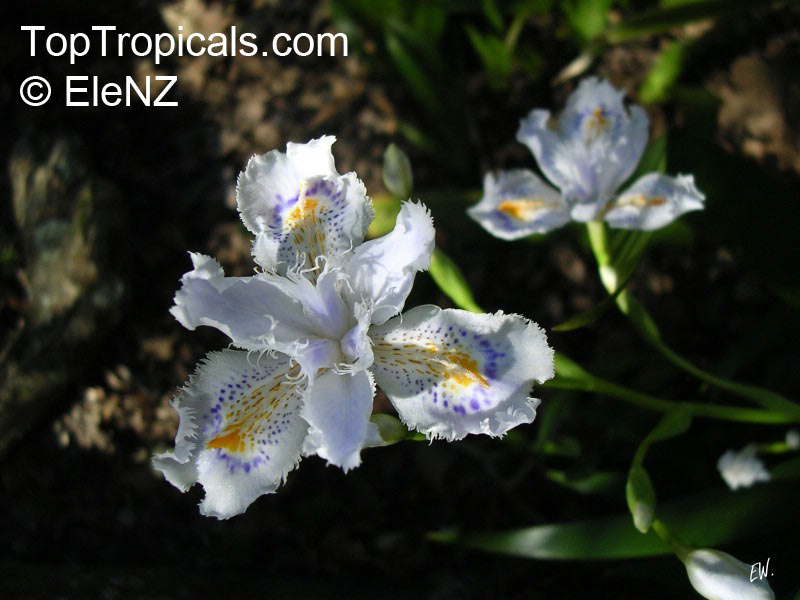
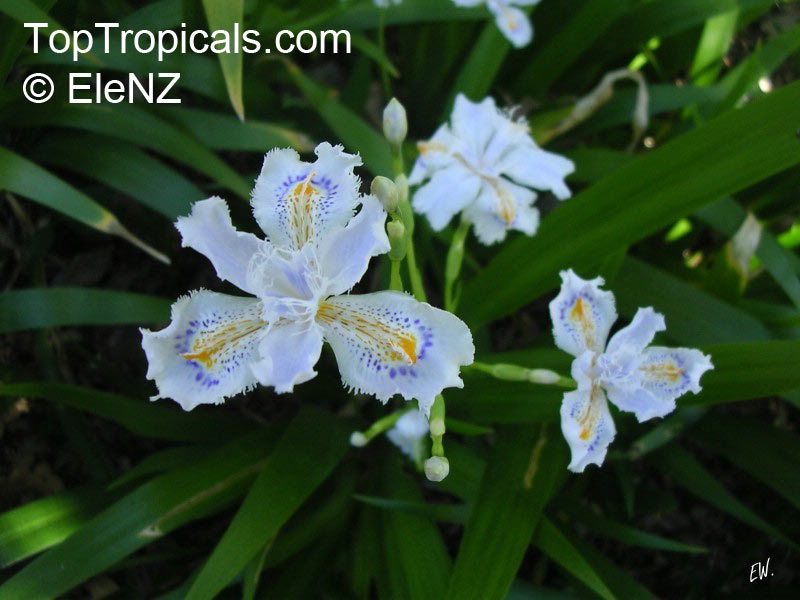
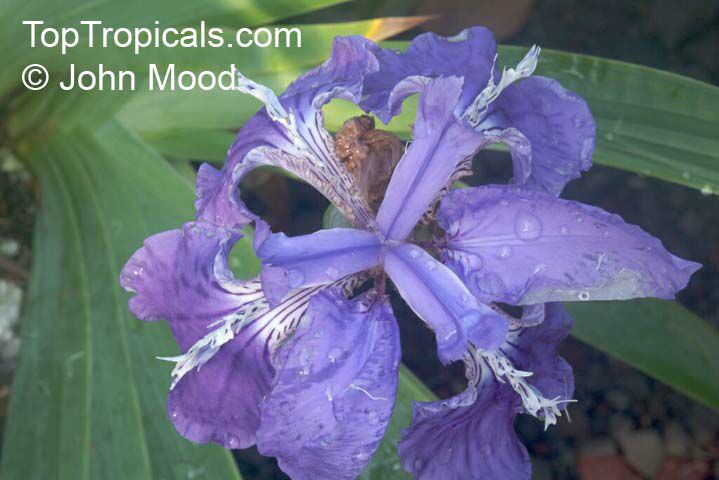
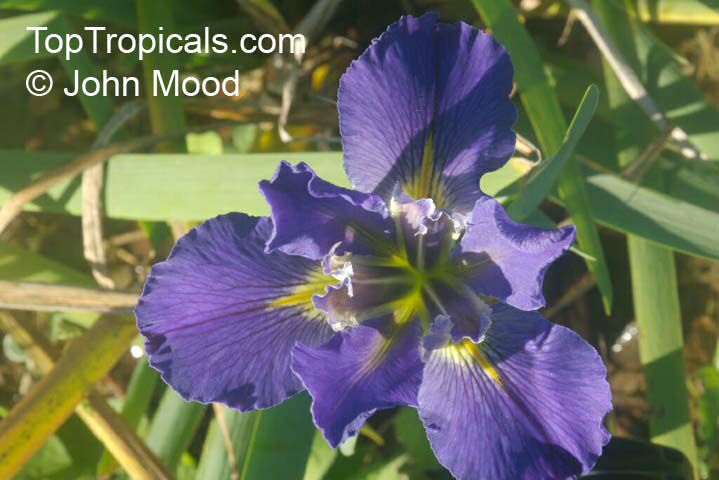
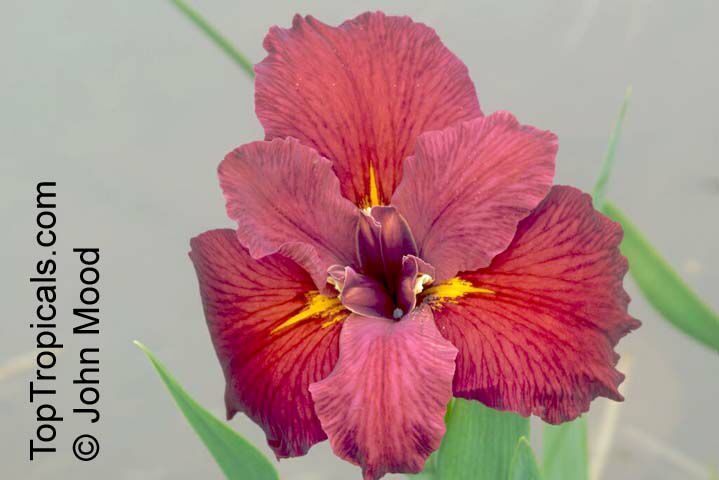
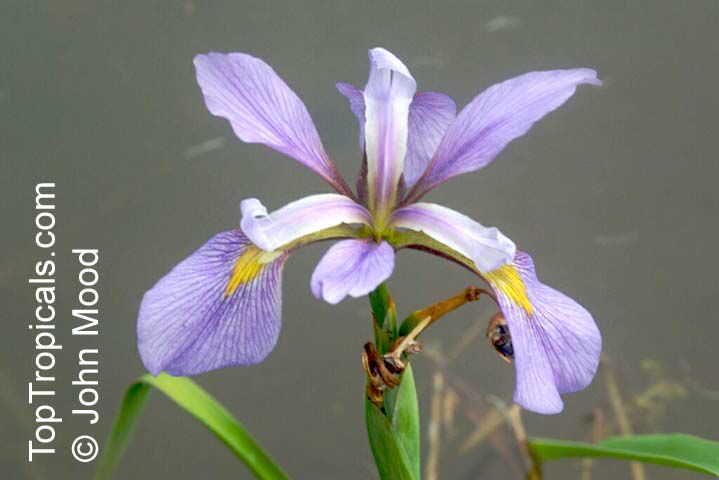
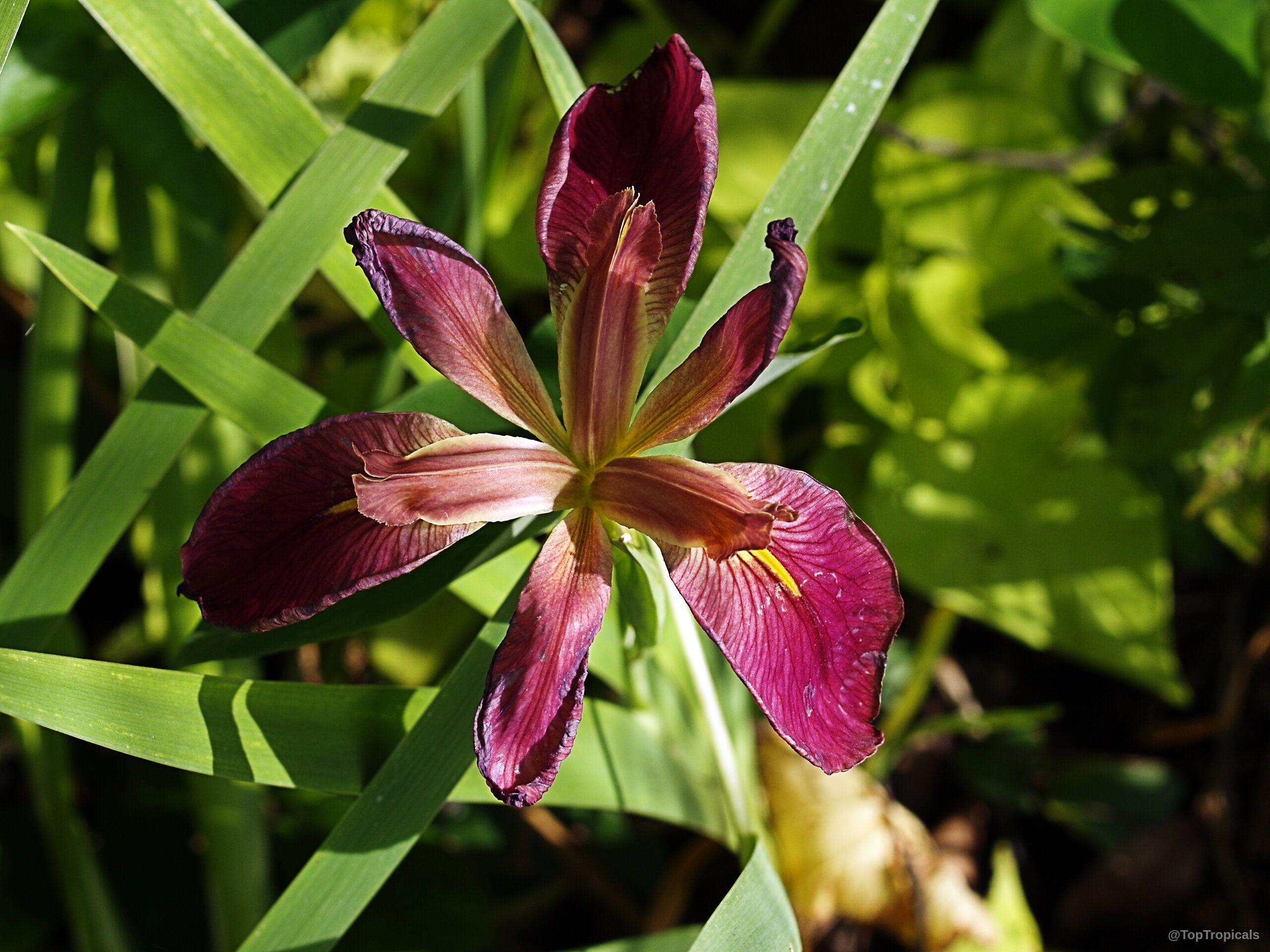
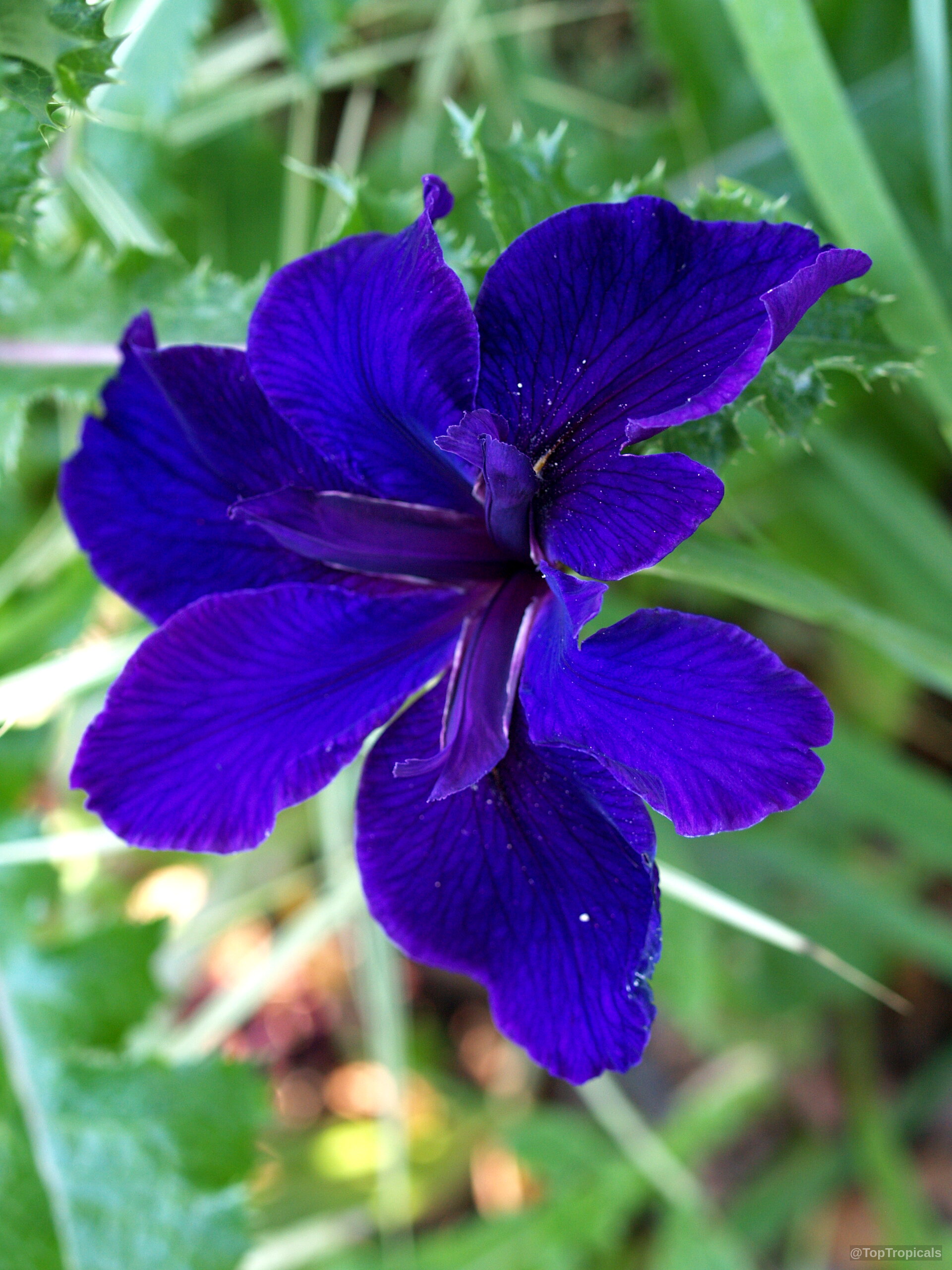
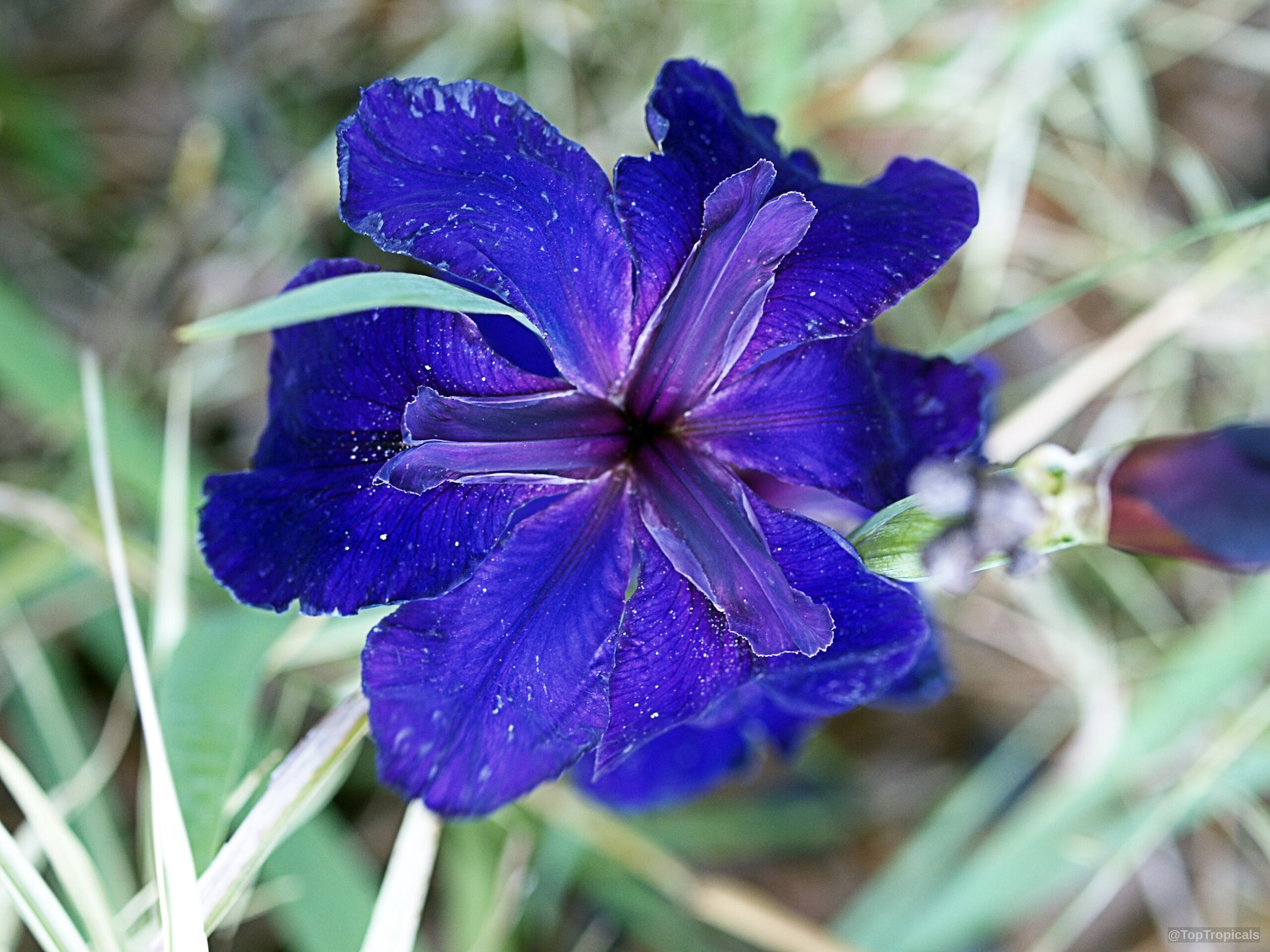
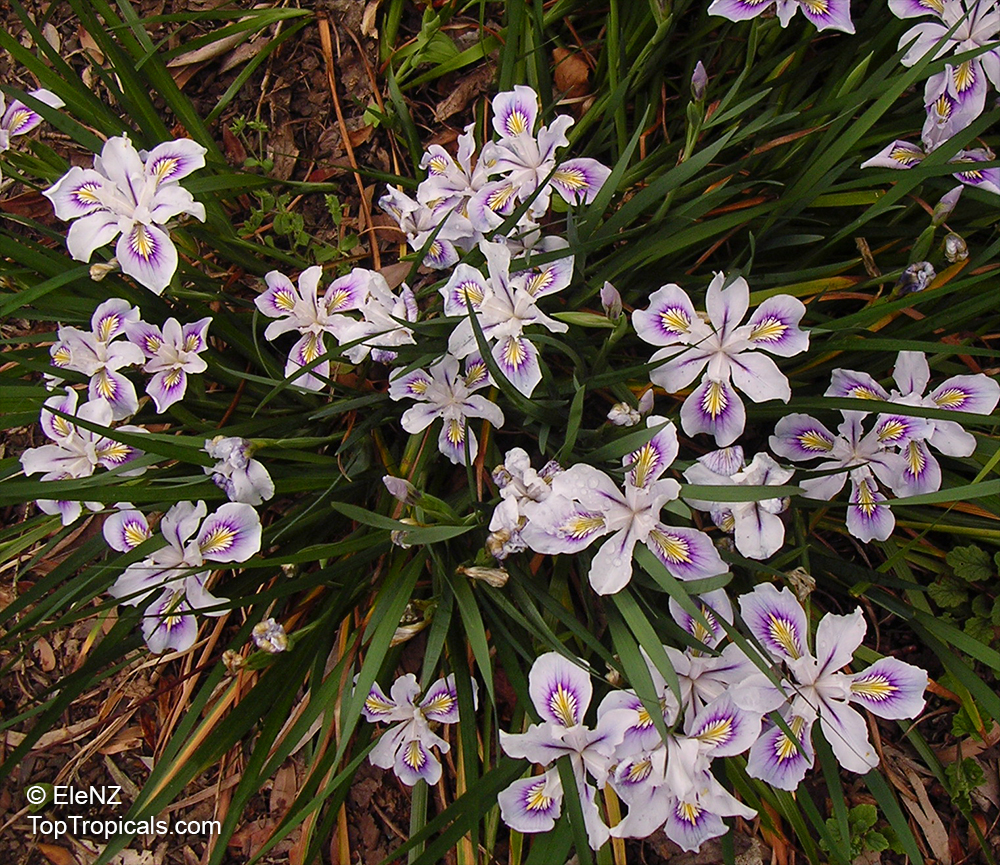
Botanical name: Iris sp.
Common names: Beardless Irises, Water Irises
Family: Iridaceae
Origin: East Asia
USDA Zone: 3-10


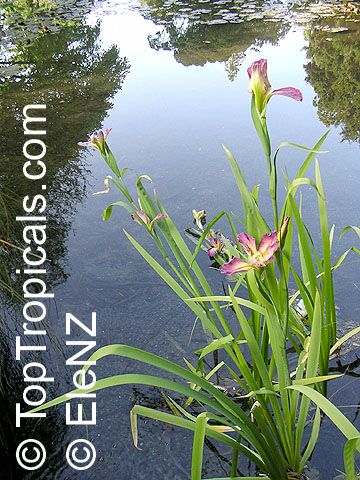
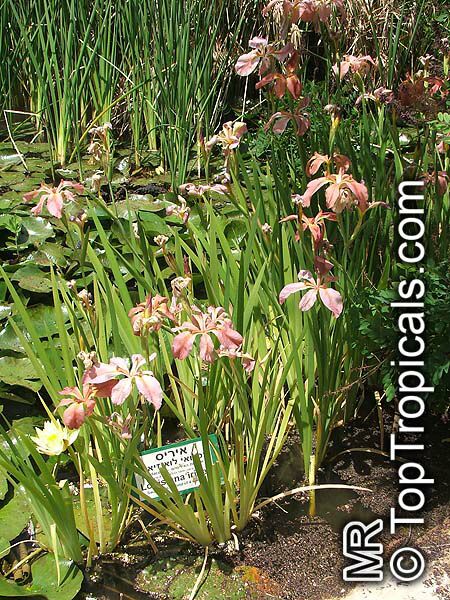
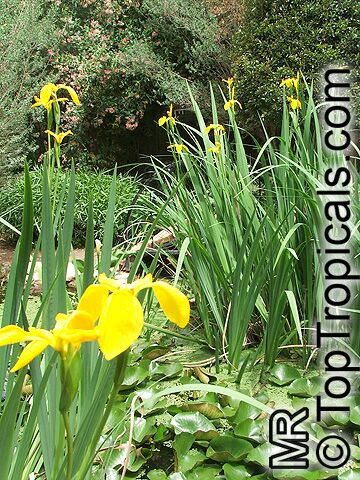
Iris is a genus of flowering plants with showy flowers ranging in color from gold or yellow to white, blue, lavender and purple. Pink and apricot colored irises have also been bred in some species. The name "Iris" can be applied either to the genus, or to any of the species within it. It is also applied to various subdivisions within the genus.
There are many species of Iris, widely distributed throughout the north temperate zone. All Irises have long stems and six-lobed flowers with three petals sagging downwards (actually large sepals in the same color as the flower), and three standing upright. Some smaller iris species have all six lobes pointing straight outwards. Typical irises grow from a creeping rhizome, but some species, known as bulbous irises, have a bulb. The cushion irises are somewhat fastidious growers, and to be successful with them they must be planted rather shallow in very gritty well-drained soil. They should not be disturbed in the, autumn, and after the leaves have withered the roots should be protected from heavy rains until growth starts again naturaily.
Beardless irises comprise the Pacific Coast irises, Siberian, Spuria, Laevigata the water or Japanese irises, Louisiana, Unguiculares and Crested irises. Louisiana iris can survive in cold climates with winter protection, moved to a cold frame or frost free cellar.


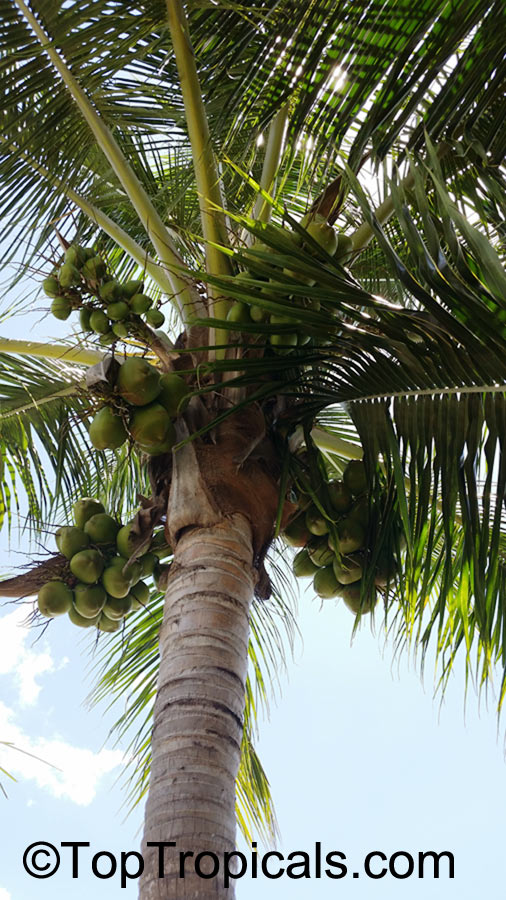
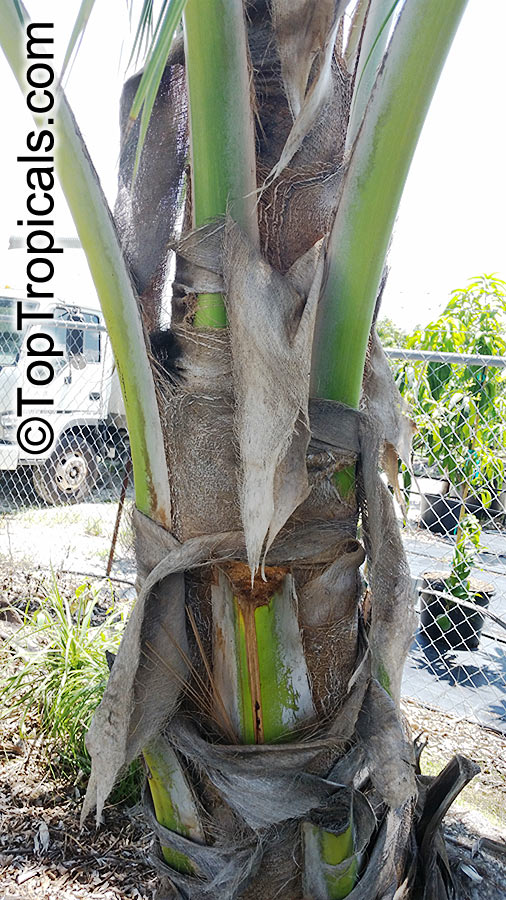
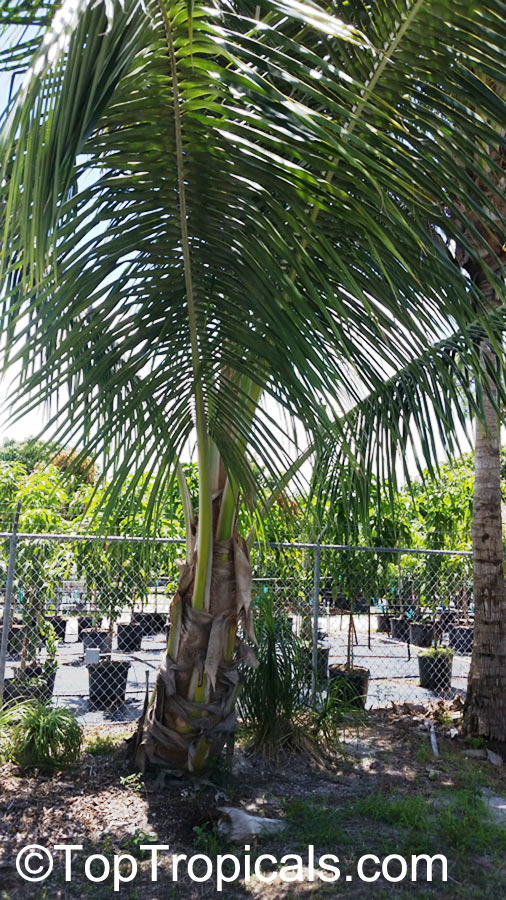
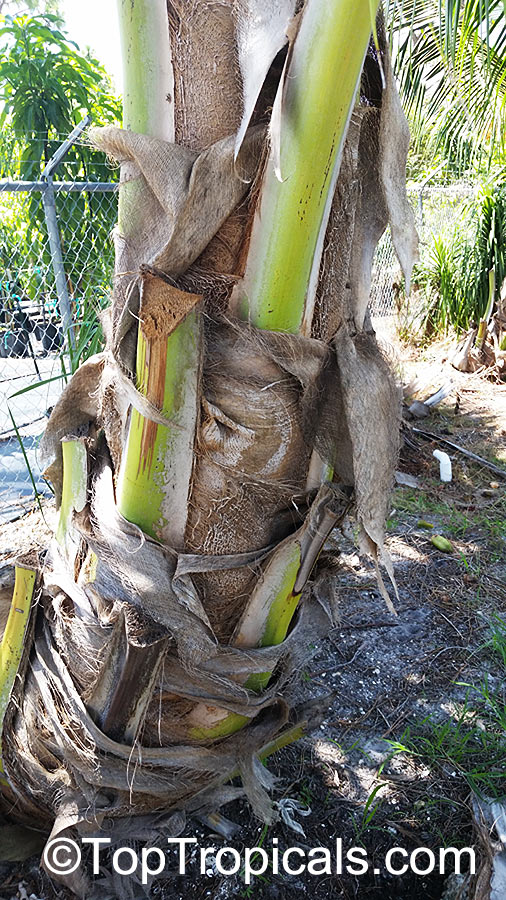
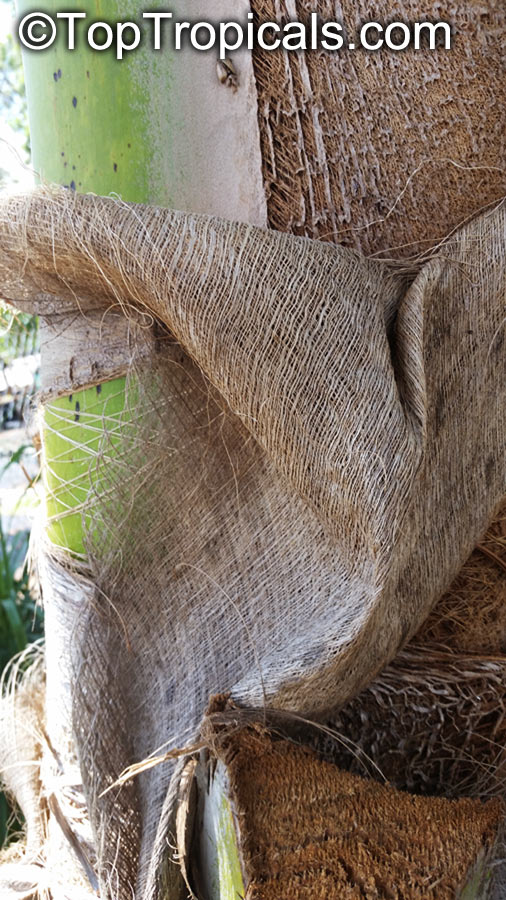
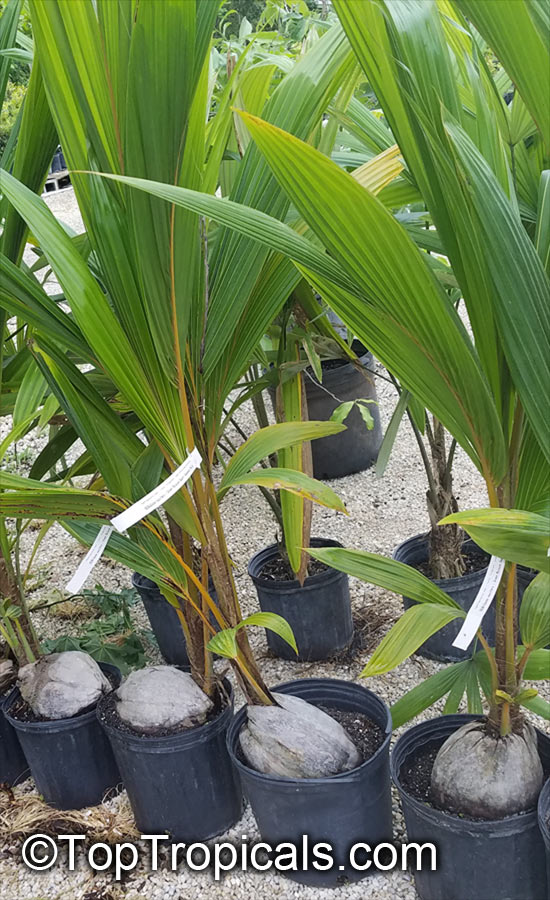
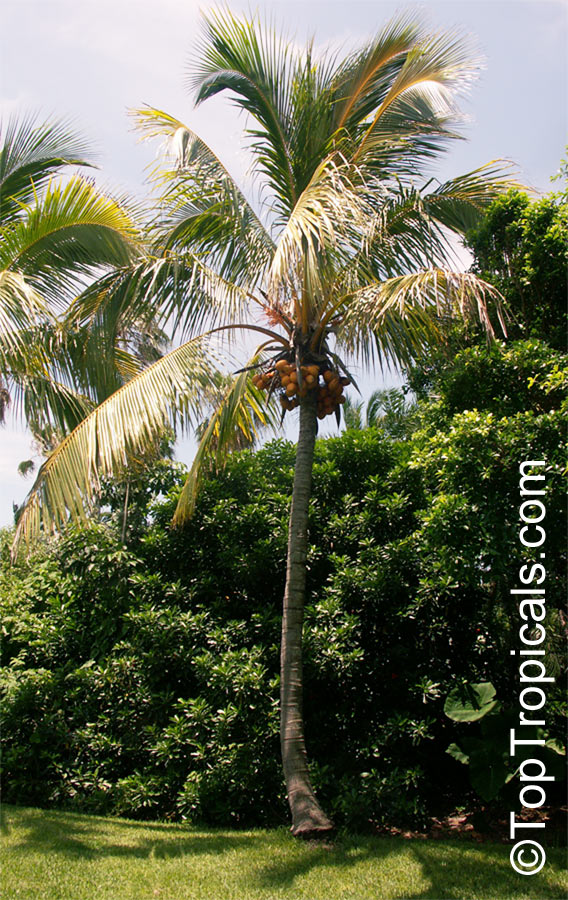
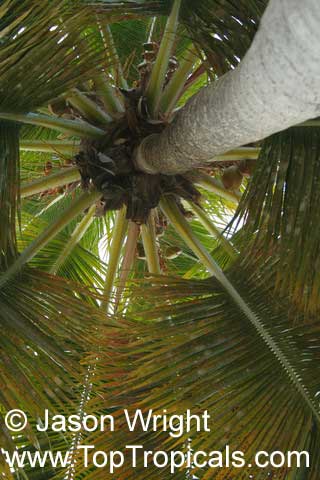
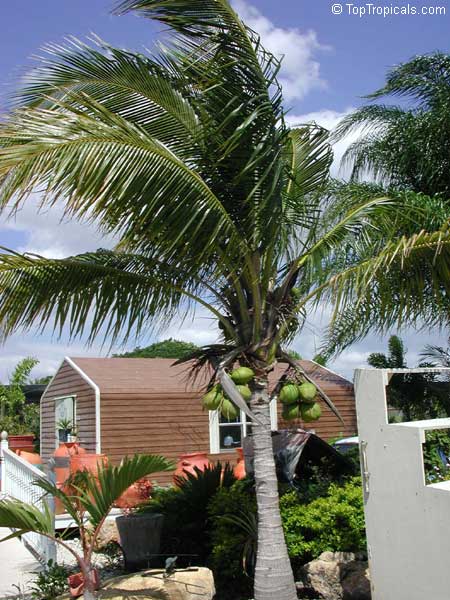
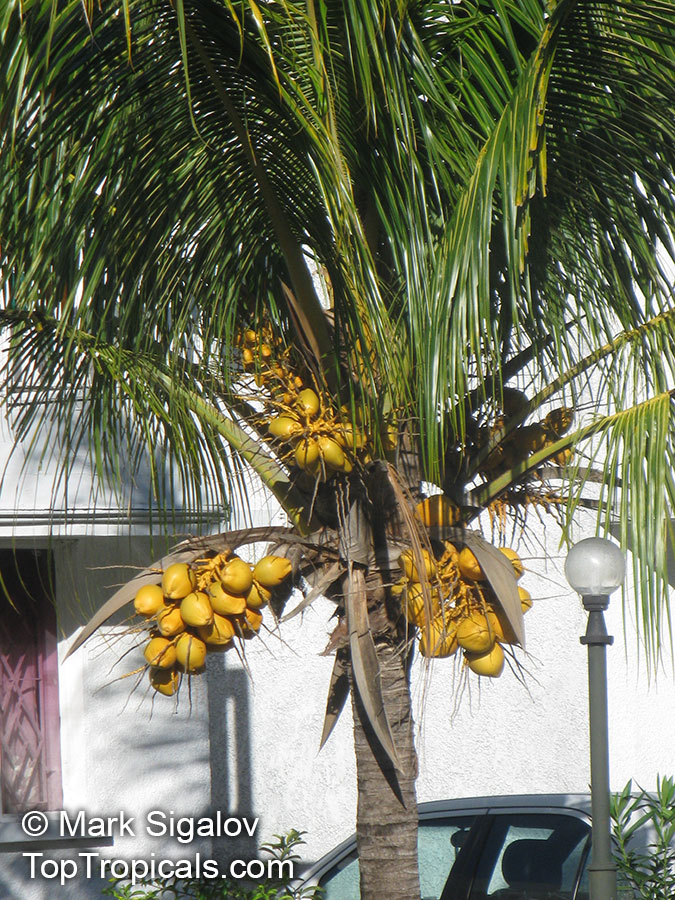
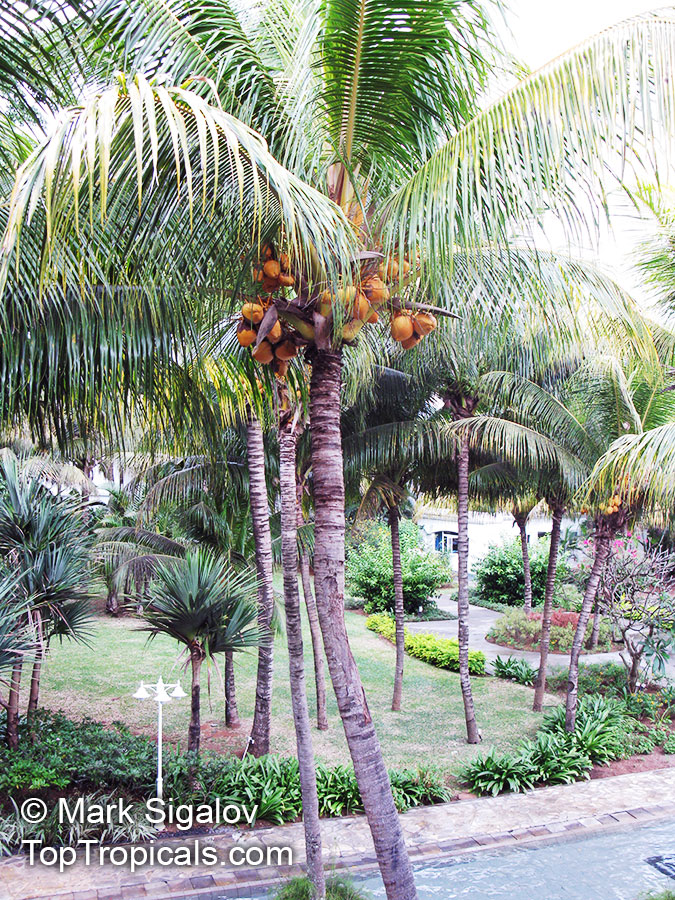
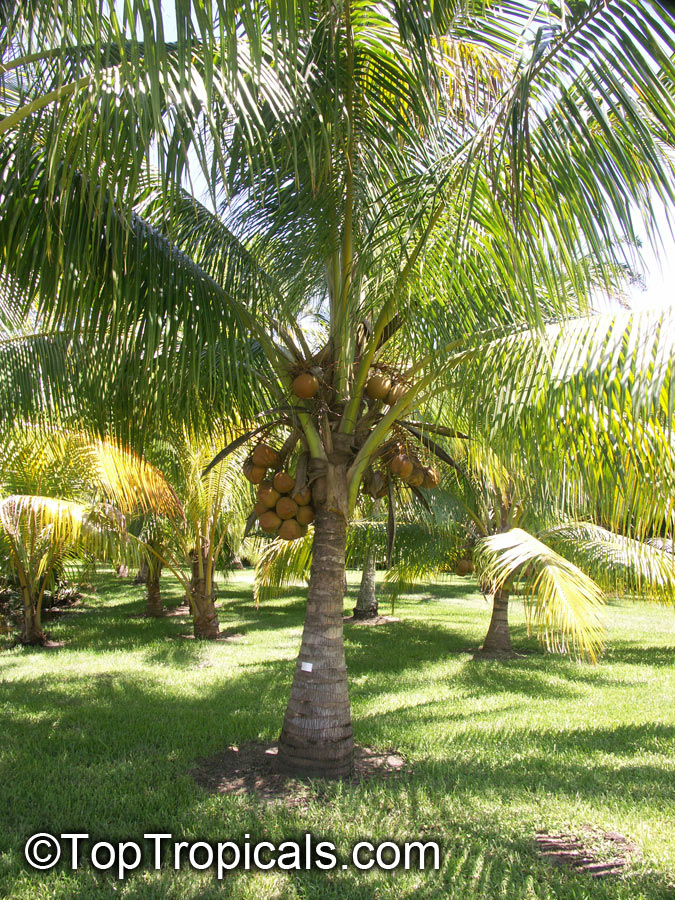
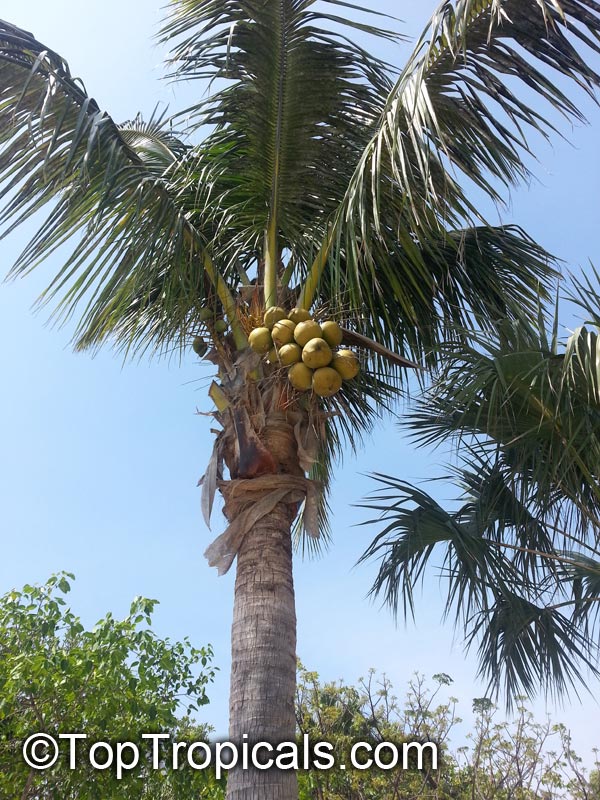
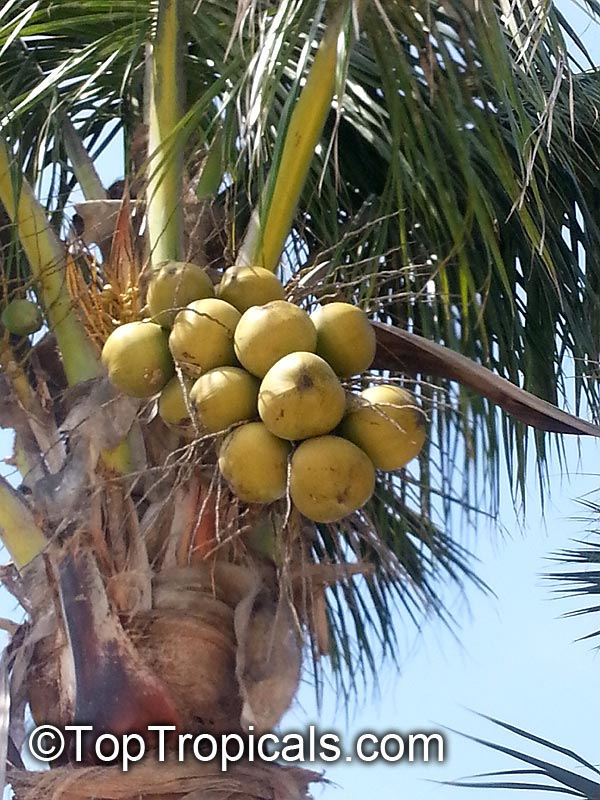
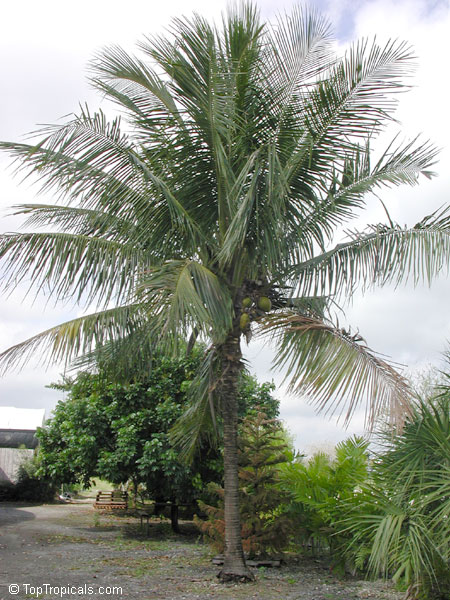
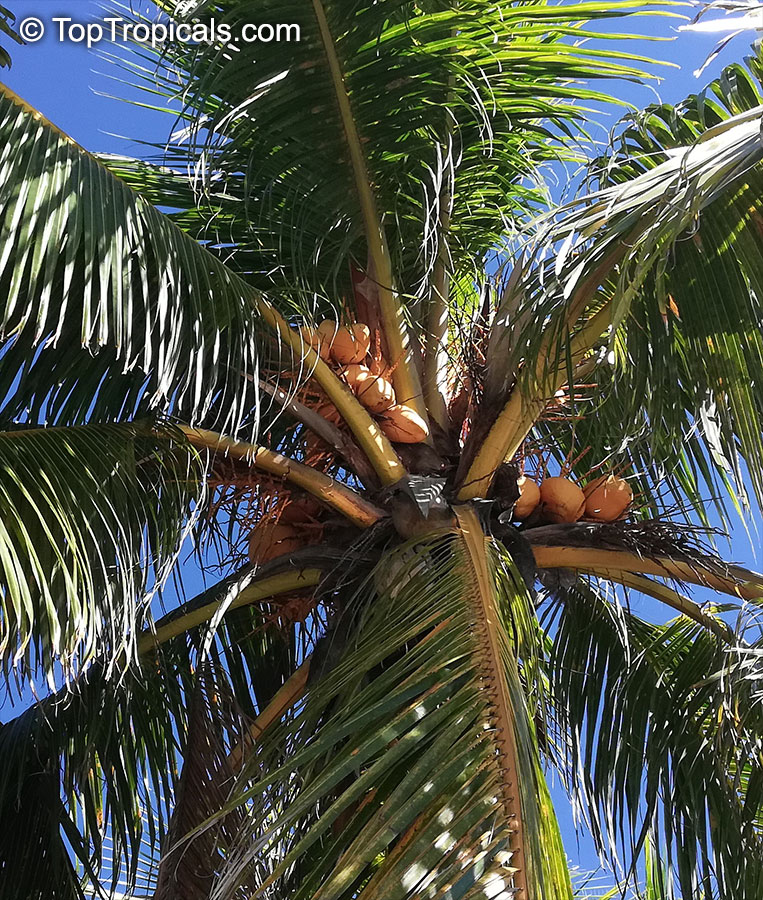
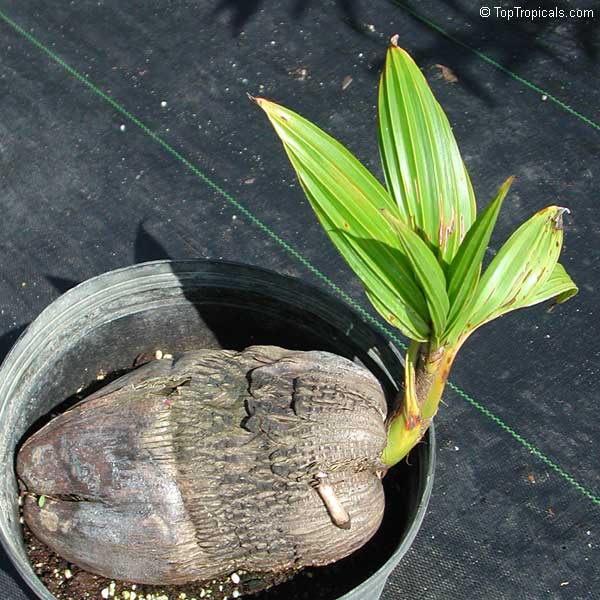
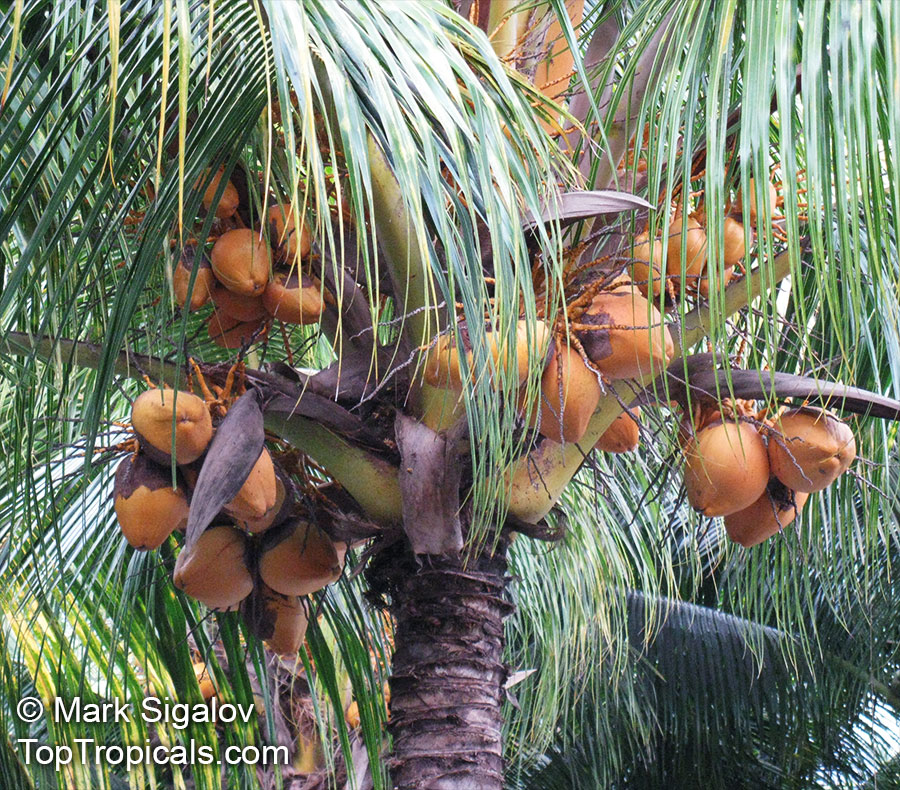
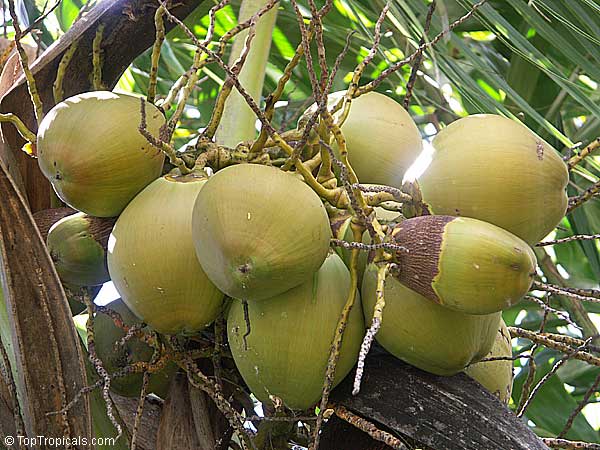
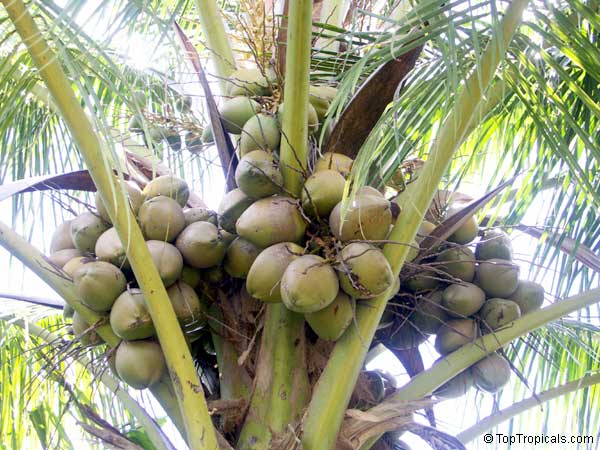
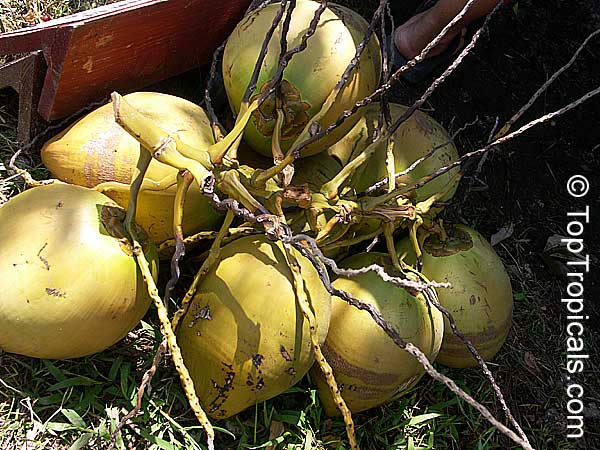
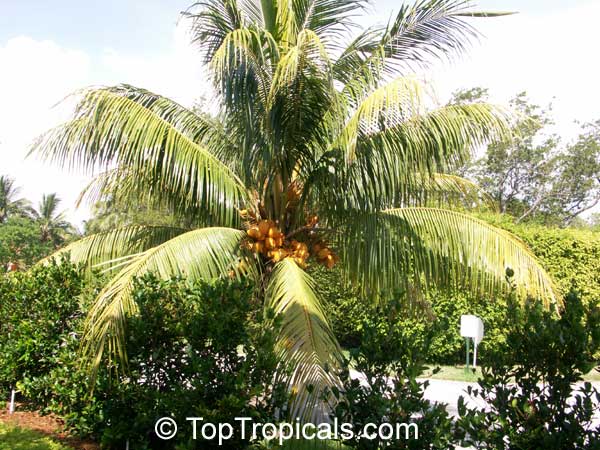
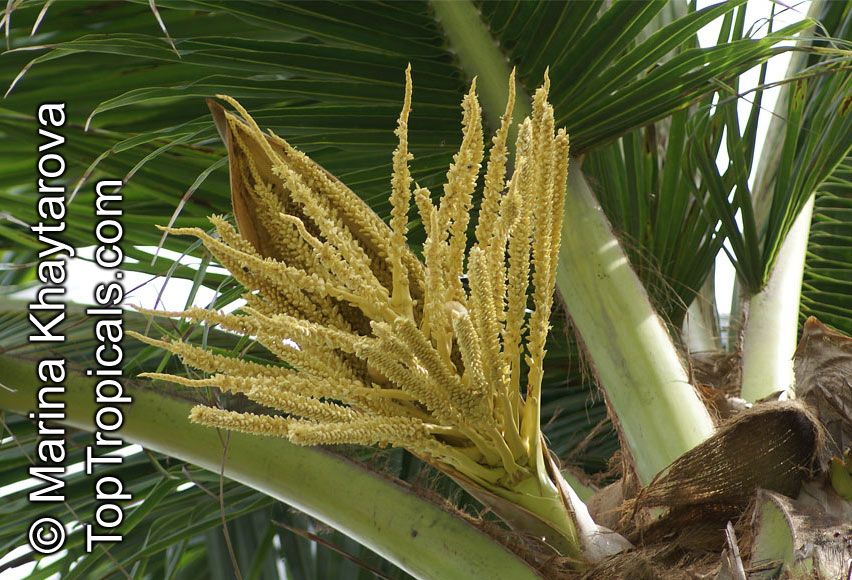
Botanical name: Cocos nucifera
Common names: Coconut Palm, Coco-do-baia
Family: Arecaceae / Palmae
Origin: Jamaica, Malaya, Pacific islands
USDA Zone: 10-11


The Coconut Palm, also known as Cocos nucifera, is native to Jamaica, Malaysia, and Pacific islands and is often used in seaside gardens. It is also a popular houseplant. This palm grows up to 10-20 ft high and thrives in full sun. It is important to water it regularly to keep the soil moist. This plant is flood and salt tolerant and grows best in USDA hardiness zones 10-11.
When it comes to plant care, the Coconut Palm is easy to maintain. It is a fast growing palm that is known for its ability to clean indoor air of smoke and harmful chemicals. Outdoor plants should be given plenty of light and watered regularly, with the soil kept moist and well-drained. If the palm gets too tall or wide, prune it back. For those living in cold regions, growing the plant in a pot can be a good option. Choose a pot that is large enough for the roots to spread and use a soil mix that holds moisture without becoming soggy. During the winter months, bring the pot indoors to protect the plant from frost.
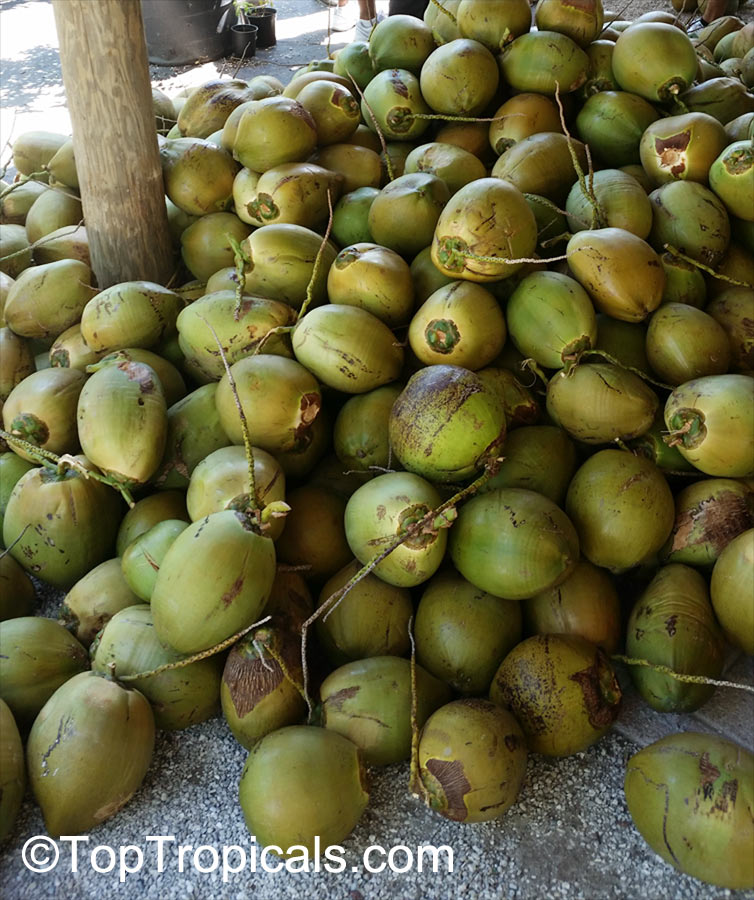
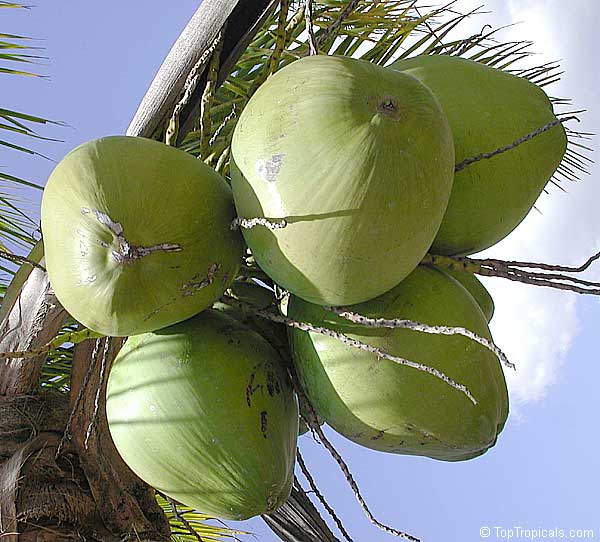
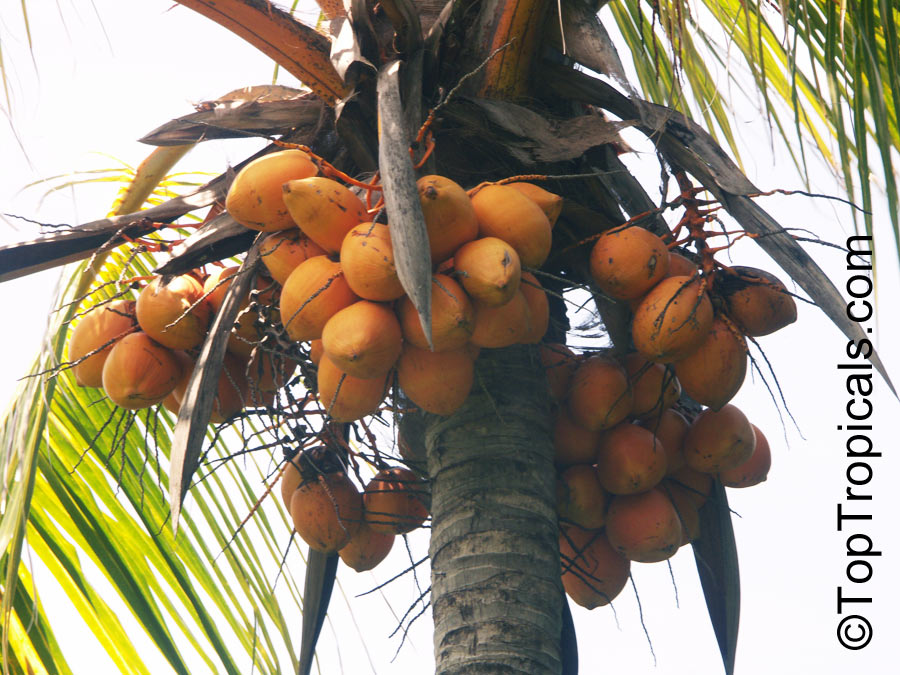
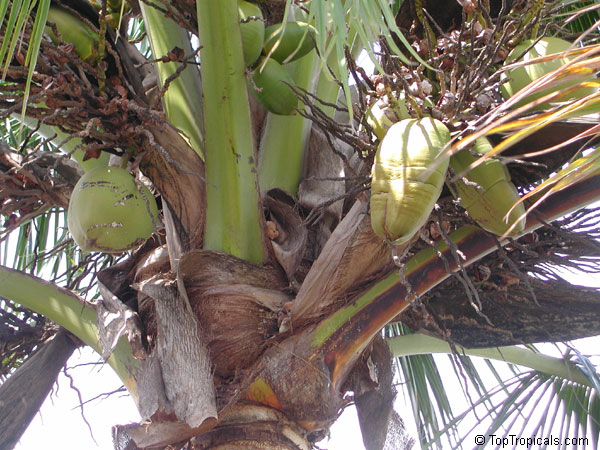
The Coconut Palm is often referred to as the "symbol of the tropics" and is known for bearing coconuts 12 months a year. These coconuts can be used for fresh coconut milk and copra (dried coconut). There are many varieties of this palm such as: the Green Malayan, which has a thin trunk, and the Mayton, which has a thicker trunk and longer leaves and is more hardy.
The Coconut Palm is a highly valuable plant, with every part of the coconut being useful. The white nut-meat can be eaten raw or used in cooking, and copra, the dried meat of the kernels, can be crushed to produce coconut oil. The husks, known as coir, can be used to make thatch roofing material for houses. The plant can also be used to produce charcoal, and the outer part of the trunk can be used as construction lumber. The swollen base of the trunk can even be hollowed out and turned into a hula drum.
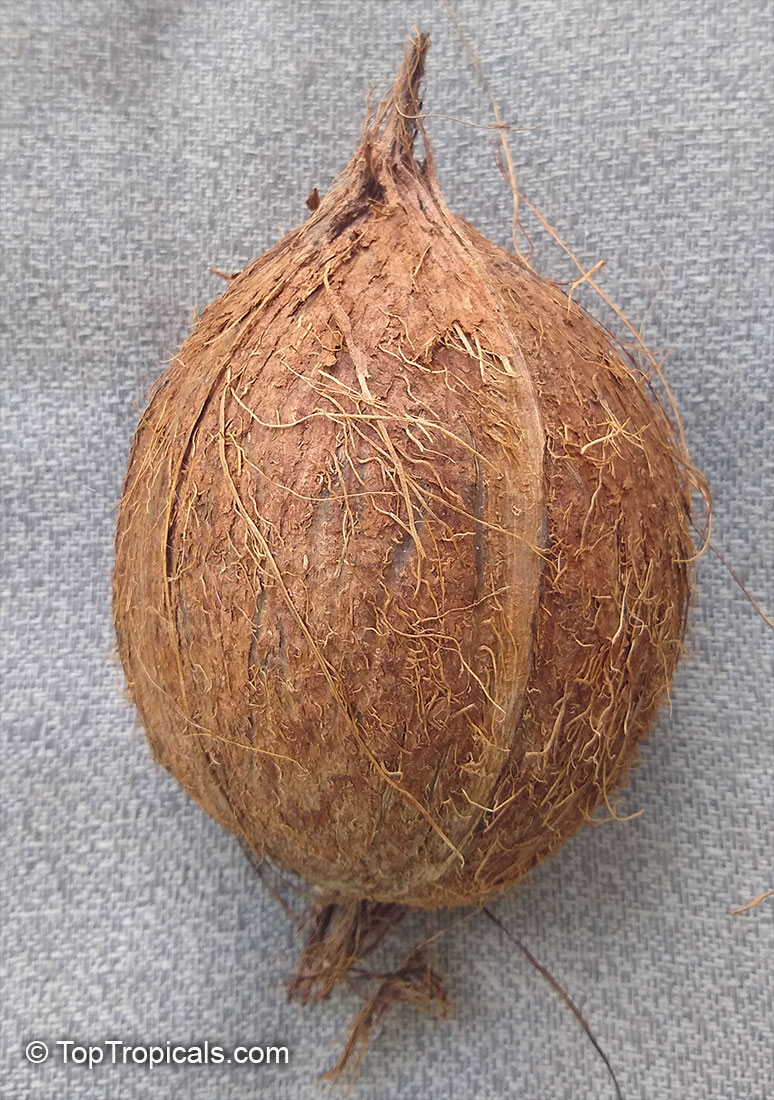
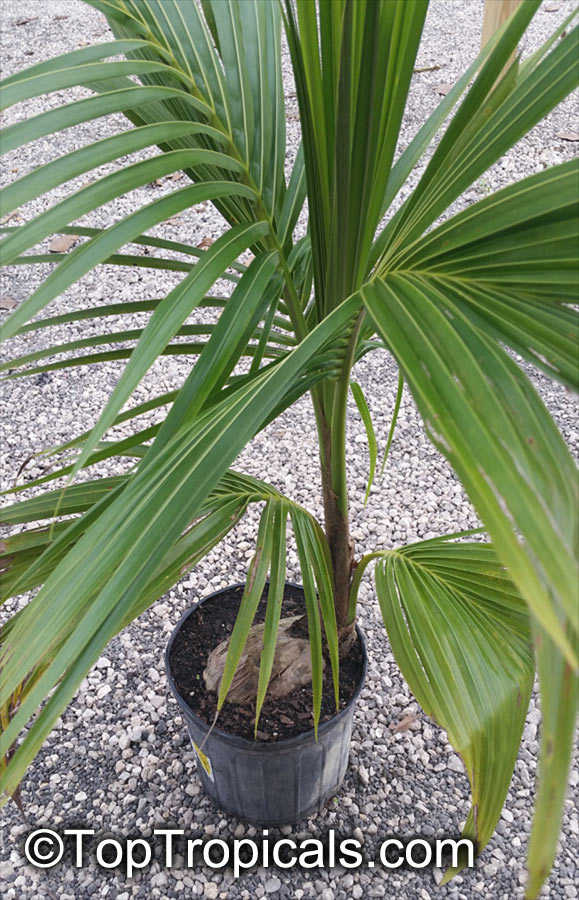
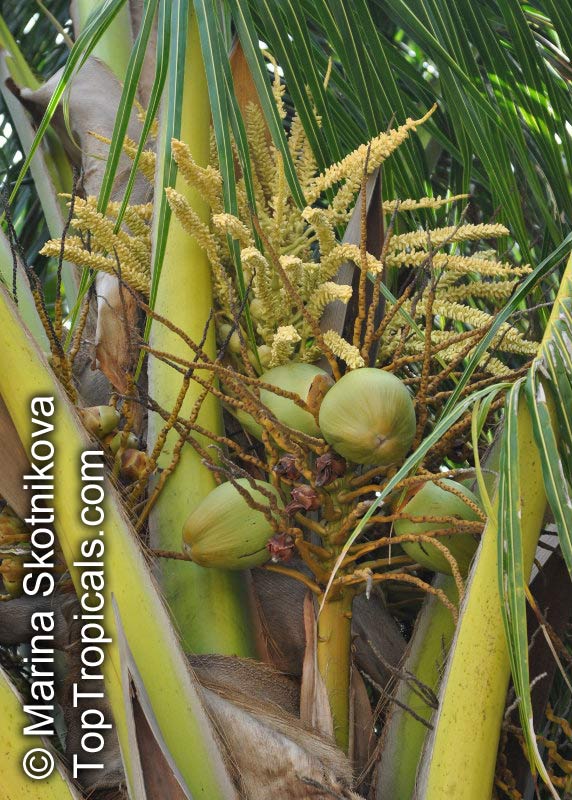
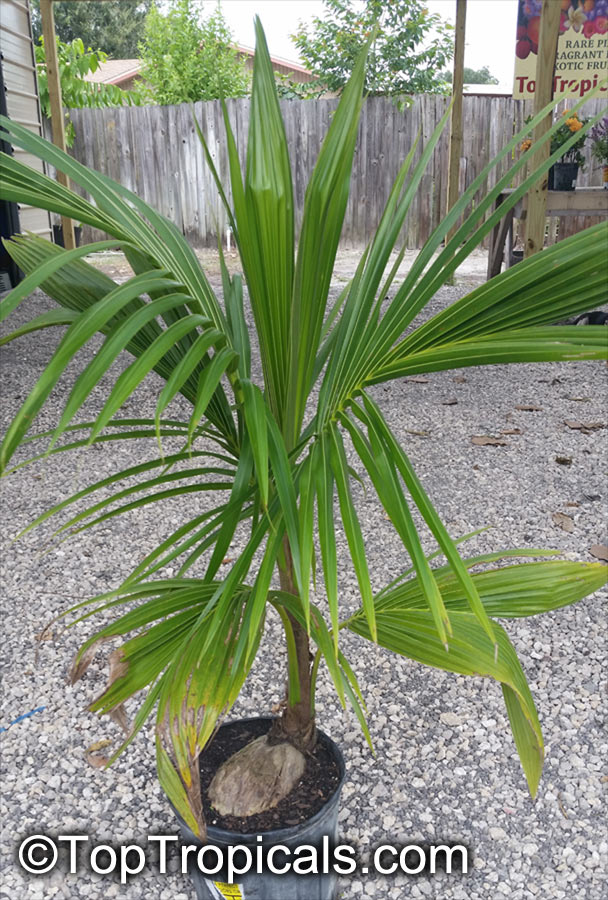


We do not ship coconut palms to CA, TX, AZ, LA!
Recommended Fertilizer: SUNSHINE Robusta - Rapid Growth Booster
| Next | |
Use link to repeat this search:
https://toptropicals.com/cgi-bin/garden_catalog/cat.cgi?search_op=and&keyword_op=and&language=e&number=10&no_change_lang=1
&v1=mst&user=tt&sale=1&first=0