Large shrub 5-10 ft tall - Plant Encyclopedia Results
| Number of plants found: 1562 | Next | 
|
Go to page: | 1 | 2 | 3 | 4 | 5 | Last |
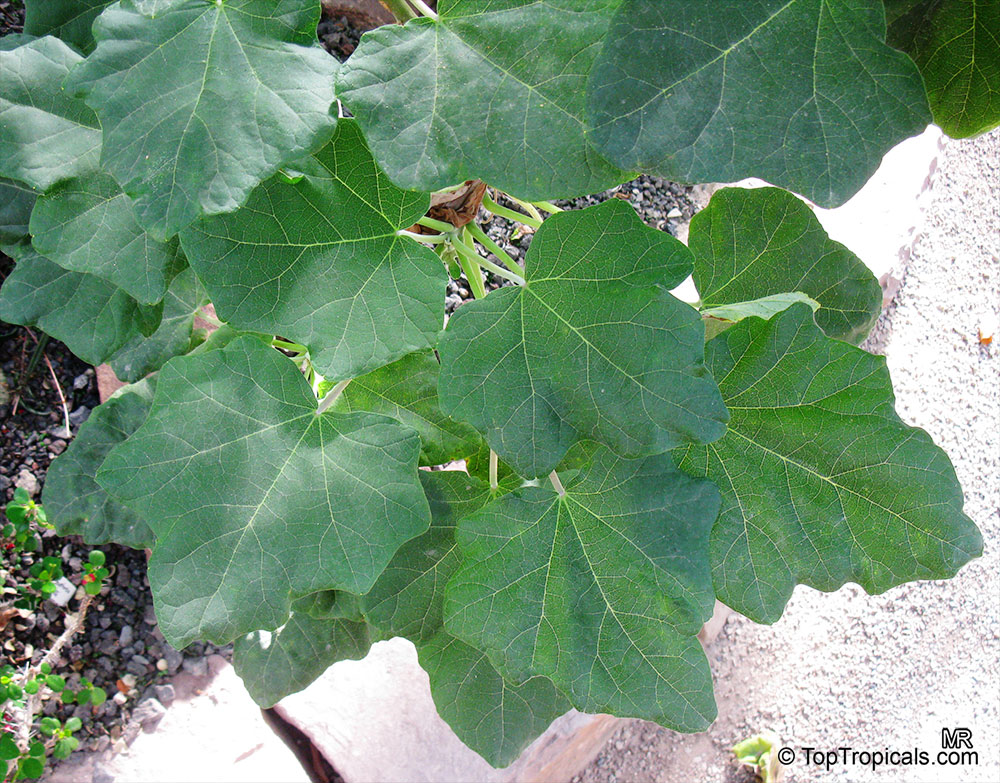
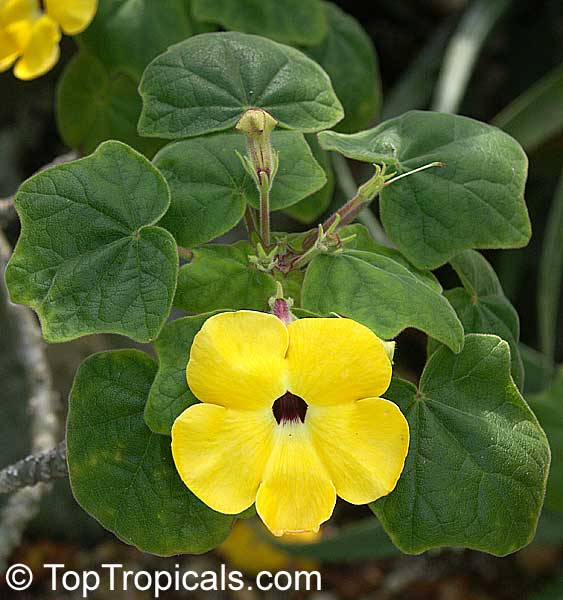
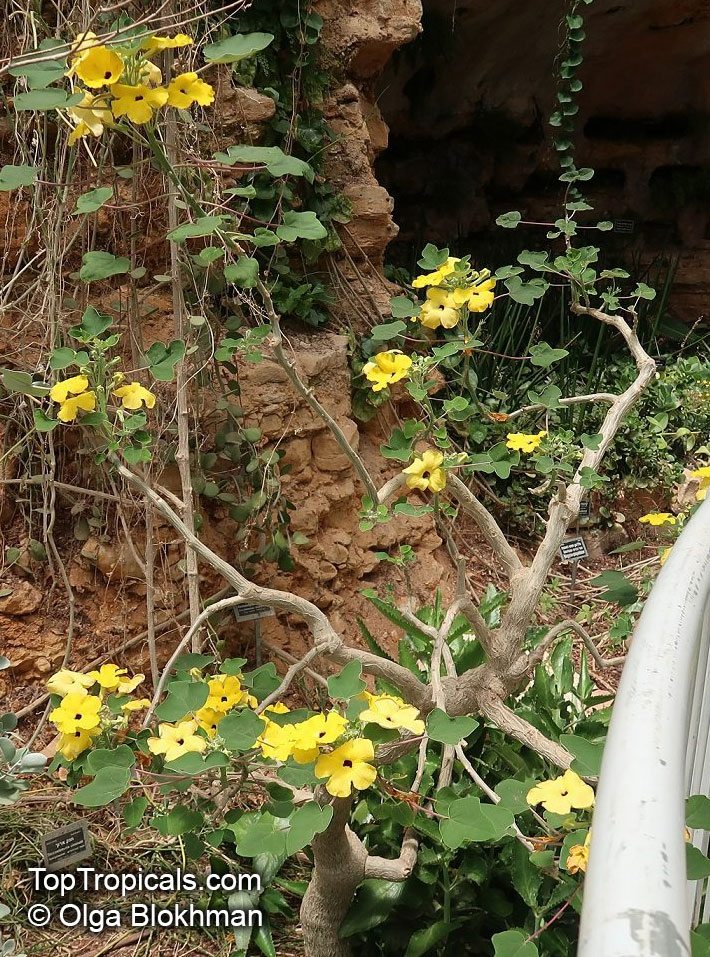
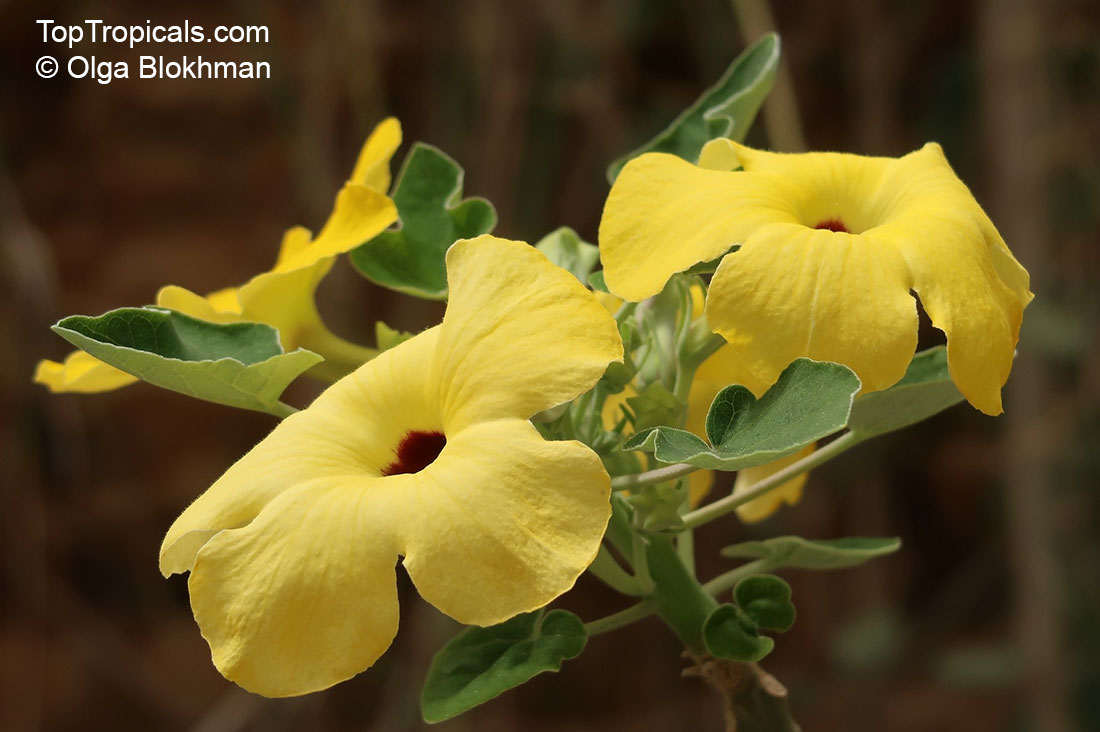
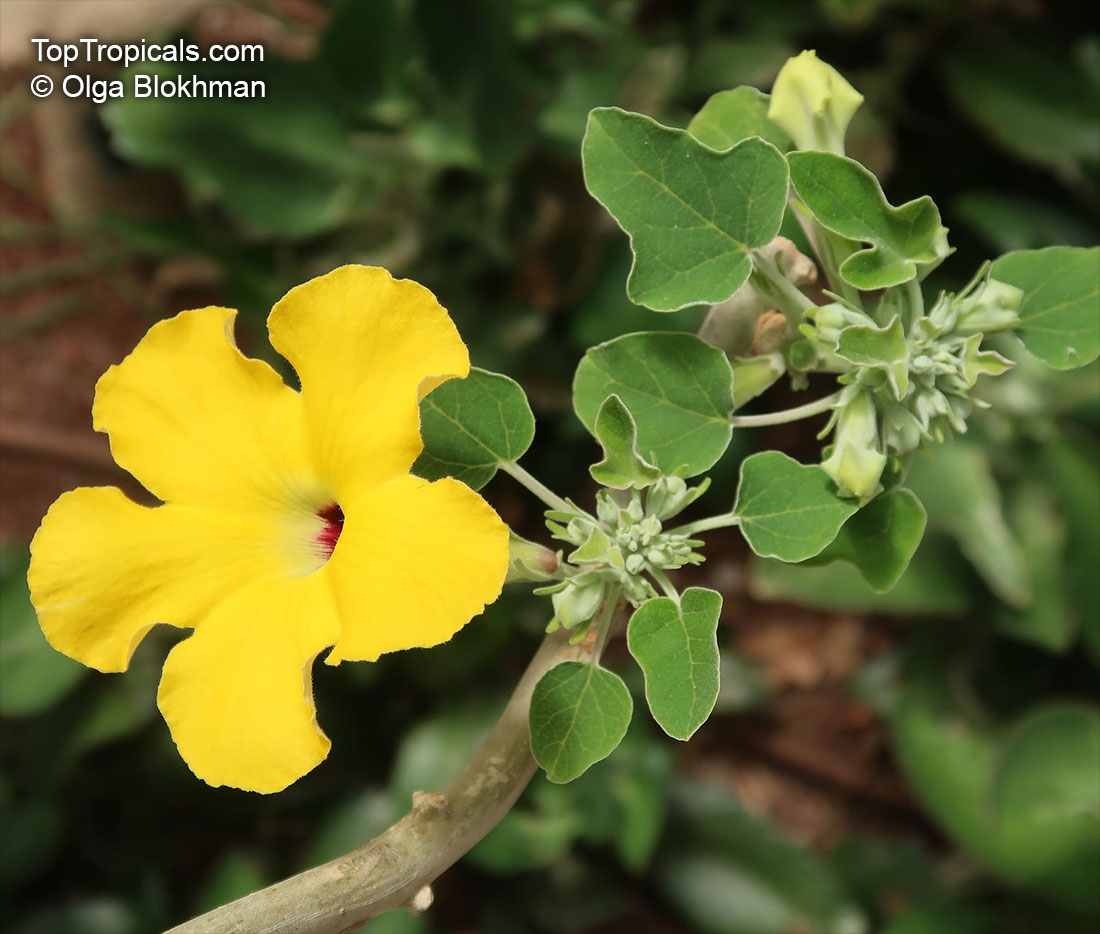
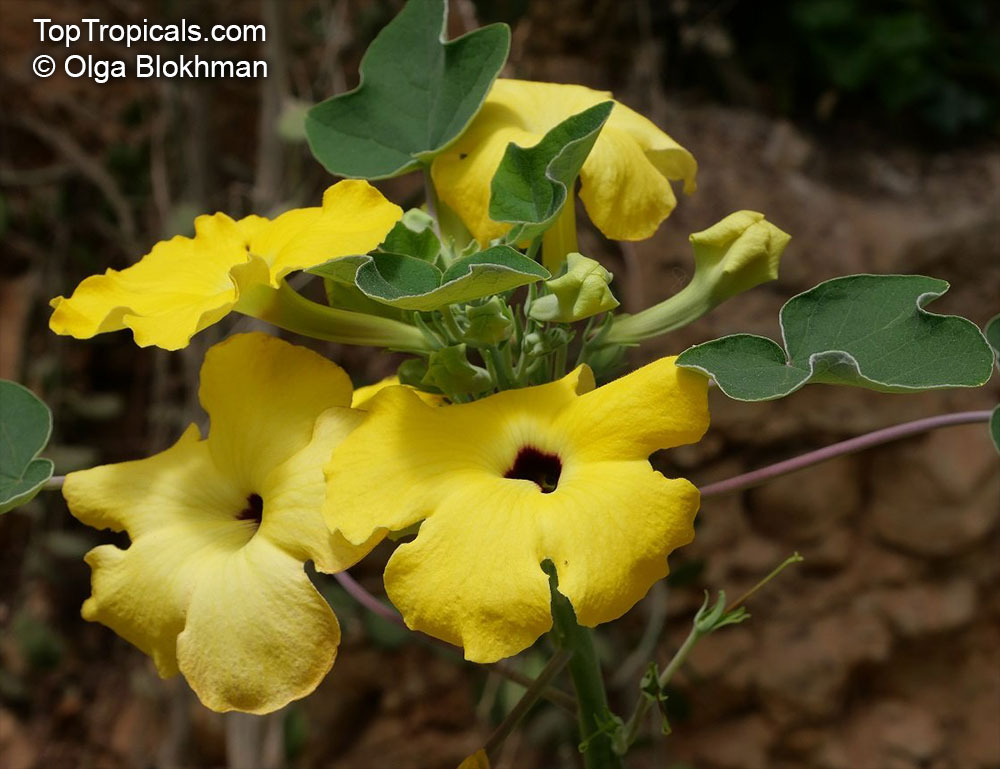
Botanical names: Uncarina peltata, Harpagophytum peltatum
Common name: Uncarina
Family: Pedaliaceae
Origin: Madagascar


This very rare unusual succulent from Madagascar has spectacular yellow flowers with black centers and soft velvet leaves, pleasant to touch. Uncarina peltata is quite rare and not the easiest subject. Grows in well-drained soil, and unlike many succulents, prefers lots of water along with full sun. Forms large caudex.
The plant goes dormant in winter and stays leafless during dormancy.
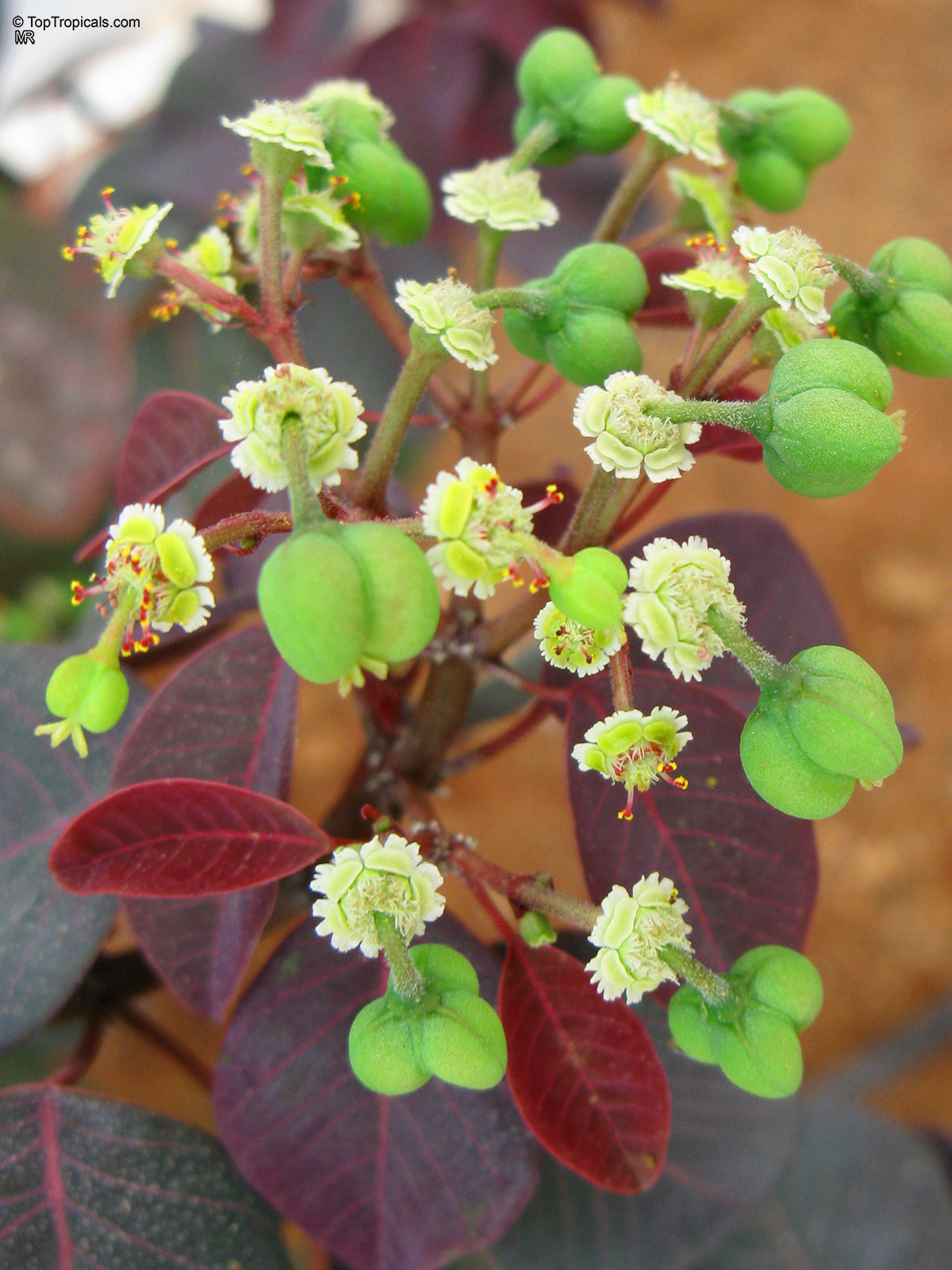
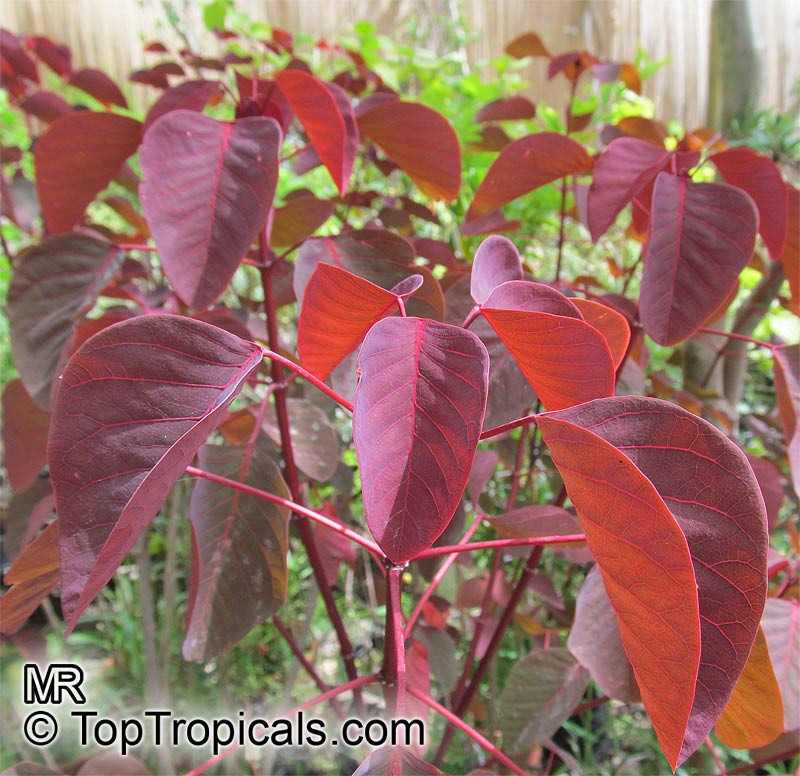
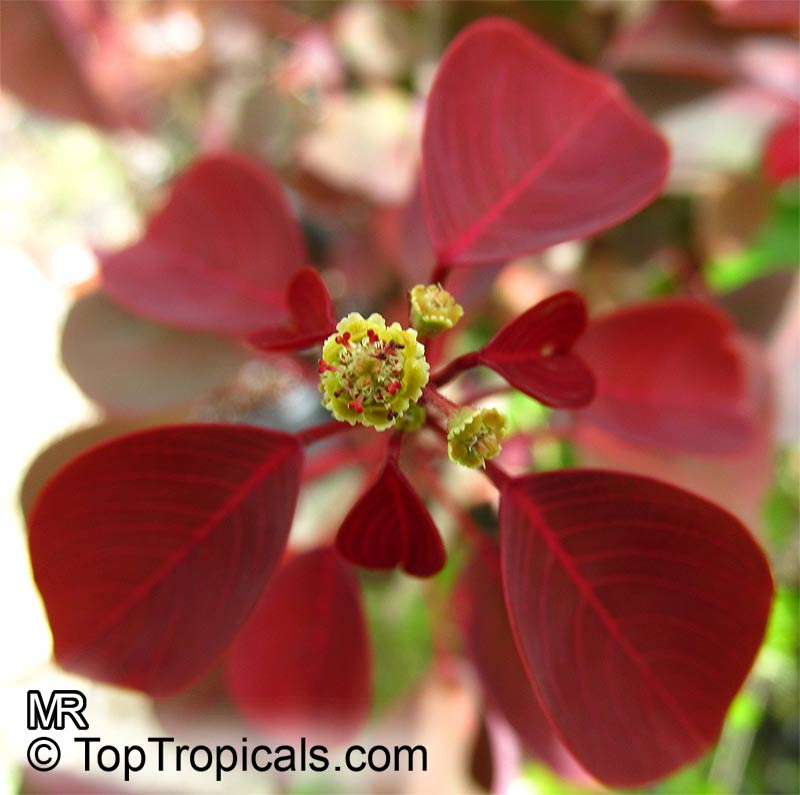
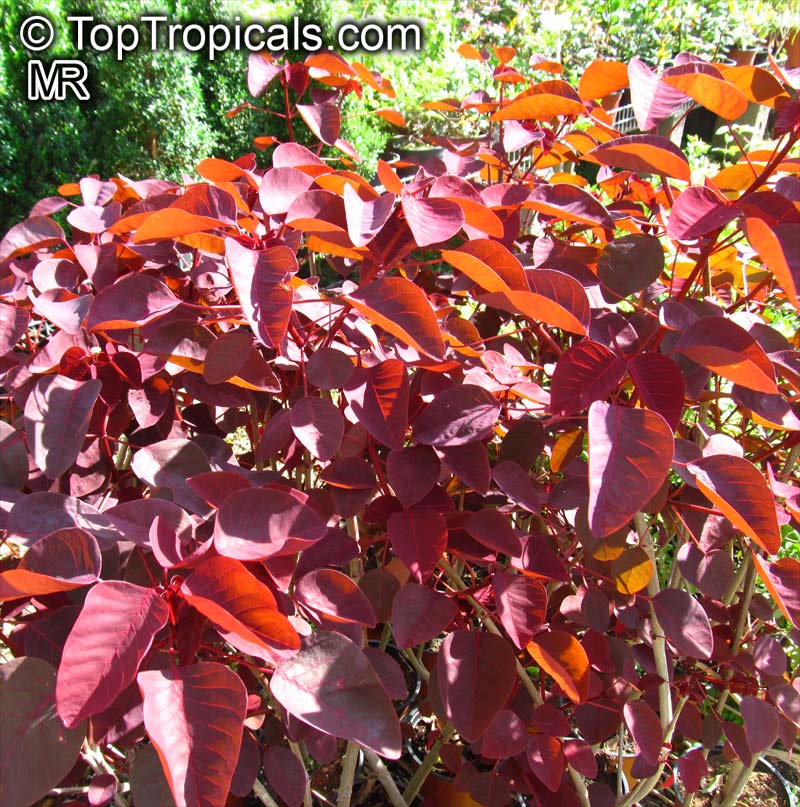
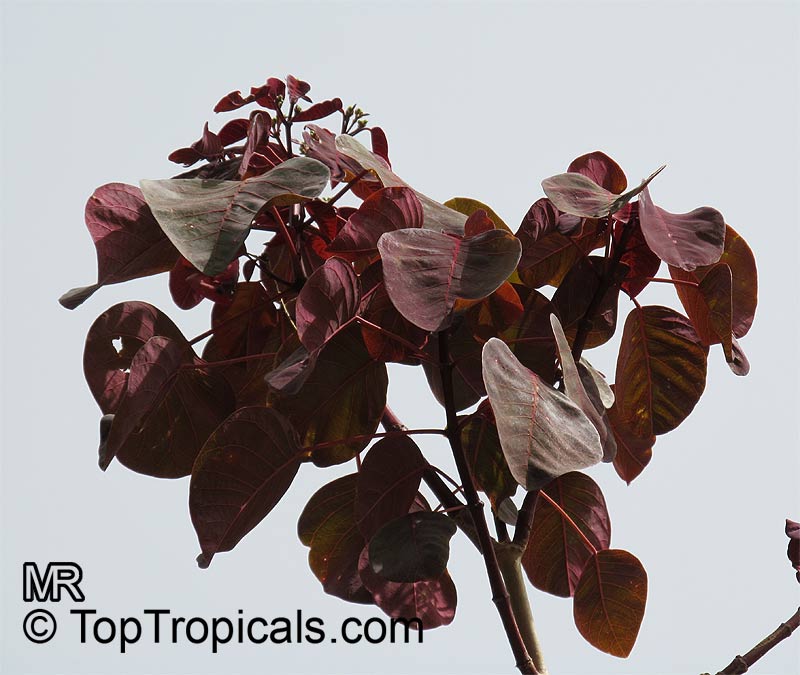
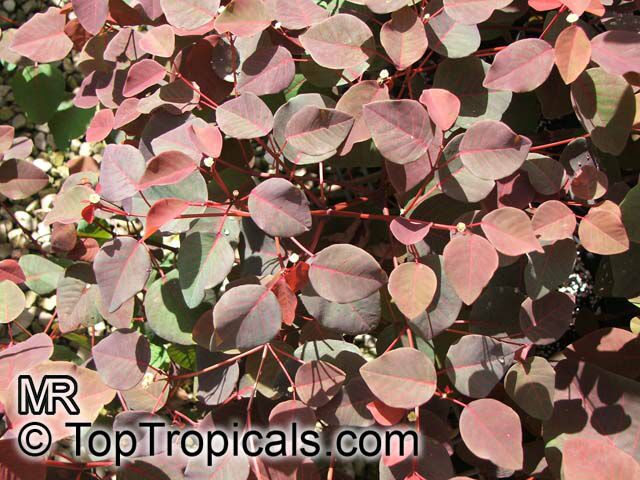
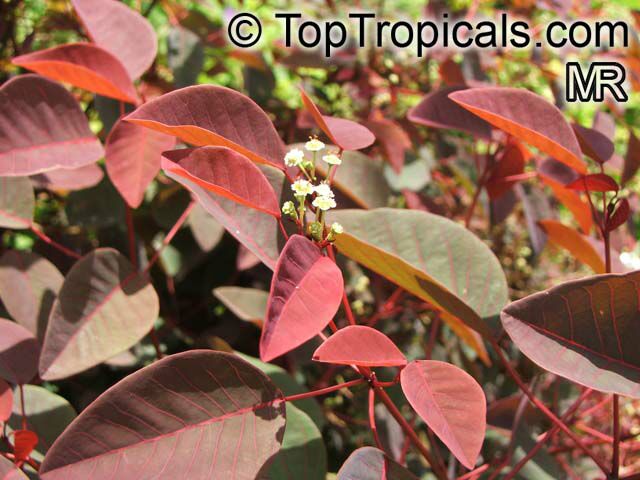
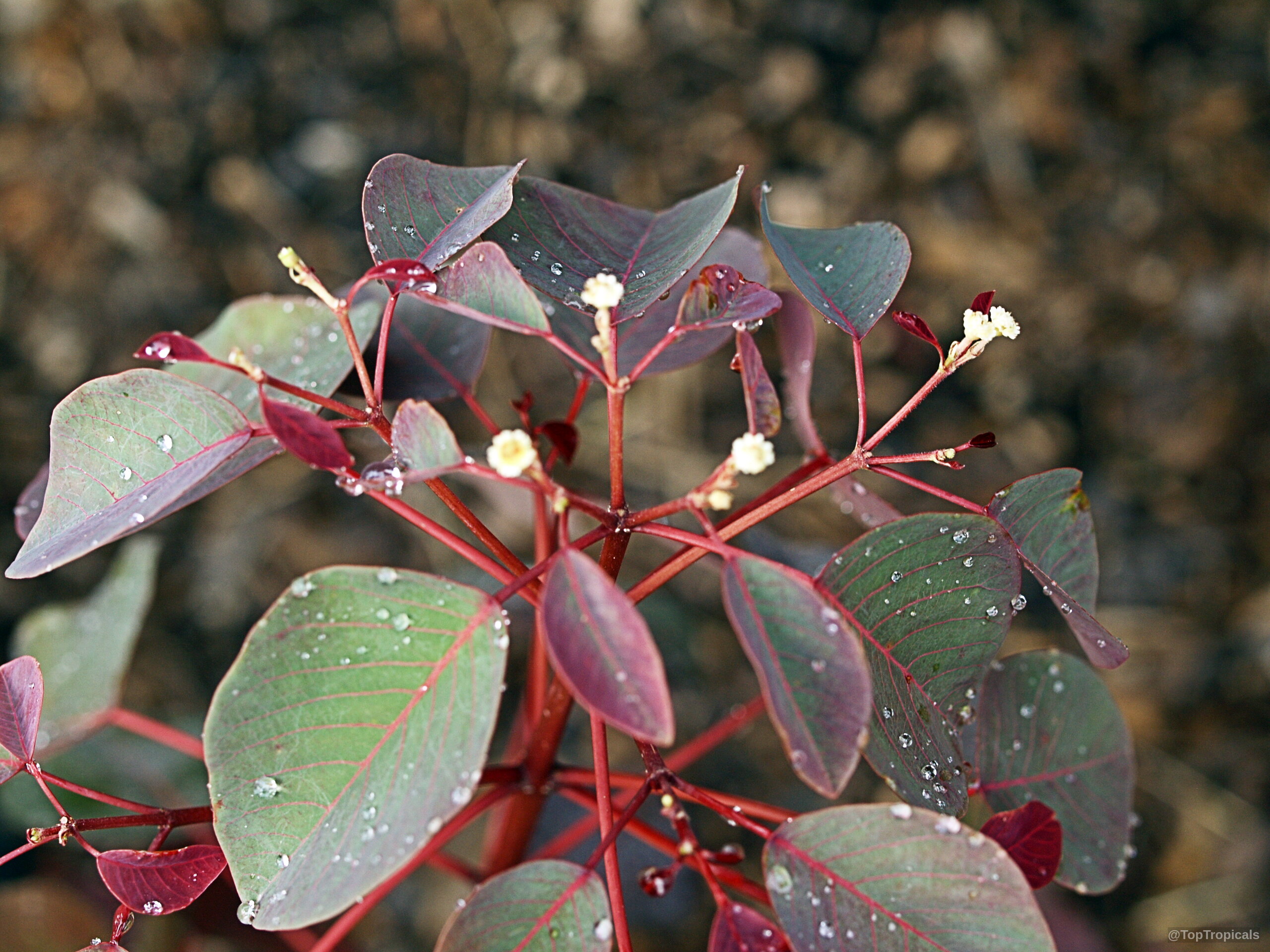
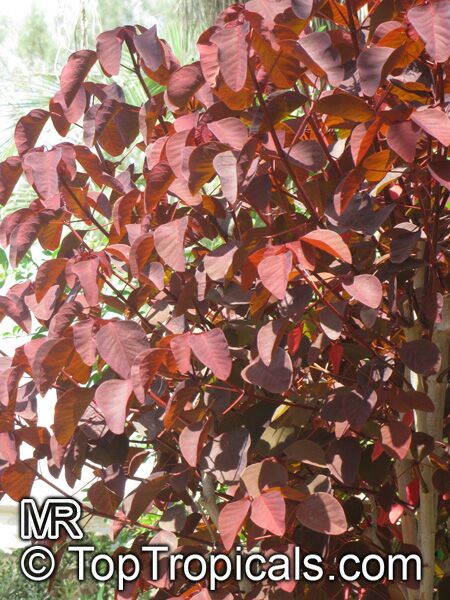
Botanical name: Euphorbia cotinifolia
Common names: Red spurge, Mexican shrubby Spurge, Caribbean Copper Plant
Family: Euphorbiaceae
Origin: Central and South America


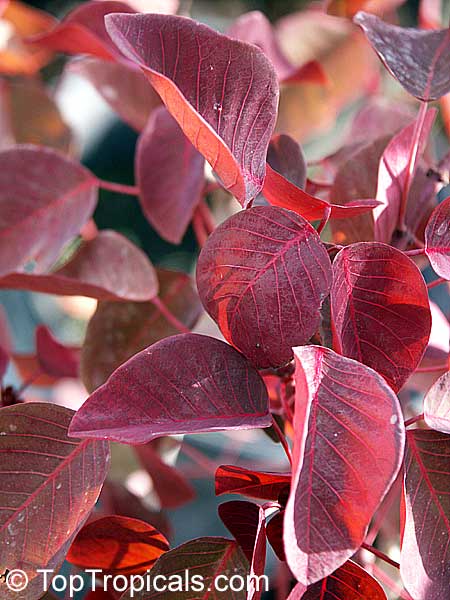
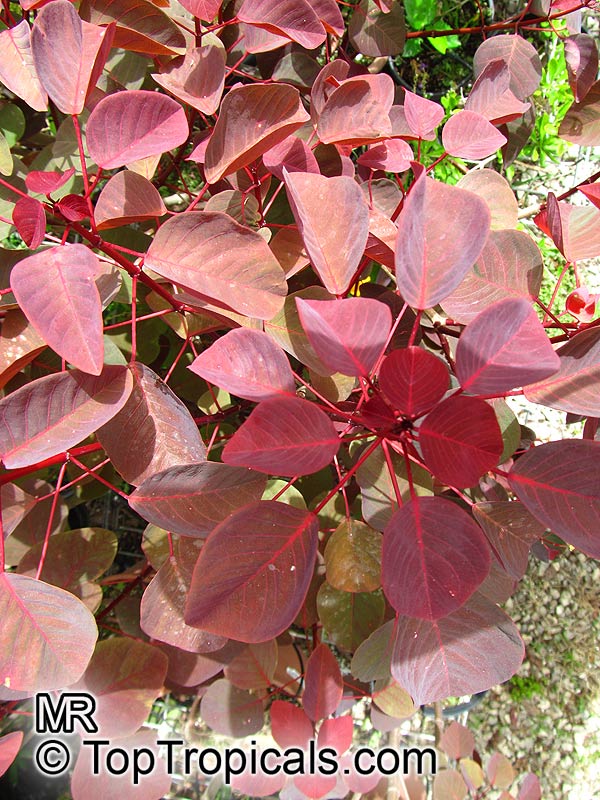
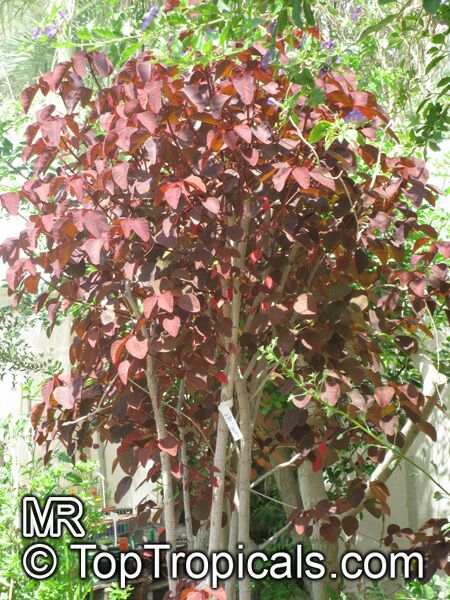
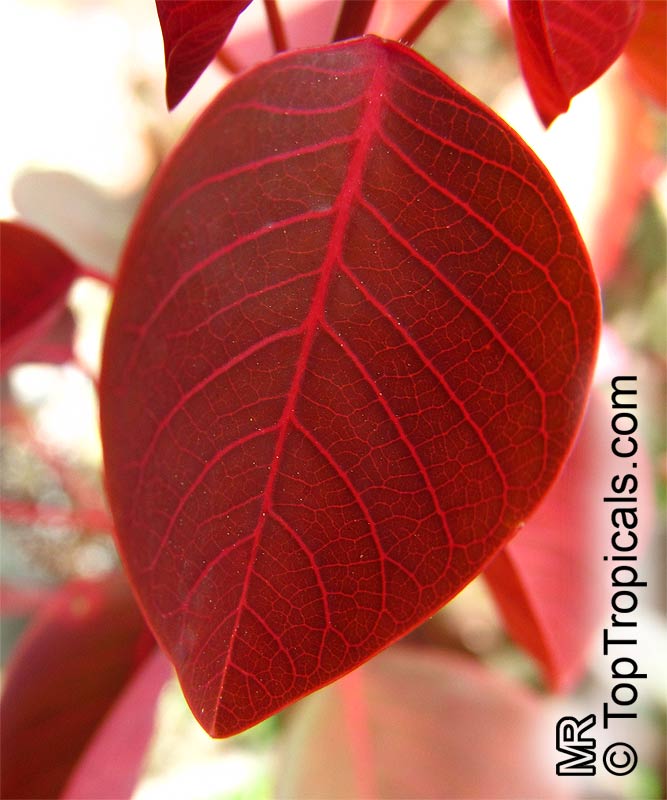
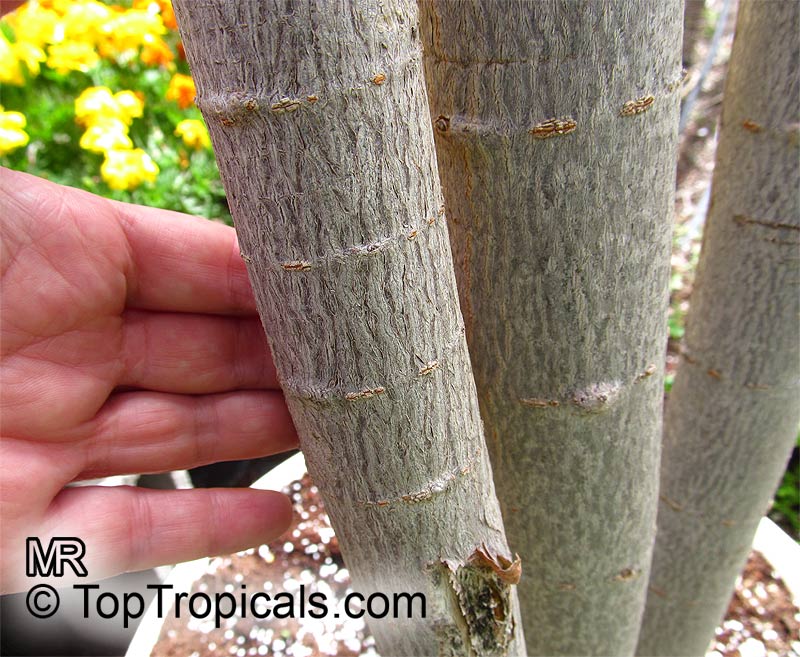
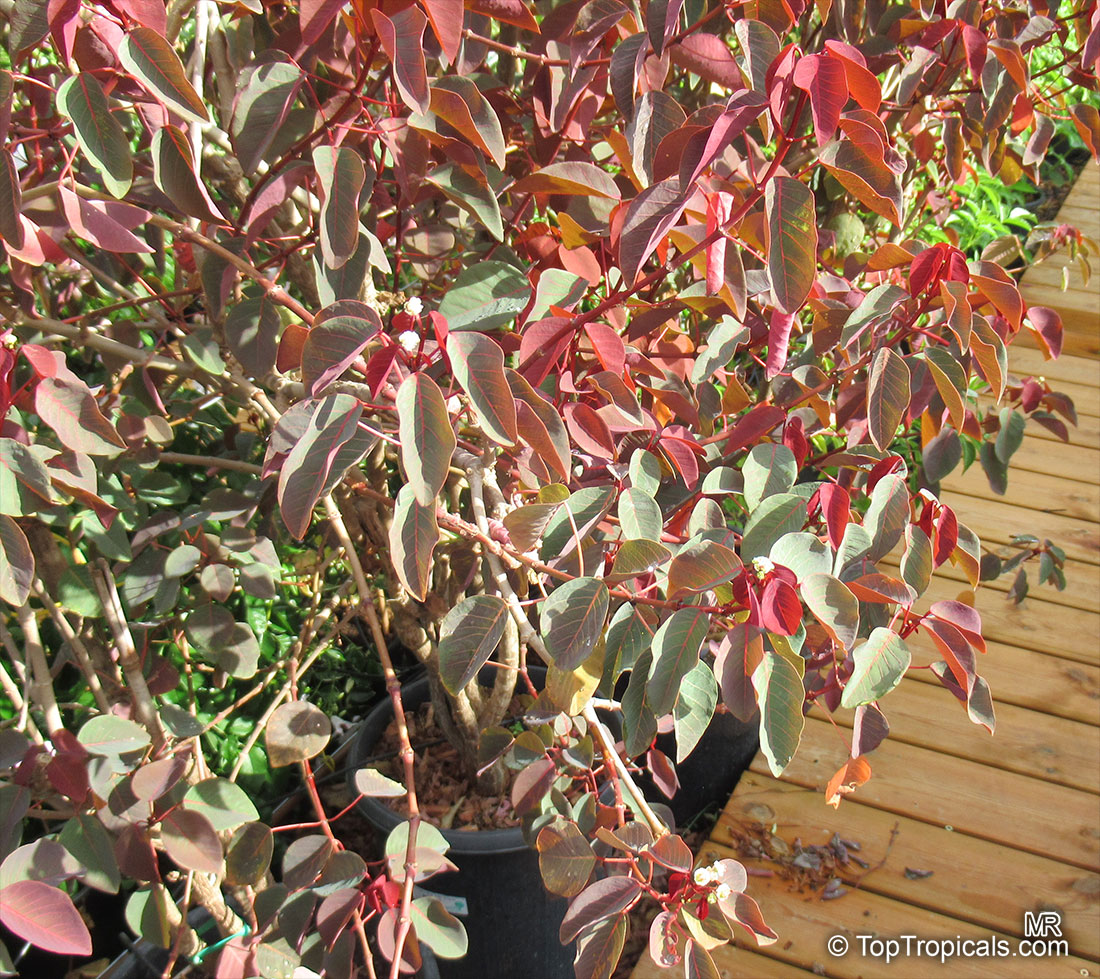
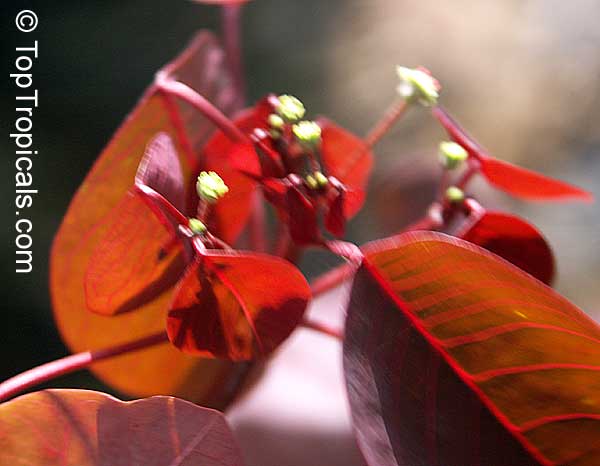
Small multi-stemmed tree or large shrub up to 10 feet. Wine red foliage and small white flowers. The red leaves stand out against the pale bark.
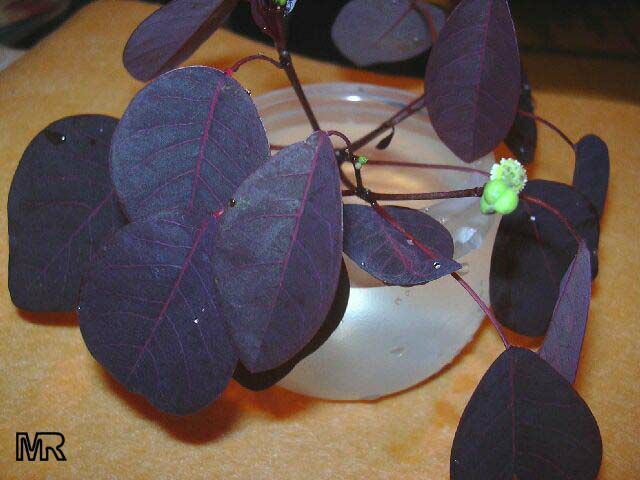
Euphorbia cotinifolia has red leaves the color of the Smoke Bush, Cotinus coggygria. The Caribbean Copper Plant will lose all of its leaves if there is anything even close to a frost. Euphorbia cotinifolia will perform best if there is regular garden water. While they are quite drought tolerant they withstand this affront by dropping all of their leaves.


Recommended Fertilizer: SUNSHINE Megaflor - Bloom Nutrition Booster
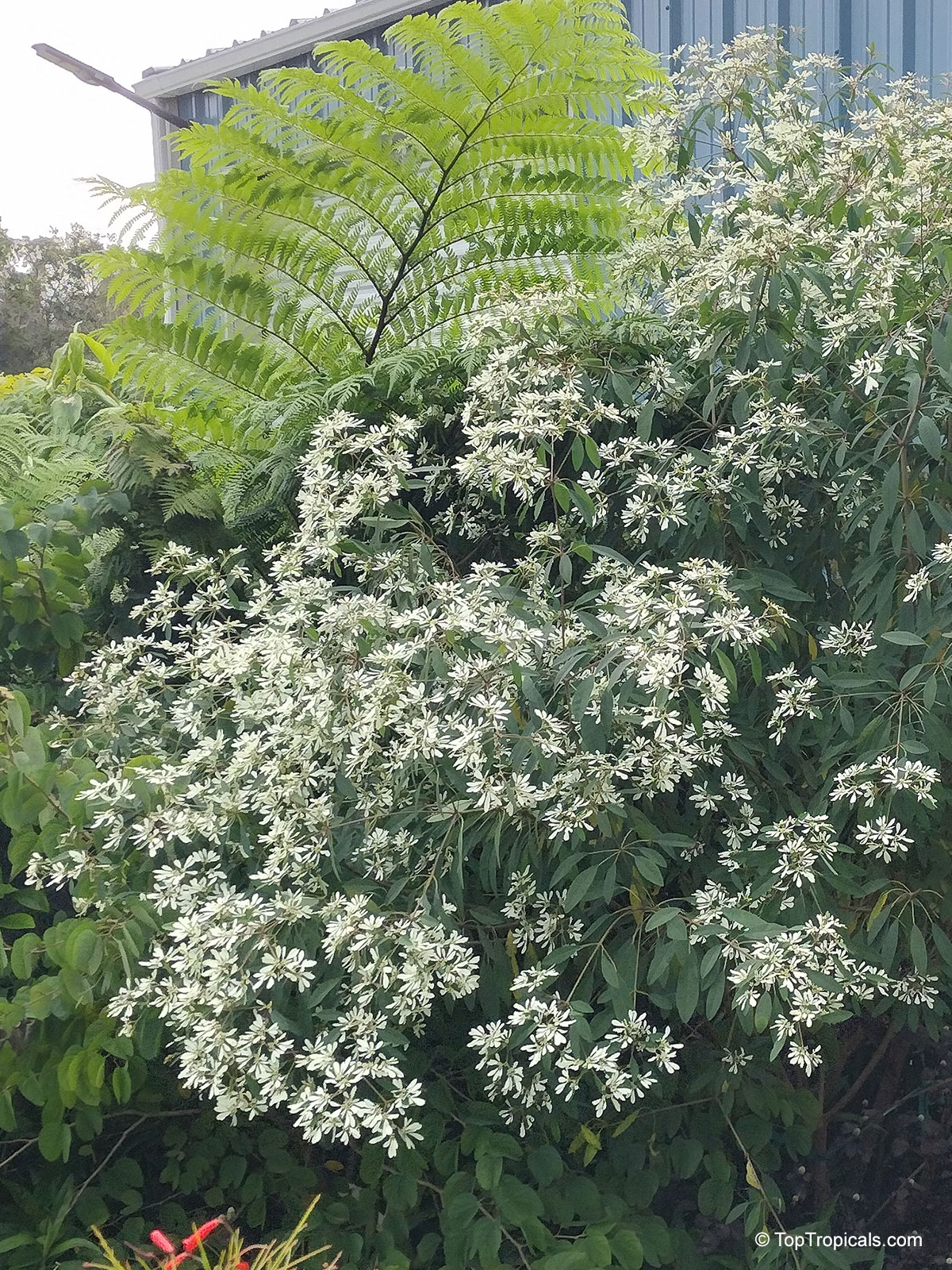
Botanical name: Euphorbia leucocephala
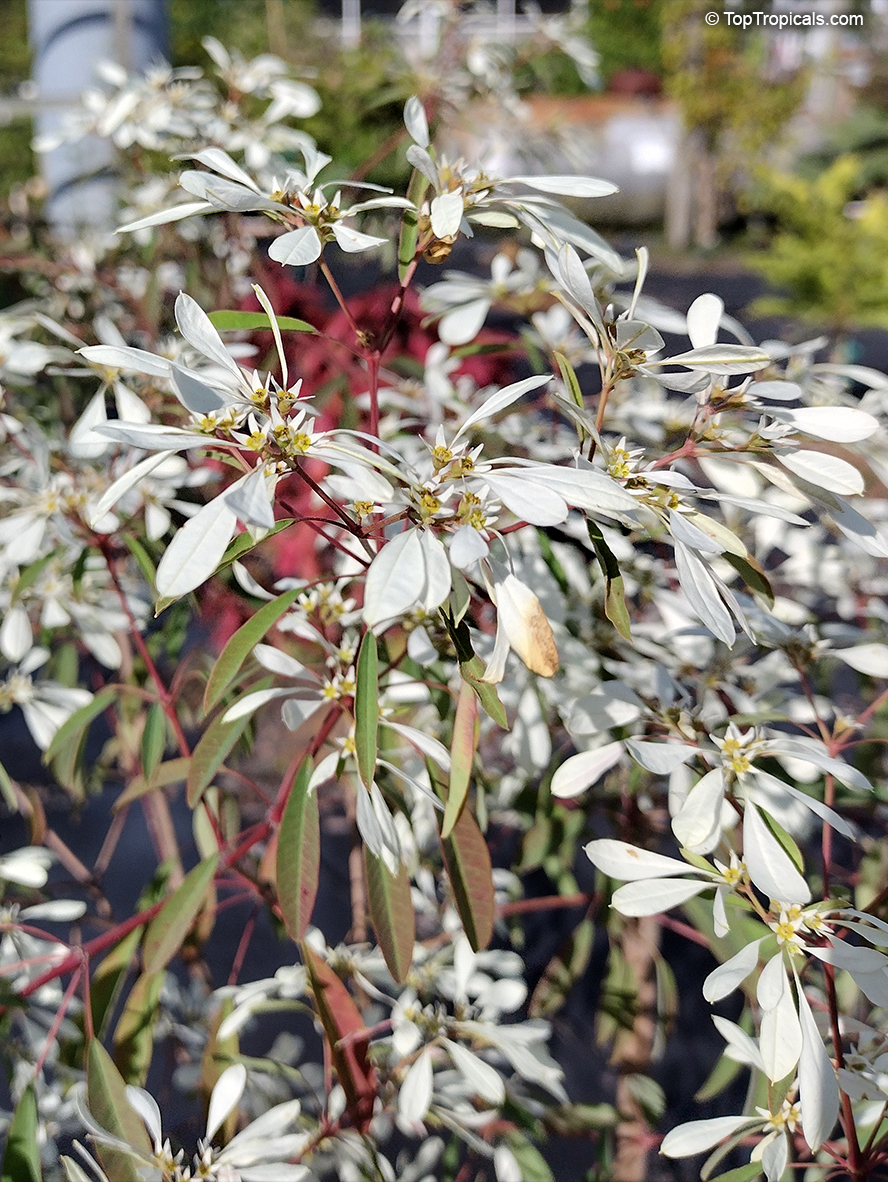
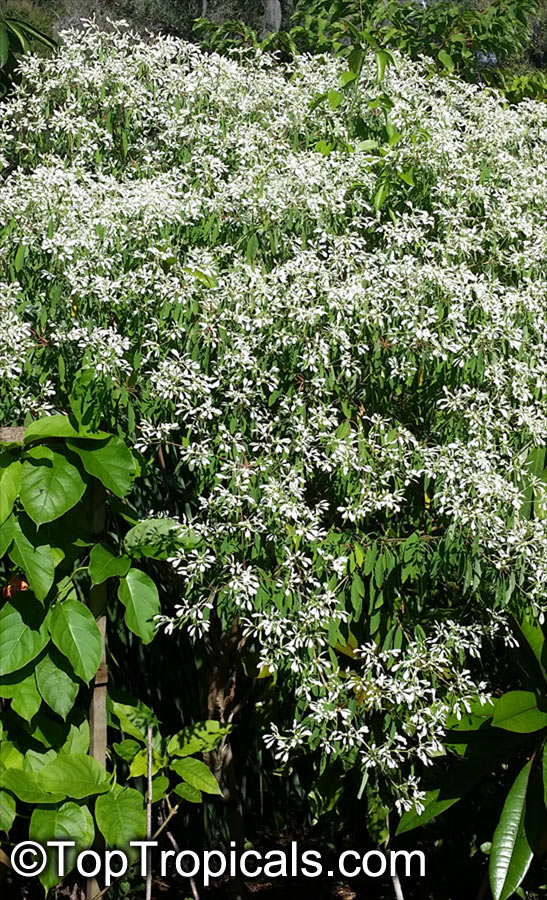
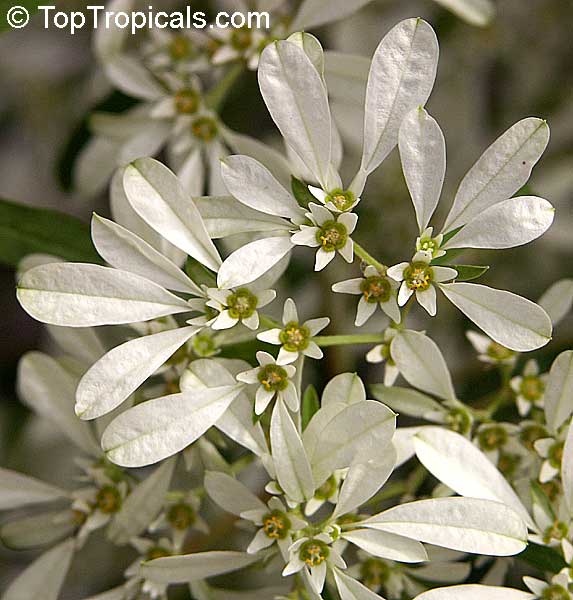
Common names: Pascuita, Snows of Kilimanjaro, White Small Leaf Poincettia, Snow Bush, White-laced euphorbia, Snow Flake, Poinsettia
Family: Euphorbiaceae
Origin: Central America, from southern Mexico to El Salvador


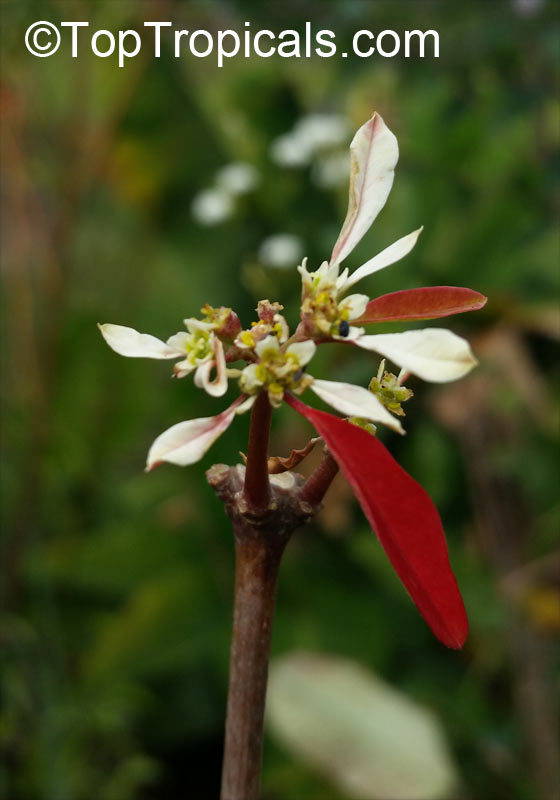
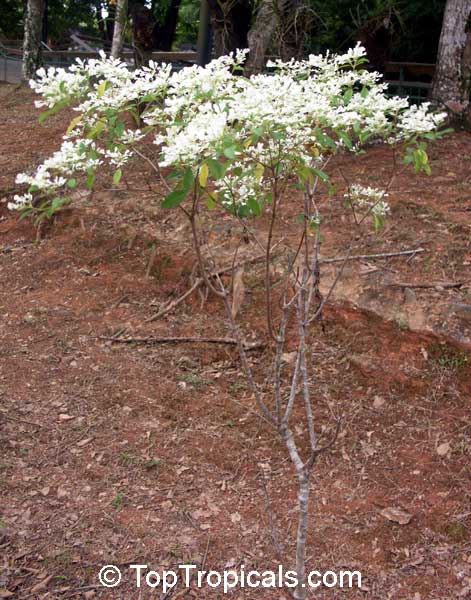
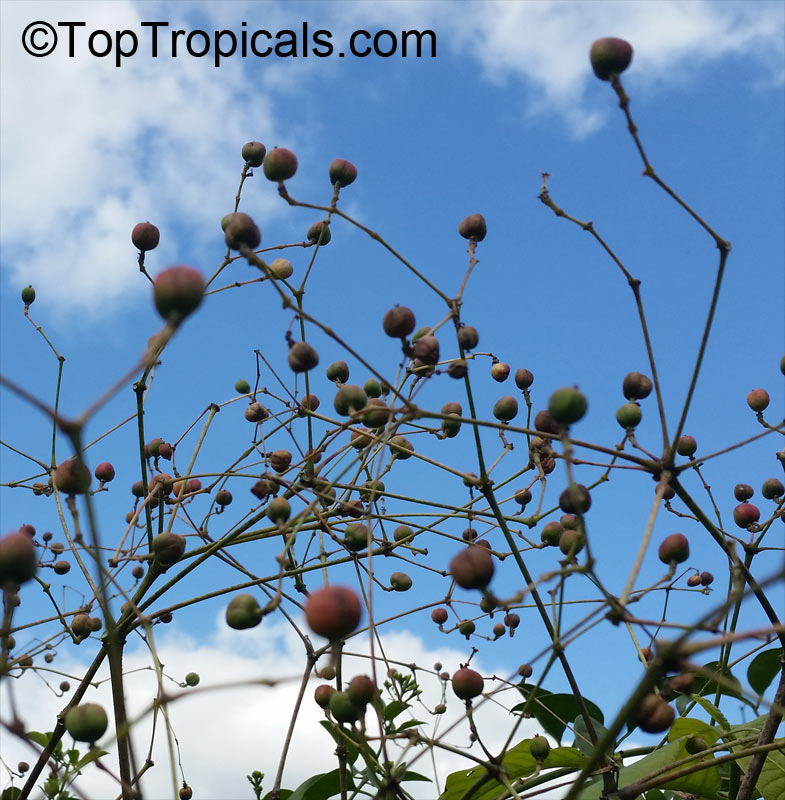
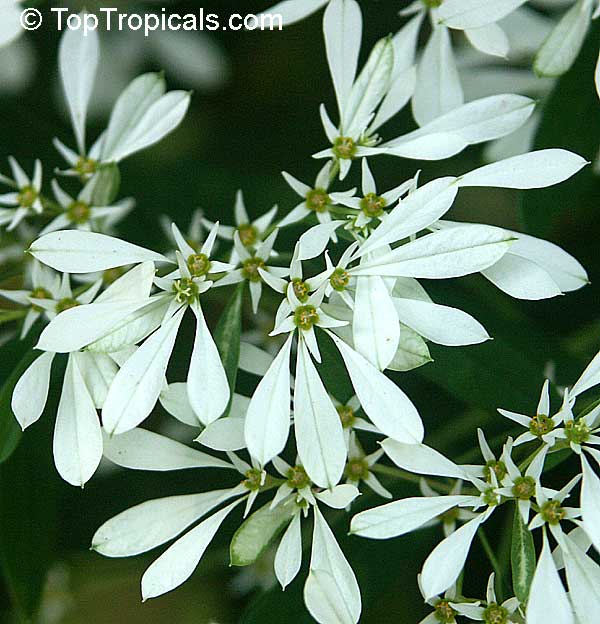
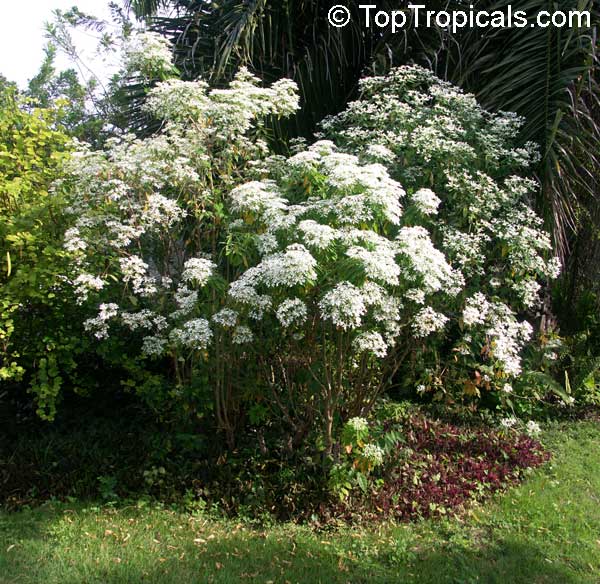
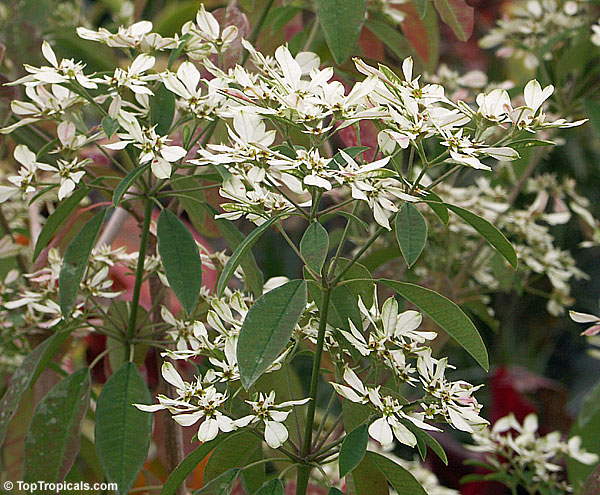
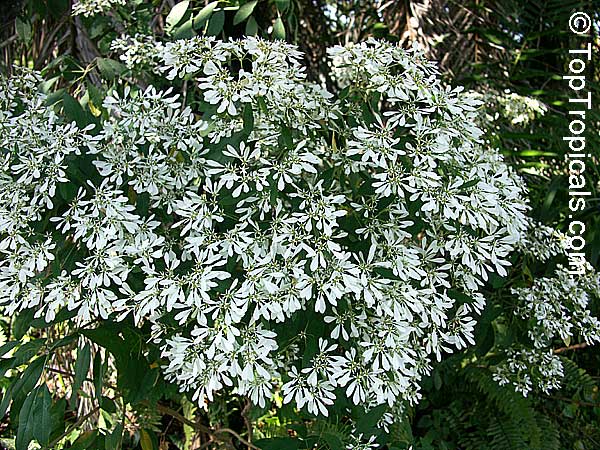
Euphorbia leucocephala, commonly known as Snowbush or White Christmas Bush, is a large, much-branched shrub native to Mexico and Central America. It typically reaches 6-15 feet in height and develops a rounded, fountain-like form with slender arching branches. The narrow green leaves are attractive during the growing season but become partially hidden when the plant comes into bloom.
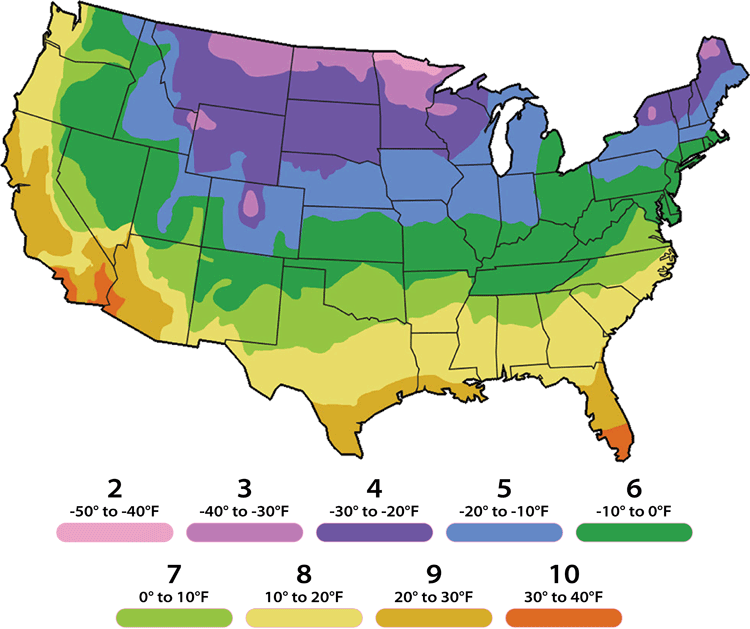
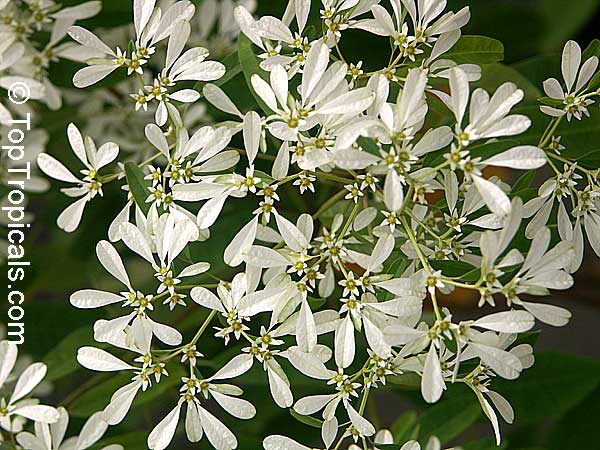
Rather than producing large showy flowers, Euphorbia leucocephala creates masses of tiny flowers surrounded by small creamy-white bracts. During the flowering season, these bracts cover nearly every branch, giving the entire shrub the appearance of being dusted with snow or covered in clouds of white butterflies. Blooming usually occurs from late autumn through winter, making the plant especially valuable when relatively few shrubs are flowering. Like other members of the genus, it contains a milky latex that may irritate the skin and eyes if the stems are damaged. Euphorbia leucocephala grows best in full sun to partial shade and well-drained soil. Once established, it is highly tolerant of heat and short periods of drought. Suitable for USDA Zones 9b-11, it is widely grown as a specimen shrub, informal hedge, or accent plant for its spectacular winter display.

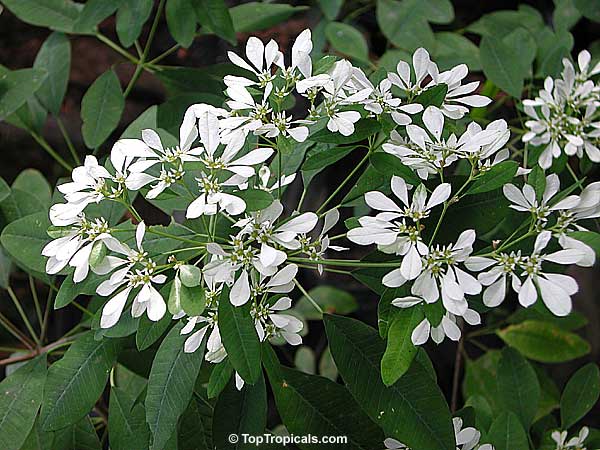

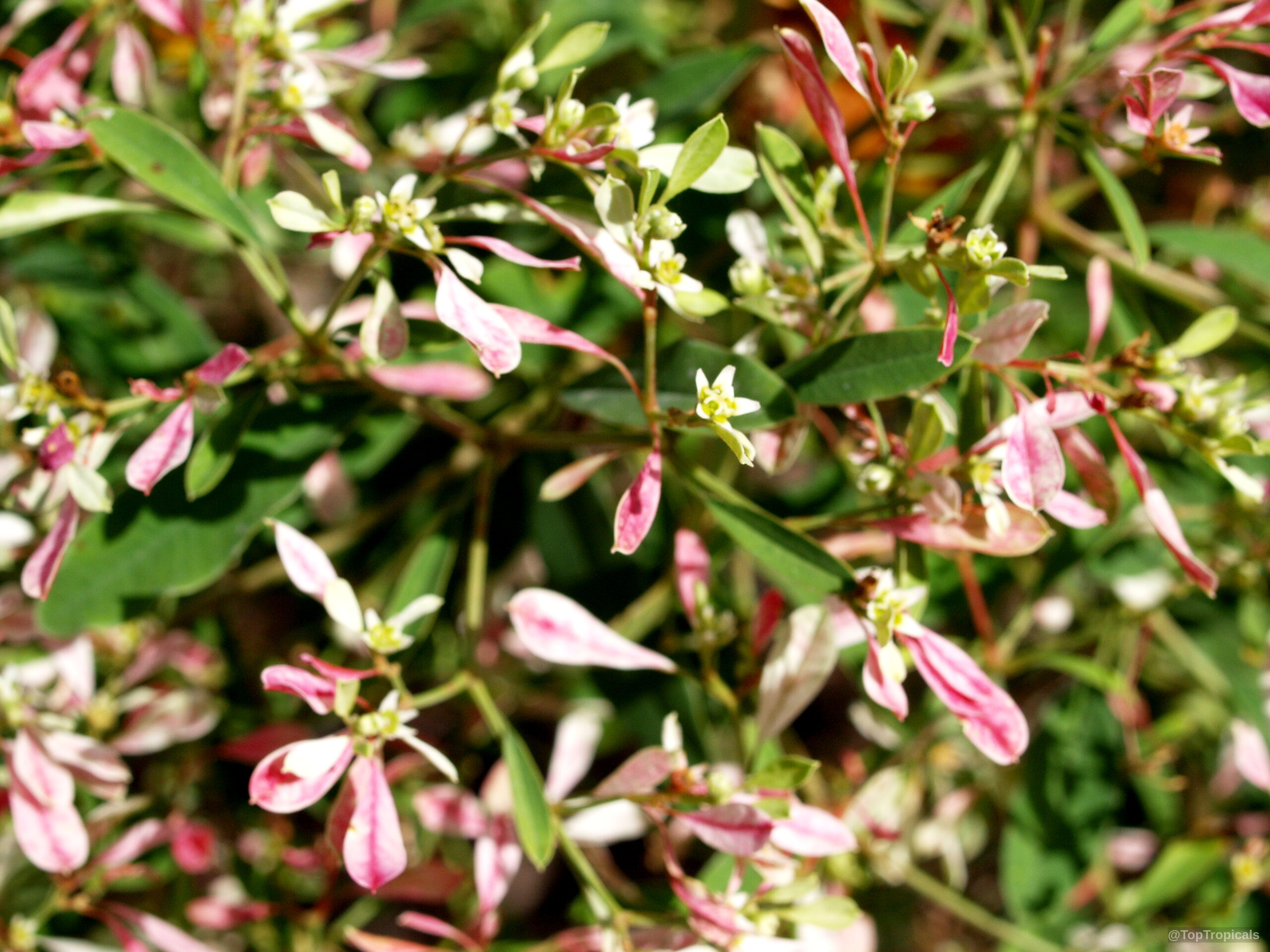

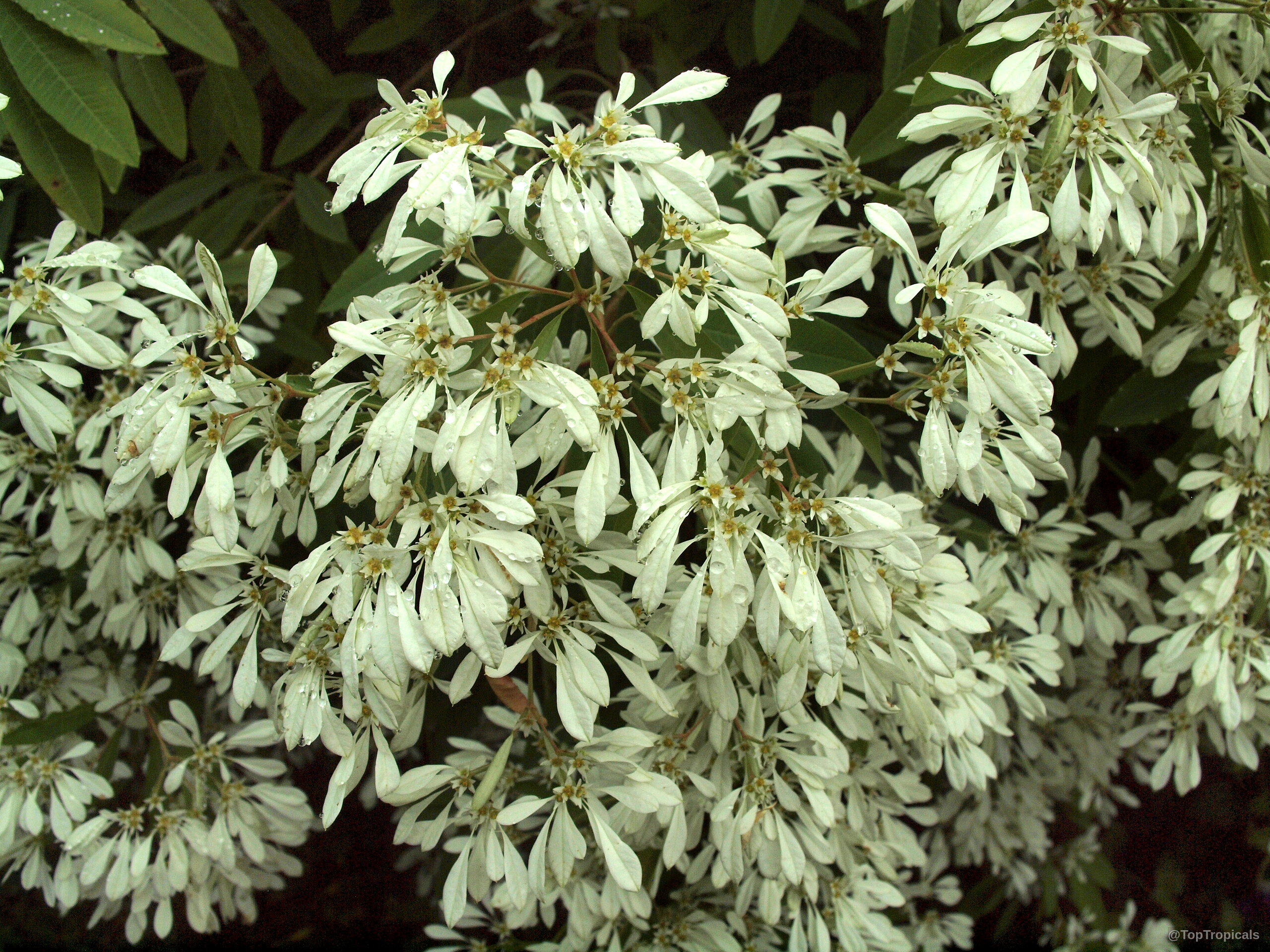
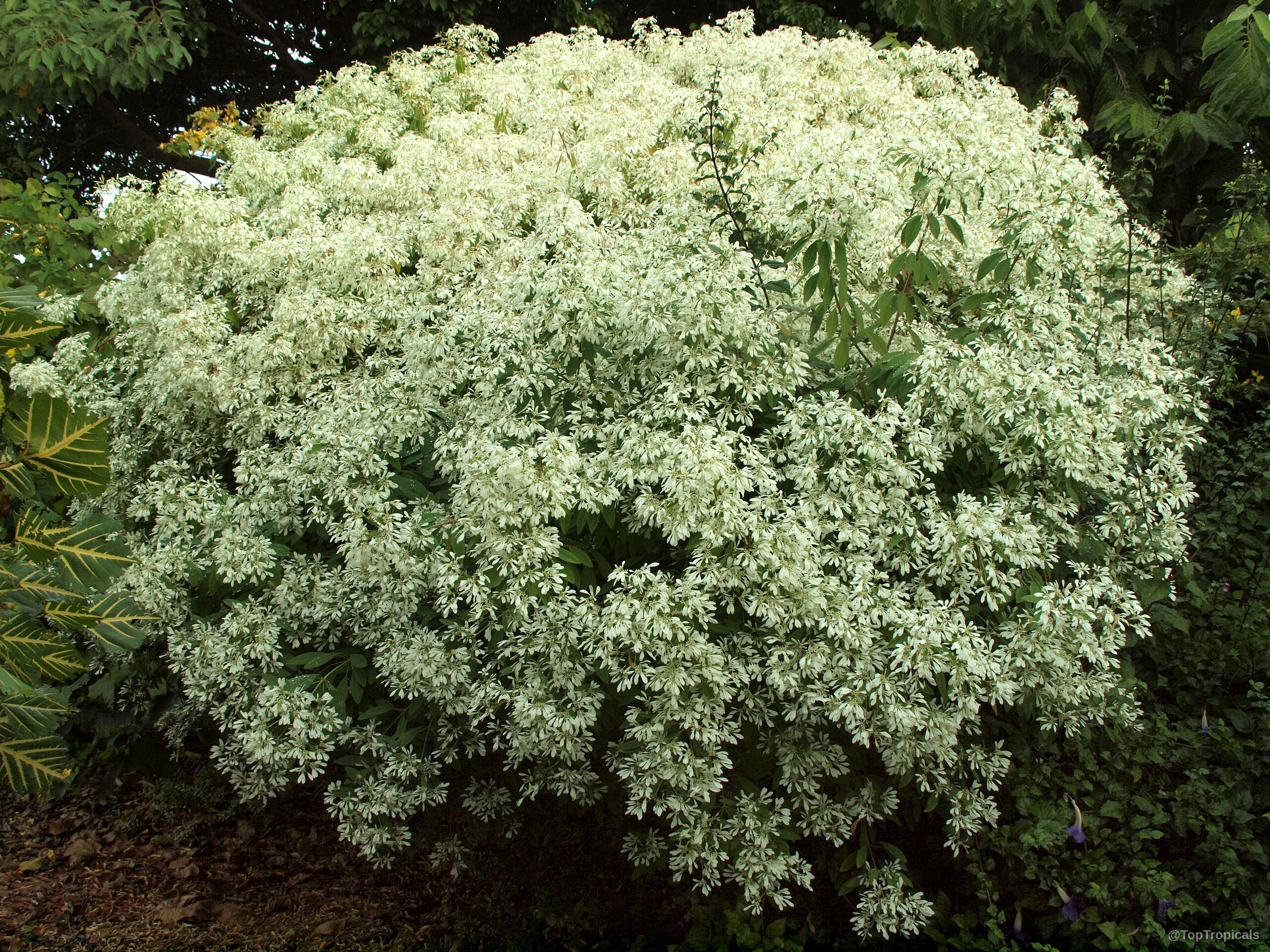
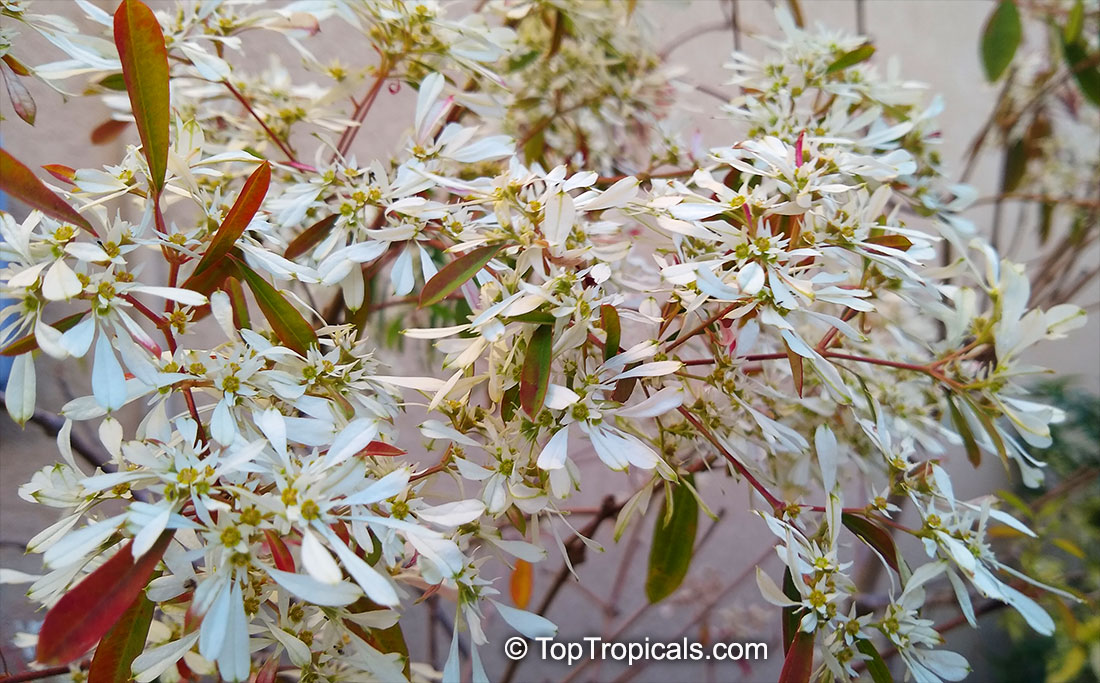
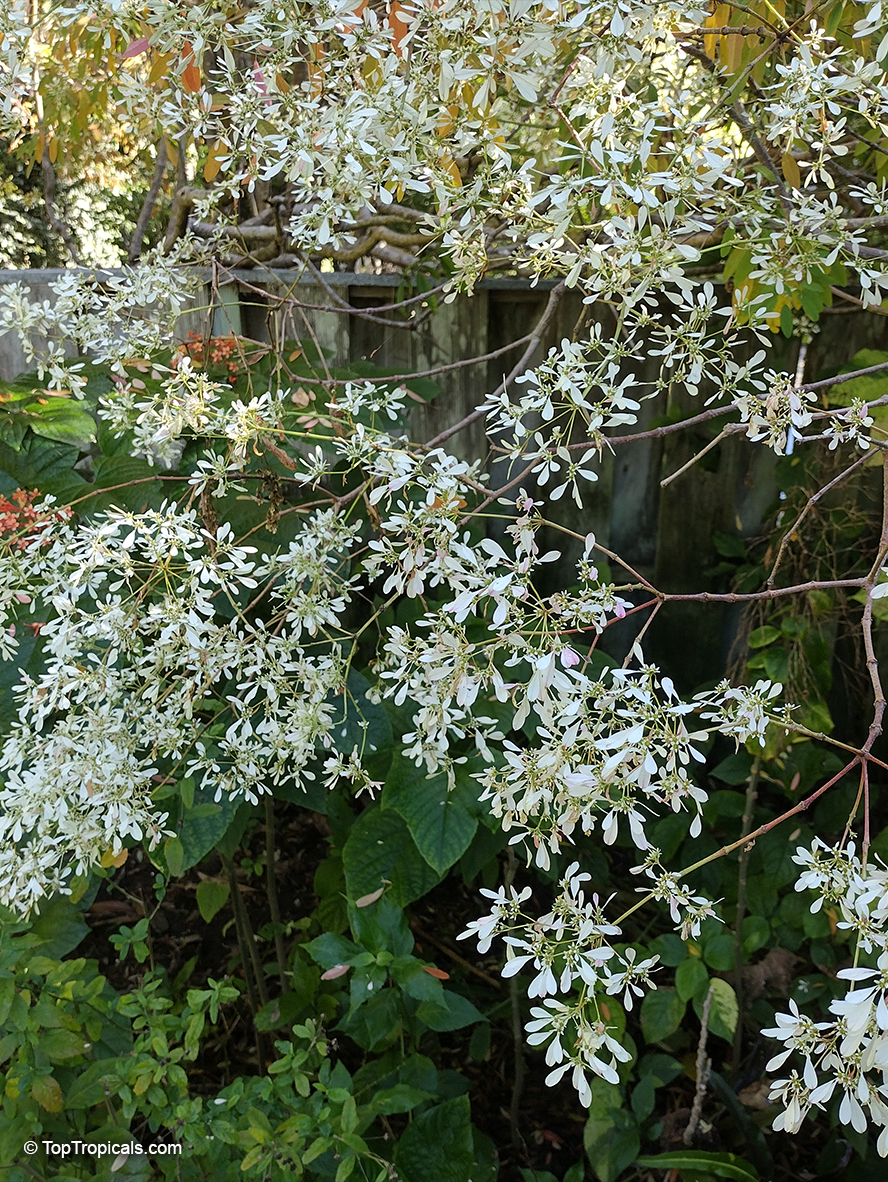
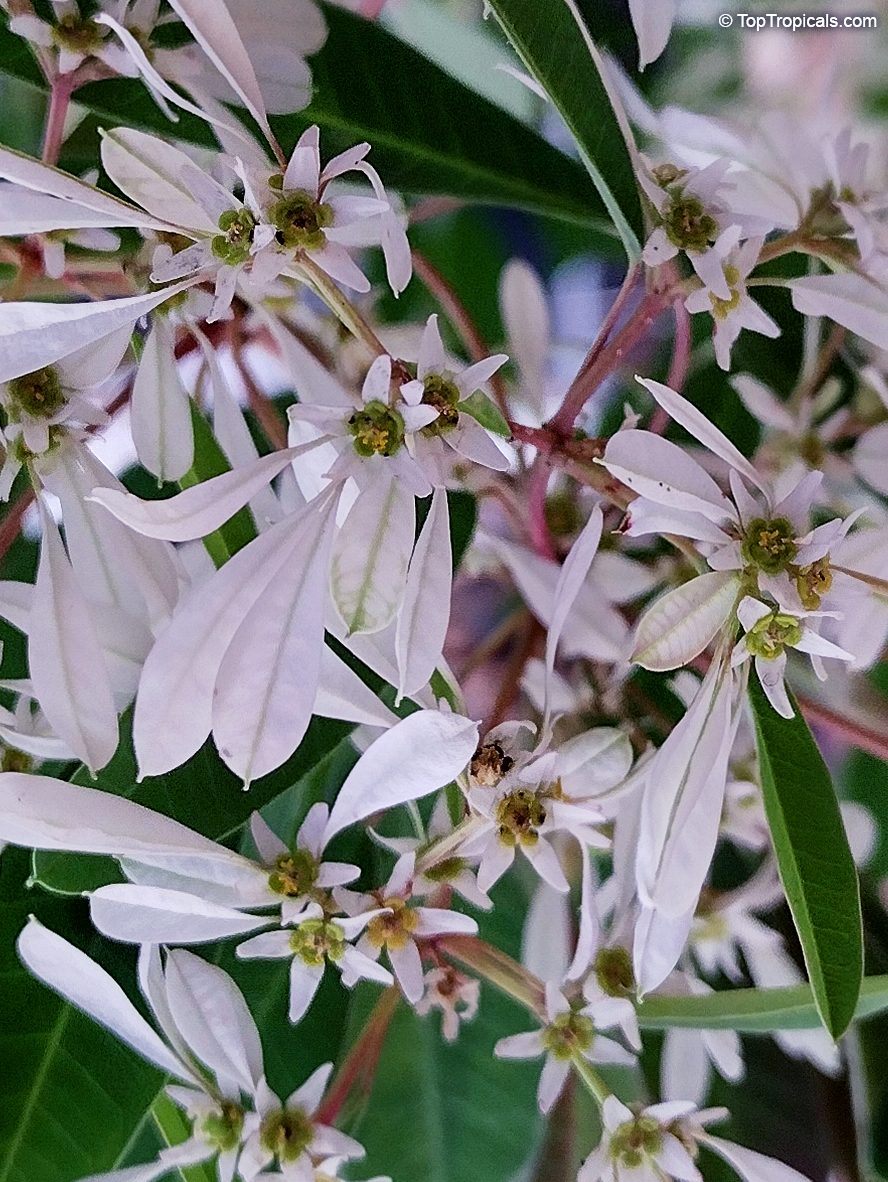
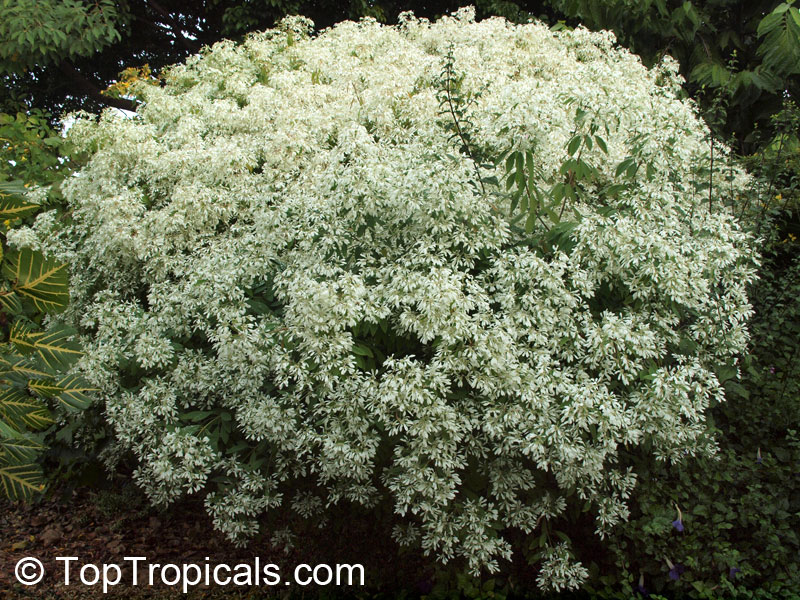
This plant completely loses leaves for winter, re-leafs in spring.
Recommended Fertilizer: SUNSHINE Megaflor - Bloom Nutrition Booster
 SUNSHINE Pikake (NPK 2-2-4) - eco-friendly concentrated nutrition booster for fragrant flowers. Improves quantity and quality of flowers. Encourages profuse blooming. Increases flower fragrance intensity. Can be used with every watering. For best results, use in combination with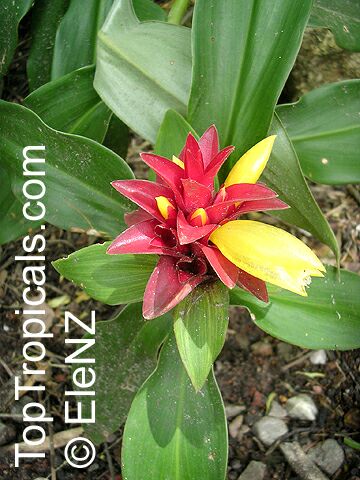
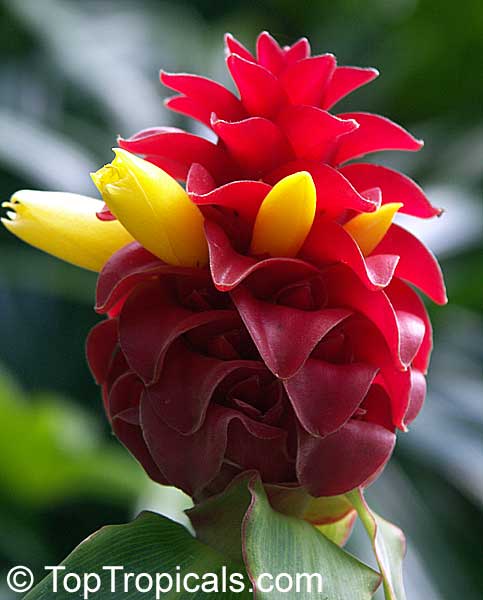
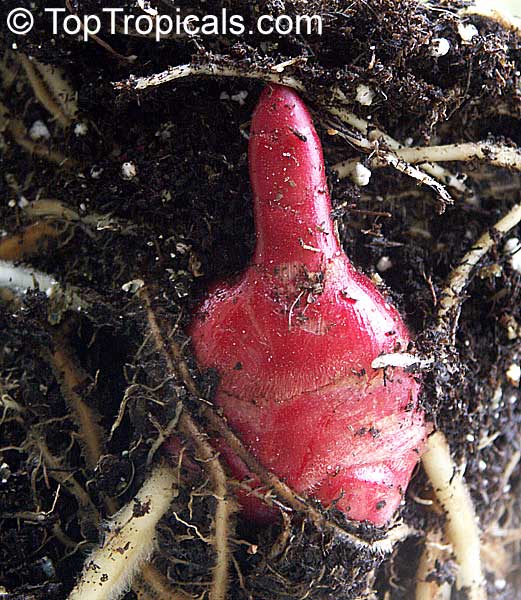
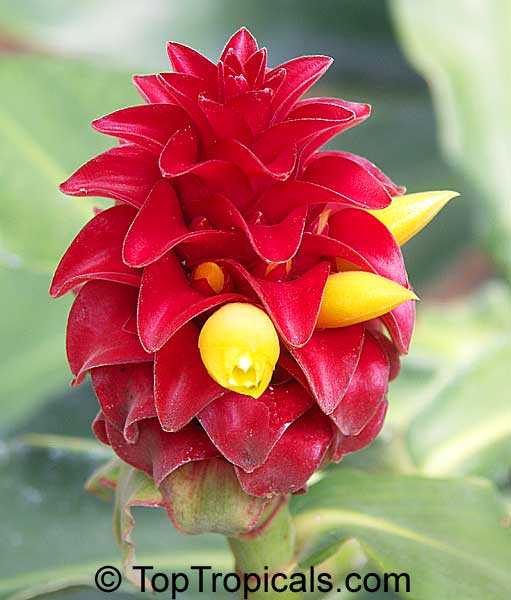
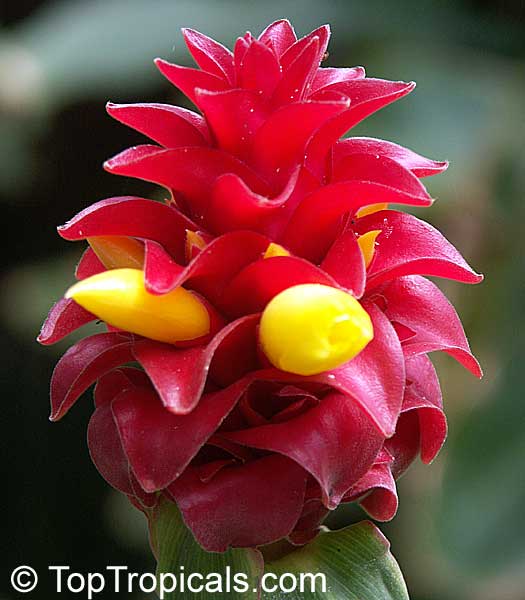
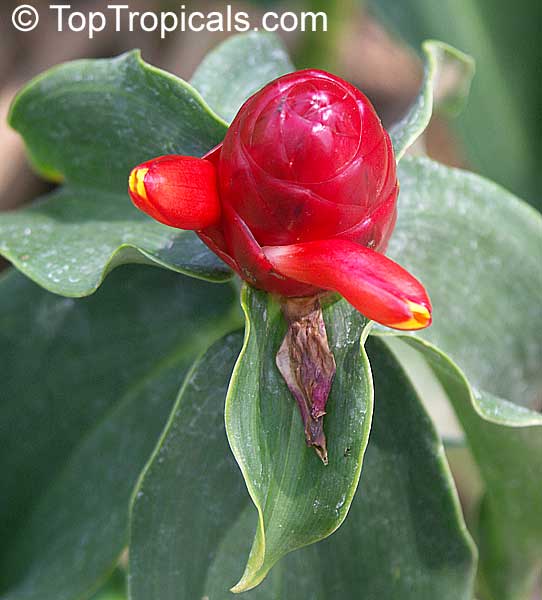
Botanical names: Costus spicatus, Alpinia spicata
Common names: Red Button Ginger, Spiked Spiralflag, French Kiss
Family: Costaceae
Origin: Tropical America


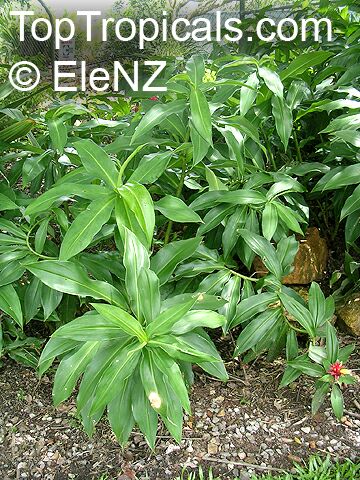
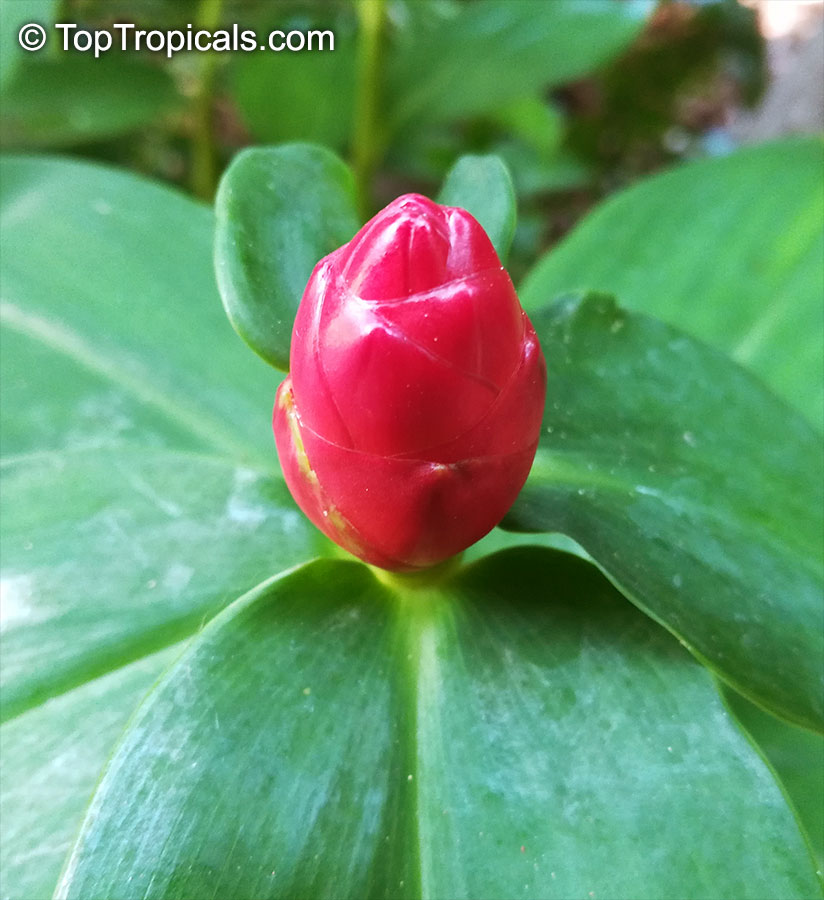
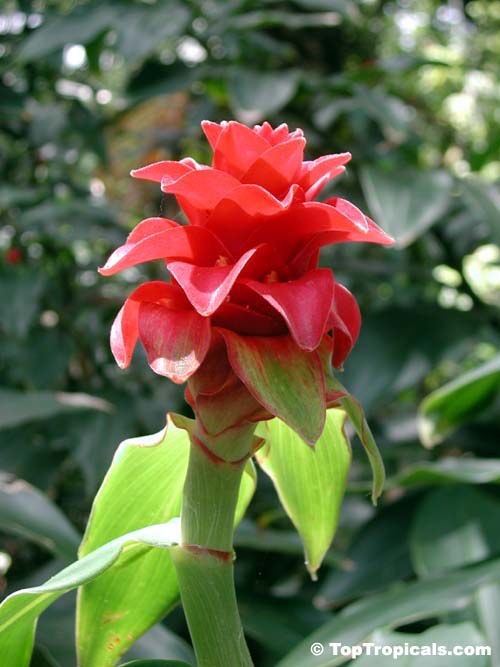
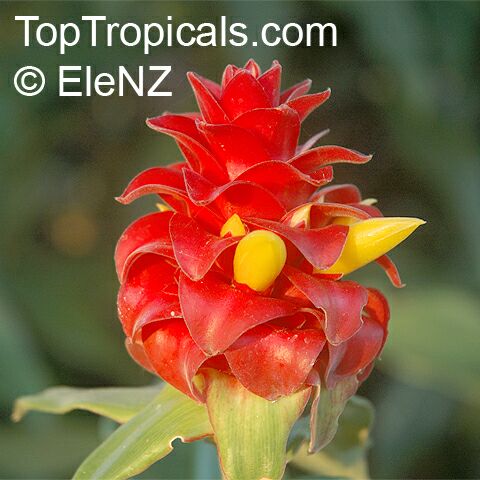
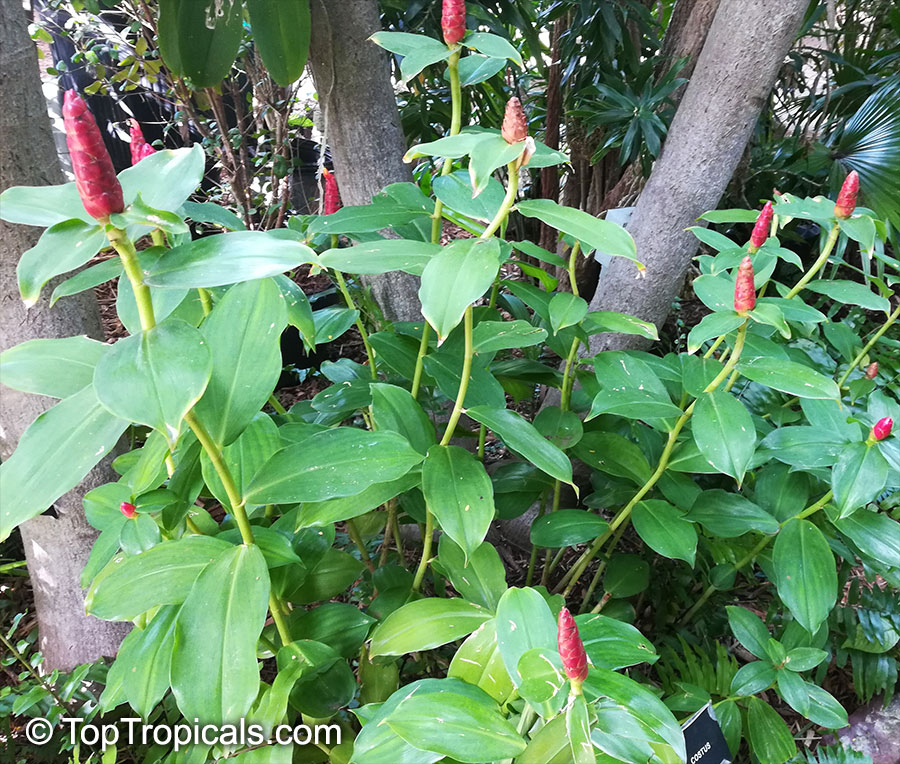
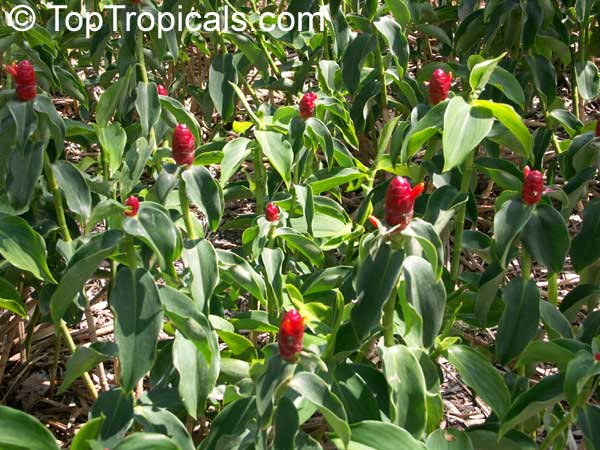
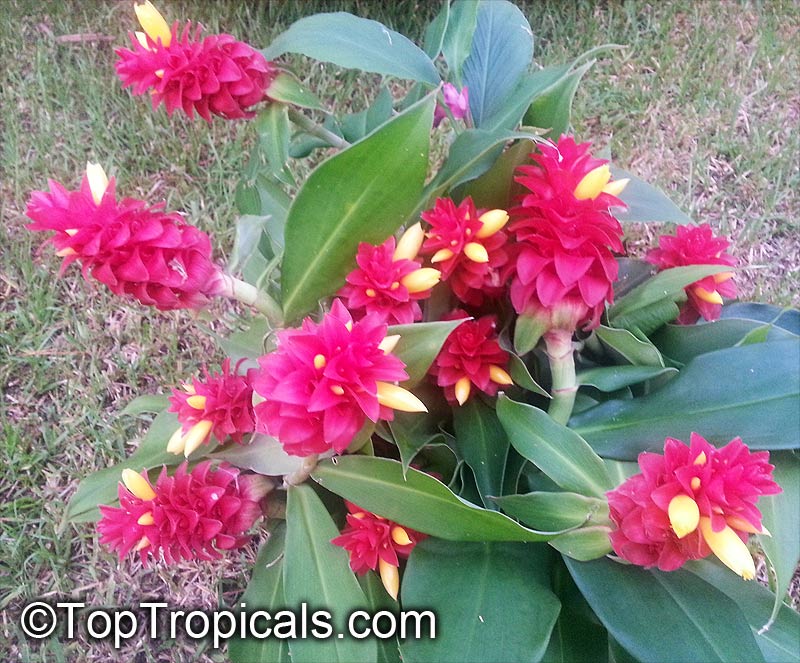
Costus spicatus or Red Button Ginger is a large perennial plant, usually growing 5 to 10 ft tall and wide, native to Tropical America. It is a beautiful ornamental plant that is grown for its spectacular foliage and attractive red, crimson, and vinous flowers. The foliage of Costus spicatus typically matures to a dark green color, and is often attractively variegated. The flowers of this plant typically appear in late spring or early summer, and attract pollinators like butterflies and hummingbirds. The aromatic foliage also serves as a very nice backdrop for the flowers.
This plant is ideal for tropical gardens and is also a great way to add interesting texture to your garden beds. The plant prefers semi-shade, and likes to be watered regularly. The preferred organic-rich soil. Plant thrives in USDA Zone 9-11 and is usually cold-hardy at least to the 30s Fahrenheit range.
Costus spicatus is one of the few species of costus that is edible. The red cone-like inflorescence of this plant, which appears after the flowers, can be harvested and eaten when ripe. The cone is usually around 2 inches long, and has a sweet flavor with a rather unusual texture. It is said to have a range of medicinal benefits, such as antioxidant and anti-inflammatory properties. Its edible parts are also believed to help reduce cholesterol levels and boost the immune system. Each mature plant can produce up to 6 cone-shaped fruits in a single season.
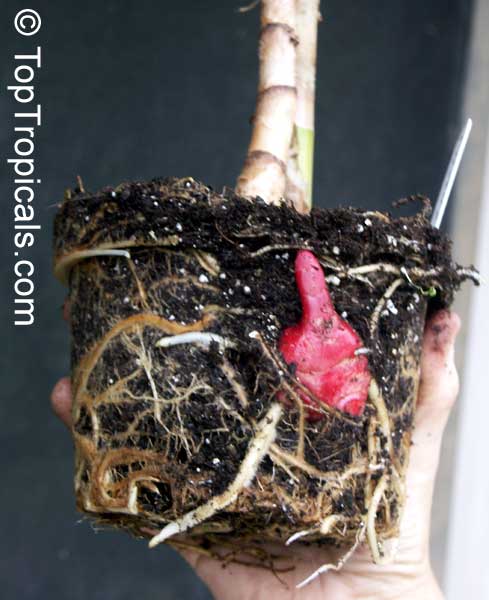
In cold regions, Costus spicatus can be grown in pots, as long as they are brought indoors in winter. In the winter months, care should be taken to ensure that the plants are kept in a cool, but frost-free location. Watering should be reduced in winter but used more generously in summer, when the plant is actively growing. Additionally, during the growing months, it is important to make sure that the foliage is kept clean by regular pruning and removing dead or damaged leaves.
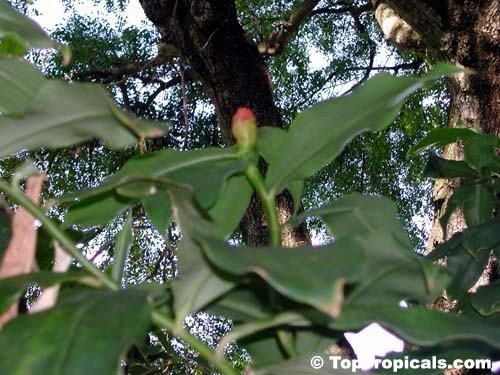
Costus are easily distinguished from other commonly cultivated gingers because the leaves spiral around the main stem like a circular stairway. In fact they are called "spiral gingers".
Recommended Fertilizer: SUNSHINE Robusta - Rapid Growth Booster
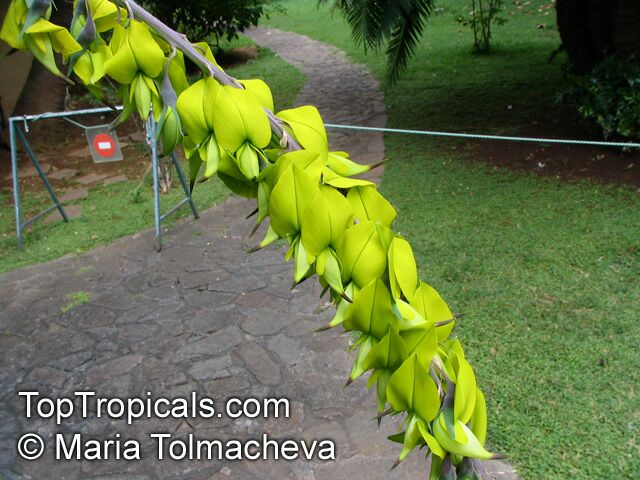
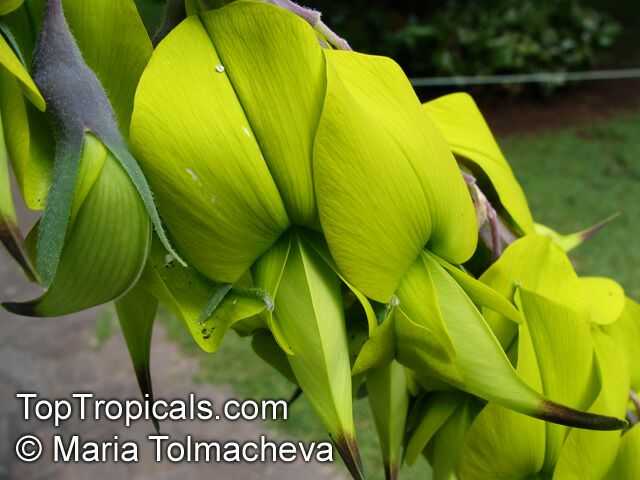
Botanical name: Crotalaria agatiflora
Common name: Canary Bird Bush
Family: Fabaceae
Subfamily: Faboideae
Origin: Africa
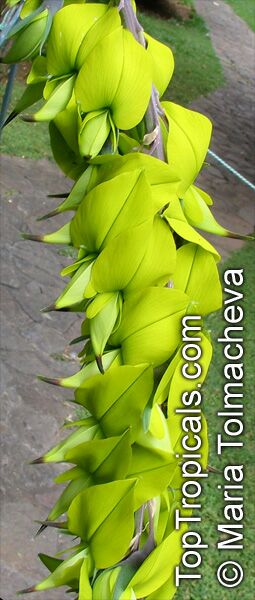
The common names refer to the flowers' resemblance to small birds perched on twigs. The intricate yellow-green flowers bloom on flower stalks in the summer through fall.
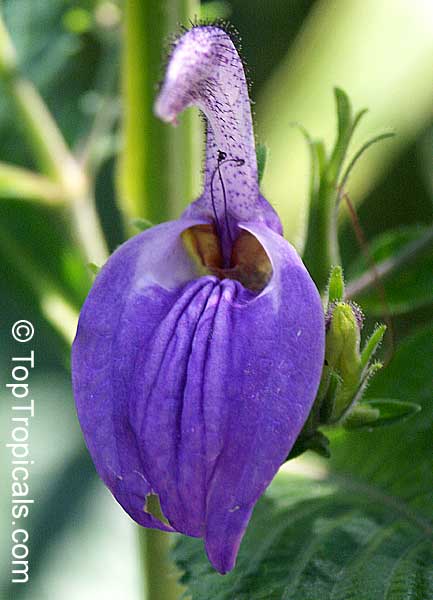
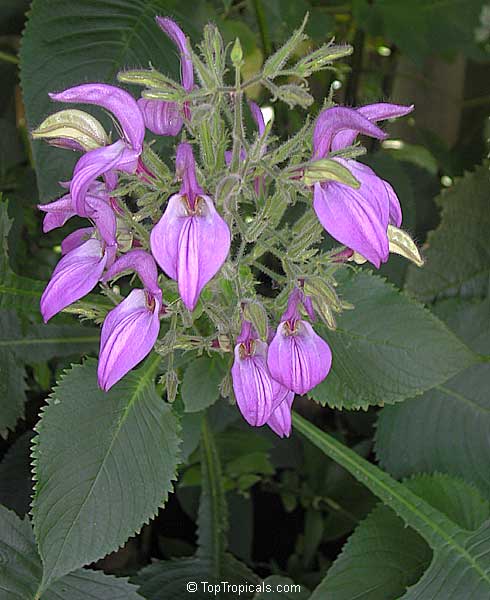
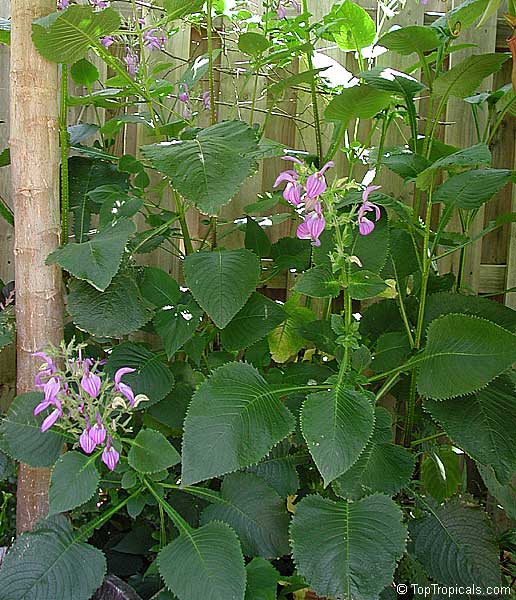
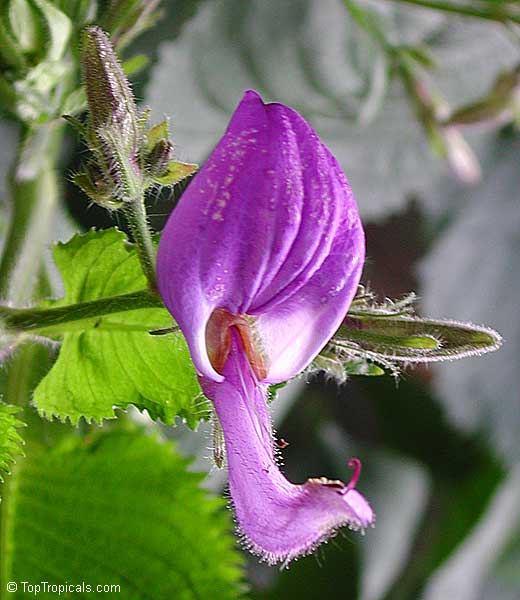
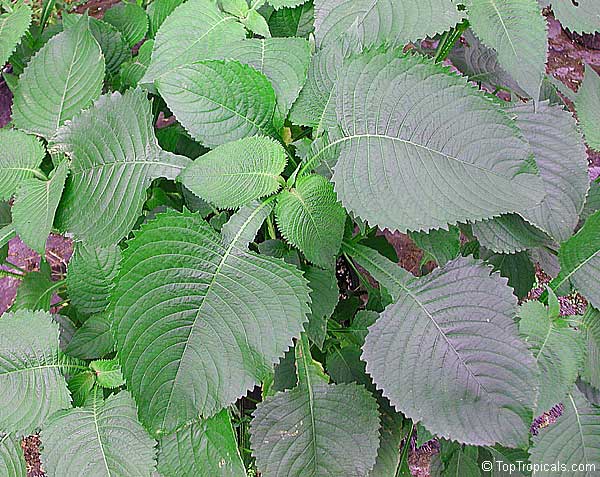
Botanical names: Brillantaisia guianensis, Leucorhaphis lamium, Brillantaisia nitens
Common names: Tropical Giant Salvia, Fiddle Leaf
Family: Acanthaceae
Origin: Central and West Africa


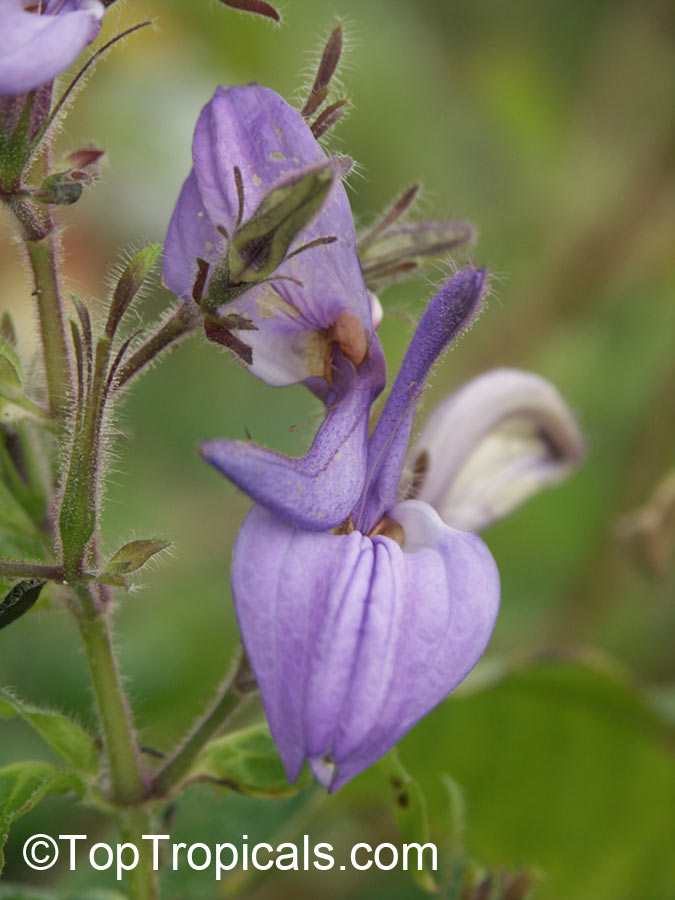
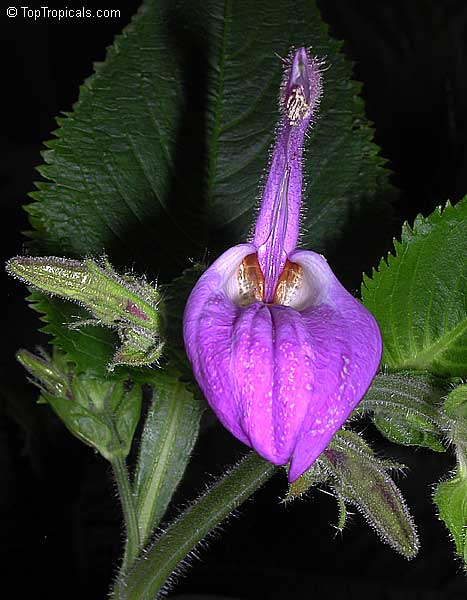
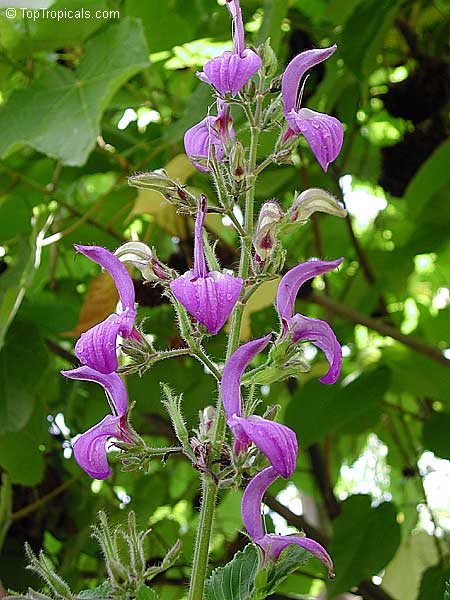
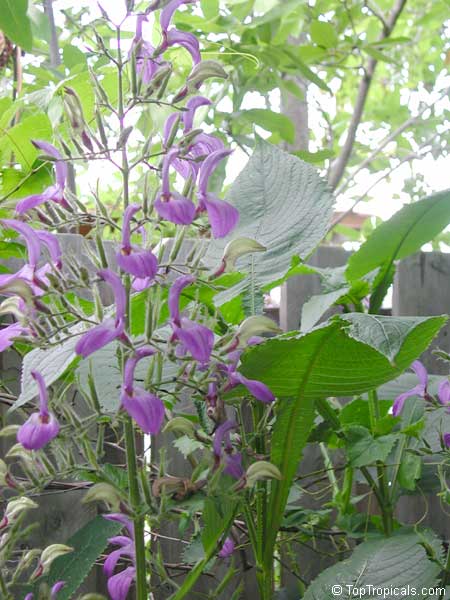
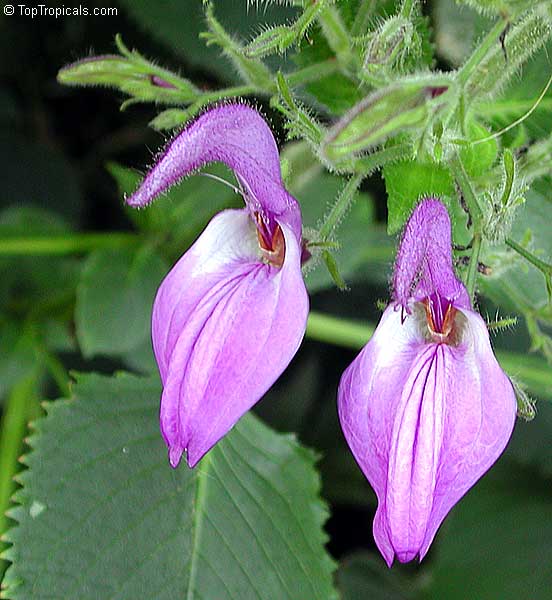
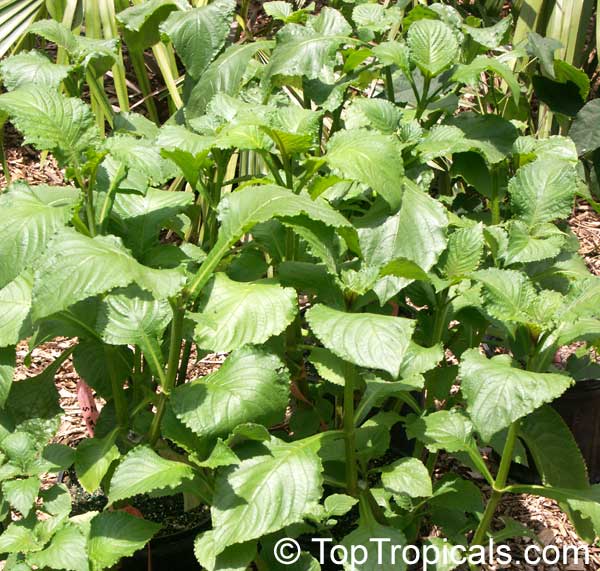
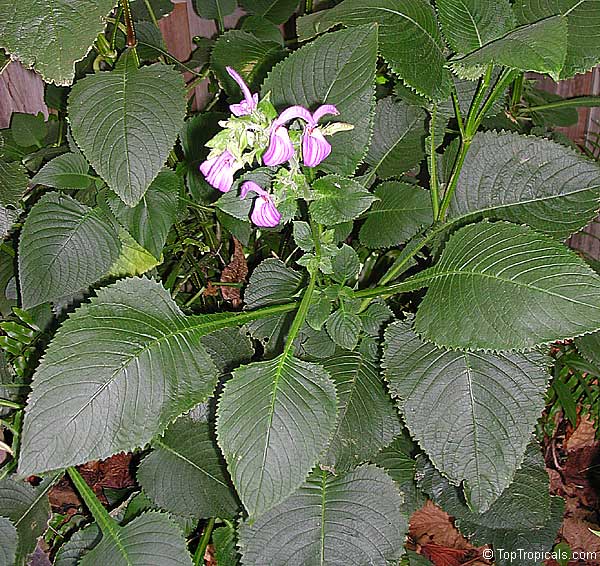
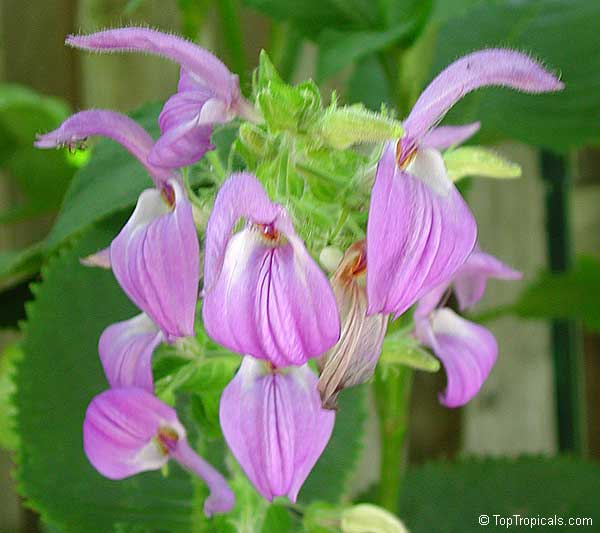
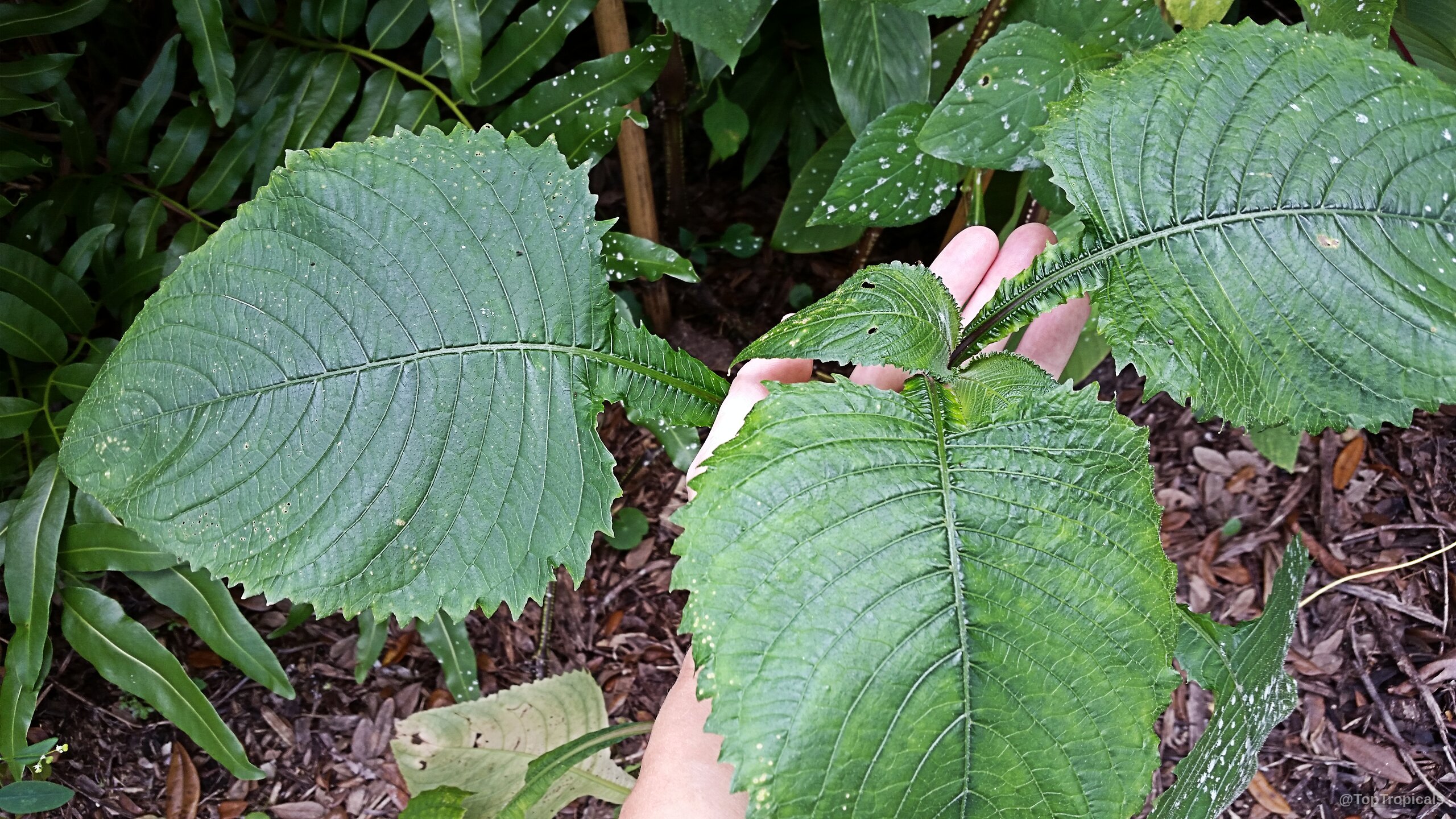
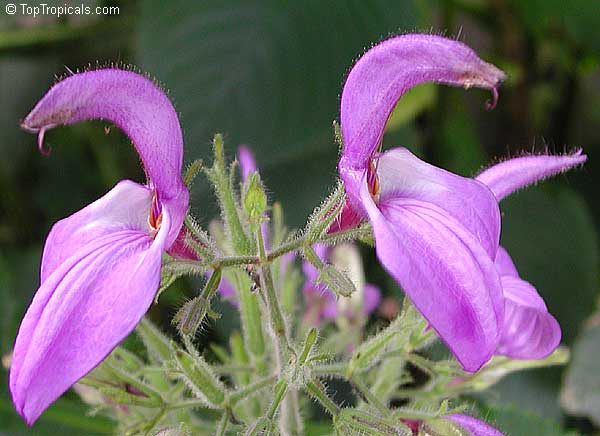
Brillantaisia guianensis (Tropical Giant Salvia) is a large shrub that is native to Central and West Africa, growing up to 5-10ft tall. Its dense and lush fiddle-shaped leaves are a definite eye-catcher, while its white, off-white and light blue to lavender and purple flowers add a further decorative element. The shrub is best kept in semi-shade and soil kept moist and well drained. The plant is cold hardy and can tolerate temperatures at least down to 30s F but it may have to be brought indoors if living in a cold region. Brillantaisia guianensis grows best in USDA zone 9-11. If you are growing the plant in a pot in a cold region you will need to bring the plant indoors during cold periods, as the roots can be damaged by frost. The plant can be propagated by using seeds, or by rooting from stem fragment cuttings. Brillantaisia guianensis is a great addition to any garden and its ornamental foliage is sure to turn heads.
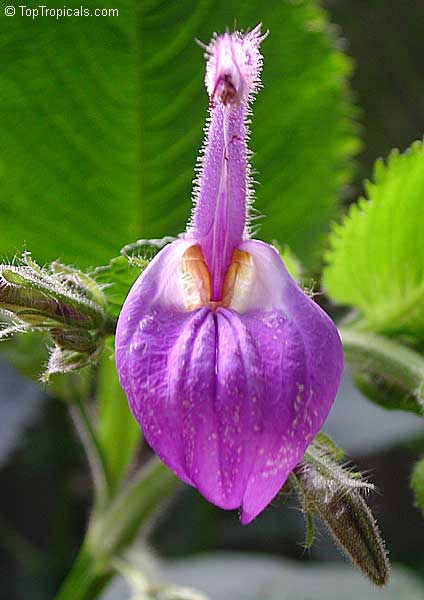


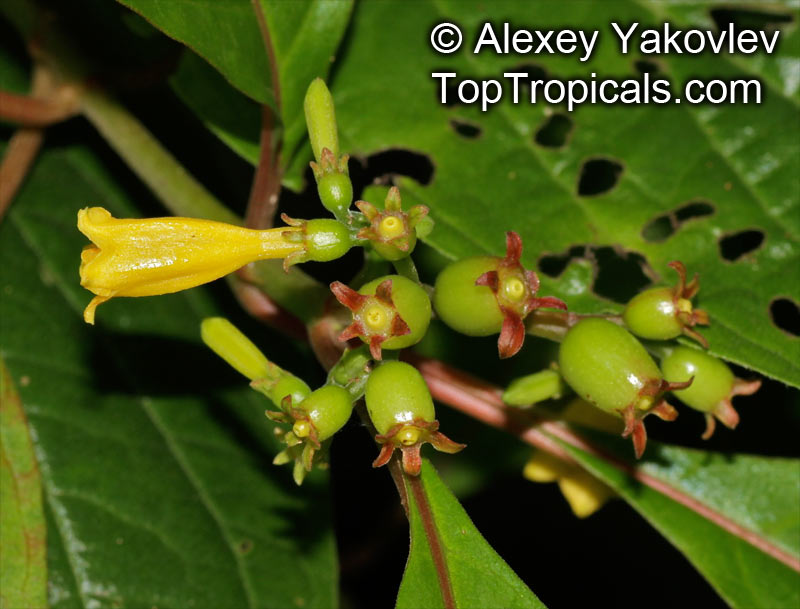
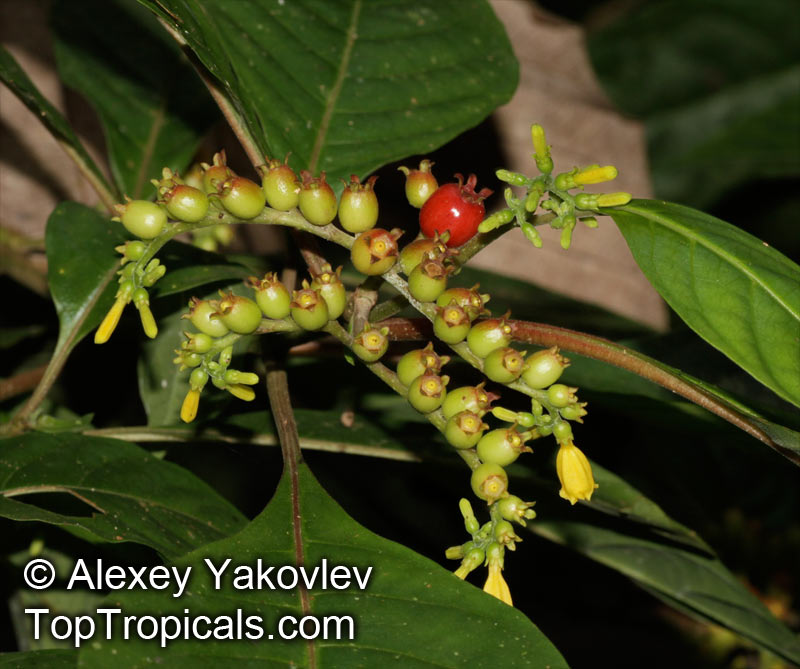
Botanical name: Hamelia axillaris
Common names: Balsamillo, Guayabo Negro
Family: Rubiaceae
Origin: South America, Central America


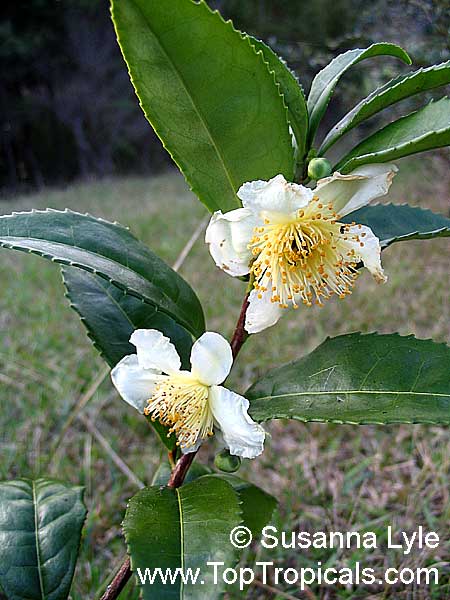
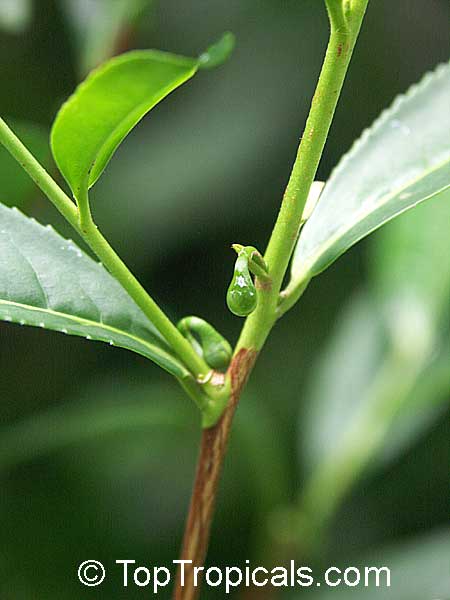
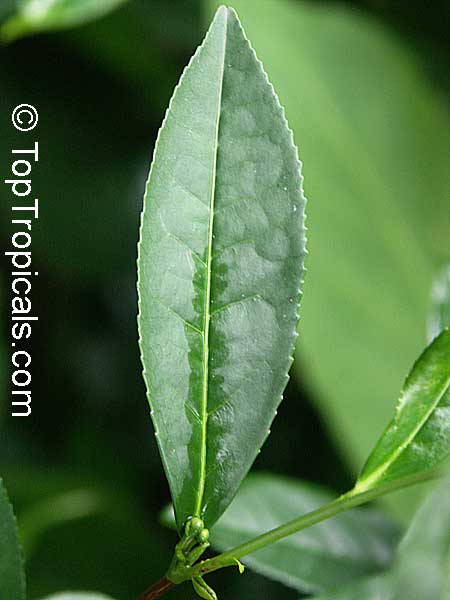
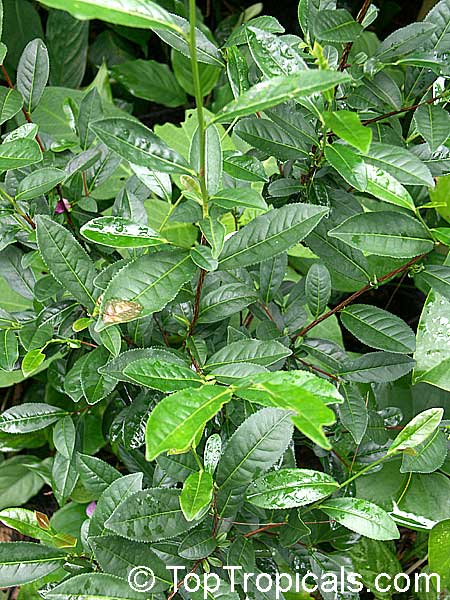
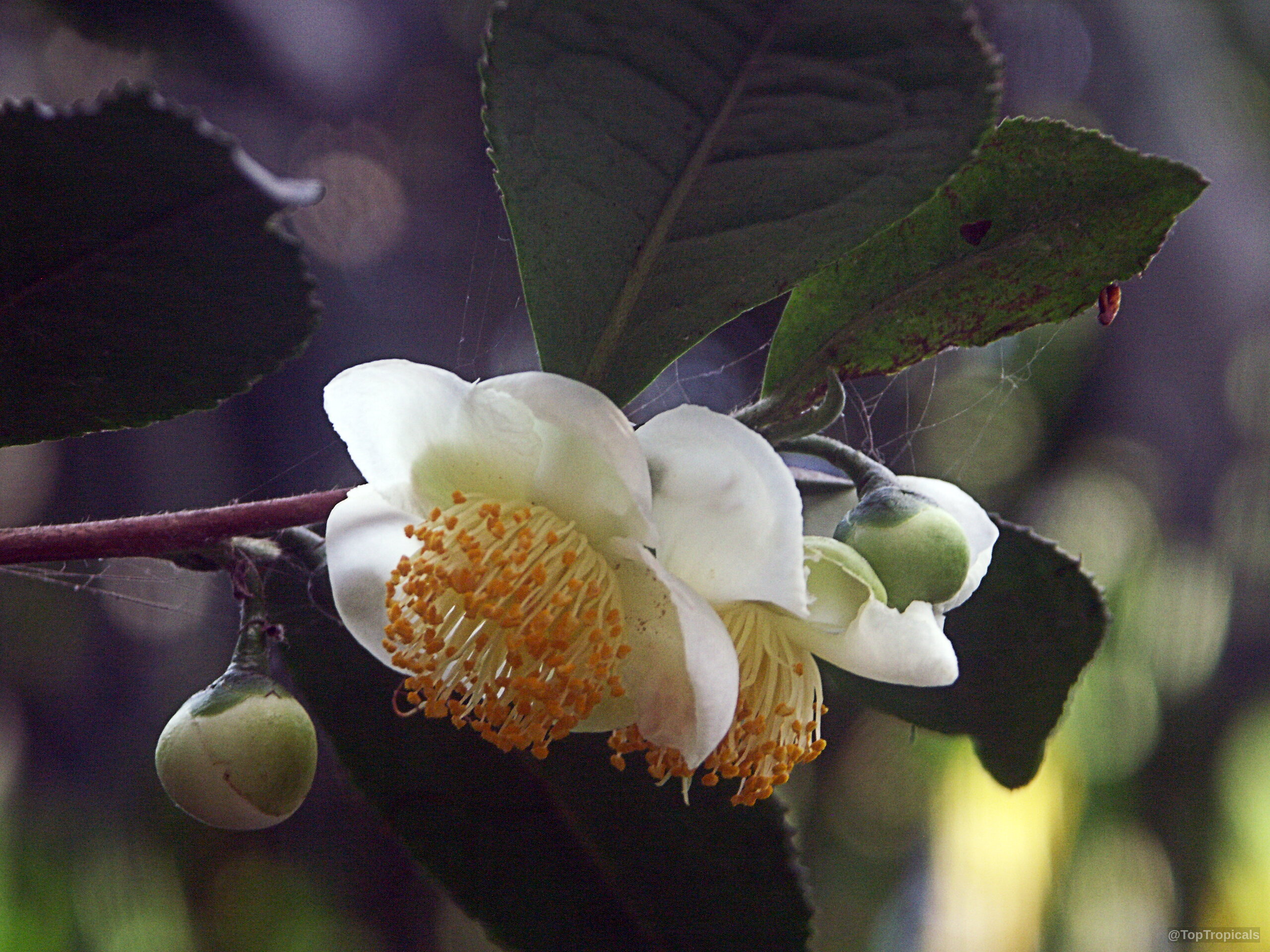
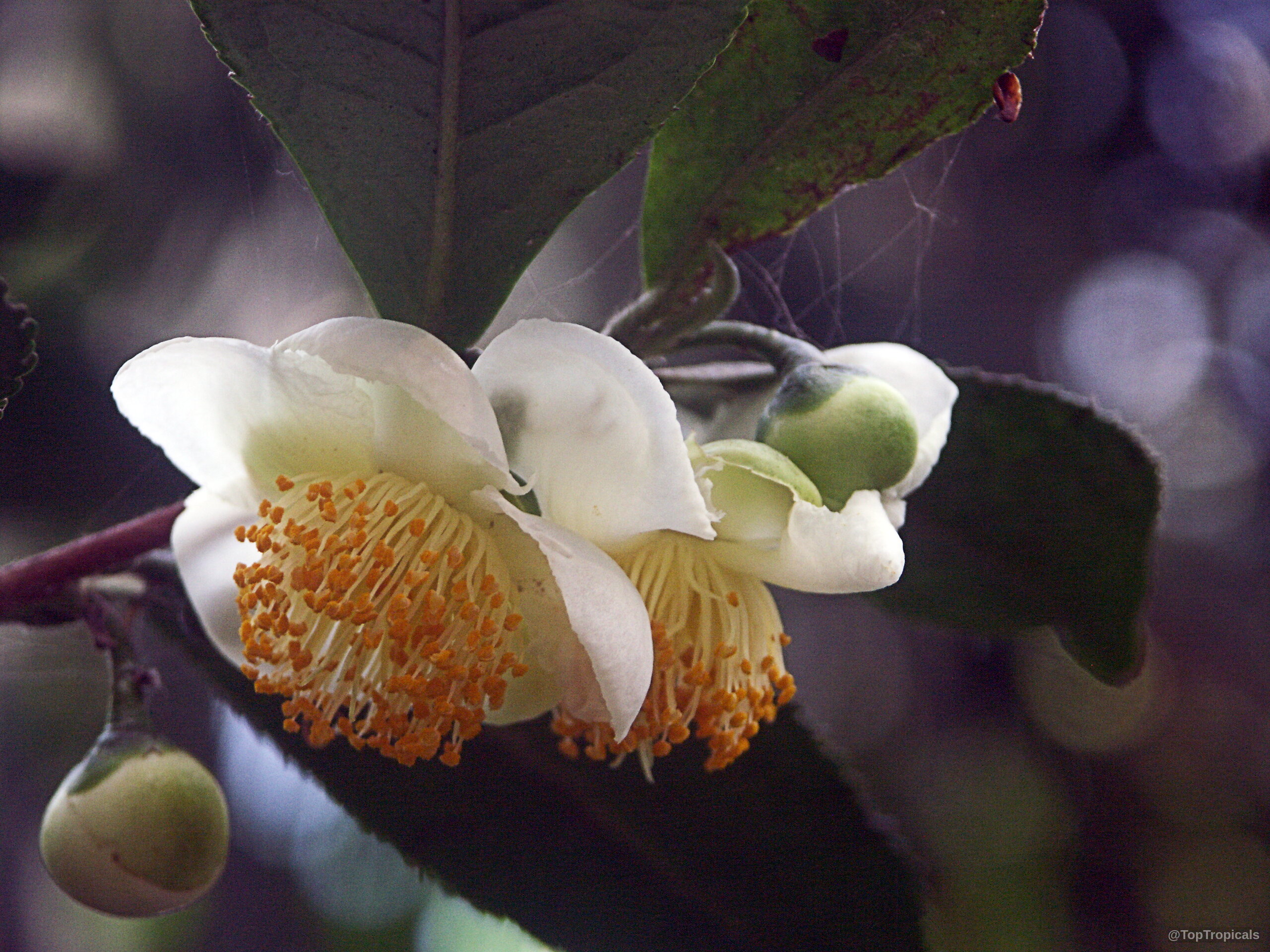
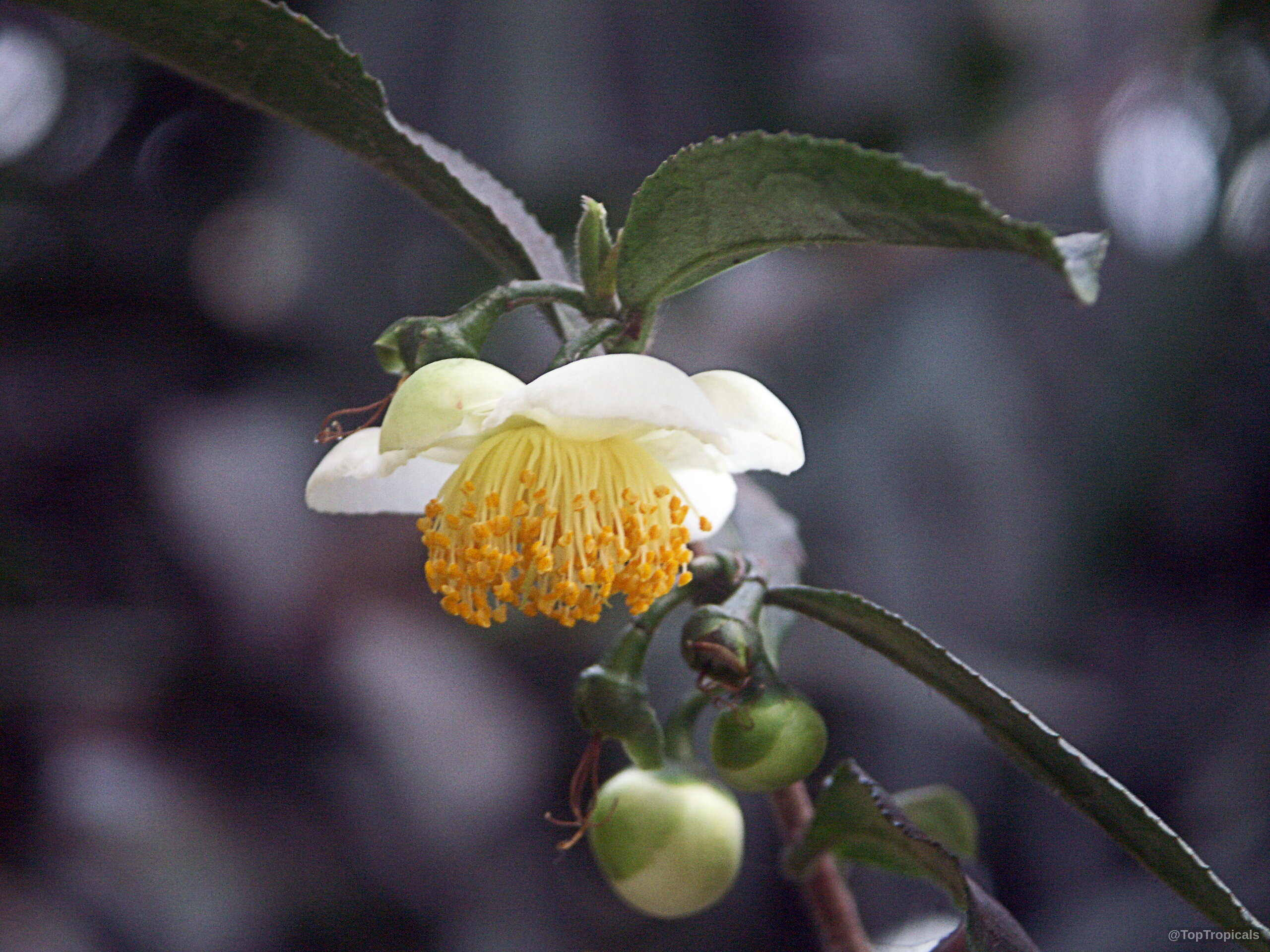
Botanical name: Camellia sinensis
Common name: Tea plant
Family: Theaceae
Origin: Southeast Asia, Sri Lanka and India to Assam and China
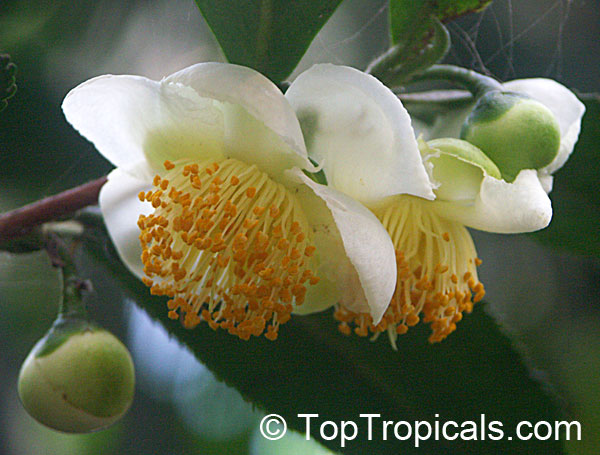
Small evergreen tree to 20-25 ft tall, usually pruned back to shrubs in cultivation, with strong taproot giving rise to a surface. Small white flowers with golden stamens in fall and winter.
Tea is the second most commonly drank liquid on earth after water. It has numerous medicinal benefits mainly due to its antibacterial and antioxidant properties. Chinese saying: Better to be deprived of food for three days, than of tea for one. Tea has been consumed socially and habitually by people for so long (since 3000 BC).

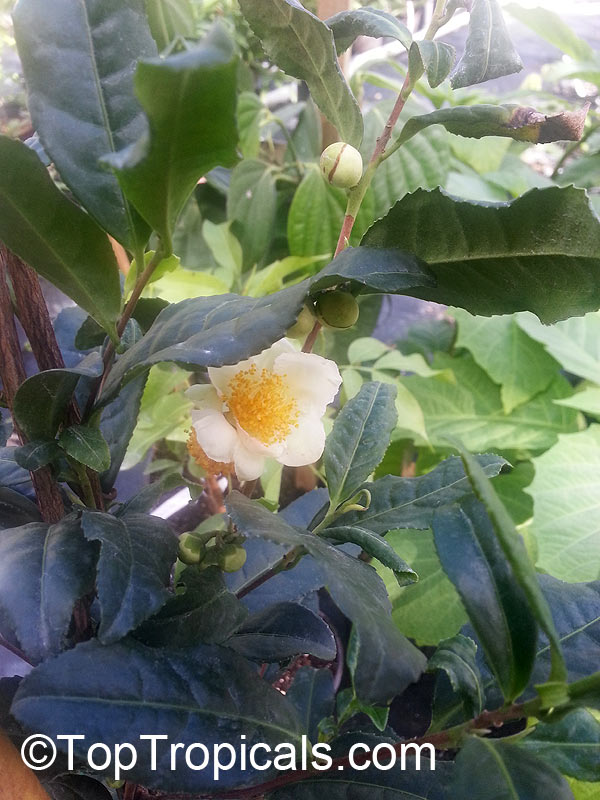
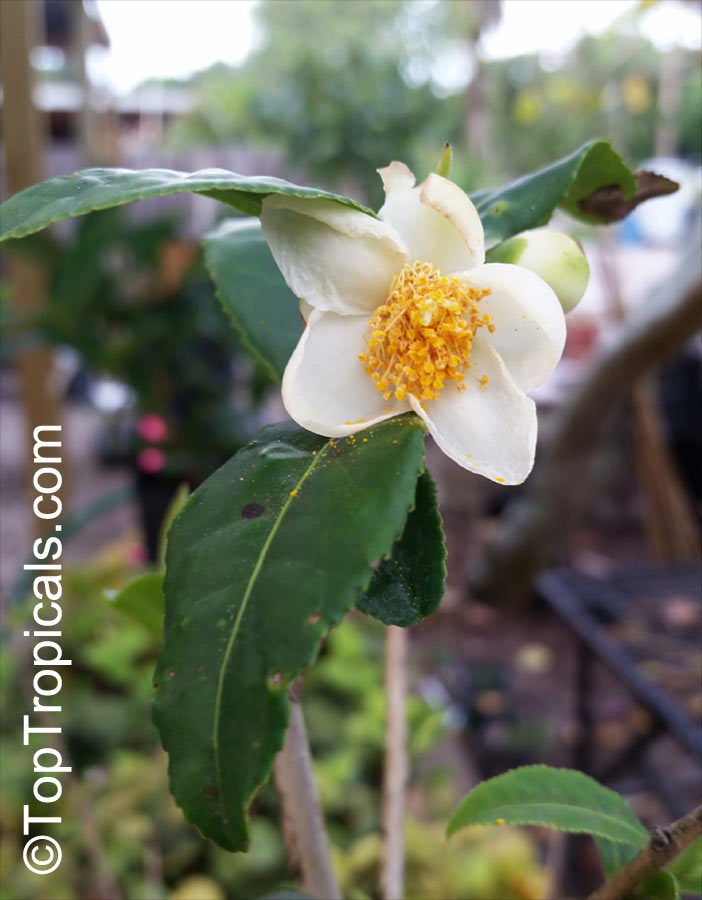
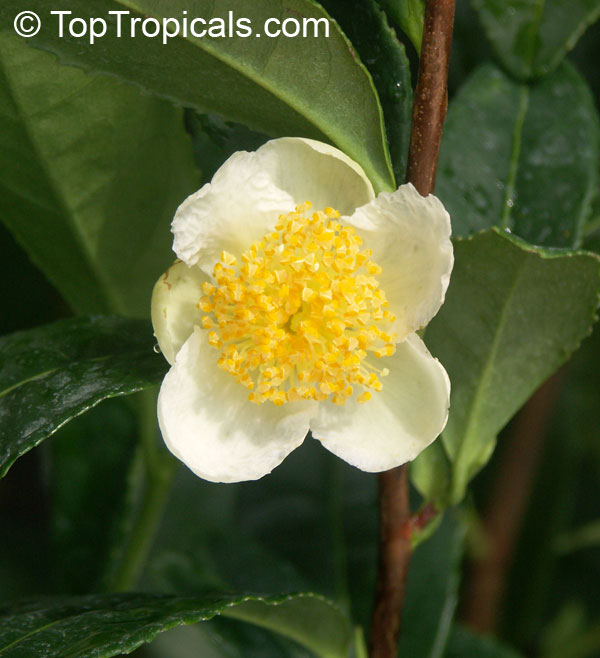
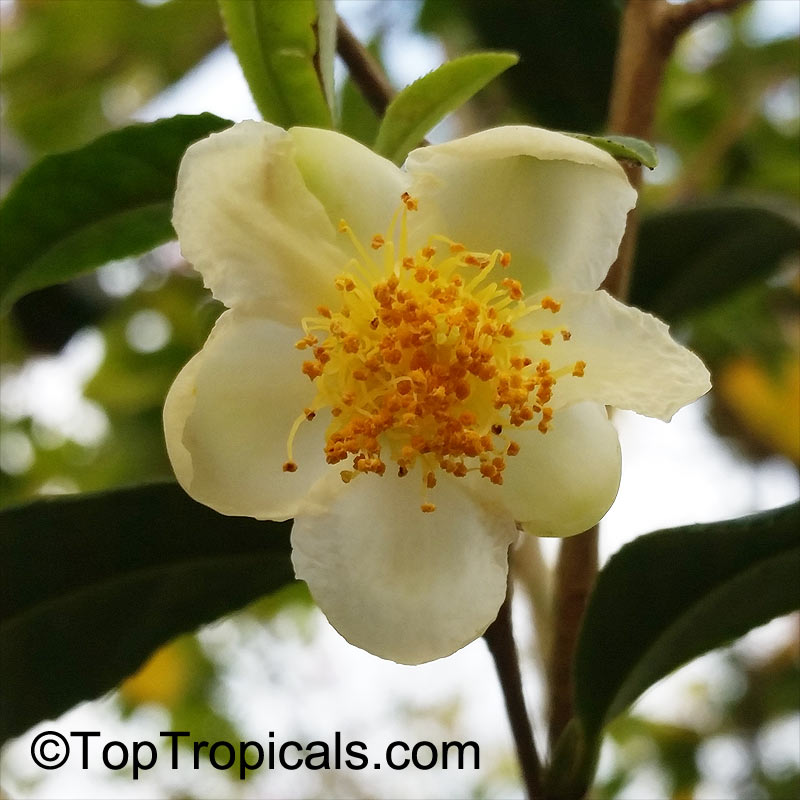
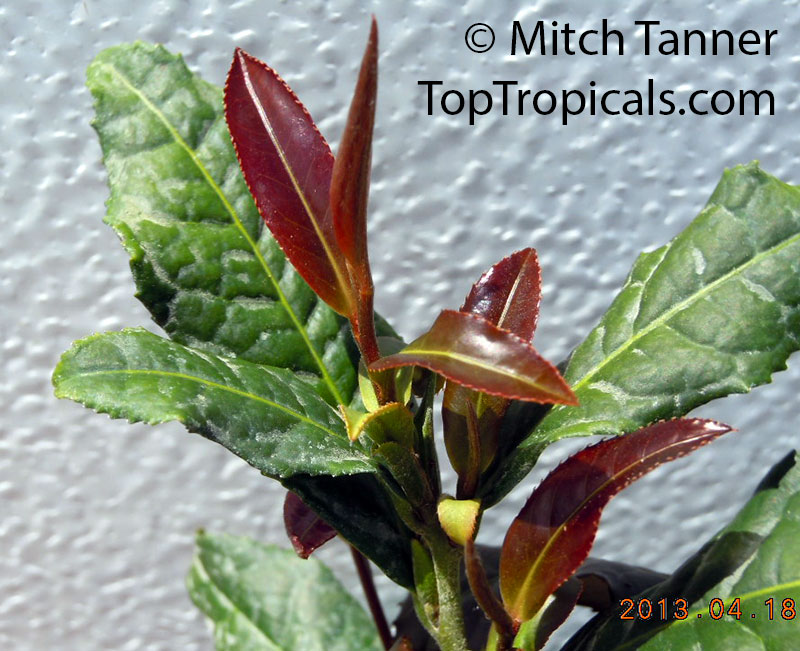
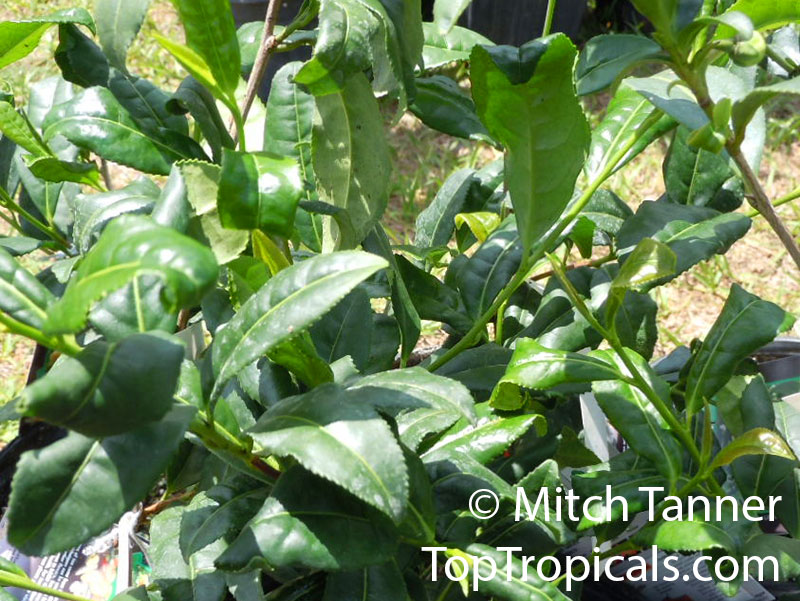
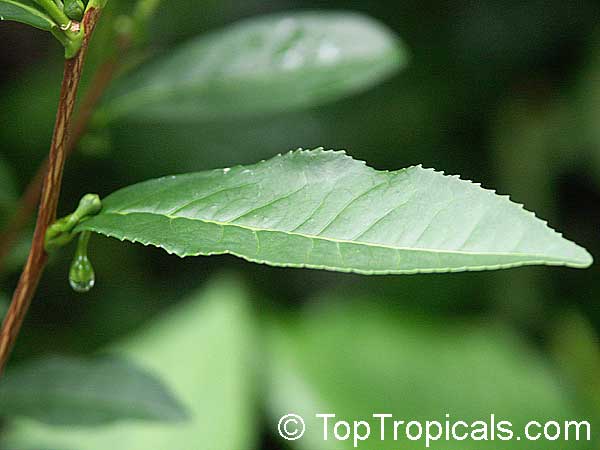
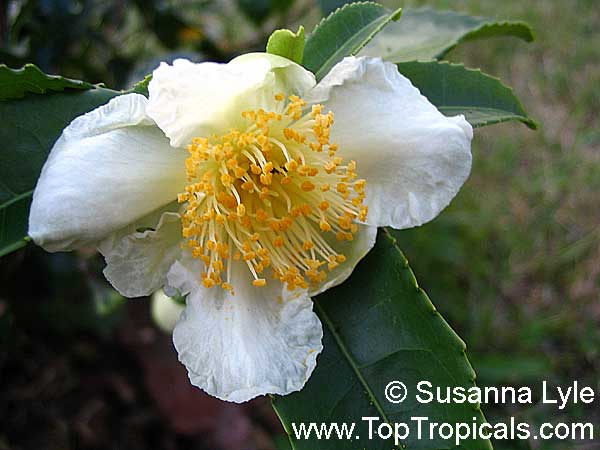

See instructions how to make tea
Recommended Fertilizer: SUNSHINE Robusta - Rapid Growth Booster
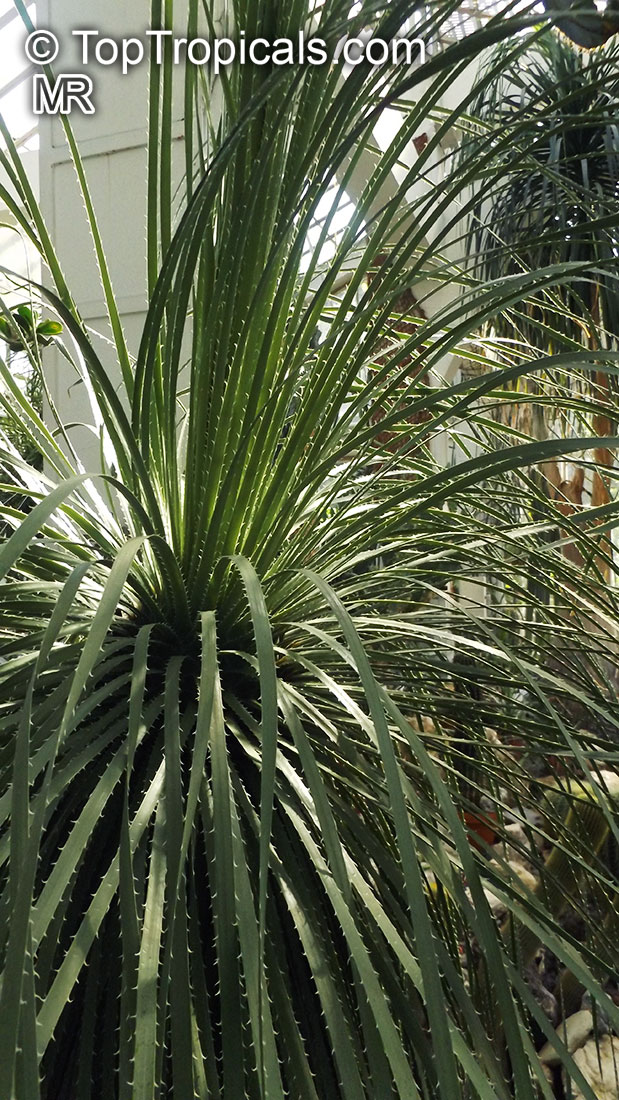
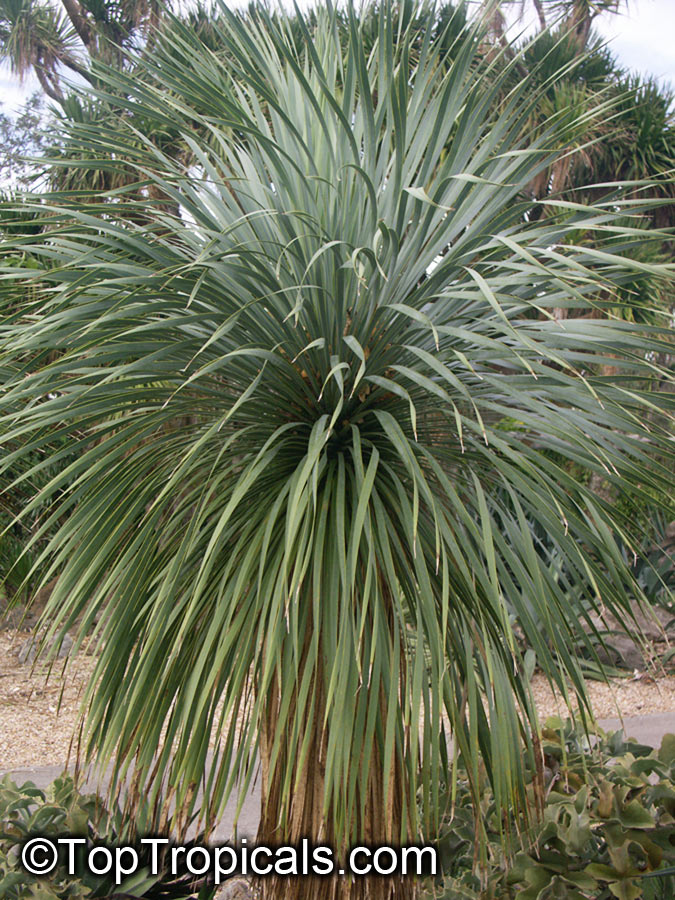
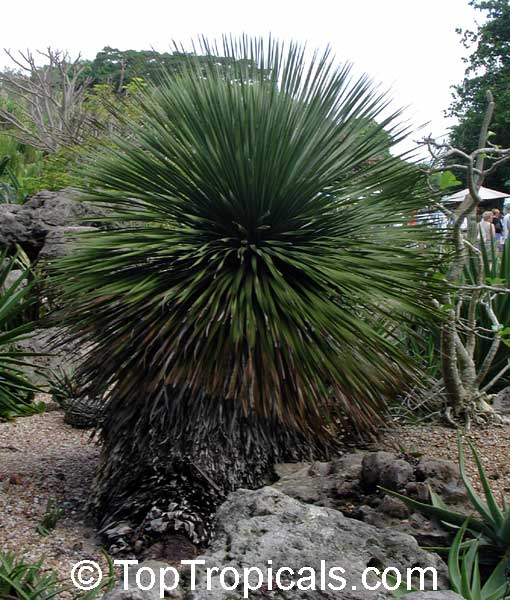
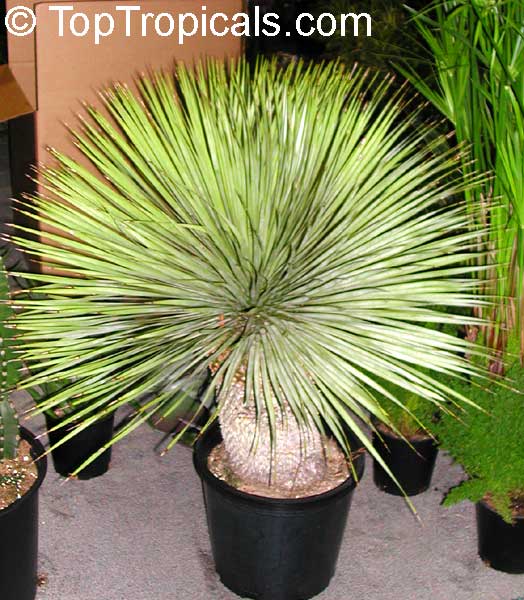
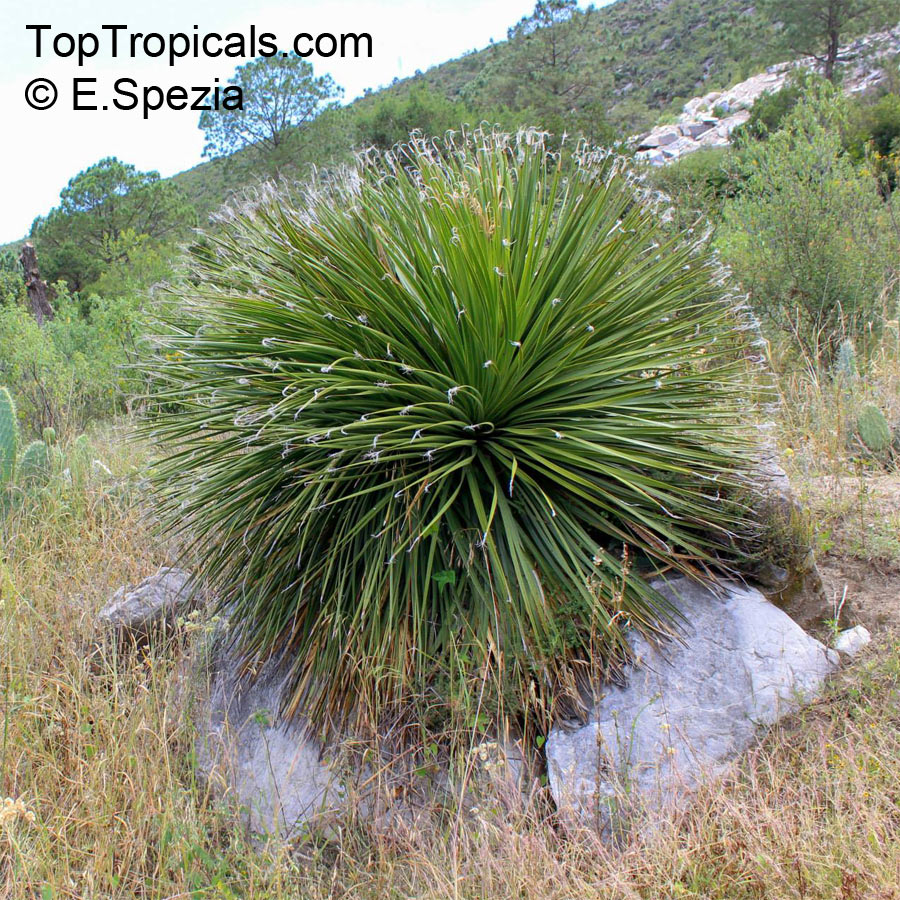
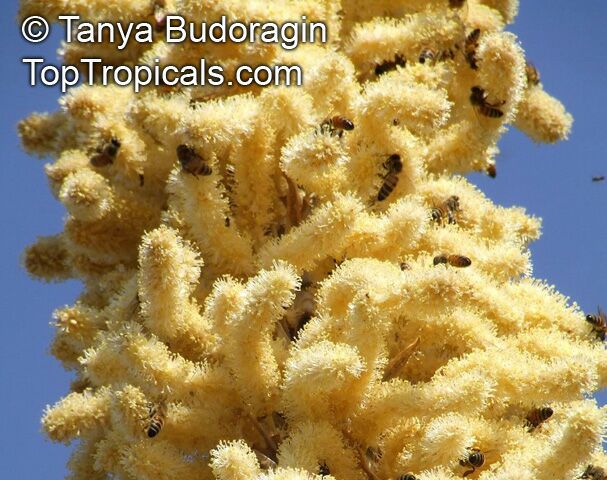
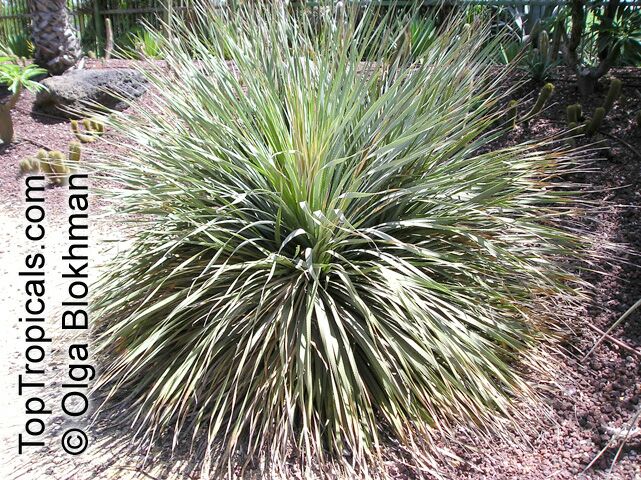
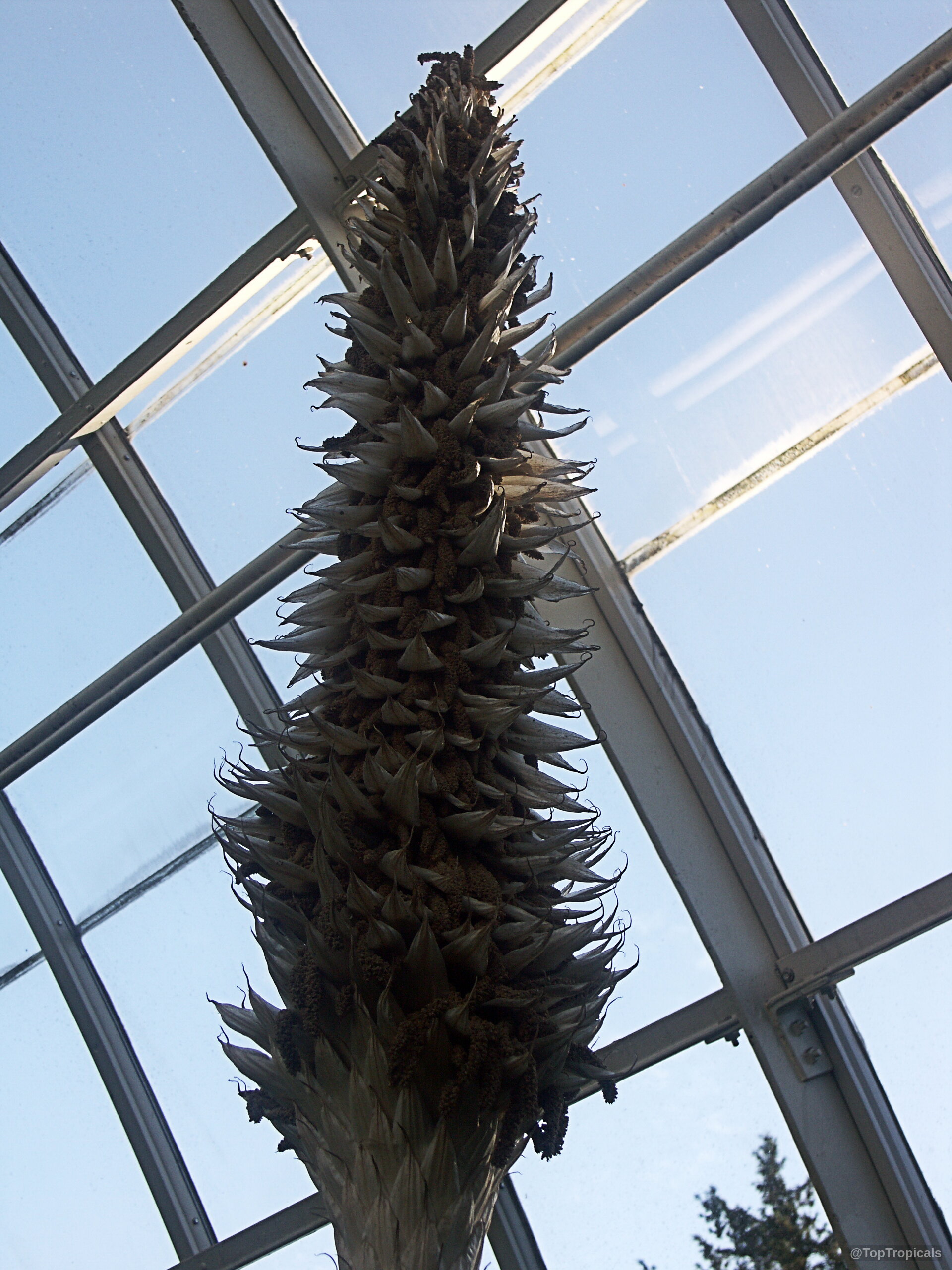
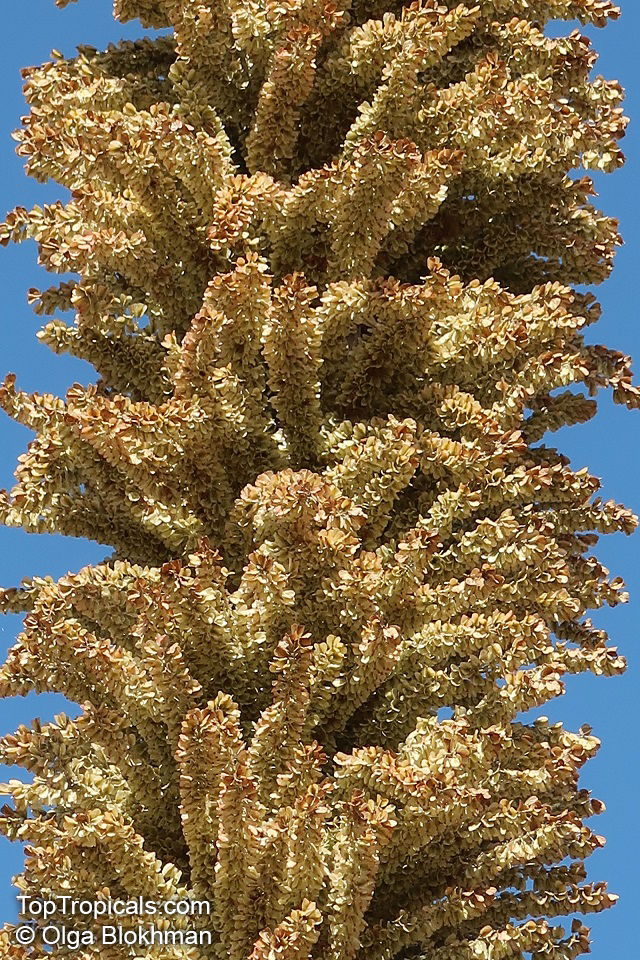
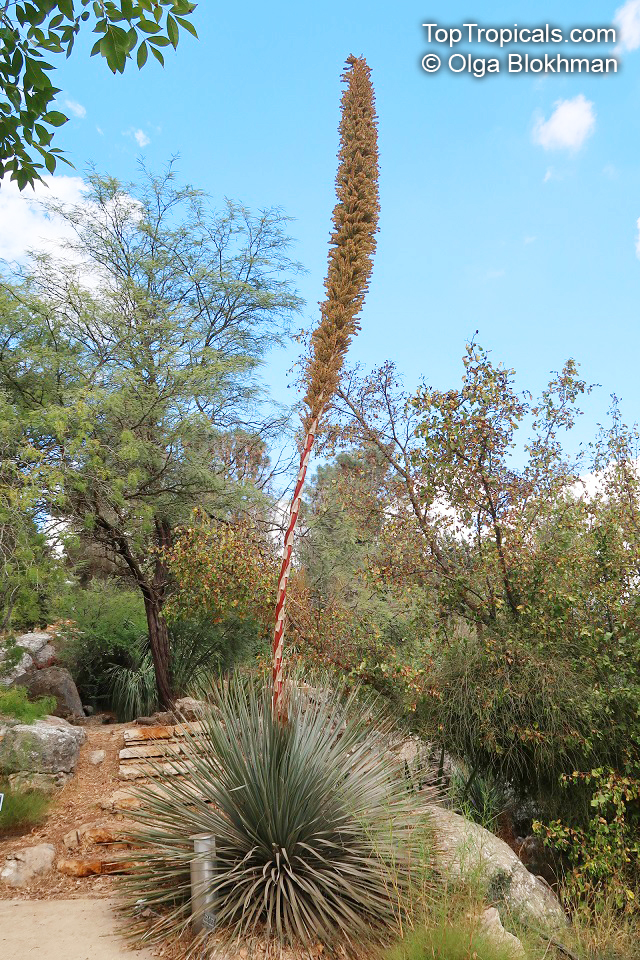
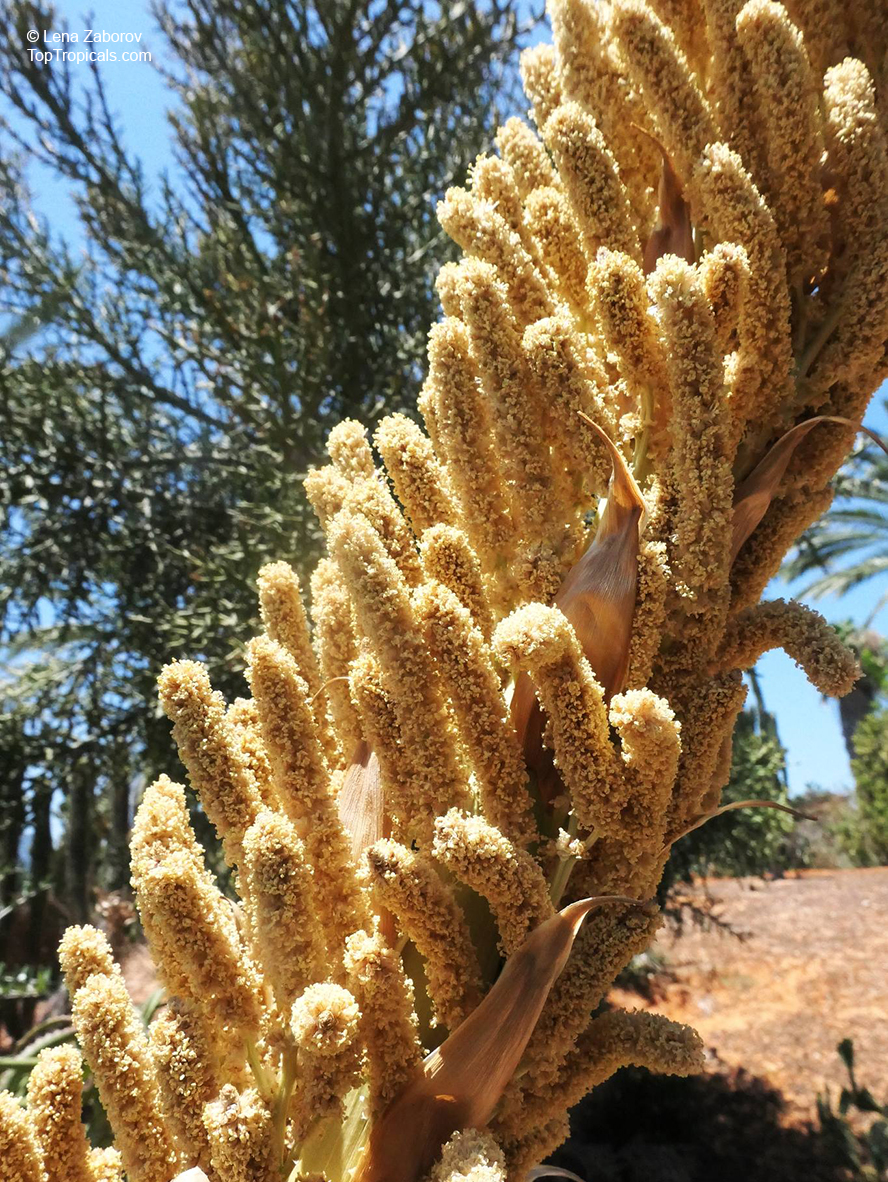
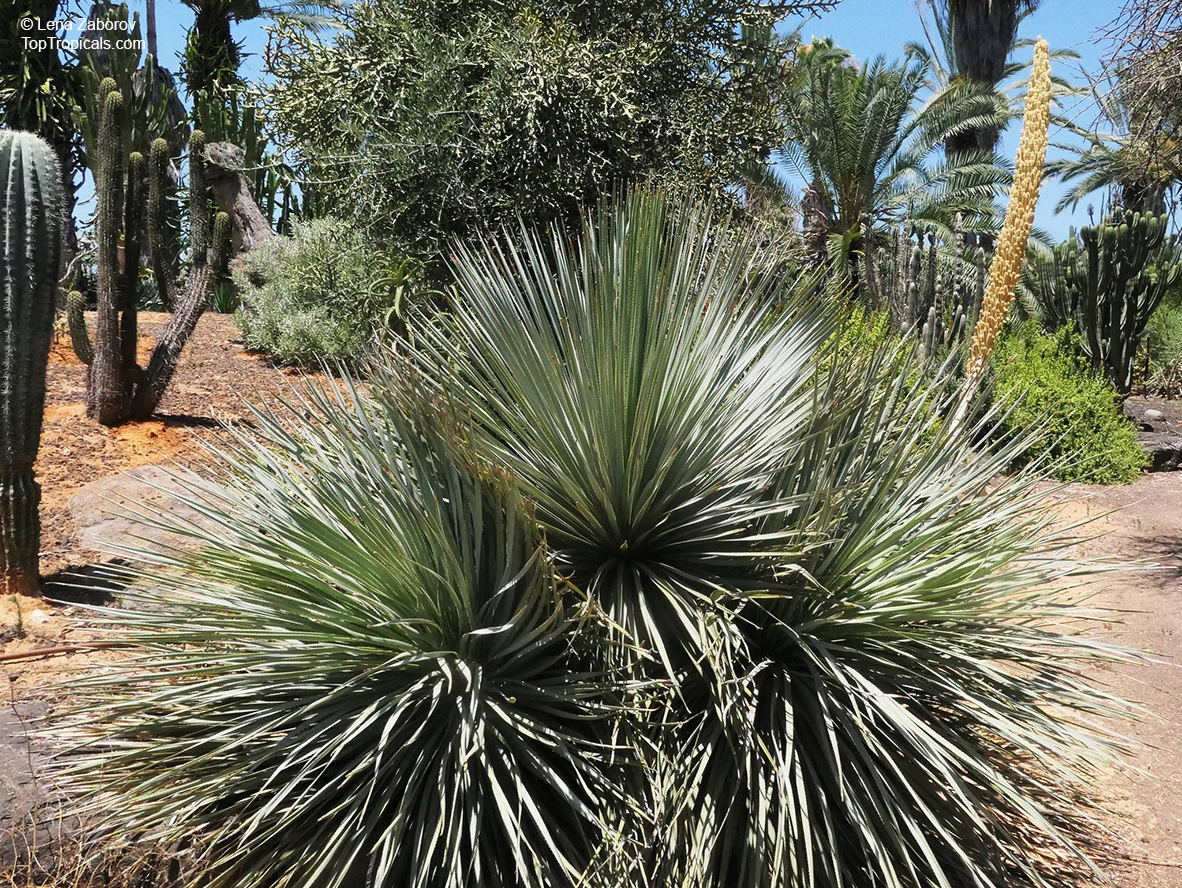
Botanical name: Dasylirion sp.
Common name: Desert Spoon
Family: Asparagaceae (Formerly:Ruscaceae)
Subfamily: Nolinoideae
Origin: Arizona, New Mexico
Watermelon Peperomia (Dasylirion sp.) is a mounding grass-like succulent that features clumps of bright silver-green points and is naturally found on rocky slopes. It typically grows 5-10 ft. tall and as wide, radiating outward in an ornamental fashion with its distinctive foliage.
In order to thrive, this plant needs good drainage, full sun (or light shade in hot areas) and regular, deep waterings. Natural rainfall is sufficient for established plants, but supplementary waterings should be given when the shrub is still young to accelerate its growth. In cold areas of USDA Zones 8-11, it should be overwintered indoors or in a greenhouse when planted in pots. Moderate growth can be achieved by occasionally supplementing summer waterings.
This succulent requires minimal care to flourish. It needs little fertilization, but it is important to use a balanced fertilizer, rich in both micro-nutrients and potassium, without fail. Additionally, consistent and regular watering is a must, as well as providing good drainage and a partially-shaded location. Pruning should be done on a regular basis to keep the shrub looking its best and to remove damaged or dead foliage to allow for healthier growth.
Overall, Watermelon Peperomia is a great option for landscaping and general use. With the proper care and monitoring, it can add beauty and life to semi-shaded areas in any USDA hardiness Zone.
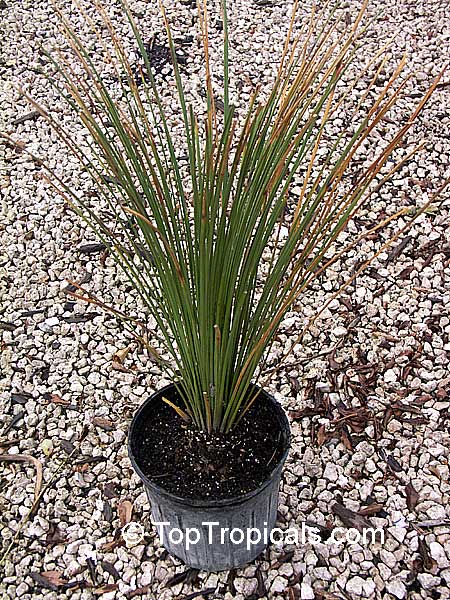
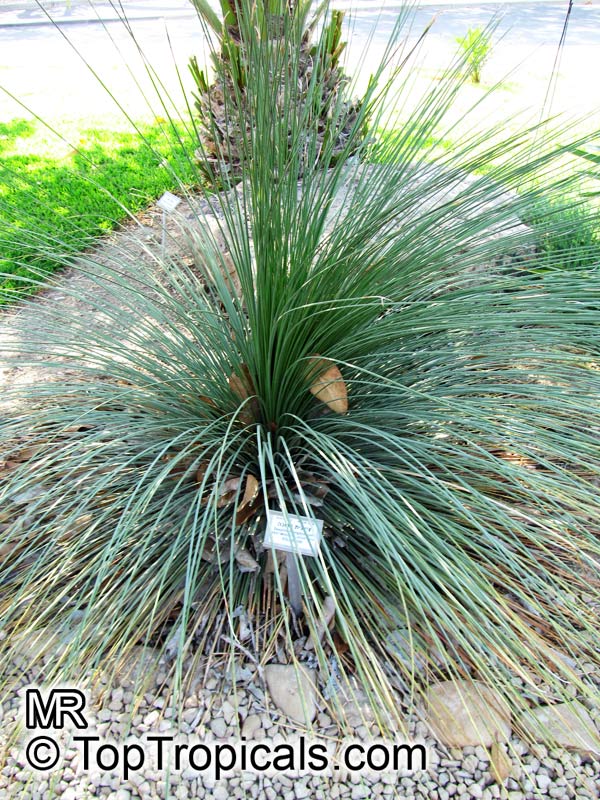
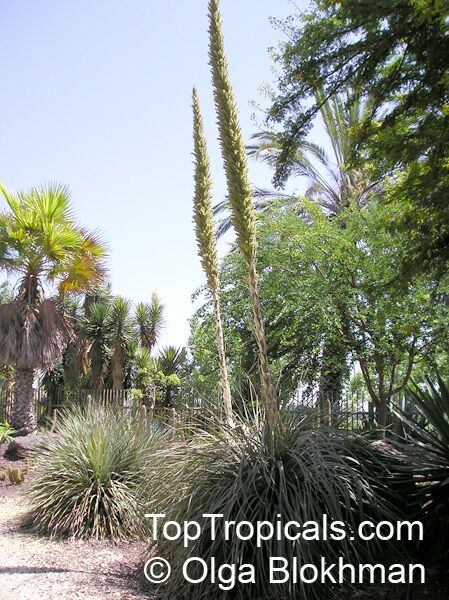



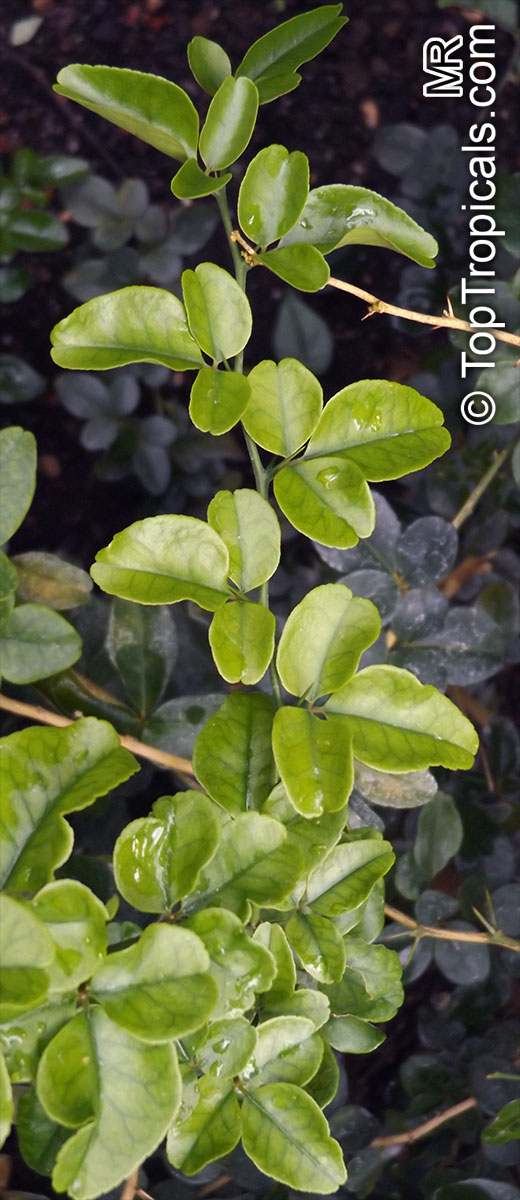
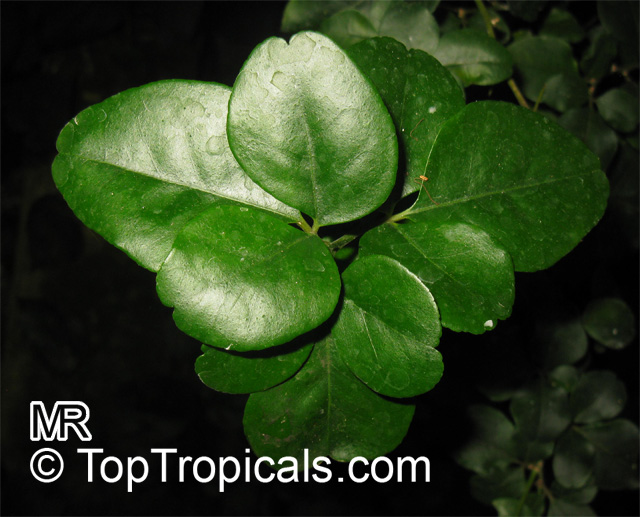
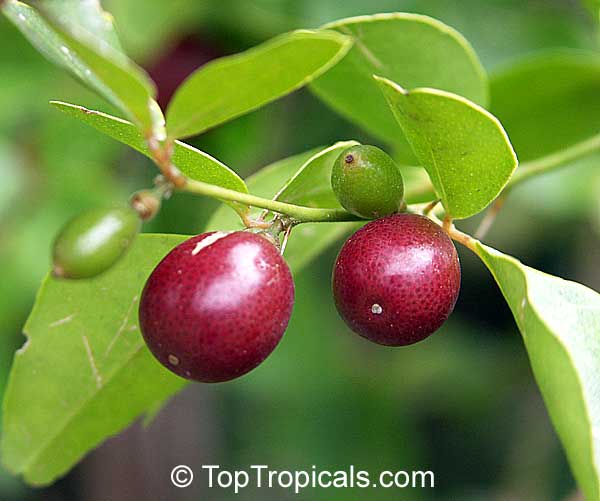
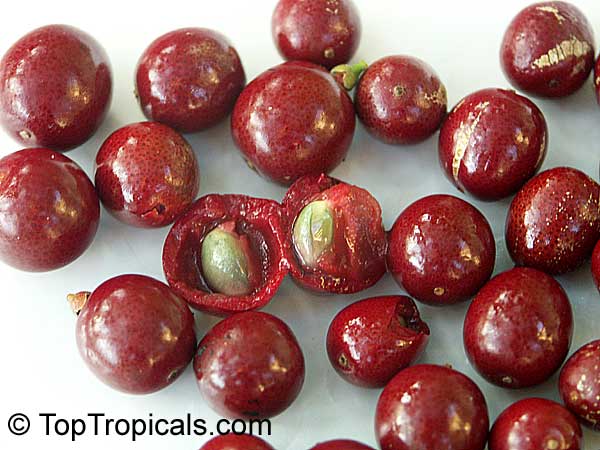
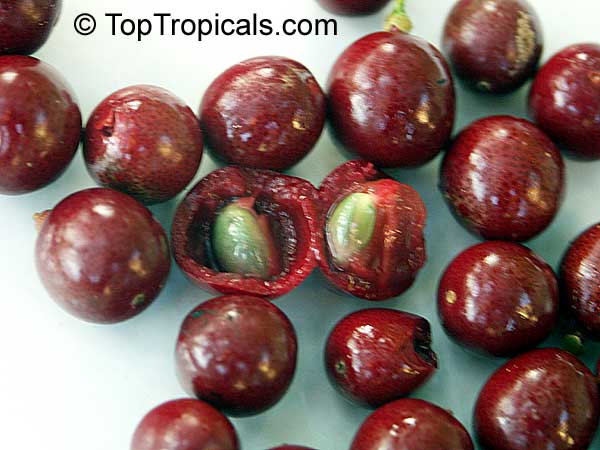
Botanical name: Triphasia trifolia
Common names: Lime Berry, Limeberry, Limau Kiah, Lemondichina
Family: Rutaceae
Origin: Malesian
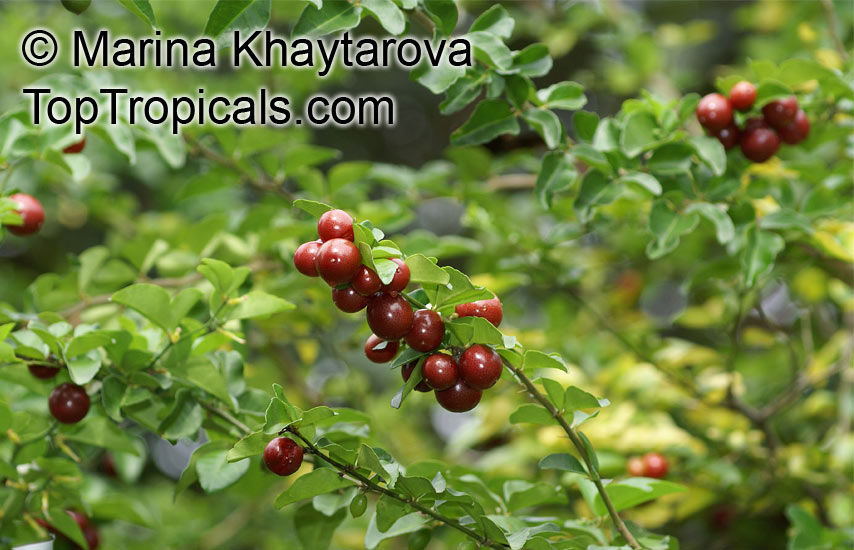
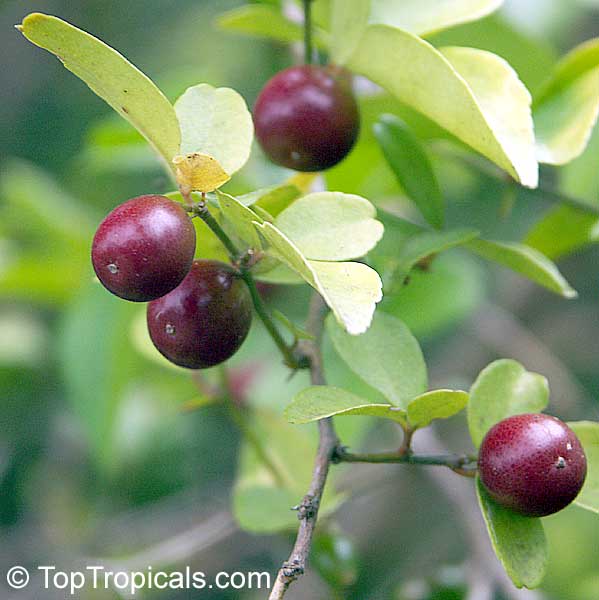
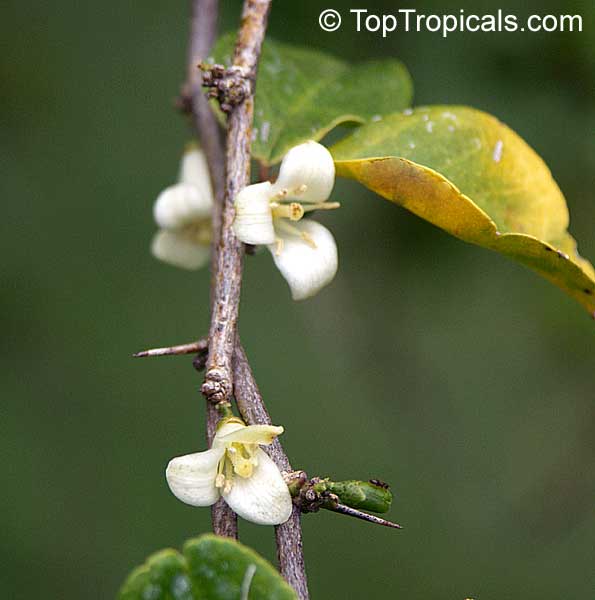
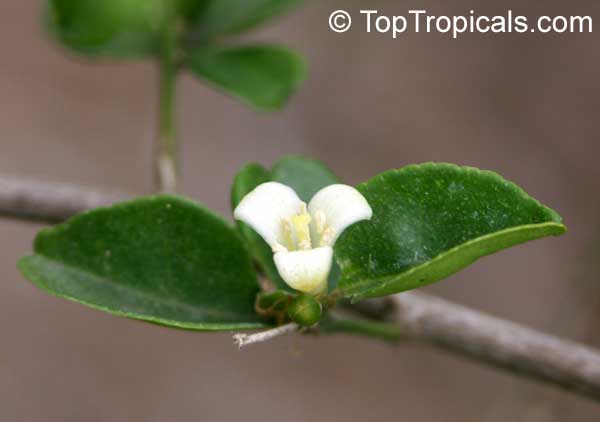
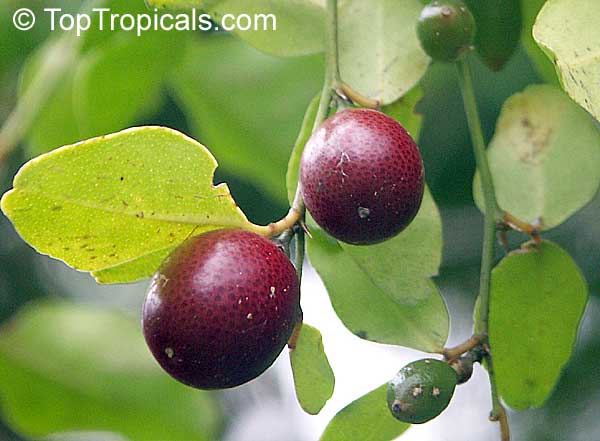
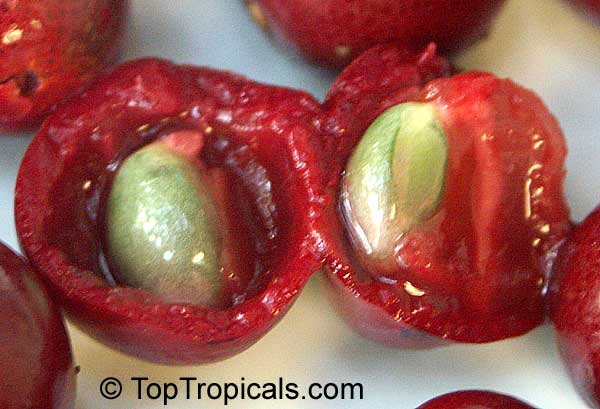
Lime berry grows as a shrub to a height of 9'. It has trifoliate darkgreen leaves and small, white fragrant flowers. The edible fruits are bright red with 2 - 3 small seeds. The fruit can be cooked to make preserve.
Prefers partial shade or partial sun to full sun; soil should be dry to moist. It also can be used for bonsai.
| Next | |
Use link to repeat this search:
https://toptropicals.com/cgi-bin/garden_catalog/cat.cgi?search_op=and&keyword_op=and&language=e&number=10&no_change_lang=1
&v1=bsh&user=tt&sale=1&first=0