Plant used for bonsai - Plant Encyclopedia Results

Number of plants found: 345     Next    Go to page:  1  2  3  4  5  Last  

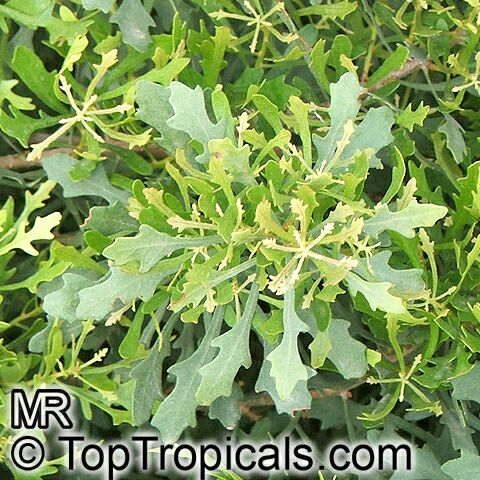
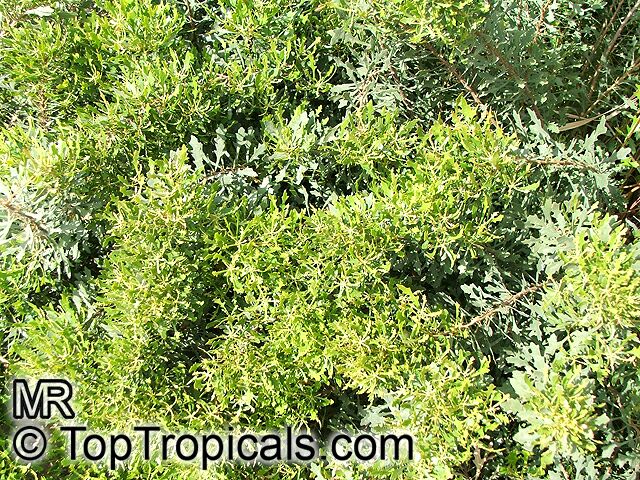
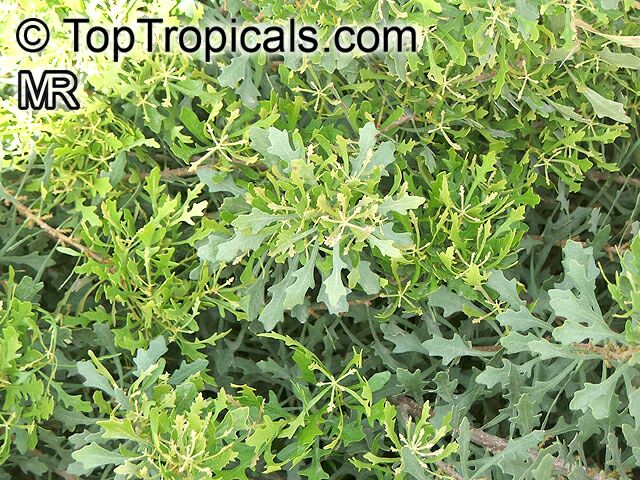
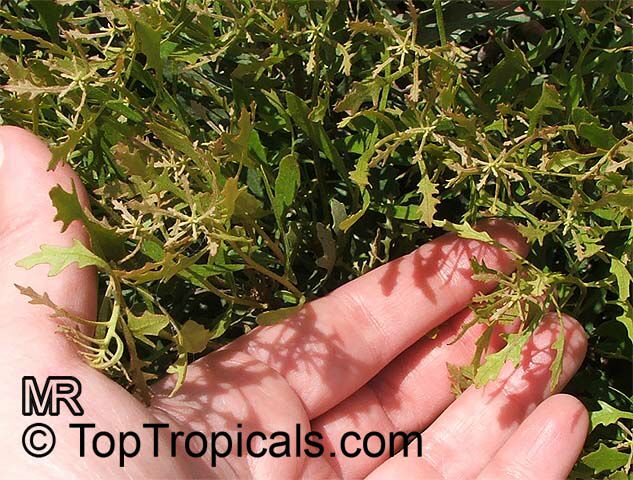
Calothamnus quadrifidus, Common Net Bush, One-sided Bottlebrush

Botanical name: Calothamnus quadrifidus

Common names: Common Net Bush, One-sided Bottlebrush

Family: Myrtaceae

Origin: Australia

Hardiness: 30°F
USDA Plant Hardiness MapPlant used for bonsaiLarge shrub 5-10 ft tallSemi-shadeFull sunModerate waterRegular waterRed, crimson, vinous flowersOrnamental foliagePlant attracts butterflies, hummingbirdsSeaside, salt tolerant plant

This is an extremely beautiful, hardy and versatile plant. It flowers for long periods of the year through Summer and Spring showing excellent bright red flowers along the stems. The attractive foliage is fine, neat and pine like providing shelter for small birds and contrasting beautifully with the flowers. This is a tough plant tolerating frost down to about -7 C, wind, coastal exposure and most soil types including wet areas. Growing to 2.5 metres high and wide, it's also suited to sloping sites and is probably the best known and hardiest of the Calothamnus genus.


Link to this plant:
https://toptropicals.com/catalog/uid/calothamnus_quadrifidus.htm

Syzygium luehmannii, Small Leaved Lilly Pilly. Syzygium 'Cascade'. Syzygium luehmannii x wilsonii
Syzygium 'Cascade'

Syzygium luehmannii x wilsonii

Botanical name: Syzygium luehmannii

Common name: Small Leaved Lilly Pilly

Family: Myrtaceae

Origin: Australia

USDA Plant Hardiness MapPlant used for bonsaiSmall tree 10-20 ftSemi-shadeFull sunModerate waterRegular waterWhite, off-white flowersEdible plantPlant attracts butterflies, hummingbirds

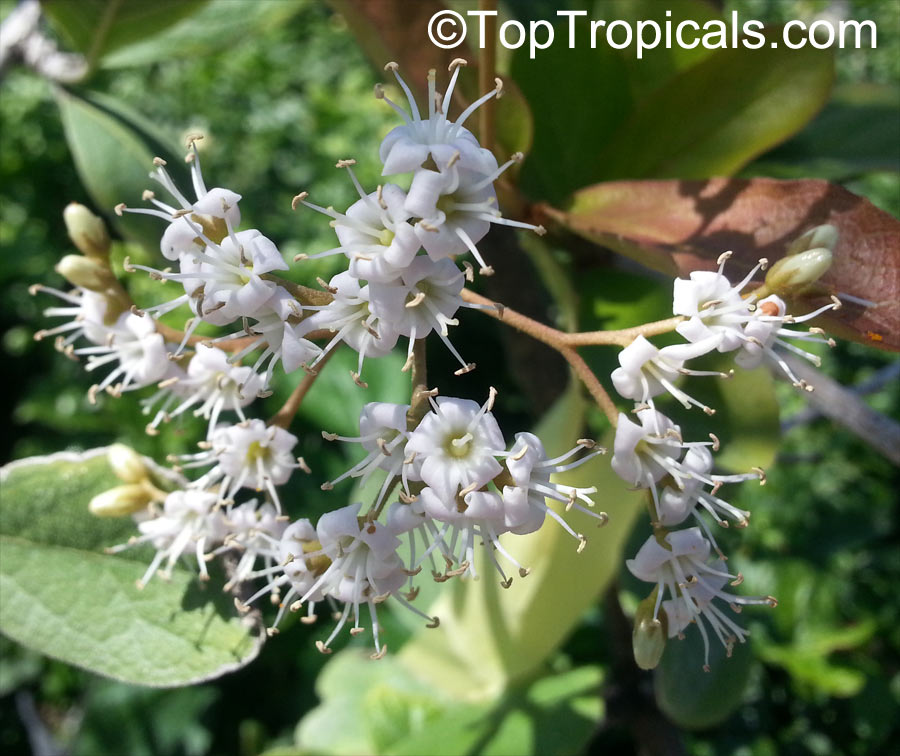
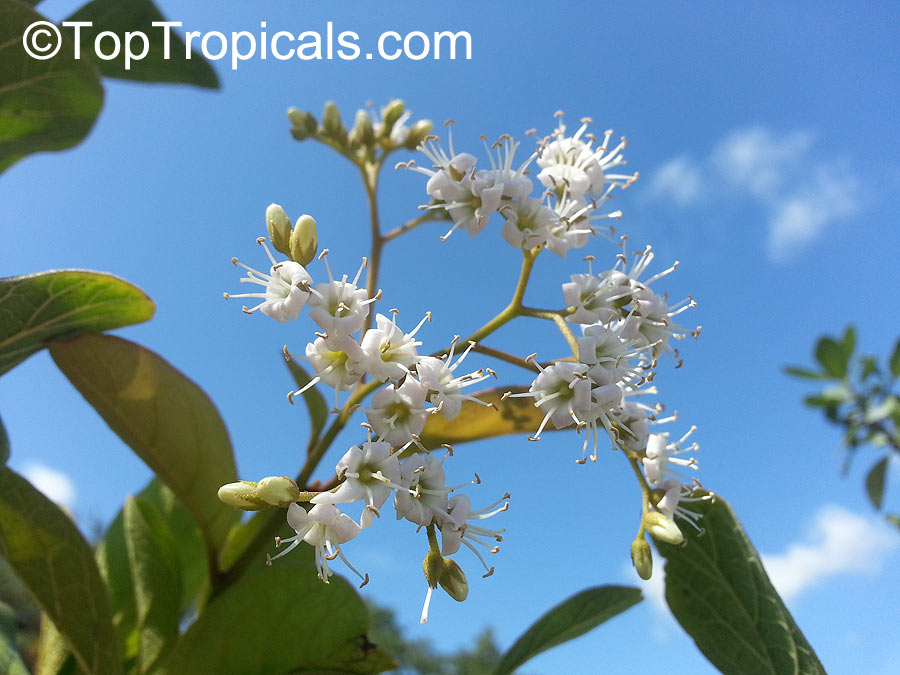
Syzygium luehmannii, also known as Small Leaved Lilly Pilly, is a native plant to Australia. This small tree grows between 10-20 ft in height and can be used for bonsai. It prefers full sun to semi-shade and requires regular water, although it can tolerate moderate water. White to off-white flowers attract butterflies and hummingbirds from further distances. Grown in USDA Zone 9-11, this tree can be grown in both pot and soil in cold regions.

The fruit of the Syzygium luehmannii is edible and have a sweet-tart flavor. The fruit is full of antioxidants and can be used to make jams and preserves. As a healthy snack, the fruit can be eaten straight or used in salads or other recipes. Depending on the size, a single Syzygium luehmannii tree can produce between 10-20 pounds of fruit per year.

When growing the Syzygium luehmannii, it is important to protect it from the midday sun and provide regular water. It is also important to prune regularly, especially in the spring months, to maintain a desired shape. To enhance the fruits production, adding organic matter such as manure or compost to the soil will help the plant flower and produce fruit.


Syzygium luehmannii, Small Leaved Lilly Pilly. Syzygium 'Cascade'. A hybrid between Syzygium luehmannii and Syzygium wilsonii
Syzygium 'Cascade'
A hybrid between Syzygium luehmannii and Syzygium wilsonii
Syzygium luehmannii, Small Leaved Lilly Pilly


Link to this plant:
https://toptropicals.com/catalog/uid/syzygium_luehmannii.htm

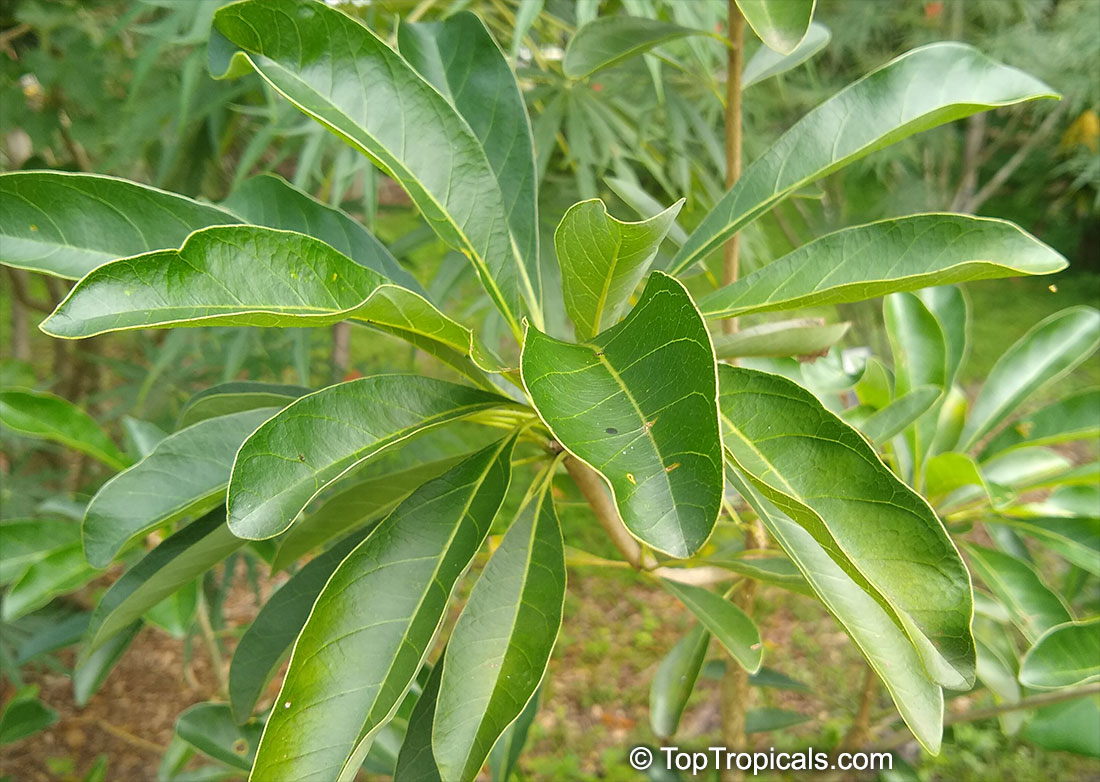
Pachira aquatica, Malabar Chesnut, Guiana Chestnut, Provision Tree, Money Tree
Pachira aquatica

Botanical name: Pachira aquatica

Common names: Malabar Chesnut, Guiana Chestnut, Provision Tree, Money Tree

Family: Malvaceae    (Formerly:Bombacaceae)

Subfamily: Bombacoideae

Origin: Madagascar

USDA Plant Hardiness MapPlant used for bonsaiLarge tree taller than 20 ftSmall tree 10-20 ftFull sunModerate waterWhite, off-white flowersPlant attracts butterflies, hummingbirdsDeciduous plantFragrant plant

This tree has a distinctively swollen trunk base - even when young. A medium height specimen tree with attractive foliage. Its showy flowers, among the largest tree flowers in the world, have long, narrow petals that open like a banana peel to reveal hairlike yellowish orange stamens.

Grow in full sun for best flower production. Used for making braided Money Tree bonsai.

In some sources Pachira aquatica is indicated as synonim of Pachira glabra (Bombax glabrum). To help identify, the leaflet shape is slighly different with the P. glabra being a bit more long and pointy and the P. aquatica a bit more round and less pointed.


Link to this plant:
https://toptropicals.com/catalog/uid/pachira_aquatica.htm

Calliandra californica, Baja Fairy Duster

Botanical name: Calliandra californica

Common name: Baja Fairy Duster

Family: Fabaceae

Subfamily: Mimosoideae

Origin: California, Mexico

USDA Plant Hardiness MapPlant used for bonsaiLarge shrub 5-10 ft tallFull sunModerate waterRed, crimson, vinous flowersPlant attracts butterflies, hummingbirds


Link to this plant:
https://toptropicals.com/catalog/uid/calliandra_californica.htm

Gardenia radicans, Gardenia prostrata, Dwarf Gardenia Radicans

Botanical names: Gardenia radicans, Gardenia prostrata

Common name: Dwarf Gardenia Radicans

Family: Rubiaceae

USDA Plant Hardiness MapPlant used for bonsaiGroundcover and low-growing 2ft plantSmall plant 2-5 ftSemi-shadeFull sunRegular waterKeep soil moistWhite, off-white flowersPlant attracts butterflies, hummingbirdsFragrant plantSubtropical plant. Mature plant cold hardy at least to 30s F for a short time

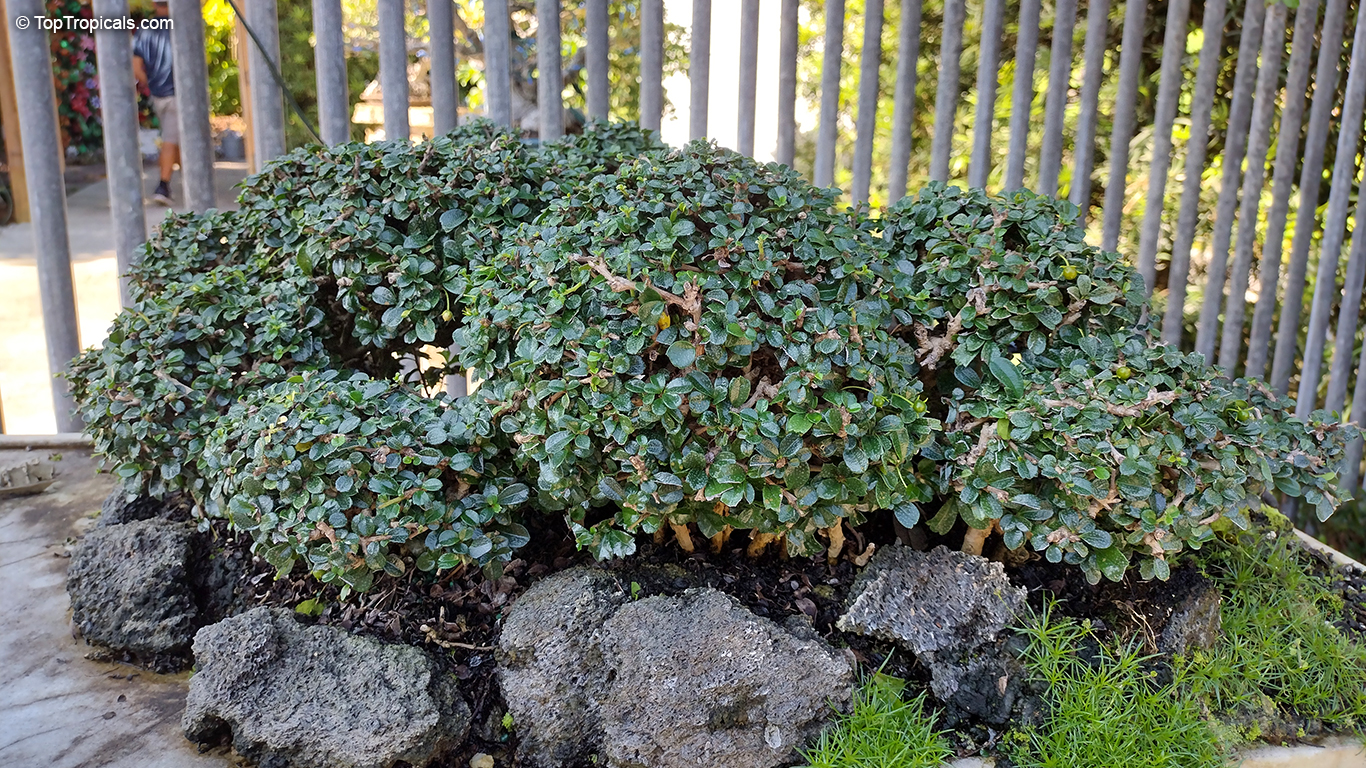
Dwarf Miniature Creeping Gardenia - can surprise even longtime gardenia fans. It has all the charm of the classic shrub - glossy green leaves, pure white flowers, and that unforgettable fragrance - but in a smaller, easier form.

This little plant grows low and wide, staying under 1-2 feet tall and spreading up to 3-4 feet. It forms a dense mound or creeping groundcover that looks great along walkways or spilling from a pot. The leaves are tiny and shiny, giving it a neat, polished look all year.

The flowers are about an inch across, double or semi-double, and smell just like the full-size gardenia. They bloom in spring and often return through summer, filling the air with perfume.

Gardenia radicans isn t as fussy as most gardenias. It can handle clay, sandy, or loamy soil as long as it drains well. Once established, it s fairly drought-tolerant and can even handle some cold, down to around 15F in protected spots.

It's perfect for small gardens, patios, or as a bonsai. You get the luxury fragrance of a gardenia without needing a big space.

Use it as a groundcover, edging plant, or container specimen. It's one of those plants that stays tidy, looks refined, and keeps blooming. For anyone who loves gardenias but wants something compact and low-maintenance, Gardenia radicans is a great find.

Read more about gardenias.


Link to this plant:
https://toptropicals.com/catalog/uid/gardenia_radicans.htm

Gardenia radicans, Dwarf Miniature Creeping Gardenia

This Dwarf Miniature Creeping Gardenia offers nearly all the beloved traits of larger gardenias - lush evergreen foliage, heavenly fragrance, and elegant white blooms - in a compact, manageable form. Its modest size, spreading habit, and relative tolerance make it an excellent choice for container gardening, small landscapes, or even bonsai enthusiasts. With attention to soil acidity, drainage, and consistent moisture, this little plant can deliver big delight.
See page about gardenias, their cultivation and varieties

Recommended Fertilizer: SUNSHINE Pikake - Fragrant Flower Booster
Buy together promotion:
500 ml (16 oz)
$14.95
Sale $9.95
Add to cart
Grown in
6"/1 gal pot
7 plants in stock
$39.95


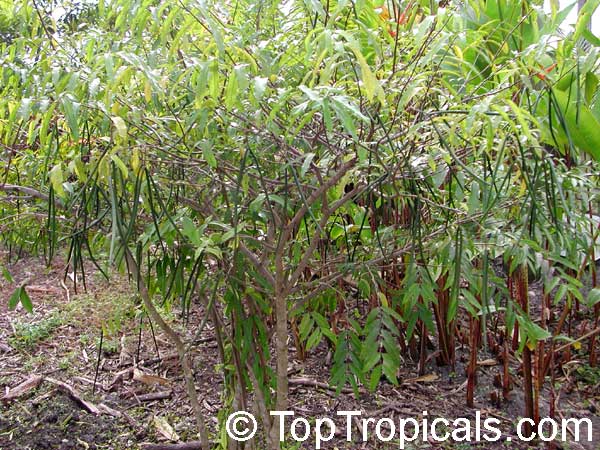
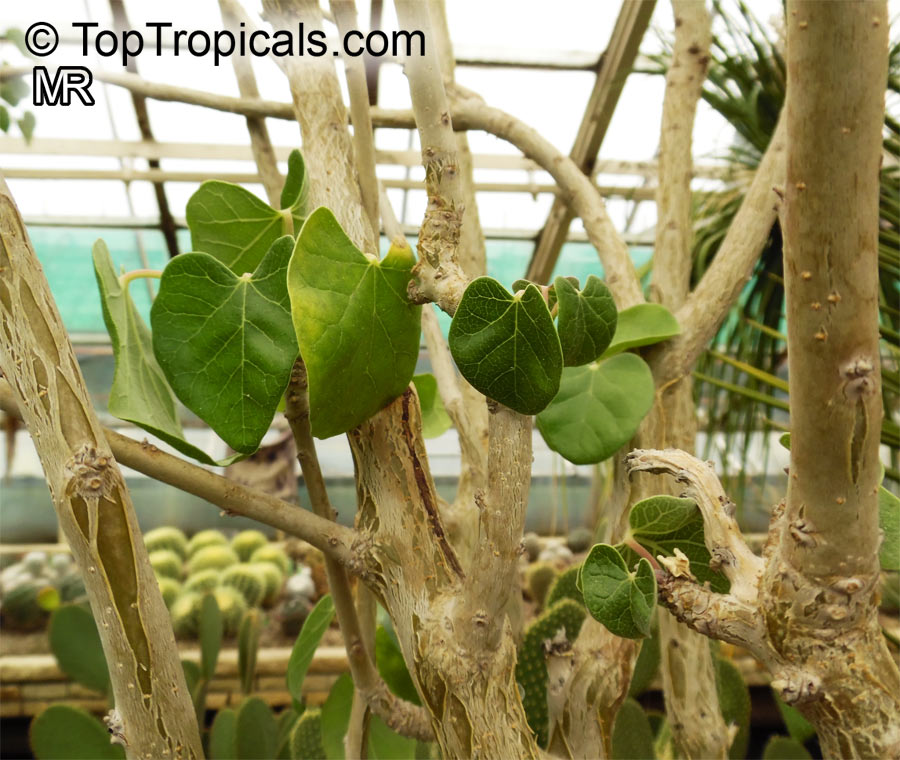
Moringa sp., Moringa

Botanical name: Moringa sp.

Common name: Moringa

Family: Moringaceae

Origin: western Asia, southern Africa

USDA Plant Hardiness MapPlant with caudexPlant used for bonsaiLarge tree taller than 20 ftSmall plant 2-5 ftFull sunDry conditionsModerate waterWhite, off-white flowersPink flowersEdible plantPlant attracts butterflies, hummingbirdsDeciduous plantEthnomedical plant.
Plants marked as ethnomedical and/or described as medicinal, are not offered as medicine but rather as ornamentals or plant collectibles.
Ethnomedical statements / products have not been evaluated by the FDA and are not intended to diagnose, treat, cure, or prevent any disease. We urge all customers to consult a physician before using any supplements, herbals or medicines advertised here or elsewhere.Fragrant plantUnknown name

Moringa is the only genus in the family Moringaceae. This genus comprises 13 species, all of which are trees that grow in tropical and sub-tropical climates.

Species tolerate most soil types and grow well in full sun.

The most popular variety is Moringa oleifera.


Link to this plant:
https://toptropicals.com/catalog/uid/moringa_sp.htm

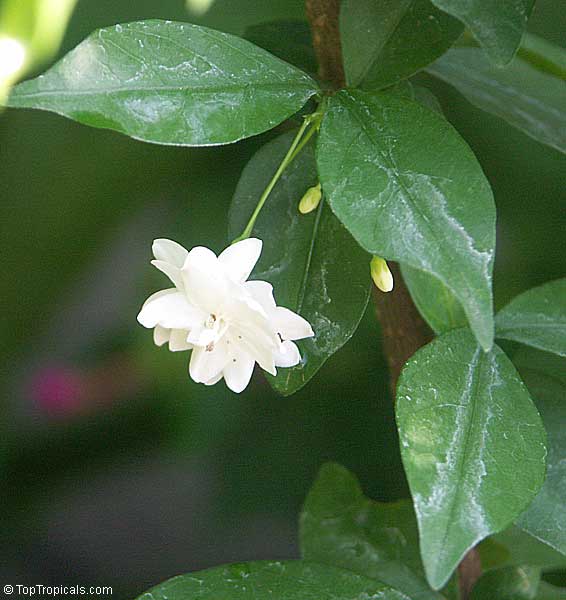
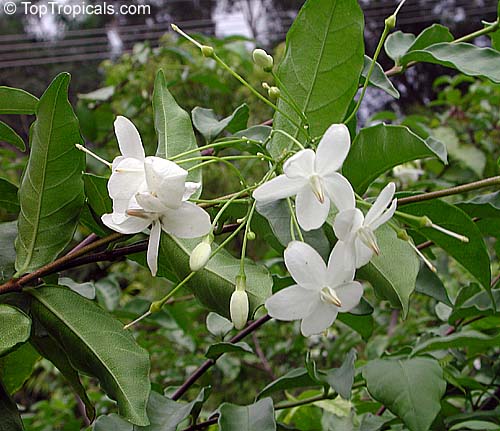
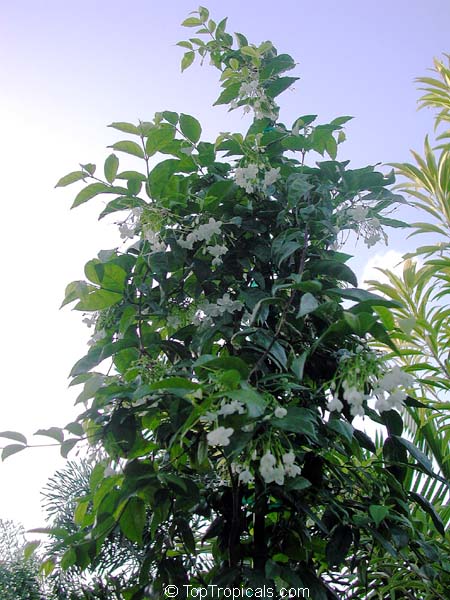
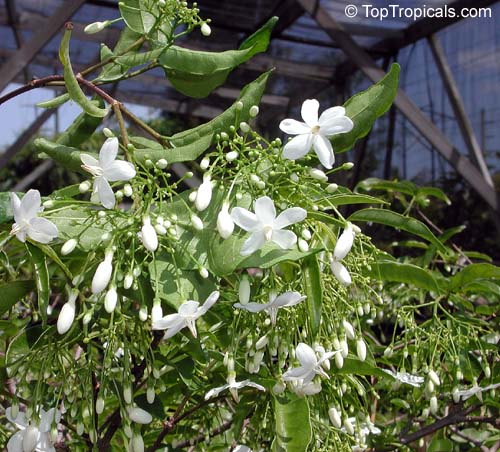
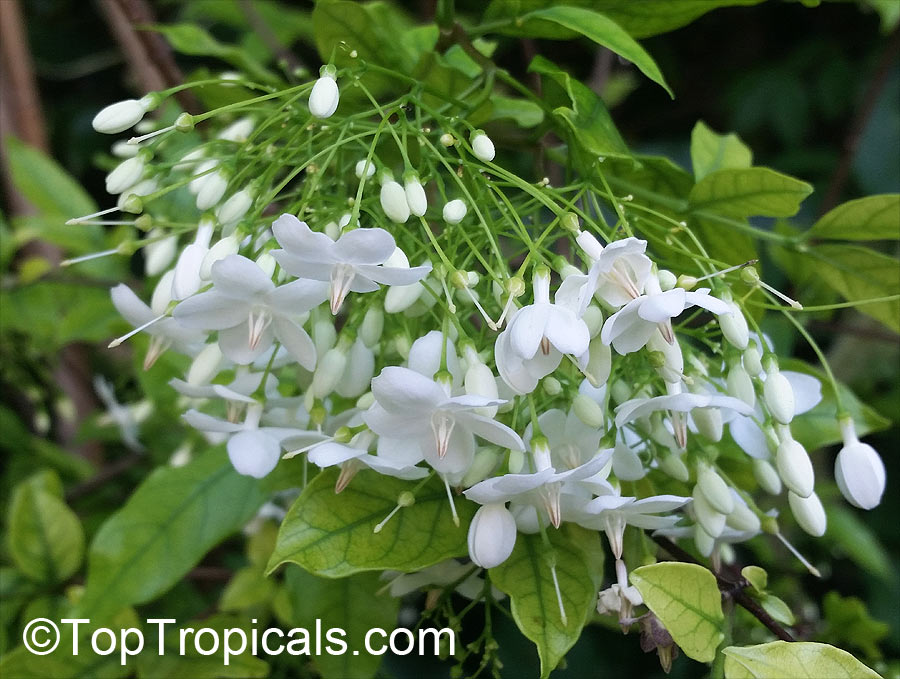
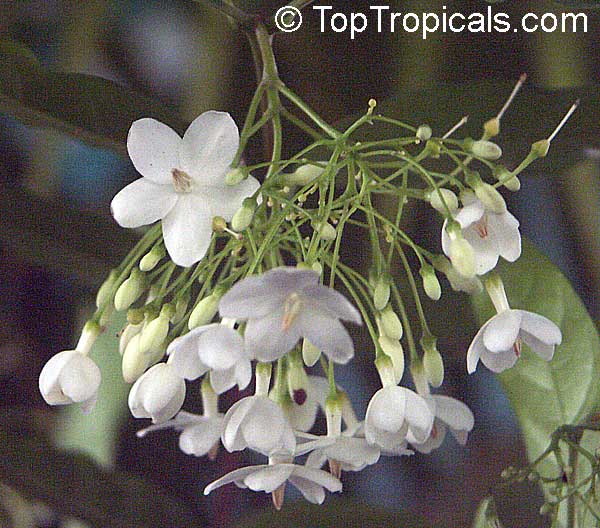
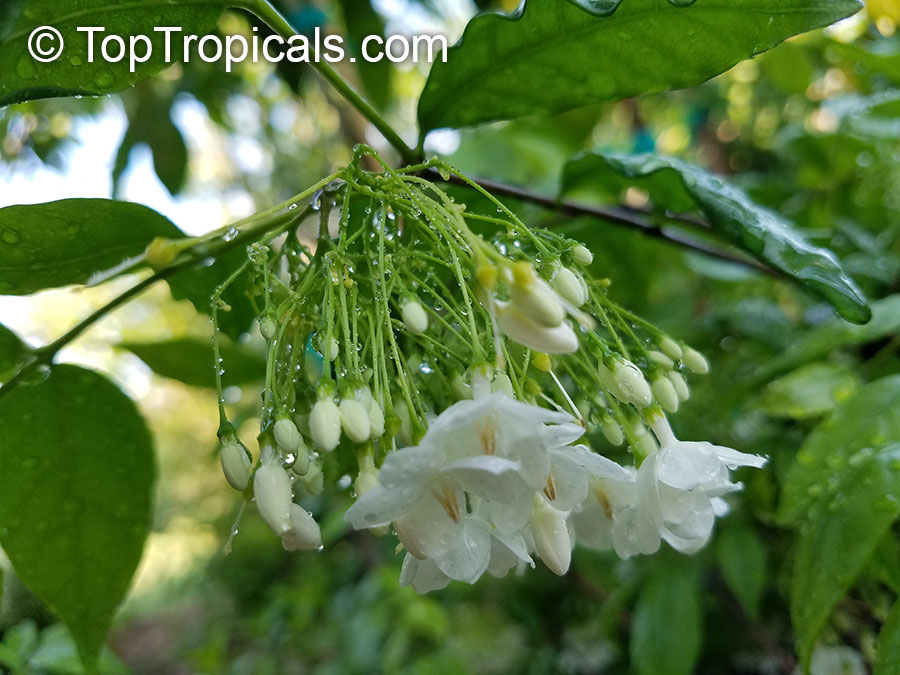
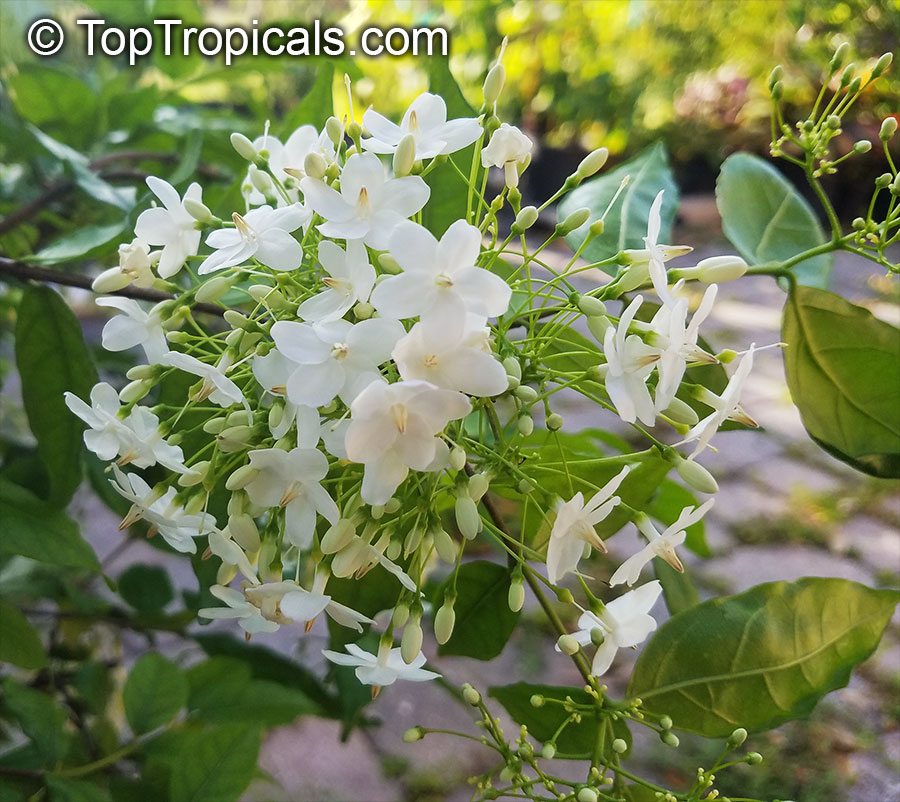
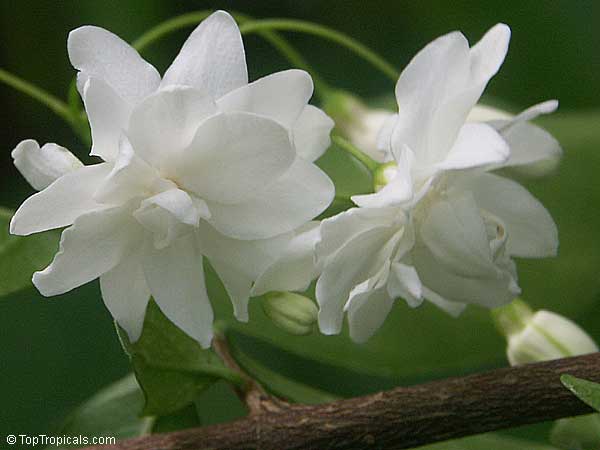
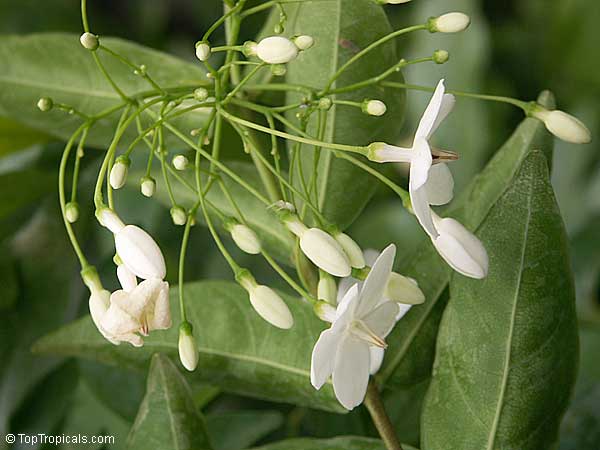
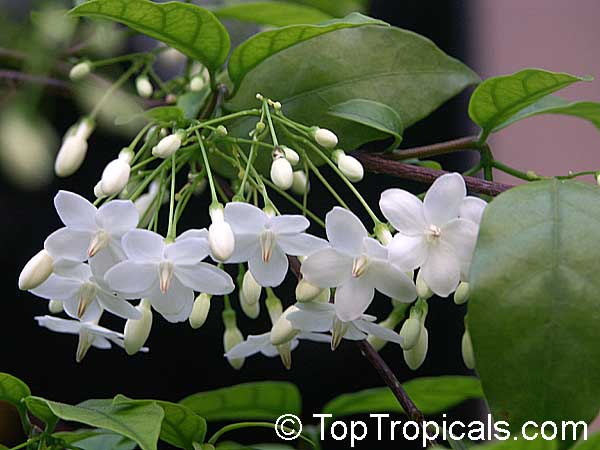
Clerodendrum inerme, Volkameria inermis, Wild Jasmine, Sorcerers Bush, Seaside clerodendrum, Clerodendron
Clerodendrum inerme

Botanical names: Clerodendrum inerme, Volkameria inermis

Common names: Wild Jasmine, Sorcerers Bush, Seaside clerodendrum, Clerodendron

Family: Lamiaceae    (Formerly:Verbenaceae)

Origin: India, Malaysia

USDA Plant Hardiness MapPlant used for bonsaiLarge shrub 5-10 ft tallSemi-shadeFull sunModerate waterWhite, off-white flowersFragrant plantSubtropical plant. Mature plant cold hardy at least to 30s F for a short timeFlood tolerant plantSeaside, salt tolerant plant

Clerodendrum inerme is a hardy shrub that can thrive in a variety of environments. In milder winters, they can be planted in the garden with no protection. However, for areas with harsher winters, it is recommended to plant the shrub in a pot and bring it indoors when temperatures drop below freezing.

When caring for clerodendrums, it is important to water the plant regularly, but only when the soil is dry. In spring and summer, fertilize the plant with a general purpose fertilizer and apply mulch to conserve moisture. This shrub is native to Tropical Asia. It is also an evergreen mangrove plant that can thrive near the ocean at the high tide mark, making it a potential weed in the coastal environment.

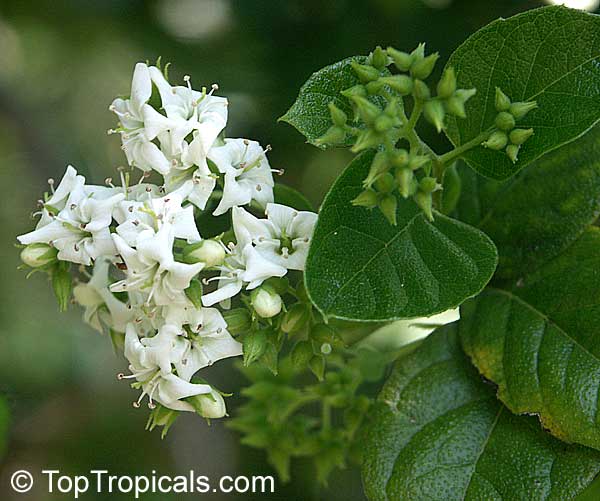
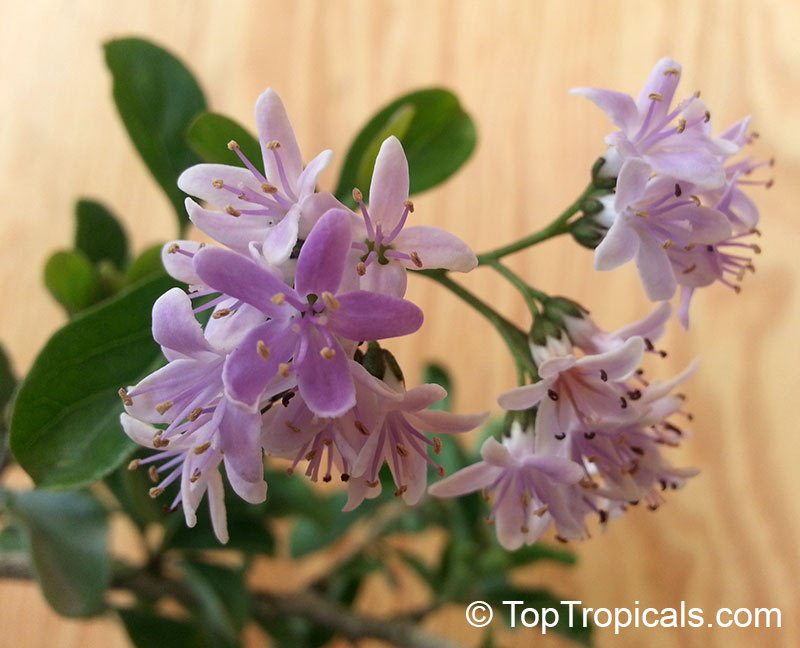
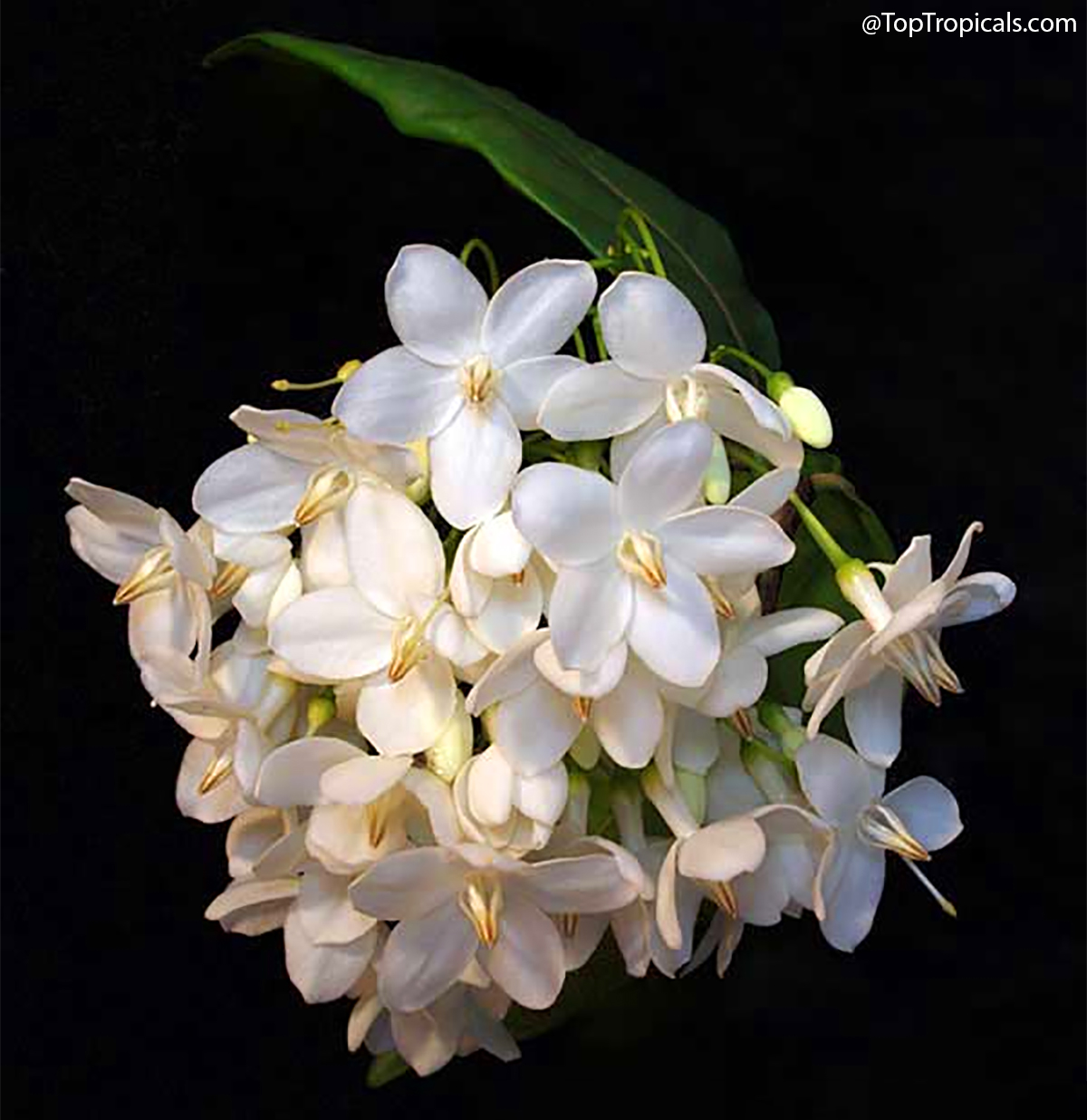
Clerodendrum inerme is a sun-loving plant that reaches a height of 10-15 ft with closely arranged, almost round, shiny, deep green leaves. The plant is always in flower, with white and fragrant flowers that have spreading five corolla lobes and long purple stamens. The stems of this plant are smooth and do not have thorns, hence the specific name inerme, which means thornless.

This plant is versatile and can be grown as a topiary or bonsai. It is also salt-, heat-, and wind-tolerant, making it well-suited for growth along the beach where it can tolerate the salt spray of the ocean and the harsh rays of the sun. It can be grown as a hedge, but a large number of well-developed plants are needed. Trimming the plant keeps the hedge in shape, but also robs the plant of its flowers as they are produced at the ends of branches.


Link to this plant:
https://toptropicals.com/catalog/uid/clerodendrum_inerme.htm

Clerodendrum inerme, Wild Jasmine, Seaside clerodendrum

Clerodendrum inerme, Volkameria inermis. Wild Jasmine, Sorcerers Bush.
If you need to cover large areas with a pretty fragrant ground cover just in one season - this is your plant! It is so undemanding, cold-, heat-, salt-, drought hardy. There is a reason it is called Seaside! It will grow absolutely anywhere, including sand and even over plastic ground cover, based on our experience.
A hardy, straggling shrub, with closely arranged, almost round, shiny, deep green leaves. The plant is always in flower. The flowers are white and very fragrant. The plant is not choosy about the soil and can even withstand droughts. Seaside clerodendrum, as its name suggests, grows well along the beach tolerating the salt spray of the ocean and the harsh rays of the sun. It is a versatile plant and can be grown as a topiary or as a bonsai. The plants is salt-, heat- and wind-tolerant.

Recommended Fertilizer: SUNSHINE Megaflor - Bloom Nutrition Booster
Grown in
6"/1 gal or larger pot


Bougainvillea arborea, Dwarf Bonsai Bougainvillea. Bougainvillea arborea Pixie
Bougainvillea arborea Pixie

Botanical name: Bougainvillea arborea

Common name: Dwarf Bonsai Bougainvillea

Cultivar: Dwarf

Family: Nyctaginaceae

Origin: Brazil

USDA Plant Hardiness MapPlant used for bonsaiSmall plant 2-5 ftFull sunModerate waterPink flowersSubtropical plant. Mature plant cold hardy at least to 30s F for a short time

A dwarf form of thornless Bougainvillea with extremely slow growth rate. These showy evergreen dwarf beauties have numerous bright colorful bracts growing in an upright habit. This plant flowers in a small as a 4" pot and is great for landscapes and patio containers. It has a shape of natural bonsai, and leaves are smaller. Bright flowers are born in dense clusters. Three to four years old plants can stay only 3 ft tall and look like natural bonsai trees. They stay compact, perfectly round and dense shape, don't require pruning, making a must-have for any garden, especially for the small spaces in your yard.

A new line of these hybrids is called Sunvillea bougainvillea. They come in three different colors - bright rose (variety Pixie that has already become extremely popular), creamy-yellow and creamy-pink.

These plants can be grown in USDA Zones 9 to 11 and require full sun and moderate watering. Frosty winter climates will damage it, so it's necessary to protect it when night time temperatures drop to the low 30s Fahrenheit or below. In cold-weather climates, it must be grown in a pot and brought indoors to withstand strong cold weather. The plant should also be brought indoors during the winter months to protect it from the cold. Inside, it should be placed near a sunny window to ensure good light levels and placed in a well-ventilated room. It is best to mist the foliage regularly and move it outdoors during the warm months to allow it to get the sun and fresh air it loves so much. Providing adequate light, well-drained soil, and moderate amounts of water is ideal for a healthy growing bougainvillea. Feed it with an organic fertilizer every three weeks during the growing season. With its vibrant pink or yellow/creamy-pink flowers, these bonsai-like beauties can turn even the dullest areas into a stunning landscape.


Link to this plant:
https://toptropicals.com/catalog/uid/bougainvillea_dwarf.htm

Bougainvillea Dwarf Pixie

Bougainvillea Sunvillea Rose (also called Dwarf Pixie) is deep pink, almost a magenta in color. It blooms the brightest of fuchsia-pink bracts contrasting with its bright green foliage. If you're looking for a pick-me-up for your container gardens, or a dull space in the landscape, here's your winner!
It is a dwarf form of thornless Bougainvillea with extremely slow growth rate. These showy evergreen dwarf beauties have numerous bright colorful bracts growing in an upright habit. This plant flowers in a small as a 4" pot and is great for landscapes and patio containers. It has a shape of natural bonsai, and leaves are smaller. Bright flowers are born in dense clusters. 3-4 y.o. plants can stay only 3-4 ft and look like natural bonsai trees. They stay compact, perfectly round and dense shape, don't require pruning, making a must-have for any garden, especially for the small spaces in your yard.
See picture of the mature tree in 7 gal pot

Recommended Fertilizer: SUNSHINE Megaflor - Bloom Nutrition Booster
Grown in
6"/1 gal pot


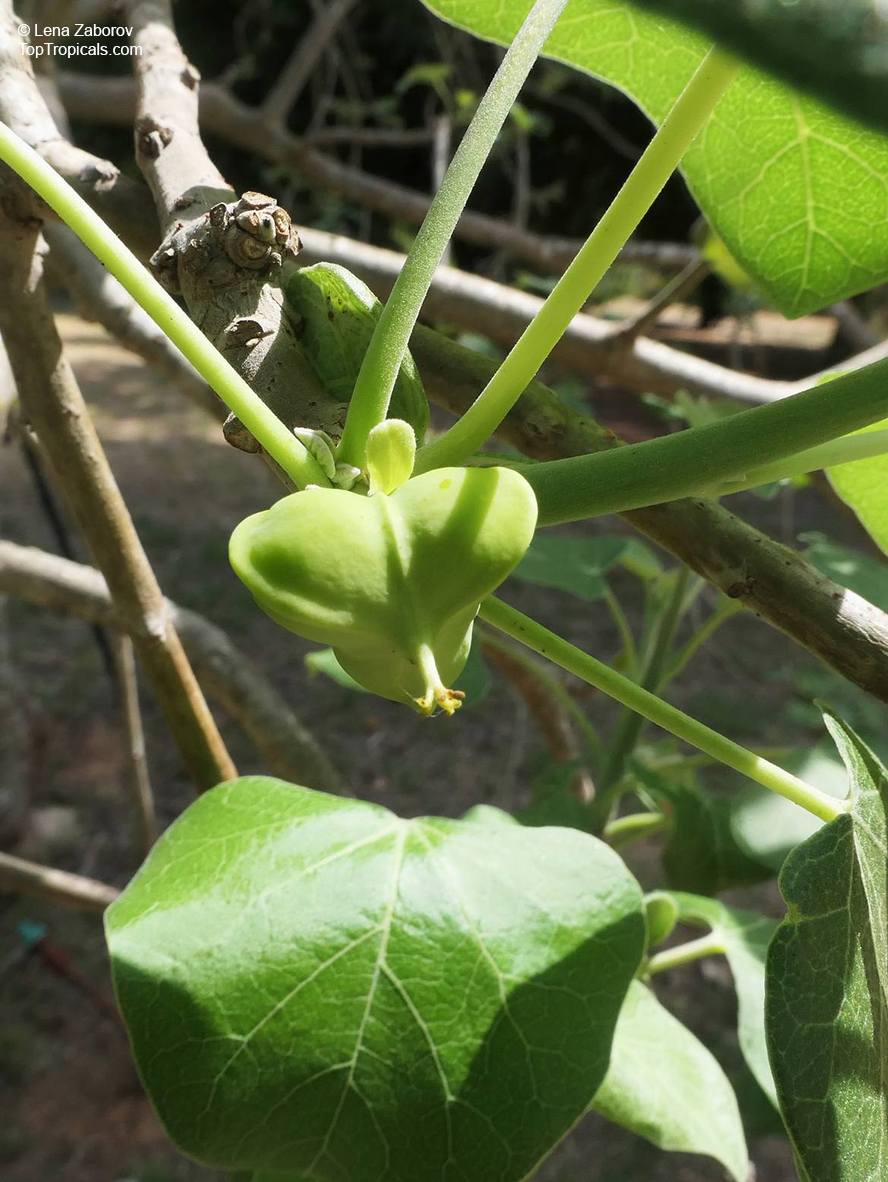
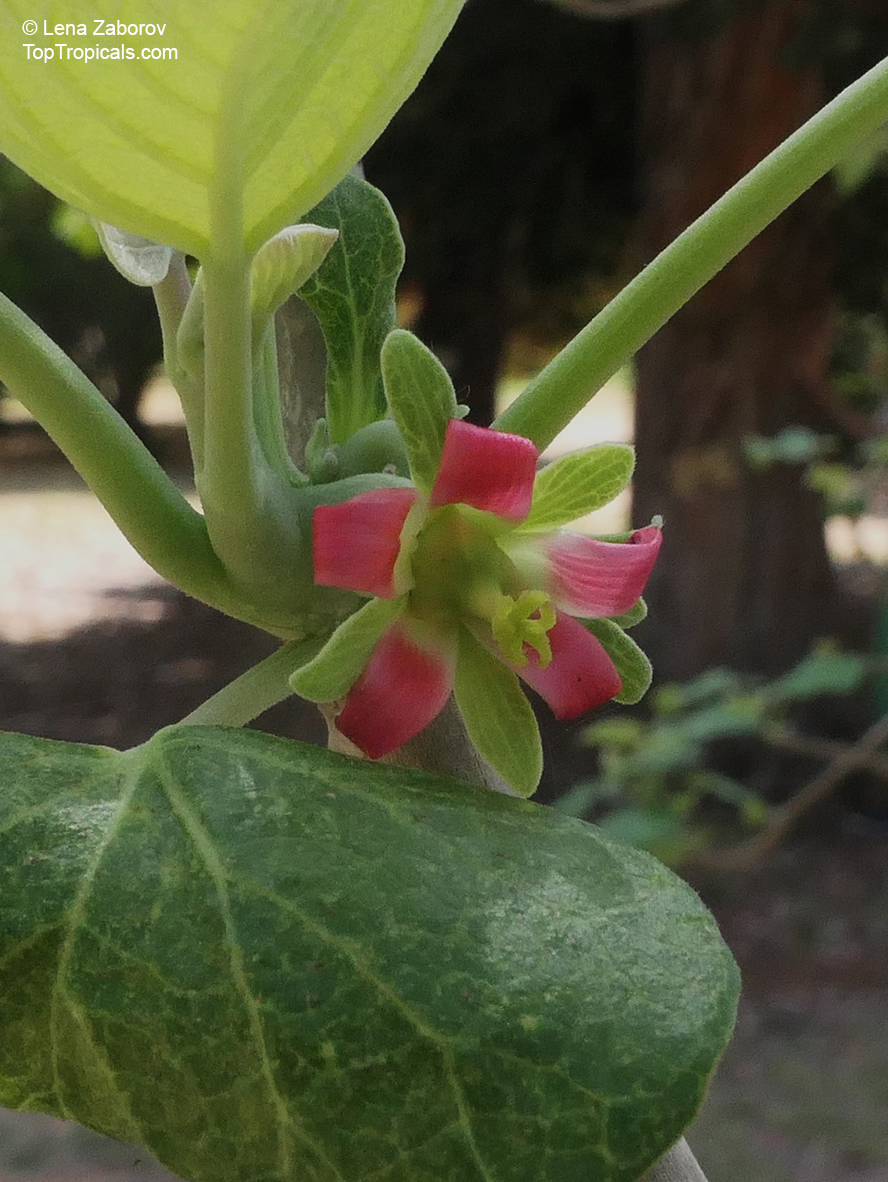
Ficus natalensis subsp. leprieurii, Ficus triangularis, Triangle Ficus, Triangle Leaf Fig Tree

Botanical names: Ficus natalensis subsp. leprieurii, Ficus triangularis

Common names: Triangle Ficus, Triangle Leaf Fig Tree

Family: Moraceae

Origin: South Africa

Hardiness: 35°F

USDA Plant Hardiness MapPlant used for bonsaiSmall tree 10-20 ftSemi-shadeFull sunModerate waterRegular water

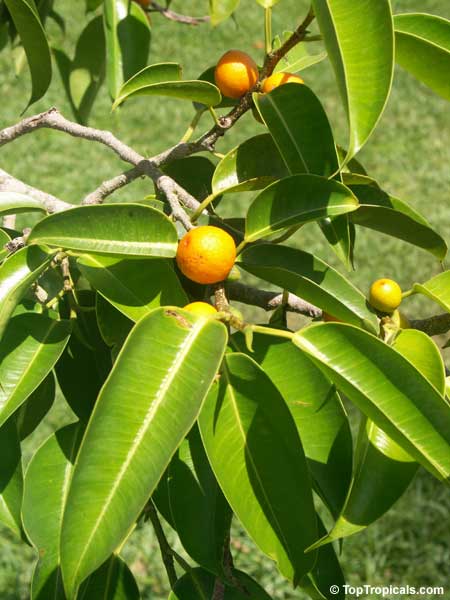
Ficus triangularis has unique triangular, thick, bright green leaves. May be grown in a container as a specimen plant, trained into a small tree, or trimmed into a shrub or hedge. It produces small yellow figs that are eaten by birds. Closely related to Ficus deltoidea with similar leaf shape and fruit.


Link to this plant:
https://toptropicals.com/catalog/uid/ficus_triangularis.htm

Nageia nagi, Podocarpus nagi, Myrica nagi, Asian Bayberry, Broadleaf Podocarpus

Botanical names: Nageia nagi, Podocarpus nagi, Myrica nagi

Common names: Asian Bayberry, Broadleaf Podocarpus

Family: Podocarpaceae

Origin: Japan, China

USDA Plant Hardiness MapPlant used for bonsaiSmall tree 10-20 ftSemi-shadeShadeFull sunModerate waterRegular water

It is native to Japan and China, and is a commonly seen tree in the wild. One of the features of Nageia nagi is its ability to be used for bonsai. It is an evergreen tree that only grows up to 10-20 ft in height. It has a moderate growth rate, so you will have to be patient if you plan on using it for bonsai.

Nageia nagi thrives in full sun, however it can tolerate semi-shade as well. It needs ample water, but not too much. Its ideal environment is one with regular water, neither too little nor too much. In warmer climates, it's best to grow Nageia nagi in the ground, however if you live in a colder climate, growing it in a pot is the better option. In cold regions, it's important to ensure the pot has drainage holes and use a soil mix suited for a container plant.

Nageia nagi is suitable for USDA growing zones 8-10. Pruning is essential for the development of a good bonsai. Nageia nagi needs light pruning throughout the year to maintain its shape. You can also lightly prune your Nageia nagi during the growing season to encourage new growth and thicken the foliage.

Nageia nagi is a great tree to use in bonsai, due to its moderate growth rate and ability to withstand different growing conditions. It can tolerate a variety of light and temperatures, yet still needs regular pruning. With the right environment and care, Nageia nagi can grow up to 10-20 ft, and make a great addition to any garden.


Link to this plant:
https://toptropicals.com/catalog/uid/nageia_nagi.htm
 
Next


Use link to repeat this search:
https://toptropicals.com/cgi-bin/garden_catalog/cat.cgi?search_op=and&keyword_op=and&language=e&number=10&no_change_lang=1
&v1=bon&user=tt&sale=1&first=0