Plant attracts butterflies, hummingbirds - Plant Encyclopedia Results
| Number of plants found: 1673 | Next | 
|
Go to page: | 1 | 2 | 3 | 4 | 5 | Last |
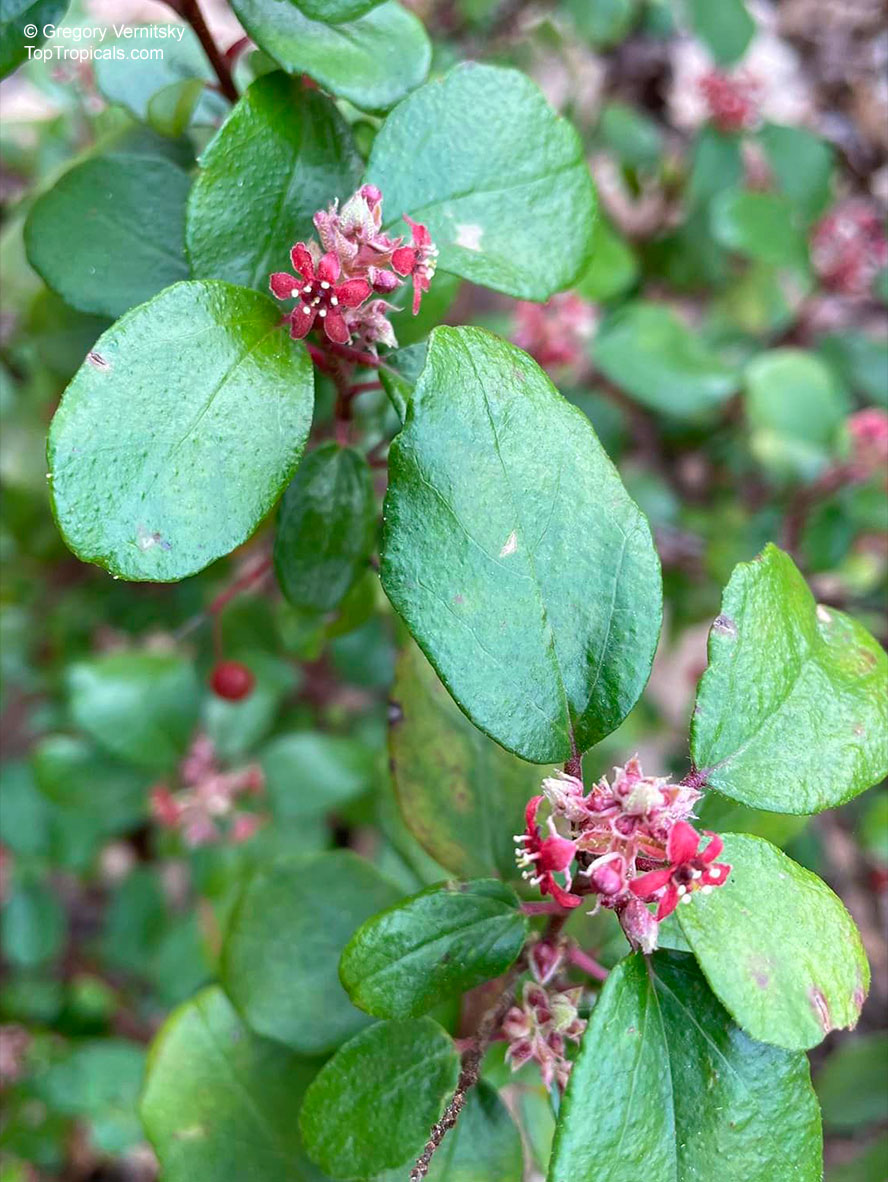
Botanical name: Ribes viburnifolium
Common names: Catalina Currant, Island Gooseberry, Evergreen Currant
Family: Grossulariaceae
Origin: California
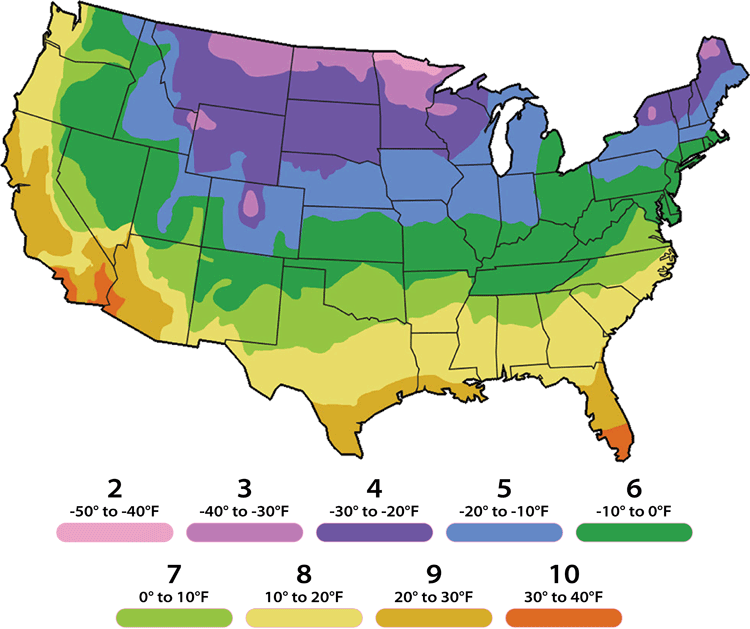
USDA Zone: 8-11


Ribes viburnifolium, is an uncommon North American species in the gooseberry family.
Ribes viburnifolium is a perennial shrub which grows low to the ground, extending long reddish stems horizontally. It may be pruned to restrain its sprawling tendencies.
The leaves are dark green and shiny on their top surfaces, and lighter green or yellowish and leathery on the undersides. The leaves have glands which exude a sticky, citrus-scented sap.
Clusters of deep red flowers bloom in late winter and into early spring. The plant yields small red fruits later in the spring.
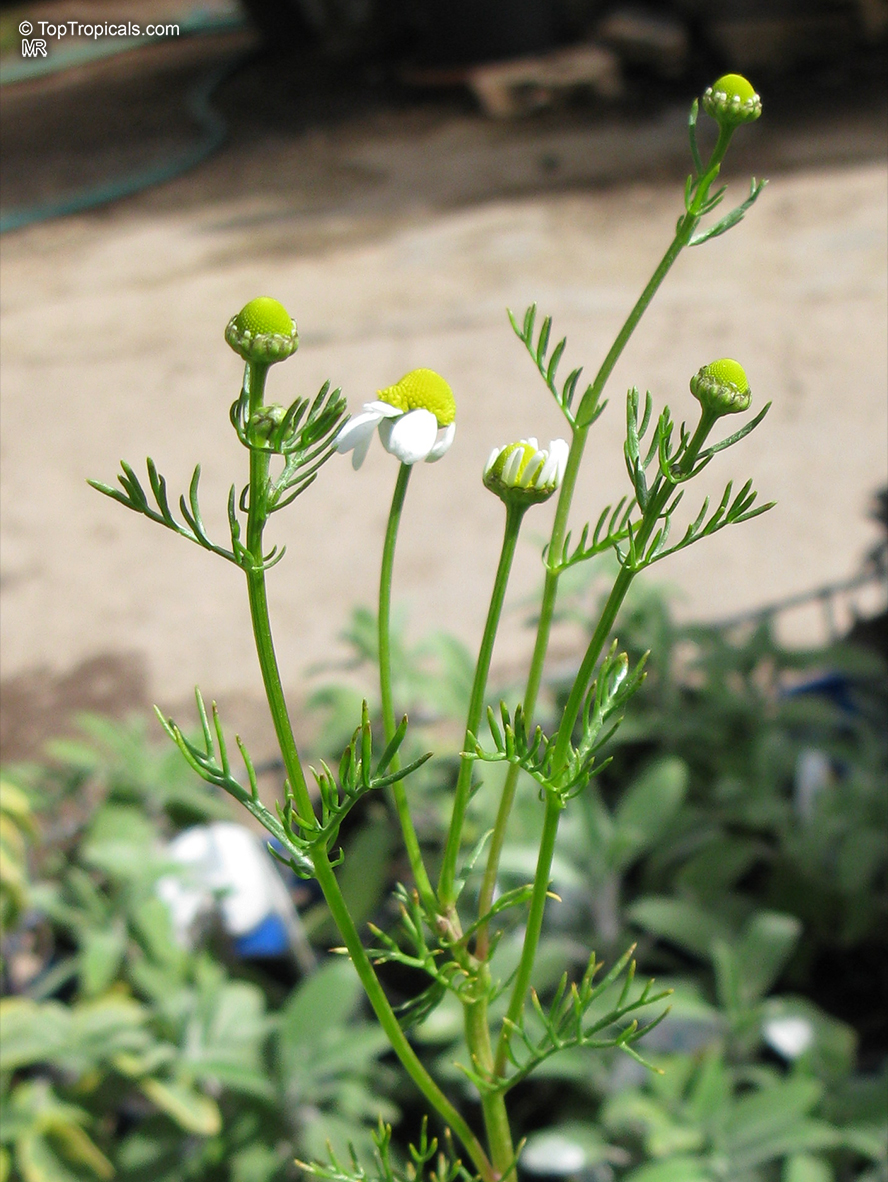
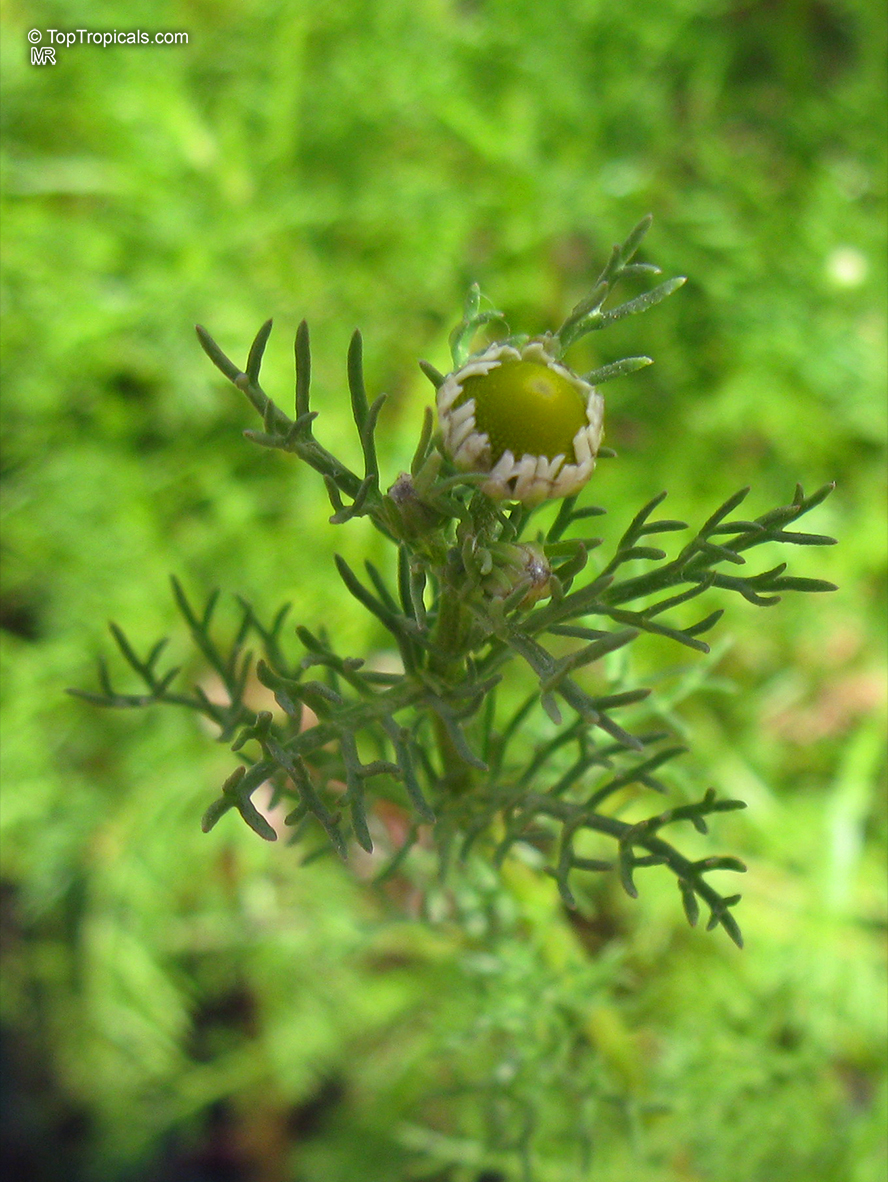
Botanical names: Matricaria recutita, Matricaria chamomilla
Common names: Camomile, German Chamomile
Family: Asteraceae
USDA Zone: 2-9


Matricaria recutita is an evergreen small shrub, typically growing 2-5 ft tall and spreading outwardly by underground rhizomes. It requires full sun or semi-shade, and moderate watering. In the warmer months, white, off-white and sometimes yellow flowers appear, producing a sweet, fragrant scent. This plant is both ethnomedicinal and inviting to butterflies, moths, bees and hummingbirds.
Matricaria recutita is easy to grow and maintain. It is best grown from seed, which should be sown at a depth of ¼ inch and kept moist and warm for optimal germination. Once seedlings emerge, water when soil is dry and fertilize with a balanced fertilizer every 6-8 weeks. To encourage a fuller, bushier growth habit, prune the shrub lightly in the spring. This shrub does not tolerate cold well and can become damaged if temperatures dip below freezing, so it is best suited for USDA zones 9-11. To protect the plant from frost, place a pot indoors or wrap the foliage, roots and stem in a blanket. In colder regions where the ground freezes, Matricaria recutita should be planted in a pot and overwintered indoors, ensuring that the soil remains dampened but not overly saturated.
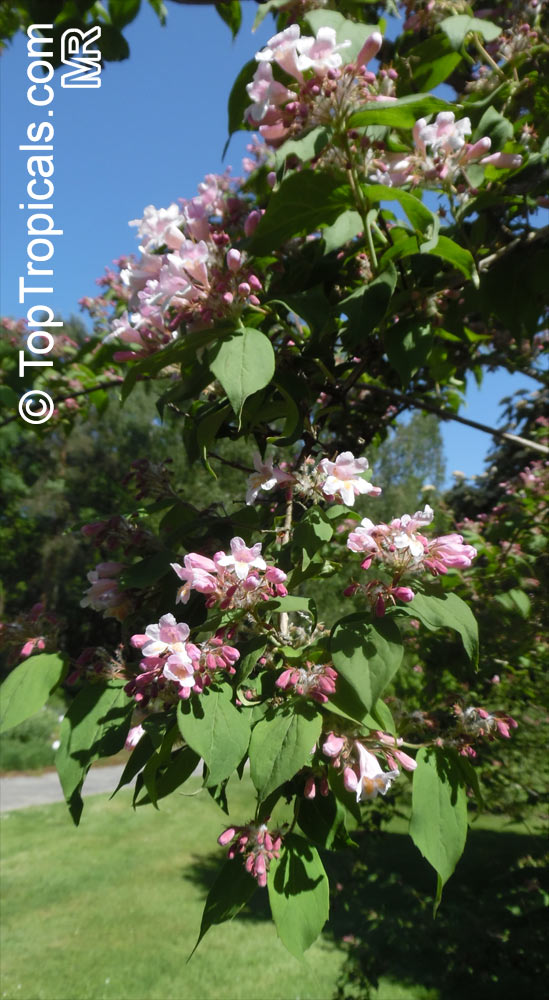
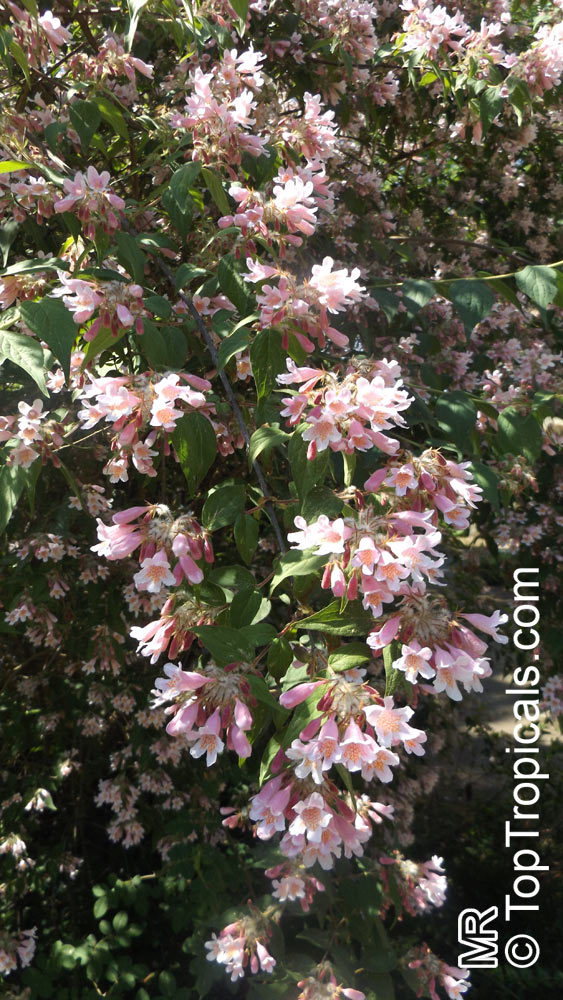
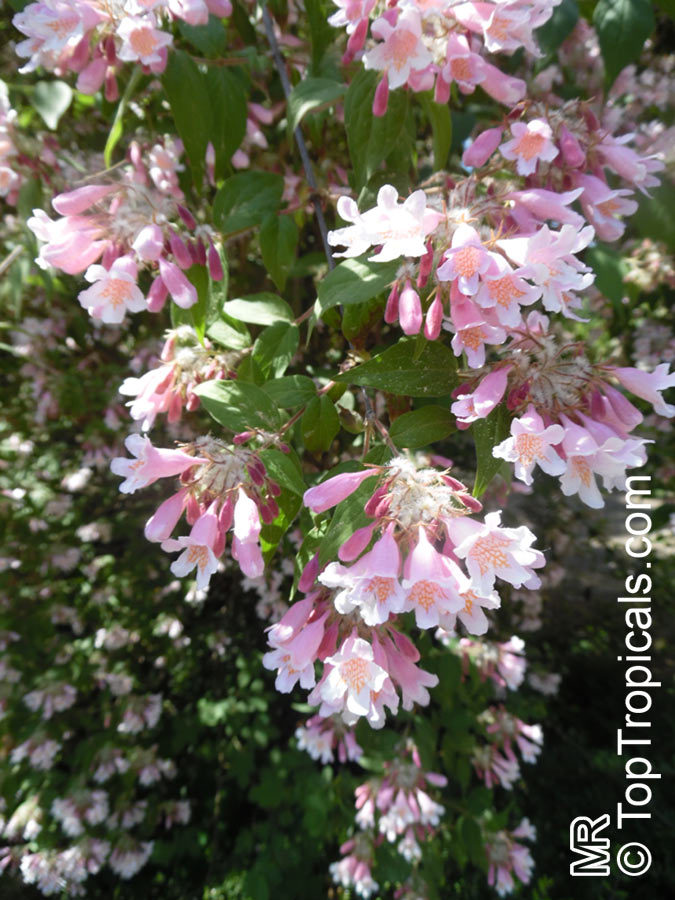
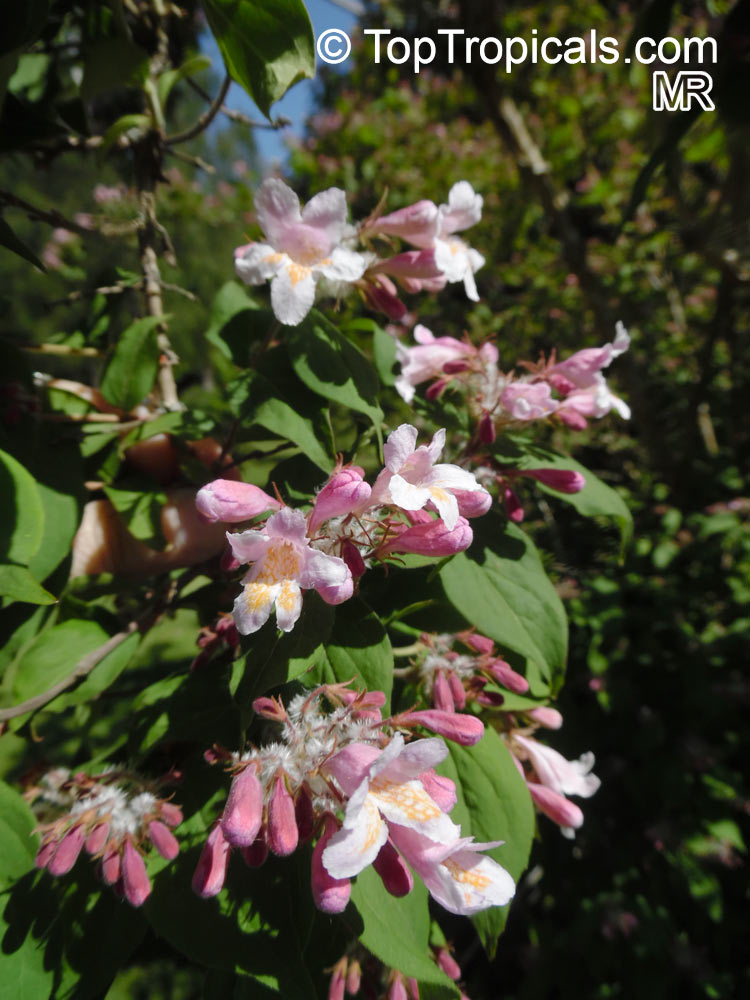
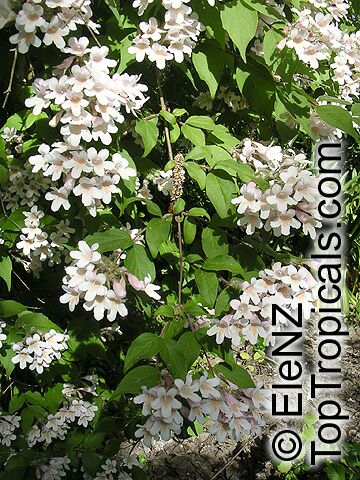
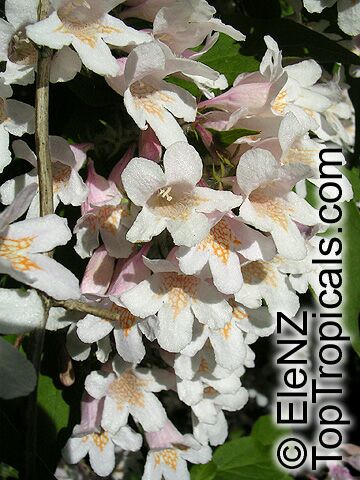
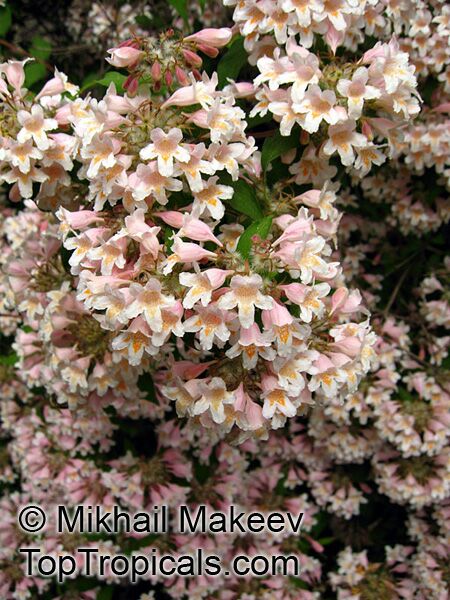
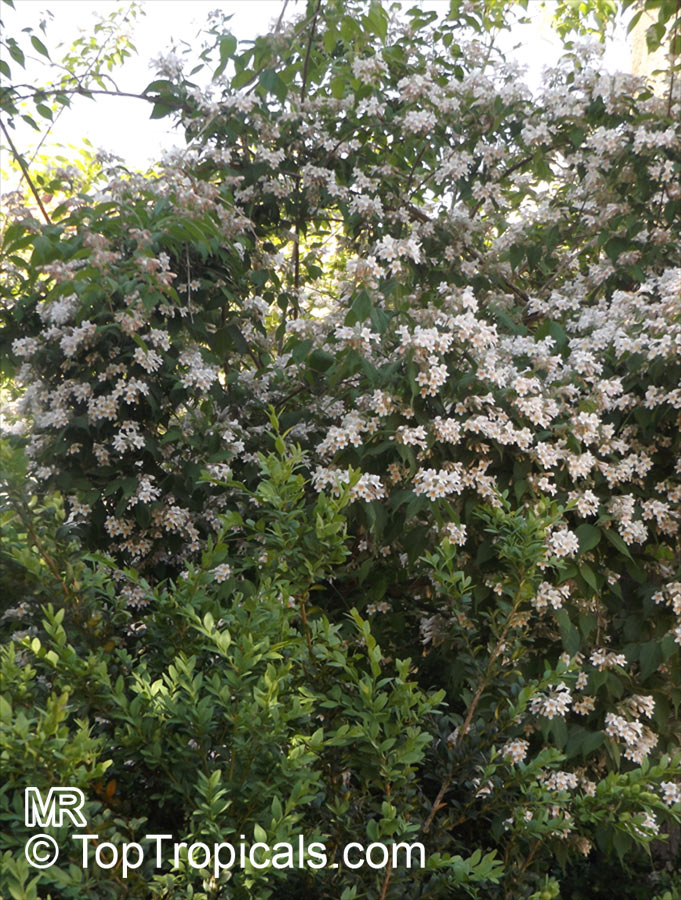
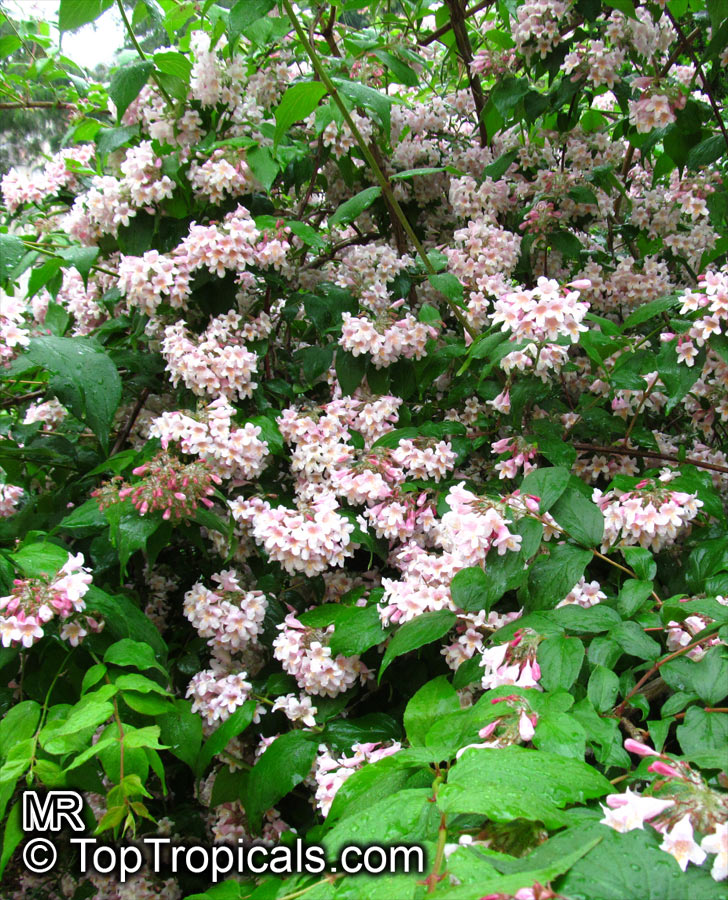
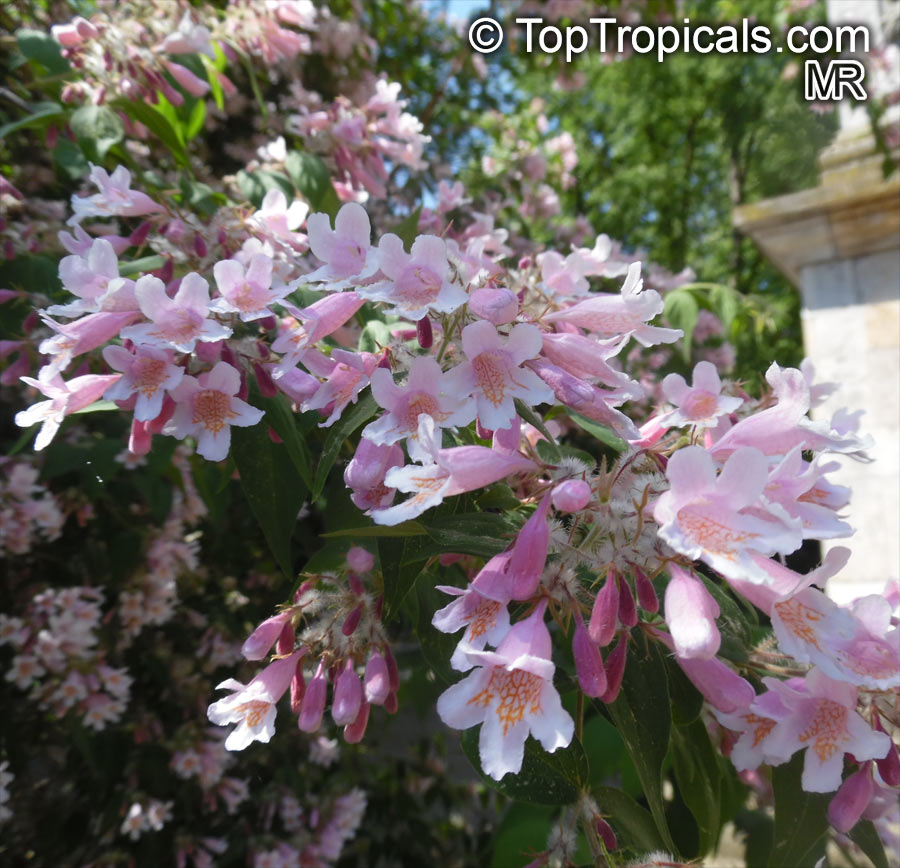
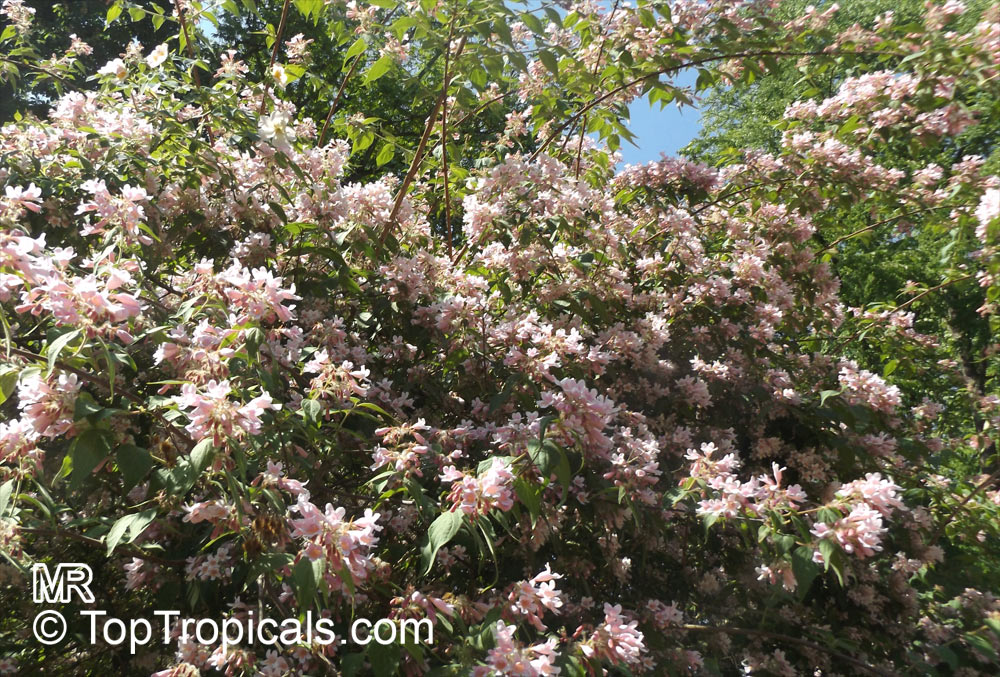
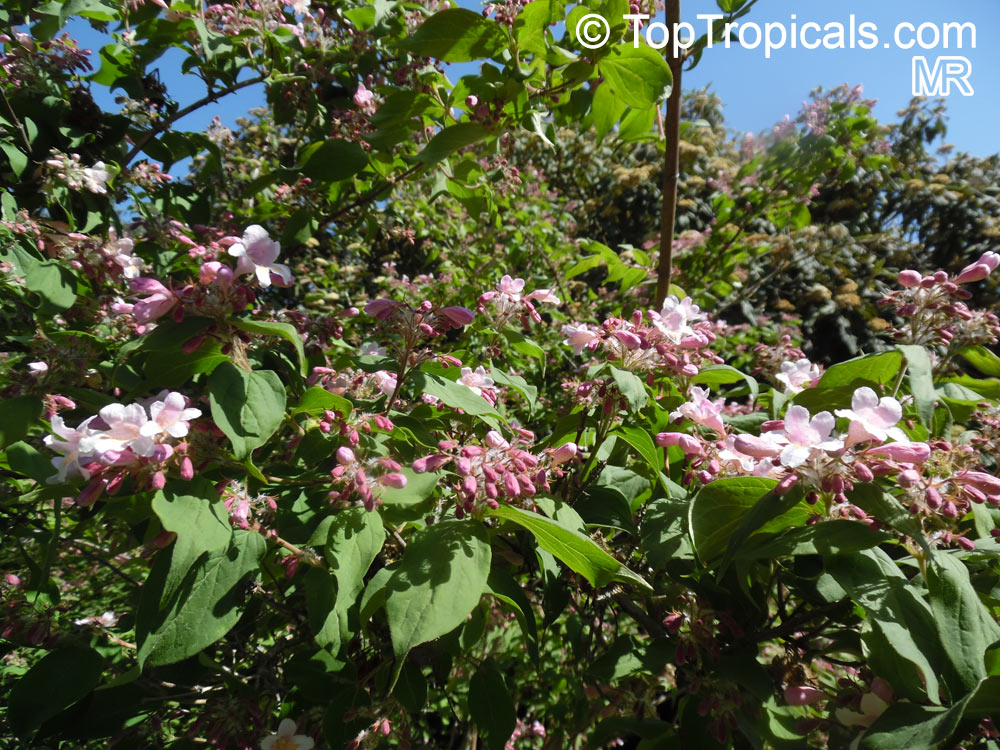
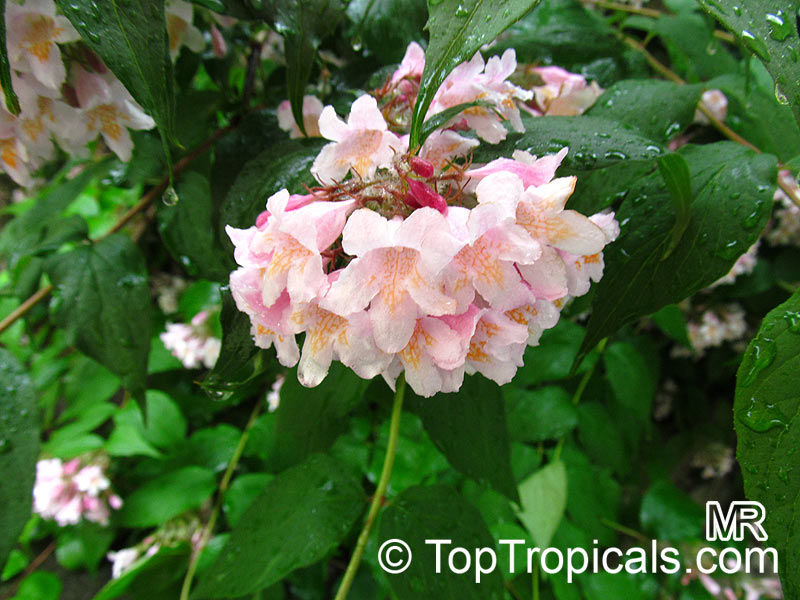
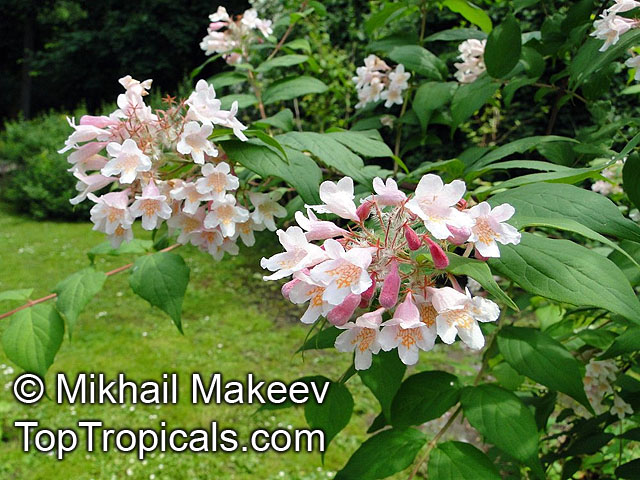
Botanical names: Kolkwitzia amabilis, Linnaea amabilis
Common name: Beauty Bush
Family: Caprifoliaceae
Origin: Central China
USDA Zone: 5-9


The genus Kolkwitzia contains only this species. Deciduous shrub, up to 12 feet tall (3.6 m), 10 feet spread (3 m). The blossom in spring is extremely nice.
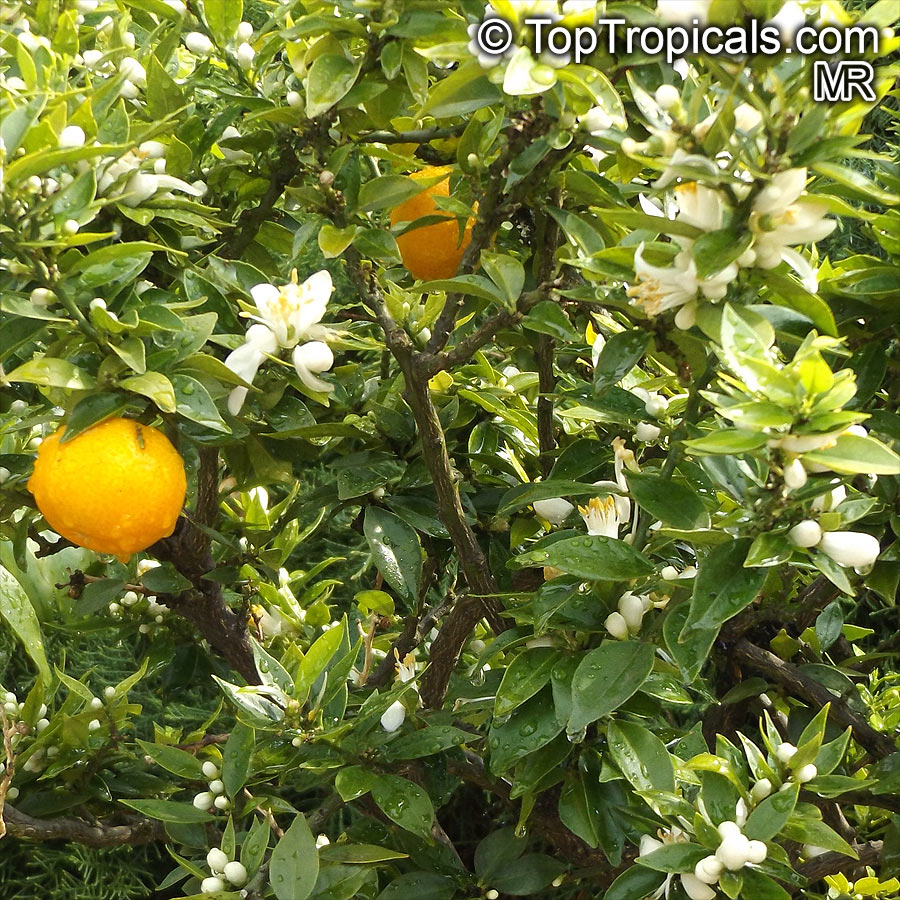
Botanical name: Citrus x aurantium
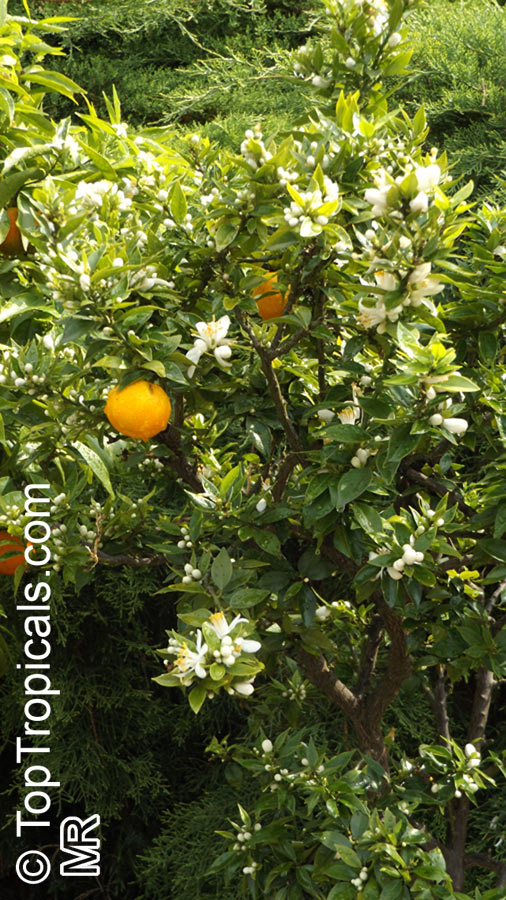
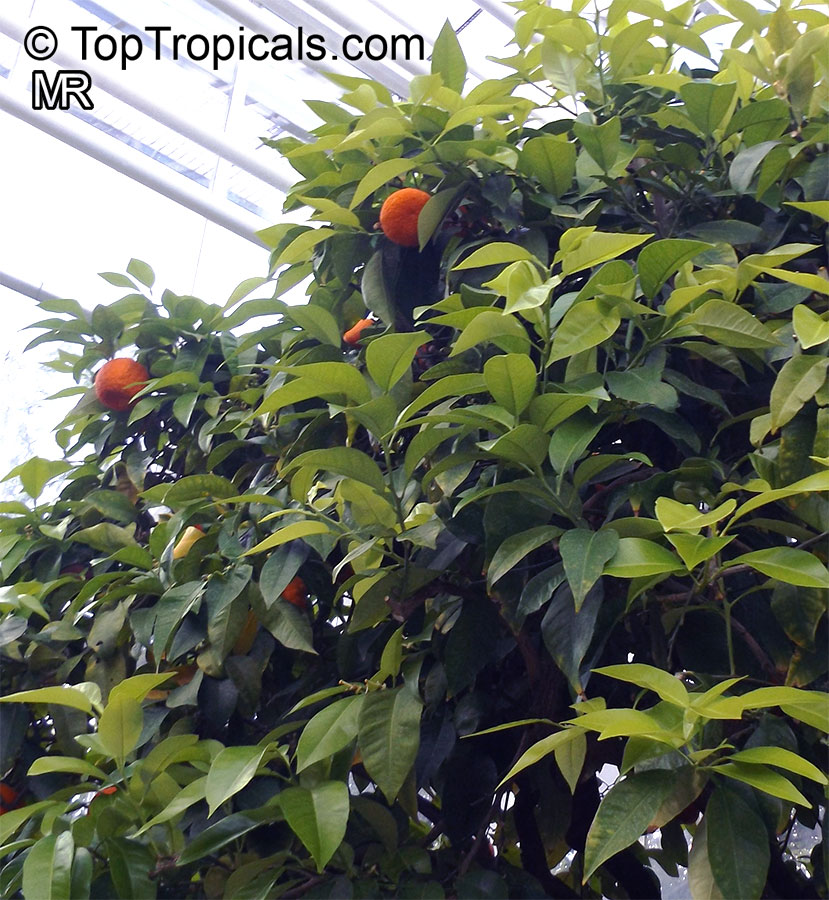
Common names: Bitter Orange, Seville Orange, Sour Orange, Bigarade Orange
Family: Rutaceae
Origin: Southeast Asia
USDA Zone: 9-10


Citrus x aurantium is a hybrid between Citrus maxima (Pomelo) and Citrus reticulata (Mandarin).
Citrus × aurantium var. myrtifolia is sometimes considered a separate species, Citrus myrtifolia, the myrtle-leaved orange.
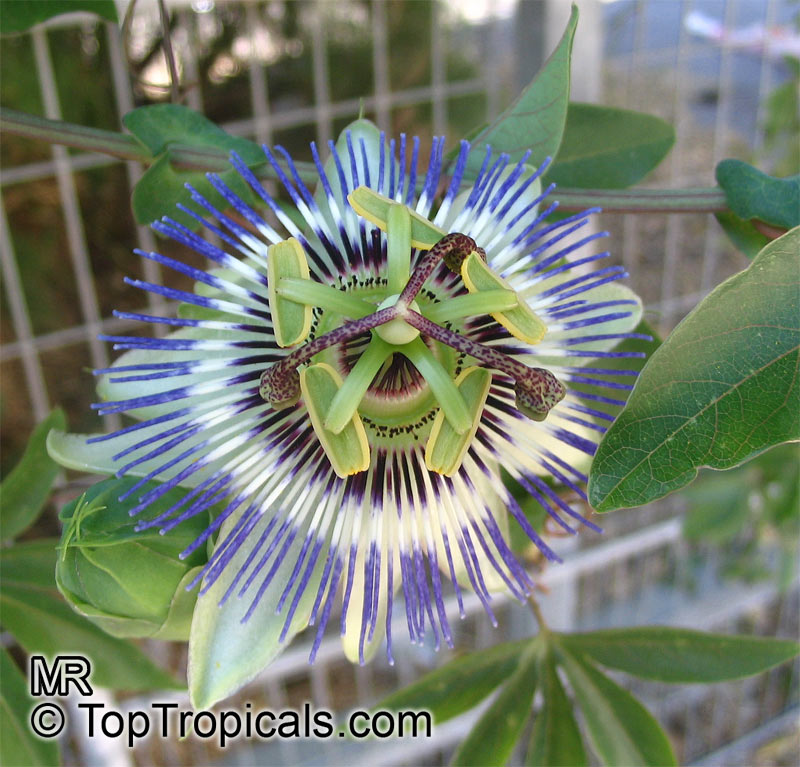
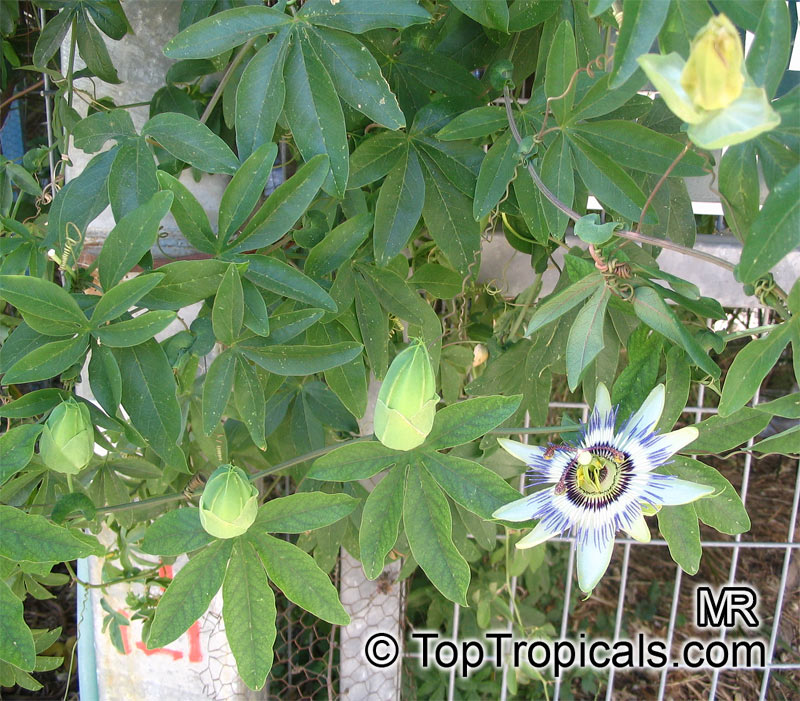
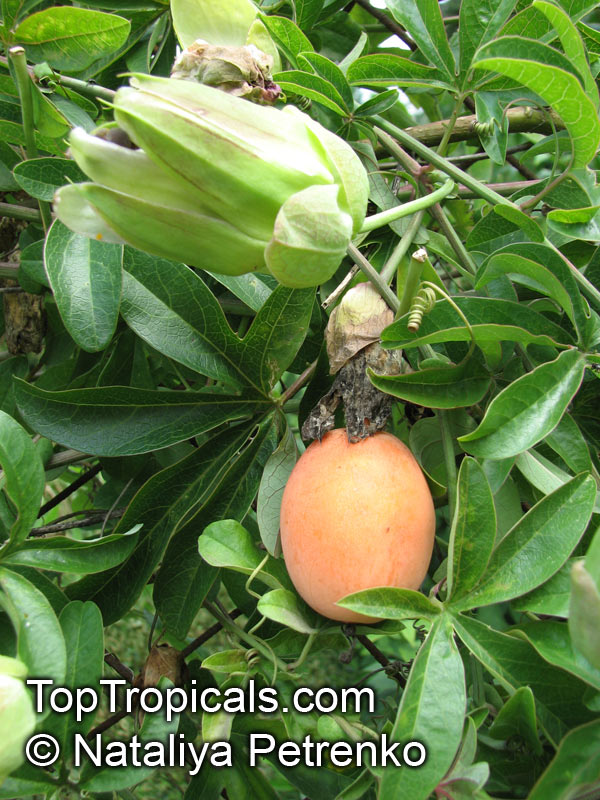
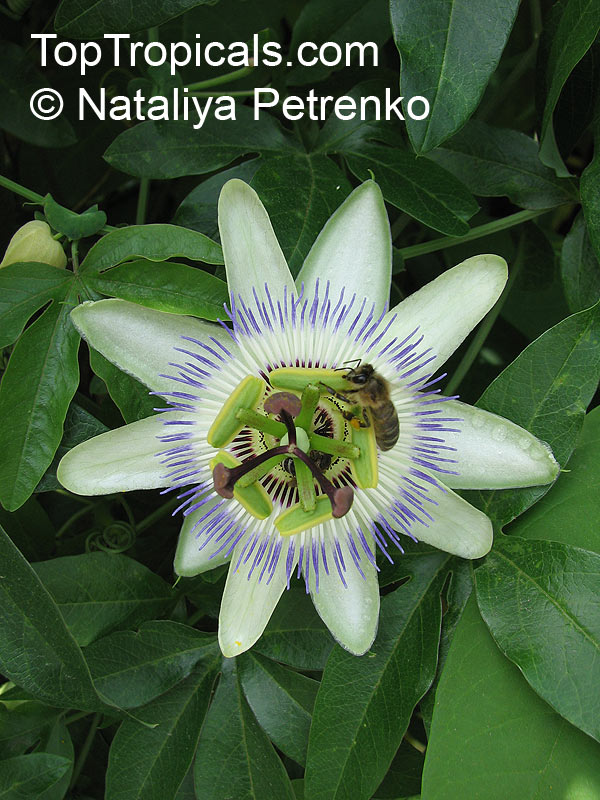
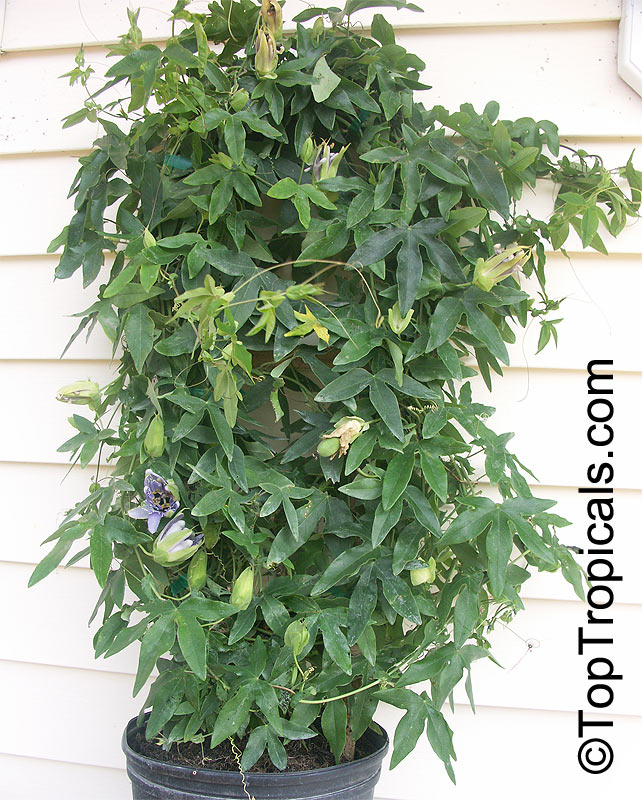
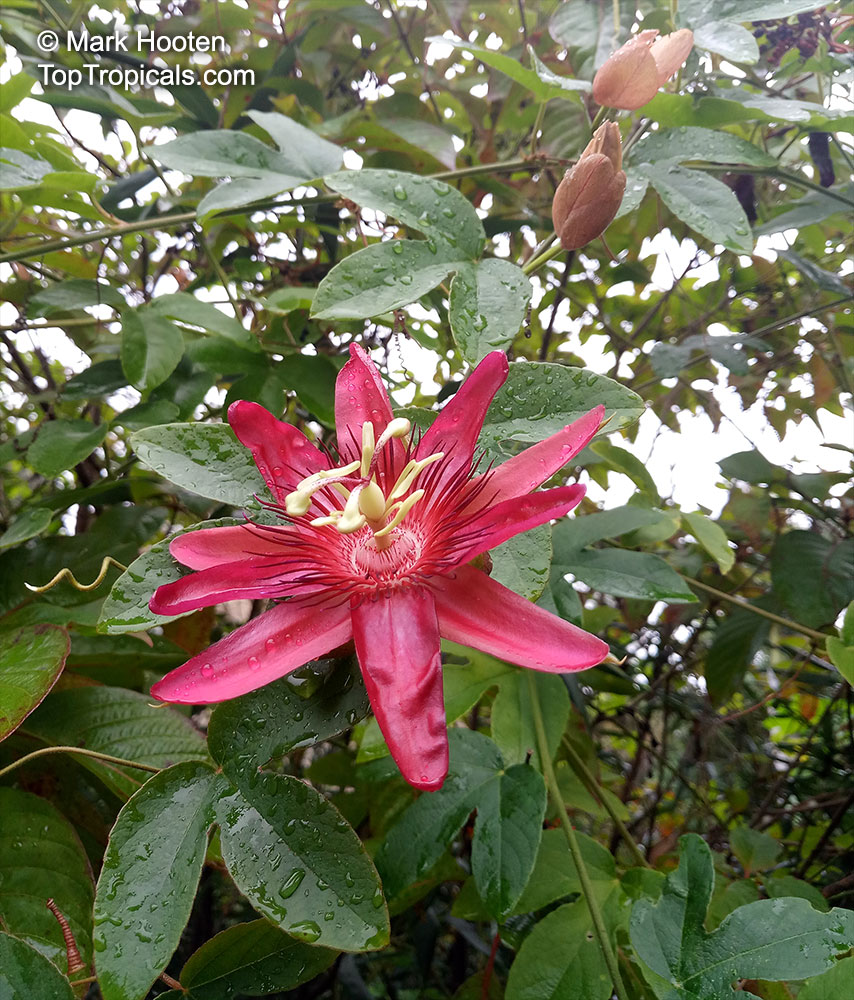
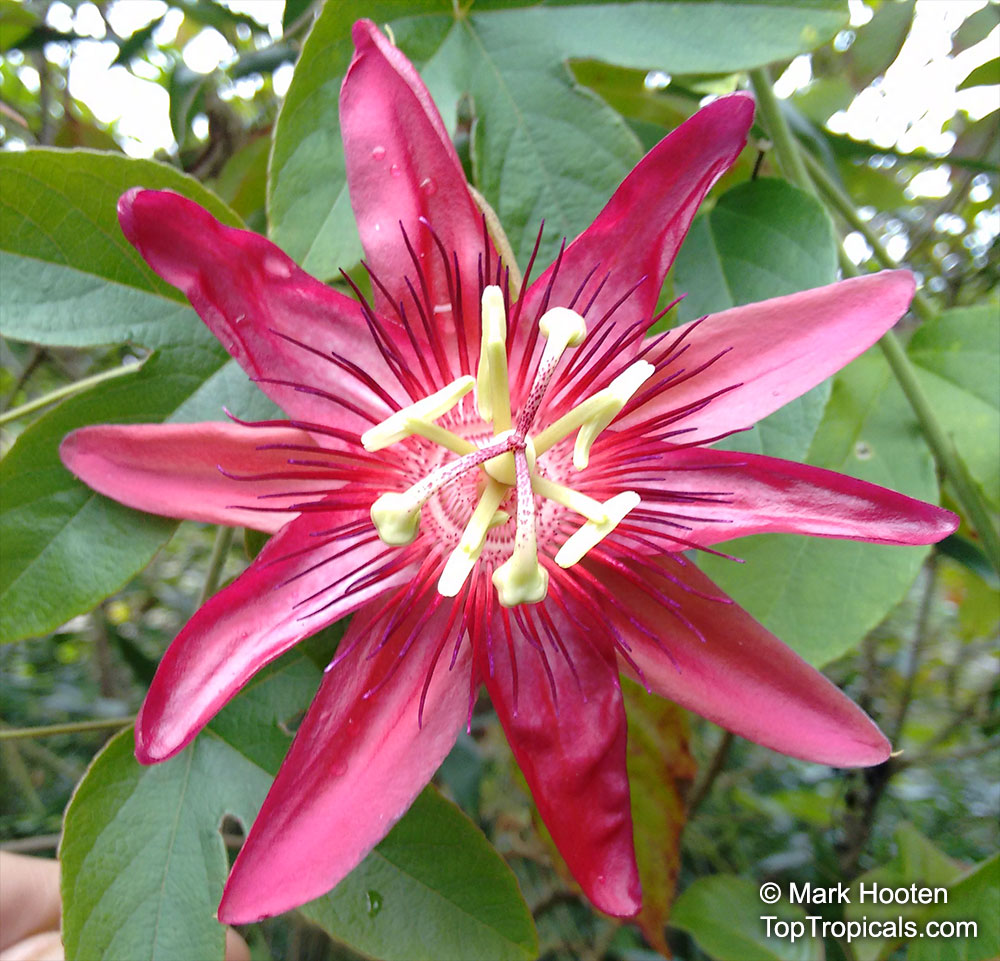
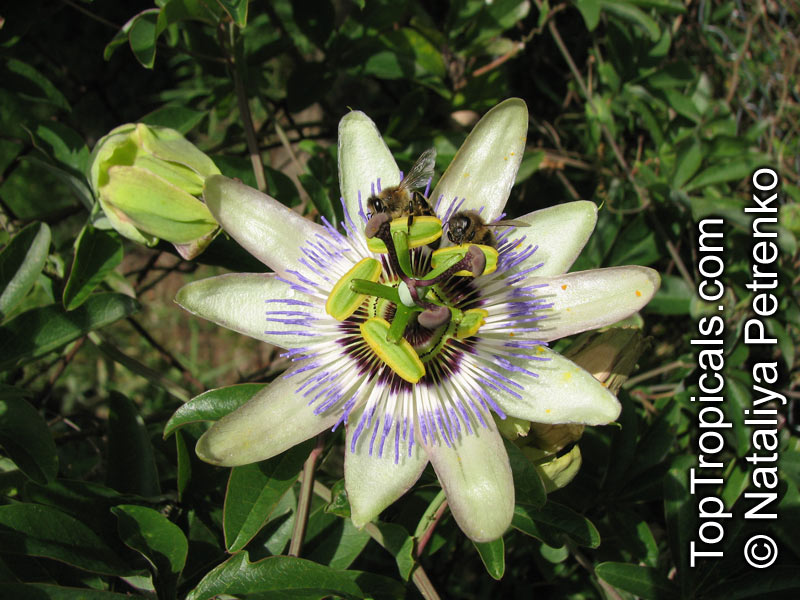
Botanical name: Passiflora caerulea
Common name: Common Passion Flower
Family: Passifloraceae
Origin: South America
USDA Zone: 9-10


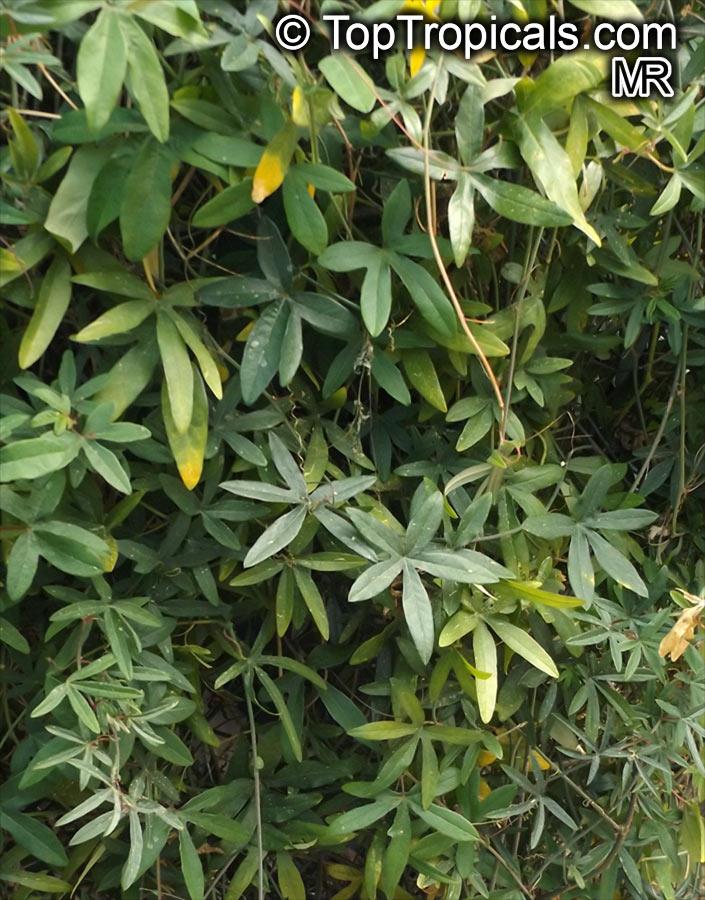
A woody vine capable of growing to 15-20 m high where supporting trees are available. The leaves are alternate, palmately five-lobed (sometimes three or seven lobes).
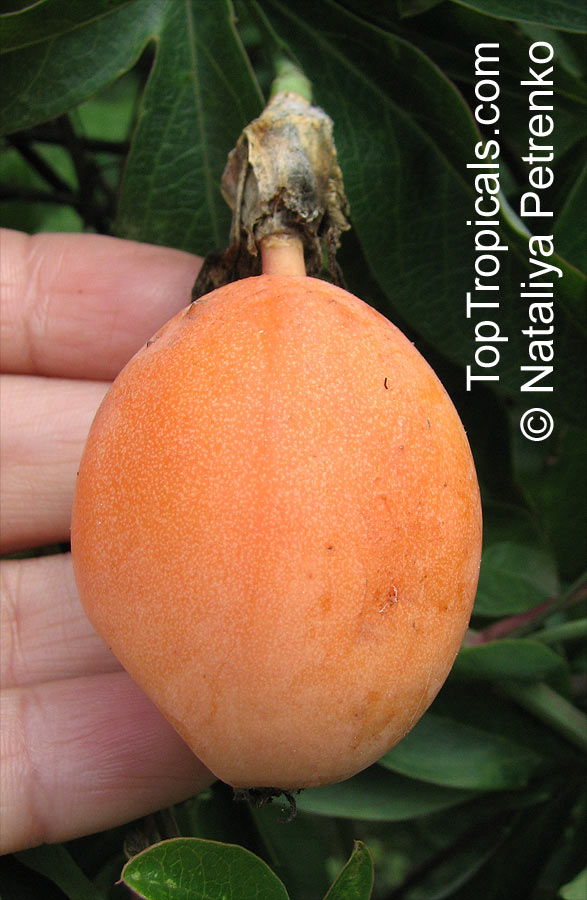
The white and purple-blue flowers which appear in summer may be as large as 4 in (10.2 cm) across. The fruit is an oval orange-yellow berry.
Numerous crosses have been made between P. caerulea and Passiflora racemosa, Passiflora alata, and Passiflora Amethyst.

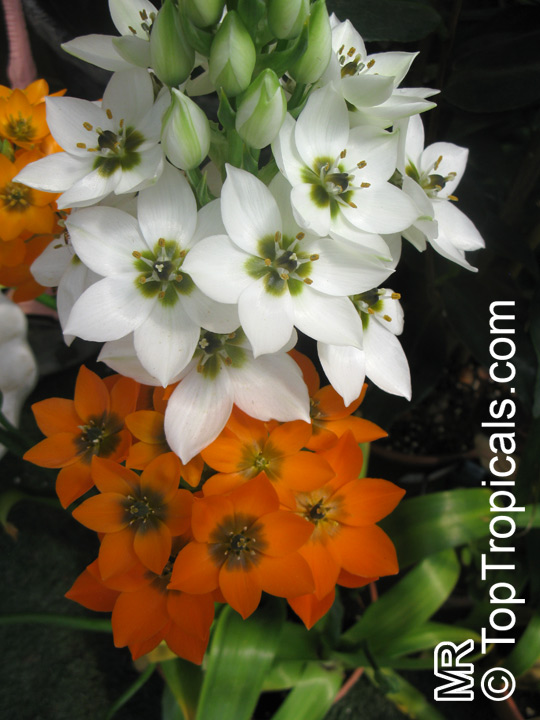
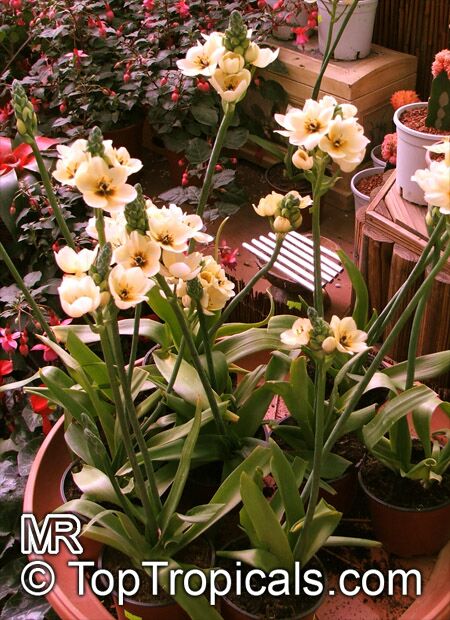
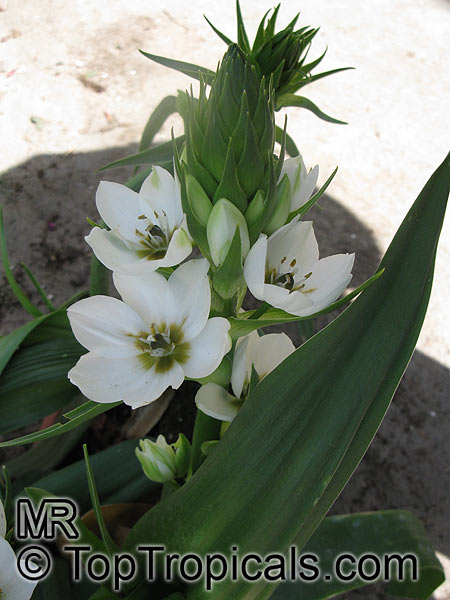
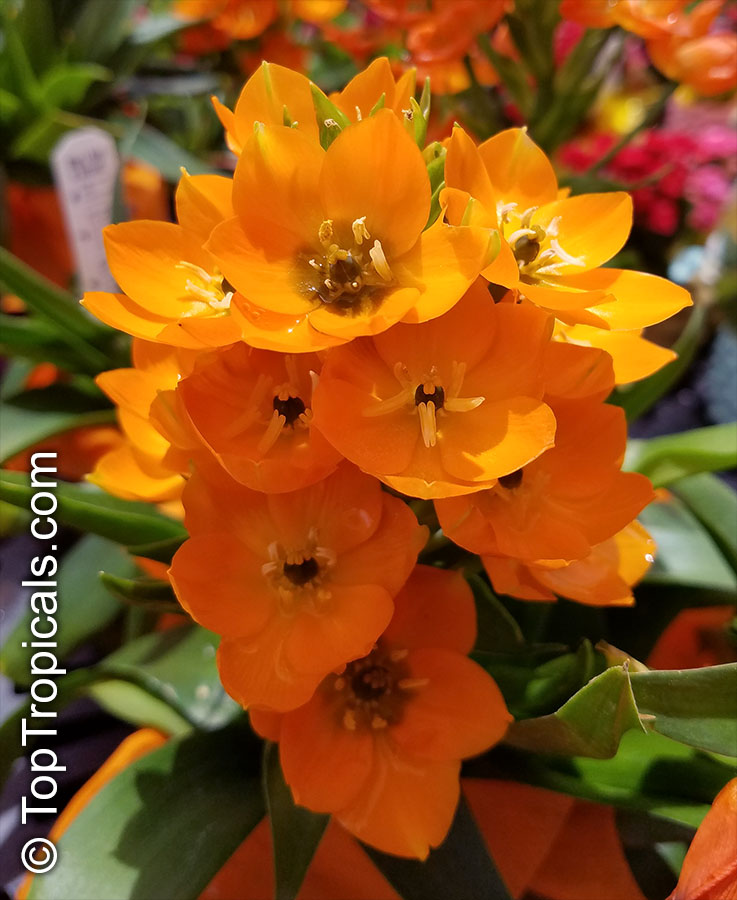
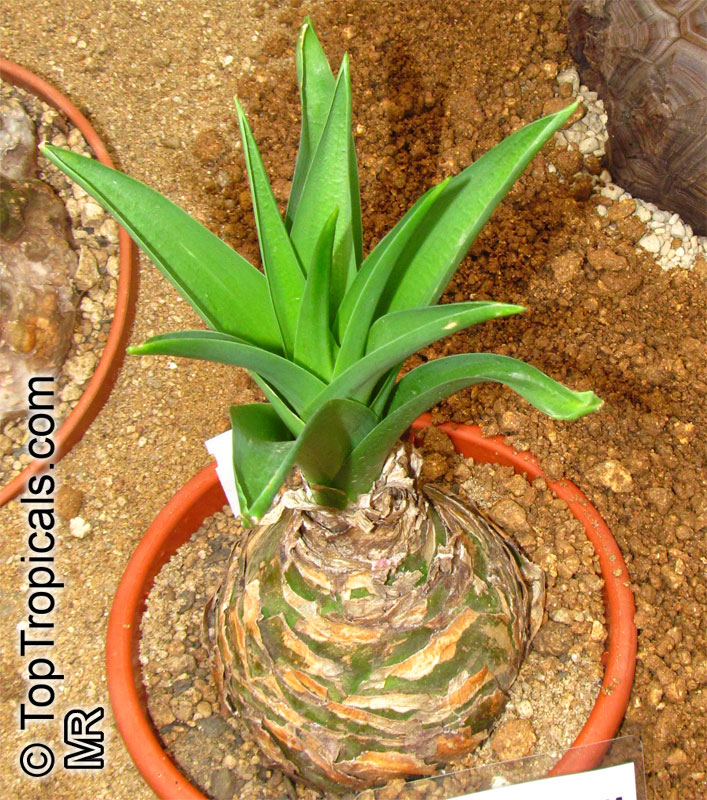
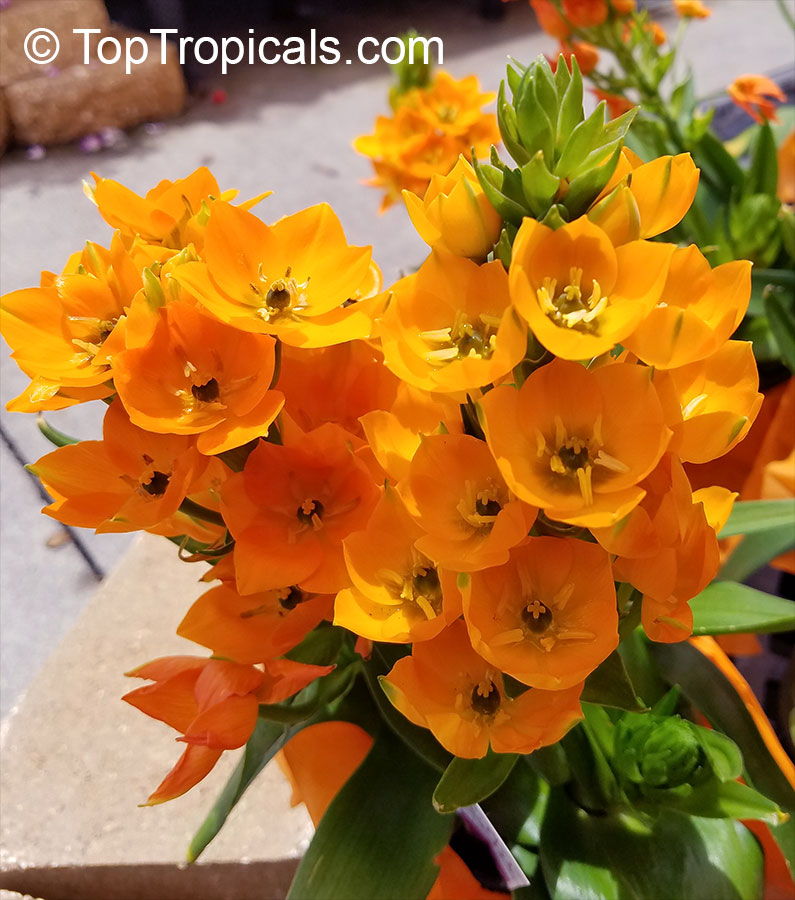
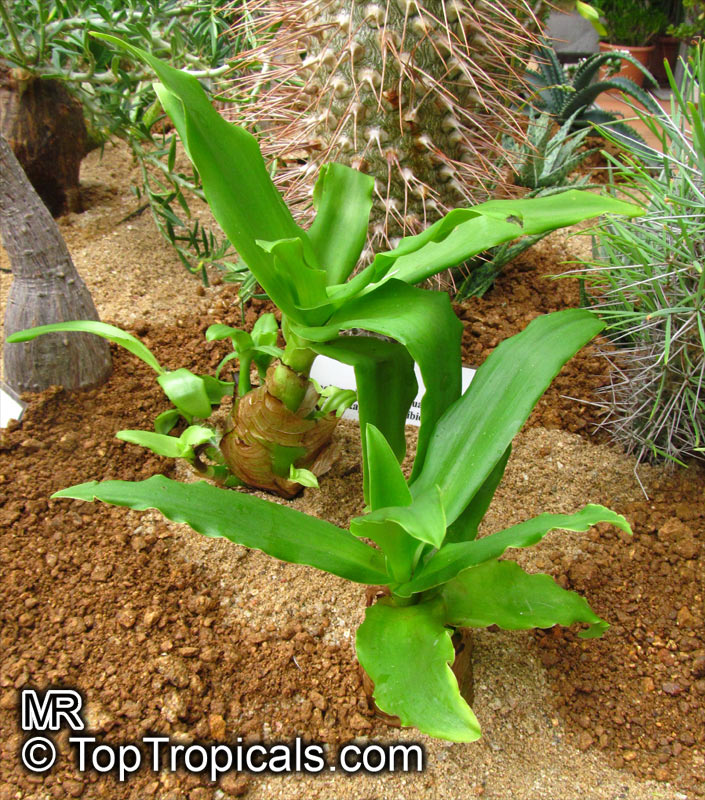
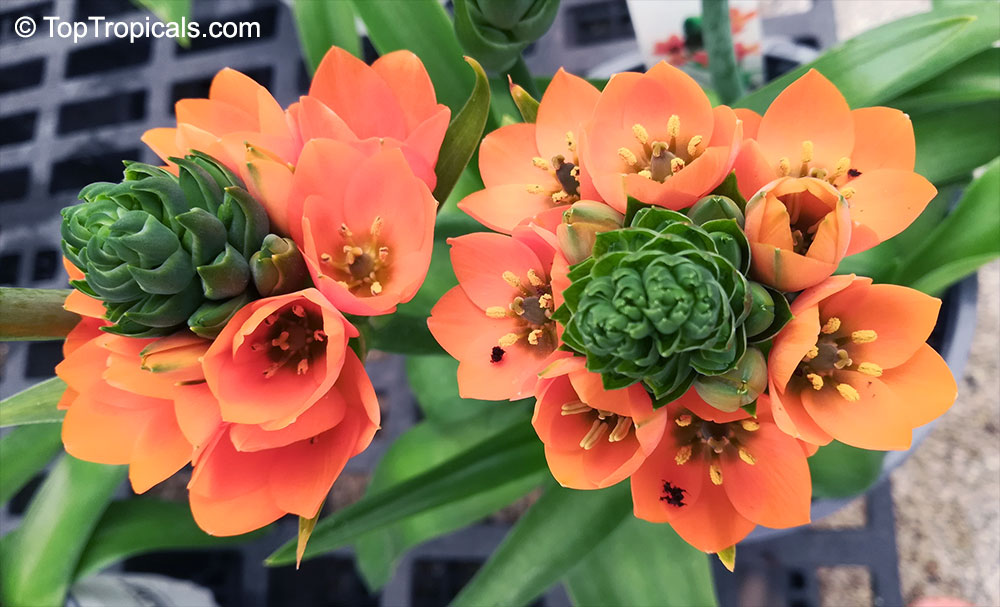
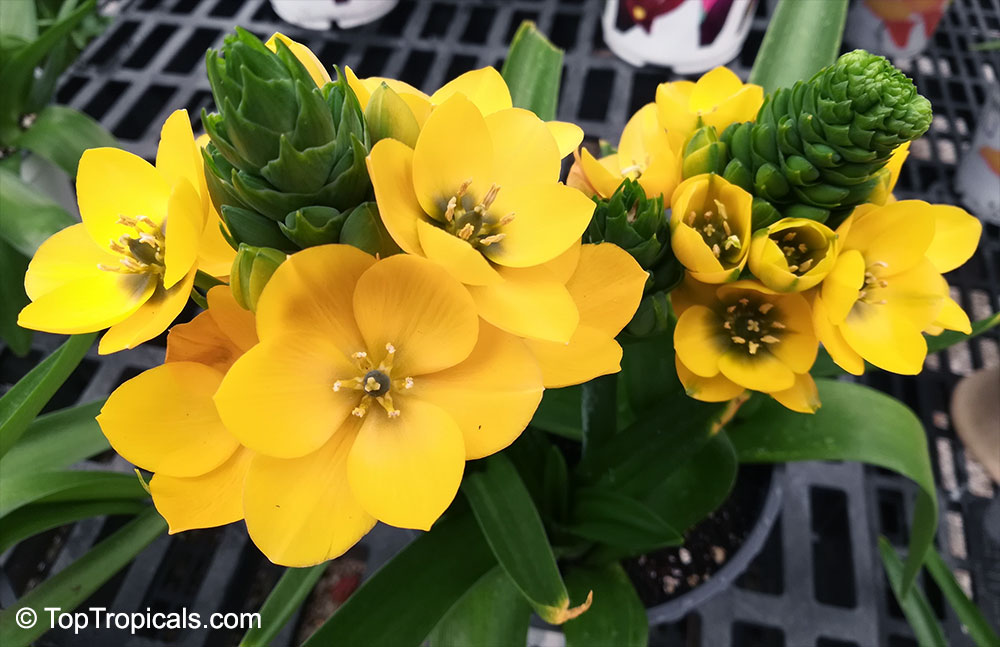
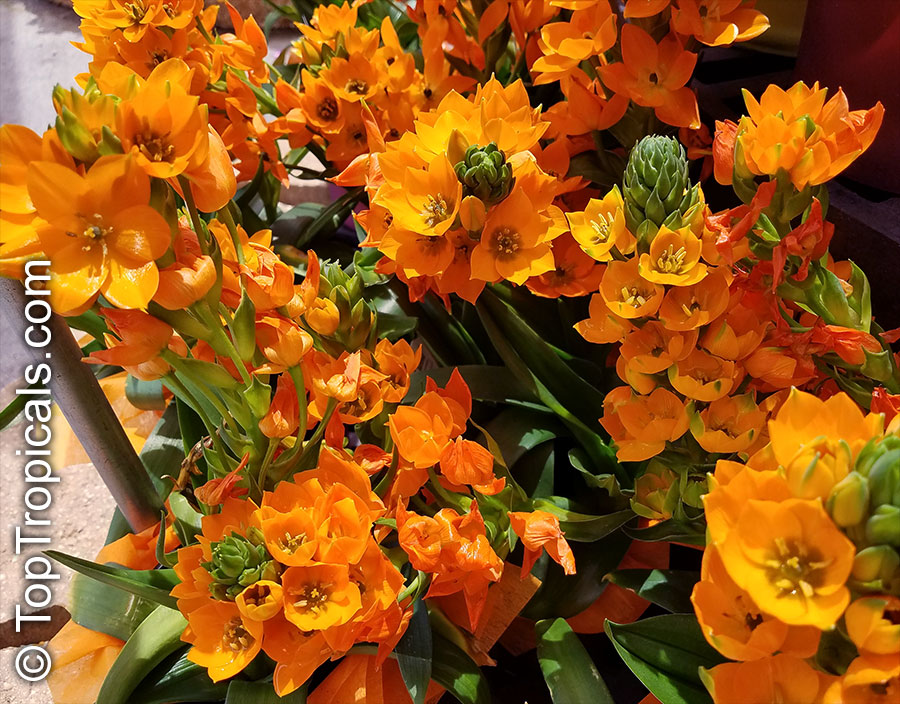
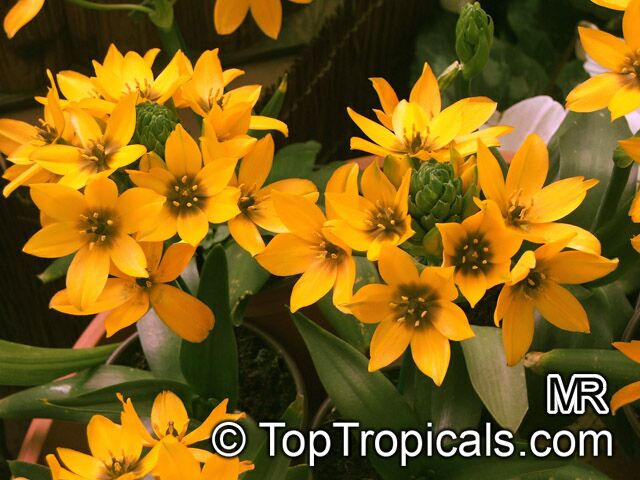
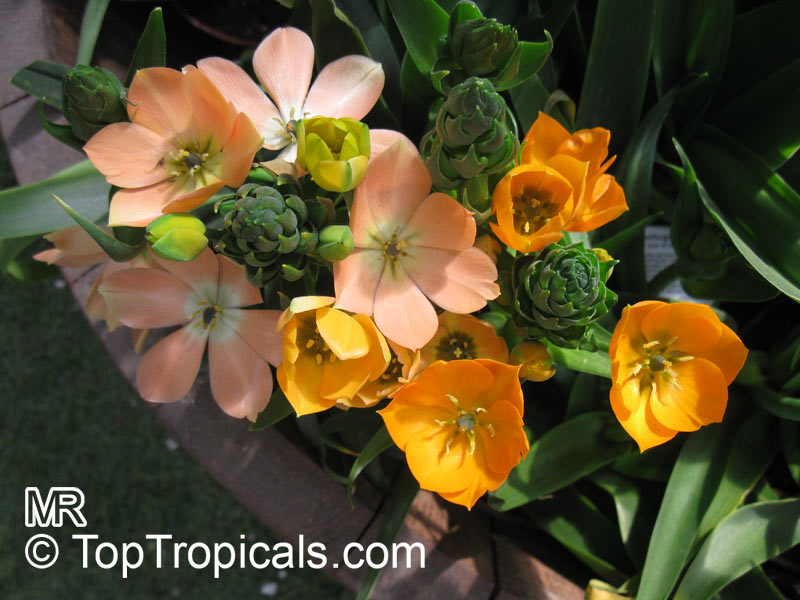
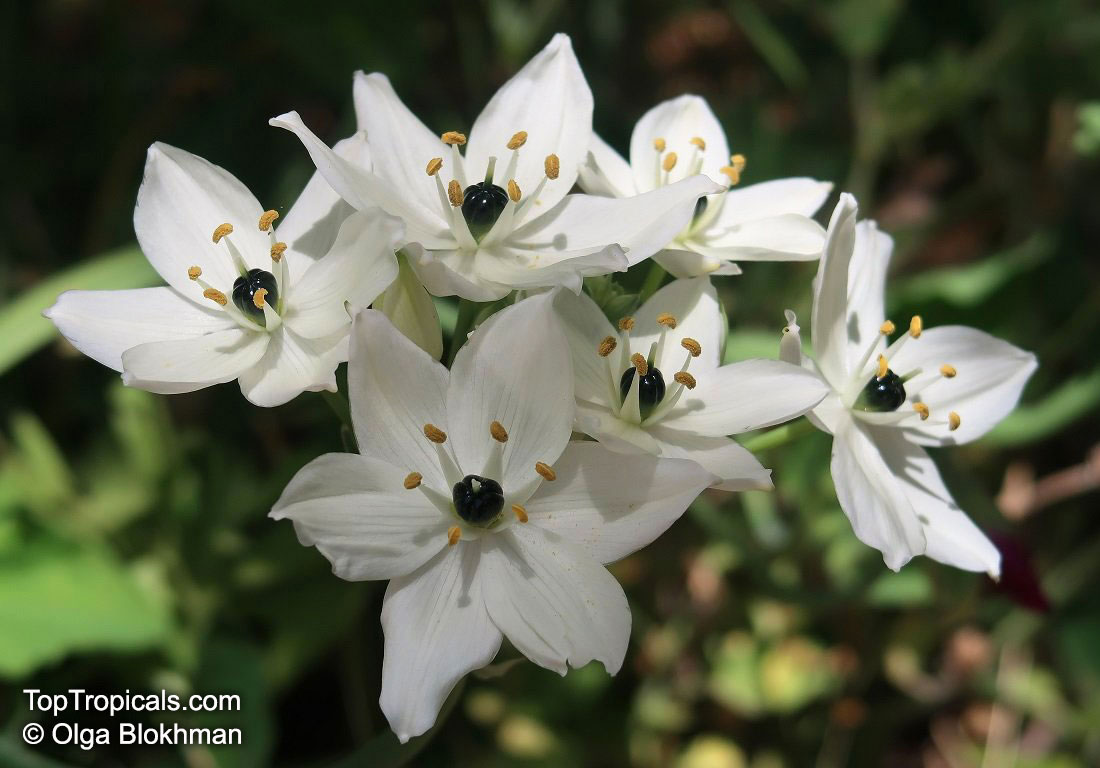
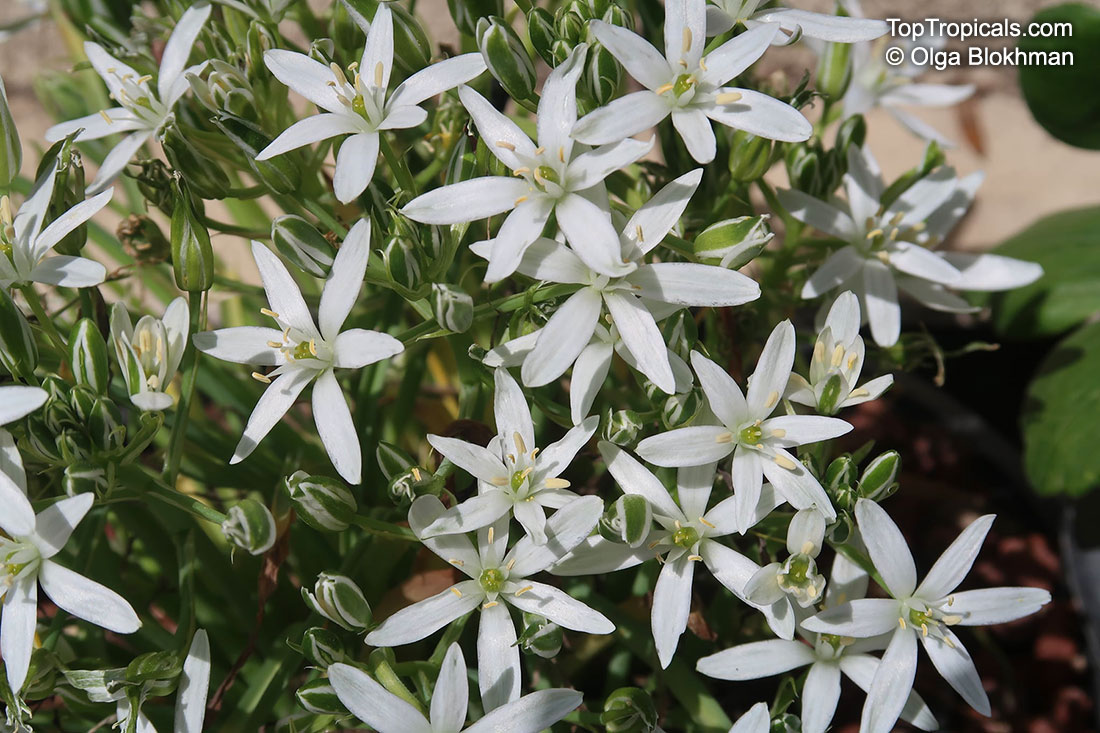
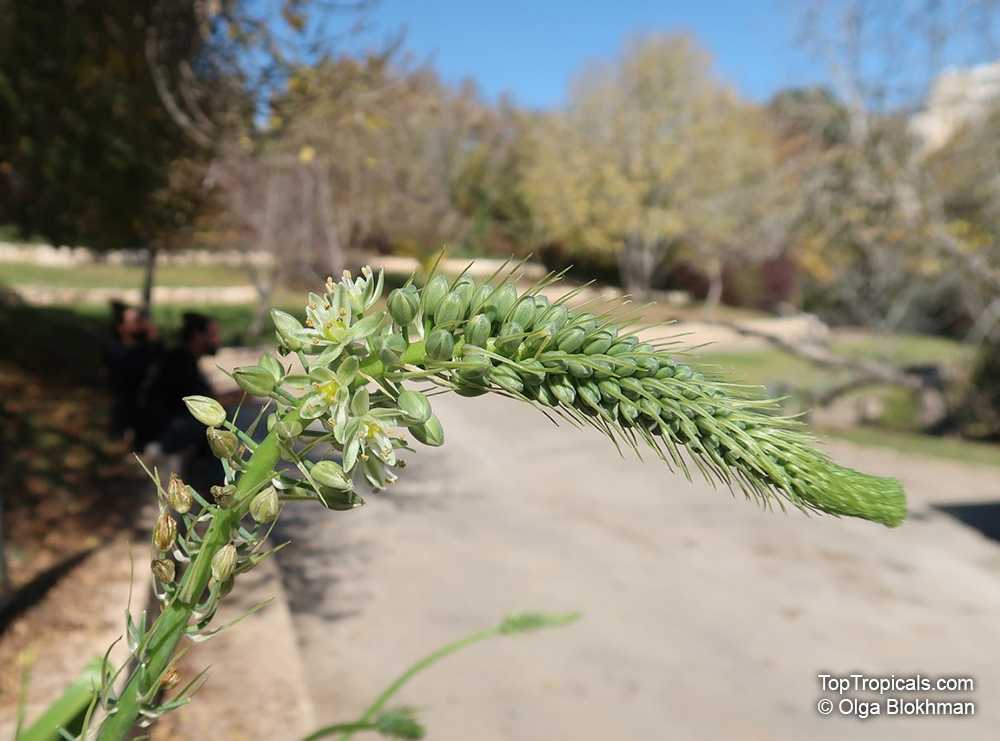
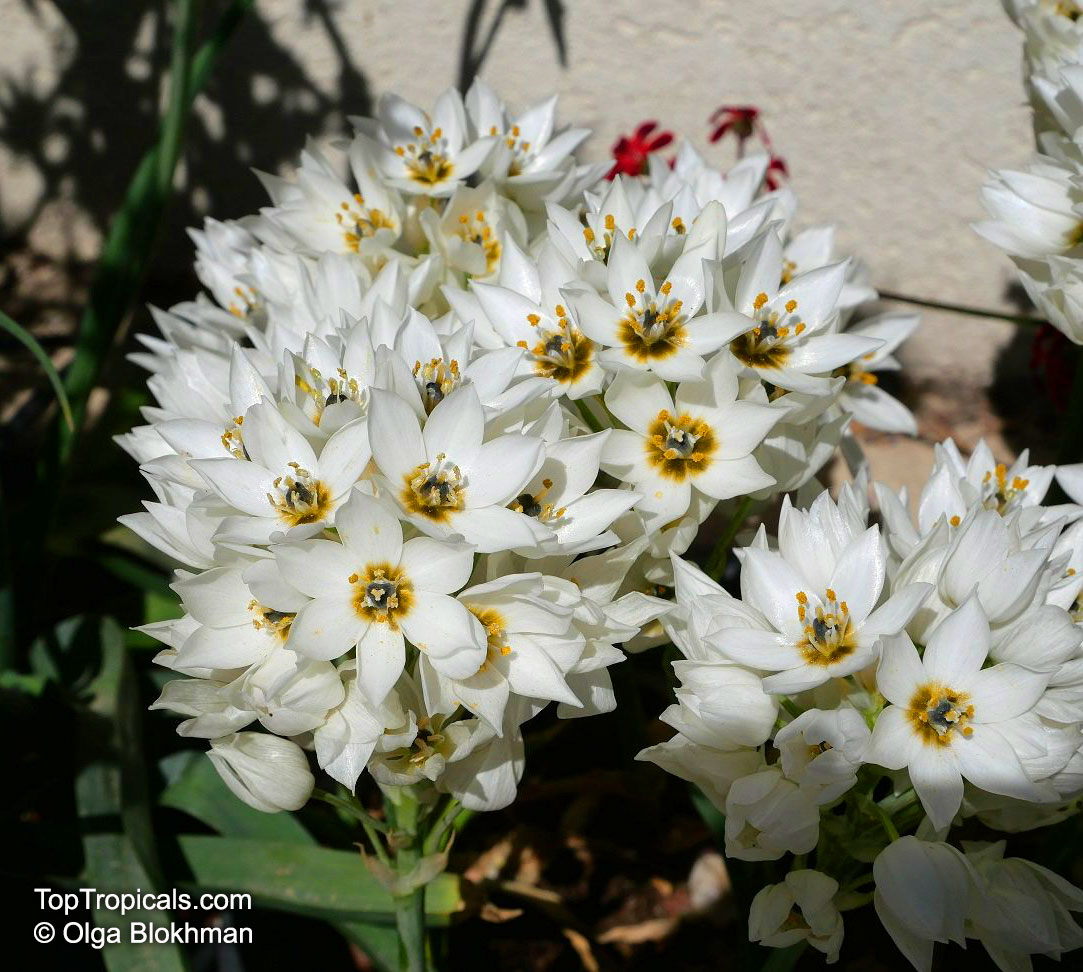
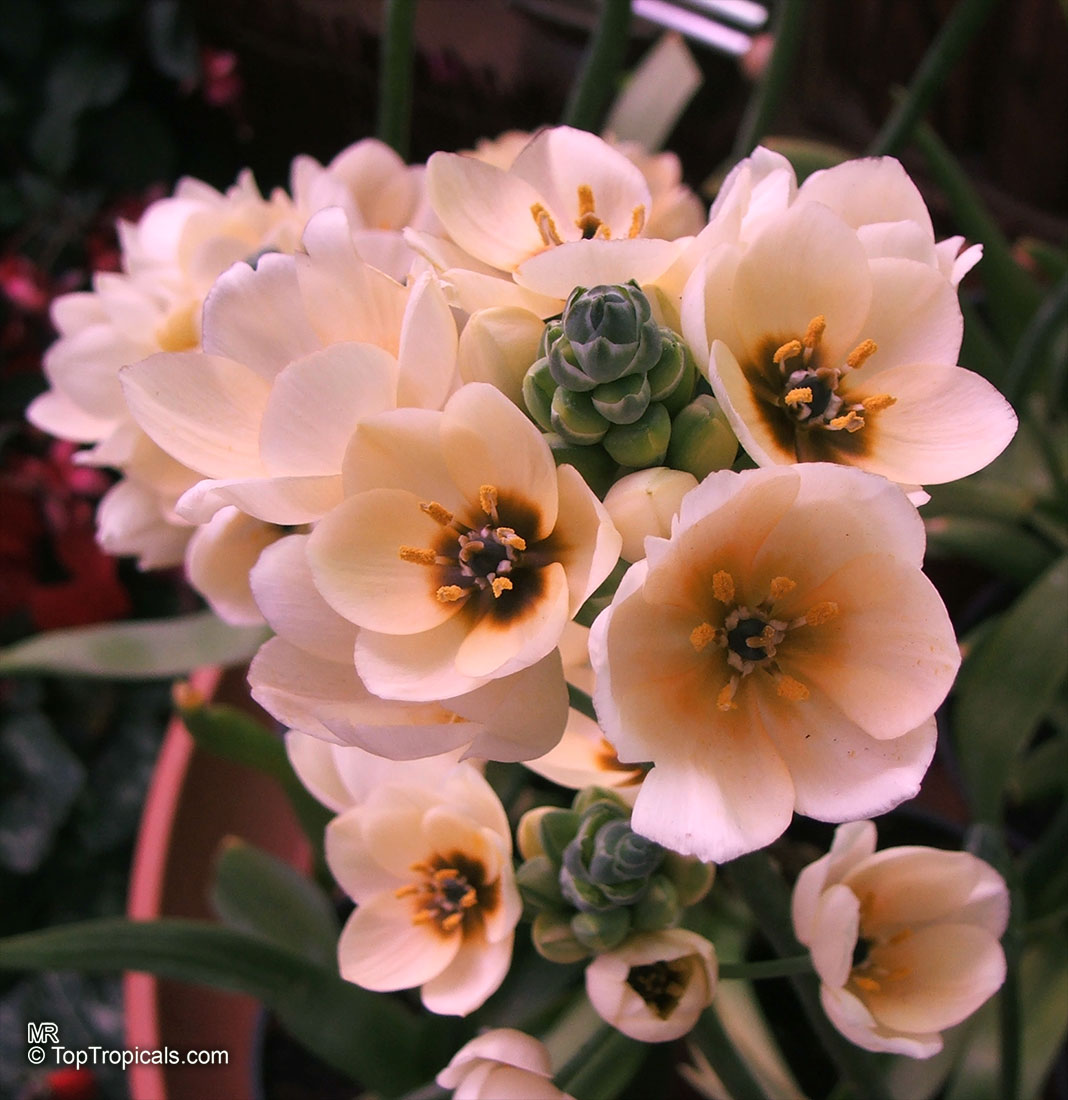
Botanical name: Ornithogalum sp.
Common name: Star of Bethlehem
Family: Asparagaceae (Formerly:Hyacinthaceae / Liliaceae)
Subfamily: Scilloideae
Origin: Africa, Southern Europe, Western Asia
USDA Zone: 5-10


Ornithogalum species are native to Africa, Southern Europe, and Western Asia. Ornithogalum plants range from small to tall with sizes from 2-5 feet. They have white to off-white flowers with some varieties having yellow or orange flowers. These plants have a long history of ethnomedical uses and are thought to have some irritating qualities. Ornithogalum sp. attract hummingbirds and butterflies to your garden.
Growing Ornithogalum sp. is easy, but knowledge of the right conditions is necessary. These plants will need regular amounts of water and should be watered regularly to keep the soil moist but not soggy. Ornithogalum sp. will also thrive in well-drained soil and will need to be fertilized twice a year.
If you are growing Ornithogalum sp. in pots in cold regions, you will need to ensure the plants are protected during heavy frosts. This can be done by bringing the pot indoors to a sheltered spot. If you cannot move the pot indoors, then you can cover the pot with a frost cloth or bubble wrap during particularly cold nights.
Overall, Ornithogalum sp. are a versatile and beautiful addition to any garden. They are easy to look after, attract beautiful birds and butterflies, and will provide you with stunning blooms for many years to come.

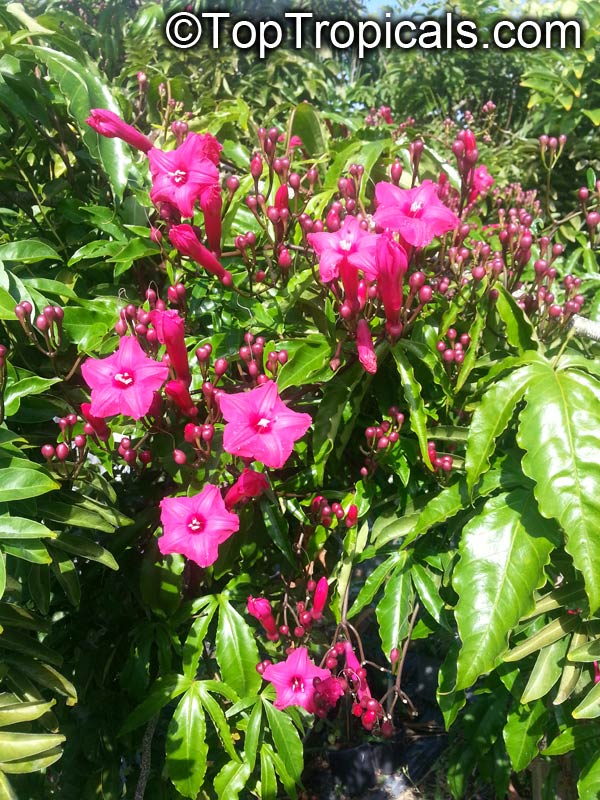
Botanical name: Ipomoea horsfalliae
Common names: Cardinal Creeper, Prince Kuhio Vine
Family: Convolvulaceae
Origin: Caribbean
USDA Zone: 9-11
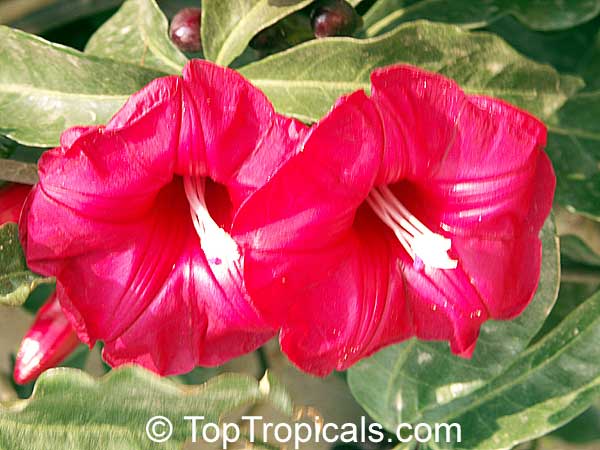
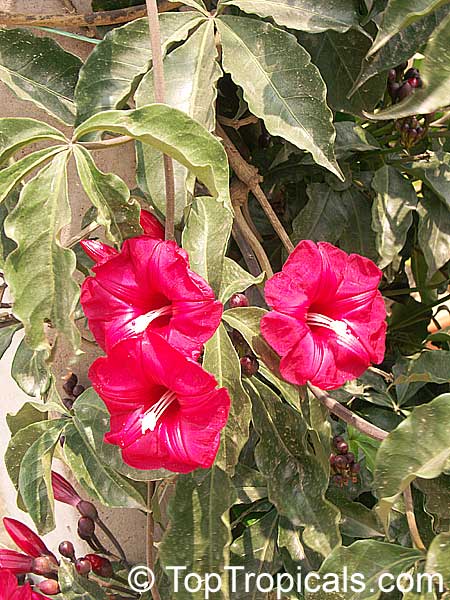
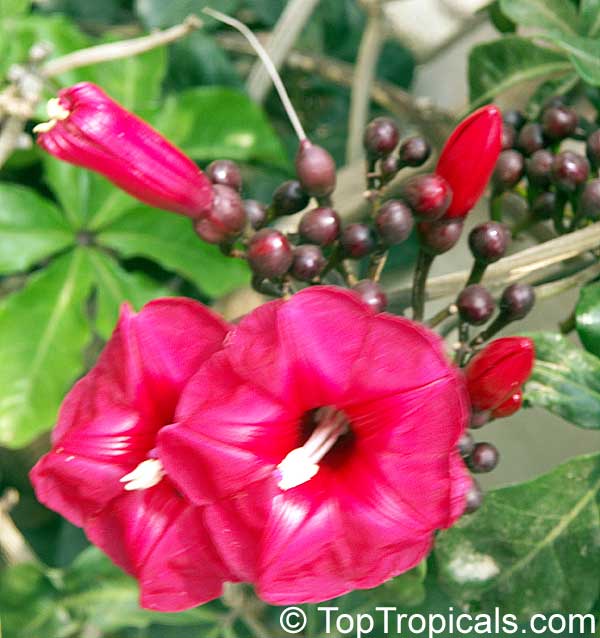
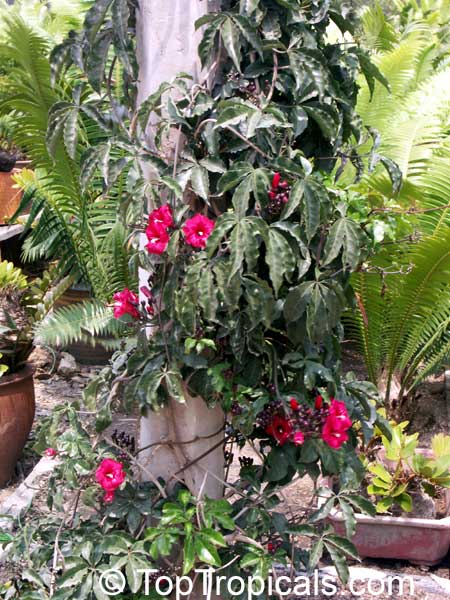
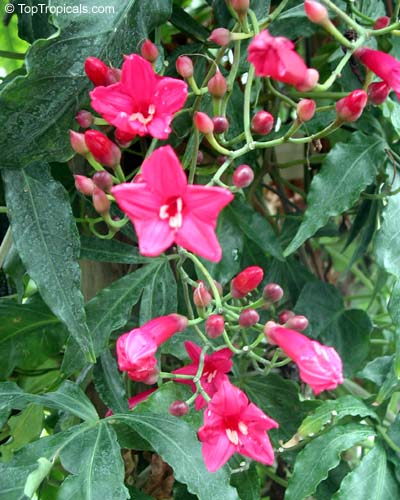
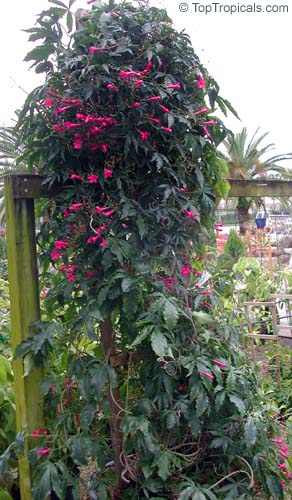
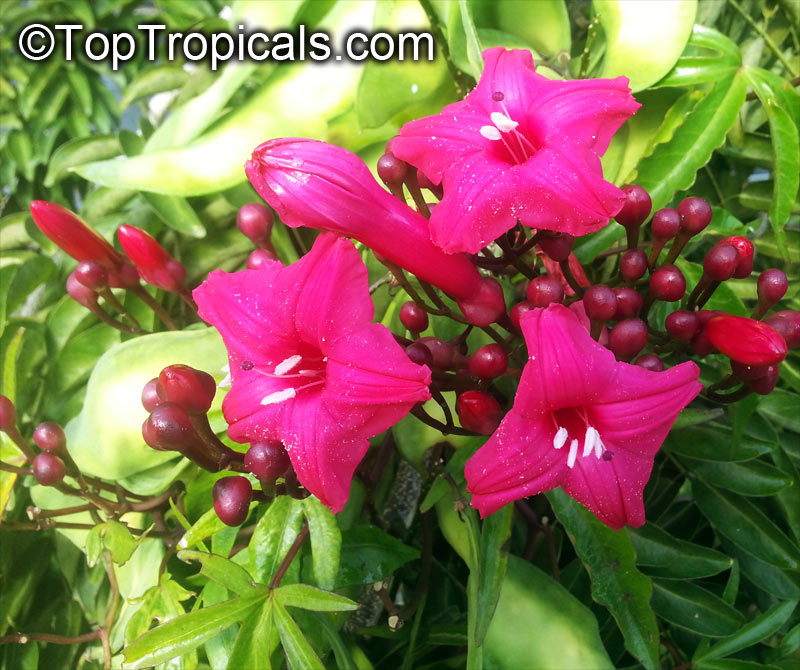
This creeper is native to Caribbean, but is known to be grown in Florida and California and it is an ideal plant for warm subtropical climate. It will grow easily in full sun, semi-shade and with regular water. Ipomoea horsfalliae (Cardinal Creeper) is also known to draw the attention of butterflies and hummingbirds and will in turn, attract them to its crimson or vinous colored flowers.
Ipomoea horsfalliae can be grown in pot either in cold regions or temperate regions. It needs a light, well-drained soil. When growing the plant in pots, it is necessary to feed it regularly with fertilizers to ensure that the plant gets the required nutrients for proper growth and flowering. The vine should be pruned regularly to maintain a neat and attractive shape.
Invasive, Ipomoea horsfalliae can spread fast by self-sowing and needs to be contained. It grows up to 8 ft wide so it is important to check the growth and prune it regularly to prevent it from taking over the other plants in the garden. It is hardy to USDA Zone 9-11 and should be grown in sheltered position away from winters cold. This vine can be grown as ground cover, as a cover for arbors or trellis and it can also be used for covering walls. It is an attractive and low maintenance creeper that is worth a try for green thumbs out there.
Recommended Fertilizer: SUNSHINE Megaflor - Bloom Nutrition Booster
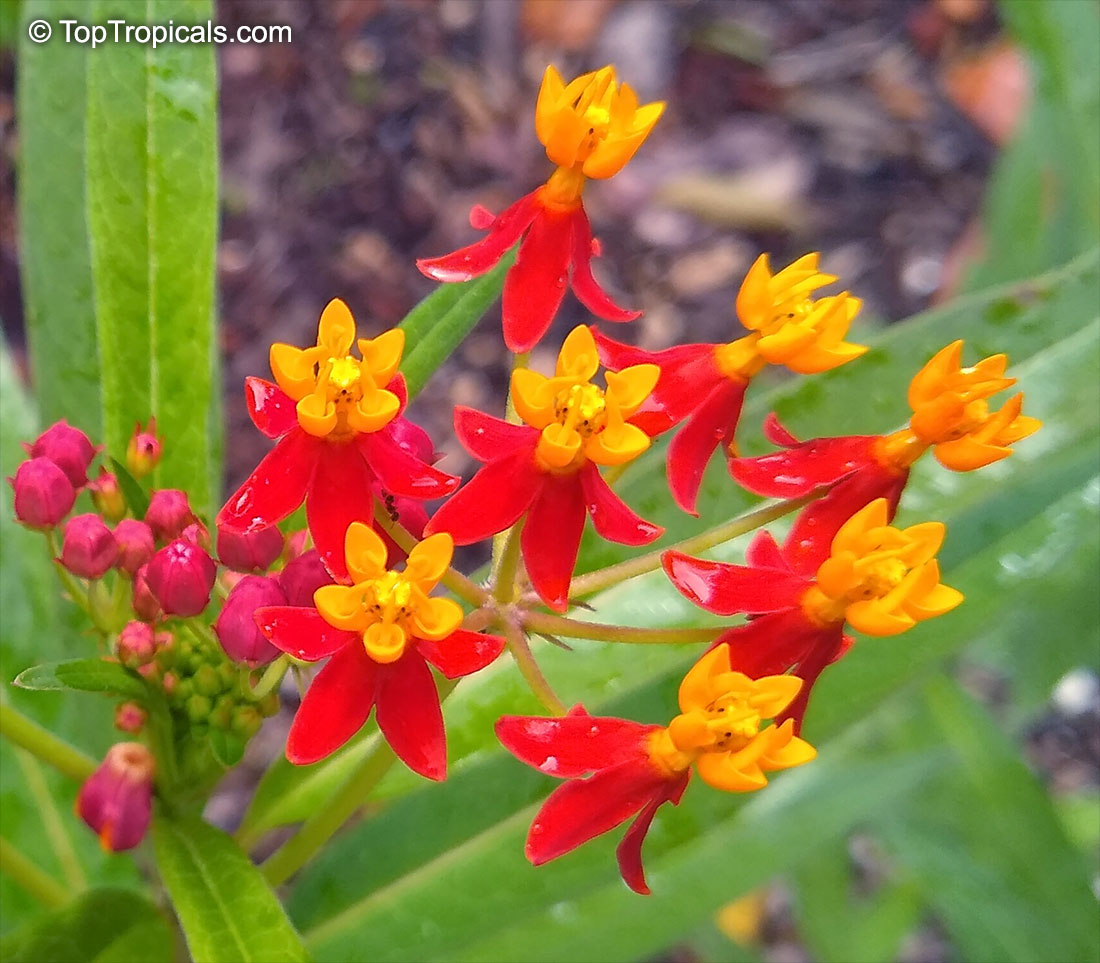
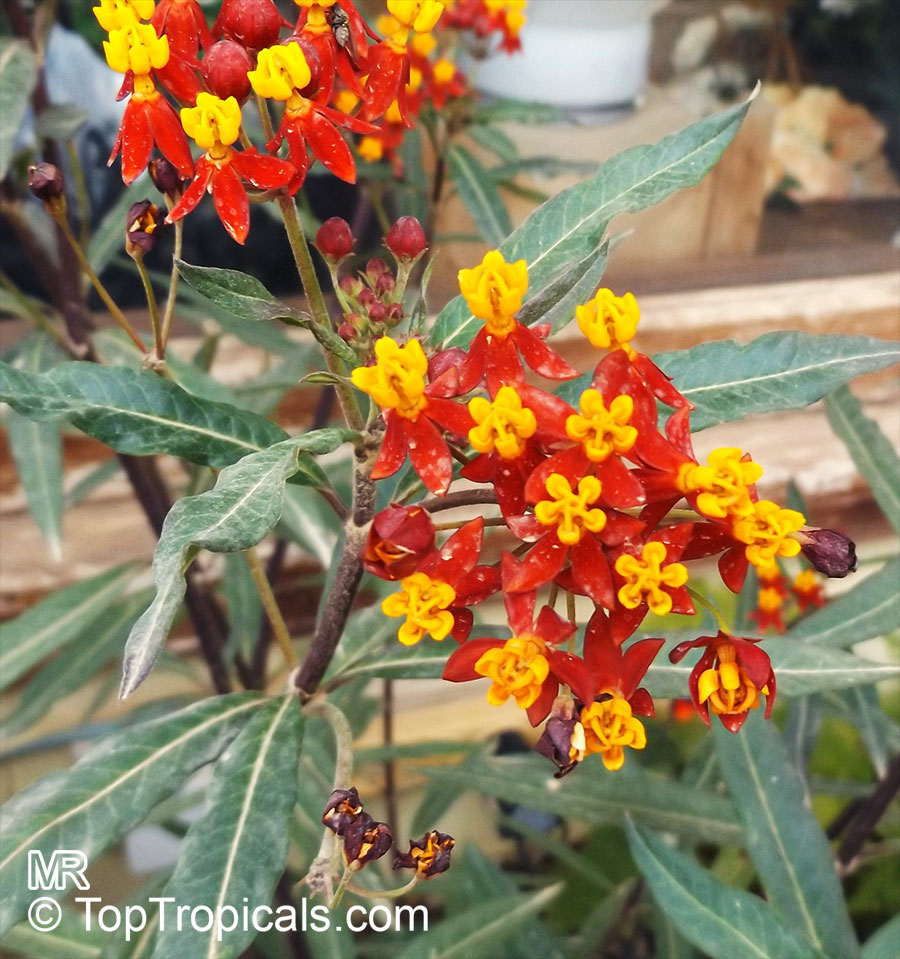
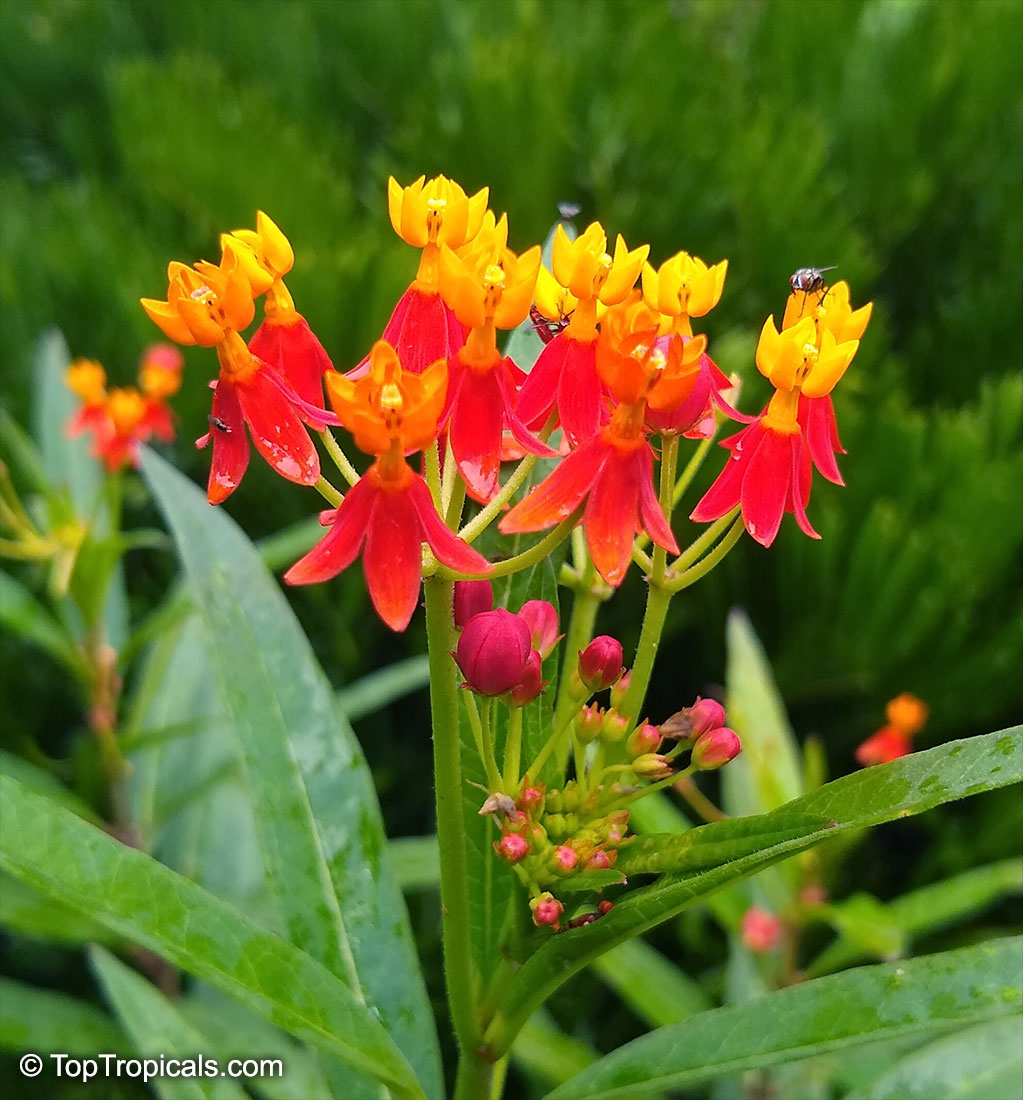
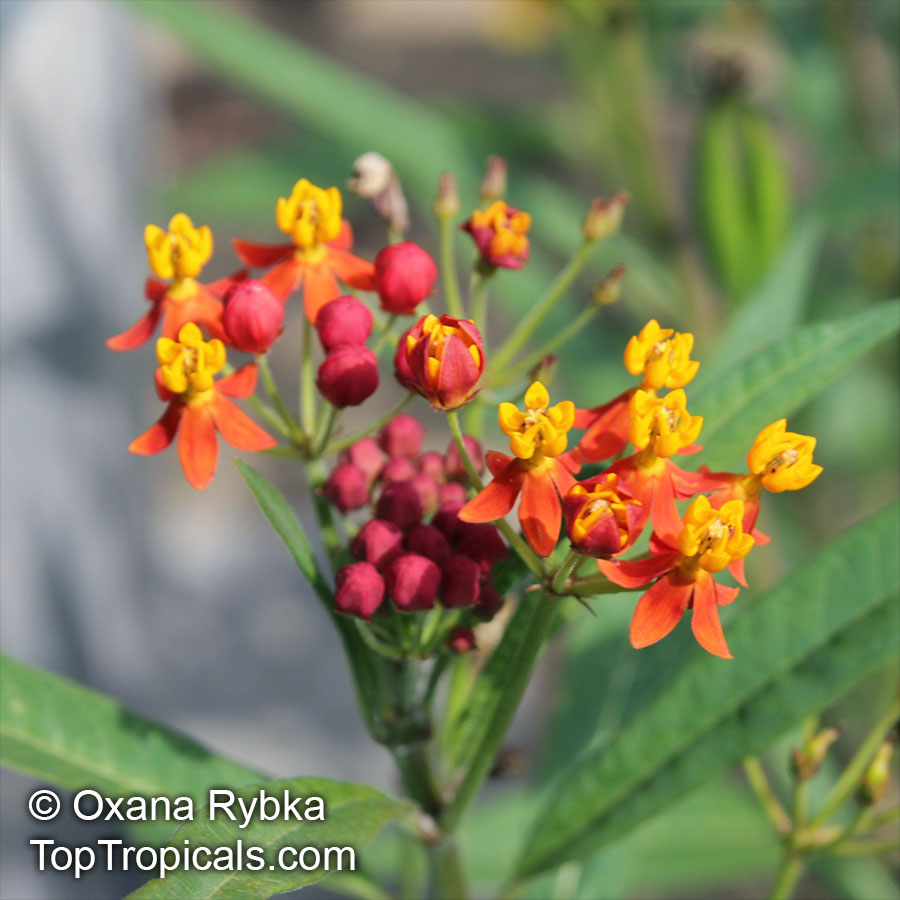
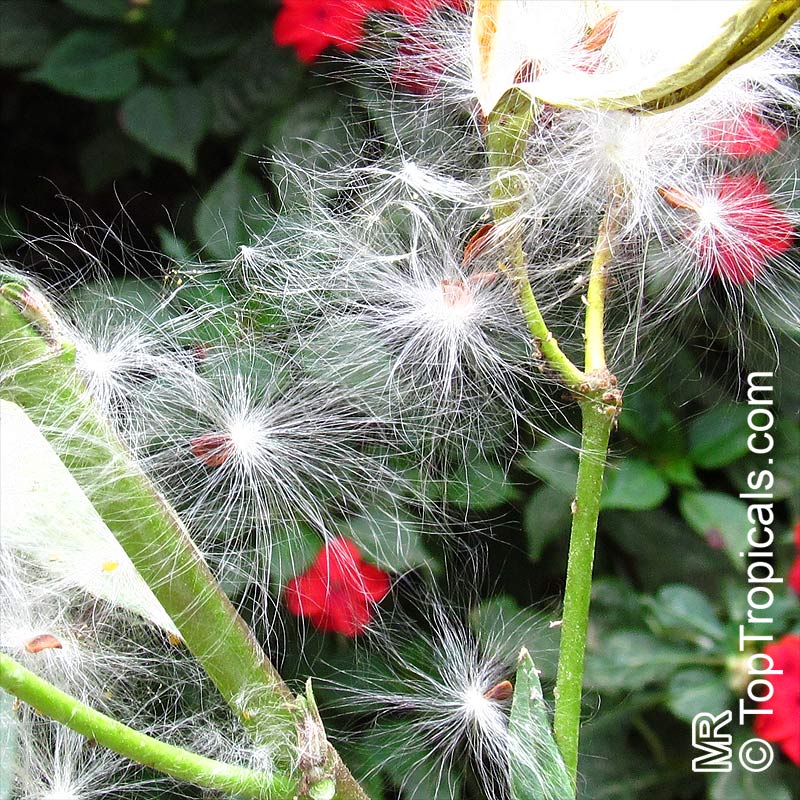
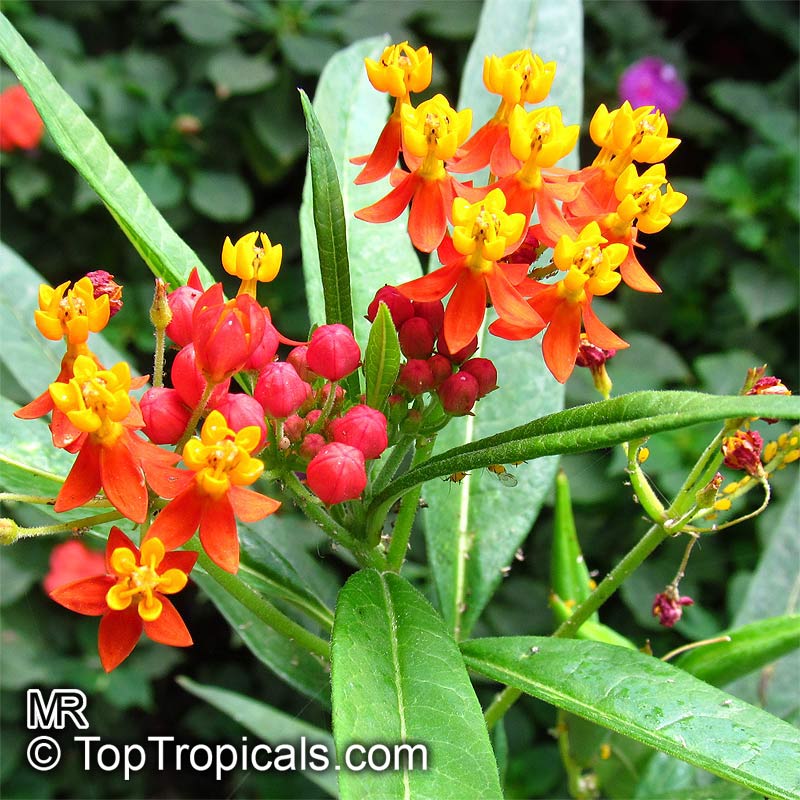
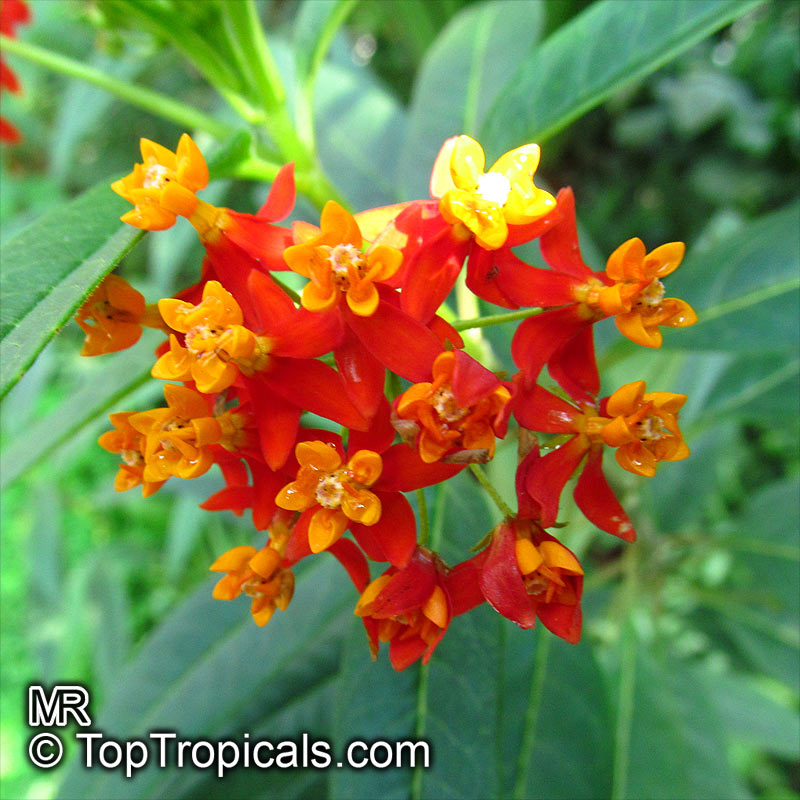
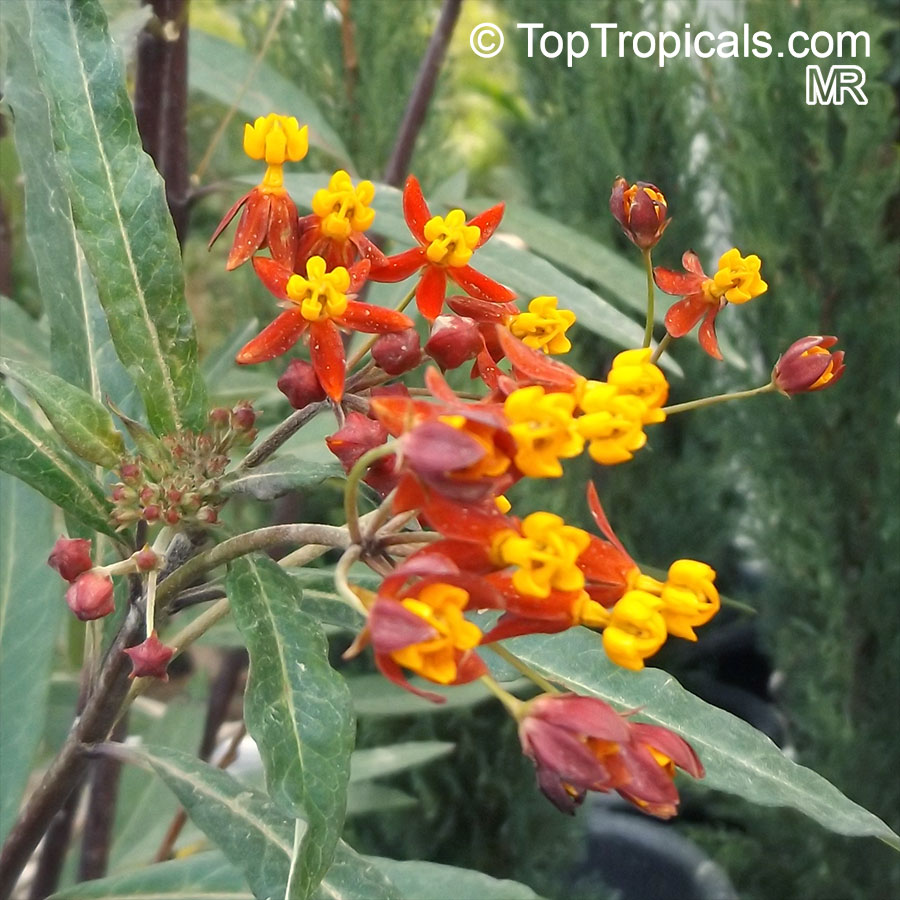
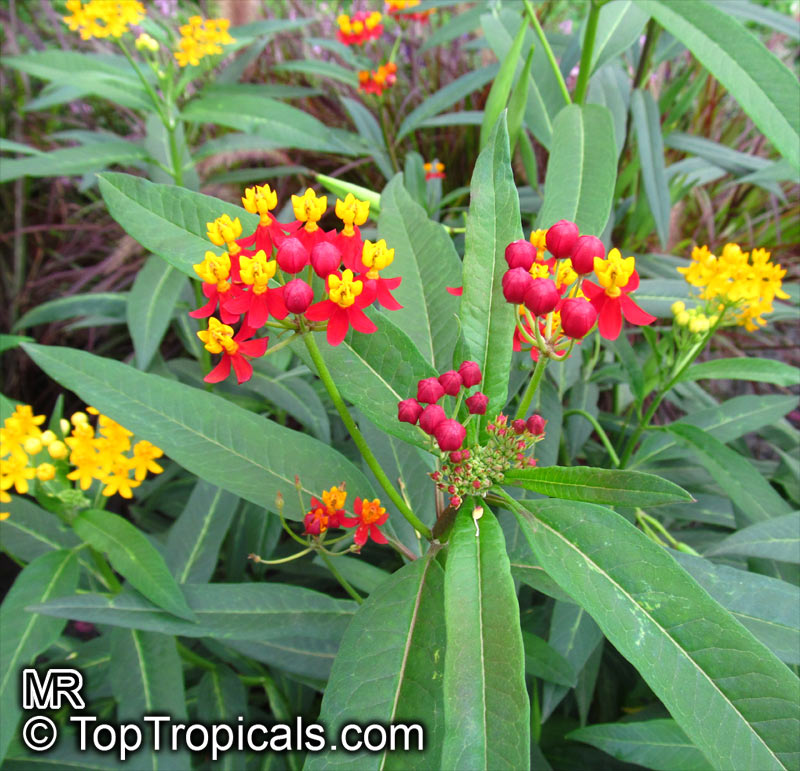
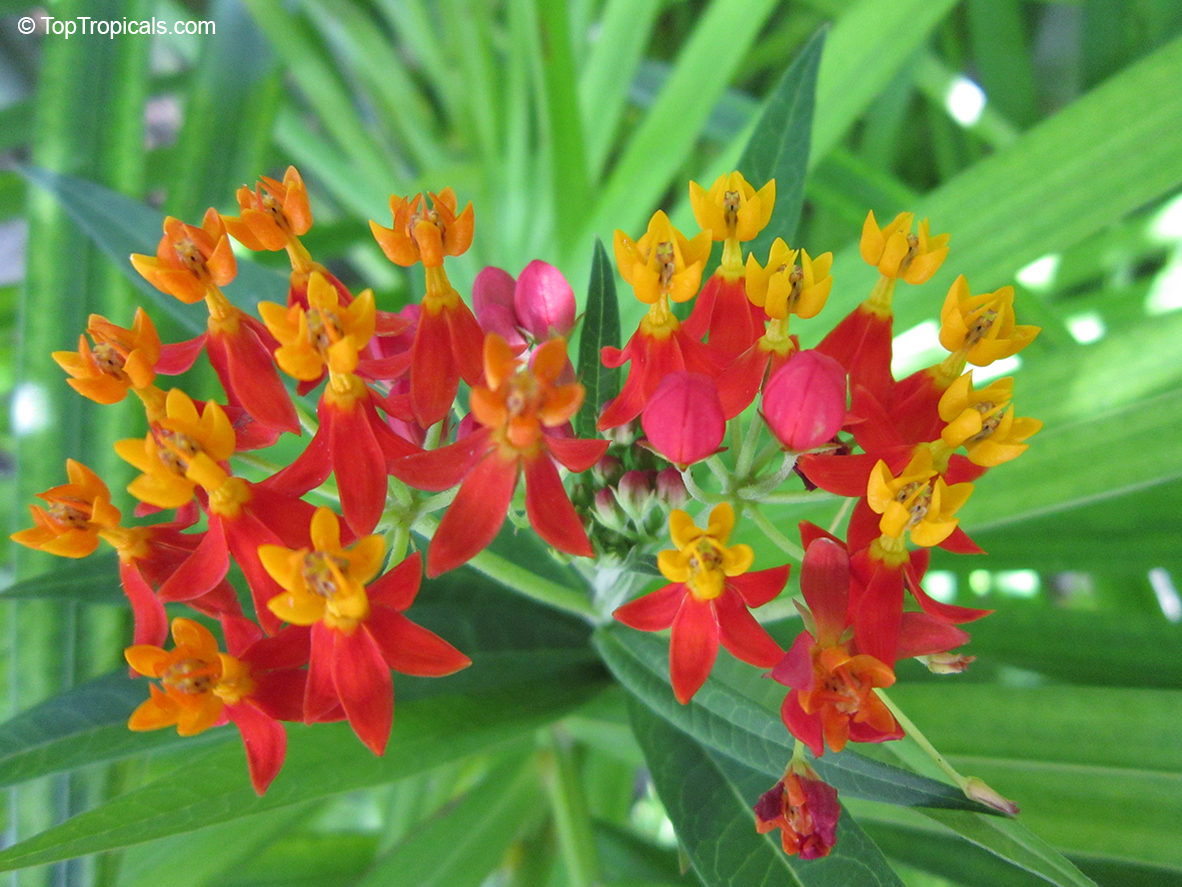
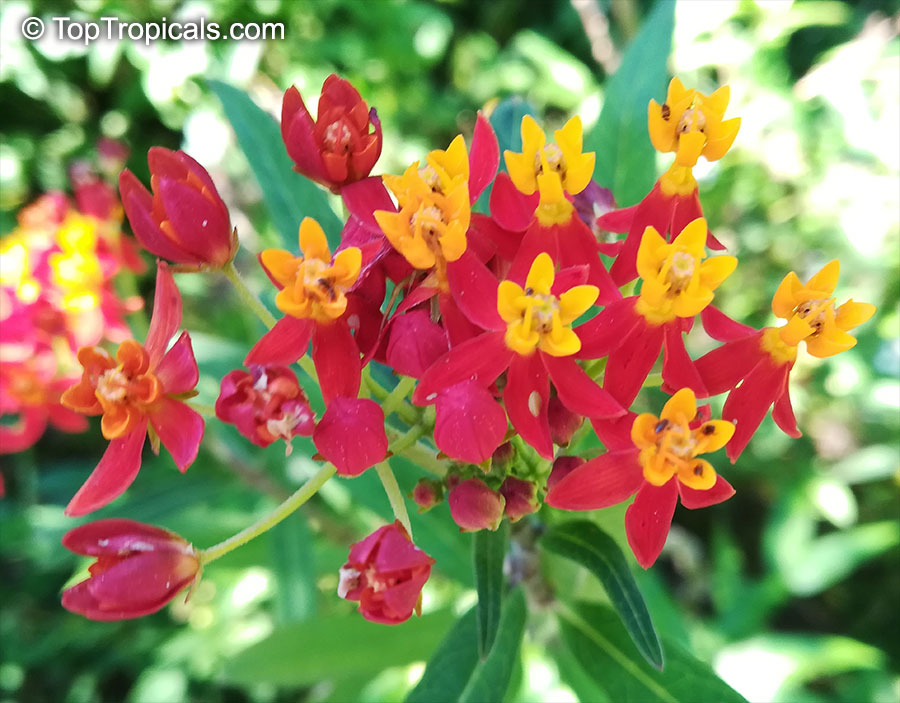
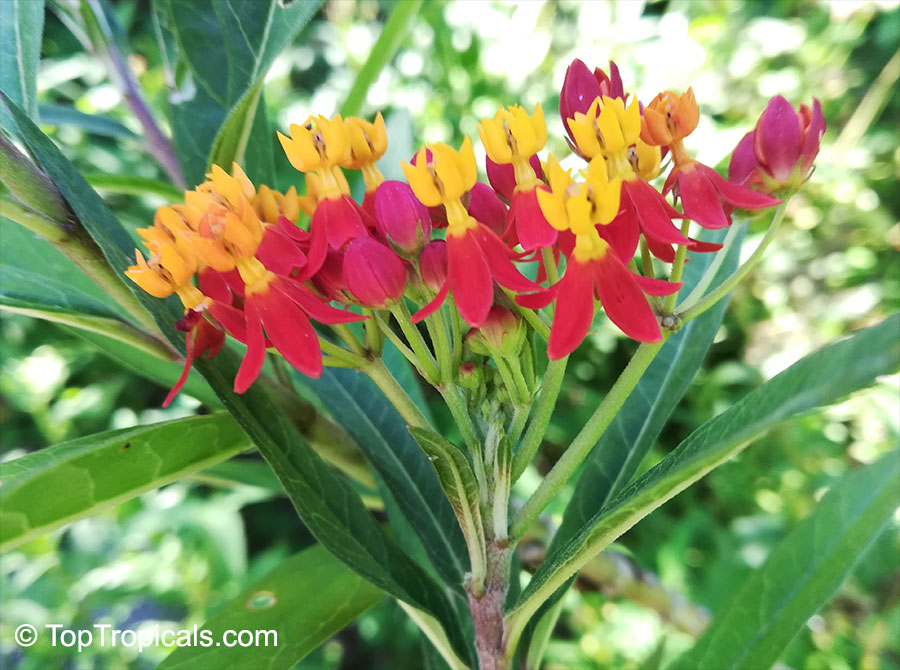
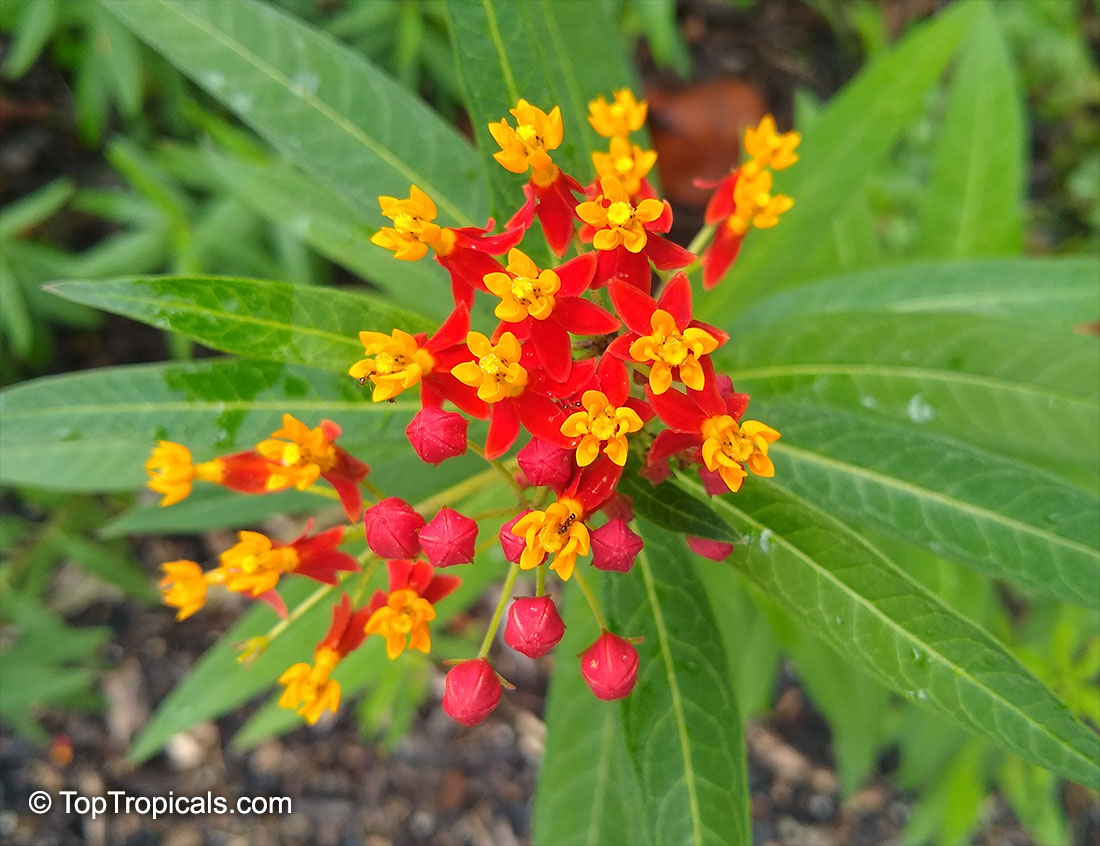
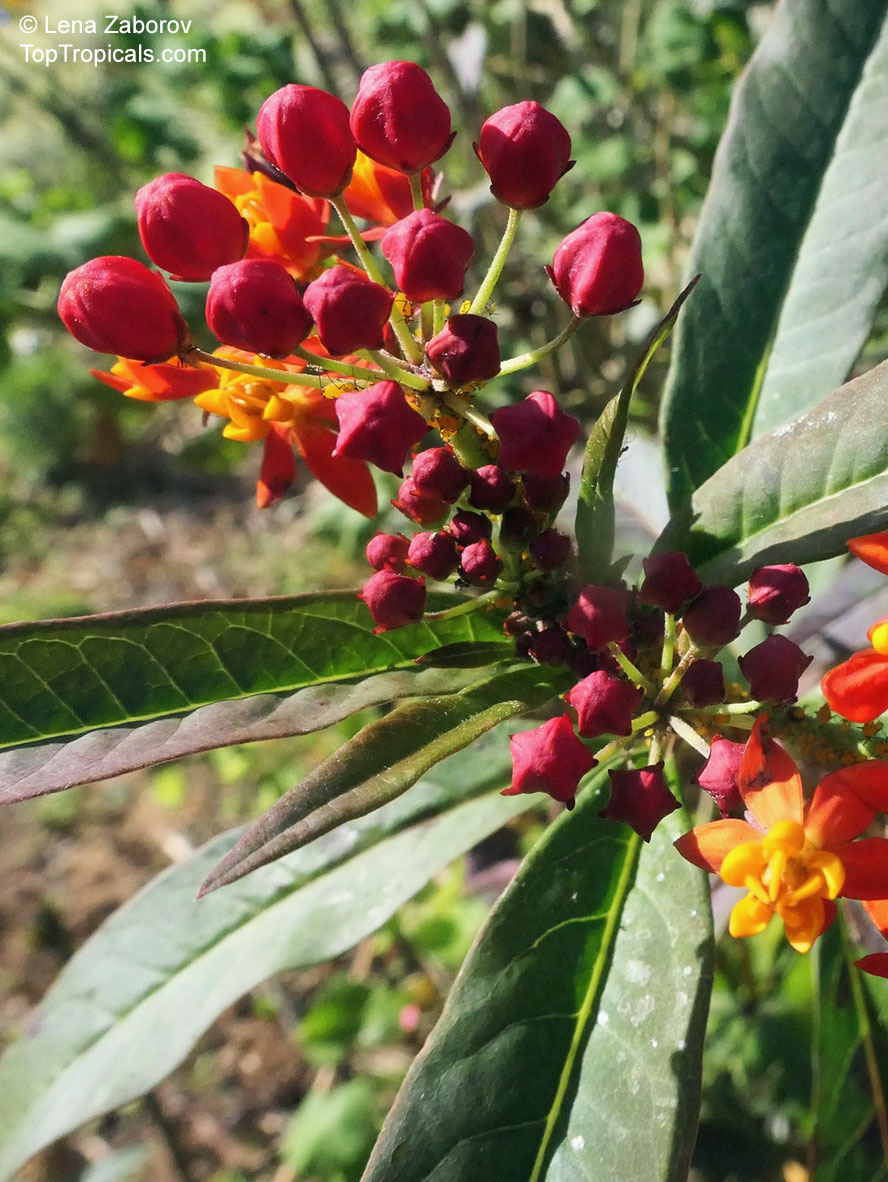
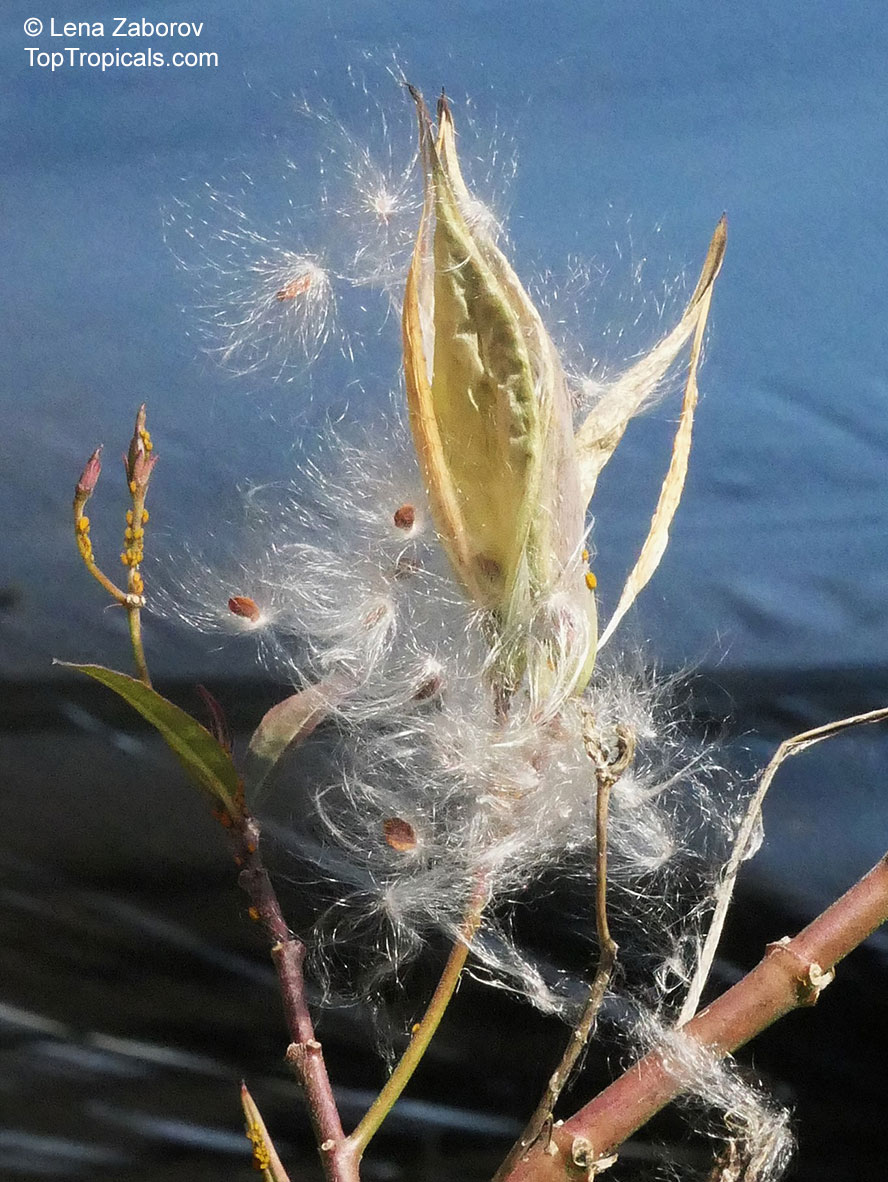
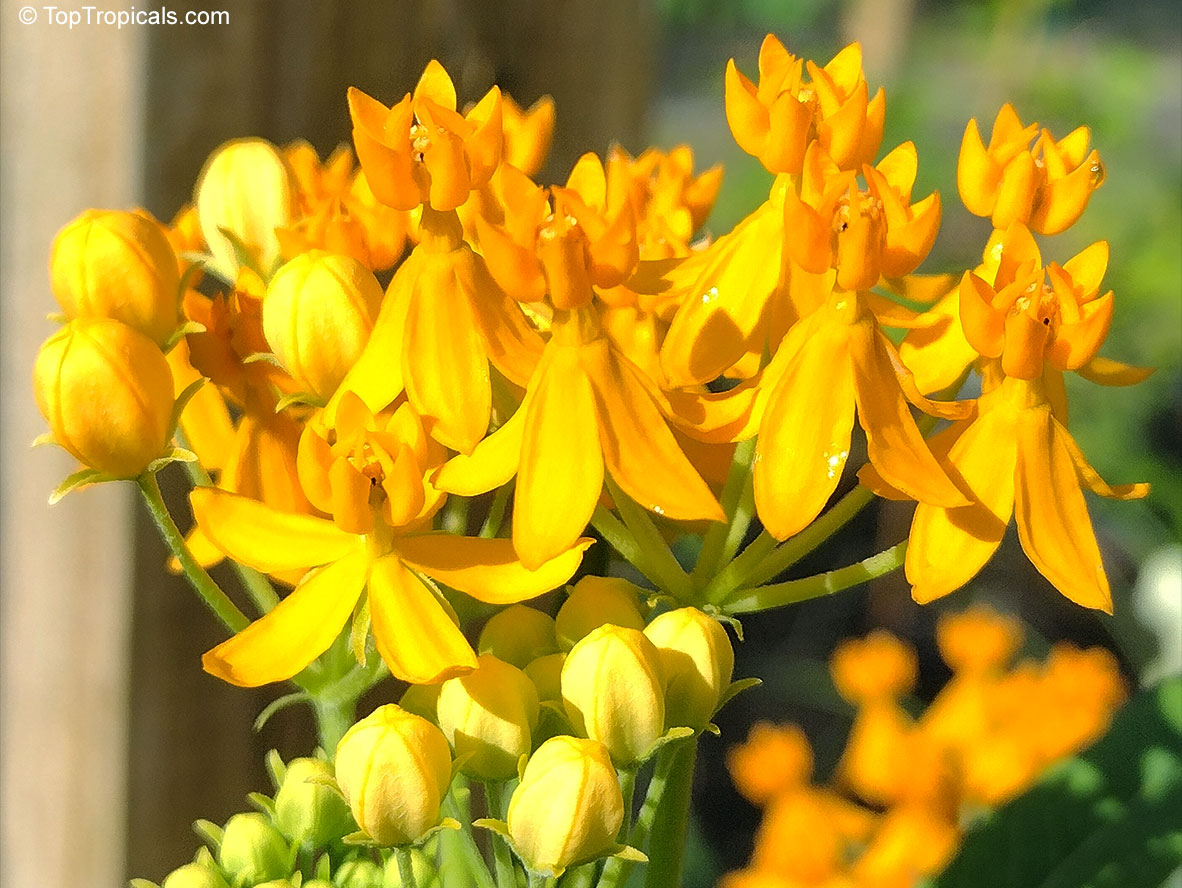
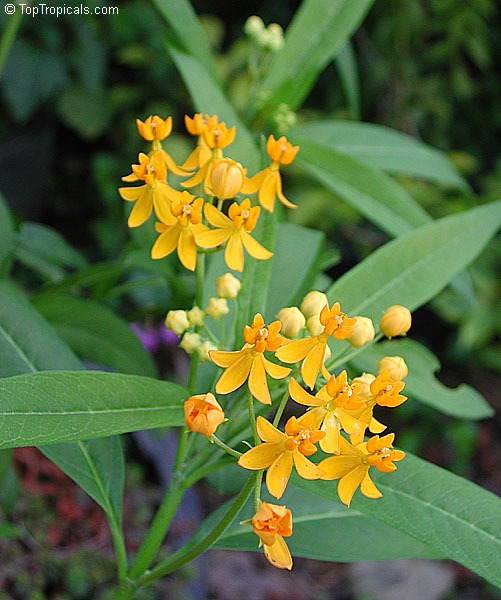
Botanical name: Asclepias curassavica
Common names: Milkweed, Butterfly Weed, Tropical Milkweed
Family: Apocynaceae (Formerly:Asclepiadaceae)
Subfamily: Asclepiadoideae
Origin: North America
USDA Zone: 8-11

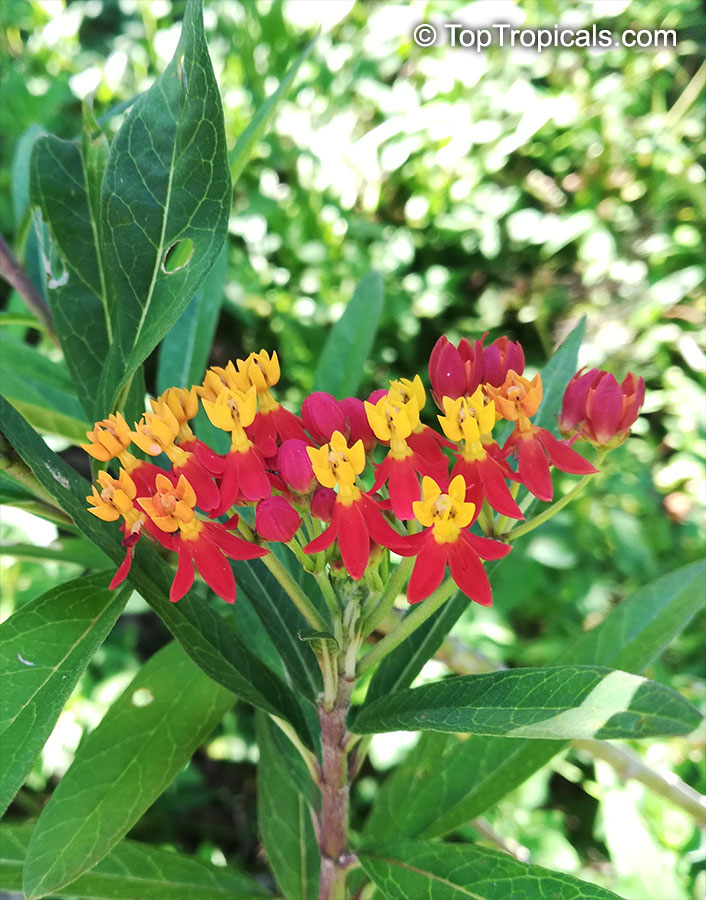
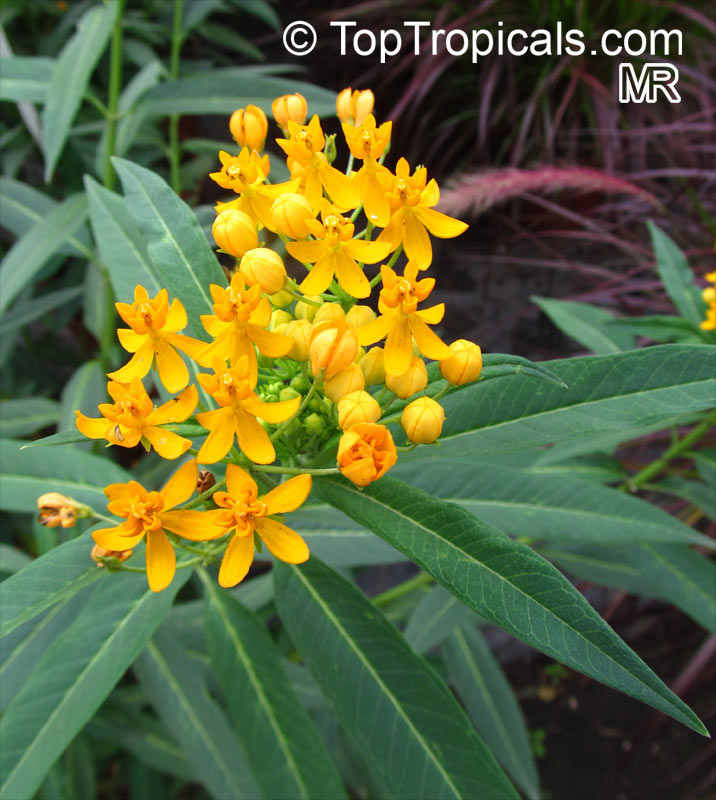
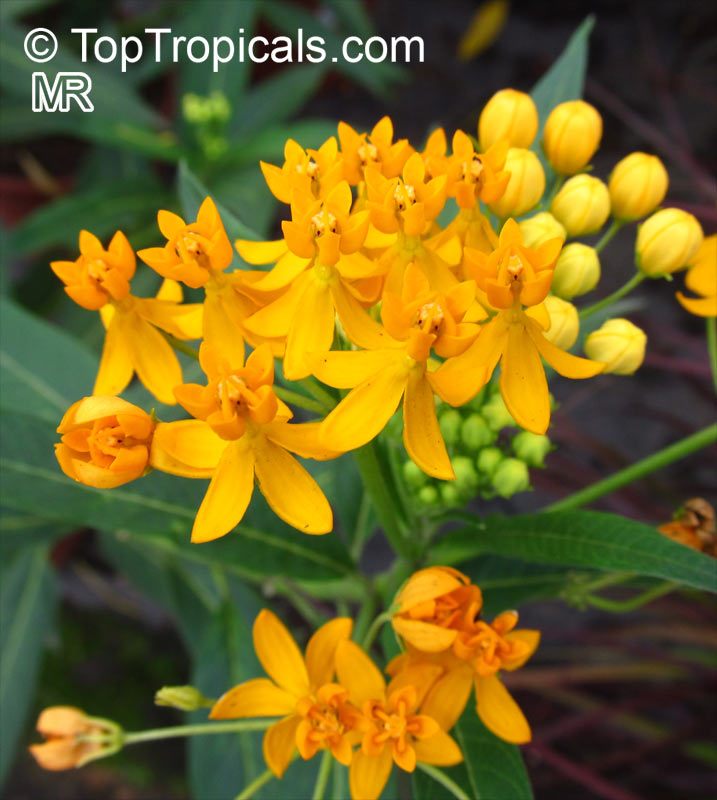
Asclepias curassavica (Milkweed) is a small shrub that grows 2-5 ft high and spreads up to 3 ft wide. This evergreen perennial is native to tropical America and is suitable for growing in USDA Zones 8-11. It prefers growing in full sun, and it needs moderate amounts of water once established. This plant features red and crimson to vinous flowers in early summer and yellow and orange flowers in late summer.
Milkweed has other benefits beyond its display in the garden. It is a great attractant for butterflies and hummingbirds, and the juice from the plant may cause an irritating effect, repelling certain pests. It is also a great choice for a seaside garden, as it is tolerant of salt spray and other harsh elements.
When it comes to plant care for Milkweed, it is essential to water the plant regularly and at least once a week during a dry period. Prune it back to maintain a compact form and shape and remove the dead flower stems. It is best to mulch the soil in order to conserve moisture and suppress weeds.
When growing Milkweed in colder regions, you may need to provide additional protection during the cold winter months. Mature plants can be cold-hardy, at least to the mid-30s F for a short time. It's best to grow them in a big pot and move it indoors, such as a sunroom or greenhouse, during the coldest part of winter. Additionally, it is beneficial to add a layer of mulch around the roots of the plant to keep it warm.
Recommended Fertilizer: SUNSHINE Megaflor - Bloom Nutrition Booster
Ordering seeds info
RECOMMENDED SUPPLIES:
Seed Germination Mix #3, professional grade
SUNSHINE-Epi - Seeds and cuttings booster
SUNSHINE Bombino - Young Plant Booster
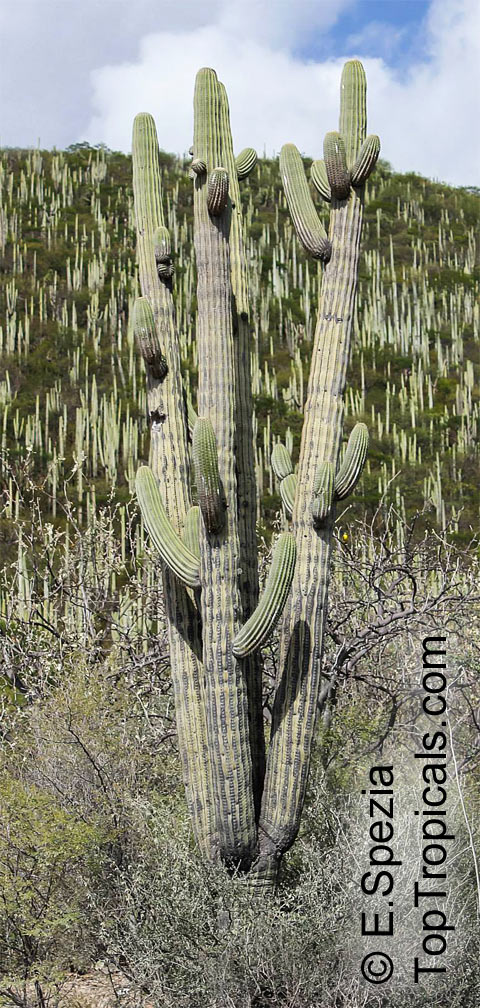
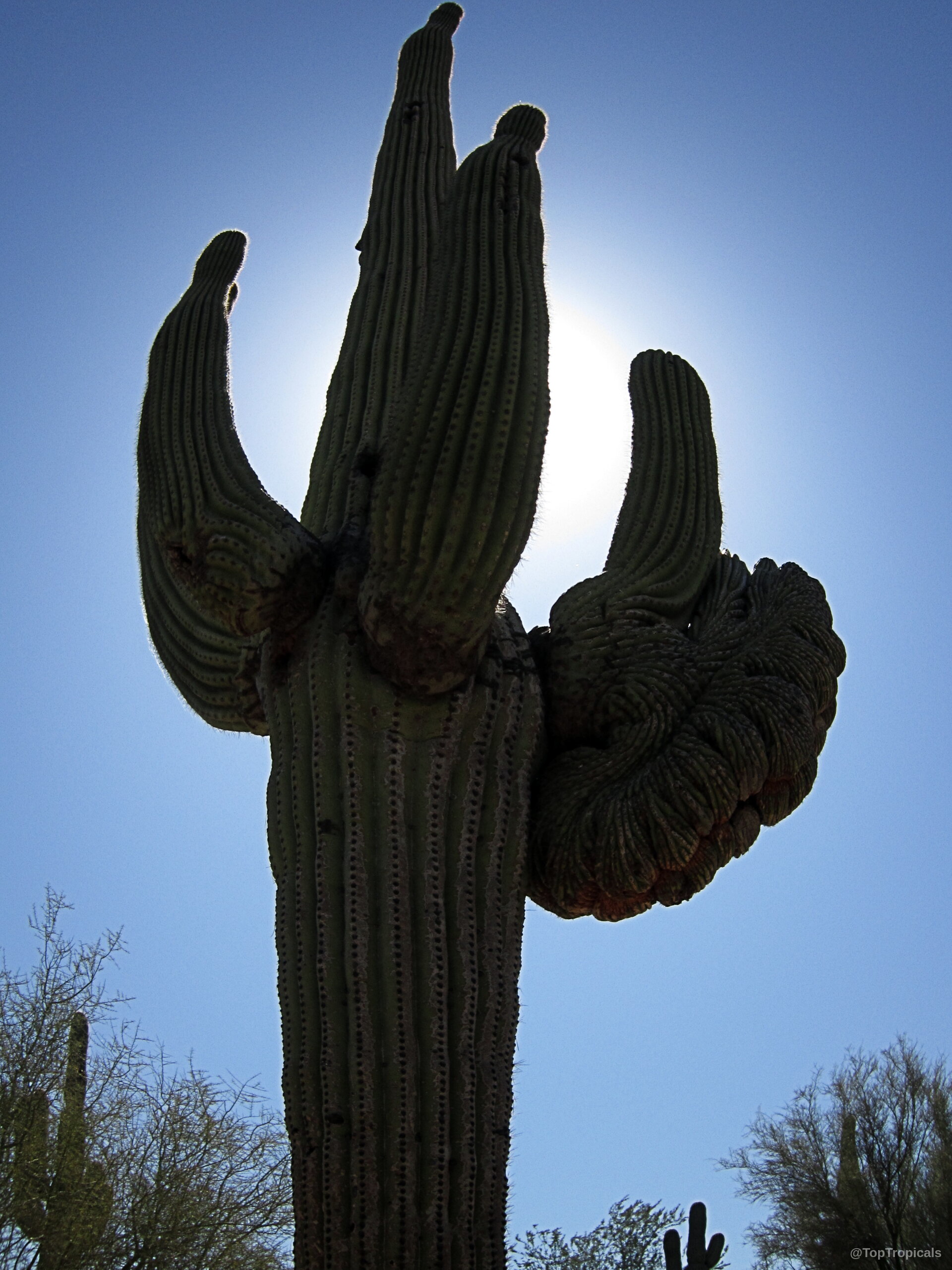
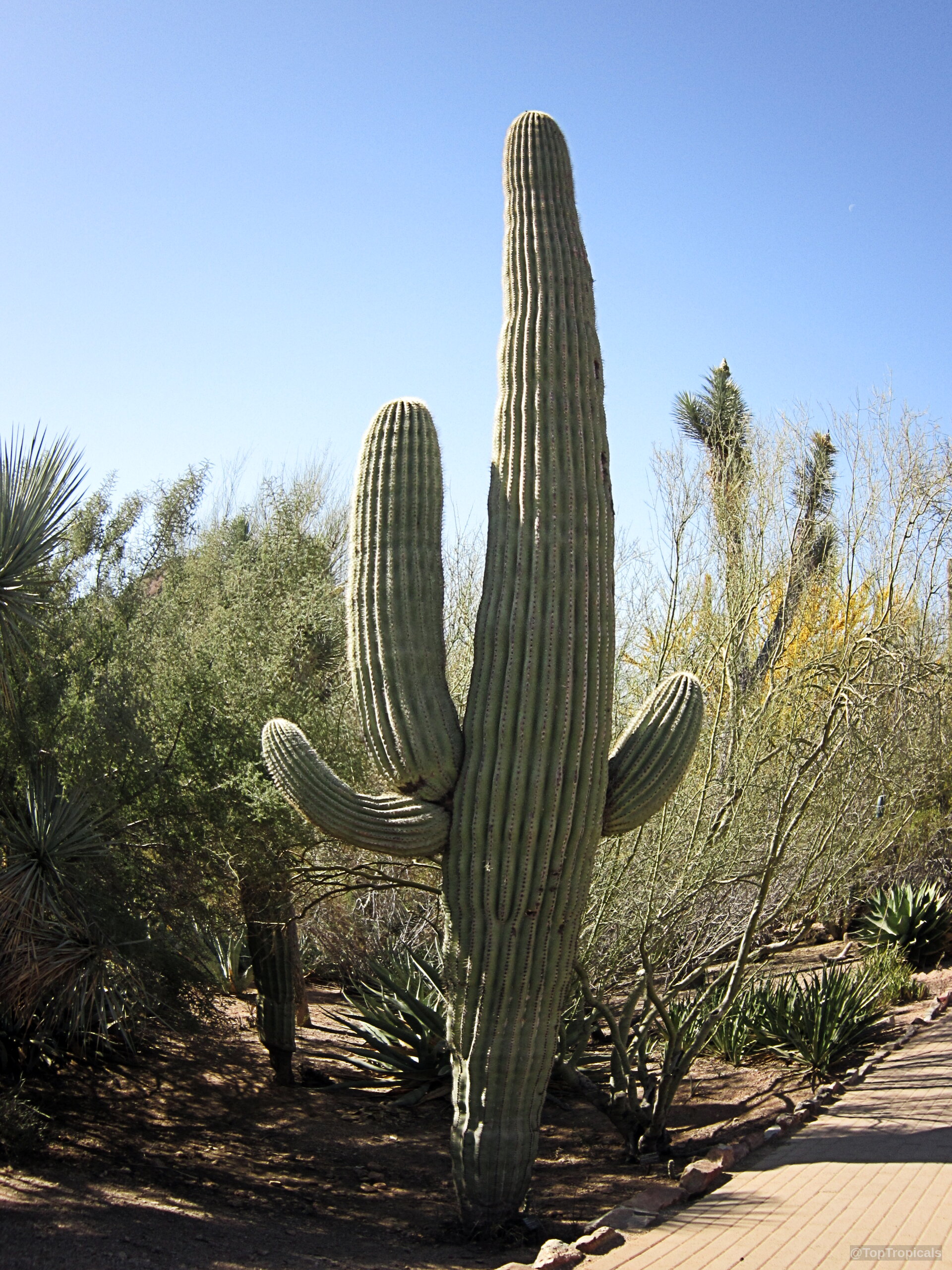
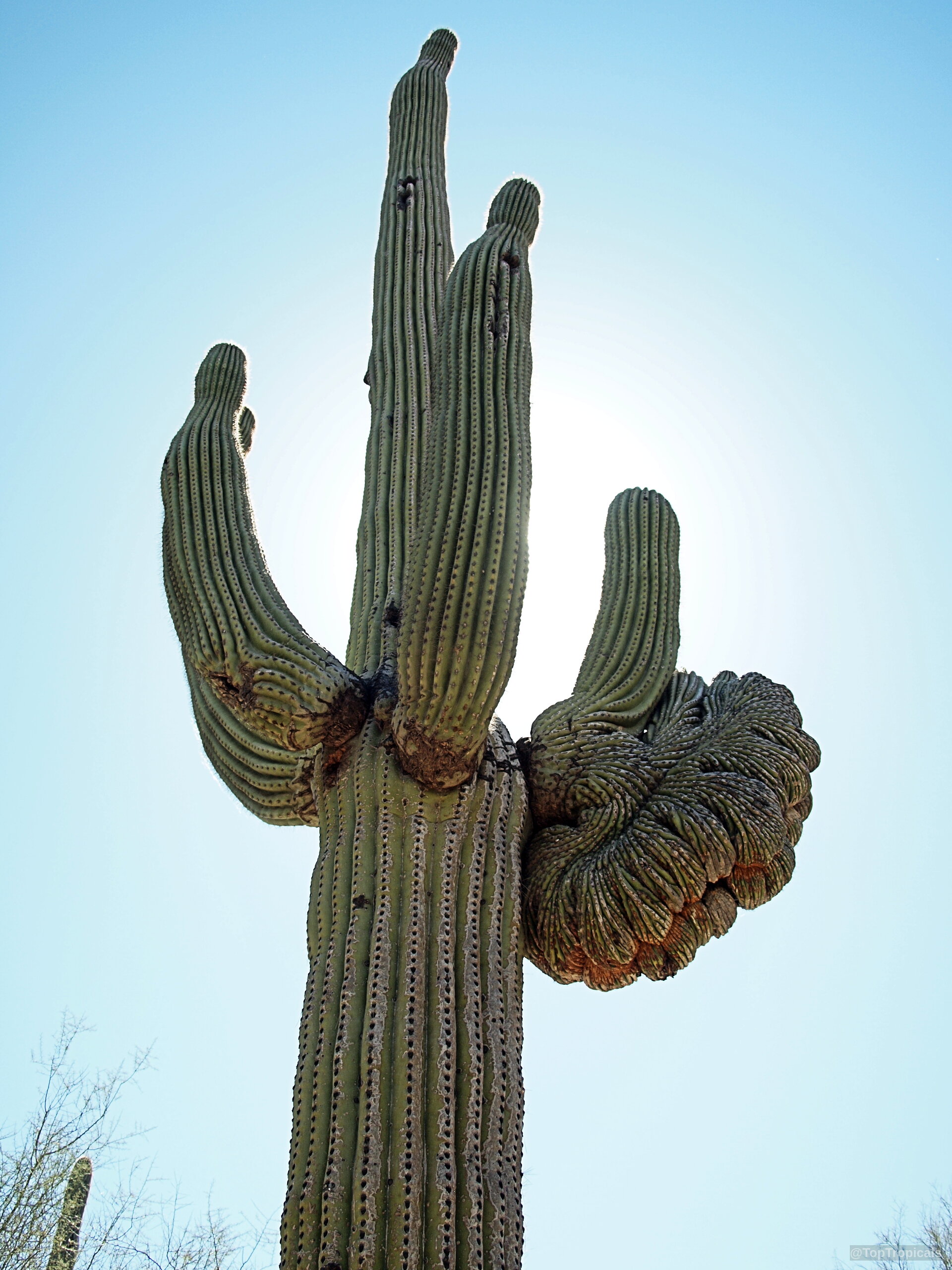
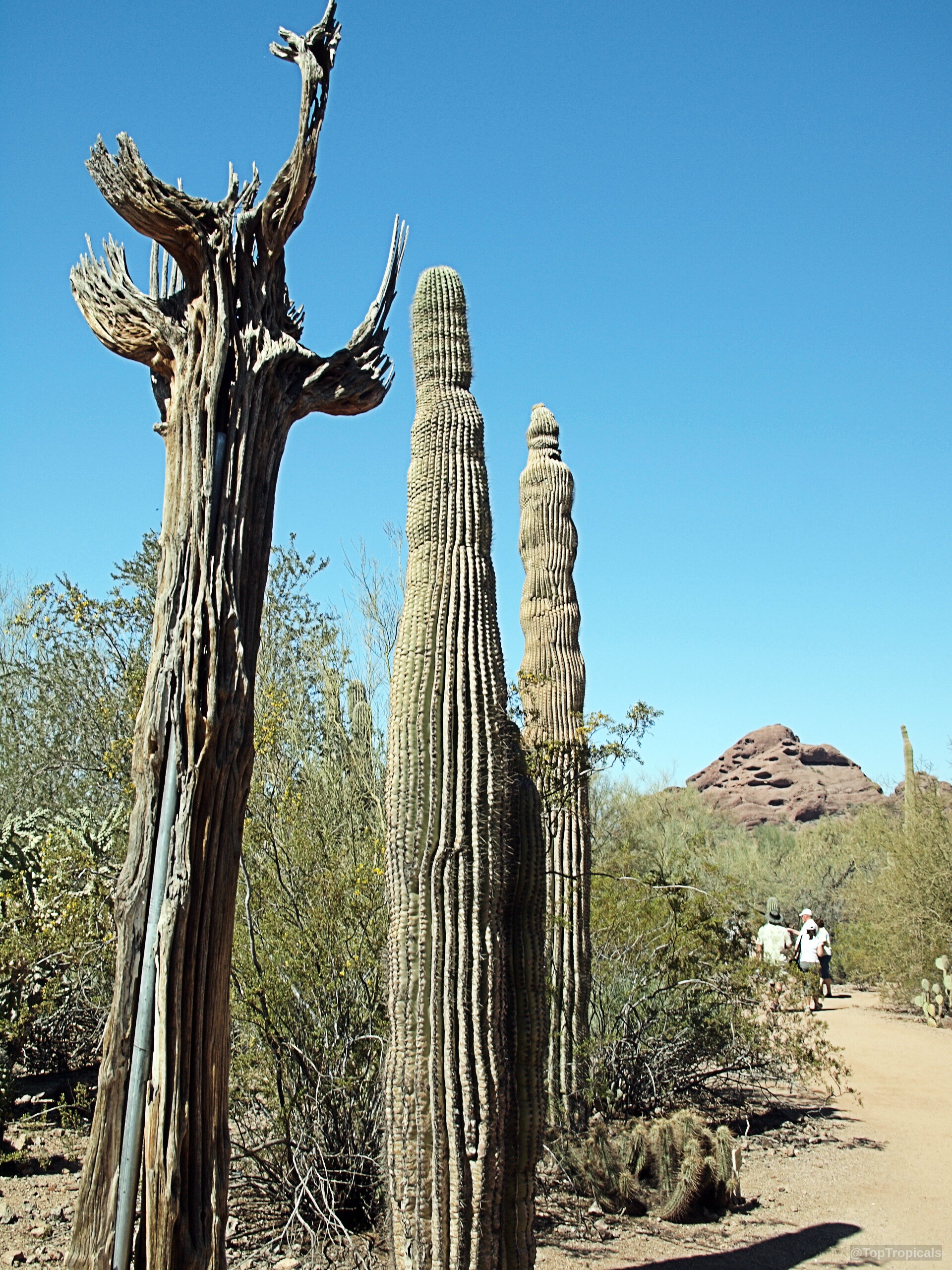
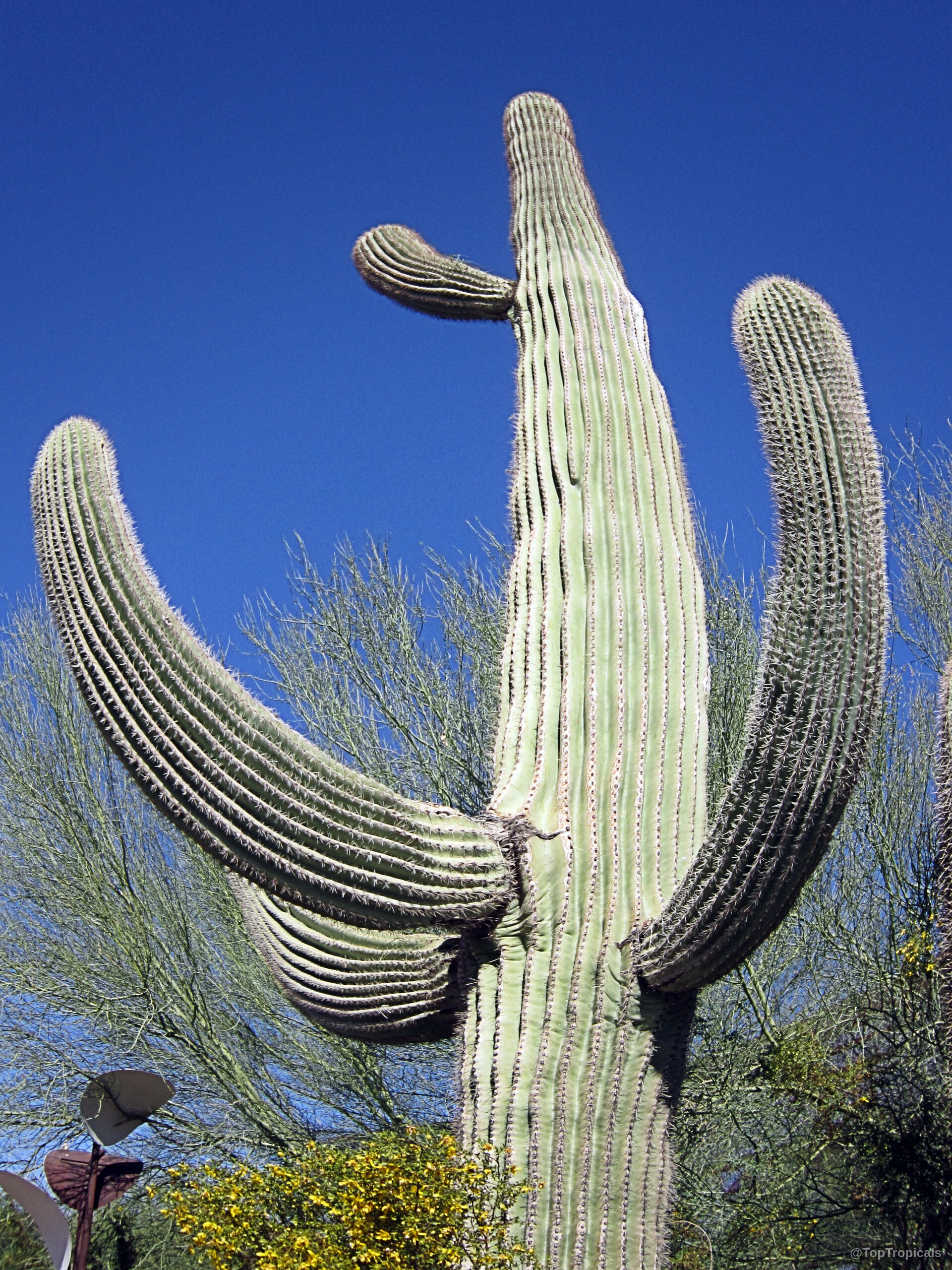
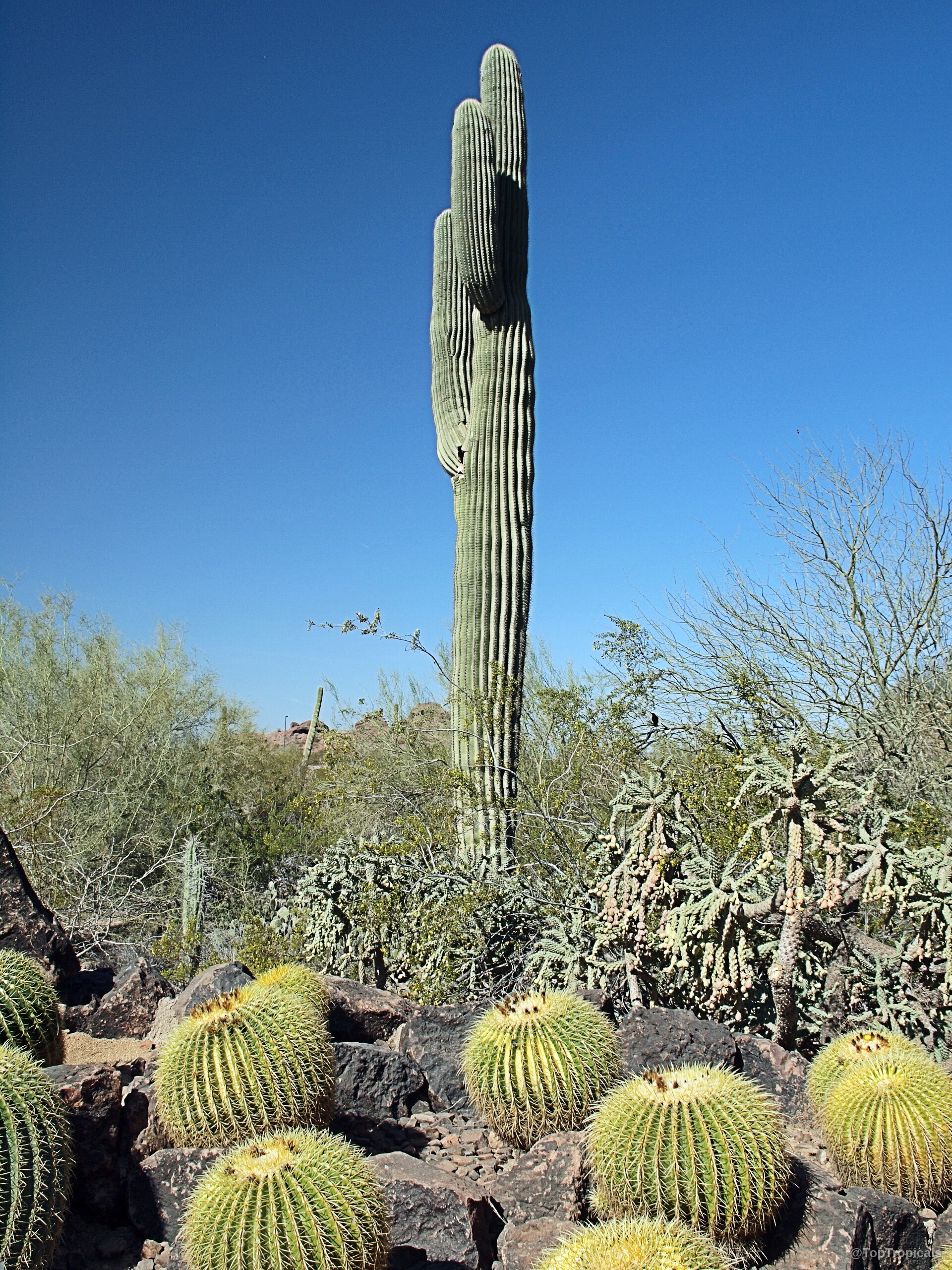
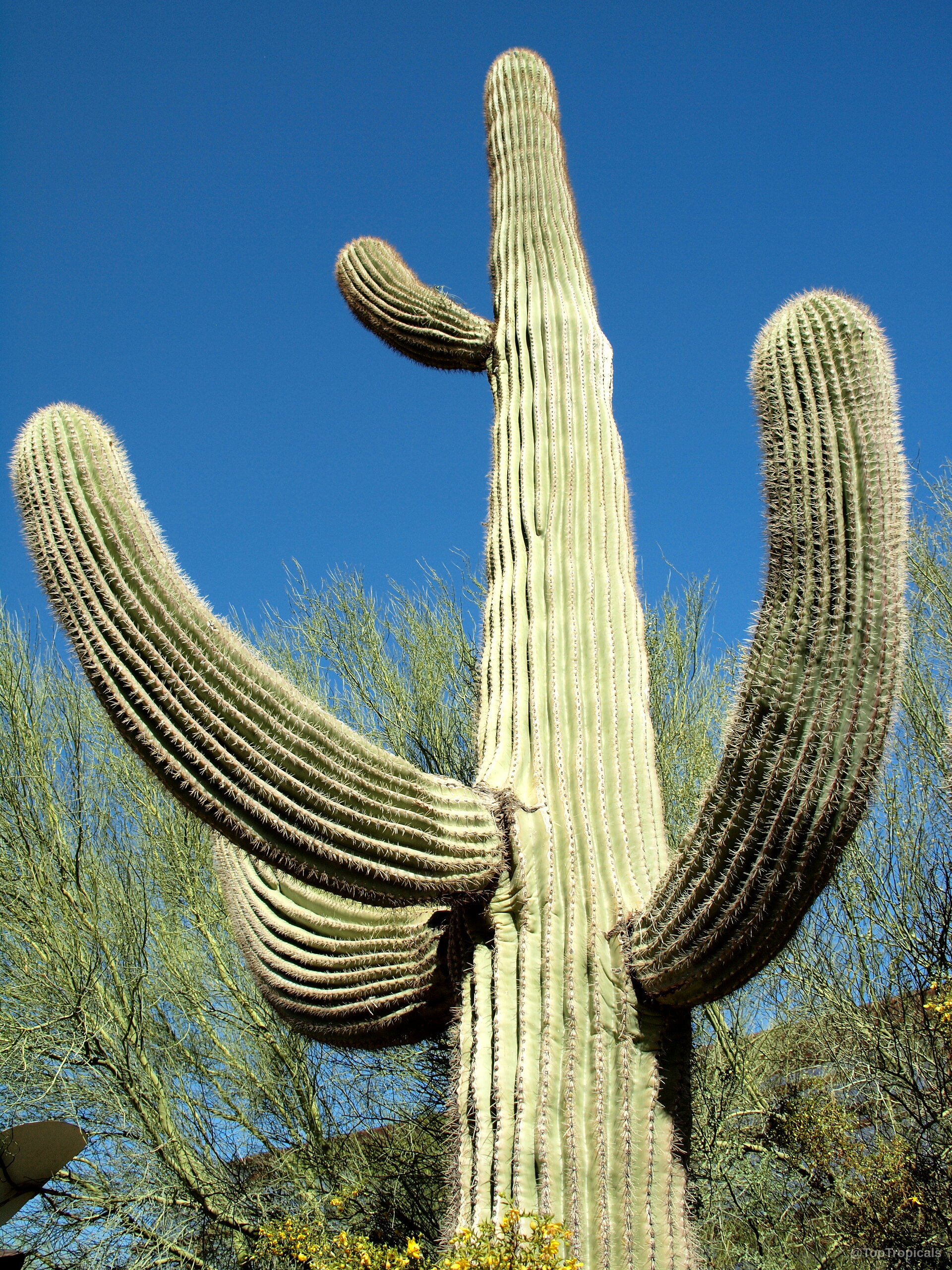
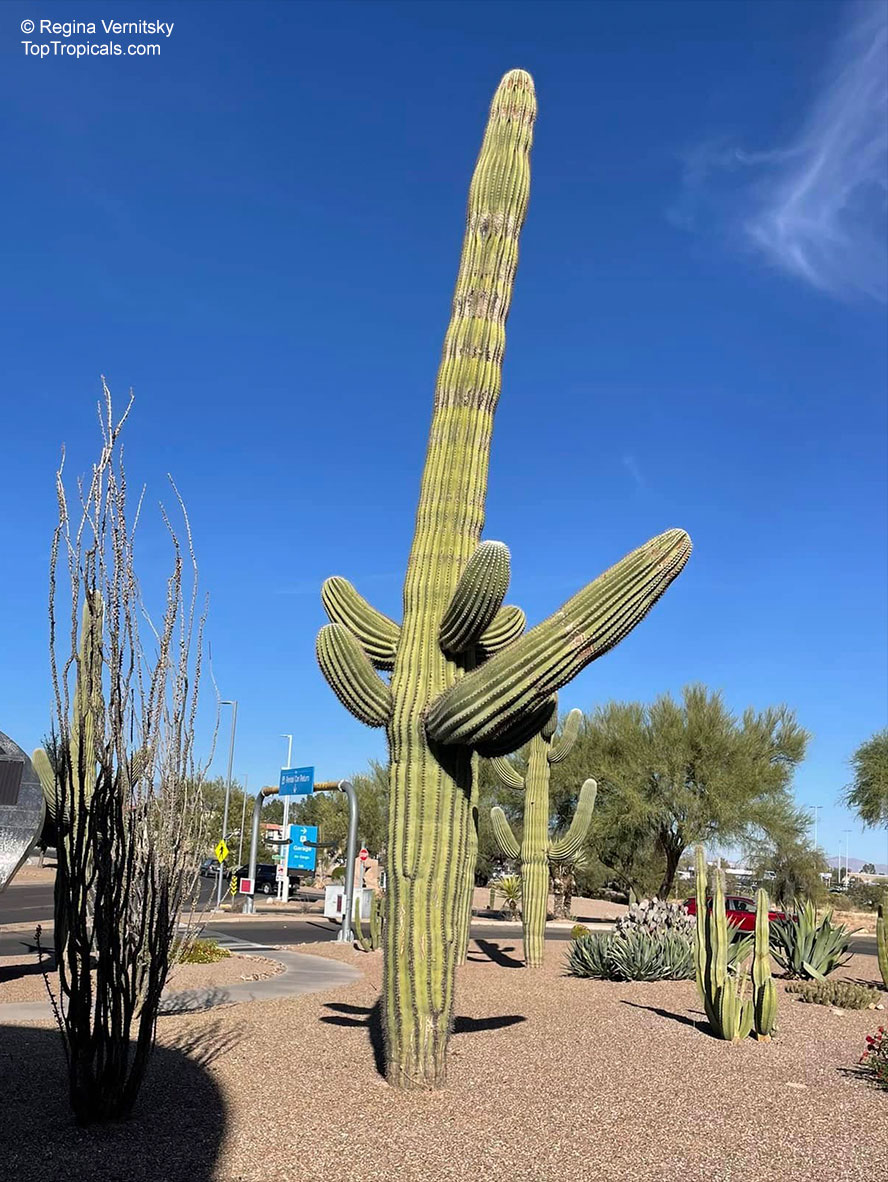
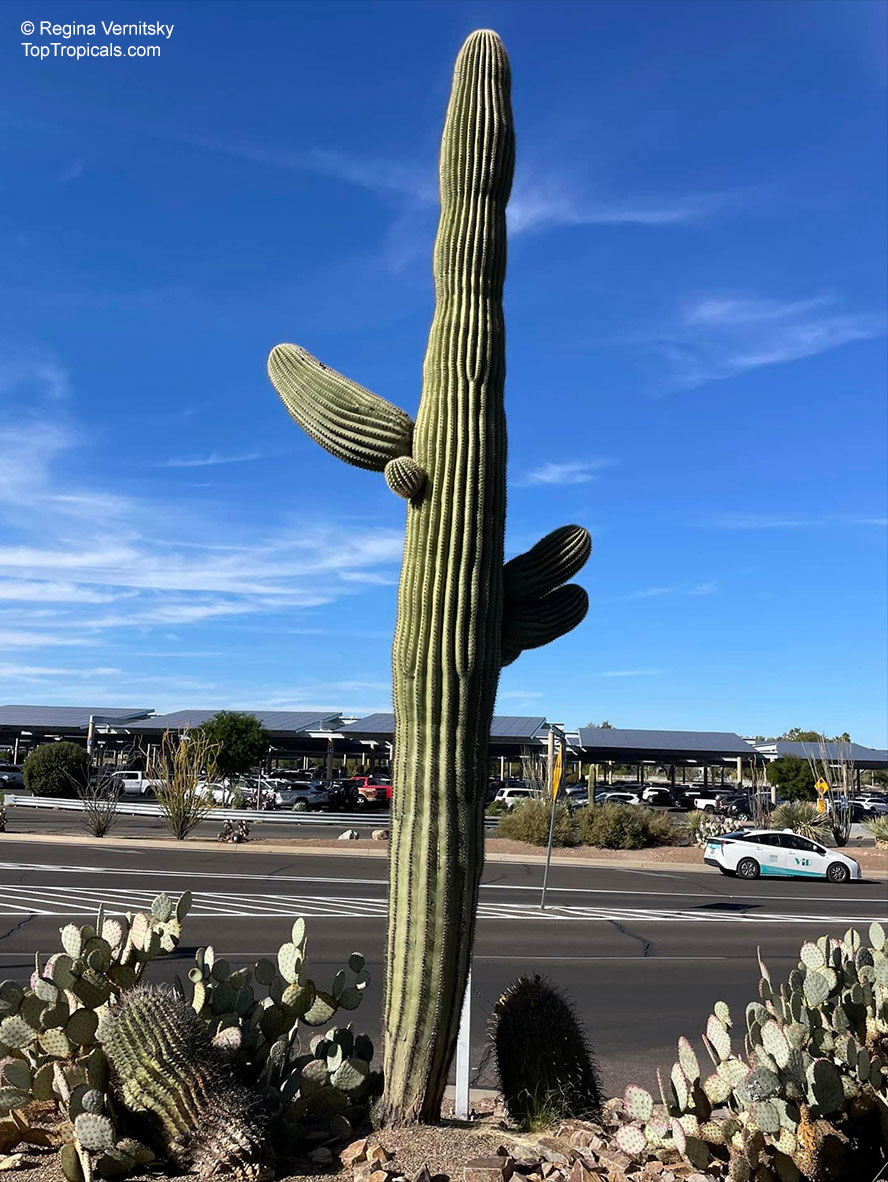
Botanical name: Carnegiea gigantea
Common name: Saguaro
Family: Cactaceae
Origin: Arizona
USDA Zone: 8-11


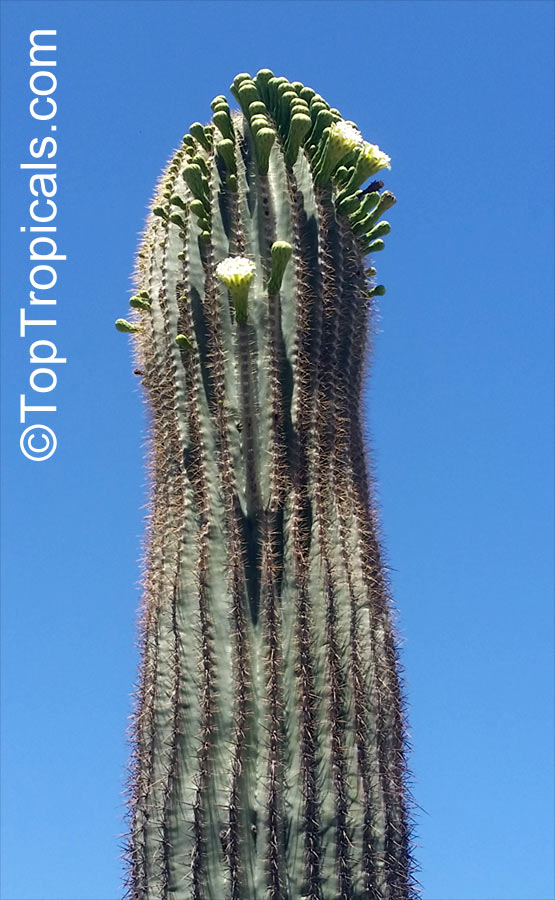
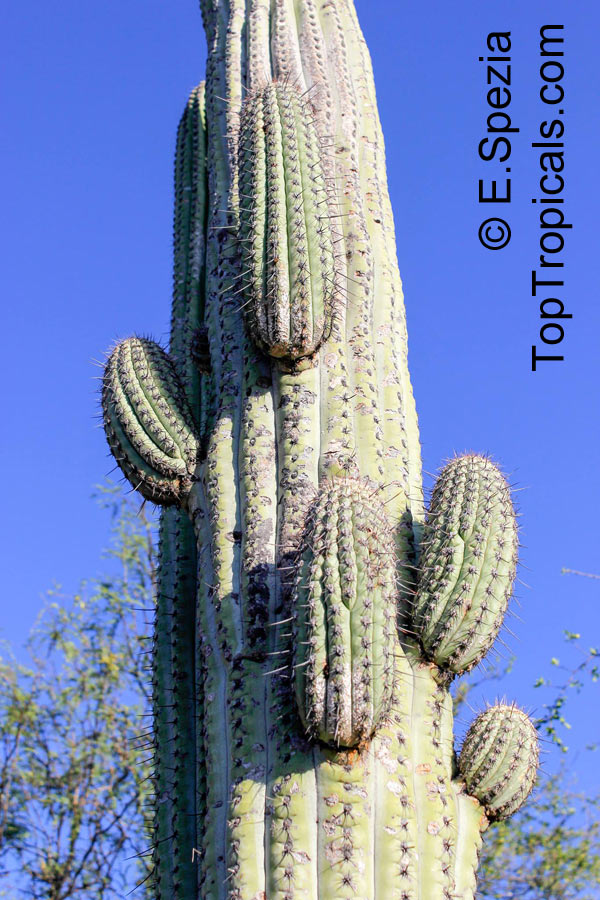
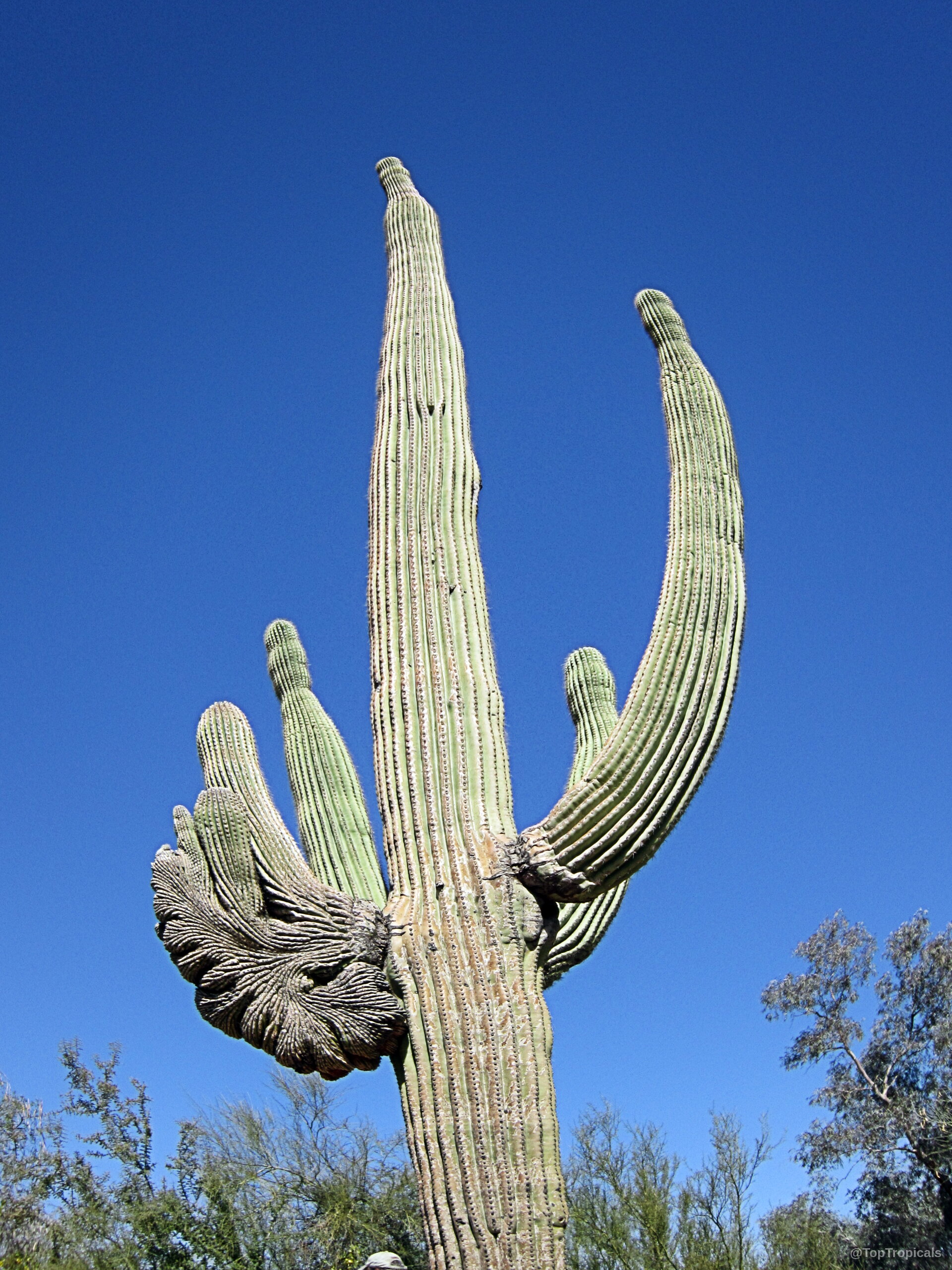
Carnegiea gigantea are typically 10-20 feet high and live for 150-200 years. Although these plants can tolerate some shade, they prefer full sun and well-draining, dry soil conditions. The green fleshy trunks are studded with spines, have reddish-brown spots, and covered with a waxy bluish-white layer for protection. During the spring, off-white flowers bloom on the sides of the stems and attract hummingbirds and butterflies. These flowers are also edible and a traditional food source for Native Americans.
The saguaro is also valued for its edible fruit, which ripen in late spring or summer. These fruits are covered with a thick leathery skin and filled with juicy pulp and several large seeds. The fruit has a sweet, sugary taste and is high in vitamin C and dietary fiber. Saguaro fruits can be made into jams, jellies, and syrups and are a popular treat in the Southwest United States.
In addition to its culinary uses, Saguaro has numerous cultural significance. It is a symbol of the Sonoran Desert and has been featured prominently in films and television series. The saguaro is considered an important medicinal plant and its fruits are used in traditional medicine for various treatments. The fruit also has a long history of being used for its healing properties.
Saguaro can be grown in USDA Zone 9-11 and is easily grown in a pot in cold regions. It requires well-draining soil and full sun in order to thrive. If planted in too much shade, the plant will not flower and may suffer from fungal diseases. To ensure that your saguaro continues to grow and thrive, water it deeply once a month and fertilize it in spring and summer. Make sure to provide a sturdy support for the cactus, as the older specimens can become top-heavy.


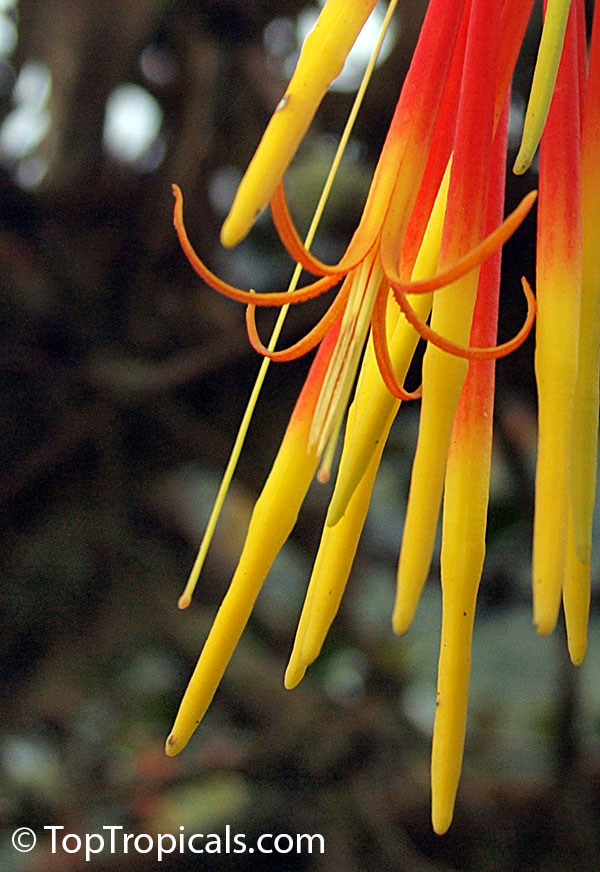
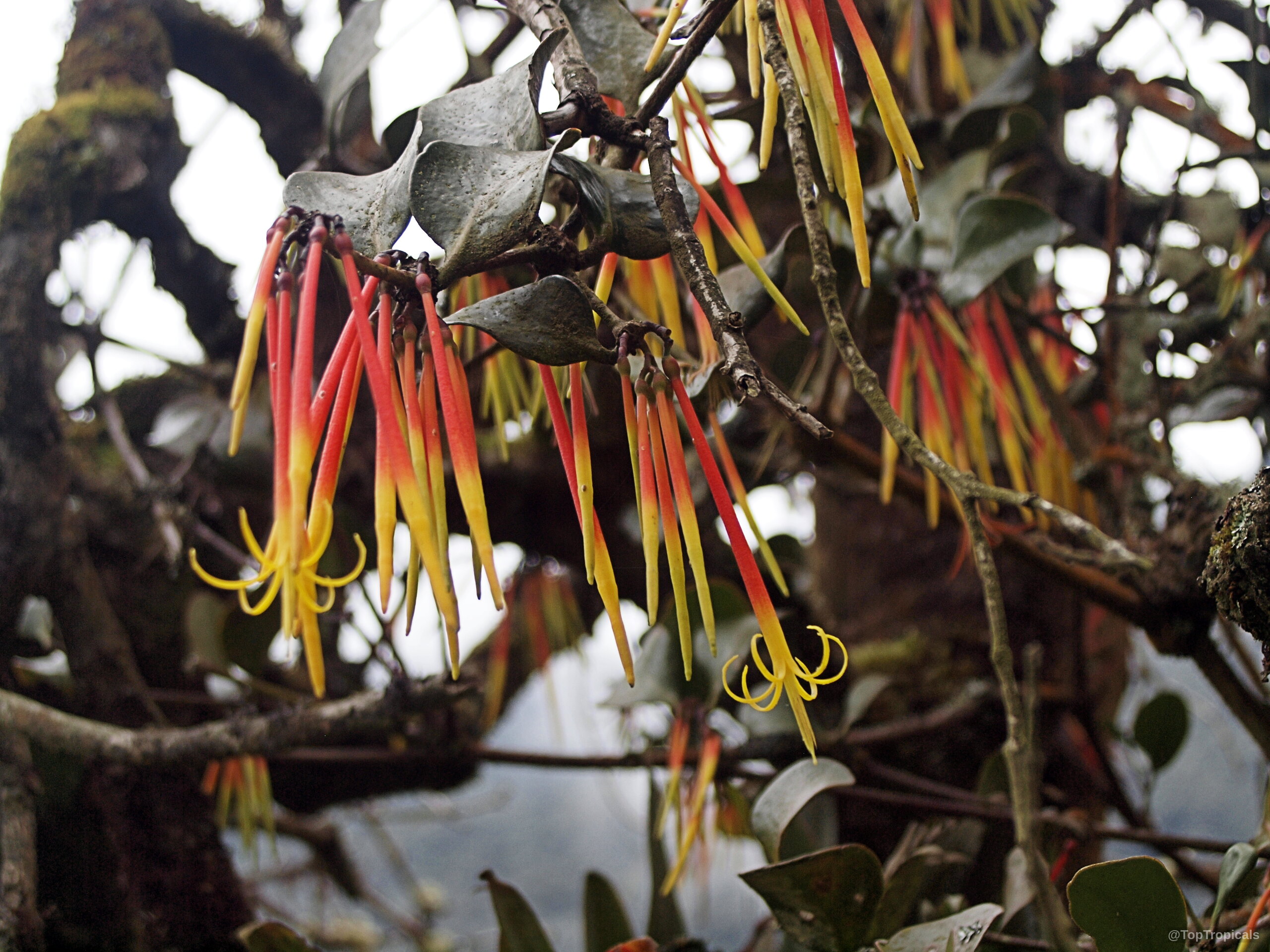
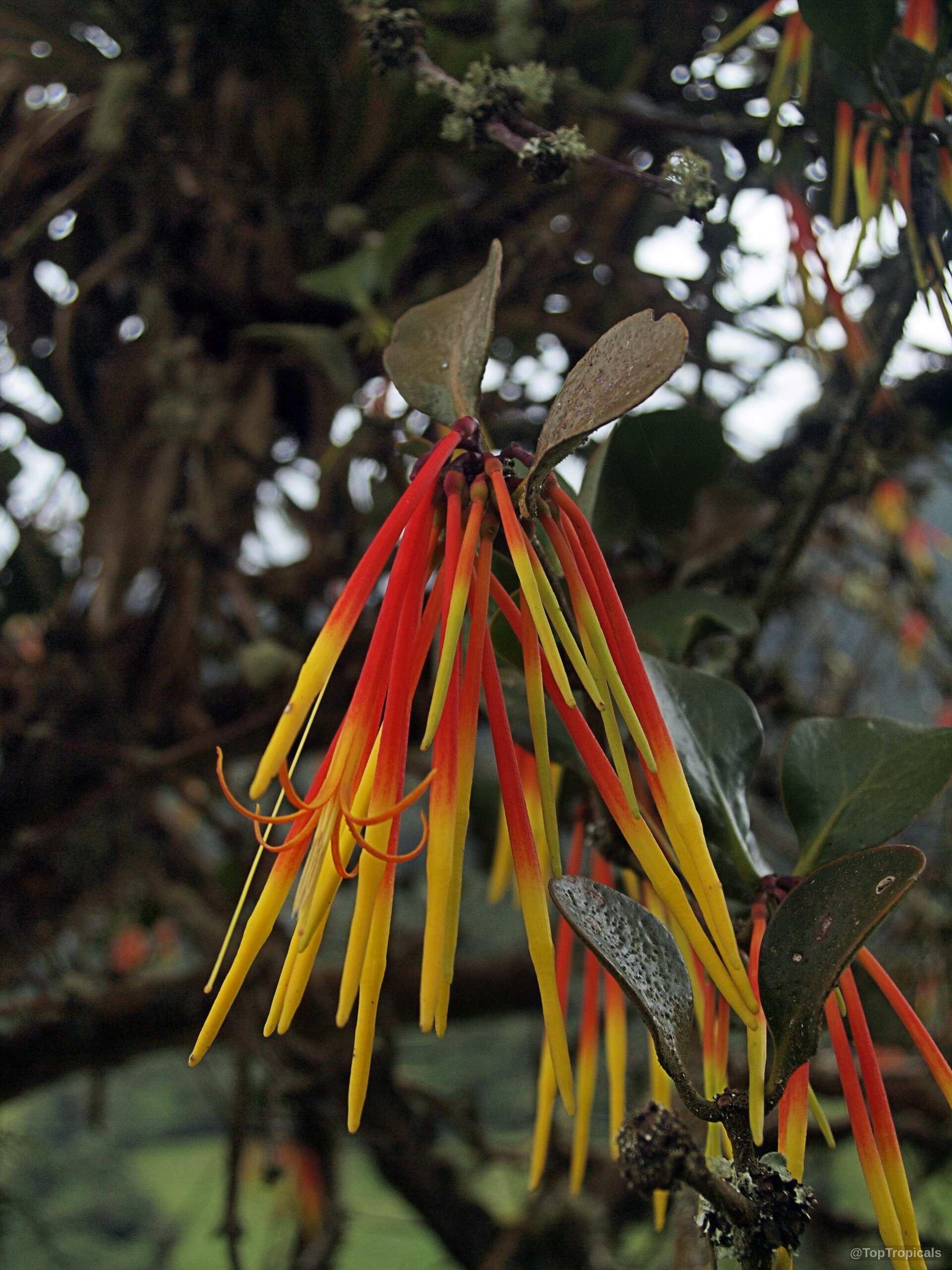
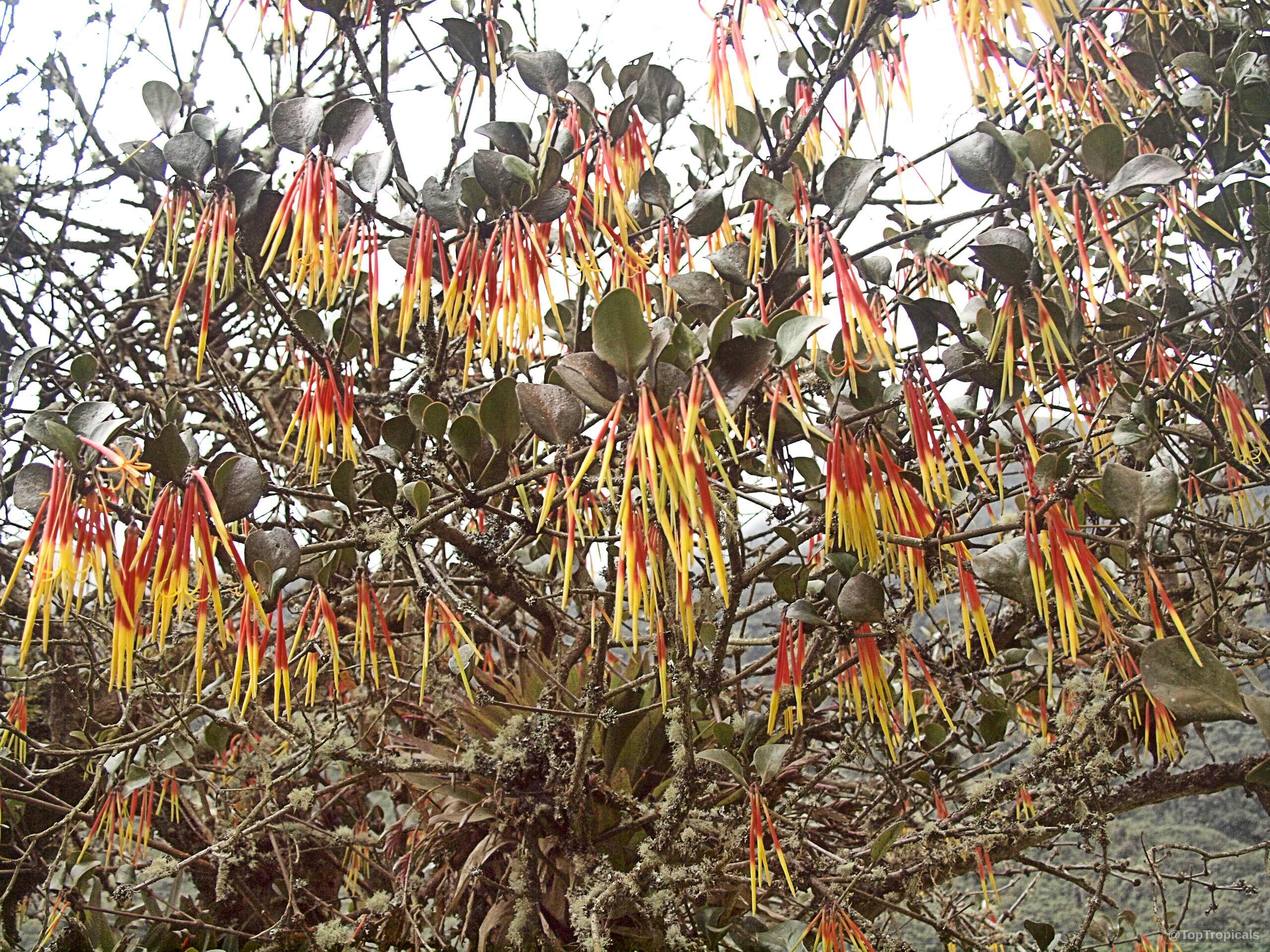
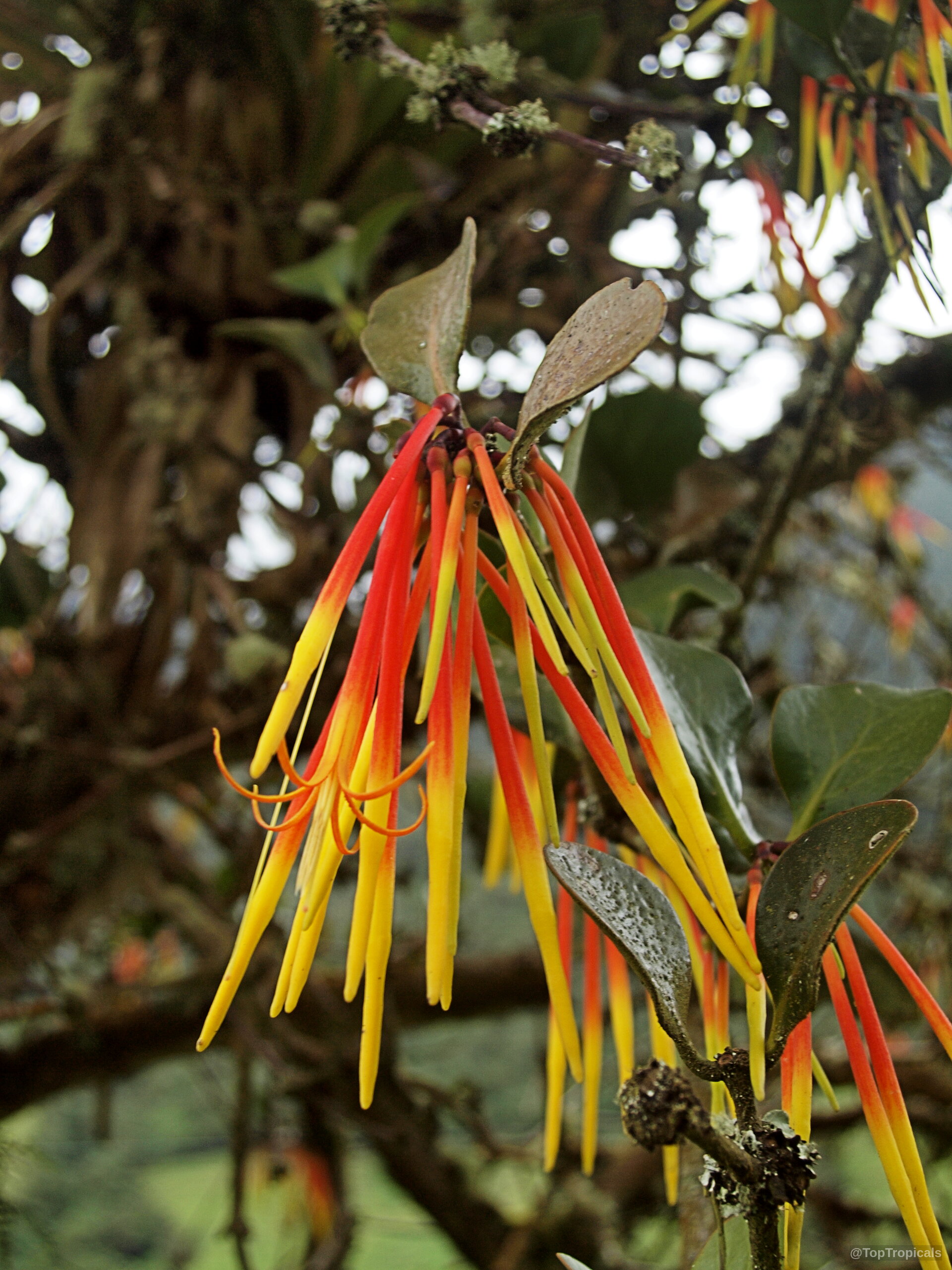
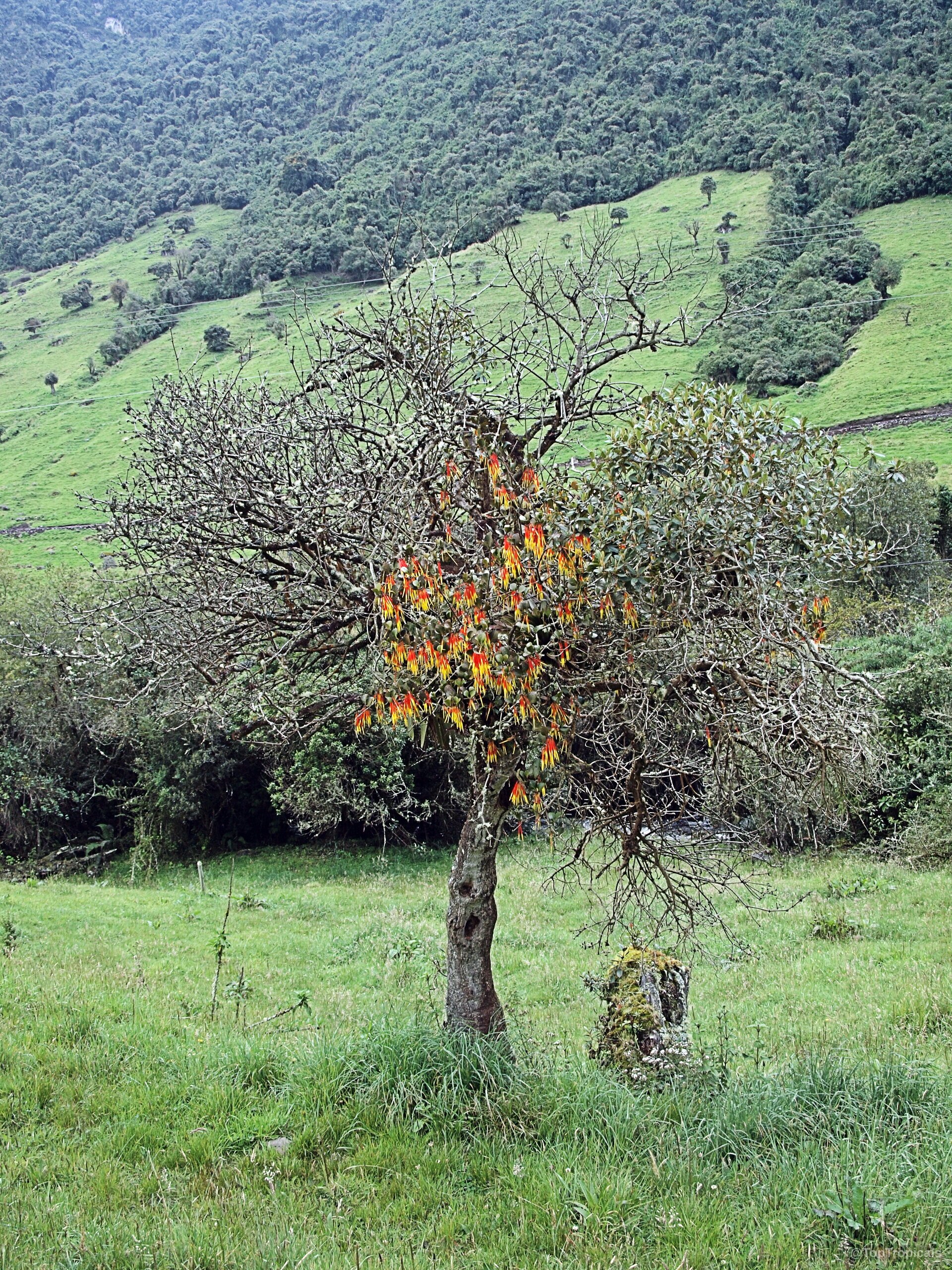
Botanical name: Aetanthus nodosus
Common name: Aetanthus
Family: Loranthaceae
Origin: Ecuador
USDA Zone: 11
They are a woody perennial usually occurring as an aerial parasite, often pollinated by hummingbirds.






| Next | |
Use link to repeat this search:
https://toptropicals.com/cgi-bin/garden_catalog/cat.cgi?search_op=and&keyword_op=and&language=e&number=10&no_change_lang=1
&v1=bfy&user=tt&sale=1&first=0