Keep soil wet: Bog or aquatic plant - Plant Encyclopedia Results
| Number of plants found: 106 | Next | 
|
Go to page: | 1 | 2 | 3 | 4 | 5 | Last |
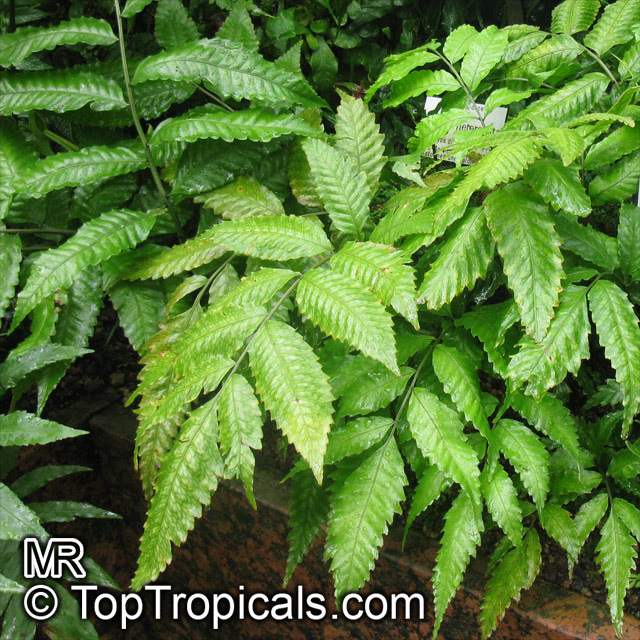
Botanical name: Bolbitis heteroclita
Common name: Water Fern
Family: Elaphoglossaceae
Origin: Malesia
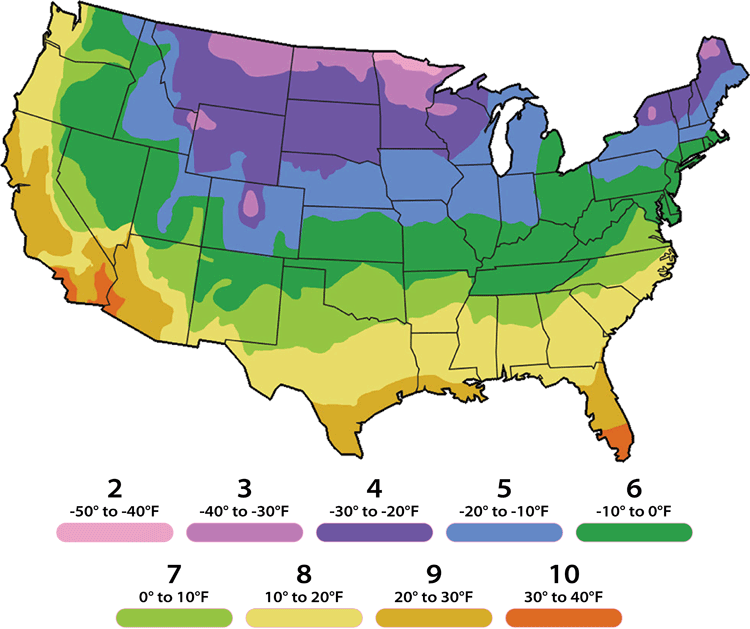
USDA Zone: 9-10


Bolbitis heteroclita normally grows on the margin of water bodies, but will also grow submerged.
Bolbitis heteroclita is cultivated as an ornamental plant for aquariums, paludariums and garden ponds.
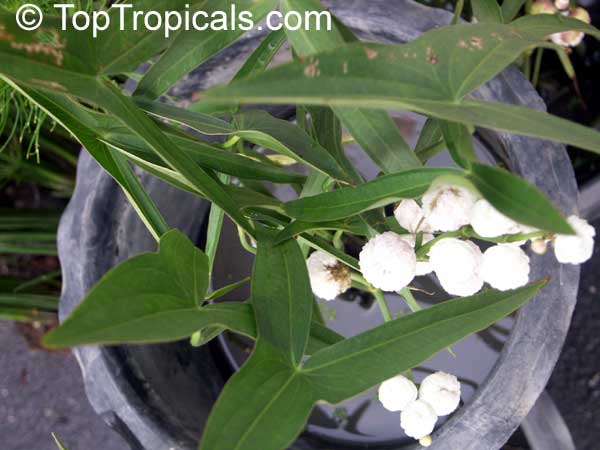
Botanical name: Sagittaria sagittifolia
Common name: Broadleaf Arrowhead
Family: Alismataceae
Origin: Temperate regions of Europe and Asia
USDA Zone: 5-9


Sagittaria sagittifolia (Broadleaf Arrowhead) is a small perennial aquatic or bog plant native to temperate regions of Europe and Asia. This small plant is typically no more than 2-5 ft in height with leaves that have an arrow-shape. It produces profuse white and off-white flowers in the summer, which can lasts for weeks. It is best placed in full sun and van be grown in USDA zones 5-9.
In some areas, Sagittaria sagittifolia has been used as an ethnomedical plant. The rhizome of Sagittaria sagittifolia are used by the North American Indians and the Chinese as starchy foods, as are some other species. As such, it is an important plant in many cultures, both for its beauty and its practical uses.
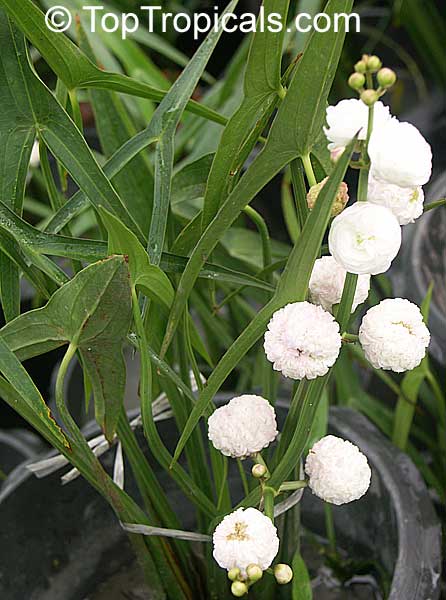
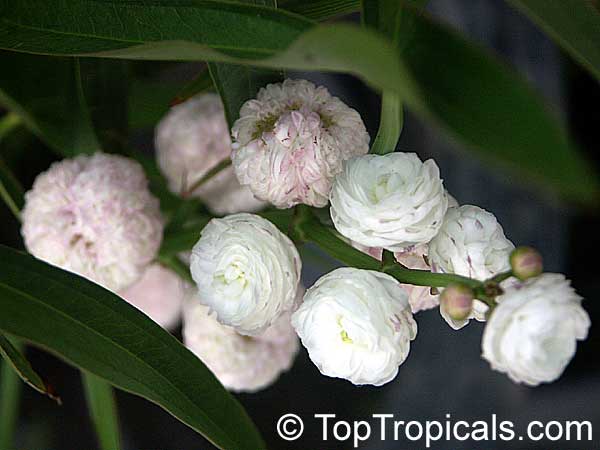
Sagittaria sagittifolia 'Flore Pleno' is a double flowering arrowhead is very beautiful and hard to get.
The plants grows very fast in tropical climate so it gets invasive.
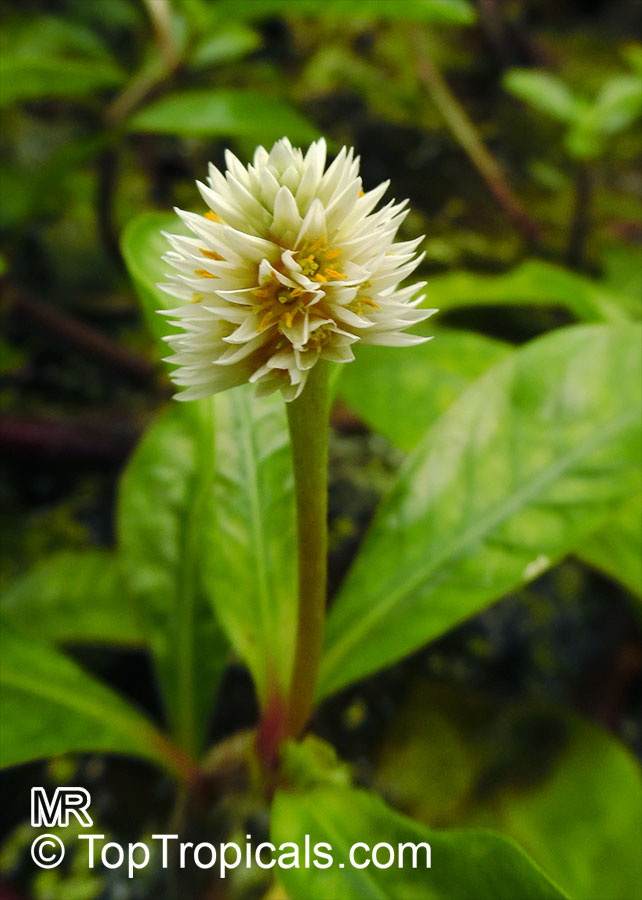
Botanical name: Alternanthera hassleriana
Common names: Hassler's Alternanthera, Neptune's Crown
Family: Amaranthaceae
Origin: South America
USDA Zone: 9-10
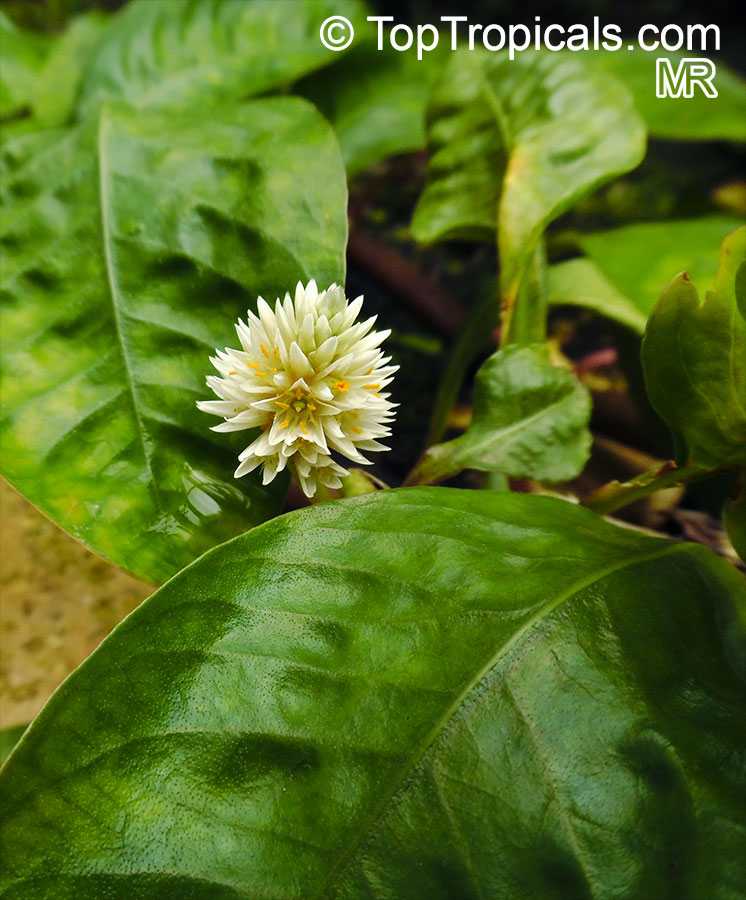
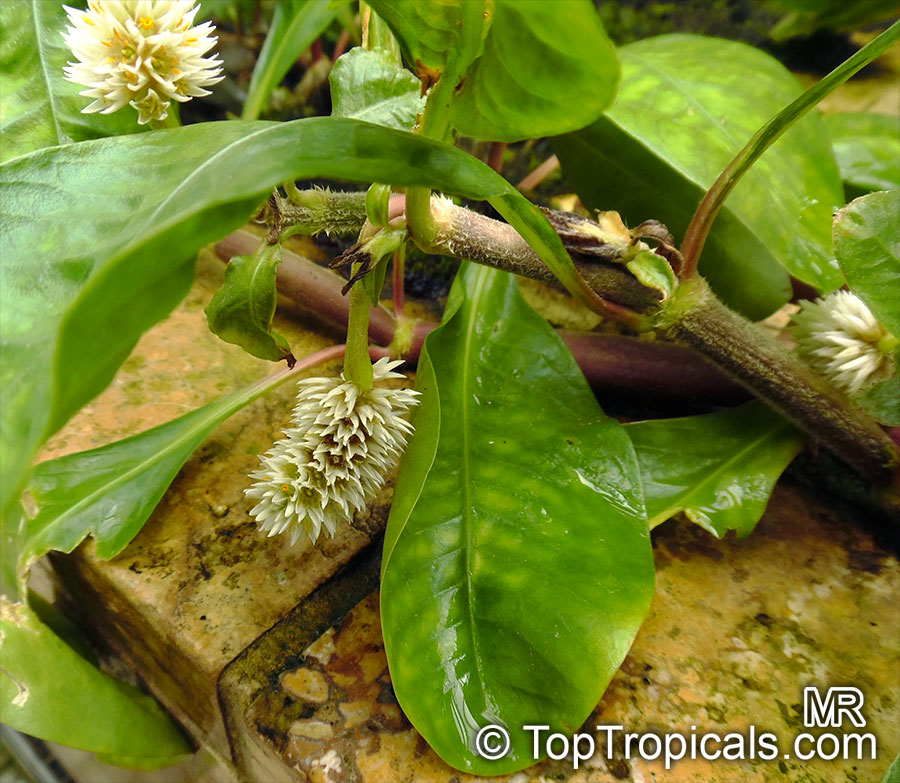
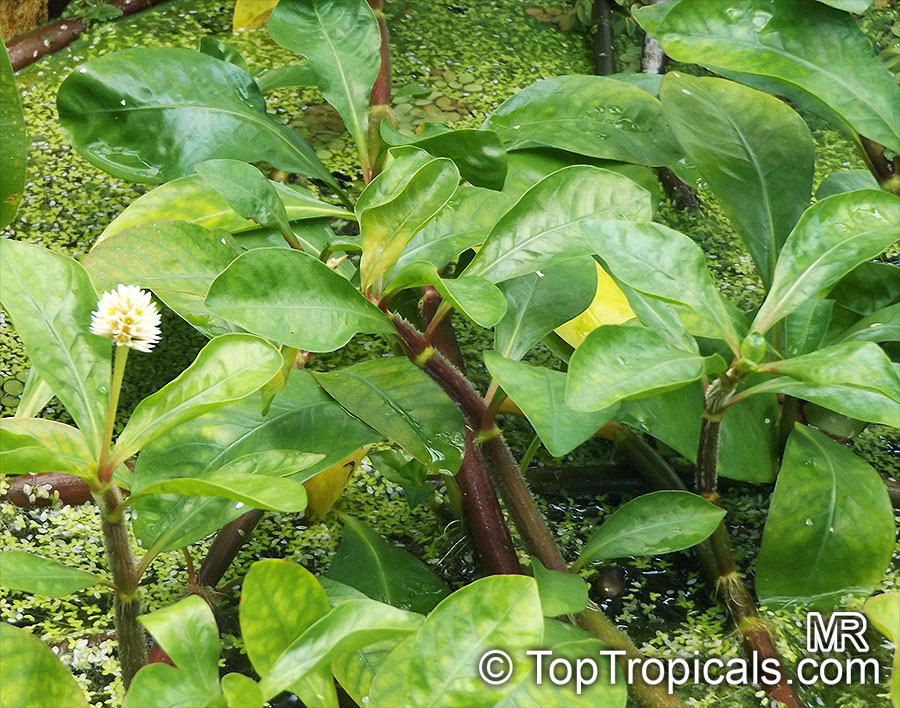
A water plant that will float across the water surface. The internodes of Alternanthera aquatica are filled with air, as adaptation to its life as a floating plant, and look "bloated". Dainty white flowers.
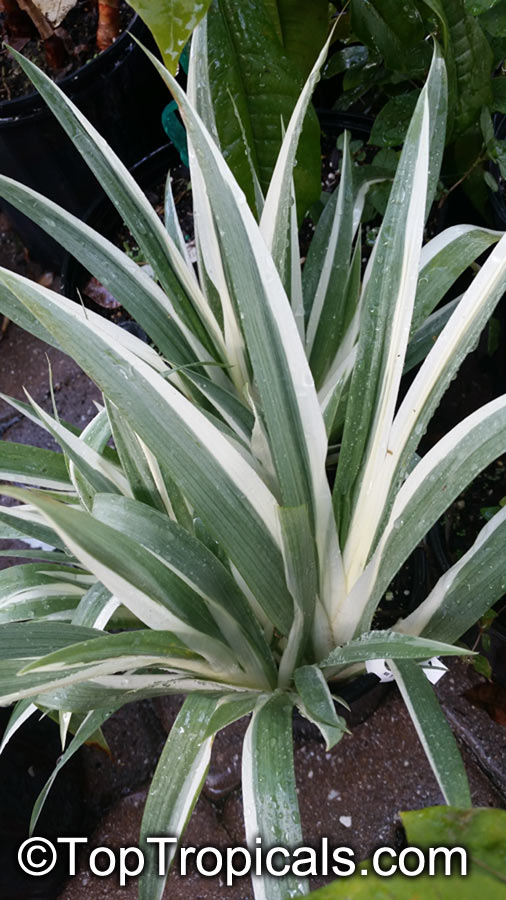
Botanical name: Iris tectorum
Common name: Variegated Chinese Roof Iris
Cultivar: Variegata
Family: Iridaceae
USDA Zone: 4-9


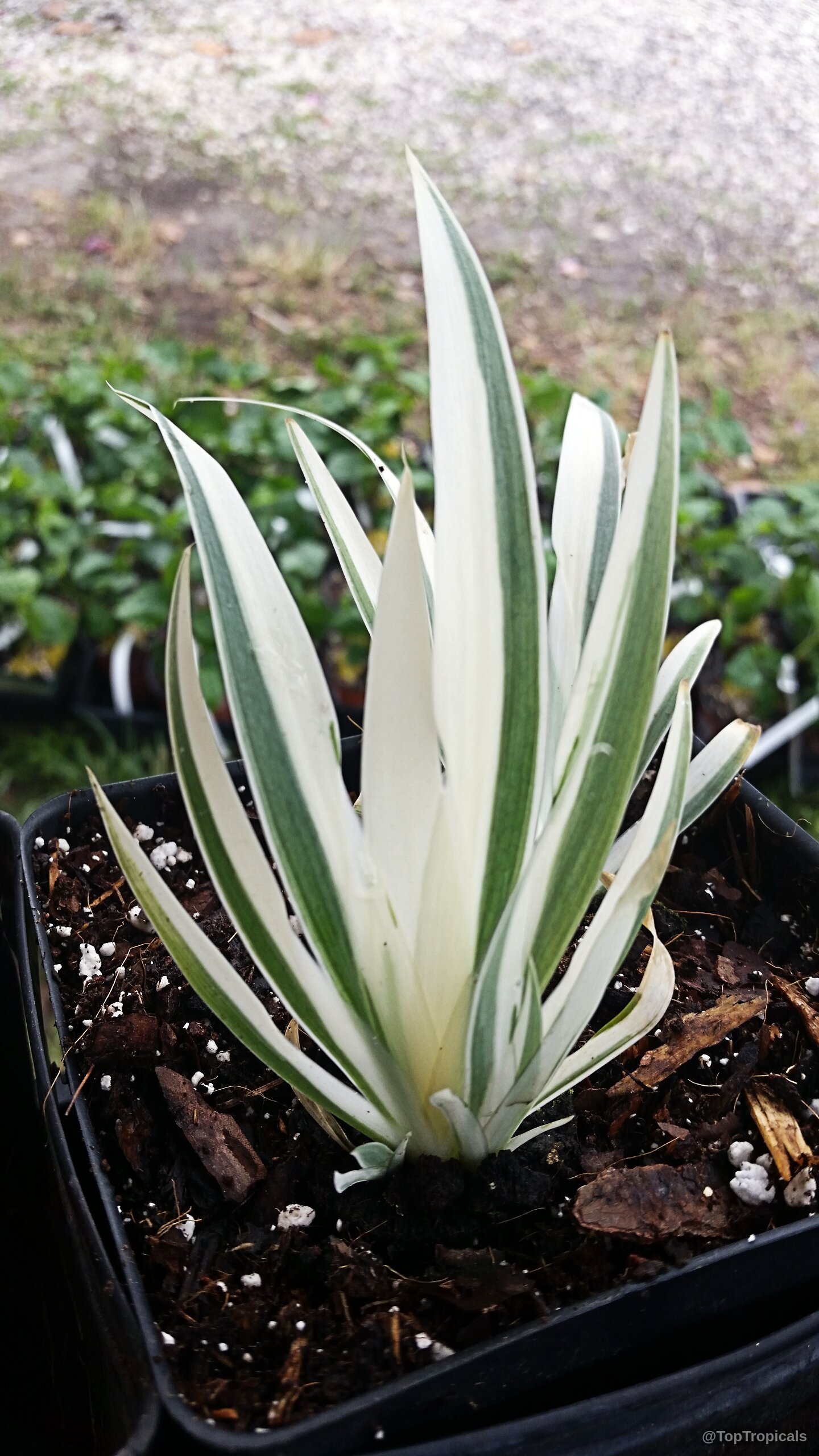
This dwarf Iris is highly variegated and incredibly striking. It produces light lavender flowers in spring. The show starts with rich purple flowers, then about mid summer, the leaves become shiny and heavily cream variegated. Likes most soils, not too dry and grows in water.
This species is similar to Iris japonica variegata, which has well ruffled mostly white flowers, striking variegated leaves, likes moist soil in part shade and spreads vigorously as opposed to Iris tectorum variegata that has a better behaved growth habit.
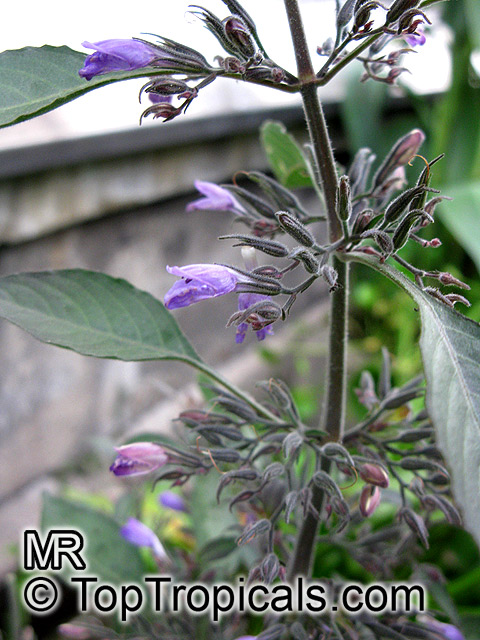
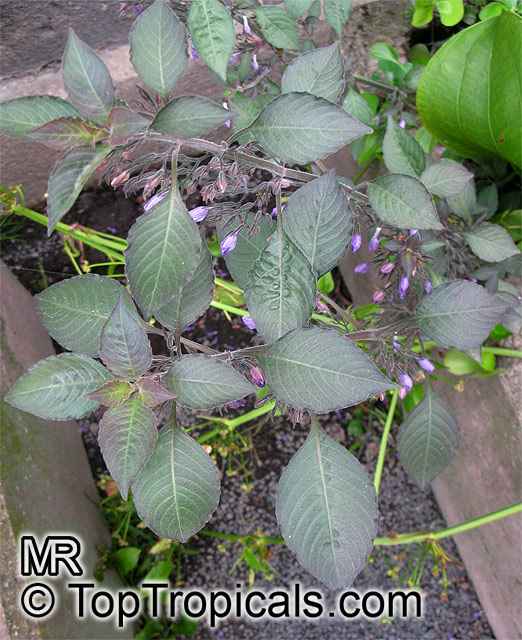
Botanical names: Hygrophila corymbosa, Nomaphila stricta
Common names: Temple Plant, Starhorn, Giant Hygrophila
Family: Acanthaceae
Origin: Southeast Asia
USDA Zone: 9-10

This small shrub is native to southeast Asia. In full sun, it grows to 2-5 feet, while in semi-shade, it rarely exceeds 15 inches. Hygrophila corymbosa is highly adaptable, and can even survive in full bog or aquatic conditions. It is especially adapted to flooding, and can survive periods of complete submersion. It is widely used in aquatic gardens due to its large leaves and bright colors, ranging from blue, lavender and purple.
When it comes to maintenance, Hygrophila corymbosa needs regular fertilization and plenty of light. The soil should also be kept moist and warm, as the plant is sensitive to cold temperatures. In colder regions, it is best grown in a pot indoors, in order to protect it from frost. Additionally, it should be pruned regularly to prevent it from twisting and curling, leading to an aesthetically pleasing shape.
Overall, Hygrophila corymbosa is a beautiful and versatile plant that adds a splash of color and a lovely scent to any tank. Stable conditions and proper care will ensure that it thrives and brings your aquarium to life. It is hardy and resilient, and will bring years of joy in your home.
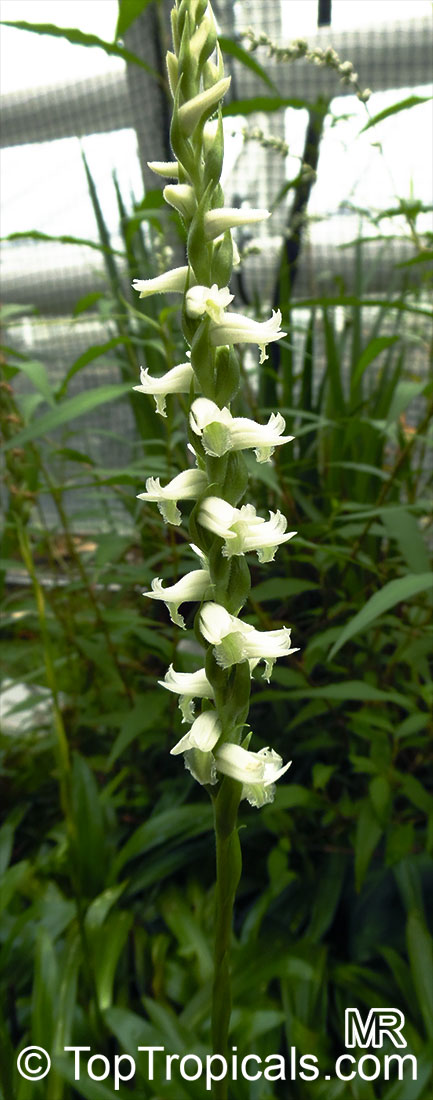
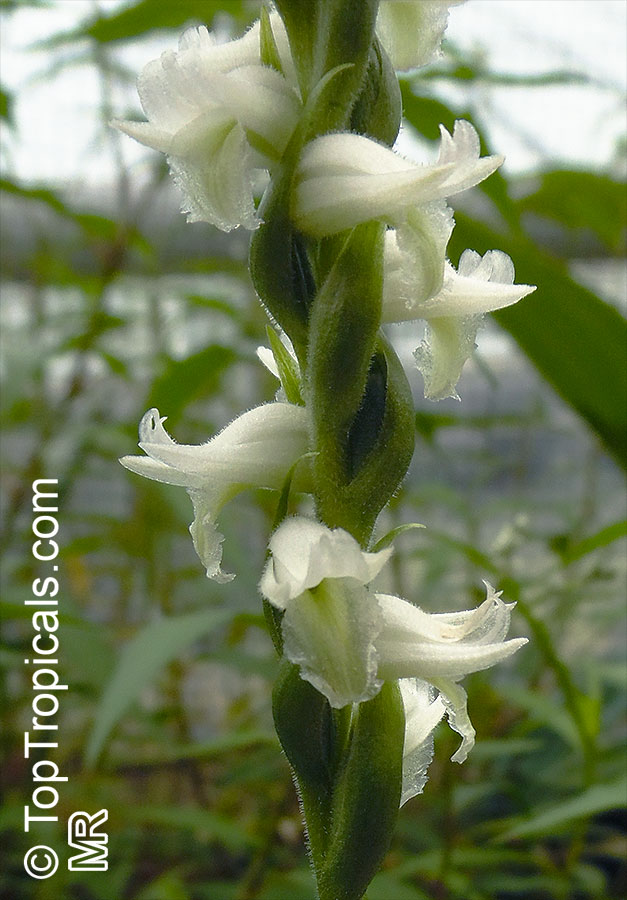
Botanical name: Spiranthes odorata
Common names: Marsh Lady's Tresses,Fragrant Lady's Tresses
Family: Orchidaceae
Origin: Southeasternn North America
USDA Zone: 5-9
Spiranthes odorata, also known as Marsh Lady's Tresses, is a small plant native to southeastern North America. It can reach heights between two and five feet, and thrives in full sun or semi-shade. In addition to its attractive white or off-white flowers, it is also known for its very pleasant and lingering scent.
This graceful little beauty will bloom reliably in USDA Zones 5-9 and can be grown in a bog or aquatic conditions, provided that it is kept sufficiently moist. It can be used to great effect in moist woodland gardens or wooded slopes, or may be planted near the edge of a pond, stream or water garden to add a special charm.
For those living in colder climes, it can still be grown in pots. It will then need to be brought indoors for overwintering and stored in a cool, bright location against a north facing wall. Fertilizing it once a month with a diluted liquid fertilizer should keep it in good health.
All in all, Spiranthes odorata is a beautiful and low maintenance addition to the home garden, adding a delightful scent and delicate charm.
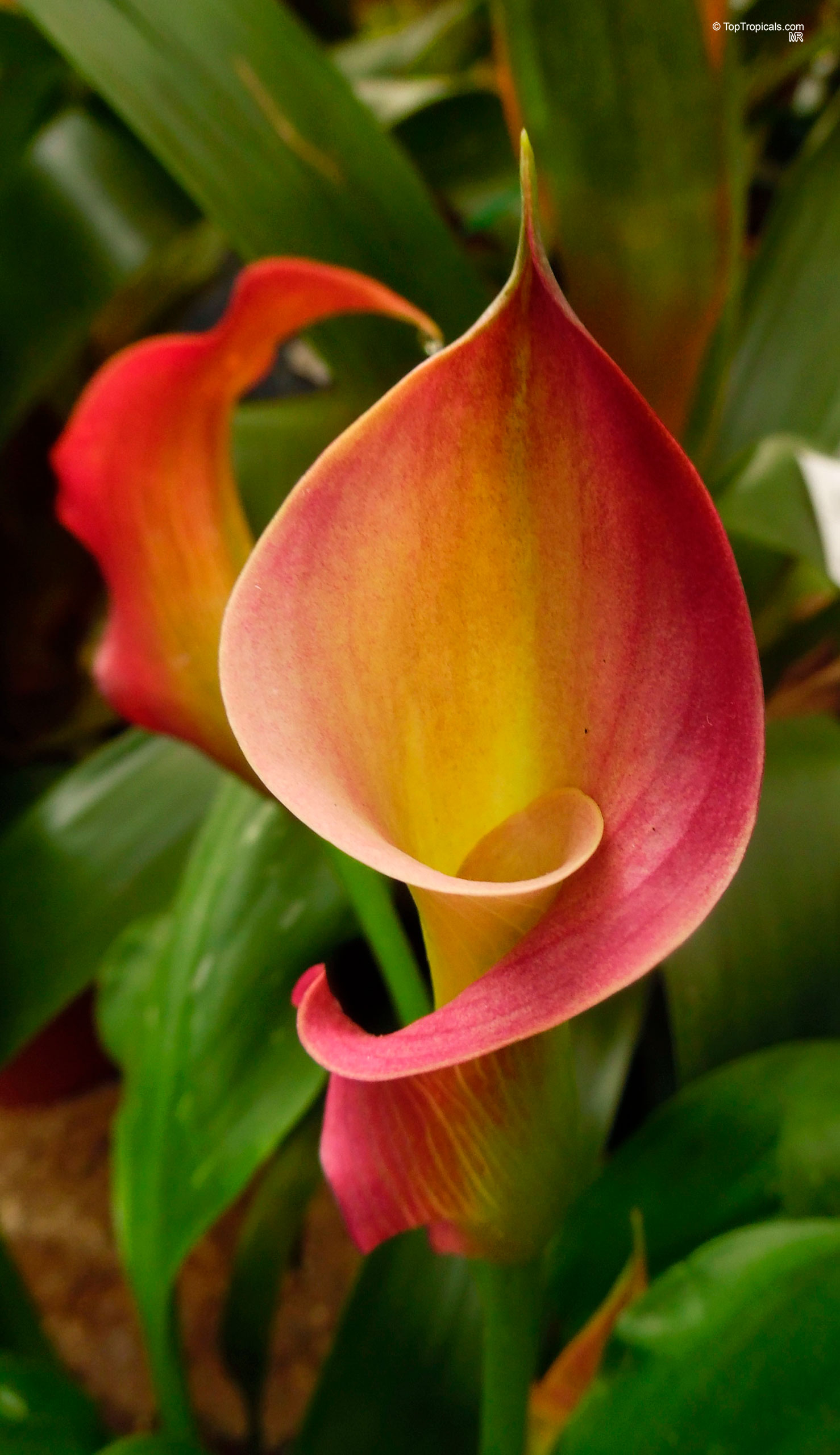
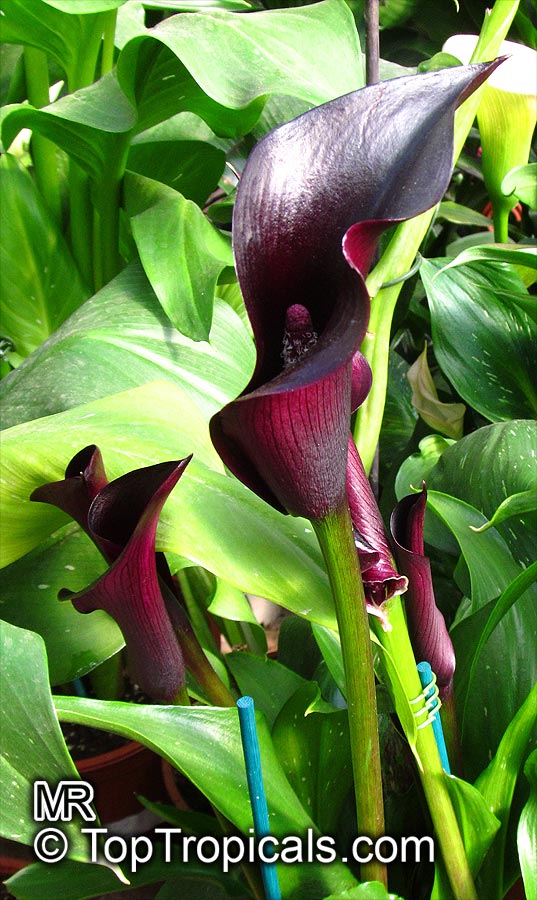
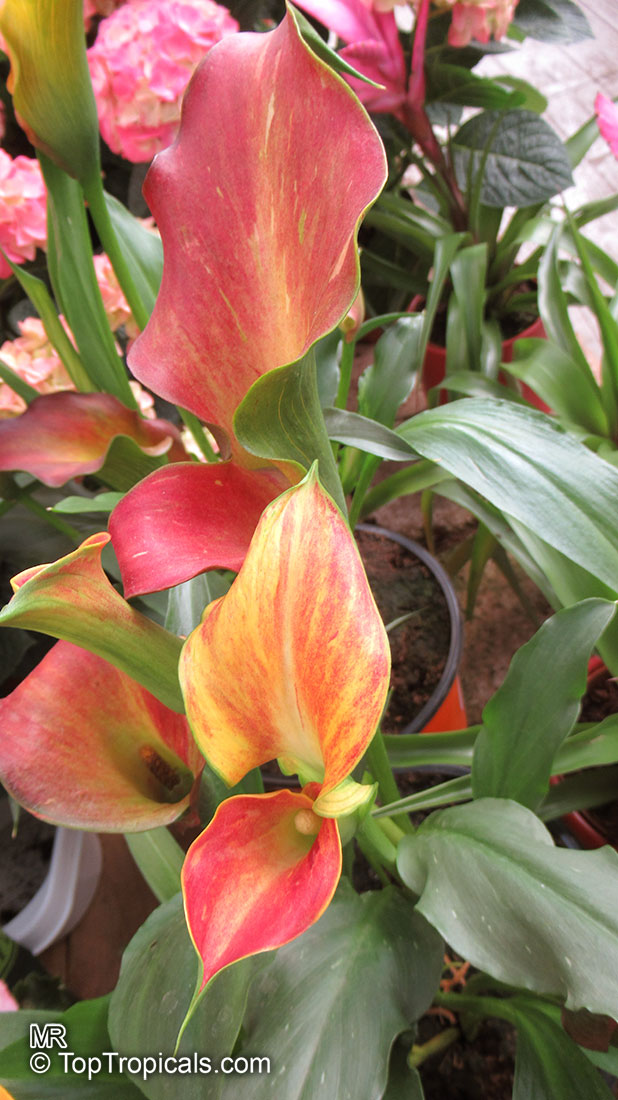
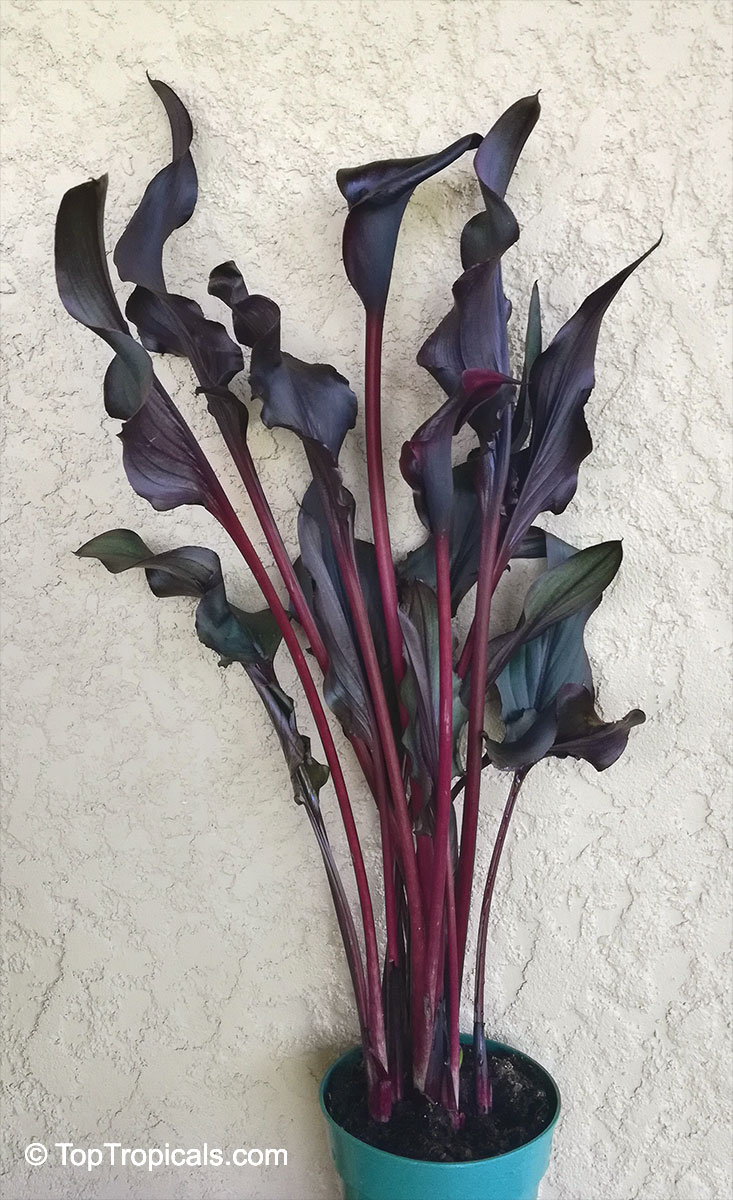
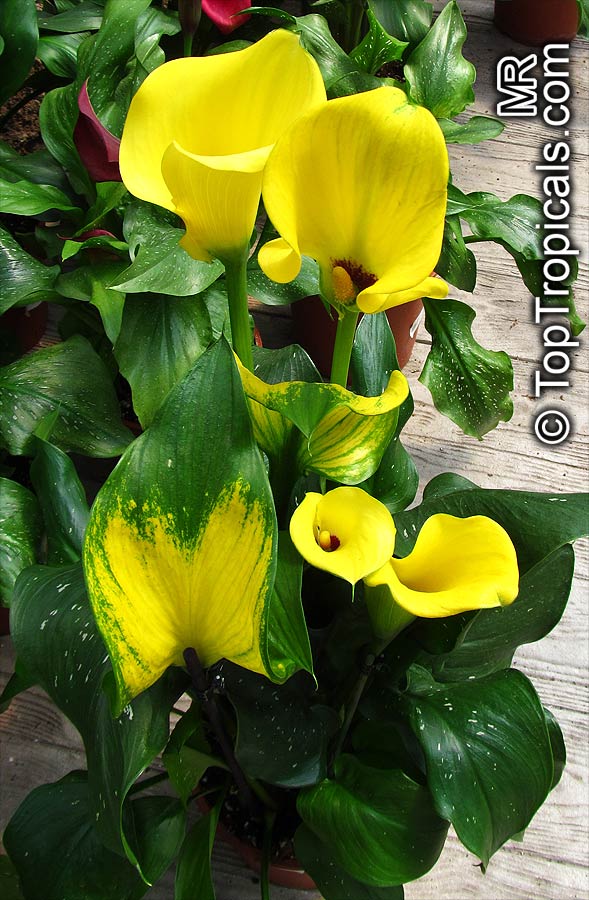
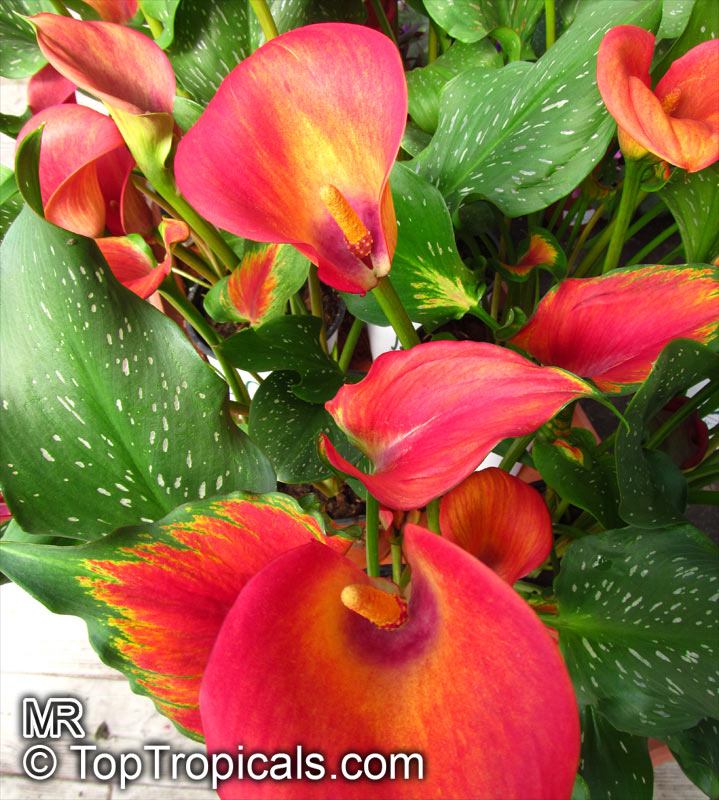
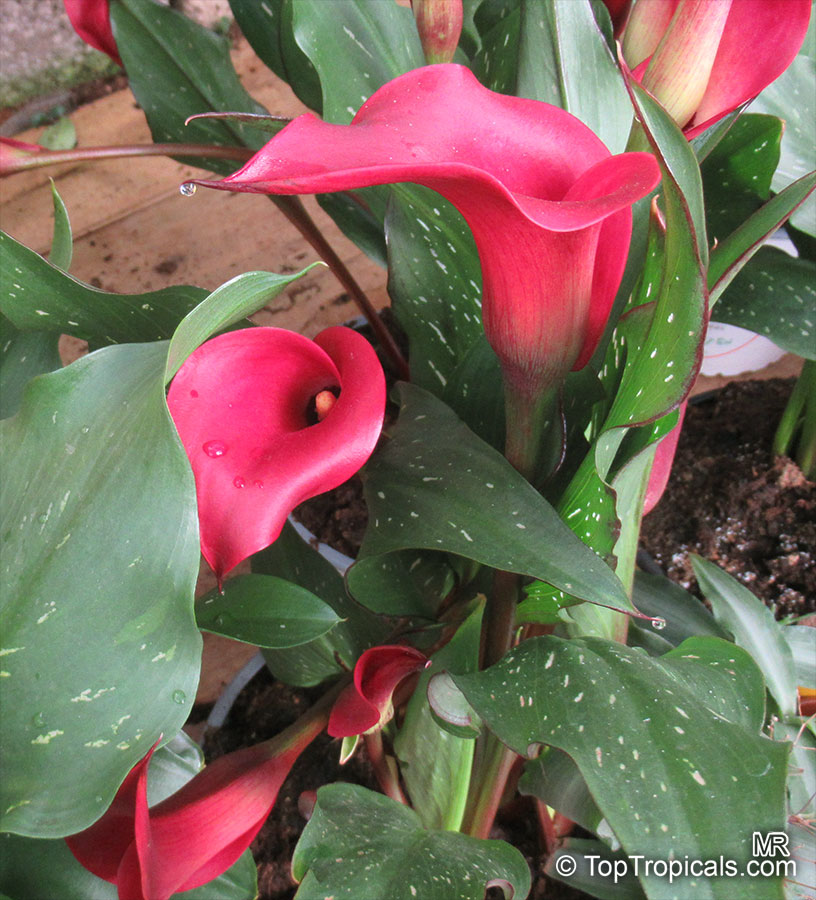
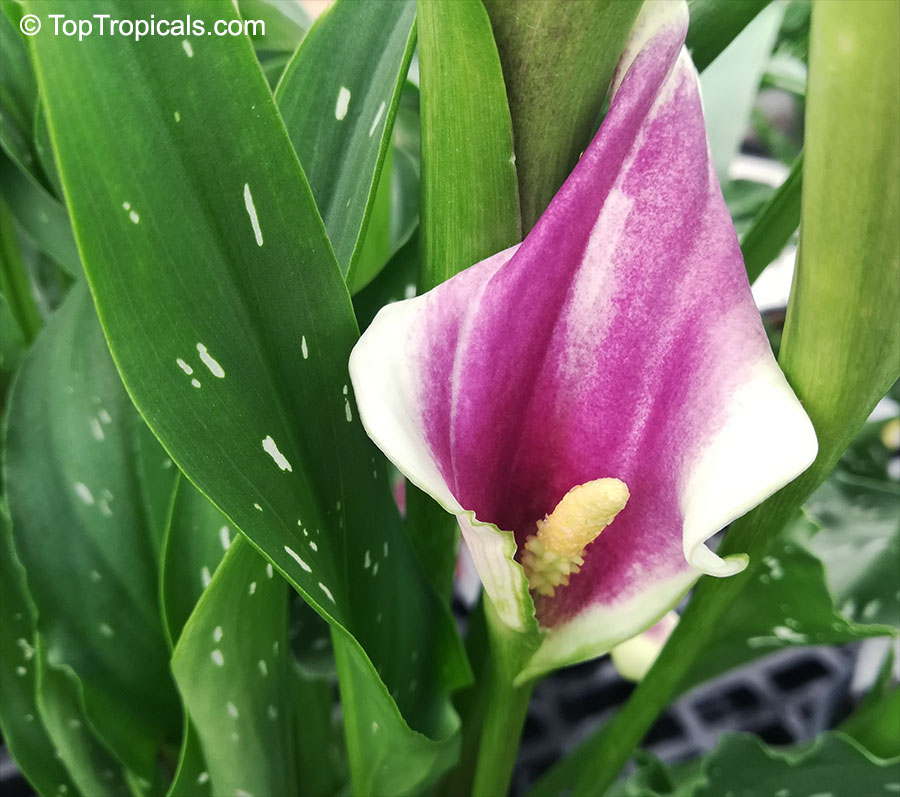
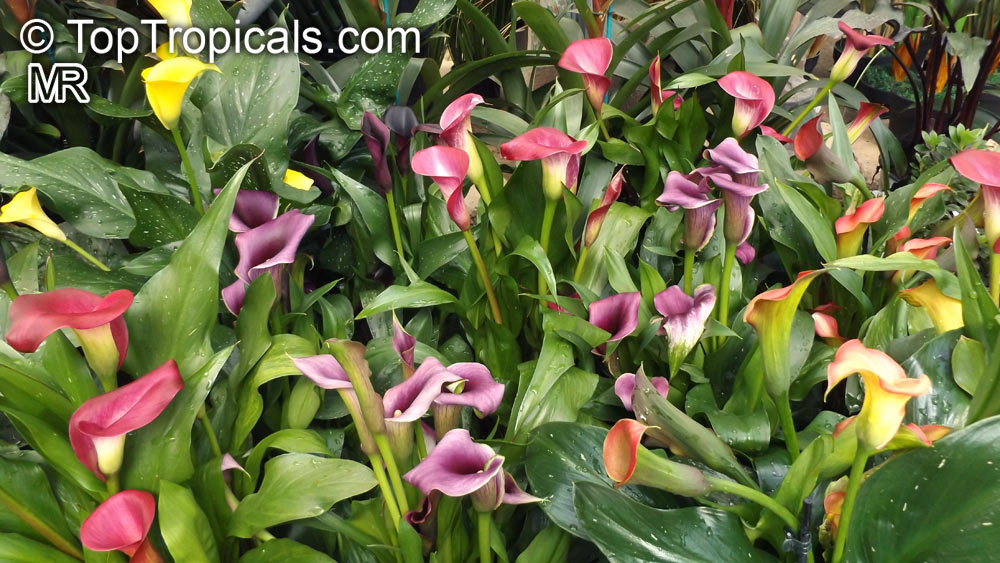
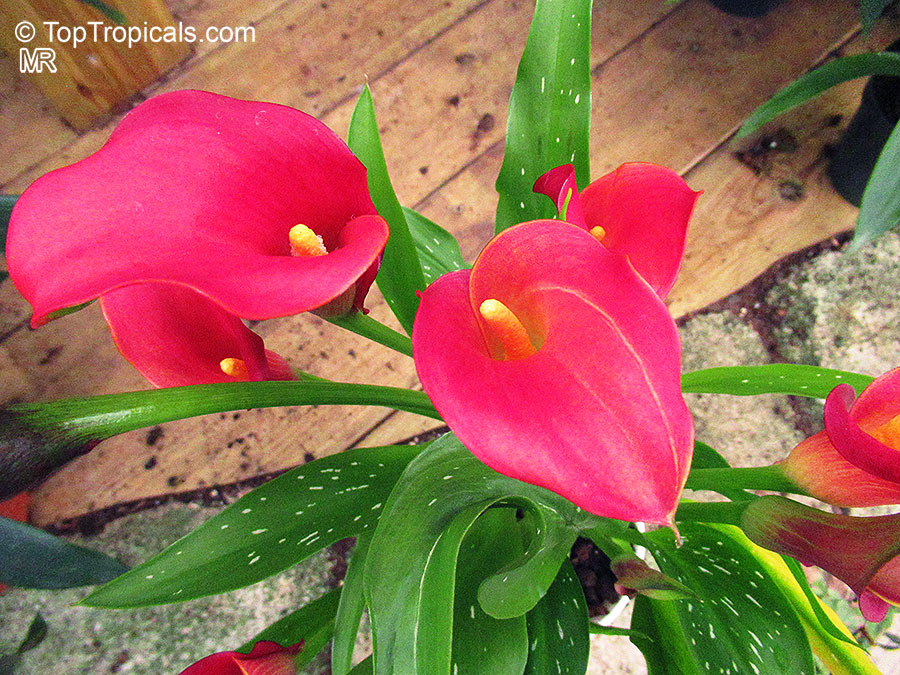
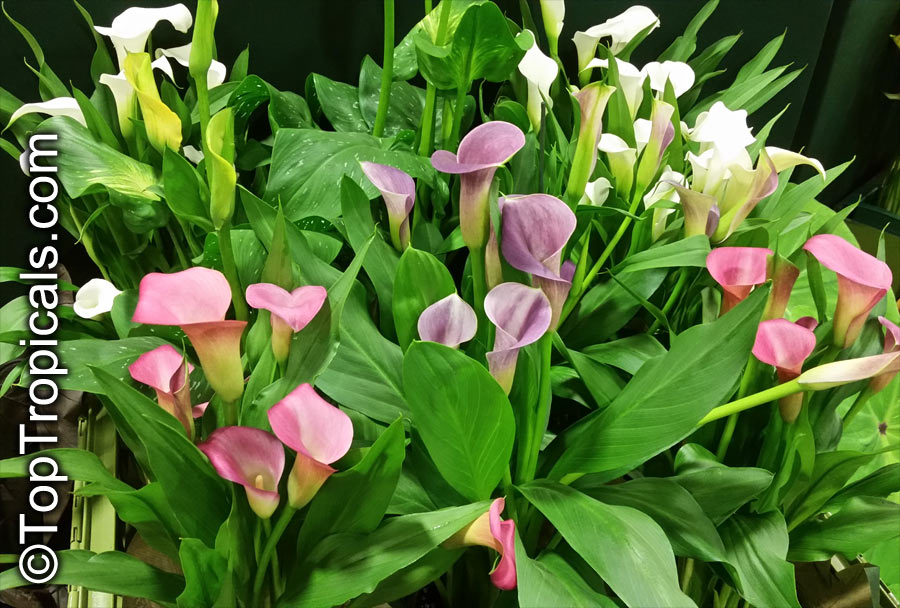
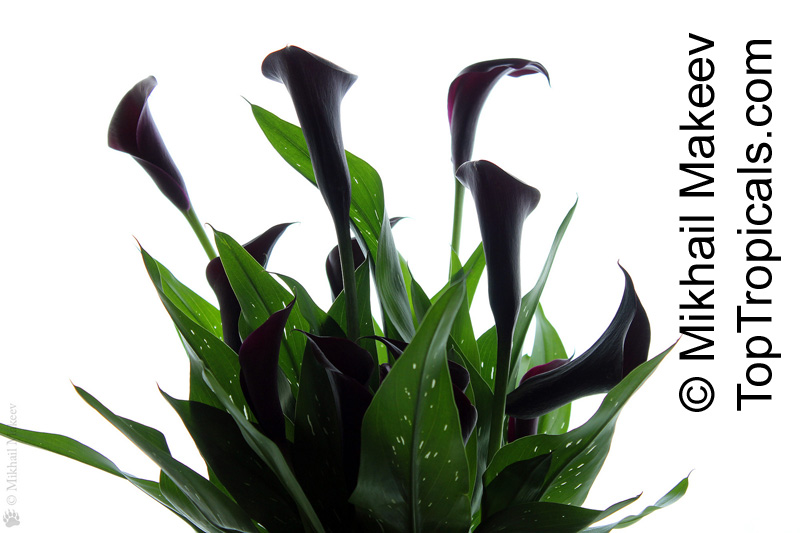
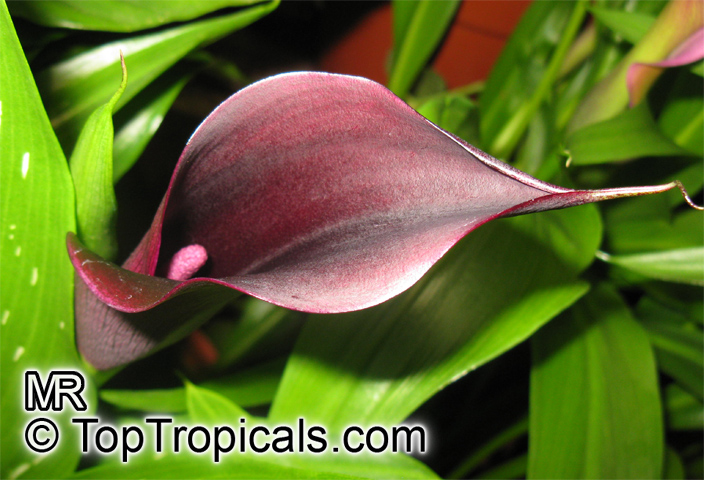
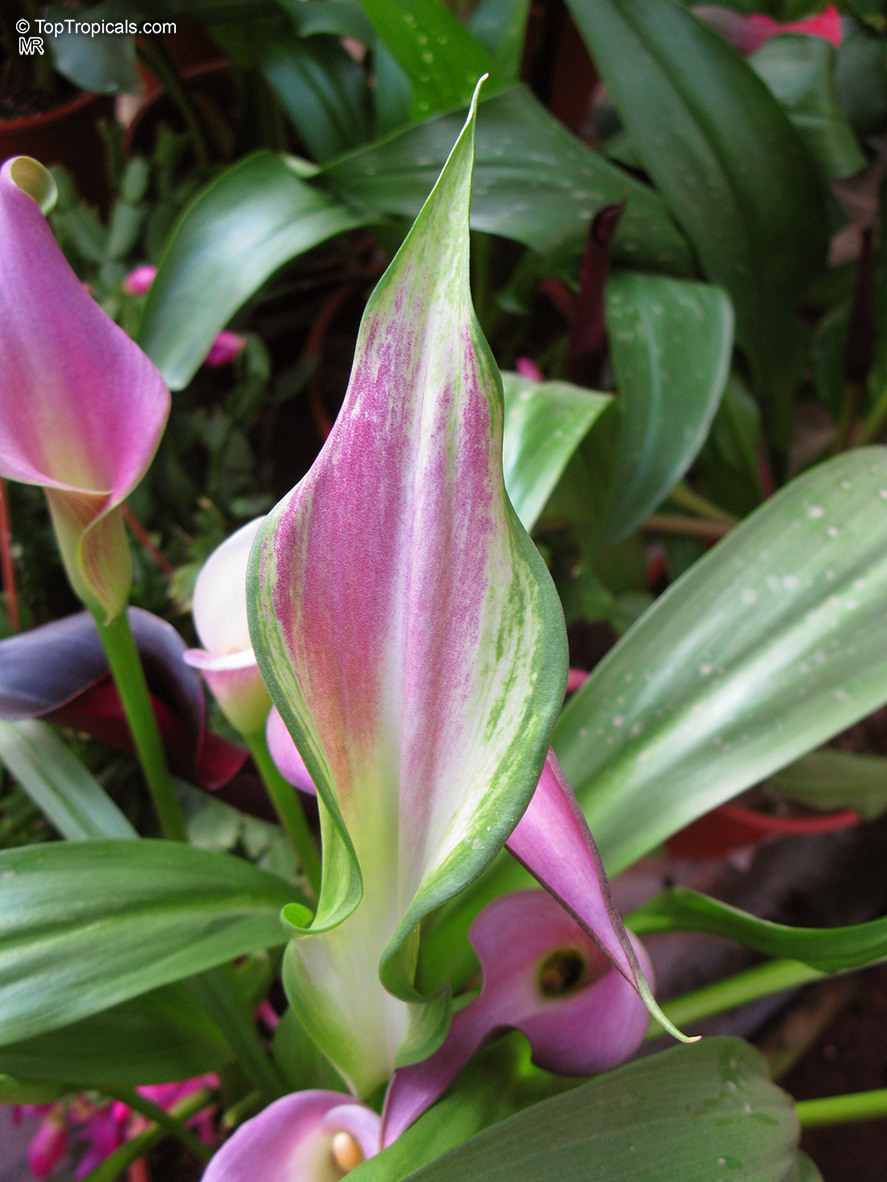
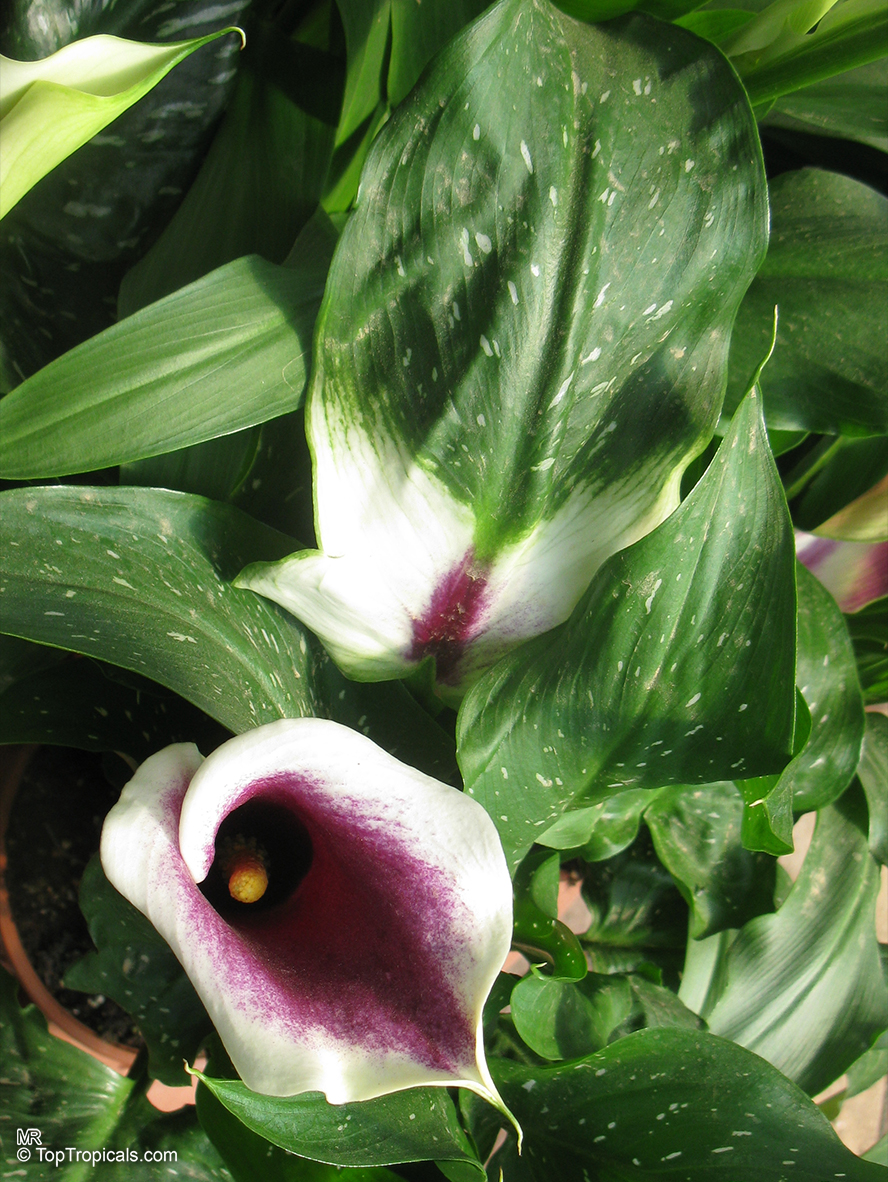
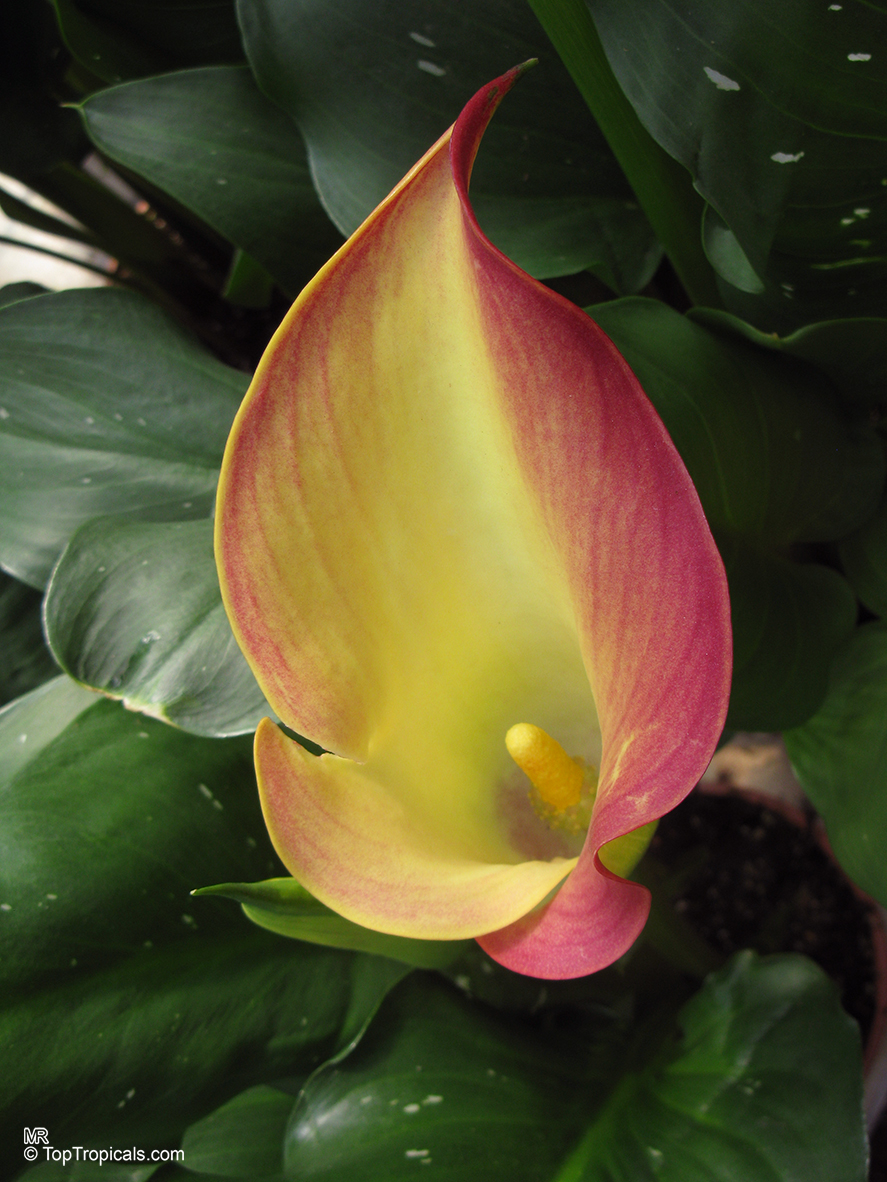
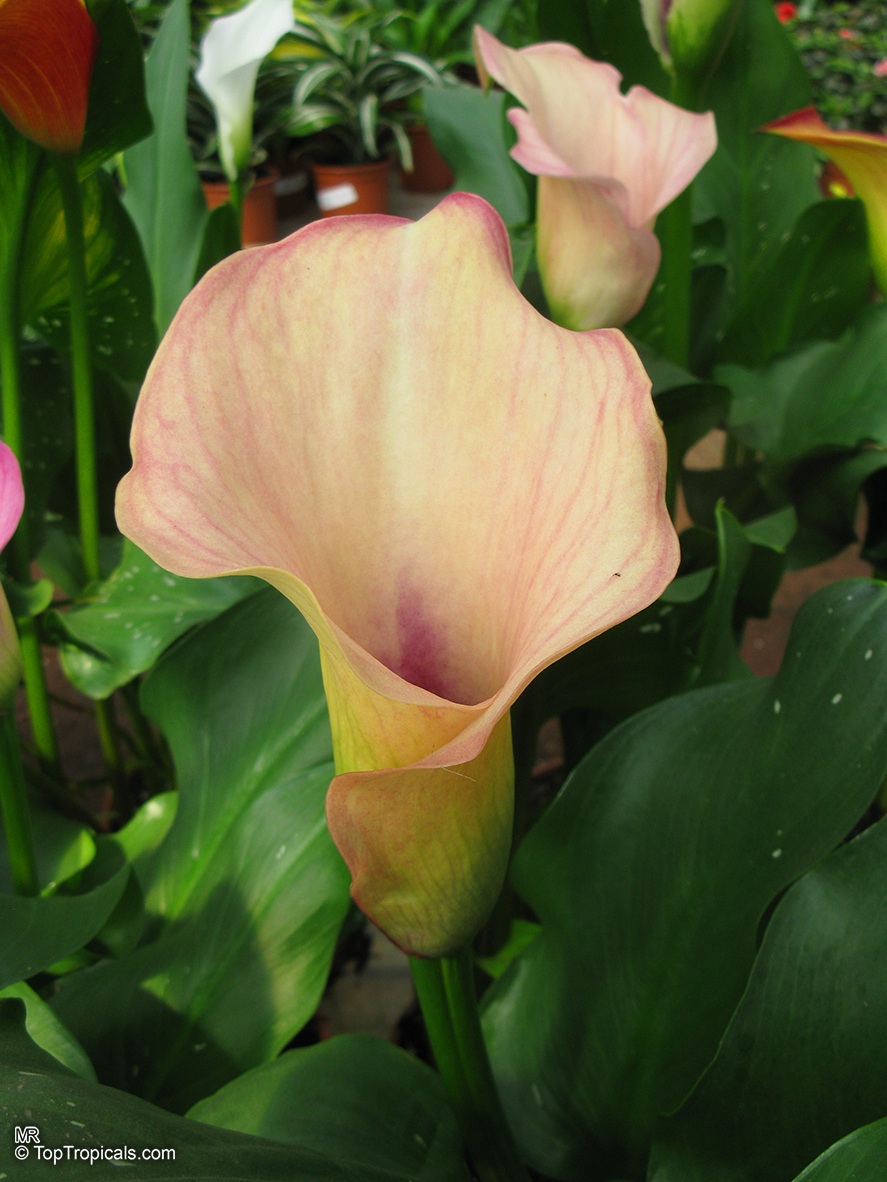
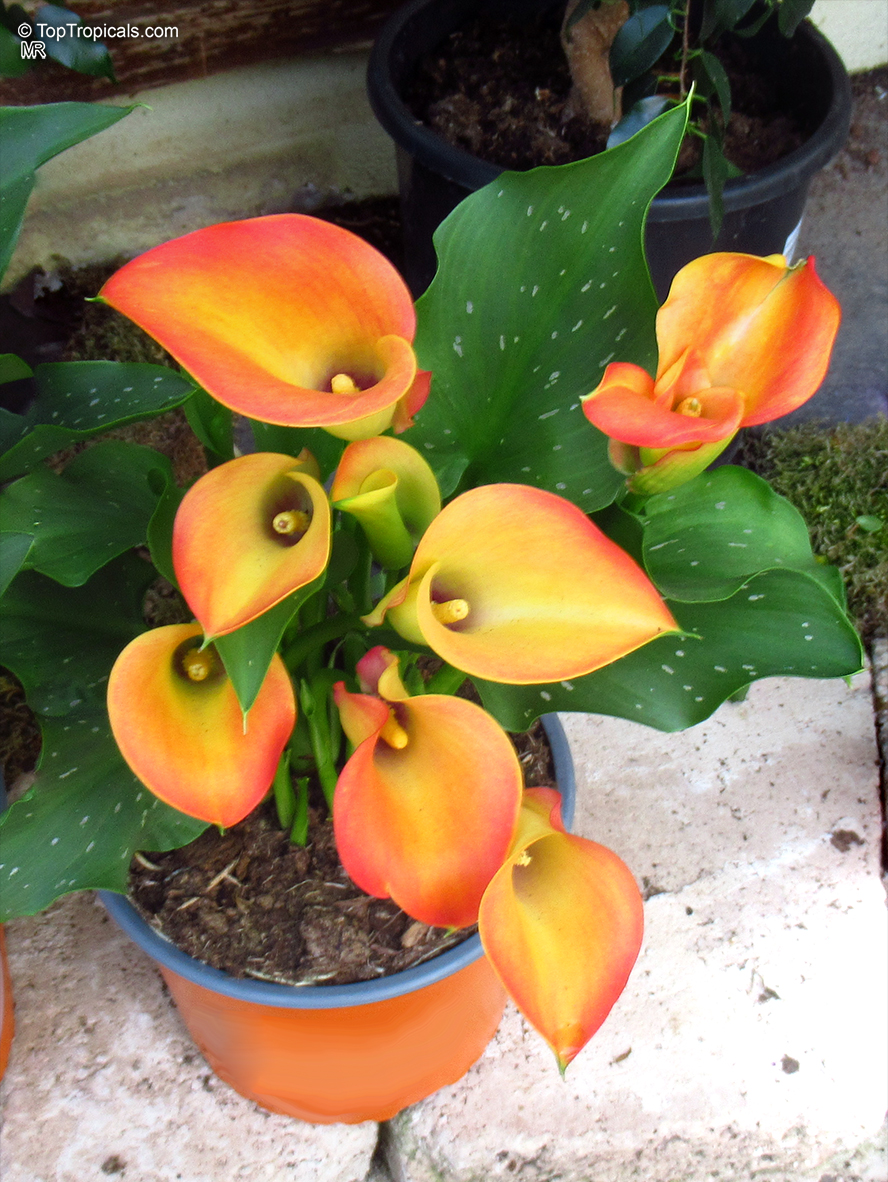
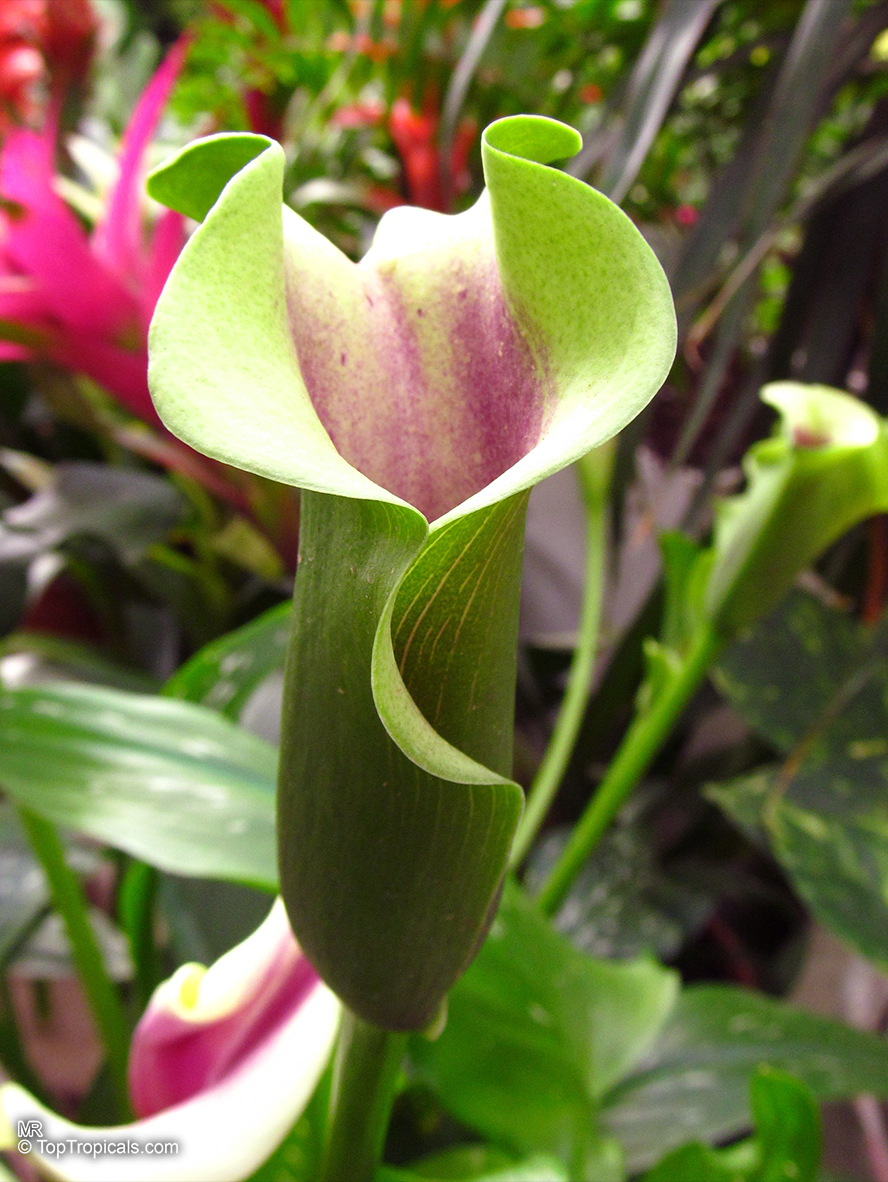
Botanical name: Zantedeschia sp.
Common names: Arum Lily, Calla Lily
Family: Araceae
Origin: South Africa
USDA Zone: 9-10


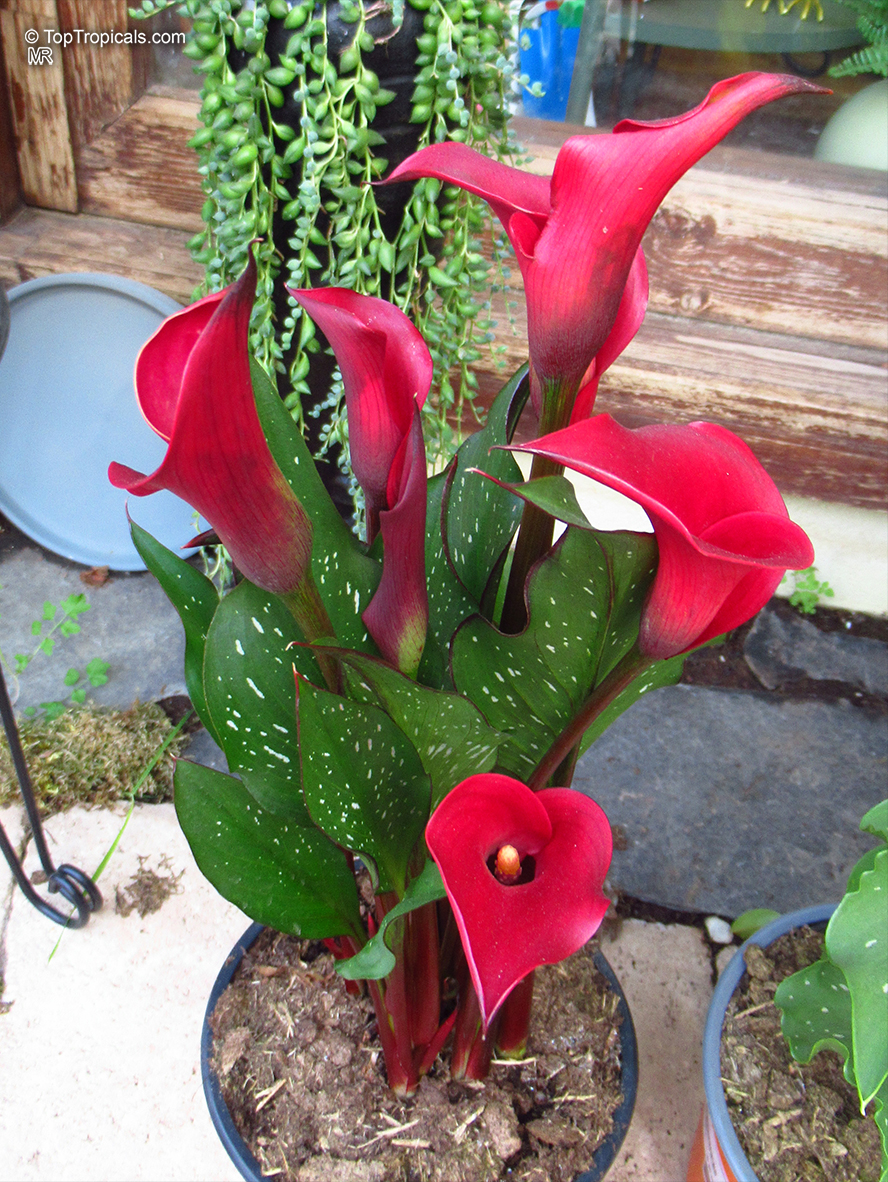
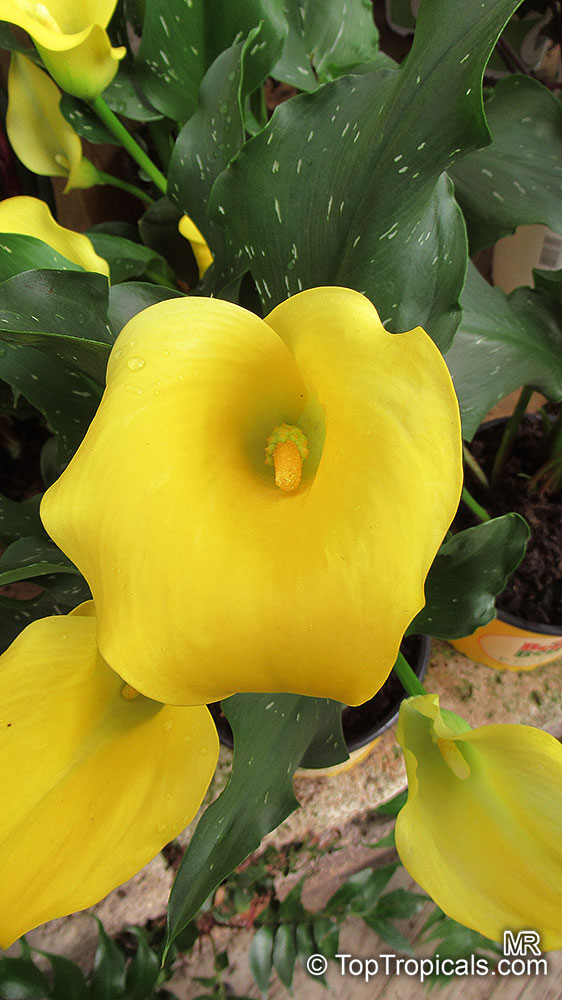
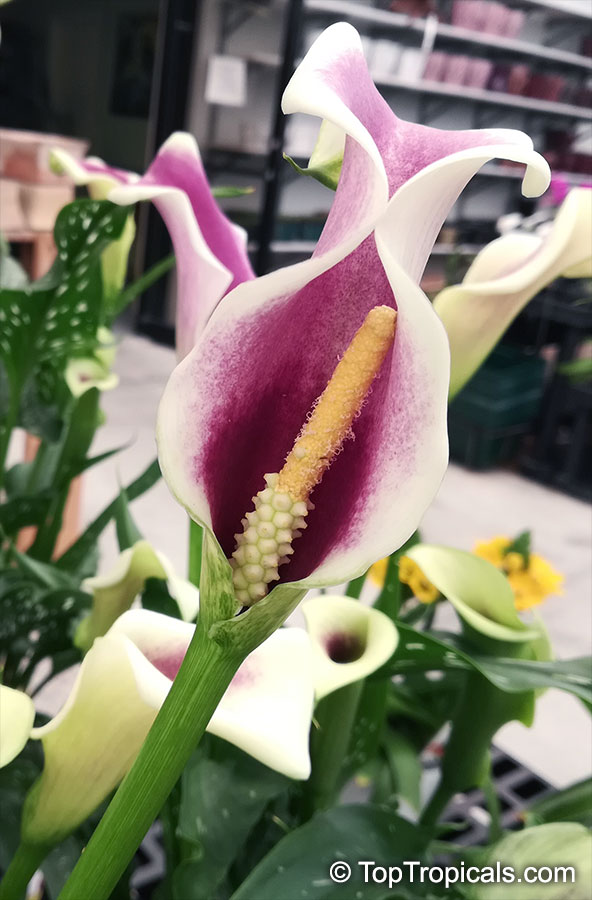
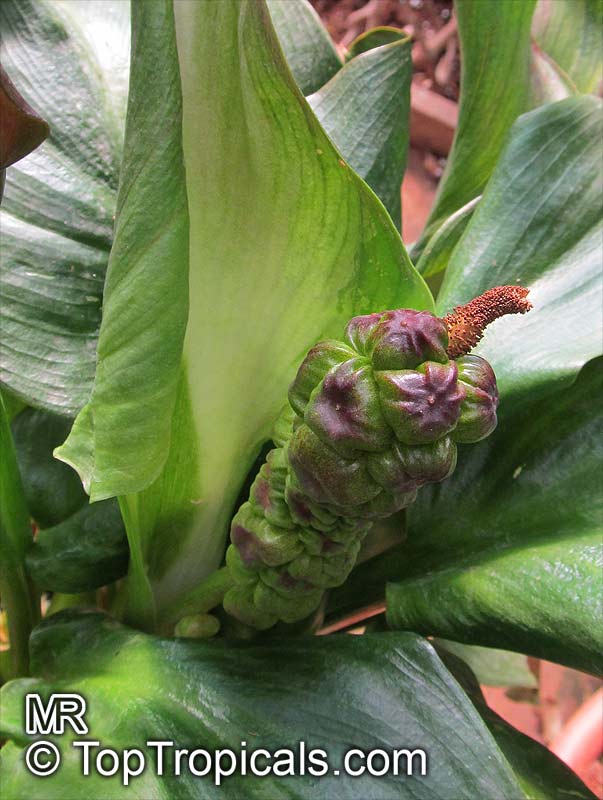
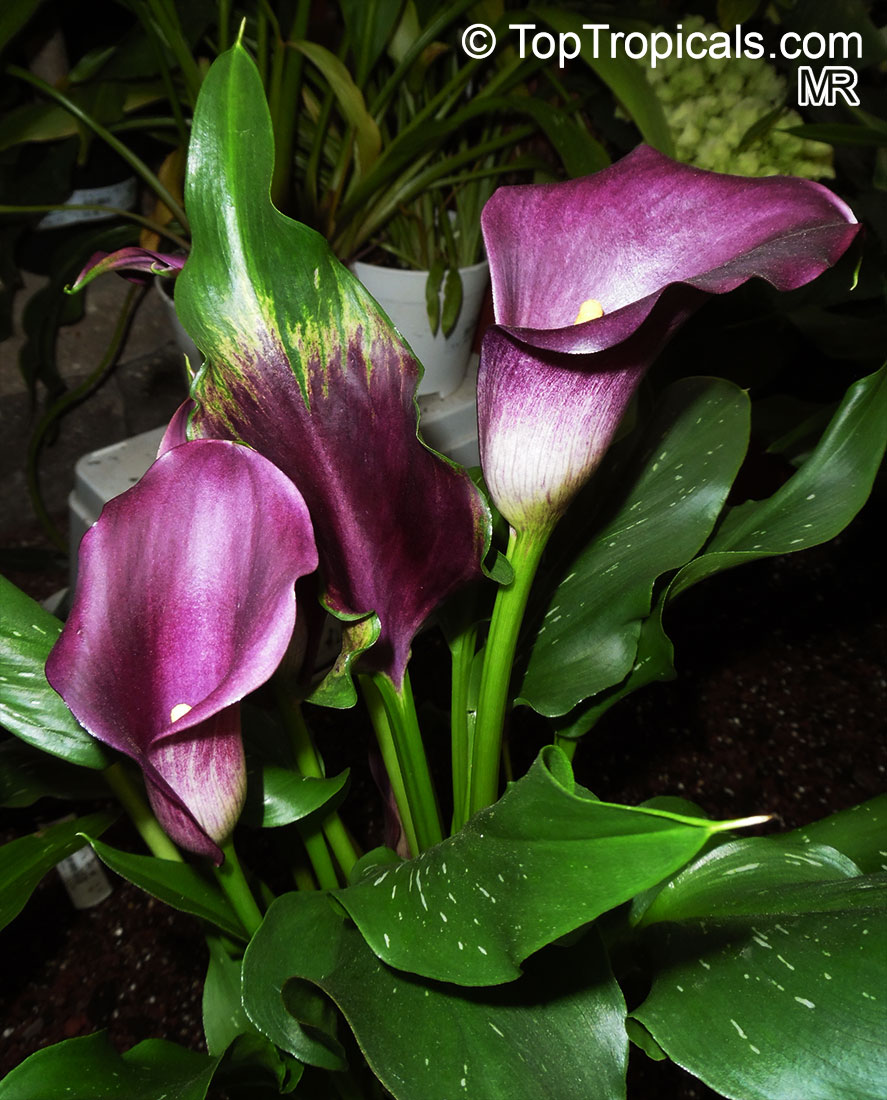
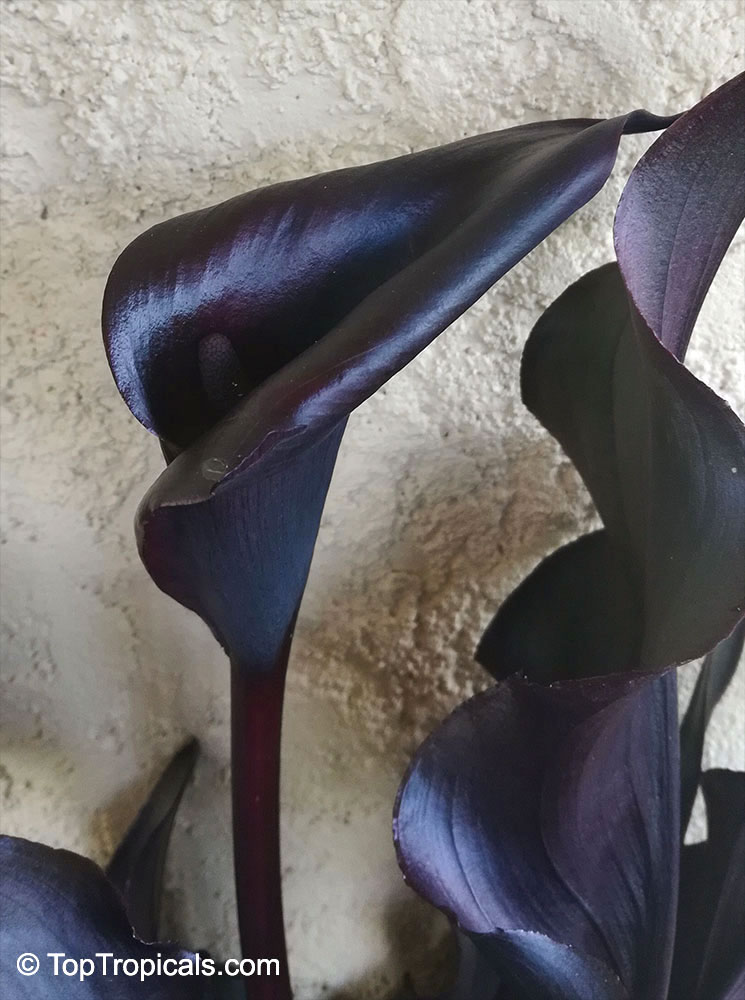
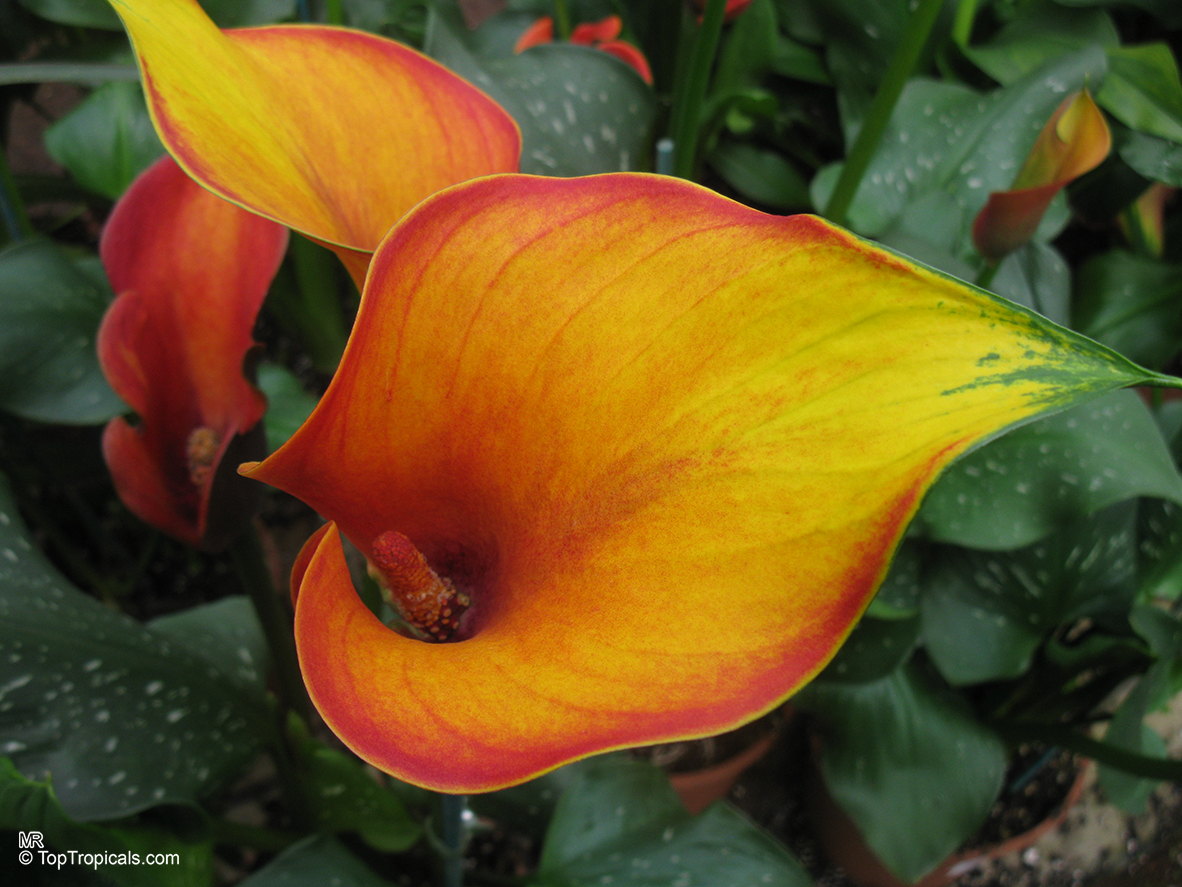
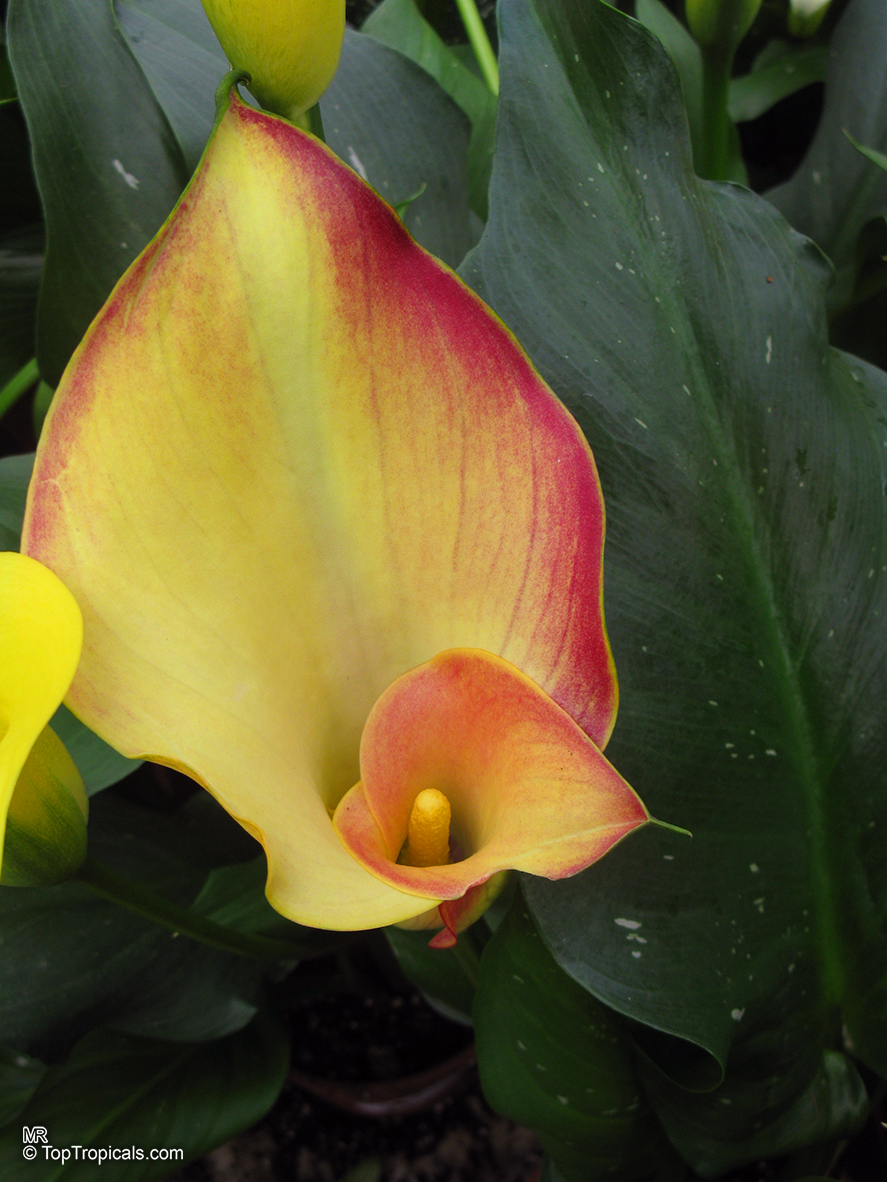
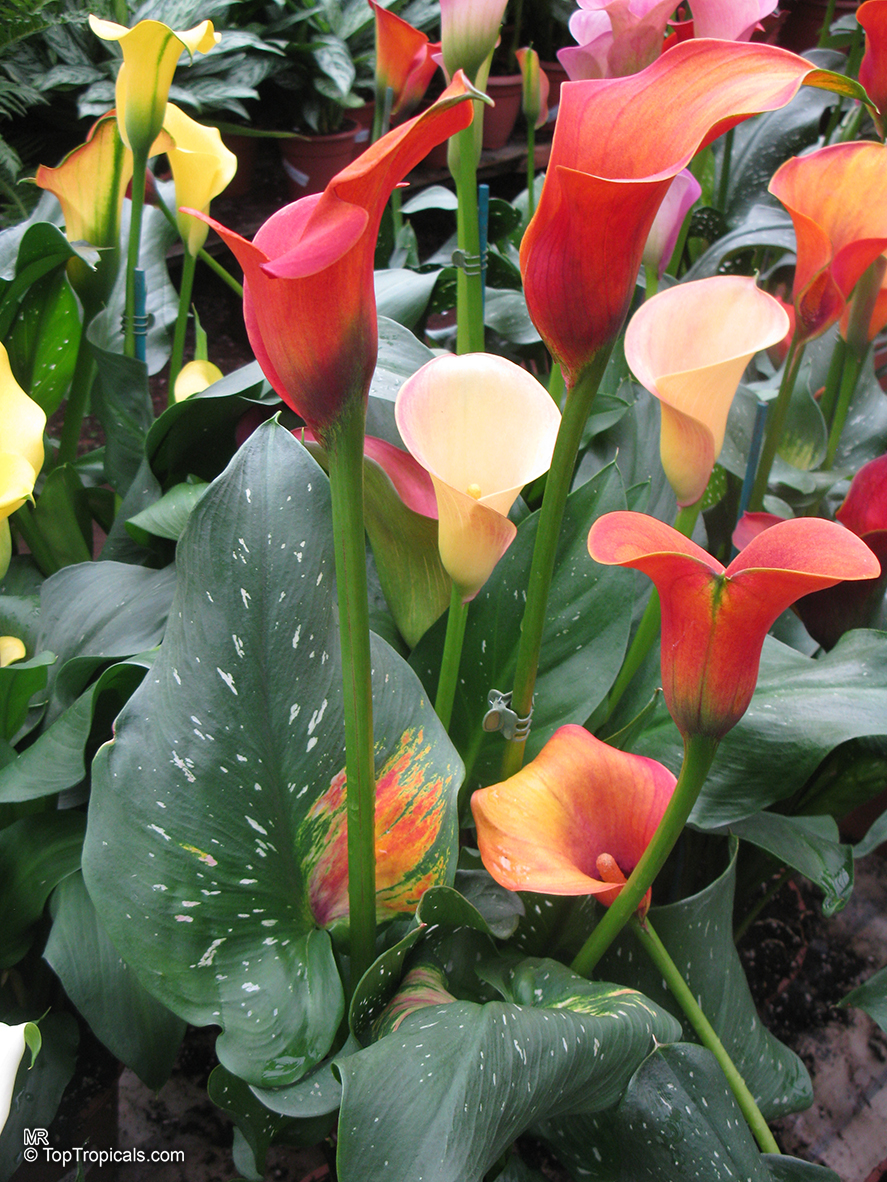
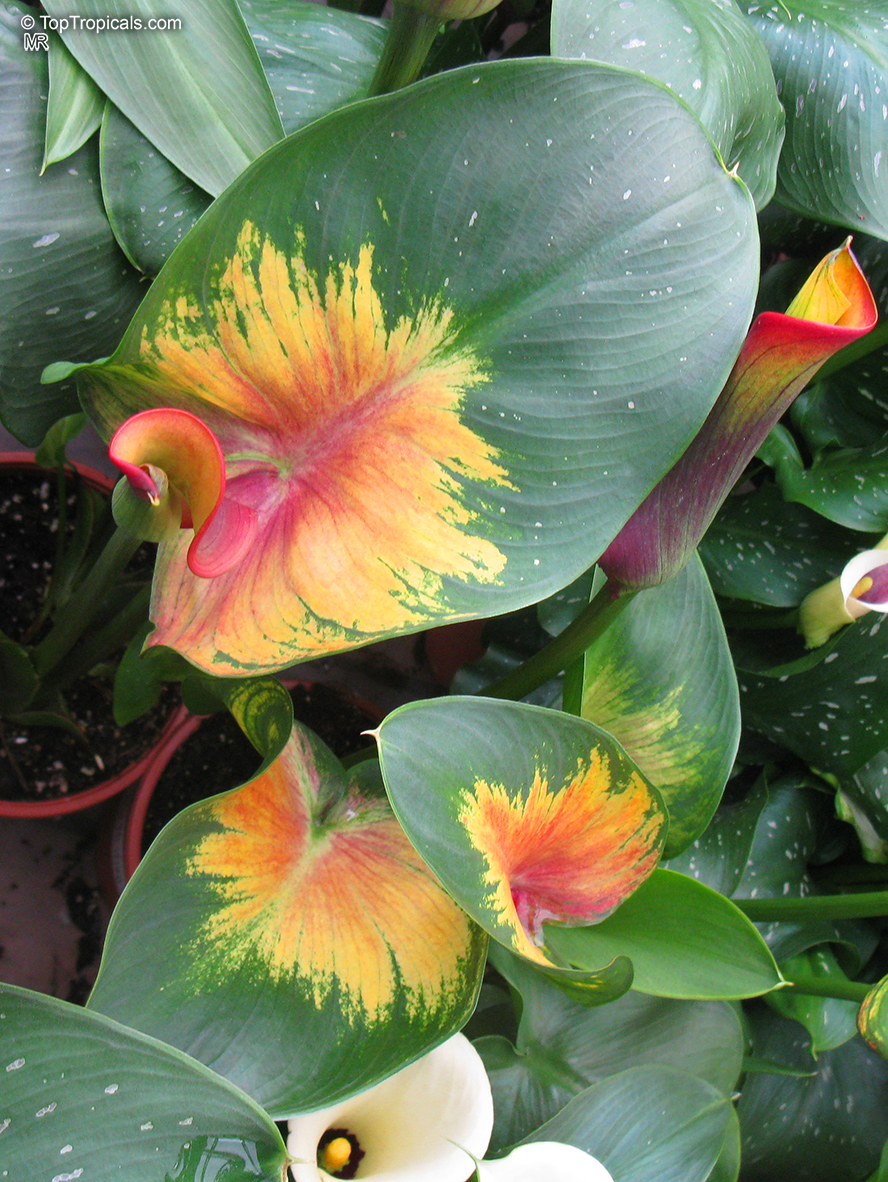
This is an old fashioned, but very rewarding garden plant. Zantedeschia is named after Professor Zantedeschi, probably Giovanni Zantedeschi, 1773-1846, an Italian physician and botanist. The flowers are faintly scented and this attracts various crawling insects and bees which are responsible for pollinating the flowers. The spathe turns green after flowering and covers the ripening berries. It rots away when these are ripe and the succulent yellow berries attract birds, which are responsible for seed dispersal. The rhizome is large and eaten by wild pigs and porcupines and the ripe fruit enjoyed by birds. Raw plant material causes swelling of the throat because of microscopic, sharp calcium oxalate crystals. The leaves are used as a poultice and a treatment for headaches. May be used as a marginal plant along streams, or on the edge of a pond. Plant in partial shade if there is no permanent water. It can be planted as a foliage plant in deep shade under trees but will not flower well in this position. It is fast growing and likes very rich, well-drained conditions. It is an excellent cutflower and lasts a long time in water. Nowadays there are other forms of this species which will enliven an old theme. There is also an attractive form with leaves spotted white. Requires consistently moist soil.

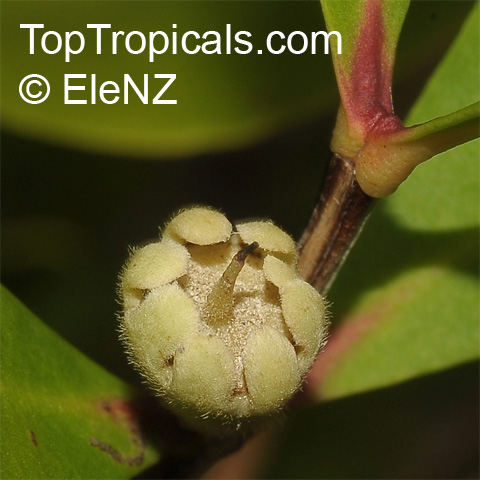
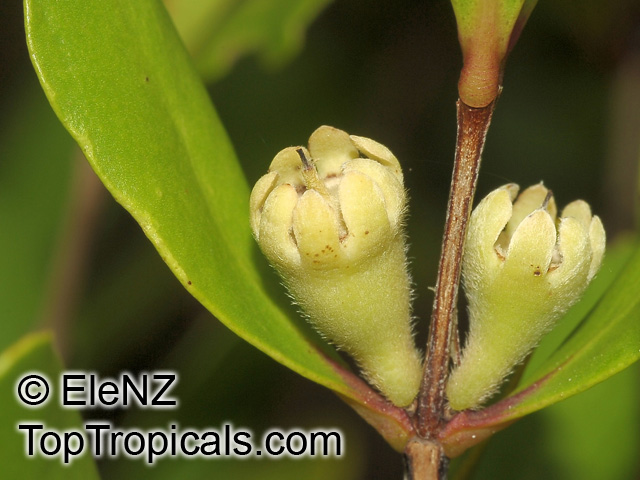
Botanical name: Osbornia octodonta
Common name: Myrtle Mangrove
Family: Myrtaceae
Origin: Australia
USDA Zone: 9-10


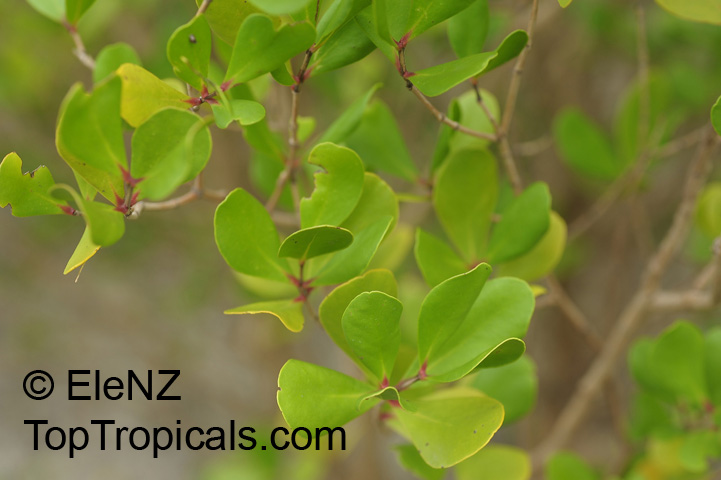
Osbornia octodonta is a useful tree to grow for coastal protection.
Botanical names: Urospatha friedrichsthalii, Urospatha grandis
Family: Araceae
Origin: Central America
USDA Zone: 9-10

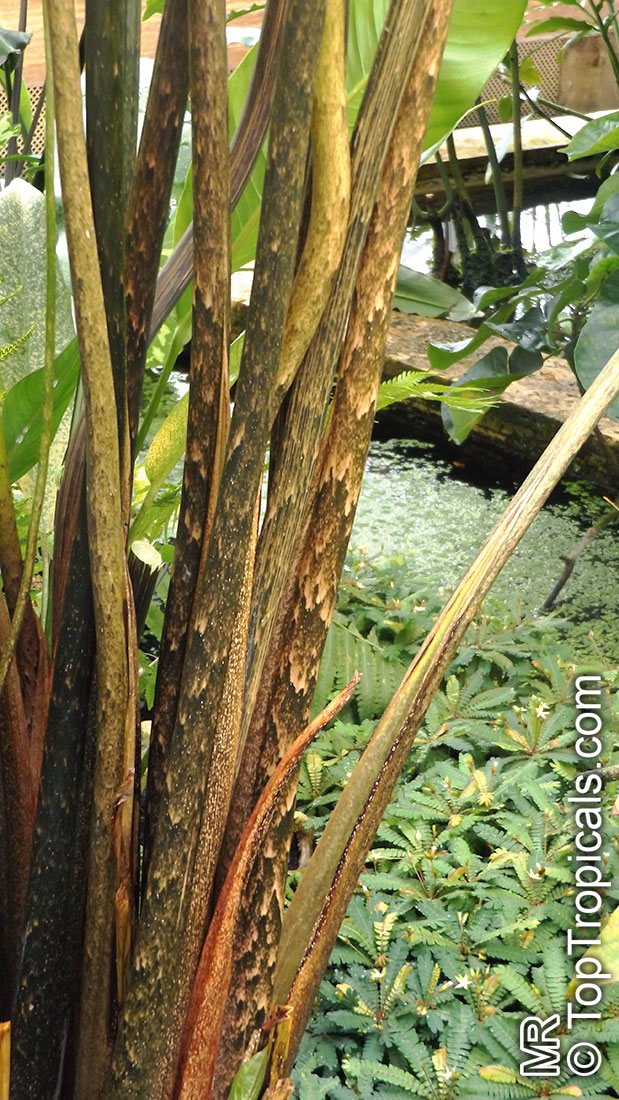
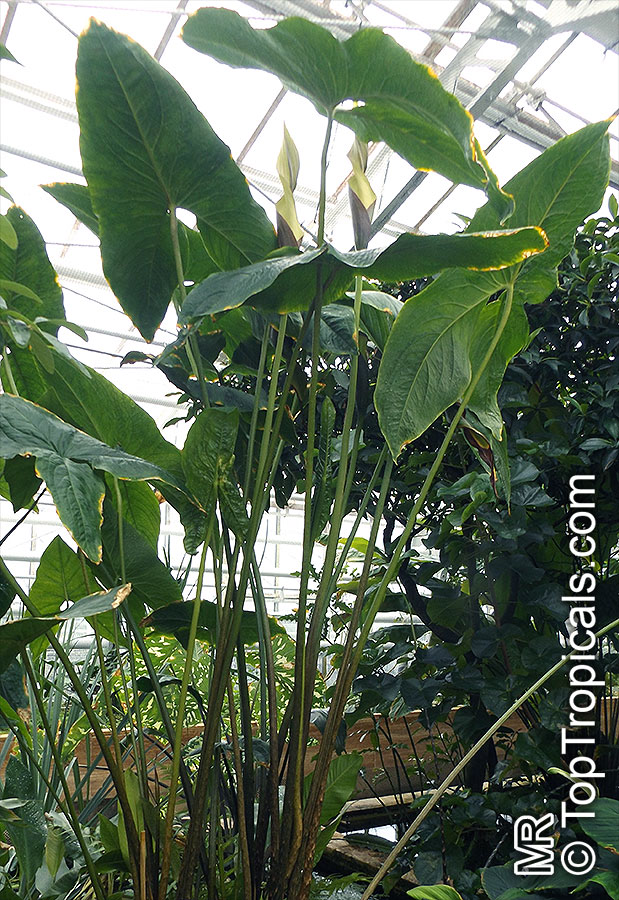
Urospatha friedrichsthalii is a large shrub, indicating as high as 5 to 10 feet tall with lush, green foliage. It is native to Central America and is grown in USDA Zone 9-11. Urospatha friedrichsthalii adapts best to wetter soils and often is grown in full sun or semi-shade. It is naturally found growing in a bog or aquatic environment and it is best to keep the soil moist to mimic these conditions when growing this species.
When growing Urospatha friedrichsthalii in a pot, especially in cold regions, it is important to bring the shrub indoors before it starts to freeze, or to provide a winter shelter with mulch to protect the roots from the cold temperatures. Planting in a moist, well-draining soil with partial shade will help to manage the risk of damaging cold exposure. Additionally, if kept in a pot, supplemental feeding will be necessary. For best results, opt for an organic liquid fertilizer applied roughly every month. Re-potting is also recommended every other year, which will provide a fresh soil with more nutrients to support the plant.
When bringing Urospatha friedrichsthalii indoors, it is important to provide indirect, bright light - whether through a large window or artificial. Additionally, it is important to keep the humidity high to recreate the conditions from its natural environment. To do so, mist the leaves regularly and provide humidity trays with stones, with water just reaching the surface to create steam. Urospatha friedrichsthalii is an eye-catching houseplant and by keeping it healthy, it will provide a burst of captivating colors for years to come.
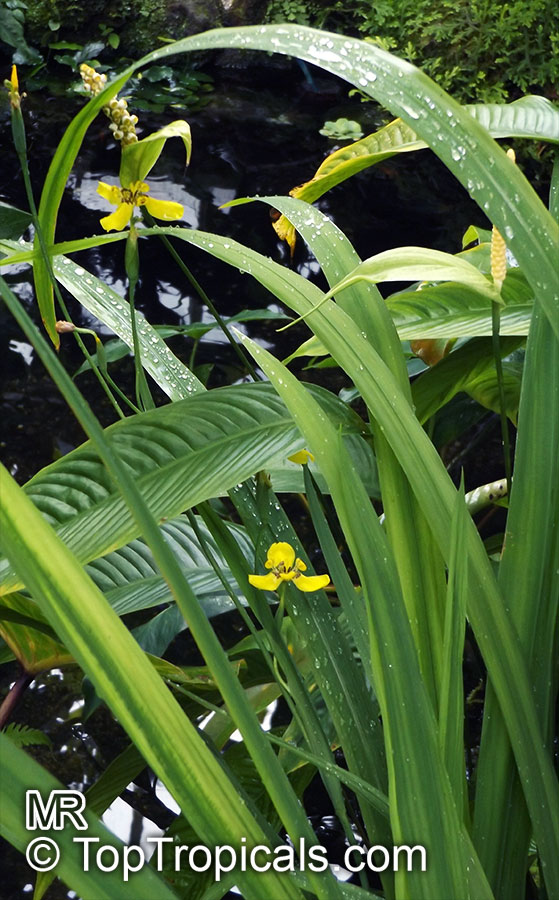
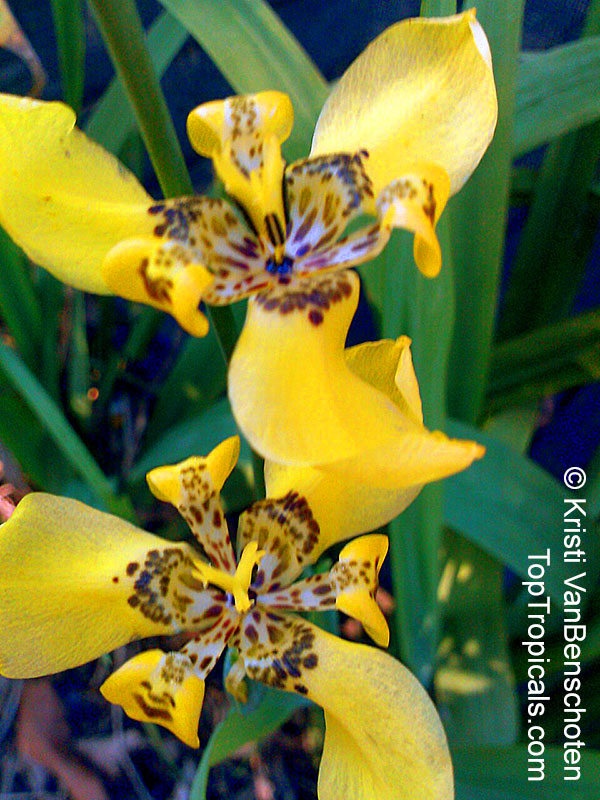
Botanical names: Neomarica longifolia, Trimezia martinicensis
Common names: Yellow Walking Iris, Apostle Plant, Martinique trimezia
Family: Iridaceae
Origin: South Mexico to South America
USDA Zone: 8-11


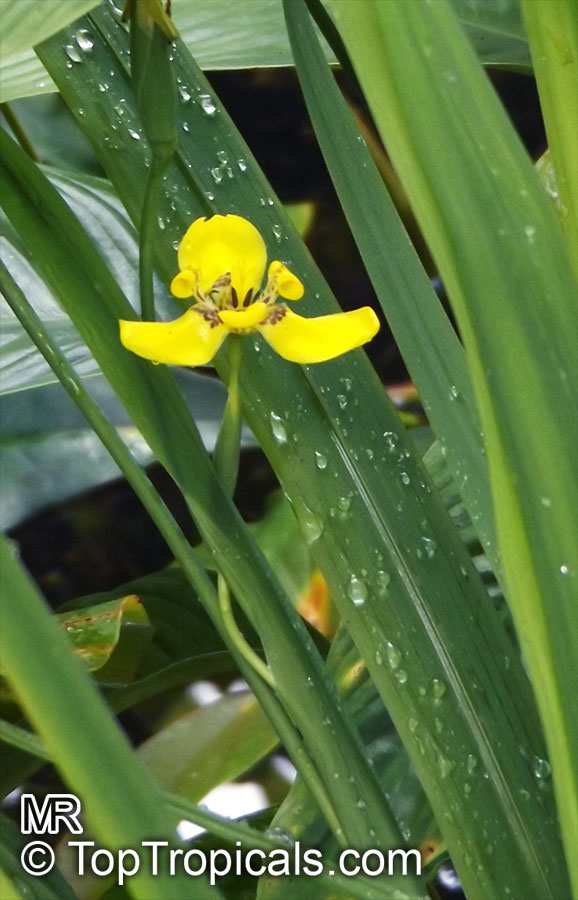
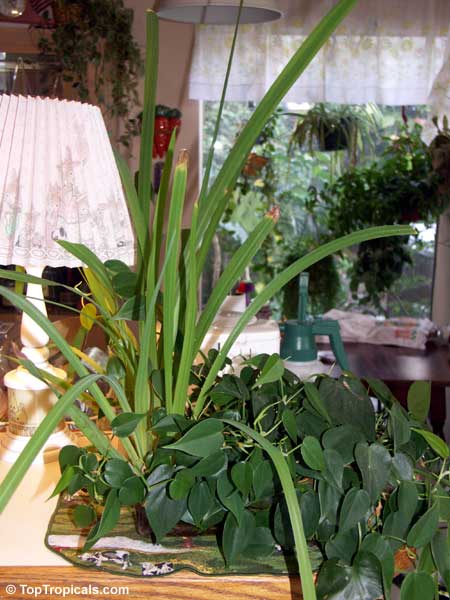
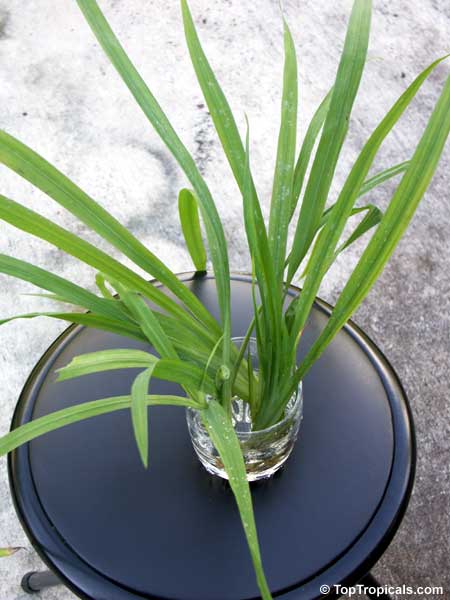
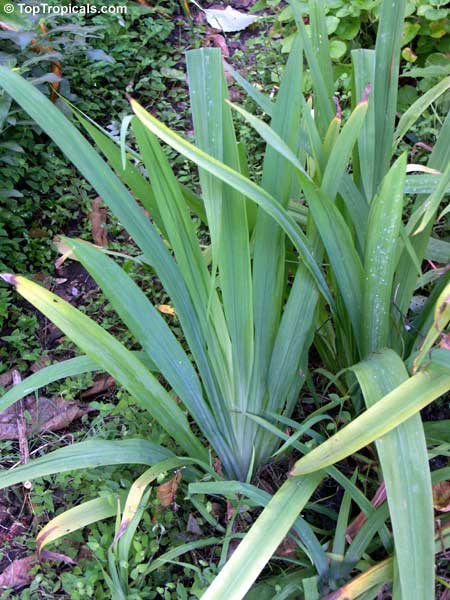
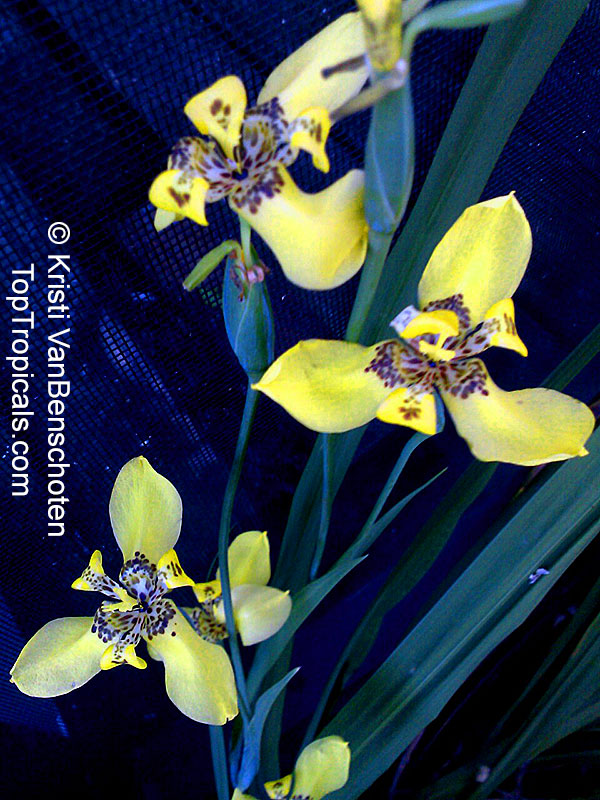
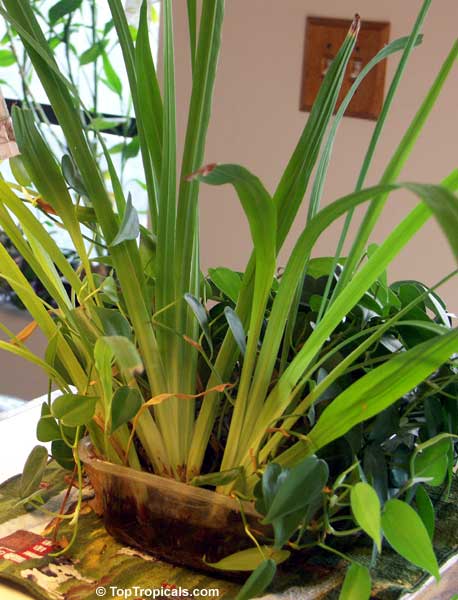
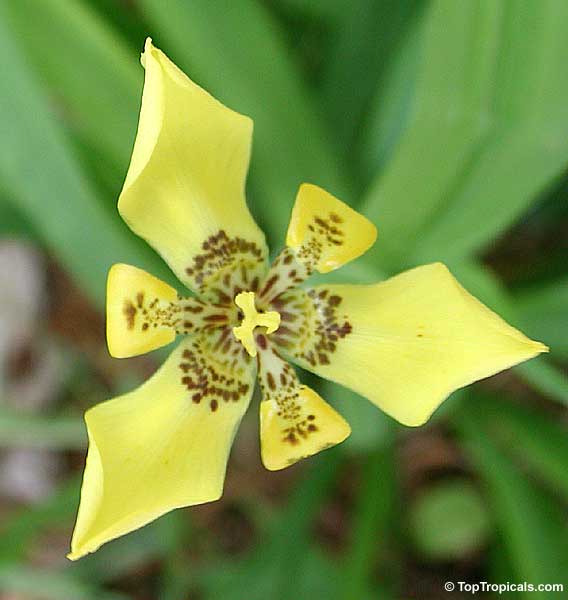
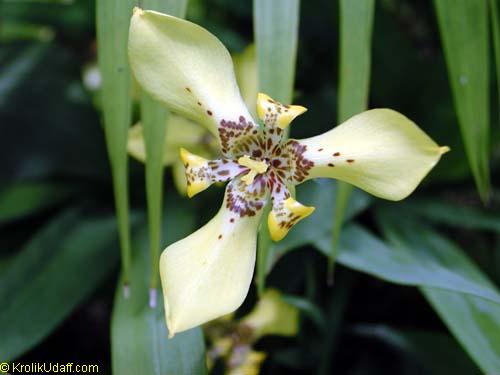
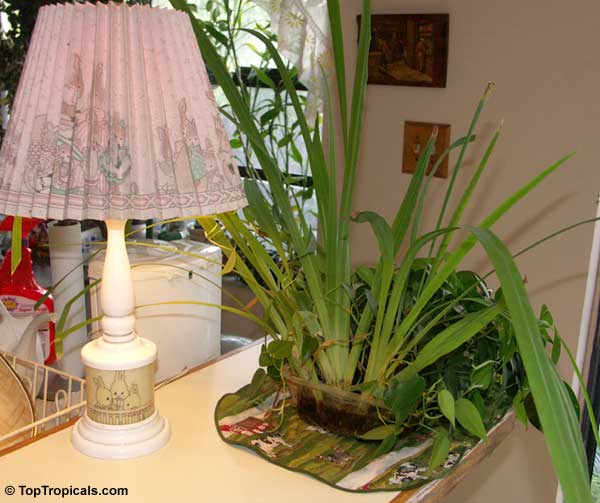
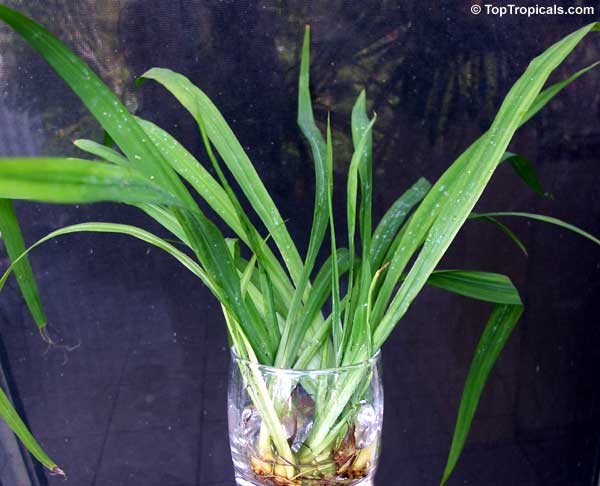
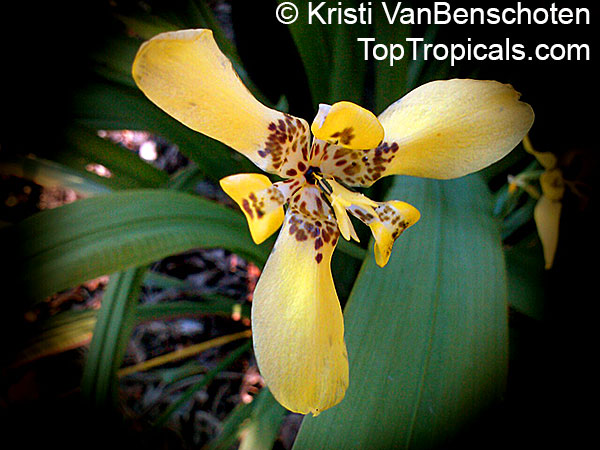
Rhizomatous perennial with showy flowers. This plant can be used indoors as a lucky bamboo or lucky mangrove. It is a unique plant since it tolerates both drought and flooding, so it can be grown in a container with water, terrarium, aquarium or just a small dish. It tolerates full shade as well, thus can be kept in low light conditions as a house plant. It can grow in neglect in a glass of water for years! If planted oudoors, the plant blooms all year, but is at it's best in Spring thru Autumn. It stays green all year and grows up to 2-3 feet. Should be planted in grassy clumps in zone 9 or above. Flowers are yellow with mottled brown spots. Each flower lasts only one day, but another flower will takes it's place the following day. Plant in part shade, especially in hot Summer days. After flowering this plant makes many off-set plant "pups" with air roots to be replanted, or allow them to replant themselves. Can be easily propagated from a small off-set. Neomarica literally signifies the change of seasons. Typically a late- winter bloomer, some Neomaricas flower successively well into springtime. Once the flowering has finished, young plants grow up next to the spent bloom. The weight of the new growth carries the flowering stem to the ground. In a natural environment, the plants will root into the ground and start a new plant. In time, large clumps will spread in every direction, and the plant has literally "walked" its way into a new existence. However, as a potted specimen they will not form new plants, but will remain as beautiful contained specimens.
| Next | |
Use link to repeat this search:
https://toptropicals.com/cgi-bin/garden_catalog/cat.cgi?search_op=and&keyword_op=and&language=e&number=10&no_change_lang=1
&v1=aqa&user=tt&sale=1&first=0