Large tree taller than 20 ft - Plant Encyclopedia Results
Top Tropicals Plant Encyclopedia
| Number of plants found: 442 | Next | 
|
Go to page: | 1 | 2 | 3 | 4 | 5 | Last |
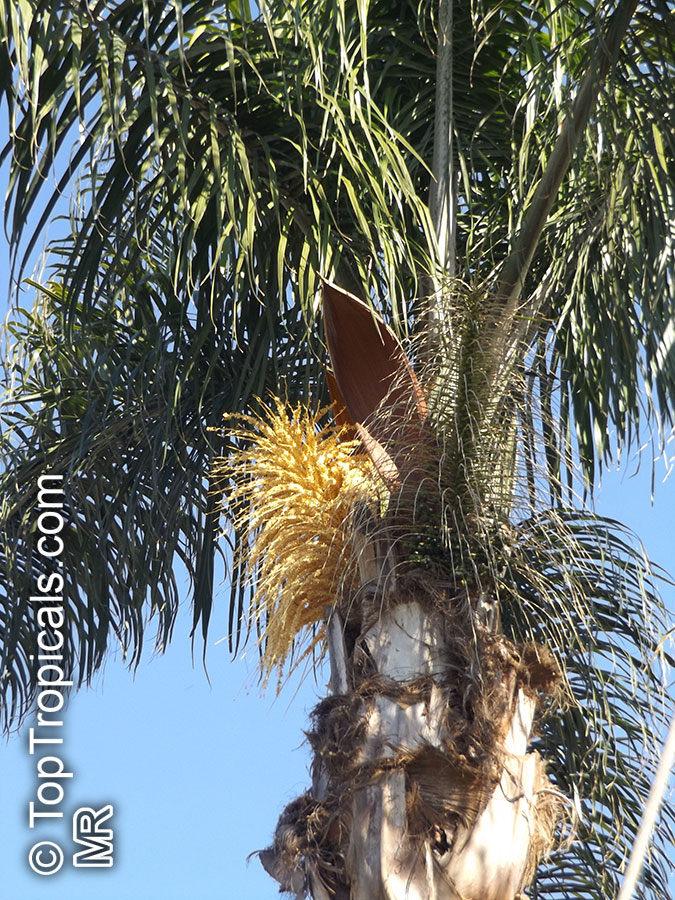
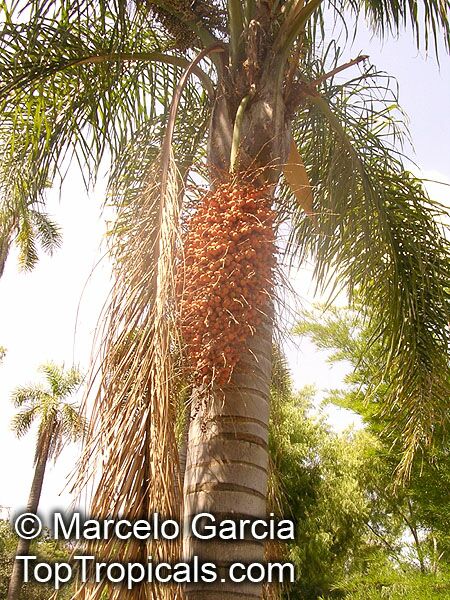
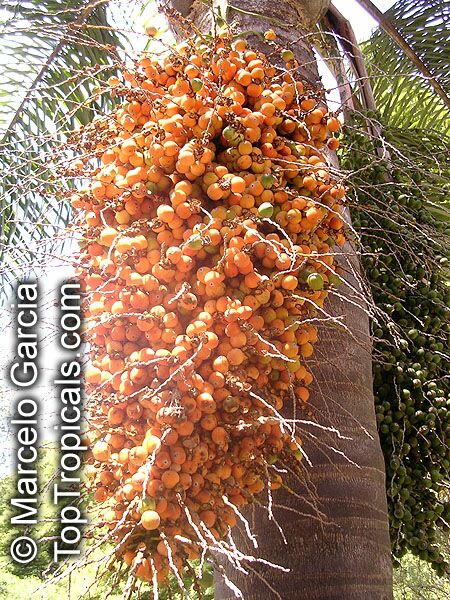
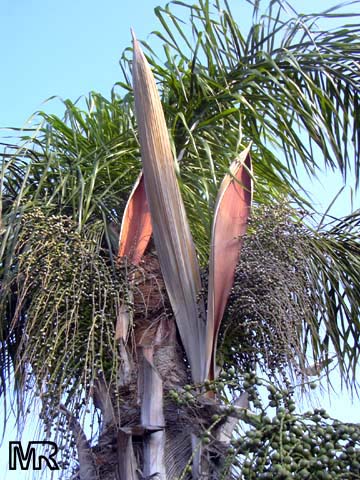
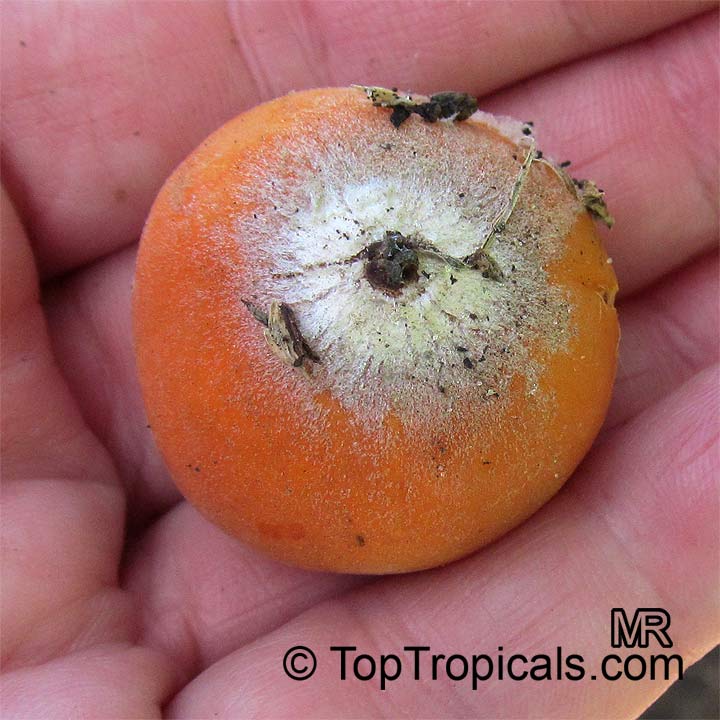
Botanical names: Syagrus romanzoffiana, Syagrus romanzoffianum, Arecastrum romanzzoffianum, Cocos australis, Cocos plumosa
Common name: Queen Palm
Family: Arecaceae / Palmae
Origin: South America


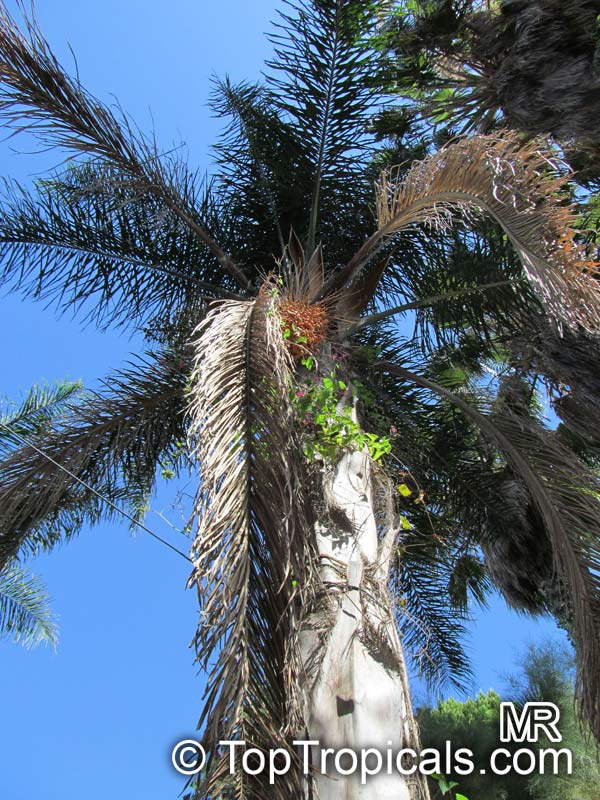
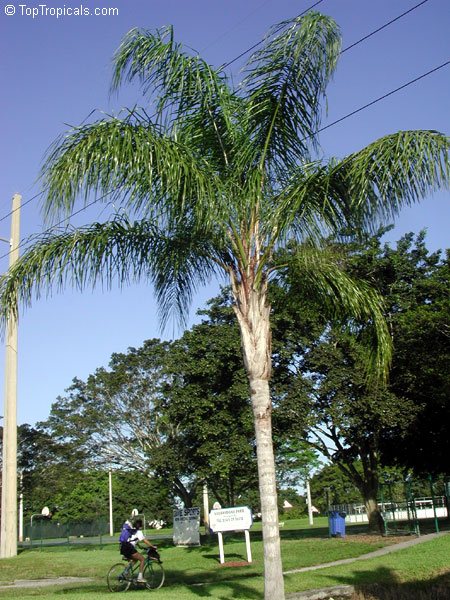
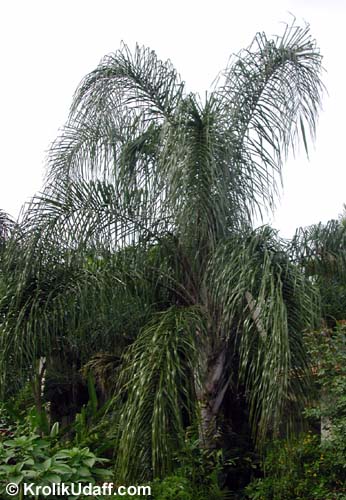
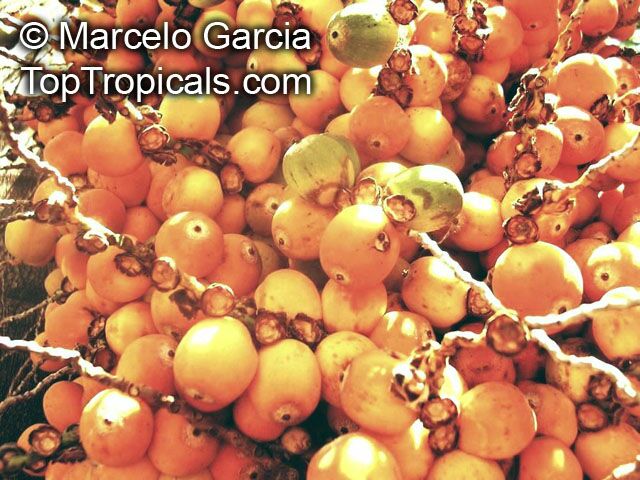
It is a very attractive and fast growing palm and easy to grow in a sunny position with good drainage. Can be shifted even when large. Propagation: Fresh seeds in 2-4 months. Very easy palm with great decorative effect. best when planteed in groups or 2 or 3. Maintenance Moderate, need to remove dead leaves every year.
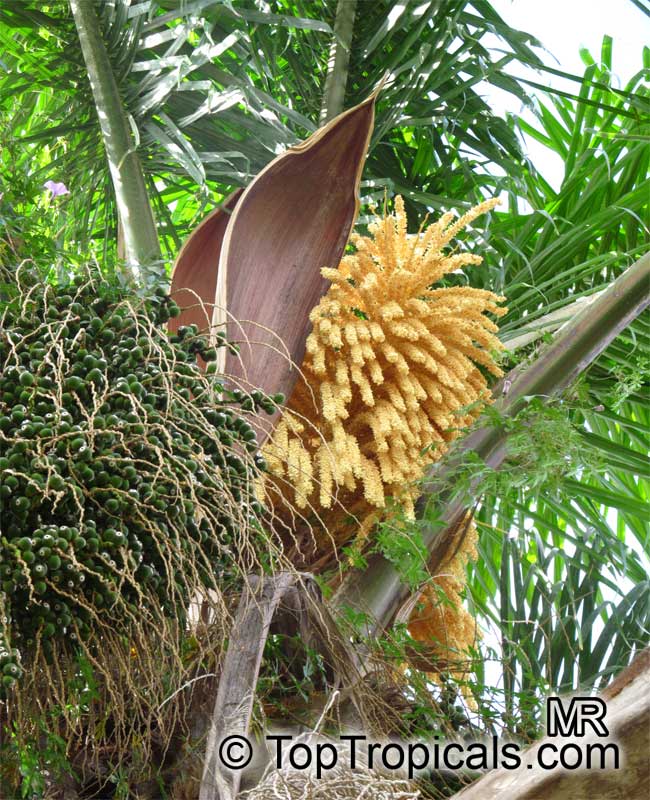
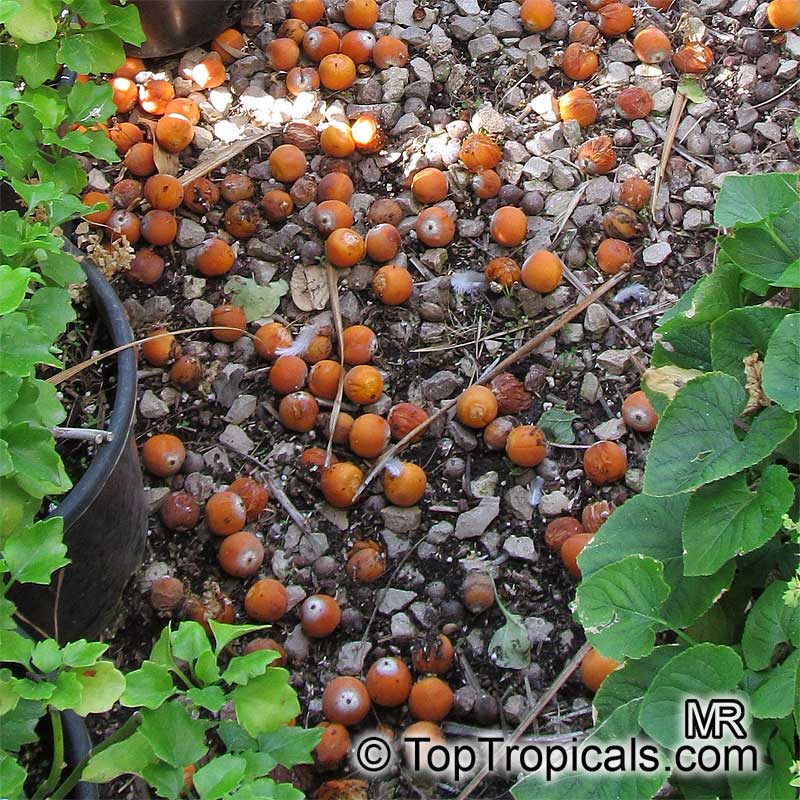
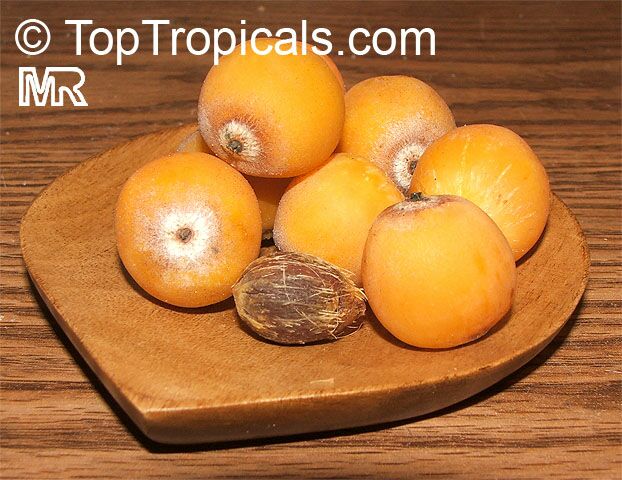
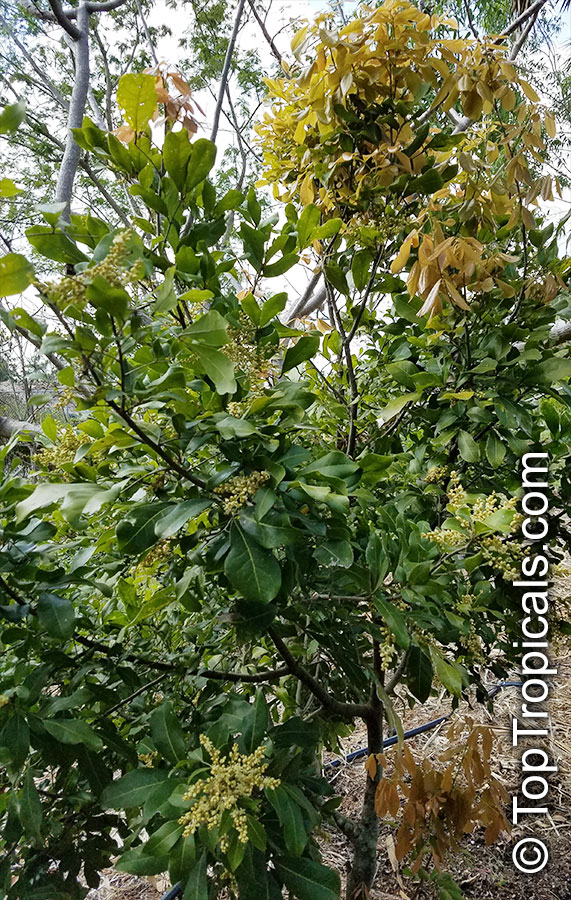
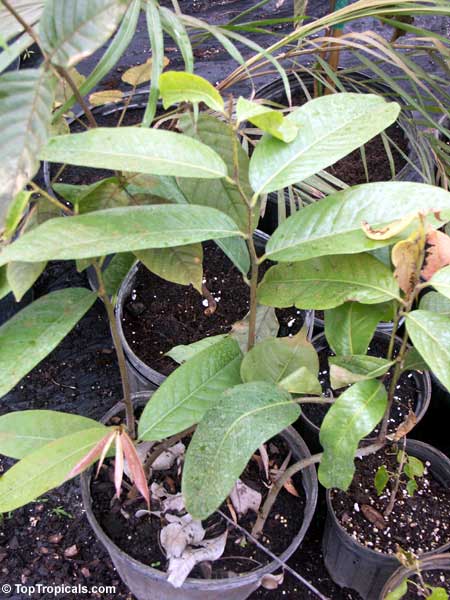
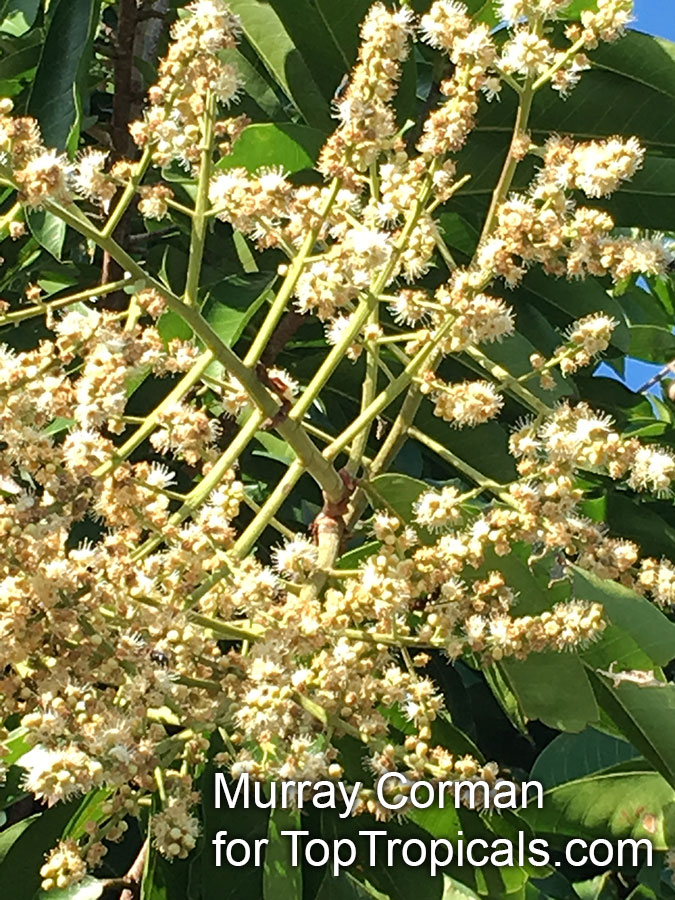
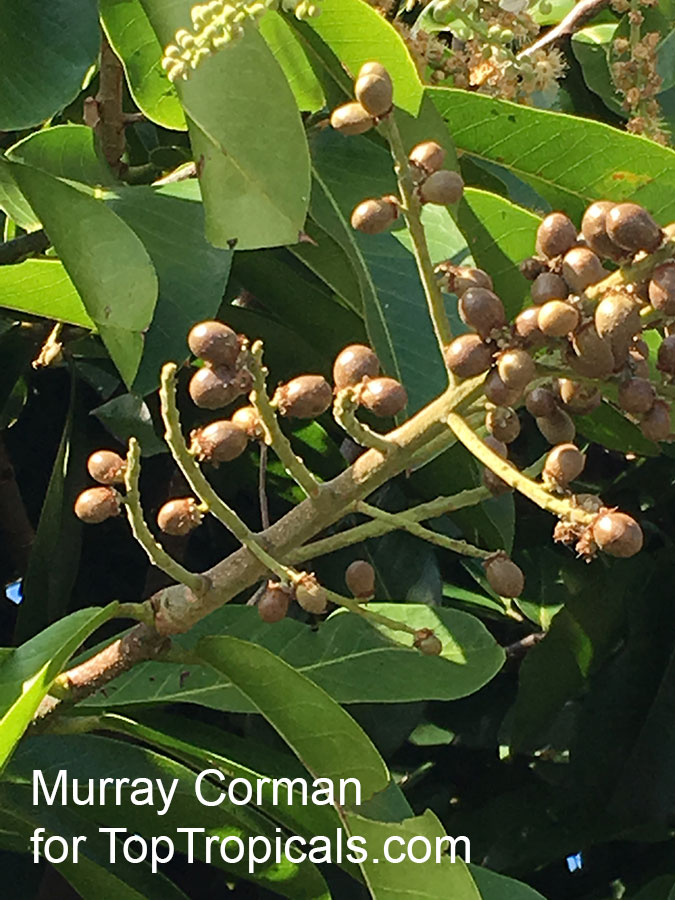
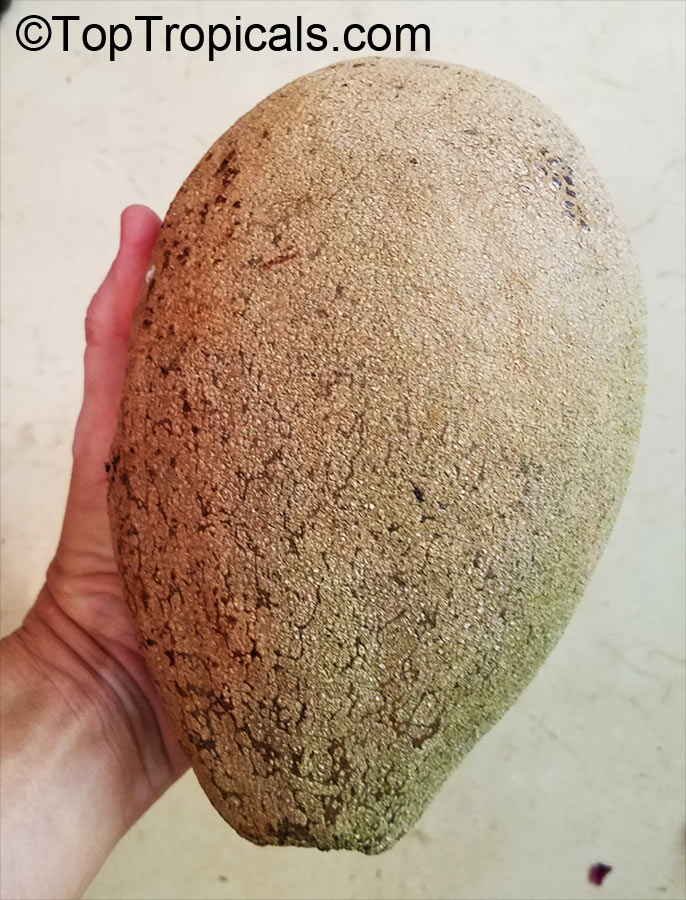
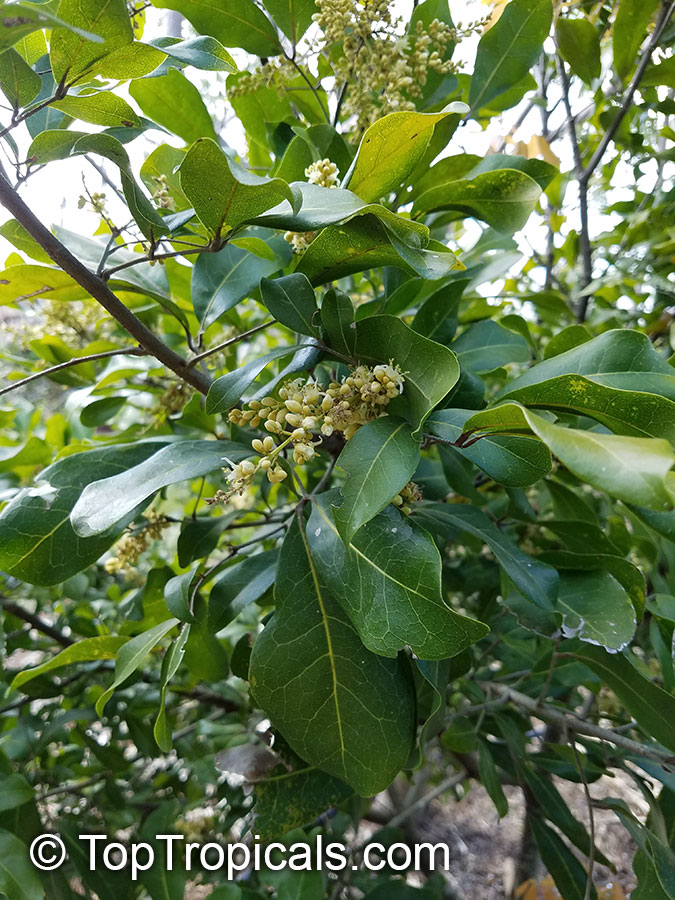
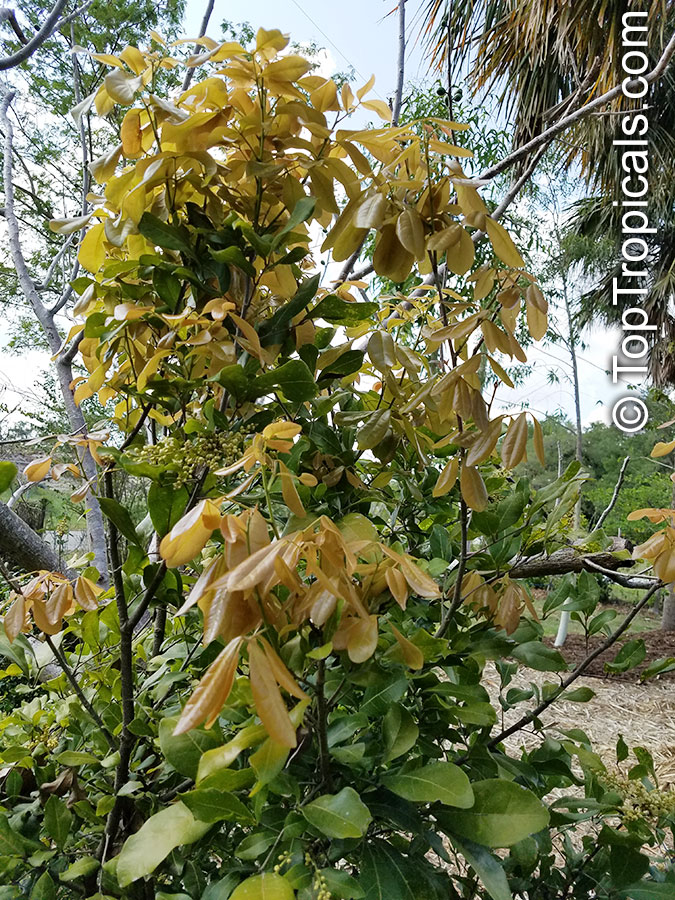
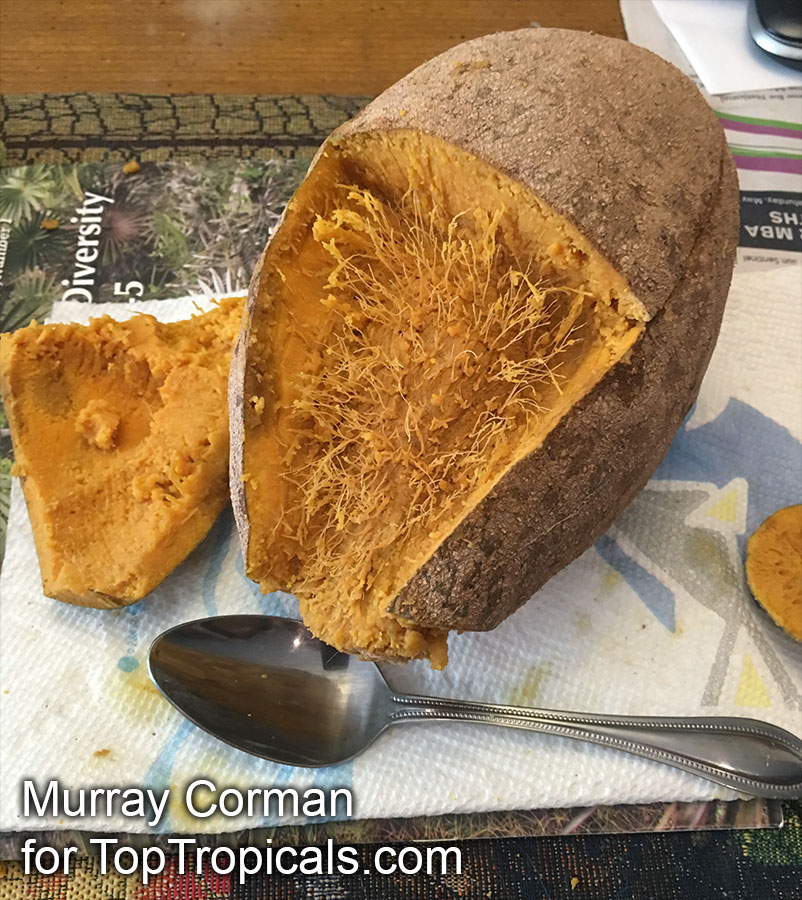
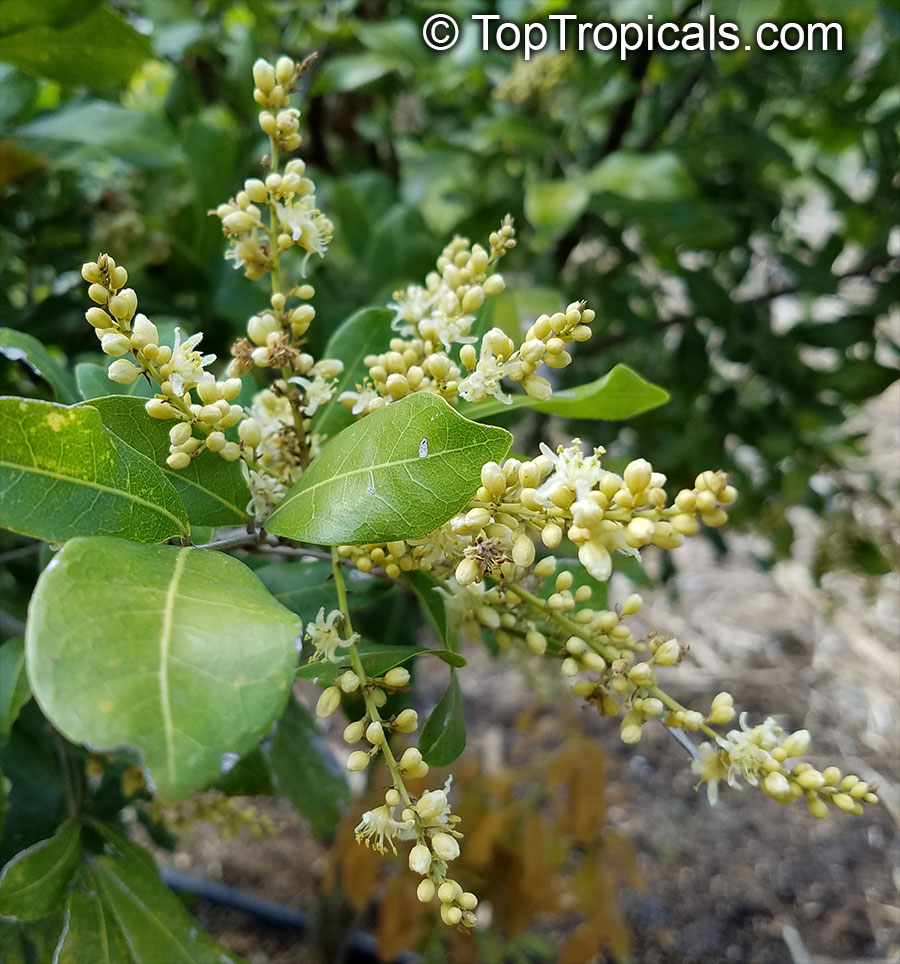
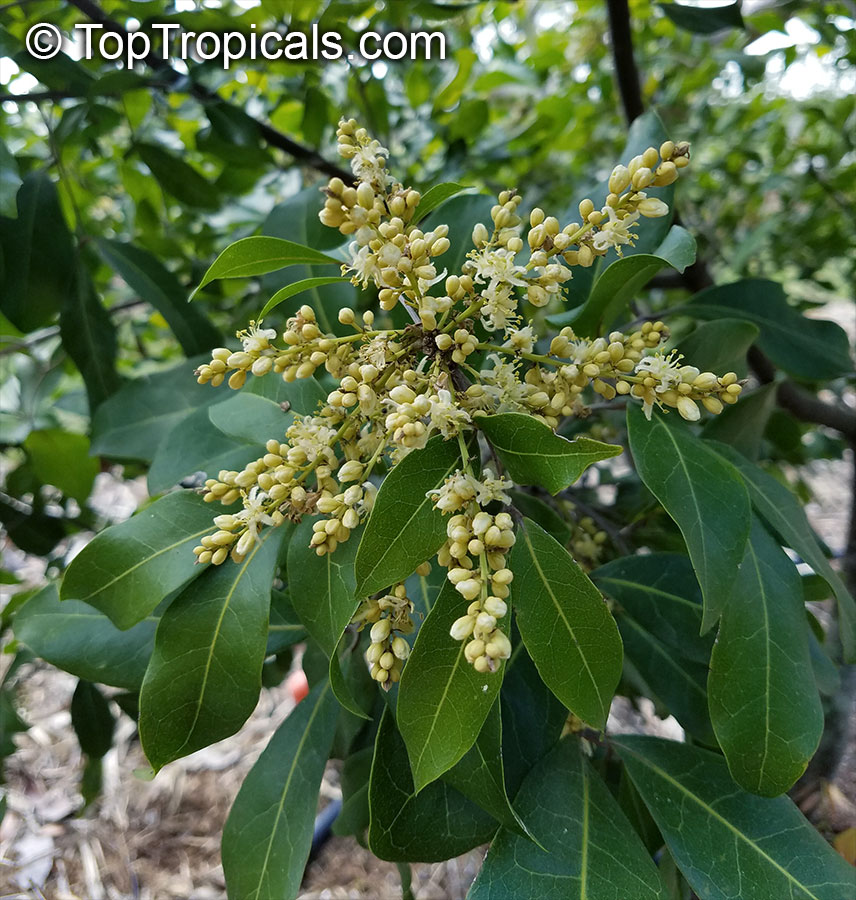
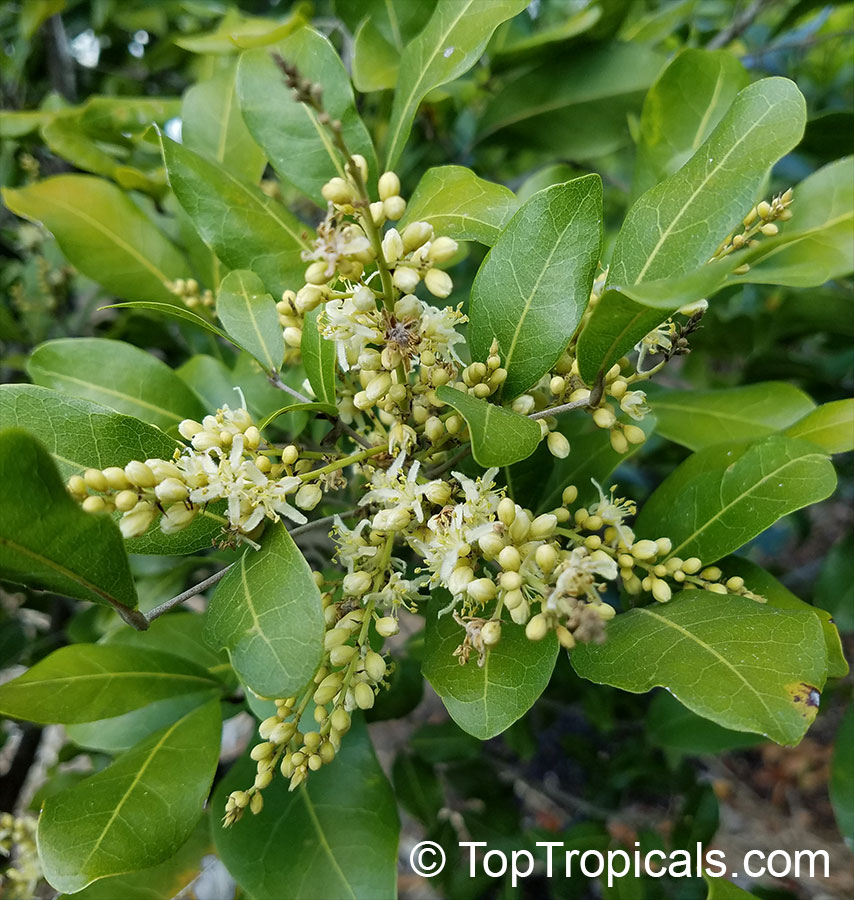
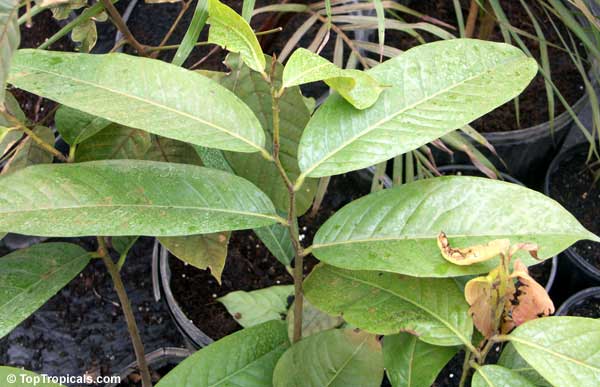
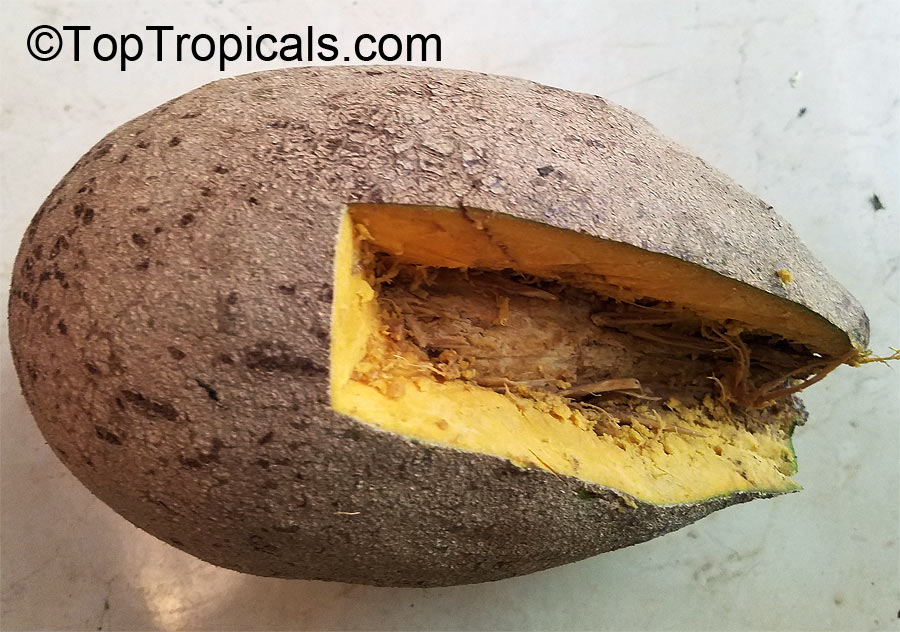
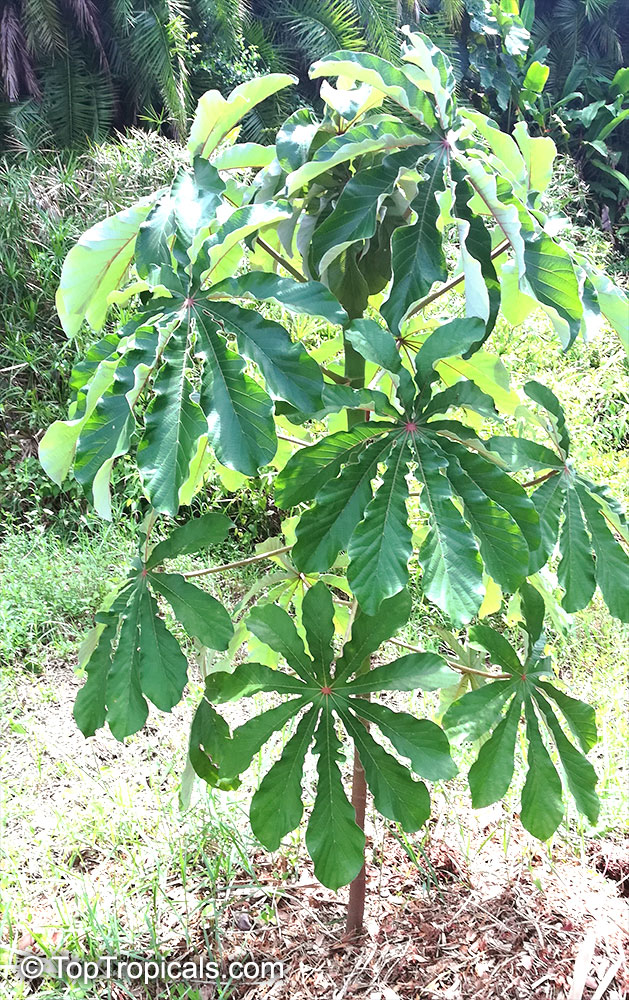
Botanical names: Licania platypus, Moquilea platypus, Licania michauxii
Common names: Sunsapote, Monkey apple, Gopher Apple
Family: Chrysobalanaceae
Origin: Mexico to Panama


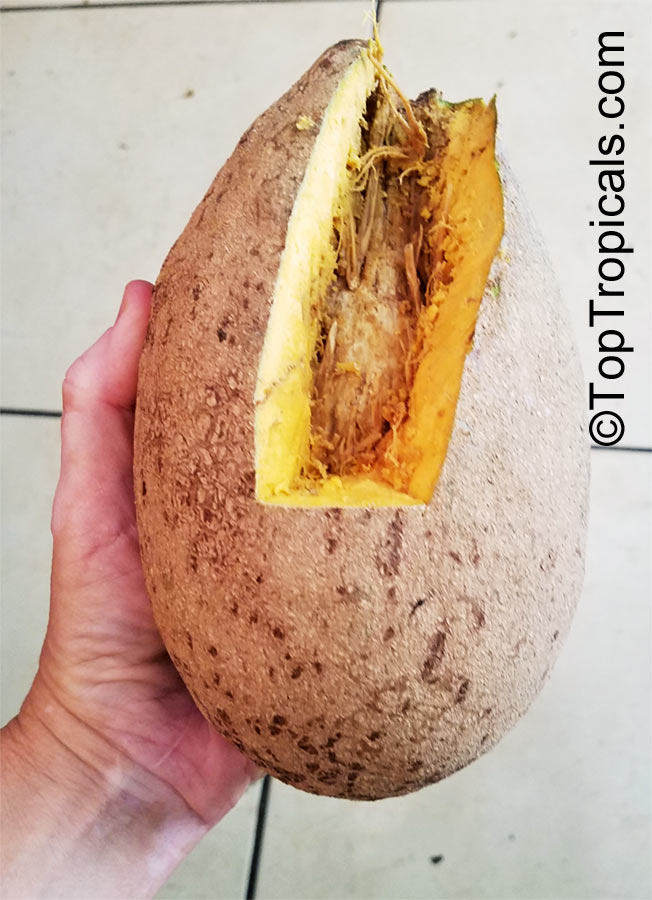
Licania platypus (Sunsapote) produces a large, oblong-shaped fruit with a thin, purplish-brown skin and yellow pulp containing numerous, tiny edible seeds. The fruit has a sweet, reminiscent of honeydew melon, and is often eaten fresh or used to make jams, jellies, and other desserts.
Due to its high vitamin C content, Sunsapote is said to help boost immunity and ward off colds and flu. Additionally, its high content of polyphenols, antioxidants, and other phytonutrients may help reduce inflammation and the risk of chronic disease. Sunsapote trees can produce up to 20 fruits per season.
The plant is generally hardy in USDA Zones 9-11. It prefers full sun and thrive in moist, moderately drained soils. In cold regions, the plant may be grown in a large pot, as long as it is protected from frost and extreme temperatures.
Botanical name: Eucalyptus leucoxylon
Common names: Yellow Gum, Blue Gum, White Ironbark
Family: Myrtaceae
Origin: Australia


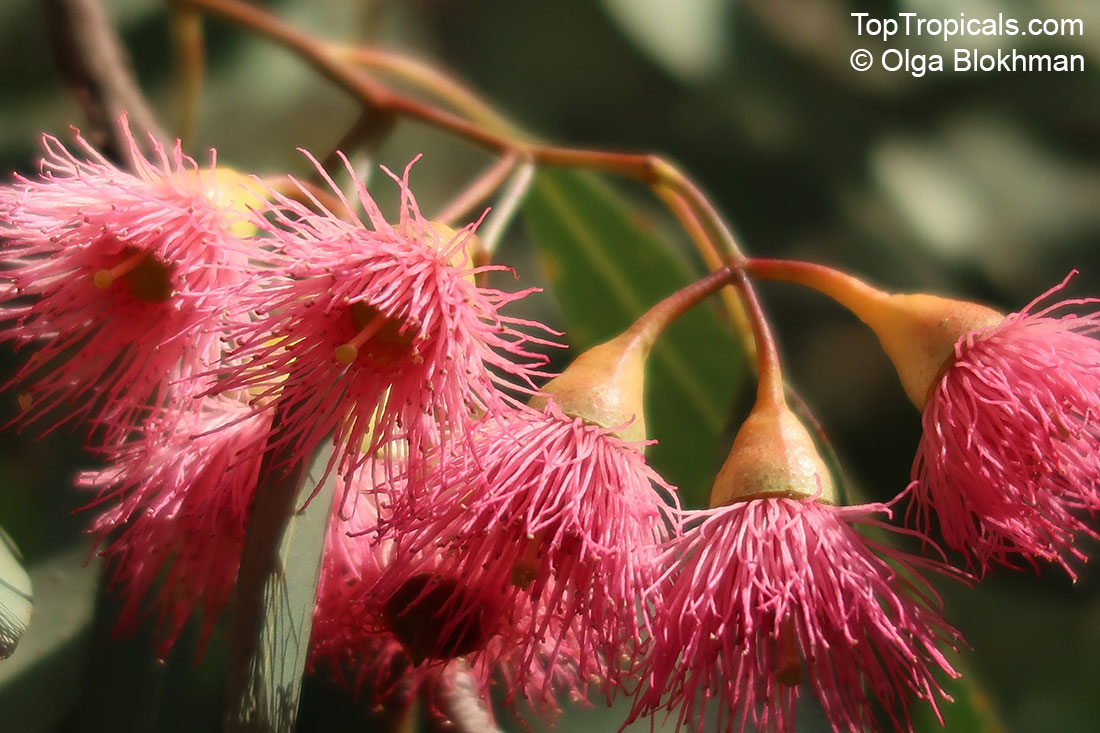
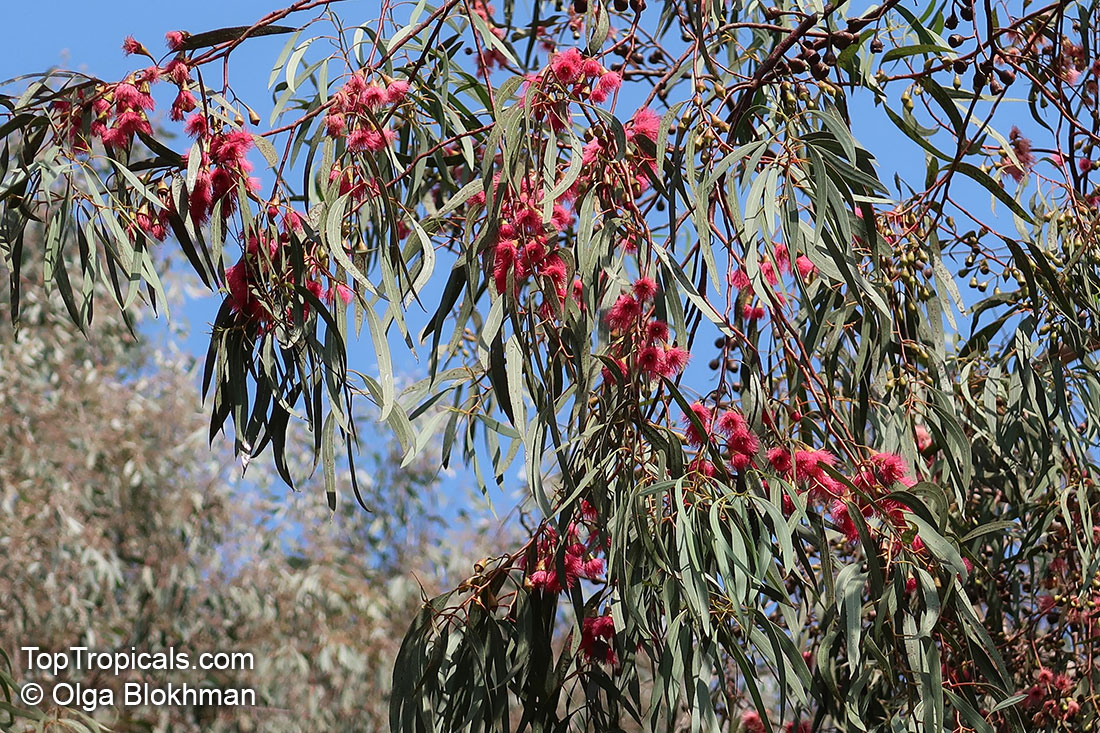
Eucalyptus leucoxylon is a big and beautiful tree which can grow taller than 20 ft. when fully mature. This majestic tree is native to Australia, where it grows in a range of climates and soils. It is perfect for those who are looking for a feature tree and can tolerate dry conditions. It thrives in full sun and in USDA zones 8-10.
It has an open, spreading crown and its bark is highly ornamental, featuring a beautiful gray-white background with patches of gray. The leaves of this tree are long, lance-shaped, and gray-green. In summer, the tree is adorned with magnificent clusters of flowers in shades of pink, white, off-white, and red.
If you live in colder regions, you can also grow Eucalyptus leucoxylon in a pot, making sure you provide it with protection from frost and snow. To keep it in optimal conditions, the pot-grown tree should be placed in an area of full sun and in soil that is well-drained. During dry periods, the soil should be watered frequently. Furthermore, the tree should be pruned regularly to promote fullness and further improve its appearance. If you take good care of your tree, it will reward you with its beauty and stately presence in your garden.

Botanical name: Cordyline australis
Common name: Cabbage Tree
Family: Asparagaceae (Formerly:Laxmanniaceae)
Subfamily: Lomandroideae
Origin: New Zealand


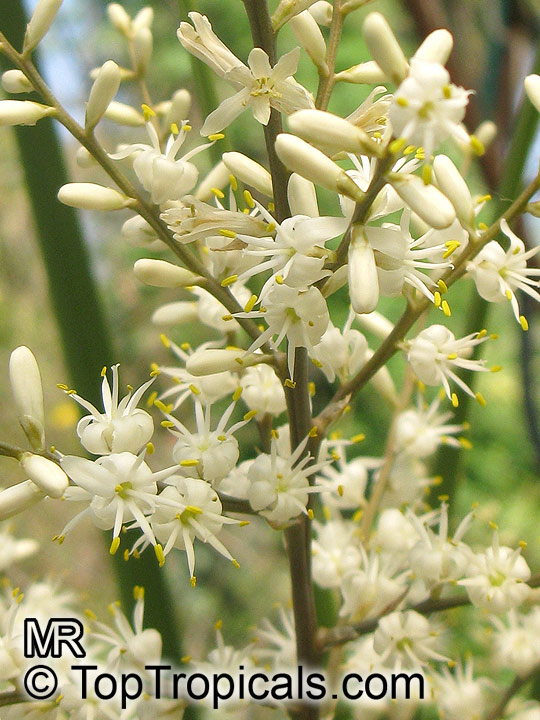
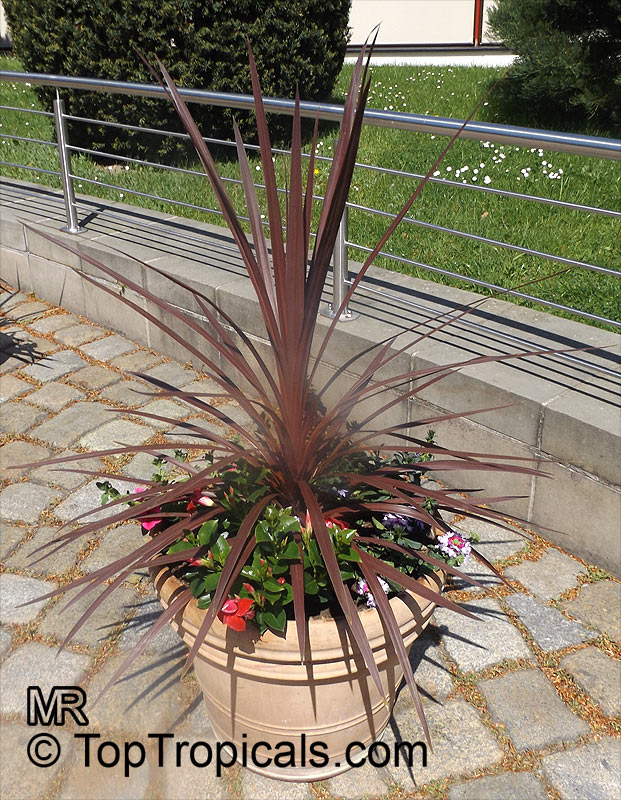
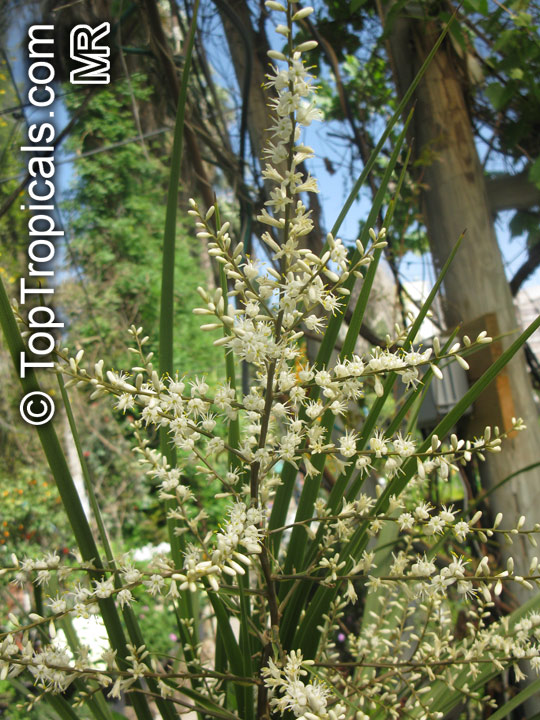
The Cordyline australis is a monocotyledon endemic to New Zealand. The leaves are sword-shaped, 1.5 to 3ft long and 1 to 3in broad at the base, with numerous parallel veins. It has creamy, fragrant white flowers in late Spring and Summer followed by white-blue berries.
The subspecies (or variety) atropurpurea is especially notable for its reddish foilage, and several cultivars are available.
Because their high carbohydrate content can be made digestible by cooking, they were a valuable food source.
Because it tolerates cold weather better than many other tree-sized monocots, this plant is often planted by people wishing to give a tropical, exotic look to their yards or gardens. Fast-growing, and easy to cultivate.
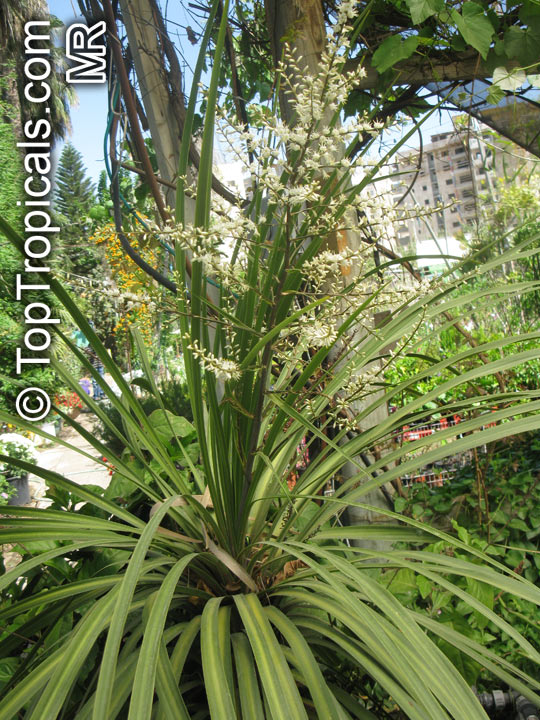
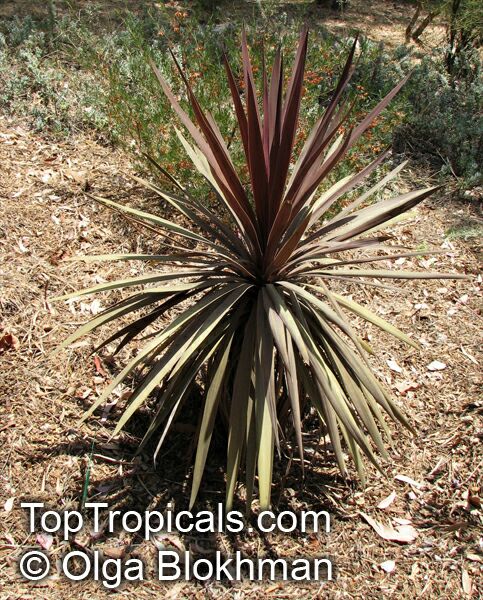
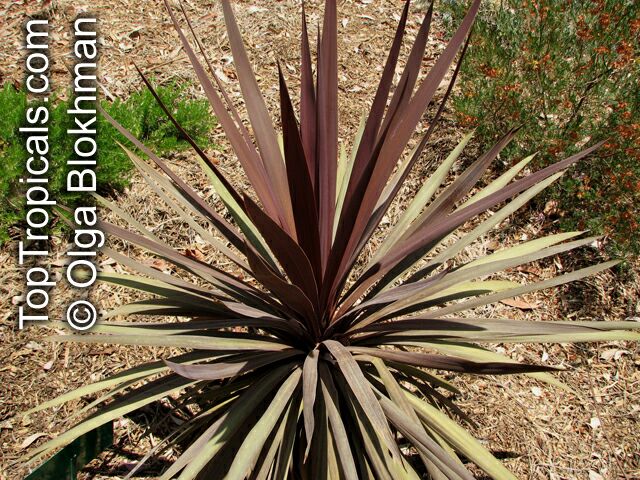
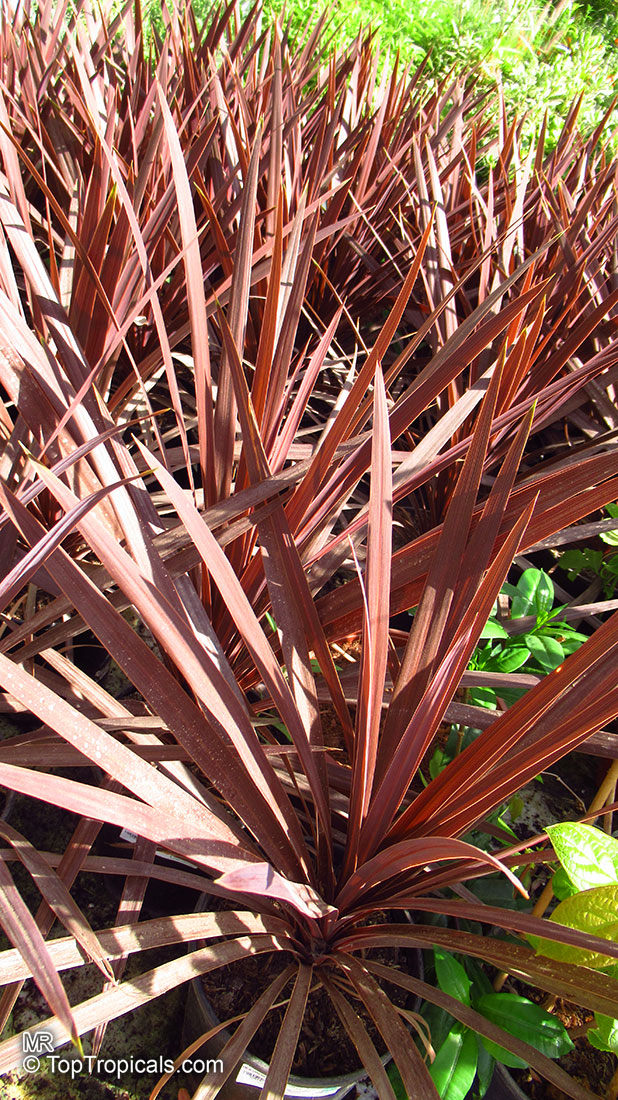
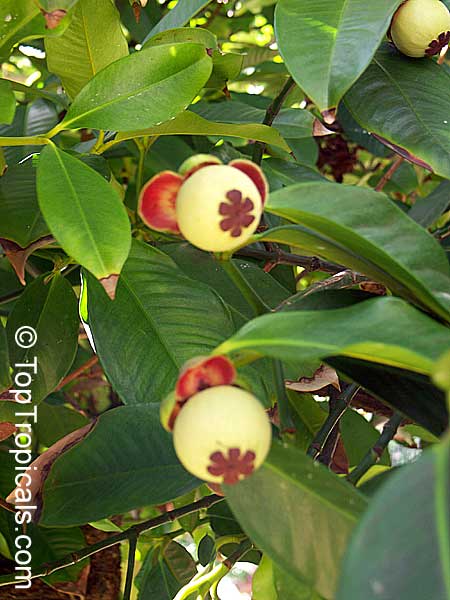
Botanical name: Garcinia mangostana
Common name: Mangosteen
Family: Clusiaceae / Guttiferae
Origin: Malay Peninsula


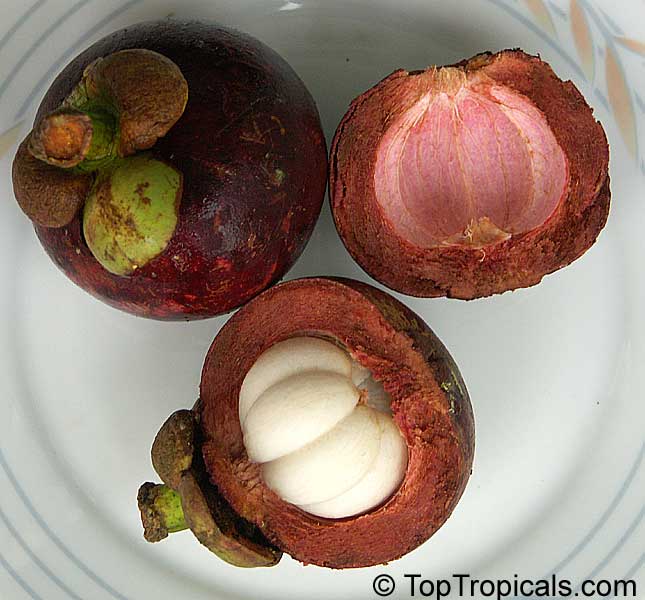
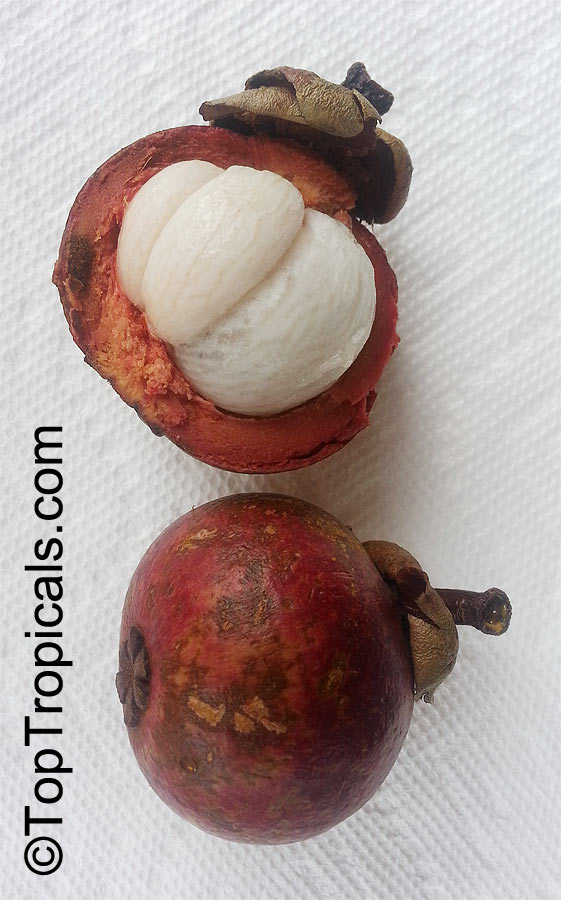
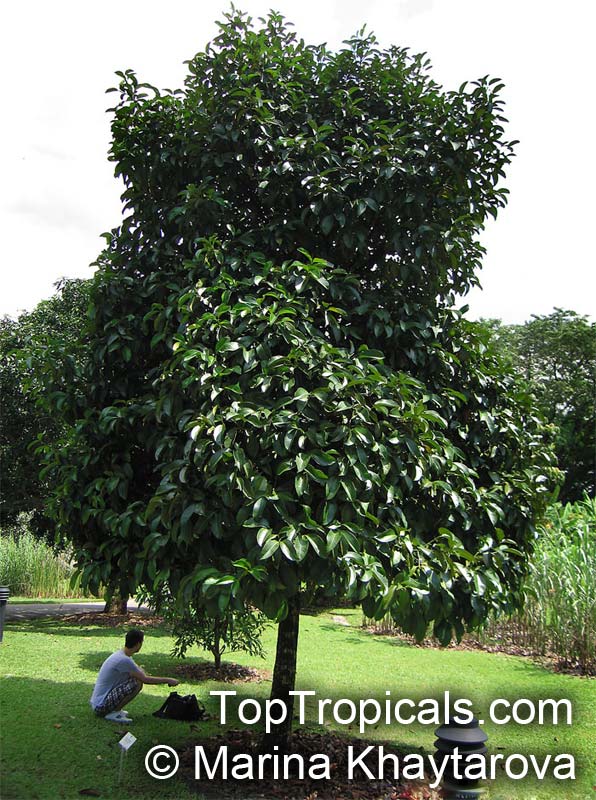
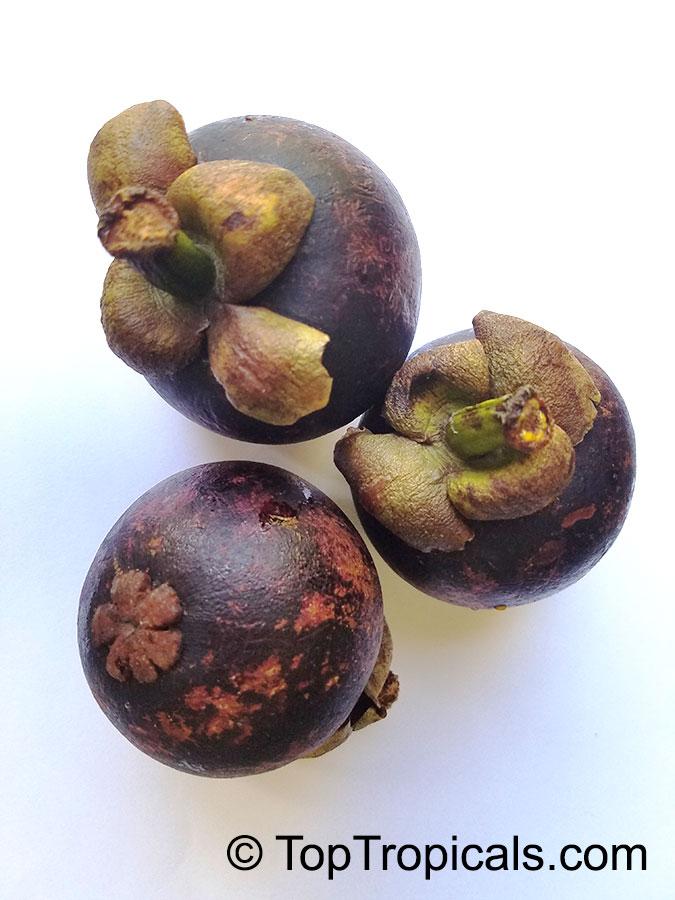
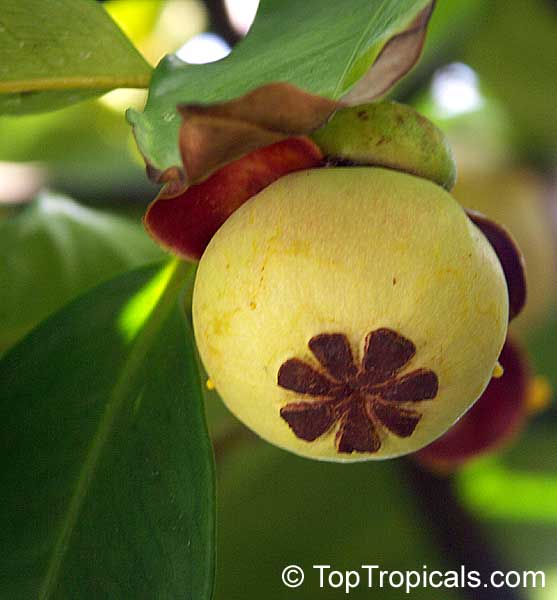
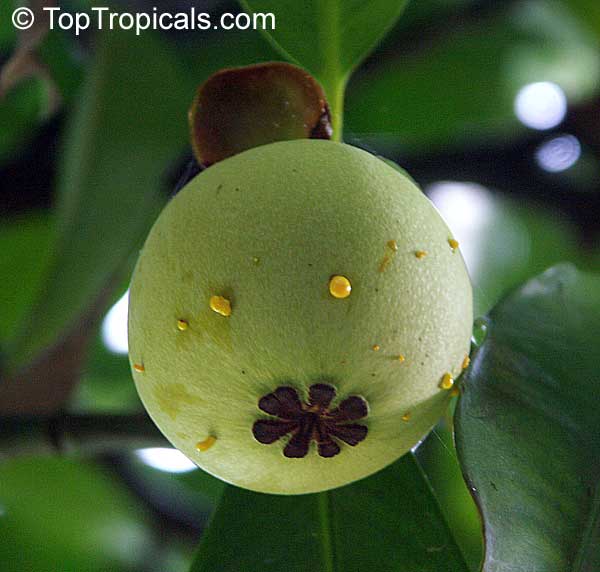
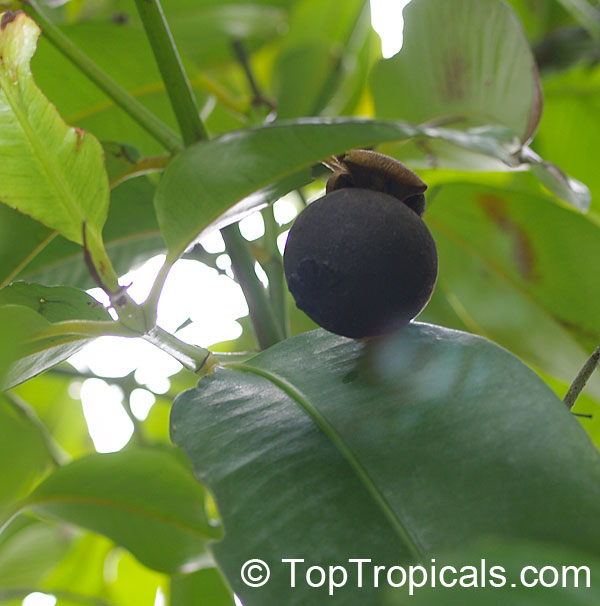
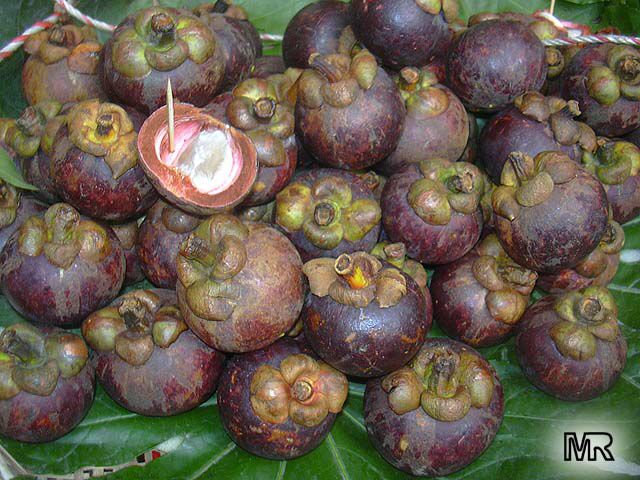
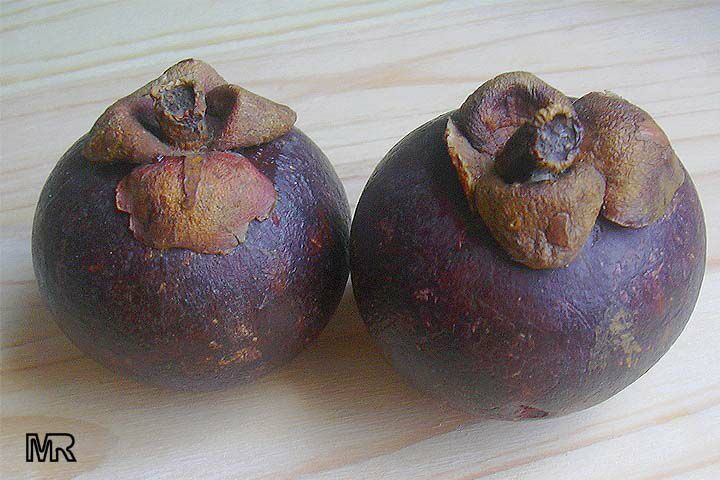
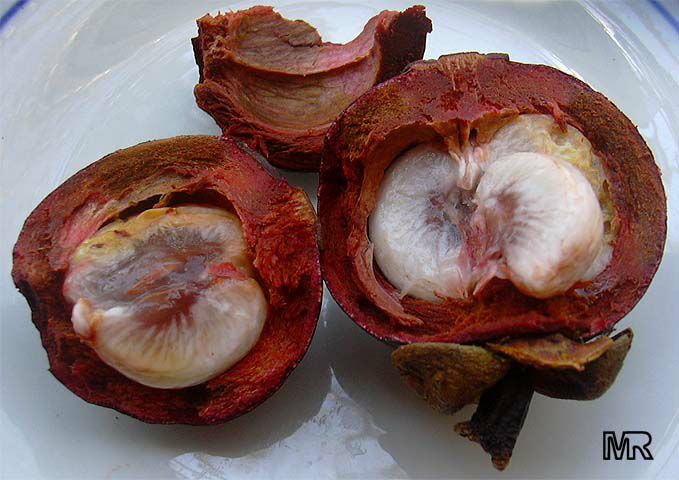
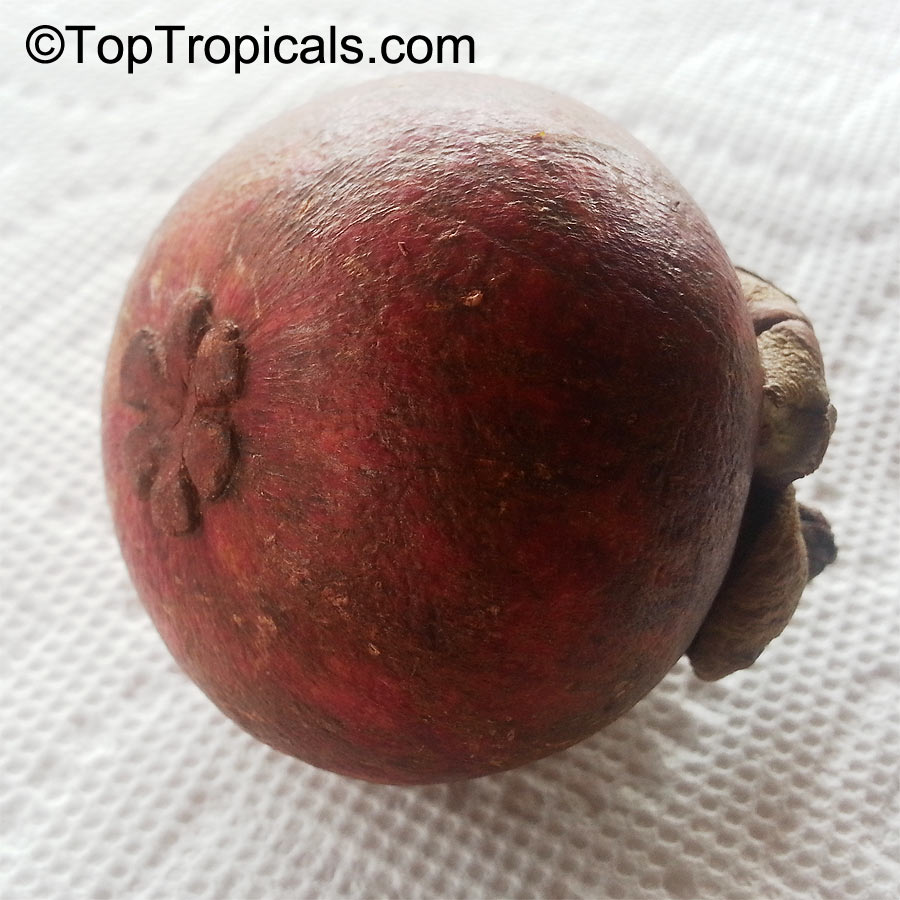
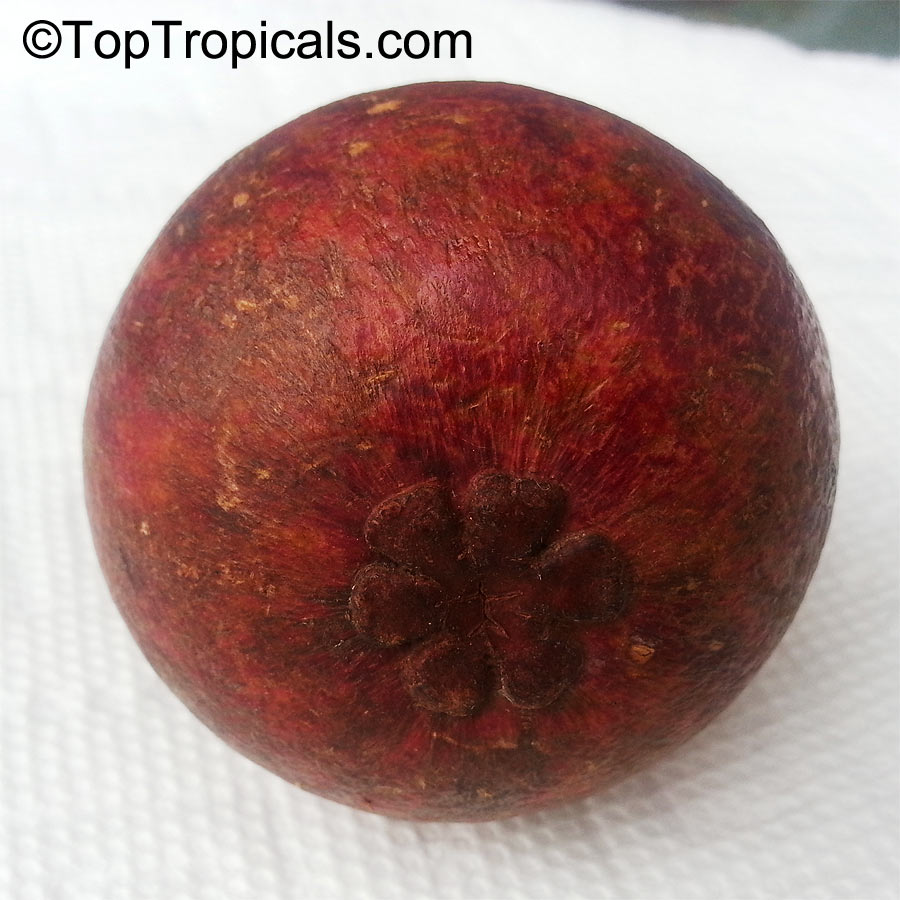
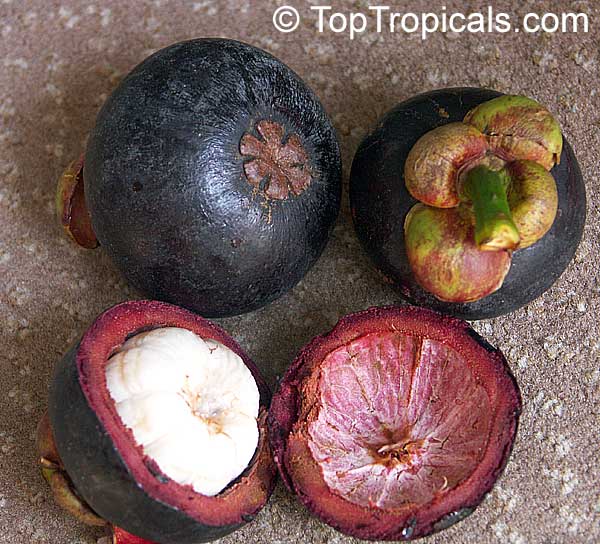
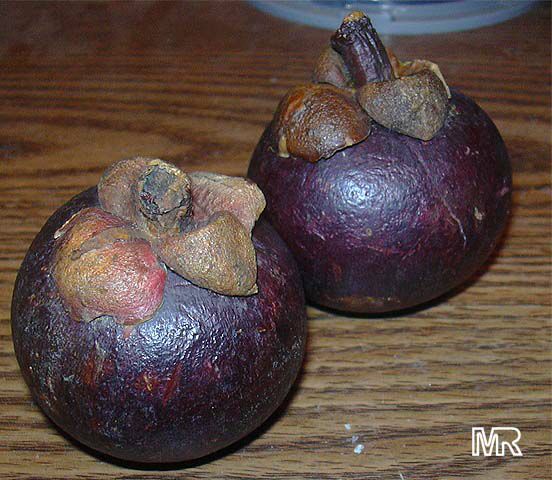
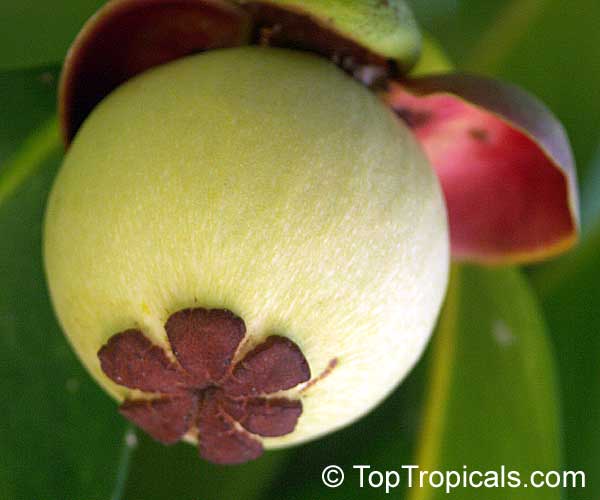
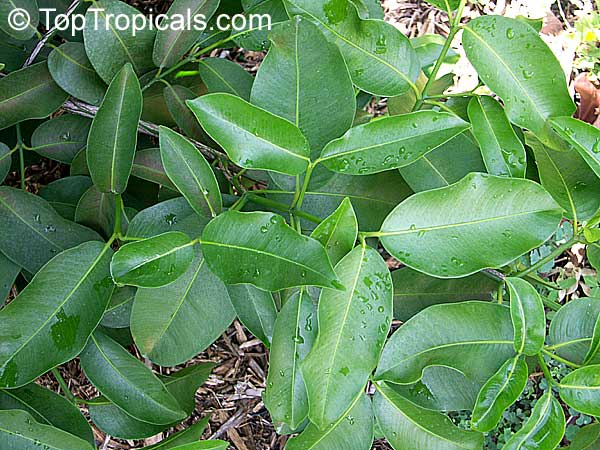
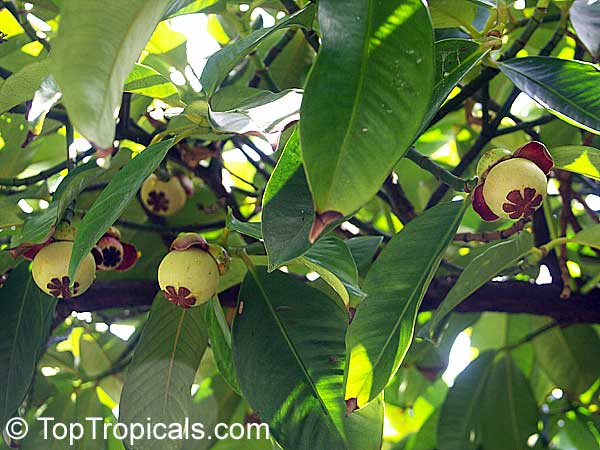
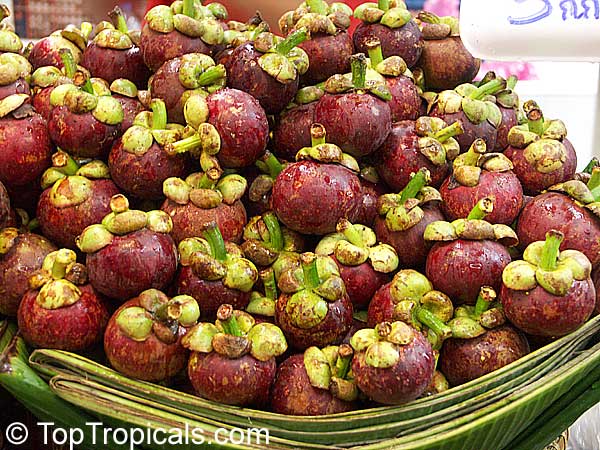
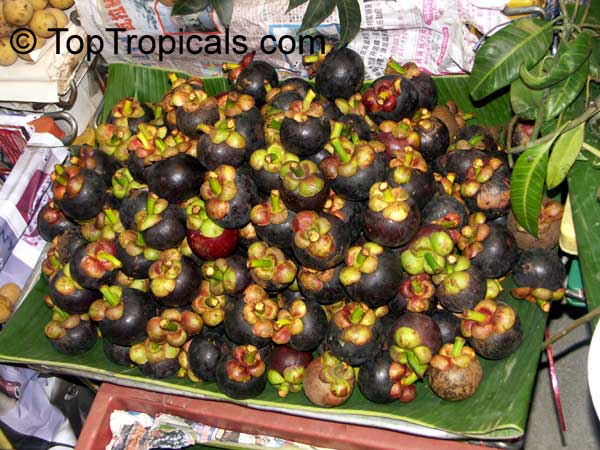
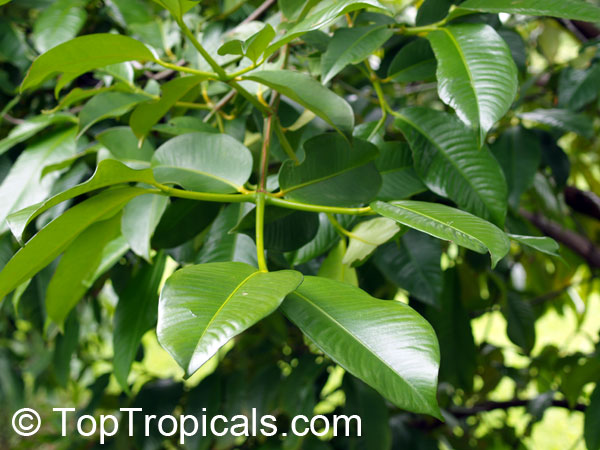
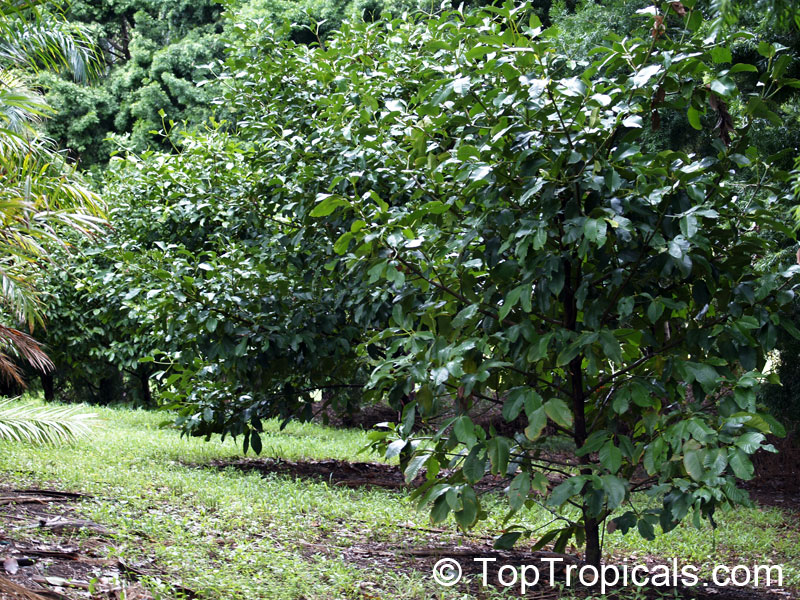
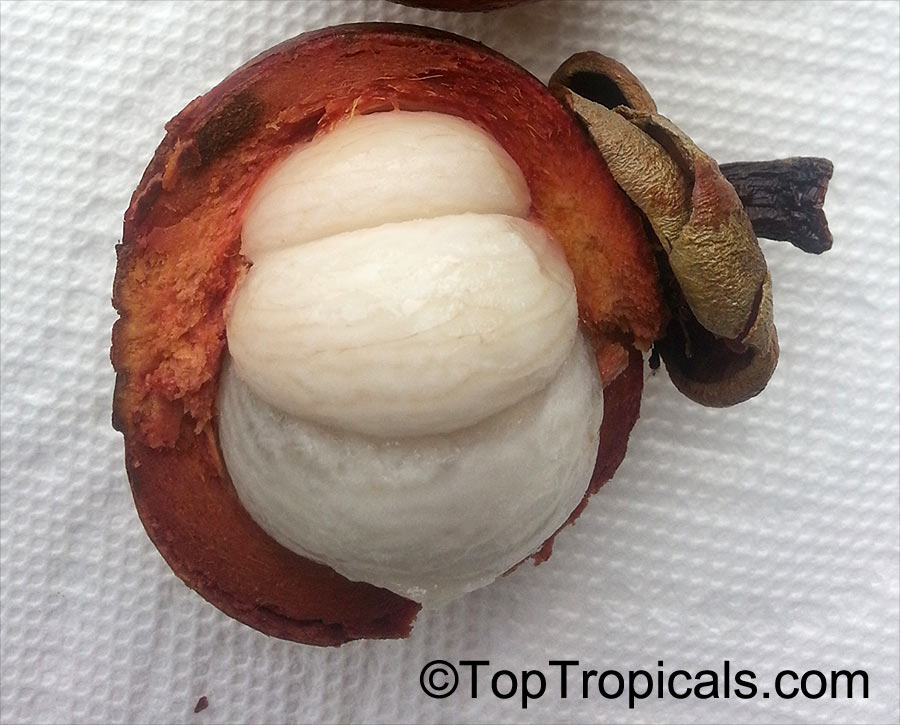
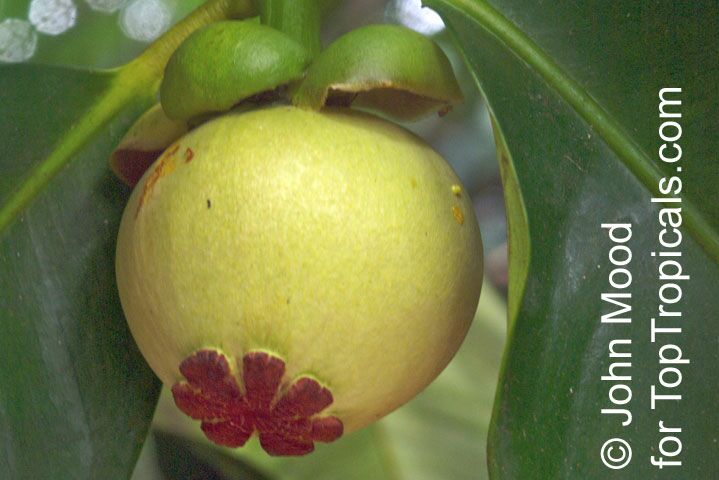
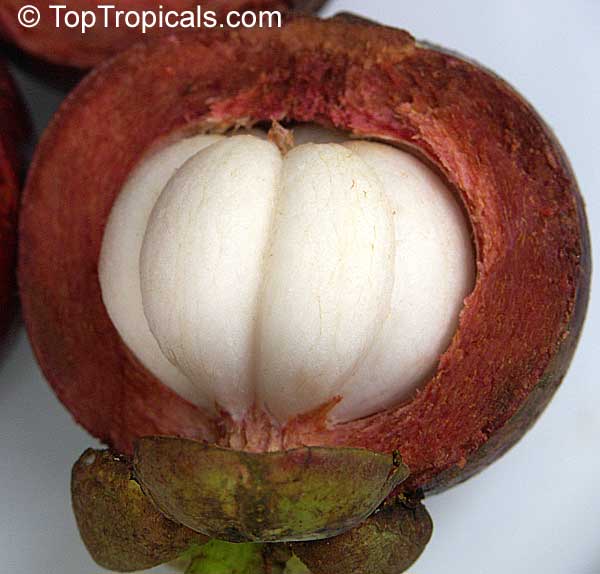
Cultivated in Malaysia, Thailand, Indonesia and the Philippines. This delicious fruit has a thick, dark-red skin, inside which are creamy white segments with a sweet, slightly tart flavor. Purported by many who have had the luxury of tasting it as being the best tasting fruit in the world. While possibly a bit extreme, the mangosteen is instantly liked by many who eat it. The medical problems this product apparently solves are remarkable. Diabetes, high blood pressure, acid reflux, anti-inflammatory agent, fibromyalgia, psoriasis, antidepressant, anti-fungal, antibacterial, antioxidant and even some forms of cancer cell growth inhibition are just to name a few. The tree is an attractive columnar or pyramidal slow growing evergreen, which attain a height of 30 to 40 feet. It has a strong central trunk with evenly spaced side branches, which become pendent at the tips as the tree ages. The leathery leaves are opposite, short stalked, and elliptic oblong with acuminate tips. The upper surface is bright shining green. The under surface is a dull green. All parts of the plant are without pubescence. Trees are highly sensitive to soil and alkalinity. Trees often do poorly in Florida not because of climate but because of salt spray, sandy soil, and high salt in the soil. Prefers humid conditions with over 100" of rain per year. Mangosteens can be planted near streams, ponds, or other bodies of water where portions of their root systems remain moist year-round. Heavy mulching is recommended in drier areas to retain soil moisture. Flowering and fruiting usually occurs in summer or after periods of heavy rainfall. Mature trees may bear anywhere from 100 to 3000 fruits. Seeds have extremely short viability, only 1 to 5 days, and must be planted immediately upon removal from the fruit. Germination takes place in 2 to 3 weeks. Seedlings soon develop a long tap root which is vital to the survival of the tree so great care should be taken when transplanting. Other forms of propagation are usually unsuccessful. Fruiting takes from 6 to 12 years from seed.
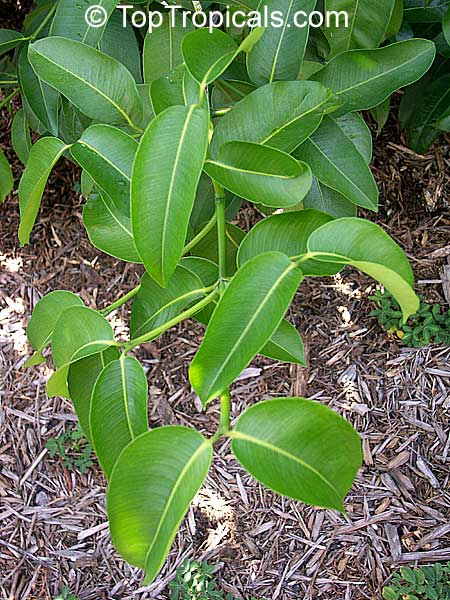
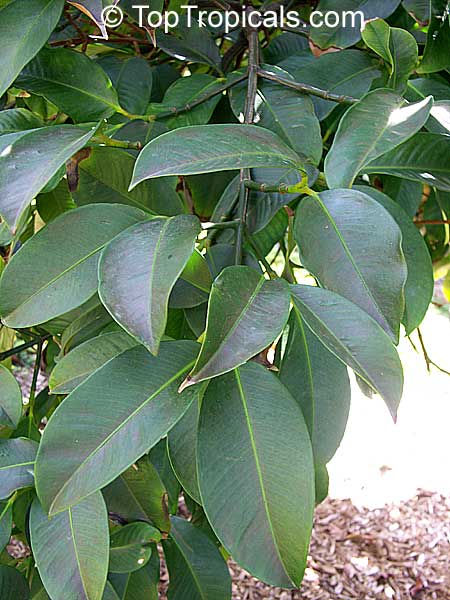
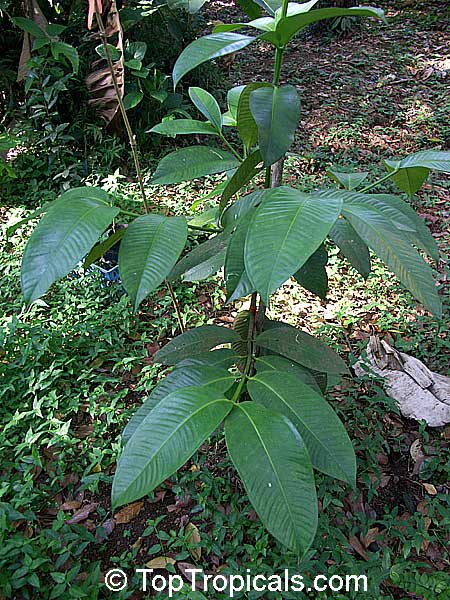
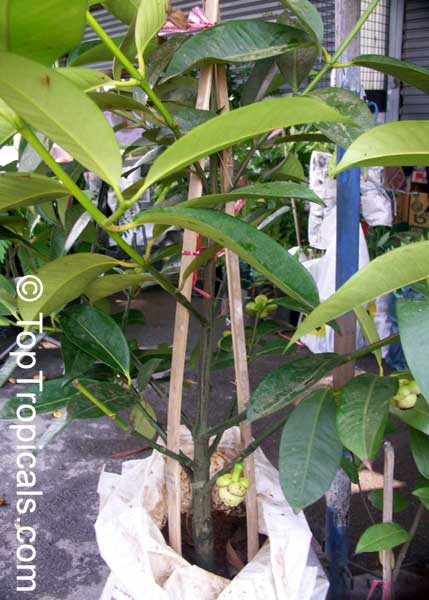
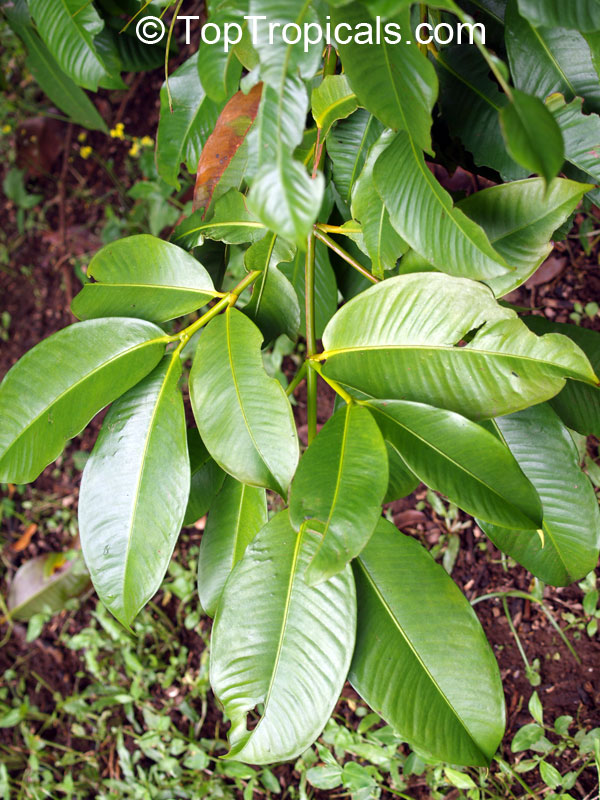
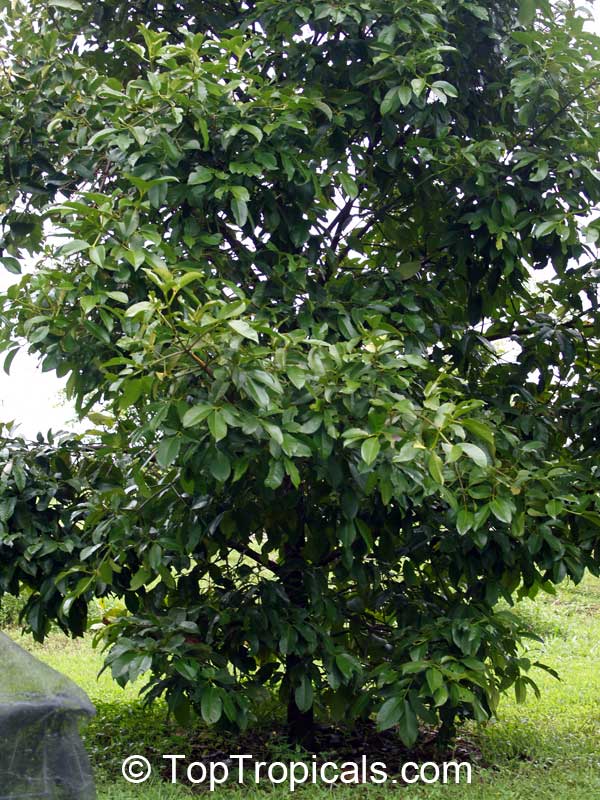

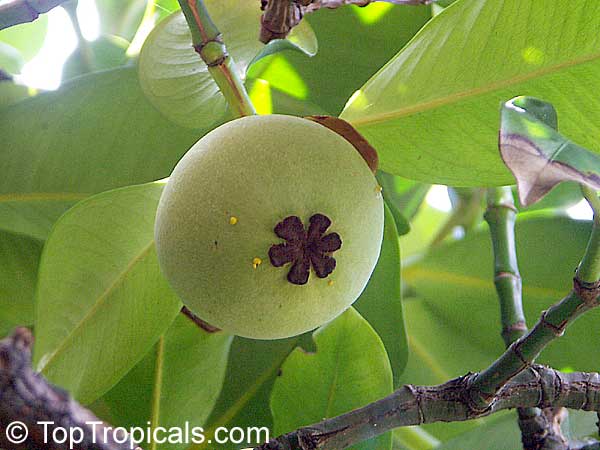
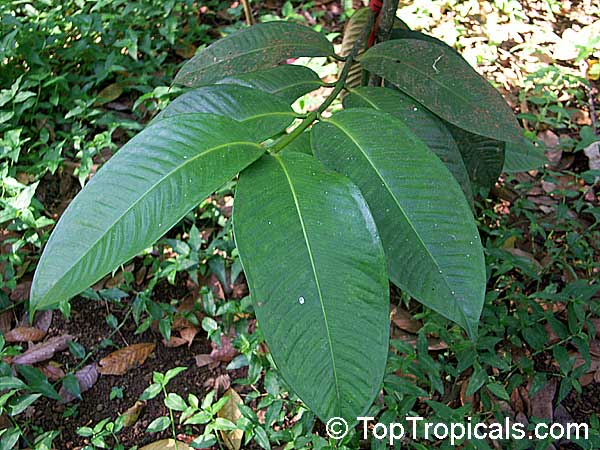
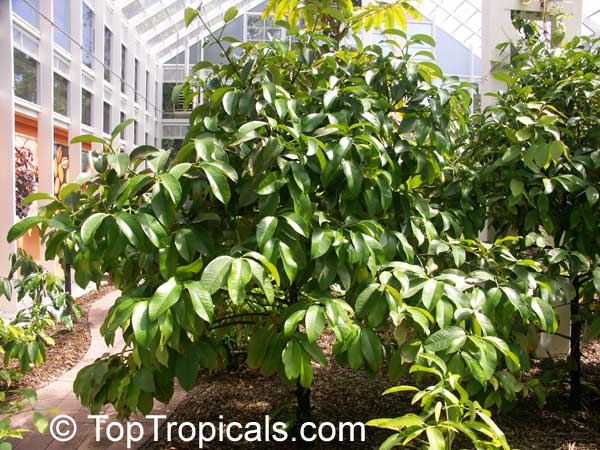
The plants are well established, 10-12" tall, with several leaves. Ready to step up in next size container.
Mangosteen. This delicious fruit has a thick, dark-red skin, inside which are creamy white segments with a sweet, slightly tart flavor. Purported by many who have had the luxury of tasting it as being the best tasting fruit in the world.
This item can not be shipped. Pick up only. We can provide local delivery around Ft. Myers or Sebring, Florida. Contact us for an estimate. Non-pickup orders are subject to restocking fees.
Recommended Fertilizer: SUNSHINE C-Cibus - Crop Nutrition Booster
SUNSHINE-Honey - sugar booster
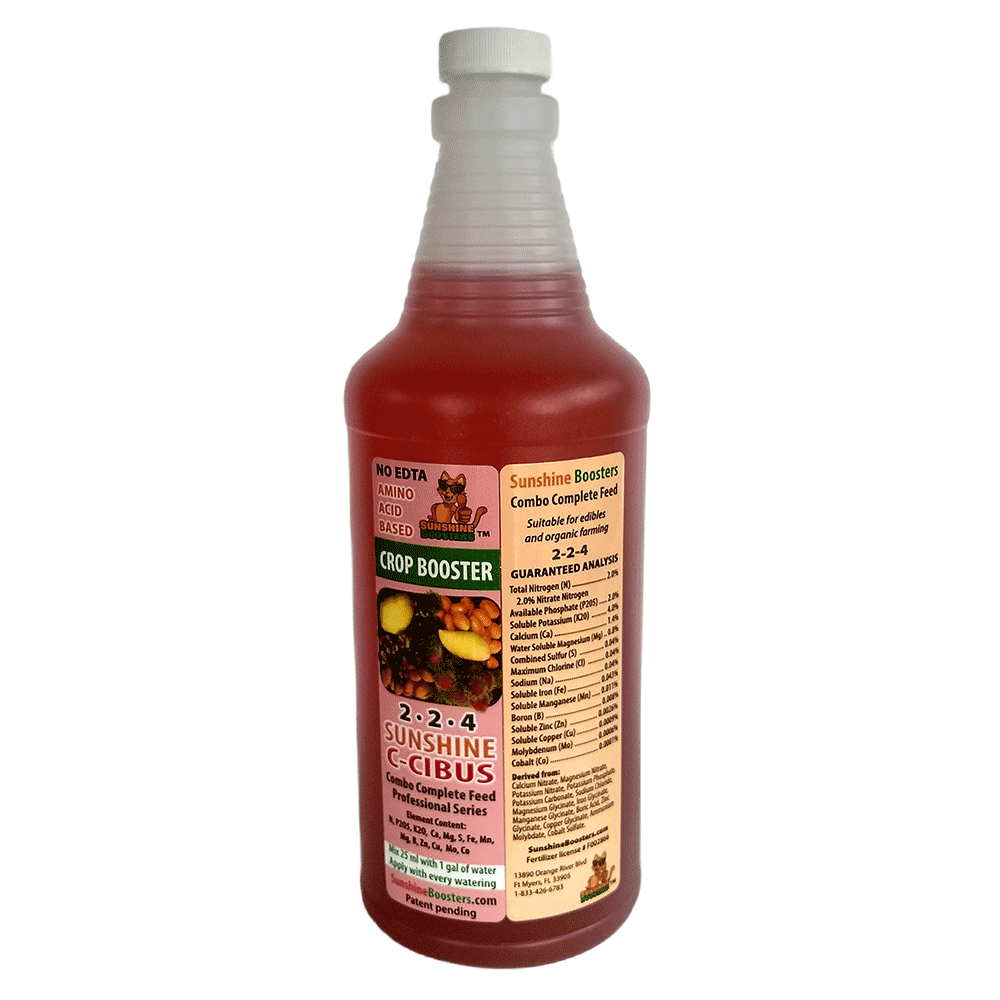 SUNSHINE C-Cibus (NPK 2-2-4) - Crop Booster for every watering.
 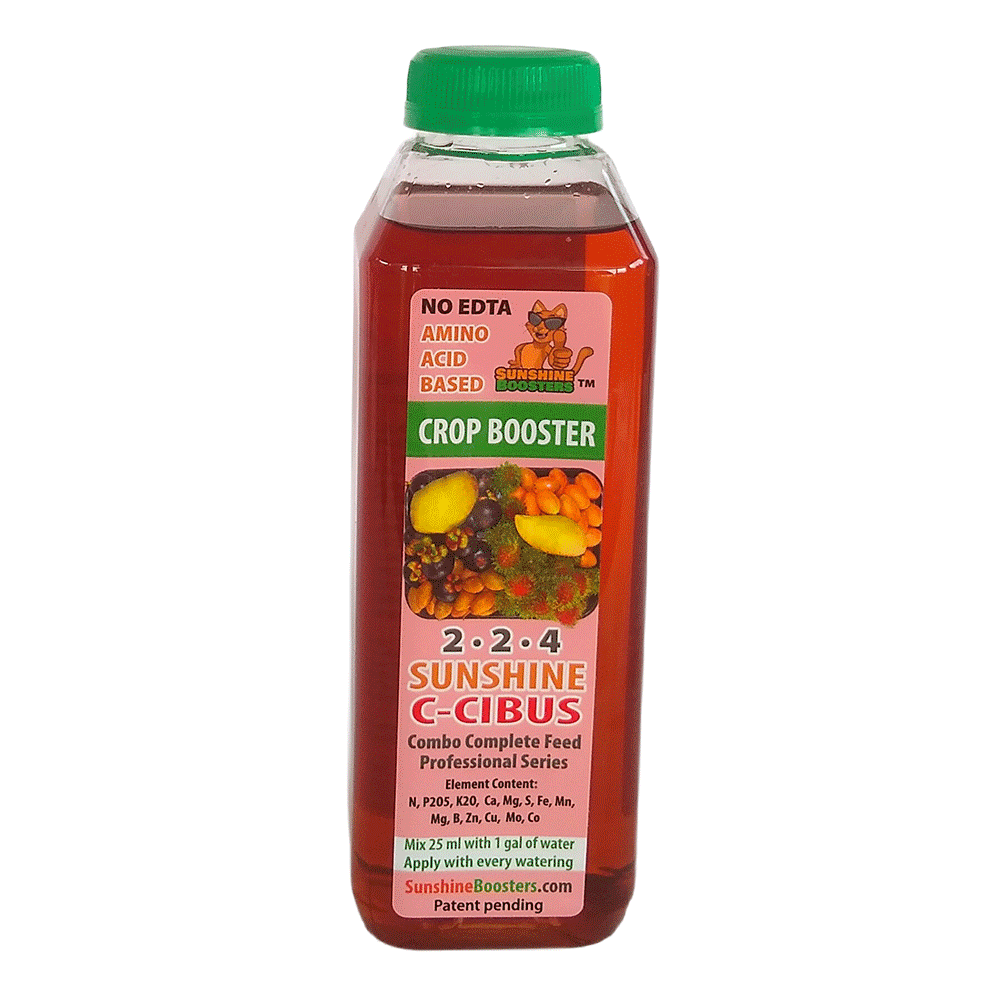 SUNSHINE C-Cibus (NPK 2-2-4) - Crop Booster for every watering.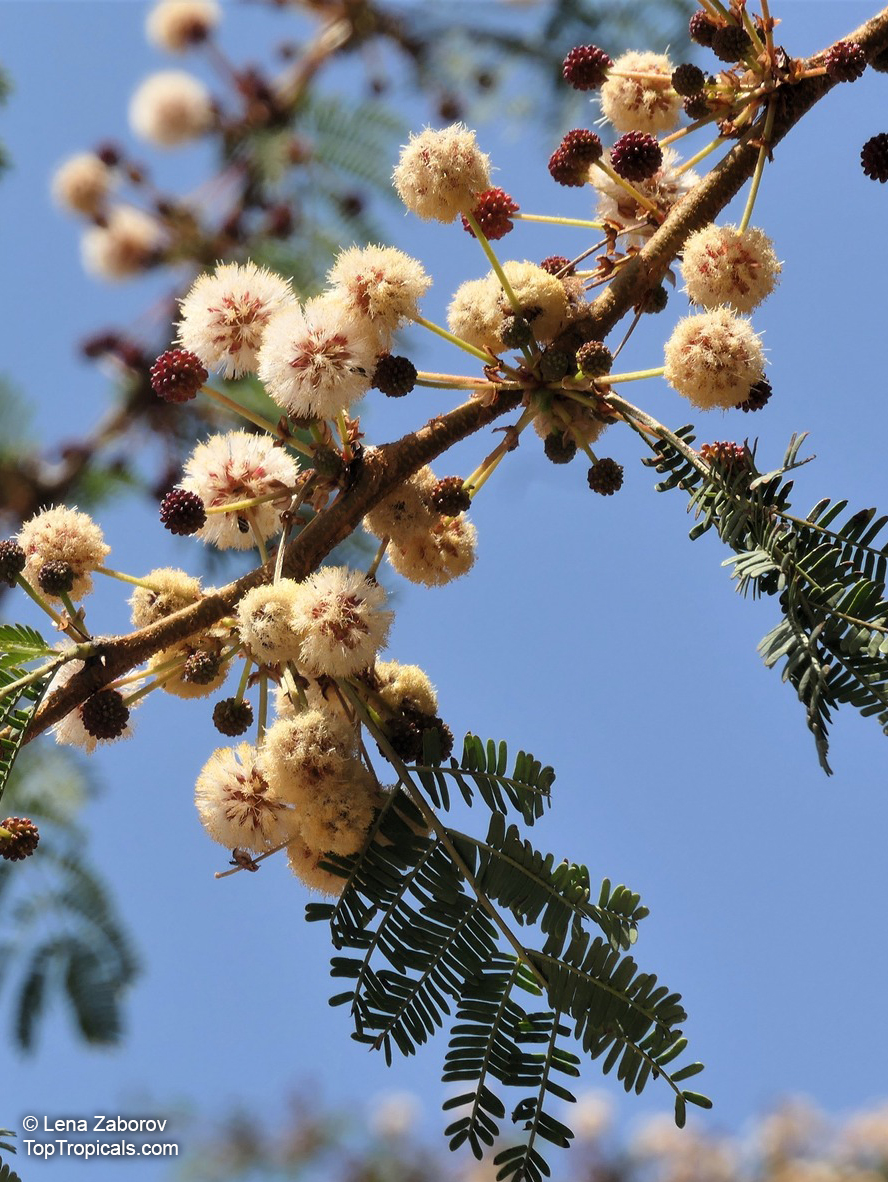
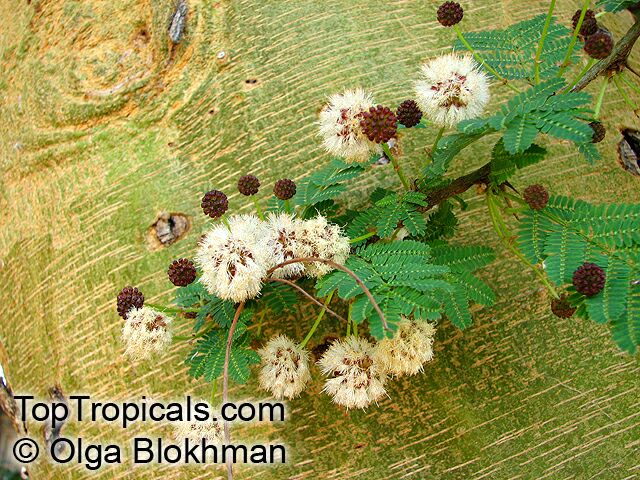
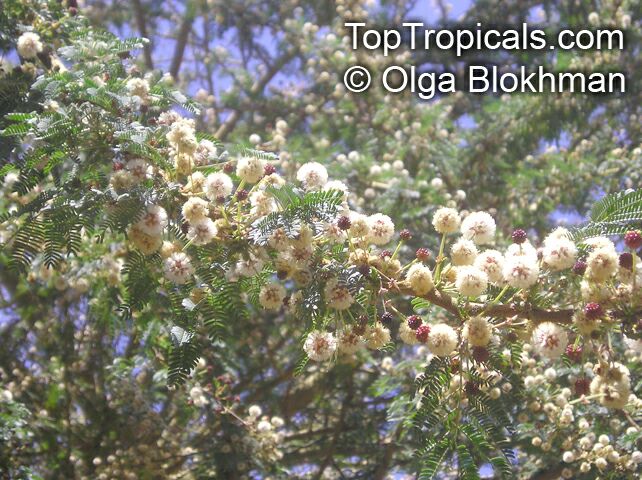
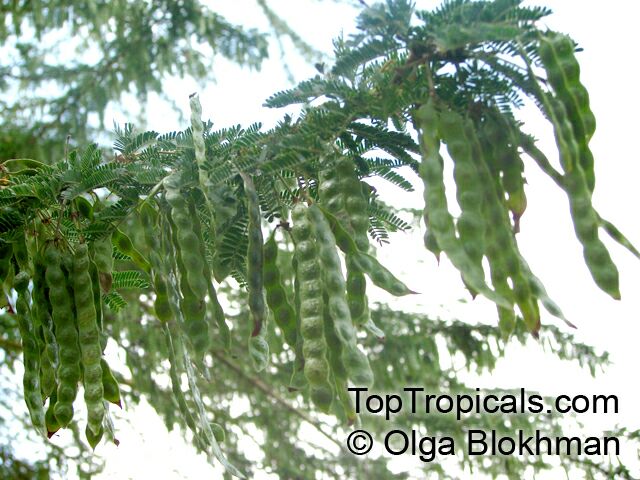
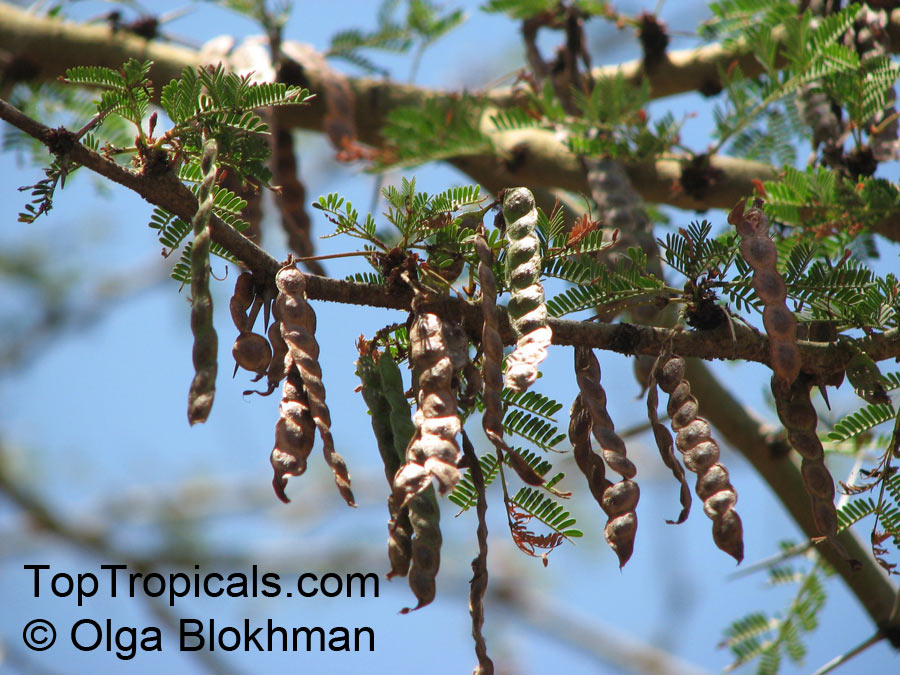
Botanical names: Vachellia xanthophloea, Acacia xanthophloea
Common name: Fever tree
Family: Fabaceae
Subfamily: Mimosoideae
Origin: South Africa


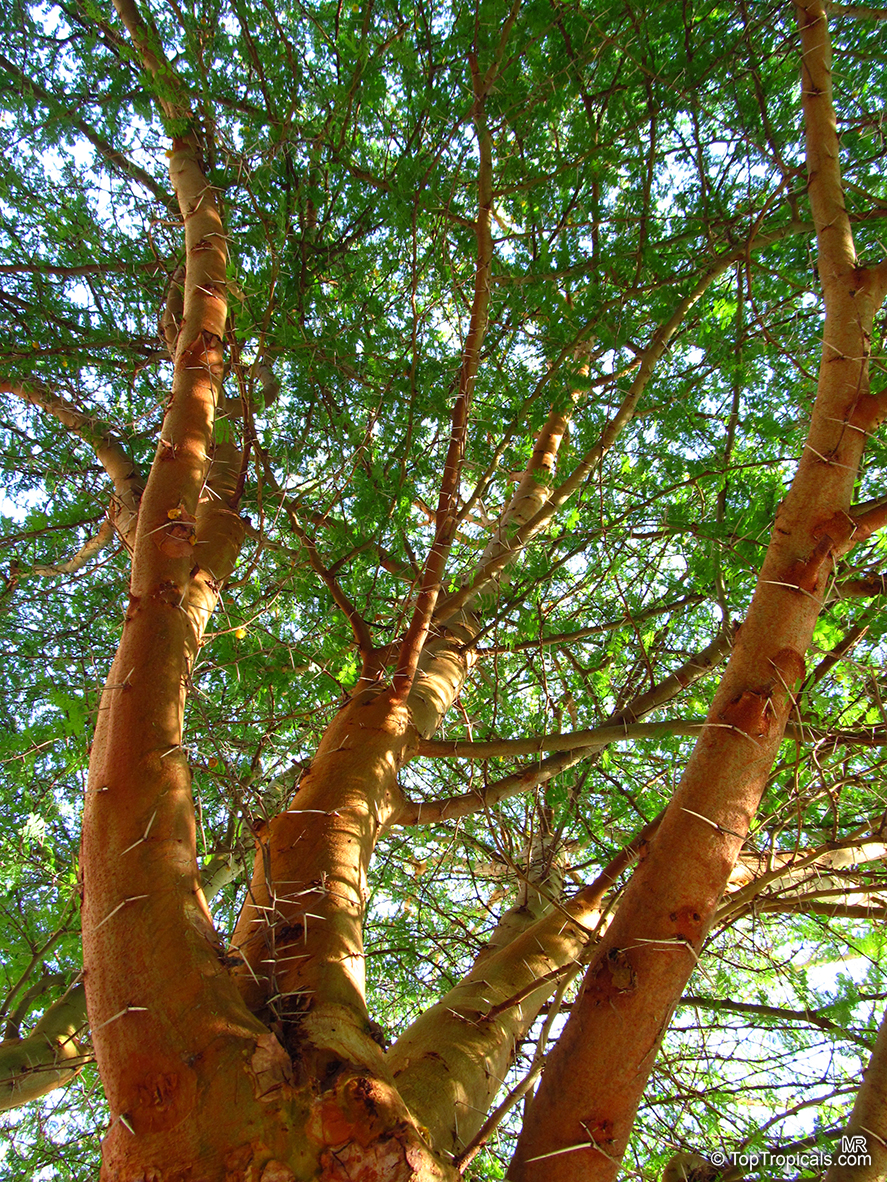
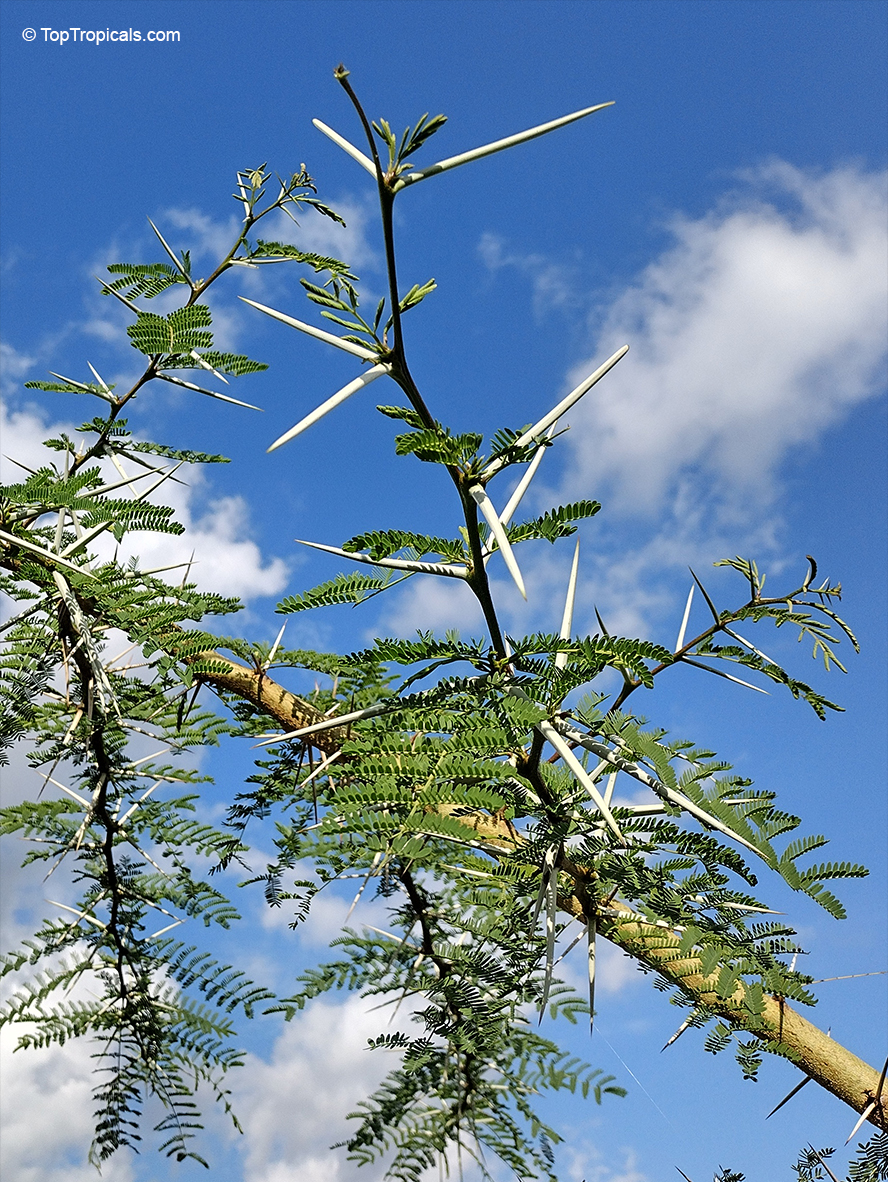
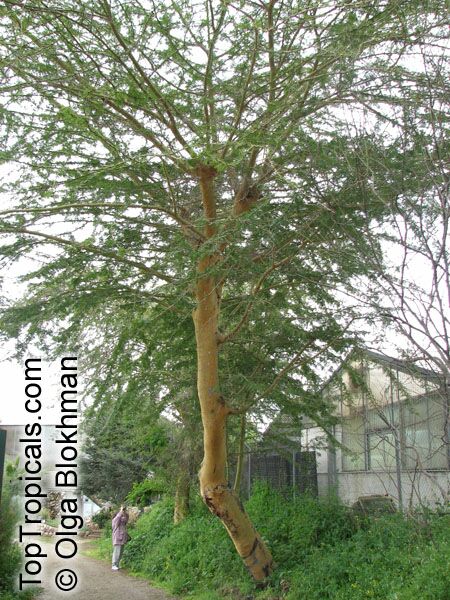
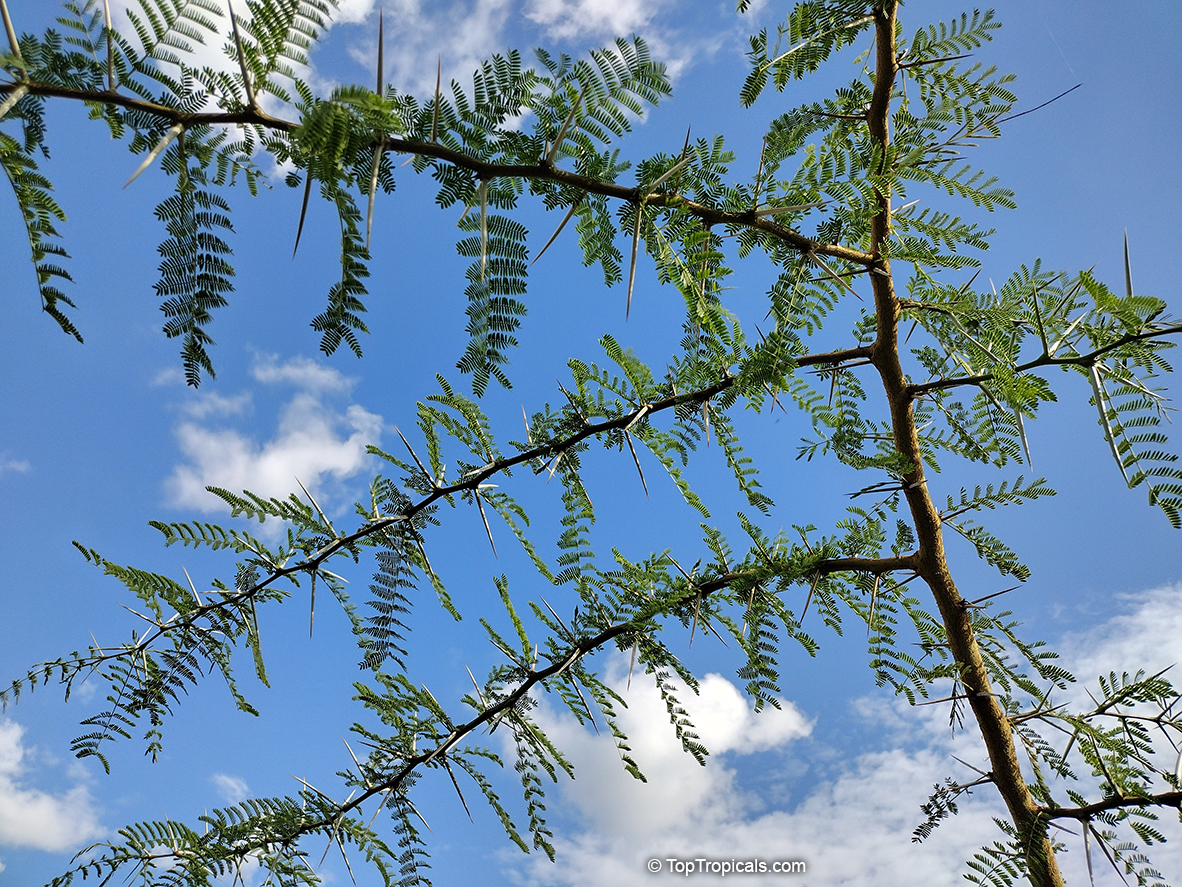
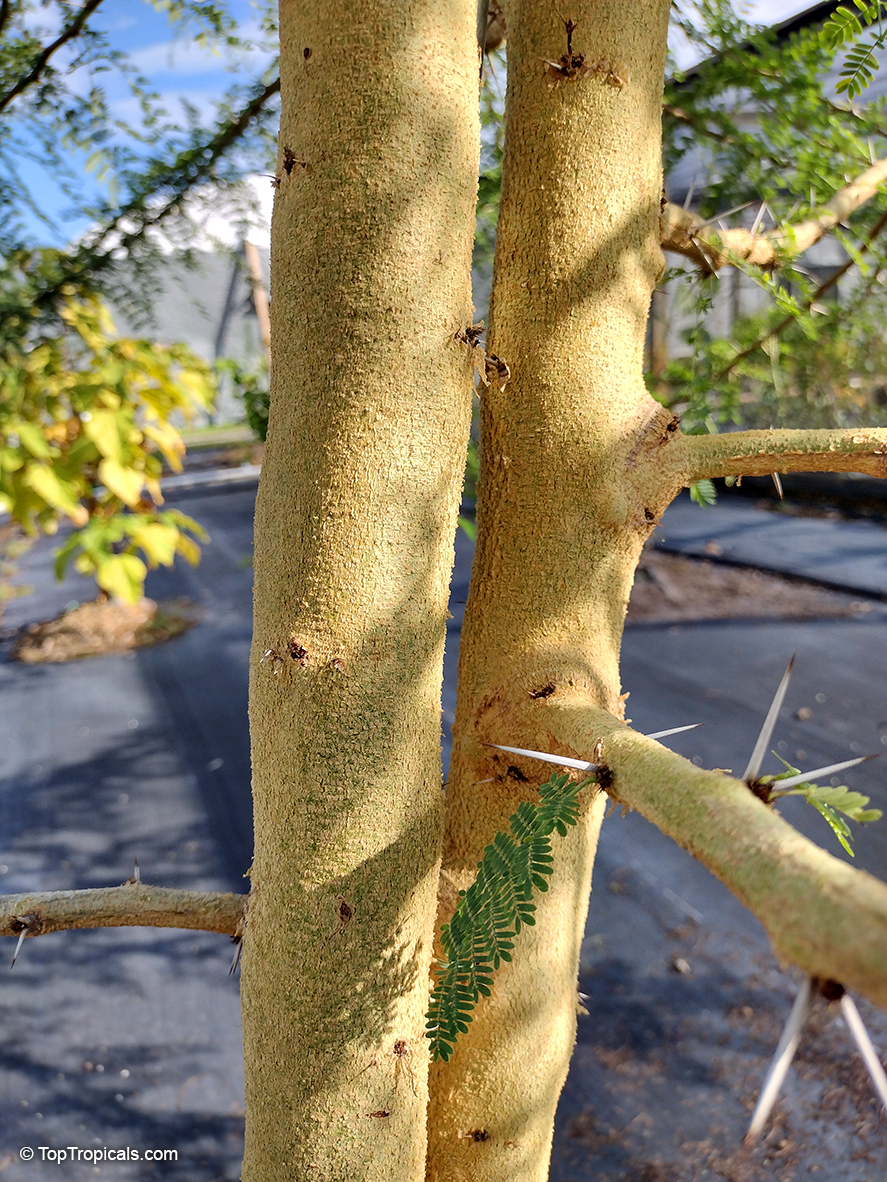
The fever tree is an attractive, semi-deciduous to deciduous tree approximately 15 to 25 meters tall and has an open, rounded to spreading or flattish crown which is sparsely foliated. The characteristic, almost luminous, lime green to greenish-yellow bark is smooth, slightly flaking, and coated in a yellow powdery substance. If the powdery surface is rubbed away with the finger it will reveal a green bark beneath. It has a slender to spreading, sparse, roundish crown of feathery foliage. The thorns are long, straight and paired.
This species occurs in groups in low-lying swampy areas. Because its range coincides with regions where malaria is prevalent, it is called "Fever Tree."
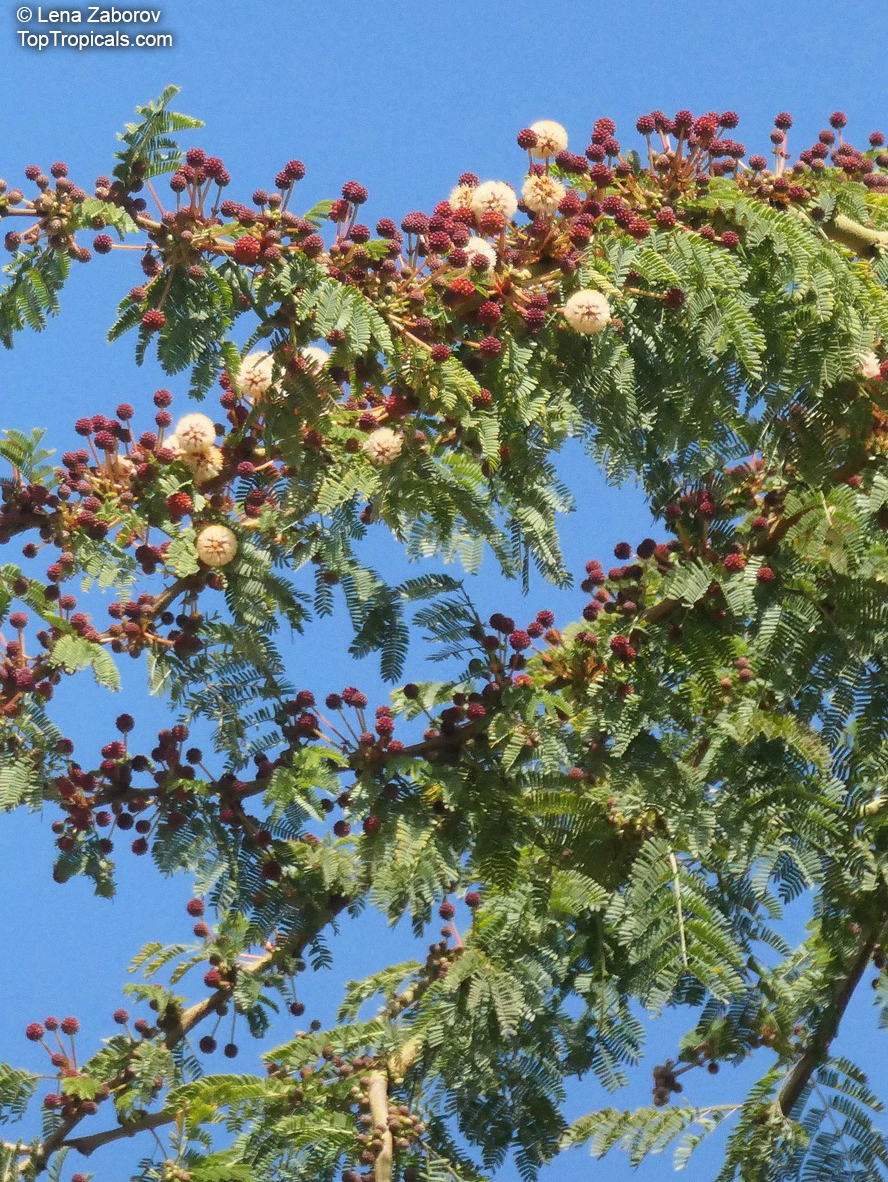
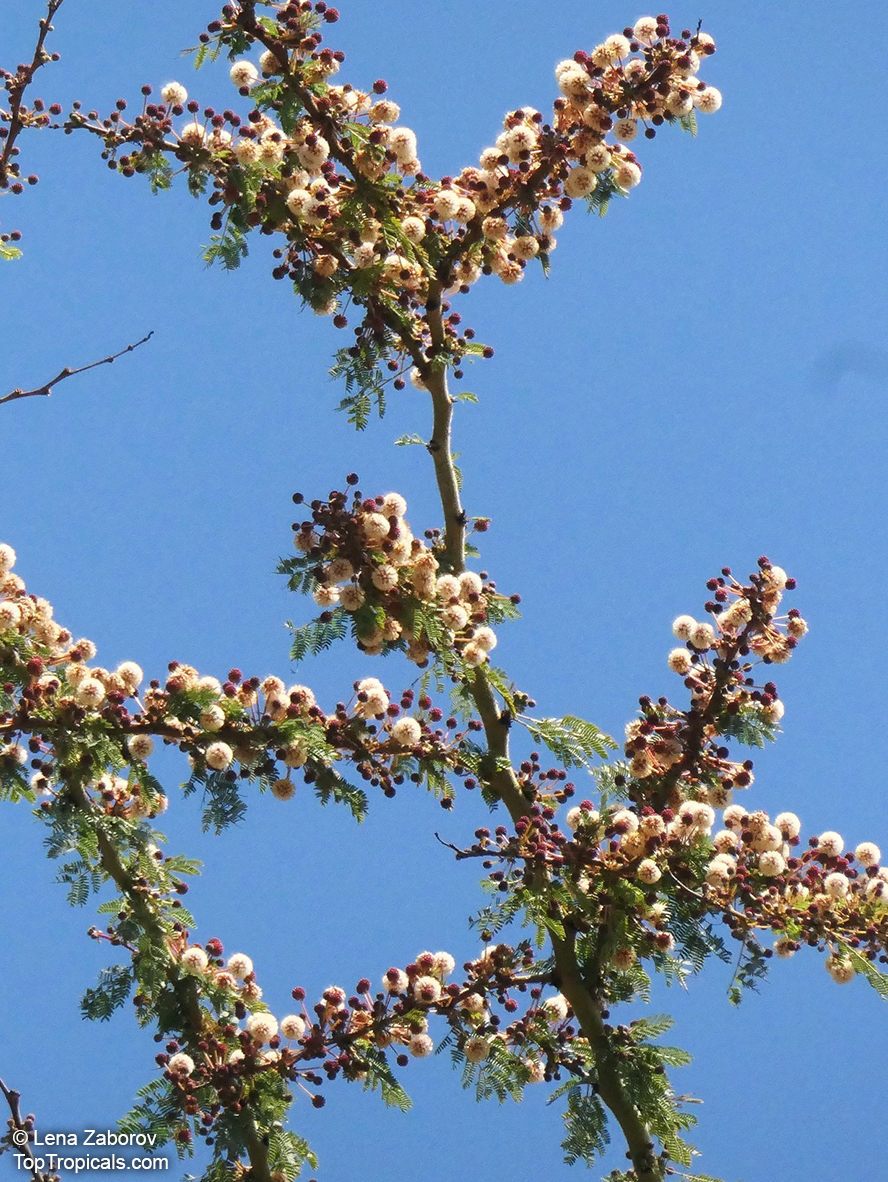
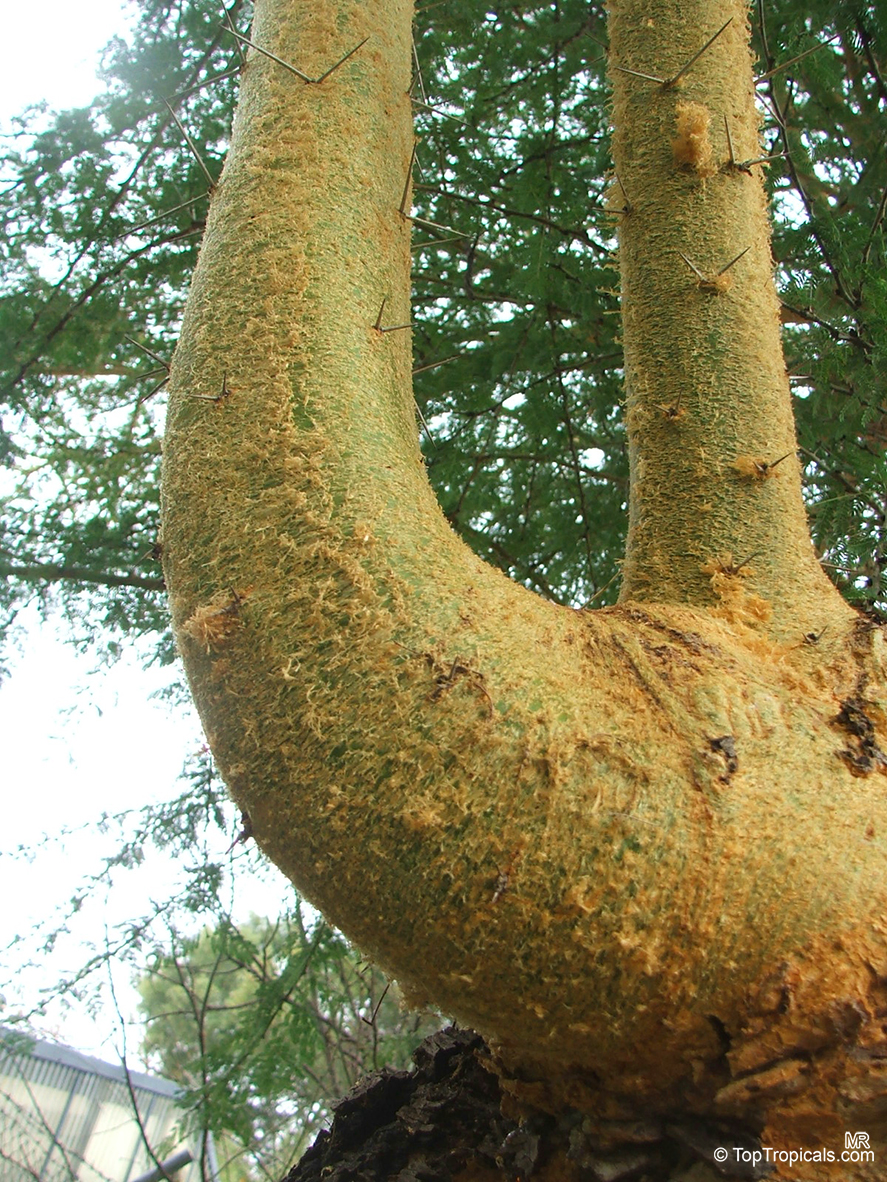
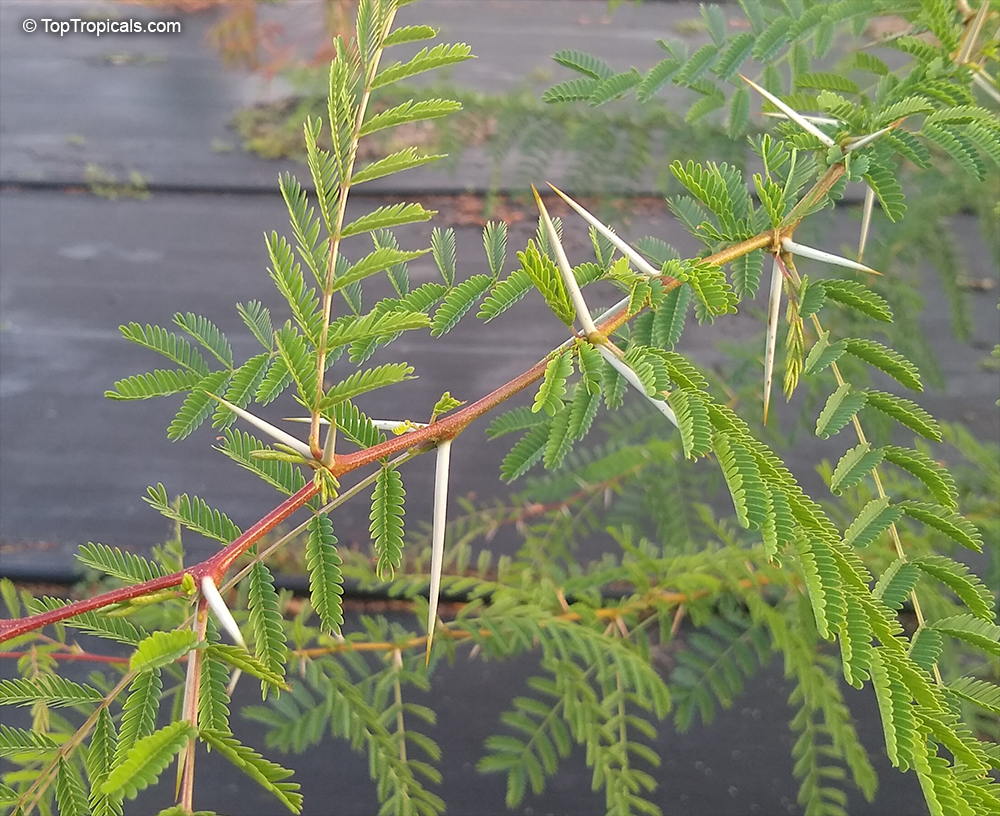
Botanical names: Chrysophyllum cainito, Achras caimito
Common names: Caimito, Star Apple, Satin Leaf
Family: Sapotaceae
Origin: West Indies

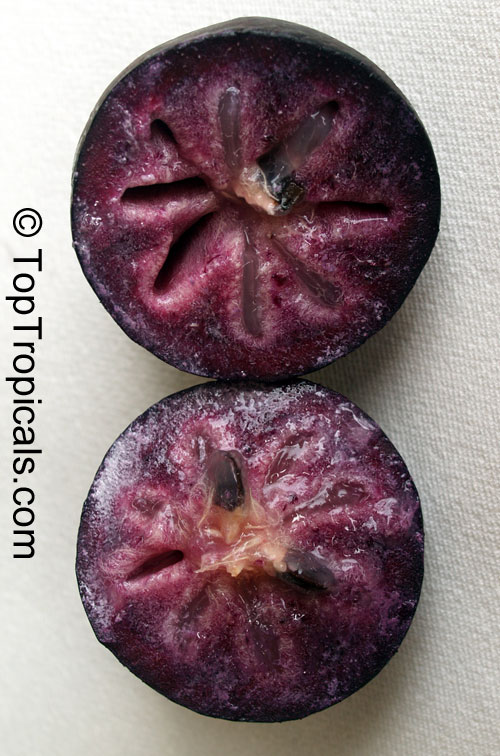
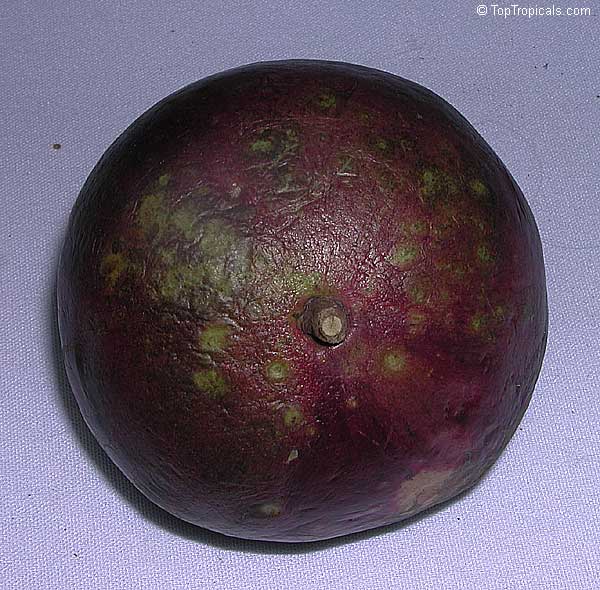
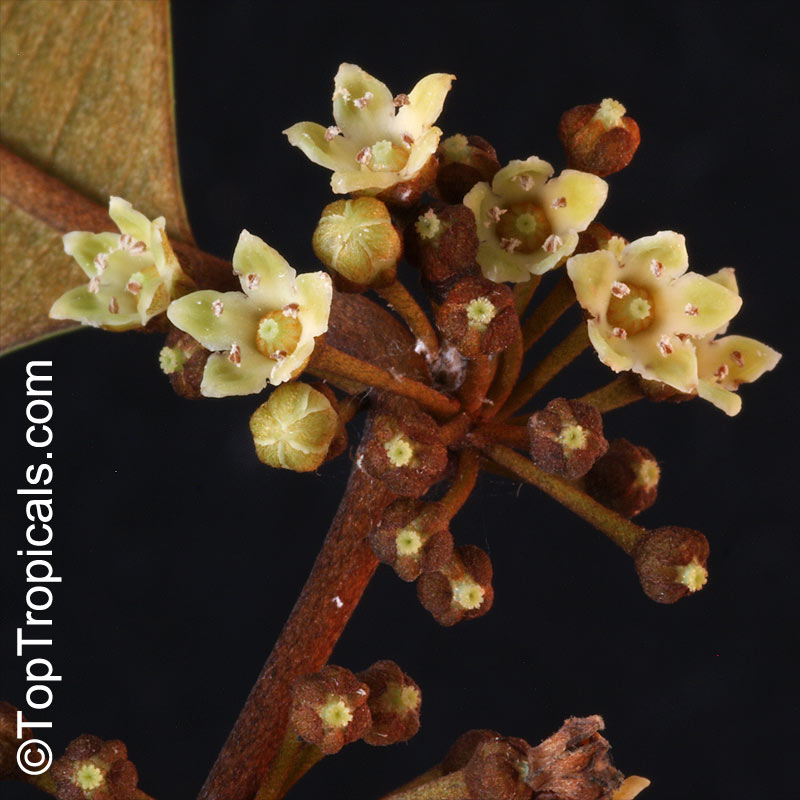
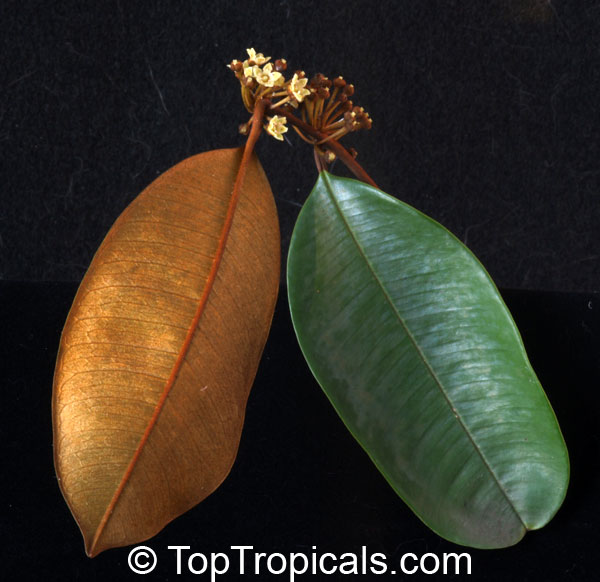
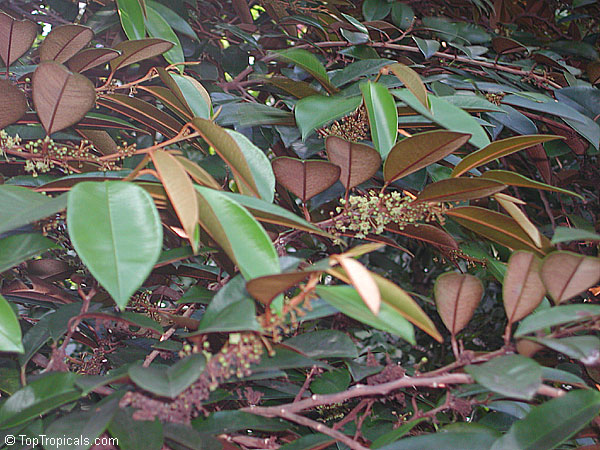
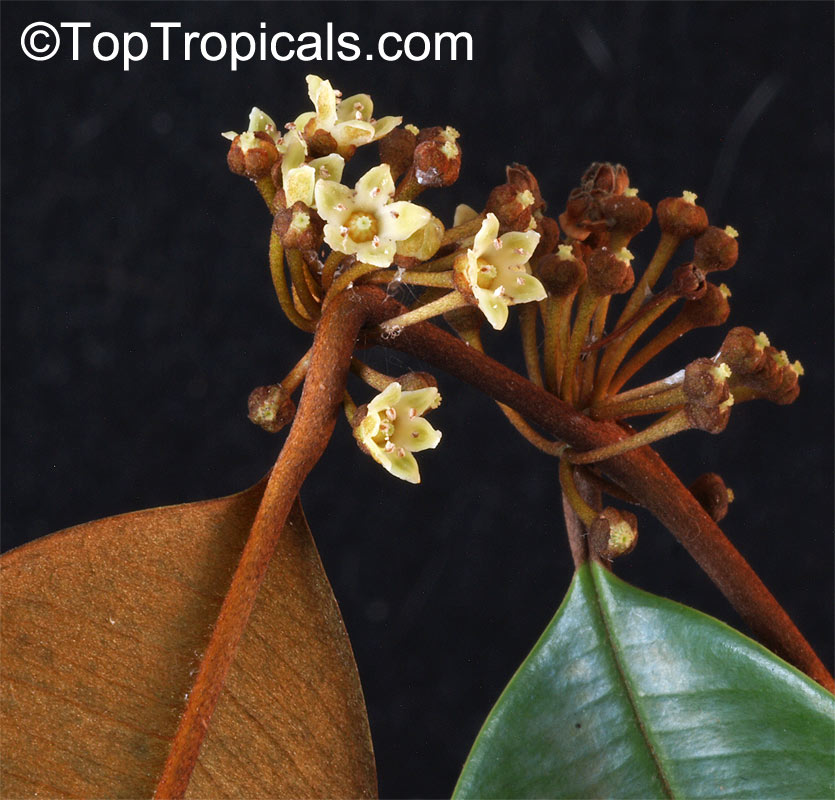
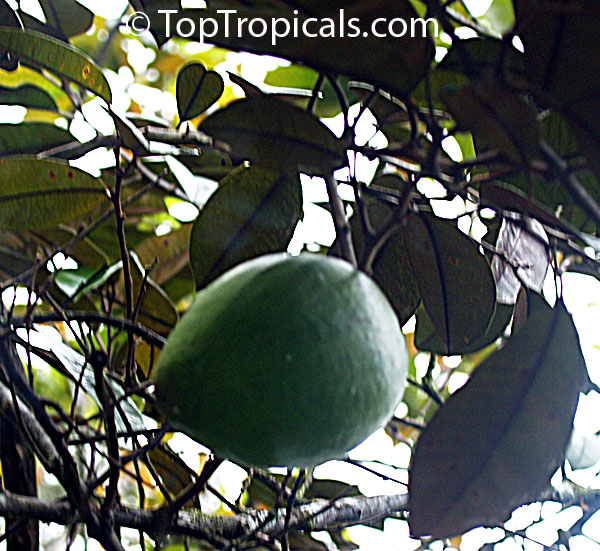
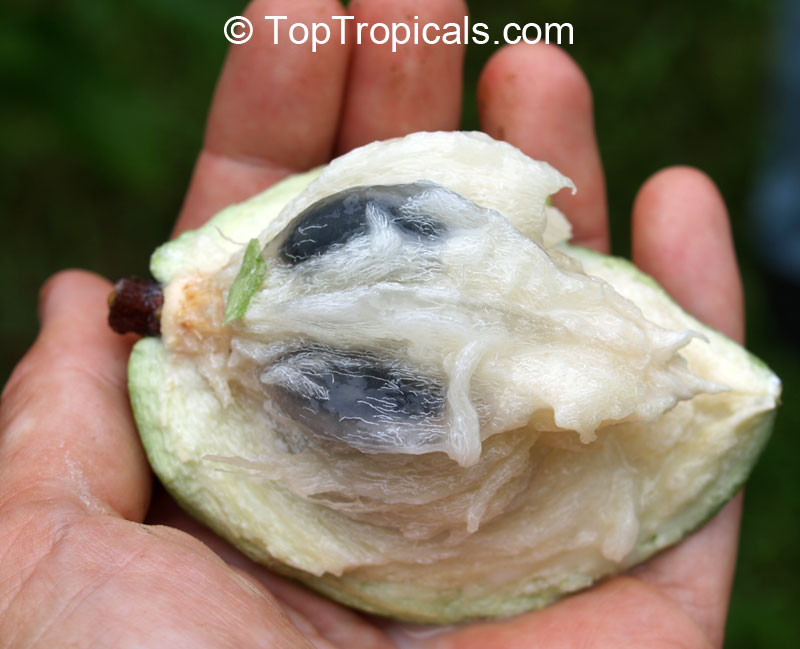
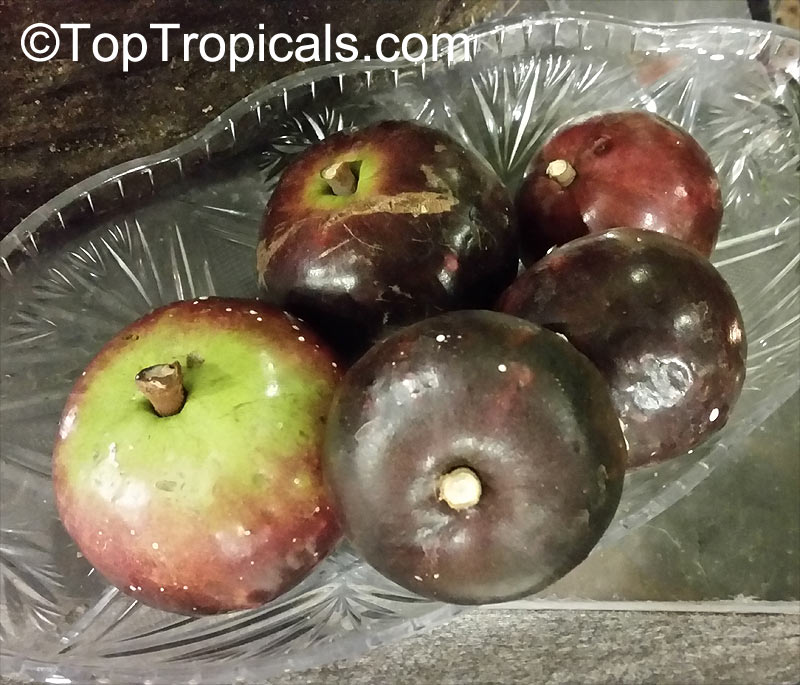
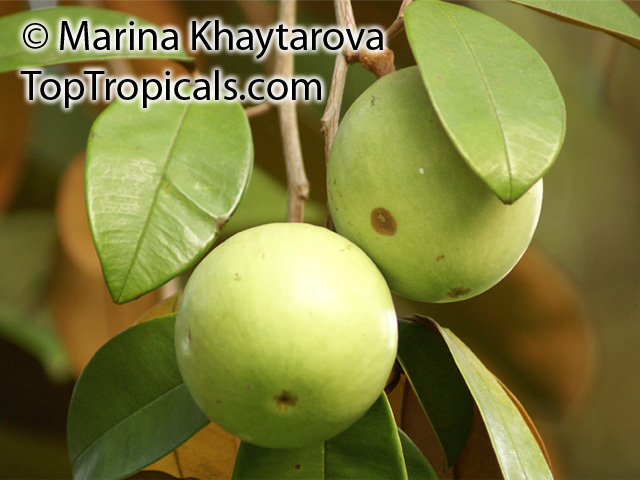
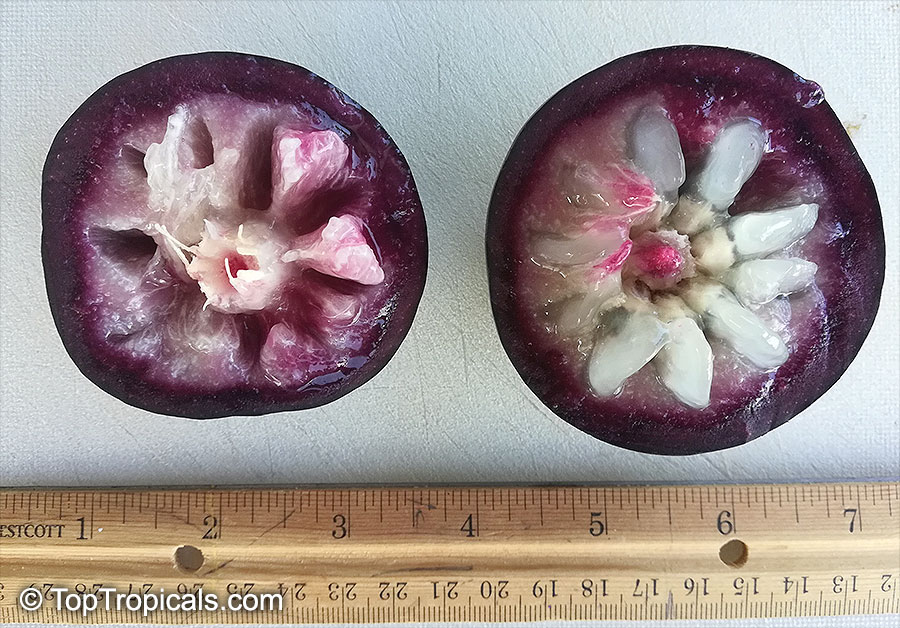
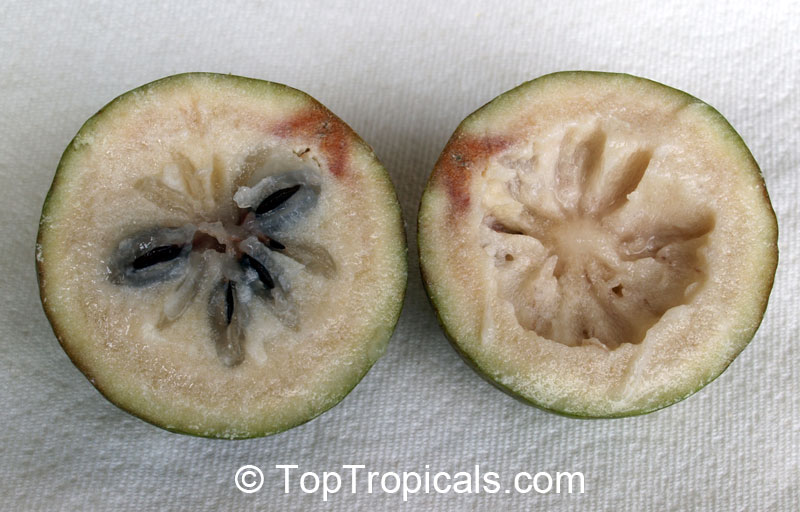
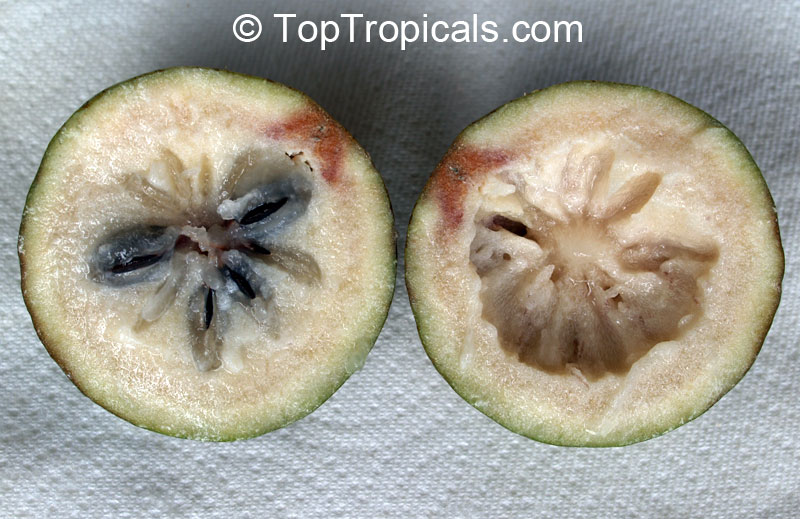
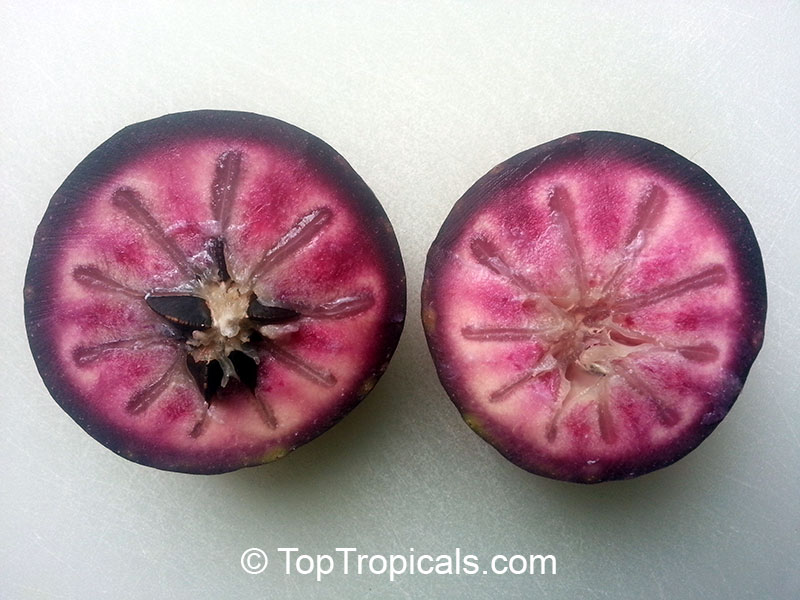
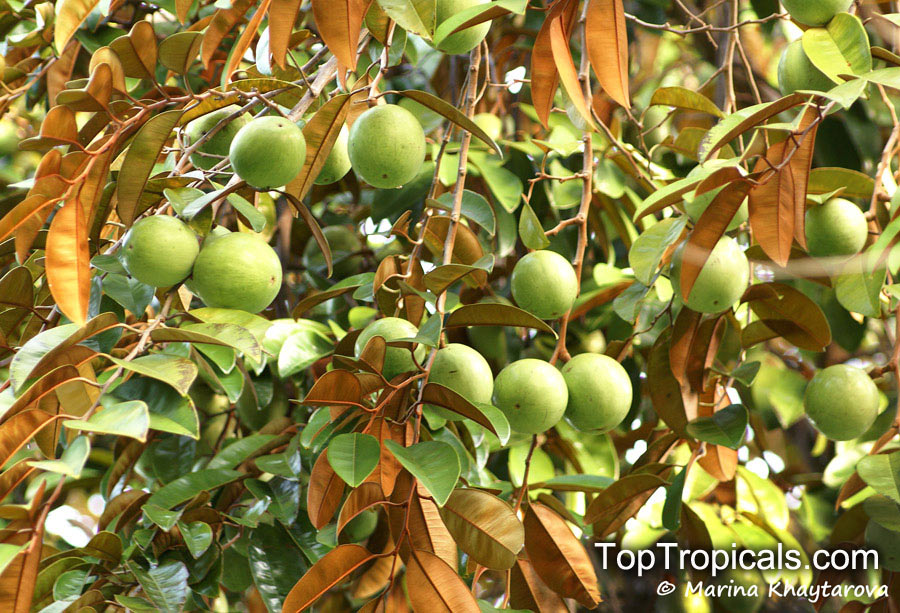
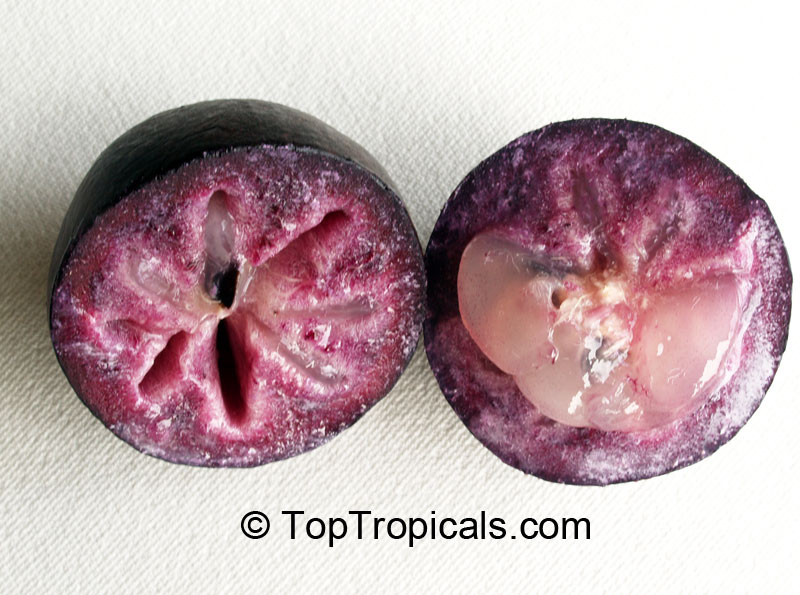
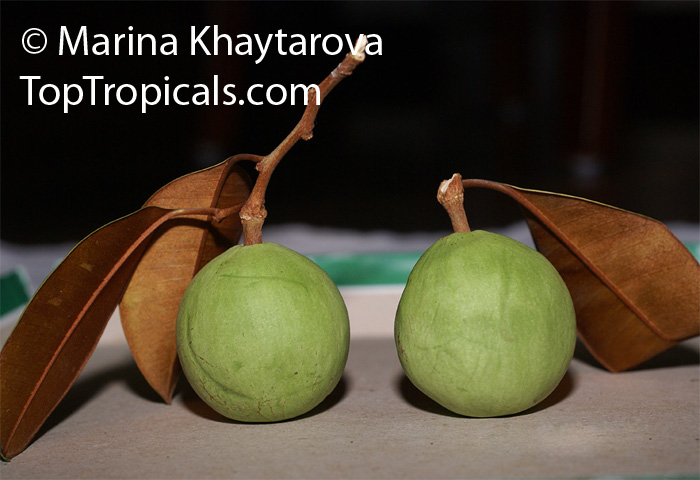
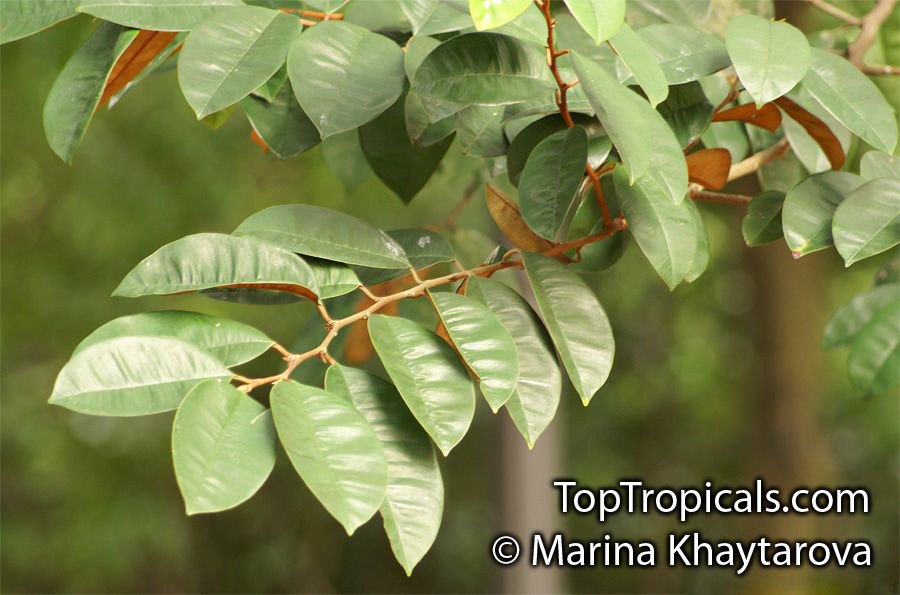
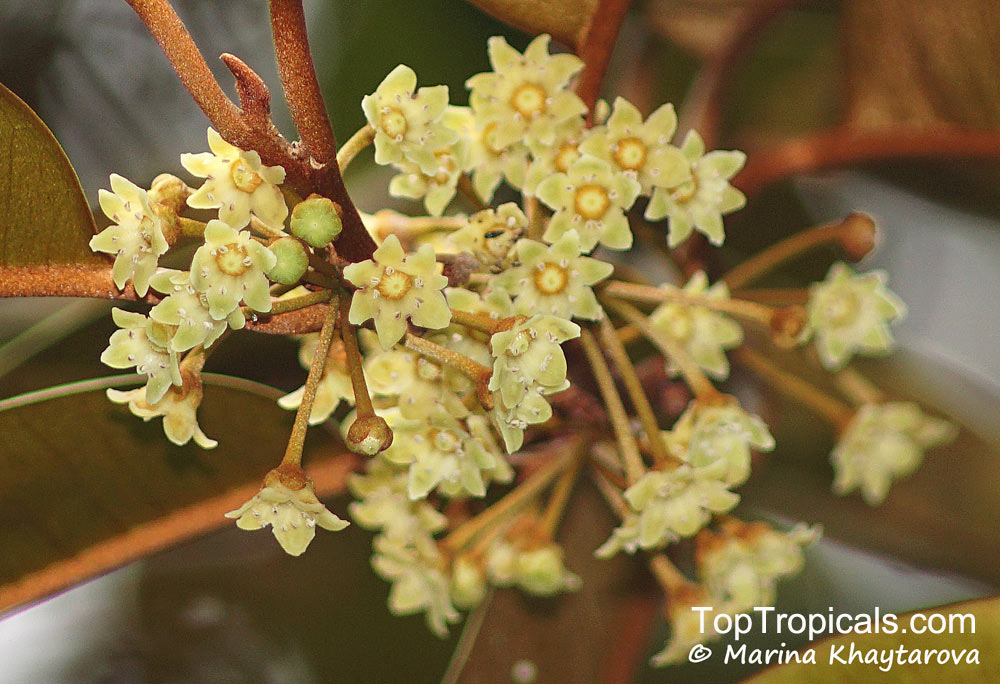
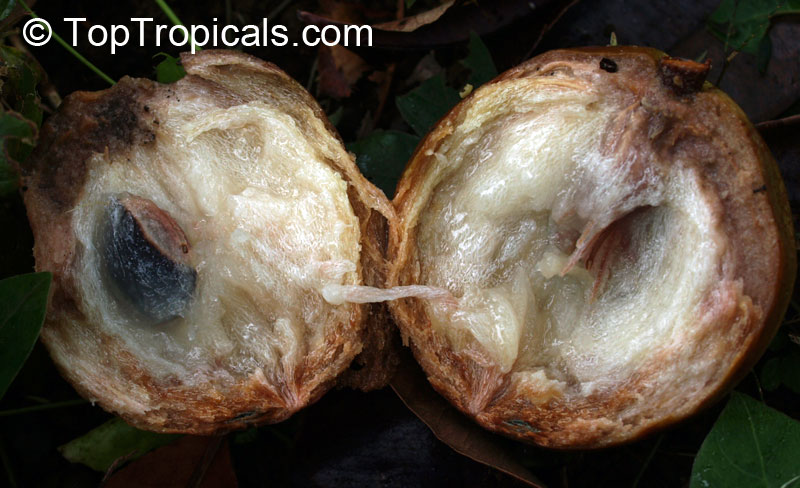
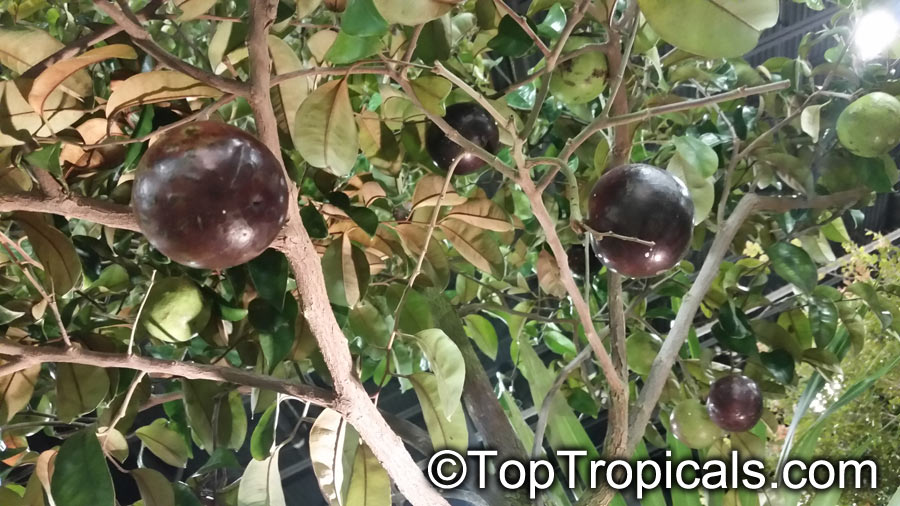
Chrysophyllum cainito, or Caimito, is a beautiful, large tree which can reach heights of more than twenty feet. It is native to the West Indies, but is grown across the world in areas with tropical and subtropical climates. It can be found in the USDA Zone 10-11, and some varieties have been observed to have a cold hardiness at least to the low 30s for short periods. When planted in containers and grown in colder regions, Caimito should be taken inside during the winter. To ensure healthy growth, Caimito should be grown in full sun and require regular watering.
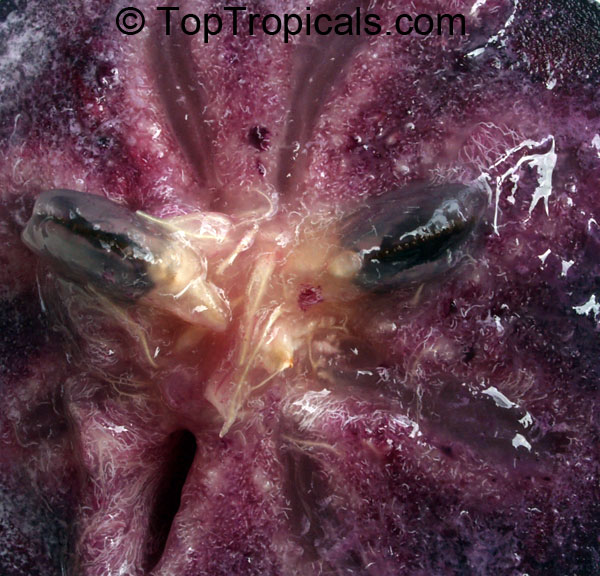
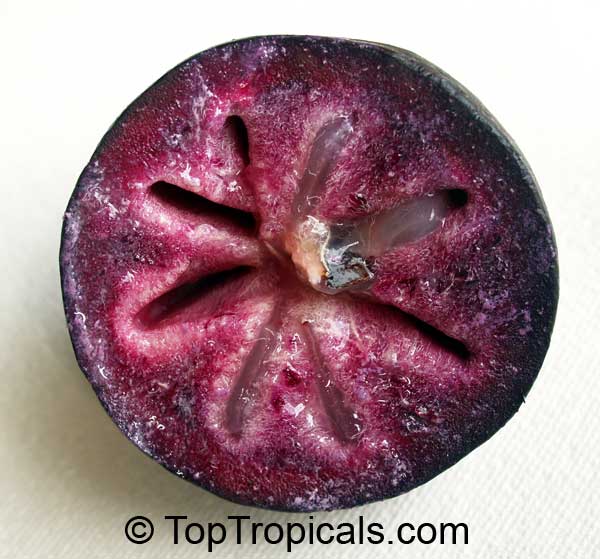
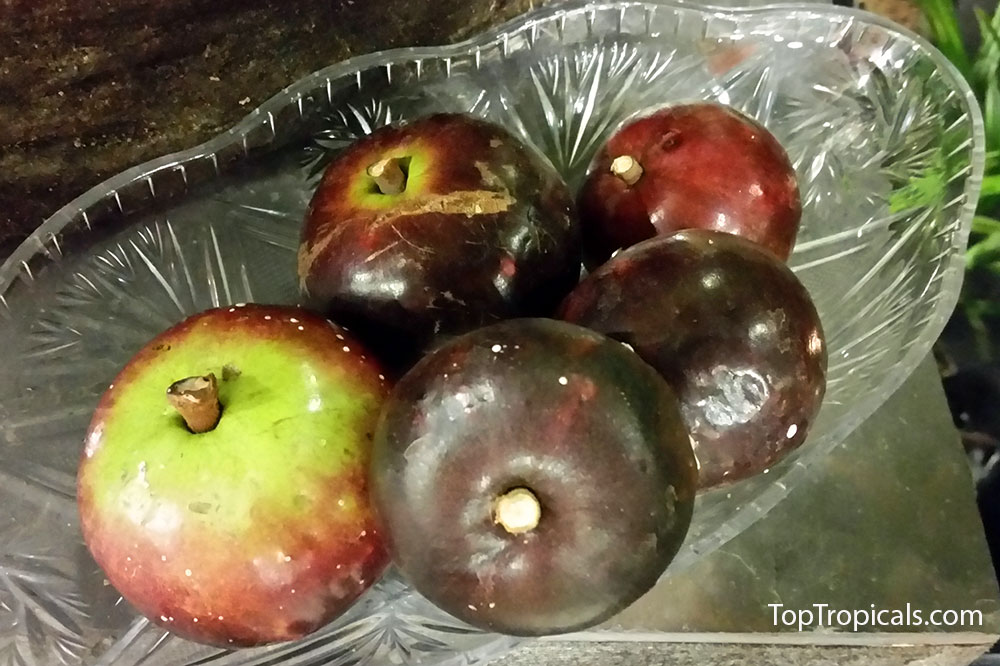
The fruit of the Caimito tree is edible, with a mild grape-like flavor. Not only is it delicious, but it can also be quite nutritious. Caimito is high in Vitamin C and contains several other vitamins and minerals that are important for a healthy diet.
For those looking to embrace gardening and the outdoors, Caimito is an excellent choice. Not only is it beautiful, but it is also productive. The fruit can be eaten fresh, or it can be cooked and used in jams and other applications.
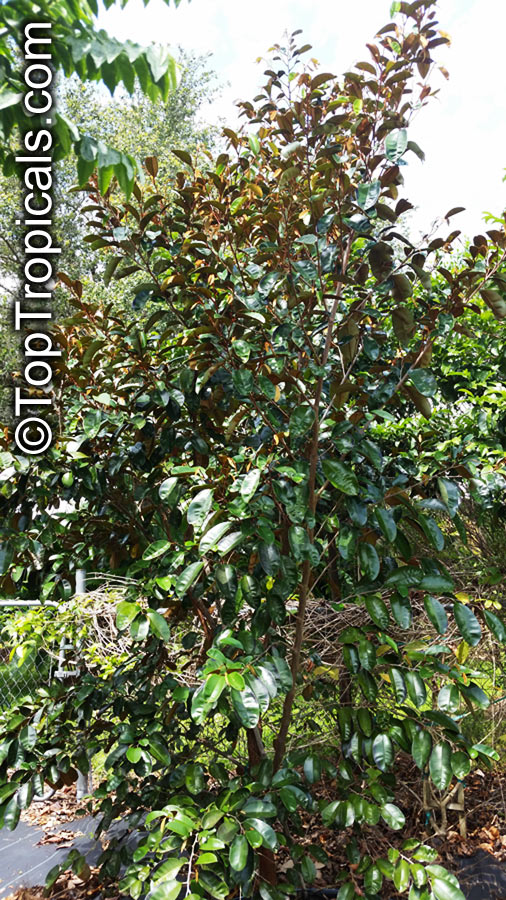
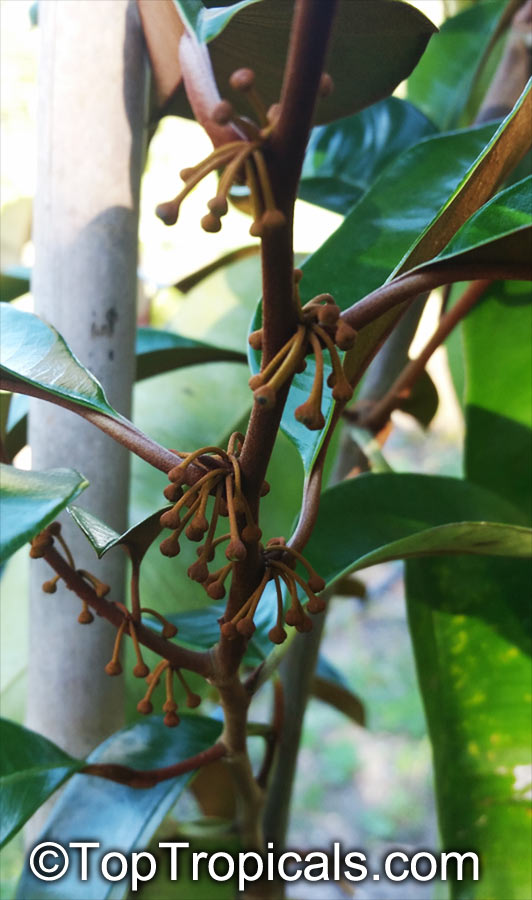
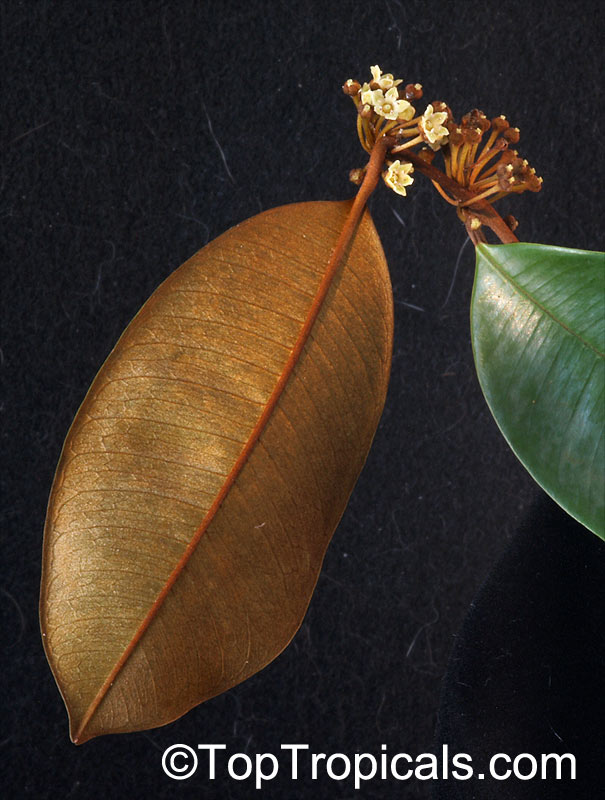
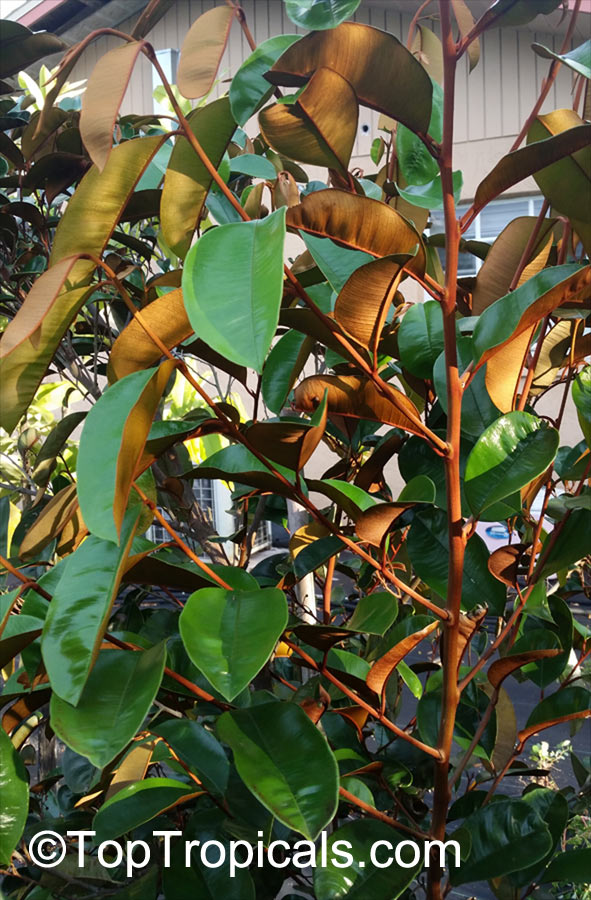
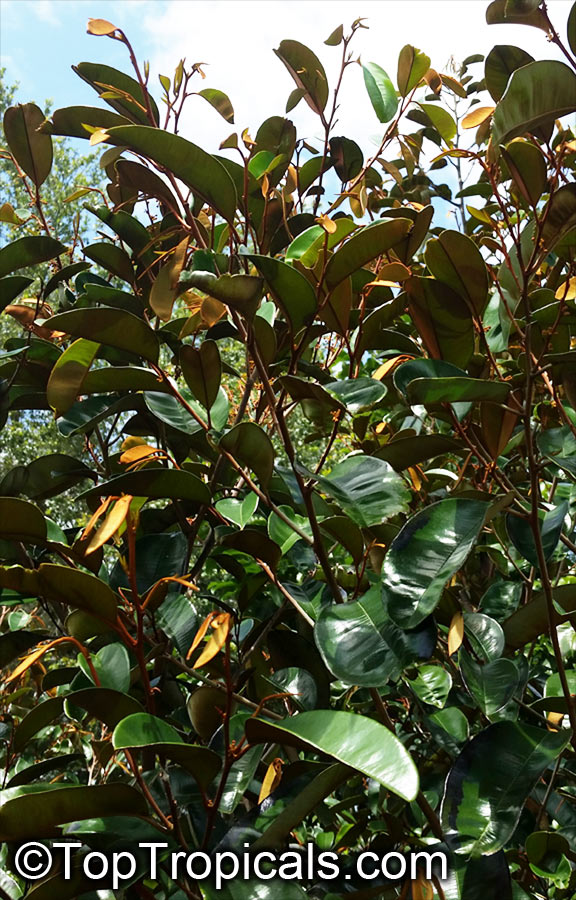
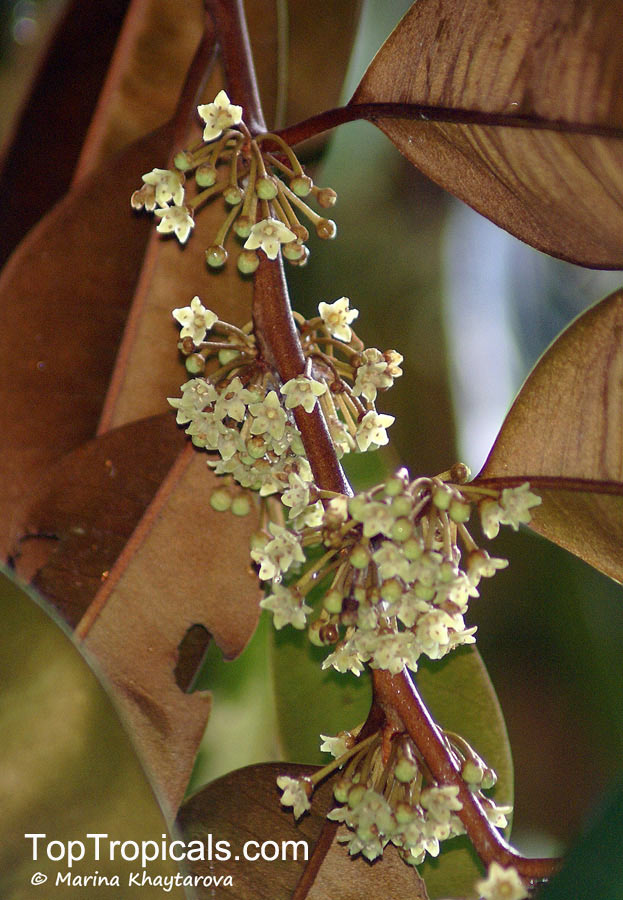
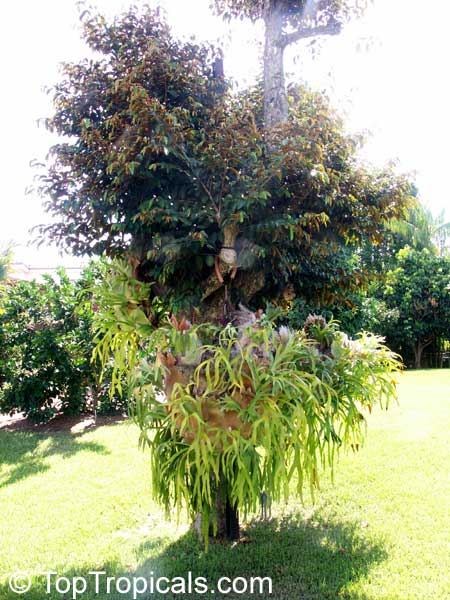
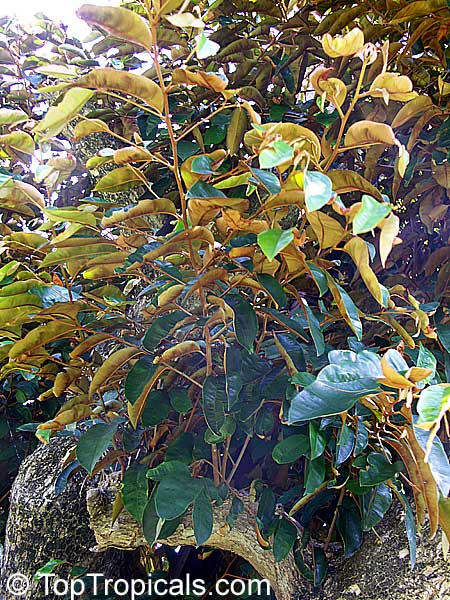
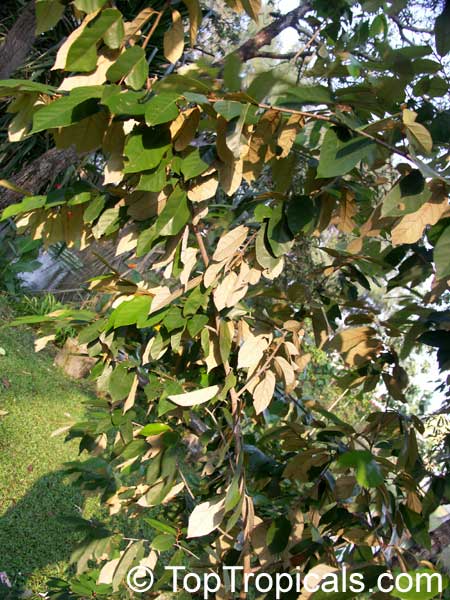
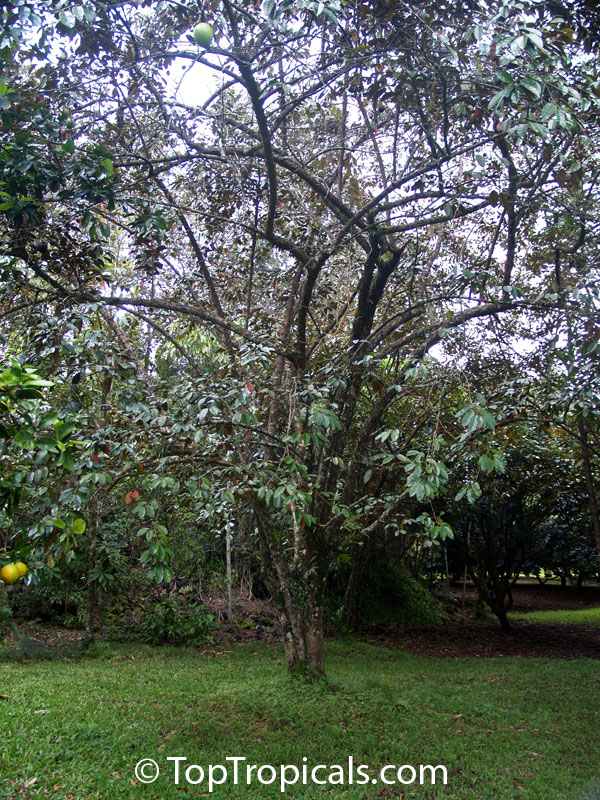
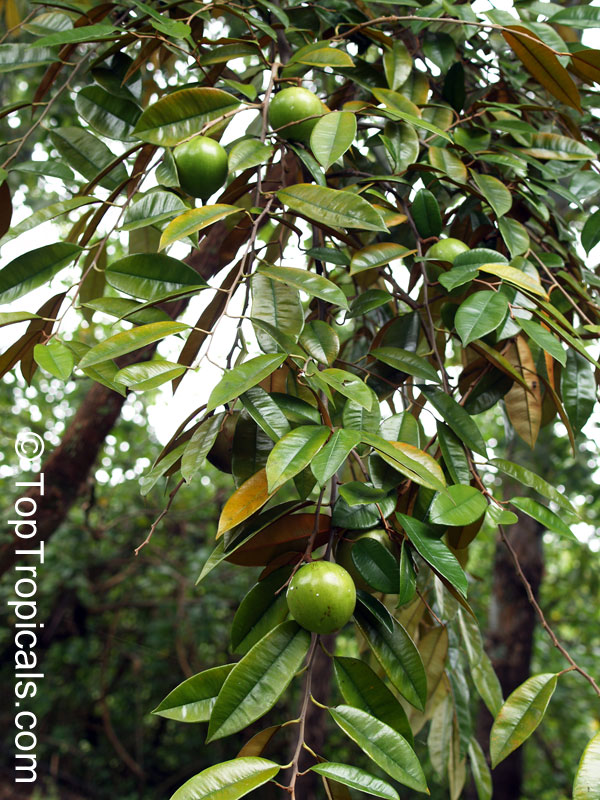
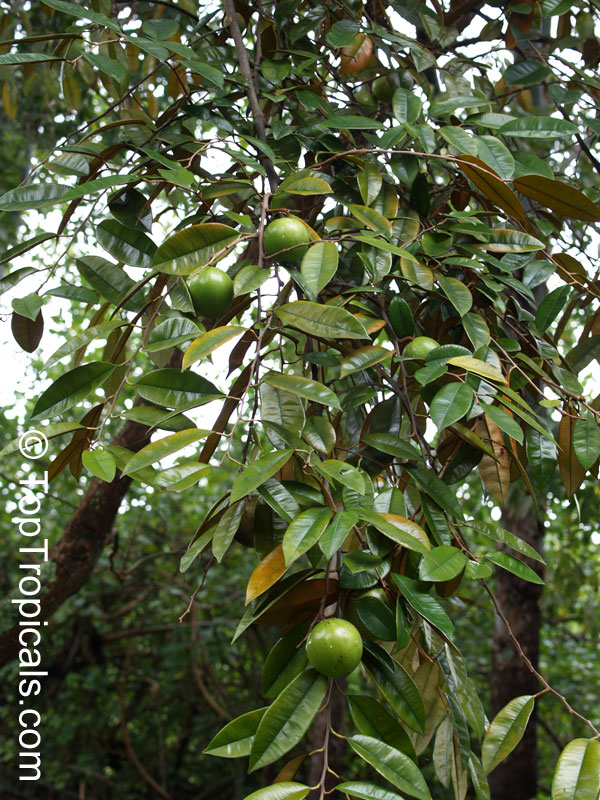
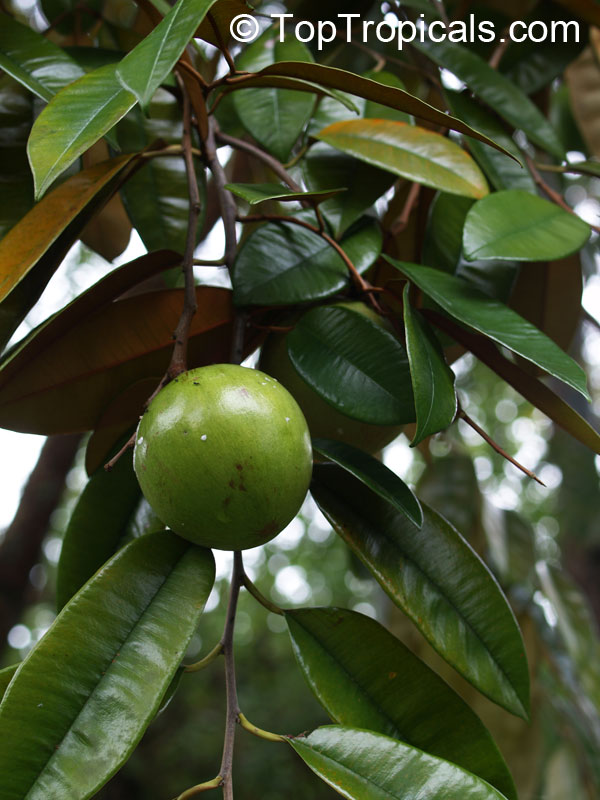
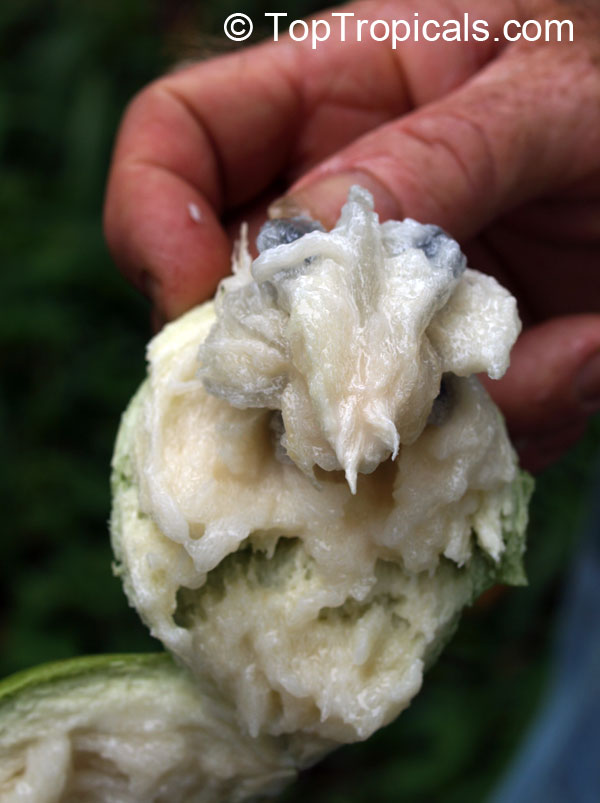
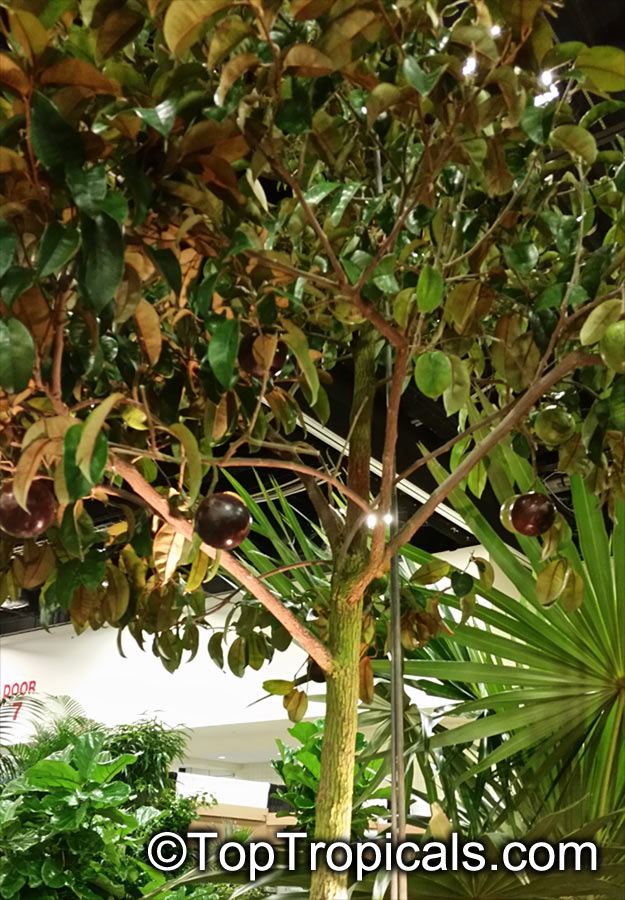
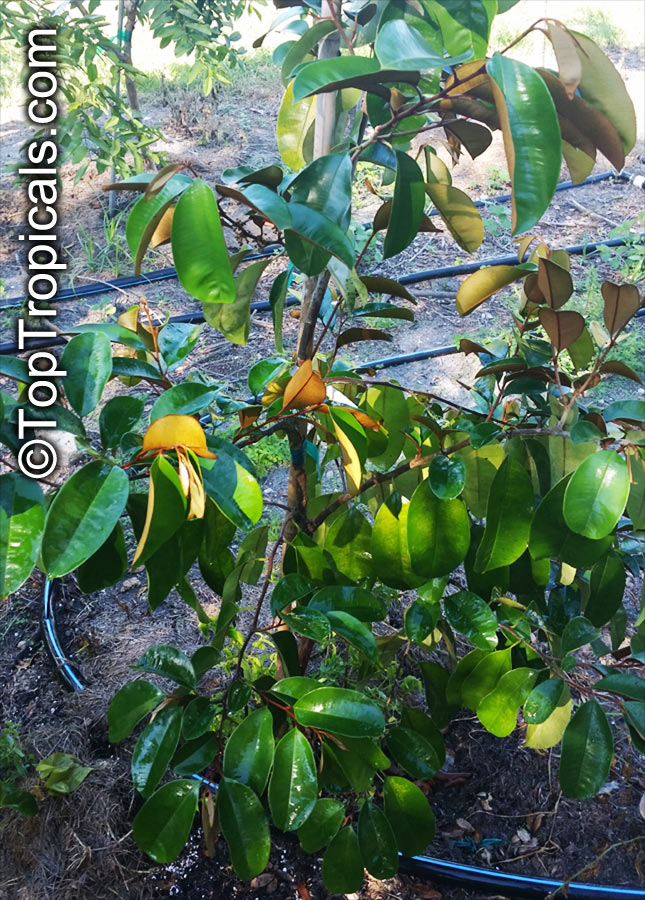
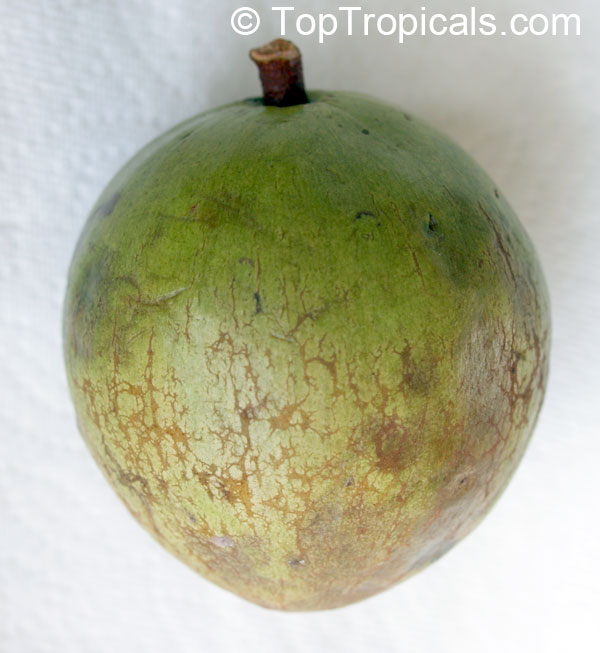
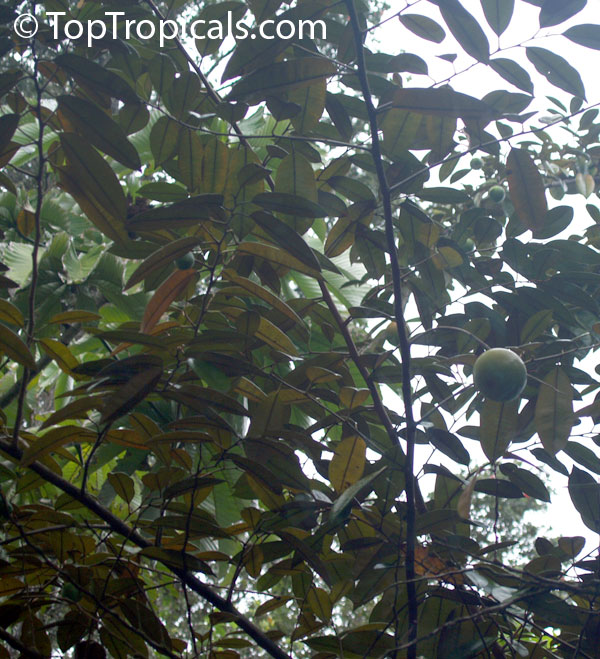
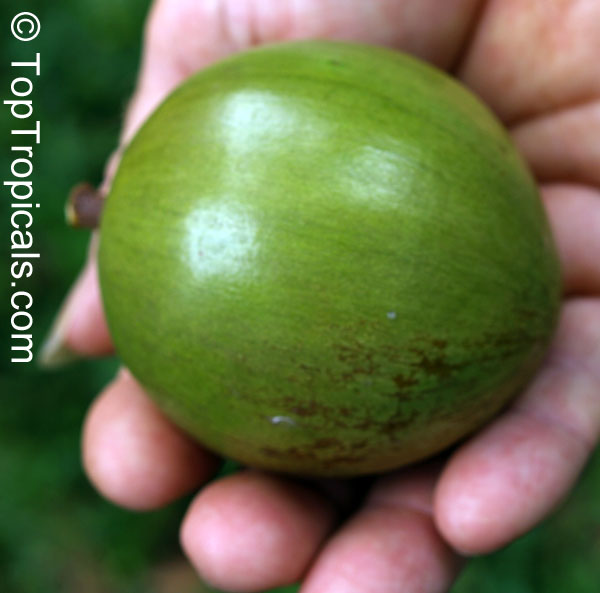
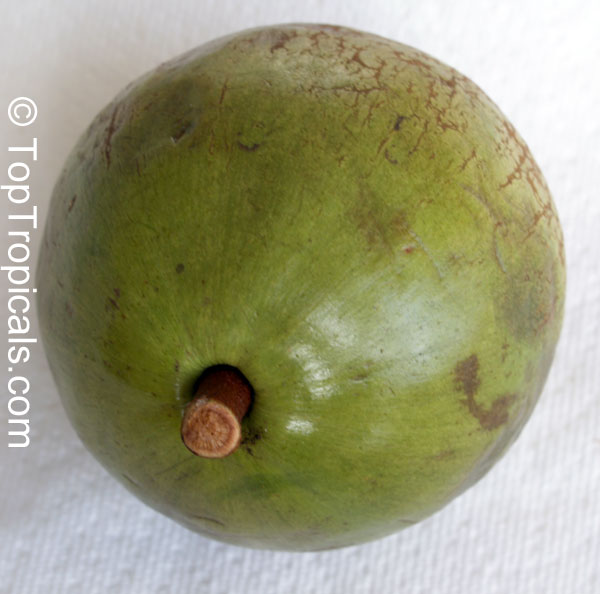
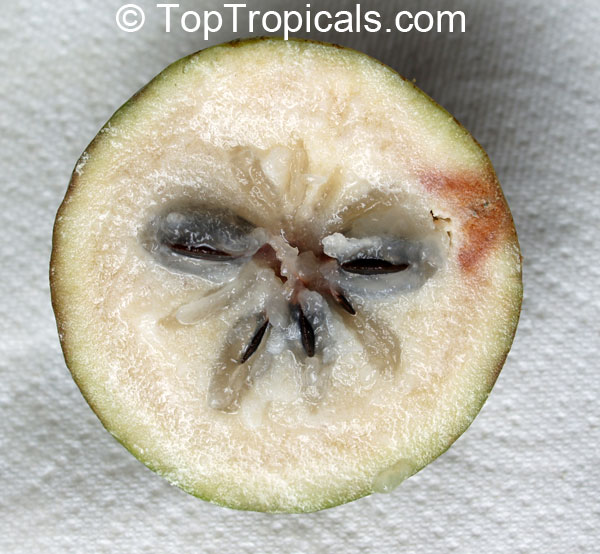
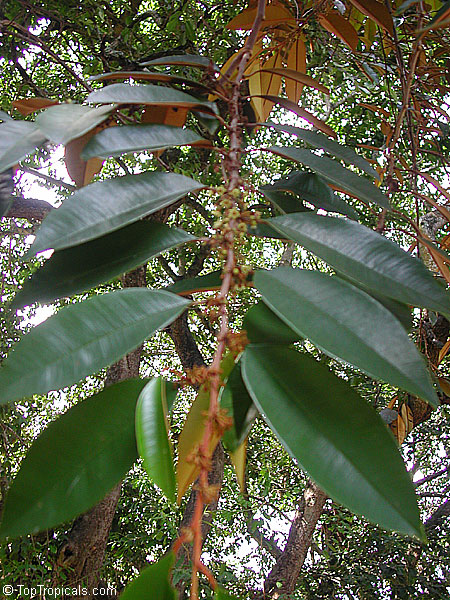
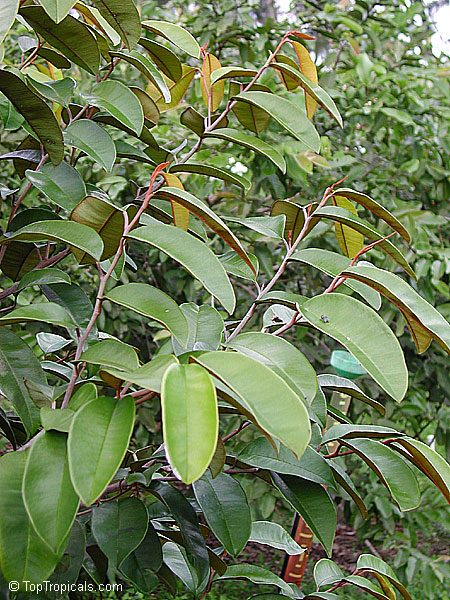
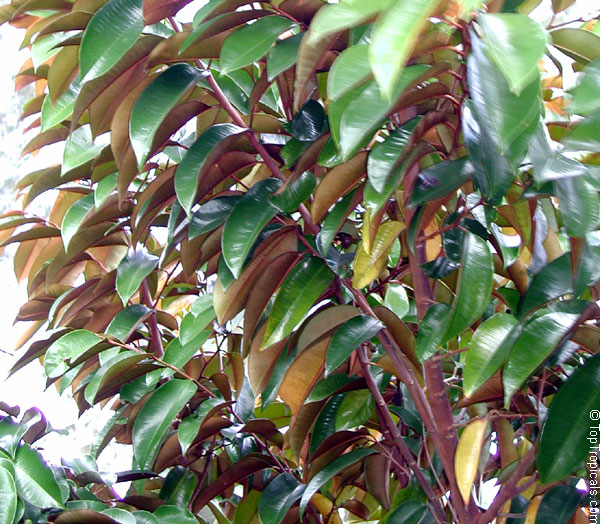
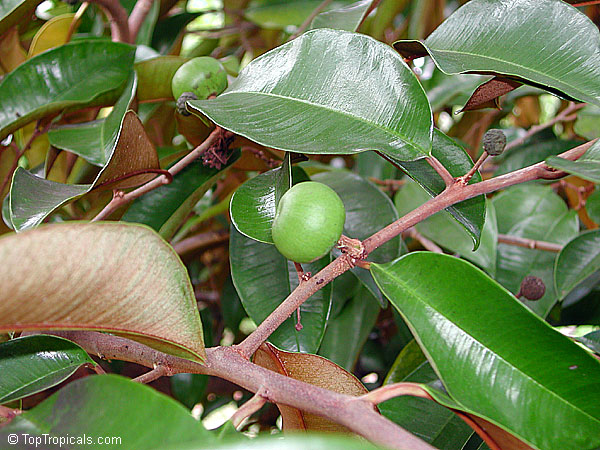
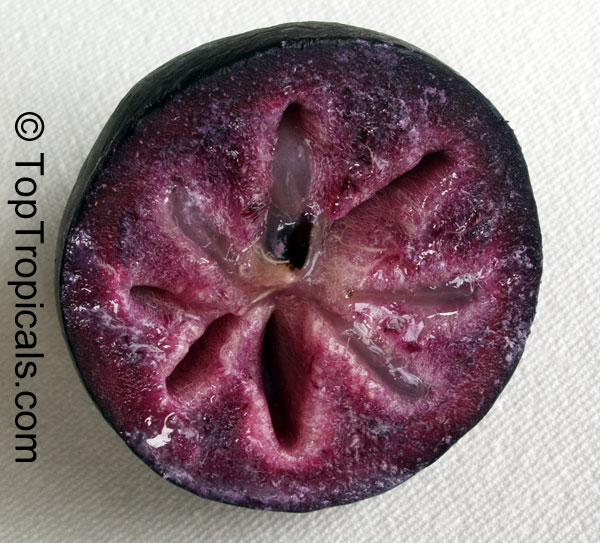
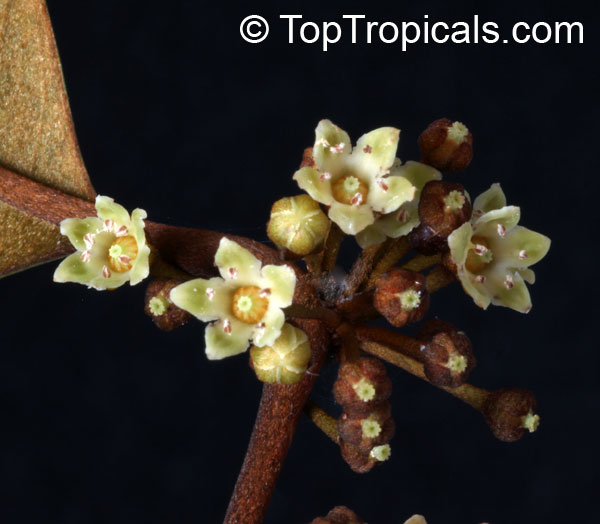
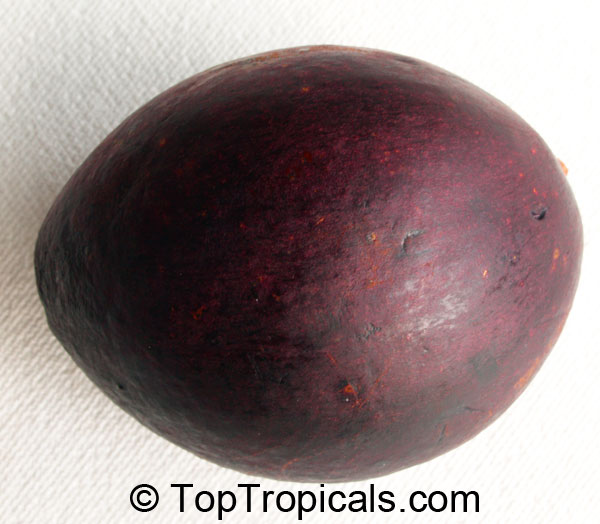
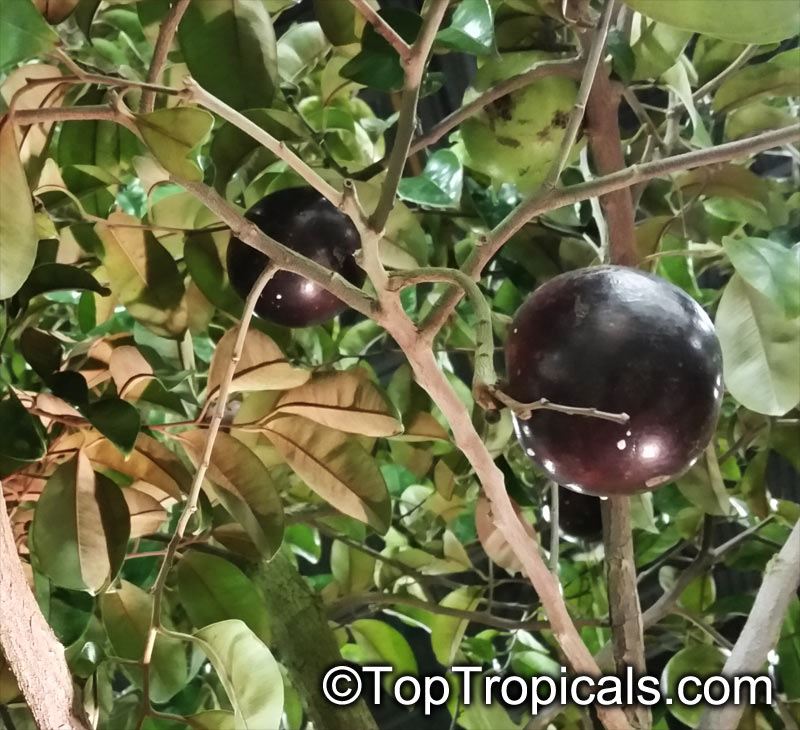
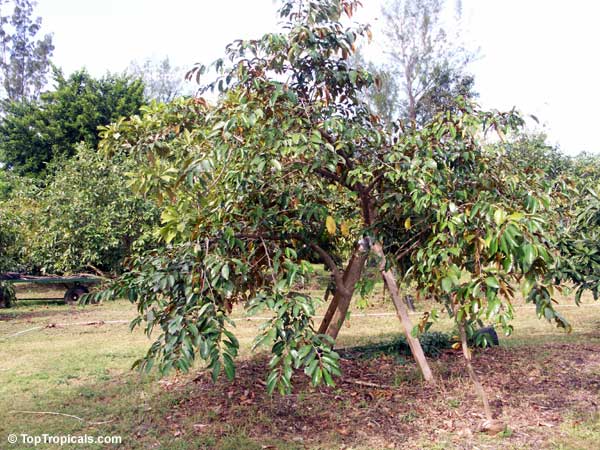
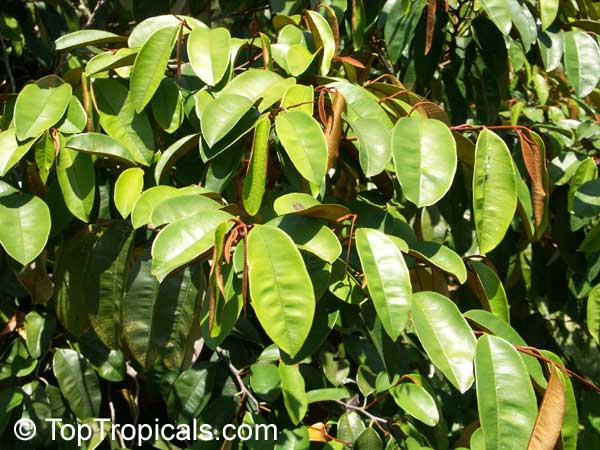
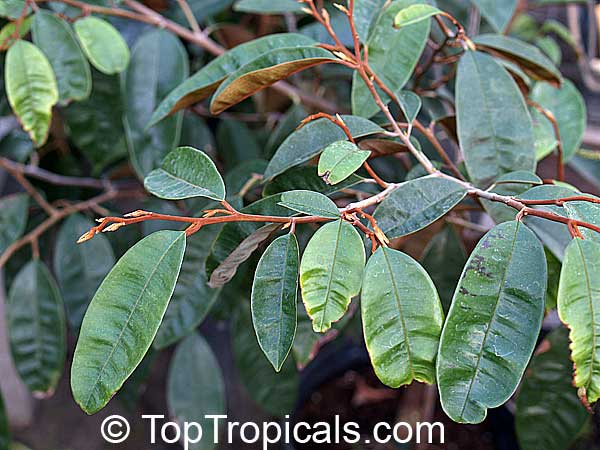
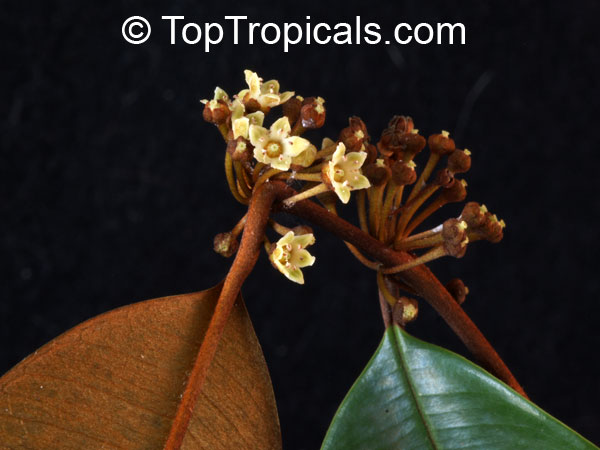


7 gal pot. More developed root system, thicker trunk and branches. Plant height depends on growing season and variety. Dwarf varieties are slow growers and may be shorter. Contact us for exact size description if size/height matters to you. 7 gal plants may be shipped separately from other items by Ground service due to large size. See here time in transit (business days, excluding Sat-Sun!)
Recommended Fertilizer: SUNSHINE C-Cibus - Crop Nutrition Booster
SUNSHINE-Honey - sugar booster
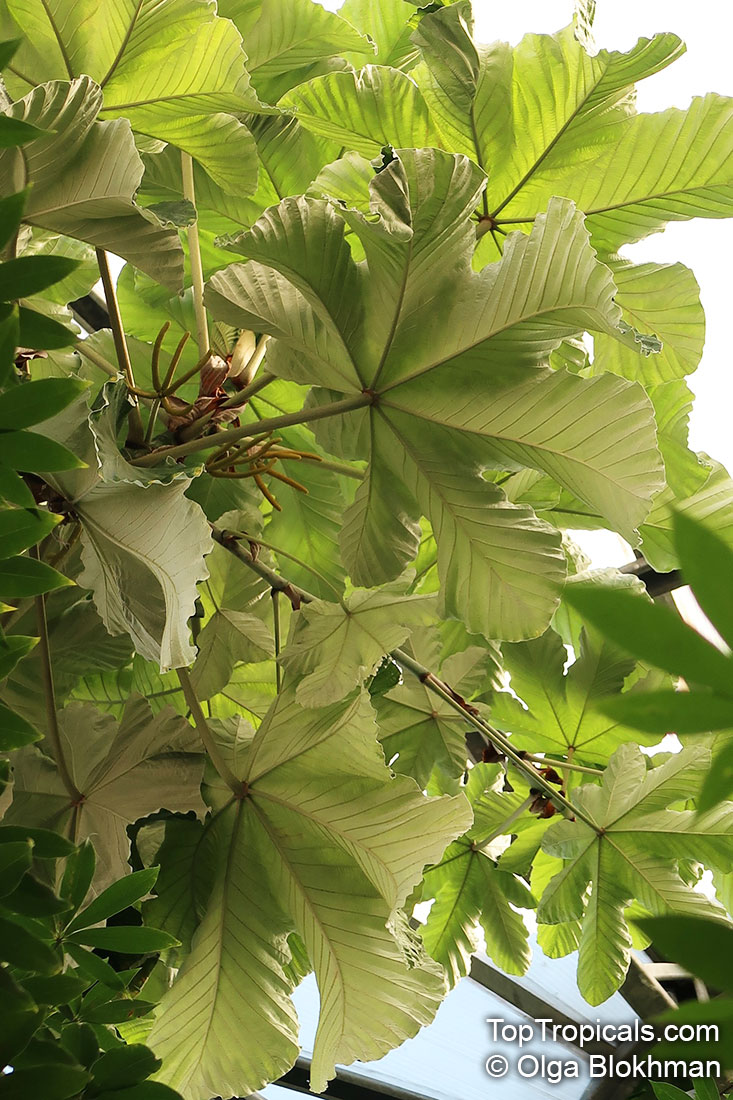
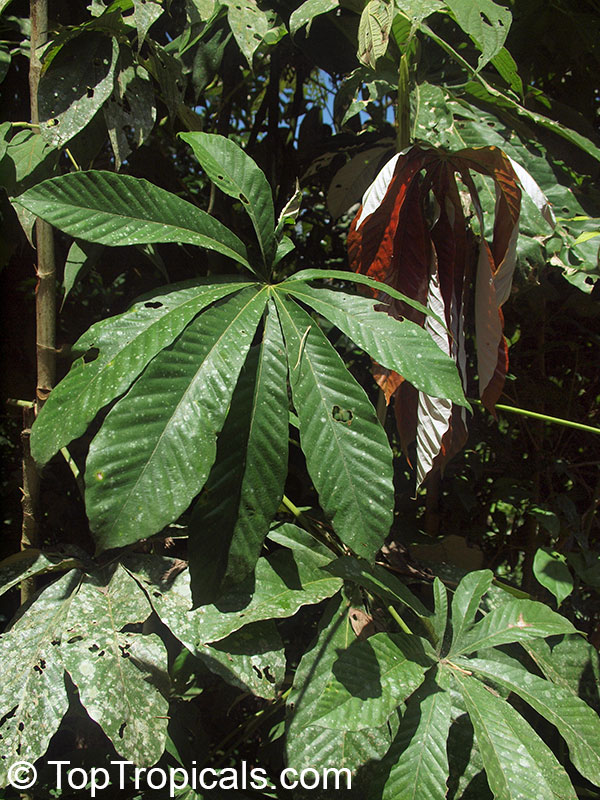
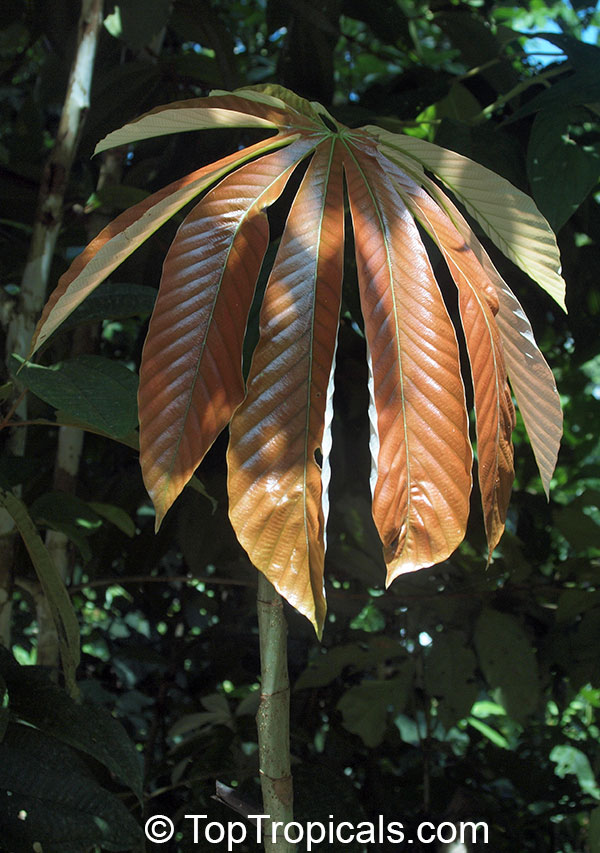
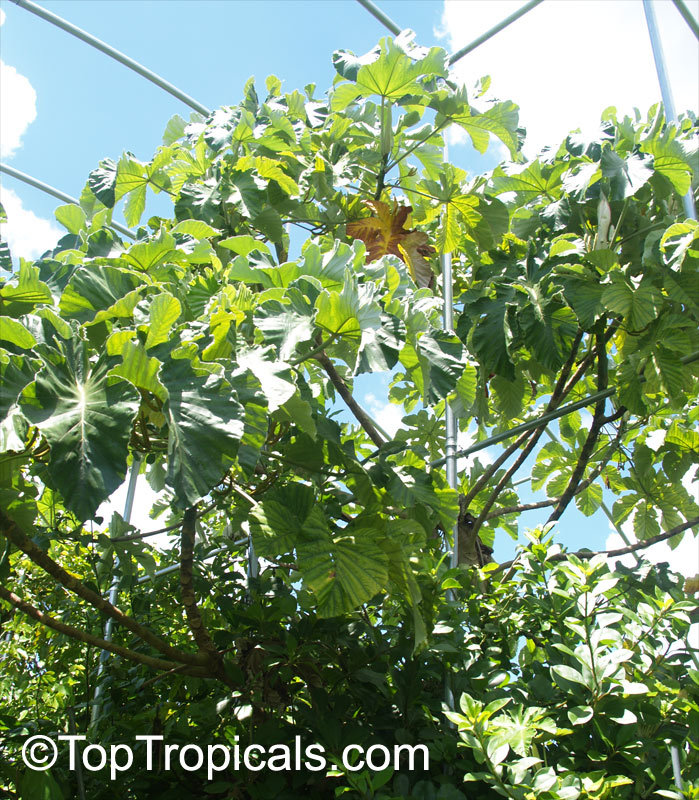
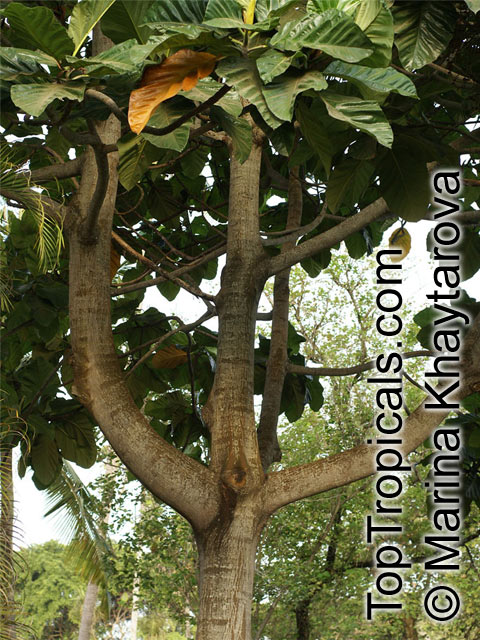
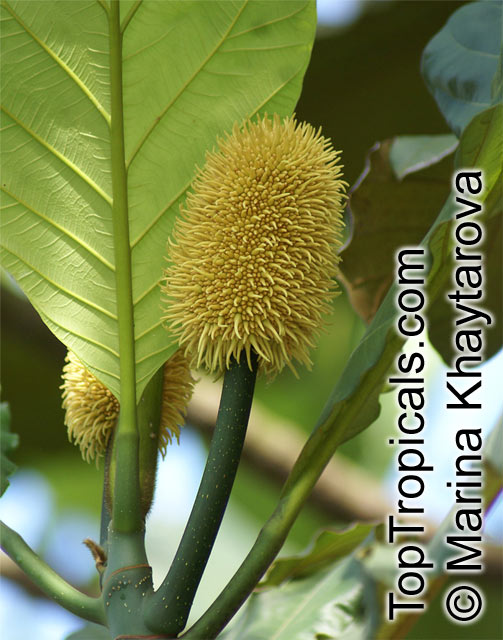
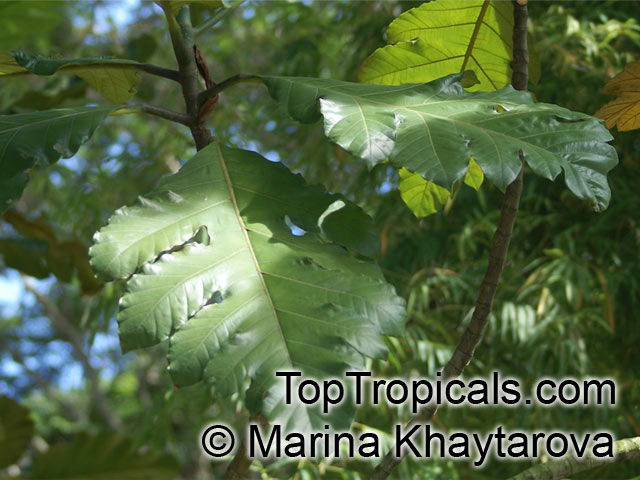
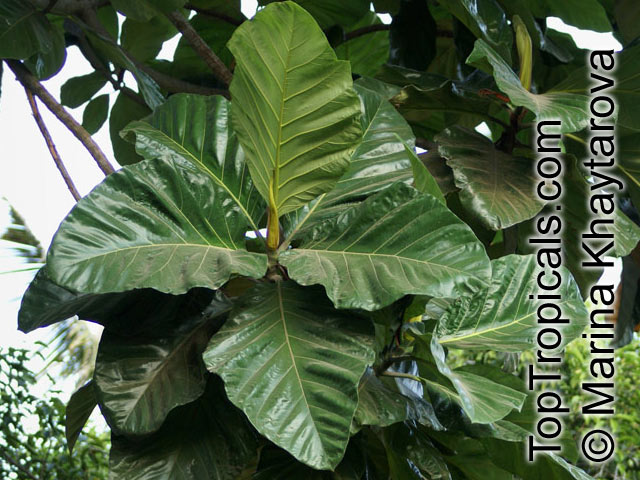
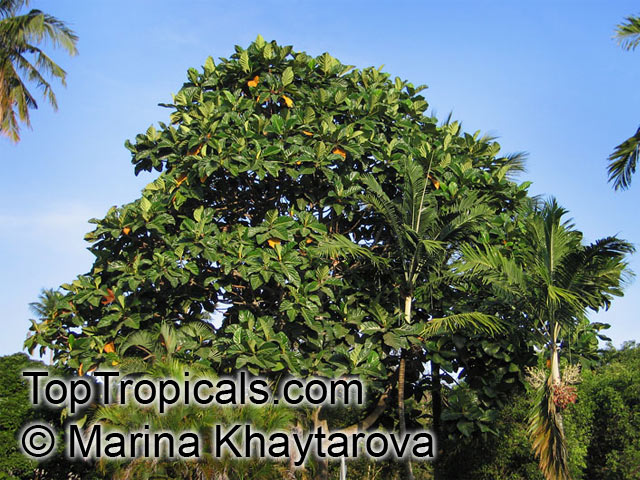
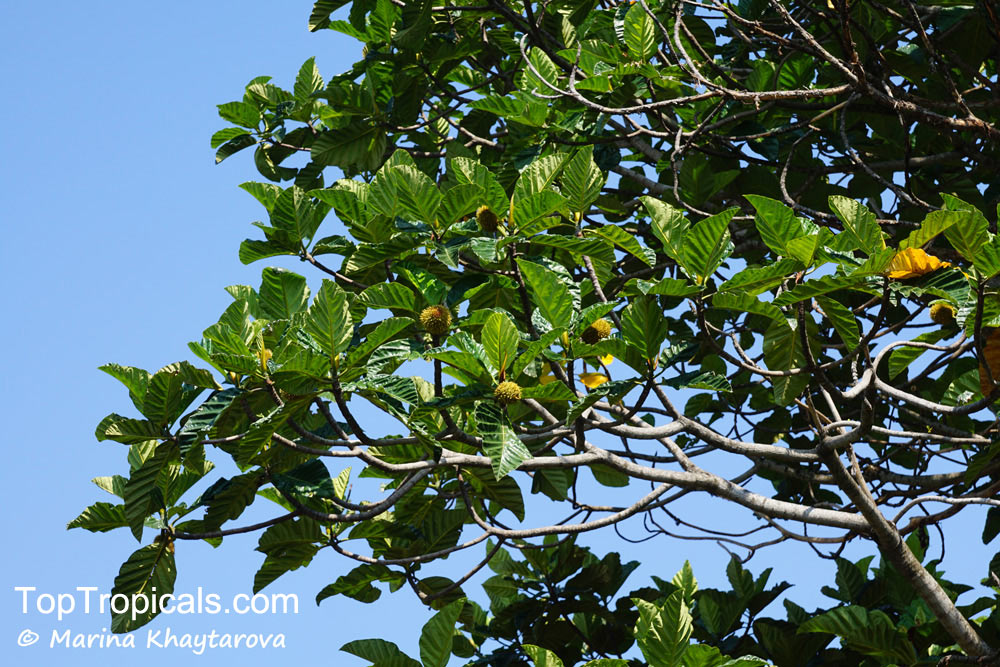
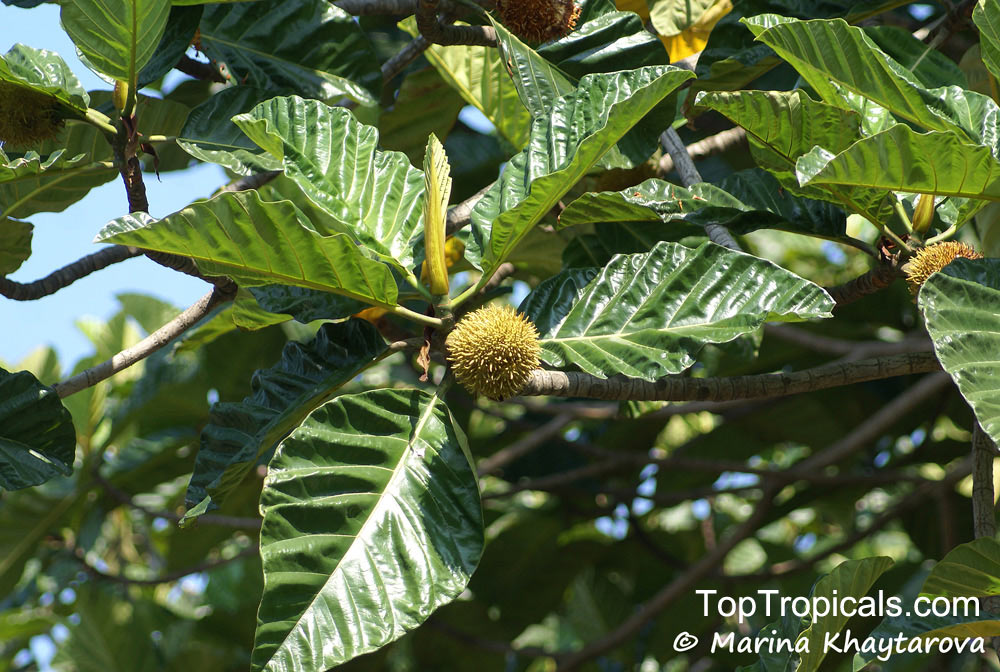
Botanical name: Artocarpus elasticus
Common name: Terap
Family: Moraceae
Origin: Southeast Asia
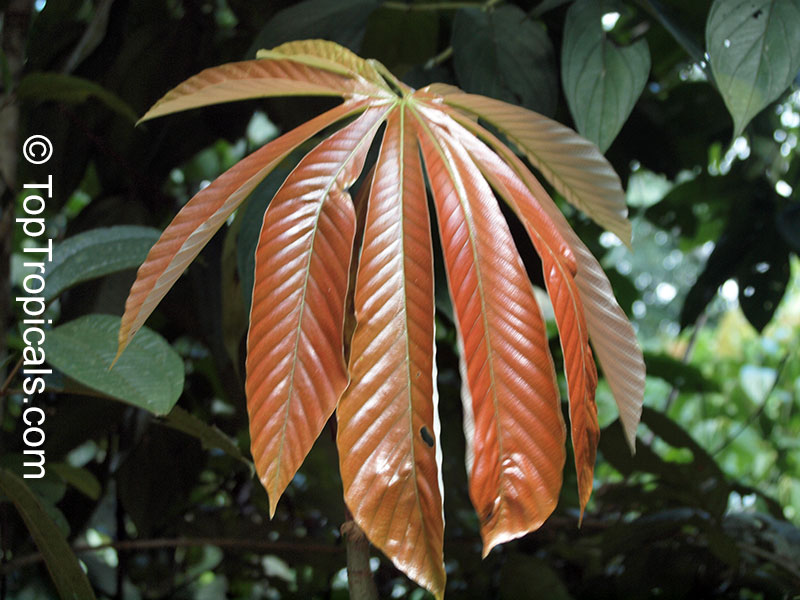
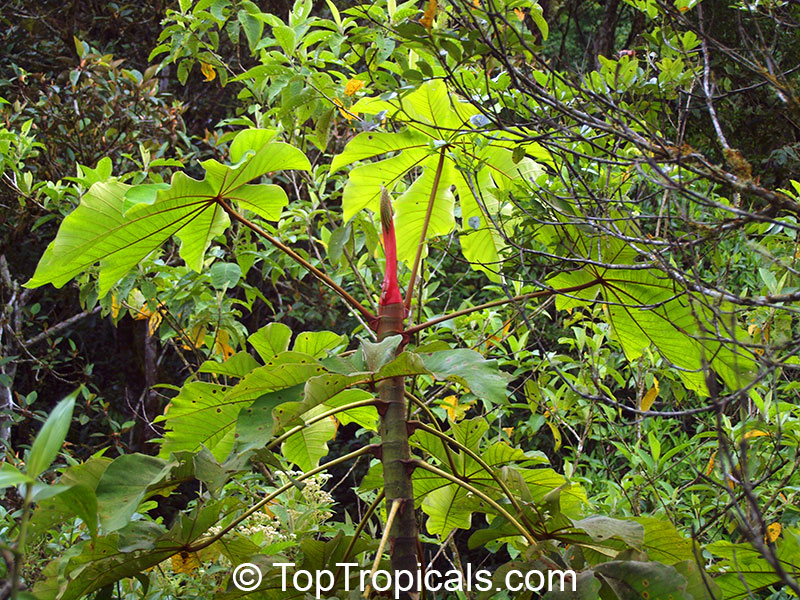
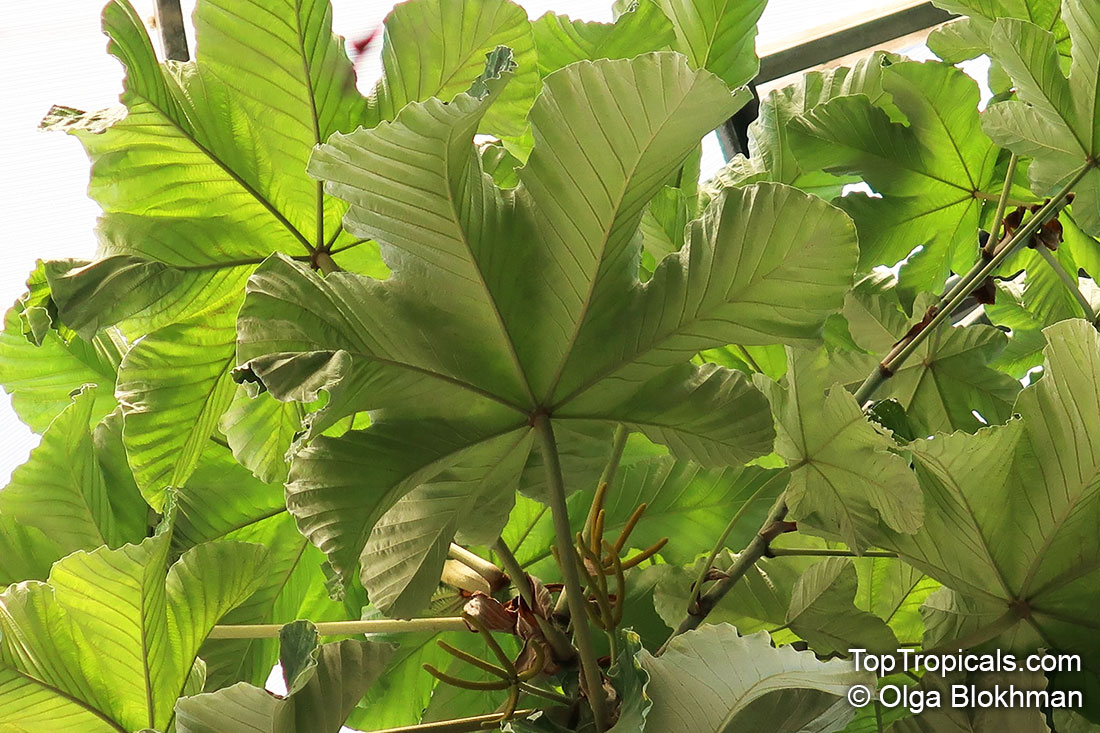
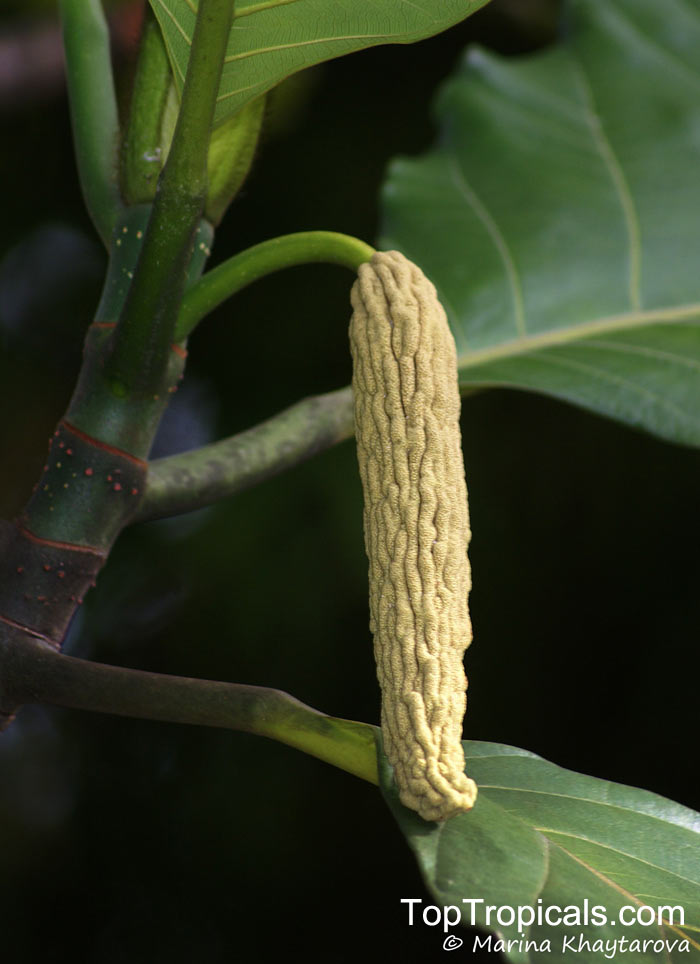
There is another similar species Artocarpus scortechinii with similar character except the leaves are slightly smaller, making it possible to confuse these two species in the field. If fruits are available the distinction is easier, Artocarpus scortechinii does not have the shaggy fruits that Artocarpus elasticus has.
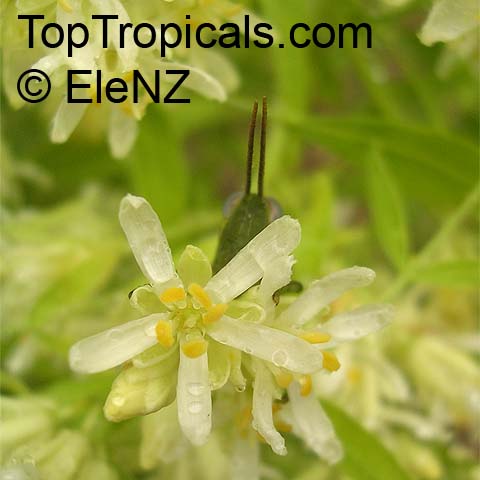
Botanical name: Moringa drouhardii
Common name: Malagasy Moringa
Family: Moringaceae
Origin: Madagascar


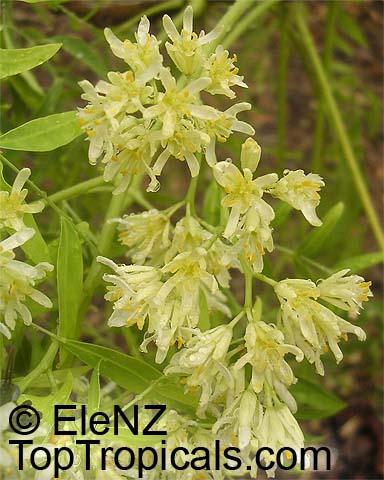
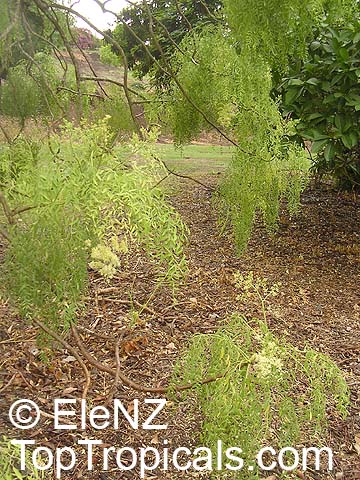
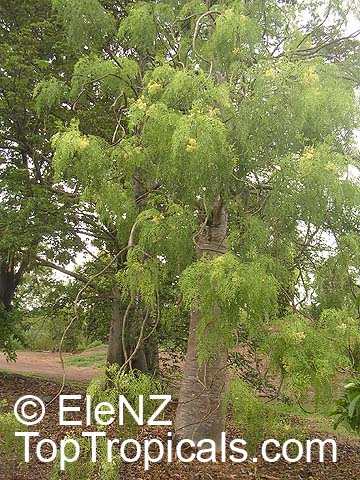
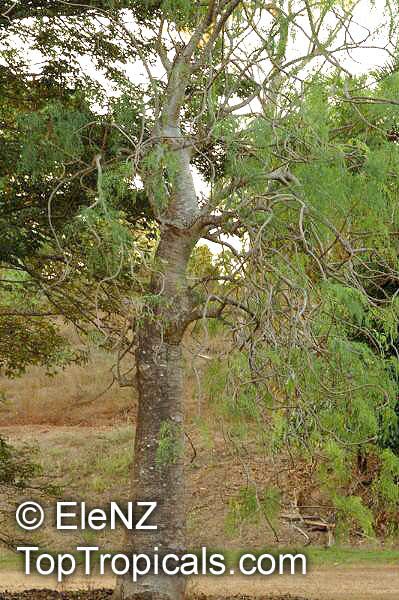
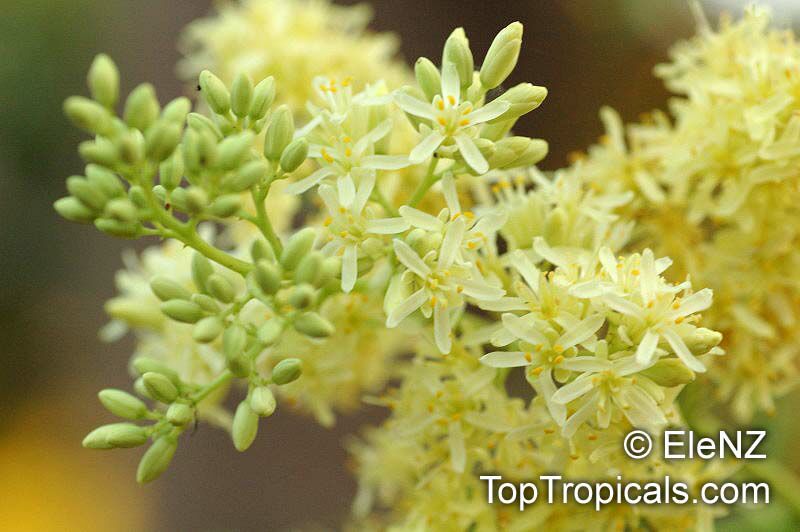
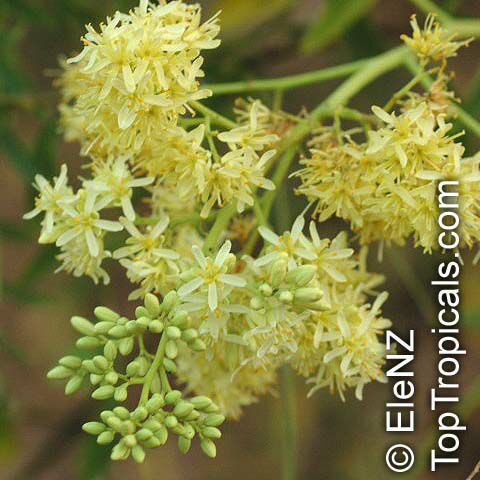
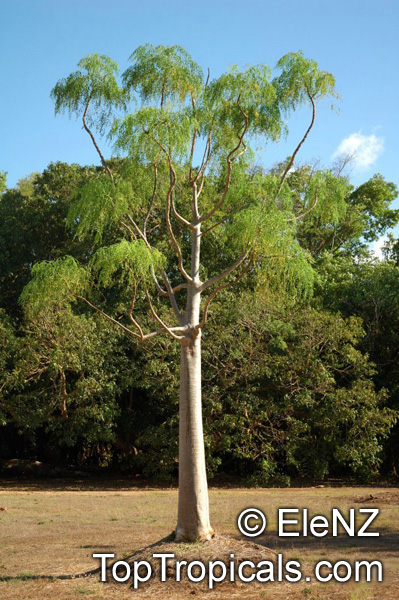
Moringa drouhardii is a large tree and can grow taller than 20 feet with a distinctive swollen trunk. It is native to Madagascar and grows in scattered stands in the southern Malagasy dry forest on limestone. It is a fast-growing tree, often surpassing three meters in its first year. The leaves are alternate, typically pinnate, and finely toothed. The flowers are yellow to orange and fragrant, often forming in clusters in the leaf axils. Moringa drouhardii has the potential to attract butterflies and hummingbirds when blooming.
In USDA Zone 9-11, Moringa drouhardii can be grown in full sun in moderately moist soil. It will benefit from a deep, occasional watering. A layer of mulch is beneficial and can help maintain soil moisture. When grown in a pot, Moringa drouhardii will do best in warm regions and should be brought inside during the colder months. If growing in cold regions, the pot should be insulated and stored in a warm and frost-free location.
Moringa drouhardii has been used for thousands of years for its ethnomedical properties. It is still used medicinally and the leaves, bark, and seed pods are the most frequently used parts of the tree. The leaves are very nutritious and contain a numerous of vitamins, minerals, and antioxidants.

| Next | |
Use link to repeat this search:
https://toptropicals.com/cgi-bin/garden_catalog/cat.cgi?search_op=and&keyword_op=and&language=e&number=10&no_change_lang=1
&v1=btr&user=tt&sale=1&first=0