Juniper - Plant Encyclopedia Results
| Number of plants found: 6 |
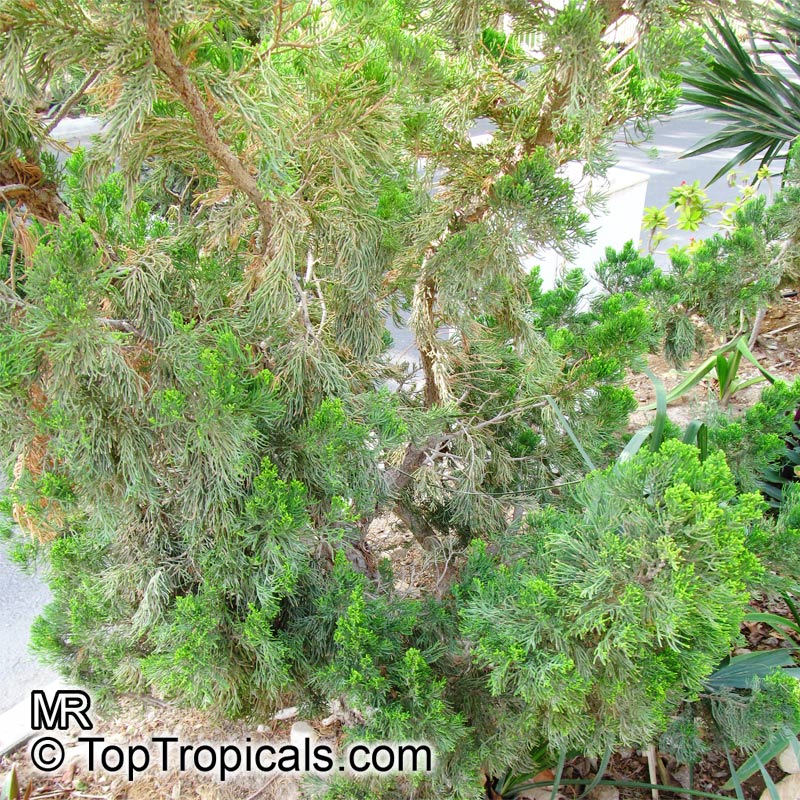
Botanical name: Juniperus chinensis
Common name: Chinese juniper
Family: Cupressaceae
Origin: Northeast Asia
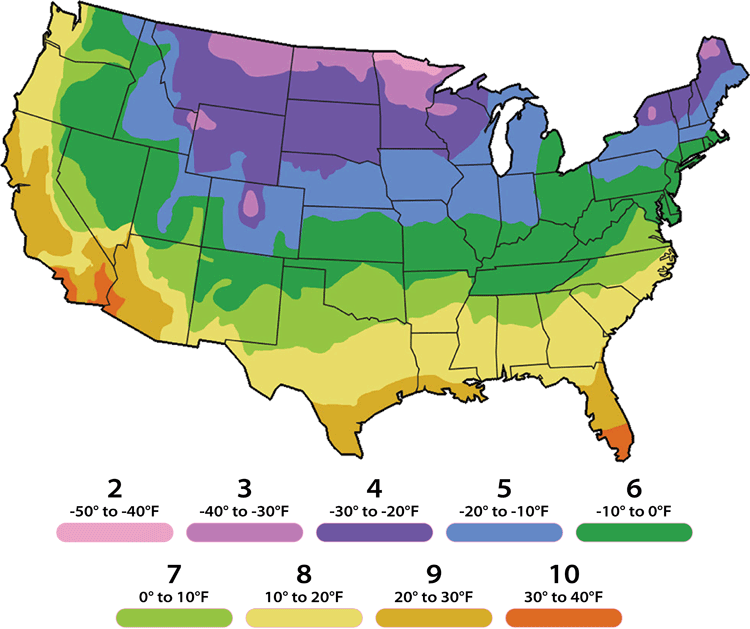
USDA Zone: 4-8


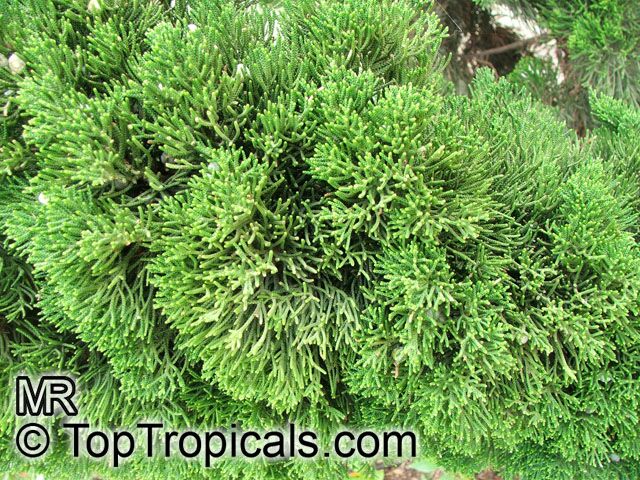
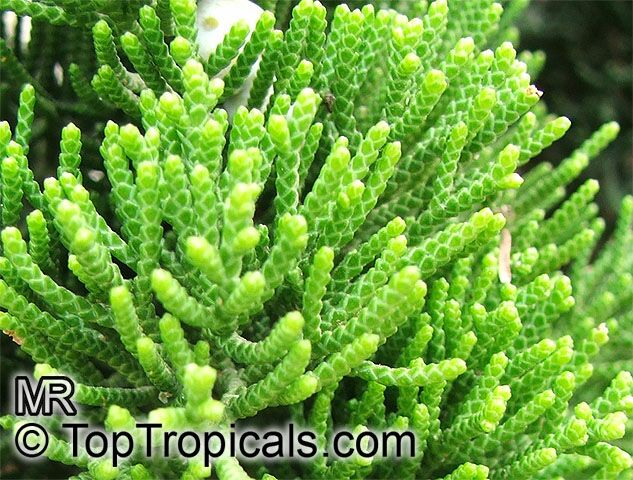
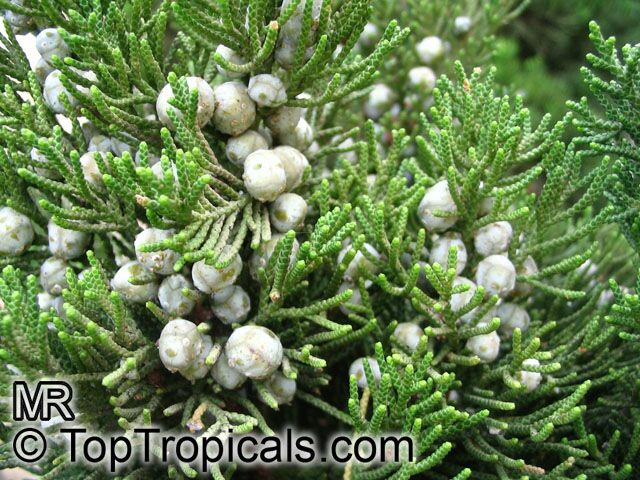
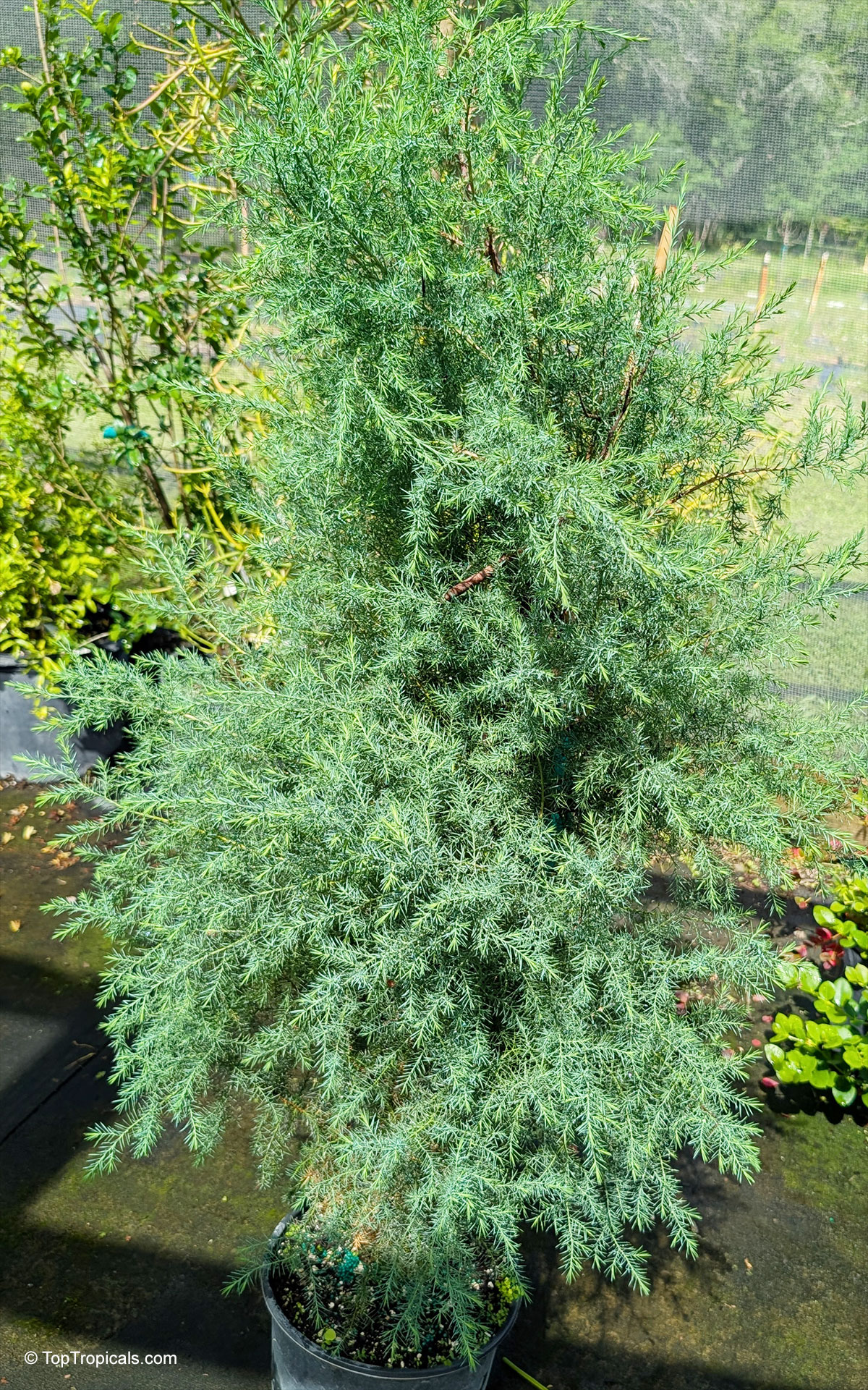
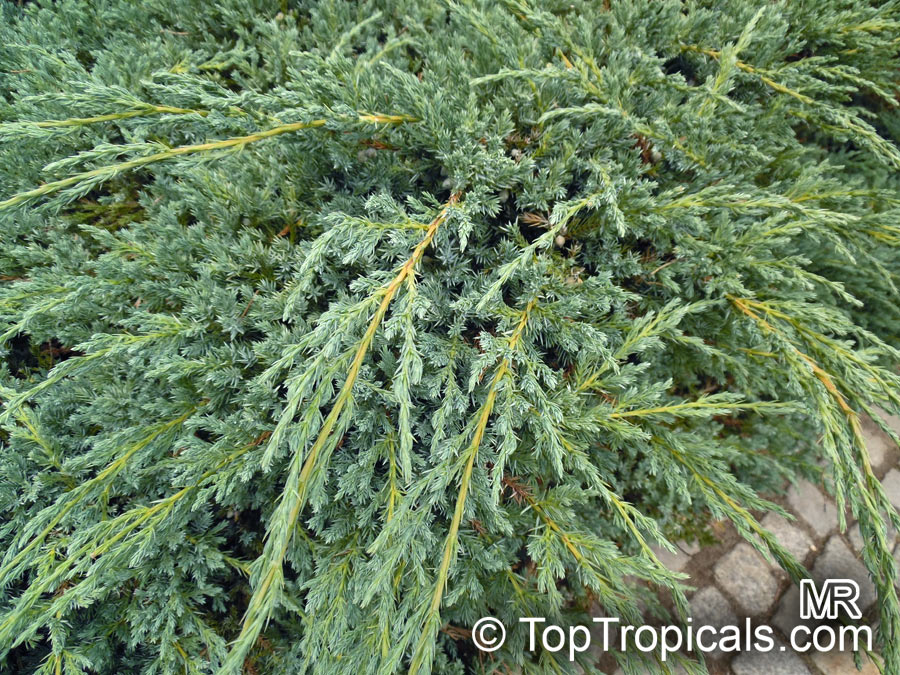
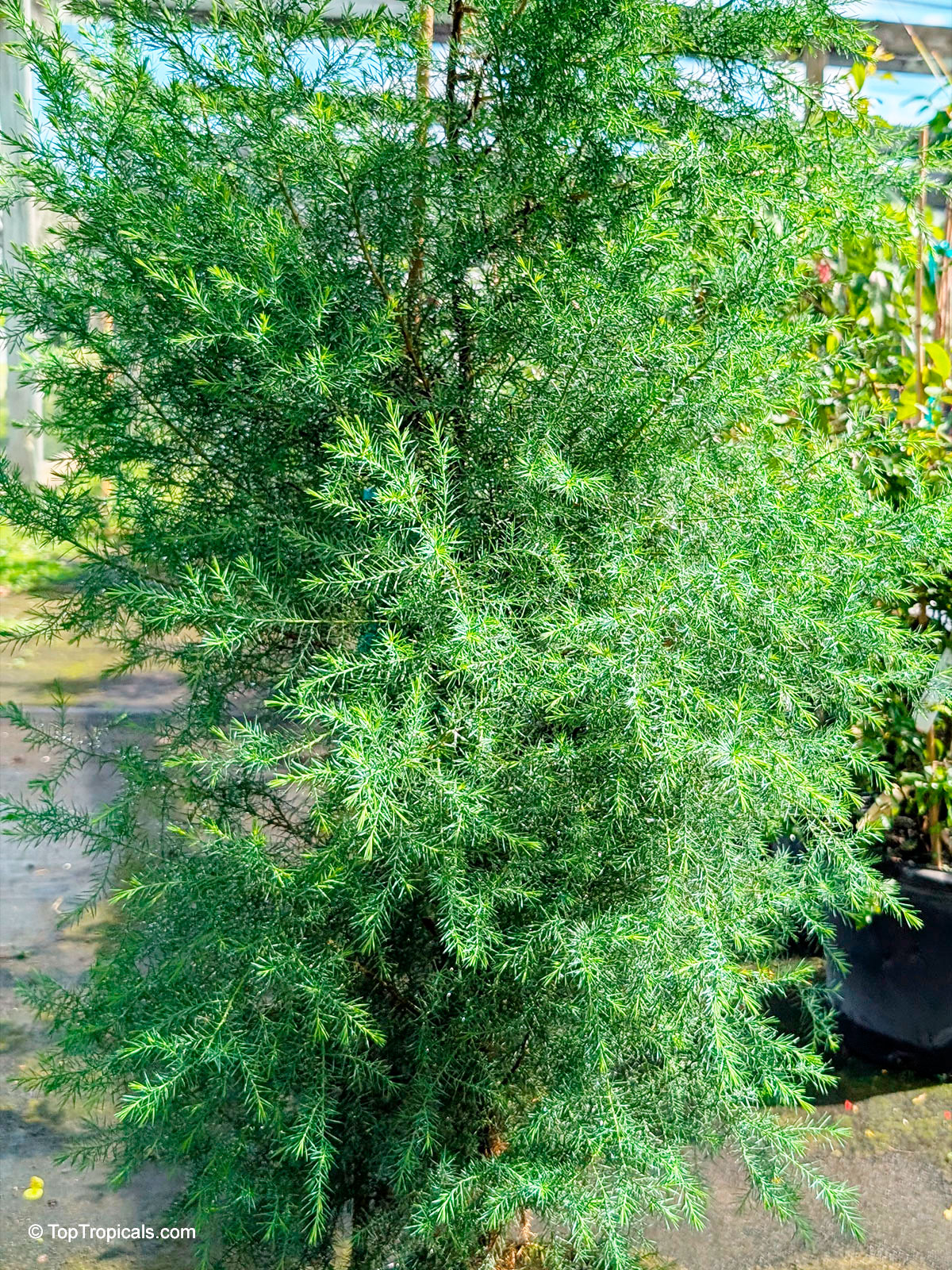
This hardy and low-maintenance plant is native to Northeast Asia and can be used for bonsai. It's an evergreen conifer bearing blue-green cones and foliage of both juvenile and adult leaves. The needles of young growth are wedge shaped with sharp points and arranged in sets of two or three. Adult leaves are diamond shaped, overlapping flat on the twigs in four ranks like fish scales. There are many various cultivars with different growth habit, foliage color and needle types.
Juniperus chinensis grows into a large shrub up to 5-10 ft tall and can also become a small tree of 10-20 ft or even bigger than 20 ft tall. It needs full sun and moderate water for optimal growth. The mature plant is suitable for USDA Zones 4-10.
Growing Chinese juniper in colder regions (in pot for instance) can be quite challenging since it needs both cold and warmth. In winter, put the pot in a sheltered place and wrap the pot with insulating material to avoid freezing. In summer, the plant should receive full sun exposure and regular watering. Additionally, regular pruning is needed to maintain its shape.
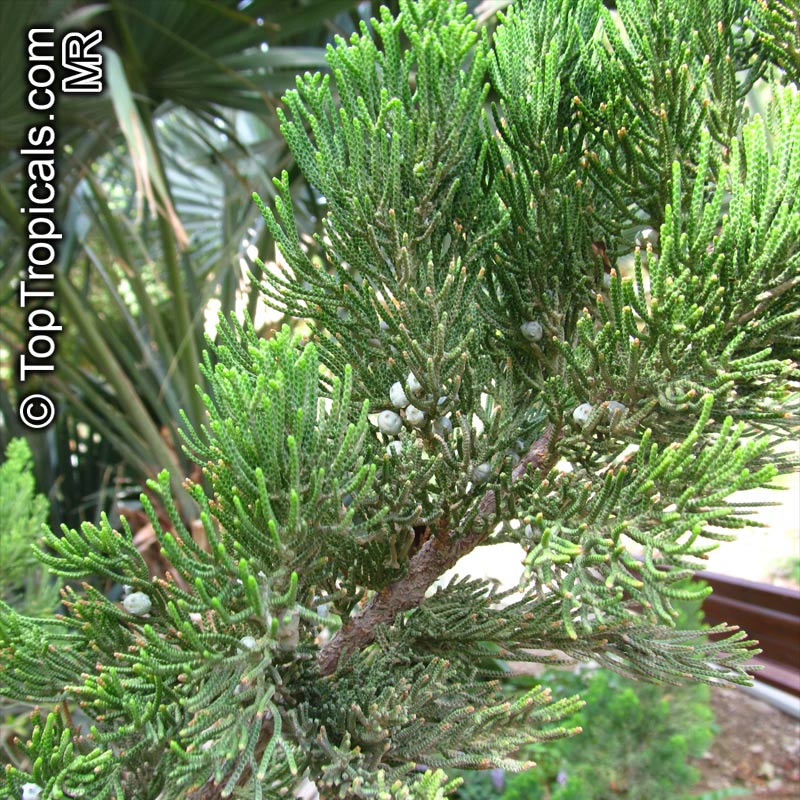
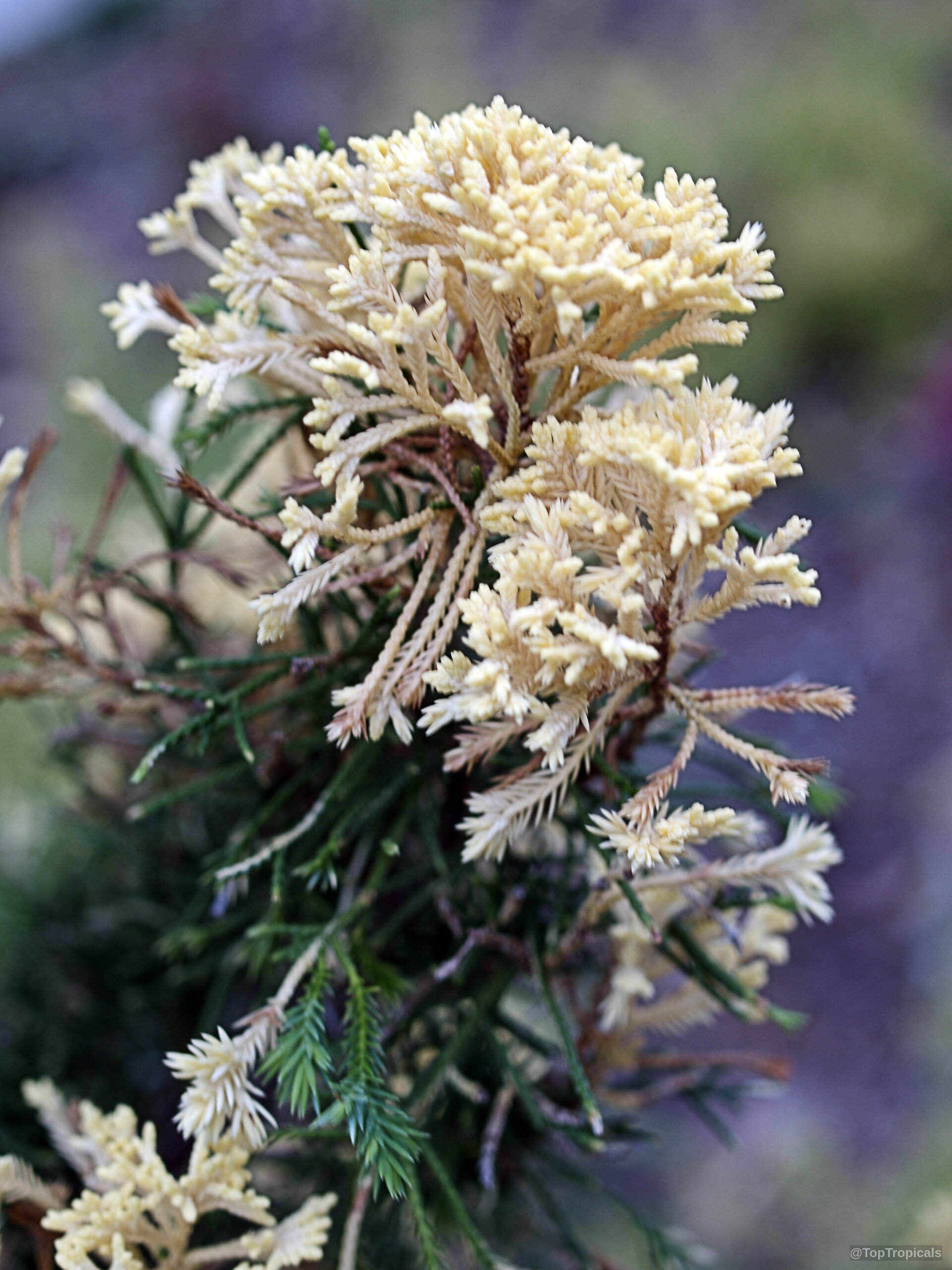


Botanical name: Juniperus sp.
Common name: Juniper
Family: Cupressaceae
USDA Zone: 2-11

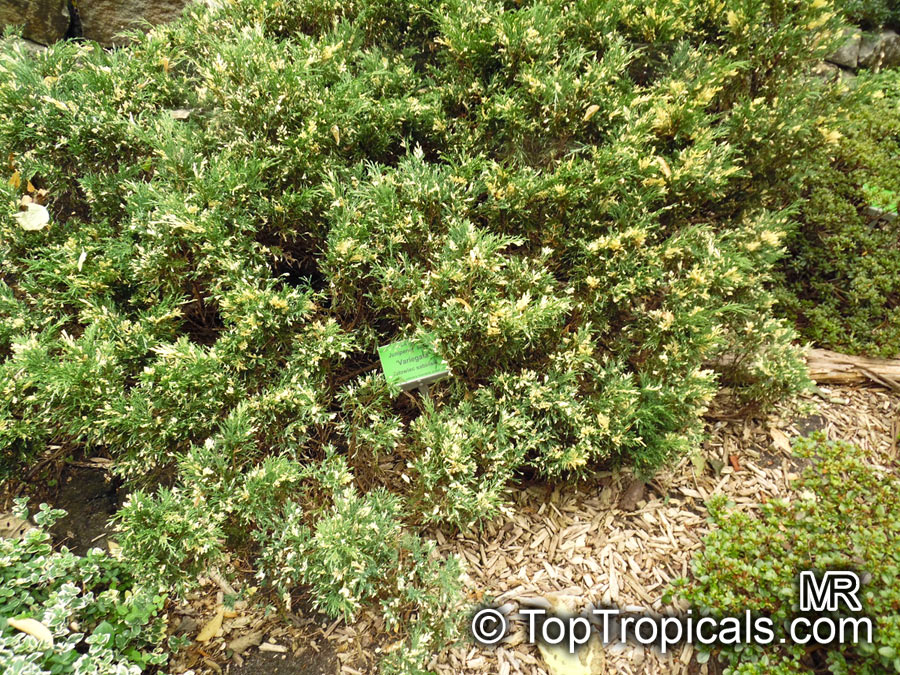
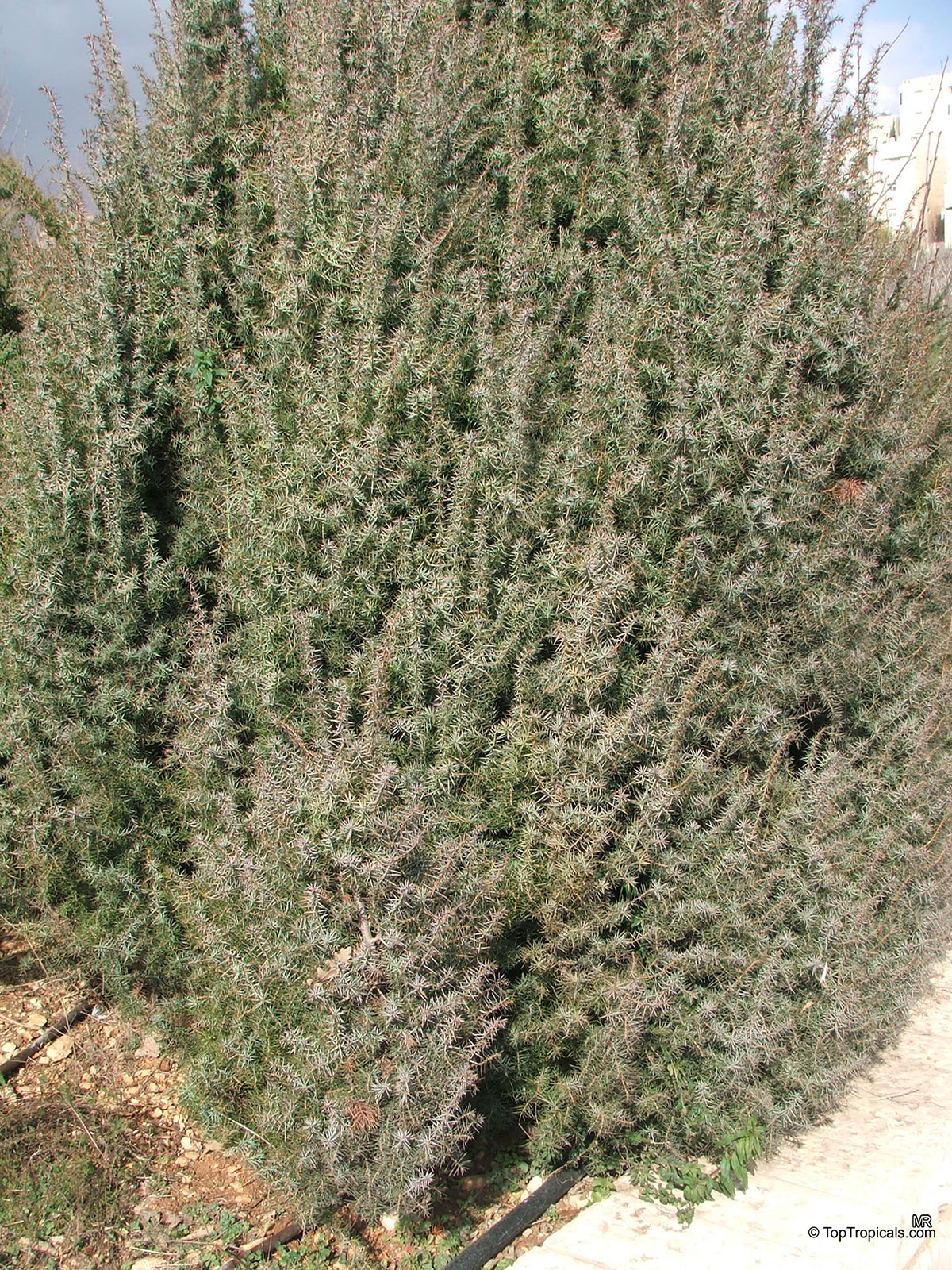
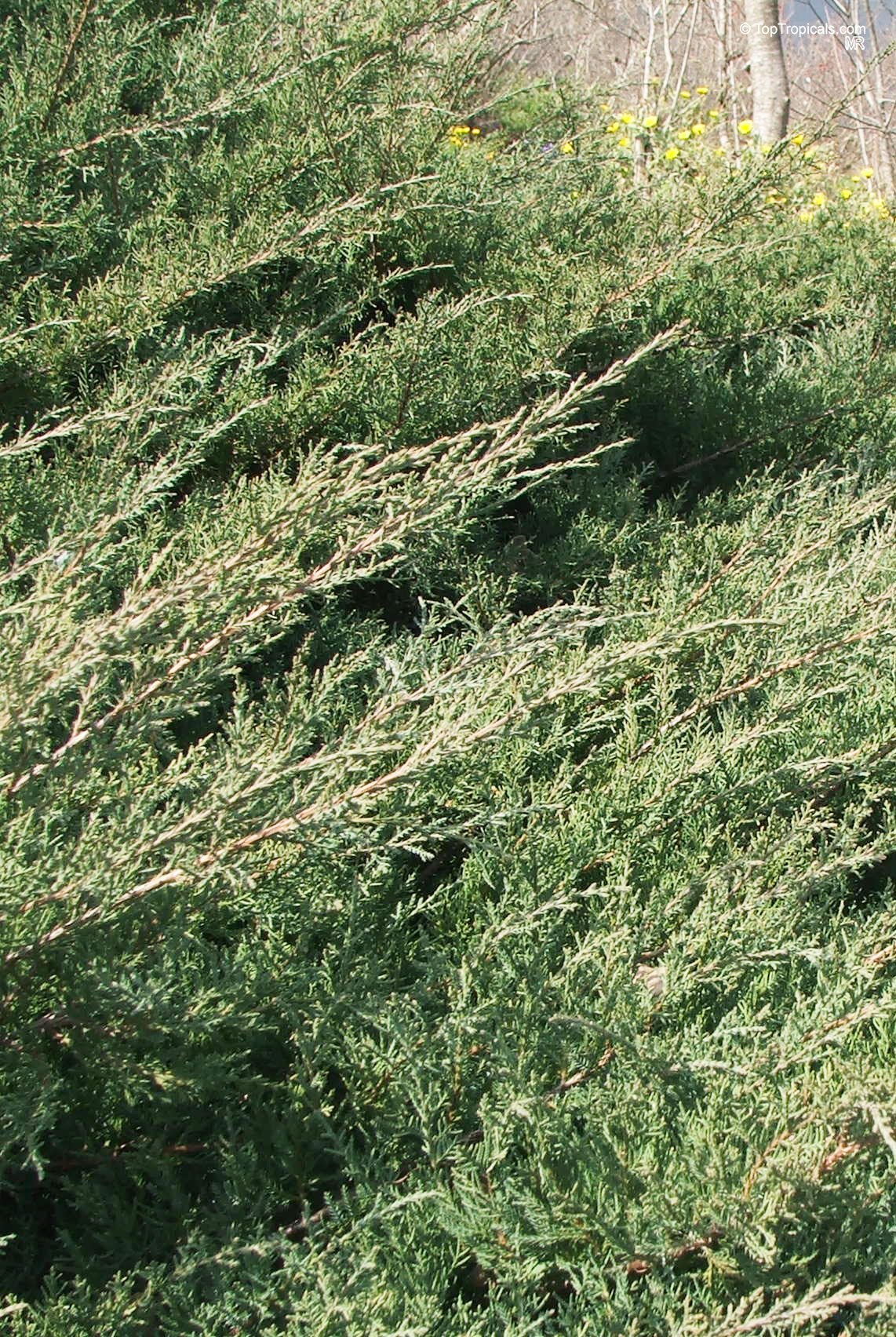
Juniperus is a genus of evergreen conifers in the cypress family (Cupressaceae), valued for their aromatic foliage, hardiness, and wide landscape adaptability. Native across much of the Northern Hemisphere - from arid deserts and rocky mountains to cold temperate forests and coastal habitats - the genus encompasses low spreading groundcovers, upright shrubs, and large long-lived trees, making it one of the most horticulturally versatile conifer groups.
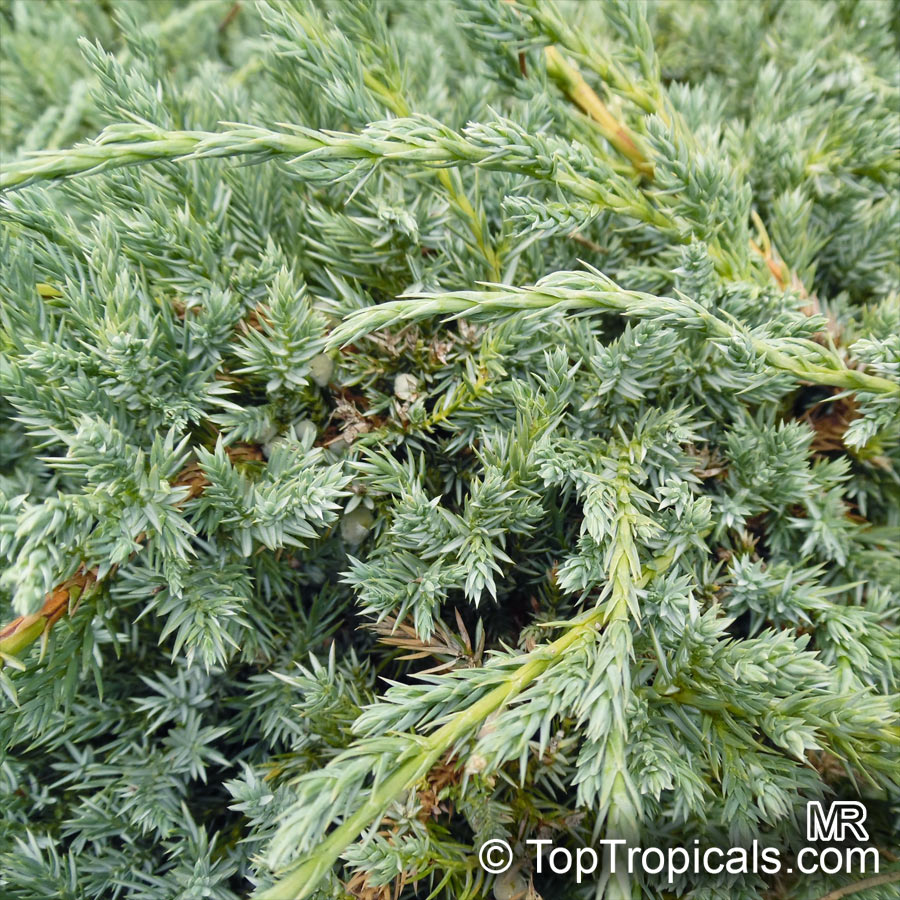
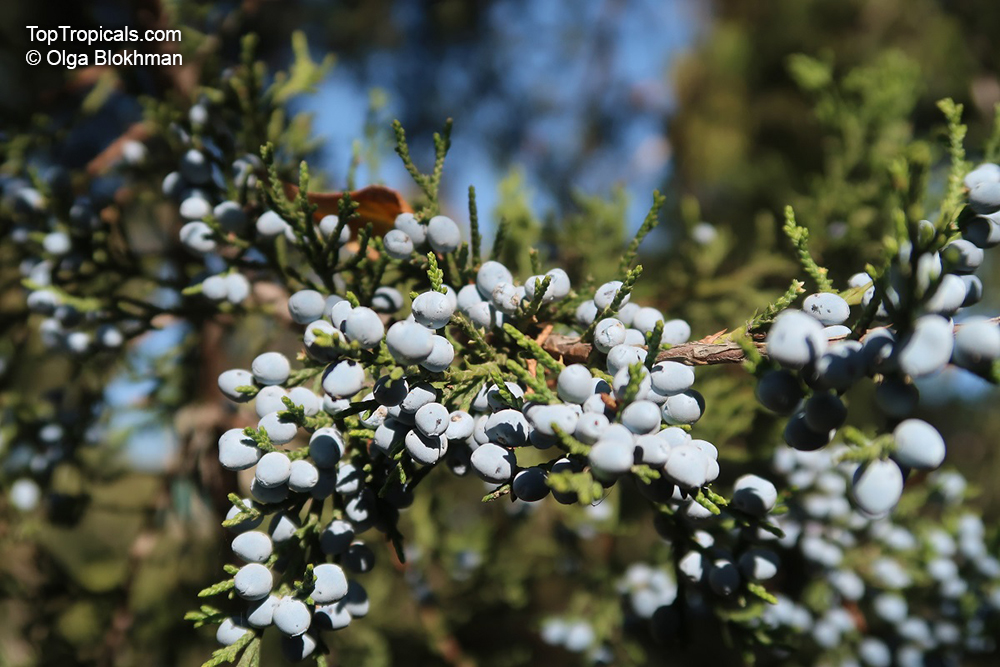
Foliage varies by species and age: juvenile leaves are often sharp and needle-like, while mature growth tends to become scale-like and closely pressed to the stems. Coloration ranges from deep green to blue-gray, silver, yellow-green, and glaucous blue. Many species also produce berry-like seed cones - commonly called juniper berries that mature to blue, purple, or black, and are prized for ornamental, culinary, or aromatic purposes.
Juniperus species generally prefer full sun, excellent drainage, and moderate to low moisture once established. Many are highly tolerant of drought, wind, poor soils, and temperature extremes, making them widely used in xeriscaping, erosion control, bonsai culture, and formal landscape design. Cold tolerance varies by species, but the genus includes some of the most cold-hardy evergreens available, with coverage spanning USDA Zones 2-11.
Botanical name: Citharexylum caudatum
Common names: Juniper Berry, Fiddlewood
Family: Verbenaceae
Origin: Central America, Mexico
USDA Zone: 9-10


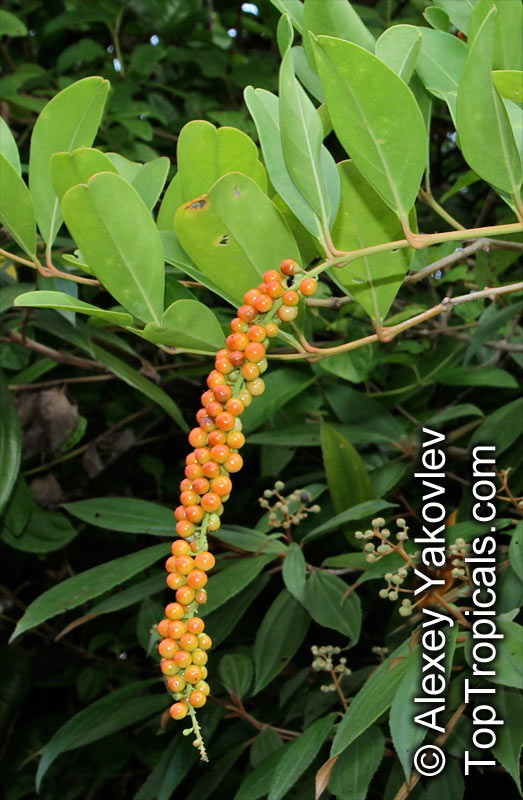
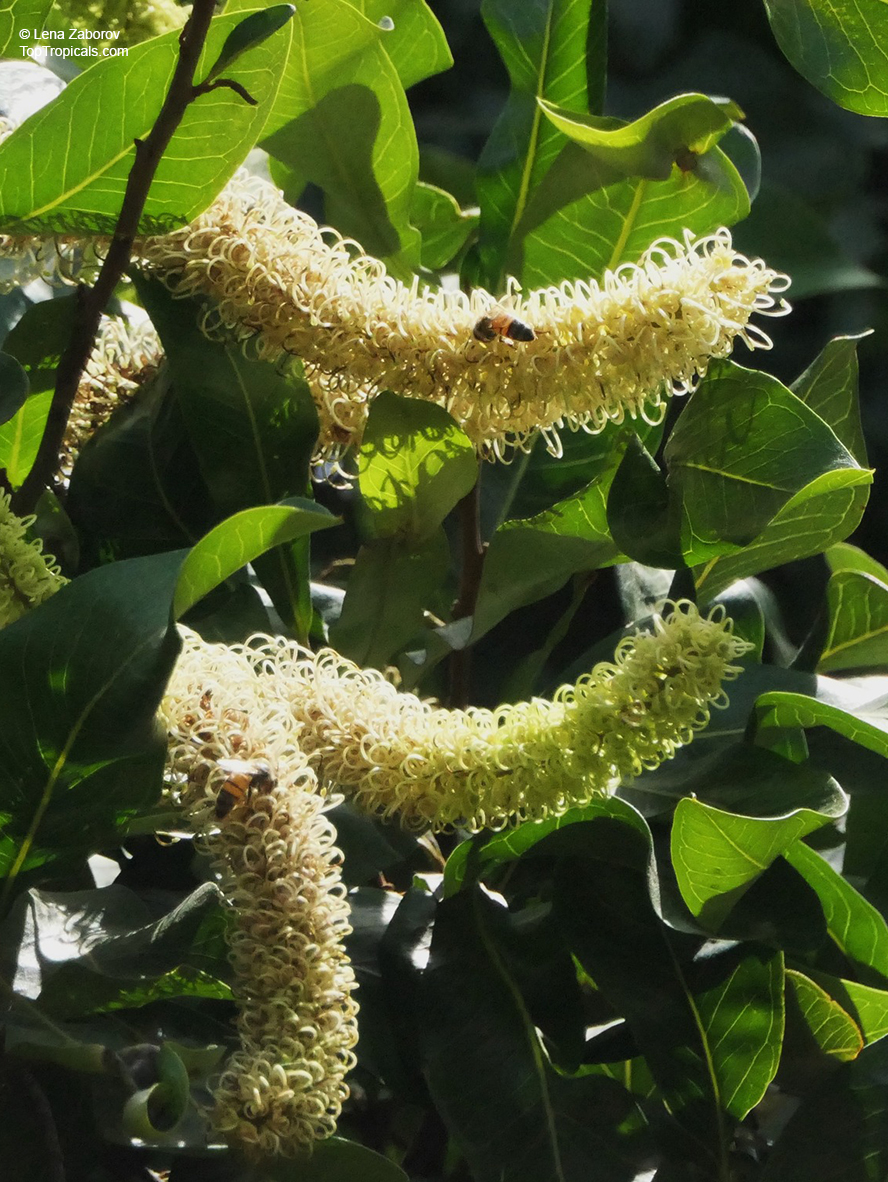
Citharexylum caudatum, commonly known as Juniper Berry, is a native to Central America and Mexico. This large shrub or small tree grows to 5-10 ft tall with moderate water requirements and will thrive in semi-shade or full sun. The glossy green foliage creates a great contrast to the fragrant off-white flowers which will attract butterflies and hummingbirds. The plant blooms from spring to late fall, creating an enchanting landscape.
This beautiful plant is easy to care for in USDA Zones 9-11, as they're not very picky about soil conditions. They enjoy regular watering throughout the growing season, but can tolerate times of drought better than times of excess water.
For those that live in cold regions, Citharexylum caudatum can easily be grown in a pot and sheltered indoors during the winter. The pot should be kept in a warm spot, preferably near a window, to ensure the best environment for the Juniper Berry's growth.
Overall, the Citharexylum caudatum is an easy to care for and attractive plant that will enhance any yard or garden. Its fragrant flowers and evergreen foliage creates a delightful landscape and its ability to attract butterflies and hummingbirds provides a wonderful addition to any outdoor space.
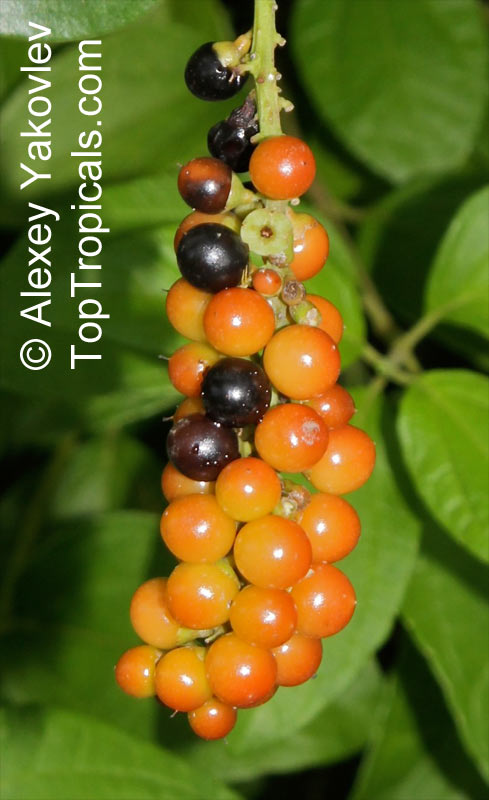
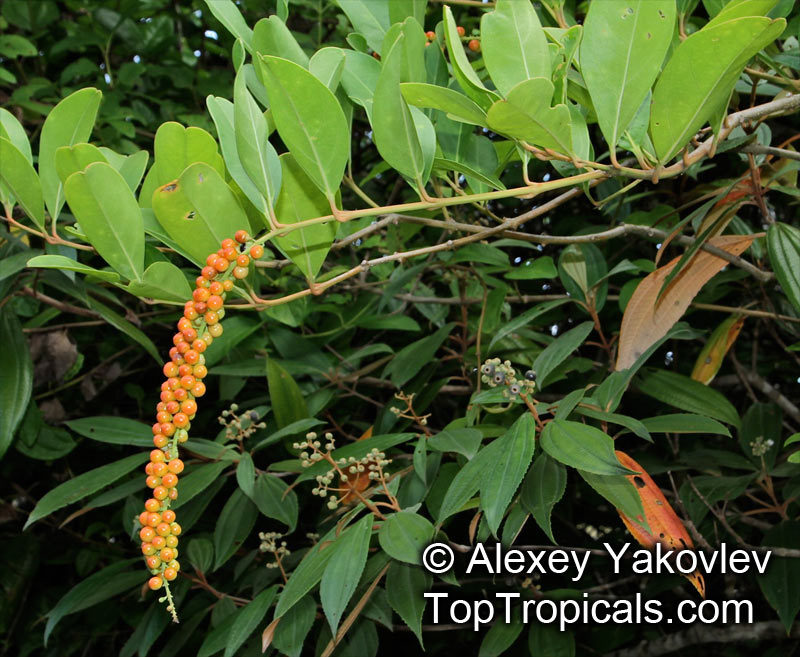
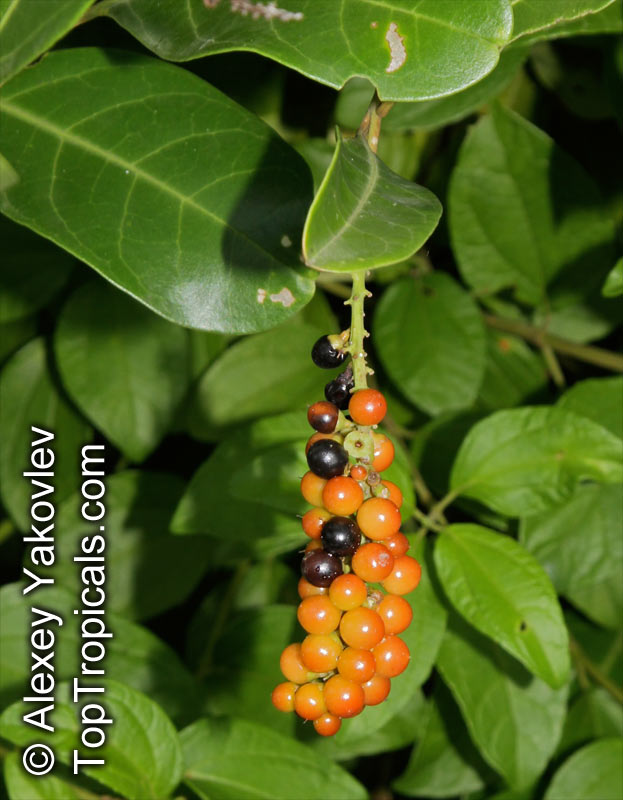
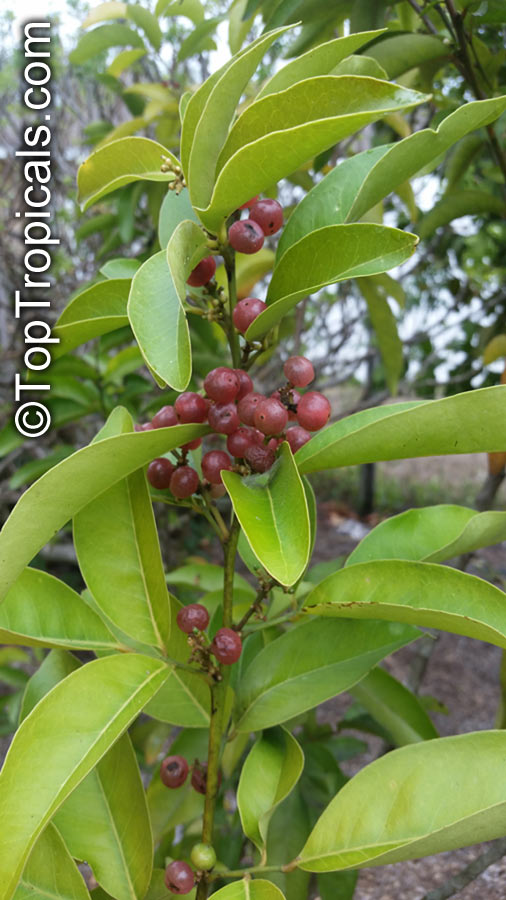
Botanical names: Glycosmis pentaphylla, Limonia pentaphylla
Common names: Ash sheora, Orangeberry, Rum Berry, Gin Berry
Family: Rutaceae
Origin: Southeastern Asia, India
USDA Zone: 9-10

Glycosmis pentaphylla, commonly known as Gin Berry or Orangeberry, is a rare and intriguing evergreen shrub from the citrus family that instantly grabs attention by scent alone. When the leaves or ripe berries are crushed, they release a fresh, citrusy aroma strikingly similar to gin, thanks to aromatic oils related to those found in juniper and citrus peel.
This compact shrub stays naturally manageable, making it well suited for containers, patios, and small gardens. Shiny green leaves, delicate white fragrant flowers, and clusters of decorative berries give it strong ornamental value year-round. The berries are edible and lightly sweet-tart, though the fragrance is the real highlight rather than bold flavor. In parts of South and Southeast Asia, the fruit is eaten fresh, added to chutneys, or used to scent drinks.
Gin Berry is a lesser-known relative of both true citrus and curry leaf. Unlike oranges, lemons, and limes that grow into full-sized trees, it remains shrub-like and space-friendly. Compared to Murraya koenigii, which is grown mainly for its culinary leaves and can become a small tree, Gin Berry is prized more for its aroma, berries, and ornamental appeal. It has also been used traditionally in folk medicine for digestion, fever, and inflammation, and is noted for antimicrobial and antioxidant properties.
Easy to grow, attractive to pollinators, and loved by birds, Gin Berry is a true conversation plant that blends fragrance, beauty, and curiosity into one compact addition to your garden.
In Hindu medicine it has been used traditionally in bilious complaints, cough, worms, jaundice and fever.
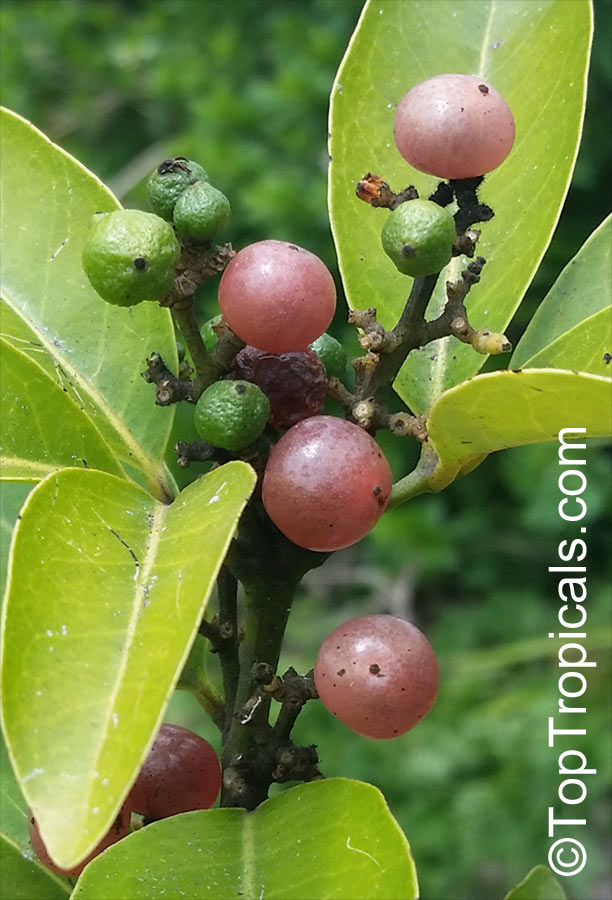
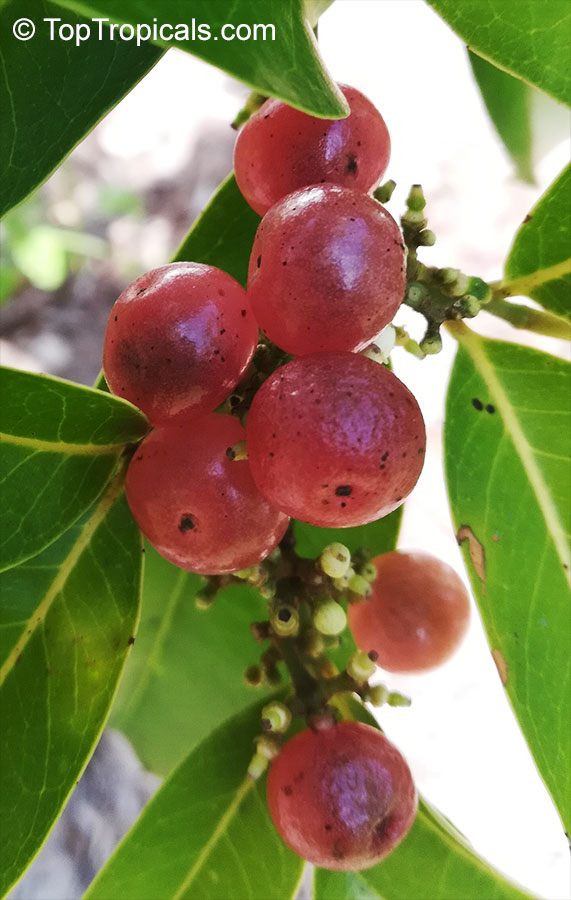
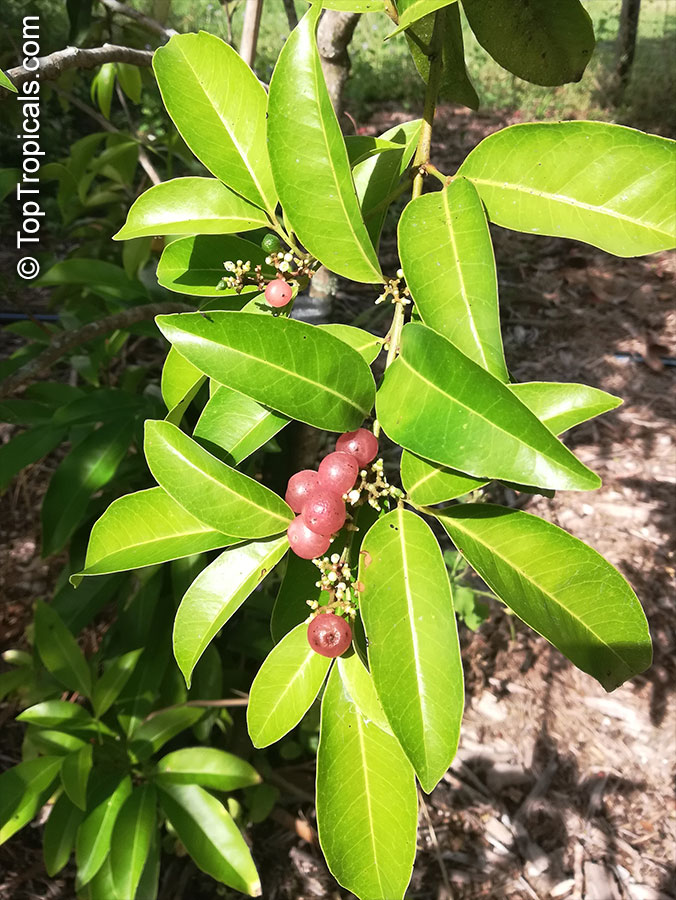
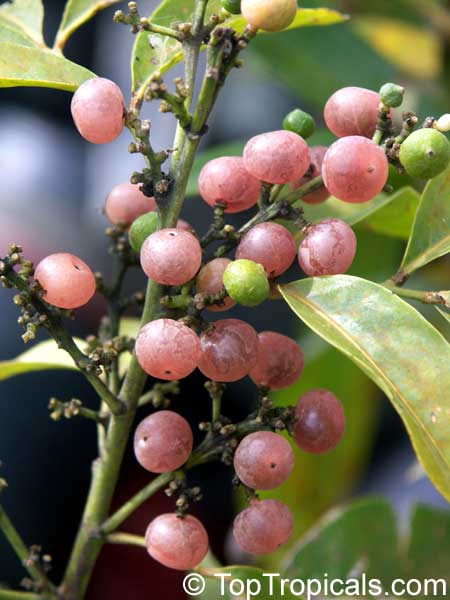
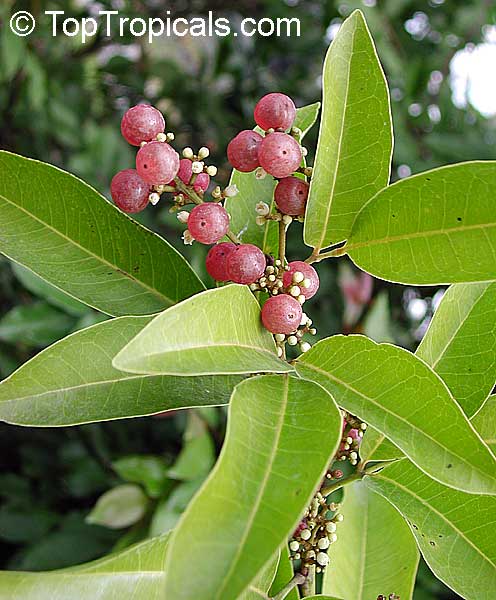
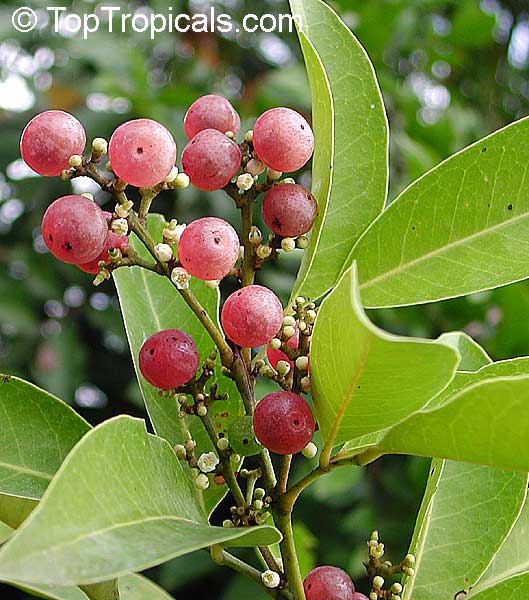
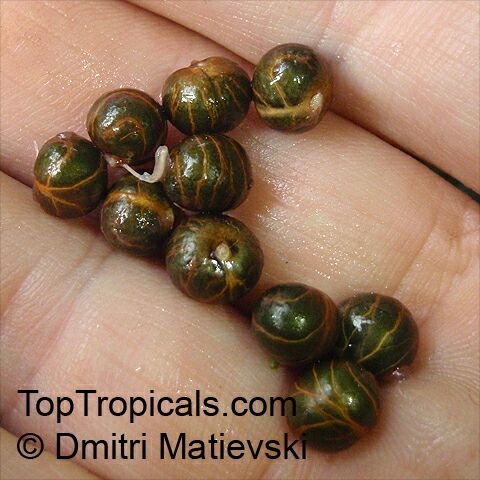
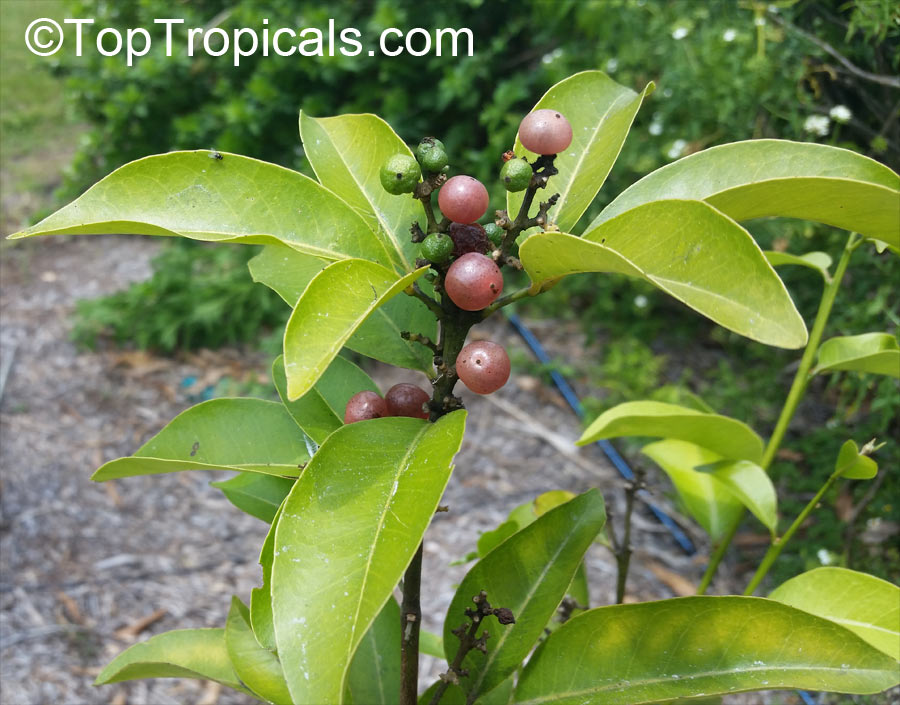
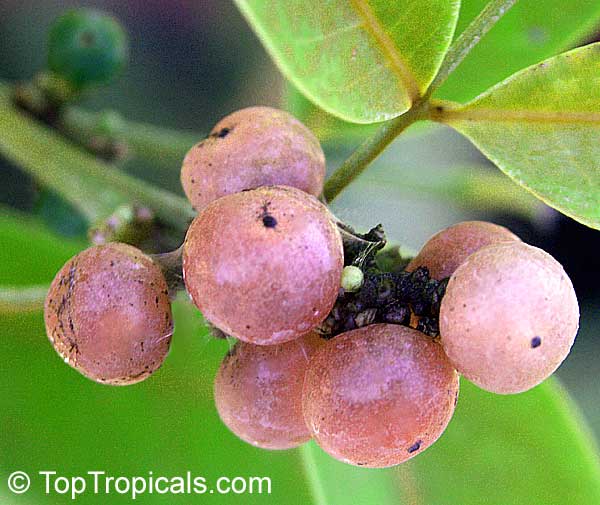
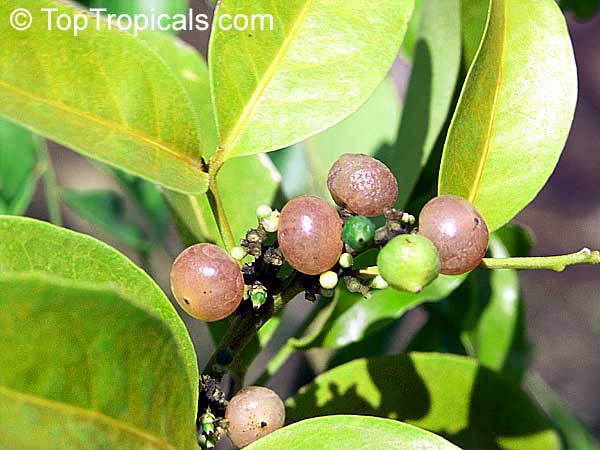
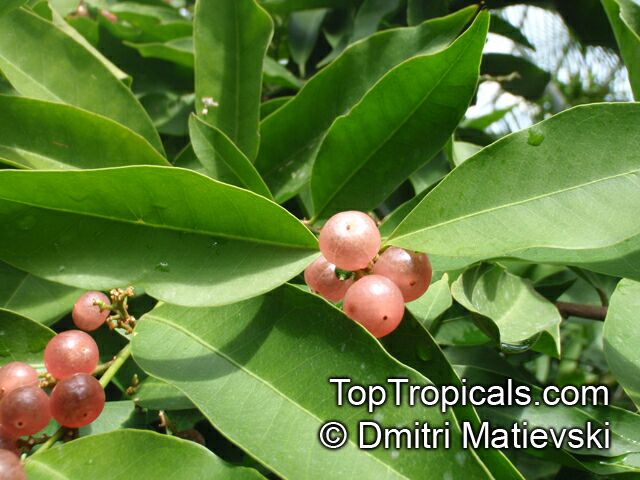
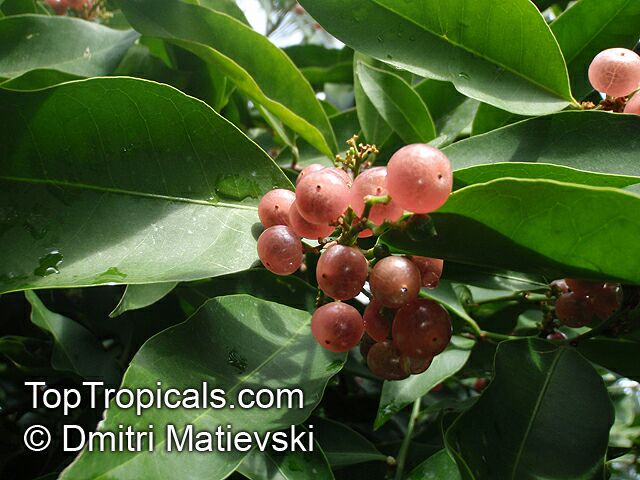
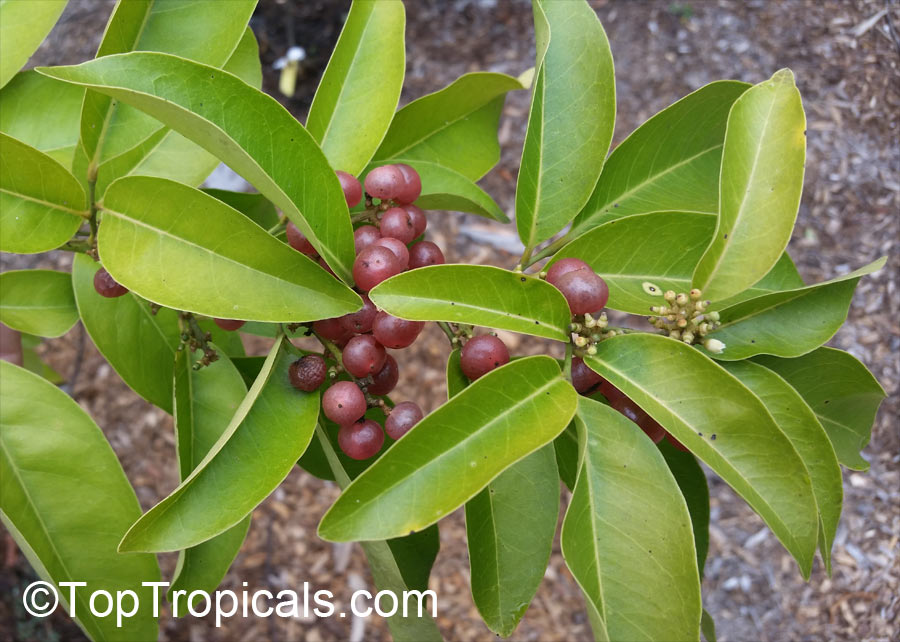
Crush a leaf or taste a berry and you will instantly experience a bold gin flavor and aroma. Gin Berry is a rare and fascinating evergreen shrub grown for its unmistakable scent, flavor, and ornamental appeal. The glossy leaves are intensely aromatic when rubbed, releasing the same crisp gin notes as the fruit, while small fragrant white flowers give way to clusters of edible berries with a strong gin-like taste. Compact and container-friendly, this plant is an unforgettable conversation piece in your garden, and it has also been traditionally valued for medicinal uses, including digestive support and antimicrobial and antioxidant properties.
Very cold hardy tropical, survived 3 nights of 25F in our garden without protection.
Recommended Fertilizer: SUNSHINE C-Cibus - Crop Nutrition Booster
SUNSHINE-Honey - sugar booster

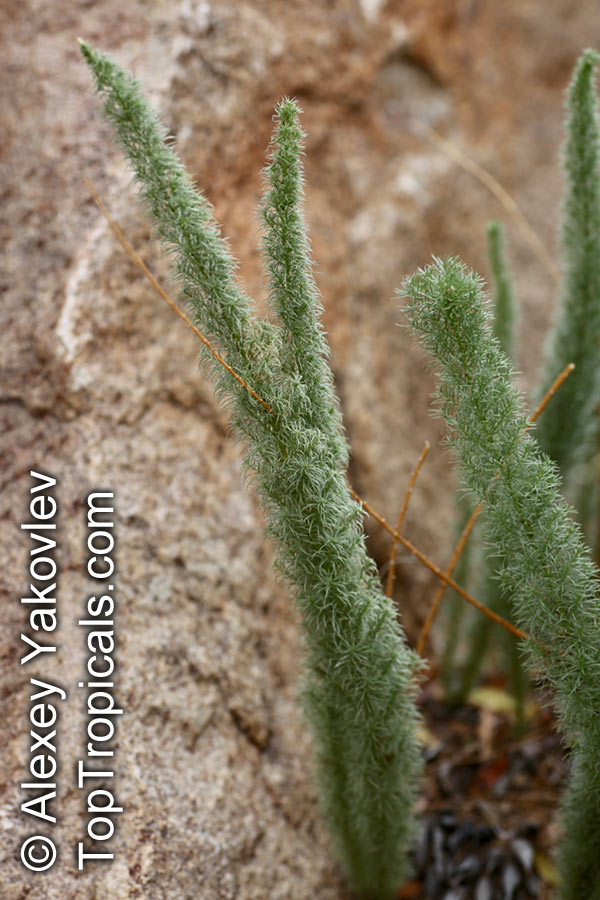
Botanical name: Asparagus juniperoides
Common name: Asparagus
Family: Asparagaceae (Formerly:Asparagaceae / Hyacinthaceae / Liliaceae)
Subfamily: Asparagoideae
Origin: South Africa
USDA Zone: 9-10


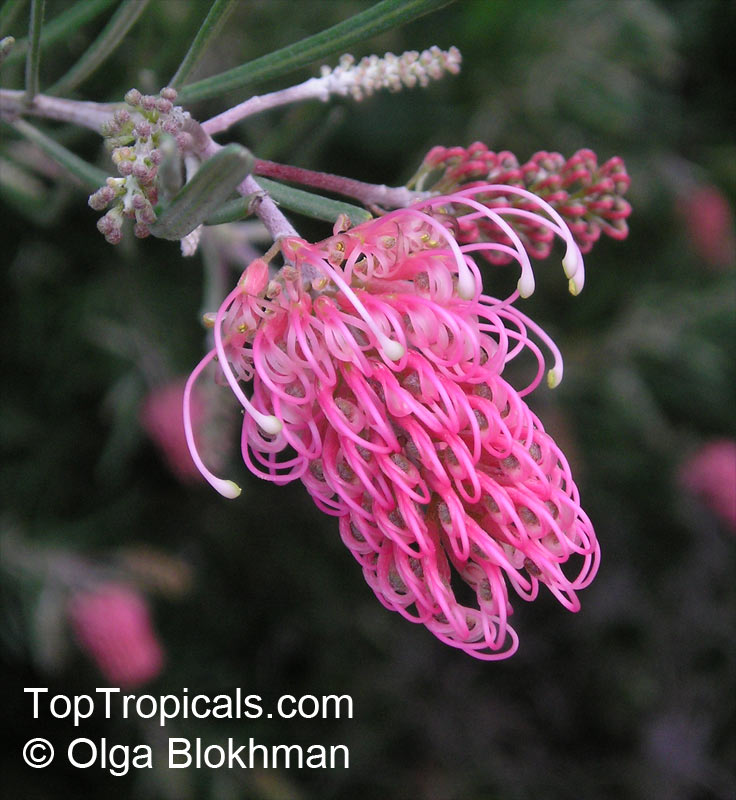
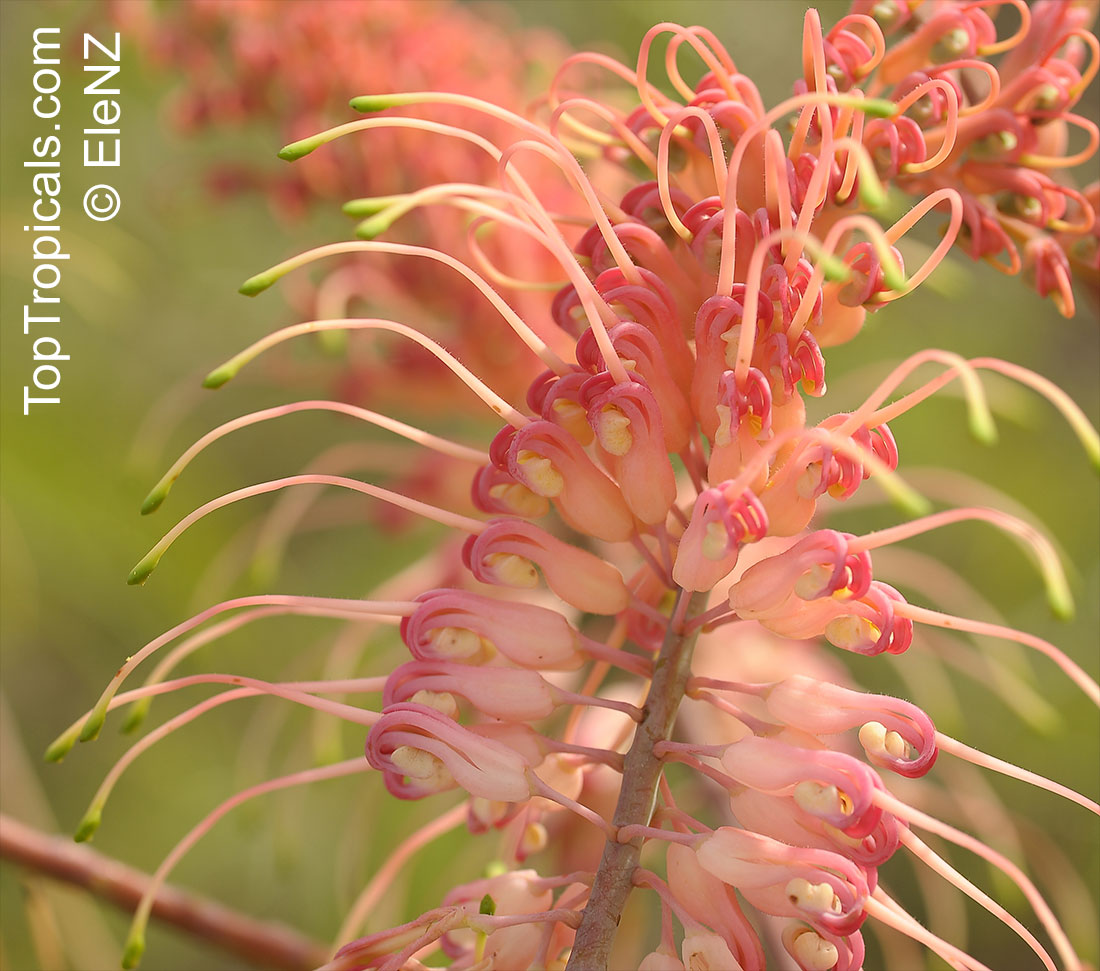
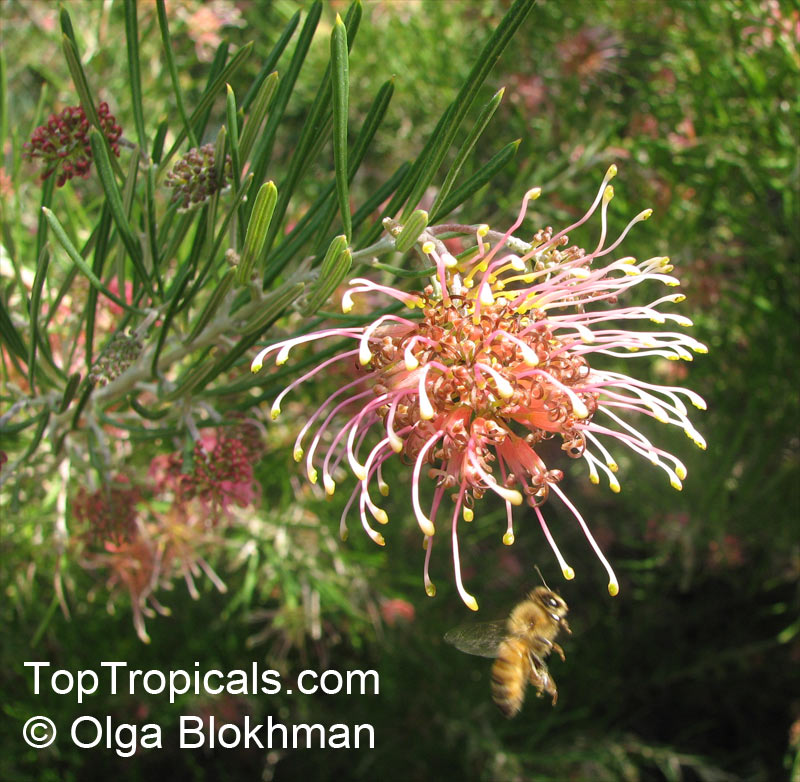
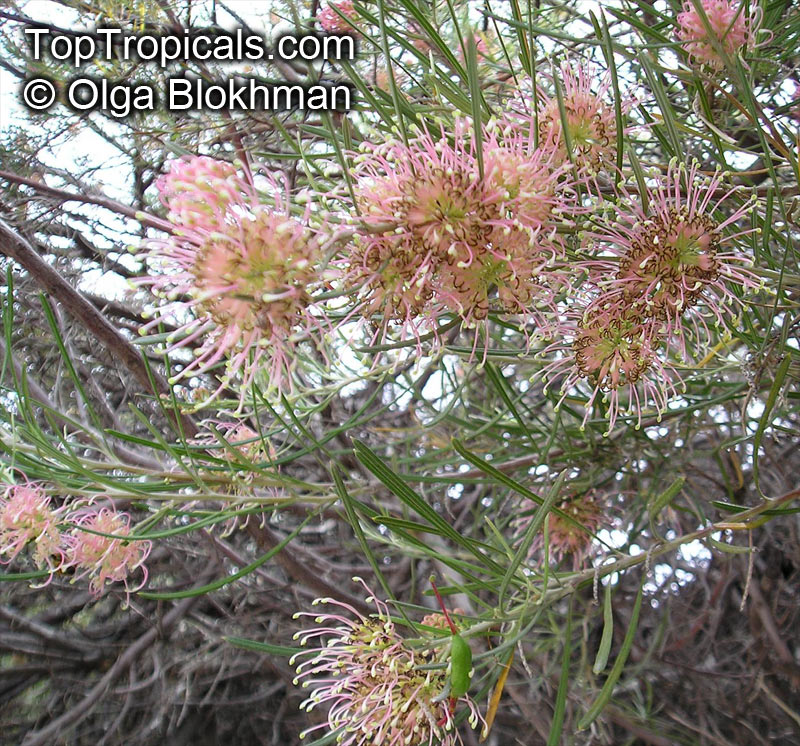
Botanical name: Grevillea sp.
Common name: Grevillea
Family: Proteaceae
Origin: Australia
USDA Zone: 8-11


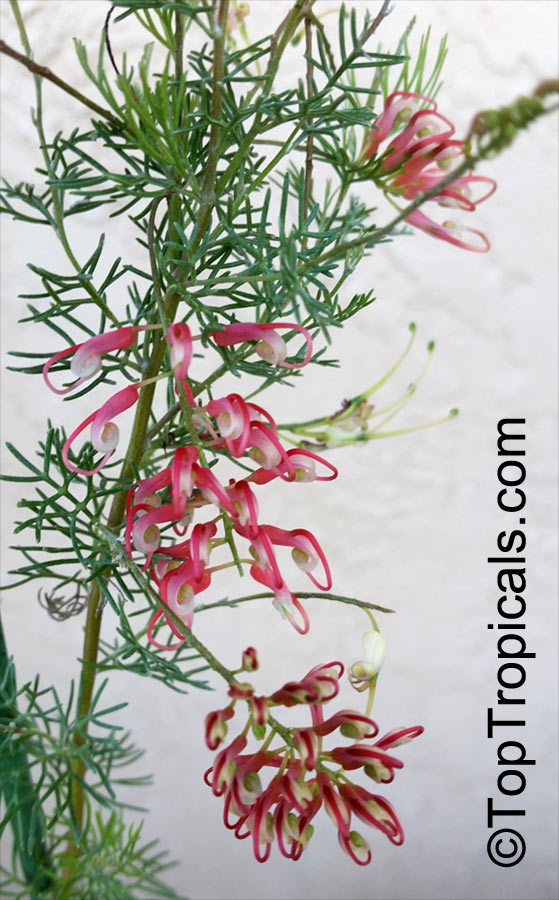
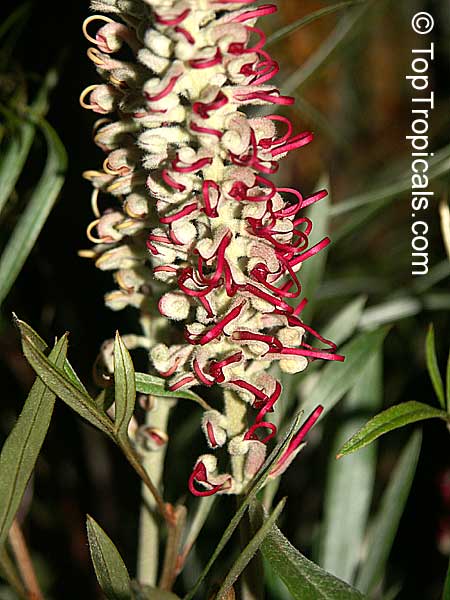
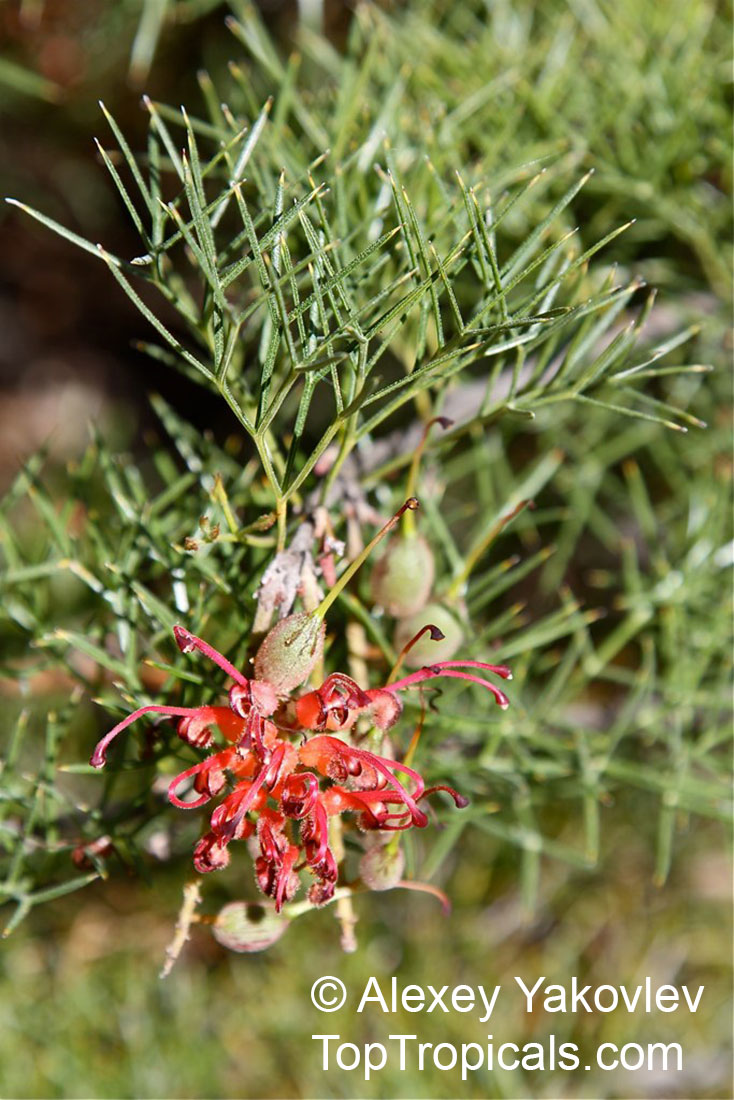
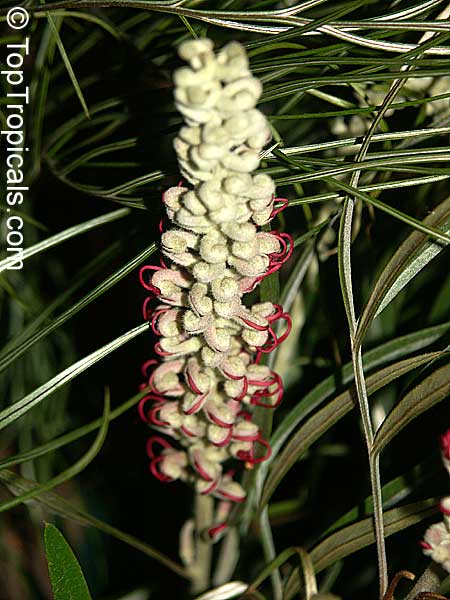
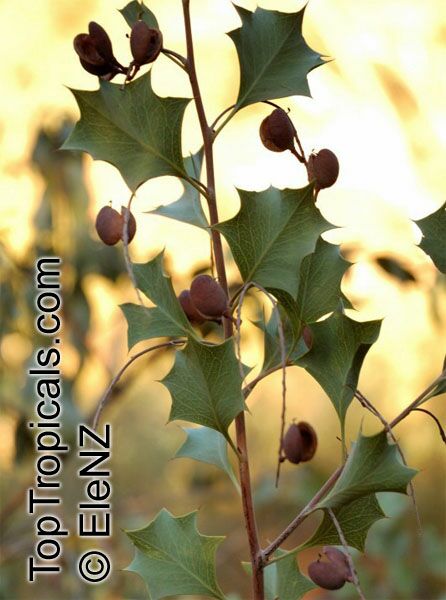
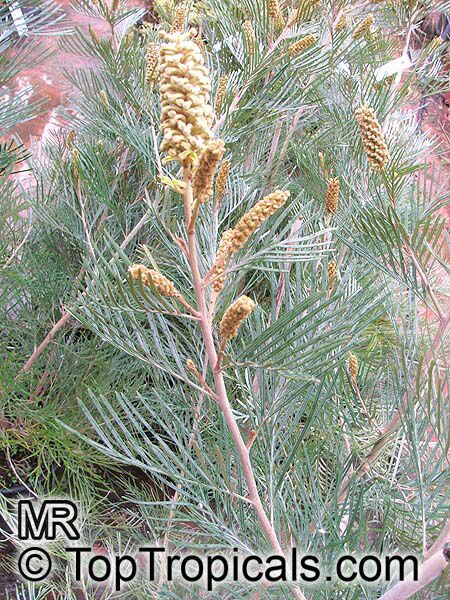
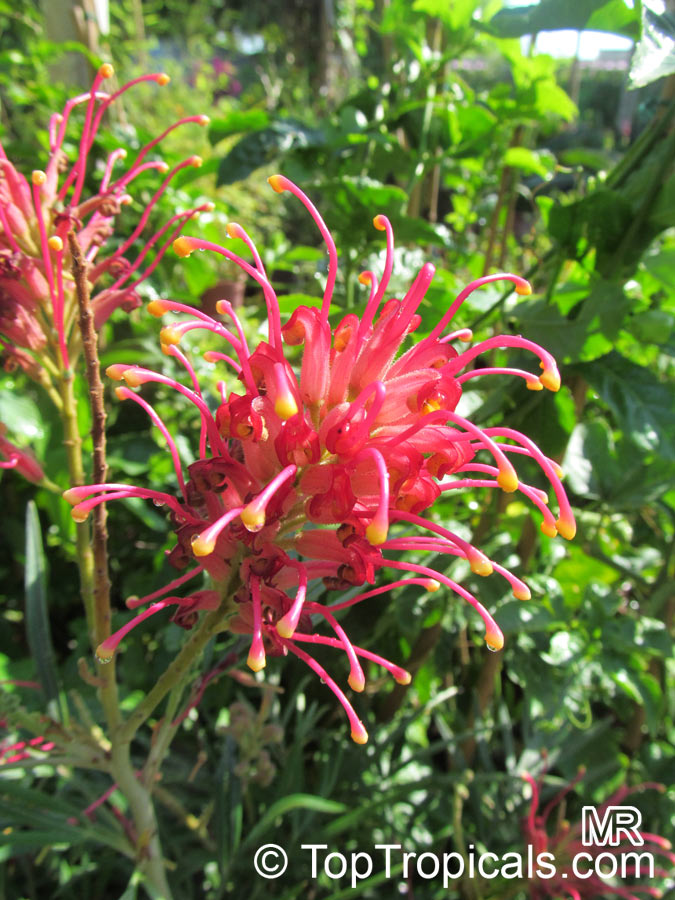
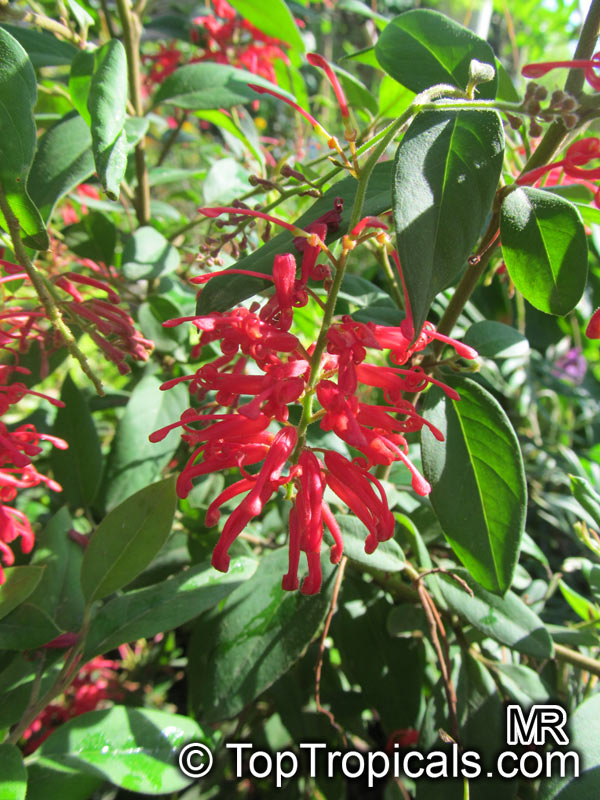
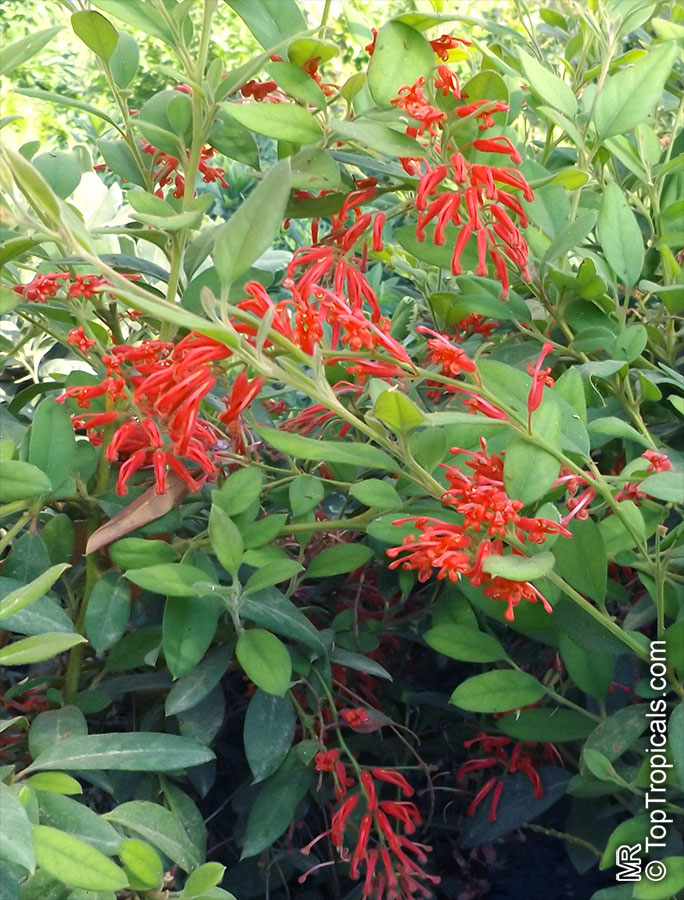
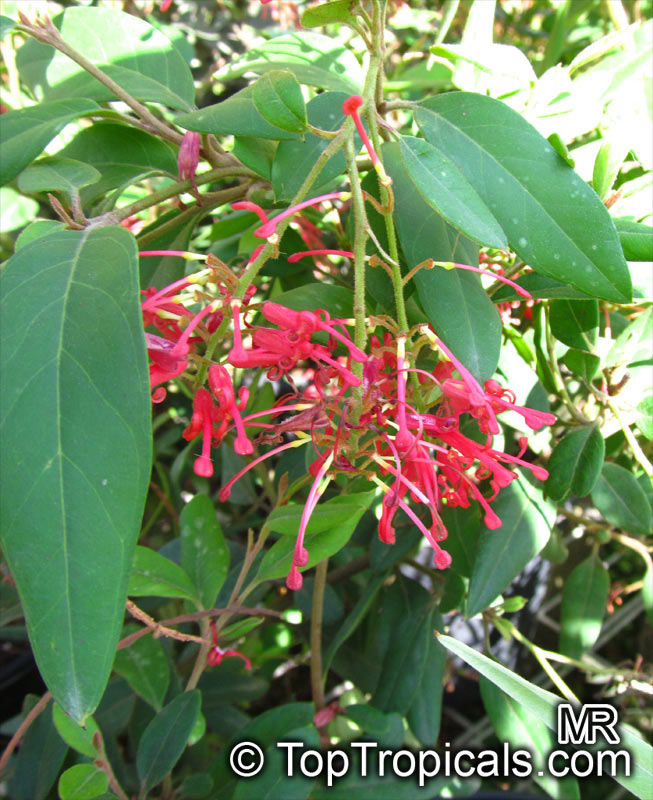
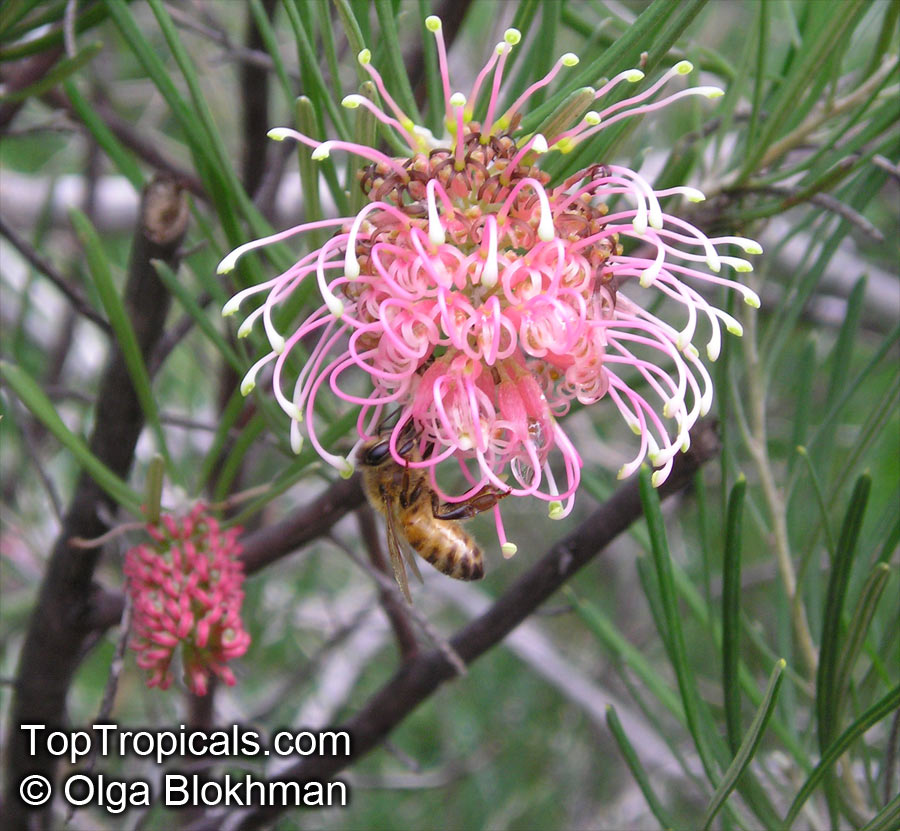
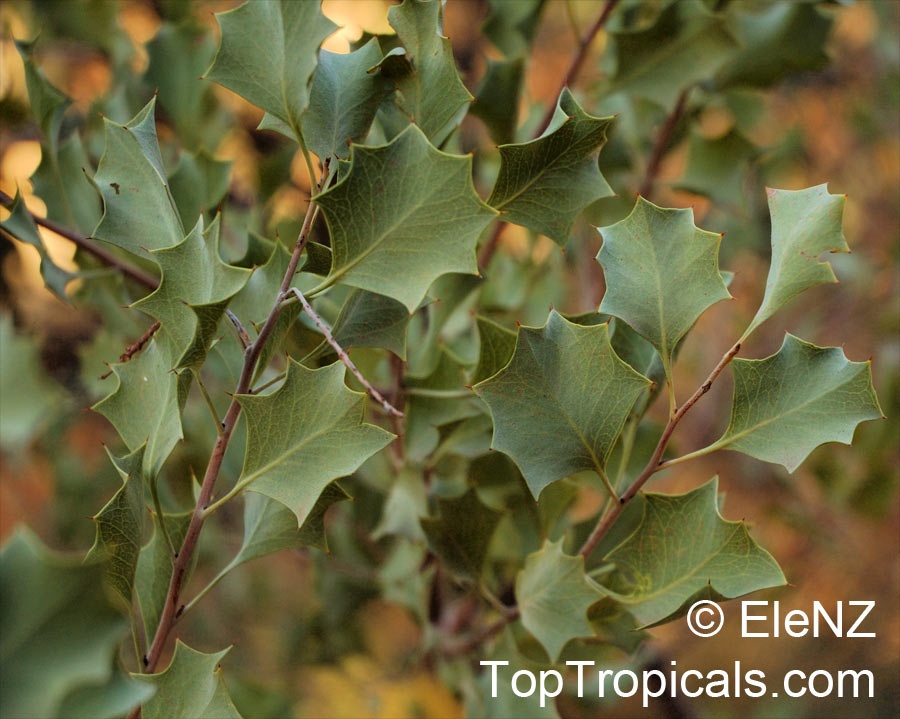
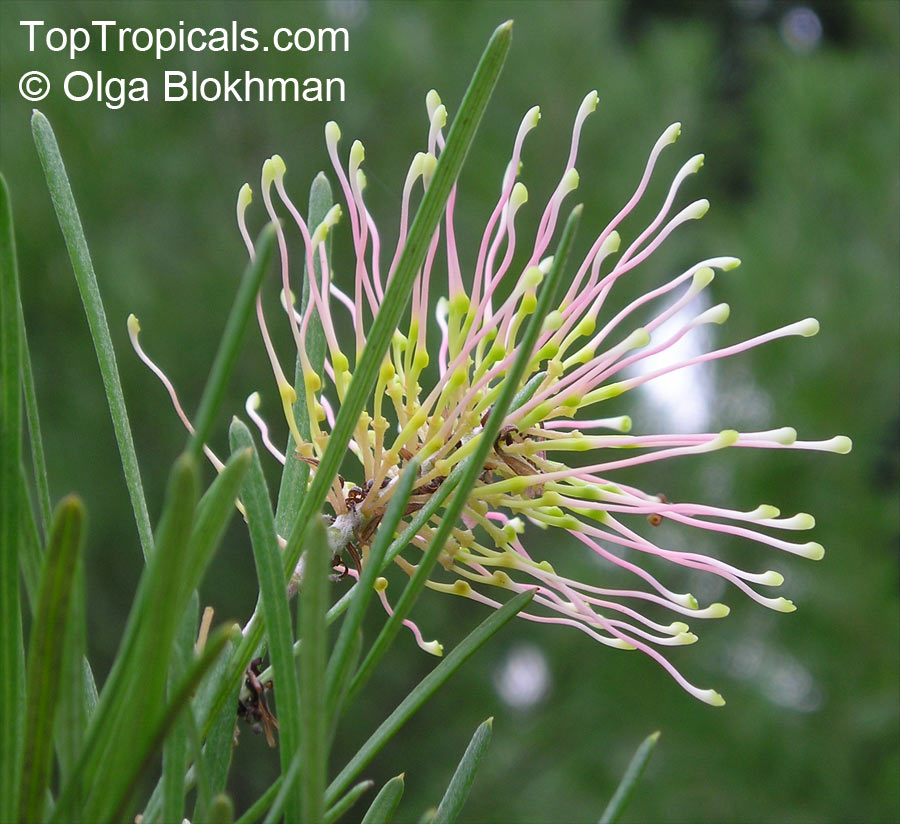
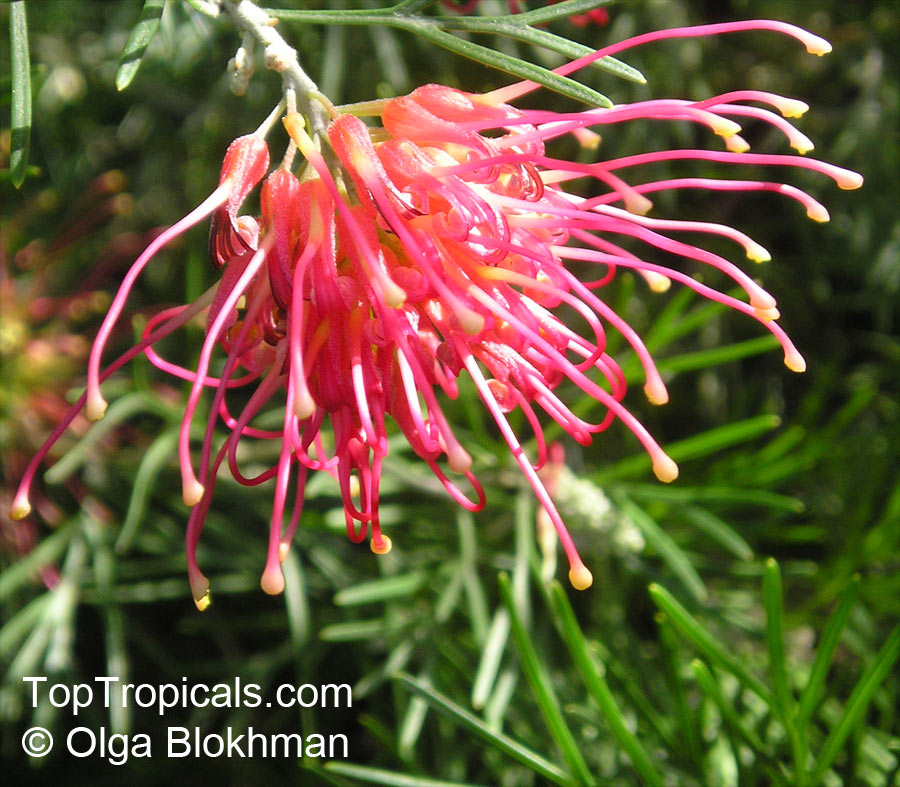
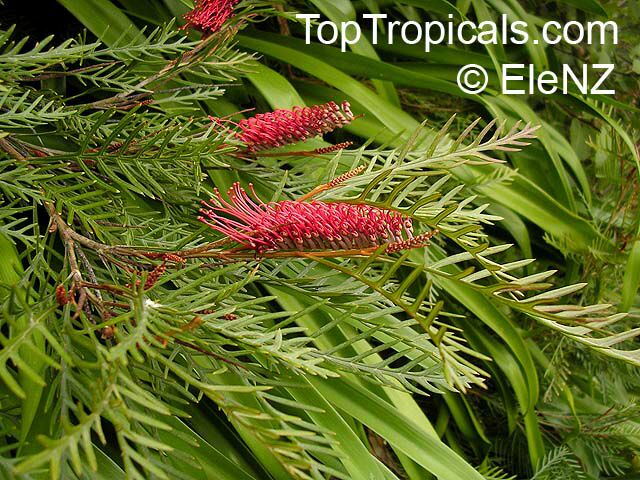
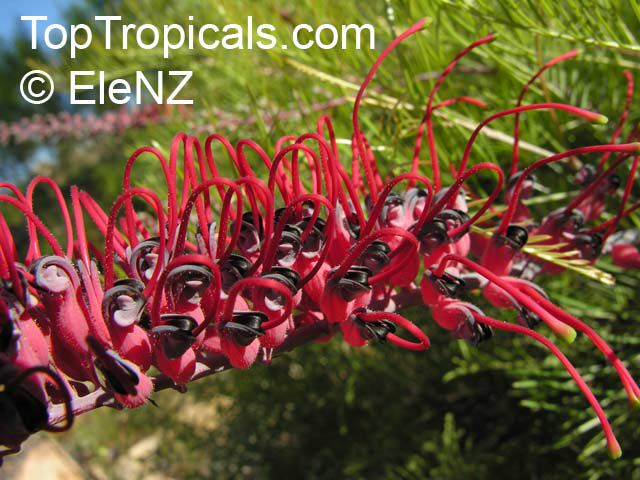
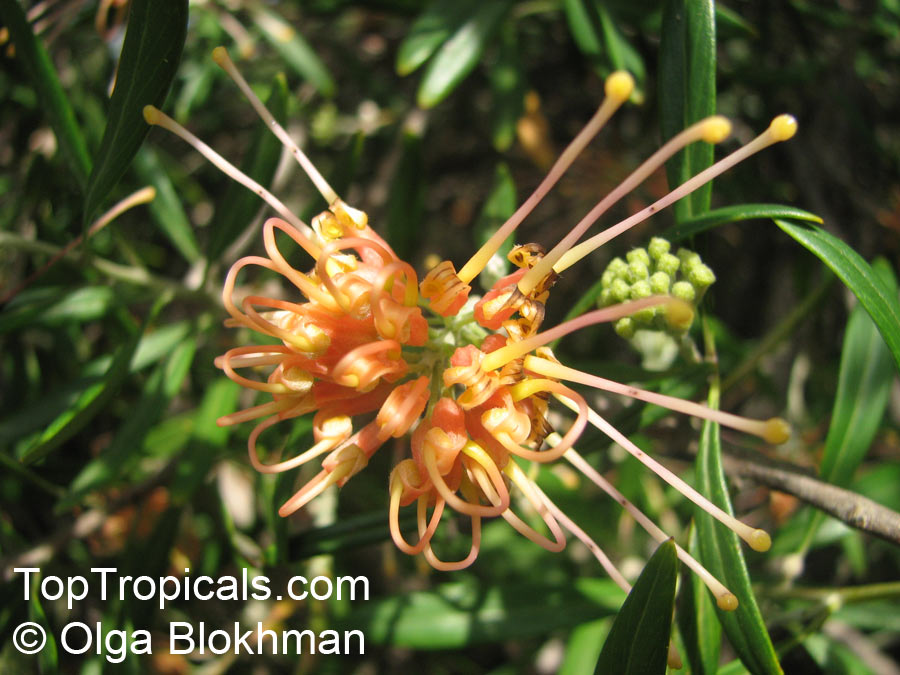
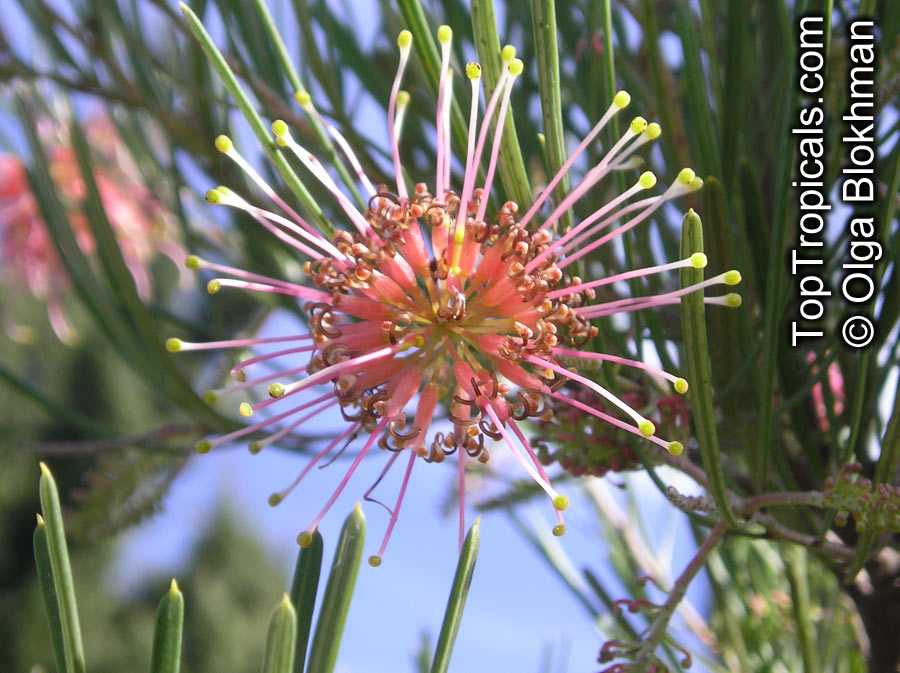
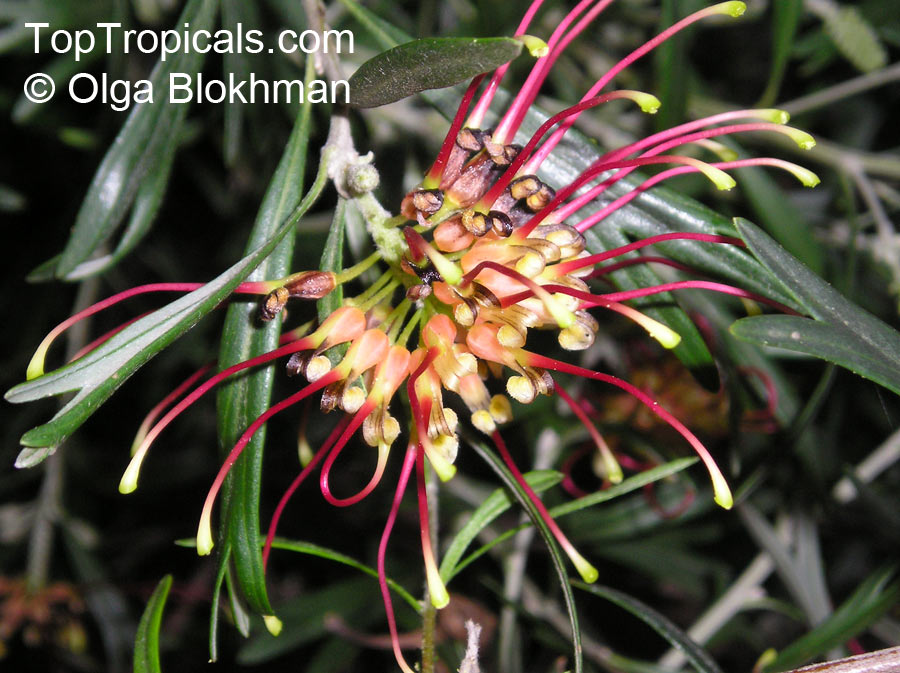
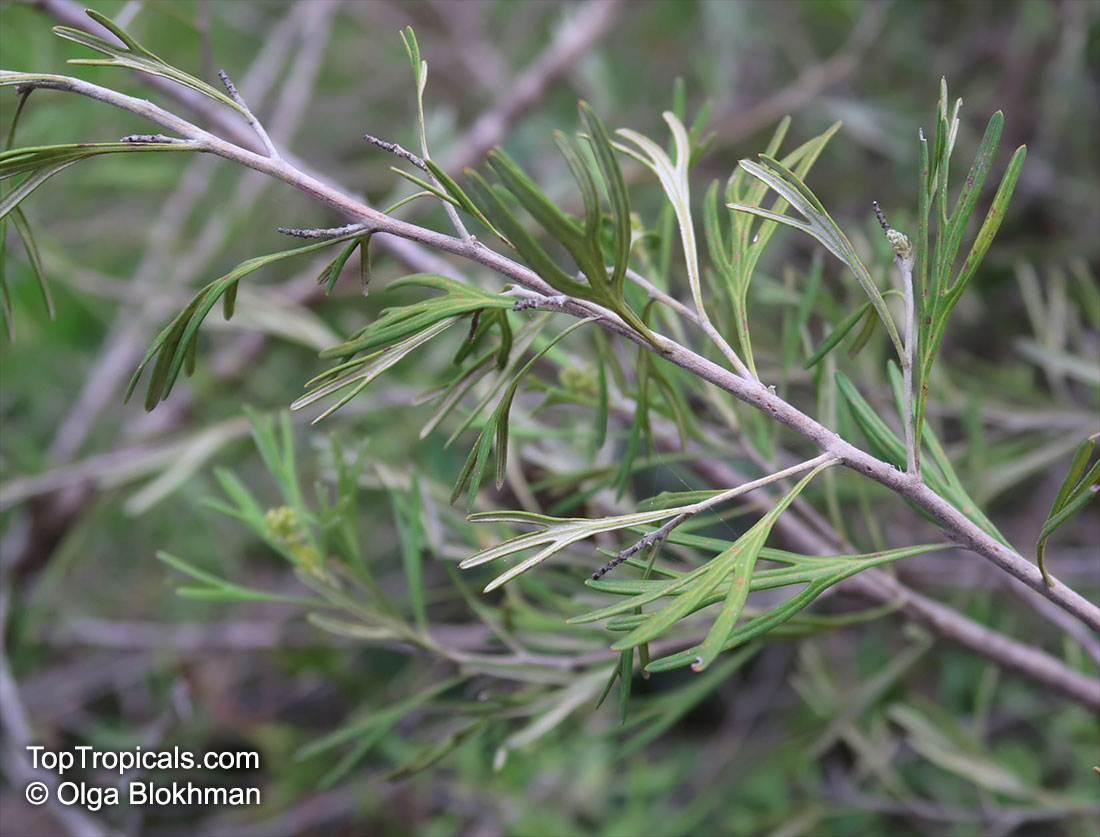
The genus Grevillea includes more than 350 species of evergreen shrubs, small trees, and groundcovers native primarily to Australia. Members of the genus are admired for their unusual flowers, attractive foliage, and exceptional value as a nectar source for wildlife.
Foliage and growth habit vary widely among species, making grevilleas suitable for a broad range of landscape uses. Unlike those of most garden plants, Grevillea flowers lack obvious petals. Instead, the colorful styles extend outward in curved or spider-like forms, creating intricate flower clusters in shades of red, orange, pink, yellow, cream, or white. Many species bloom for extended periods and produce abundant nectar that attracts hummingbirds, butterflies, bees, and other pollinators. The flowers are often followed by small woody seed capsules typical of the protea family.
Most grevilleas perform best in full sun and sharply drained soil. Once established, many species are highly drought tolerant and well adapted to dry climates. Excessive fertilization, particularly with phosphorus-rich products, should be avoided because members of the protea family are sensitive to high phosphorus levels.
USDA Plant Hardiness Zones vary by species, generally ranging from 8-11. Some species tolerate light frost, while others require frost-free conditions.



Use link to repeat this search:
https://toptropicals.com/cgi-bin/garden_catalog/cat.cgi?find=Juniper&search_op=and&keyword_op=and&language=e&number=10
&no_change_lang=1&user=tt&sale=1&first=0