Ivy - Plant Encyclopedia Results
| Number of plants found: 22 | Next | 
|
Go to page: | 1 | 2 | 3 |
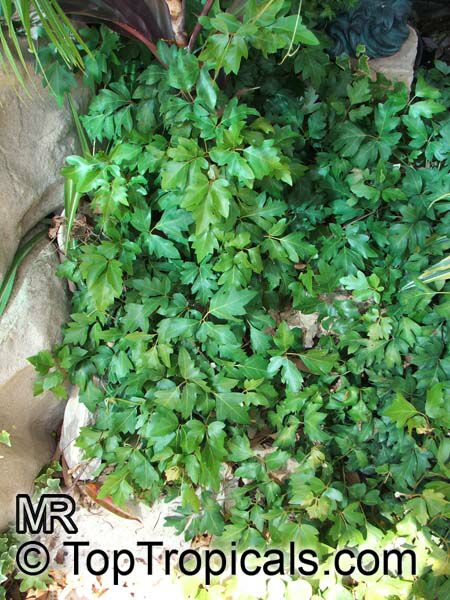
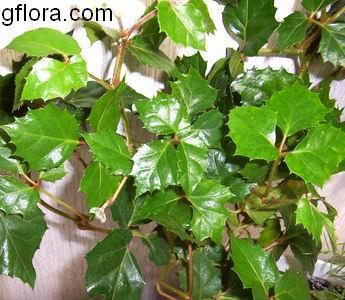
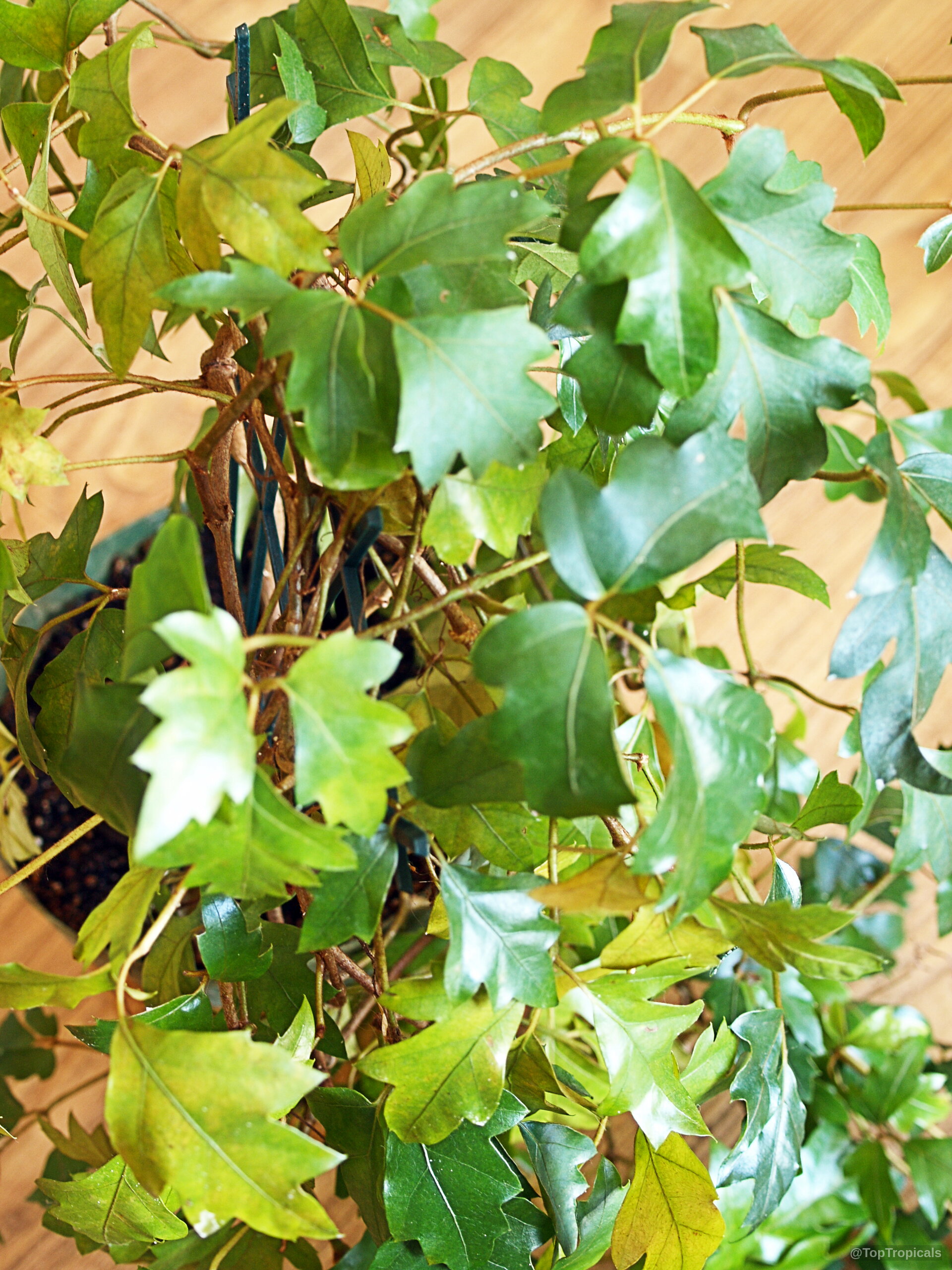
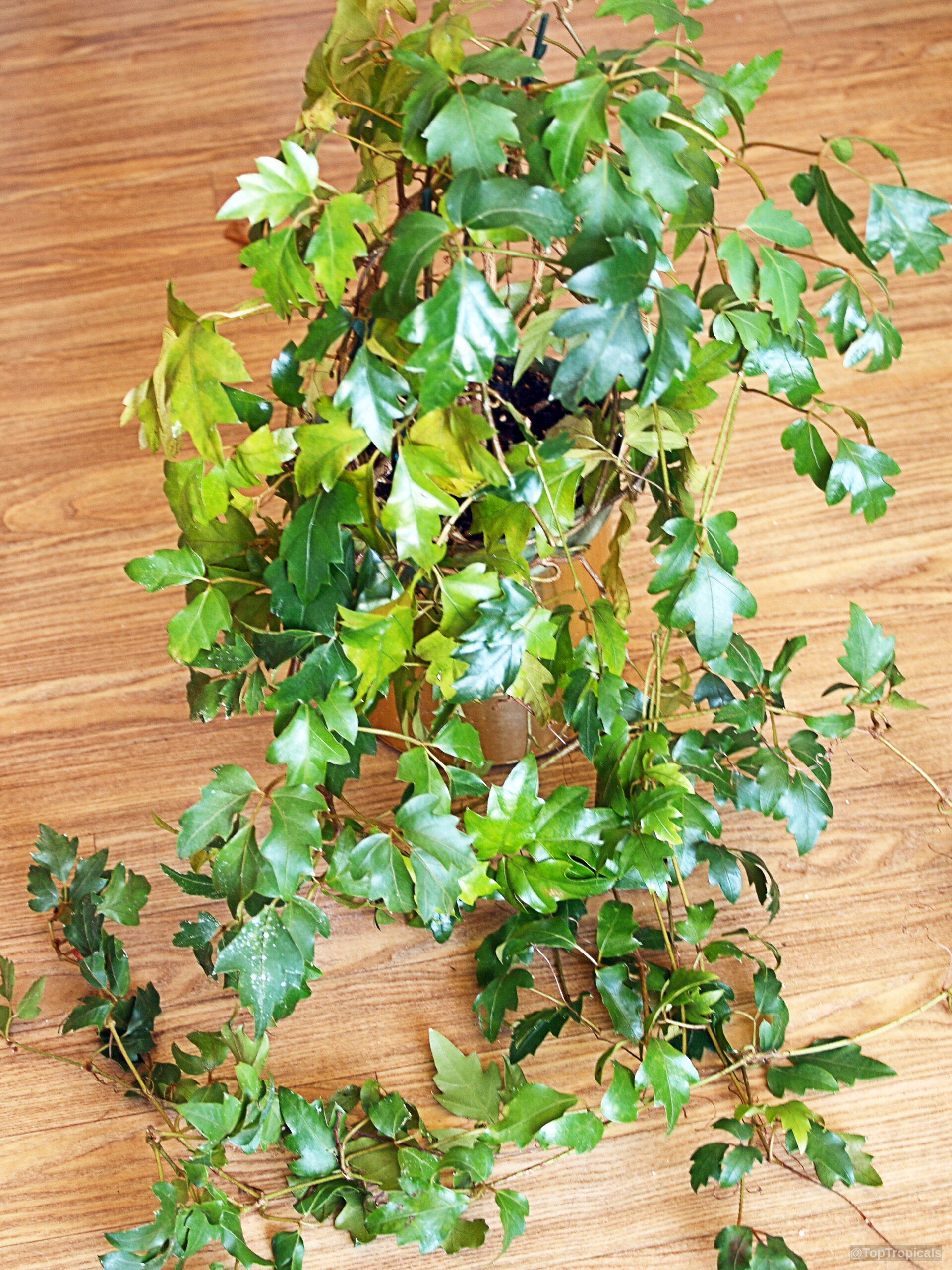
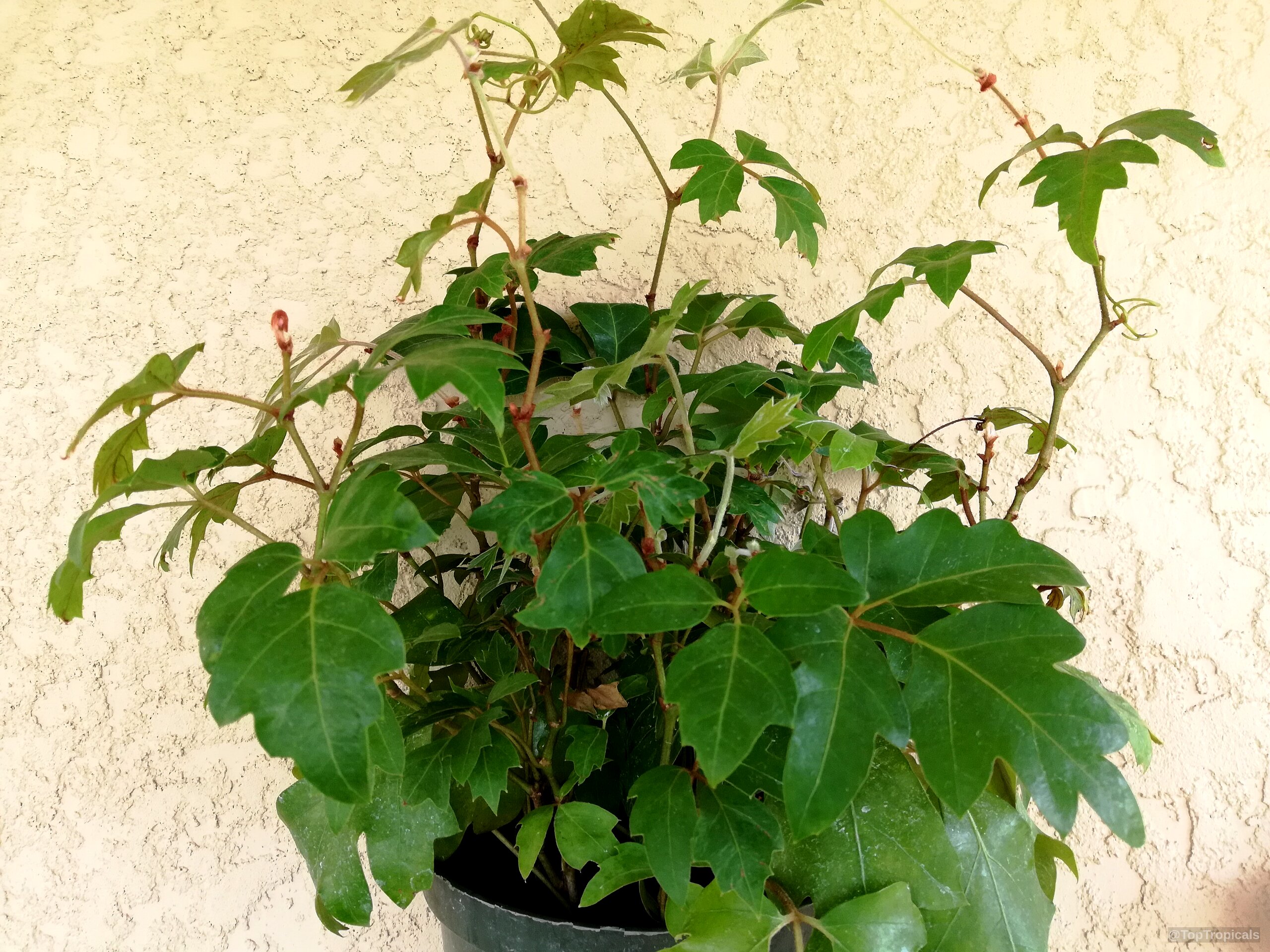
Botanical name: Cissus rhombifolia
Common names: Grape Ivy, Oak Leaf Ivy, Water Vine, Kangaroo Grape, Kangaroo Treebine
Family: Vitaceae
Origin: Tropical America
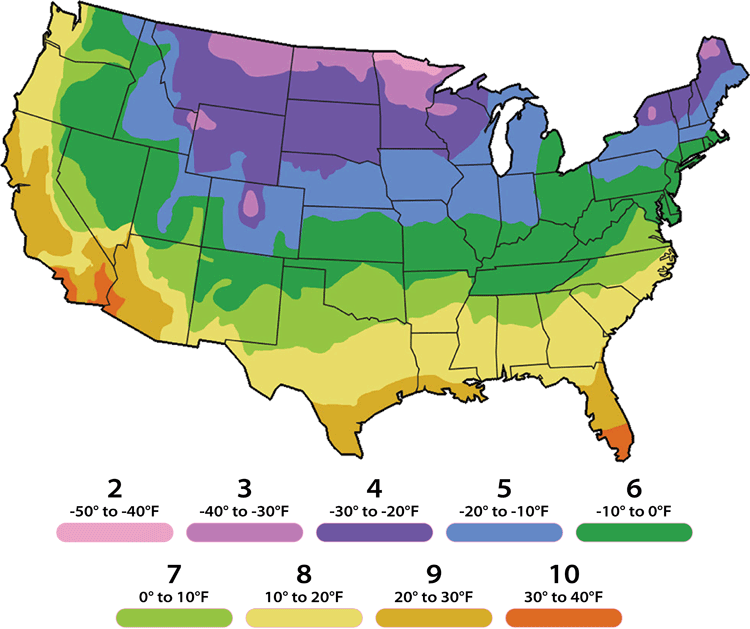
USDA Zone: 9-10


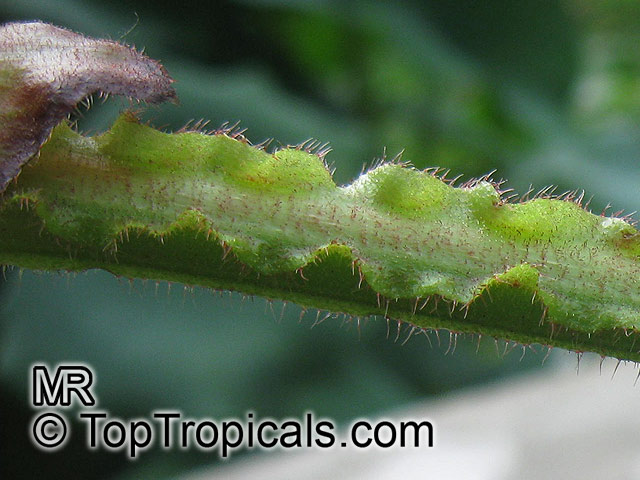
The first and most common type was Cissus rhombifolia known as Grape Ivy since the foliage resembles grape leaves and it climbs with the aid of tendrils. Compound leaves with 3 leaflets; stems covered in soft brown hair; vine-like habit with tendrils that allow it to climb.
Ellen Danica, a sport with leaves resembling an oak leaf, was the next variety to enter the market. The loosely arranged leaflets and leaflet lobing give this cultivar a finer texture than the others.
One of the most popular house plants, with showy leaves and cascading growth habit. Very fast growing and easy in care. In nature, it grows as a climber with tendrils. Leaves are broadly ovate, toothed, leathery, glossy, deep green. The perfect addition to any home, office, or greenhouse setting. The plant prefers medium light intensity but will also tolerate shade for short periods of time. Maintain an evenly moist soil during the growing season but give less water in winter.
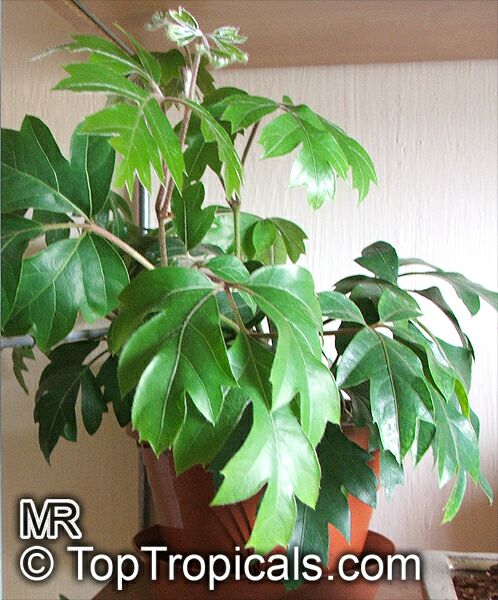
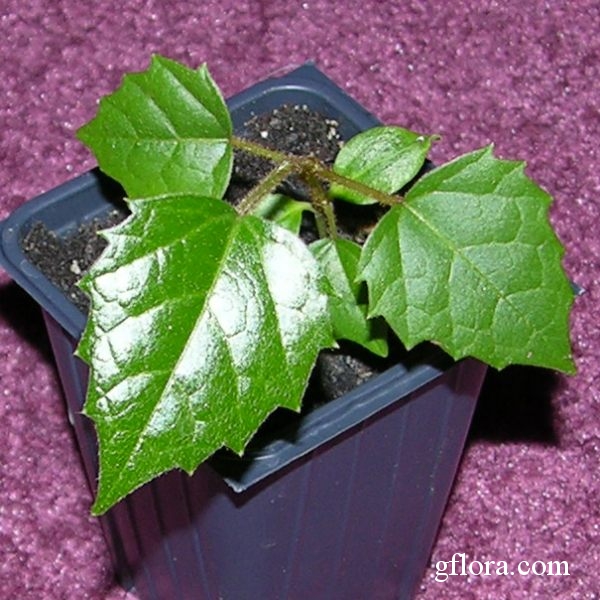

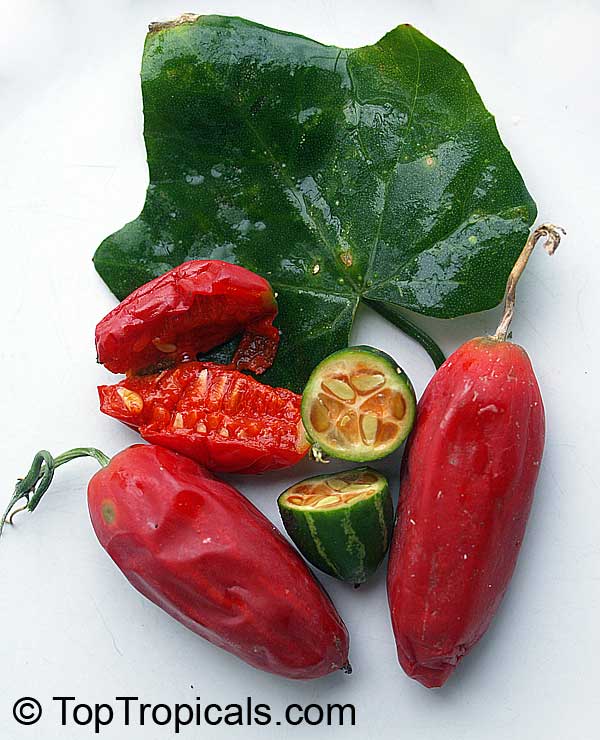
Botanical name: Coccinia grandis
Common names: Ivy Gourd, Scarlet Gourd, Tindora
Family: Cucurbitaceae
Origin: Africa, Asia and Australia
USDA Zone: 9-10


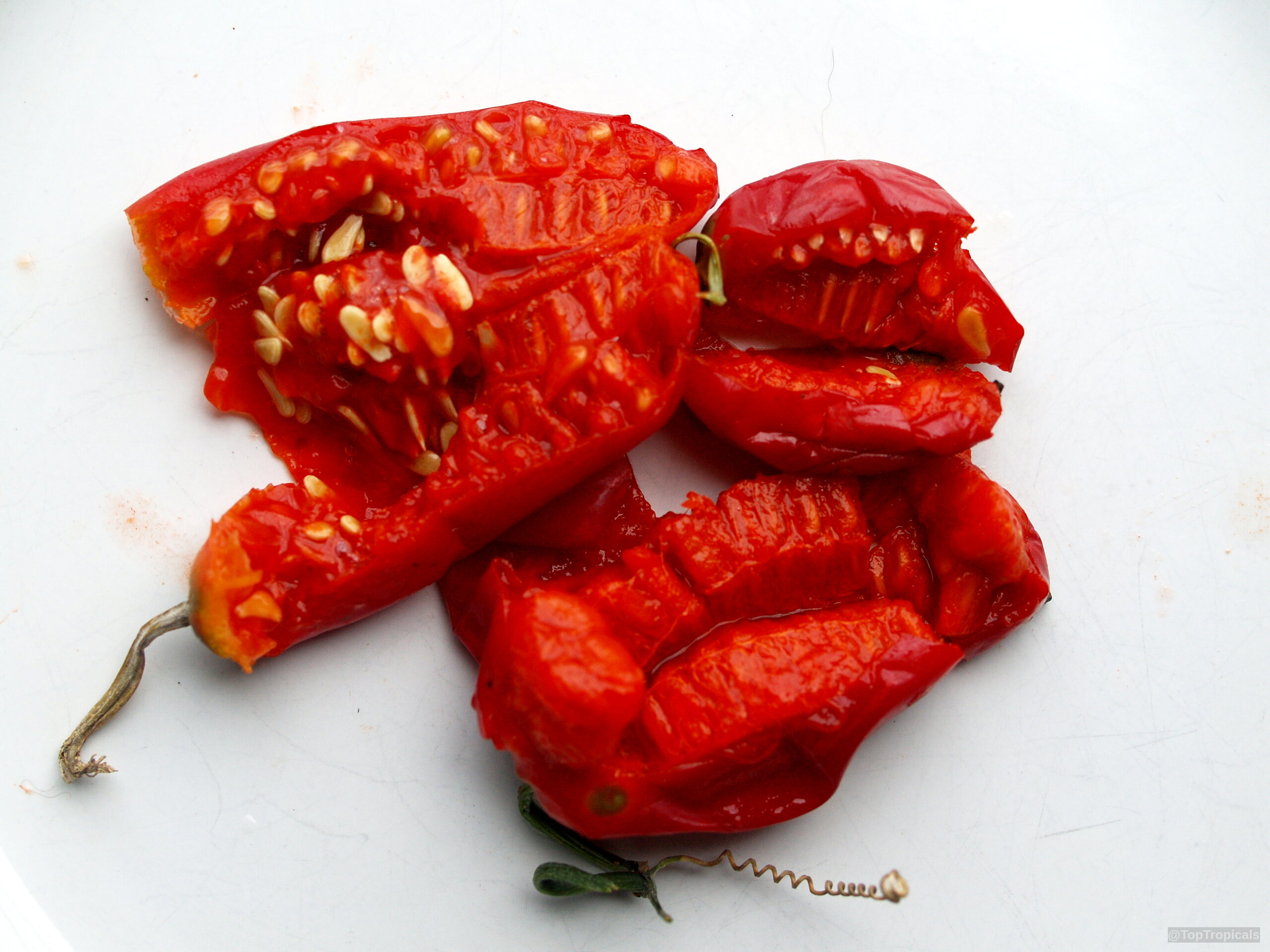
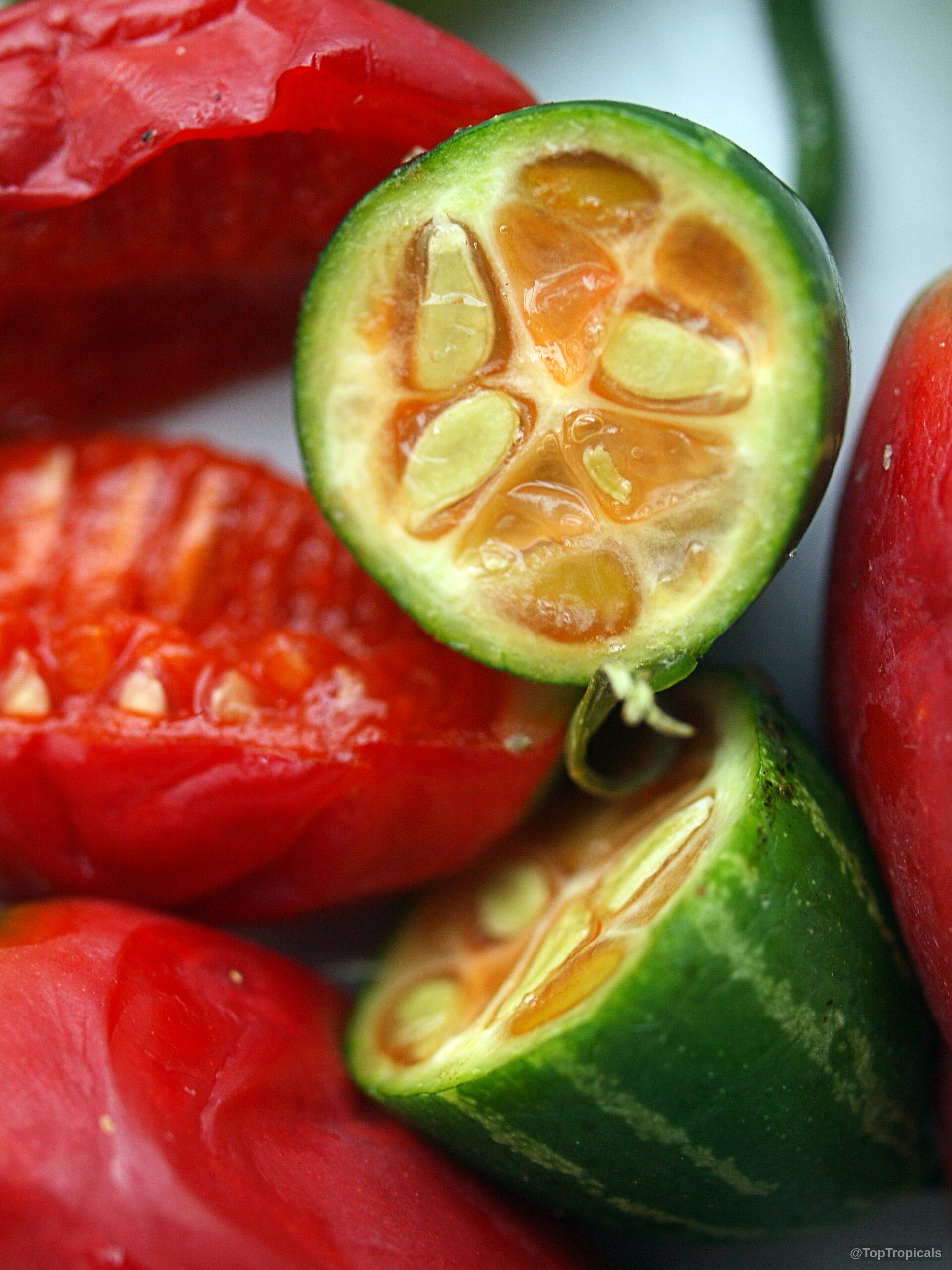
Native to Africa, Asia and Australia, Coccinia grandis (Ivy Gourd) is an attractive yet invasive vine or creeper that's also known for its ethnomedical properties. It grows well in full sun to semi-shade and requires moderate watering on a regular basis. It is cultivated in USDA Hardiness Zones 9-11 and blooms from the beginning of summer to the middle of autumn.
In addition to its beauty and ethnomedical functions, Coccinia grandis is also an edible fruit that is sweet and sour in taste. Rich in vitamins, minerals, and antioxidants, Ivy Gourd can be used for consuming either raw as a salad or for making jams, juices, and sauces. It is believed to have several health benefits such as improving digestion, regulating blood sugar levels and even reducing chronic pain. In some parts of India, this plant is used to treat common colds, fever, bruises, and so on.
Coccinia grandis can produce a good amount of fruits during the season. Usually, they start to appear in late summer and autumn. The diet should be balanced when consuming Ivy Gourd fruit as it tends to be a heavyweight food item.
When it comes to caring for the plant, Ivy Gourd does not require much attention and can even be grown in a pot if preferred. It should be watered moderately and the soil should not be allowed to dry out. For cold climates, it should be covered with straw mulch to ensure insulation during winter. Winter protection may be needed in USDA Hardiness Zones lower than 9.
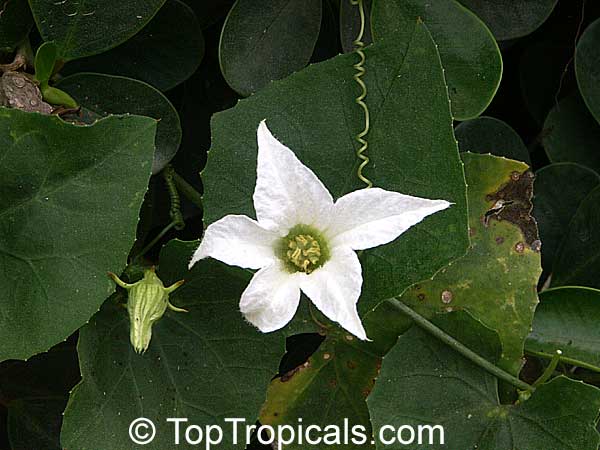
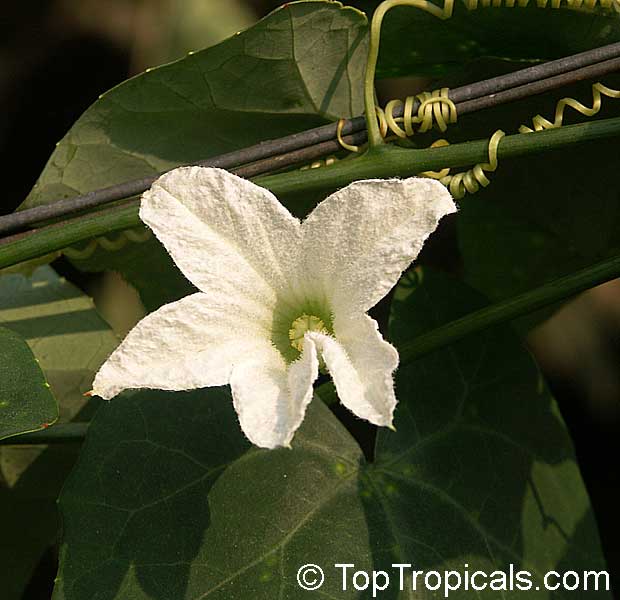
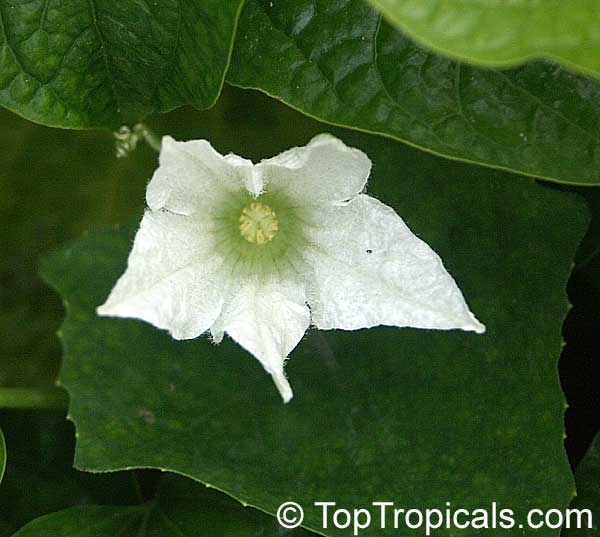
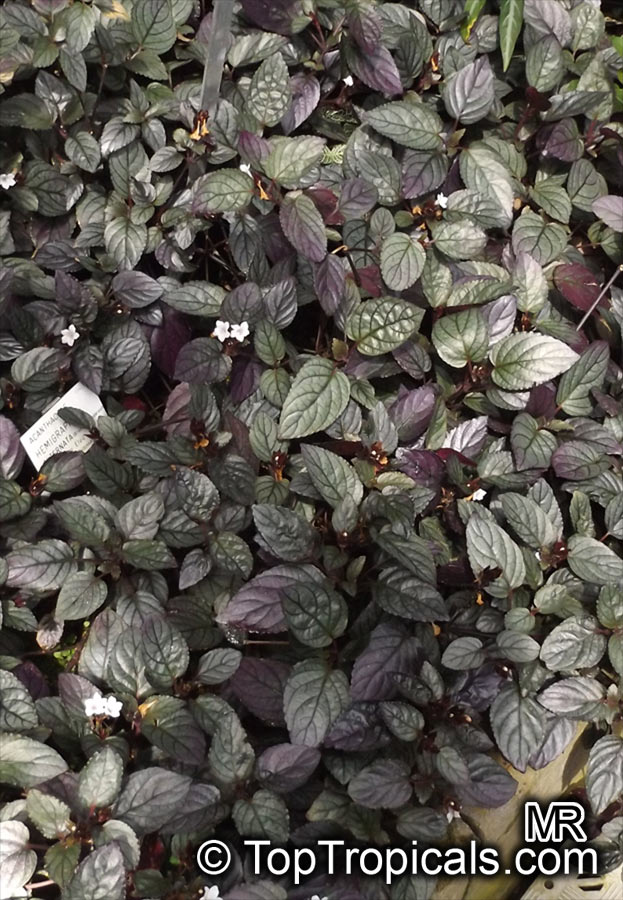
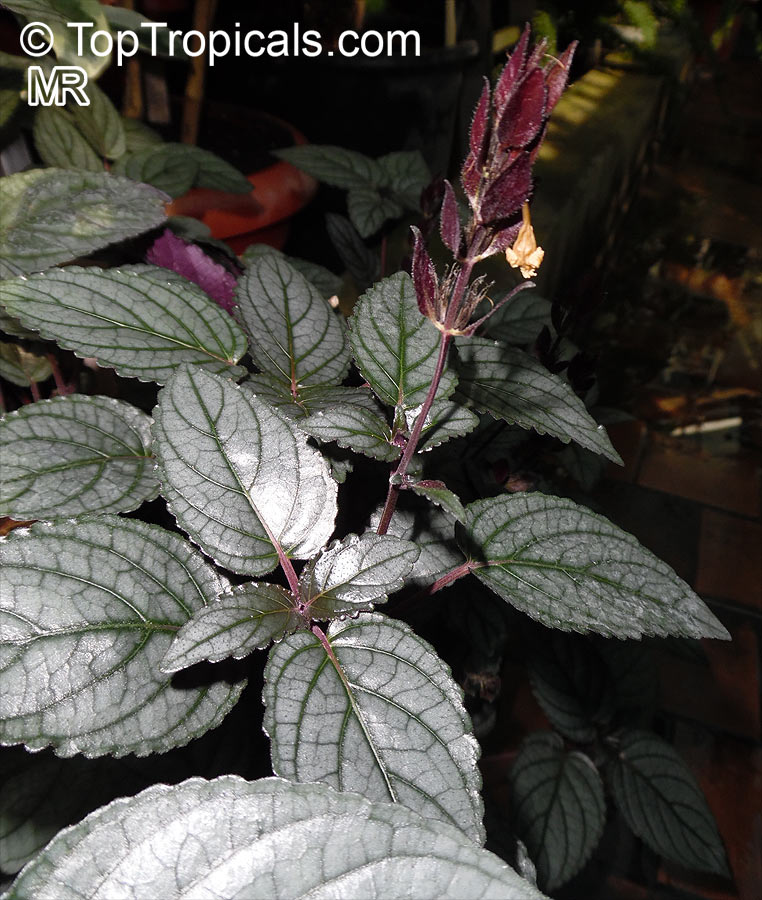
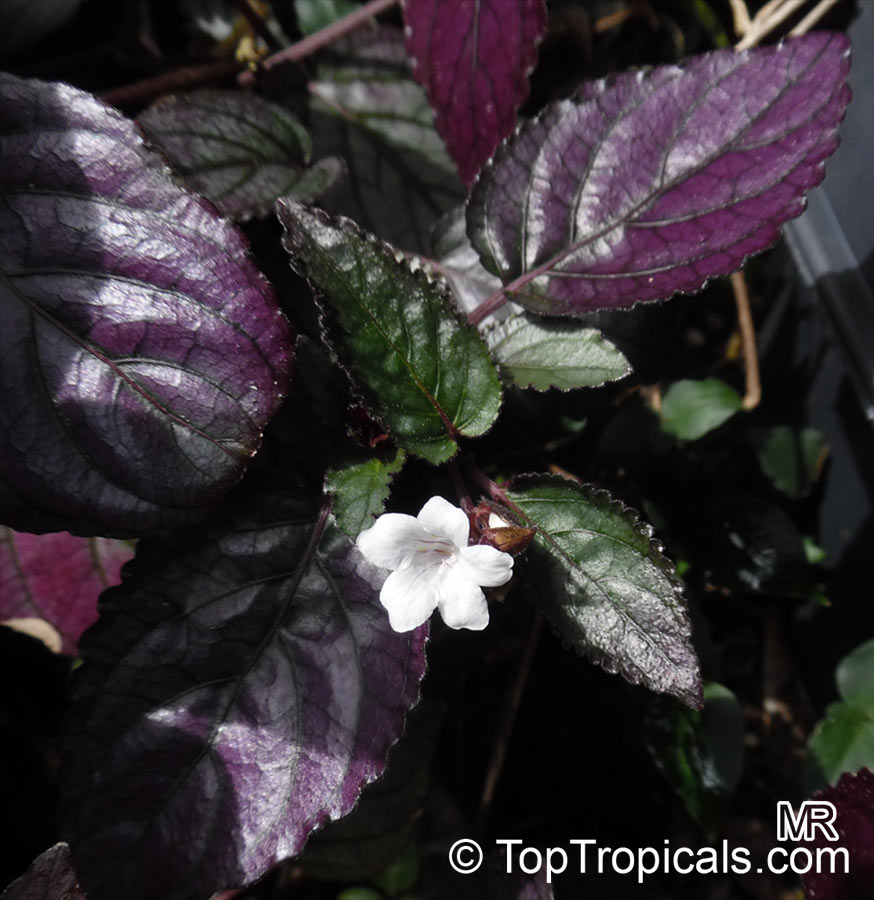
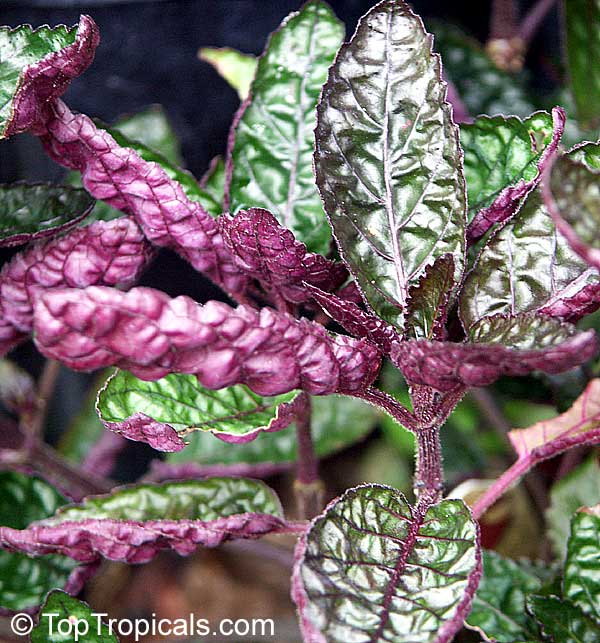
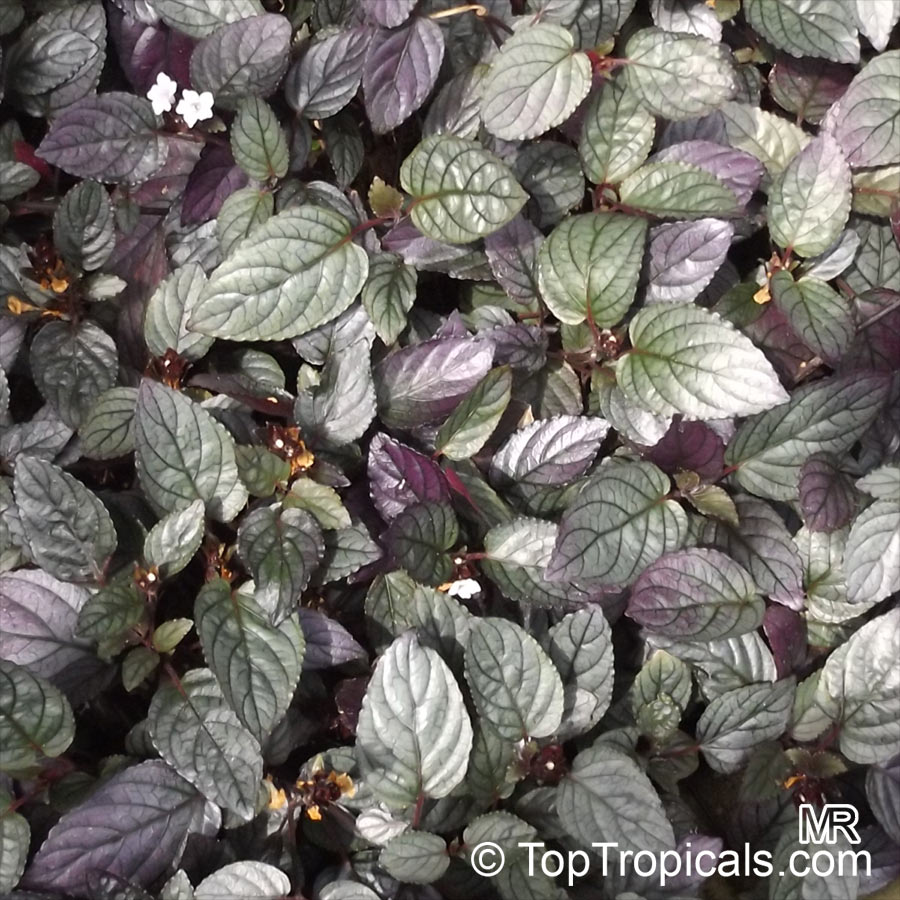
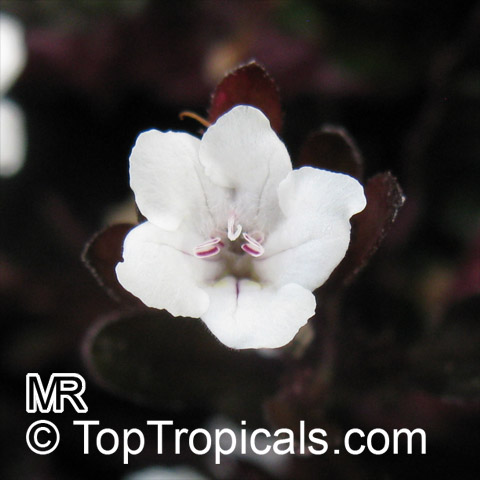
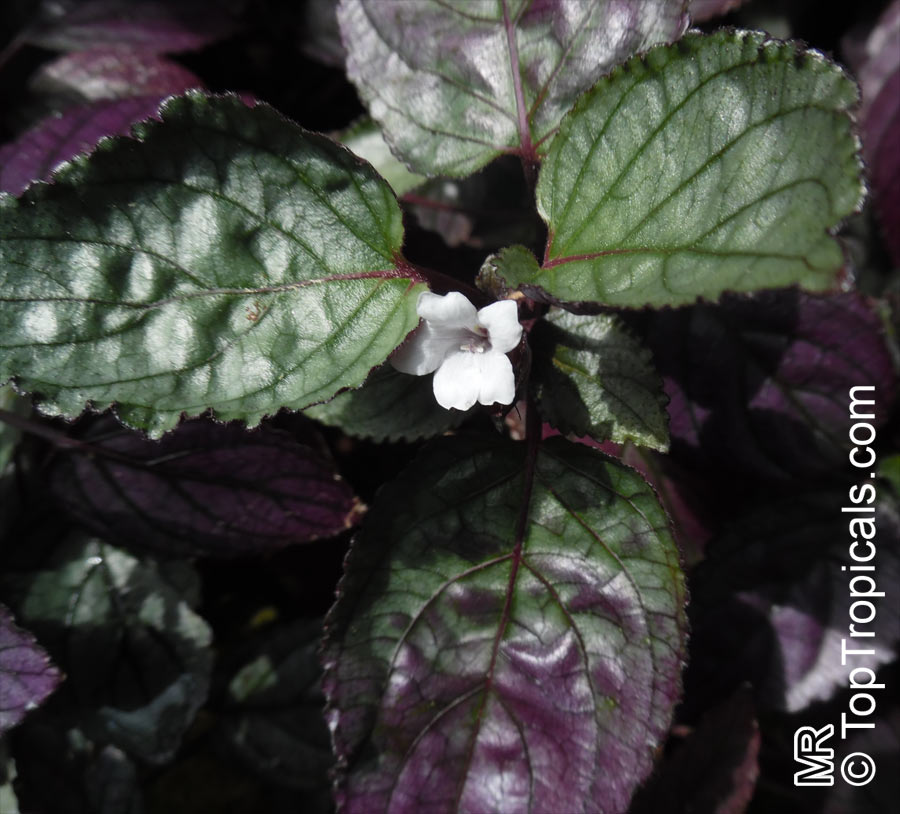
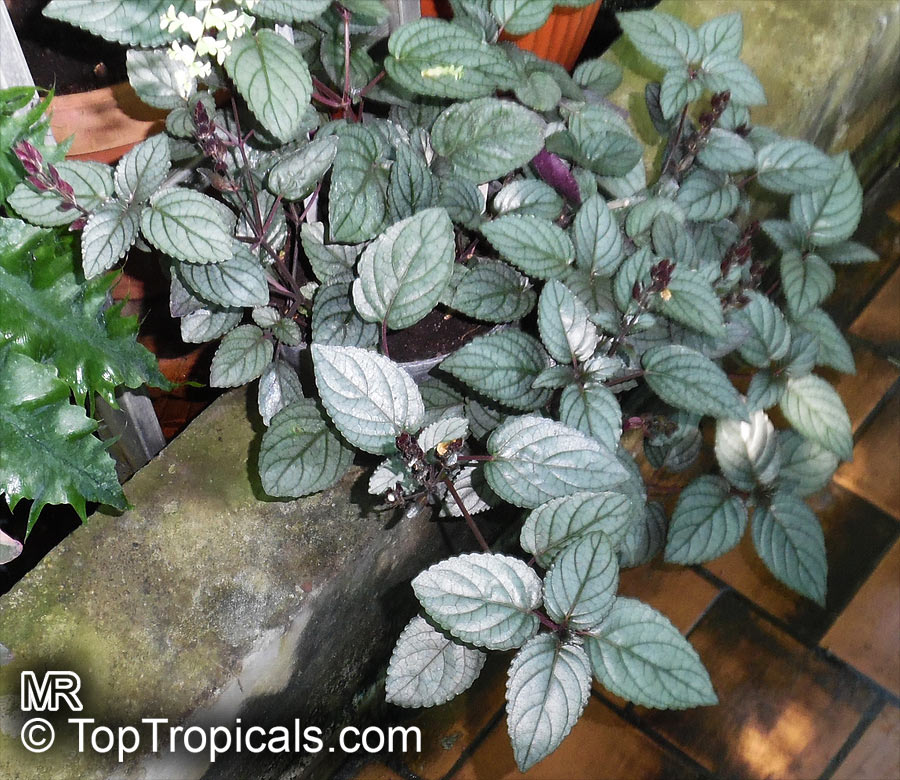
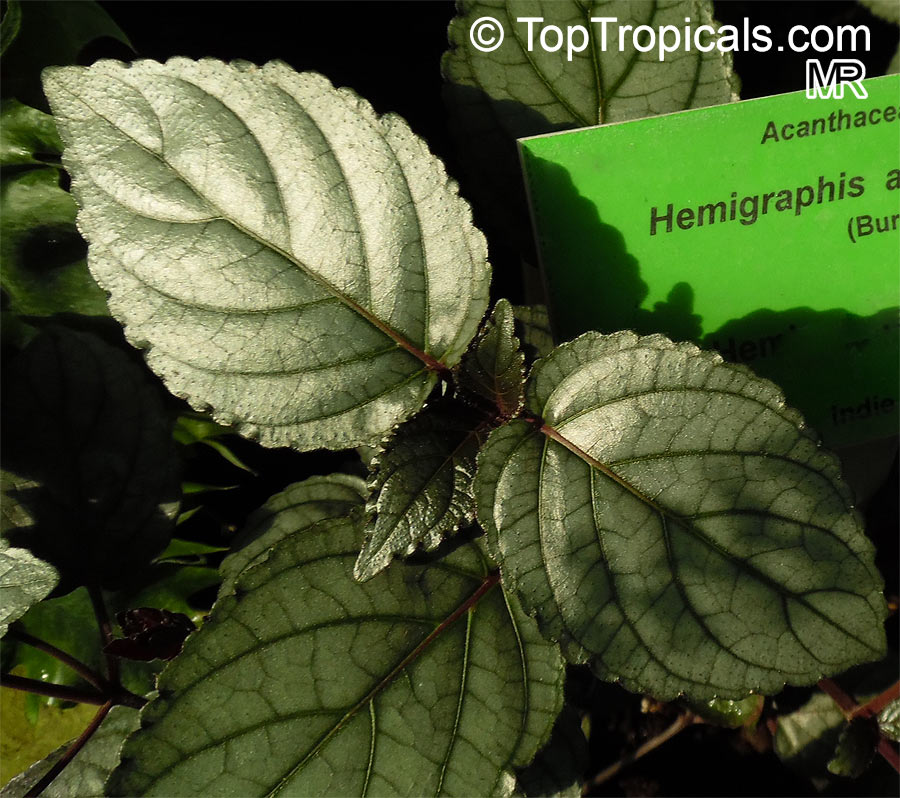
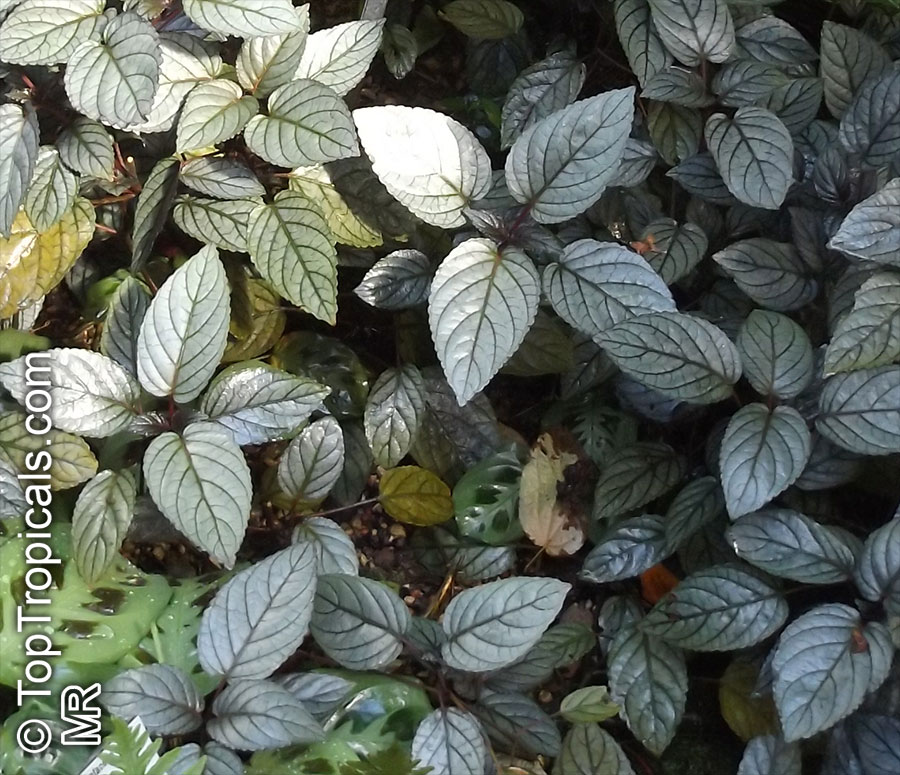
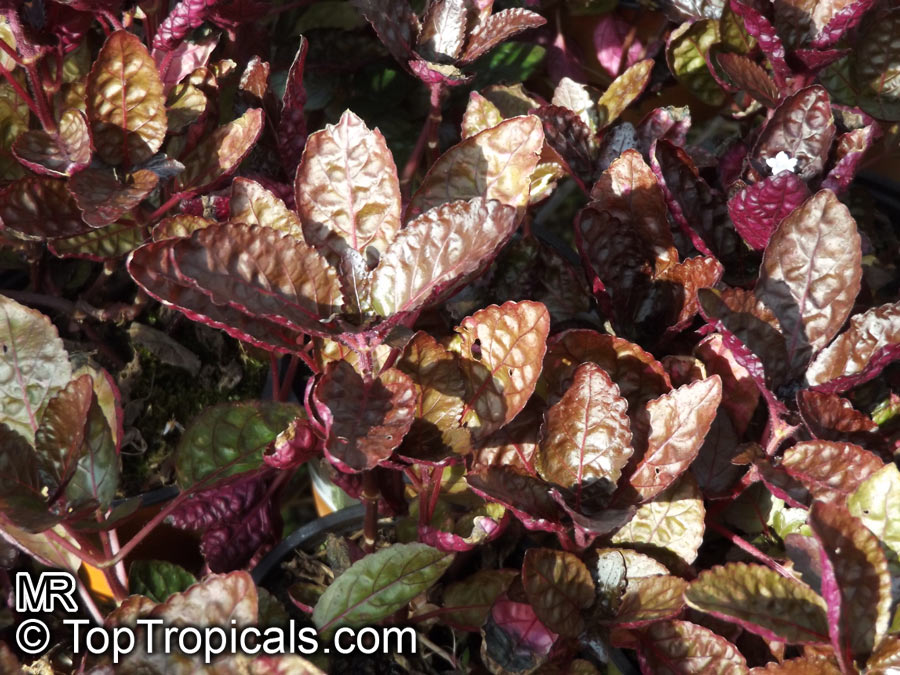
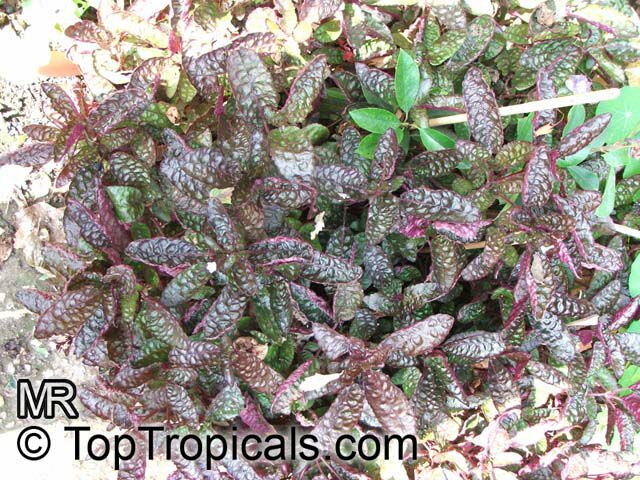
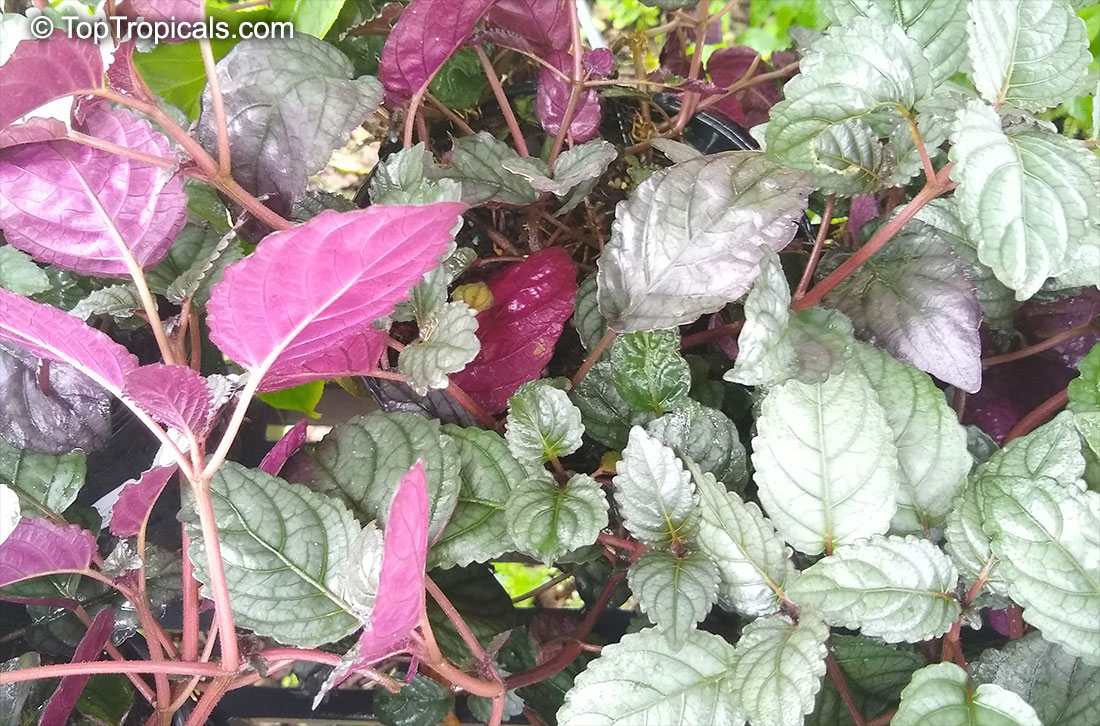
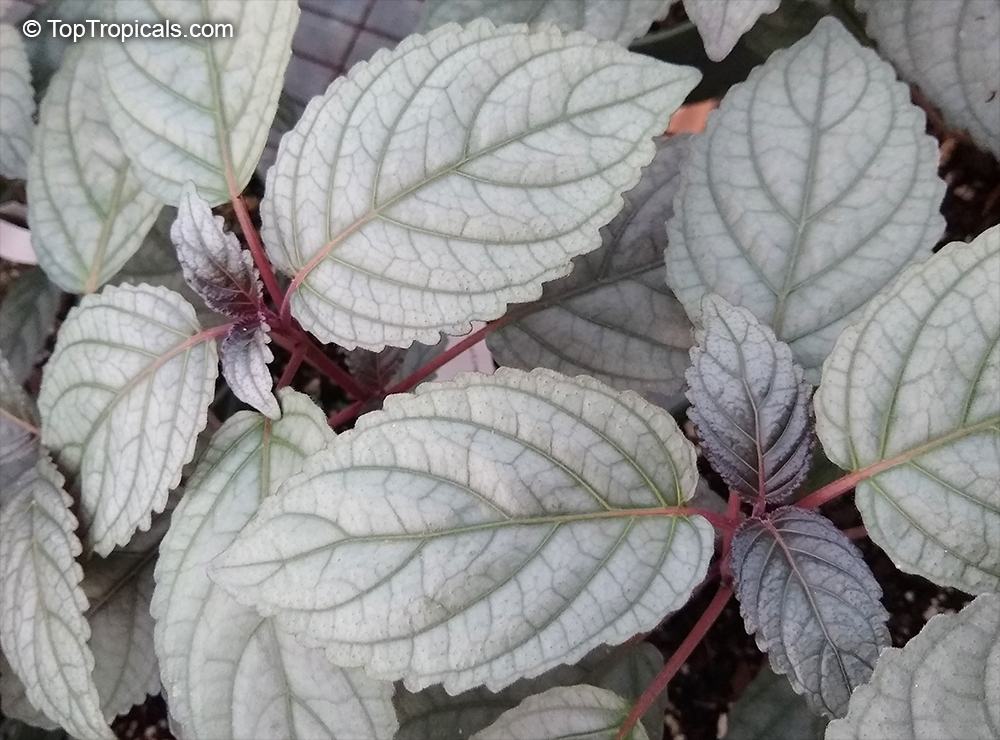
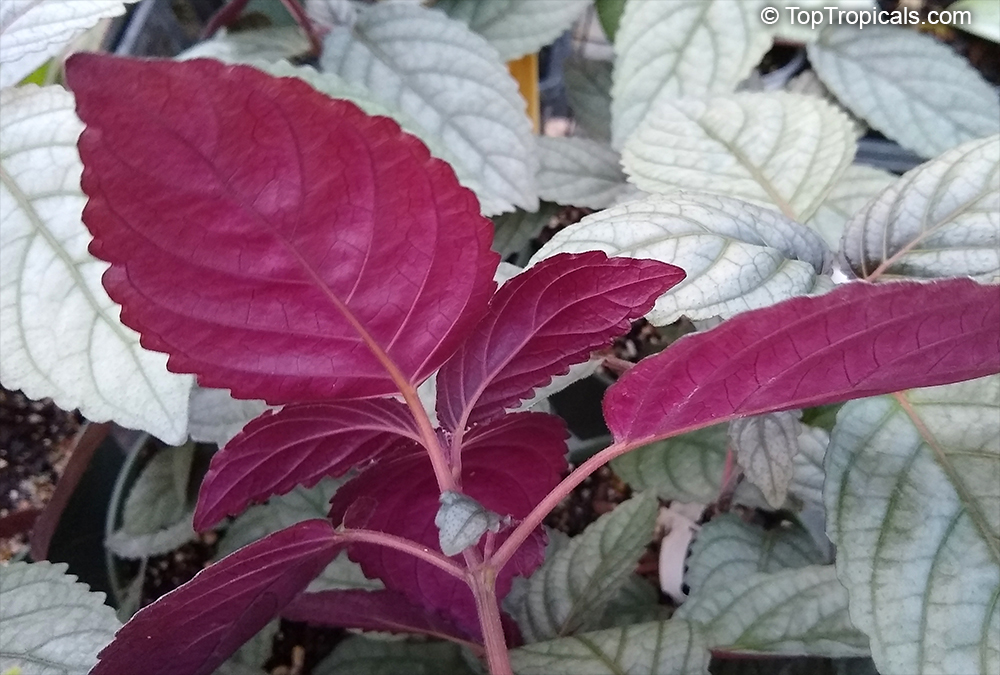
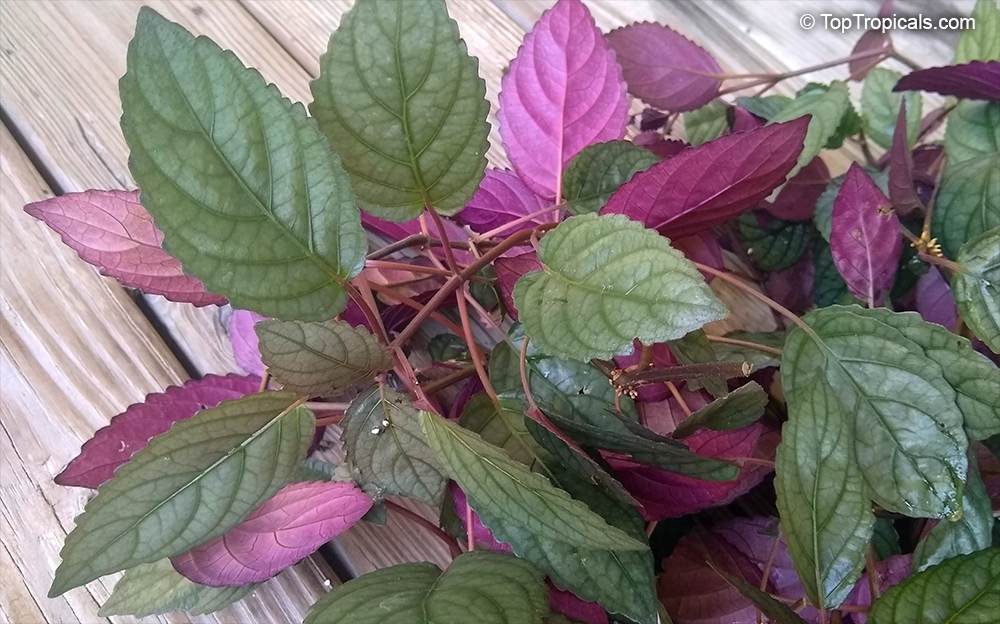
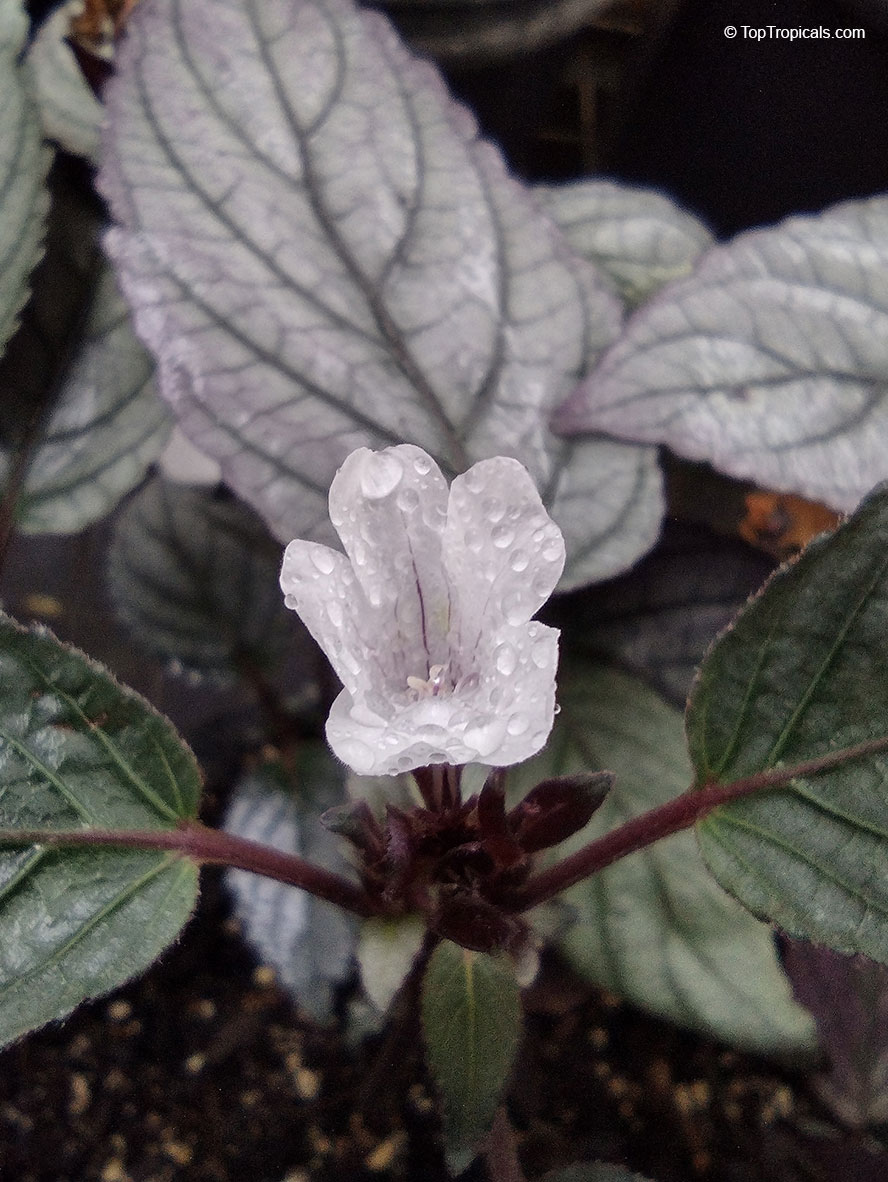
Botanical names: Hemigraphis alternata, Hemigraphis colorata
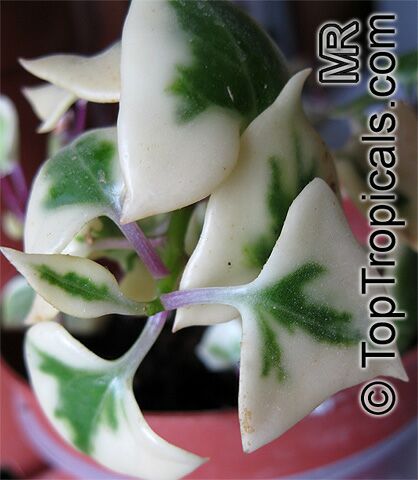
Common names: Red Ivy, Red Flame Ivy, Waffle plant
Family: Acanthaceae
Origin: Malay Archipelago
USDA Zone: 10-11


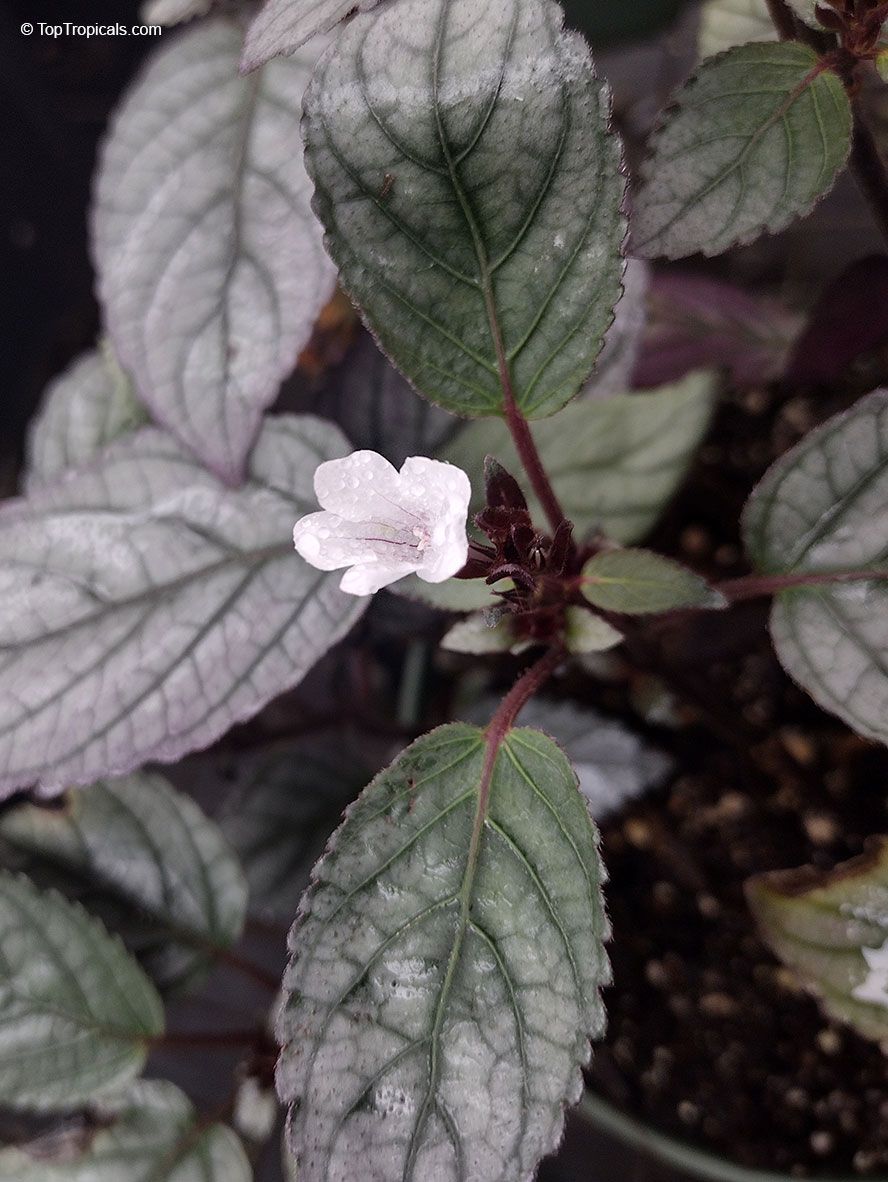
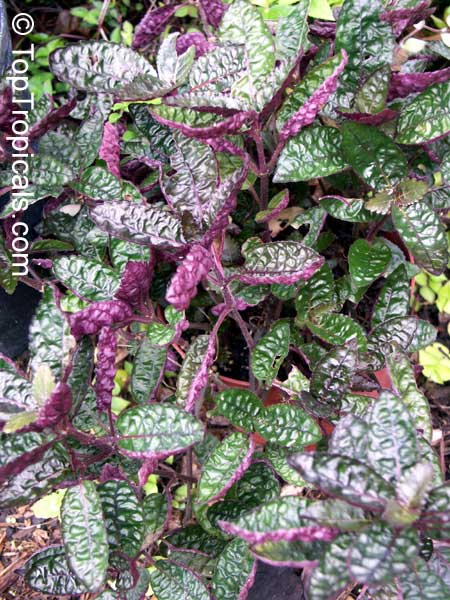
Waffle plant, Red Flame Ivy. Colorful, fun plant for container culture and indoor plant collection. Silvery leaves with bright purple underneath. Takes both shade or light sun. Requires consistently moist soil; do not let dry out between waterings. Very high moisture needs; suitable for bogs and water gardens, for terrariums.
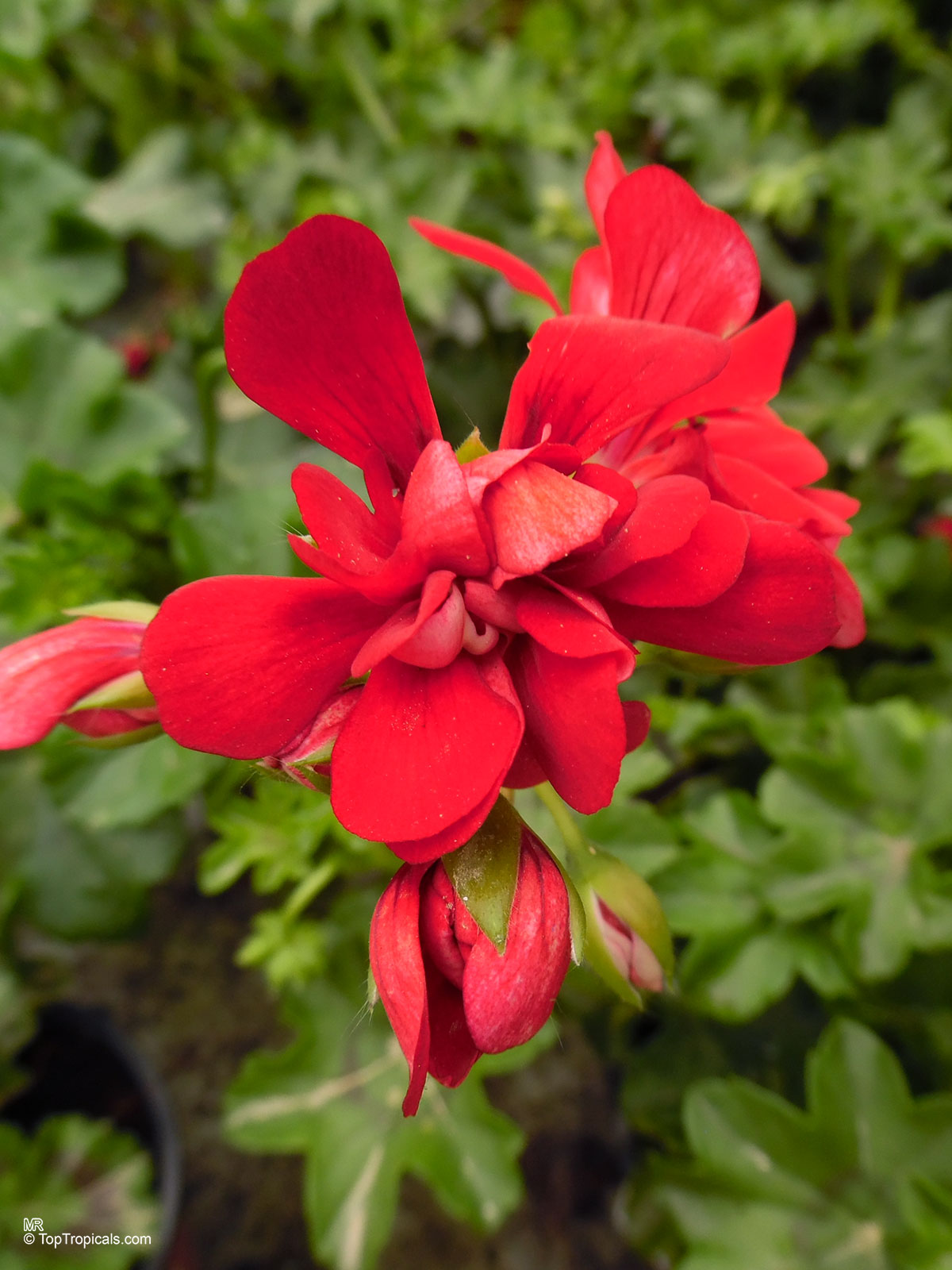
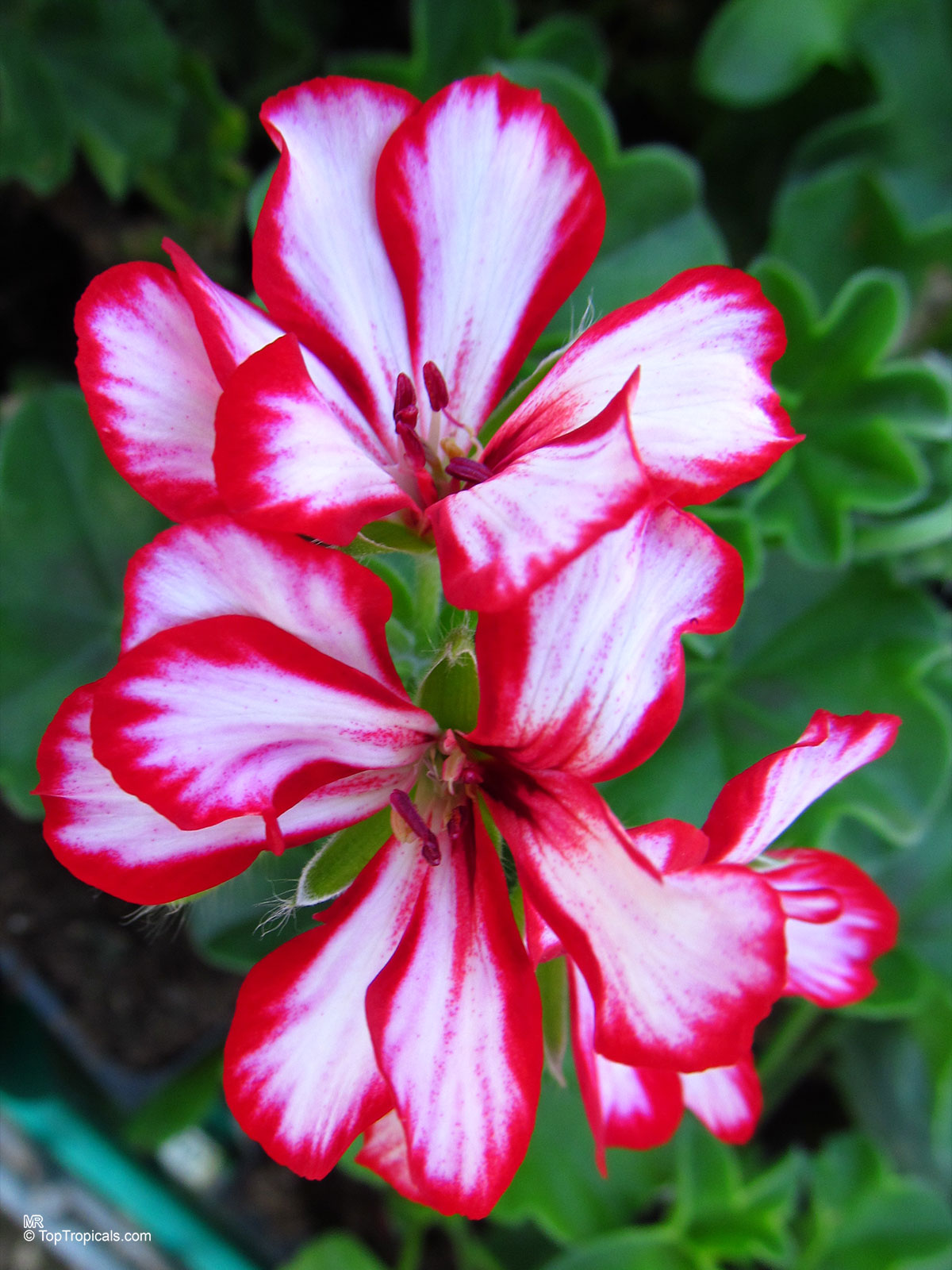
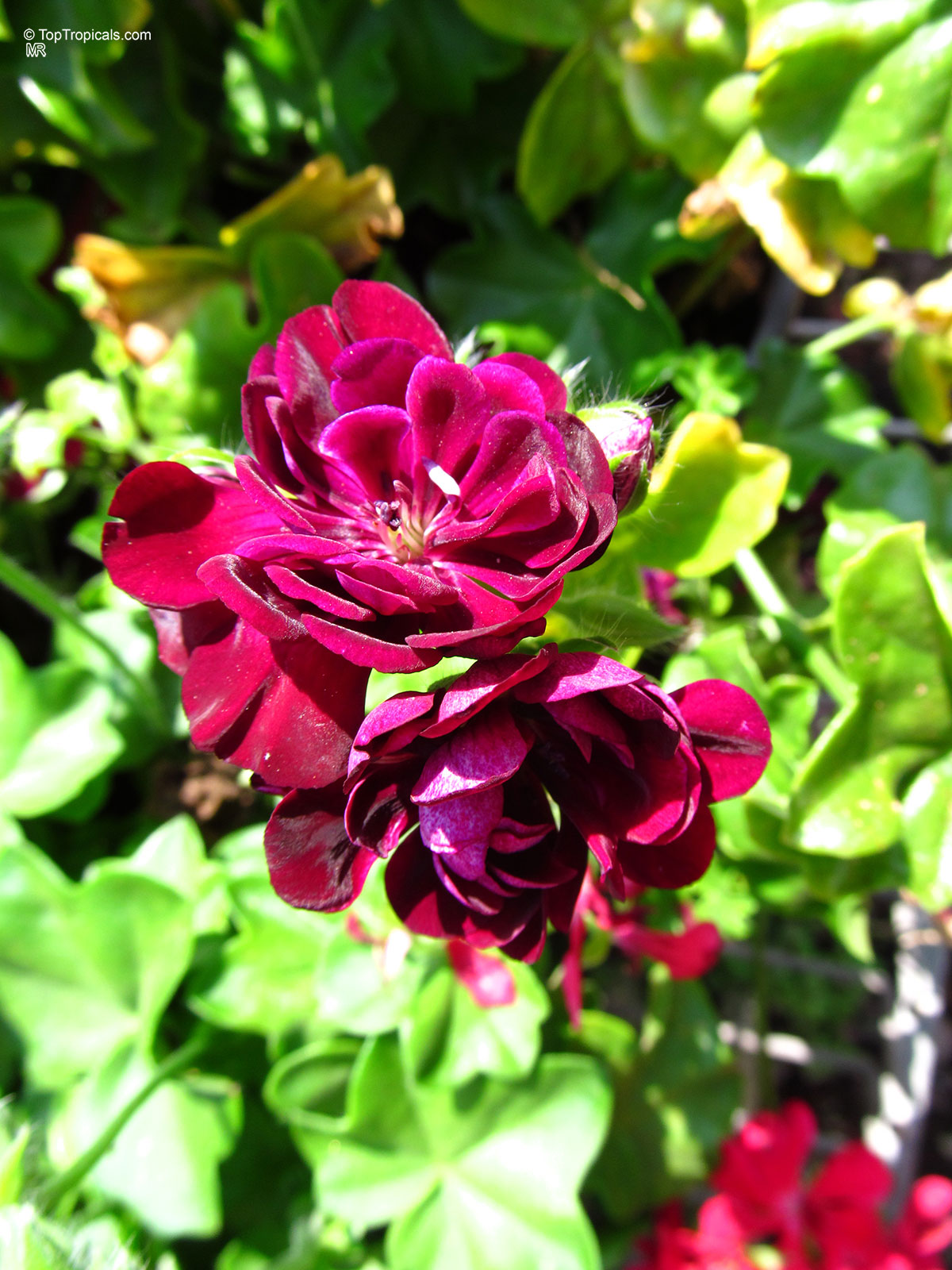
Botanical name: Pelargonium peltatum
Common names: Ivy-leaved Pelargonium, Cascading Geranium
Family: Geraniaceae
Origin: South Africa
USDA Zone: 9-11


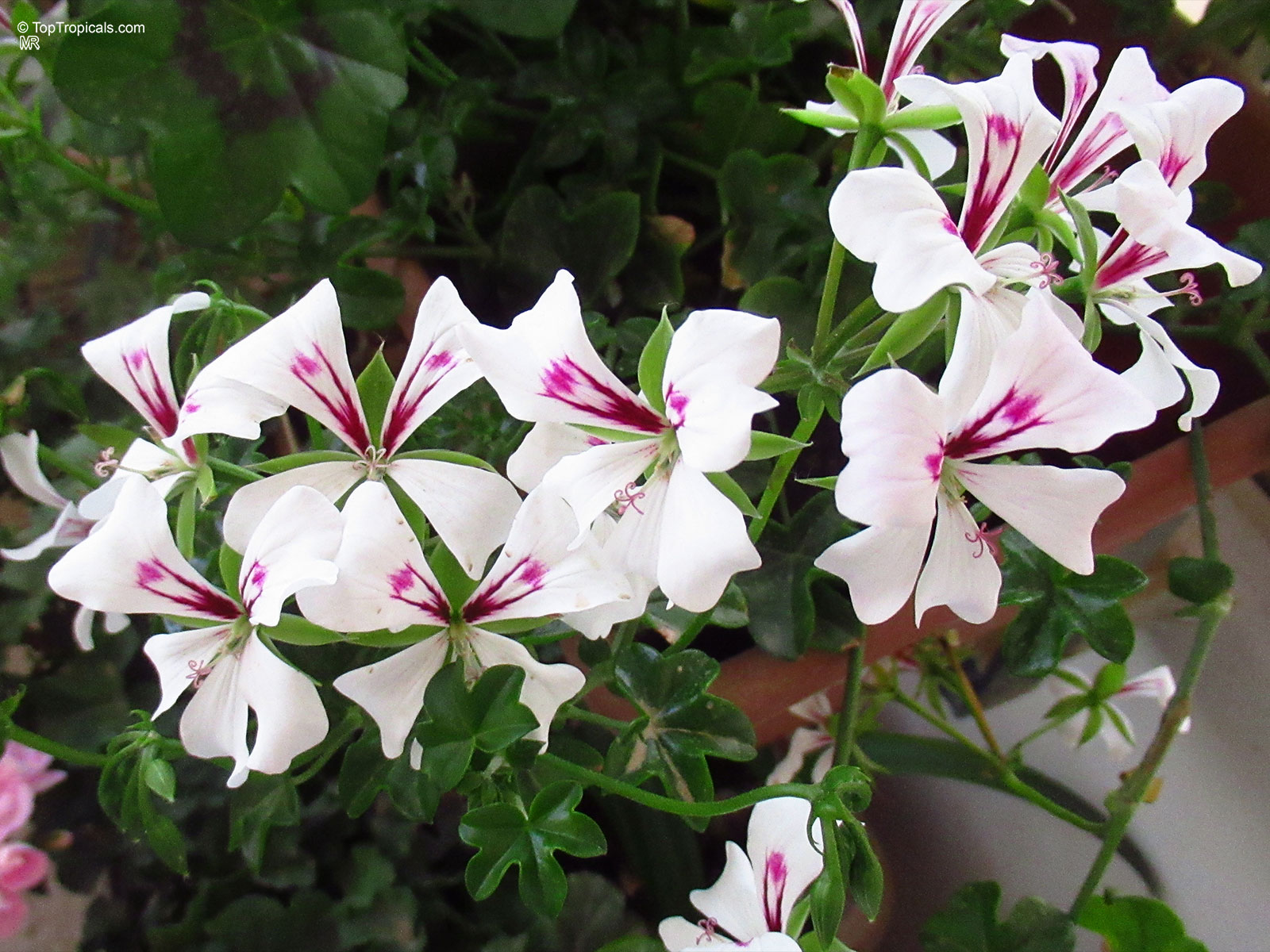
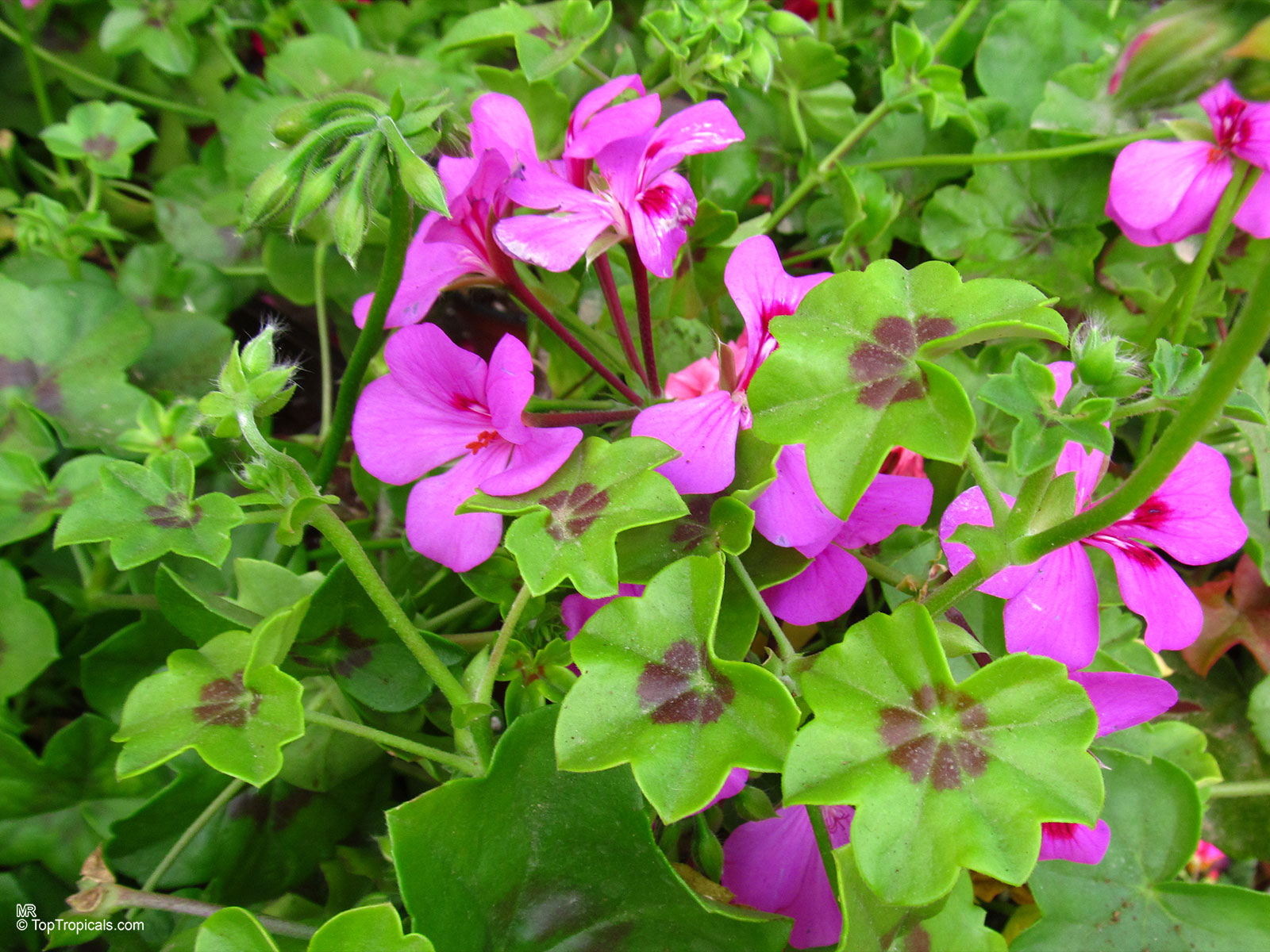
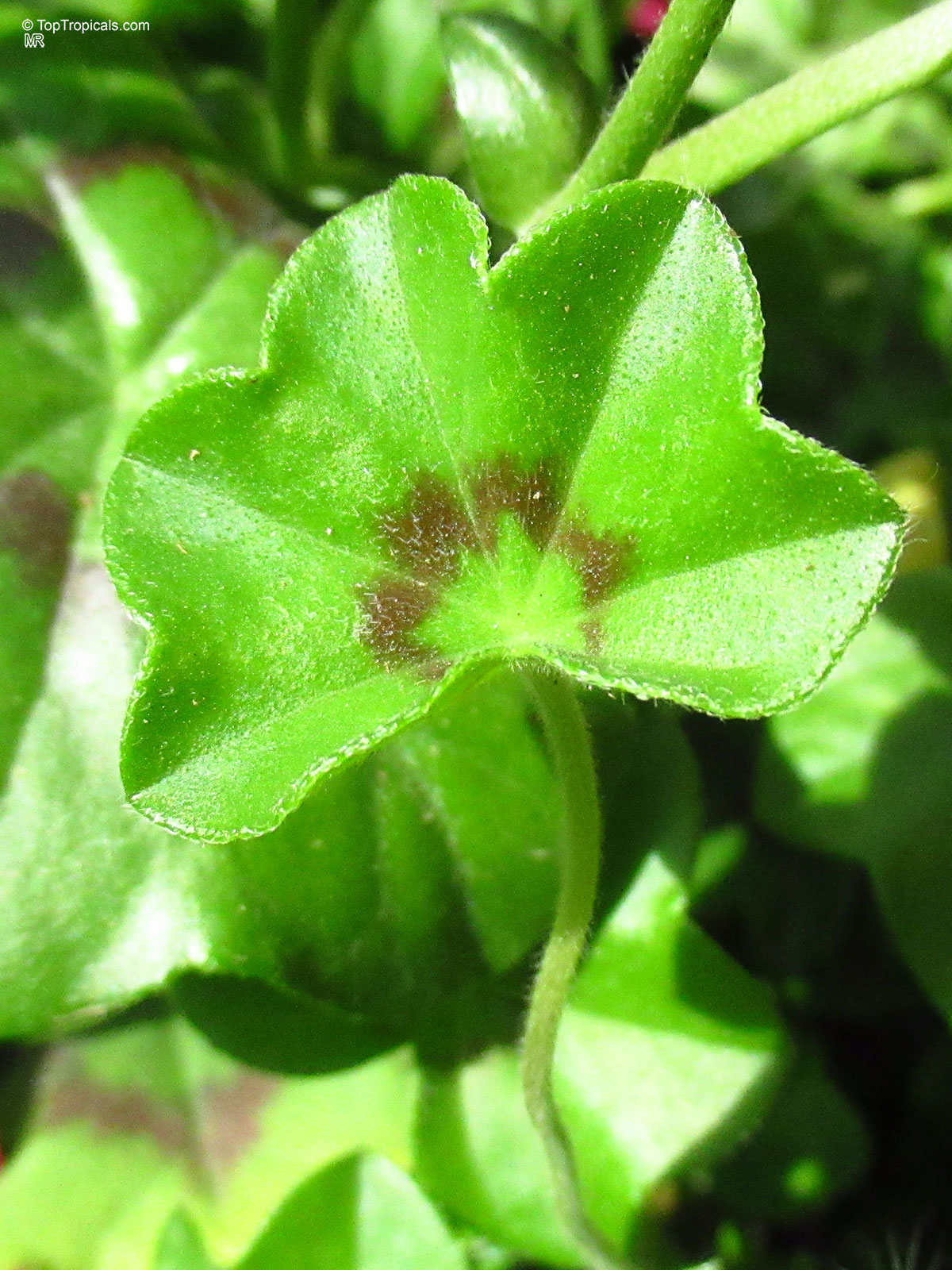
Pelargonium peltatum, commonly known as Ivy-leaved Geranium, is a trailing, evergreen perennial native to coastal regions of southern Africa, valued for its smooth, glossy leaves and long, cascading stems. It typically grows 1 to 2 feet tall with stems that can spread or trail 2 to 3 feet, making it suitable for hanging baskets and container displays. The rounded, slightly lobed leaves resemble ivy and provide a dense backdrop for clusters of simple or semi-double flowers in shades of pink, red, white, or lavender.
This species prefers full sun to light shade and well-drained soil, with moderate watering and good air circulation to prevent disease. It grows at a moderate to fast pace and blooms over a long season in warm conditions. Suitable for USDA zones 10 to 11, it is frost-sensitive and should be protected below about 32 F. It performs best in containers or raised settings where trailing stems can develop freely and is widely used in ornamental plantings.
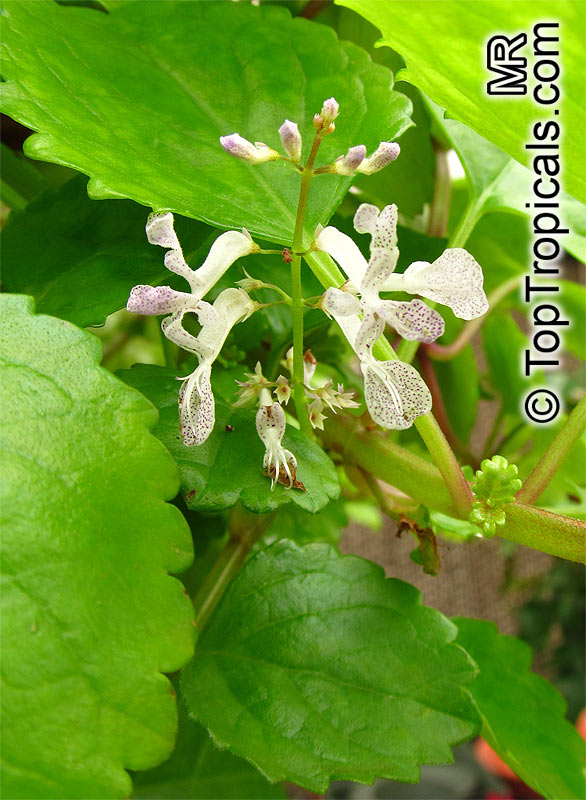
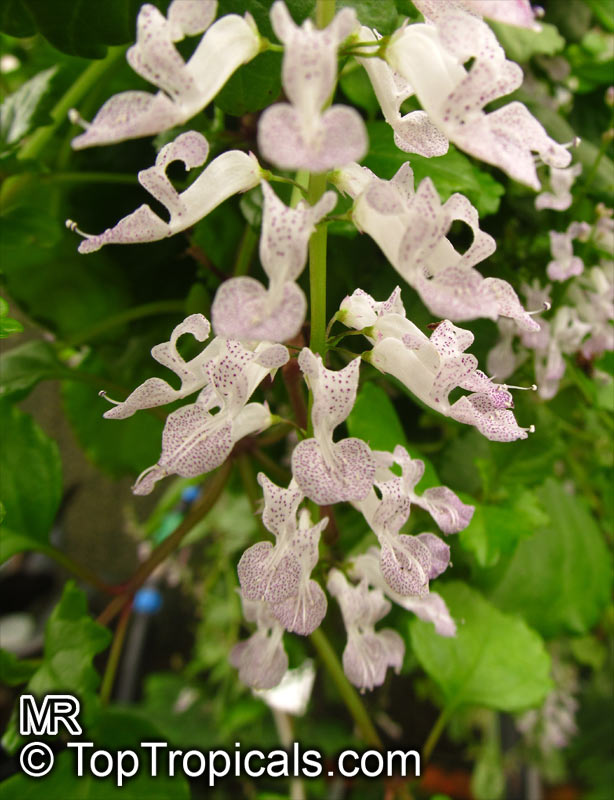
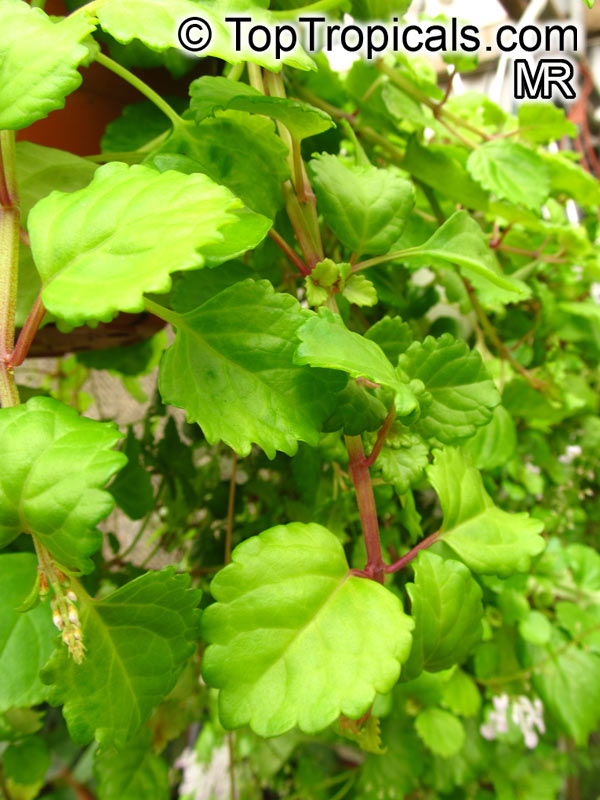
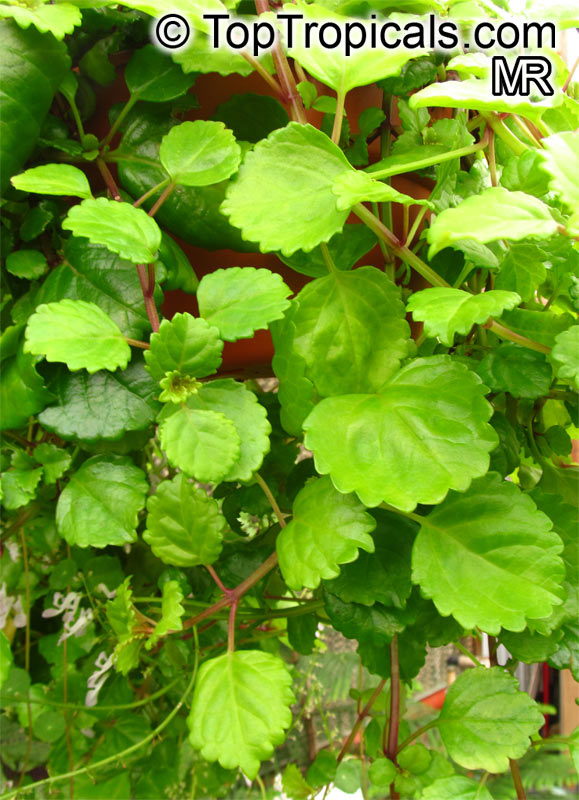
Botanical name: Plectranthus australis
Common name: Swedish Ivy
Family: Lamiaceae
USDA Zone: 10-12

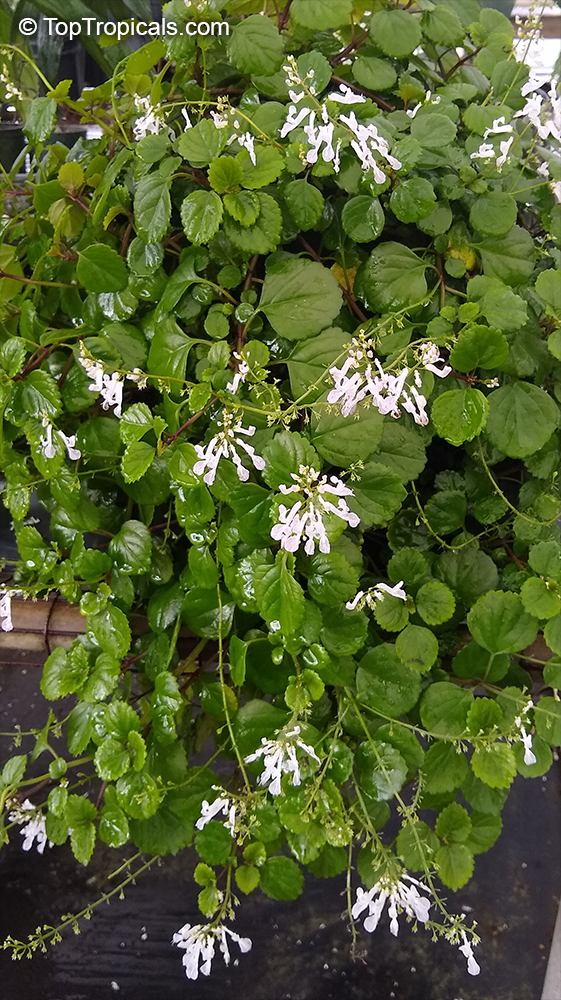
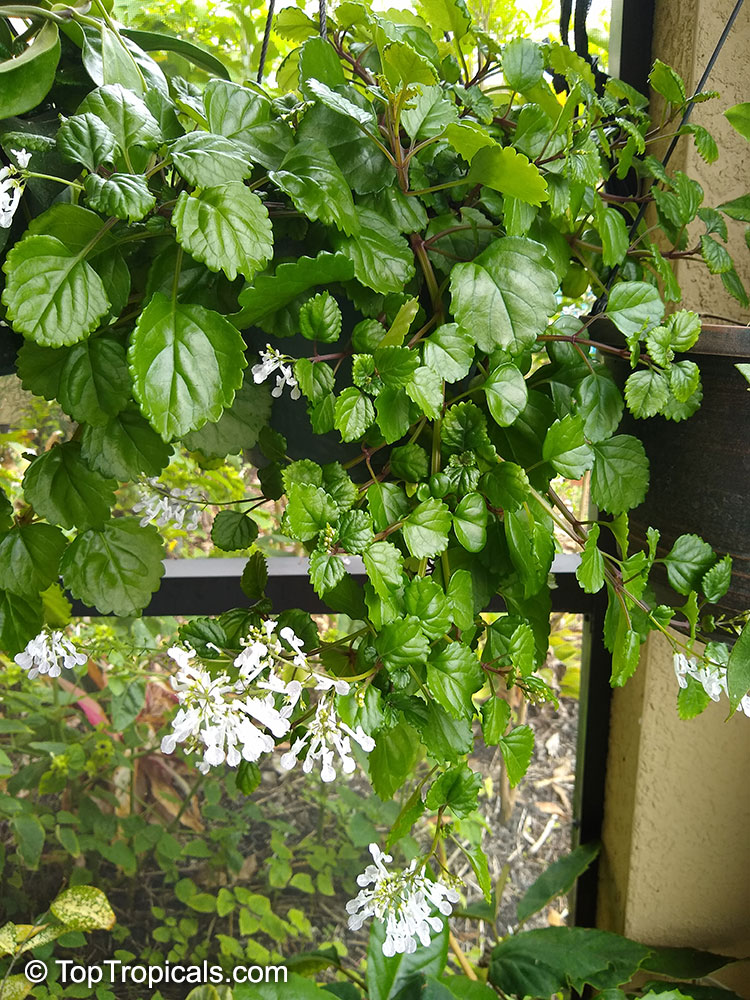
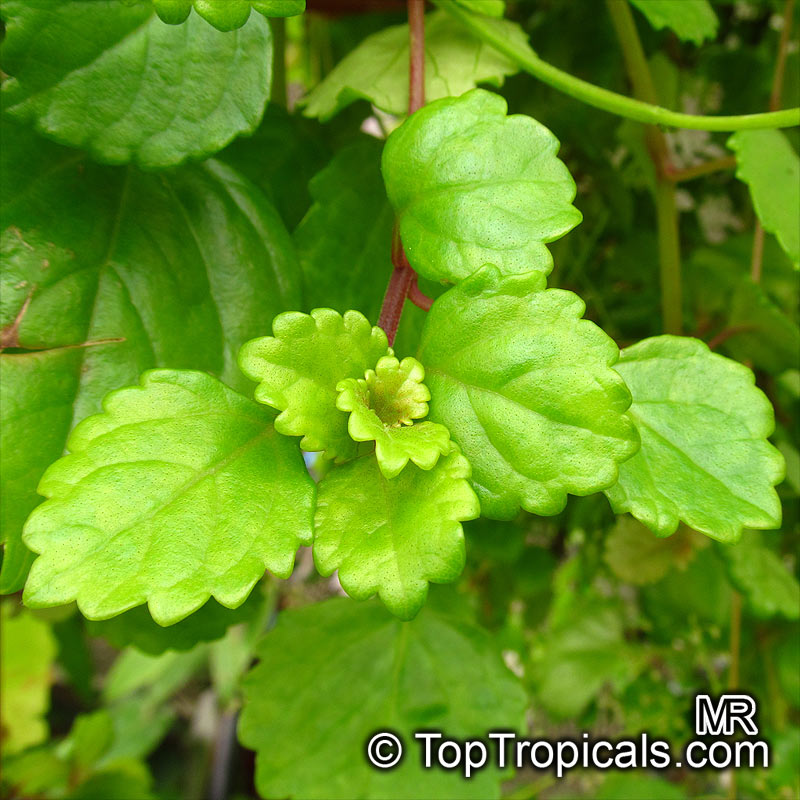
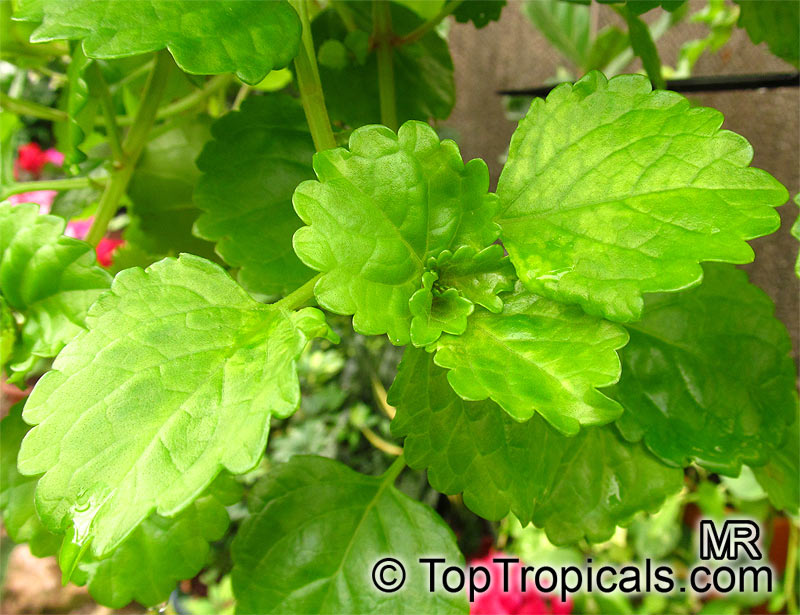
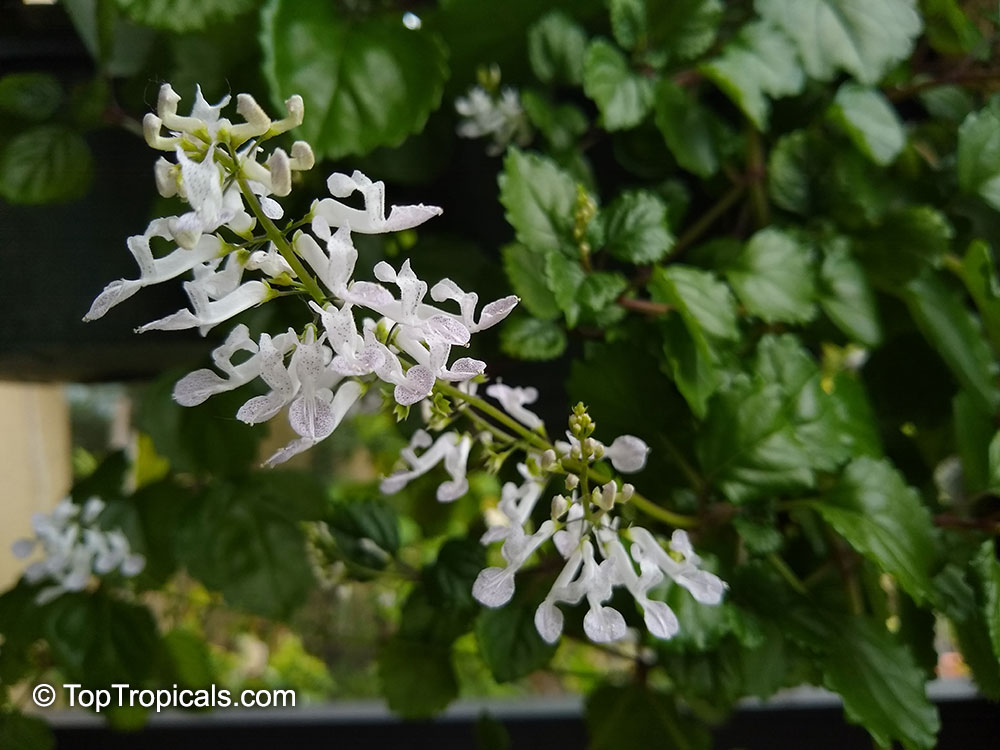
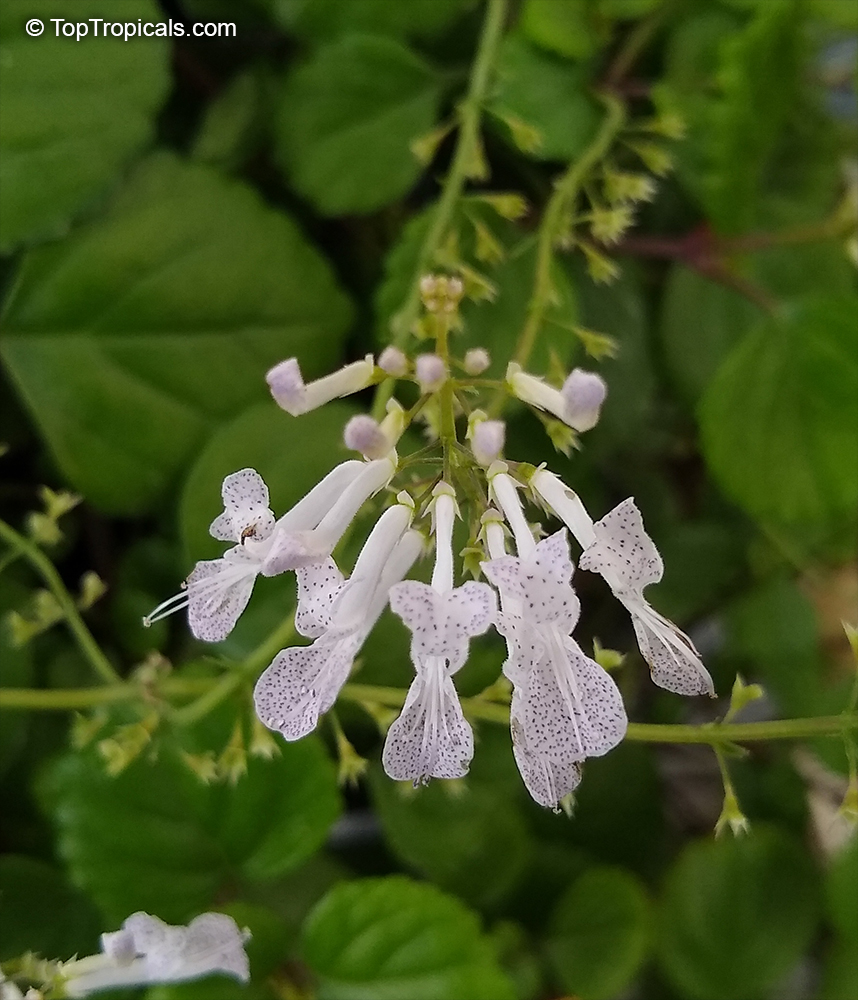
Plectranthus australis, or Swedish Ivy, is a fast-growing evergreen perennial with a sprawling habit. It is a member of the mint family, with round leaves with scalloped edges. It has fleshy square stems with opposite leaves and produces spikes of white or violet flowers in the summer. It is grown in USDA Zone 10-12 and makes a great ground cover and low-growing shrub that can reach up to two feet in height. Plectranthus australis can also be grown as a small shrub if the plant is pinched frequently to maintain a full habit, up to five feet tall.
Though Plectranthus australis can be grown in full sun, it prefers semi-shady spots. Regular watering is essential to keep the soil slightly damp. Plectranthus australis can be easily grown from cuttings. With clear, deep green foliage and ornamental, deep-colored leaves, this lovely shrub with an annual bloom is sure to be an eye-catching addition to any garden.
Plectranthus australis can grow in containers as well as in the ground, even in colder climates. When planting in a pot, be sure to select a container that is large enough to give the plant enough space for root growth. Poorer soils are best and so be sure to fill to at least two-thirds with a fast-draining soil. Regular watering is important, as with any plant, and also be sure to fertilize and prune as needed. If in a cold region, bring potted Plectranthus australis indoors during cold winter months and keep in a cool, bright spot.

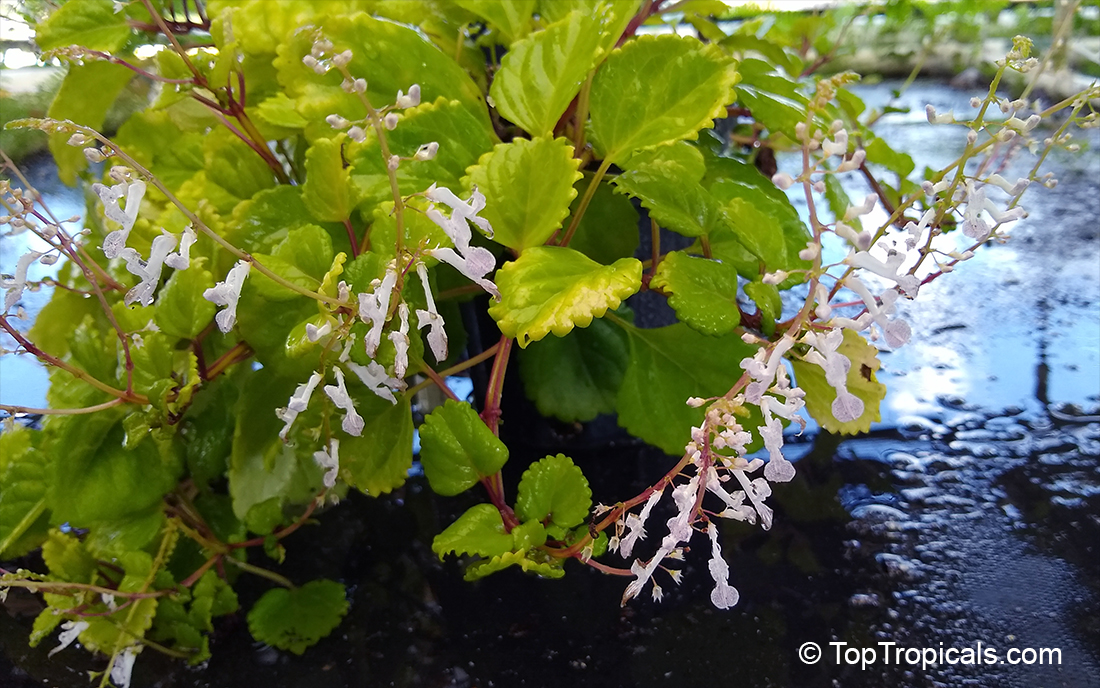
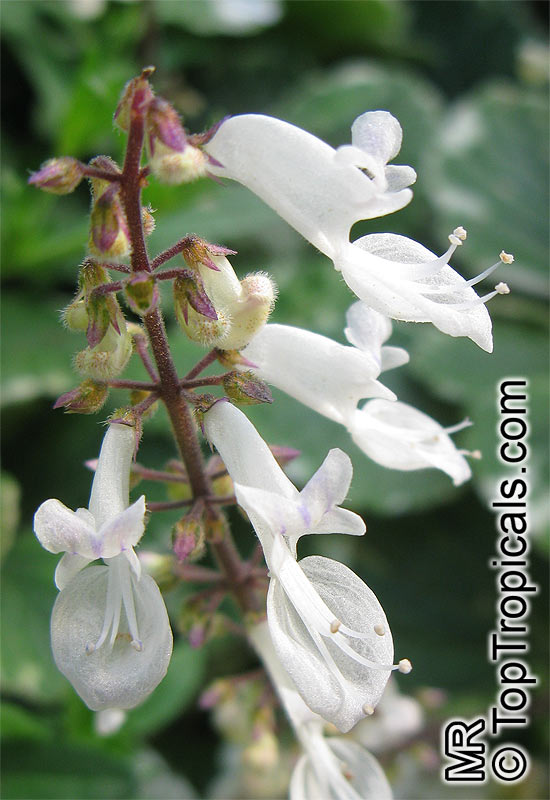
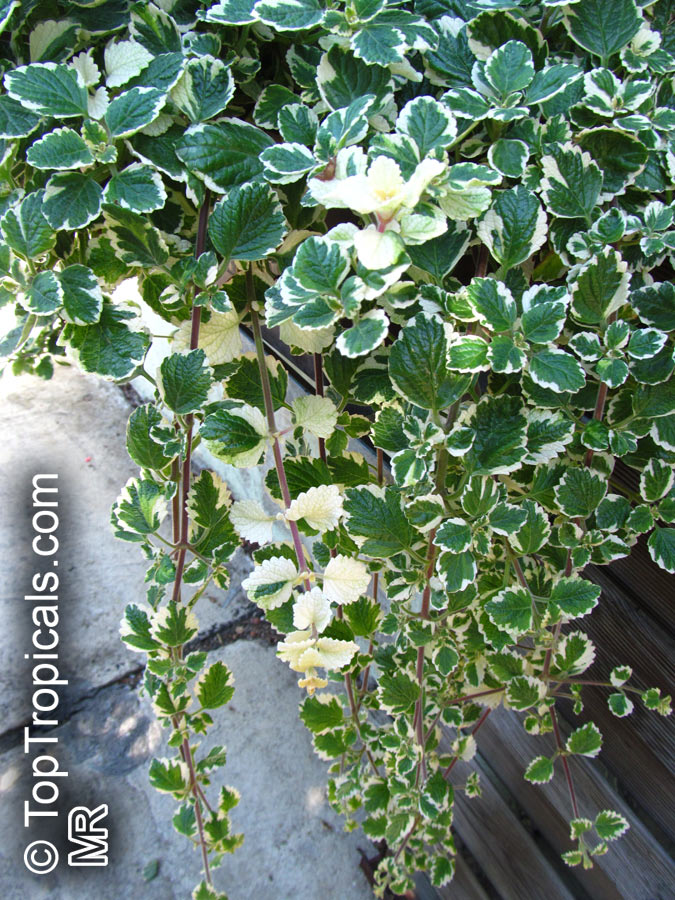
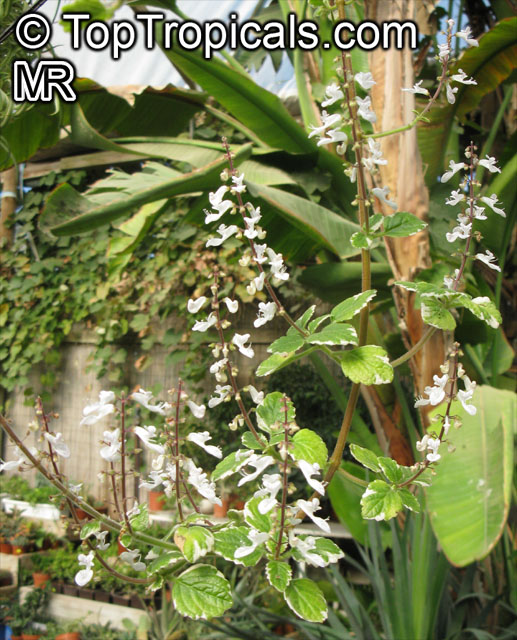
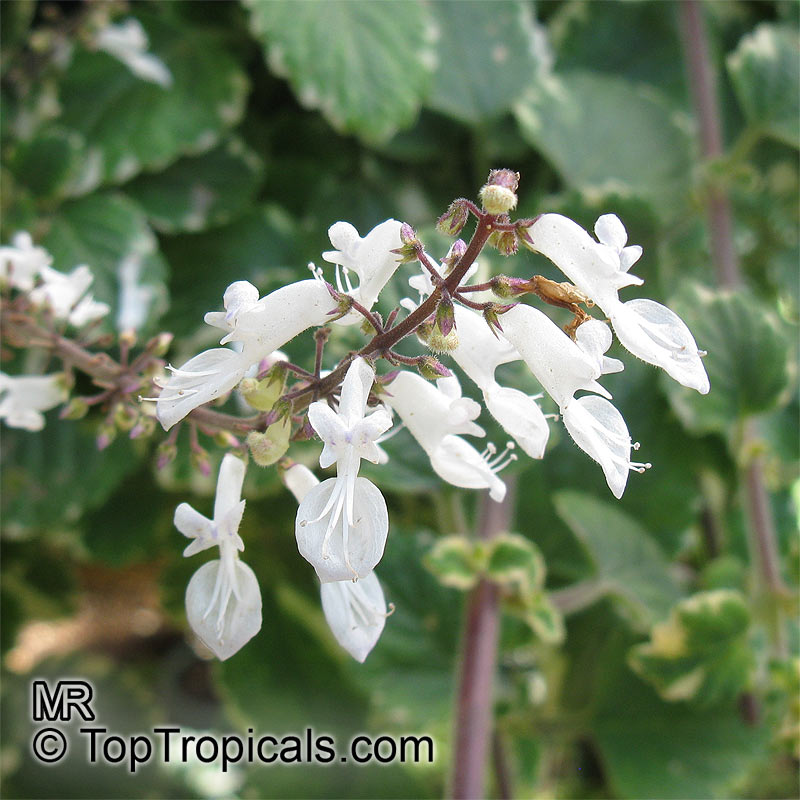
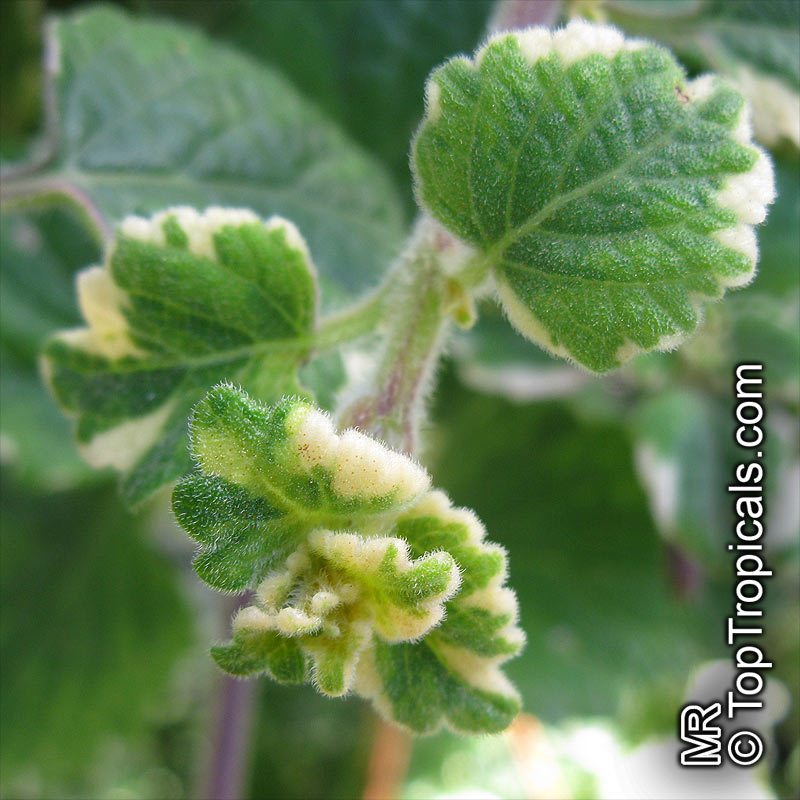
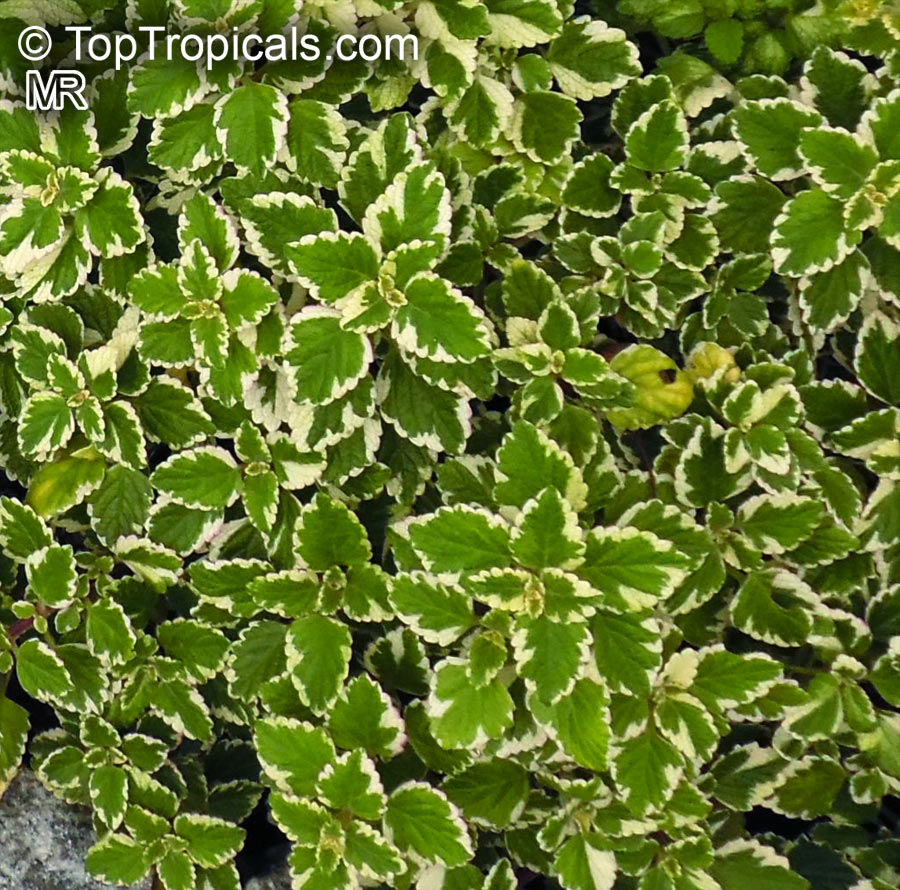
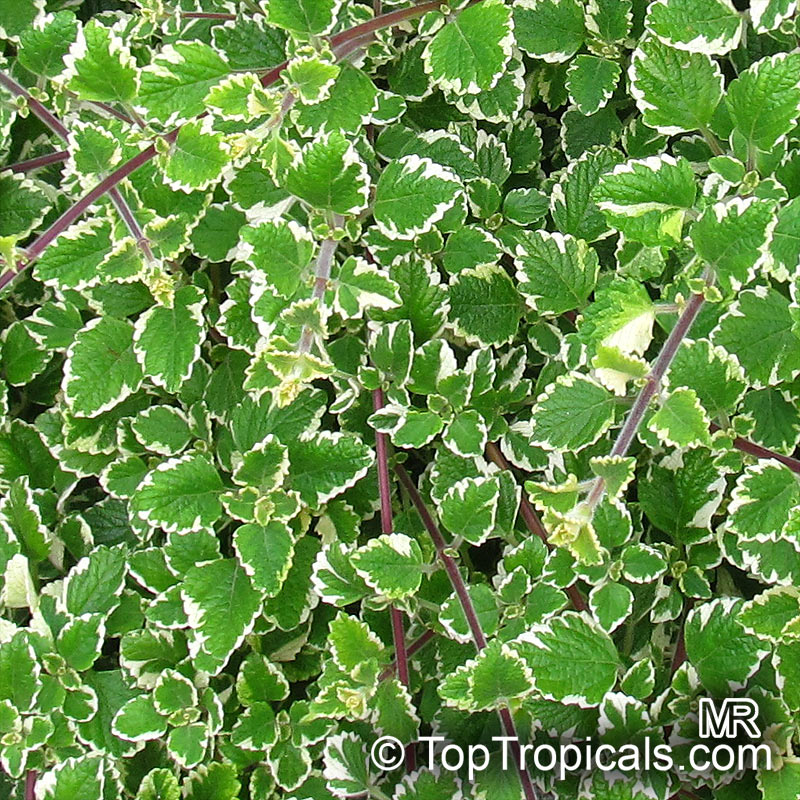
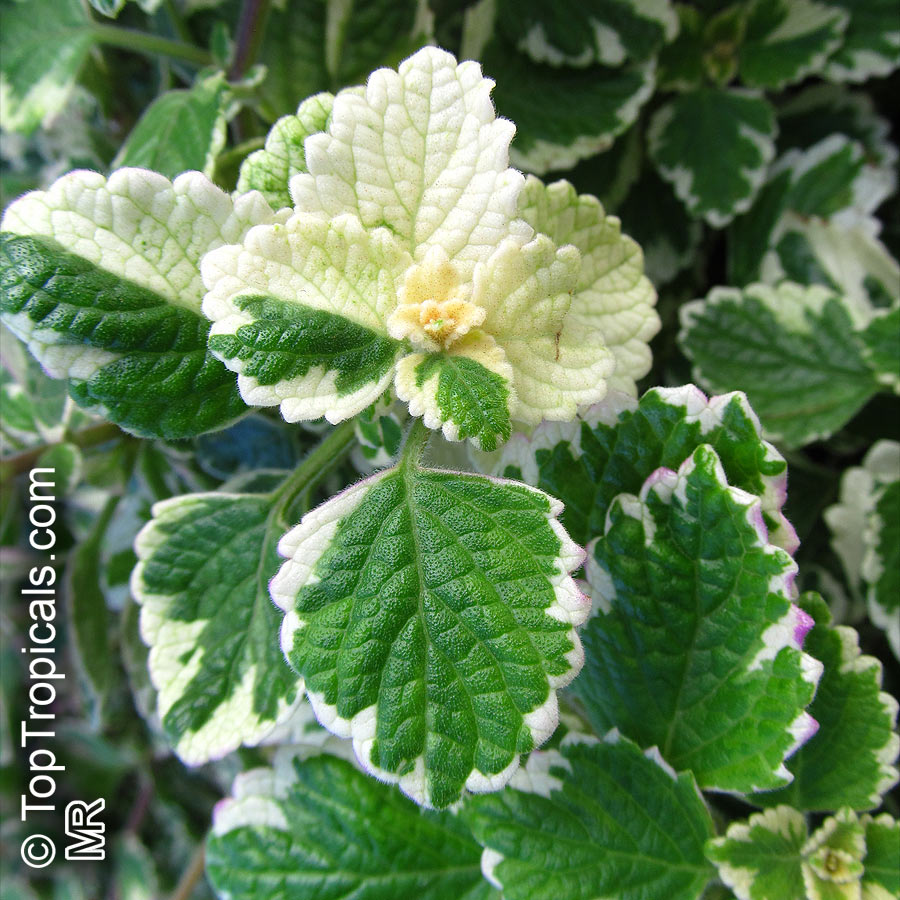
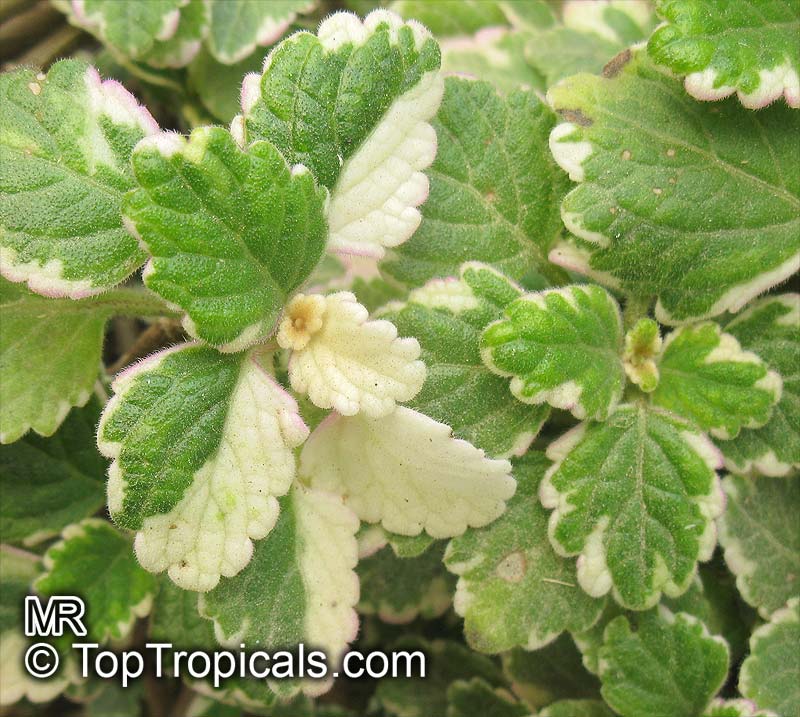
Botanical name: Plectranthus coleoides
Common name: White-Edged Swedish Ivy
Family: Lamiaceae
USDA Zone: 9-11

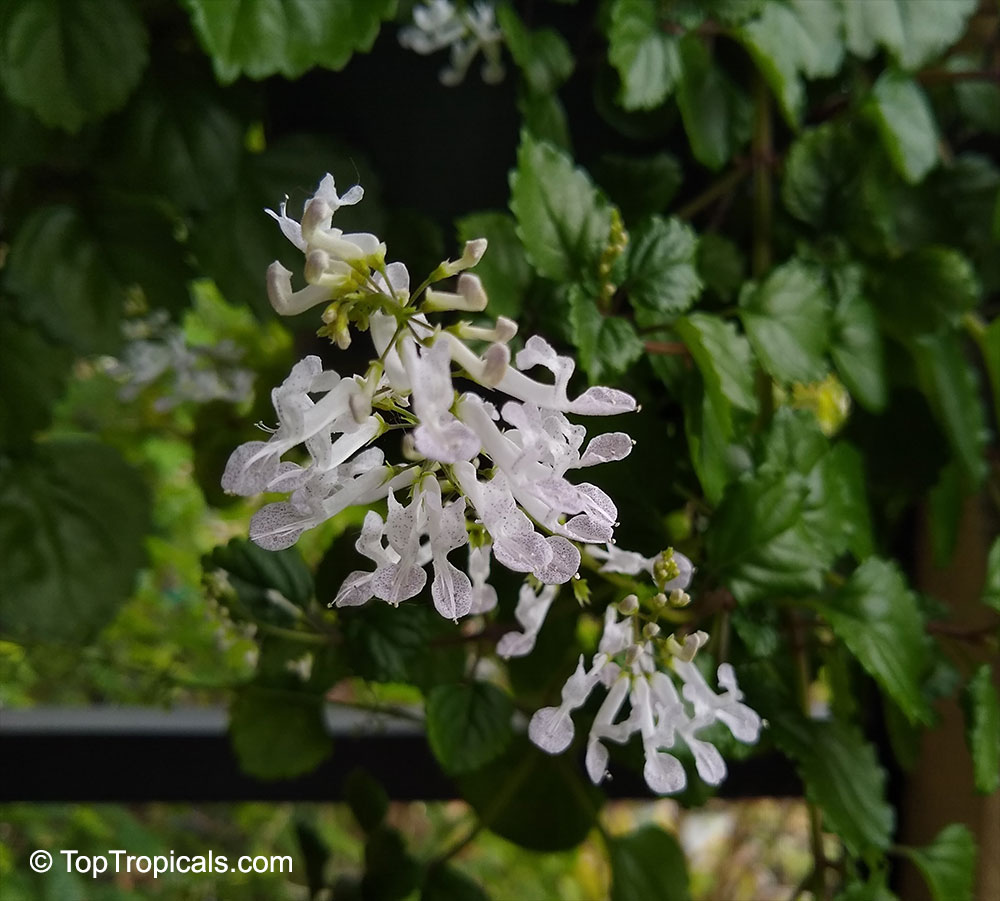
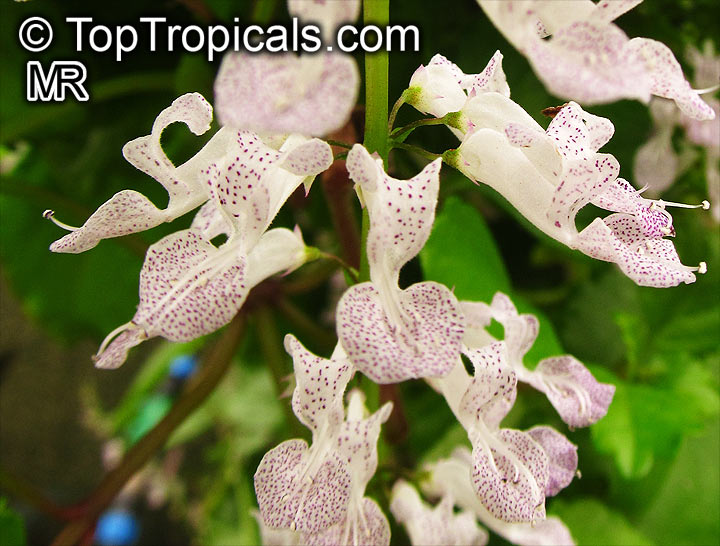
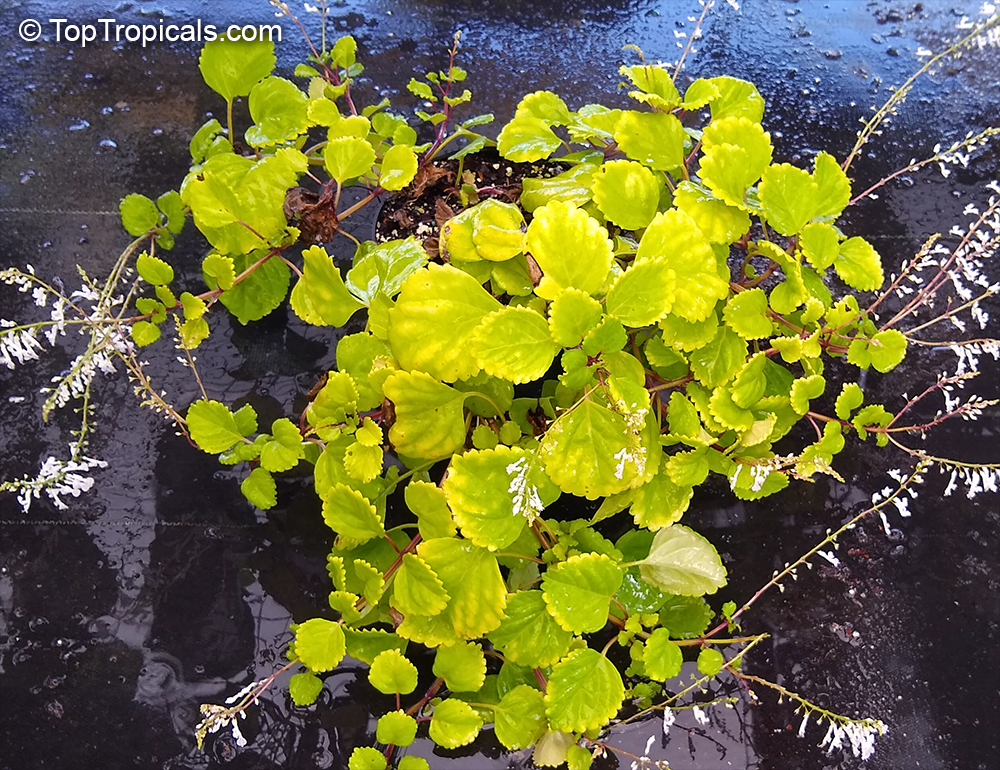
Plectranthus coleoides (White-Edged Swedish Ivy) is a small plant that reaches 2-5 ft and is used as a groundcover and low-growing accent. It has beautiful white or off-white flowers that are fragrant and ornamental in style. It does best when placed in full sun or semi-shade depending on the climate and with moderate watering.
When planting Plectranthus coleoides in warm climates, it can be placed in the ground, however in cold regions, it is best to grow it in a pot to ensure that the soil keeps warm. To ensure proper growth and care of the plant, when placing it in a pot in a cold region, ensure that it is planted in well drained soil to prevent rotting and that the container is able to hold sufficient water to keep the plant hydrated. Place the pot in an area that gets plenty of sunlight, generally the sunniest location in your garden, and make sure to water the plant during periods of drought. Additionally, fertilize the soil every few months to ensure maximum growth.
With proper care and attention, Plectranthus coleoides can be a beautiful and vibrant addition to any garden. Its ornamental foliage and fragrant flowers will be sure to delight.
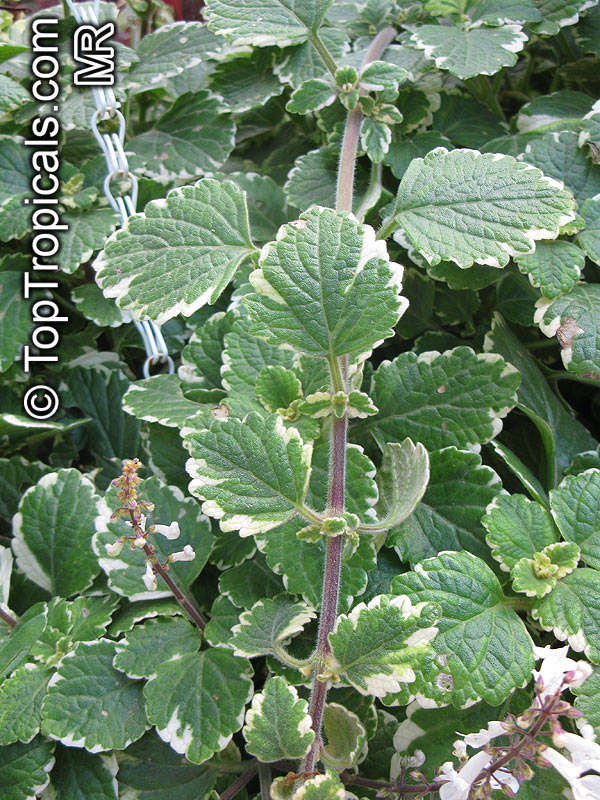
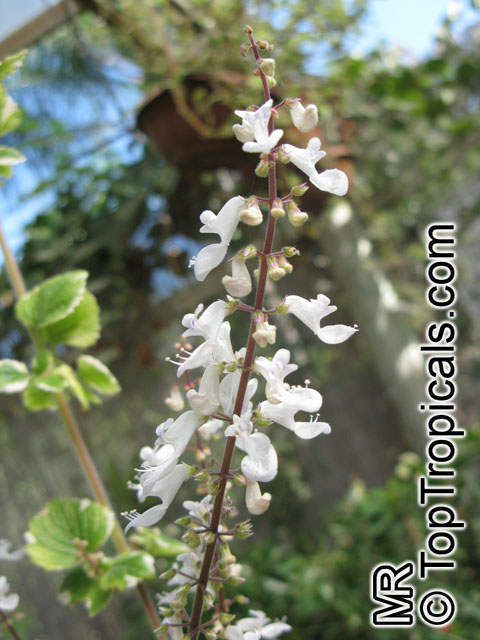
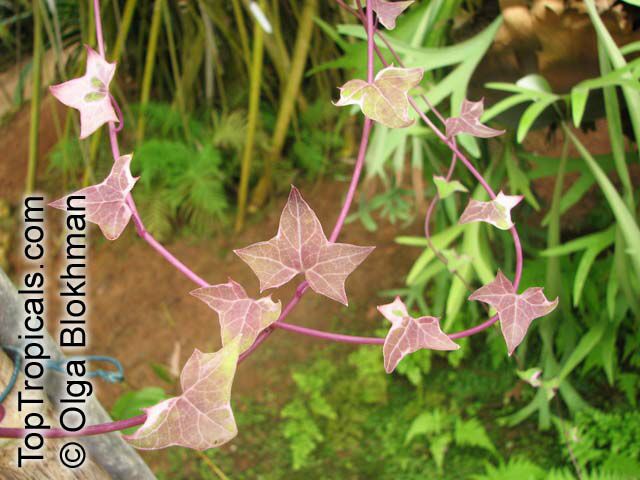
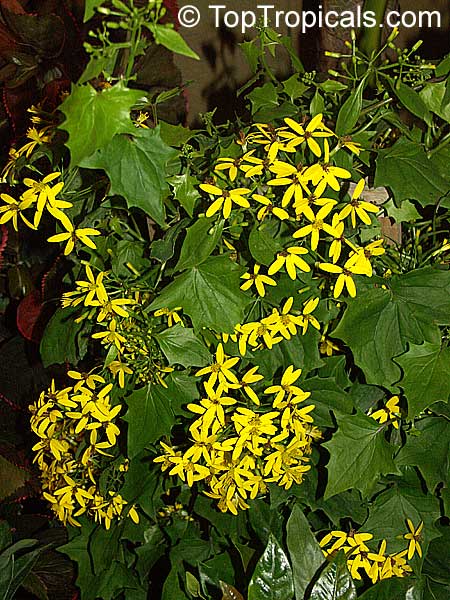
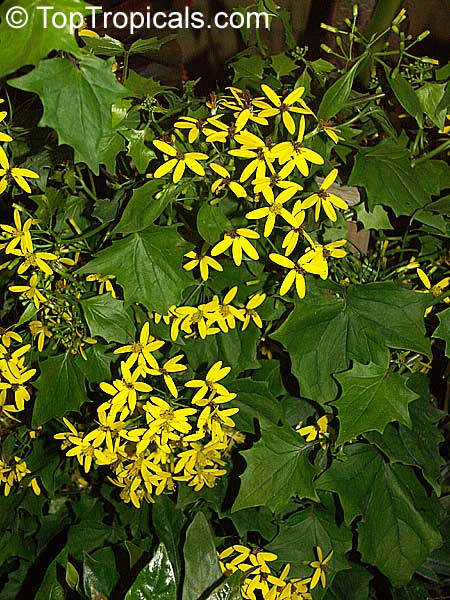
Botanical name: Senecio macroglossus
Common names: Flowering Ivy, Cape Ivy, Natal Ivy, Wax Vine
Family: Asteraceae
Origin: South Africa
USDA Zone: 9-10


An evergreen perennial plant native to South Africa, Senecio macroglossus (Flowering Ivy) is a vigorous and low-growing groundcover that, when given a support, can grow up to two feet in height. It is important to distinguish between the two distinct types of growth for this plant: those that grow on the ground and those that climb.
This perennial is a pleasant addition to any garden, featuring green, glossy leaves on long, trailing stems. In full sun it does best and in partial shade, it is also quite successful. Senecio macroglossus is not particularly fussy about water requirements and depends on the environment, generally preferring regular but light irrigation, although it can tolerate moderate water and occasional dry conditions when grown in pots.
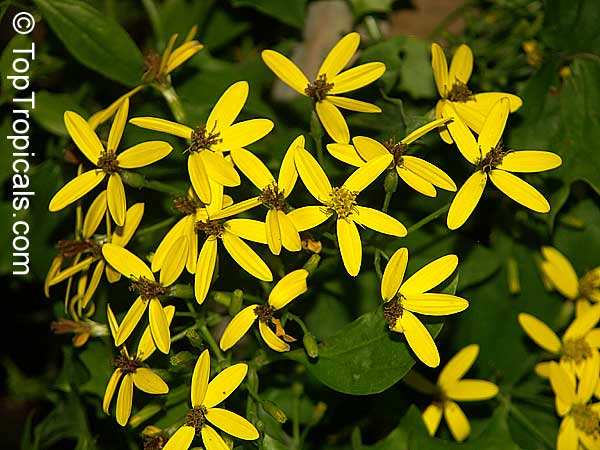
Aside from its attractive foliage, the plant also boasts a dazzling display of yellow, orange daisy-like flowers which add a stunning splash of color to any garden. It typically flowers in the late spring/early summer, but can bloom throughout the year in tropical climates. It also makes a beautiful hanging basket.
When growing Senecio macroglossus in cold regions, it is important to pot it up and bring it indoors during the colder months to ensure it survives. The plant must be well-drained, so adding some extra drainage material to the pot is recommended. Gardening gloves are also a must, as some parts of the Senecio macroglossus can be irritating to the skin.
Its bright and vibrant look make the Senecio macroglossus an attractive addition to any garden: from balconies and patios to a more expansive outdoor space. With its bright yellow daisy-like flowers and glossy foliage, this charming plant can create a tropical look and feel to any outdoor area.
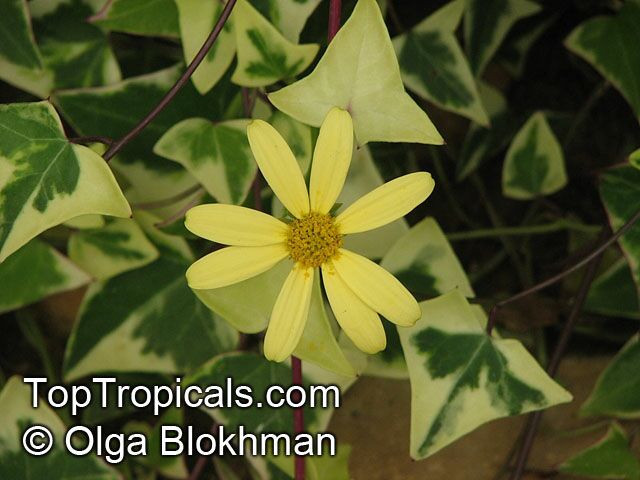
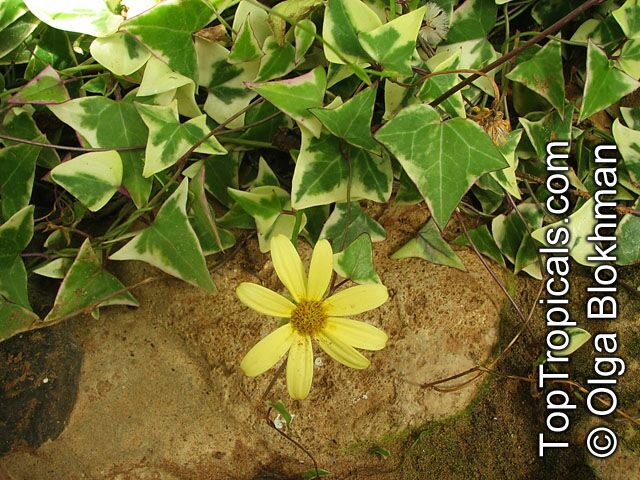
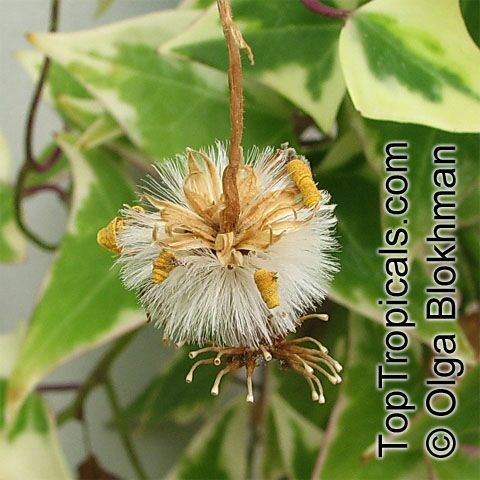
Botanical names: Senecio mikanioides, Delairea odorata
Common names: German Ivy, Cape Ivy, Water Ivy, Parlor Ivy
Family: Asteraceae
Origin: South Africa
USDA Zone: 9-10

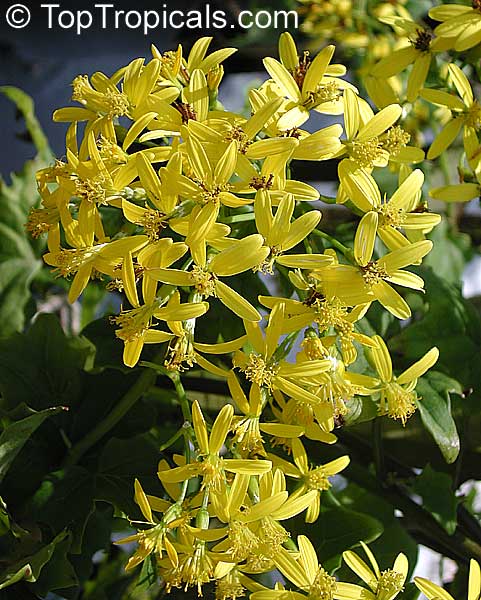
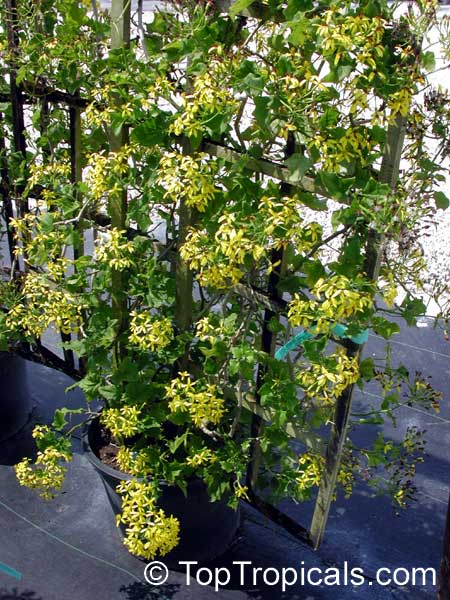
Cape Ivy or German Ivy is considered a groundcover option and a low-growing plant, growing up to 2 feet tall depending on the climate. The plant prefers full sun or semi-shade and requires regular or moderate water. In cooler climates it should be grown in a pot and placed in full sun to help it survive properly. The vibrant yellow and orange flowers attract many hummingbirds and butterflies.
Cape Ivy does thrive in USDA zone 9-11, however, it can become an invasive ground cover for some climates, so it should be monitored. When planting in a garden bed, it is recommended to dig a trench and layer the surface with newspaper to prevent the roots from spreading. Pruning of the stems and flowers is also important to contain the plant's growth and should be done after flowering occurs.
Growth for this plant is normally slow, so fertilizer is not necessary. A layer of leaf mulch in the surrounding area helps retain moisture and suppresses weeds. The plant is tolerant to low temperatures and some frost however frost-tender leaves may discolor and damage if temperatures are too cold.
All in all, Senecio mikanioides or Cape Ivy or German Ivy, is an easy to care for, hardy plant that produces vibrant yellow and orange flowers in the spring. It attracts hummingbirds and butterflies and is suitable for USDA zone 9 through 11 climates when care instructions are followed. Caring for the plant includes regular pruning, as well as preventing the root from spreading by layering the surface with newspaper. Fertilizer is not necessary for this slow-growing plant and leaf mulch should be used to retain moisture and suppress weeds.
Botanical name: x Fatshedera lizei
Common names: Fatshedera, Ivy Tree
Family: Araliaceae
USDA Zone: 8-11

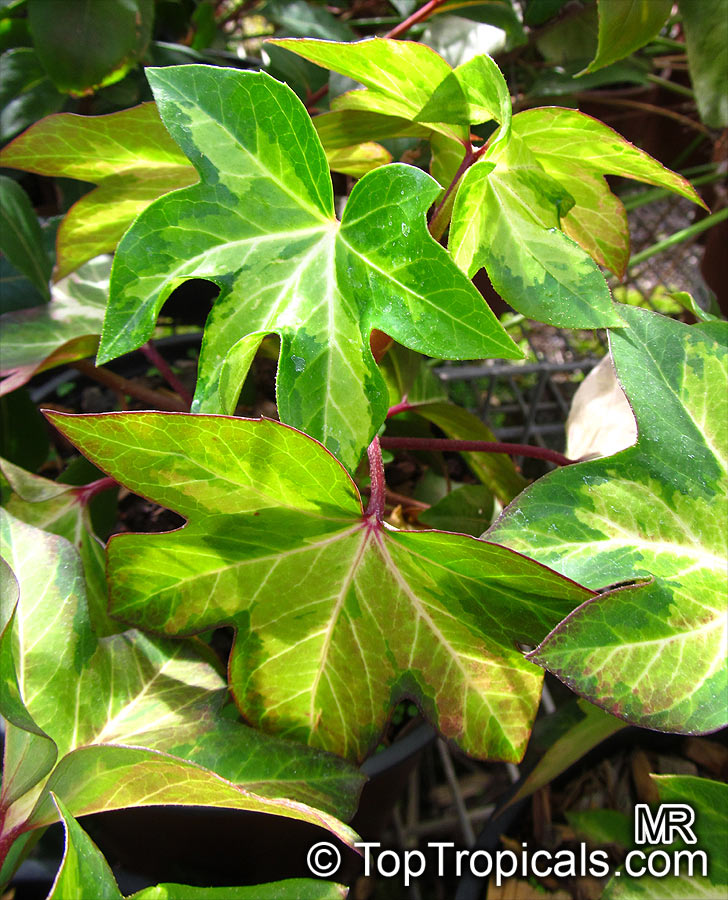
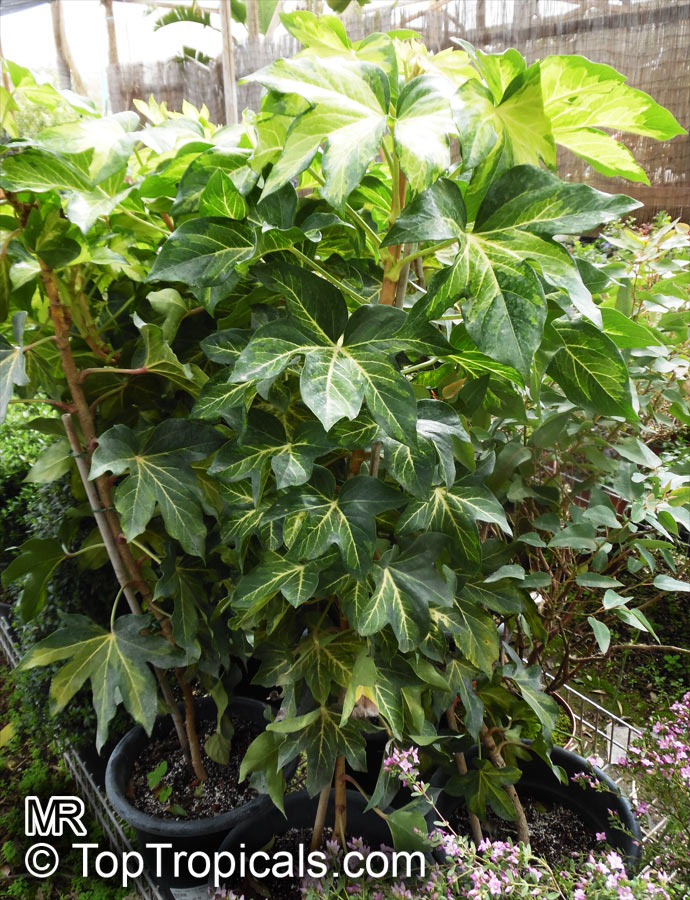
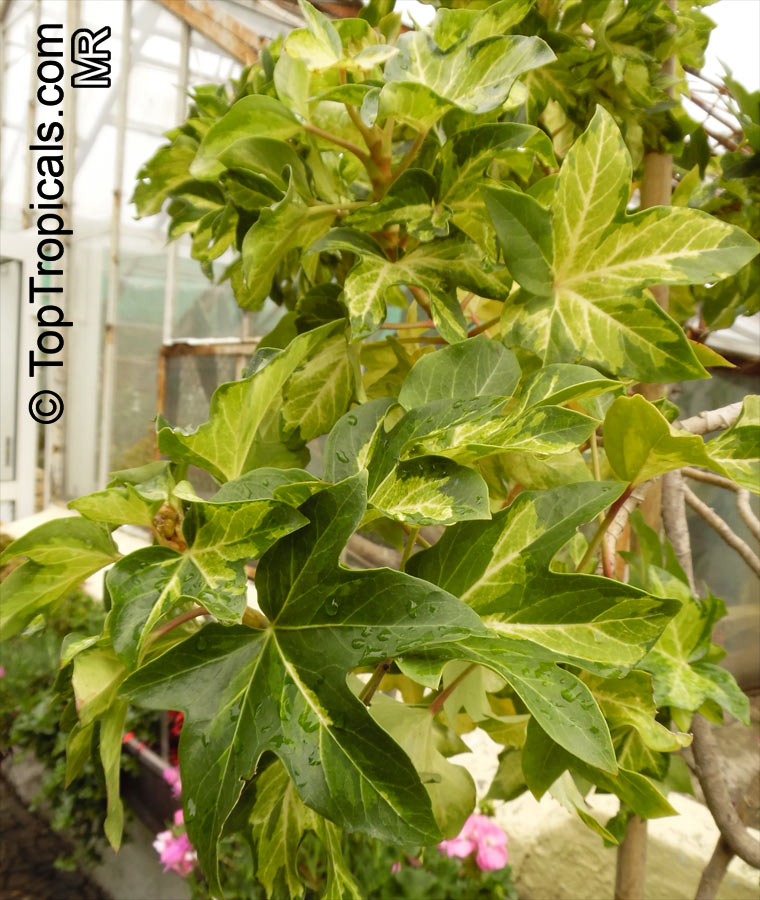
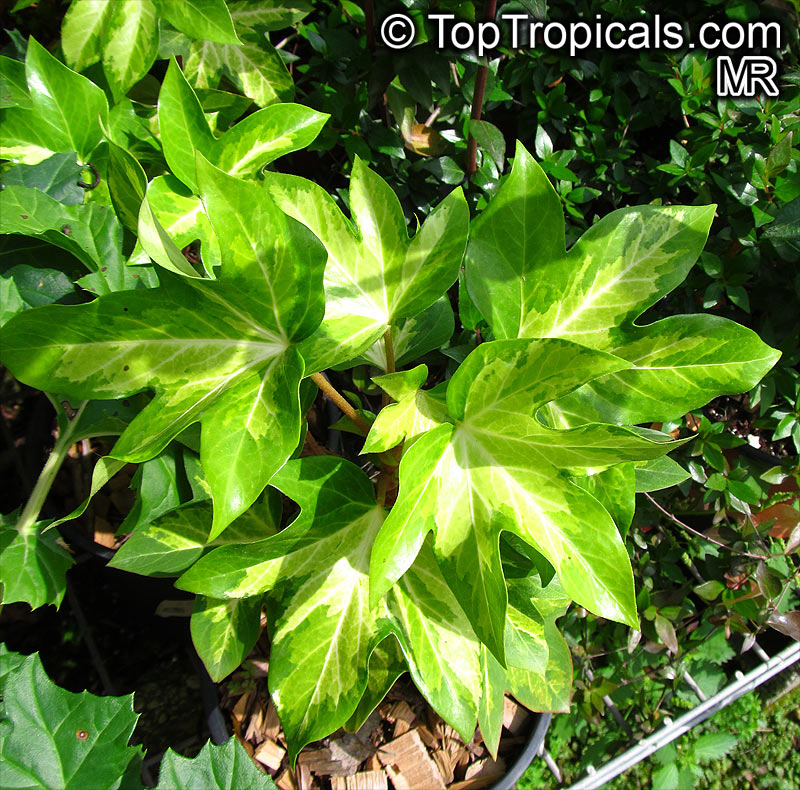
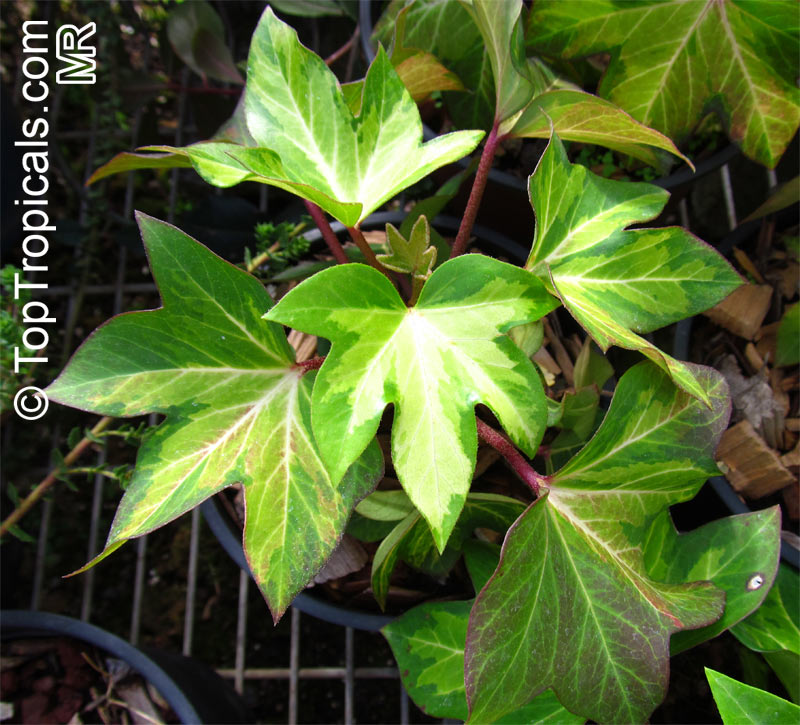
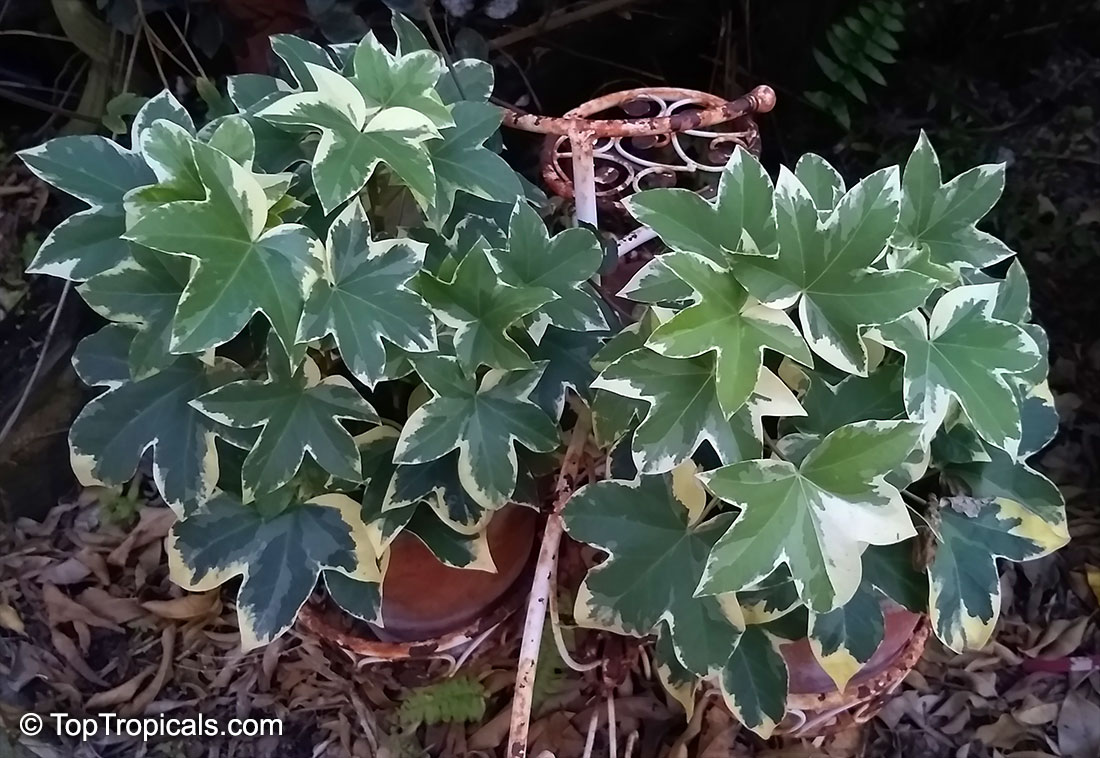
The Ivy Tree is an usual plant in that it's the result of a cross between two genera, the Hedera (English ivy) and Fatsia japonica. The resulting hybrid has the interesting and lovely leaf shape of the Fatsia, which can be seen growing along the roadsides throughout the tropical world, and the cultural requirements and basic climbing habit of its ivy parent. As a shrub, Fatshedera can grow up to 1.2 m tall, above which the weight of the fairly weak branches makes them tend to bend over. It can however also be tied to a support and grow into a vine up to 3-4 m tall; unlike Hedera, it does not readily climb without assistance.
It is grown both as a garden plant outdoors, and as a houseplant indoors, where its tolerance of shady conditions is valued.
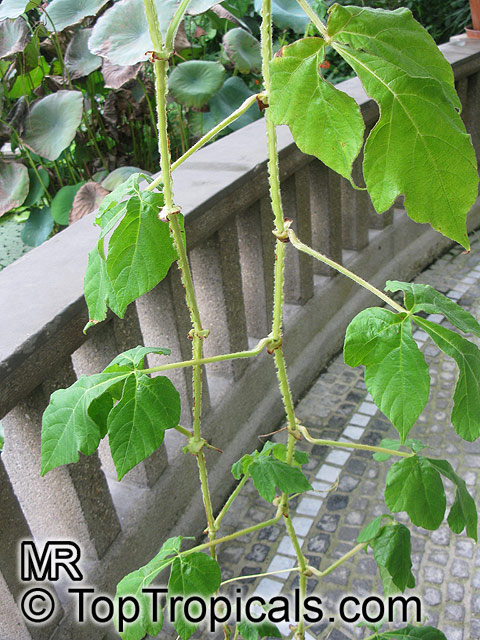
Botanical name: Cissus gongylodes
Common names: Treebine, Wing Stemmed Grape Ivy
Family: Vitaceae
Origin: South America
USDA Zone: 9-10
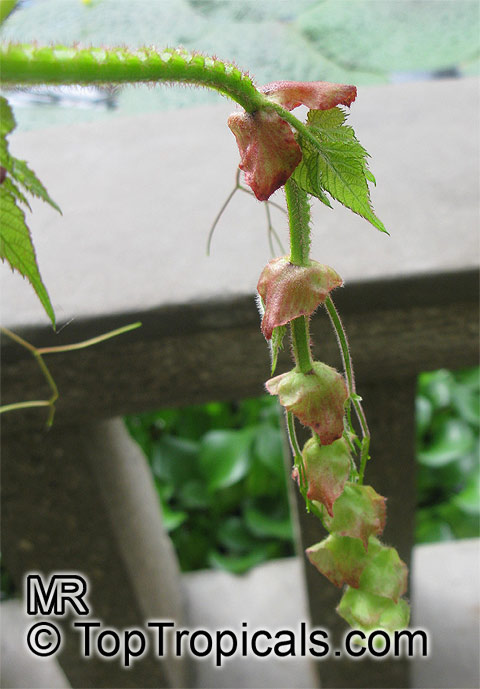
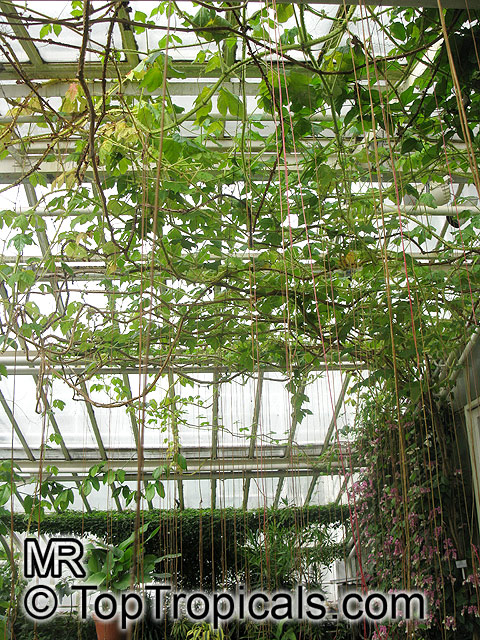
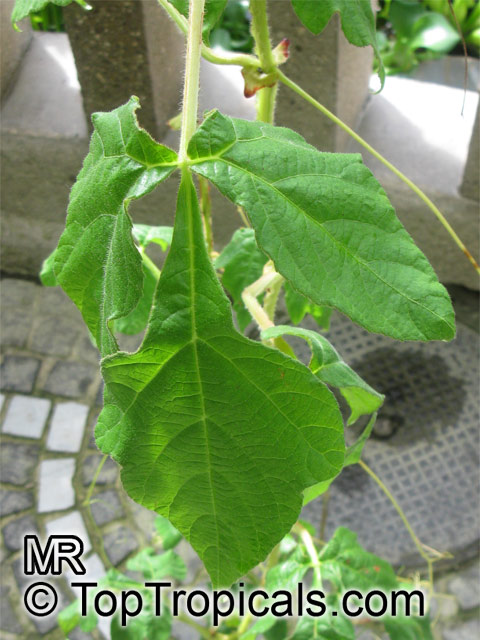
An evergreen to partially deciduous tropical vine or liana, with squared, succulent stems and pinkish red aerial roots.

| Next | |
Use link to repeat this search:
https://toptropicals.com/cgi-bin/garden_catalog/cat.cgi?find=Ivy&search_op=and&keyword_op=and&language=e&number=10
&no_change_lang=1&user=tt&sale=1&first=0