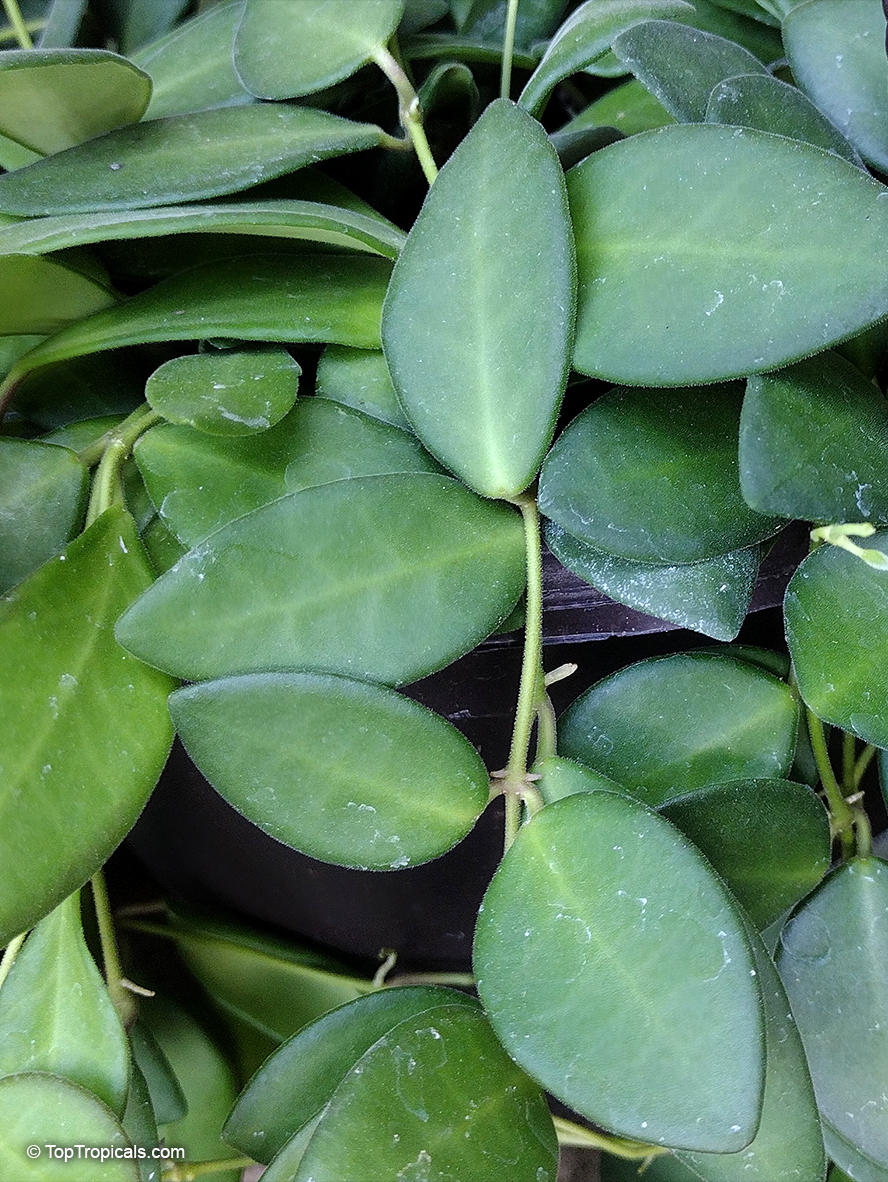
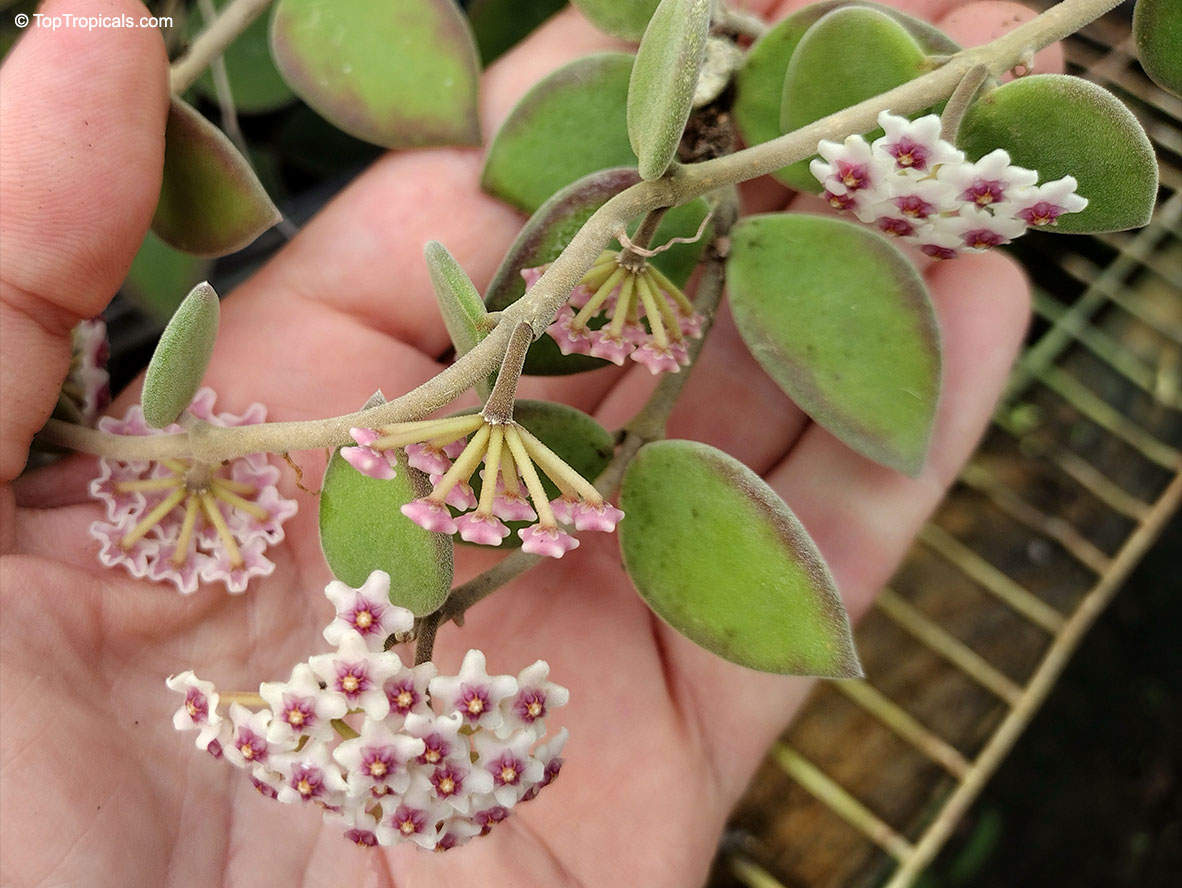
Hoya sp. (Wax Flower)
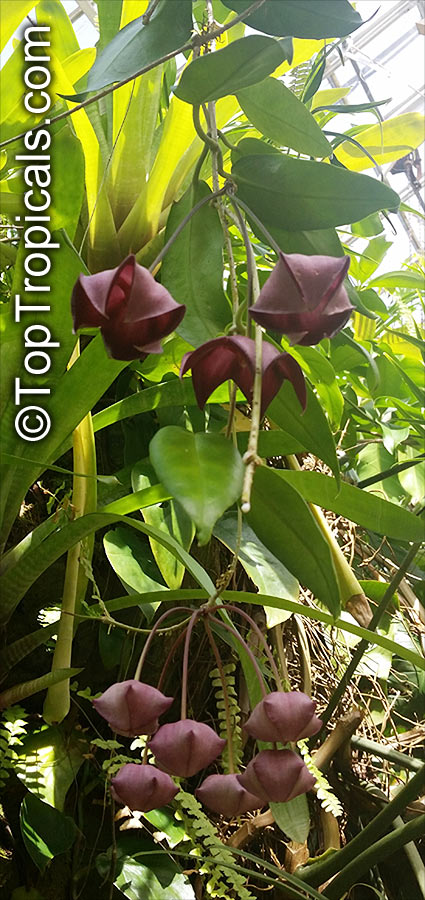
Botanical name: Hoya sp.
Common name: Wax Flower
Family: Apocynaceae (Formerly:Asclepiadaceae)
Subfamily: Asclepiadoideae
Origin: Eastern Asia and Australia
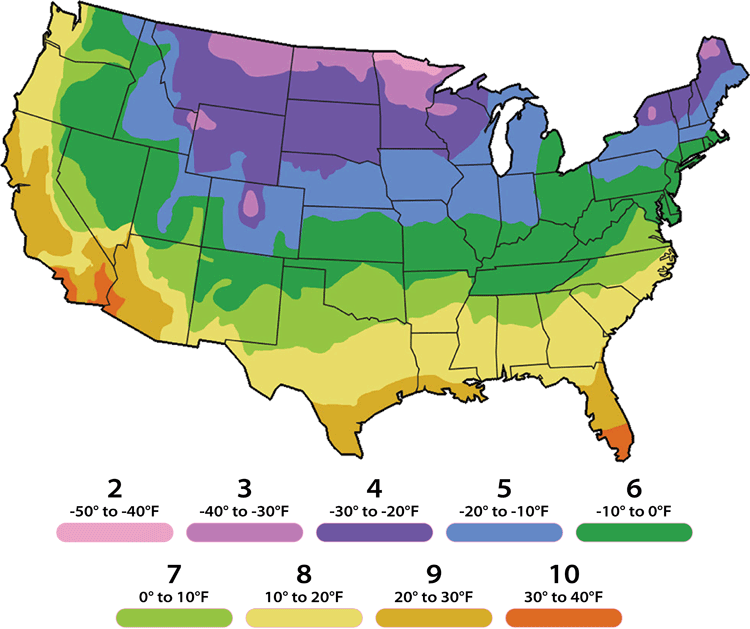
USDA Zone: 10-11
Cold tolerance: 35°F
 Plant form: Climbing or creeping vine
 Sun exposure: Semi-shade
 Cold tolerance: Frost sensitive. Protect from freezing.
 Watering: Moderate


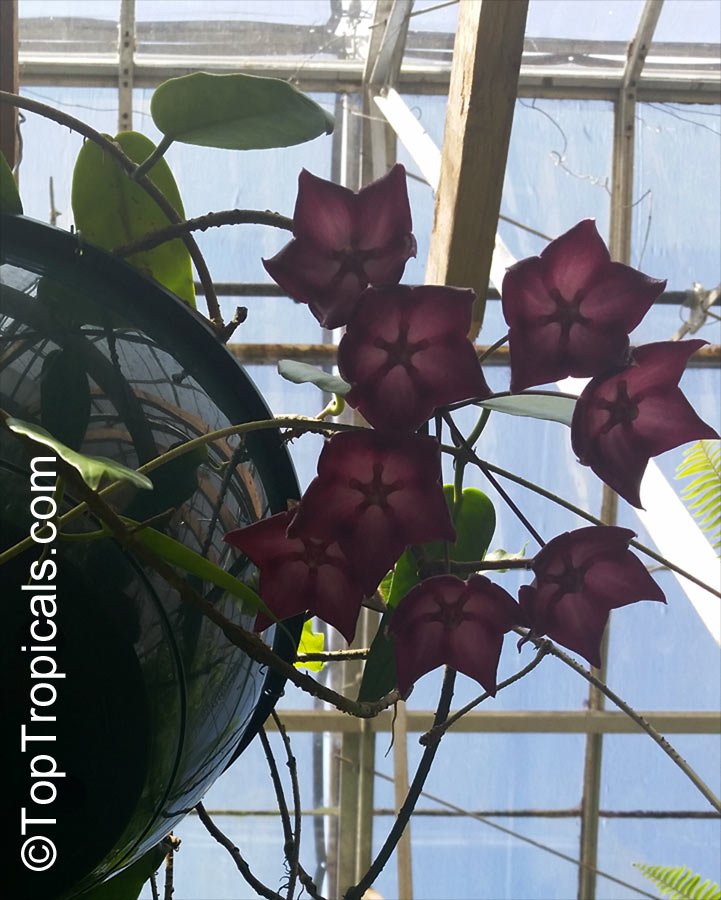
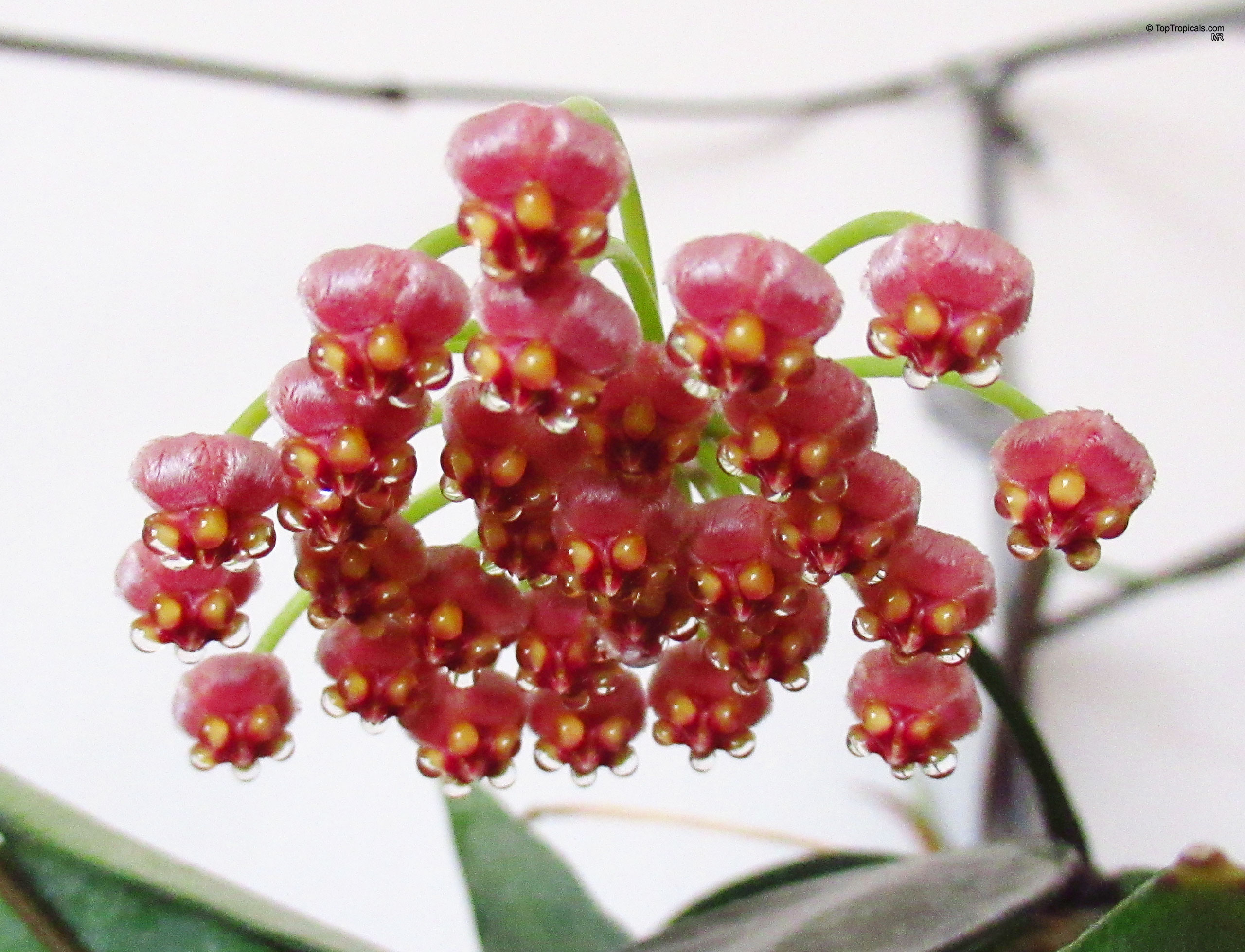
 Flower color: Pink; white and off-white; red, crimson, vinous; yellow, orange
 Suitable for: Outdoors in the suitable USDA zone; small gardens, containers, and indoor growing
 Foliage color: Ornamental foliage
 Fragrance: Fragrant; perfume plant
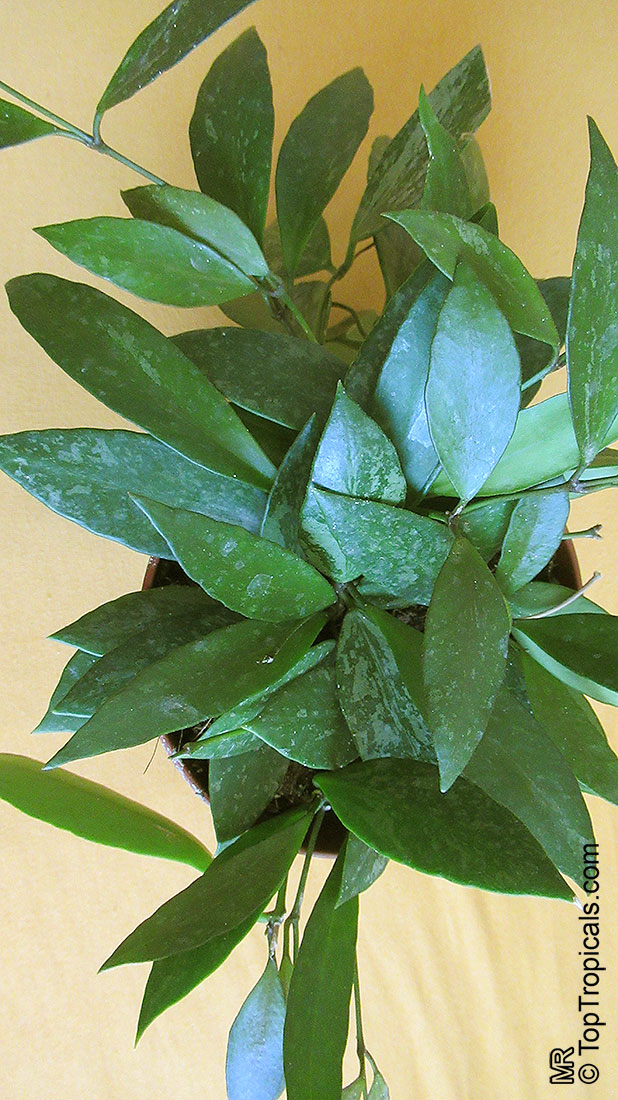
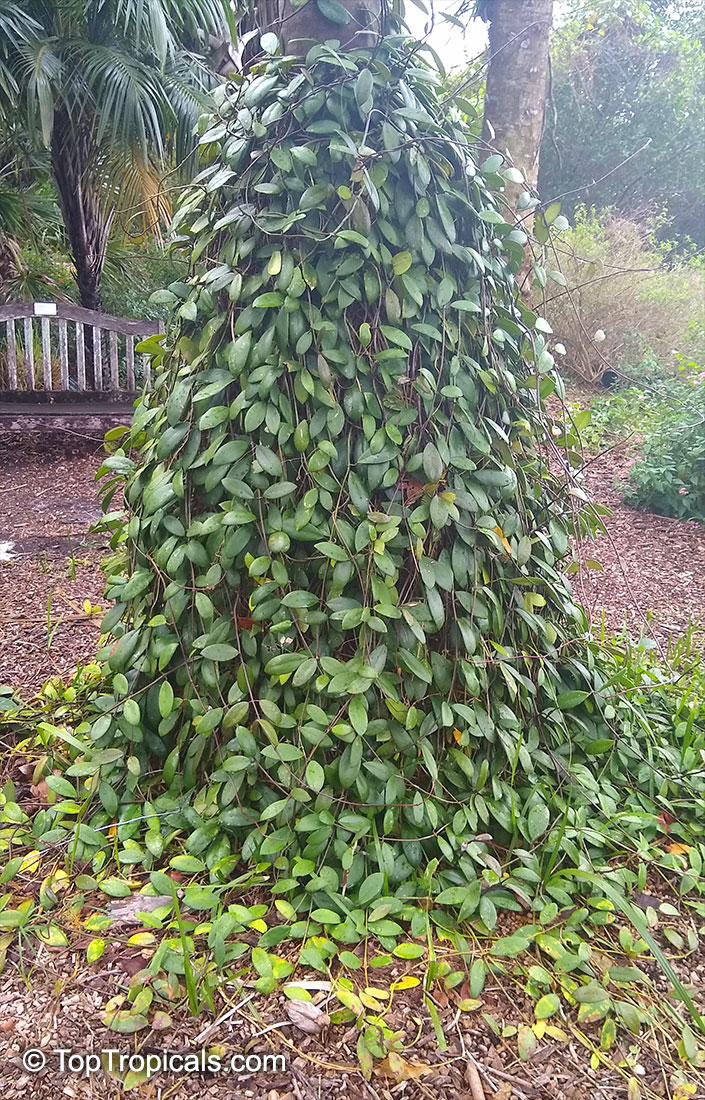
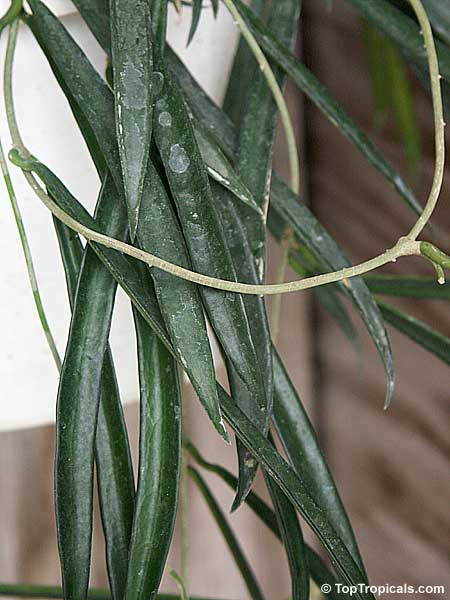
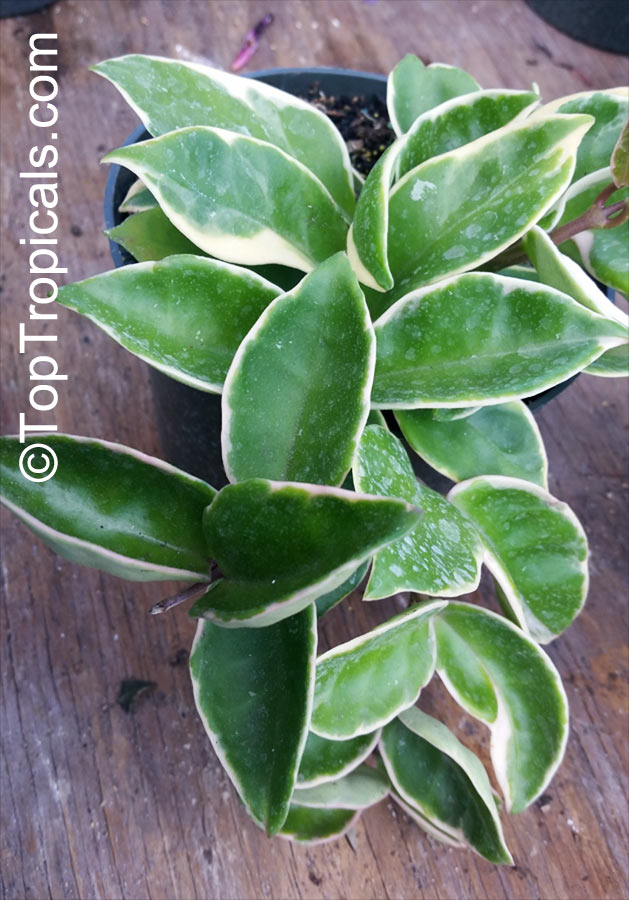
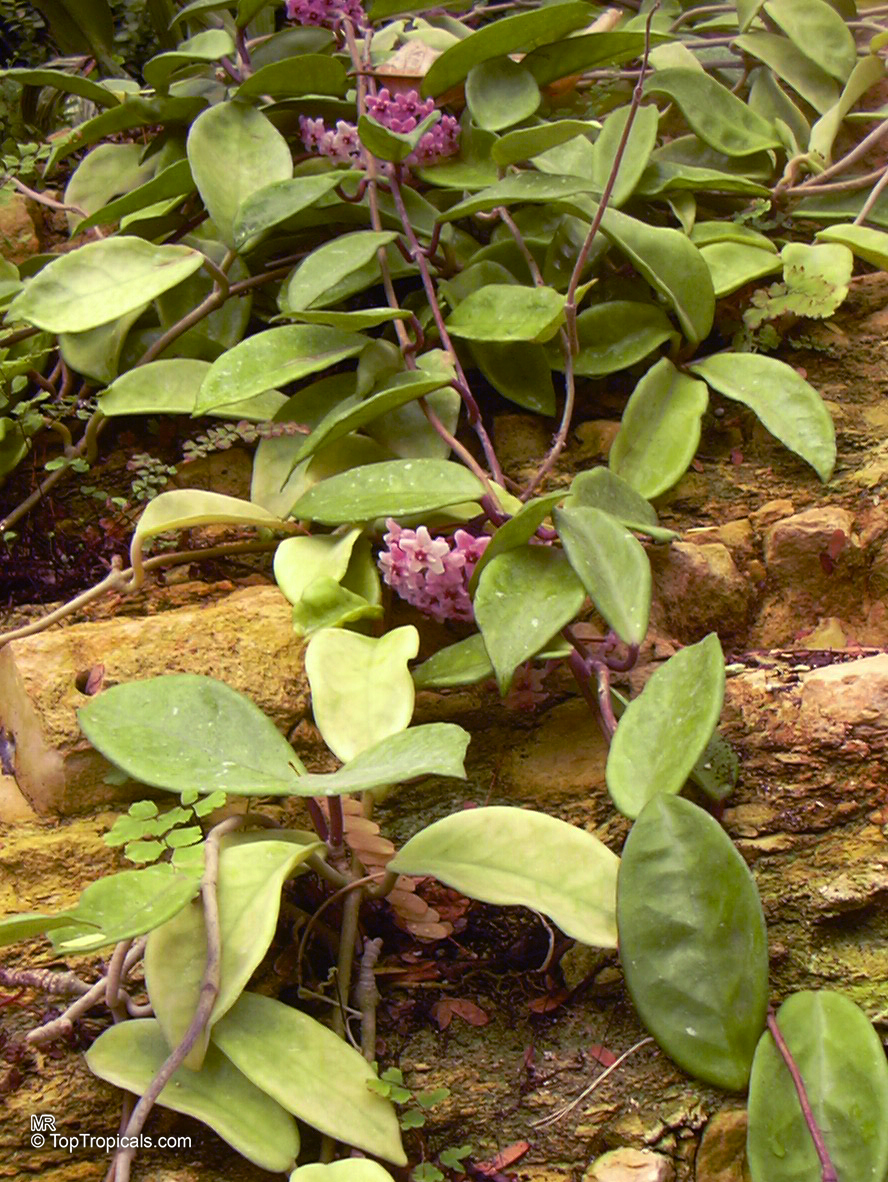
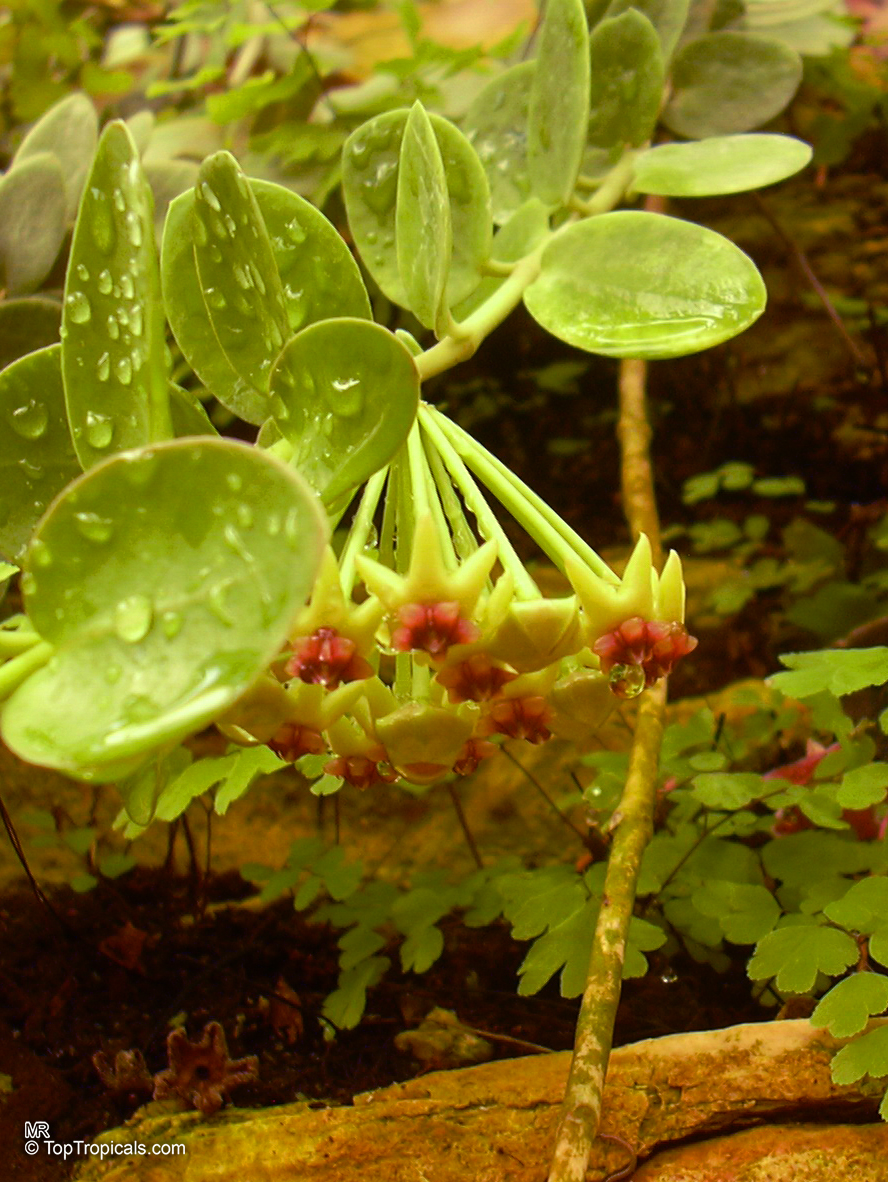
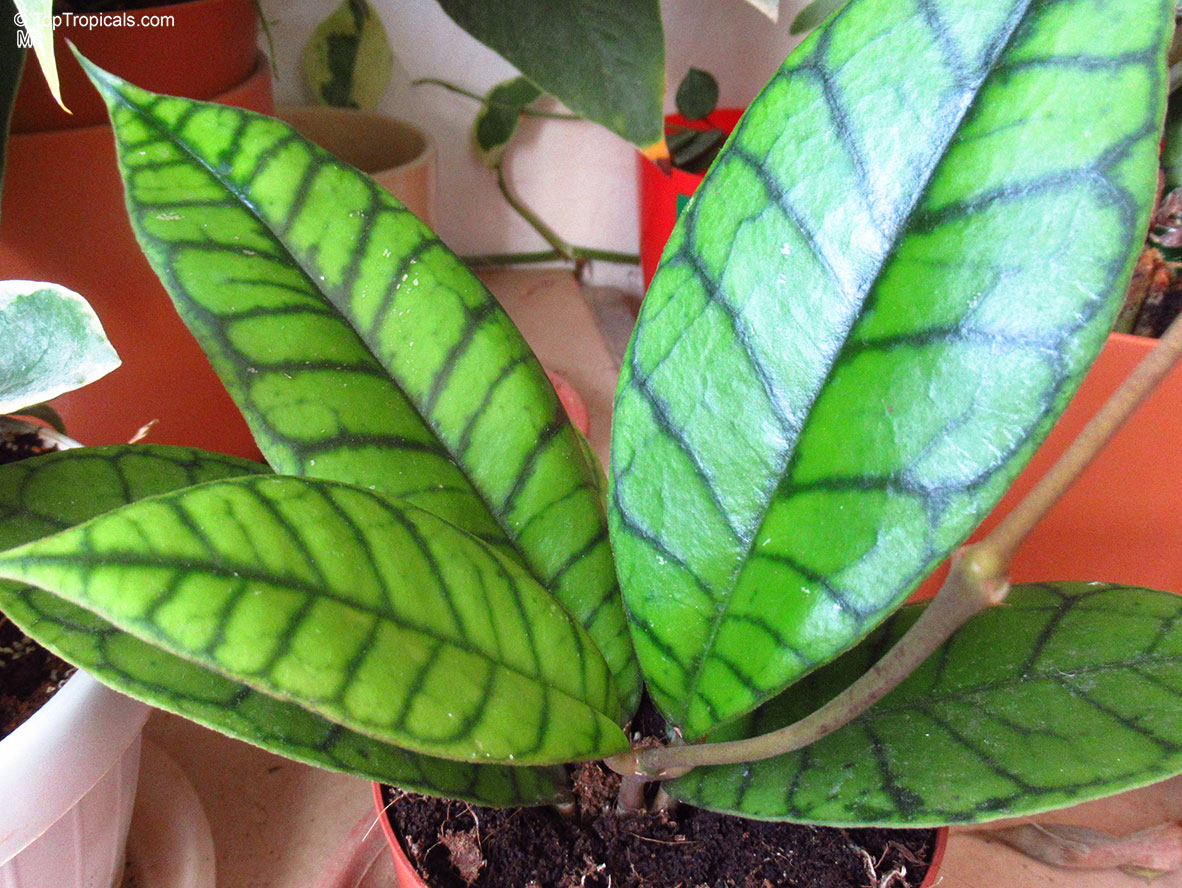
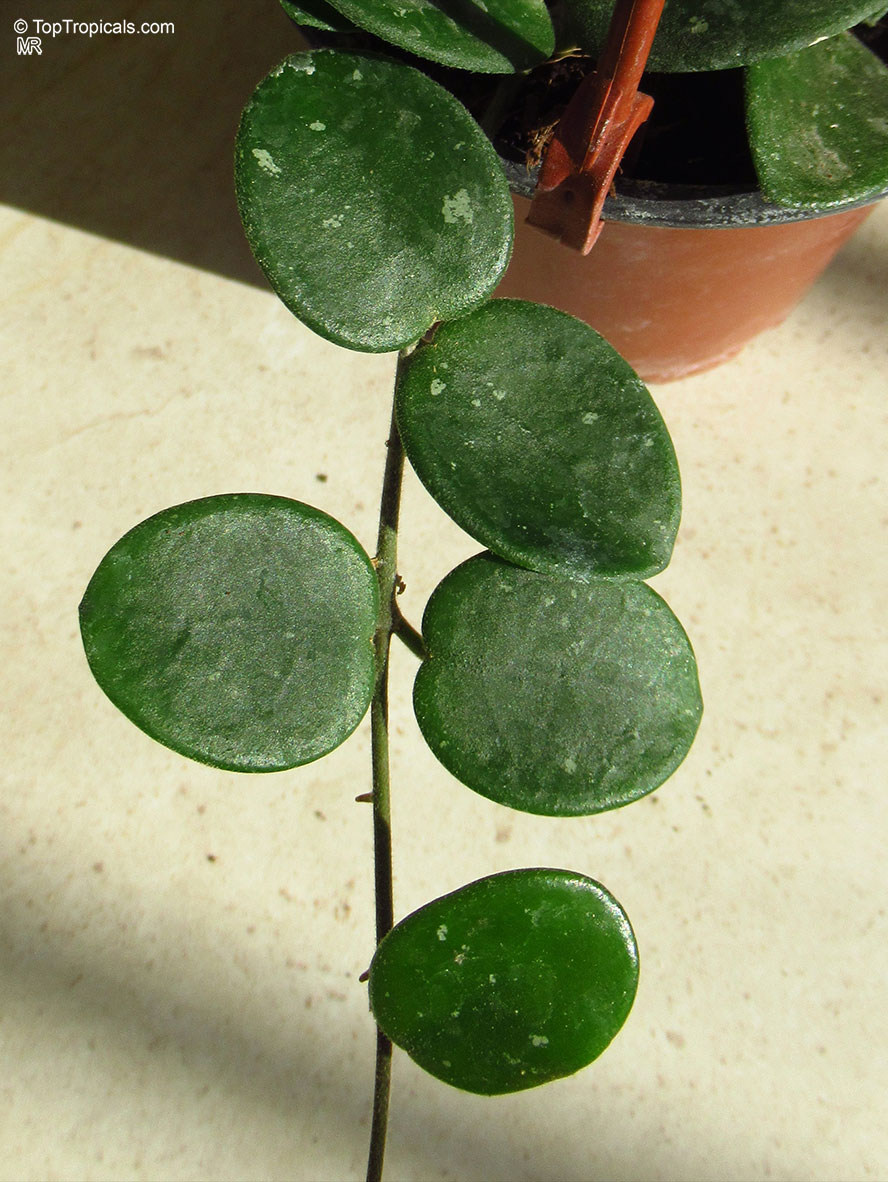
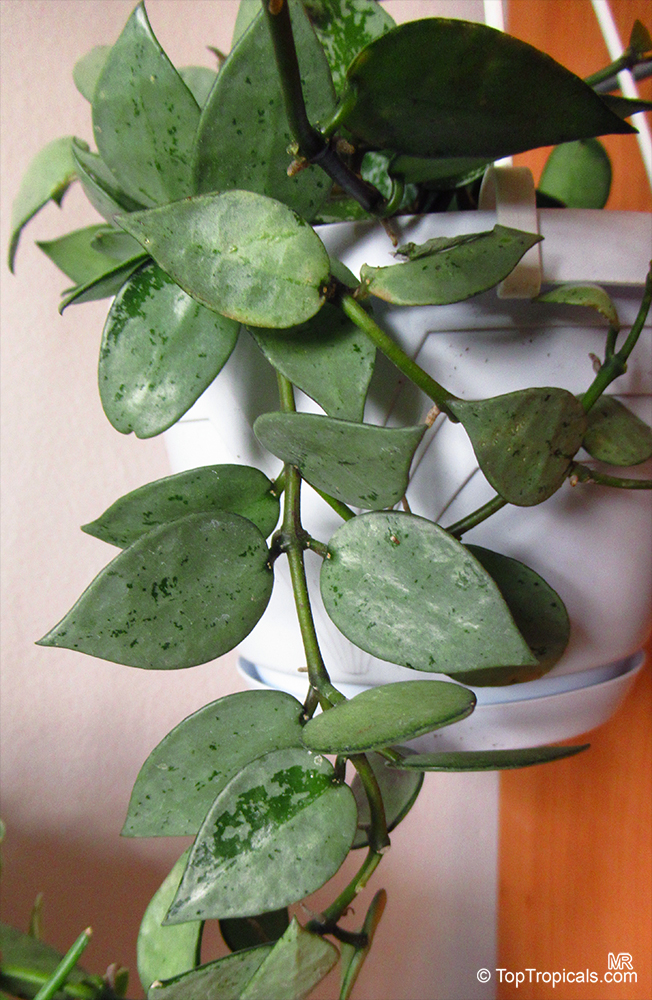
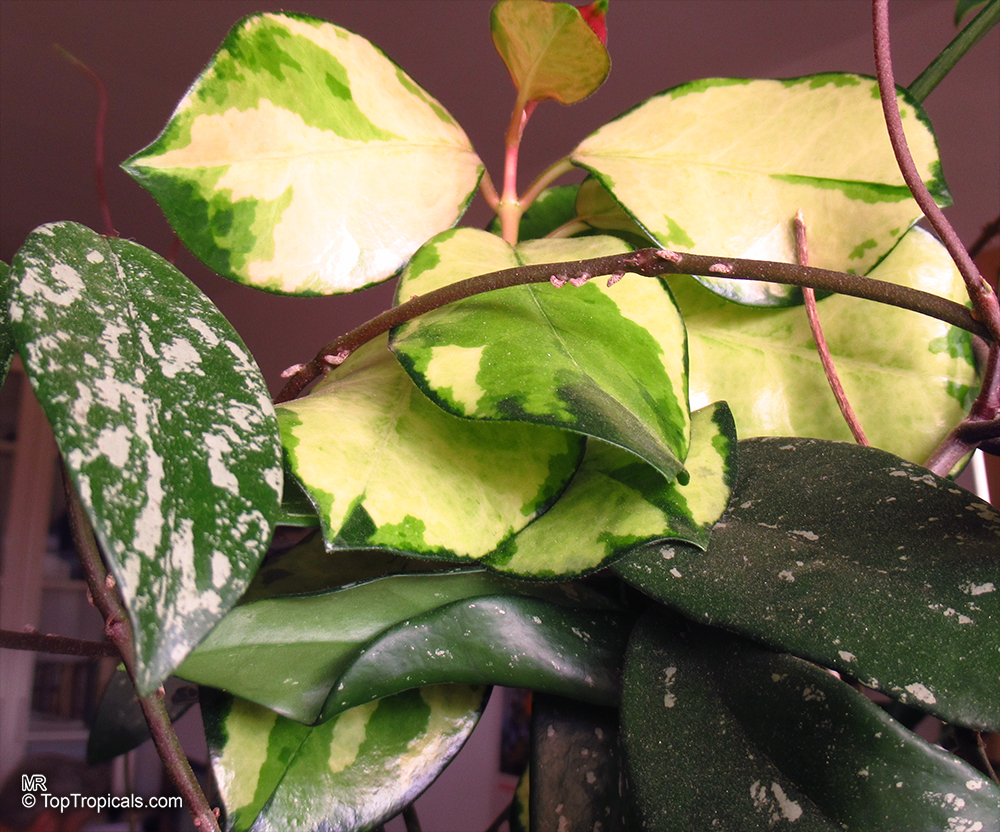
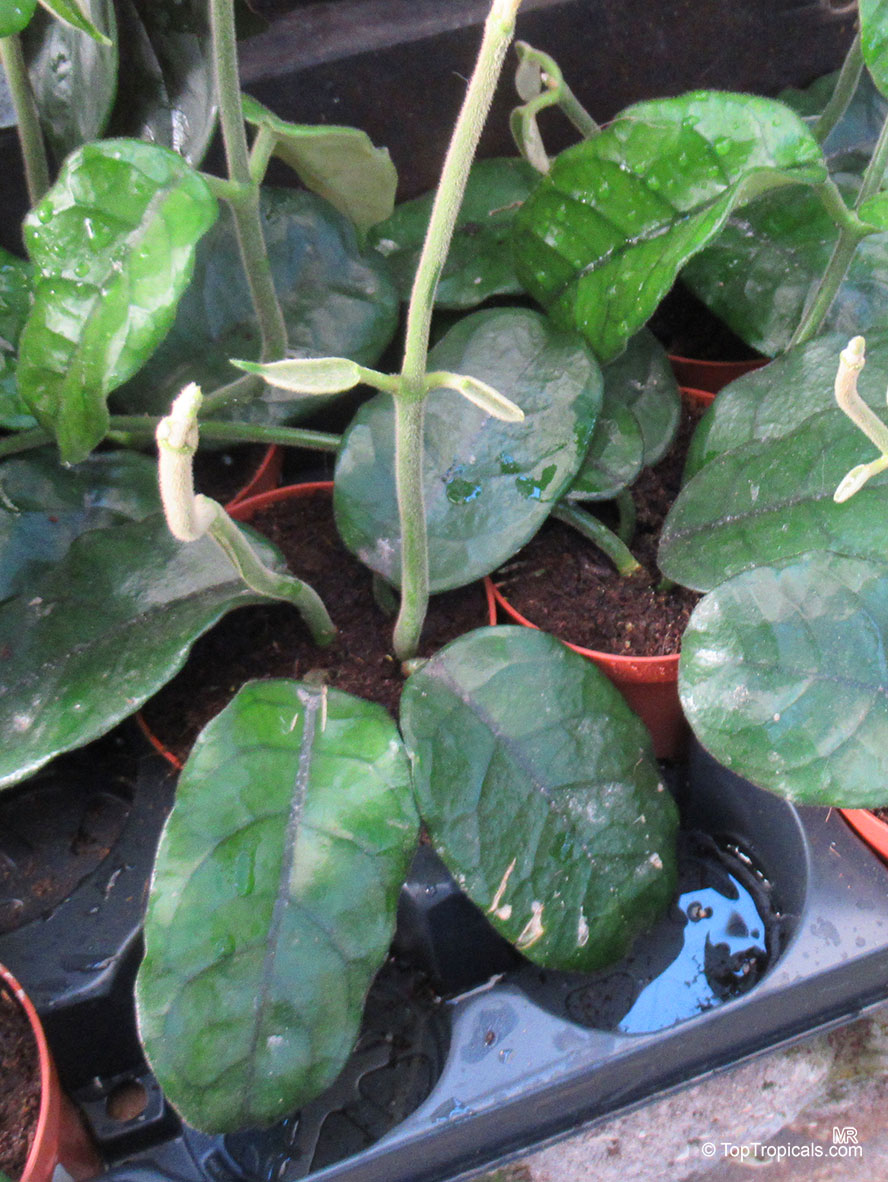
Hoya is a large genus of evergreen climbing, trailing, and occasionally shrubby plants in the Apocynaceae family, comprising several hundred species native mainly to tropical and subtropical Asia, Australia, and islands of the western Pacific. Commonly known as Wax Plants, Hoyas typically have fleshy or leathery leaves and produce clusters of distinctive star-shaped flowers. Growth habits and foliage vary considerably among species, from compact plants with tiny leaves to vigorous vines with large, thick foliage, making the genus exceptionally diverse and popular among collectors.
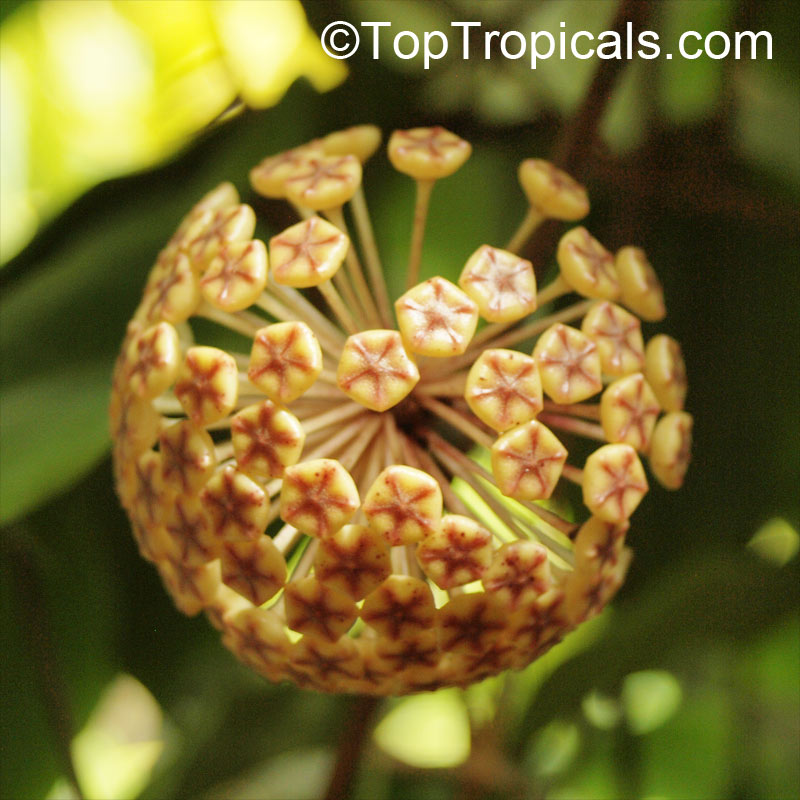
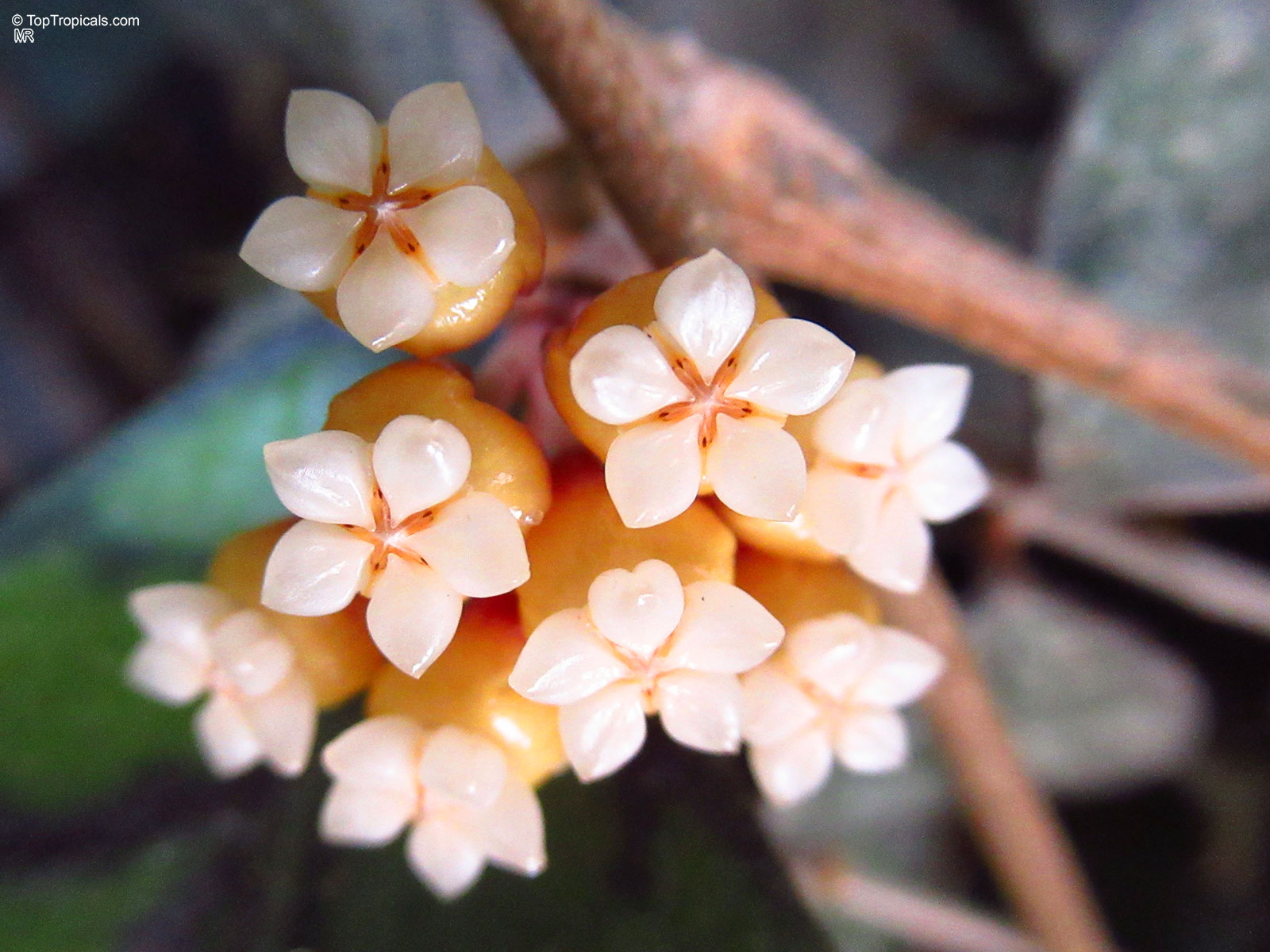
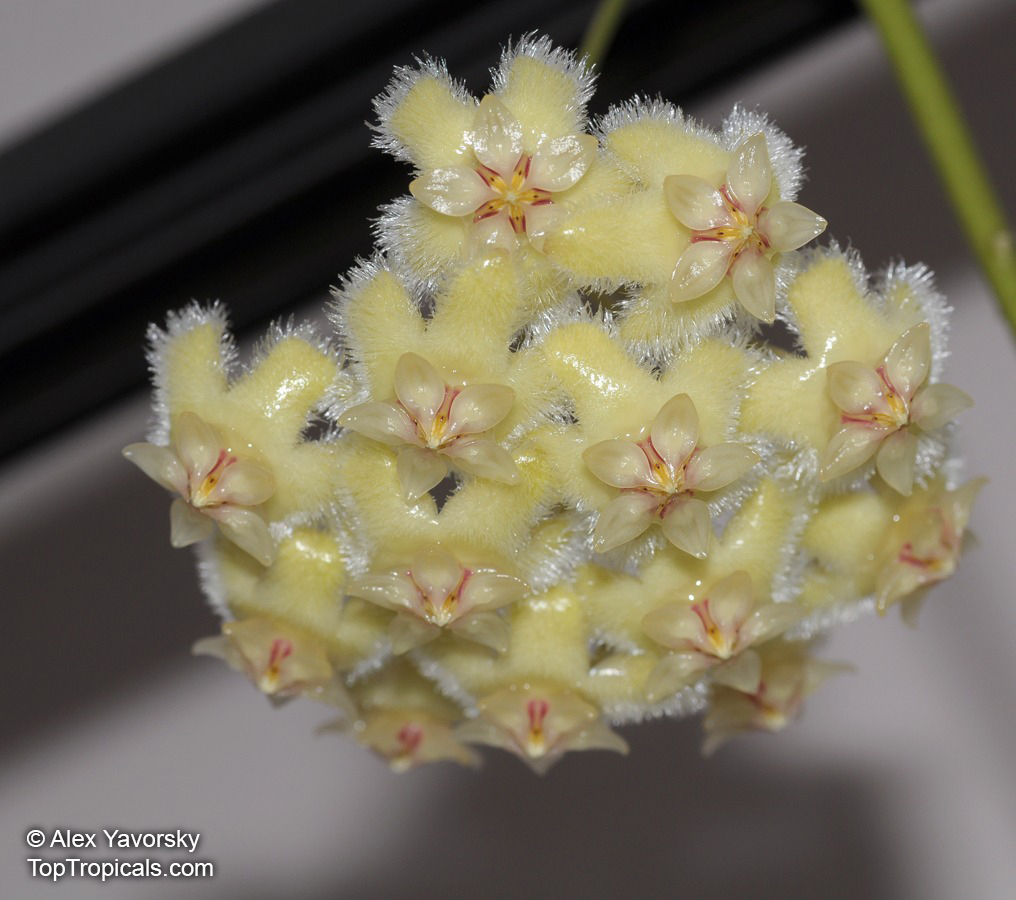
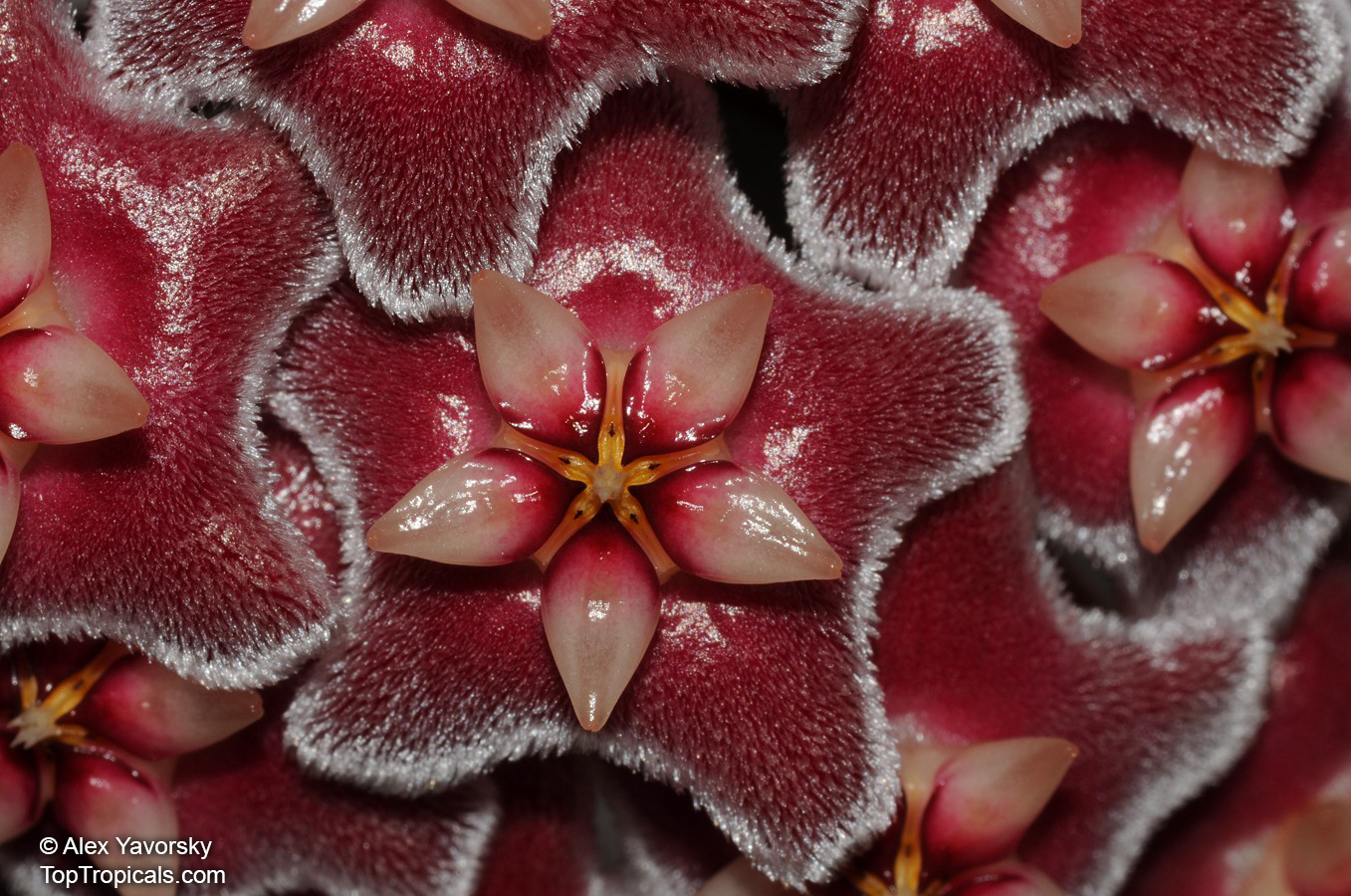
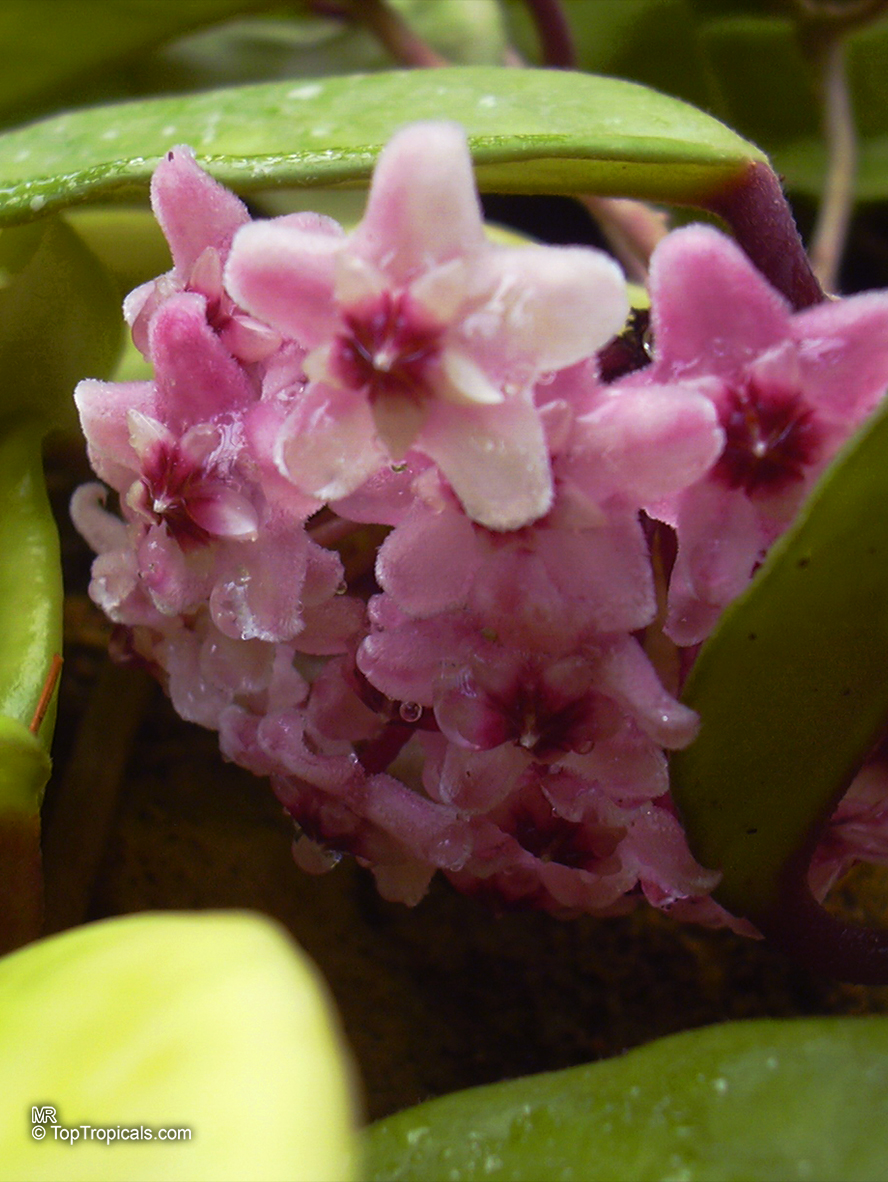
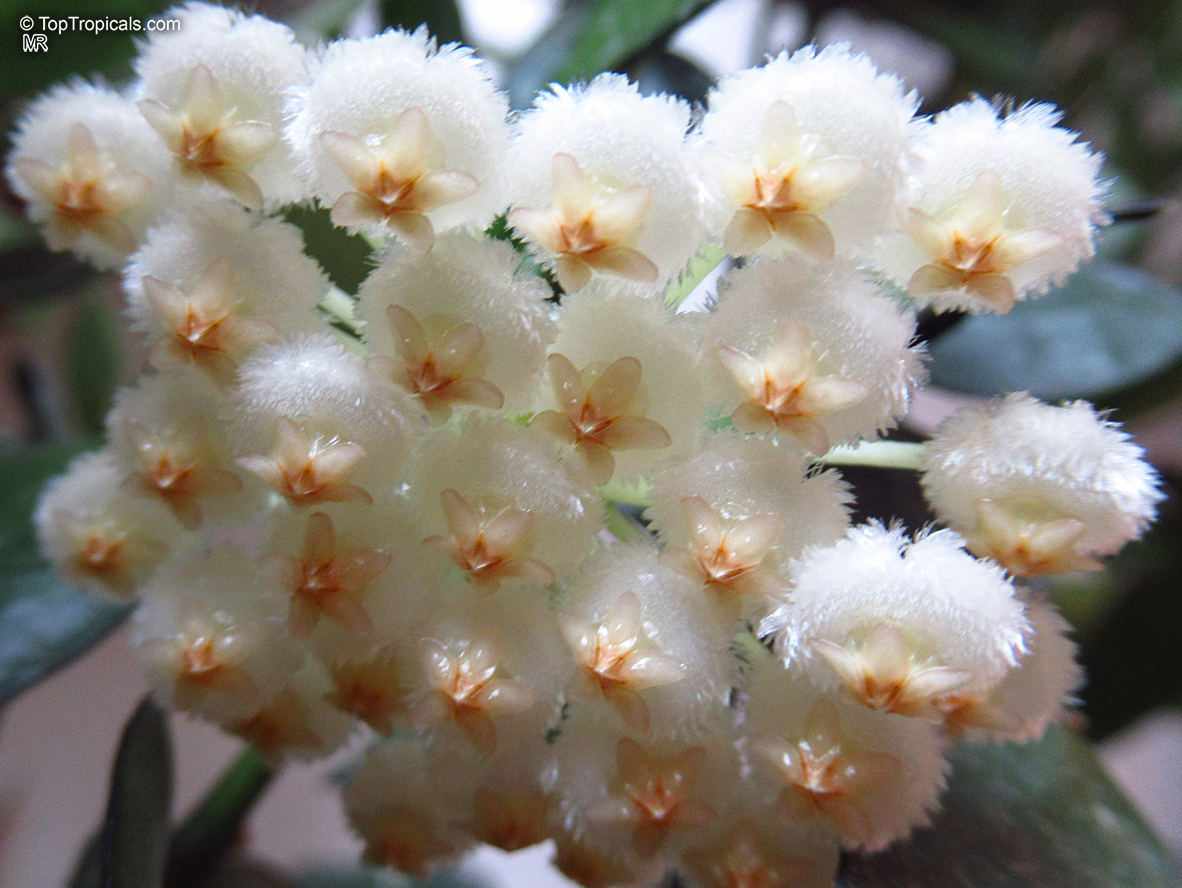
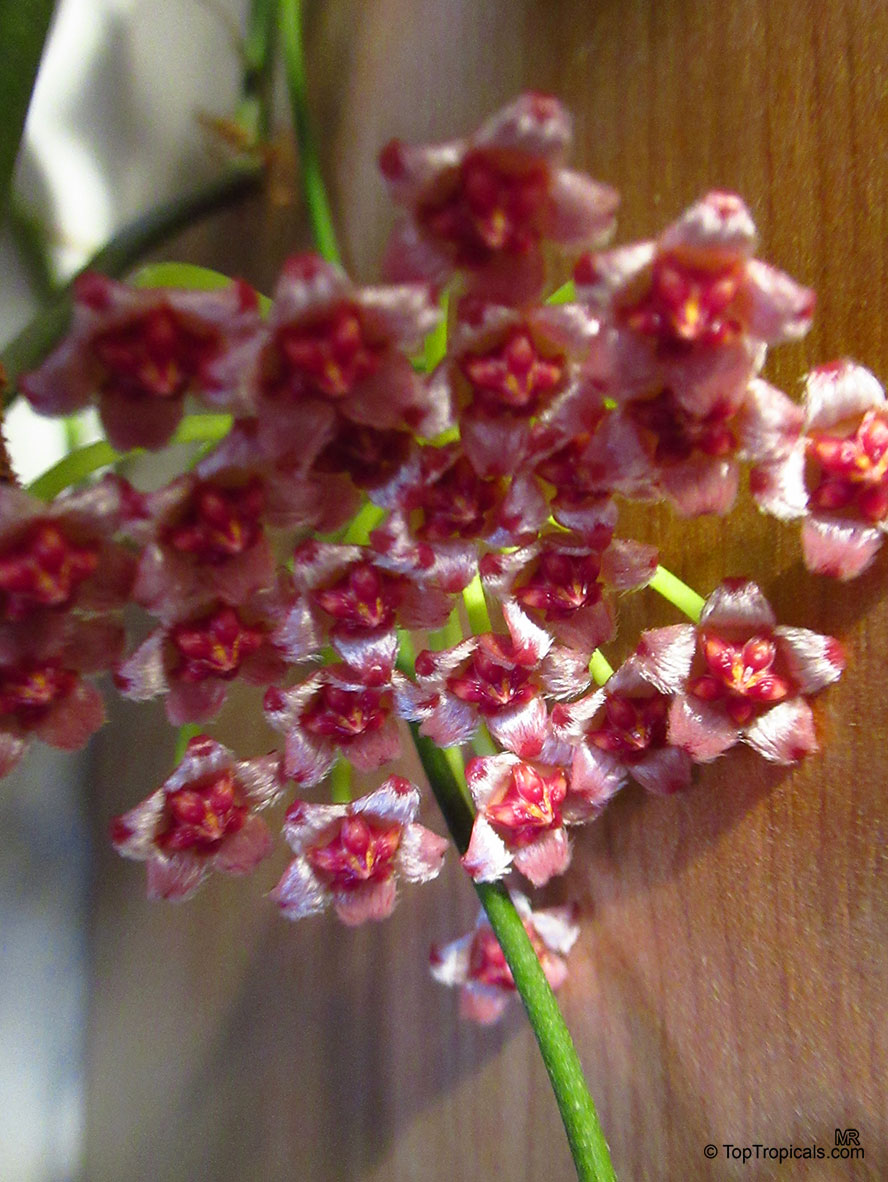
The waxy flowers are usually arranged in rounded umbels and consist of a five-lobed corolla topped by a contrasting star-shaped corona. Depending on the species, they may be white, cream, yellow, pink, red, or purple, and many are fragrant and produce abundant nectar. Hoyas grow best in bright filtered light and a loose, well-drained potting mix, with moderate watering after the substrate has partially dried; their often succulent foliage and stems make prolonged waterlogging particularly harmful. Many species readily produce aerial roots and benefit from trellises or other supports, while trailing forms are excellent for hanging baskets. Cold tolerance varies among species, but most tropical Hoyas are best suited to USDA Zones 10-12 and are widely grown as container or indoor plants in cooler climates. Their remarkable diversity of foliage, flower form, fragrance, and growth habit has made Hoya one of the most popular genera among tropical plant collectors.
Similar plants: Hoya sp. (Wax Flower)
- Hoya archboldiana (Papua Wax Plant)
- Hoya australis (Common Waxflower)
- Hoya bella (Beautiful Hoya)
- Hoya bilobata (Wax Plant)
- Hoya calycina (Wax Flower)
- Hoya carnosa (Wax Plant)
- Hoya carnosa 'Compacta' (Hindu Rope)
- Hoya curtisii (Million Hearts)
- Hoya kerrii (Wax Hearts)
- Hoya lacunosa (Wax plant)