Fatsia japonica (Paperplant)

Botanical name: Fatsia japonica
Common names: Paperplant, Japanese Aralia
Family: Araliaceae
Origin: Japan and South Korea
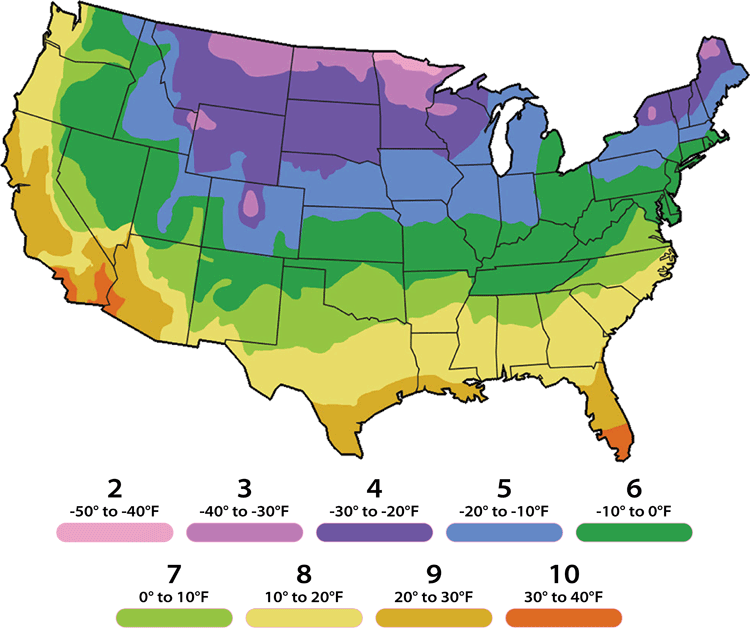
USDA Zone: 8-10
 Plant form: Large bush
 Mature height: 5-10 ft
 Sun exposure: Semi-shade
 Cold tolerance: Tolerates light freezing to about 30°F for short periods (mature plants). Young plants must be protected.
 Watering: Regular
 Suitable for: Outdoors in the suitable USDA zone; small gardens, containers, and indoor growing
 Foliage color: Ornamental foliage
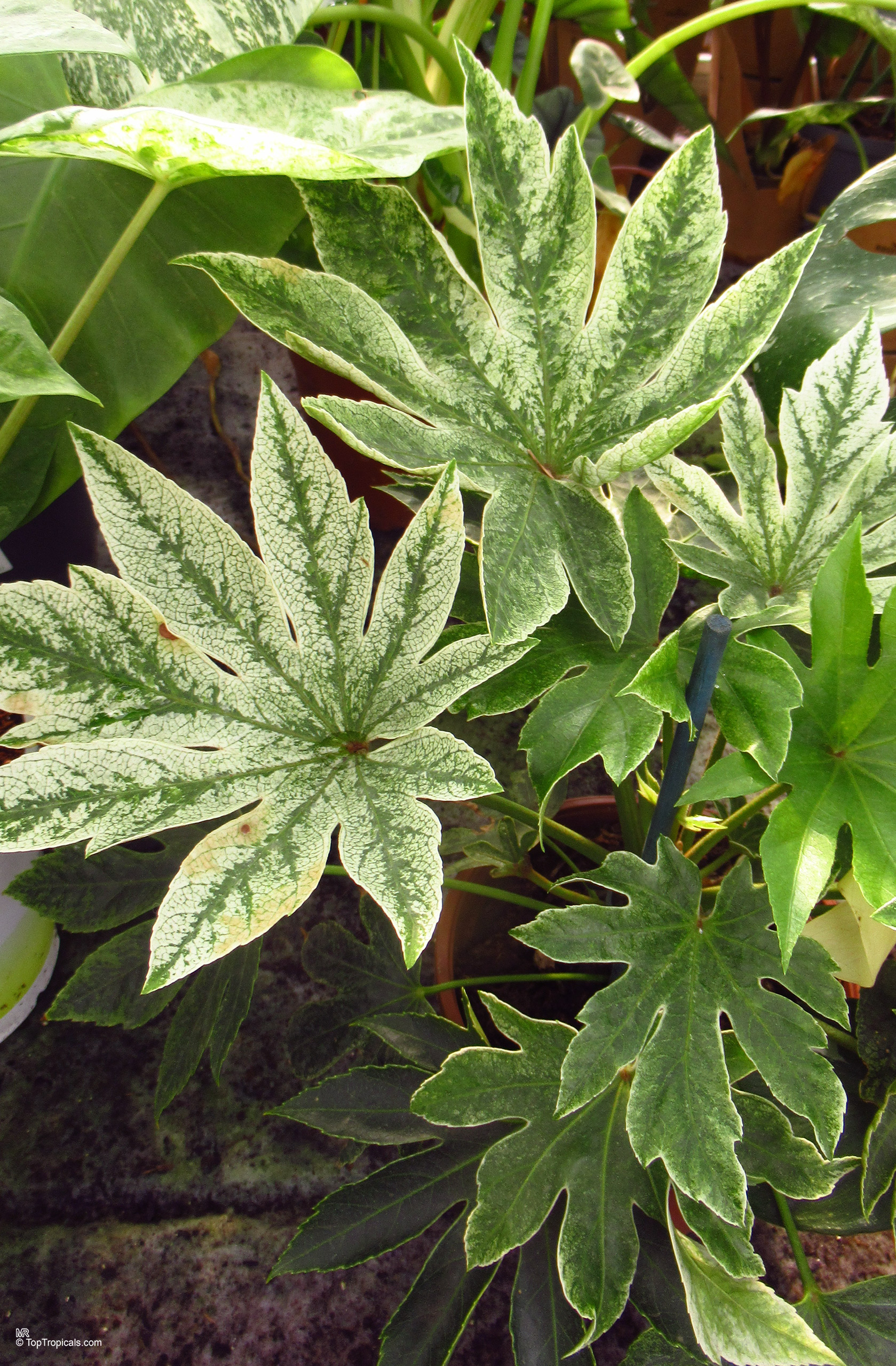
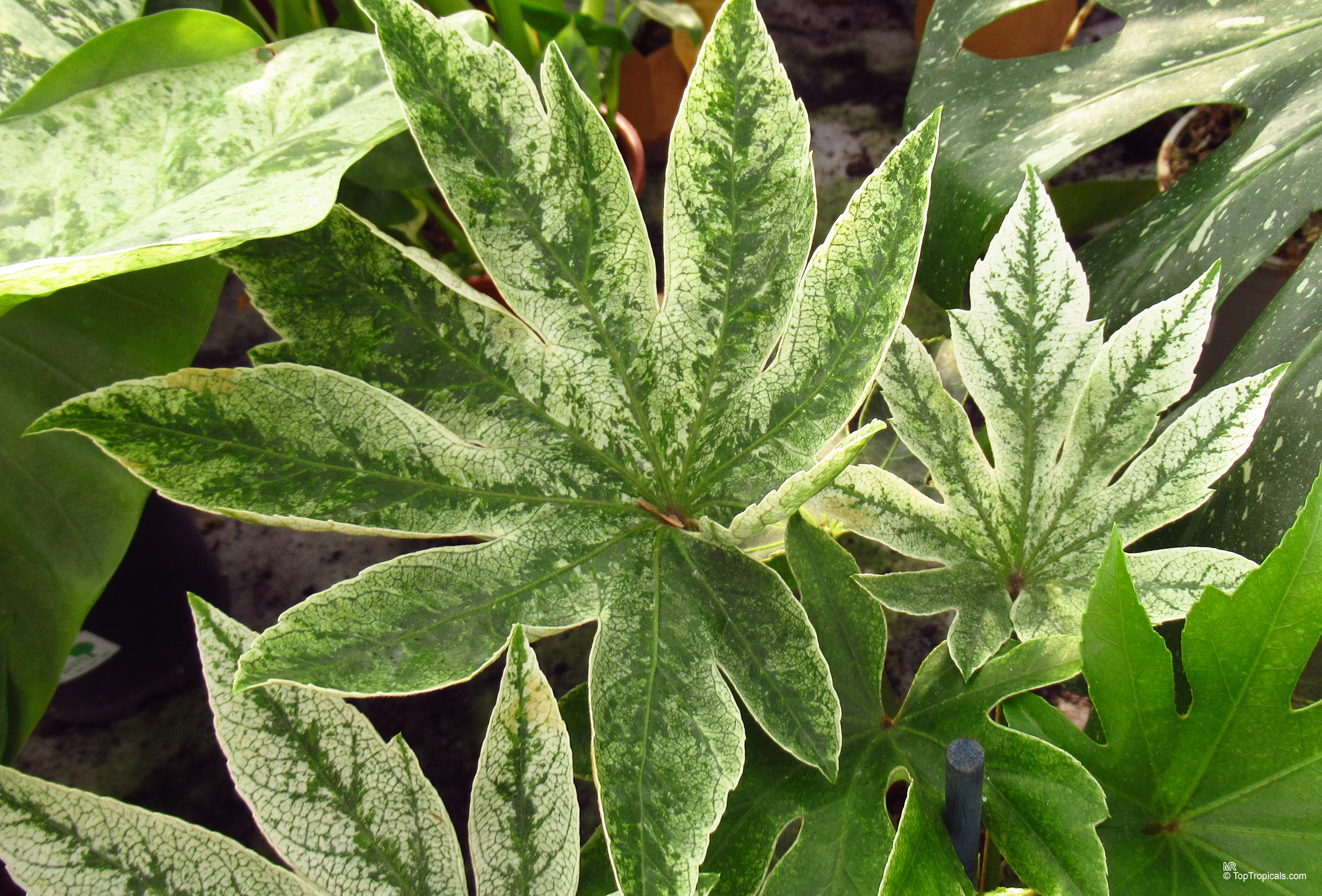
Fatsia japonica, commonly known as Japanese Aralia, Japanese Fatsia, or Glossy-leaf Paper Plant, is an evergreen shrub in the Araliaceae family, native to Japan and South Korea. It grows naturally in shaded coastal forests and woodland margins, typically reaching six to ten feet tall and developing a broad, rounded habit. Its most distinctive feature is the large, glossy, dark green foliage, with leaves often reaching 12 inches or more across and deeply divided into seven to nine broad, pointed lobes. In autumn or early winter, mature plants produce branching clusters of small, creamy-white flowers arranged in spherical umbels, followed by rounded berries that ripen black. Ornamental cultivars include 'Variegata', with cream-edged leaves, and 'Spider's Web', distinguished by irregular white speckling.
Fatsia japonica thrives in partial to full shade, preferring fertile, humus-rich, well-drained soil with consistent moisture. It tolerates deep shade and coastal conditions but benefits from protection against strong winds and intense afternoon sun, which can damage its large leaves. Suitable for USDA Zones 8-10, established plants can withstand brief temperatures around 10-15F, although severe freezes may damage the foliage and stems. It is widely cultivated as an architectural foliage plant in shaded gardens, courtyards, and large containers, and can also be maintained indoors in bright, cool conditions.
Similar plants: Fatsia japonica (Paperplant)