Deinbollia oblongifolia (Dune Soapberry)

Botanical name: Deinbollia oblongifolia
Common name: Dune Soapberry
Family: Sapindaceae
Origin: South Africa
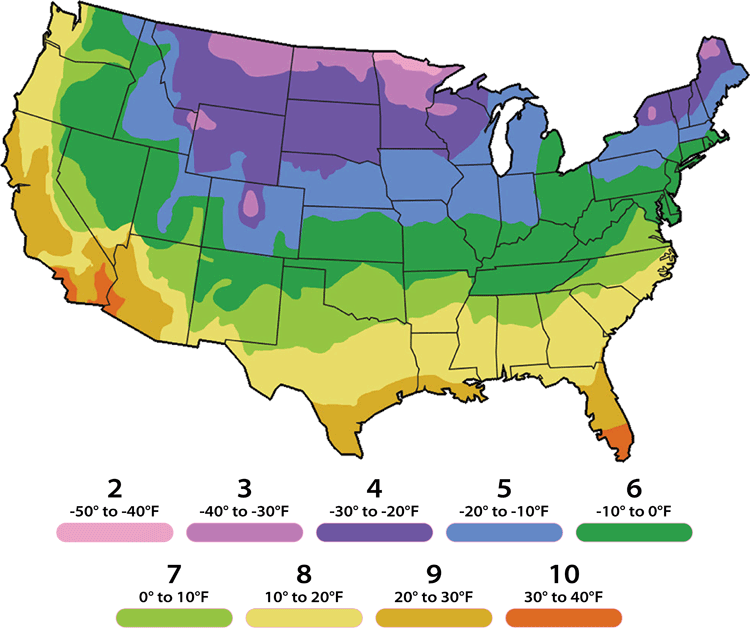
USDA Zone: 9-11
 Plant form: Small tree
 Mature height: 10-20 ft
 Sun exposure: Full sun or bright light indoor
 Cold tolerance: Tolerates light freezing to about 30°F for short periods (mature plants). Young plants must be protected.
 Watering: Moderate
 Suitable for: Outdoors in the suitable USDA zone; small gardens, containers, and indoor growing
Dune Soapberry is a shrub or small tree native to southeastern Africa, where it occurs naturally in coastal dune forests, bushveld and other sandy habitats. It belongs to the Sapindaceae, making it a relative of Lychee, Longan and Rambutan. It is an attractive, manageable fruit tree with lush compound foliage and large terminal clusters of small creamy-white flowers that attract bees, butterflies and other pollinators. The seeds contain saponins and have traditionally been used as a soap substitute - the source of the common name Soapberry.
The small pale-yellow fruits are edible and contain a relatively large seed surrounded by a modest amount of sweet, aromatic pulp. The flavor of our fruit reminds us of a miniature Lychee or Longan: not much to eat, but surprisingly flavorful. The plant tolerates sandy and relatively poor soils, becomes drought tolerant once established, accepts light frost, and adapts very well to container culture.
One of its most remarkable characteristics in our experience is its speed. Plants we originally raised from African seed flowered and fruited extremely young. Seeds from our own fruiting trees planted in February produced seedlings that were already covered with flower clusters by October - only about eight months later, while some were still growing in 4-inch pots. Our established trees also remained productive through the severe Florida freeze of February 2026, with minimal cold protection (covers). An unusual, forgiving little fruit tree for collectors who don't want to wait years for their first crop.


Best of all, Dune Soapberry is incredibly fast to mature. Our seed-grown plants can flower and set fruit in their first year, sometimes while still surprisingly small. Our established trees even carried heavy crops through the record Florida freeze of 2026. Easy, unusual, productive and rarely offered-our well-established 1-gallon plants are already at fruiting age.
Recommended Fertilizer: SUNSHINE C-Cibus - Crop Nutrition Booster
SUNSHINE-Honey - sugar booster
 SUNSHINE C-Cibus (NPK 2-2-4) - Crop Booster for every watering.
 SUNSHINE C-Cibus (NPK 2-2-4) - Crop Booster for every watering.