Sophora secundiflora (Texas Mountain-Laurel)
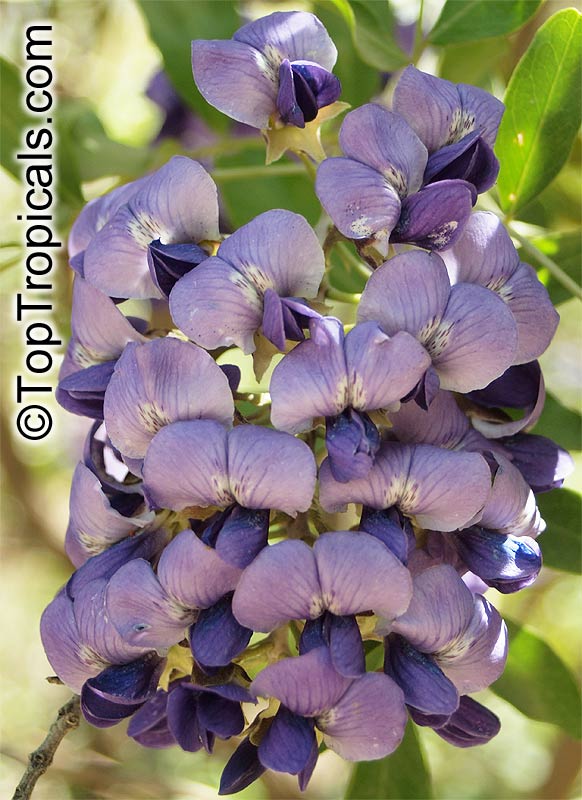
Botanical names: Sophora secundiflora, Dermatophyllum secundiflorum
Common name: Texas Mountain-Laurel
Family: Fabaceae
Subfamily: Faboideae
Origin: Texas and northern Mexico
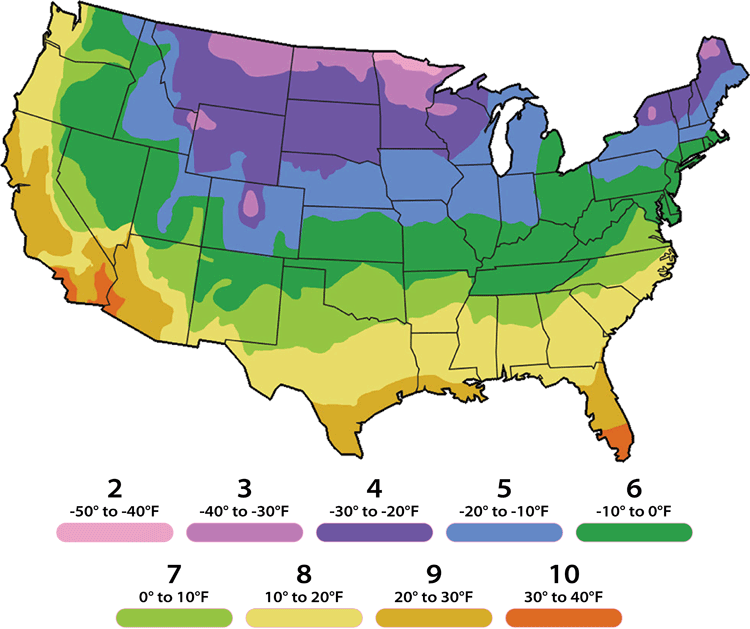
USDA Zone: 8-10

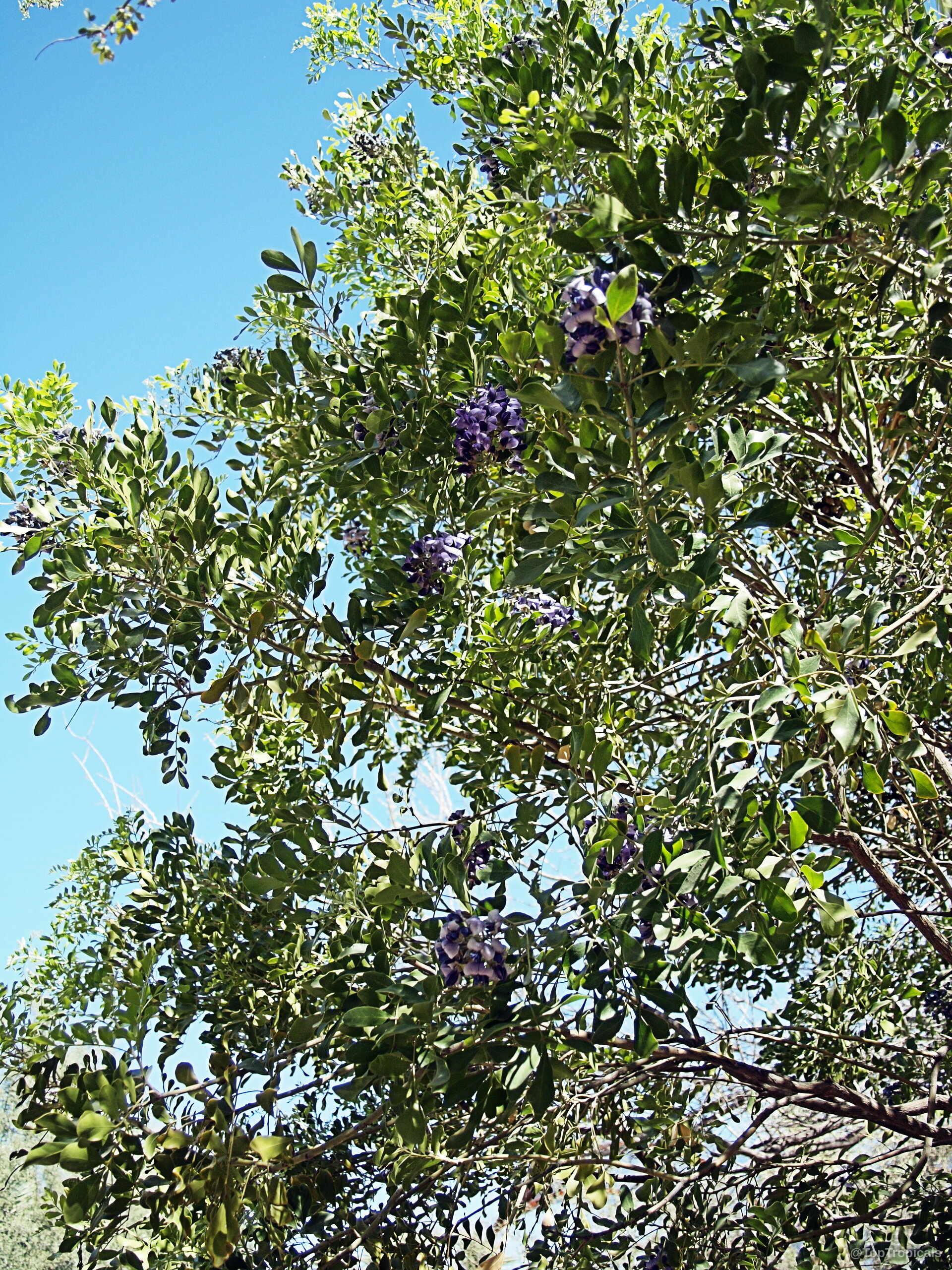
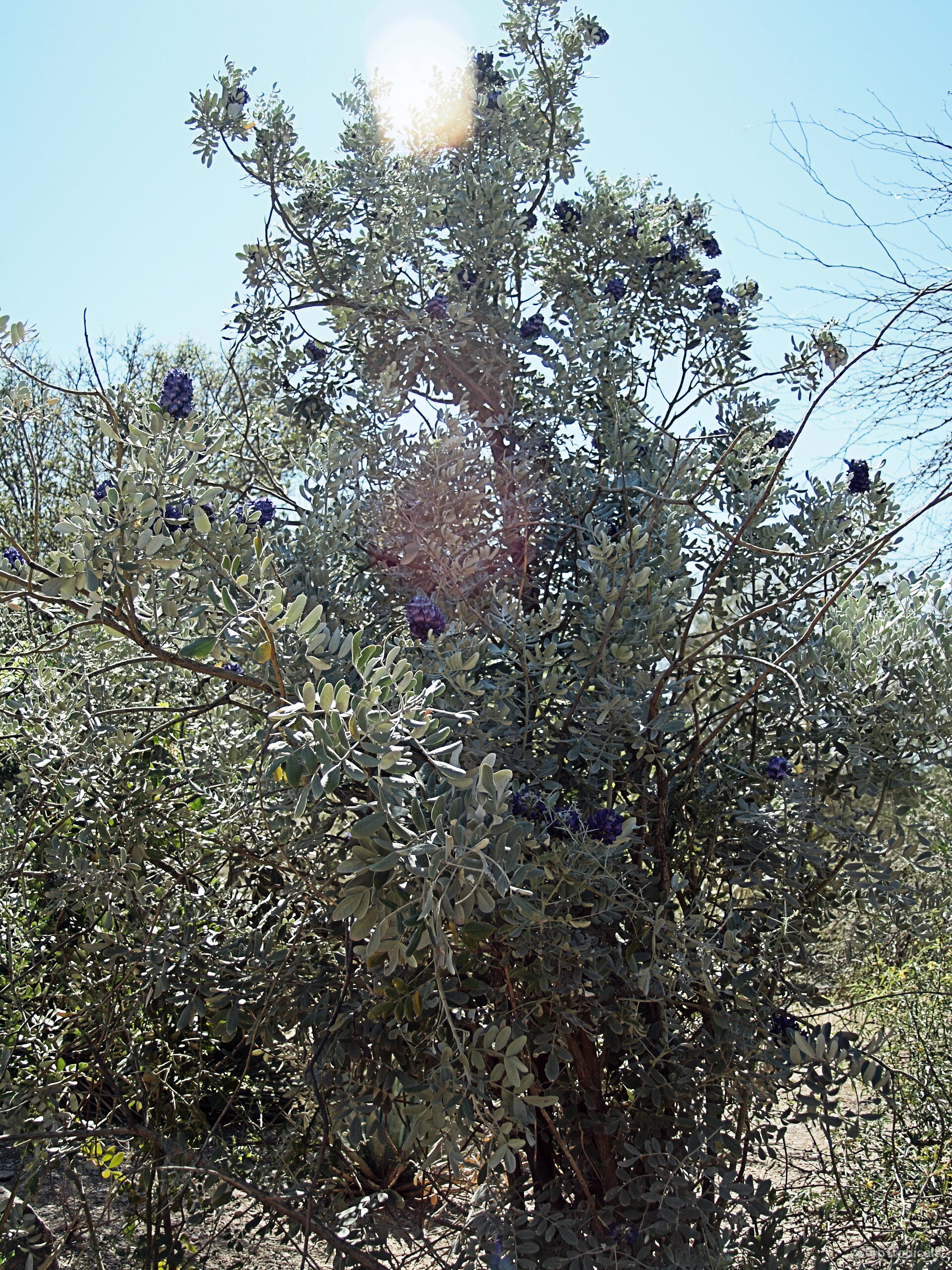
 Plant form: Large bush or small tree
 Mature height: 10-20 ft
 Sun exposure: Full sun or bright light indoor; semi-shade
 Cold tolerance: Tolerates light freezing to about 30°F for short periods (mature plants). Young plants must be protected.
 Watering: Moderate
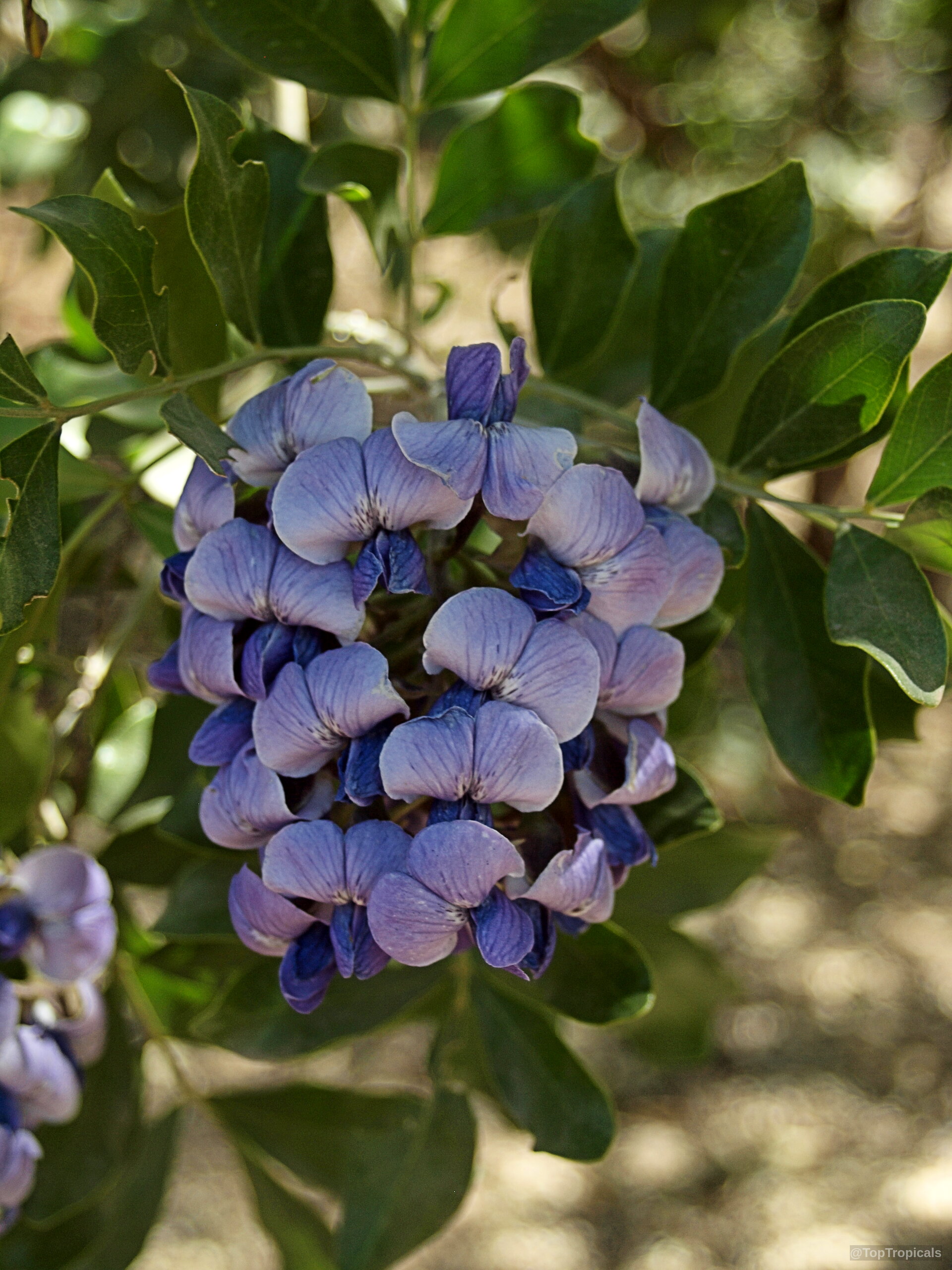
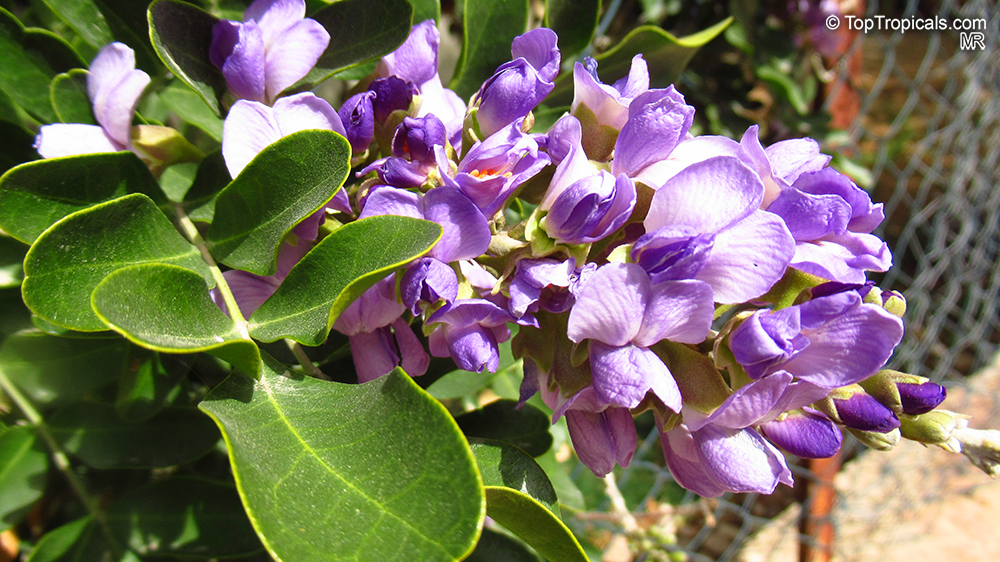
 Flower color: Blue, lavender, purple
 Suitable for: Outdoors in the suitable USDA zone; small gardens, containers, and indoor growing
 Irritating or toxic: Toxic plant/plant part
 Fragrance: Fragrant; perfume plant
 Wildlife: Attracts butterflies and hummingbirds
 Ethnomedical: Ethnomedical plant, traditionally used in folk or indigenous medicine
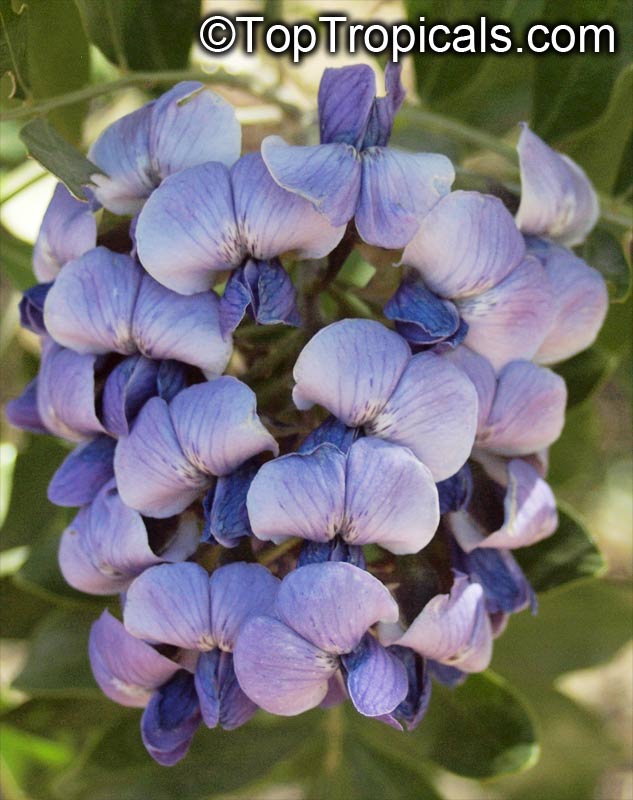
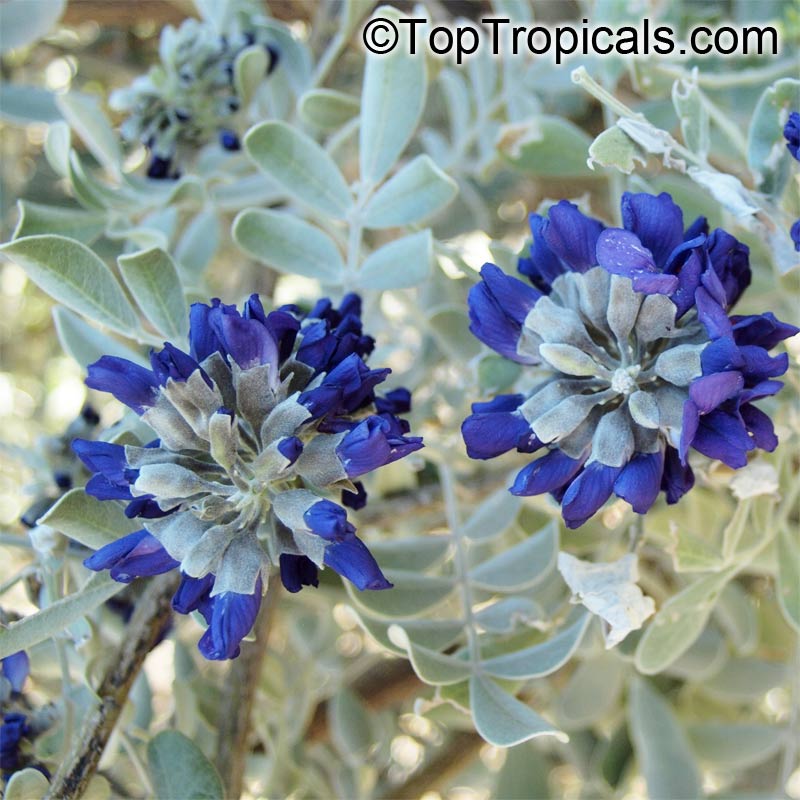
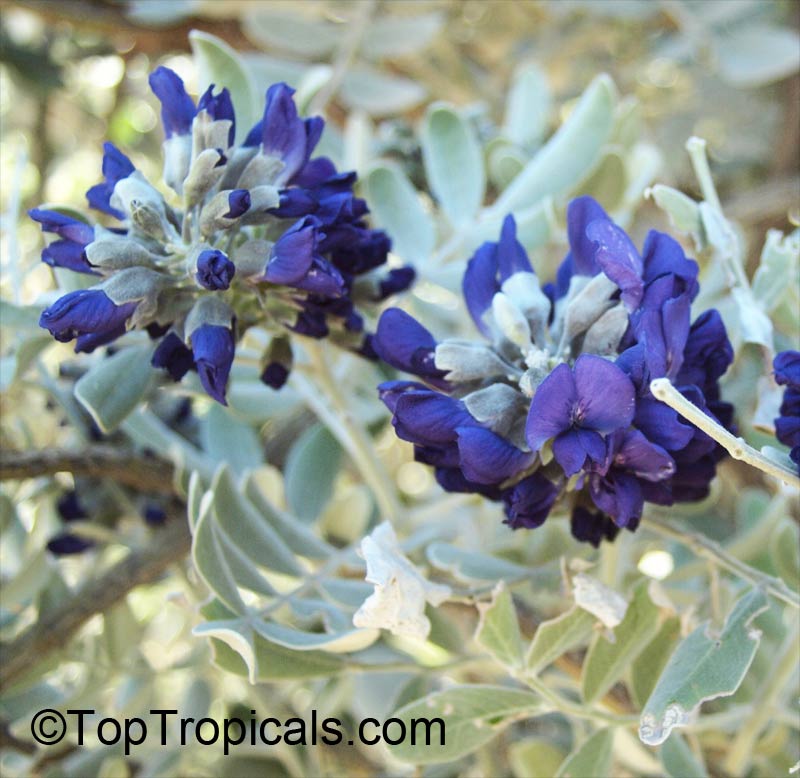
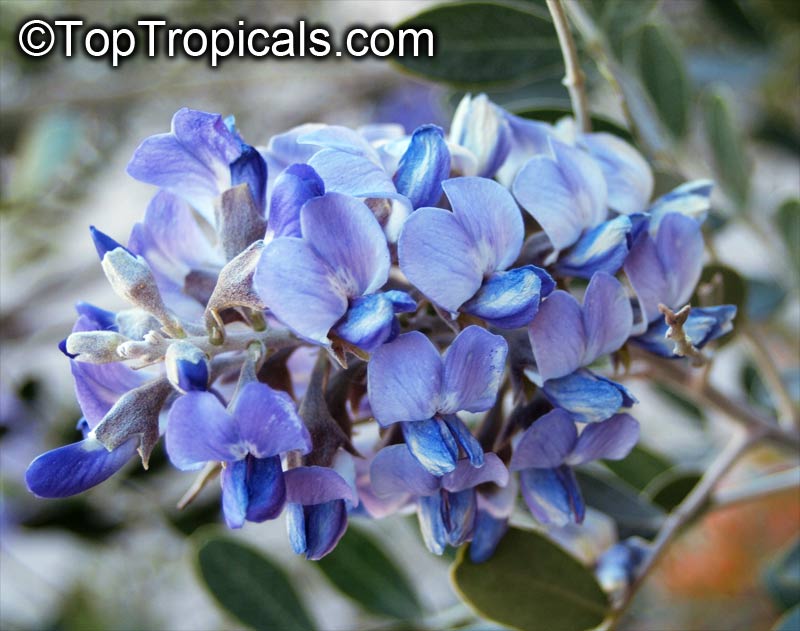
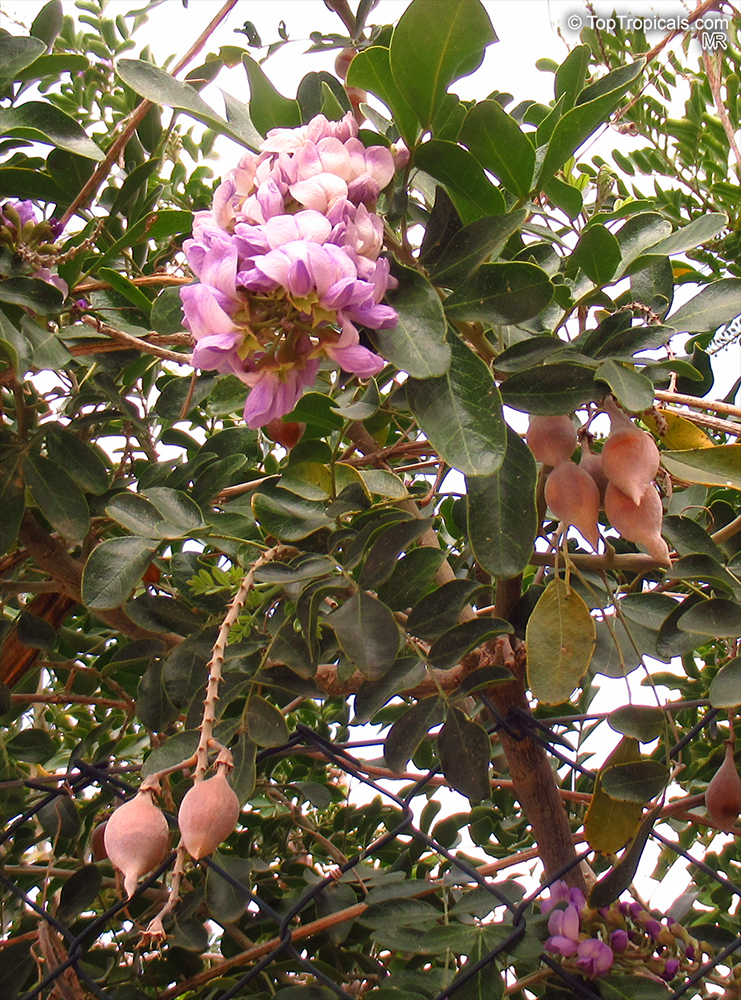
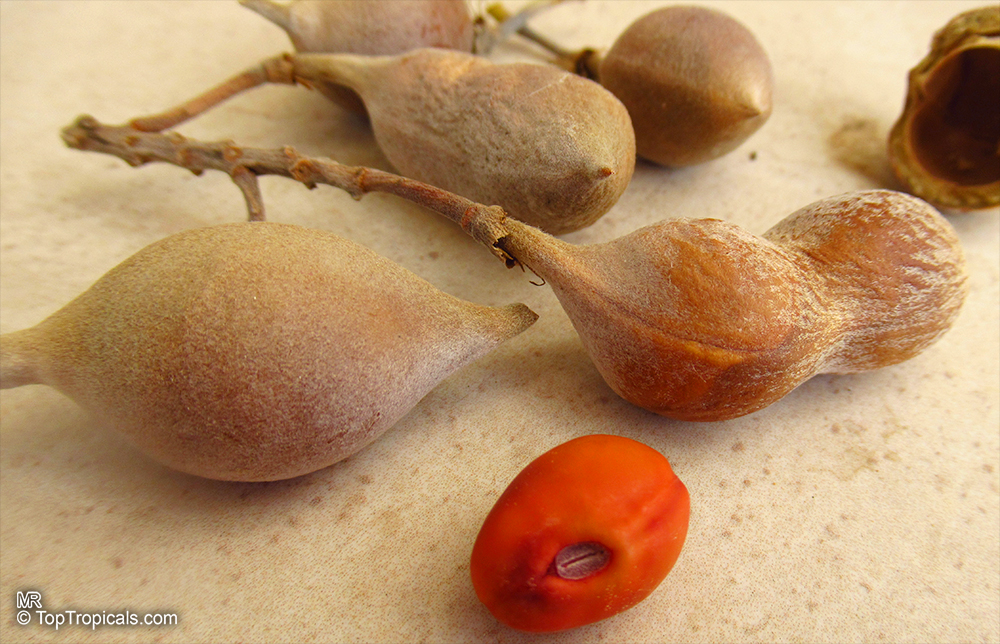
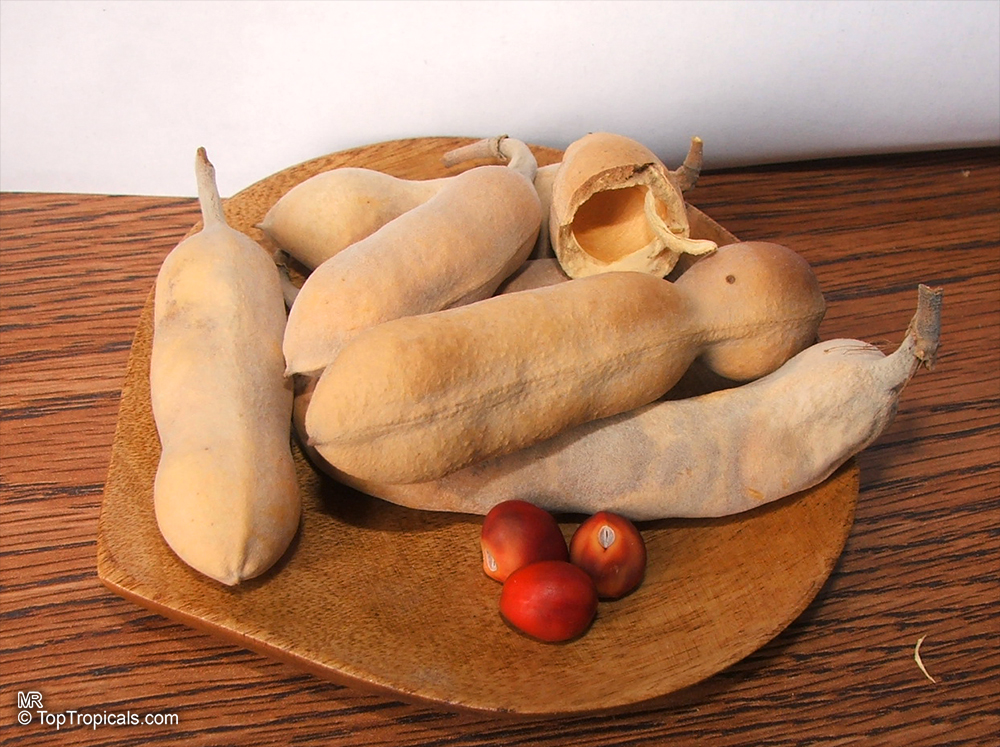
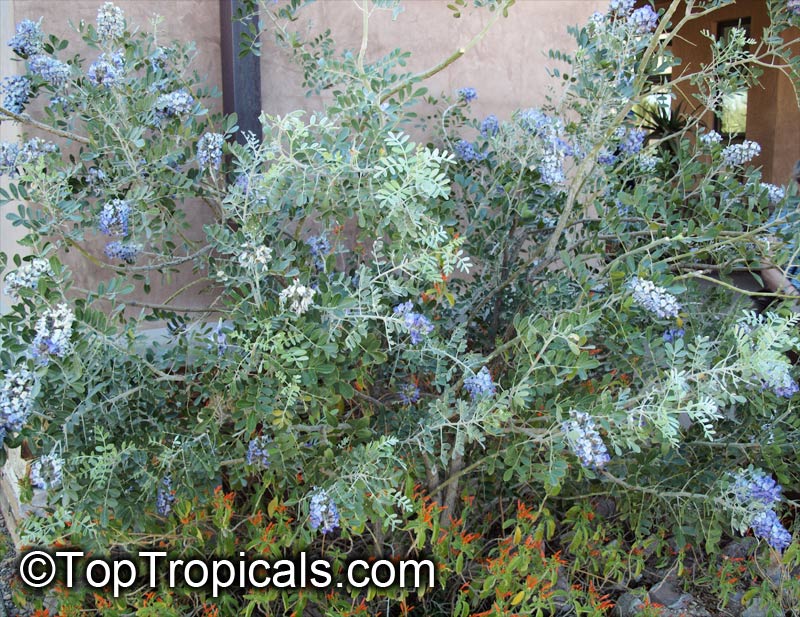
Sophora secundiflora (Texas Mountain-Laurel) is a large shrub or small tree native to Texas and northern Mexico. It can grow up to 5-10ft tall or 10-20ft as a tree. It is recommended to plant it in full sun or semi-shade areas, and needs moderate water. Sophora secundiflora blooms fragrant, violet, blue and lavender flowers from February to April. These flowers attract butterflies and hummingbirds. The seeds contain alkaloid cytisine, making them poisonous or toxic.
When taken care of properly, this plant can be cold hardy at least to temperatures in the upper 20s F for a short period of time. It is generally grown in USDA Zones 8-10. When grown in a pot, Sophora secundiflora should be in a well-drained, alkaline soil and be kept on the dry side, especially when blooming. Ethnomedical uses of the Sophora secundiflora include the treatment of digestive and respiratory complaints, colds, and rheumatism.
Similar plants: Sophora secundiflora (Texas Mountain-Laurel)