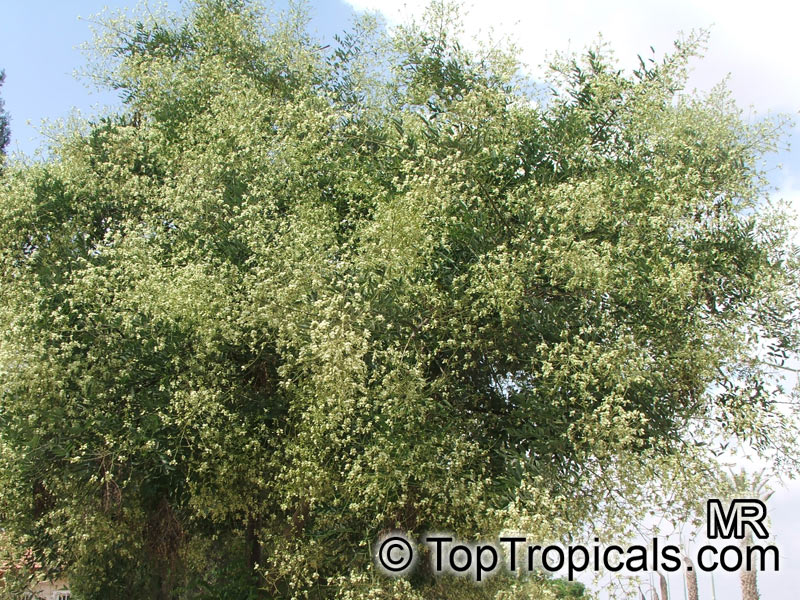
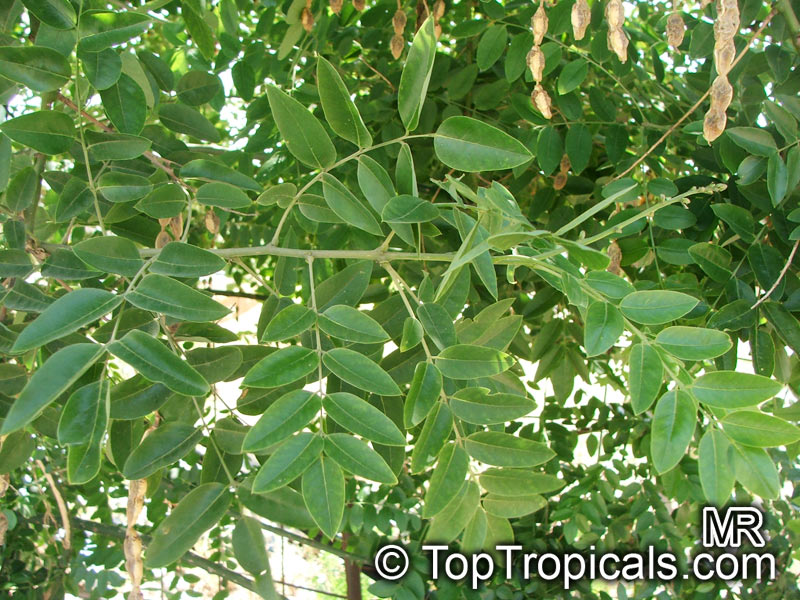
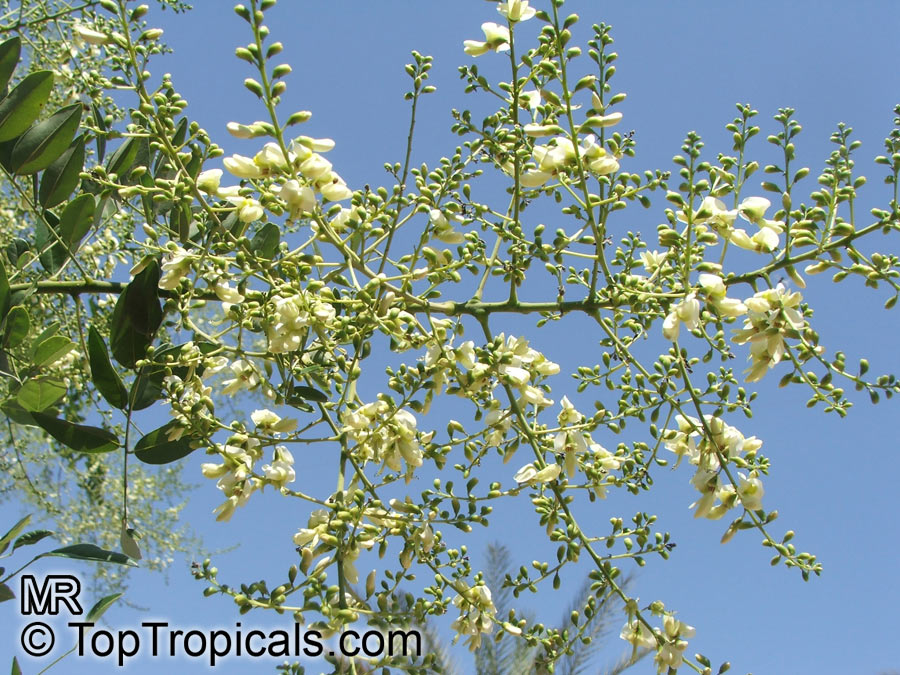
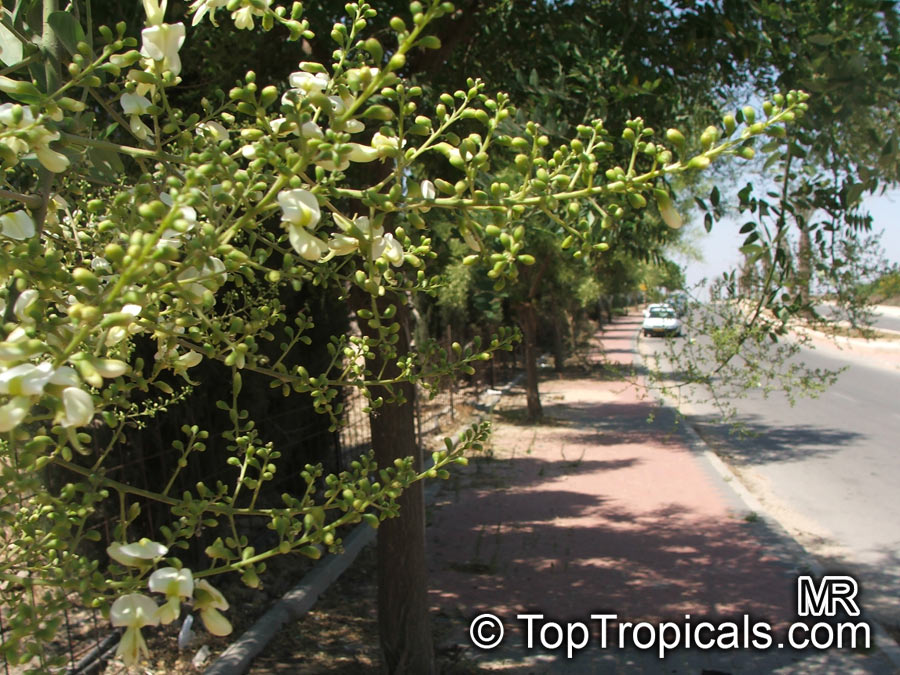
Sophora japonica (Japanese Pagoda Tree)
Botanical names: Sophora japonica, Styphnolobium japonicum
Common names: Japanese Pagoda Tree, Scholar-tree
Family: Fabaceae
Subfamily: Faboideae
Origin: China and Korea
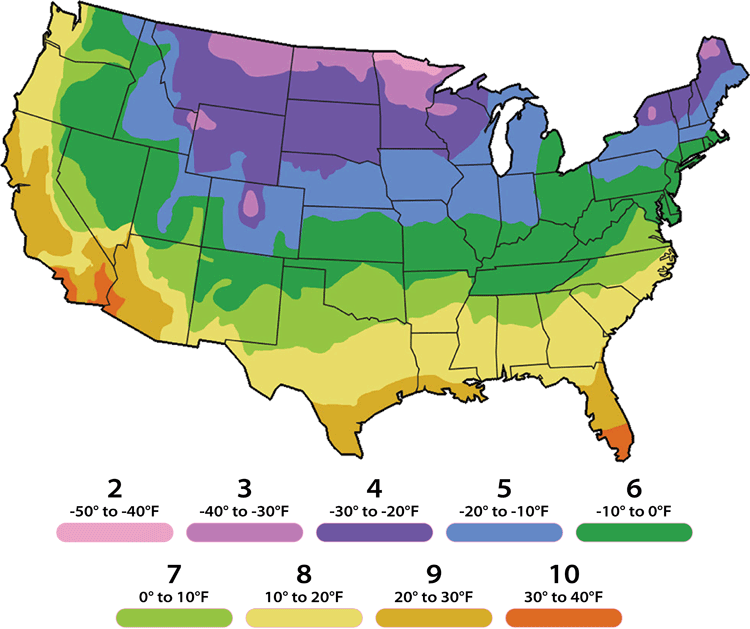
USDA Zone: 4-8

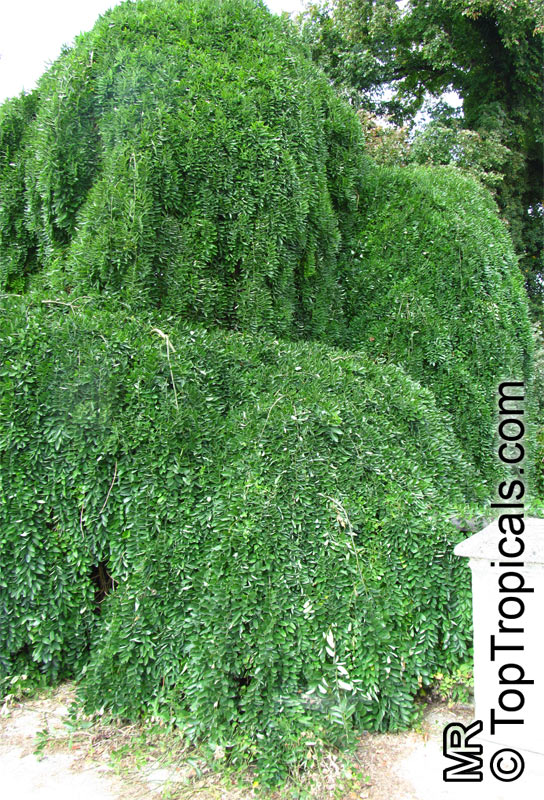
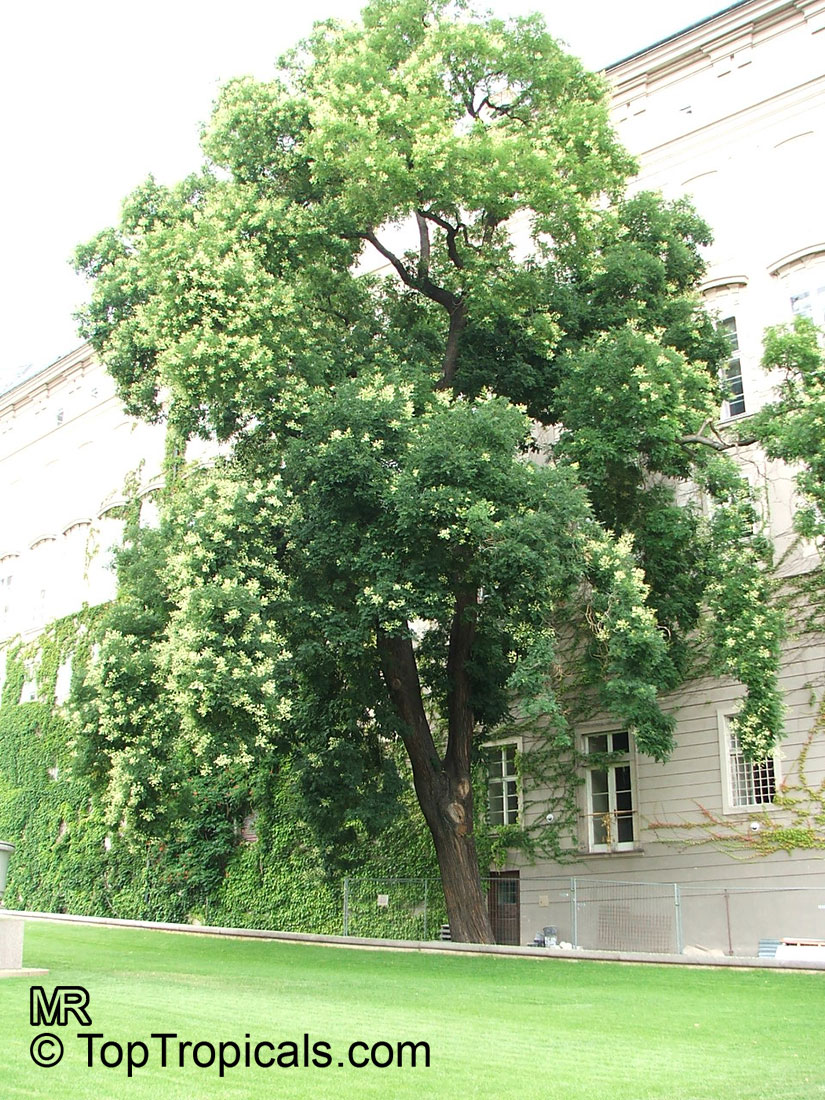
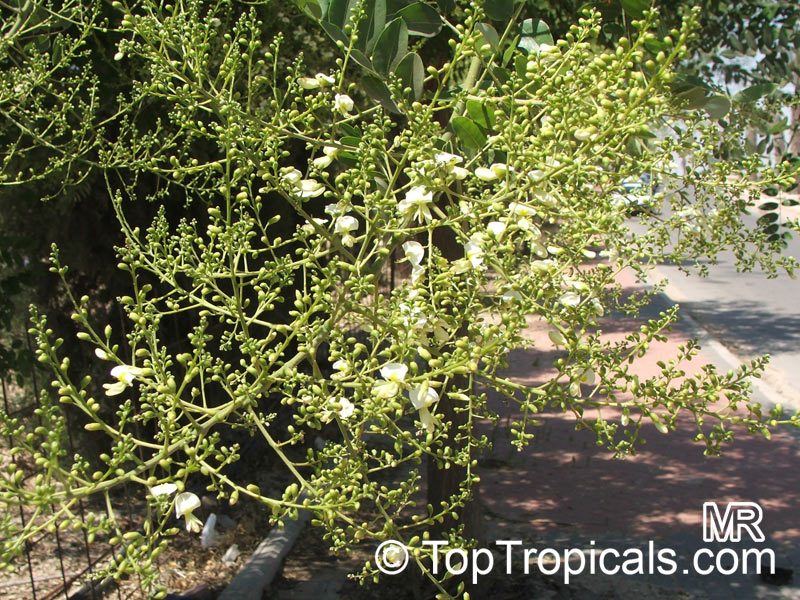
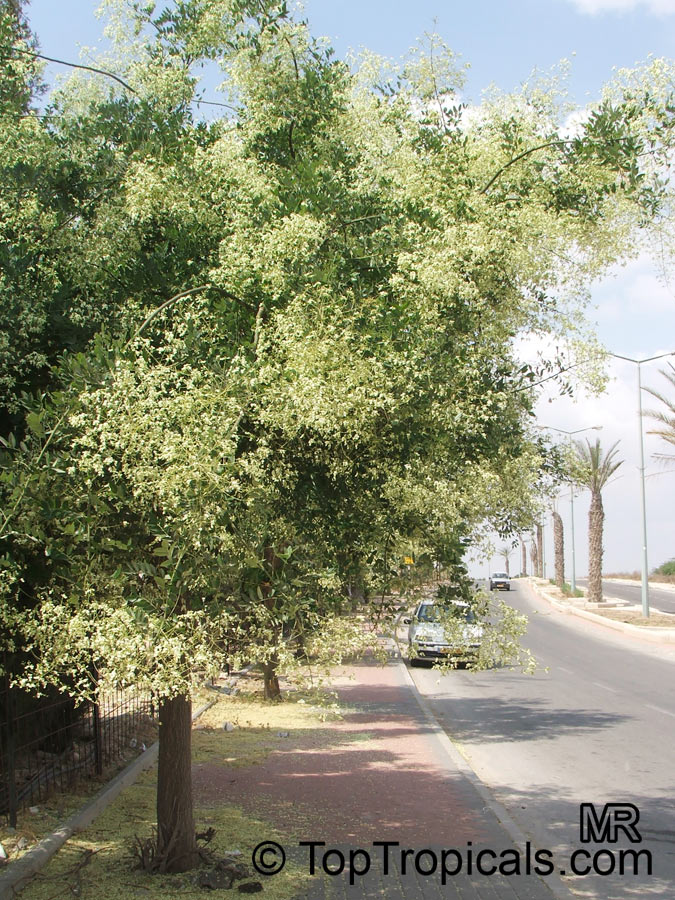
 Plant form: Small tree; suitable for bonsai
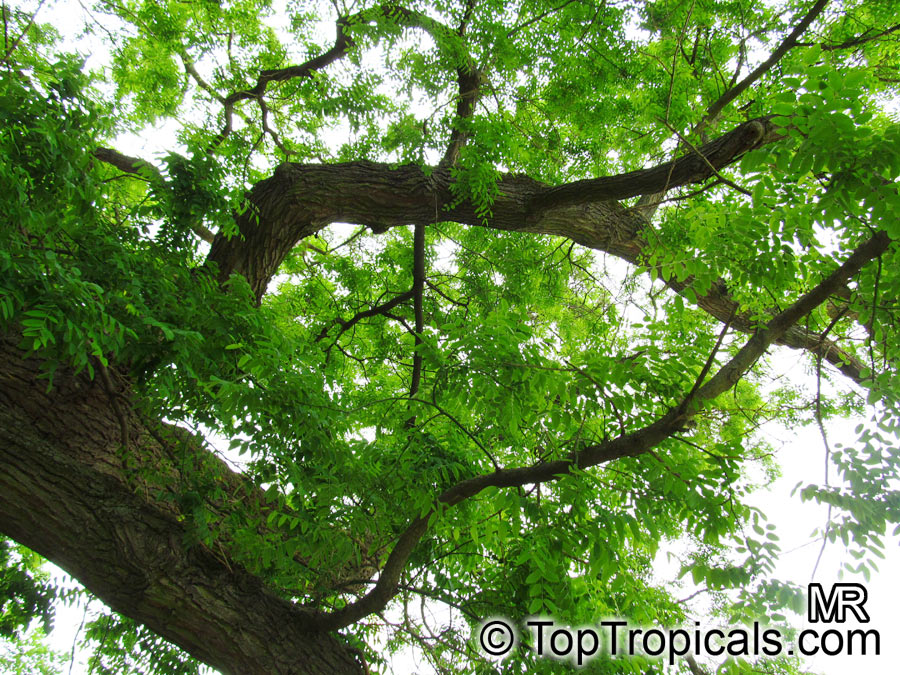
 Mature height: 10-20 ft
 Sun exposure: Full sun or bright light indoor; semi-shade
 Cold tolerance: Tolerates light freezing to about 30°F for short periods (mature plants). Young plants must be protected.
 Watering: Moderate
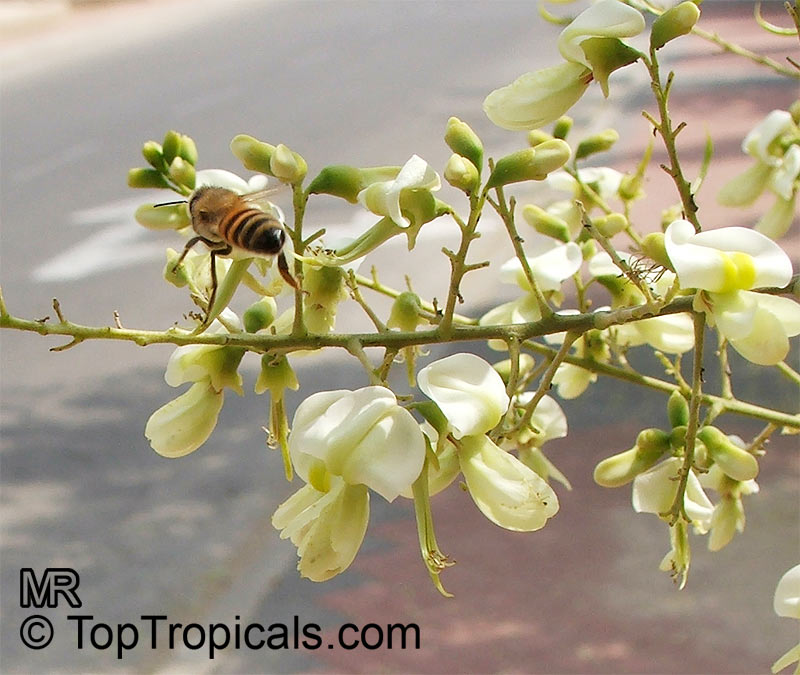
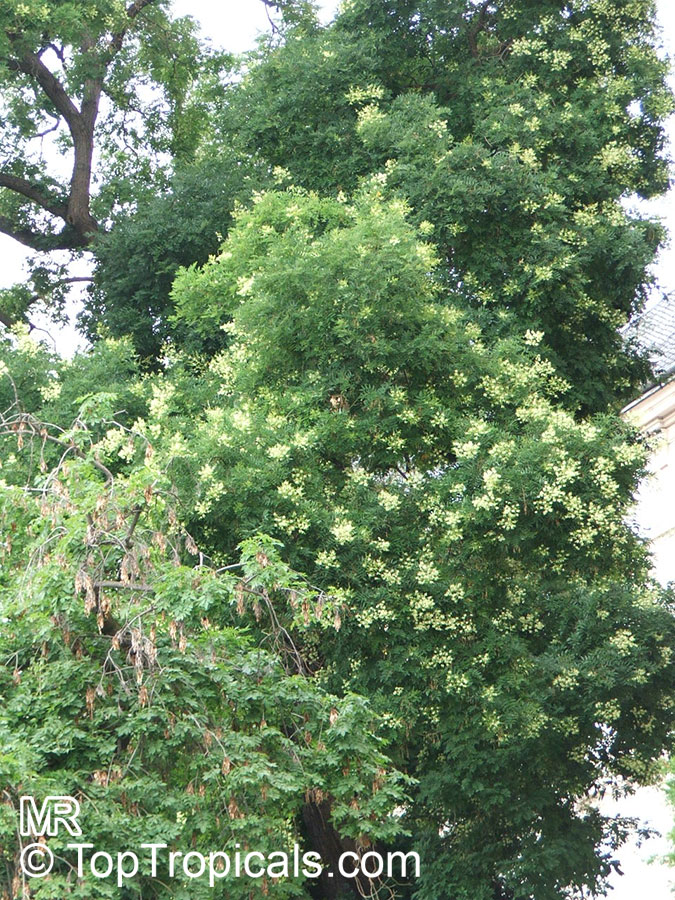
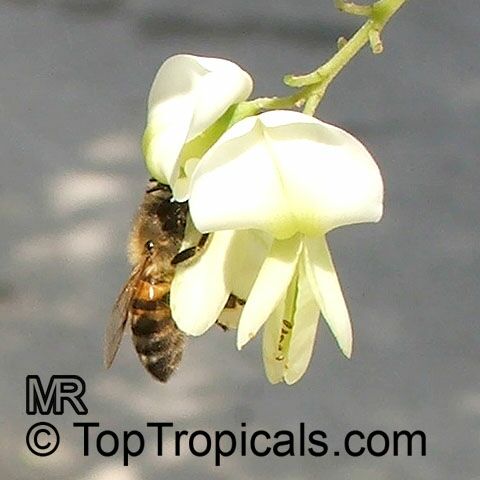
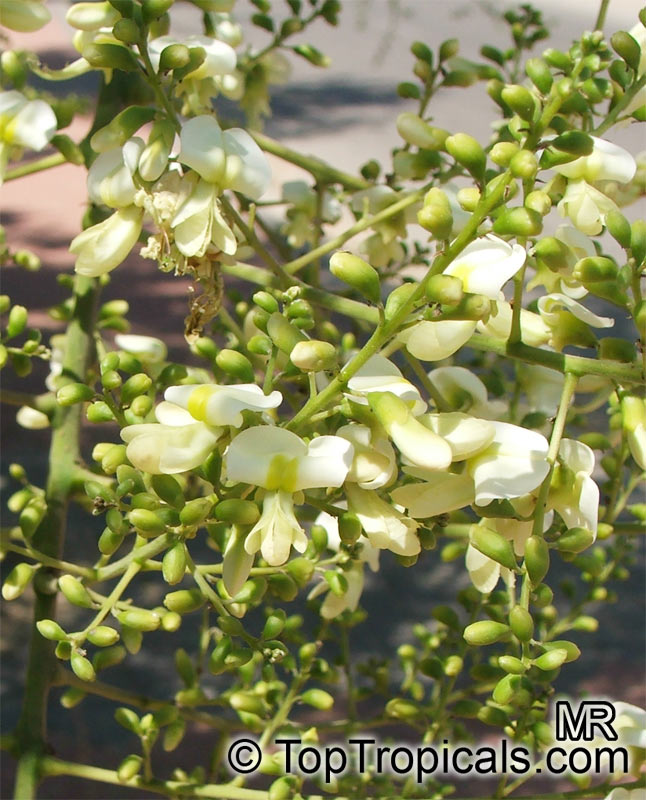
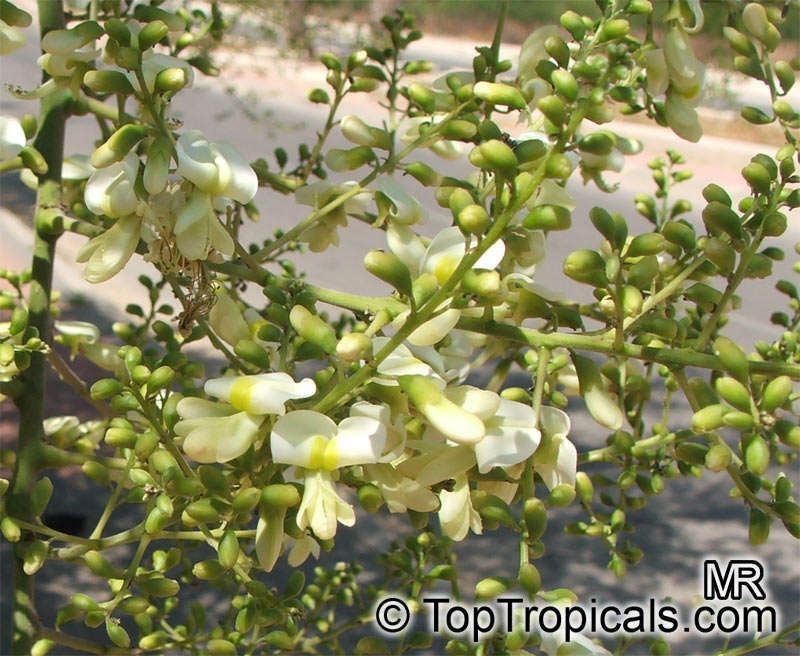
 Flower color: White and off-white
 Suitable for: Outdoors in the suitable USDA zone; small gardens, containers, and indoor growing
 Fragrance: Fragrant; perfume plant
 Wildlife: Attracts butterflies and hummingbirds
 Ethnomedical: Ethnomedical plant, traditionally used in folk or indigenous medicine
It cannot grow in the shade. It requires moist soil and can tolerate drought. It can tolerate atmospheric pollution.
This species has a symbiotic relationship with certain soil bacteria, these bacteria form nodules on the roots and fix atmospheric nitrogen. Some of this nitrogen is utilized by the growing plant but some can also be used by other plants growing nearby.
This species is commonly used in Chinese medicine and is considered to be one of the 50 fundamental herbs. The flowers and flower buds are antibacterial, anticholesterolemic, anti-inflammatory, antispasmodic, haemostatic and hypotensive. The leaves are a rich source of rutin, they contain much more than the usual commercial source, buckwheat. The plant contains cytosine, which resembles nicotine and is similarly toxic.
Similar plants: Sophora japonica (Japanese Pagoda Tree)