Salvia hispanica (Chia)
Botanical name: Salvia hispanica
Common name: Chia
Family: Lamiaceae
Origin: Mexico, Guatemala
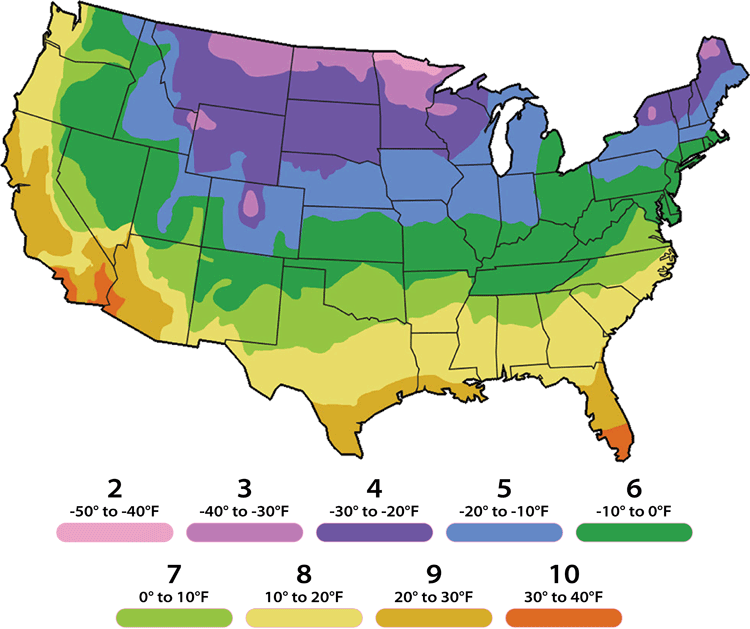
USDA Zone: 9-11
 Plant form: Small
 Mature height: 2-5 ft
 Sun exposure: Full sun or bright light indoor; semi-shade
 Cold tolerance: Frost sensitive. Protect from freezing.
 Watering: Regular
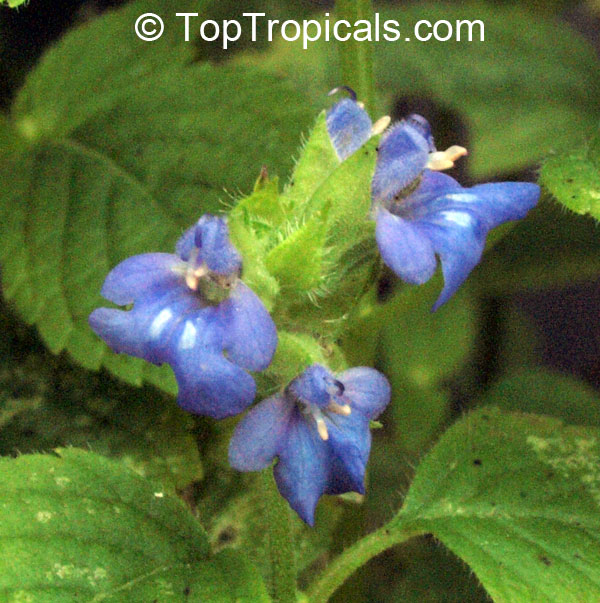
 Flower color: White and off-white; blue, lavender, purple
 Suitable for: Outdoors in the suitable USDA zone; small gardens, containers, and indoor growing
 Wildlife: Attracts butterflies and hummingbirds
 Ethnomedical: Ethnomedical plant, traditionally used in folk or indigenous medicine
Chia was cultivated by the Aztec in pre-Columbian times, and was so valued that it was given as an annual tribute by the people to the rulers. It is still used in Mexico and Guatemala, with the seeds sometimes ground, while whole seed is used for nutritious drinks and as a food source. The word chia is derived from the Nahuatl word chian, meaning "oily". The present Mexican state of Chiapas received its name from the Nahuatl "chia water or river."
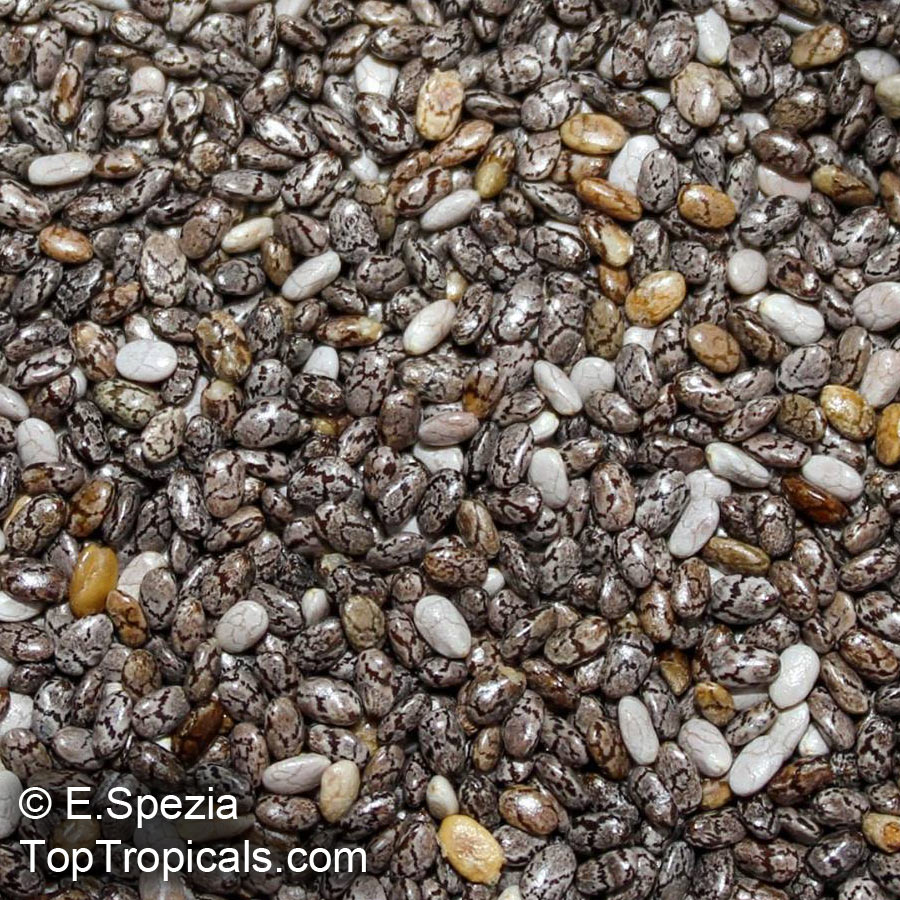
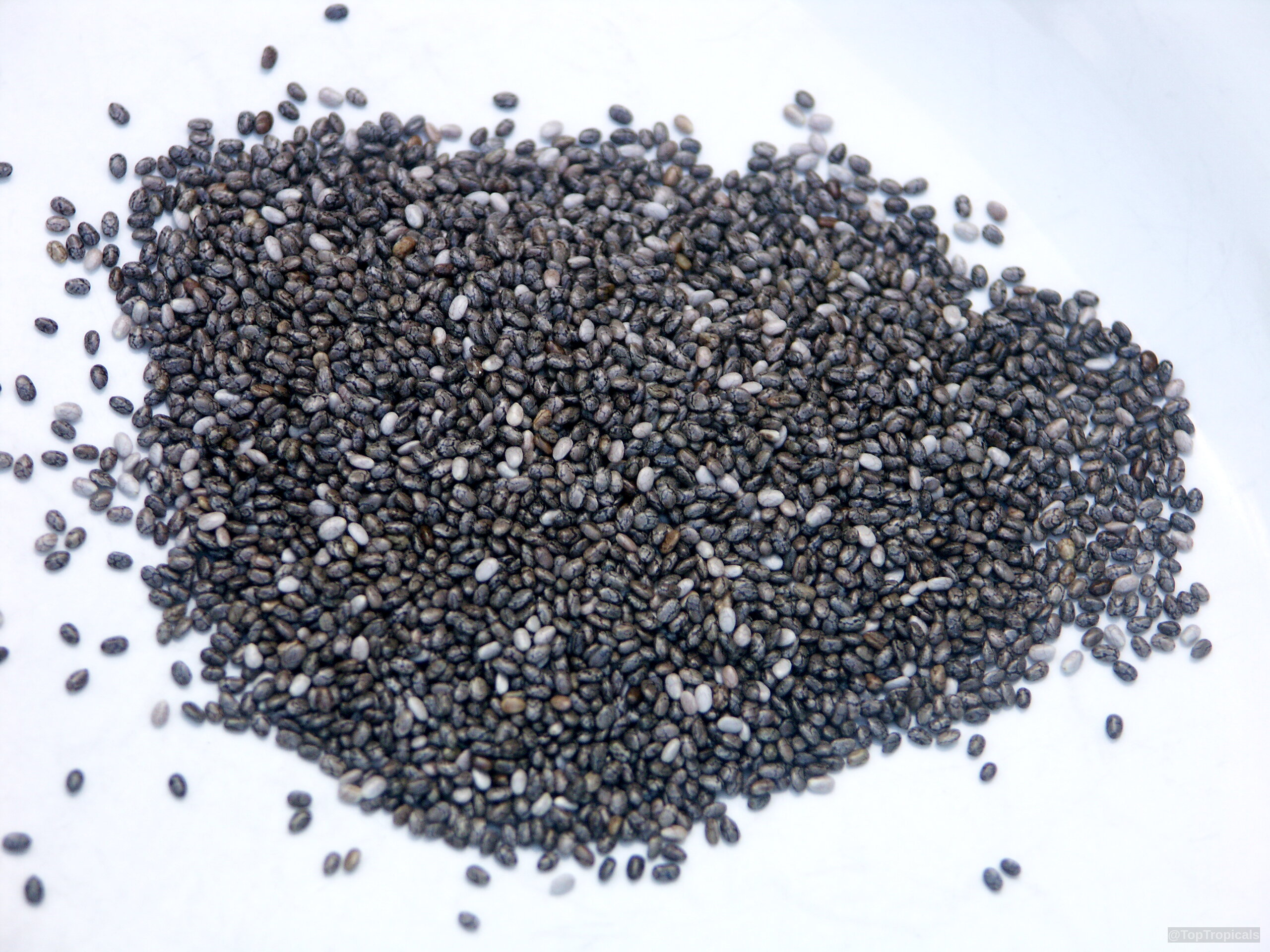
Chia seed may be eaten raw as a whole seed and is an excellent source of omega-3 and dietary fiber (both insoluble and soluble). Ground chia seed is sometimes added to pinole, a coarse flour made from toasted maize kernels. Chia seeds placed in water or fruit juice is consumed in Mexico and known as chia fresca. The soaked seeds are gelatinous in texture and are used in gruels, porridges and puddings. Ground chia seed is used in baked goods including breads, cakes and biscuits.
Chia sprouts are used in a similar manner as alfalfa sprouts in salads, sandwiches and other dishes.
Similar plants: Salvia hispanica (Chia)
- Salvia argentea (Silver Sage)
- Salvia aurea (Brown Salvia)
- Salvia coccinea (Red Salvia)
- Salvia discolor (Andean Sage)
- Salvia dolomitica (South African Sage)
- Salvia elegans (Pineapple Sage)
- Salvia farinacea (Mealy Sage)
- Salvia guaranitica (Anise-scented Sage)
- Salvia lanceolata (Rusty Sage)
- Salvia lanigera (Wooly Sage)