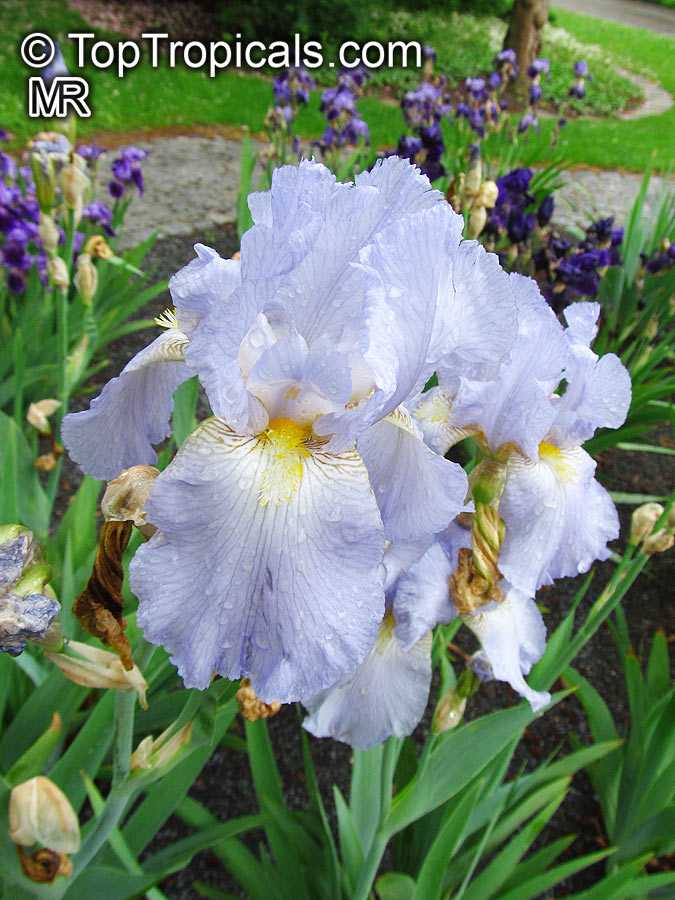
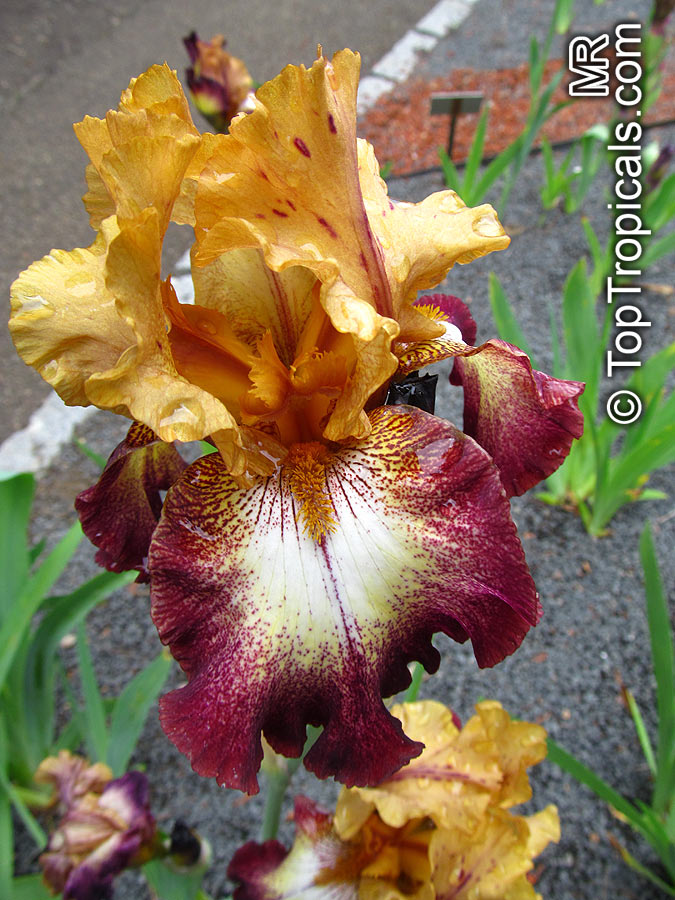
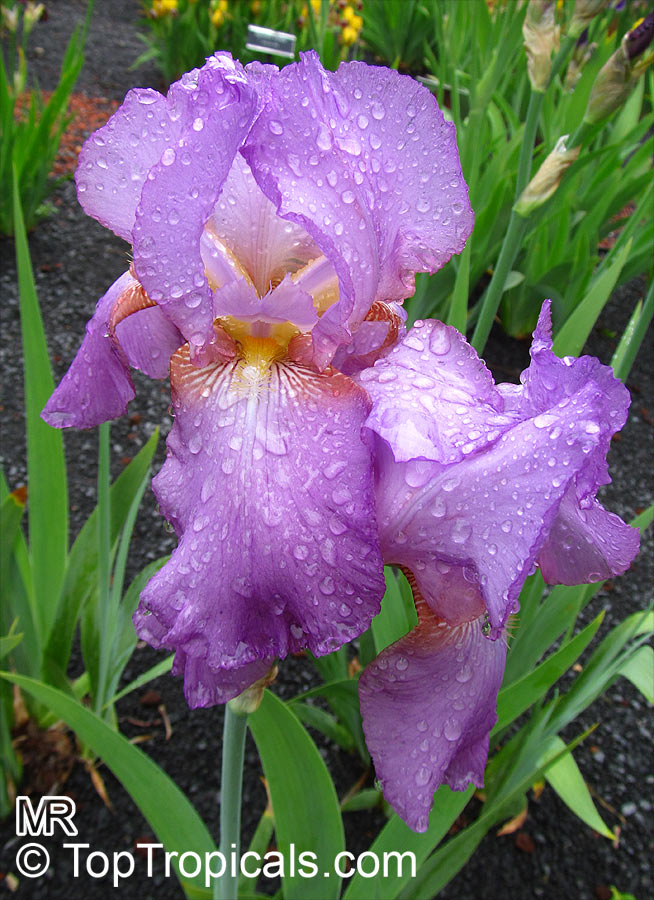
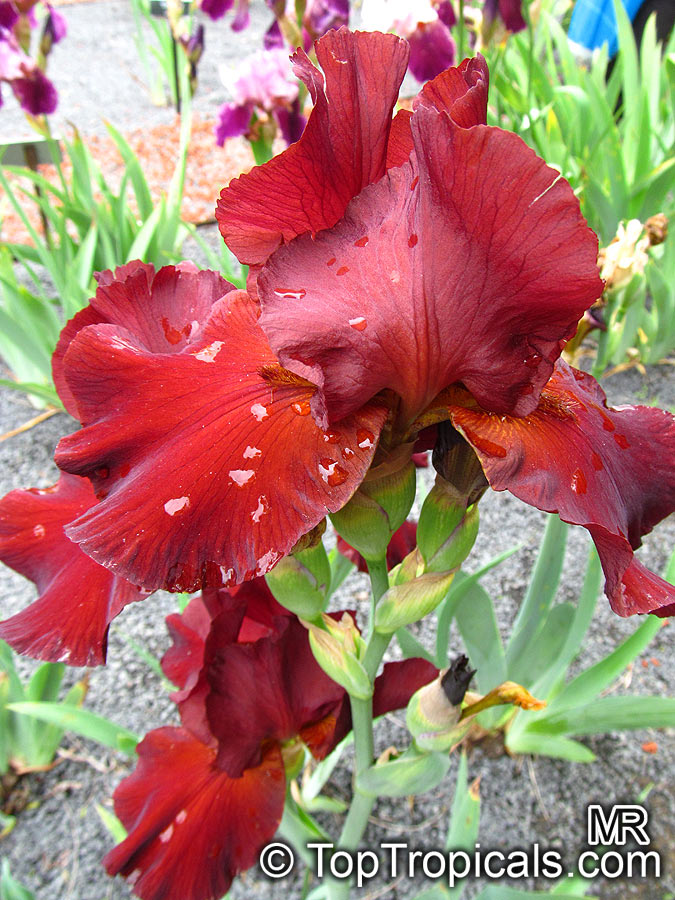
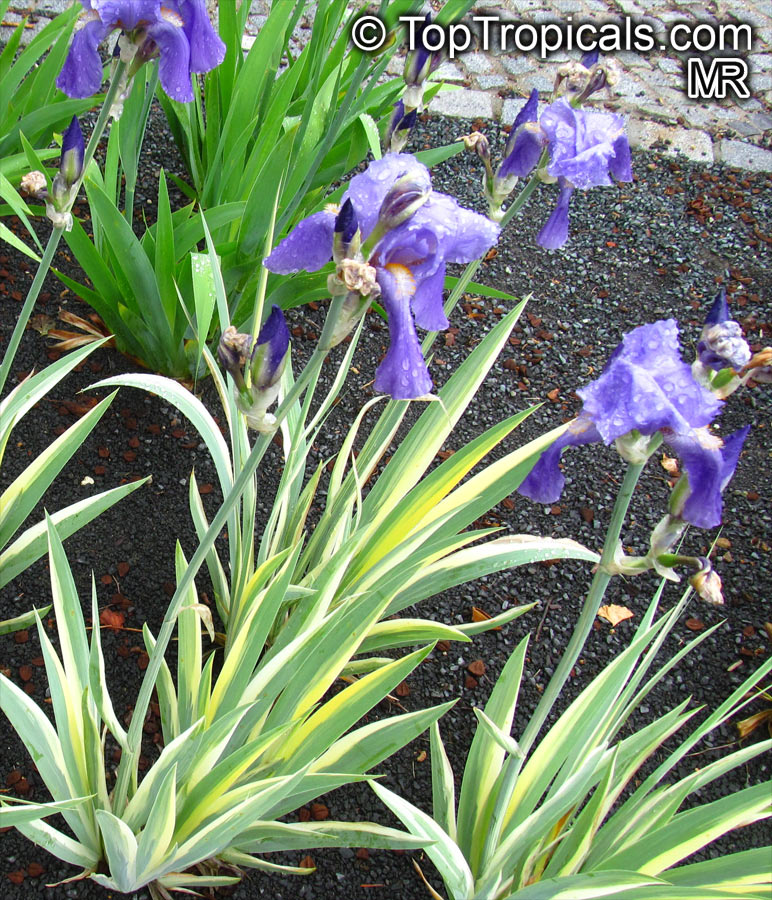
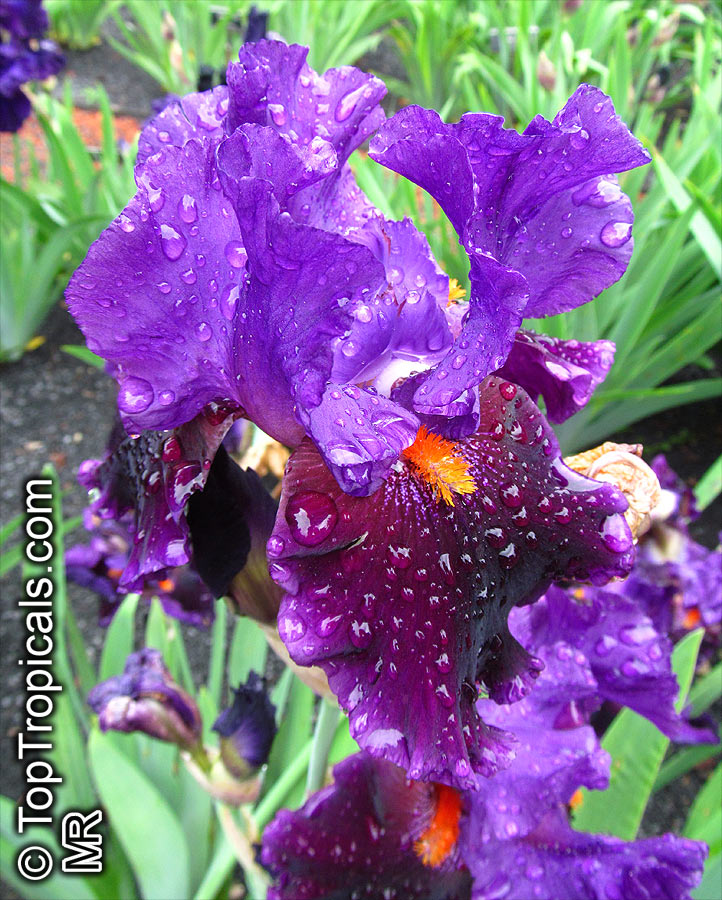
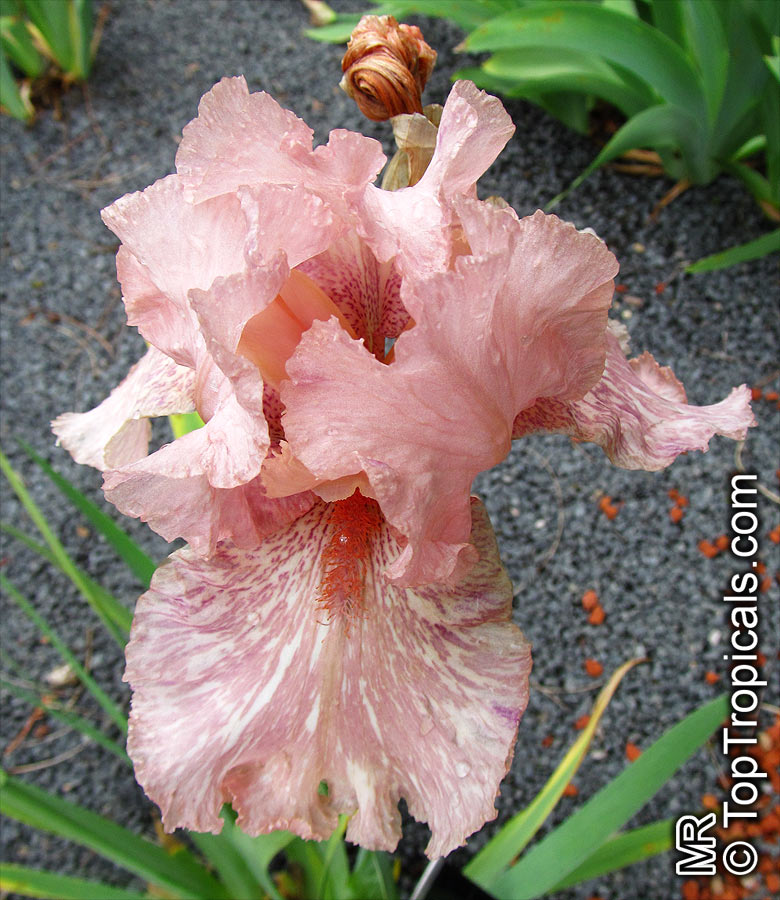
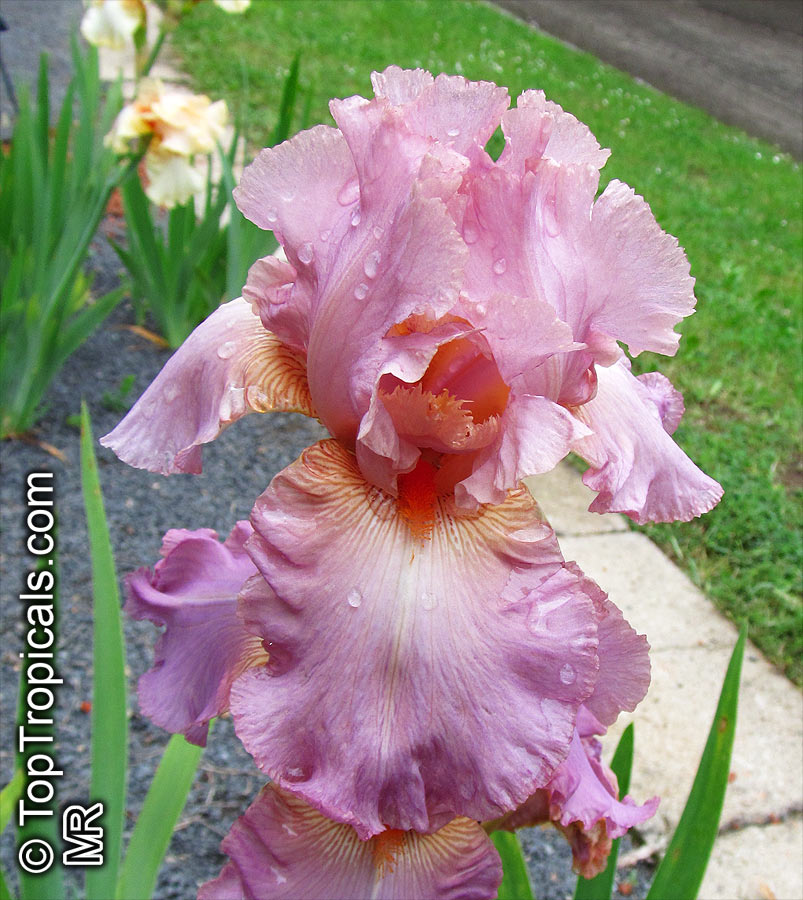
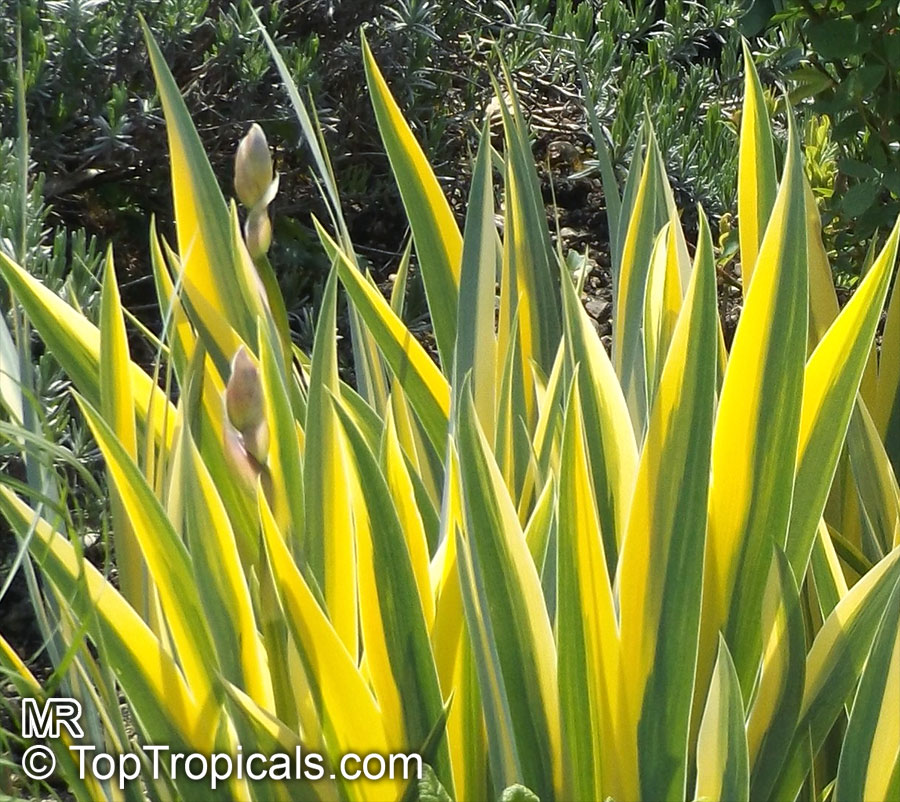
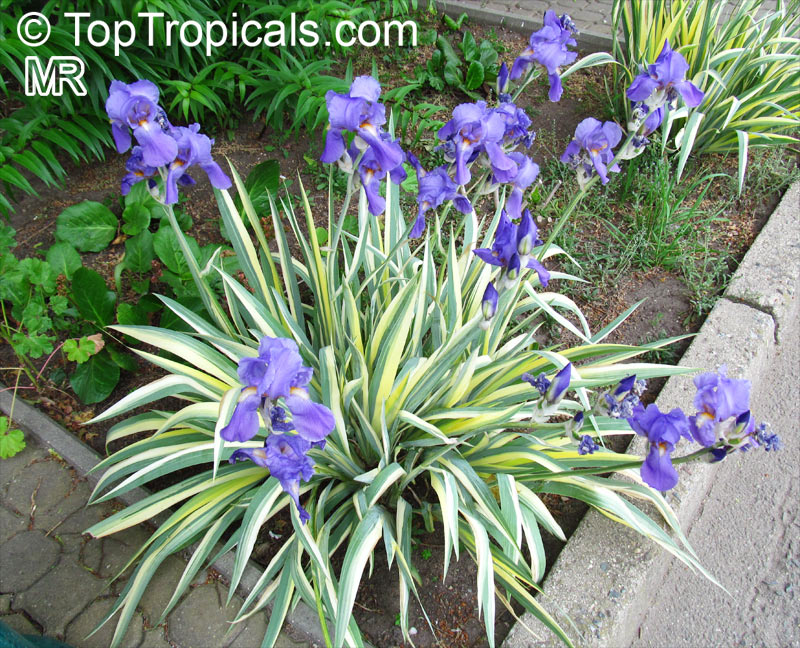
Iris Bearded Group (Bearded Iris)
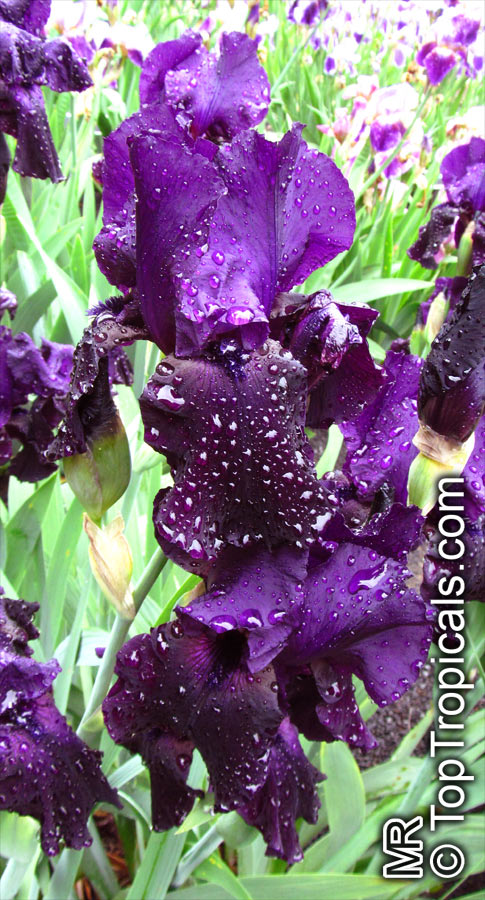
Botanical name: Iris Bearded Group
Common name: Bearded Iris
Family: Iridaceae
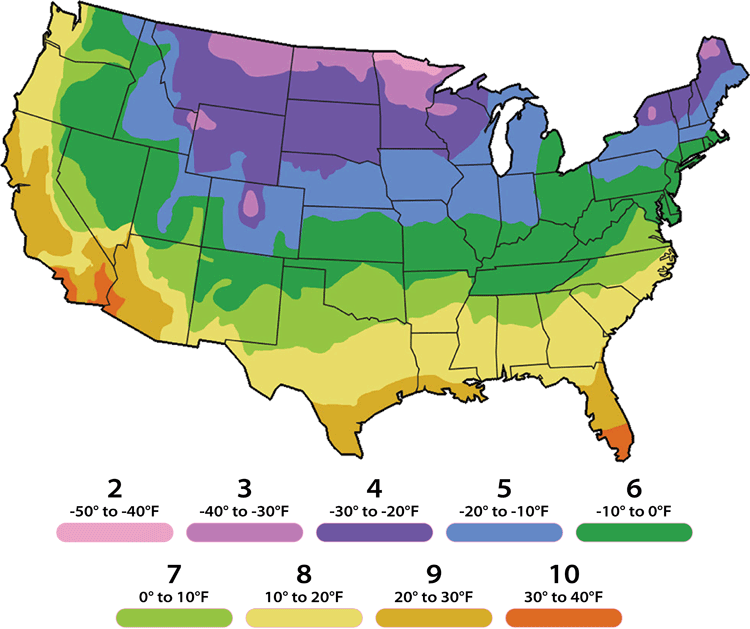
USDA Zone: 3-10
 Plant form: Small
 Mature height: 2-5 ft
 Sun exposure: Full sun or bright light indoor
 Cold tolerance: Tolerates light freezing to about 30°F for short periods (mature plants). Young plants must be protected.
 Watering: Regular; moderate


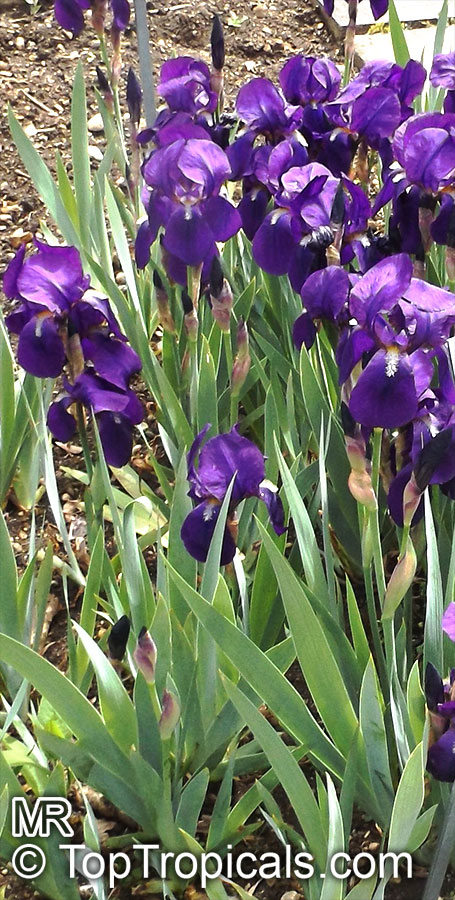
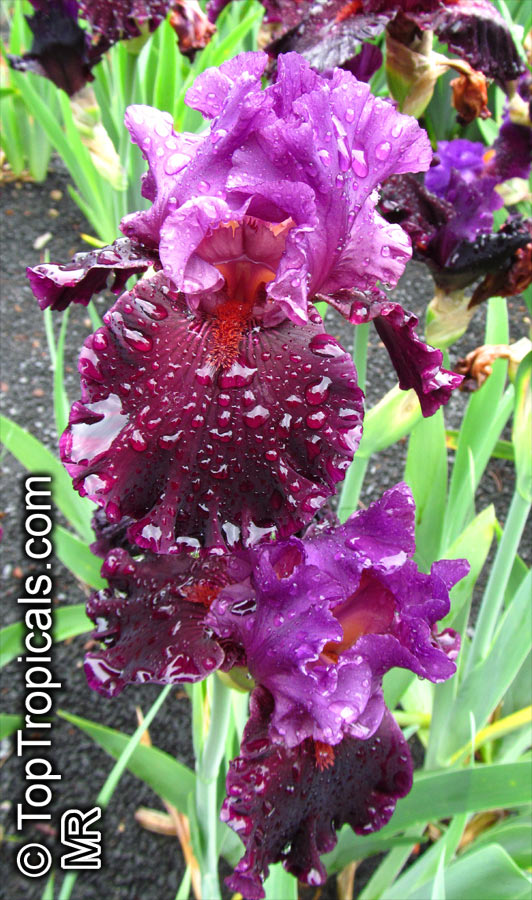
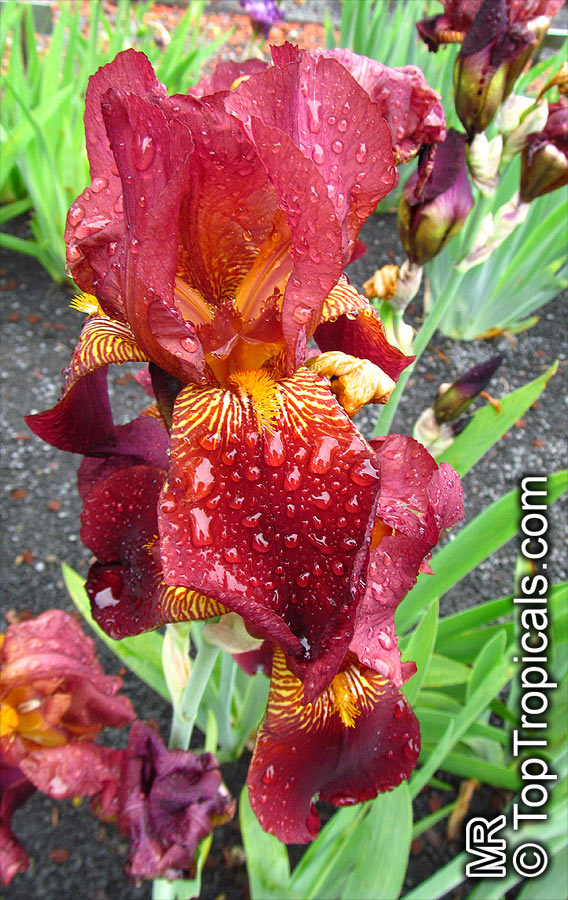
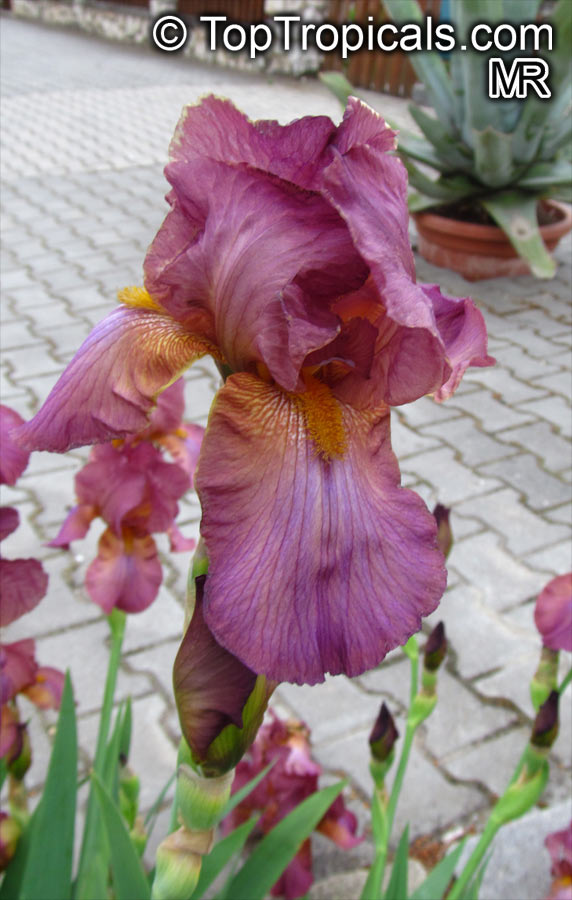
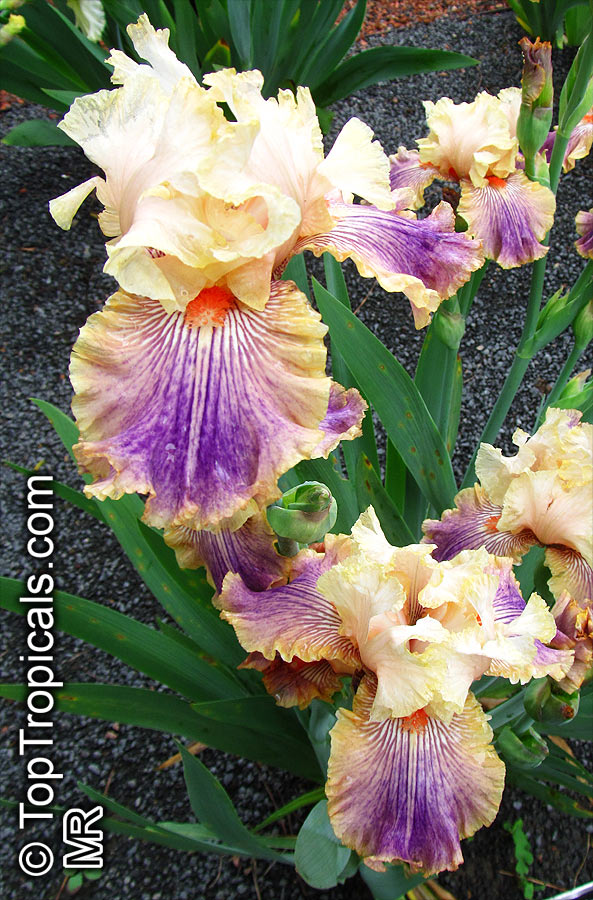
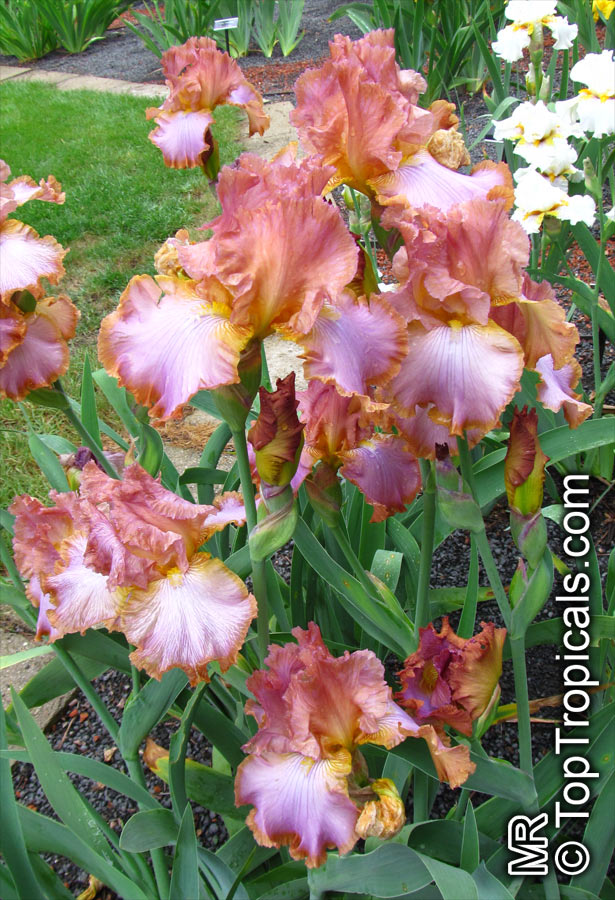
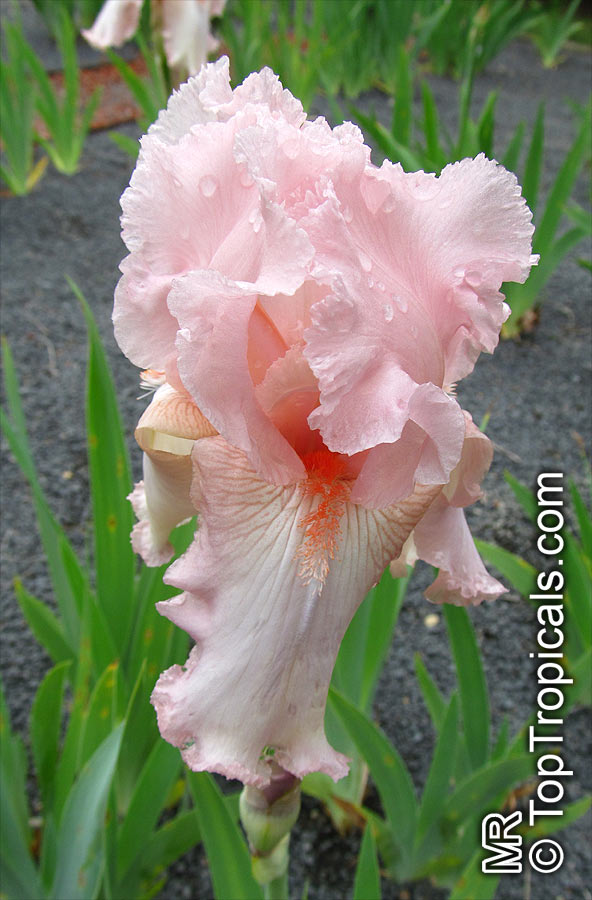
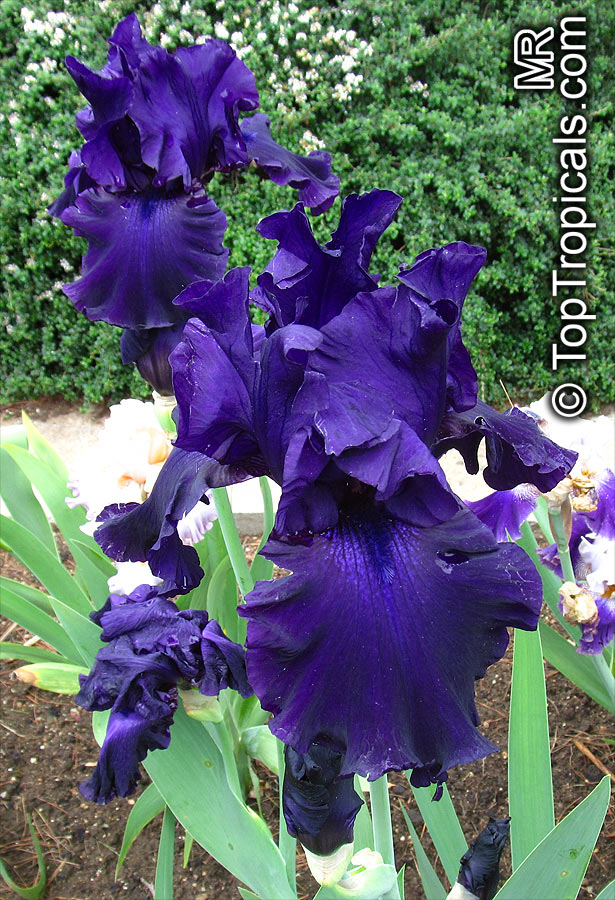
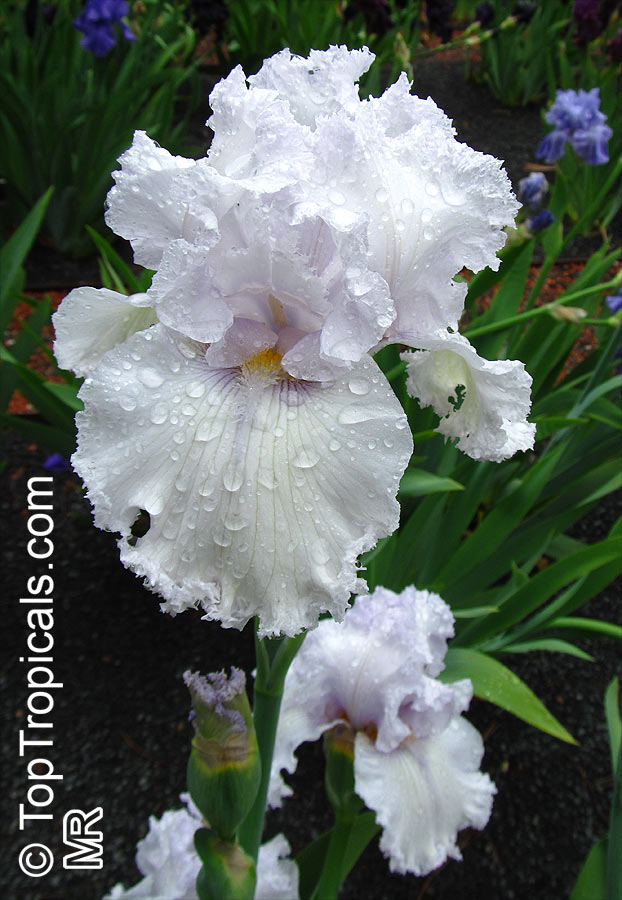
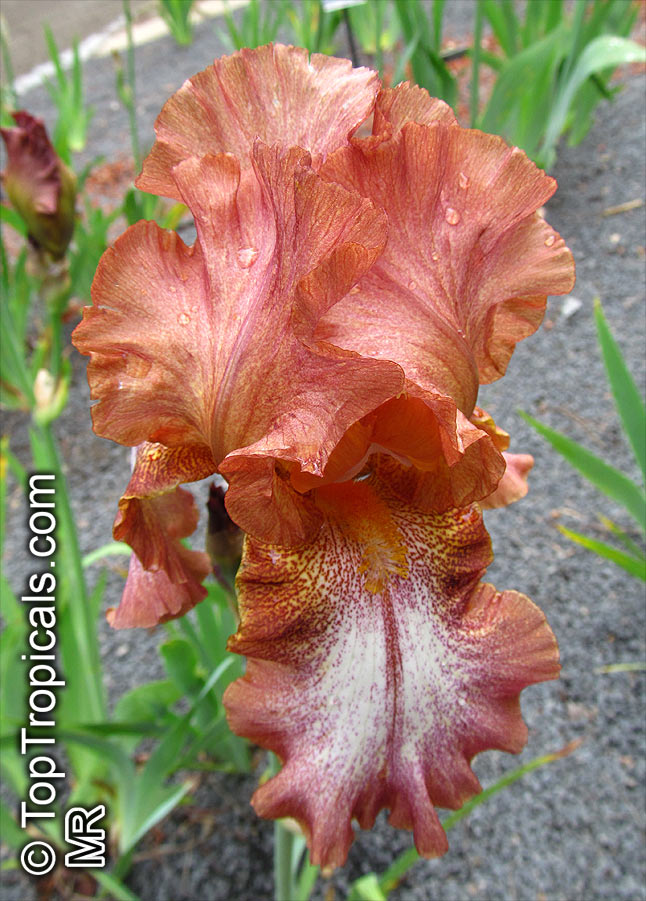
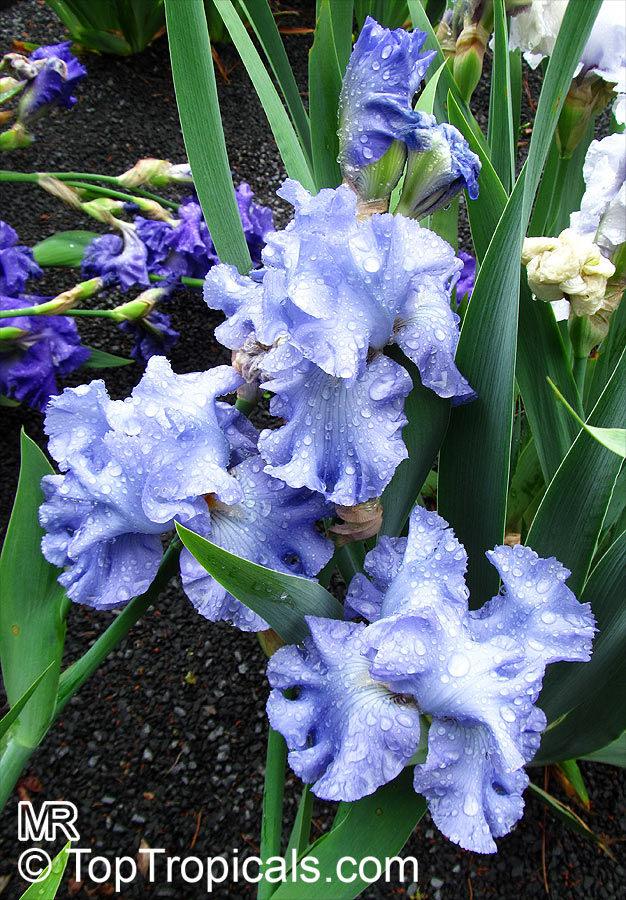
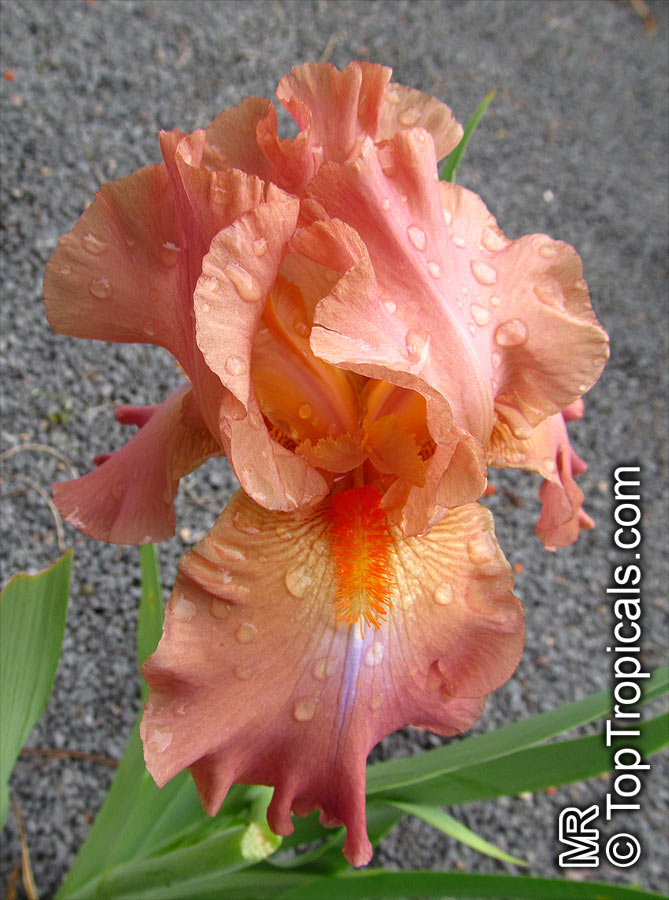
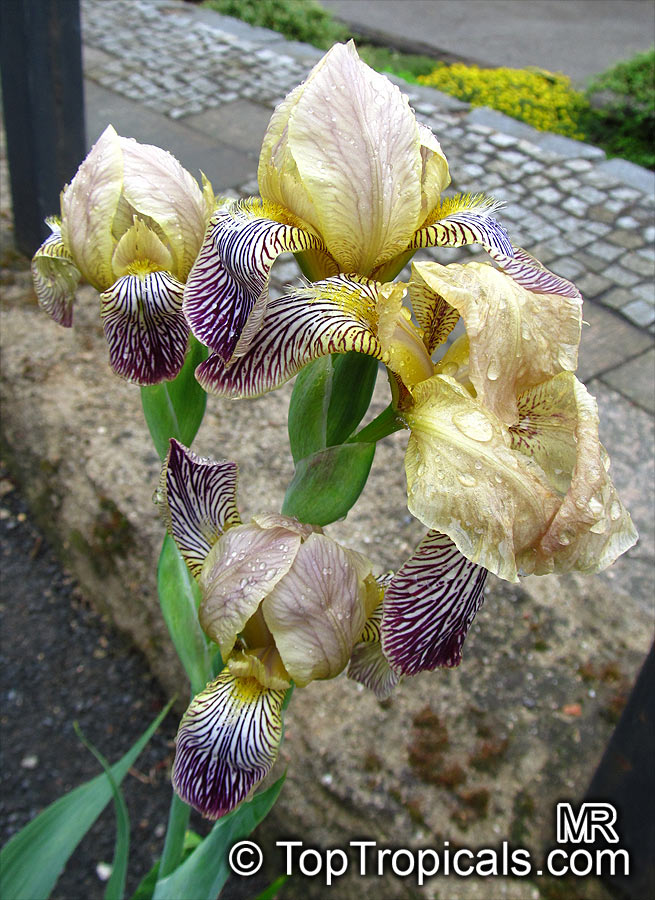
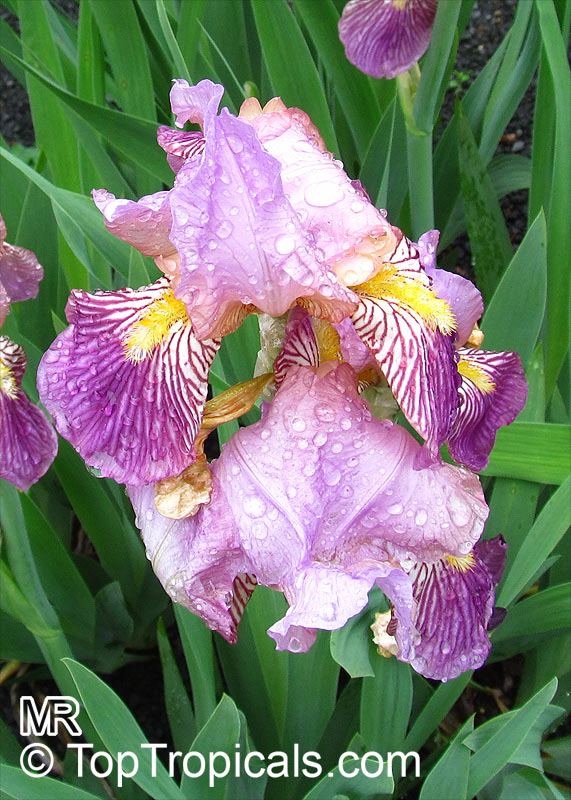
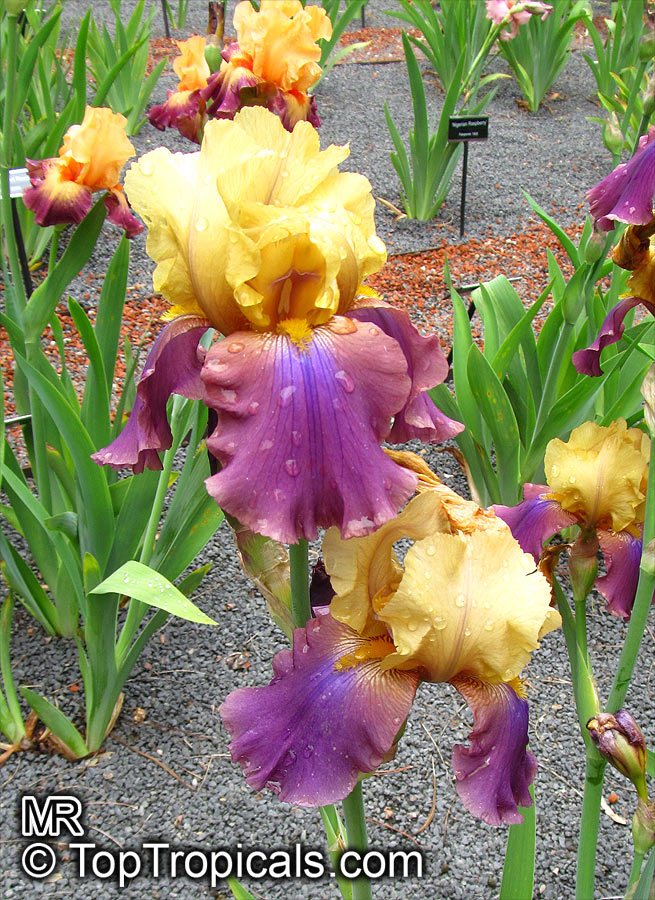
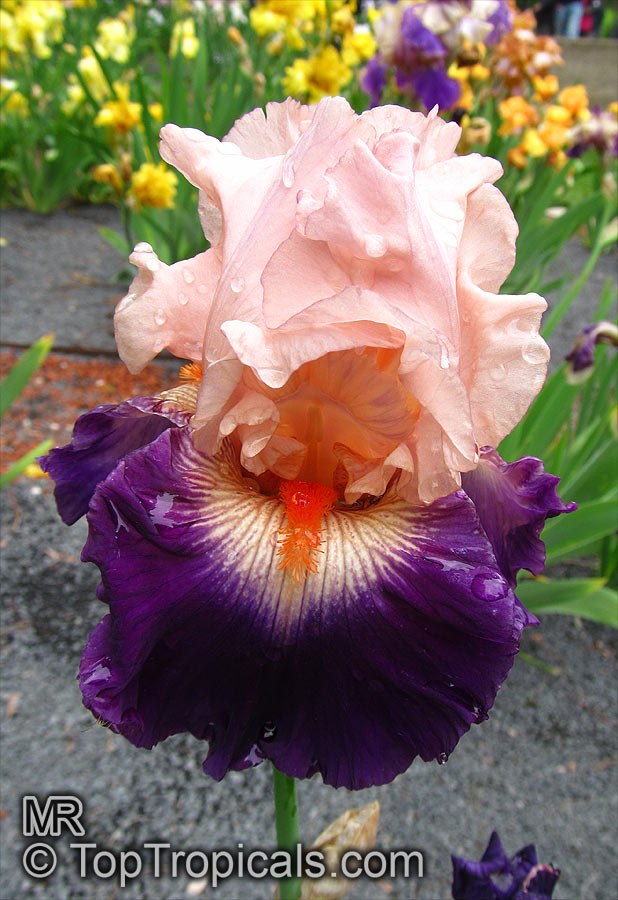
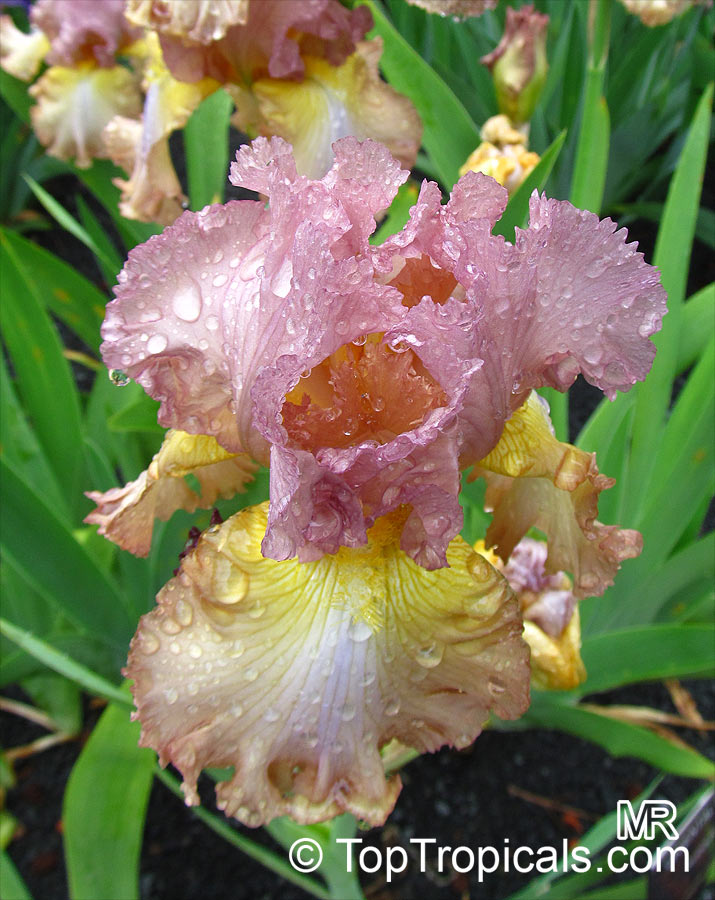
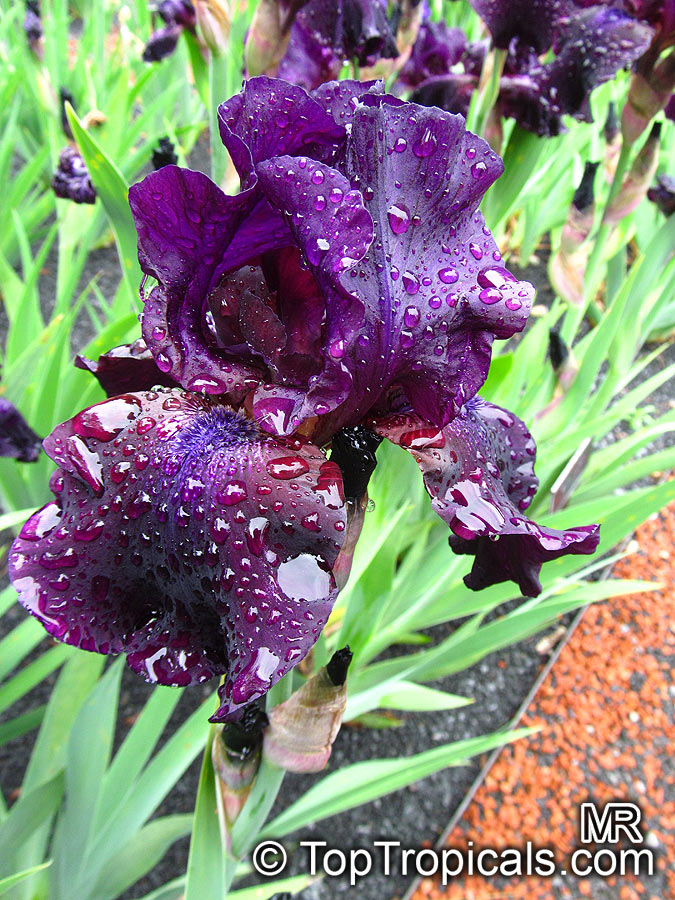
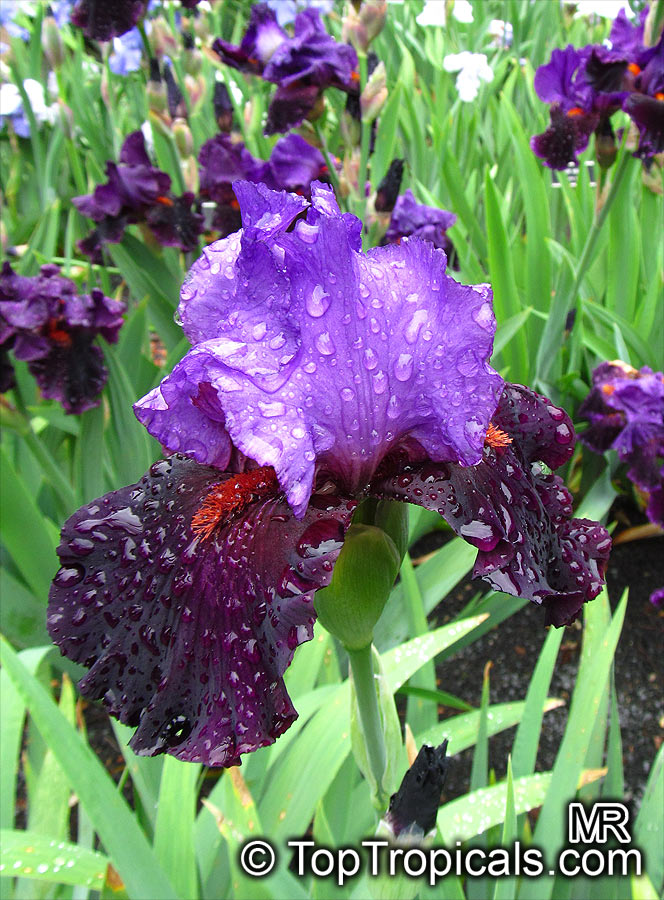
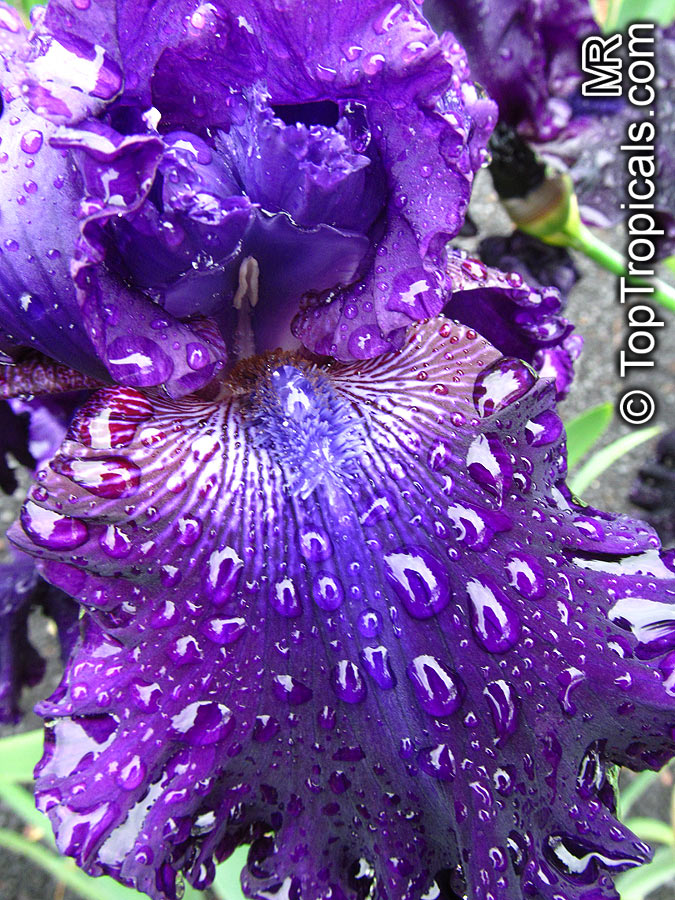
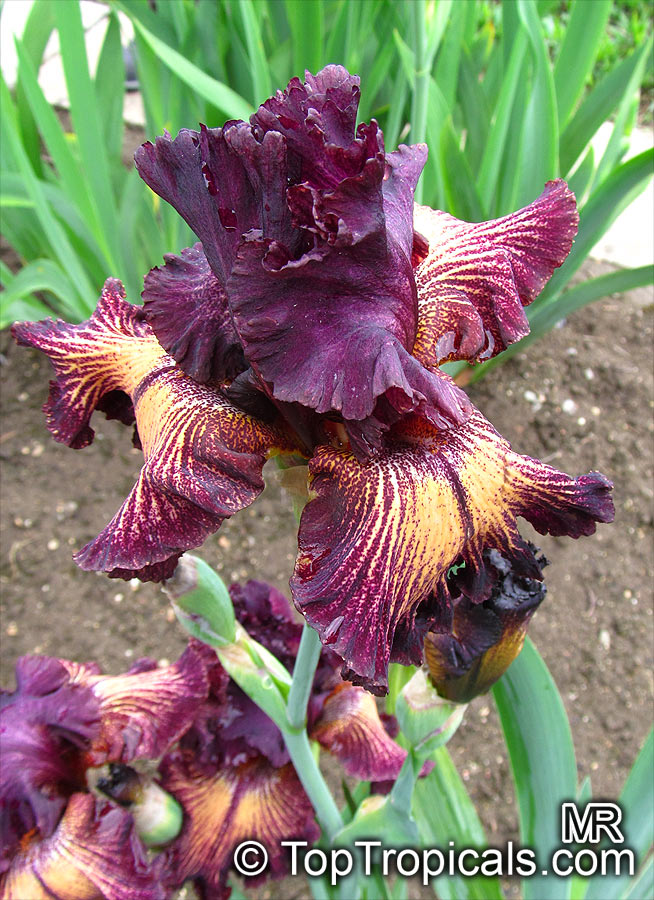
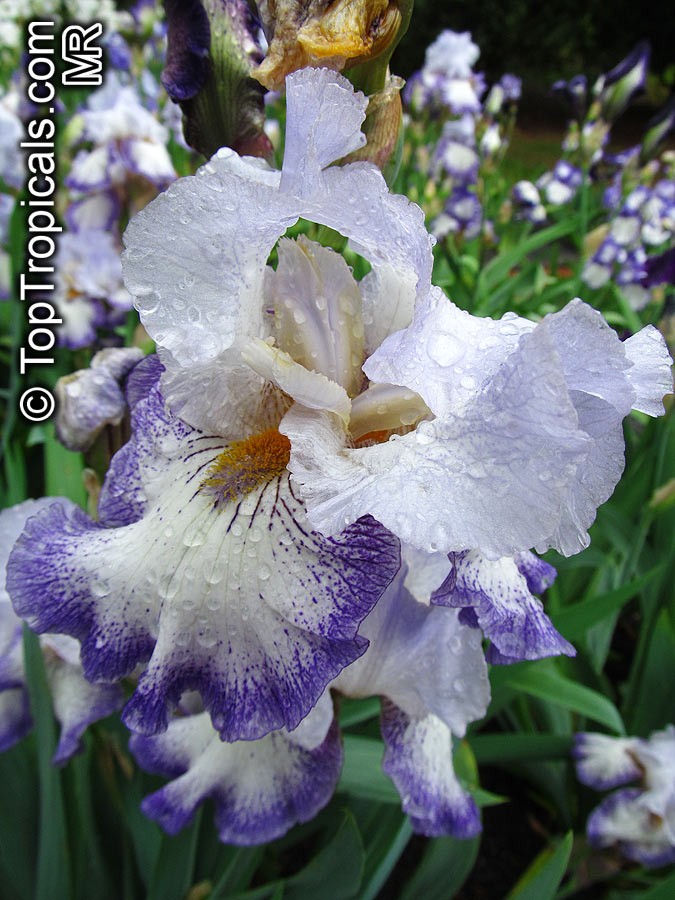
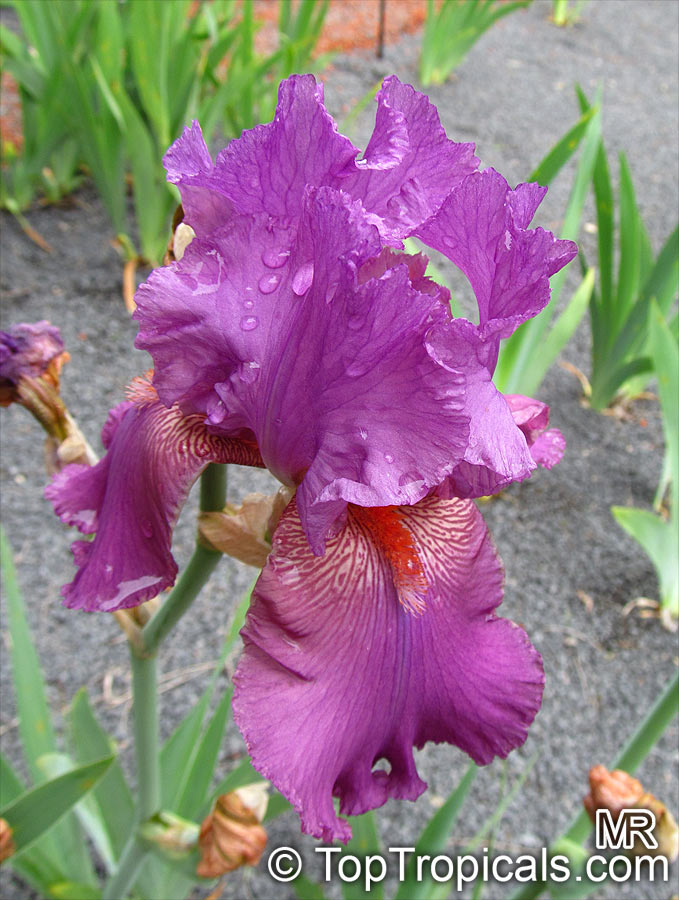
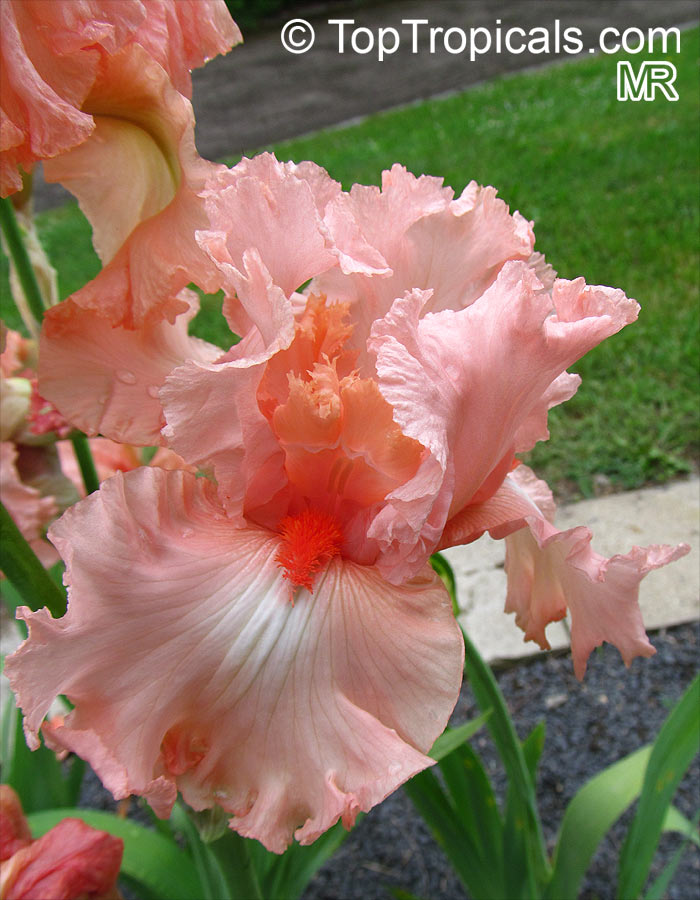
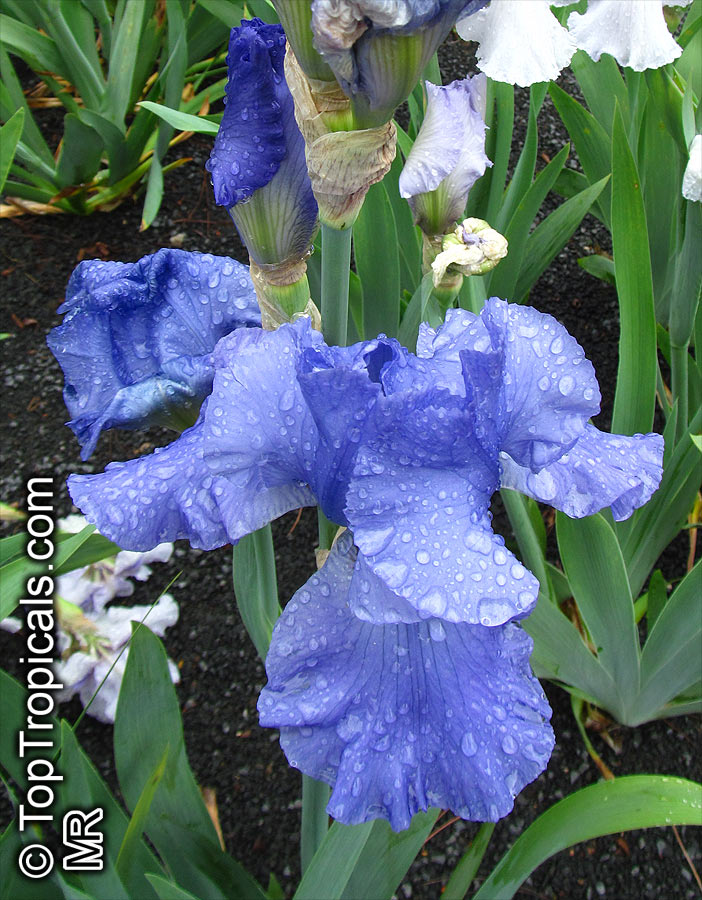
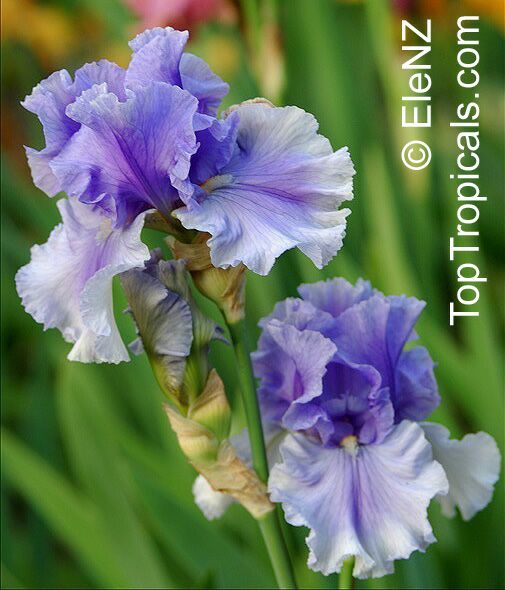
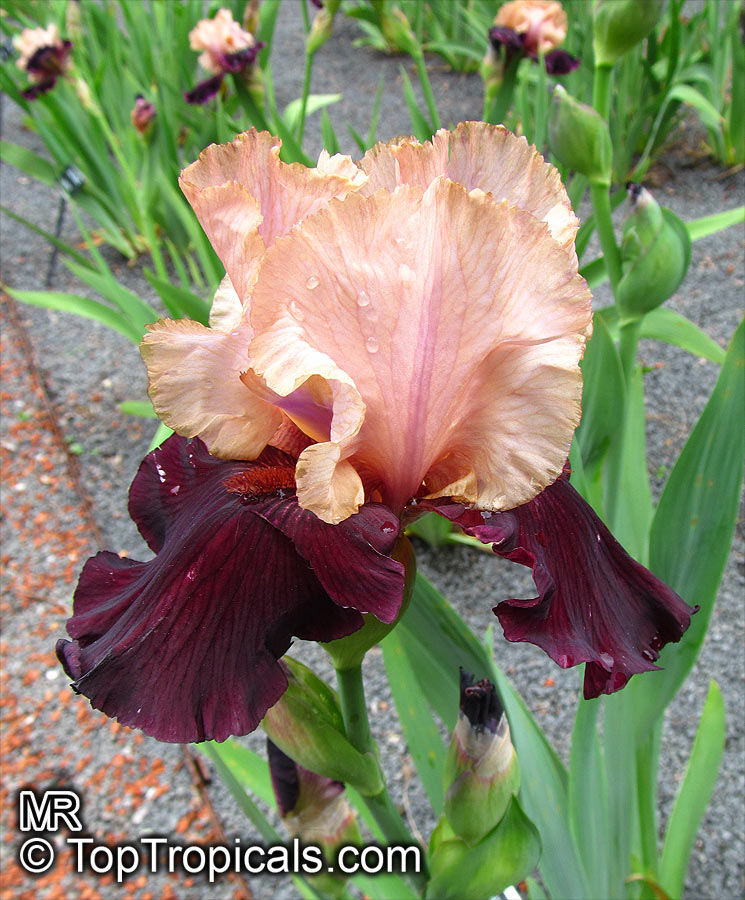
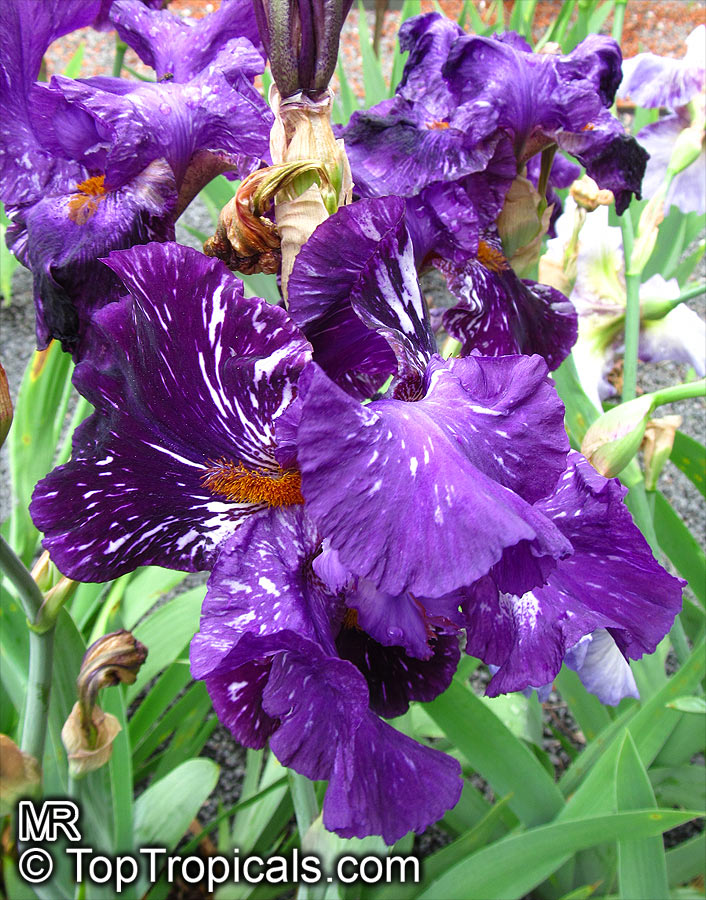
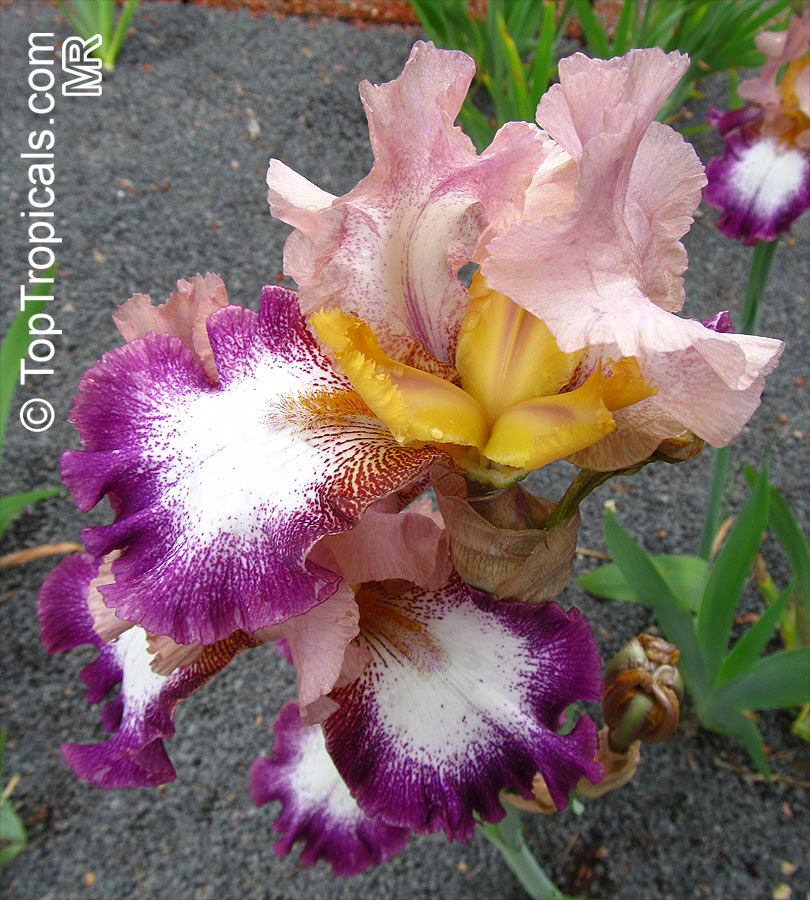
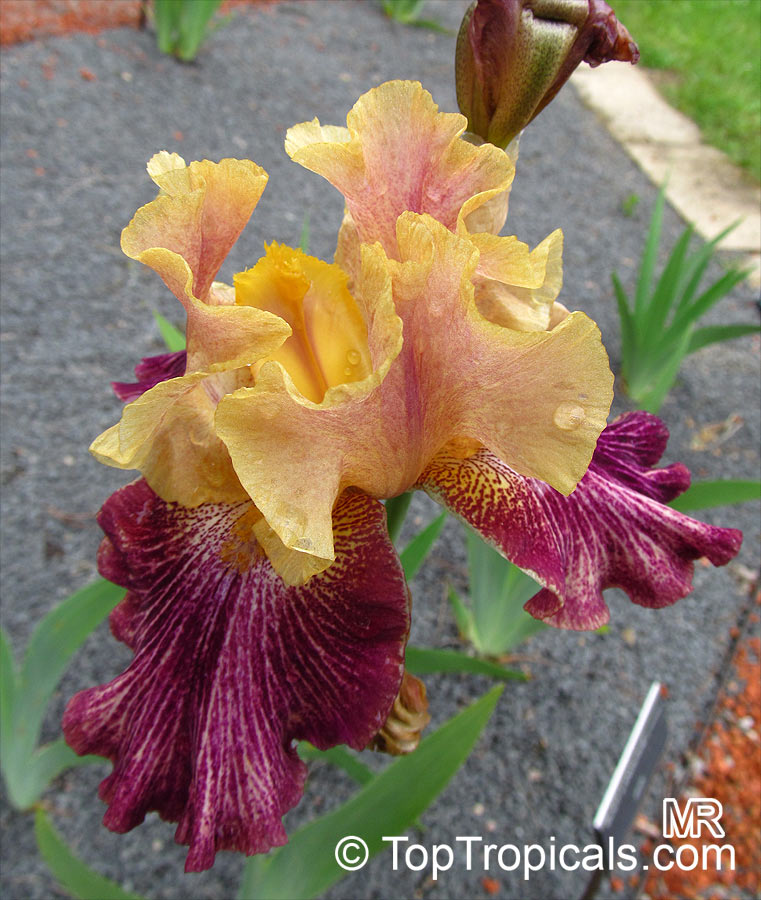
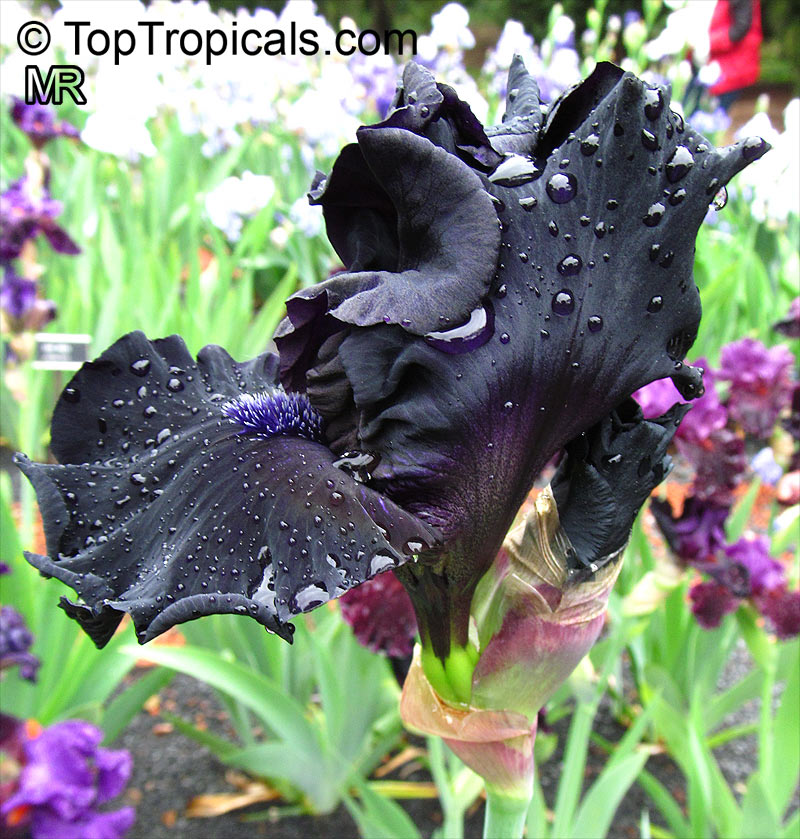
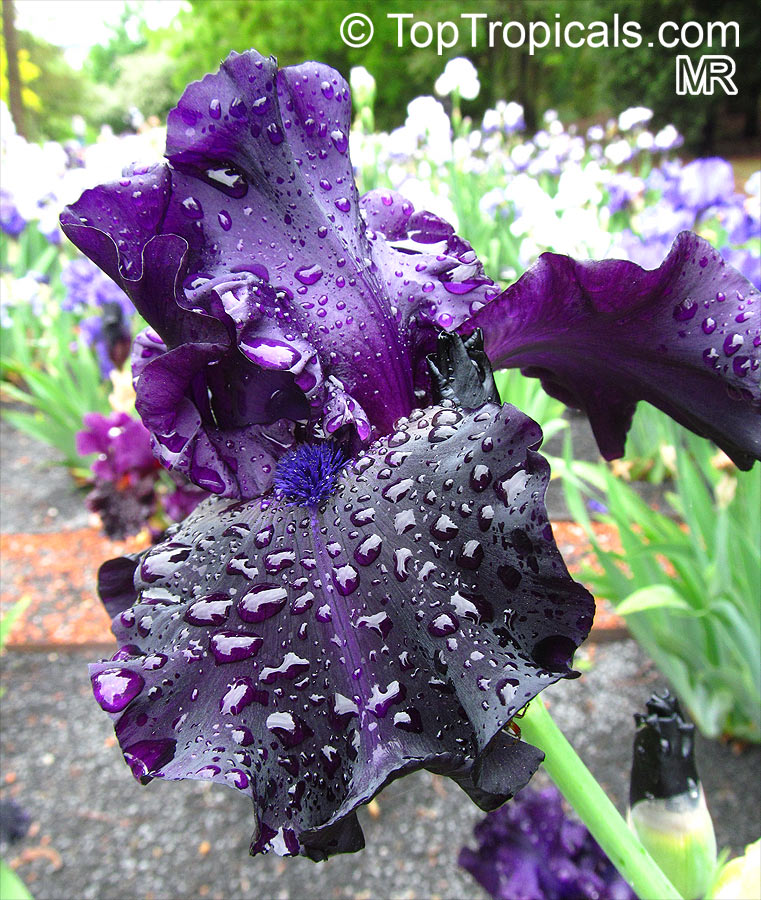
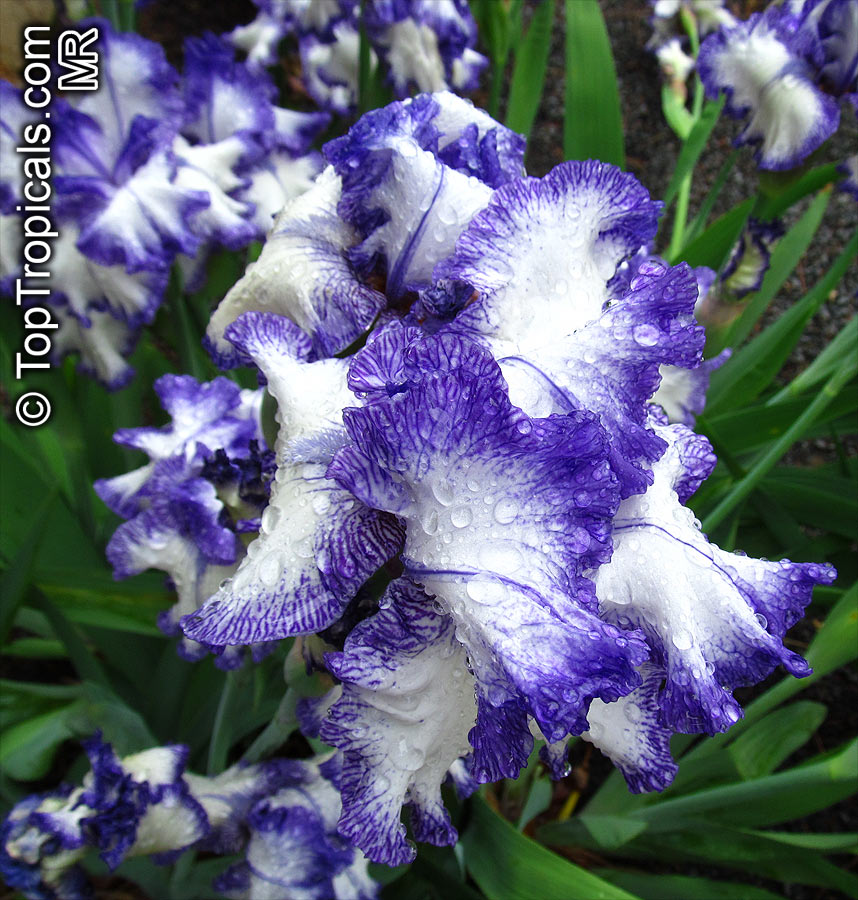
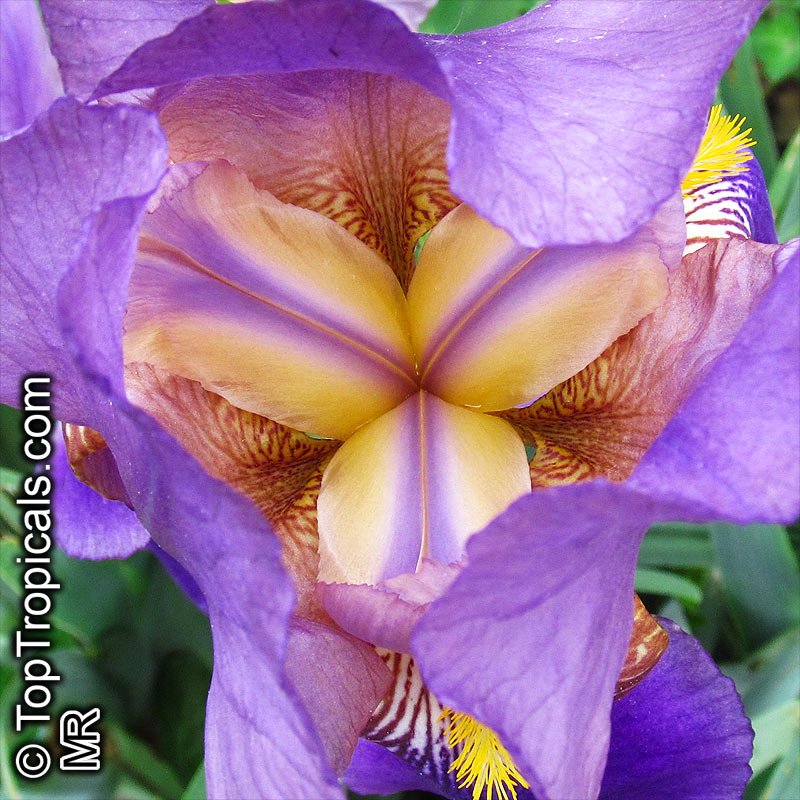
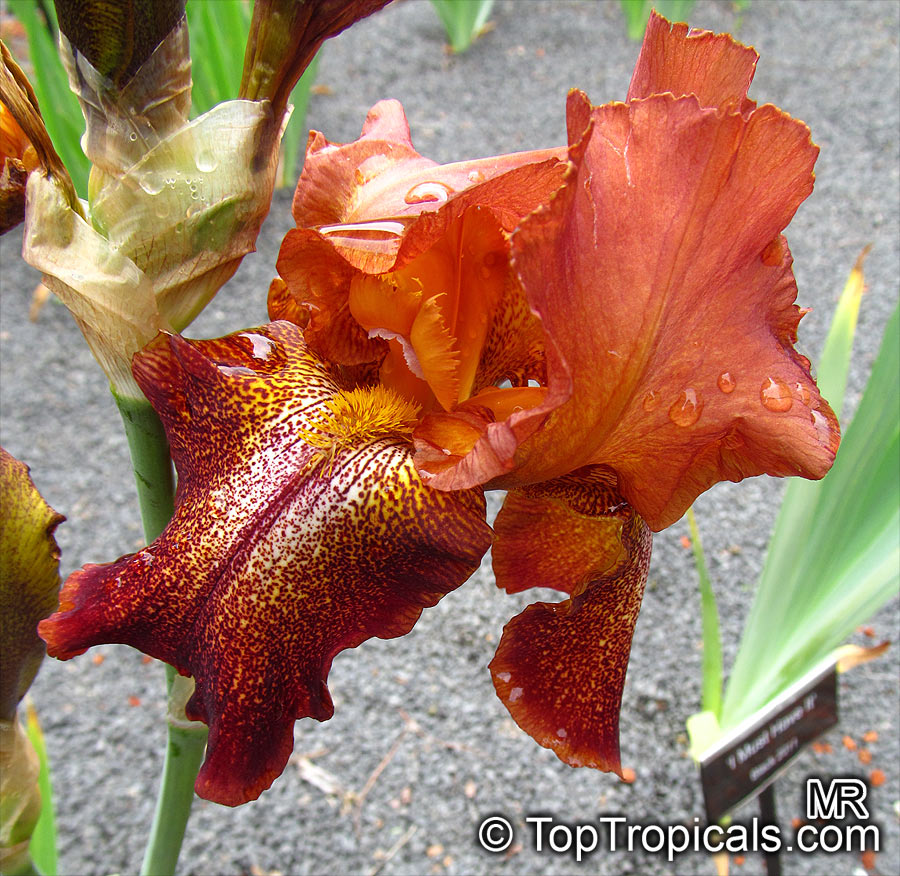
 Flower color: Pink; white and off-white; blue, lavender, purple; red, crimson, vinous; yellow, orange; unusual color
 Suitable for: Outdoors in the suitable USDA zone; small gardens, containers, and indoor growing
 Fragrance: Fragrant; perfume plant
 Wildlife: Attracts butterflies and hummingbirds
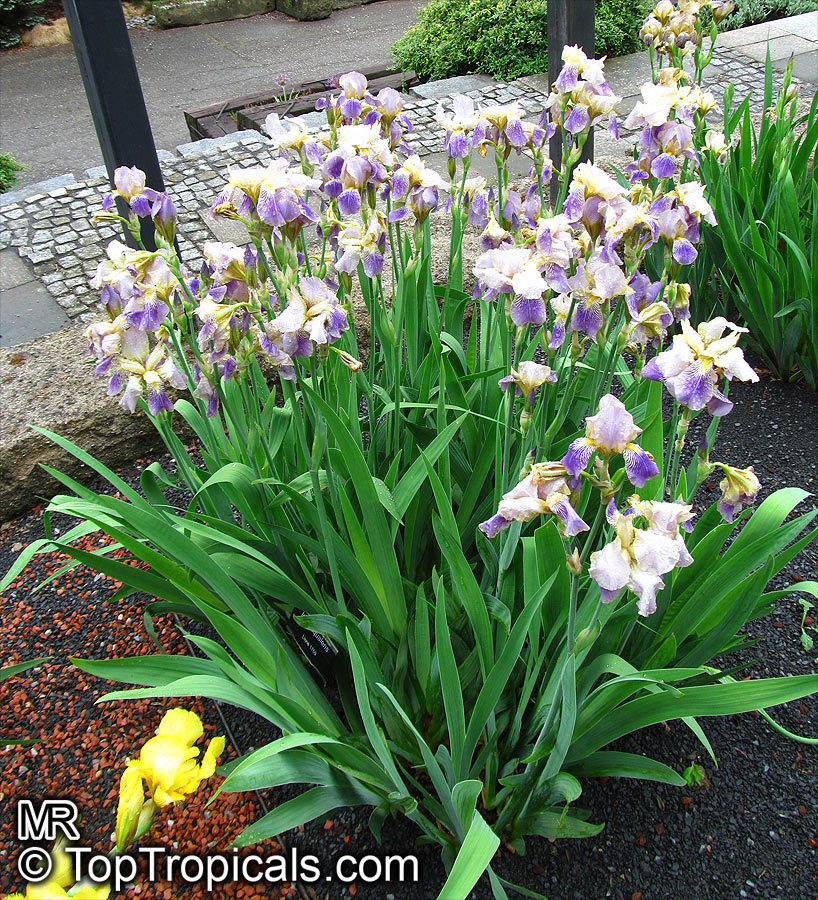
Iris is a large genus of flowering plants native to the northern temperate regions, valued for their striking blooms and wide range of colors. They are widely grown in ornamental gardens for their distinctive flowers and elegant foliage. Bearded irises are among the most popular hybrids, thriving in full sun with excellent drainage, good air circulation, and average to rich sandy loam soil. Proper care helps prevent issues such as rhizome rot, leaf spot, and iris borer infestations.
Most cultivated irises grow 2 5 ft tall and produce flowers in shades of blue, purple, white, yellow, and pink, with some bicolored and patterned forms. While not all are fragrant, some varieties have a pleasant scent and attract pollinators. Regular watering is needed during active growth, with reduced amounts in cooler months. Rhizomes should be divided and replanted in midsummer after flowering. Hardy in USDA Zones 3 9, irises are best grown outdoors in climates with cold winters to stimulate blooming.
Similar plants: Iris Bearded Group (Bearded Iris)